Astrophysics_of_Galaxies_MOC
Astrophysics of Galaxies - Map of Content
A.Y. 2025/2026, second semester at the University of Padova. Complete lecture material from C -\Users\snupido\Documents\1_PROJECTS\2nd_Semester\Astrophysics of Galaxies (13 core lecture decks with 585 slides, plus 65 publication figures from figures/ and smbh_figures/ extracted to 07_Images/Astrophysics_of_Galaxies/), complemented by the student’s master LaTeX synthesis documents Astrophysics_of_Galaxies.tex and SMBH_in_Galaxies.tex.
This course extends [[Observational_Cosmology_MOC]] and [[Fundamentals_Astrophysics_Cosmology_MOC]] into the full physical anatomy of galaxies - how they are measured, morphologically classified, spectrally dissected, kinematically modeled, and used to constrain dark matter and black hole co-evolution.
The core anatomical chain - \(\text{photometry} \to \text{morphology} \to \text{spectra} \to \text{kinematics} \to \text{stellar populations} \to \text{dark matter halo} \to \text{evolutionary history}\)
Reference Texts and Course Dispensas
All core textbooks, lecture dispensas, and student synthesis documents reside locally in C - \Users\snupido\Documents\1_PROJECTS\2nd_Semester\Astrophysics of Galaxies -
- Mo, van den Bosch & White (2010), Galaxy Formation and Evolution (Cambridge University Press, 842 pp.)
- File -
Houjun Mo, Frank van den Bosch, Simon White - Galaxy Formation and Evolution (2010, Cambridge University Press) - libgen.li.pdf - Ch. 2 - Observational Facts (pp. 47-121) - Morphology (pp. 59-64), Surface Photometry & Sérsic Law (pp. 64-70), Disk Kinematics & Tully-Fisher (pp. 70-76), Elliptical Kinematics & Faber-Jackson / FP (pp. 76-83), Schechter LF (pp. 83-89), Clusters & Groups (pp. 89-94), High-$z$ Galaxies & Madau Plot (pp. 94-103).
- Ch. 5 - Collisionless Dynamics (pp. 252-270) - CBE, Jeans equations in spherical/axisymmetric systems, Virial equations.
- Ch. 9 - Star Formation in Galaxies (pp. 439-470) - GMCs, Kennicutt-Schmidt law (pp. 455-462), IMF.
- Ch. 10 - Stellar Populations and Chemical Evolution (pp. 471-516) - Population synthesis, $[\alpha/\text{Fe}]$ enhancement & chemical clocks (pp. 508-514).
- Ch. 11 - Disk Galaxies (pp. 517-565) - Mass components, rotation curves, Tully-Fisher relation (pp. 534-537).
- Ch. 12 - Galaxy Interactions and Transformations (pp. 566-595) - Dynamical friction, tidal stripping, ram-pressure stripping in clusters (pp. 590-595).
- Ch. 13 - Elliptical Galaxies (pp. 596-639) - Structure, Fundamental Plane (pp. 624-628), stellar populations & downsizing.
- Ch. 14 - Active Galaxies (pp. 640-673) - SMBH paradigm (pp. 645-652), Reverberation mapping, $M_\bullet - \sigma$ & Magorrian relations (pp. 652-660), AGN feedback.
- File -
- Binney & Merrifield (1998), Galactic Astronomy (Princeton University Press, 816 pp.)
- File -
Galactic Astronomy (James Binney Michael Merrifield) (z-library.sk, 1lib.sk, z-lib.sk).pdf - Ch. 4 - The Morphology of Galaxies (pp. 143-249) - Hubble classification (pp. 144-154), Ellipticals & isophotal shapes (pp. 194-204), Faber-Jackson & Fundamental Plane (pp. 204-210), Disk surface photometry & exponential disks (pp. 210-222), Bulge-disk decomposition (pp. 222-232), Luminosity function & Schechter fit (pp. 232-246).
- Ch. 7 - The Extragalactic Distance Scale (pp. 422-429) - Tully-Fisher relation for spirals (pp. 422-425), $D_n - \sigma$ & FP for ellipticals (pp. 425-429).
- Ch. 8-9 - The Milky Way & ISM (pp. 450-614) - Galactic structure, HI 21 cm line, molecular clouds & CO.
- Ch. 10 - Stellar Kinematics (pp. 615-718) - Velocity dispersions, asymmetric drift, galactic rotation.
- File -
- Binney & Tremaine (2008), Galactic Dynamics (2nd ed., Princeton University Press)
- Ch. 4 - Equilibrium of Collisionless Systems - Jeans equations (spherical - eq. 4.54, p. 349, anisotropy parameter $\beta$, p. 348, mass-anisotropy degeneracy).
- Ch. 6 - Disk Dynamics - Flat rotation curves, epicyclic frequencies, Lindblad resonances.
- Peter Schneider (2015), Extragalactic Astronomy and Cosmology (2nd ed., Springer)
- Files -
extragalactic_astro-1.pdf,Extrag_Astro_45-53-1.pdf(Ch. 2, pp. 45-53),Extrag_Astro_77-100.pdf(Ch. 2, pp. 77-100),Extrag_Astro_122-138.pdf(Ch. 3, pp. 122-138),Extrag_Astro_144-171.pdf(Ch. 3, pp. 144-171),Extrag_Astro_273-340.pdf(Ch. 6, pp. 273-340). - Ch. 2 - The Milky Way (pp. 45-110) - Sgr A* and stellar orbits (pp. 80-90), galactic rotation.
- Ch. 3 - The World of Galaxies (pp. 111-180) - Spirals & rotation curves (pp. 122-138), Tully-Fisher relation, Ellipticals & Sérsic / $R^{1/4}$ law, Faber-Jackson and Fundamental Plane (pp. 144-171).
- Ch. 5 - Active Galactic Nuclei - Unified model, reverberation mapping, black hole masses.
- Ch. 6 - Clusters and Groups of Galaxies (pp. 273-340) - Local Group, Virgo & Coma clusters, morphology-density relation, ICM X-rays, gravitational lensing.
- Files -
- Prof. Alessandro Pizzella Course Dispensas (Padova University, 2021)
dispense_LF1_1_eng-1.pdf(29 pp.) - Luminosity Function, Schechter fit, Extinction, K-correction, Petrosian system, SDSS parameters, UV LF & Madau plot, Morphology-density relation.dispense_DM_2_eng.pdf(50 pp.) - HI 21 cm observations, cold gas, exponential disk rotation curves, isothermal sphere vs NFW, disk-halo degeneracy, dark matter in ellipticals (X-ray gas, PNe, GCs), Coma cluster & dSphs, gravitational lensing, Bullet Cluster, MOND.dispense_smbh_20_eng.pdf(27 pp.) - SMBH classification, Schwarzschild radius, sphere of influence, Sgr A* & S2 orbit, NGC 4258 masers, gas & stellar kinematics, reverberation mapping & velocity-delay maps, $M_\bullet - \sigma$ & Magorrian relations.Notes_FP_2_0eng.pdf(13 pp.) - Fundamental Plane definition, Coma FP, Virial expectation vs tilt, $M/L \propto M^{0.2}$, $\kappa$-space (Bender, Burstein & Faber 1992), $D_n - \sigma$ relation.
- Student Comprehensive Synthesis LaTeX Documents
Astrophysics_of_Galaxies.tex/Astrophysics_of_Galaxies.pdf(45 pp.) - Part I - Luminosity Function & SDSS, Part II - Ground & Space Surveys, Part III - High-$z$ Classification & CAS, Part IV - PCA of Spectra, Part V - Nearby Universe & Clusters.SMBH_in_Galaxies.tex/SMBH_in_Galaxies.pdf(26 pp.) - Direct Evidence (Sgr A*, EHT, NGC 4258), Kinematical Modeling (Gas STIS, Spherical Jeans, JAM), Reverberation Mapping & Velocity-Delay Maps, SMBH Scaling Relations ($M-\sigma$, Magorrian).
- Master Exam Protocols & Blackboard Blueprints
- [[Astrophysics of Galaxies derivations]] - Step-by-step mathematical proofs with zero intermediate steps skipped.
- Master Observational Graphs and Blackboard Fluency - Blackboard sketch anatomy, axes, slopes, turnovers, and physical mechanics.
- Lesson Learned - Mathematical Rigor and Observational Graph Fluency - Postmortem exam strategy and oral defense rules.
Block 0 - Course Frame
- [[Galaxies_course_intro]] - course syllabus, structure, exam requirements with Prof. Alessandro Pizzella, and connection to Observational Cosmology and Fundamentals.
Block 1 - The Galaxy Luminosity Function & Observational Basics
Statistical distribution of galaxy luminosities, selection effects, and SDSS foundations.
Course slides - gal_lf1-01..50, gal_lf2-01..26. Dispensa - dispense_LF1_1_eng-1.pdf (pp. 1-20). Synthesis - Astrophysics_of_Galaxies.tex (Part I, pp. 4-12). Textbooks - Mo, van den Bosch & White Ch. 2 (pp. 83-89). Binney & Merrifield Ch. 4 (pp. 232-246). Master Derivation - Schechter Integrals & Divergence Proof. Master Graph - SDSS LF Blackboard Sketch.
- [[Luminosity function definition]] - differential $\Phi(L) dL$ and cumulative luminosity functions, volume effects, $1/V_{\max}$ Schmidt method, Malmquist bias (
gal_lf1-01..05, Mo et al. pp. 83-84, Binney & Merrifield pp. 232-234). - [[Schechter function]] - Paul Schechter (1976) parametric form - $\Phi(L) dL = \frac{\Phi^}{L^} \left(\frac{L}{L^}\right)^\alpha e^{-L/L^} dL$, physical interpretation of $\Phi^, L^, \alpha$ (
gal_lf1-06..10,blanton2003_LF_rband.png, Mo et al. pp. 84-86,dispense_LF1_1_eng-1.pdfp. 4). - [[Schechter function in magnitudes]] - transformation to absolute magnitudes - $\Phi(M) dM = 0.4\ln(10) \Phi^* 10^{0.4(\alpha+1)(M^-M)} \exp[-10^{0.4(M^-M)}] dM$, faint-end slope $0.4(\alpha+1)$ (
gal_lf2-01..04,blanton2003_LF_ugiz.png,dispense_LF1_1_eng-1.pdfpp. 4-5, 18). - [[Integrals of the Schechter function]] - number density $n_{\rm tot} = \Phi^* \Gamma(\alpha+1)$ (converges for $\alpha > -1$), luminosity density $j_{\rm tot} = \Phi^* L^* \Gamma(\alpha+2)$ (converges for $\alpha > -2$), incomplete gamma function integrals (
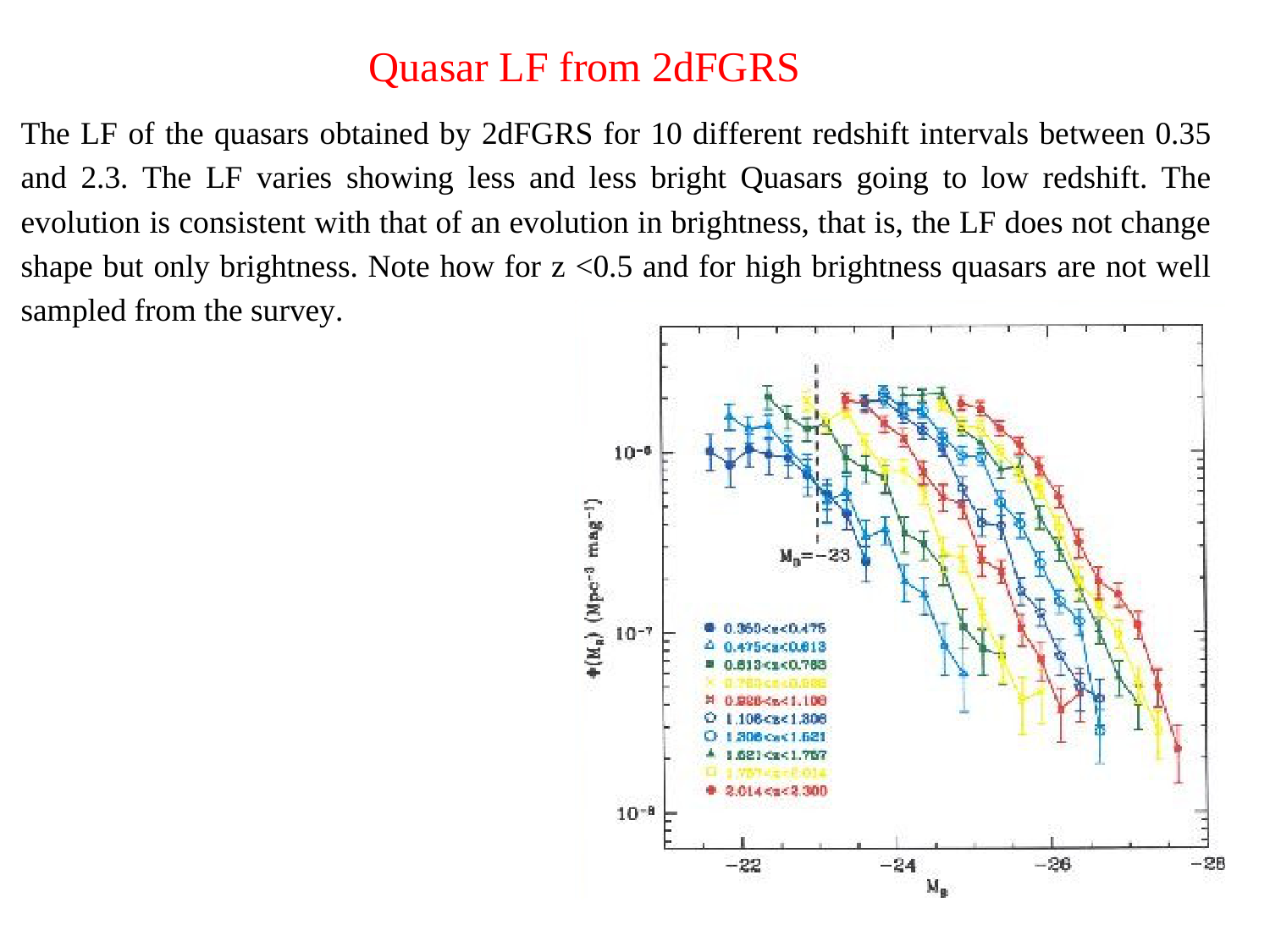
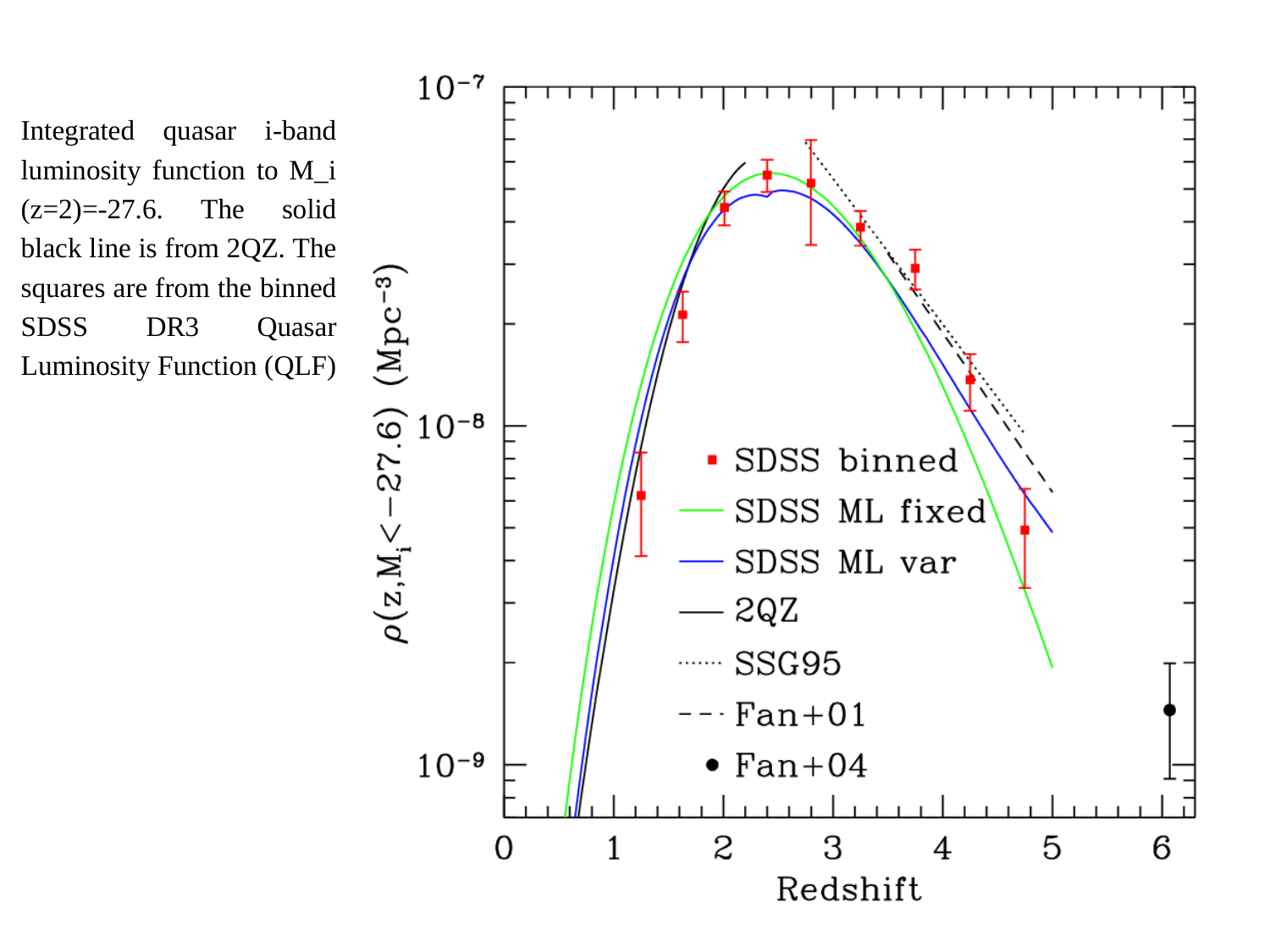
gal_lf1-11..15,dispense_LF1_1_eng-1.pdfpp. 4-5, Master Derivations and Mathematical Rigor). - [[Double power-law modified Schechter]] - deviations at bright/faint ends, high-$z$ quasar and galaxy LFs (
gal_lf1-41..50, Mo et al. p. 86). - [[Petrosian radius]] - Petrosian ratio $\eta(r) = I(r)/\langle I\rangle_{<r}$, SDSS Petrosian radius $r_P$ where $\eta(r_P) = 0.2$, cosmological $(1+z)^4$ surface brightness independence (
gal_lf2-05..08,dispense_LF1_1_eng-1.pdfpp. 12-16,Astrophysics_of_Galaxies.texpp. 8-9). - [[SDSS overview]] - Sloan Digital Sky Survey 2.5m telescope, five-band $ugriz$ filter system, spectroscopic fiber plug plates, K-corrections (
gal_lf2-09..12,blanton2003_kcorrection.png,dispense_LF1_1_eng-1.pdfpp. 8-11,Astrophysics_of_Galaxies.texp. 16).
Master Derivations & Mathematical Rigor (Block 1)
- Schechter Integrals & Asymptotic Divergence:
\(\Phi(L) dL = \phi^* \left(\frac{L}{L^*}\right)^\alpha e^{-L/L^*} \frac{dL}{L^*} \xrightarrow{x \equiv L/L^*} \phi^* x^\alpha e^{-x} dx\)
- Total Number Density: $n_{\rm gal} = \phi^* \int_0^\infty x^\alpha e^{-x} dx = \phi^* \Gamma(\alpha+1)$. Converges if and only if $\alpha > -1$. Since observed $\alpha \approx -1.2 \le -1$, $n_{\rm gal}$ diverges at $L \to 0$.
- Total Luminosity Density: $j = \phi^* L^* \int_0^\infty x^{\alpha+1} e^{-x} dx = \phi^* L^* \Gamma(\alpha+2)$. Converges if and only if $\alpha > -2$. Since $\alpha \approx -1.2 > -2$, $j$ is finite and dominated by galaxies near $L^*$.
- Magnitude Transformation: \(M - M^* = -2.5 \log_{10}(L/L^*) \implies L/L^* = 10^{-0.4(M-M^*)}\) \(\left|\frac{dL}{dM}\right| = 0.4 \ln(10) L \implies \Phi(M) dM = 0.4 \ln(10) \phi^* 10^{-0.4(\alpha+1)(M-M^*)} \exp\left[-10^{-0.4(M-M^*)}\right] dM\)
- The $1/V_{\rm max}$ Schmidt Estimator & Poisson Error: \(d_{\rm max, i} = d_i \cdot 10^{0.2(m_{\rm lim} - m_i)} \implies V_{\rm max, i} = \frac{\Omega}{3} d_{\rm max, i}^3, \quad \Phi(M)\Delta M = \sum_{i=1}^{N_{\rm bin}} \frac{1}{V_{\rm max, i}}, \quad \sigma^2 = \frac{1}{(\Delta M)^2}\sum_{i=1}^{N_{\rm bin}} \frac{1}{V_{\rm max, i}^2}\)
- Petrosian Tolman Invariance: \(\eta(r) \equiv \frac{I_{\rm obs}(r)}{\langle I_{\rm obs}(<r)\rangle} = \frac{I_{\rm emit}(r)\cdot (1+z)^{-4}}{\frac{2}{r^2}\int_0^r I_{\rm emit}(r')(1+z)^{-4} r' dr'} = \frac{I_{\rm emit}(r)}{\langle I_{\rm emit}(<r)\rangle} \implies r_P \text{ is strictly redshift-independent.}\)
Block 2 - Galaxy Populations, Bimodality & Deep Surveys
Statistical segregation of galaxies into active and quiescent families.
Course slides - gal_lf3-01..32, gal_morph-40..47. Dispensa - dispense_LF1_1_eng-1.pdf (pp. 21-27). Synthesis - Astrophysics_of_Galaxies.tex (Part I pp. 12-15, Part II pp. 16-26). Textbooks - Mo, van den Bosch & White Ch. 2 (pp. 86-89, 94-103). Peter Schneider Ch. 4 & Ch. 6 (pp. 273-285). Master Graph - Color Bimodality & CMD, The Madau Plot, and Morphology-Density Relation.
- [[Red sequence and blue cloud]] - color-magnitude bimodality, passively evolving red sequence vs star-forming blue cloud (
gal_lf3-01..03,baldry2004_CMD.png, Mo et al. pp. 86-88,Astrophysics_of_Galaxies.texpp. 12-14). - [[Color bimodality of galaxies]] - Baldry et al. (2004) separate luminosity functions, Strateva et al. (2001) $u-r = 2.22$ boundary, characteristic transition mass $M_* \sim 3 \times 10^{10} M_\odot$ (
gal_lf3-04..05,baldry2004_LF_color.png,strateva2001_bimodality.png,Astrophysics_of_Galaxies.texpp. 14-15). - [[Green valley and quenching tracks]] - intermediate underdense valley, fast quenching (mergers, AGN blowout) vs slow quenching (gas starvation, morphological quenching) (
gal_lf3-06..09,Astrophysics_of_Galaxies.texp. 15). - [[Galaxy color, density and morphology]] - Dressler (1997) morphology-density relation in clusters, Fasano et al. (2012) morphological fraction evolution (
gal_morph-40..47,dressler1997_morph_density.png,fasano2012_morph_fractions.png,fasano2012_morph_density.png,fasano2012_morph_radius.png,dispense_LF1_1_eng-1.pdfpp. 25-26,Astrophysics_of_Galaxies.texpp. 25-26, 40-42). - [[CAS galaxy classification]] - Concentration $C = 5\log_{10}(r_{80}/r_{20})$, Asymmetry $A = \frac{\sum \lvert I_0 - I_{180}\rvert}{2\sum \lvert I_0\rvert} - B_{180}$, Smoothness/Clumpiness $S = \frac{\sum \lvert I_0 - I_s\rvert}{\sum \lvert I_0\rvert} - B_s$ (Conselice 2003) (
gal_morph-31..39,conselice2003_CAS_diagram.png,conselice2003_A_vs_S.png,conselice2003_C_vs_type.png, paperConcentraz_Conselice-1.pdf,Astrophysics_of_Galaxies.texpp. 27-30). - [[Deep-field surveys]] - Hubble Ultra Deep Field (HUDF), GOODS, COSMOS, Steidel et al. (1996) Lyman-Break Galaxy (LBG) color selection (
beckwith2006_HUDF.png,madau2014_survey_sizes.png,steidel1996_LBG_spectra.png,Astrophysics_of_Galaxies.texpp. 17-19, 34). - [[UV luminosity function]] - rest-frame UV LF from $z = 0$ to $z = 8$, steep faint-end slope $\alpha \sim -1.7$ to $-2.0$ at high redshift (
madau2014_UV_LF_evol.png,bouwens2015_UV_LF.png,madau2014_SED_templates.png,dispense_LF1_1_eng-1.pdfpp. 21-22,Astrophysics_of_Galaxies.texpp. 20-22). - [[Madau plot]] - cosmic star formation rate density $\rho_{\rm SFR}(z)$, cosmic noon peak at $z \approx 1.5 - 2$, stellar mass density growth $\rho_*(z)$ (
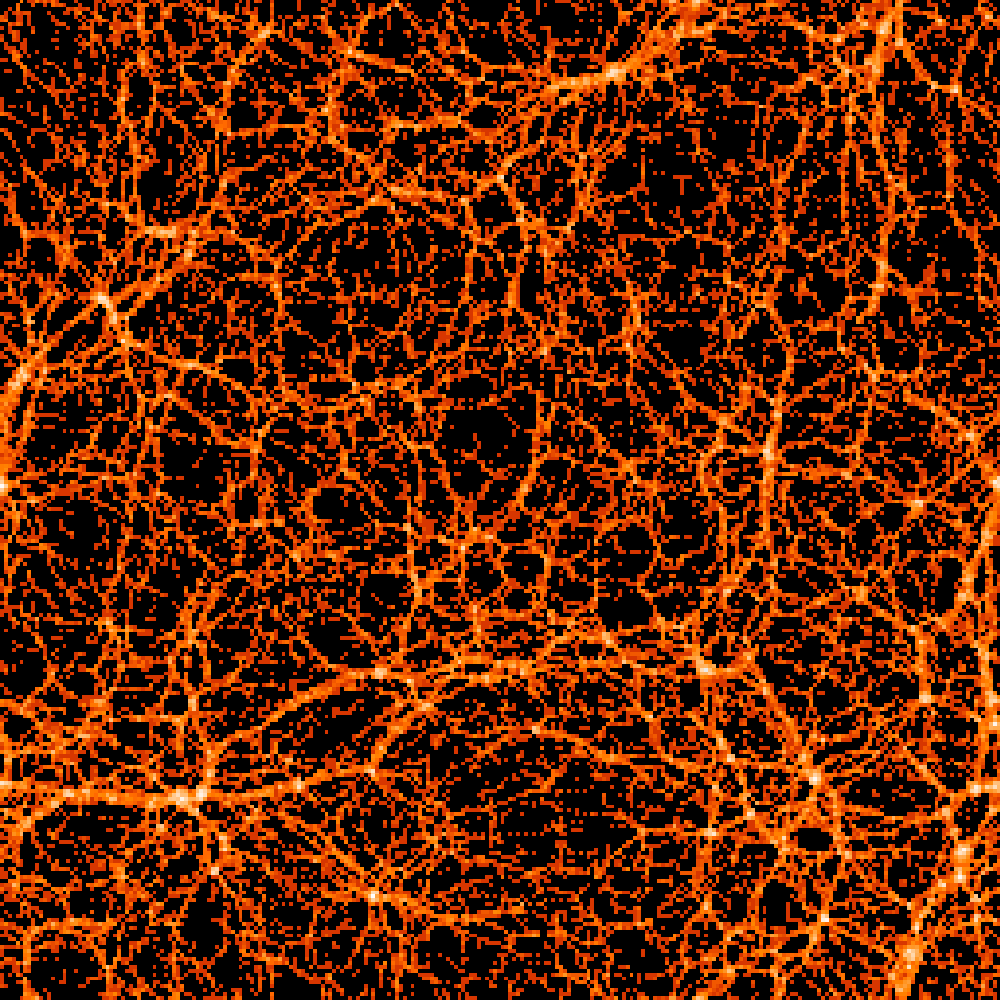
madau2014_SFR_history.png,bouwens2015_SFR_density.png,madau2014_stellar_mass.png,dispense_LF1_1_eng-1.pdfpp. 22-23,Astrophysics_of_Galaxies.texpp. 23-25, Mo et al. pp. 100-103).
Master Derivations & Mathematical Rigor (Block 2)
- CAS Non-Parametric Metrics:
- $C = 5\log_{10}(r_{80}/r_{20})$ ($C \approx 2.7$ for exponential disk, $C \approx 5.2$ for de Vaucouleurs profile).
-
Asymmetry: $A = \frac{\sum I_0 - I_{180} }{2\sum I_0 } - B_{180}$. Minimization condition: rotation center $(x_0, y_0)$ satisfies $\partial A/\partial x_0 = 0, \partial A/\partial y_0 = 0$. -
Smoothness: $S = \frac{\sum I_0 - I_s }{\sum I_0 } - B_s$ with filter scale $\sigma = 0.2 r_P$ and central core $r < \sigma$ masked. - Merger criterion: $A > 0.35$ and $A > S$.
- Madau-Dickinson Integral & Stellar Mass Accumulation: \(\rho_{\rm SFR}(z) = \mathcal{K}_{\rm UV} \cdot \rho_{\rm UV, corr}(z) = \mathcal{K}_{\rm UV} \left[ 10^{0.4 A_{\rm UV}} \phi^*(z) L^*(z) \Gamma(\alpha(z)+2) \right]\) \(\rho_*(z) = (1 - R) \int_z^\infty \frac{\rho_{\rm SFR}(z')}{(1+z') H(z')} dz' \quad (R \approx 0.41 \text{ for Chabrier IMF})\)
Block 3 - Morphological and Photometric Classification
Visual morphology, Sérsic profiles, and bulge-disk decomposition.
Course slides - gal_morph-01..47, gal_ell-01..43, gal_disk-01..34. Textbooks - Mo, van den Bosch & White Ch. 2 (pp. 59-70). Binney & Merrifield Ch. 4 (pp. 143-232). Peter Schneider Ch. 3 (pp. 111-122, 144-155). Master Derivation - Sérsic Luminosity Proof.
- [[Hubble morphological sequence]] - Hubble tuning fork, E0-E7 ellipticals ($e = 10(1-b/a)$), S0 lenticulars, Sa-Sc and SBa-SBc spirals, irregulars (
gal_morph-01..16, Mo et al. pp. 59-64, Binney & Merrifield pp. 144-154). - [[Galaxy morphology vs physical properties]] - correlation with $V/\sigma$, gas content, specific SFR, concentration index $C = r_{90}/r_{50}$ (
gal_morph-17..30,strateva2001_concentration.png,Astrophysics_of_Galaxies.texpp. 10-11). - [[Sersic profile]] - master radial surface brightness law - $I(R) = I_e \exp\left{-b_n\left[\left(\frac{R}{R_e}\right)^{1/n} - 1\right]\right}$, effective radius $R_e$, Sersic index $n$, total luminosity $L = \frac{2\pi n e^{b_n} R_e^2 I_e}{b_n^{2n}} \Gamma(2n)$ (
gal_ell-01..20, Mo et al. pp. 64-70, Binney & Merrifield pp. 194-204, Master Derivations and Mathematical Rigor). - [[De Vaucouleurs and exponential profiles]] - de Vaucouleurs $R^{1/4}$ profile ($n=4, b_4=7.67$) for ellipticals/classical bulges vs exponential disk ($n=1, b_1=1.678, R_e = 1.678 h_R$), 2D bulge-disk decomposition (
gal_ell-21..43,gal_disk-01..34, Binney & Merrifield pp. 210-232).
Master Derivations & Mathematical Rigor (Block 3)
- Sérsic Total Luminosity Integration: \(L = \int_0^\infty 2\pi R \, I(R) \, dR = 2\pi I_e e^{b_n} \int_0^\infty R \exp\left[ -b_n \left(\frac{R}{R_e}\right)^{1/n} \right] dR\) Substitute $x \equiv b_n (R/R_e)^{1/n} \implies R = R_e b_n^{-n} x^n \implies dR = n R_e b_n^{-n} x^{n-1} dx$: \(R \, dR = n R_e^2 b_n^{-2n} x^{2n-1} dx \implies L = 2\pi n e^{b_n} R_e^2 I_e b_n^{-2n} \int_0^\infty x^{2n-1} e^{-x} dx = \boxed{\frac{2\pi n \, e^{b_n}}{b_n^{2n}} I_e R_e^2 \, \Gamma(2n)}\)
- Half-Light Condition for $b_n$:
\(L(<R_e) = \frac{1}{2} L \iff \gamma(2n, b_n) = \frac{1}{2} \Gamma(2n) \implies b_n \approx 2n - \frac{1}{3} + \frac{0.0079}{n}\)
- $n = 1$ (Exponential disk): $b_1 \approx 1.6783$, $L = 2\pi I_0 h_R^2$ with $R_e = 1.678 h_R$.
- $n = 4$ (de Vaucouleurs): $b_4 \approx 7.6692$, $L \approx 7.215 \pi R_e^2 I_e$.
Block 4 - Spectral Classification & Principal Component Analysis (PCA)
Dimensionality reduction of galaxy spectra and objective classification.
Course slides - gal_pca-01..31. Paper - PCA_spectra-1.pdf (Madgwick et al. 2002). Synthesis - Astrophysics_of_Galaxies.tex (Part IV, pp. 35-37). Master Derivation - Spectral PCA Derivation.
- [[PCA spectral classification of galaxies]] - projecting spectra onto orthogonal eigenspectra PC1 (continuum slope / mean age, 49.6% variance) and PC2 (emission lines / current star formation, 11.6% variance) (
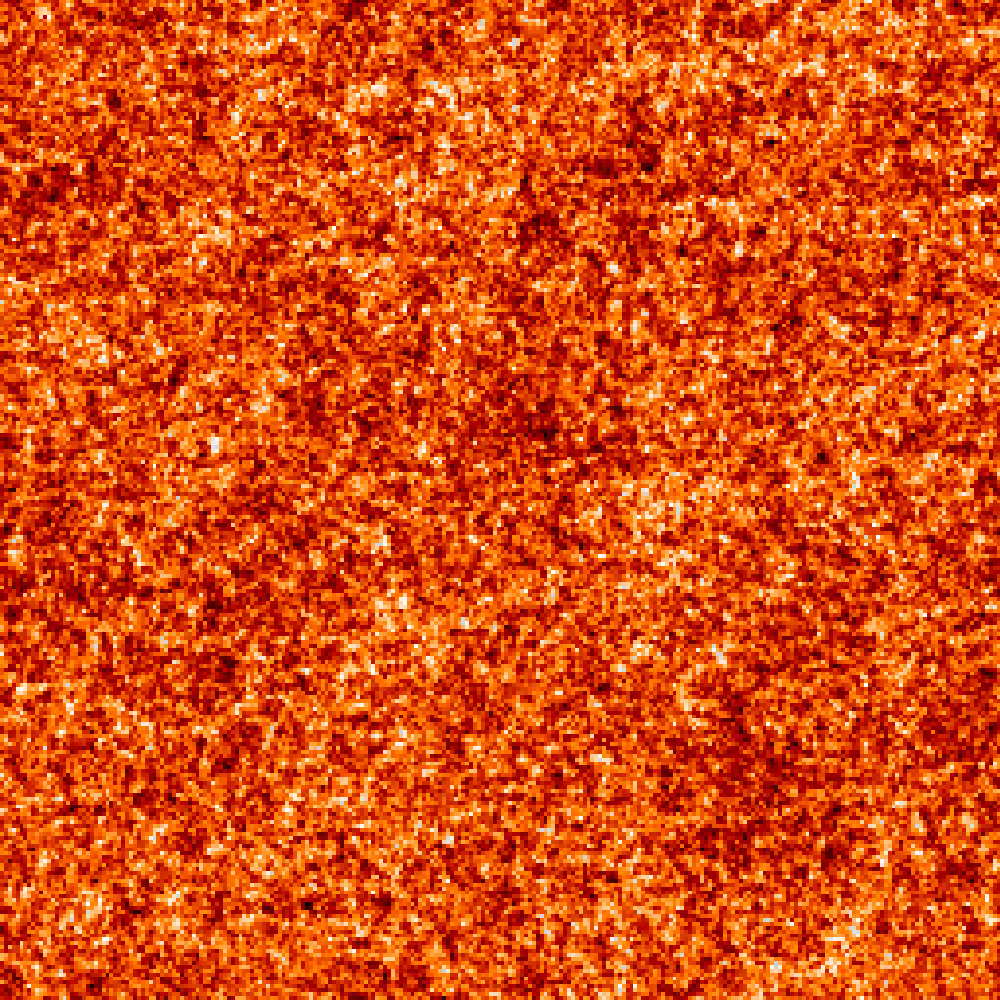
gal_pca-01..16,madgwick2002_PCA_a.png,Astrophysics_of_Galaxies.texpp. 35-36). - [[Eigenspectra and spectral types]] - 2dFGRS classification parameter $\eta = a_1 \cos\theta + a_2 \sin\theta$ ($\theta \approx -20^\circ$), objective spectral classification from passive ($\eta < -1.4$) to starburst ($\eta > 1.1$) correlating with birthrate parameter $b$ (
gal_pca-17..31,madgwick2002_PCA_b.png,Astrophysics_of_Galaxies.texpp. 36-37).
Master Derivations & Mathematical Rigor (Block 4)
- Spectral PCA Covariance Matrix & Eigenvalues: \(\Delta X_{ij} = \tilde{f}_{ij} - \bar{f}_j, \quad C = \frac{1}{N} \Delta X^T \Delta X \implies C \mathbf{e}_k = \lambda_k \mathbf{e}_k\) \(\mathbf{f}_i \approx \bar{\mathbf{f}} + \sum_{k=1}^K a_{ik} \mathbf{e}_k, \quad a_{ik} = (\tilde{\mathbf{f}}_i - \bar{\mathbf{f}}) \cdot \mathbf{e}_k\)
- The 2dFGRS Spectral Type Parameter $\eta$: \(\eta \equiv a_1 \cos\theta + a_2 \sin\theta \quad (\theta \approx -20^\circ)\) Directly correlates with the stellar birthrate parameter $b \equiv \mathrm{SFR}/\langle\mathrm{SFR}\rangle$, ordering galaxies objectively from passive absorption-line ellipticals to extreme starbursts.
Block 5 - Galaxy Spectroscopy - 1D, 2D, and IFU Datacubes
From longslit spectra to integral field datacubes (CALIFA, MaNGA, MUSE).
Synthesis - Astrophysics_of_Galaxies.tex (Part II pp. 19, Part III pp. 30-34). Master Derivation - Voronoi Adaptive Binning Derivation.
- [[Spectrograph design]] & [[Spectrograph types]] - collimator, dispersion element (grating, grism, prism), camera, longslit vs Multi-Object Spectroscopy (MOS).
- [[Integral-field spectroscopy IFU]] - lenslet arrays, fiber bundles, image slicers, building $(x, y, \lambda)$ datacubes.
- [[Datacube reduction]] & [[MUSE datacubes]] - VLT/MUSE flagship IFU, spaxel flux calibration, sky subtraction, Voronoi spatial binning.
- [[MaNGA survey]] - SDSS-IV IFU survey of 10,000 nearby galaxies, mapping 2D kinematics and stellar population gradients (
Astrophysics_of_Galaxies.texp. 19). - [[Datacube redshift measurement]] - cross-correlation per spaxel with synthetic templates.
Master Derivations & Mathematical Rigor (Block 5)
- Line-of-Sight Velocity Extraction: Cross-correlation of template spectrum $T(\lambda)$ with galaxy spaxel spectrum $G(\lambda)$ in logarithmic wavelength $x \equiv \ln\lambda$: \(CCF(s) = \int G(x) T(x - s) dx \implies v_{\rm LOS} = c \cdot s_{\rm peak}\)
- Voronoi 2D Adaptive Binning Criterion: Preserves minimum target signal-to-noise ratio $\mathrm{SNR}_{\rm target}$ per kinematic bin: \(\mathrm{SNR}_{\rm bin} = \frac{\sum_{i \in \rm bin} S_i}{\sqrt{\sum_{i \in \rm bin} \sigma_i^2}} \ge \mathrm{SNR}_{\rm target}\)
Block 6 - Galaxy Kinematics & Dynamics
Stellar and gas motions, velocity distributions, and rotation curves.
Course slides - gal_dm-01..22. Dispensa - dispense_DM_2_eng.pdf (pp. 1-7, 21-30). dispense_smbh_20_eng.pdf (pp. 17-20). Synthesis - SMBH_in_Galaxies.tex (pp. 9-12). Textbooks - Binney & Tremaine Ch. 4 (pp. 340-355). Mo, van den Bosch & White Ch. 5 (pp. 252-270) & Ch. 11 (pp. 517-534). Master Derivation - Jeans Equation & Anisotropy Proof. Master Graph - Rotation Curve Decomposition and LOSVD & Gauss-Hermite Moments.
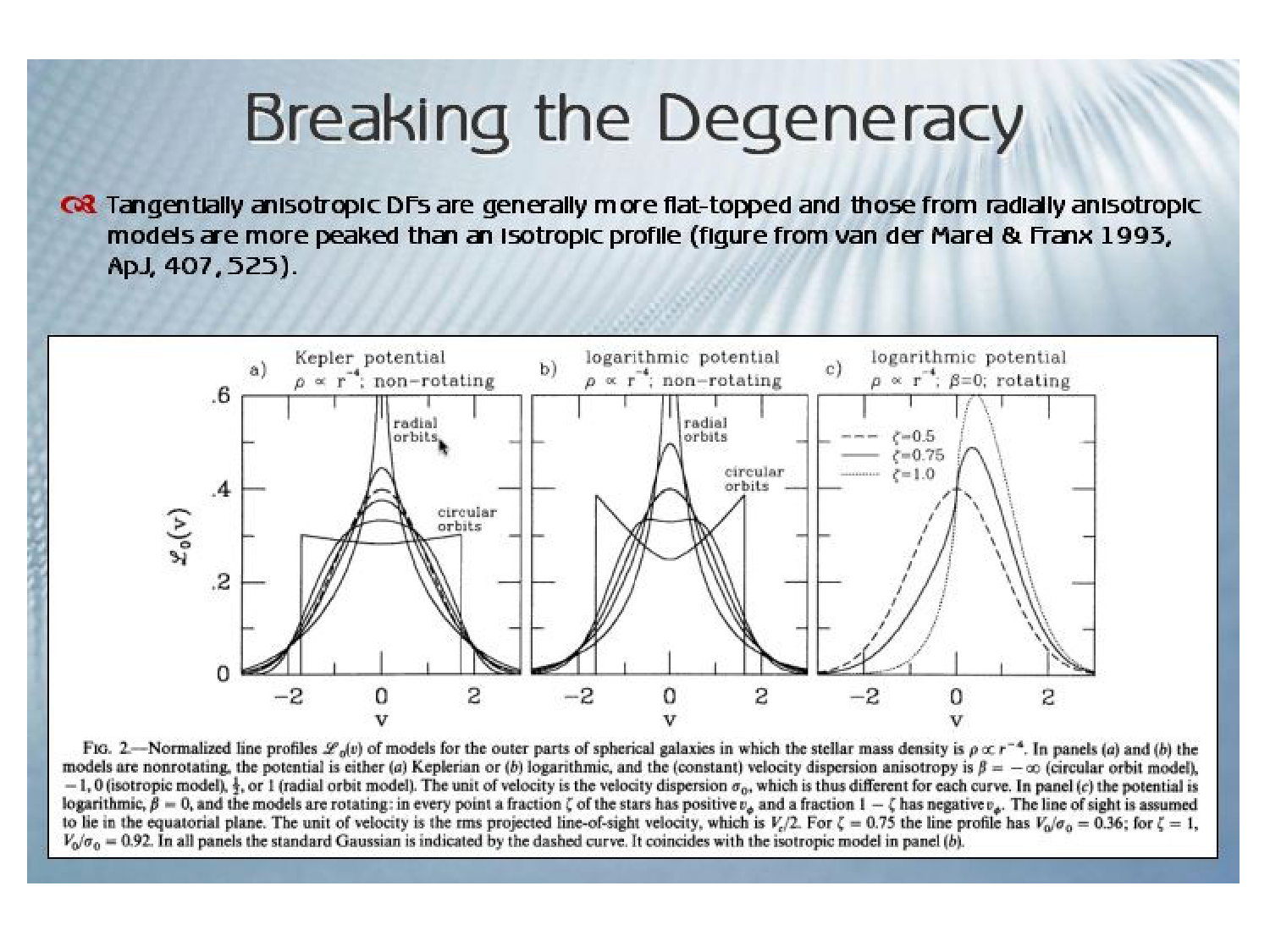
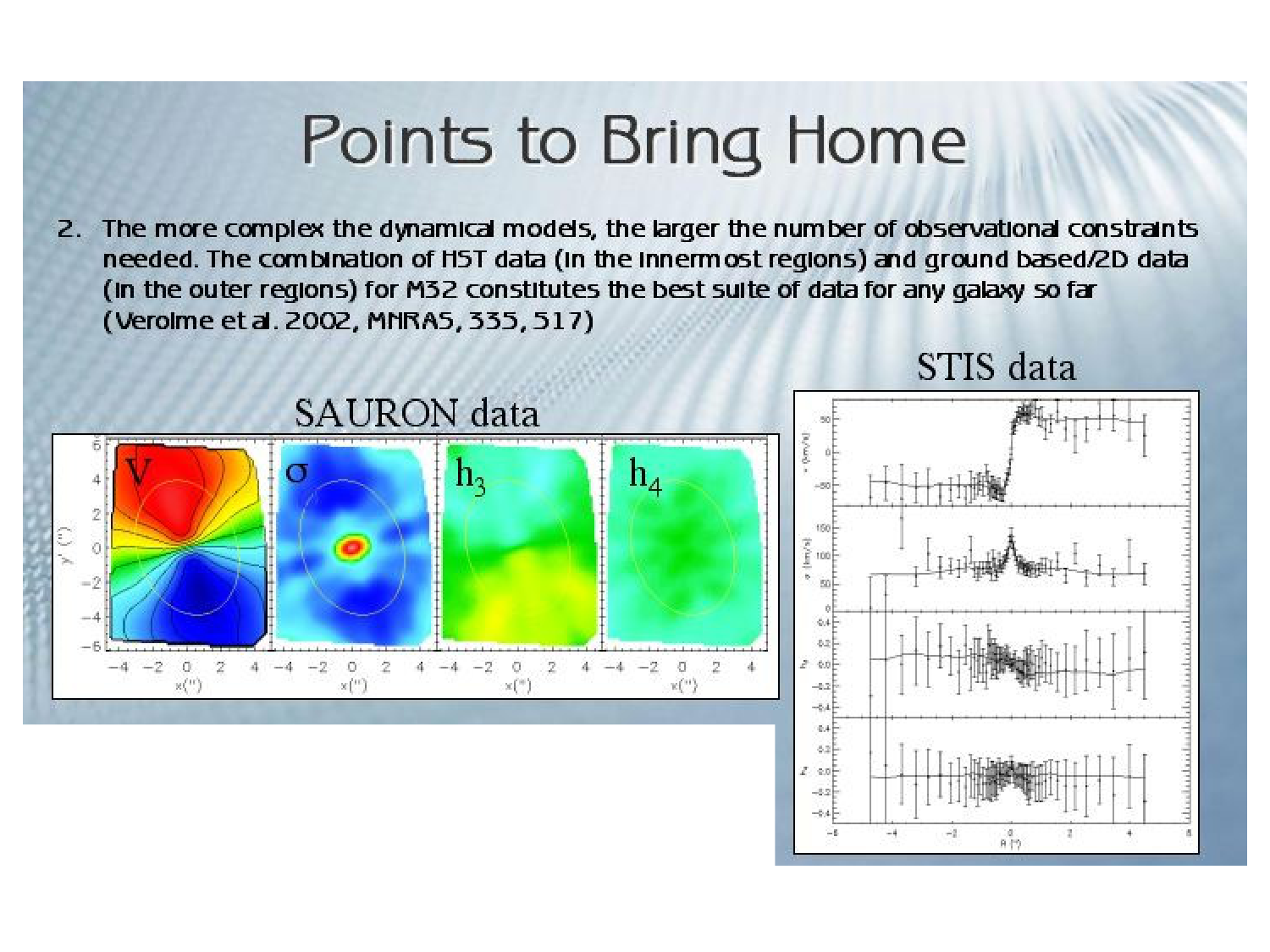
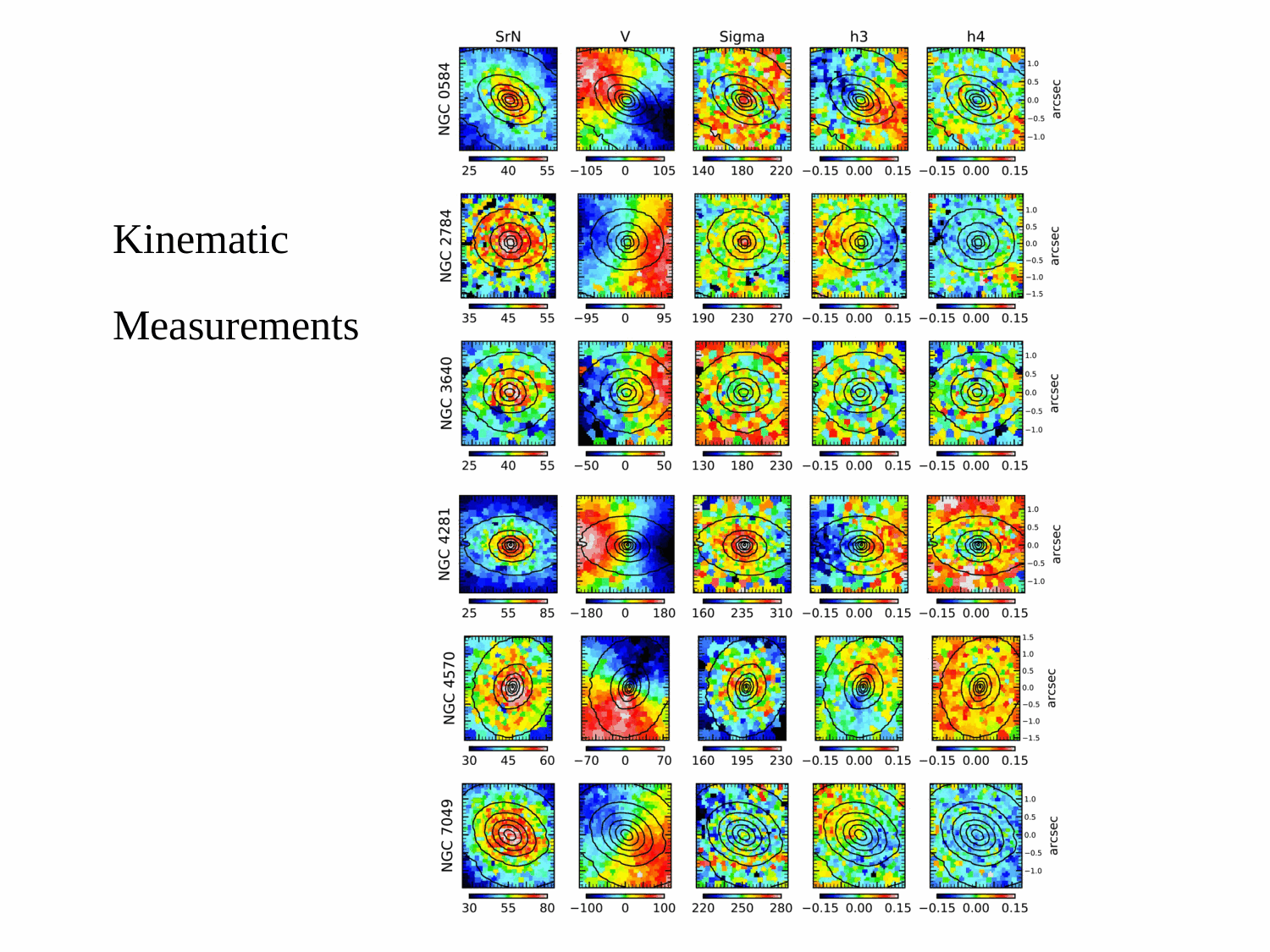
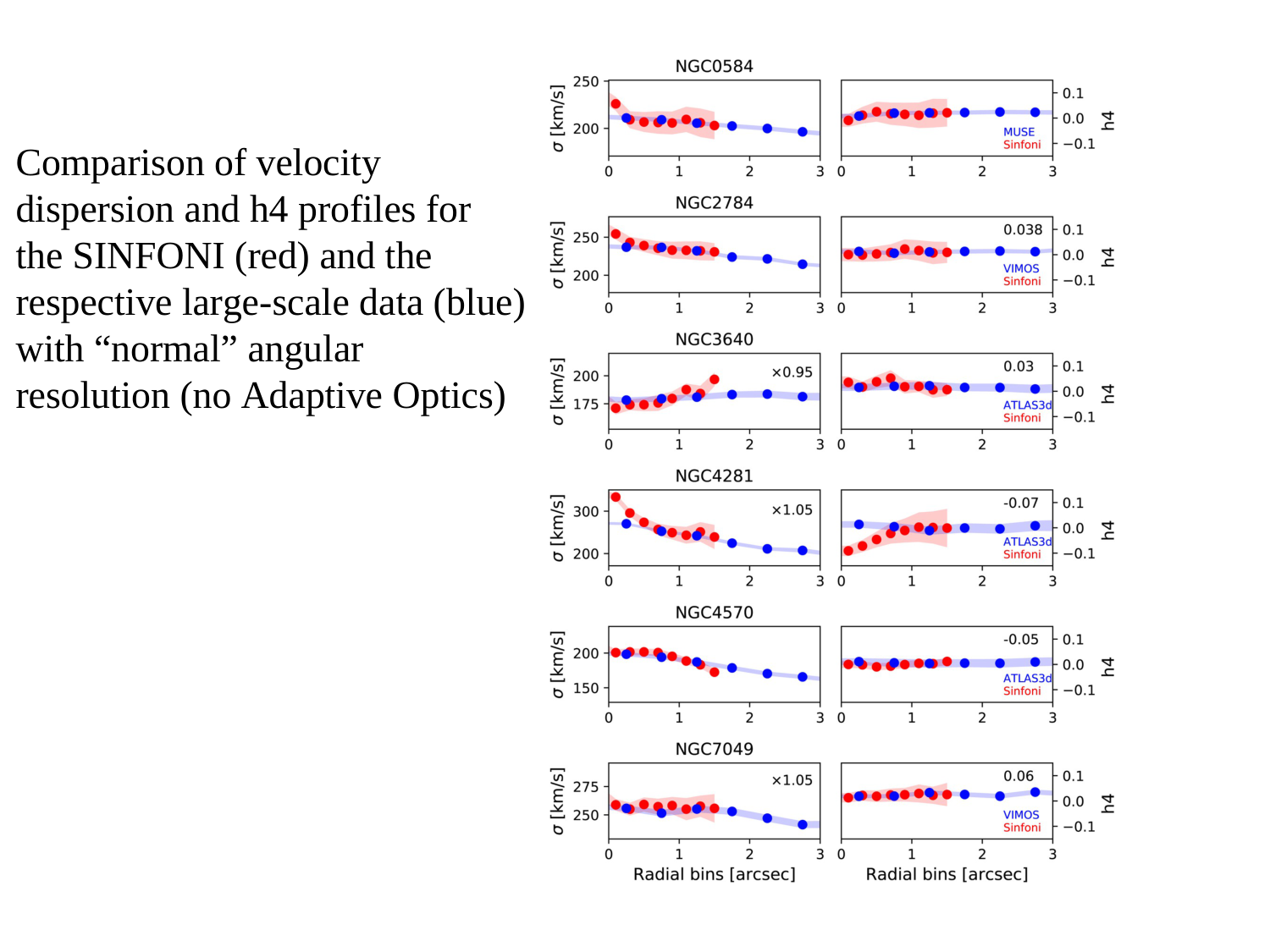
- [[LOSVD]] - Line-of-Sight Velocity Distribution, parametrization with Gauss-Hermite series - $f(v) = \frac{1}{\sqrt{2\pi}\sigma} e^{-\frac{1}{2}y^2} [1 + h_3 H_3(y) + h_4 H_4(y)]$, physical meaning of $h_3$ (skewness) and $h_4$ (kurtosis) (
cappellari2002_kinematics.png,cappellari2002_kinematics_fig2.png,dispense_smbh_20_eng.pdfpp. 17-20, Binney & Tremaine pp. 340-355). - [[Stellar kinematics measurements]] - Penalized Pixel-Fitting (pPXF) method, extracting $V, \sigma, h_3, h_4$ from absorption lines (
SMBH_in_Galaxies.texpp. 10-12). - [[Ionized gas kinematics]] - emission line tracers ($H\alpha$, [OIII]), thin disk rotation, non-circular motions (
SMBH_in_Galaxies.texpp. 9-10). - [[Rotation curves]] - flat rotation curves in spirals ($V(R) \approx \text{const}$ out to several $R_{25}$), mass deconstruction - $V_{\rm circ}^2(R) = V_{\rm disk}^2 + V_{\rm bulge}^2 + V_{\rm gas}^2 + V_{\rm halo}^2$ (
gal_dm-01..22,dispense_DM_2_eng.pdfpp. 1-7, 24-29, Mo et al. pp. 70-76, 517-534).
Master Derivations & Mathematical Rigor (Block 6)
- Gauss-Hermite LOSVD Expansion: \(f(v) = \frac{\gamma}{\sqrt{2\pi}\sigma} e^{-\frac{1}{2}y^2} \left[ 1 + h_3 H_3(y) + h_4 H_4(y) \right], \quad y \equiv \frac{v - V}{\sigma}\) \(H_3(y) = \frac{1}{\sqrt{6}}(2\sqrt{2}y^3 - 3\sqrt{2}y) \quad (\text{skewness, } V \cdot h_3 < 0 \text{ traces embedded disk})\) \(H_4(y) = \frac{1}{\sqrt{24}}(4y^4 - 12y^2 + 3) \quad (\text{kurtosis, } h_4 > 0 \text{ traces radial orbits / central cusp})\)
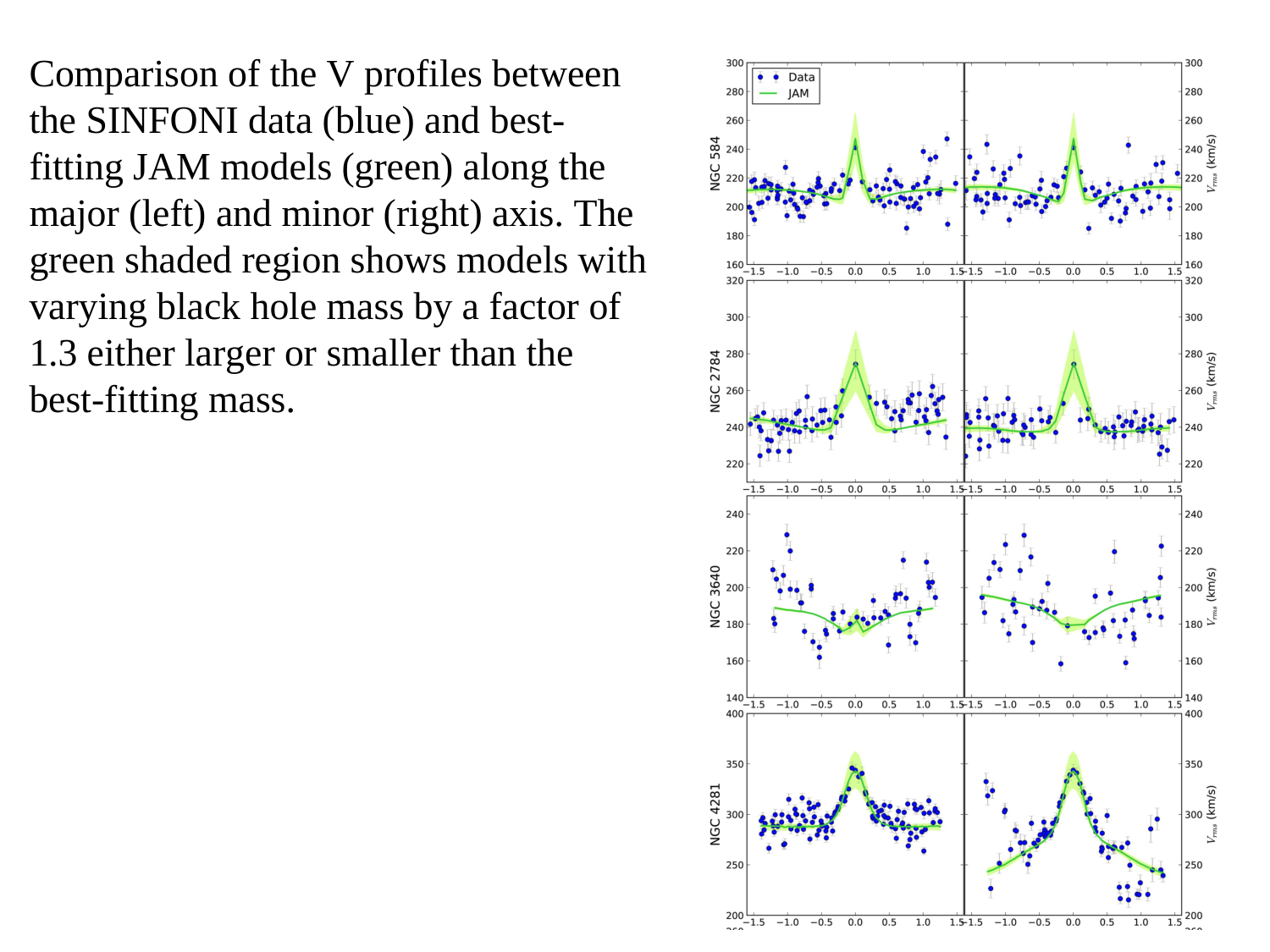
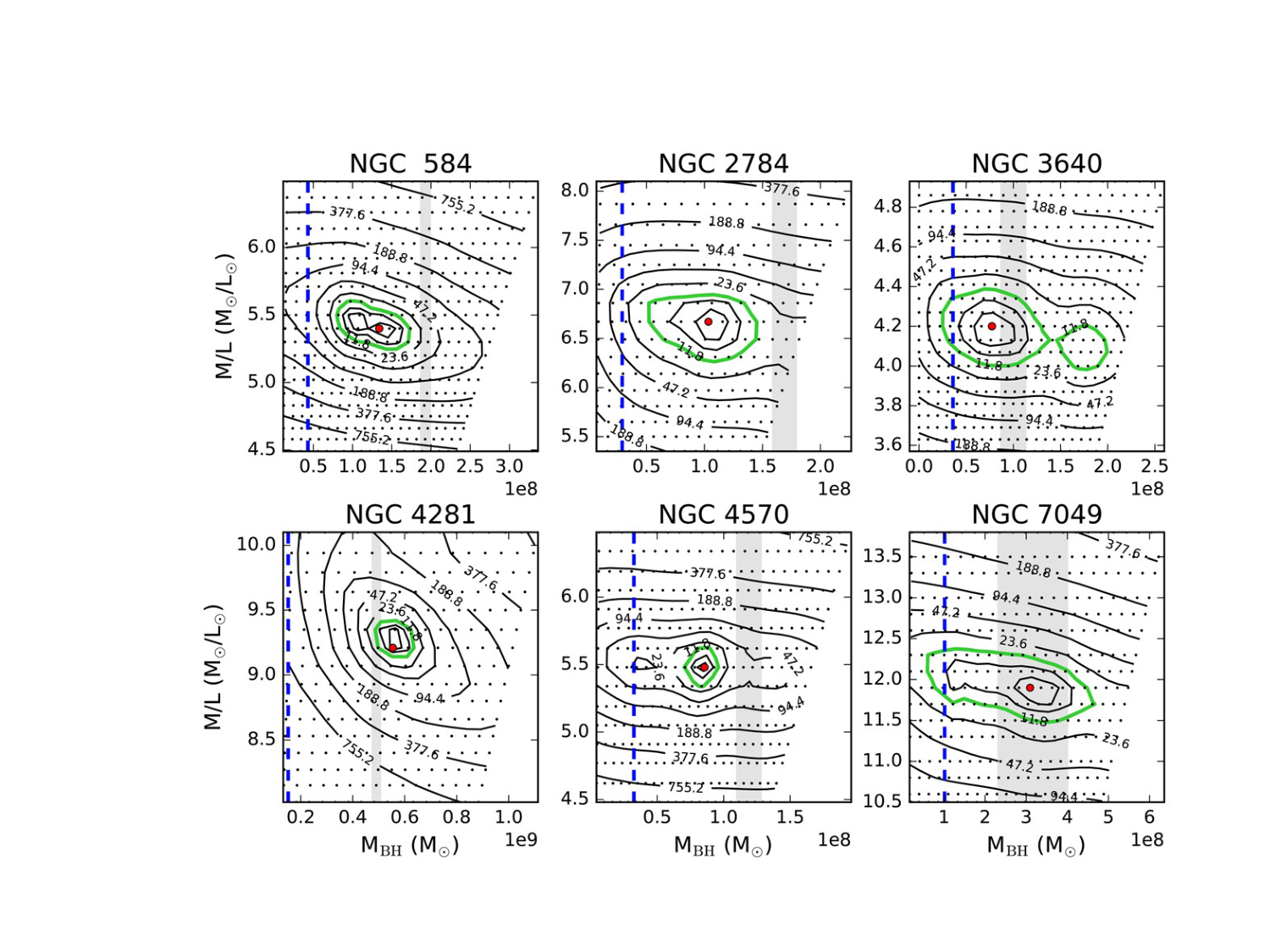
- Spherical Jeans Equation & Mass-Anisotropy Degeneracy: From Collisionless Boltzmann Equation: \(\frac{d(\nu \sigma_r^2)}{dr} + \frac{2\beta(r)}{r} \nu \sigma_r^2 = -\nu \frac{d\Phi}{dr} = -\nu \frac{G M(r)}{r^2}\) \(\boxed{M(r) = -\frac{r \sigma_r^2(r)}{G} \left[ \frac{d\ln\nu}{d\ln r} + \frac{d\ln\sigma_r^2}{d\ln r} + 2\beta(r) \right]}\) where Binney’s anisotropy parameter is $\beta(r) \equiv 1 - \frac{\sigma_\theta^2(r)}{\sigma_r^2(r)}$. Broken observationally by modeling $h_4$ with IFU JAM/Schwarzschild models.
Block 7 - The Local Group & Galaxy Clusters
The local cosmic neighborhood and rich cluster environments.
Course slides - gal_lg-01..38. Dispensa - dispense_DM_2_eng.pdf (pp. 38-42). Synthesis - Astrophysics_of_Galaxies.tex (Part V, pp. 38-45). Textbooks - Peter Schneider Ch. 6 (pp. 273-340). Mo, van den Bosch & White Ch. 2 (pp. 89-94) & Ch. 12 (pp. 590-595). Master Derivation - Kahn-Woltjer Timing Argument Proof. Master Graph - Cluster Projected Phase-Space.
- [[Local Group galaxies]] - Milky Way, M31 (Andromeda), M33, dwarf spheroidals/irregulars, Kahn-Woltjer timing argument ($M_{\rm tot} \sim 3-5 \times 10^{12} M_\odot$) (
gal_lg-01..16,Astrophysics_of_Galaxies.texp. 38, Schneider pp. 273-278). - [[Virgo cluster]] - nearest irregular cluster ($d \approx 16.5$ Mpc), central giant elliptical M87, ongoing infalling sub-groups (
gal_lg-17..26,Astrophysics_of_Galaxies.texp. 39, Schneider pp. 278-282). - [[Coma cluster]] - rich regular cluster ($d \approx 100$ Mpc), relaxed morphology, dark matter domination from Zwicky 1933 virial theorem, hot ICM ($T \sim 10^8$ K) X-ray emission (
gal_lg-27..38,dispense_DM_2_eng.pdfp. 38,Astrophysics_of_Galaxies.texpp. 39-40, Schneider pp. 282-295).
Master Derivations & Mathematical Rigor (Block 7)
- Kahn-Woltjer Local Group Timing Argument: Milky Way and M31 separated by $r_0 \approx 780$ kpc, approaching radially at $v_0 \approx -120\,\mathrm{km\,s^{-1}}$. Parametric cycloid solution: \(r(\eta) = a(1 - \cos\eta), \quad t(\eta) = \sqrt{\frac{a^3}{G M_{\rm tot}}}(\eta - \sin\eta), \quad v(\eta) = \sqrt{\frac{G M_{\rm tot}}{a}} \frac{\sin\eta}{1 - \cos\eta}\) Setting $t = t_0 = 13.8$ Gyr and solving for $\eta \in (\pi, 2\pi)$ yields: \(\boxed{M_{\rm tot} \approx \frac{\pi^2 r_{\rm max}^3}{8 G t_0^2} \approx (4-5) \times 10^{12} M_\odot}\)
- Cluster Virial Mass (Zwicky 1933): \(2K + U = 0 \implies 3 M \sigma^2 = \frac{G M^2}{R_{\rm vir}} \implies M_{\rm vir} = \frac{3 R_{\rm vir} \sigma^2}{G} \sim 10^{15} M_\odot \implies M/L \sim 300 \, M_\odot/L_\odot\)
Block 8 - Supermassive Black Holes (SMBHs) in Galaxies
Central engines, dynamic mass determinations, scaling relations, and co-evolution.
Course slides - gal_bh-01..74. Dispensa - dispense_smbh_20_eng.pdf (pp. 1-27). Synthesis - SMBH_in_Galaxies.tex (pp. 3-26). Textbooks - Mo, van den Bosch & White Ch. 14 (pp. 640-673). Peter Schneider Ch. 5 (pp. 210-245). Master Derivation - Reverberation Mapping Proof and AGN Blowout Proof. Master Graph - S2 Orbit Around Sgr A*, NGC 4258 Water Masers, Reverberation Velocity-Delay Map, and M_BH - sigma Scaling Relation.
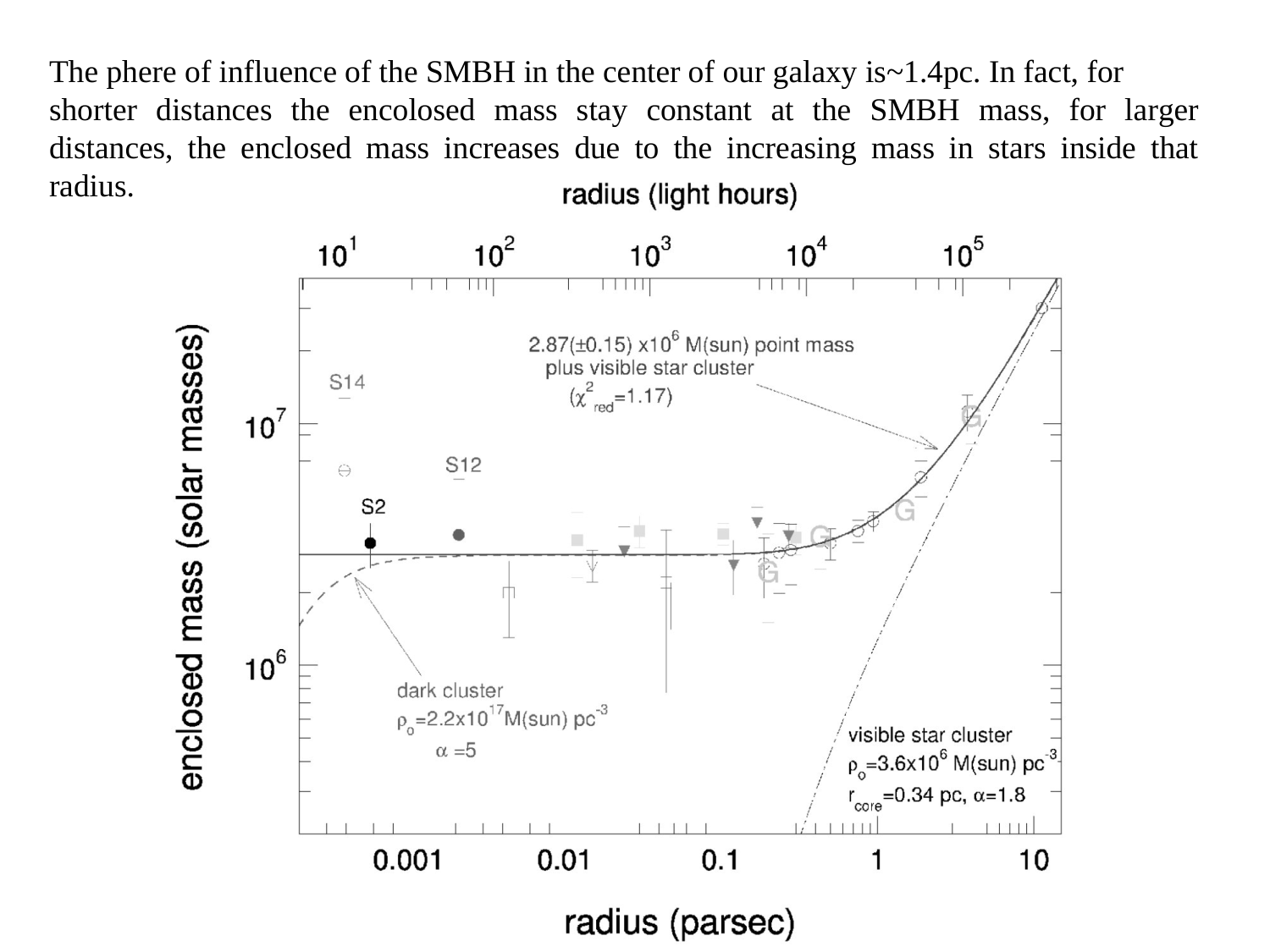
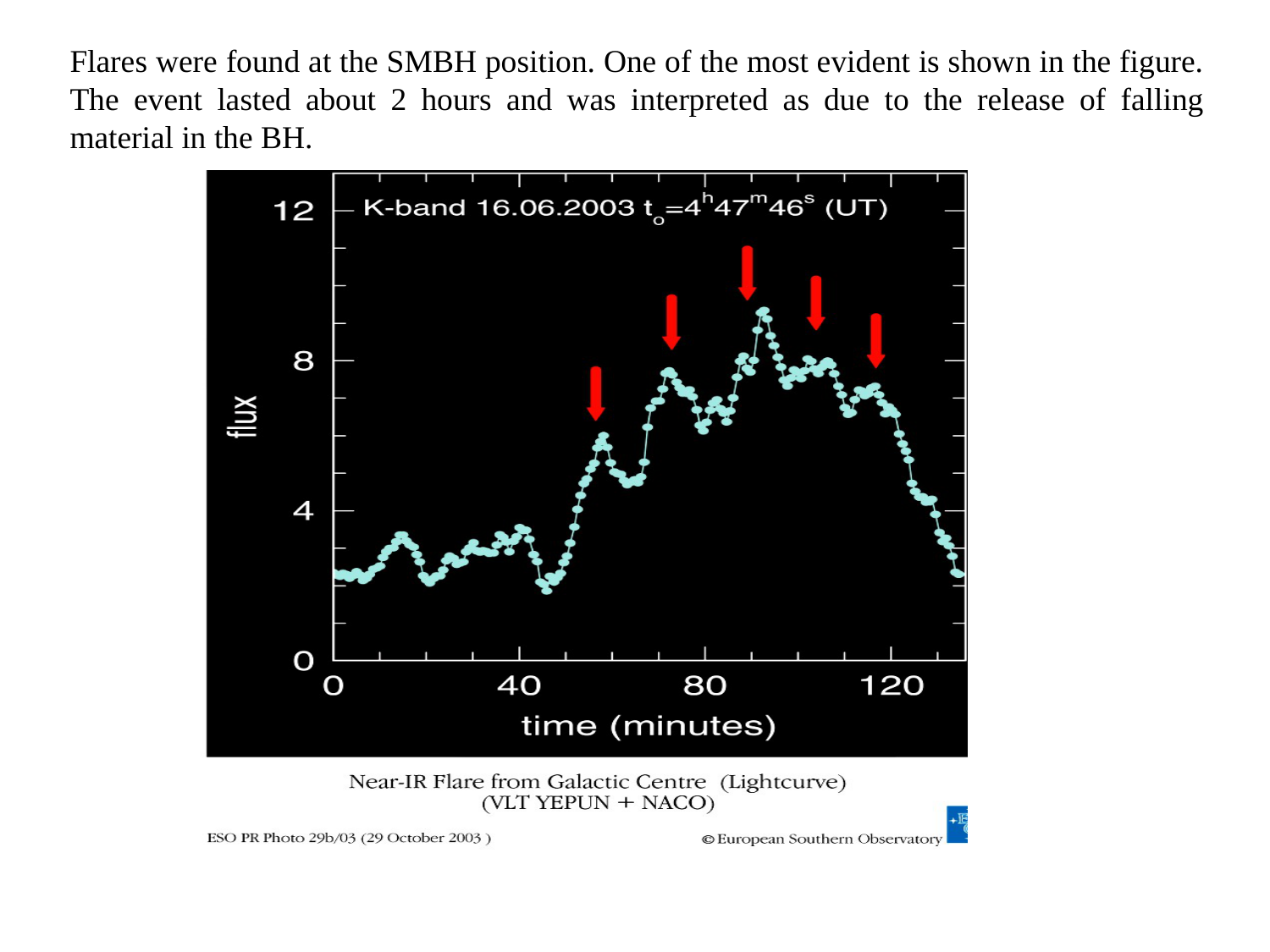
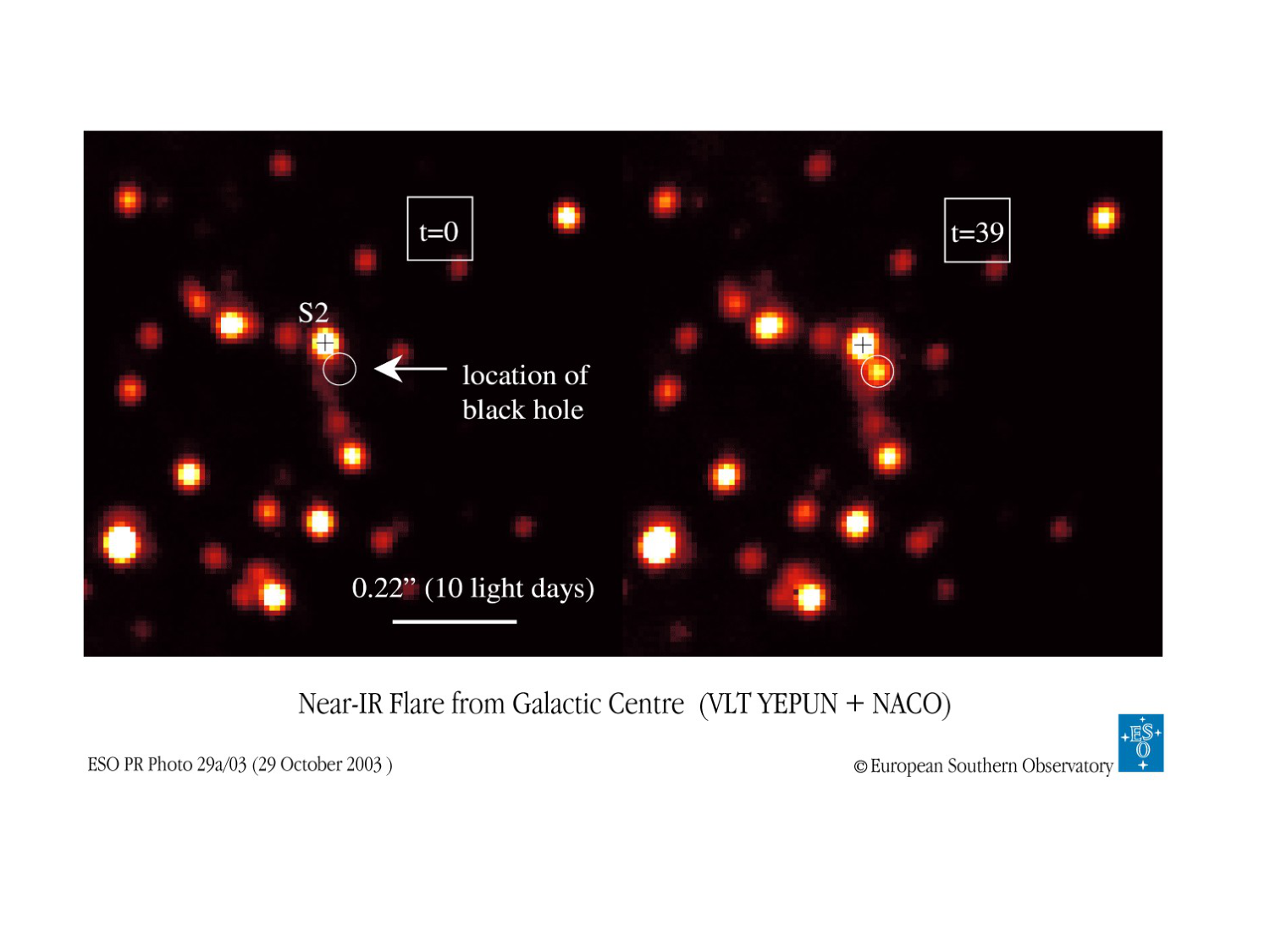
- [[Galactic Center Sgr A and S-stars]] - S2 star orbital monitoring over full 16-year period, pericenter $r_{\rm peri} \approx 120$ AU ($1400 R_s$), orbital velocity $v \approx 7700$ km/s, proving point mass $M_\bullet = (4.15 \pm 0.13) \times 10^6 M_\odot$ (Gillessen et al. 2009, Ghez et al. 2008, Nobel Prize 2020) (
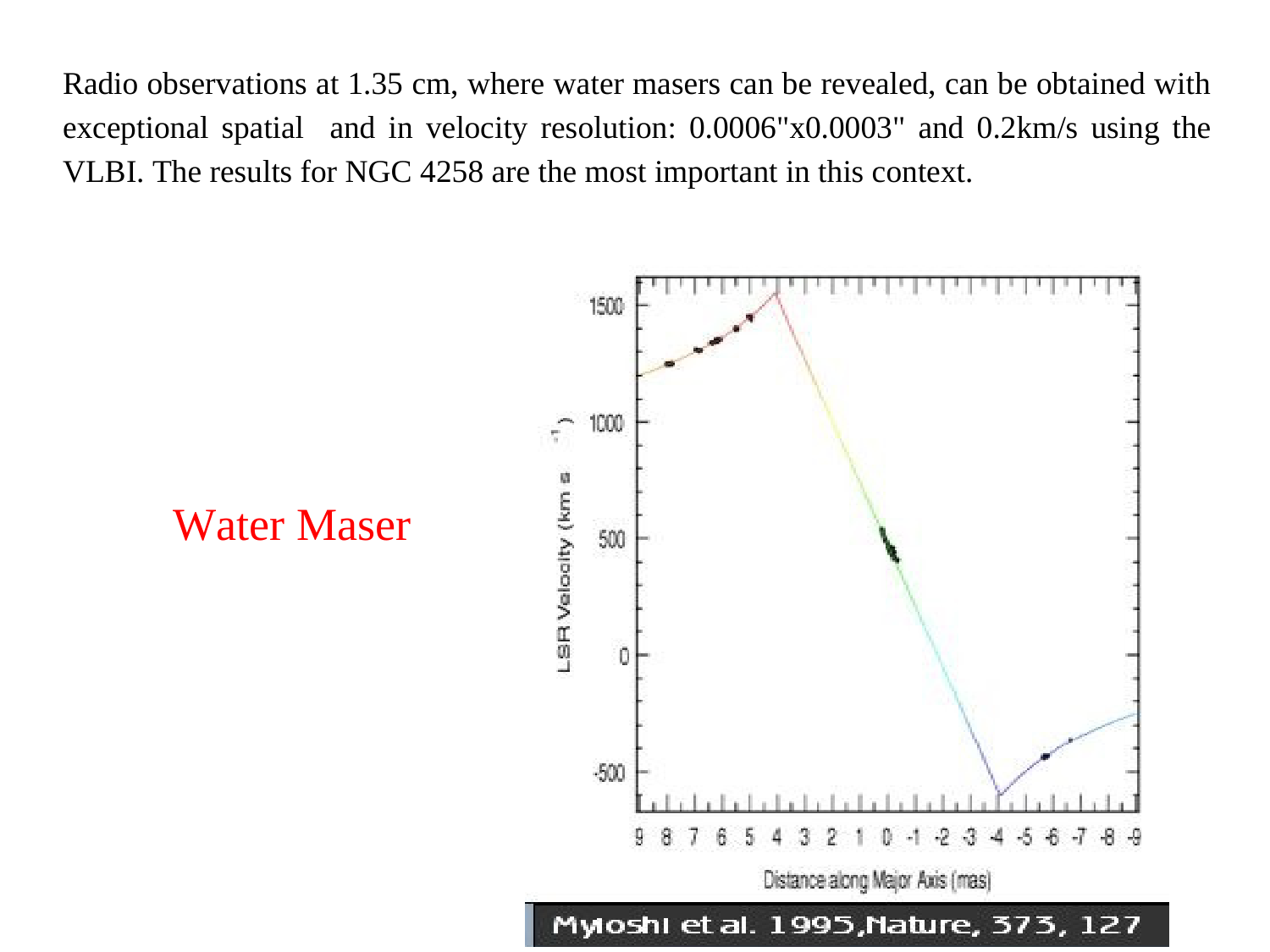
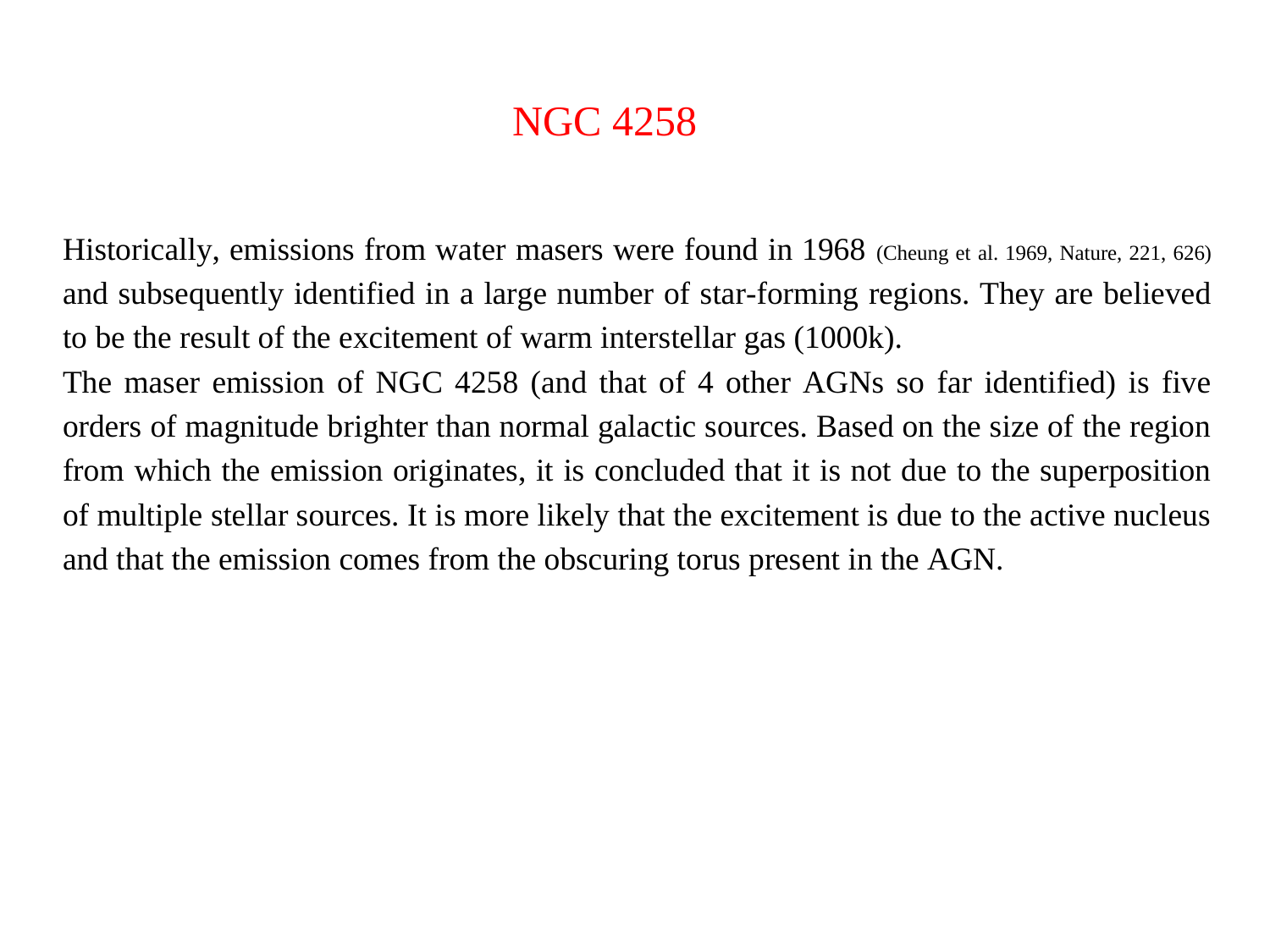
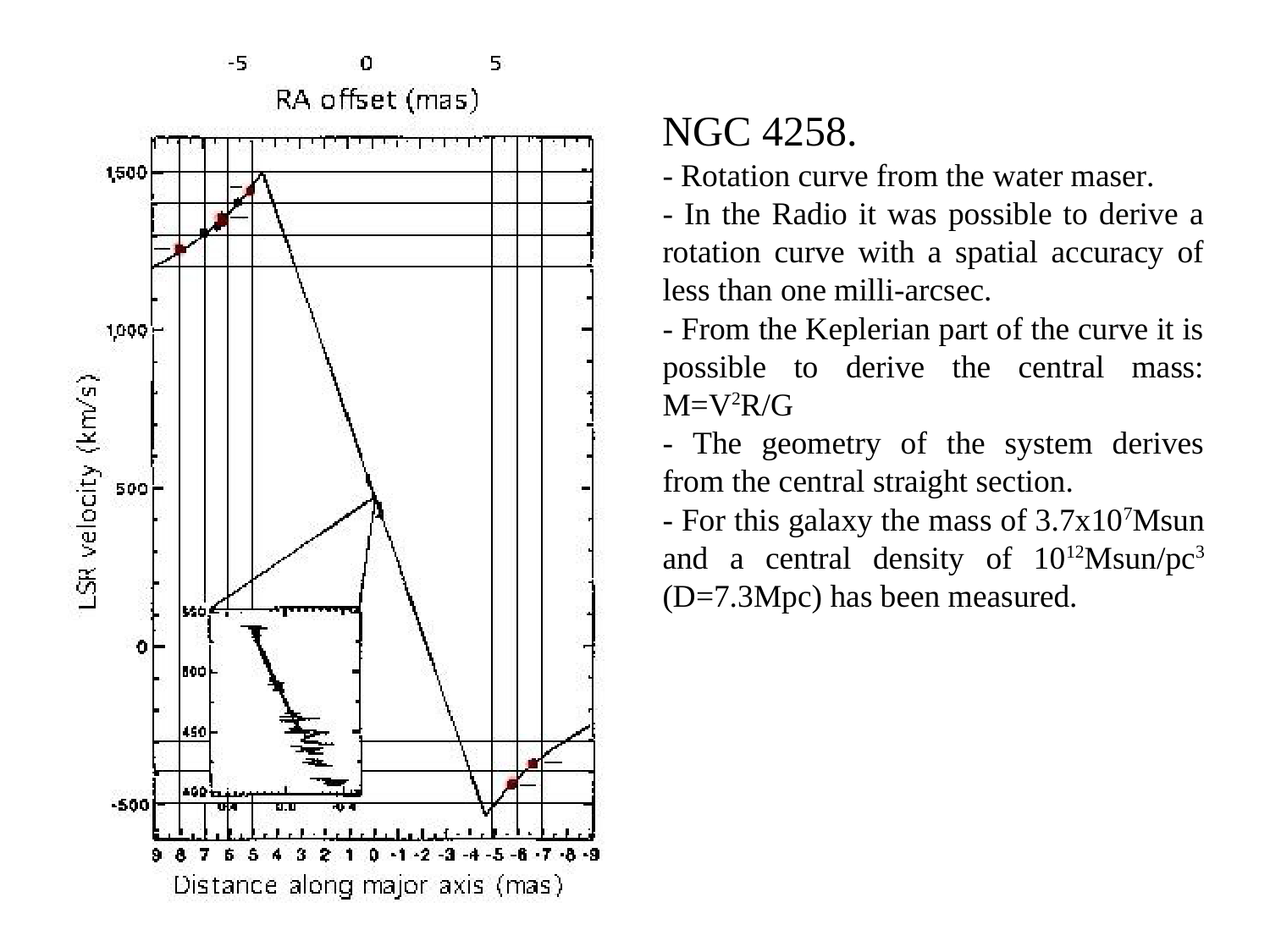
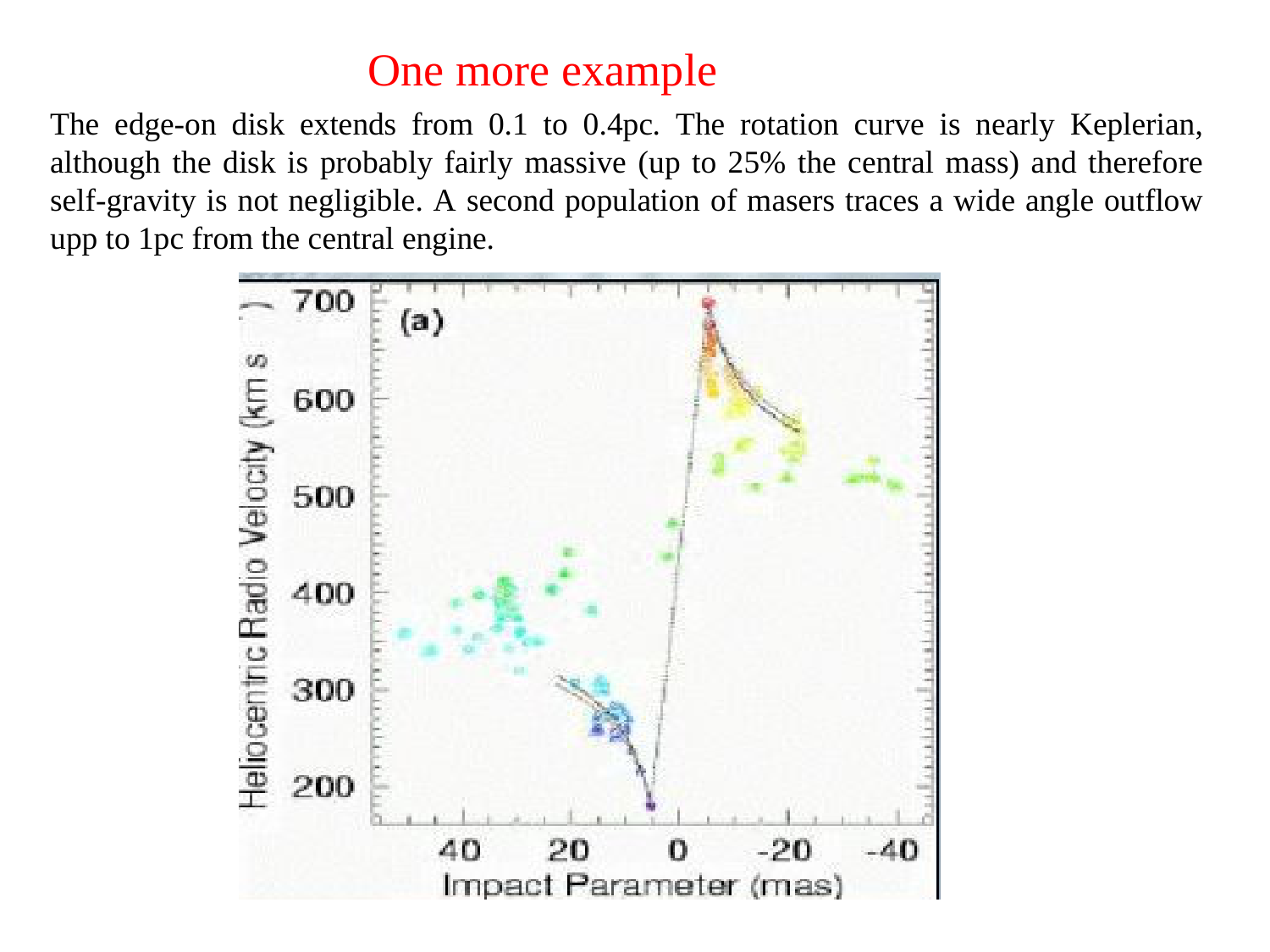
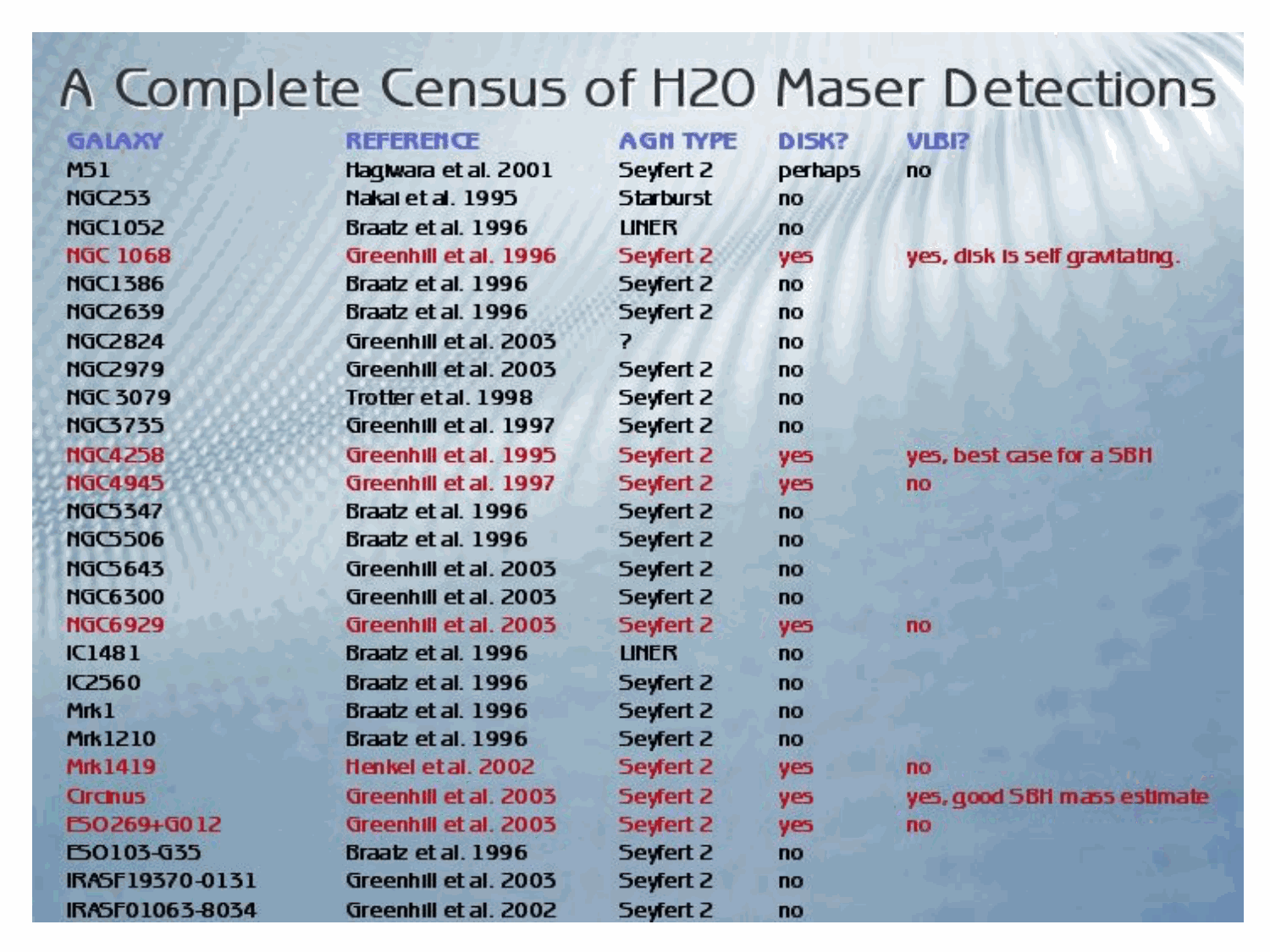
gal_bh-01..15,gillessen2009_S2_orbit.png,gillessen2009_stellar_orbits.png,gillessen2009_mass_enclosed.png,dispense_smbh_20_eng.pdfpp. 9-14,SMBH_in_Galaxies.texpp. 4-7). - [[Water maser BH masses]] - VLBA observations of 22 GHz $H_2O$ masers in NGC 4258 (Miyoshi et al. 1995), thin Keplerian disk ($0.13-0.26$ pc), rotation curve $v(r) \propto r^{-1/2}$, gold-standard mass $M_\bullet = (3.9 \pm 0.1) \times 10^7 M_\odot$ (
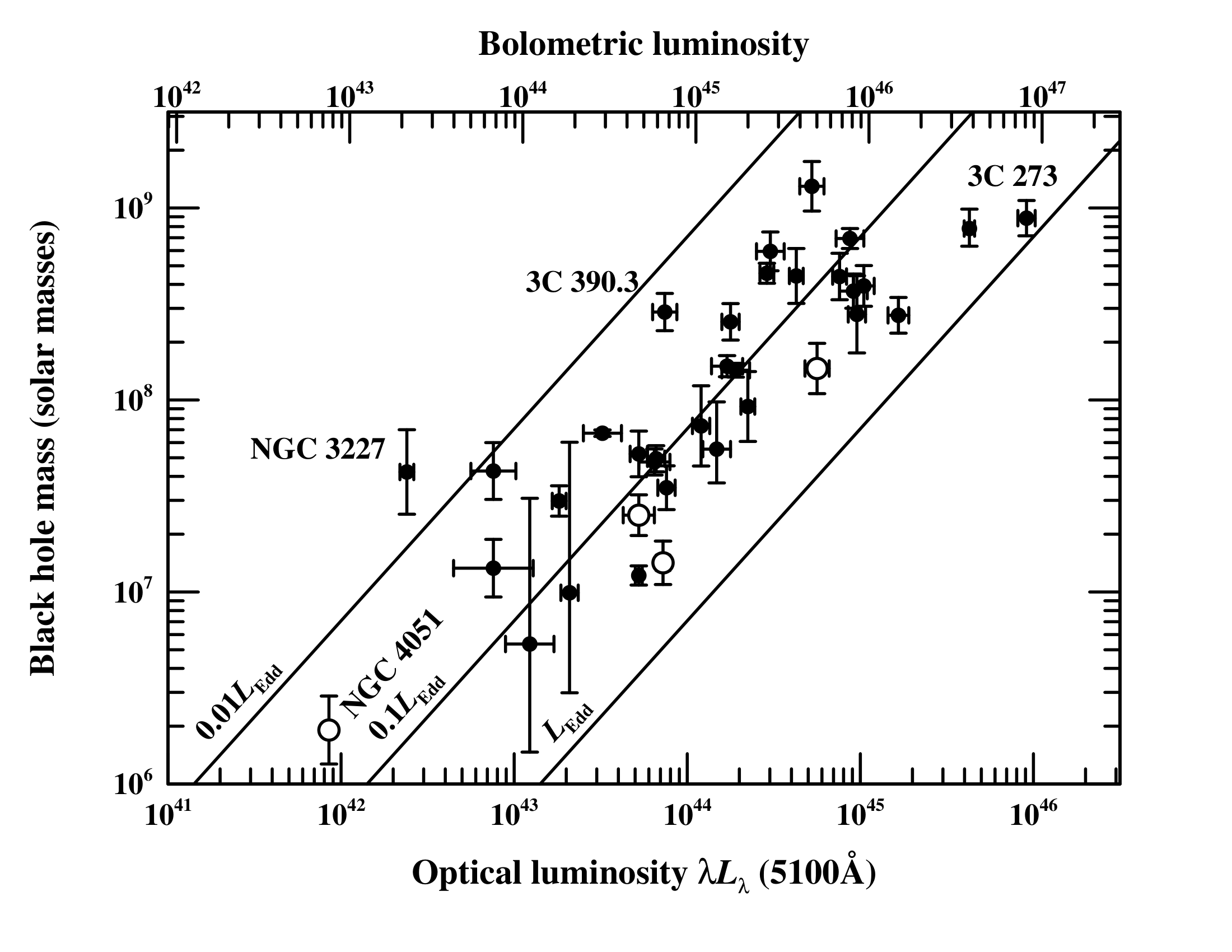
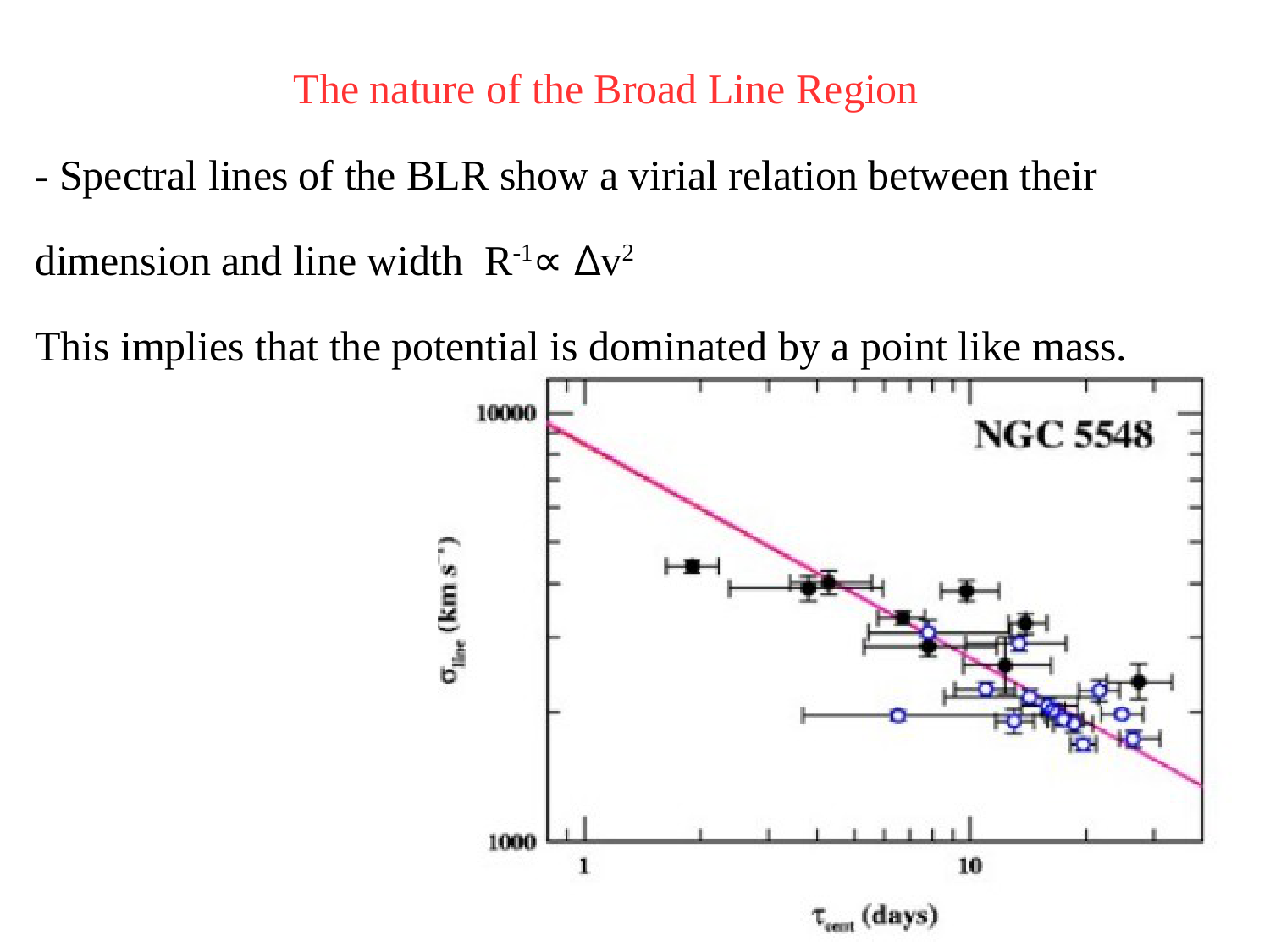
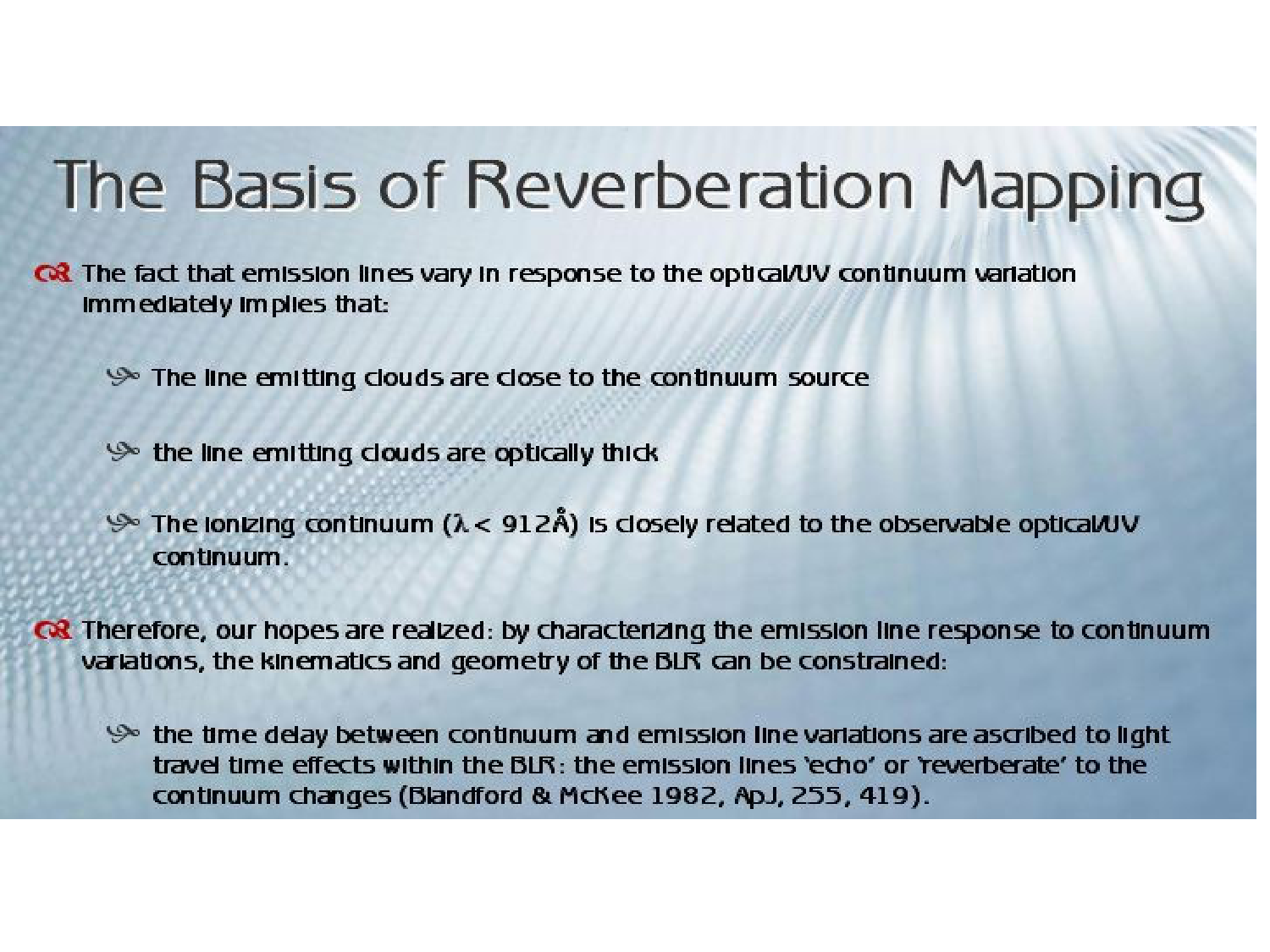
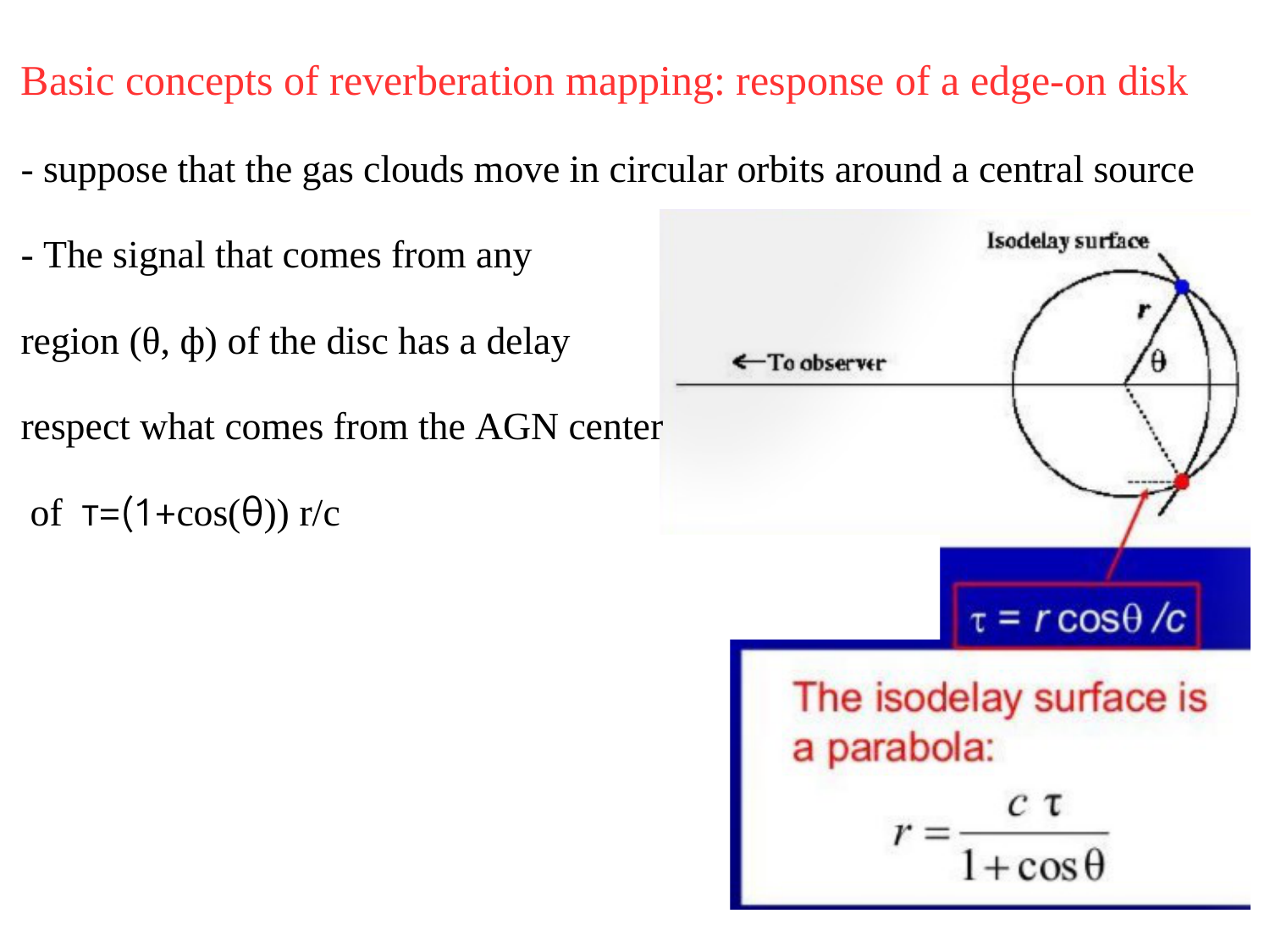
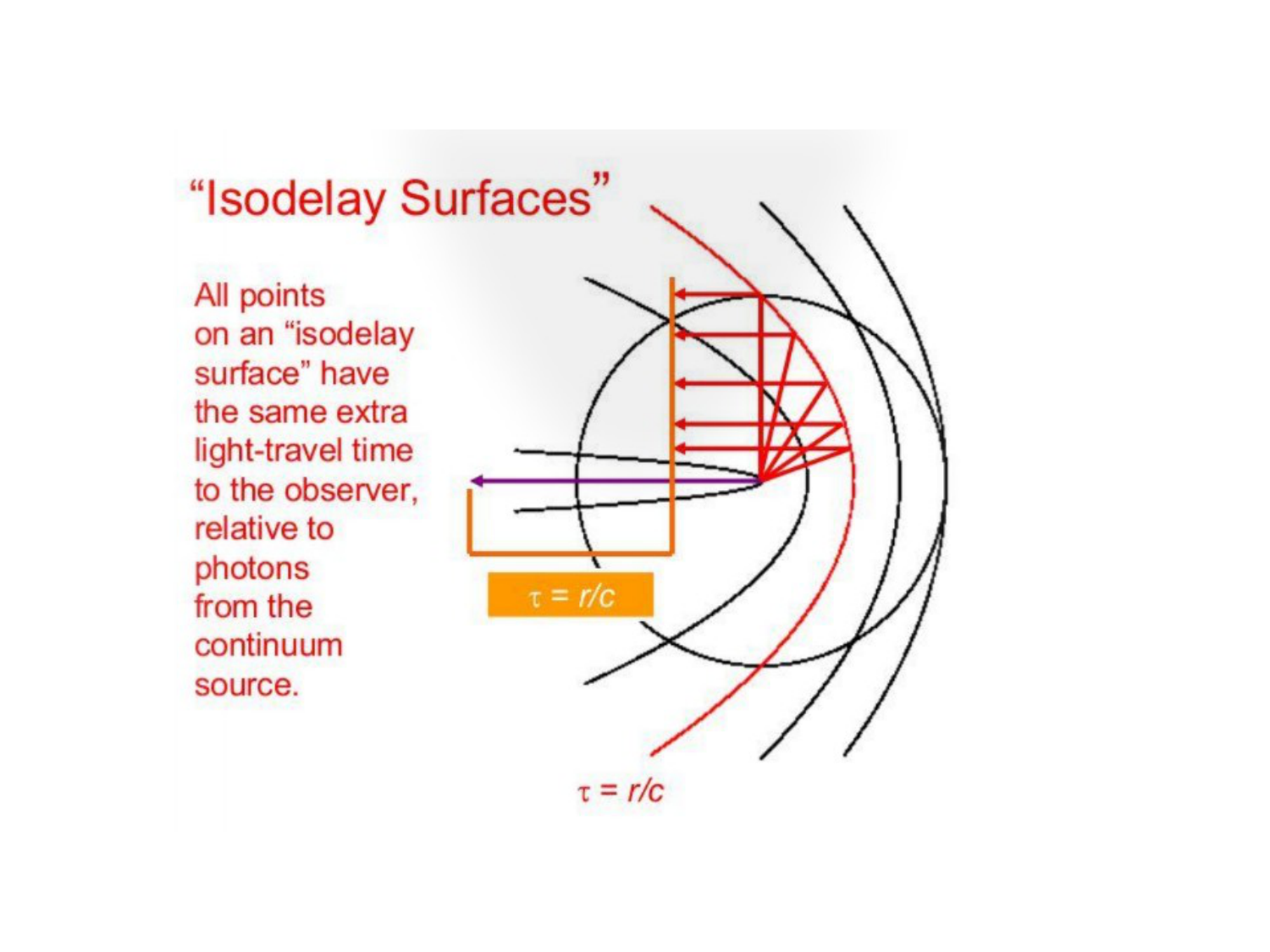
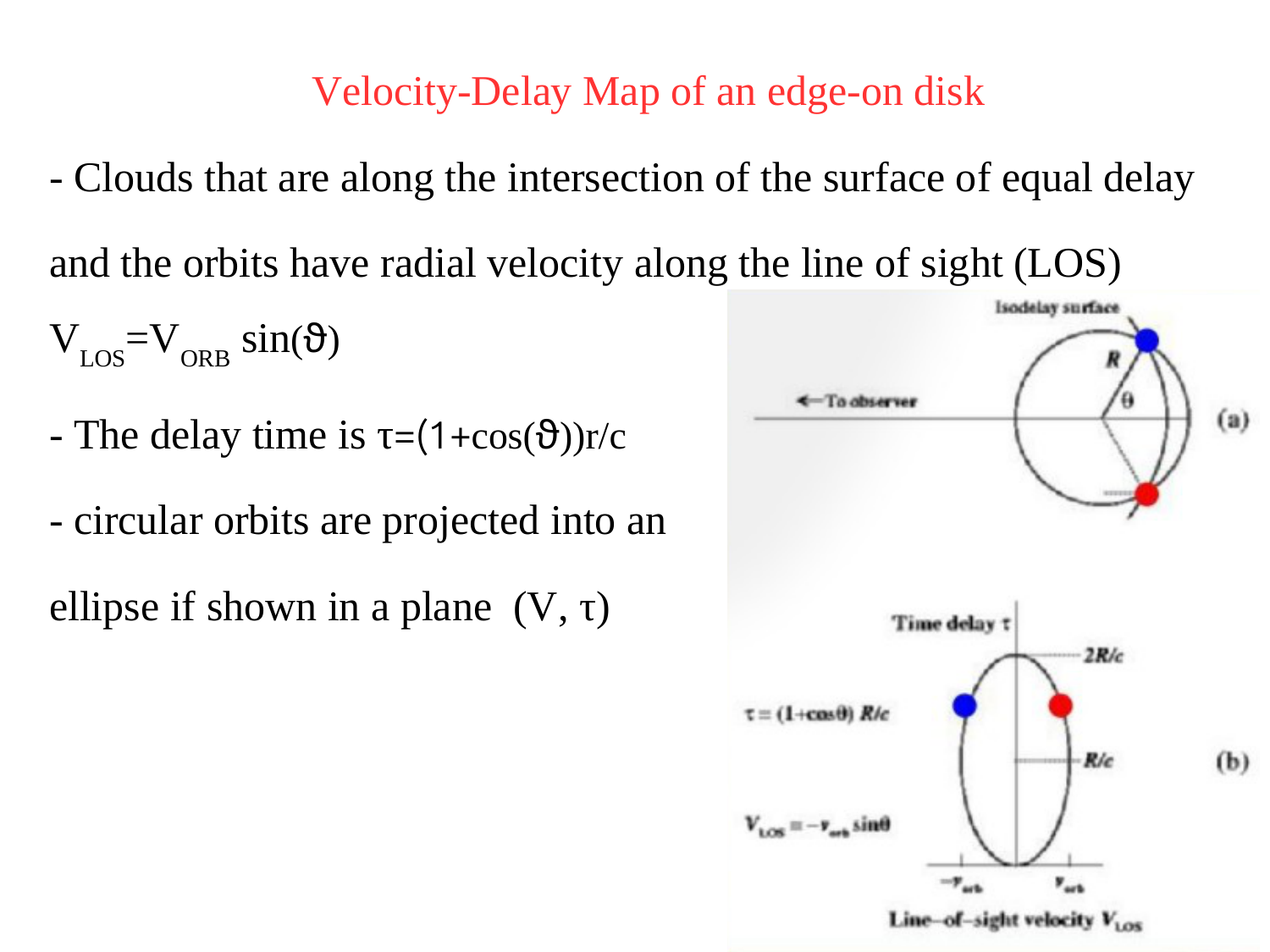
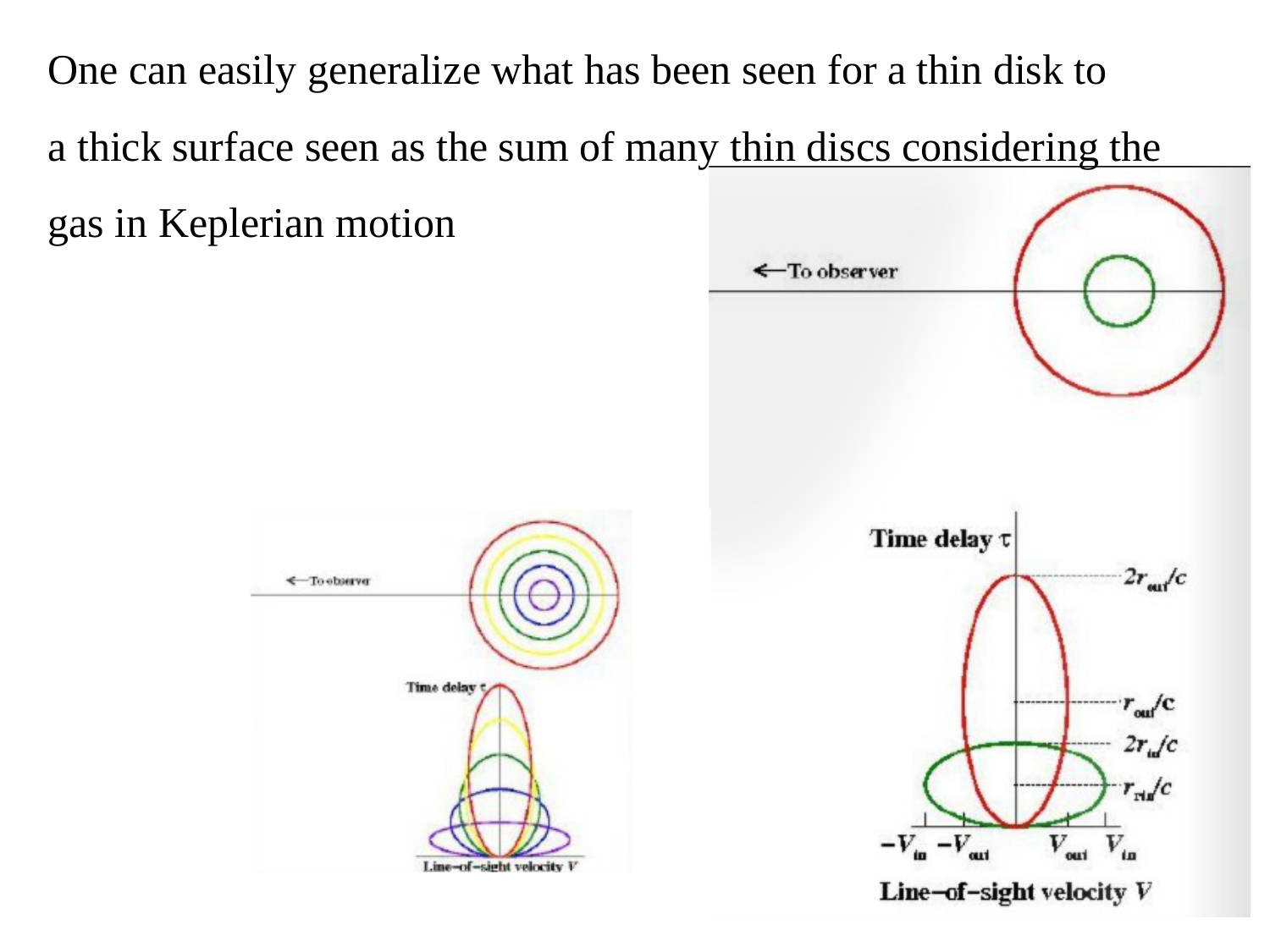
gal_bh-16..28,miyoshi1995_fig1_masers.png,miyoshi1995_fig2_masers.png,dispense_smbh_20_eng.pdfpp. 15-16,SMBH_in_Galaxies.texpp. 8-9). - [[Reverberation mapping]] - AGN Broad-Line Region (BLR) light-travel time delay $\tau = \frac{r}{c}(1-\cos\theta)$, cross-correlation of continuum and emission line light curves, virial mass $M_\bullet = f \frac{c\tau \Delta V^2}{G}$, virial factor $f$, velocity-delay maps $\Psi(v, \tau)$ (
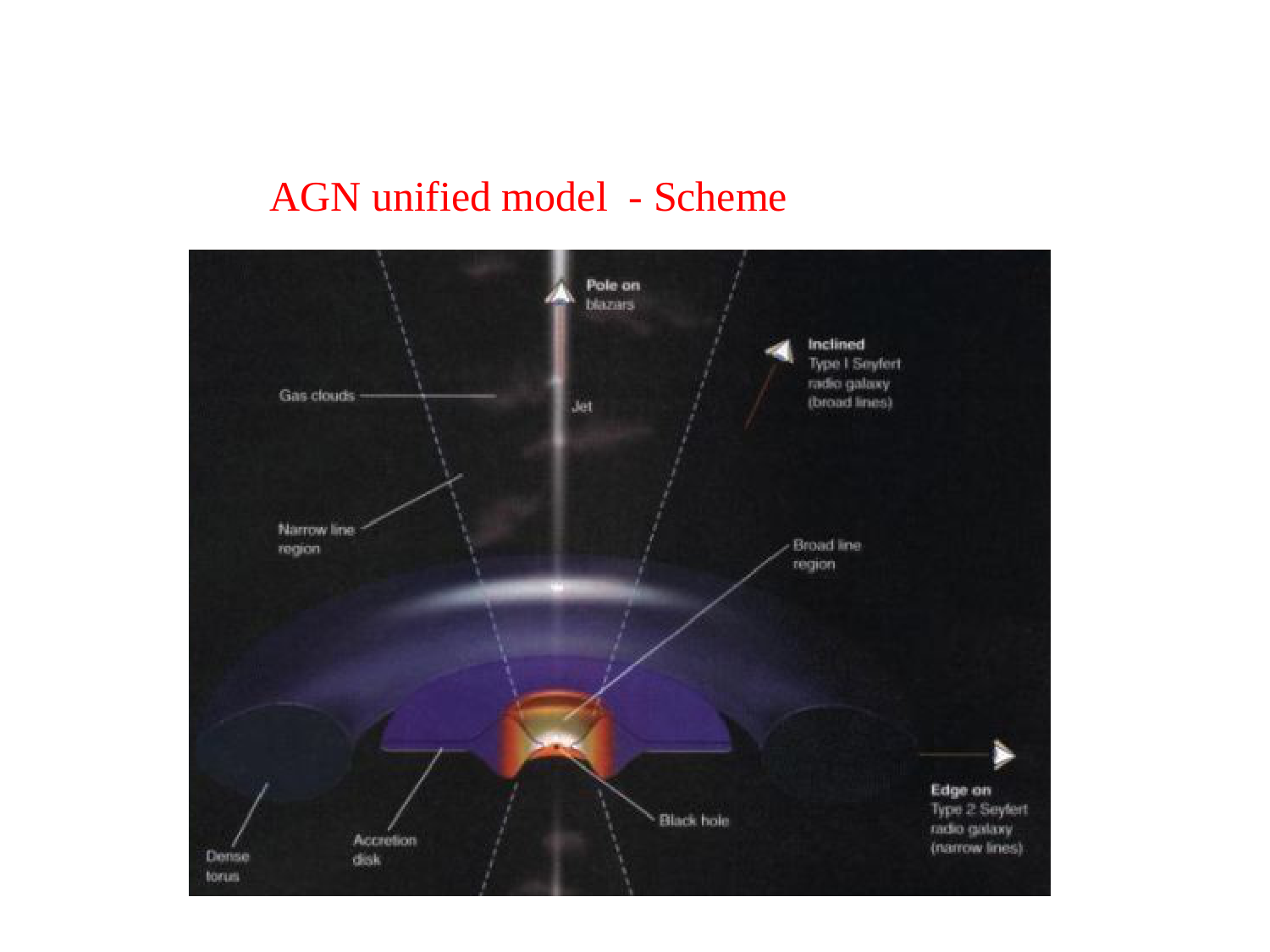
gal_bh-29..40,peterson2004_table.png,peterson2004_RL.png,bentz2009_RL.png,bentz2010_RL.png,bentz2010_velocitydelay.png,dispense_smbh_20_eng.pdfpp. 21-24,SMBH_in_Galaxies.texpp. 14-20, Master Derivations and Mathematical Rigor). - [[AGN spectroscopy]] - Unified Model - central SMBH, accretion disk, BLR ($v \sim 1000-10000$ km/s), dusty obscuring torus, Narrow-Line Region (NLR, $v \sim 500$ km/s), relativistic jets (
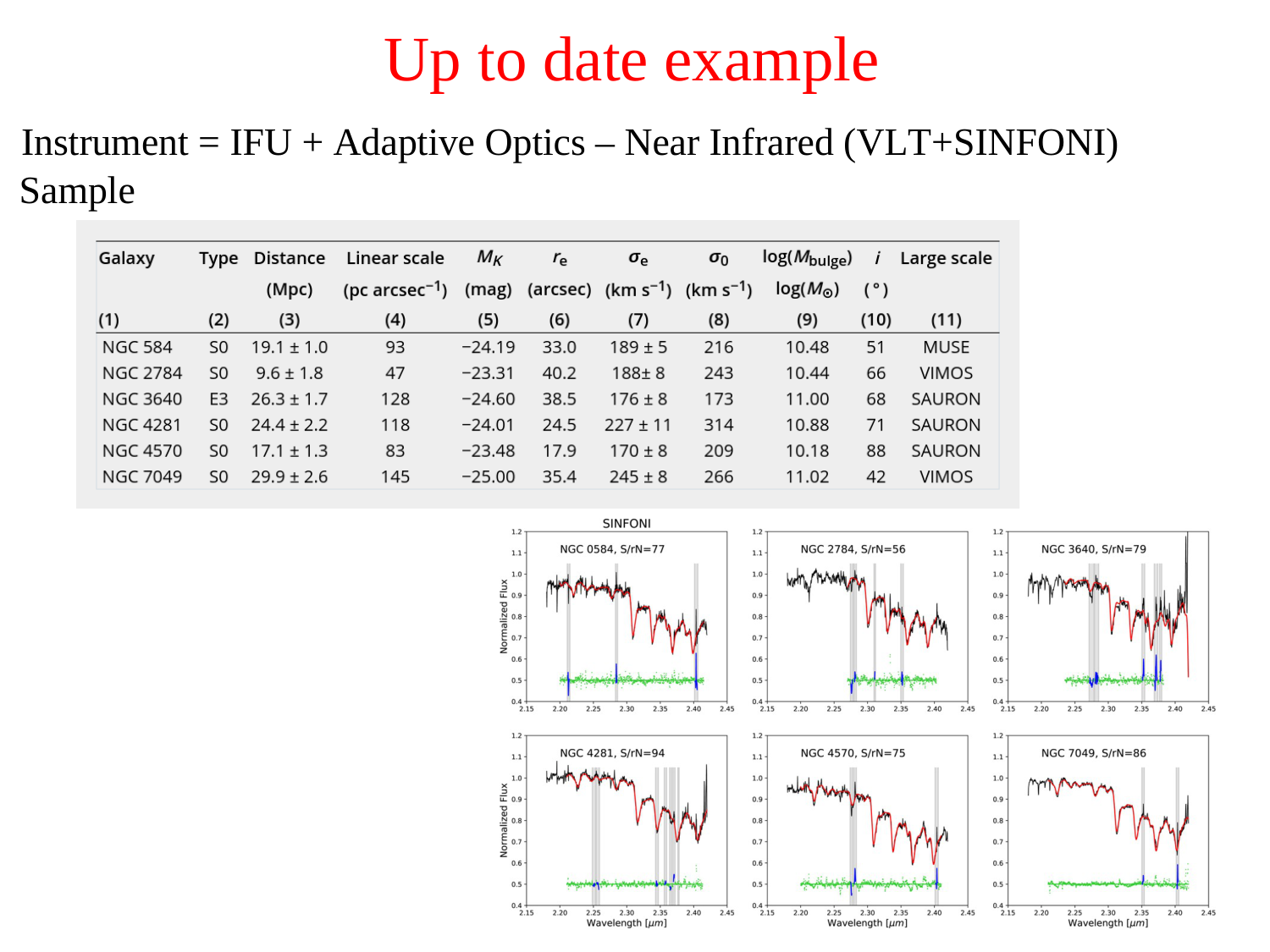
gal_bh-41..45,SMBH_in_Galaxies.texpp. 12-14). - [[Stellar dynamics SMBH masses]] - Jeans dynamical modeling and Schwarzschild orbit superposition method (
gal_bh-46..53,dispense_smbh_20_eng.pdfpp. 17-20,SMBH_in_Galaxies.texpp. 10-12). - [[Ionized gas SMBH masses]] - HST STIS spectroscopy of nuclear gas disks, sphere of influence $r_{\rm infl} = G M_\bullet / \sigma^2$, EHT direct shadow imaging of M87* ($M_\bullet = 6.5 \times 10^9 M_\odot$) (
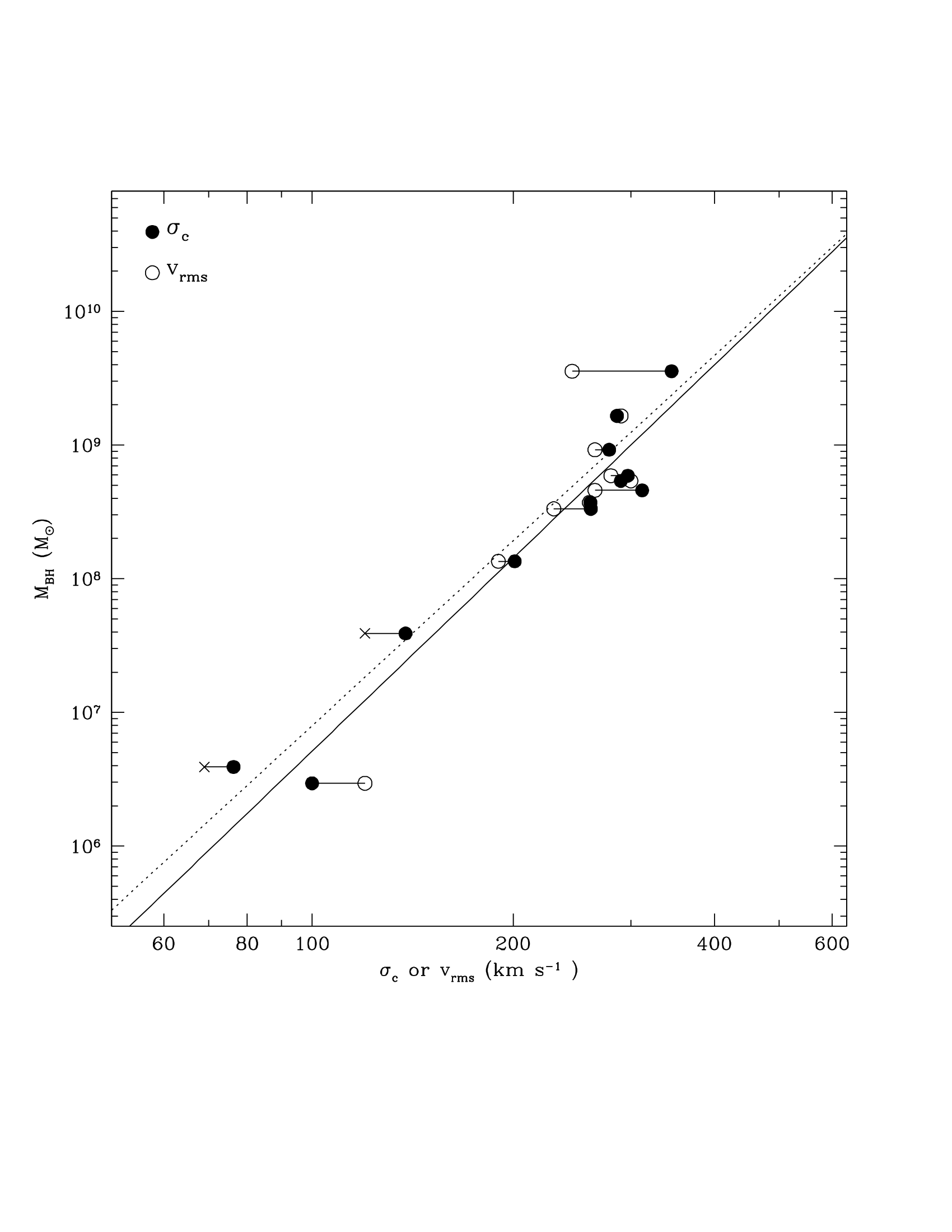
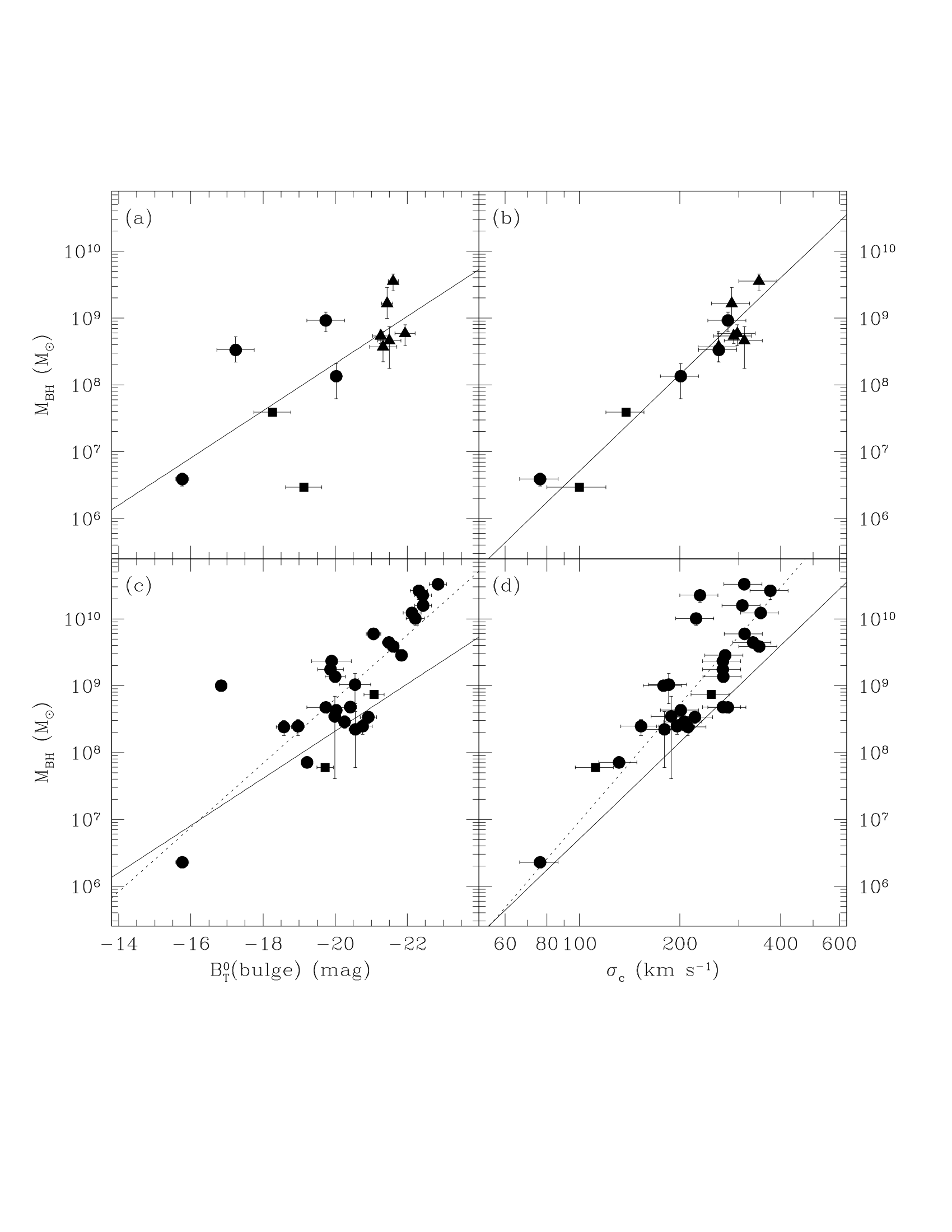
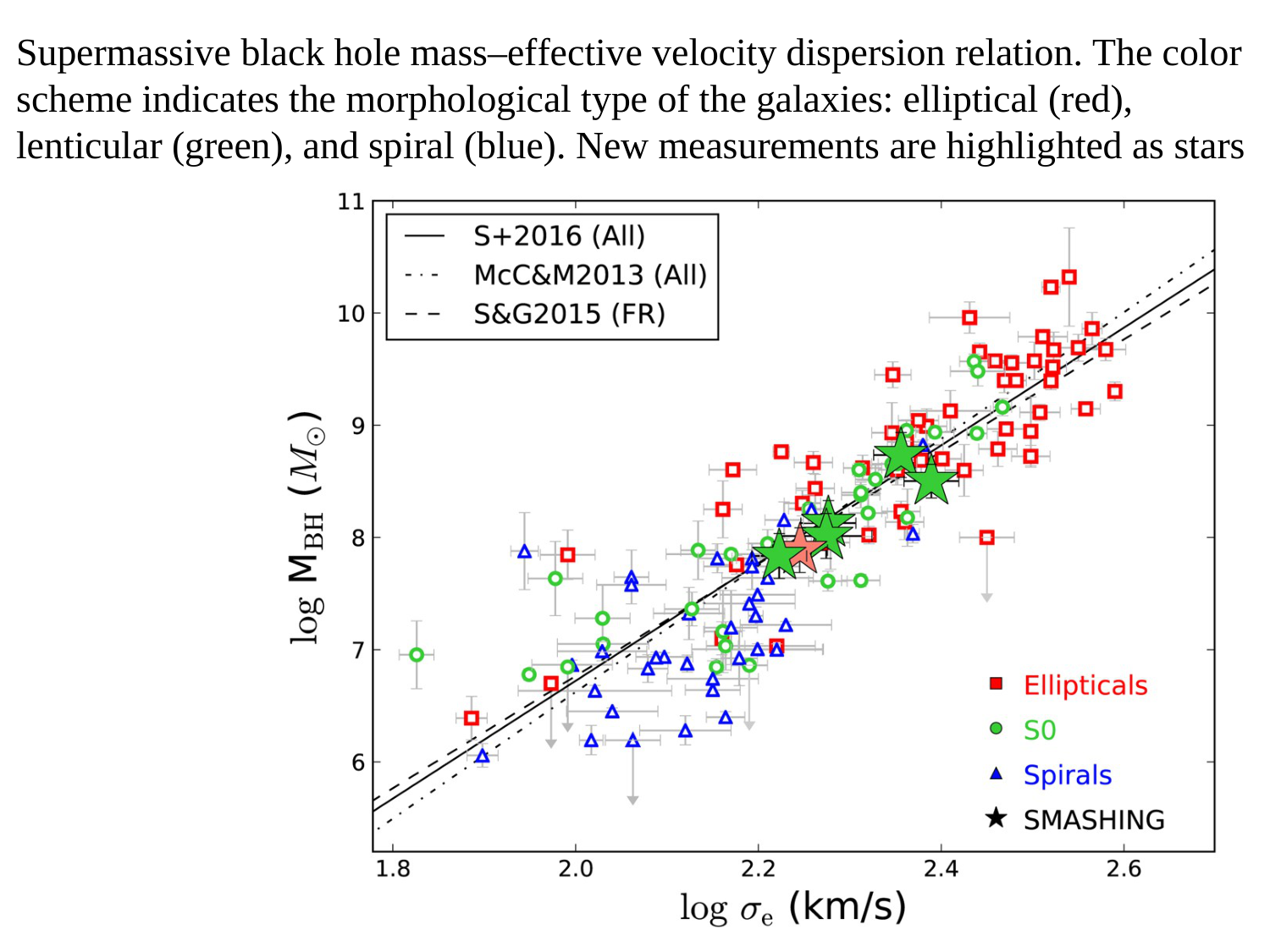
gal_bh-54..58,eht2019_M87_image_1.png.._19.png,dispense_smbh_20_eng.pdfpp. 7, 16-17,SMBH_in_Galaxies.texpp. 7, 9-10). - [[M sigma relation]] - tight correlation between SMBH mass and stellar velocity dispersion - $\log(M_\bullet/M_\odot) = \alpha + \beta\log(\sigma/200\text{ km/s})$, slope $\beta \approx 4.4$ (Ferrarese & Merritt 2000, Gebhardt et al. 2000, Kormendy & Ho 2013) (
gal_bh-59..68,ferrarese2000_Msigma.png,kormendy2013_Msigma.png,mcconnell2013_Msigma.png,saglia2016_Msigma.png,dispense_smbh_20_eng.pdfpp. 25-27,SMBH_in_Galaxies.texpp. 20-23, Mo et al. pp. 652-660). - [[Magorrian relation]] - linear scaling between black hole mass and host bulge mass - $M_\bullet \approx 0.001 - 0.002 M_{\rm bulge}$ (Magorrian et al. 1998, Kormendy & Ho 2013), self-regulated growth via AGN feedback energy/momentum driven outflows (
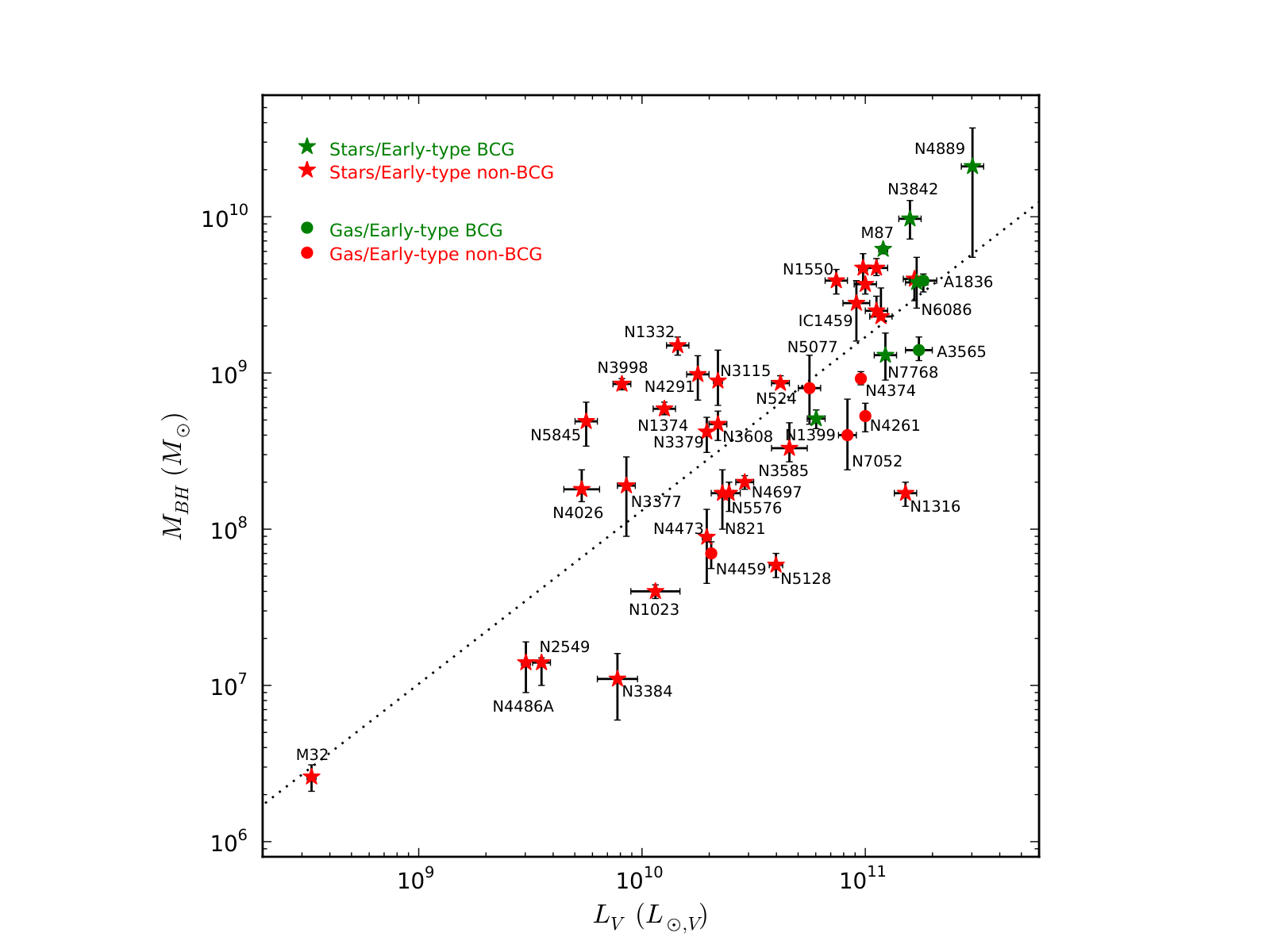
gal_bh-69..74,kormendy2013_ML.png,mcconnell2013_ML.png,dispense_smbh_20_eng.pdfp. 27,SMBH_in_Galaxies.texpp. 23-25).
Master Derivations & Mathematical Rigor (Block 8)
- Reverberation Mapping Isodelay Paraboloids: \(\tau(r, \theta) = \frac{r(1 - \cos\theta)}{c} \implies c\tau + z = \sqrt{x^2 + y^2 + z^2} \implies \boxed{z = \frac{x^2 + y^2}{2c\tau} - \frac{c\tau}{2}}\) For an inclined Keplerian ring: $(v_{\rm LOS} / v_K\sin i)^2 + ((c\tau - r)/r\sin i)^2 = 1$ (maps to an ellipse in $(v_{\rm LOS}, \tau)$). Virial mass: \(\boxed{M_\bullet = f \frac{c \tau_{\rm cent} \Delta V^2}{G}}\)
- Self-Regulated AGN Feedback ($M_\bullet - \sigma$ Scaling):
- Momentum-driven blowout (radiation thrust balances gas weight): \(\dot{P}_{\rm rad} = \frac{L_{\rm Edd}}{c} = \frac{4\pi G M_\bullet m_p}{\sigma_T}, \quad F_{\rm grav} = \frac{G M_{\rm tot} M_{\rm gas}}{r^2} = \frac{4 f_{\rm gas}\sigma^4}{G}\) \(\dot{P}_{\rm rad} = F_{\rm grav} \implies \boxed{M_\bullet = \left(\frac{f_{\rm gas}\sigma_T}{\pi G^2 m_p}\right) \sigma^4 \propto \sigma^4}\)
- Energy-driven blowout: $\dot{E}{\rm wind} \sim \frac{f{\rm gas}\sigma^5}{G} \implies \boxed{M_\bullet \propto \sigma^5}$.
Block 9 - Interstellar Medium of Galaxies
Gas reservoirs, star formation laws, and phase transitions.
Course slides - gal_ism-01..31. Dispensa - dispense_DM_2_eng.pdf (pp. 8-15). Textbooks - Mo, van den Bosch & White Ch. 9 (pp. 439-470). Binney & Merrifield Ch. 8-9 (pp. 535-614). Master Derivation - Schmidt-Kennicutt Derivation.
- [[Schmidt-Kennicutt law]] - empirical star formation law - $\Sigma_{\rm SFR} = (2.5 \pm 0.7) \times 10^{-4} \left(\frac{\Sigma_{\rm gas}}{1 M_\odot\text{ pc}^{-2}}\right)^{1.4 \pm 0.15} M_\odot\text{ yr}^{-1}\text{ kpc}^{-2}$, depletion timescale $\tau_{\rm dep} = \Sigma_{\rm gas}/\Sigma_{\rm SFR} \approx 1-2$ Gyr (
gal_ism-01..12,kennicutt1998_SFR_Halpha.png,kennicutt1998_SFR_density.png,dispense_DM_2_eng.pdfpp. 12-15, Mo et al. pp. 455-462). - [[Molecular clouds]] - Giant Molecular Clouds (GMCs), $H_2$ tracer via CO($J=1\to 0$) 2.6 mm line, CO-to-$H_2$ conversion factor $X_{\rm CO} \approx 2 \times 10^{20}\text{ cm}^{-2}(\text{K km/s})^{-1}$ (
gal_ism-13..18,dispense_DM_2_eng.pdfpp. 8, 13, Mo et al. pp. 440-447). - [[H I regions]] - 21 cm hyperfine spin-flip line, optical depth, neutral hydrogen mass $M_{\rm HI} = 2.36 \times 10^5 d_{\rm Mpc}^2 \int S_\nu dv$ (
gal_ism-19..23,dispense_DM_2_eng.pdfpp. 5-7, Binney & Merrifield pp. 549-560). - [[Photodissociation regions PDRs]] - FUV illuminated molecular cloud boundaries, [CII] 158 $\mu$m line cooling (
gal_ism-24..27). - [[H II region spectroscopy]] - photoionized nebulae around O/B stars, Strömgren sphere radius $r_S = \left(\frac{3 Q_0}{4\pi n_H^2 \alpha_B}\right)^{1/3}$ (
gal_ism-28..31).
Master Derivations & Mathematical Rigor (Block 9)
- Free-Fall Collapse Derivation of the Kennicutt-Schmidt Law: \(\dot{\rho}_* = \epsilon_{\rm SF} \frac{\rho_g}{t_{\rm ff}} \propto \rho_g \left(\frac{1}{\sqrt{1/G\rho_g}}\right) \propto \rho_g^{1.5}\) In hydrostatic equilibrium, disk scale height $H \propto \sigma_g^2 / G \Sigma_g \implies \rho_g \propto \Sigma_g / H$: \(\Sigma_{\rm SFR} \approx 2 H \dot{\rho}_* \propto H \left(\frac{\Sigma_{\rm gas}}{H}\right)^{1.5} \propto \Sigma_{\rm gas}^{1.5} \quad (\text{matches empirical } \Sigma_{\rm SFR} \propto \Sigma_{\rm gas}^{1.4})\)
- Orbital Frequency Formulation & Toomre Stability: \(\Sigma_{\rm SFR} = 0.017 \, \Sigma_{\rm gas} \, \Omega = 0.017 \, \frac{\Sigma_{\rm gas}}{t_{\rm orb}}, \quad Q = \frac{\kappa \sigma_g}{\pi G \Sigma_{\rm gas}} > 1 \implies \Sigma_{\rm thresh} \approx 5-10 \, M_\odot\,\mathrm{pc}^{-2}\)
Block 10 - Dark Matter in Galaxies & Alternative Gravity
Empirical evidence for galactic dark matter halos and tests of gravity.
Course slides - gal_dm-01..80. Dispensa - dispense_DM_2_eng.pdf (pp. 21-50). Textbooks - Mo, van den Bosch & White Ch. 2 (pp. 70-76), Ch. 7 (pp. 373-384), Ch. 11 (pp. 517-534). Peter Schneider Ch. 3 (pp. 122-138) & Ch. 6 (pp. 282-320). Master Derivation - Isothermal Halo & Hydrostatic Gas Proofs. Master Graph - Rotation Curve Decomposition.
- [[Dark matter rotation curves]] - 21 cm HI and optical rotation curves staying flat out to $5-10\times$ optical radius, implied density profile $\rho_{\rm DM}(r) \propto r^{-2}$, NFW profile $\rho(r) = \frac{\rho_0}{(r/r_s)(1+r/r_s)^2}$, cusp-core problem (
gal_dm-01..22,dispense_DM_2_eng.pdfpp. 21-30, Mo et al. pp. 373-384). - [[Dark matter in elliptical galaxies]] - hydrostatic equilibrium of hot X-ray emitting gas ($T \sim 10^7$ K) - $M(r) = -\frac{k_B T r}{G \mu m_p} \left(\frac{d\ln\rho}{d\ln r} + \frac{d\ln T}{d\ln r}\right)$, globular cluster and planetary nebula kinematics (
gal_dm-23..32,dispense_DM_2_eng.pdfpp. 31-37). - [[Dark matter in dwarf galaxies]] - dwarf spheroidals (dSphs) having extreme mass-to-light ratios ($M/L \sim 100-1000 M_\odot/L_\odot$), testing small-scale $\Lambda\text{CDM}$ challenges (
gal_dm-33..40,dispense_DM_2_eng.pdfpp. 39-42). - [[Bullet Cluster and dark matter mapping]] - 1E 0657-56 - spatial separation between collisional X-ray plasma (Chandra) and collisionless mass peaks (gravitational lensing), direct evidence for particle dark matter over modified gravity (
gal_dm-41..50,dispense_DM_2_eng.pdfpp. 49-50). - [[Lensing as a cosmological probe]] - Einstein radius $\theta_E = \sqrt{\frac{4GM}{c^2}\frac{D_{ls}}{D_l D_s}}$, strong lensing mass reconstruction, weak lensing cosmic shear (
gal_dm-51..58,dispense_DM_2_eng.pdfpp. 43-47). - [[MOND]] - Modified Newtonian Dynamics (Milgrom 1983), acceleration threshold $a_0 \approx 1.2 \times 10^{-10}\text{ m/s}^2$, deep-MOND regime $a = \sqrt{a_N a_0}$, natural derivation of Baryonic Tully-Fisher relation $M_{\rm bar} = \frac{v_{\rm flat}^4}{G a_0}$ (
gal_dm-59..70,dispense_DM_2_eng.pdfpp. 28, 48-50). - [[Modified gravity alternatives]] - TeVeS, MOG, challenges with CMB acoustic peaks and cluster collision kinematics (
gal_dm-71..80).
Master Derivations & Mathematical Rigor (Block 10)
- Flat Rotation Curves & Isothermal Halo: \(v_c(R) = V_{\rm flat} = \text{const} \implies \frac{G M(R)}{R} = V_{\rm flat}^2 \implies M(R) = \frac{V_{\rm flat}^2 R}{G} \propto R\) \(\rho_{\rm DM}(R) = \frac{1}{4\pi R^2} \frac{dM}{dR} = \frac{V_{\rm flat}^2}{4\pi G R^2} \propto R^{-2}\)
- Hydrostatic Equilibrium of Hot X-ray Gas in Ellipticals: \(\frac{dP_g}{dr} = -\rho_g \frac{G M(r)}{r^2}, \quad P_g = \frac{\rho_g k_B T}{\mu m_p} \implies \boxed{M(r) = -\frac{k_B T(r) r}{G \mu m_p}\left[\frac{d\ln\rho_g}{d\ln r} + \frac{d\ln T}{d\ln r}\right]}\) For the $\beta$-model ($\rho_g(r) = \rho_0 [1 + (r/r_c)^2]^{-\frac{3}{2}\beta_{\rm fit}}$) with isothermal gas $T = T_0$: \(M(r) = \left(\frac{3\beta_{\rm fit} k_B T_0}{G \mu m_p}\right) \frac{r^3}{r_c^2 + r^2} \xrightarrow{r \gg r_c} \propto r \implies \rho_{\rm tot}(r) \propto r^{-2}\)
- Deep-MOND Limit & Baryonic Tully-Fisher Relation: \(\mu\left(\frac{a}{a_0}\right) a = g_N \xrightarrow{a \ll a_0} \frac{a^2}{a_0} = \frac{G M_{\rm bar}}{r^2} \implies a = \frac{\sqrt{G M_{\rm bar} a_0}}{r}\) Equating to centripetal acceleration $v^2/r$: \(\frac{v^2}{r} = \frac{\sqrt{G M_{\rm bar} a_0}}{r} \implies v^4 = G M_{\rm bar} a_0 \implies \boxed{M_{\rm bar} = \frac{1}{G a_0} v_{\rm flat}^4}\)
Block 11 - Stellar Populations in Early-Type Galaxies
Chemical enrichment, downsizing, and formation timescales.
Course slides - gal_sre-01..52. Textbooks - Mo, van den Bosch & White Ch. 10 (pp. 471-516) & Ch. 13 (pp. 628-635). Binney & Merrifield Ch. 4 (pp. 193-194) & Ch. 5 (pp. 250-324). Master Derivation - Alpha-Fe Clock Chemical Equations.
- [[Early-type galaxy stellar populations]] - downsizing phenomenon - most massive ellipticals formed their stars earliest and over the shortest time intervals (
gal_sre-01..20, Mo et al. pp. 628-635). - [[Alpha-Fe enhancement]] - $[\alpha/\text{Fe}]$ abundance ratio as chemical clock - Type II SNe produce $\alpha$-elements on $10$ Myr timescales, Type Ia produce iron on $\sim 1$ Gyr delays, $[\alpha/\text{Fe}] \sim +0.2$ to $+0.3$ in massive ellipticals proves star formation shut down in $< 1$ Gyr (
gal_sre-21..36, Mo et al. pp. 508-514). - [[Color gradients in ellipticals]] - radial color gradients driven by metallicity gradients $d[Z/H]/d\log r \sim -0.2$ to $-0.4$ dex/decade rather than age gradients, supporting inside-out formation (
gal_sre-37..52, Binney & Merrifield pp. 193-194).
Master Derivations & Mathematical Rigor (Block 11)
- The $[\alpha/\text{Fe}]$ Cosmic Chemical Clock:
\(\frac{dM_\alpha}{dt} = -Z_\alpha \psi(t) + y_\alpha^{\rm CCSN}(1 - R)\psi(t)\)
\(\frac{dM_{\rm Fe}}{dt} = -Z_{\rm Fe} \psi(t) + y_{\rm Fe}^{\rm CCSN}(1 - R)\psi(t) + \int_0^t \psi(t - \tau) y_{\rm Fe}^{\rm Ia} \Psi(\tau) d\tau\)
- For rapid starbursts ($t < \tau_{\rm Ia} \sim 1$ Gyr), the SN Ia integral vanishes: $[\alpha/\text{Fe}]_{\rm plateau} \approx +0.35 \text{ to } +0.45$ dex.
- For extended star formation ($t > 1$ Gyr), SN Ia iron drops $[\alpha/\text{Fe}]$, creating the “knee”. In massive ellipticals, $[\alpha/\text{Fe}] \approx +0.25$ dex proves star formation ceased within $\Delta t < 0.8$ Gyr (downsizing).
- Lick Indices Age-Metallicity Degeneracy:
- $H\beta$ equivalent width traces main sequence turnoff temperature (sensitive to Age).
- $\mathrm{Mg}\,b$, $\mathrm{Fe}\,5270$, $\mathrm{Fe}\,5335$ trace atmospheric metal line blanketing (sensitive to Metallicity).
- Combined index $[\mathrm{MgFe}]’ \equiv \sqrt{\mathrm{Mg}\,b \cdot (0.72 \mathrm{Fe}5270 + 0.28 \mathrm{Fe}5335)}$ is insensitive to $[\alpha/\text{Fe}]$, cleanly separating age from metallicity on model grids.
Block 12 - Scaling Relations & Galaxy Structure
Empirical relations revealing virial equilibrium, homology, and star formation efficiency.
Course slides - gal_srs-01..47. Dispensa - Notes_FP_2_0eng.pdf (pp. 1-13). Textbooks - Mo, van den Bosch & White Ch. 11 (pp. 534-537) & Ch. 13 (pp. 624-628). Binney & Merrifield Ch. 4 (pp. 204-210) & Ch. 7 (pp. 422-429). Peter Schneider Ch. 3 (pp. 136-138, 165-171). Master Derivation - Tully-Fisher & Fundamental Plane Proofs. Master Graph - FP & TF Blackboard Sketches.
- [[Tully-Fisher relation]] - $L \propto V_{\rm flat}^4$ for spiral galaxies, derivation from centrifugal balance $V^2 = GM/R$, constant $M/L$, and Freeman’s constant central surface brightness $I_0$ (
obs_dist-41..42, Mo et al. pp. 534-537, Binney & Merrifield pp. 422-425, Master Derivations and Mathematical Rigor). - [[Faber-Jackson relation]] - $L \propto \sigma^4$ for elliptical galaxies (Faber & Jackson 1976), derivation from Virial theorem $M \propto R \sigma^2$, constant $M/L$, and constant mean surface brightness $I_0$ (
gal_srs-01..15, Binney & Merrifield pp. 204-205, Mo et al. pp. 76-78). - [[Fundamental plane of ellipticals]] - $\log R_e = 1.24\log\sigma_0 - 0.82\log\langle I\rangle_e + \text{const}$, tilt of the Fundamental Plane driven by systematic variation of stellar $M/L$ with galaxy mass - $M/L \propto M^{0.2}$ and structural non-homology (
gal_srs-16..30,Notes_FP_2_0eng.pdfpp. 1-13, Mo et al. pp. 624-628, Binney & Merrifield pp. 205-210, Master Derivations and Mathematical Rigor). - [[Kormendy relation]] - photometric projection of Fundamental Plane - $\langle\mu\rangle_e = 3.02\log R_e + 19.72$ (Kormendy 1977) (
gal_srs-31..40, Binney & Merrifield pp. 205-207). - [[Low surface brightness galaxies]] - $\mu_0(B) > 23$ mag/arcsec$^2$, Ultra-Diffuse Galaxies (UDGs), dark matter domination at all radii (
gal_srs-41..47,dispense_DM_2_eng.pdfp. 48).
Master Derivations & Mathematical Rigor (Block 12)
- Tully-Fisher Derivation for Spiral Disks: \(v_c^2 \approx \frac{G M}{R_c}, \quad L = 2\pi I_0 h_R^2 \implies h_R \propto (L/I_0)^{1/2}, \quad M = \Upsilon L\) \(v_c^2 \propto \frac{G \Upsilon L}{(L/I_0)^{1/2}} = G \Upsilon I_0^{1/2} L^{1/2} \implies v_c^4 \propto G^2 \Upsilon^2 I_0 L \implies \boxed{L = \left(\frac{C_R^2}{2\pi G^2 \Upsilon^2 I_0}\right) v_c^4 \propto v_c^4}\) Requires constant central surface brightness $I_0$ (Freeman’s law) and constant mass-to-light ratio $\Upsilon$.
- Virial Fundamental Plane & Tilt for Ellipticals:
Scalar Virial Theorem: $2K + U = 0 \implies 3 M \sigma_0^2 = c_2 \frac{G M^2}{R_e} \implies M = c_1 \frac{R_e \sigma_0^2}{G}$.
Relate mass to luminosity $M = \Upsilon L$ and mean surface brightness $L = 2\pi R_e^2 \langle I\rangle_e$:
\(\Upsilon (2\pi R_e^2 \langle I\rangle_e) = c_1 \frac{R_e \sigma_0^2}{G} \implies \boxed{R_e = \left(\frac{c_1}{2\pi G}\right) \sigma_0^2 \, \langle I\rangle_e^{-1} \, \Upsilon^{-1}}\)
\(\log R_e = 2\log\sigma_0 - \log\langle I\rangle_e - \log\Upsilon + \text{const}\)
- The Tilt: Empirical fit gives $\log R_e = 1.24\log\sigma_0 - 0.82\log\langle I\rangle_e + \text{const}$.
- The deviation from exponents $(2, -1)$ is caused by $\Upsilon \equiv M/L \propto M^{0.2}$, structural non-homology (Sérsic $n$ varying with mass), and increasing dark matter fraction.
- Faber-Jackson Relation as a Projection: If mean surface brightness $\langle I\rangle_e \approx \text{const}$, the Fundamental Plane collapses to the Faber-Jackson relation $L \propto \sigma_0^4$. The scatter in Faber-Jackson ($\sim 0.4$ dex) is much larger than FP ($\sim 0.05$ dex) because variations in $\langle I\rangle_e$ are ignored.
Literature & Primary Sources
Canonical and modern arXiv astro-ph.GA/HE benchmark papers underlying the dark-matter halo, luminosity-function, and SMBH-scaling-relation physics above.
- [[Navarro_Frenk_White_1997_NFW_Universal_Density_Profile|Navarro, Frenk & White (1997) - A Universal Density Profile]] - NFW profile, enclosed mass, mass-concentration relation
- [[Schechter_1976_Galaxy_Luminosity_Function|Schechter (1976) - An Analytic Expression for the Luminosity Function of Galaxies]] - Schechter function, faint-end slope, bright-end cutoff
- [[Kormendy_Ho_2013SMBH_Host_Galaxy_Coevolution|Kormendy & Ho (2013) - Coevolution of SMBHs and Host Galaxies]] - $M\bullet$-$\sigma$ relation, classical bulge vs. pseudobulge
- [[Peterson_2014_SMBH_Reverberation_Mapping|Peterson (2014) - Measuring the Masses of Supermassive Black Holes]] - reverberation mapping, virial mass estimator, radius-luminosity relation
Wikipedia and arXiv sources
Every zettel in this map ends with a short sourced section: a definition quoted from Wikipedia (63 zettels) or from the abstract of an arXiv review (41 zettels), and, where a free figure exists, the credited lead figure of the Wikipedia article (Wikimedia Commons) or a figure from an openly licensed arXiv paper. The lecture-slide figures above are unchanged.
| Zettel | Wikipedia | arXiv review | Figure |
|---|---|---|---|
| [[AGN spectroscopy]] | Active galactic nucleus | arXiv:1505.00811 | |
| [[Alpha-Fe enhancement]] | Alpha process | Commons | |
| [[Bullet Cluster and dark matter mapping]] | Bullet Cluster | arXiv:hep-ph/0404175 | Commons |
| [[CAS galaxy classification]] | Galaxy morphological classification | arXiv:1403.2783 | Commons |
| [[Color bimodality of galaxies]] | Galaxy color–magnitude diagram | Commons | |
| [[Color gradients in ellipticals]] | Elliptical galaxy | arXiv:1602.04267 | Commons |
| [[Coma cluster]] | Coma Cluster | Commons | |
| [[Dark matter in dwarf galaxies]] | Dwarf galaxy | arXiv:1901.05465 | Commons |
| [[Dark matter in elliptical galaxies]] | Elliptical galaxy | arXiv:1602.04267 | Commons |
| [[Dark matter rotation curves]] | Galaxy rotation curve | arXiv:astro-ph/0010594 | Commons |
| [[Datacube redshift measurement]] | Integral field spectrograph | arXiv:1602.04267 | Commons |
| [[Datacube reduction]] | Integral field spectrograph | arXiv:1602.04267 | Commons |
| [[De Vaucouleurs and exponential profiles]] | De Vaucouleurs’s law | ||
| [[Deep-field surveys]] | Hubble Deep Field | Commons | |
| [[Double power-law modified Schechter]] | Luminosity function (astronomy) | arXiv:1106.2039 | |
| [[Early-type galaxy stellar populations]] | Elliptical galaxy | arXiv:1602.04267 | Commons |
| [[Eigenspectra and spectral types]] | Principal component analysis | Commons | |
| [[Faber-Jackson relation]] | Faber–Jackson relation | arXiv:1602.04267 | |
| [[Fundamental plane of ellipticals]] | Fundamental plane (elliptical galaxies) | arXiv:1602.04267 | |
| [[Galactic Center Sgr A and S-stars]] | [Sagittarius A](https://en.wikipedia.org/wiki/Sagittarius_A) | ||
| [[Galaxy color, density and morphology]] | Galaxy morphological classification | arXiv:1403.2783 | Commons |
| [[Galaxy morphology vs physical properties]] | Galaxy morphological classification | arXiv:1403.2783 | Commons |
| [[Green valley and quenching tracks]] | Galaxy color–magnitude diagram | Commons | |
| [[H I regions]] | H I region | Commons | |
| [[H II region spectroscopy]] | H II region | arXiv:1910.09730 | Commons |
| [[Hubble morphological sequence]] | Hubble sequence | arXiv:1403.2783 | Commons |
| [[Integral-field spectroscopy IFU]] | Integral field spectrograph | arXiv:1602.04267 | Commons |
| [[Integrals of the Schechter function]] | Luminosity function (astronomy) | arXiv:1106.2039 | |
| [[Ionized gas kinematics]] | Supermassive black hole | arXiv:1304.7762 | Commons |
| [[Ionized gas SMBH masses]] | Supermassive black hole | arXiv:1304.7762 | Commons |
| [[Kormendy relation]] | Fundamental plane (elliptical galaxies) | arXiv:1602.04267 | |
| [[Lensing as a cosmological probe]] | Gravitational lens | arXiv:1003.5567 | Commons |
| [[Local Group galaxies]] | Local Group | Commons | |
| [[LOSVD]] | Stellar kinematics | arXiv:1602.04267 | Commons |
| [[Low surface brightness galaxies]] | Low surface brightness galaxy | Commons | |
| [[Luminosity function definition]] | Luminosity function (astronomy) | arXiv:1106.2039 | |
| [[M sigma relation]] | M–sigma relation | arXiv:1304.7762 | Commons |
| [[Madau plot]] | Star formation | arXiv:1403.0007 | |
| [[Magorrian relation]] | M–sigma relation | arXiv:1304.7762 | Commons |
| [[MaNGA survey]] | Sloan Digital Sky Survey | Commons | |
| [[Modified gravity alternatives]] | Alternatives to general relativity | arXiv:1112.3960 | |
| [[Molecular clouds]] | Molecular cloud | arXiv:1204.3552 | Commons |
| [[MOND]] | Modified Newtonian dynamics | arXiv:1112.3960 | |
| [[MUSE datacubes]] | Multi-Unit Spectroscopic Explorer | Commons | |
| [[PCA spectral classification of galaxies]] | Principal component analysis | Commons | |
| [[Photodissociation regions PDRs]] | Photodissociation region | Commons | |
| [[Photometric redshifts]] | Photometric redshift | arXiv:1805.12574 | |
| [[Red sequence and blue cloud]] | Galaxy color–magnitude diagram | Commons | |
| [[Reverberation mapping]] | Reverberation mapping | arXiv:1304.7762 | |
| [[Rotation curves]] | Galaxy rotation curve | arXiv:astro-ph/0010594 | Commons |
| [[Schechter function in magnitudes]] | Luminosity function (astronomy) | arXiv:1106.2039 | |
| [[Schechter function]] | Luminosity function (astronomy) | arXiv:1106.2039 | |
| [[Schmidt-Kennicutt law]] | Kennicutt–Schmidt law | arXiv:1204.3552 | |
| [[SDSS overview]] | Sloan Digital Sky Survey | Commons | |
| [[Sersic profile]] | Sérsic profile | arXiv:1403.2783 | Commons |
| [[Spectrograph design]] | Optical spectrometer | Commons | |
| [[Spectrograph types]] | Optical spectrometer | Commons | |
| [[Stellar dynamics SMBH masses]] | Supermassive black hole | arXiv:1304.7762 | Commons |
| [[Stellar kinematics measurements]] | Stellar kinematics | arXiv:1602.04267 | Commons |
| [[Tully-Fisher relation]] | Tully–Fisher relation | Commons | |
| [[UV luminosity function]] | Luminosity function (astronomy) | arXiv:1106.2039 | |
| [[Virgo cluster]] | Virgo Cluster | Commons | |
| [[Water maser BH masses]] | Astrophysical maser |
Prof. Alessandro Pizzella Oral Exam Defense Preparation Matrix
This defense matrix prepares the student for typical examination questions asked by Prof. Alessandro Pizzella, drawn from the course lectures and student LaTeX synthesis notes.
| Topic # & Subject | Typical Exam Question | Key Blackboard Derivations | Trap Points & Crucial Insights | Target Zettel |
|---|---|---|---|---|
| 1. Schechter Function | “Write down the Schechter luminosity function, explain the physical meaning of its parameters, express it in magnitudes, and derive the total number and luminosity density integrals.” | 1. $\Phi(L)dL = \frac{\Phi^}{L^}(L/L^)^\alpha e^{-L/L^} dL$. 2. In magnitudes - $\Phi(M)dM = 0.4\ln(10)\Phi^* 10^{0.4(\alpha+1)(M^-M)}\exp[-10^{0.4(M^-M)}] dM$. 3. Total number - $n = \int_0^\infty \Phi(L)dL = \Phi^* \Gamma(\alpha+1)$ (diverges if $\alpha \le -1$). 4. Total luminosity - $j = \int_0^\infty L\Phi(L)dL = \Phi^* L^* \Gamma(\alpha+2)$ (converges because $\alpha > -2$, observed $\alpha \approx -1.2$). |
Emphasize that while total number density can diverge mathematically for $\alpha \le -1$, total luminosity density is always finite because $\alpha > -2$! Faint galaxies dominate in number, but galaxies around $L^*$ dominate the cosmic luminosity budget. | [[Schechter function]], [[Integrals of the Schechter function]] |
| 2. Galaxy Bimodality & Quenching | “Describe the color bimodality of galaxies in the local universe. What are the characteristics of the Red Sequence and Blue Cloud? How do galaxies transition across the Green Valley?” | 1. Double Gaussian fit to color distributions at fixed $M_r$. 2. Red sequence - early-type, passively evolving, massive, high concentration $C > 2.6$. 3. Blue cloud - late-type, star-forming, low concentration $C < 2.6$. 4. Quenching pathways - fast quenching (merger $\to$ starburst $\to$ AGN blowout, $\tau < 1$ Gyr) vs slow quenching (halo gas starvation, strangulation, $\tau \sim 2-4$ Gyr). |
Mention the characteristic transition stellar mass $M_* \approx 3 \times 10^{10} M_\odot$ (Strateva 2001, Baldry 2004, Kauffmann 2003) where the galaxy population switches from disk/star-forming dominated to spheroid/passive dominated. | [[Red sequence and blue cloud]], [[Color bimodality of galaxies]], [[Green valley and quenching tracks]] |
| 3. CAS Morphological Classification | “How does the quantitative CAS system work? Define Concentration, Asymmetry, and Smoothness, and show how they separate normal galaxies from interacting/merging systems.” | 1. Concentration - $C = 5\log_{10}(r_{80}/r_{20})$. 2. Asymmetry - $A = \frac{\sum \lvert I_0 - I_{180}\rvert}{2\sum \lvert I_0\rvert} - B_{180}$ (rotated by $180^\circ$, normalized and background subtracted). 3. Smoothness/Clumpiness - $S = \frac{\sum \lvert I_0 - I_s\rvert}{\sum \lvert I_0\rvert} - B_s$ (smoothed by $\sigma = 0.2 r_{\rm petro}$). 4. Mergers occupy a distinct region - $A > 0.35$ and $A > S$. |
Crucial detail - always rotate about the central brightness peak that minimizes $A$, not the geometric center! Background subtraction is vital because background noise adds artificially to $A$. | [[CAS galaxy classification]] |
| 4. PCA of Galaxy Spectra | “Explain how Principal Component Analysis (PCA) is applied to galaxy spectra. What do the first two eigenspectra represent physically, and how is the parameter $\eta$ defined?” | 1. Construct mean-subtracted flux matrix $F_{i\lambda}$. 2. Diagonalize covariance matrix $C_{\lambda\lambda’}$ to find eigenvectors (eigenspectra) $e_k(\lambda)$. 3. PC1 traces continuum slope, $4000$ Å break, and mean stellar age ($~60-70\%$ of variance). 4. PC2 traces emission lines ($H\alpha$, [OII], [OIII]) and current star formation ($~10-15\%$ of variance). 5. 2dFGRS classification parameter - $\eta = a_1 \cos\theta + a_2 \sin\theta$ with $\theta \approx -20^\circ$. |
$\eta$ correlates strongly with current birthrate parameter $b = \text{SFR}/\langle\text{SFR}\rangle$. It provides an objective classification that bypasses subjective visual morphology and is robust against dust reddening. | [[PCA spectral classification of galaxies]], [[Eigenspectra and spectral types]] |
| 5. Line-of-Sight Velocity Distribution (LOSVD) | “What is the LOSVD? How is it parameterized using Gauss-Hermite moments $h_3$ and $h_4$? What physical orbital structures do $h_3$ and $h_4$ reveal?” | 1. $f(v) = \frac{1}{\sqrt{2\pi}\sigma} e^{-\frac{1}{2}y^2} [1 + h_3 H_3(y) + h_4 H_4(y)]$ with $y = (v-V)/\sigma$. 2. $H_3(y) = \frac{1}{\sqrt{6}}(2\sqrt{2}y^3 - 3\sqrt{2}y)$ (asymmetry/skewness). 3. $H_4(y) = \frac{1}{\sqrt{24}}(4y^4 - 12y^2 + 3)$ (kurtosis/peakedness). 4. $h_3 < 0$ opposite to rotation indicates an embedded stellar disk. 5. $h_4 > 0$ (peaked distribution with broad wings) indicates radial stellar orbits. |
Emphasize that standard Gaussian fitting underestimates $\sigma$ and misses central black holes! If $h_4 > 0$ (radial orbits), ignoring $h_4$ biases the central velocity dispersion $\sigma$ downward. | [[LOSVD]], [[Stellar kinematics measurements]] |
| 6. Sgr A* and the S2 Orbit | “Detail the observational proof of the supermassive black hole at the Galactic Center. How was the orbit of the star S2 monitored, and what are its orbital parameters?” | 1. Keplerian orbital fitting to astrometric positions and radial velocities. 2. S2 period $P = 16.05$ yr, semi-major axis $a = 0.125’’ \approx 1000$ AU. 3. Pericenter distance $r_{\rm peri} \approx 120$ AU $\approx 1400 R_s$, orbital speed $v_{\rm peri} \approx 7700$ km/s. 4. Kepler 3rd law - $M_\bullet = \frac{4\pi^2 a^3}{G P^2} = (4.15 \pm 0.13) \times 10^6 M_\odot$. 5. Enclosed density $\rho > 10^{19} M_\odot/\text{pc}^3$ rules out dark clusters of neutron stars/white dwarfs. |
Mention relativistic effects confirmed during the 2018 pericenter passage (GRAVITY collaboration) - gravitational redshift $\Delta\lambda/\lambda$ and Schwarzschild relativistic pericenter precession ($12’$ per orbit). | [[Galactic Center Sgr A and S-stars]] |
| 7. Water Masers in NGC 4258 | “Explain why NGC 4258 is considered the gold standard for supermassive black hole mass measurements. How do the 22 GHz water masers behave?” | 1. VLBA radio interferometry at 22 GHz ($1.3$ cm). 2. Thin disk seen nearly edge-on ($i \approx 83^\circ$) at radii $0.13 < r < 0.26$ pc ($40,000-80,000 R_s$). 3. High-velocity masers follow exact Keplerian law - $v(r) = \sqrt{G M_\bullet / r} \propto r^{-1/2}$ to within $<1\%$. 4. Systemic masers at disk center show steady centripetal acceleration - $a = v^2/r \approx 9.5$ km/s/yr. 5. Black hole mass - $M_\bullet = (3.9 \pm 0.1) \times 10^7 M_\odot$. |
The Keplerian falloff proves that the mass is entirely enclosed within $r < 0.13$ pc. The implied central density exceeds $10^{12} M_\odot/\text{pc}^3$, providing unambiguous proof of a central SMBH without stellar dynamical modeling ambiguities. | [[Water maser BH masses]] |
| 8. Reverberation Mapping | “How does reverberation mapping measure black hole masses in active galactic nuclei? Derive the virial mass formula and explain velocity-delay maps.” | 1. Continuum variations from accretion disk illuminate Broad-Line Region (BLR) gas. 2. Emission line flux responds with time lag $\tau$ - $L_{\rm line}(t) = \int \Psi(\tau) L_{\rm cont}(t-\tau) d\tau$. 3. Mean lag gives BLR radius - $R_{\rm BLR} = c \langle\tau\rangle$. 4. Virial mass - $M_\bullet = f \frac{c\tau \Delta V^2}{G}$ where $\Delta V$ is line width (FWHM or dispersion $\sigma_v$). 5. Virial factor $f$ depends on BLR geometry and inclination (mean $\langle f\rangle \approx 4.3$). |
Explain the $R_{\rm BLR} - L$ scaling relation - $R_{\rm BLR} \propto L^{0.533}$ (Bentz et al. 2013). This allows single-epoch spectroscopic black hole mass estimates for distant quasars across cosmological time! | [[Reverberation mapping]] |
| 9. The $M_\bullet - \sigma$ Relation | “State the $M_\bullet - \sigma$ relation. What is its slope, how is it measured, and what does it tell us about galaxy-black hole co-evolution?” | 1. $\log(M_\bullet/M_\odot) = \alpha + \beta\log(\sigma/200\text{ km/s})$ with $\beta \approx 4.4 \pm 0.3$. 2. Measured using stellar/gas dynamics inside sphere of influence $r_{\rm infl} = G M_\bullet / \sigma^2$. 3. Magorrian relation - $M_\bullet \approx 10^{-3} M_{\rm bulge}$. 4. Co-evolution mechanism - Silk & Rees (1998) momentum/energy-driven AGN feedback blowout ($L_{\rm Edd} \propto M_\bullet \propto \sigma^4$ or $\sigma^5$). |
Emphasize that $M_\bullet$ correlates with the bulge velocity dispersion $\sigma$, NOT the total galaxy mass or disk rotation! Bulge-less galaxies have small or absent black holes. Pseudobulges show weaker or offset correlations. | [[M sigma relation]], [[Magorrian relation]] |
| 10. Flat Rotation Curves & Fundamental Plane | “Explain the discrepancy in spiral rotation curves and how dark matter is inferred. Then derive the Faber-Jackson relation and explain the tilt of the Fundamental Plane.” | 1. Observed $V(R) \approx \text{const}$ vs Keplerian visible disk $V(R) \propto R^{-1/2}$. 2. Mass profile - $M(R) = V^2 R / G \propto R \implies \rho(R) \propto R^{-2}$ (isothermal dark halo). 3. Faber-Jackson - Virial theorem $M \propto R\sigma^2$, with $M/L = \text{const}$ and $I_0 = L/R^2 = \text{const} \implies L \propto \sigma^4$. 4. Fundamental Plane - $\log R_e = 1.24\log\sigma_0 - 0.82\log\langle I\rangle_e + c$. 5. Tilt of FP - theoretical virial prediction is $R_e \propto \sigma_0^2 \langle I\rangle_e^{-1}$. The tilt is caused by $M/L \propto M^{0.2}$ and non-homology. |
The tilt of the Fundamental Plane proves that elliptical galaxies are NOT a strictly homologous family with constant mass-to-light ratios - more massive ellipticals have progressively higher stellar/dynamical mass-to-light ratios! | [[Dark matter rotation curves]], [[Faber-Jackson relation]], [[Fundamental plane of ellipticals]] |
Essential Galaxy Formulas Quick Sheet
\[\boxed{\Phi(L) dL = \frac{\Phi^*}{L^*}\left(\frac{L}{L^*}\right)^\alpha e^{-L/L^*} dL} \qquad \text{(Schechter Luminosity Function)}\] \[\boxed{n_{\rm tot} = \Phi^*\Gamma(\alpha+1), \quad j_{\rm tot} = \Phi^* L^*\Gamma(\alpha+2)} \qquad \text{(Total Number & Luminosity Density)}\] \[\boxed{\eta(r) = \frac{I(r)}{\langle I\rangle_{<r}}, \quad \eta(r_P) = 0.2} \qquad \text{(Petrosian Aperture)}\] \[\boxed{I(R) = I_e \exp\left\{-b_n\left[\left(\frac{R}{R_e}\right)^{1/n} - 1\right]\right\}} \qquad \text{(Sersic Surface Brightness Law)}\] \[\boxed{C = 5\log_{10}\left(\frac{r_{80}}{r_{20}}\right), \quad A = \frac{\sum \lvert I_0 - I_{180}\rvert}{2\sum \lvert I_0\rvert} - B_{180}, \quad S = \frac{\sum \lvert I_0 - I_s\rvert}{\sum \lvert I_0\rvert} - B_s} \qquad \text{(CAS Parameters)}\] \[\boxed{f(v) = \frac{1}{\sqrt{2\pi}\sigma} e^{-\frac{1}{2}y^2}\left[1 + h_3 H_3(y) + h_4 H_4(y)\right]} \qquad \text{(Gauss-Hermite LOSVD)}\] \[\boxed{M(R) = \frac{V^2 R}{G} \propto R, \quad \rho(R) = \frac{V^2}{4\pi G R^2} \propto R^{-2}} \qquad \text{(Flat Rotation Curve Dark Matter Halo)}\] \[\boxed{r_{\rm infl} = \frac{G M_\bullet}{\sigma^2}} \qquad \text{(Black Hole Sphere of Influence)}\] \[\boxed{M_\bullet = f\frac{c\tau \Delta V^2}{G}} \qquad \text{(Reverberation Mapping Virial Mass)}\] \[\boxed{M_\bullet \propto \sigma^{4.4}, \quad M_\bullet \approx 10^{-3} M_{\rm bulge}} \qquad \text{(M-\sigma & \textMagorrian Relations)}\] \[\boxed{\Sigma_{\rm SFR} \propto \Sigma_{\rm gas}^{1.4}} \qquad \text{(Kennicutt-Schmidt Star Formation Law)}\] \[\boxed{\log R_e = 1.24\log\sigma_0 - 0.82\log\langle I\rangle_e + \text{const}} \qquad \text{(Fundamental Plane of Ellipticals)}\] \[\boxed{a = \sqrt{a_N a_0} \implies v_{\rm flat} = (G M a_0)^{1/4}} \qquad \text{(Deep-MOND Tully-Fisher Law)}\]Master Figure Index - Astrophysics of Galaxies (650 Images)
Part A - Curated Publication Figures
| Figure Image | Originating Paper / Source | Physical Topic Illustrated | Host Zettel Note |
|---|---|---|---|
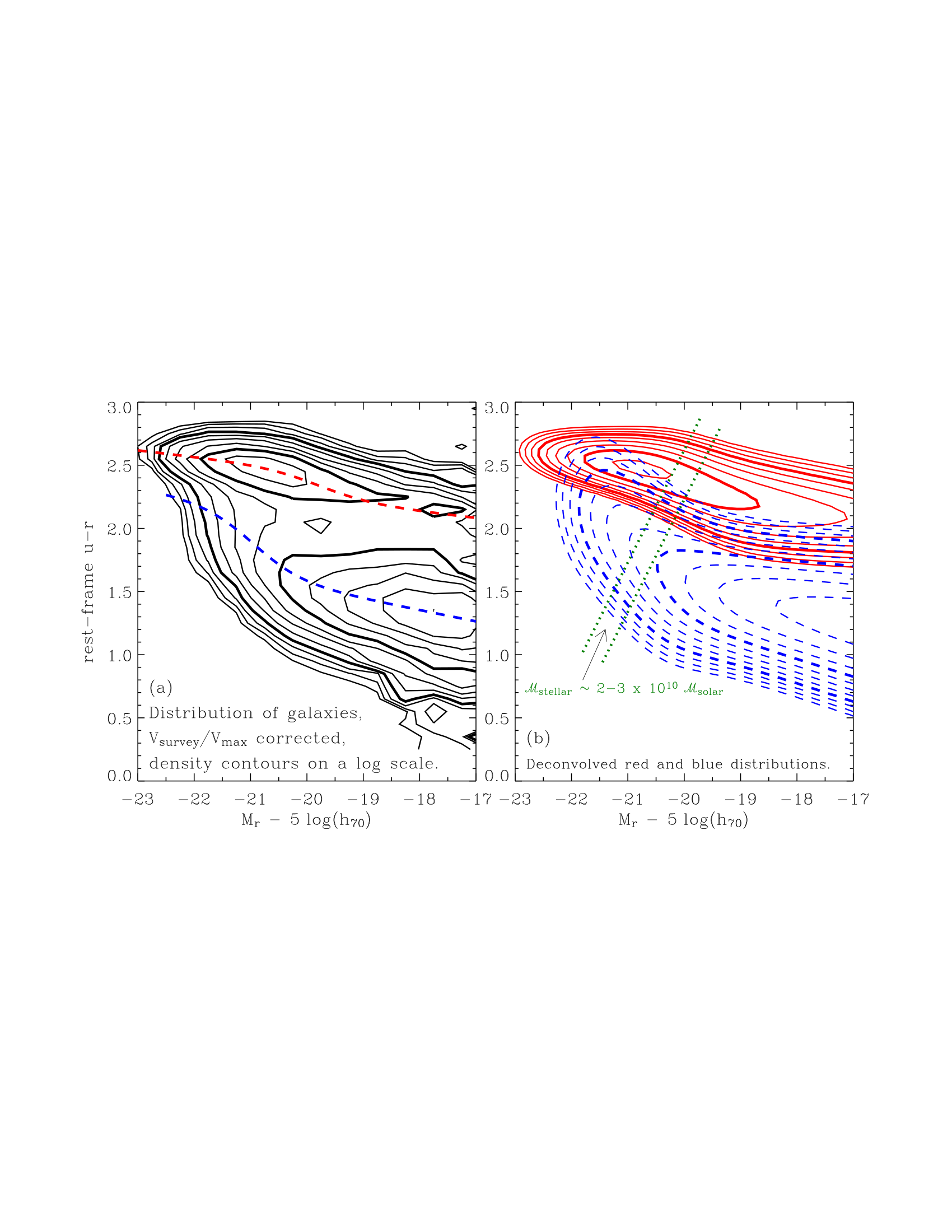 |
Baldry et al. (2004) | Color-magnitude bimodality, separate red/blue LFs | [[Color bimodality of galaxies]] |
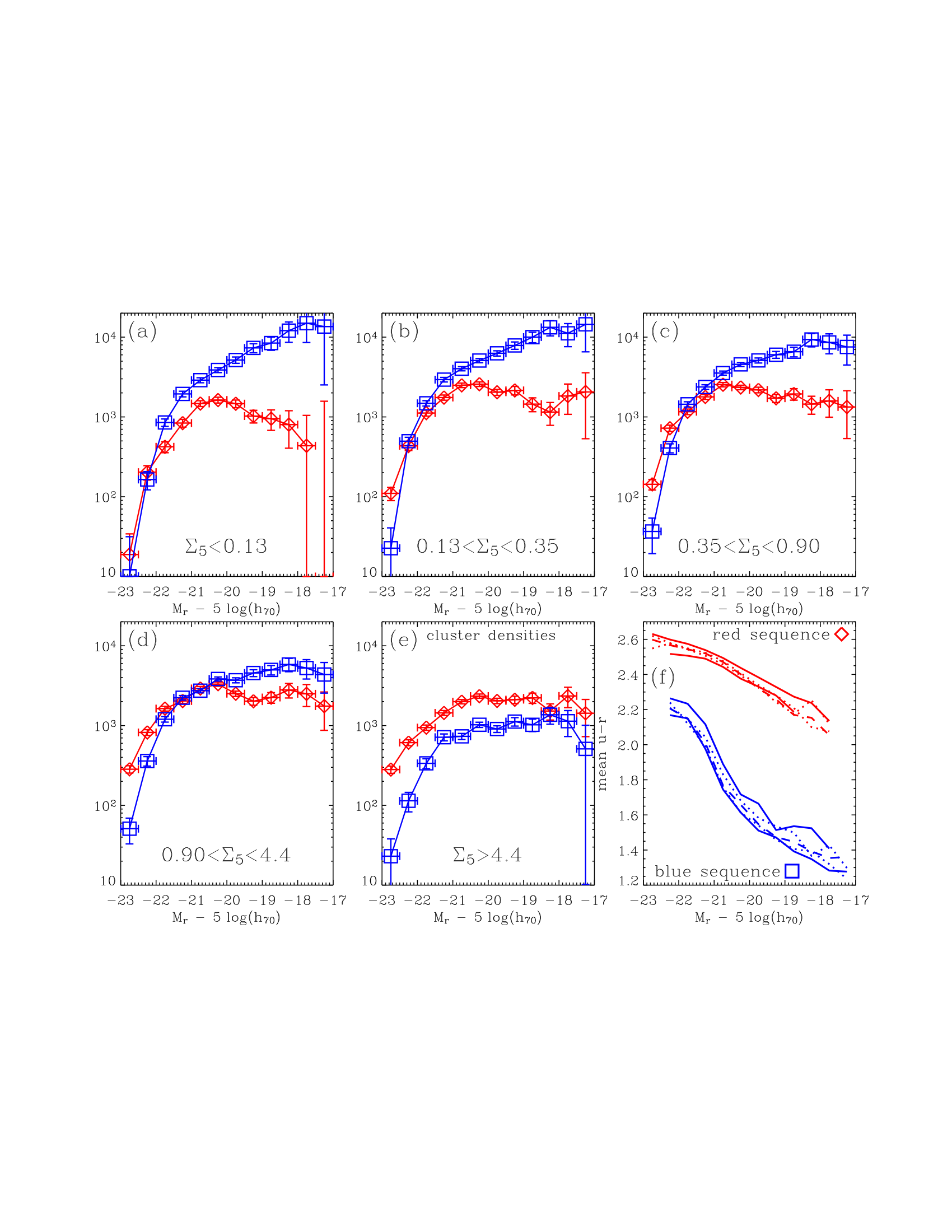 |
Baldry et al. (2004) | Color-magnitude bimodality, separate red/blue LFs | [[Color bimodality of galaxies]] |
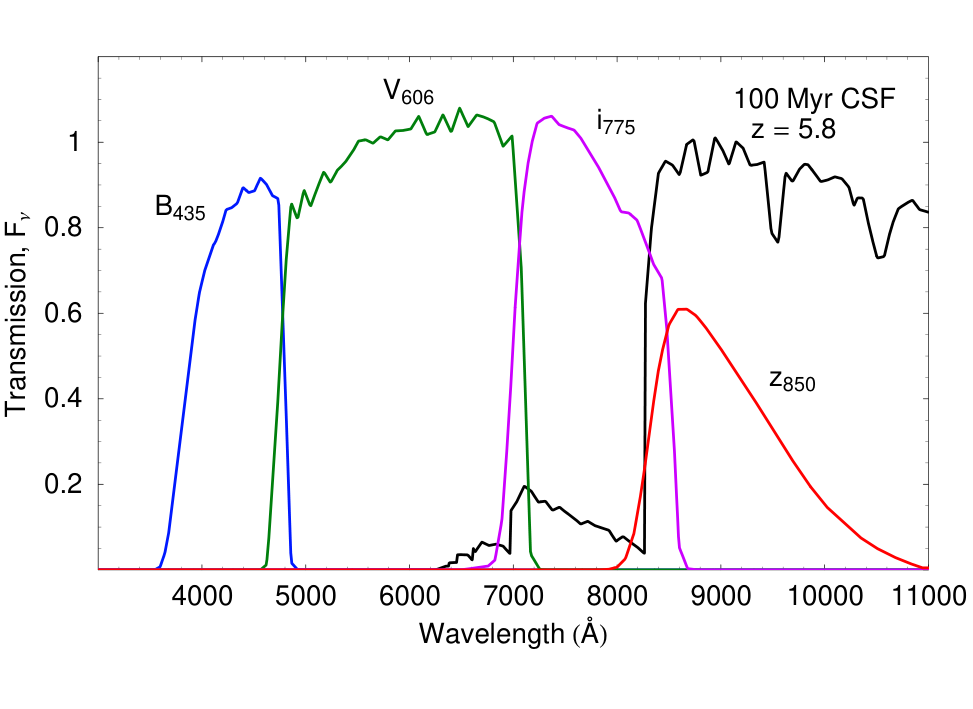 |
Beckwith et al. (2006) | Hubble Ultra Deep Field (HUDF) multi-band composite | [[Deep-field surveys]] |
 |
Bentz et al. (2009, 2010) | Cleaned R_BLR - L relation and velocity-delay maps | [[Reverberation mapping]] |
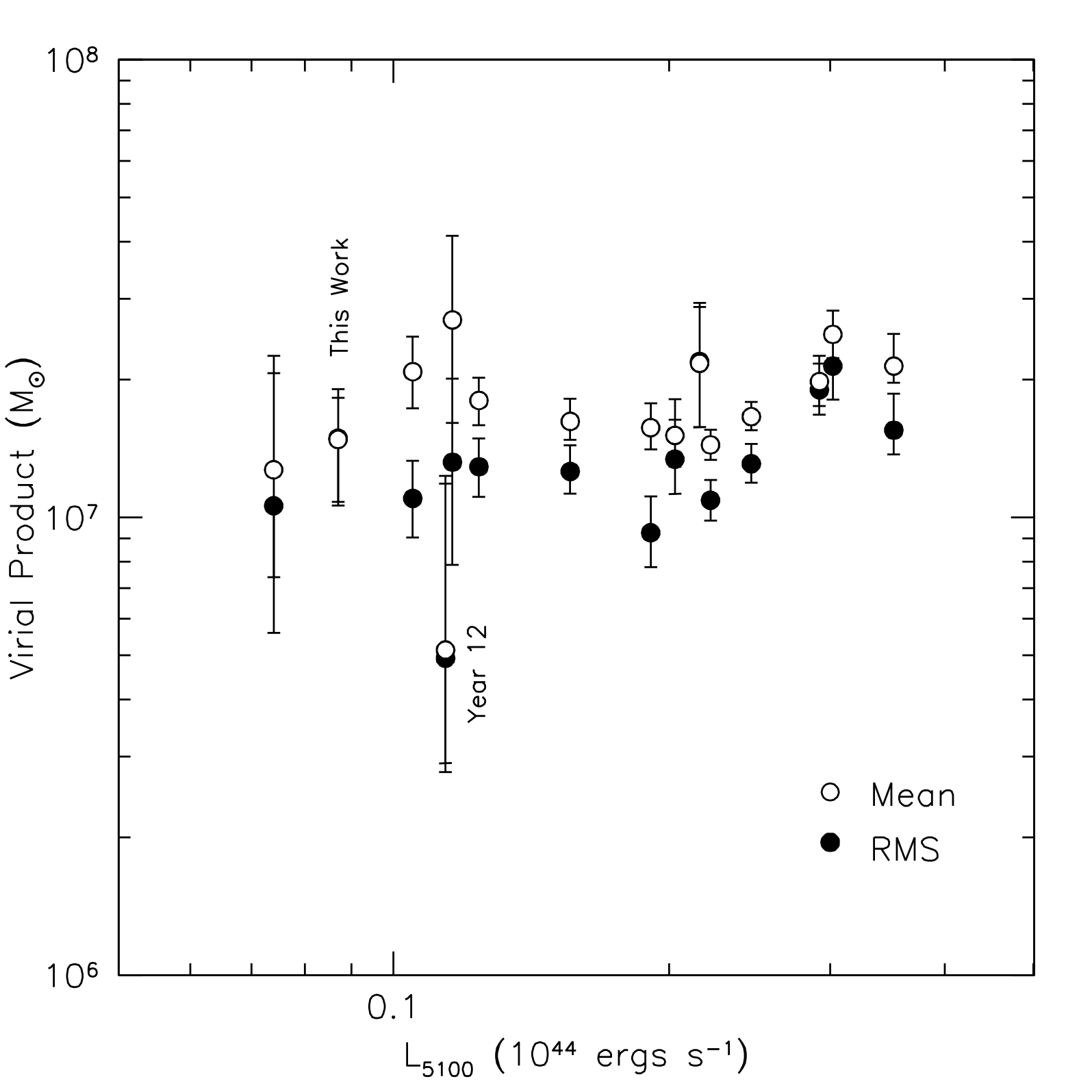 |
Bentz et al. (2009, 2010) | Cleaned R_BLR - L relation and velocity-delay maps | [[Reverberation mapping]] |
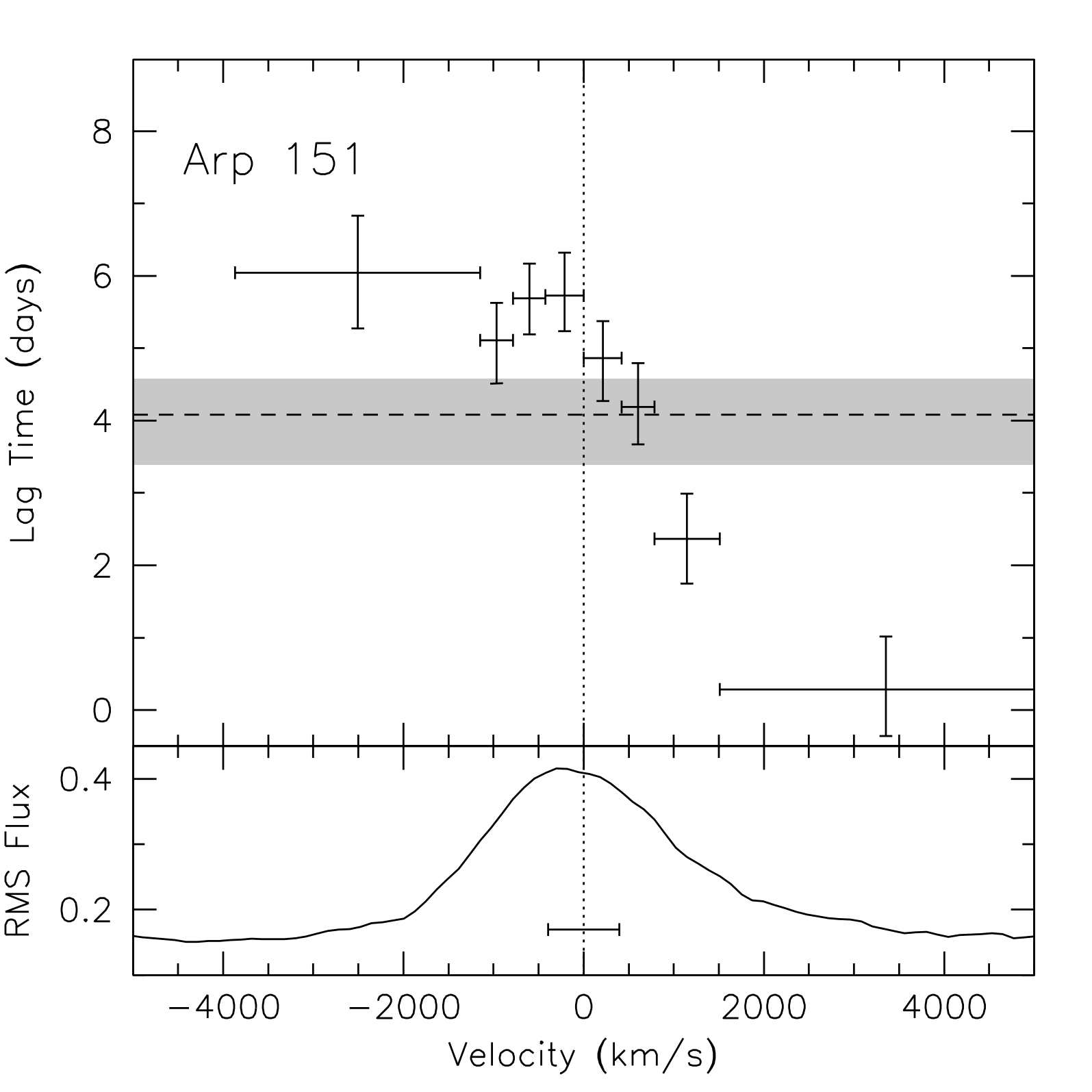 |
Bentz et al. (2009, 2010) | Cleaned R_BLR - L relation and velocity-delay maps | [[Reverberation mapping]] |
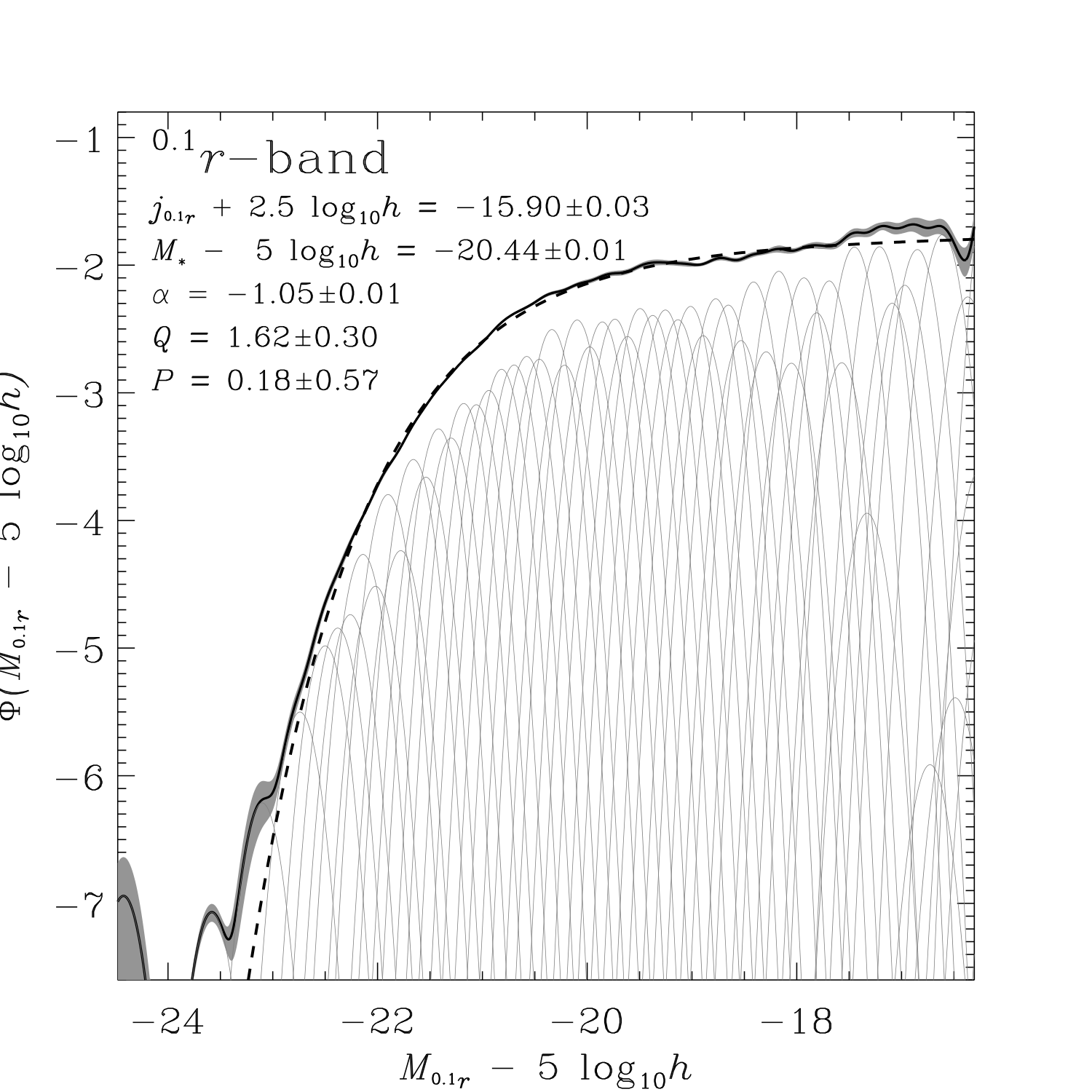 |
Blanton et al. (2003) | SDSS galaxy luminosity function and K-corrections | [[Schechter function]] |
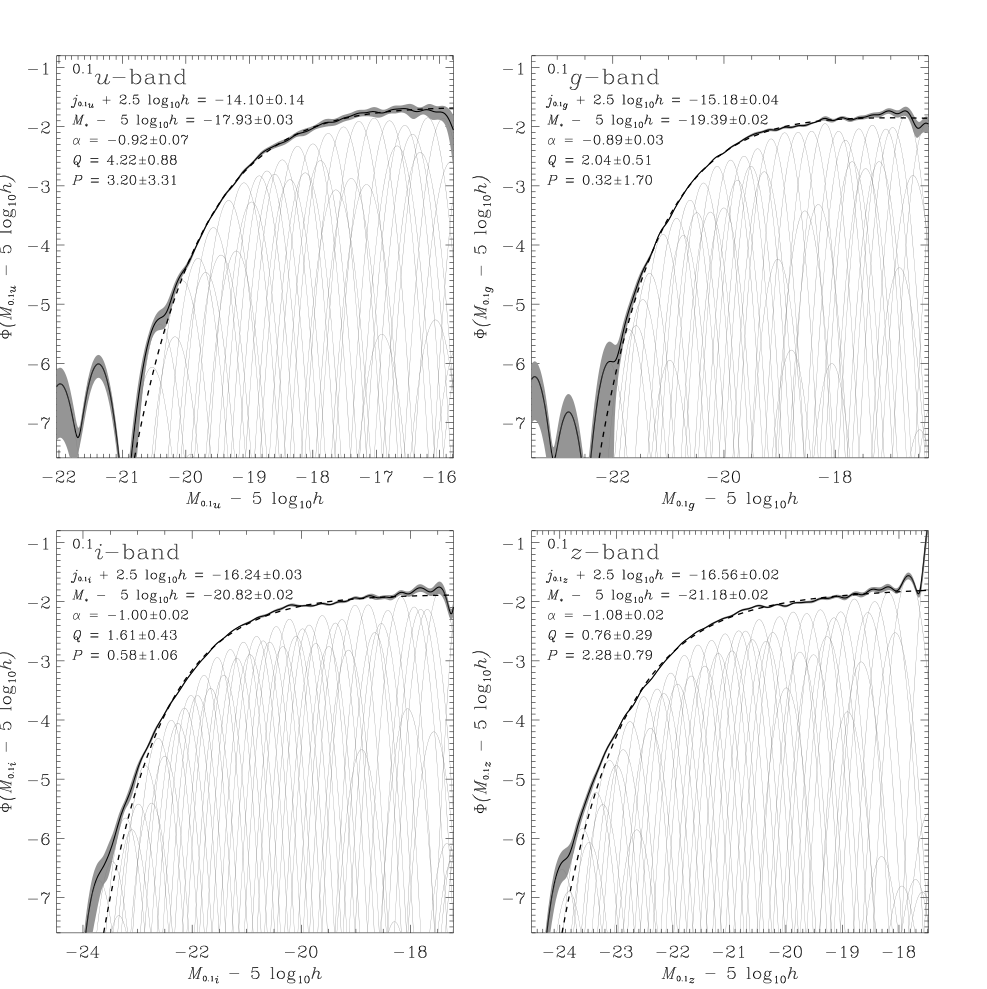 |
Blanton et al. (2003) | SDSS galaxy luminosity function and K-corrections | [[Schechter function]] |
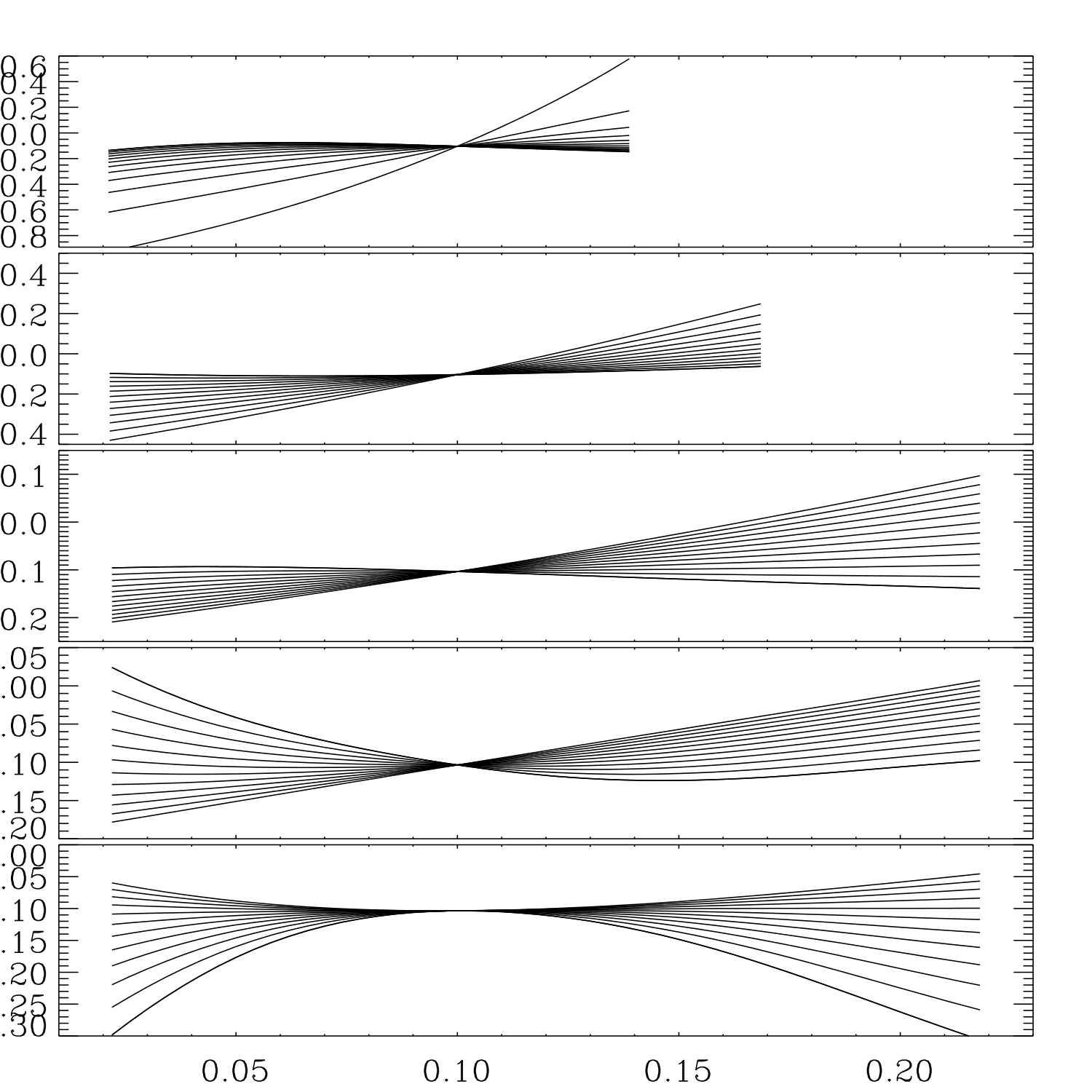 |
Blanton et al. (2003) | SDSS galaxy luminosity function and K-corrections | [[Schechter function]] |
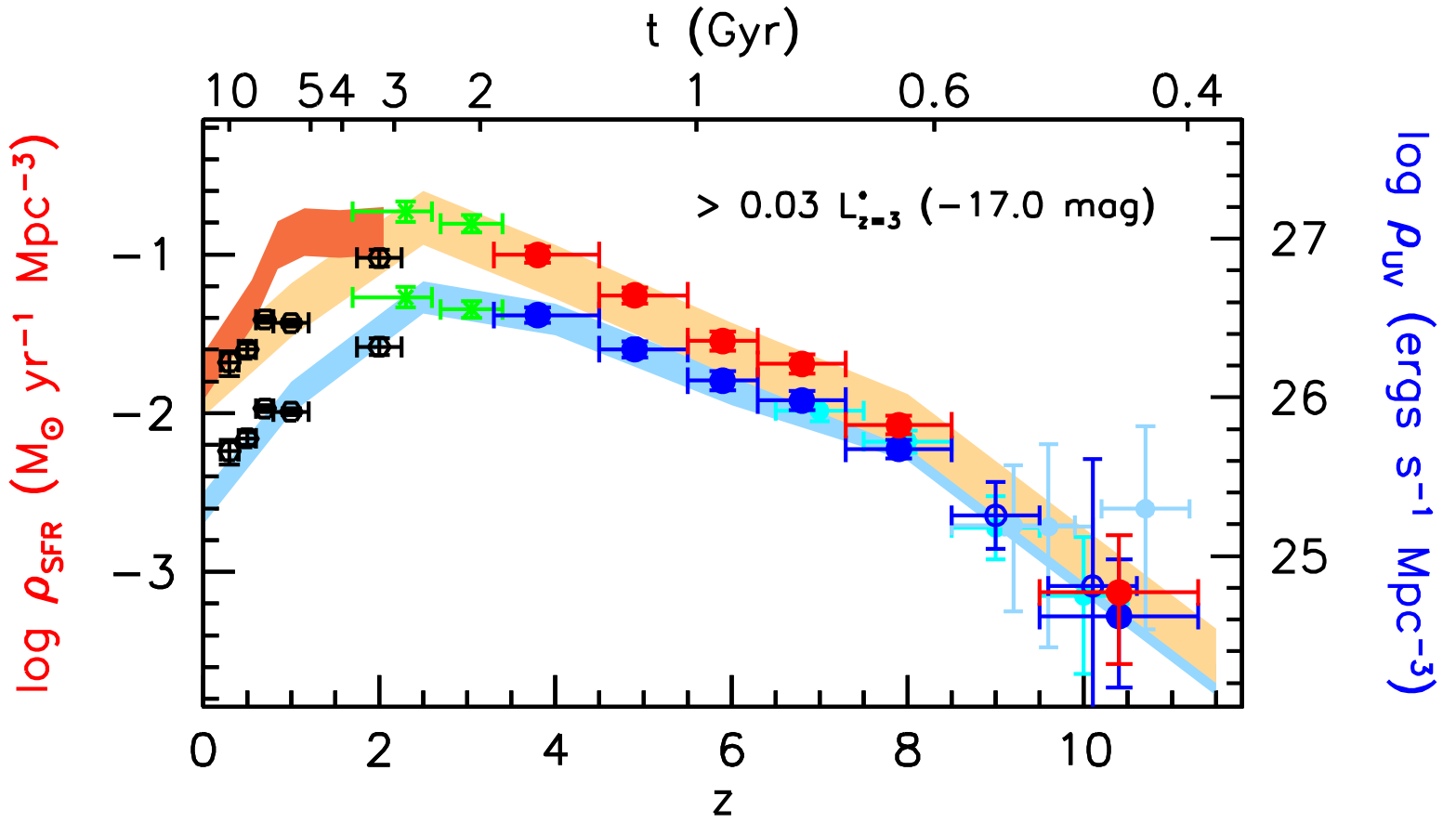 |
Bouwens et al. (2015) | High-z UV luminosity functions and SFR density | [[UV luminosity function]] |
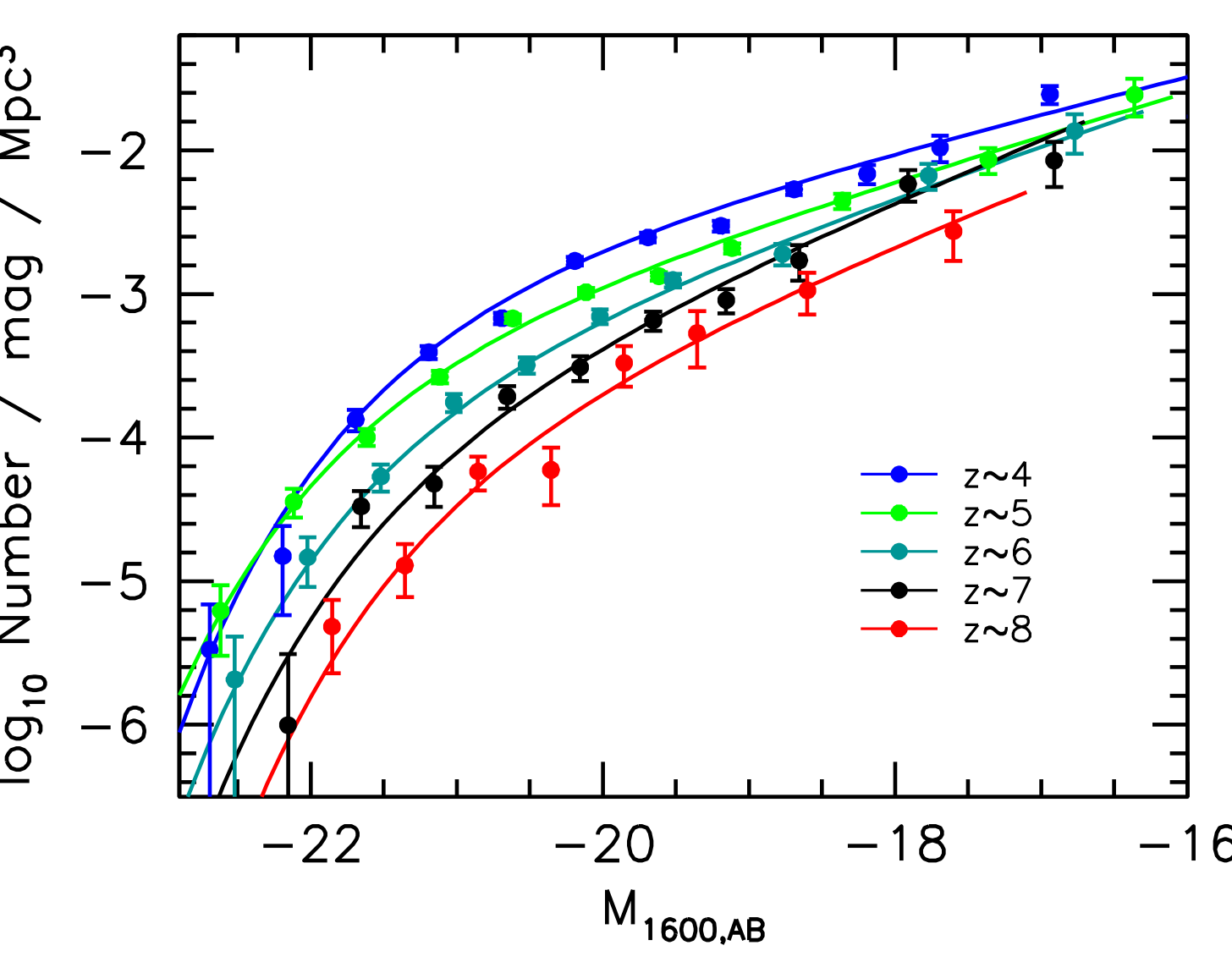 |
Bouwens et al. (2015) | High-z UV luminosity functions and SFR density | [[UV luminosity function]] |
 |
Cappellari et al. (2002) | Stellar kinematics and Gauss-Hermite moments (LOSVD) | [[LOSVD]] |
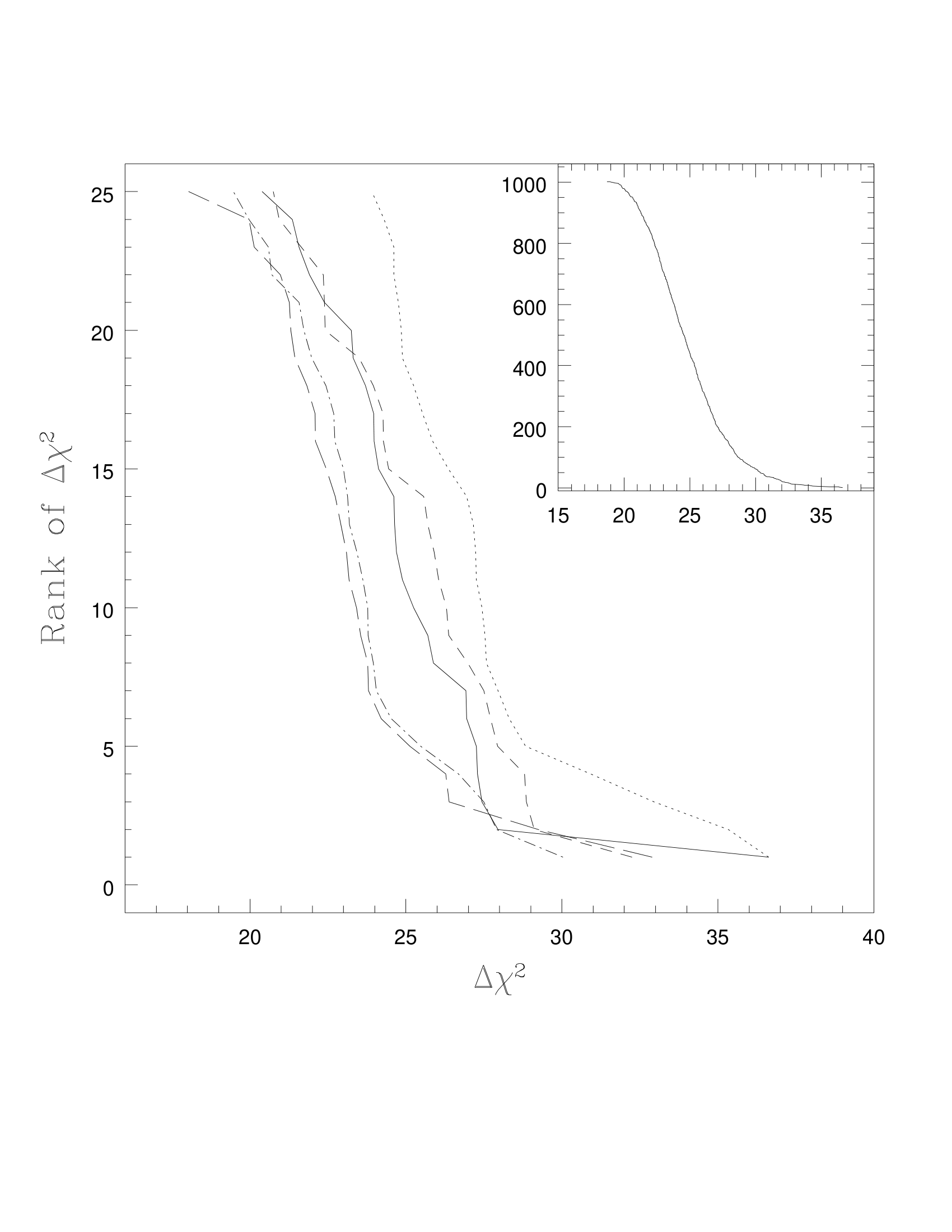 |
Cappellari et al. (2002) | Stellar kinematics and Gauss-Hermite moments (LOSVD) | [[LOSVD]] |
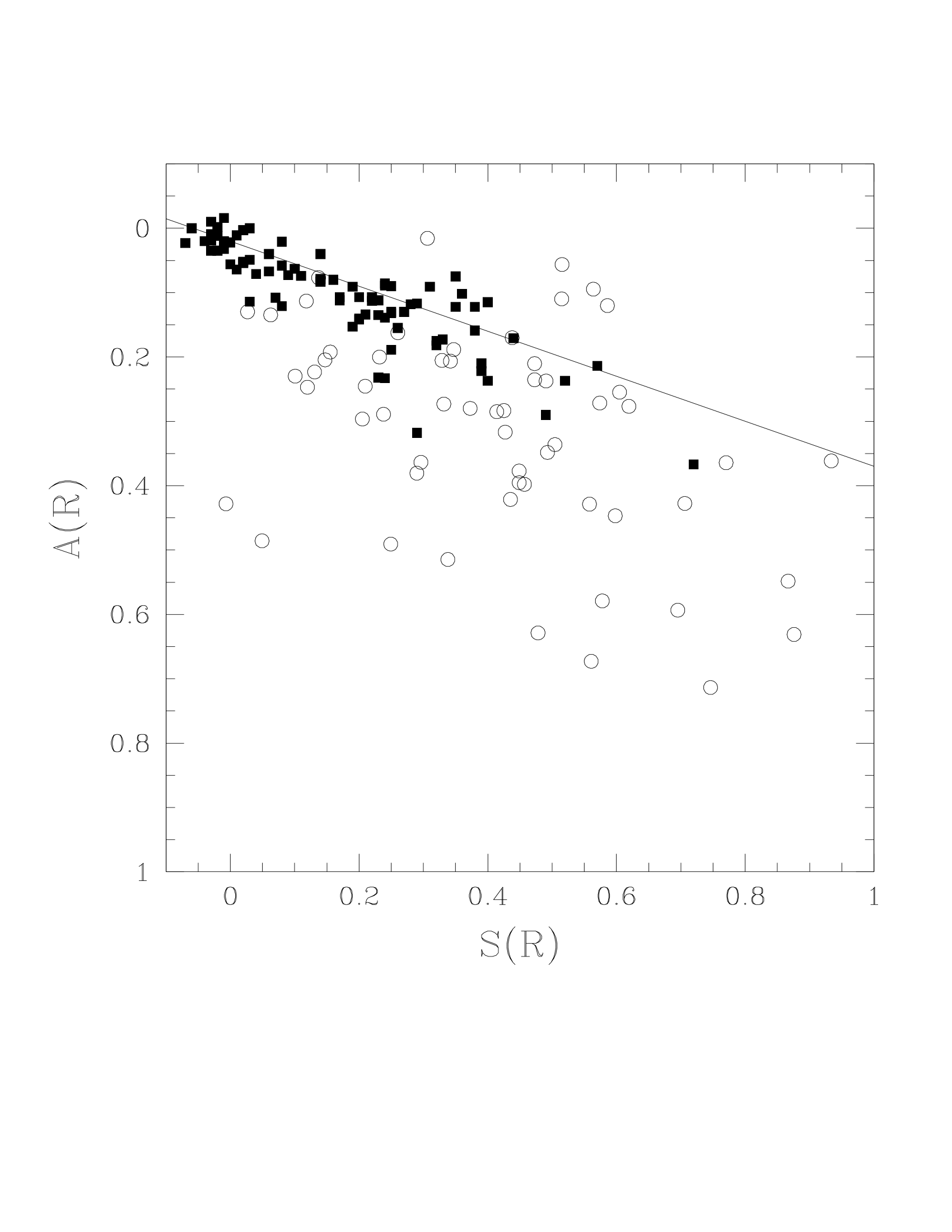 |
Conselice (2003) | CAS morphology parameters (Concentration, Asymmetry, Smoothness) | [[CAS galaxy classification]] |
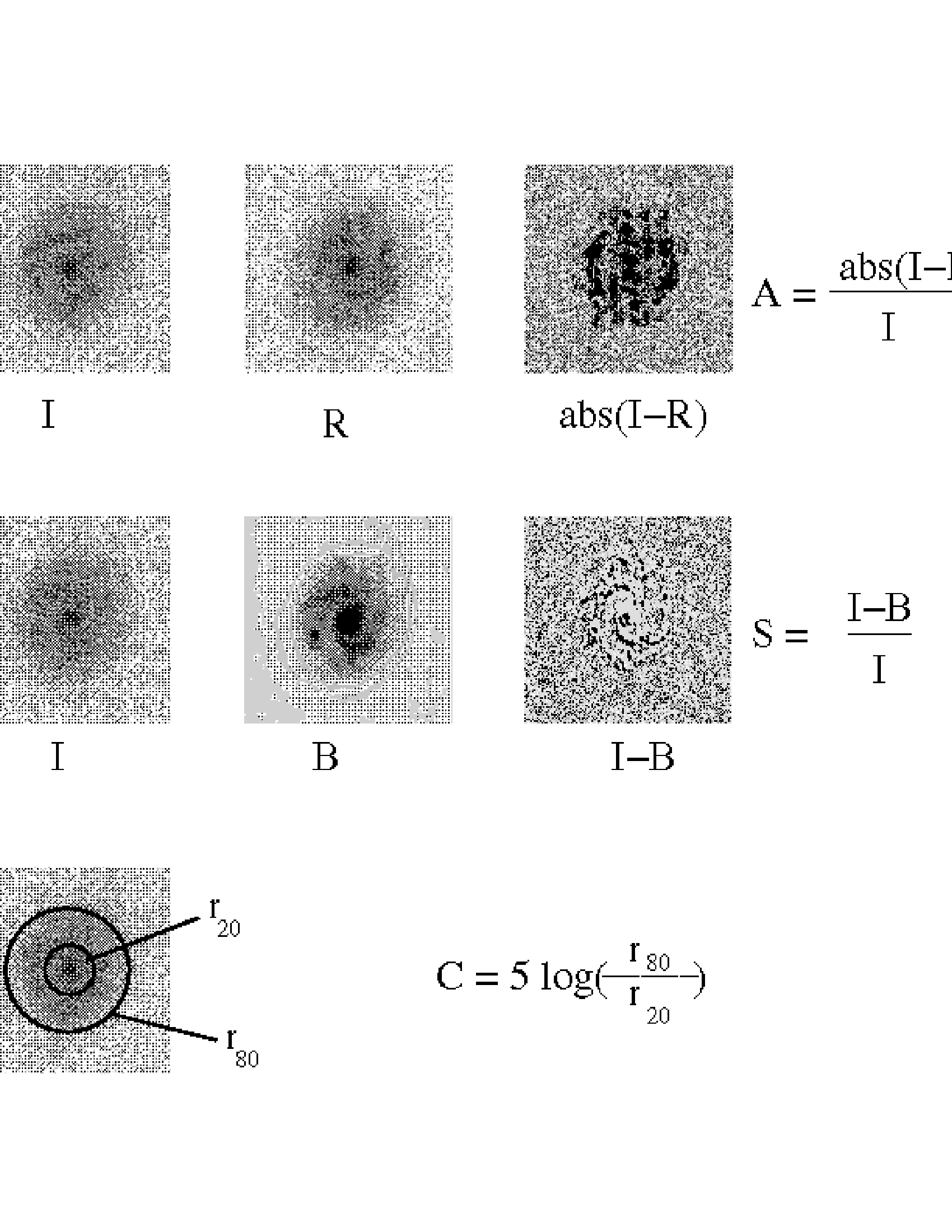 |
Conselice (2003) | CAS morphology parameters (Concentration, Asymmetry, Smoothness) | [[CAS galaxy classification]] |
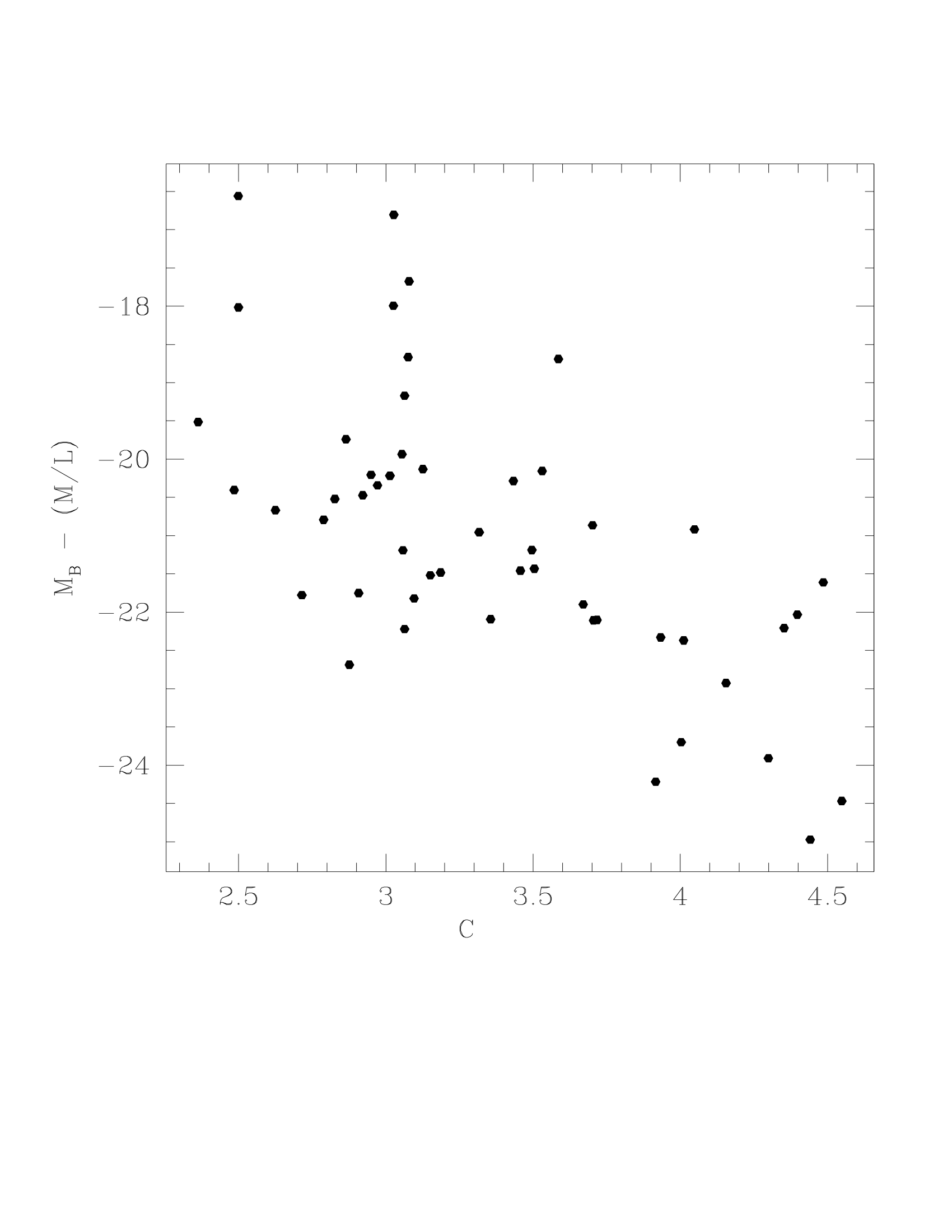 |
Conselice (2003) | CAS morphology parameters (Concentration, Asymmetry, Smoothness) | [[CAS galaxy classification]] |
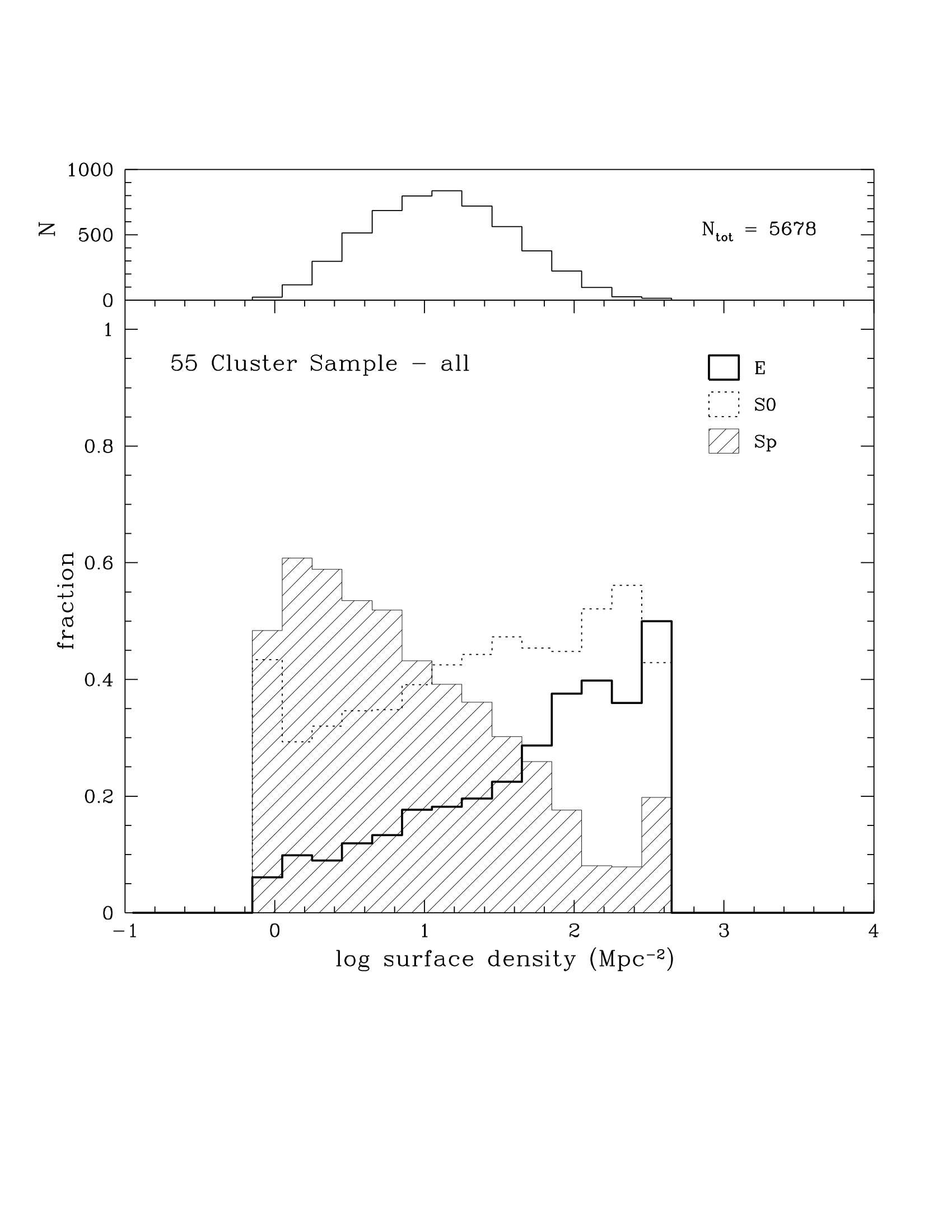 |
Dressler (1997) | Morphology-density relation in galaxy clusters | [[Galaxy color, density and morphology]] |
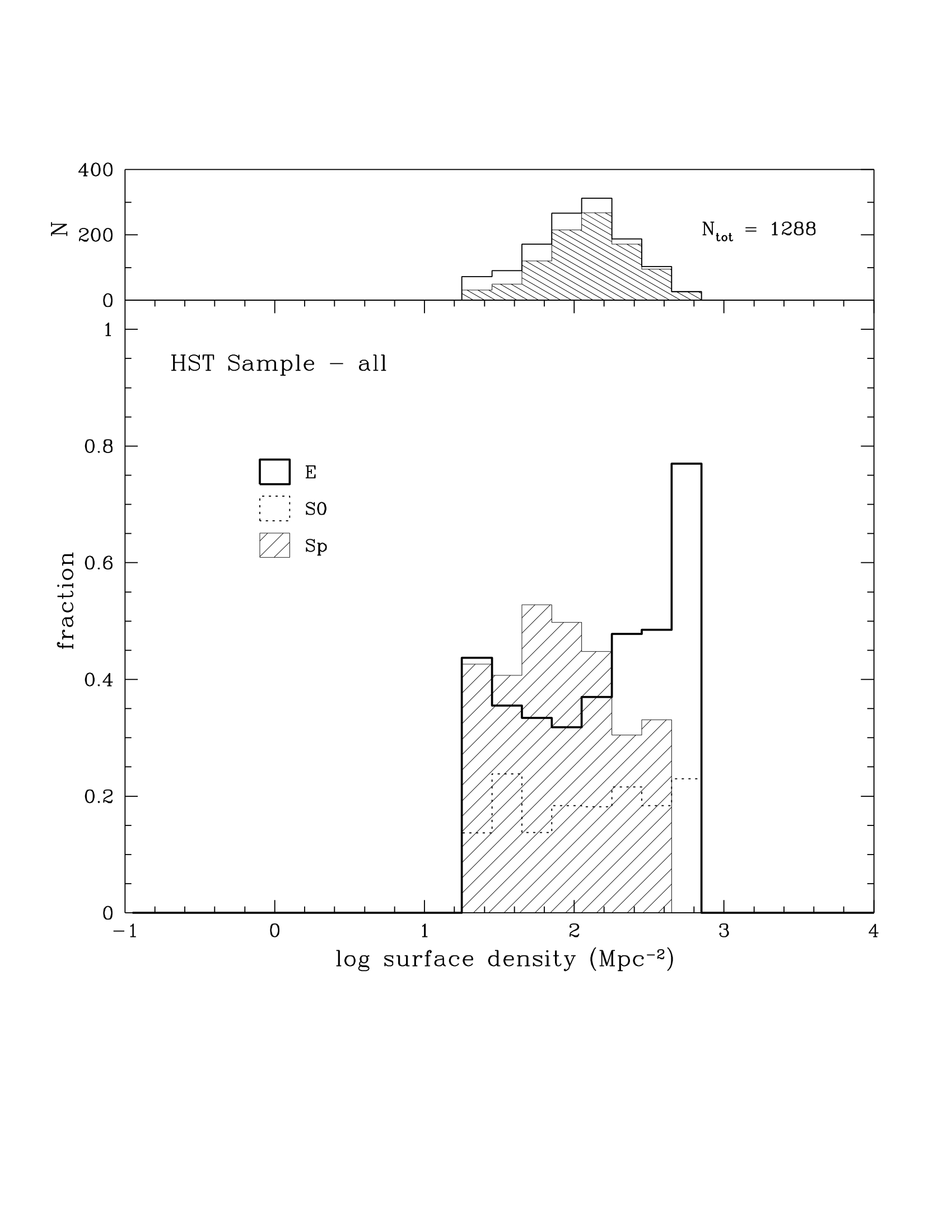 |
Dressler (1997) | Morphology-density relation in galaxy clusters | [[Galaxy color, density and morphology]] |
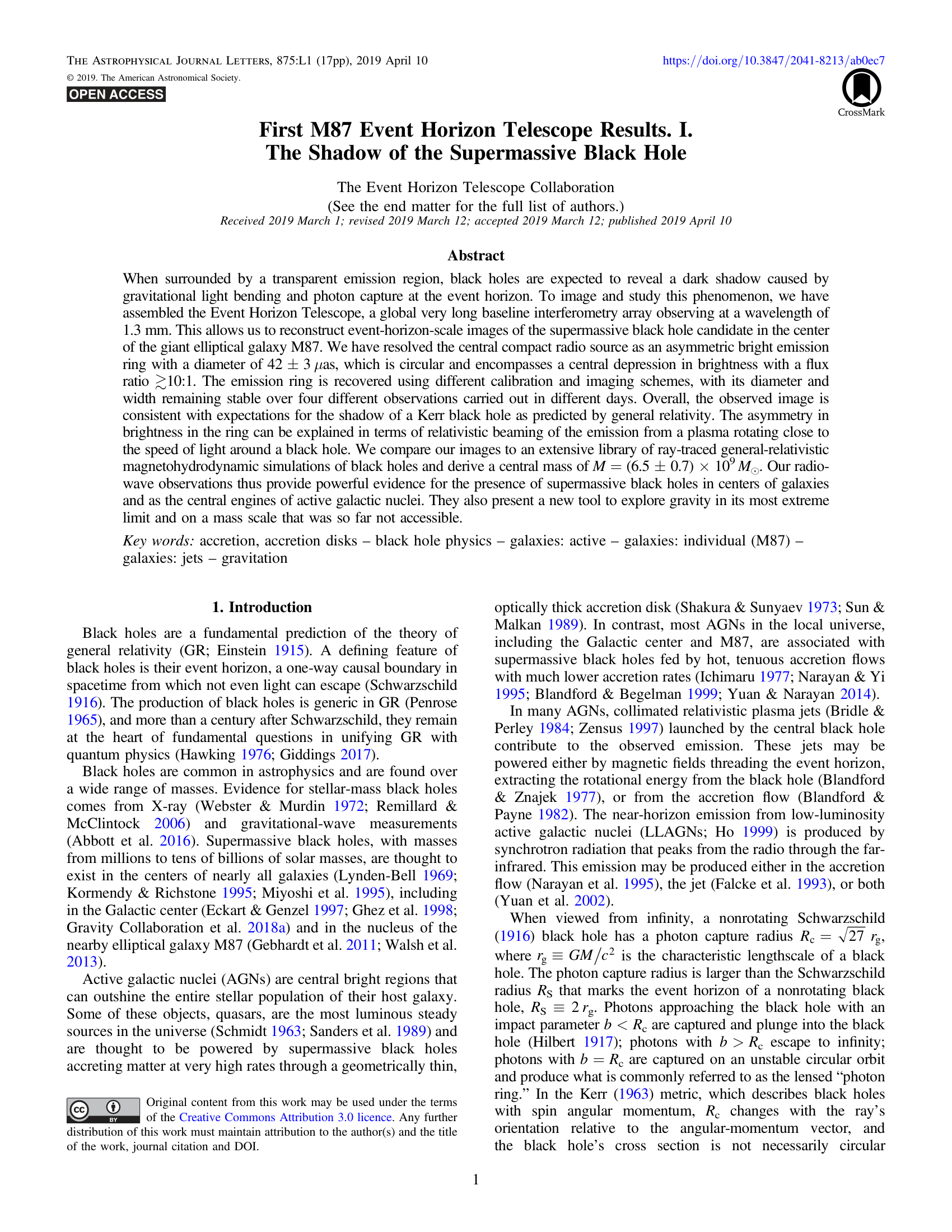 |
EHT Collaboration (2019) | Direct image of black hole shadow in M87* | [[Ionized gas SMBH masses]] |
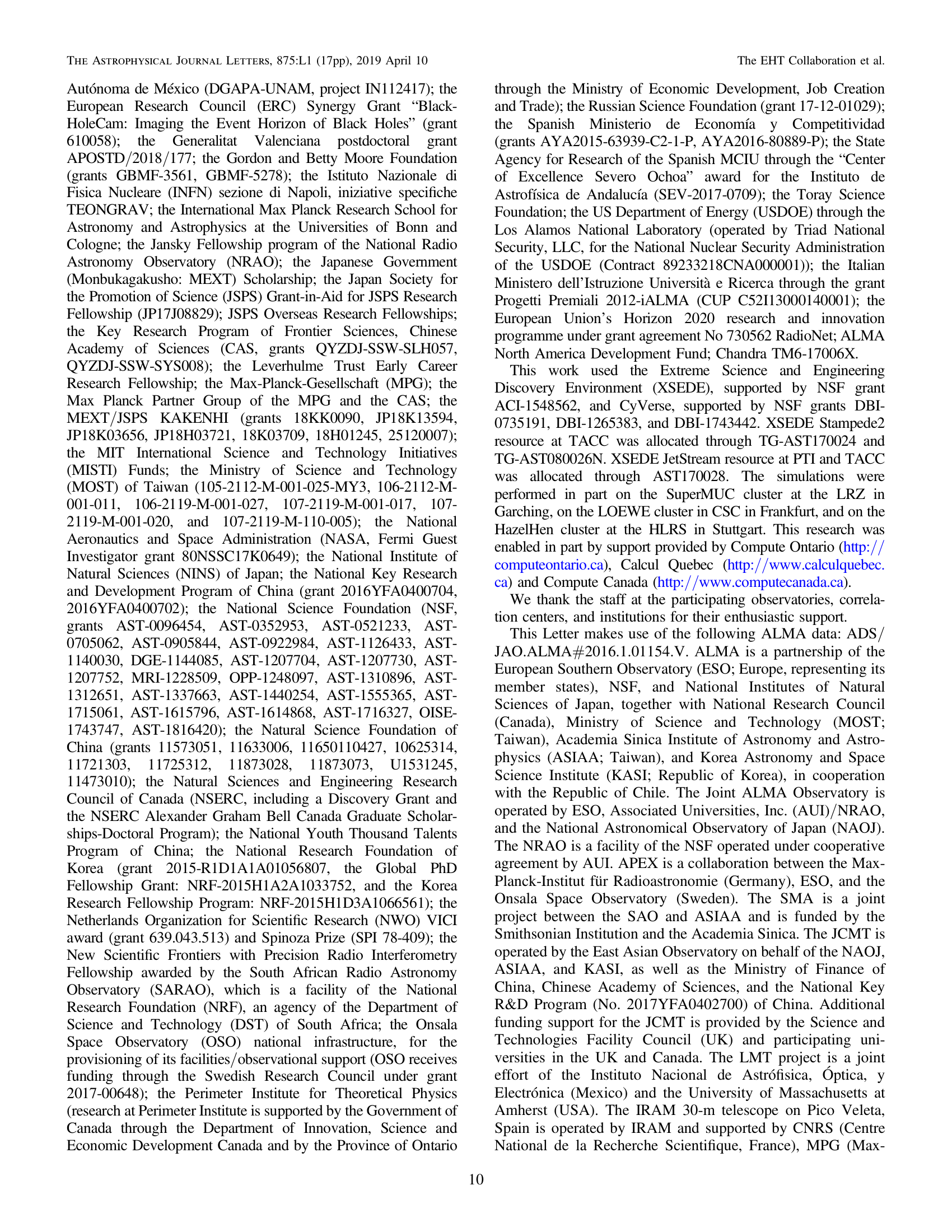 |
EHT Collaboration (2019) | Direct image of black hole shadow in M87* | [[Ionized gas SMBH masses]] |
 |
EHT Collaboration (2019) | Direct image of black hole shadow in M87* | [[Ionized gas SMBH masses]] |
 |
EHT Collaboration (2019) | Direct image of black hole shadow in M87* | [[Ionized gas SMBH masses]] |
 |
EHT Collaboration (2019) | Direct image of black hole shadow in M87* | [[Ionized gas SMBH masses]] |
 |
EHT Collaboration (2019) | Direct image of black hole shadow in M87* | [[Ionized gas SMBH masses]] |
 |
EHT Collaboration (2019) | Direct image of black hole shadow in M87* | [[Ionized gas SMBH masses]] |
 |
EHT Collaboration (2019) | Direct image of black hole shadow in M87* | [[Ionized gas SMBH masses]] |
 |
EHT Collaboration (2019) | Direct image of black hole shadow in M87* | [[Ionized gas SMBH masses]] |
 |
EHT Collaboration (2019) | Direct image of black hole shadow in M87* | [[Ionized gas SMBH masses]] |
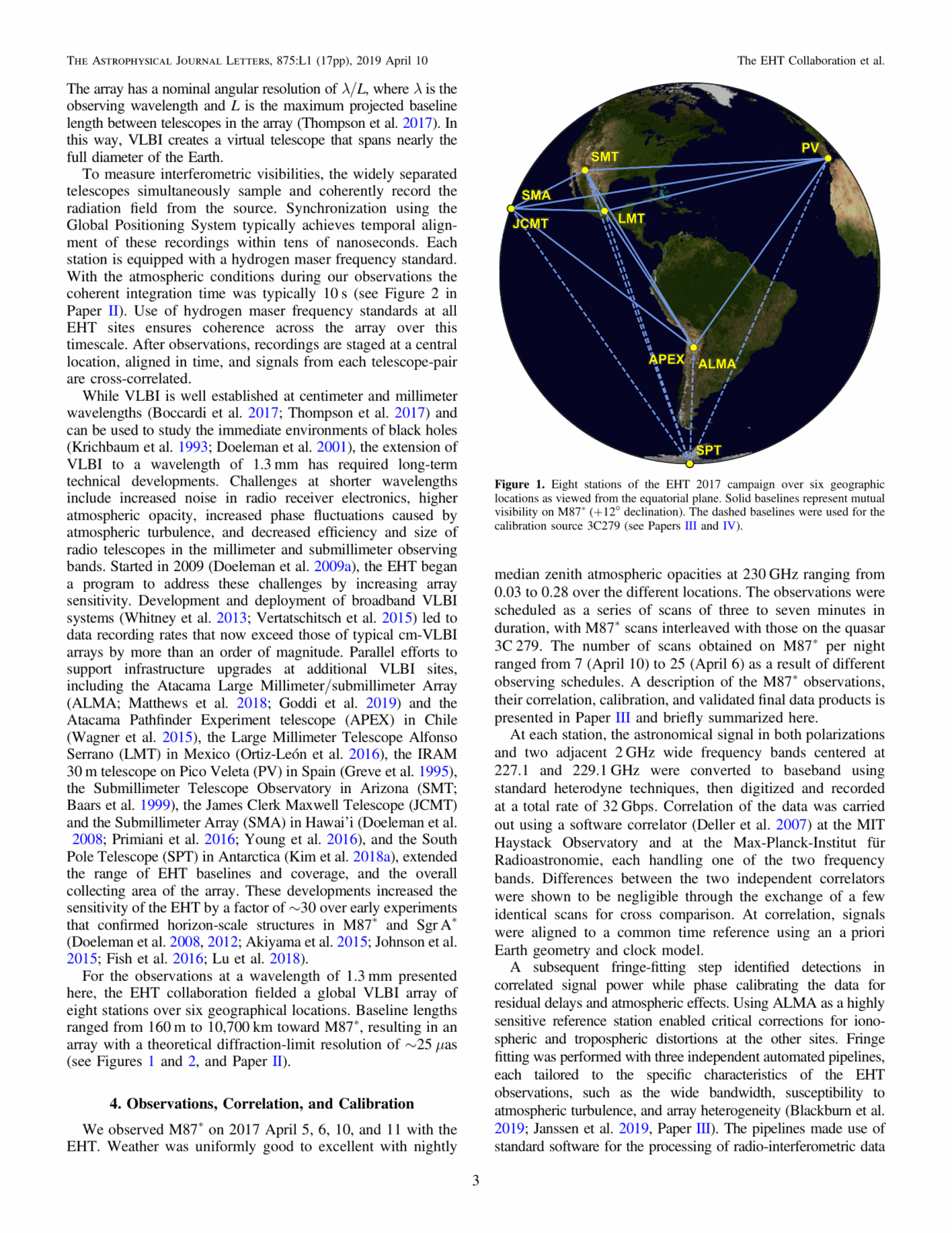 |
EHT Collaboration (2019) | Direct image of black hole shadow in M87* | [[Ionized gas SMBH masses]] |
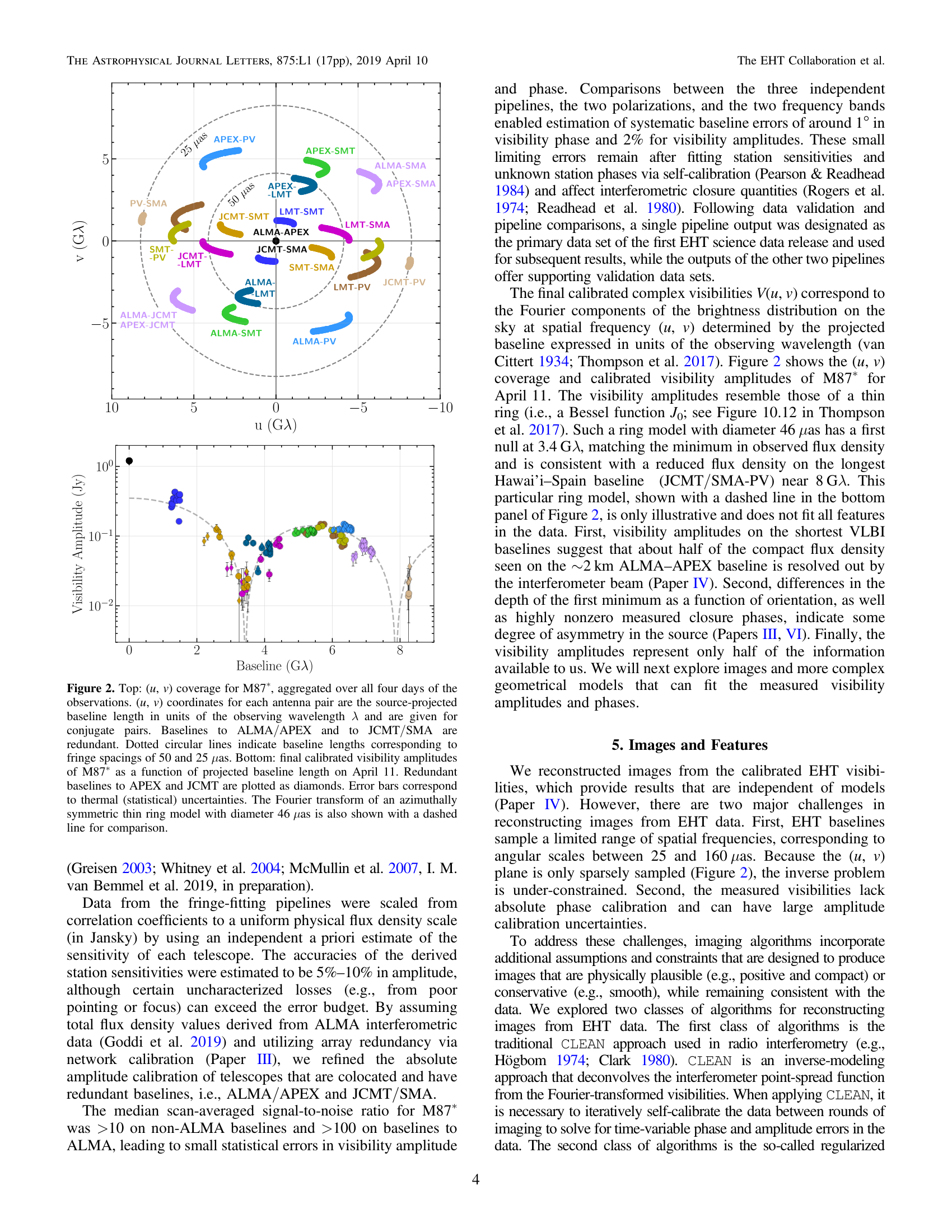 |
EHT Collaboration (2019) | Direct image of black hole shadow in M87* | [[Ionized gas SMBH masses]] |
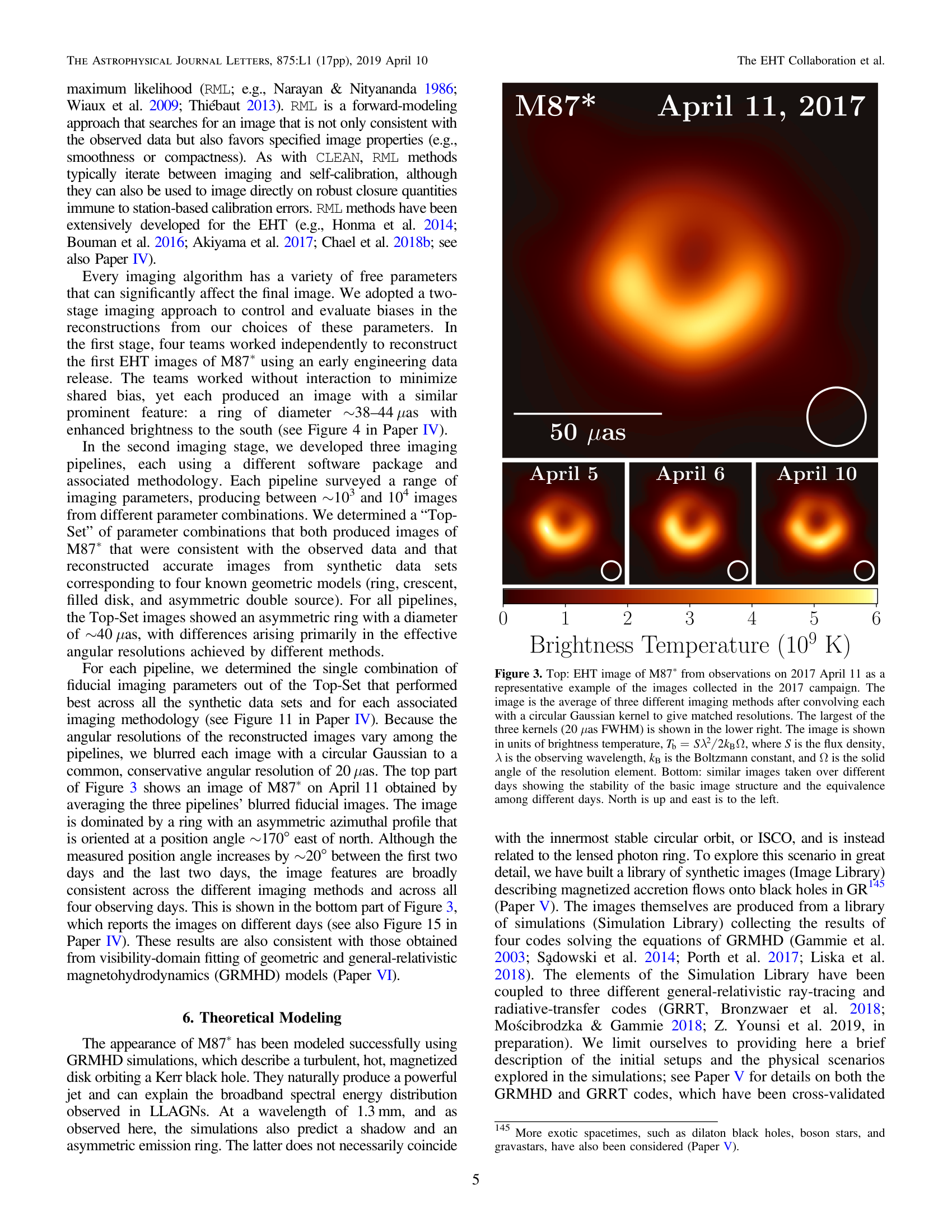 |
EHT Collaboration (2019) | Direct image of black hole shadow in M87* | [[Ionized gas SMBH masses]] |
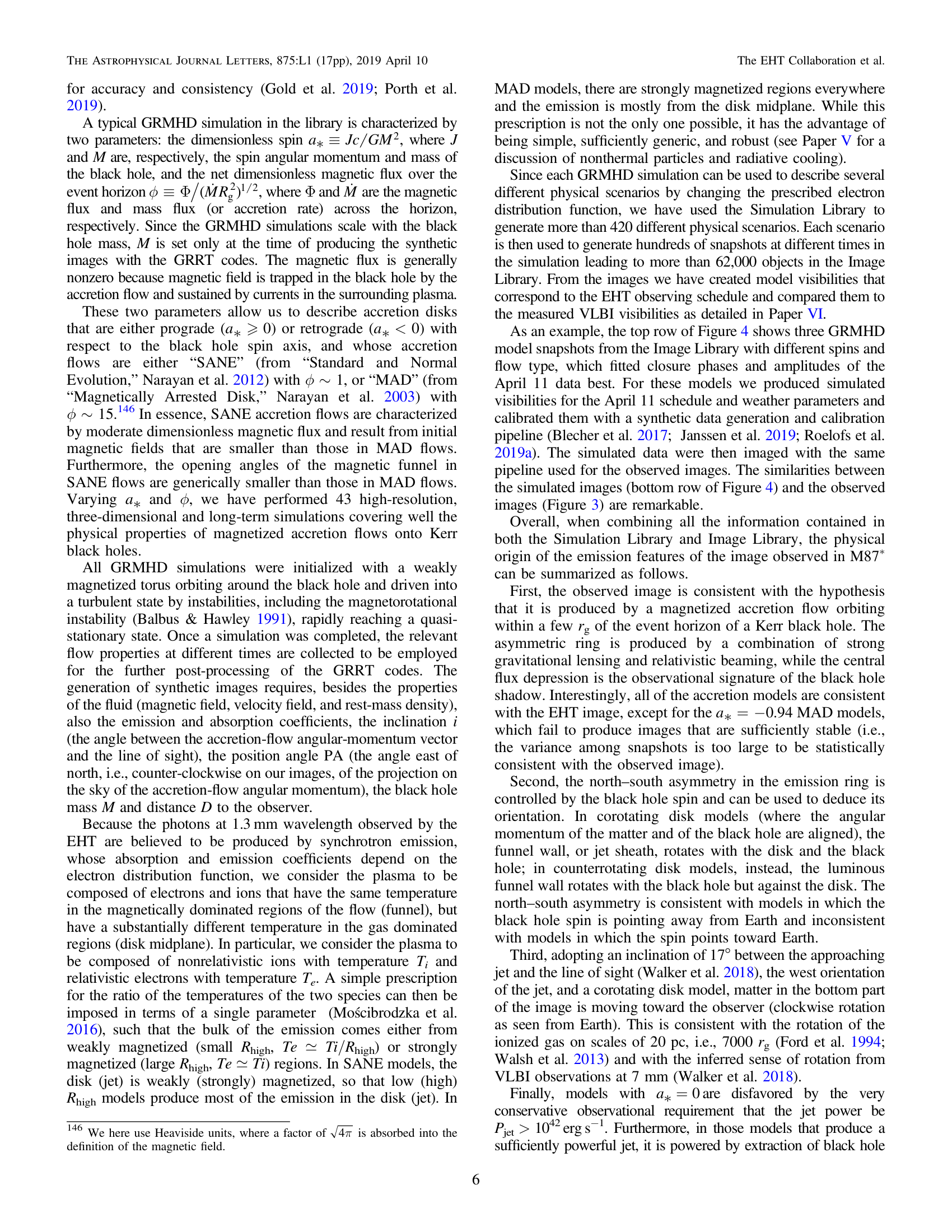 |
EHT Collaboration (2019) | Direct image of black hole shadow in M87* | [[Ionized gas SMBH masses]] |
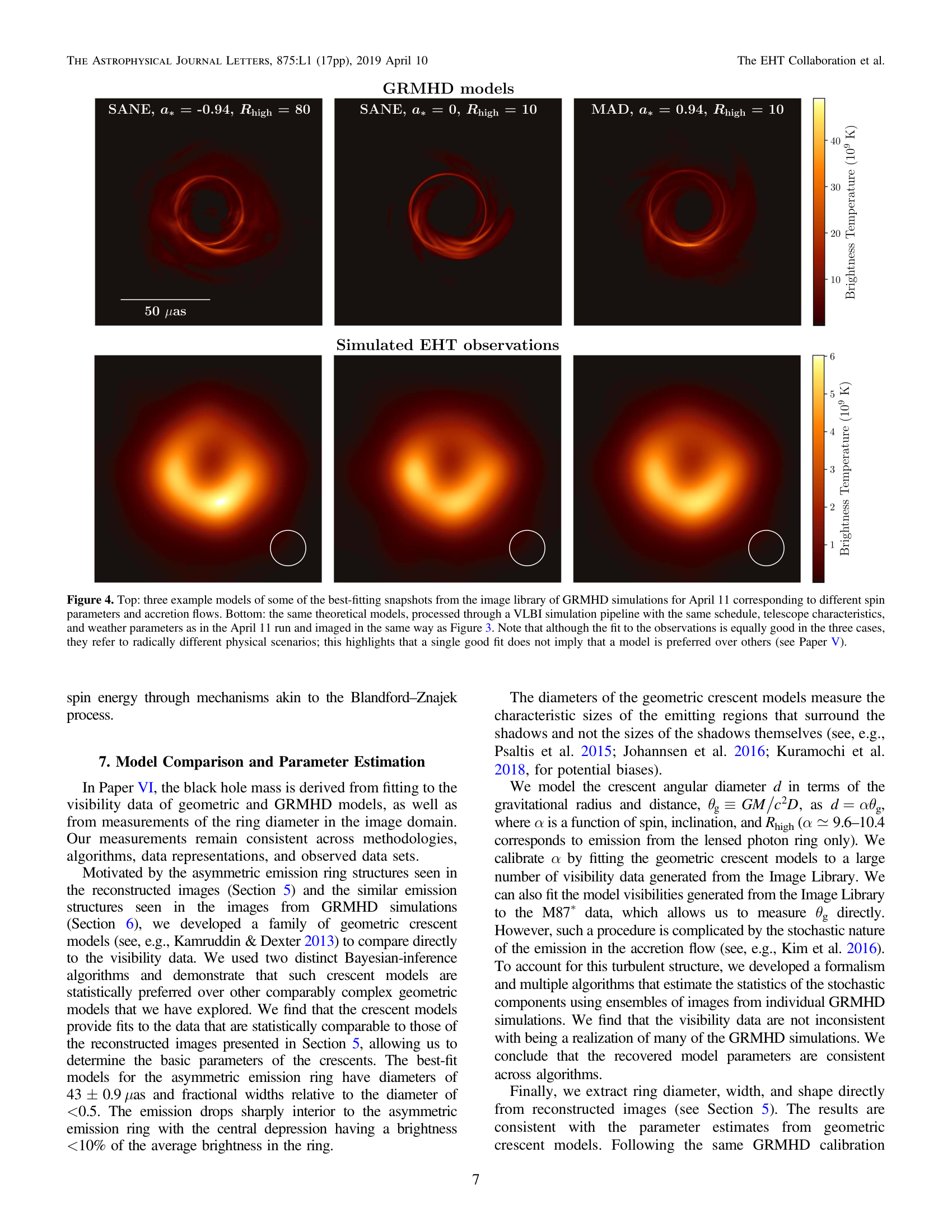 |
EHT Collaboration (2019) | Direct image of black hole shadow in M87* | [[Ionized gas SMBH masses]] |
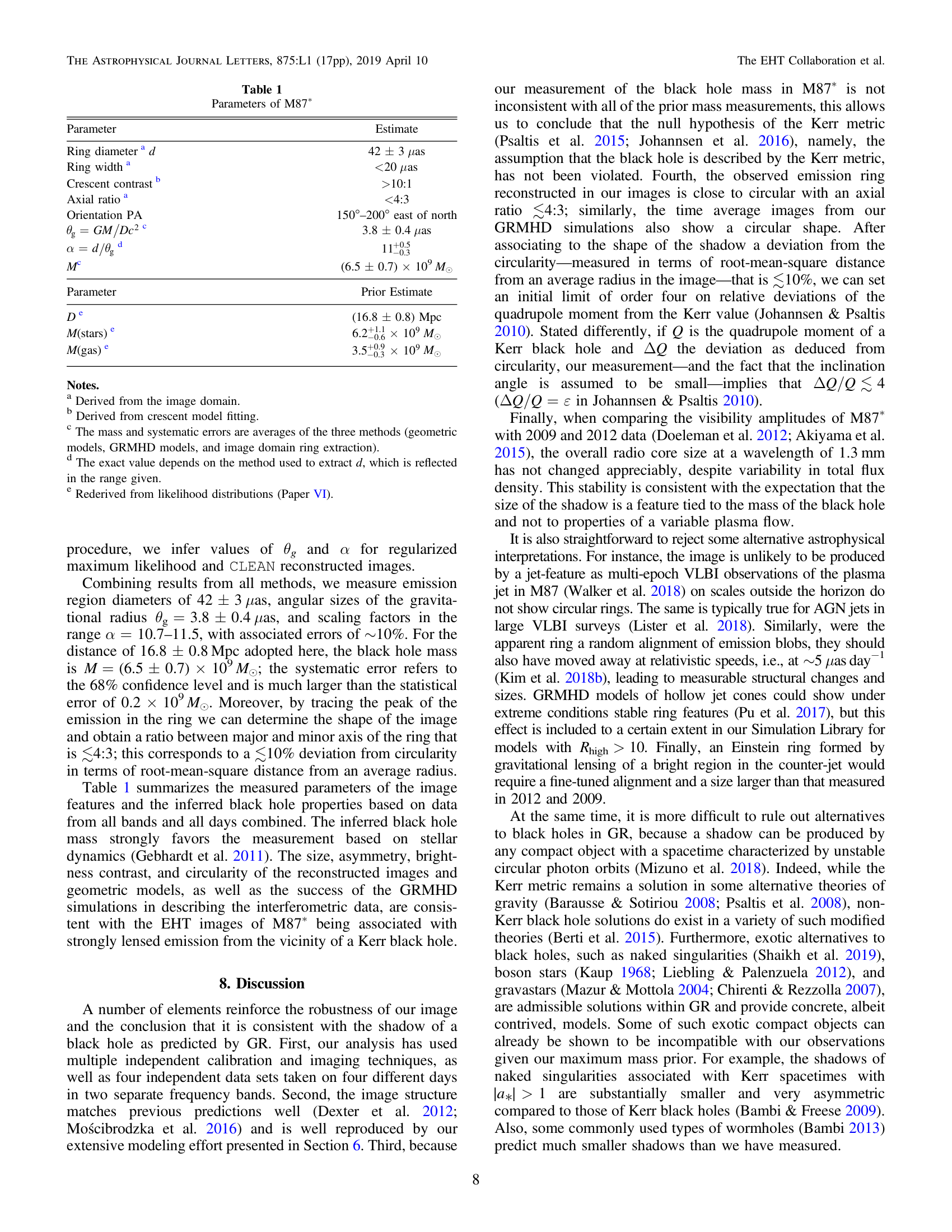 |
EHT Collaboration (2019) | Direct image of black hole shadow in M87* | [[Ionized gas SMBH masses]] |
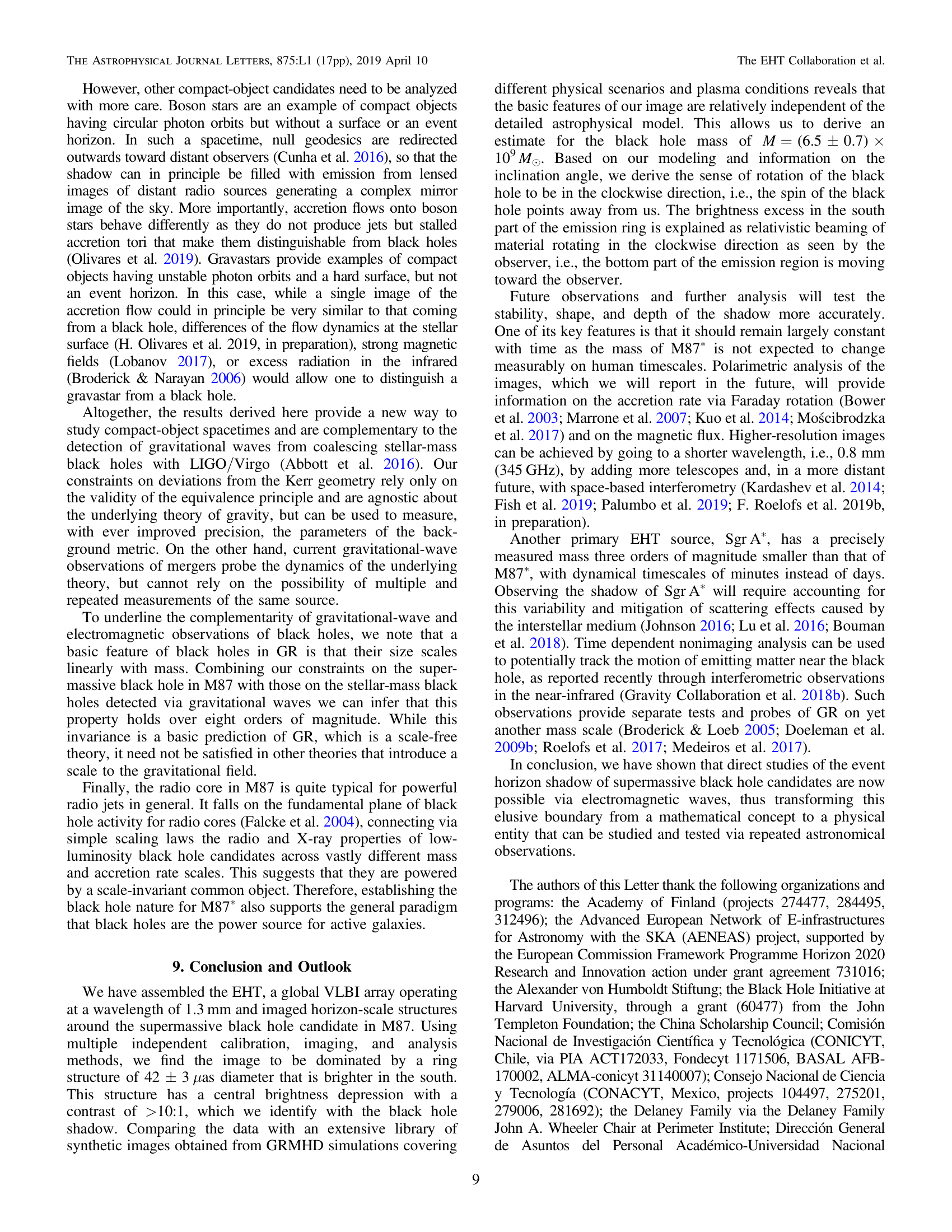 |
EHT Collaboration (2019) | Direct image of black hole shadow in M87* | [[Ionized gas SMBH masses]] |
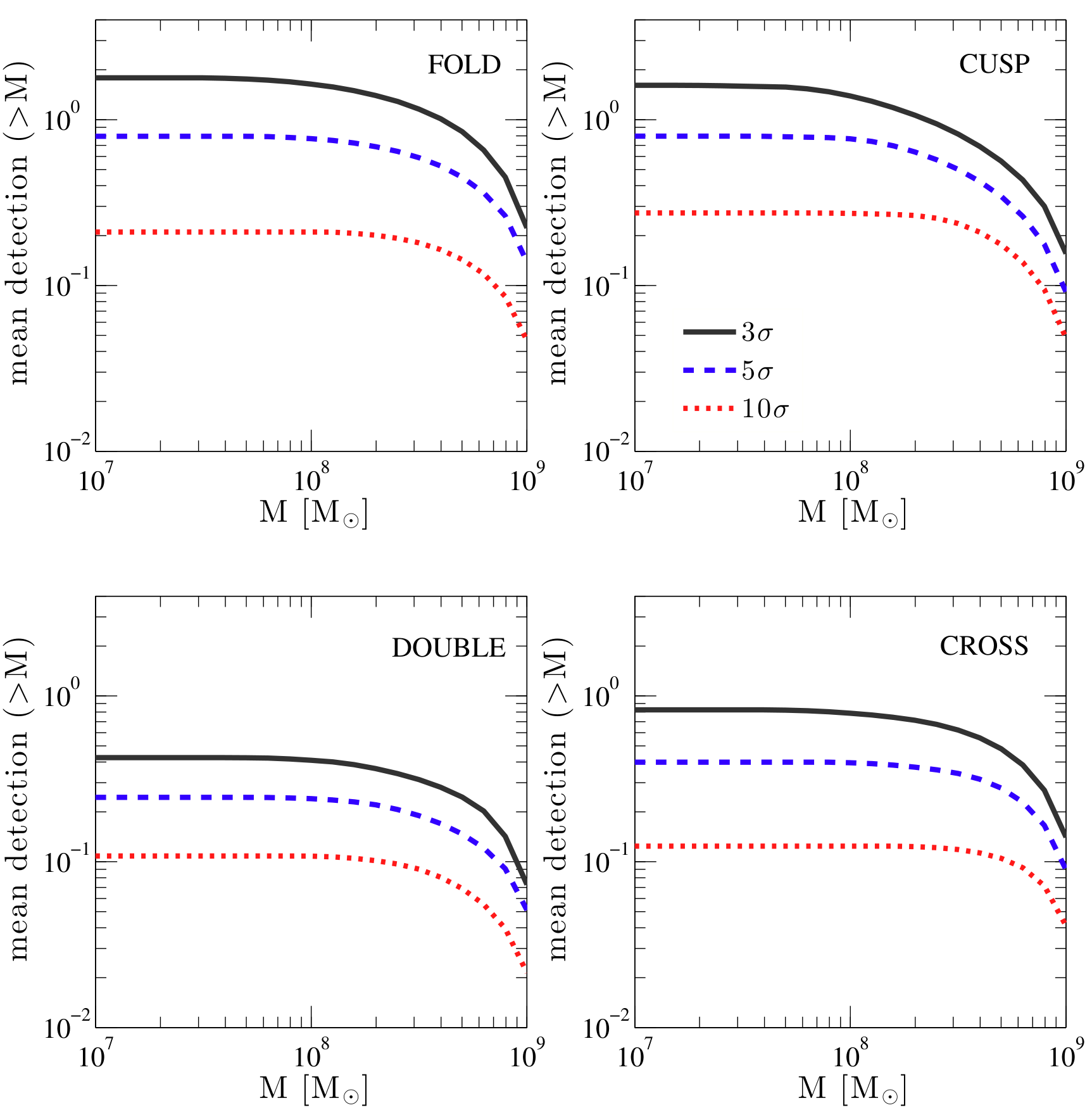 |
Fasano et al. (2012) | Morphological fraction evolution in clusters | [[Galaxy color, density and morphology]] |
 |
Fasano et al. (2012) | Morphological fraction evolution in clusters | [[Galaxy color, density and morphology]] |
 |
Fasano et al. (2012) | Morphological fraction evolution in clusters | [[Galaxy color, density and morphology]] |
 |
Ferrarese & Merritt (2000) | Discovery of the M_BH - sigma relation | [[M sigma relation]] |
 |
Ferrarese & Merritt (2000) | Discovery of the M_BH - sigma relation | [[M sigma relation]] |
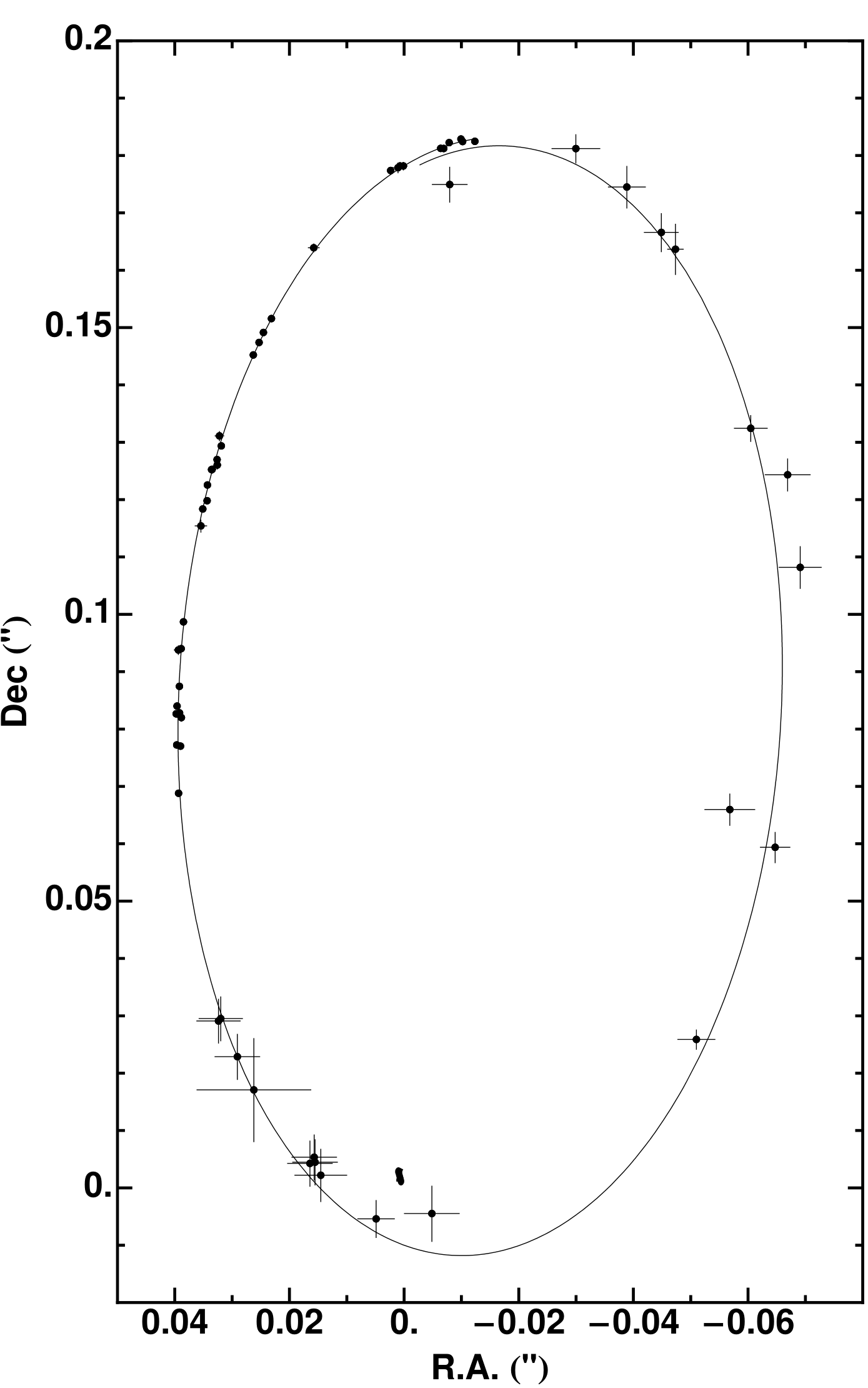 |
Gillessen et al. (2009) | S2 stellar orbit around Sgr A* and enclosed mass profile | [[Galactic Center Sgr A and S-stars]] |
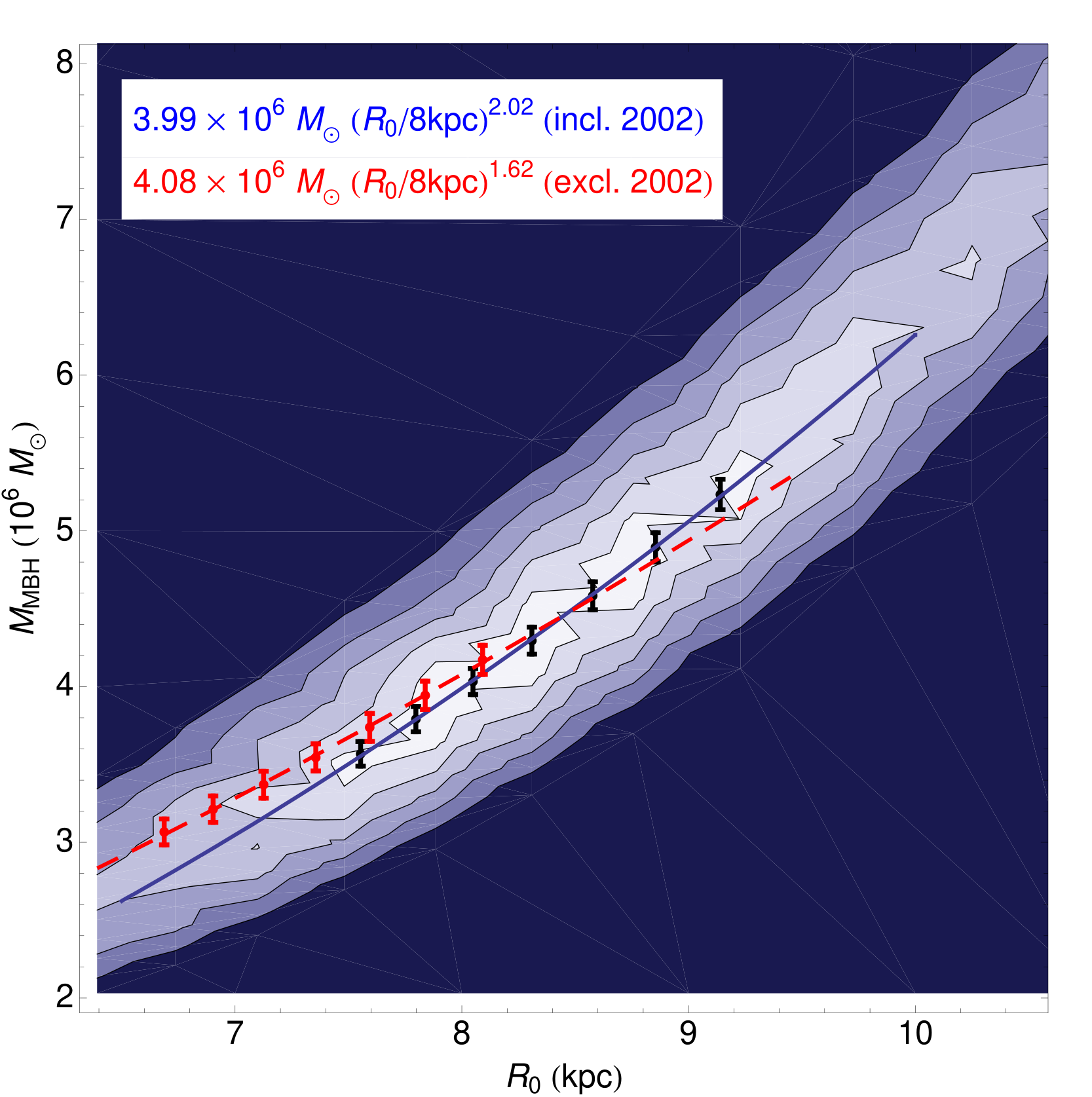 |
Gillessen et al. (2009) | S2 stellar orbit around Sgr A* and enclosed mass profile | [[Galactic Center Sgr A and S-stars]] |
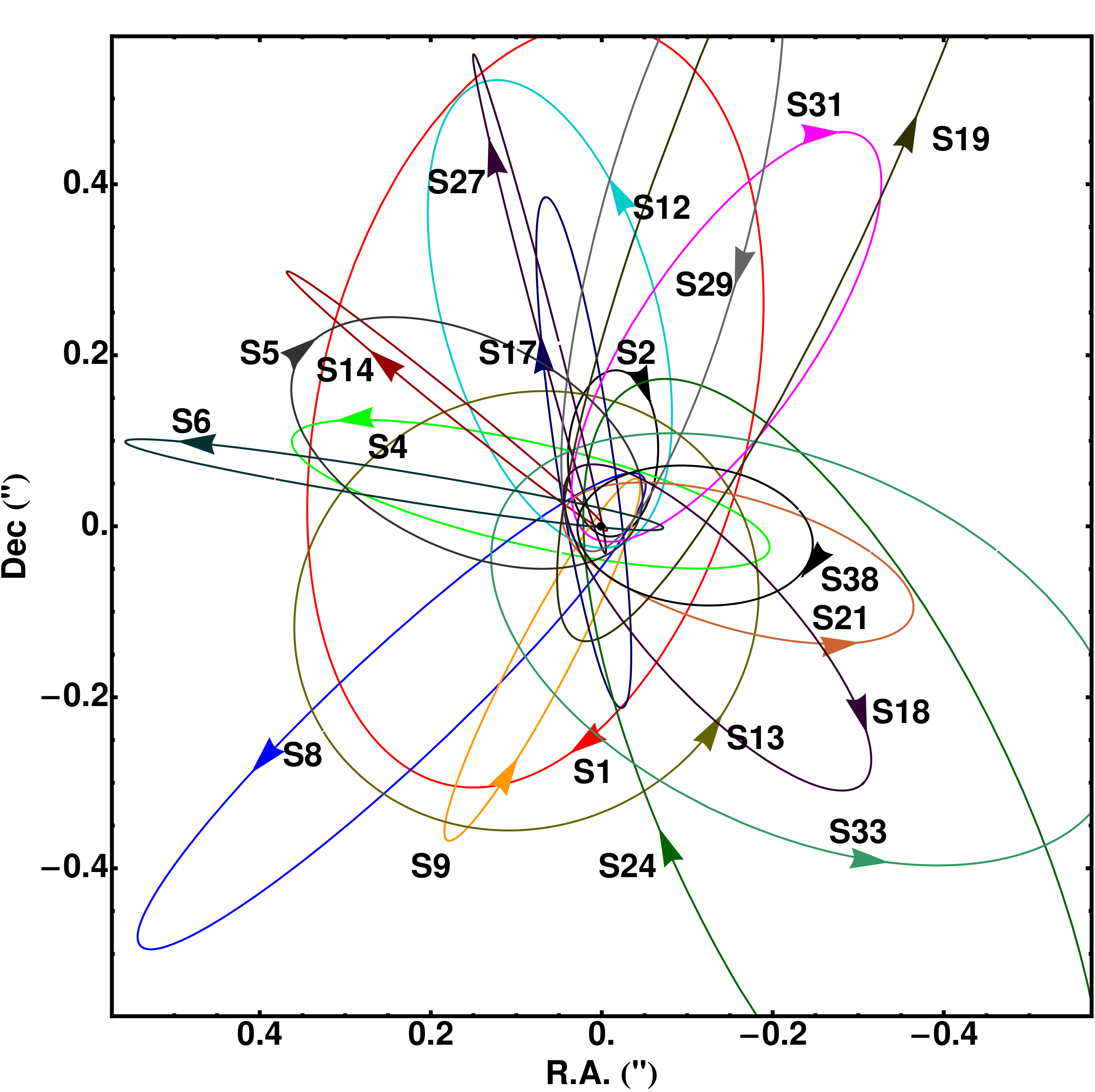 |
Gillessen et al. (2009) | S2 stellar orbit around Sgr A* and enclosed mass profile | [[Galactic Center Sgr A and S-stars]] |
 |
Ilbert et al. (2005) | Photometric redshift accuracy and outlier fractions | [[Photometric redshifts]] |
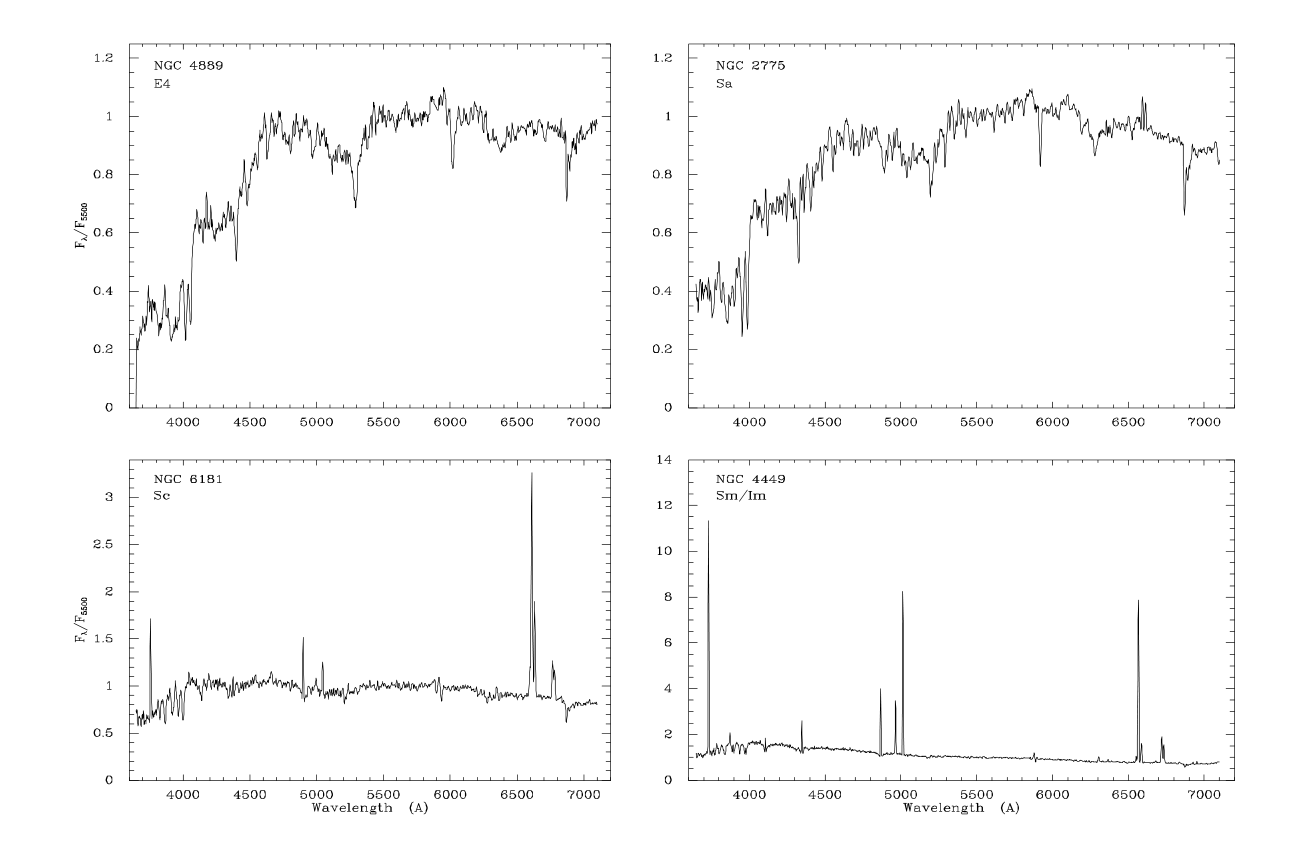 |
Kennicutt (1998) | Kennicutt-Schmidt law (SFR density vs gas surface density) | [[Schmidt-Kennicutt law]] |
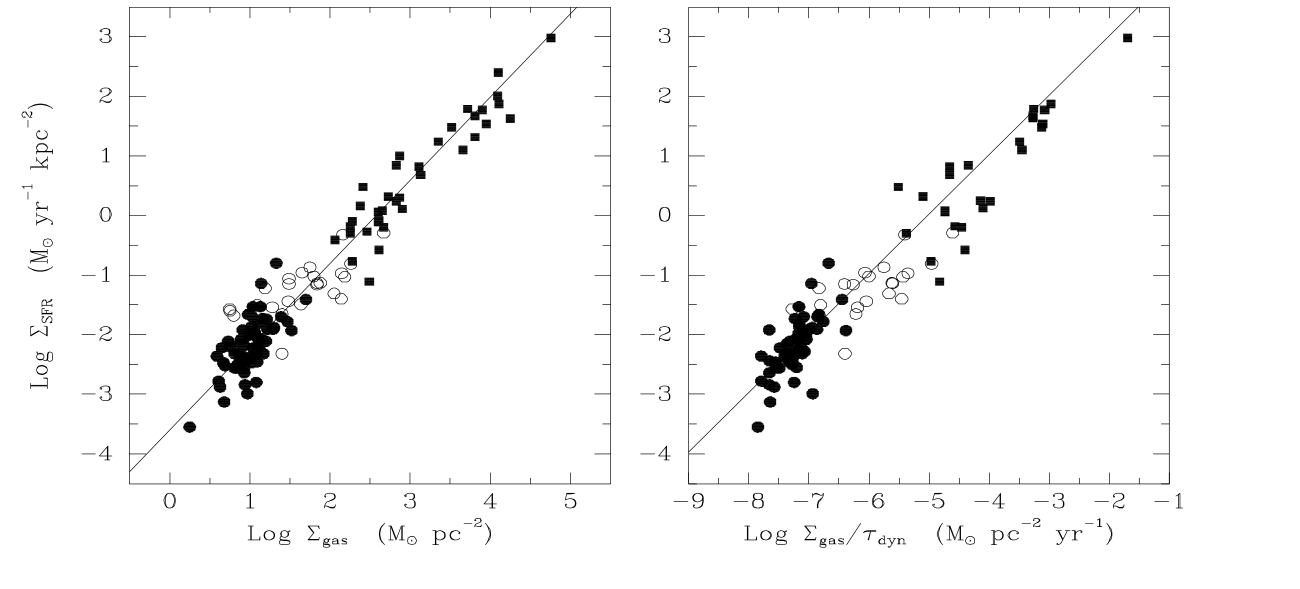 |
Kennicutt (1998) | Kennicutt-Schmidt law (SFR density vs gas surface density) | [[Schmidt-Kennicutt law]] |
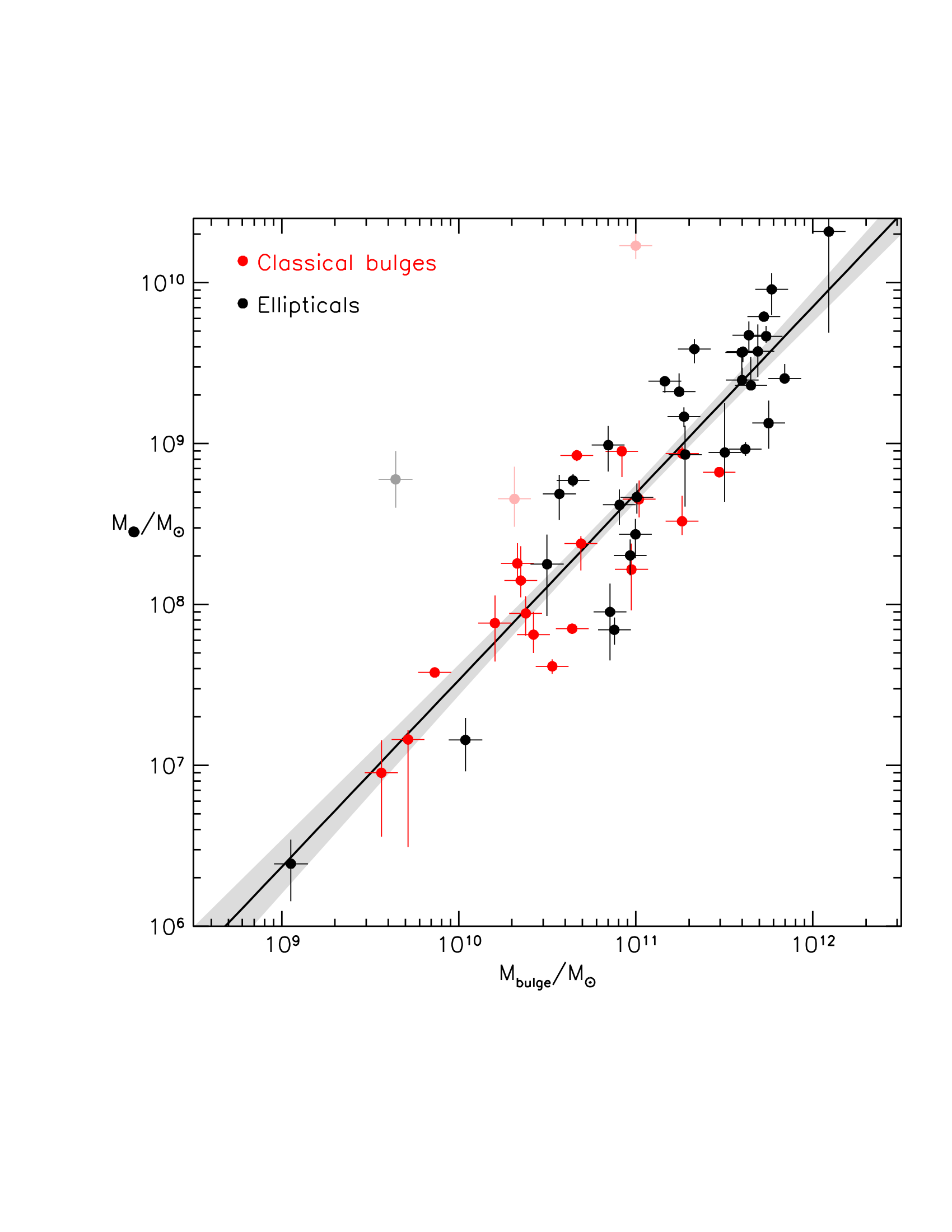 |
Kormendy & Ho (2013) | Comprehensive M_BH - sigma and M_BH - L scaling relations | [[M sigma relation]] |
 |
Kormendy & Ho (2013) | Comprehensive M_BH - sigma and M_BH - L scaling relations | [[M sigma relation]] |
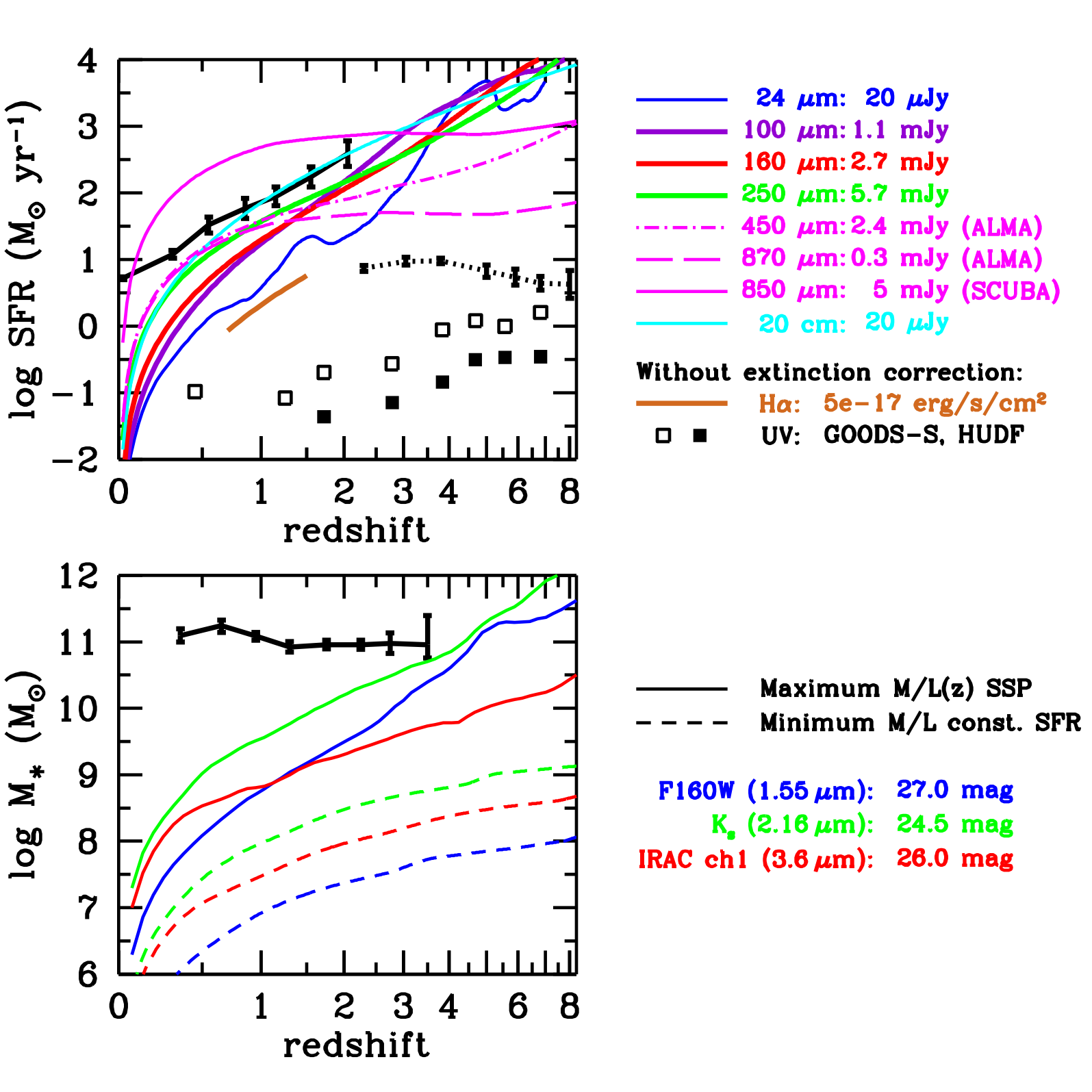 |
Madau & Dickinson (2014) | Cosmic star formation history (Madau plot), UV LF evolution | [[Madau plot]] |
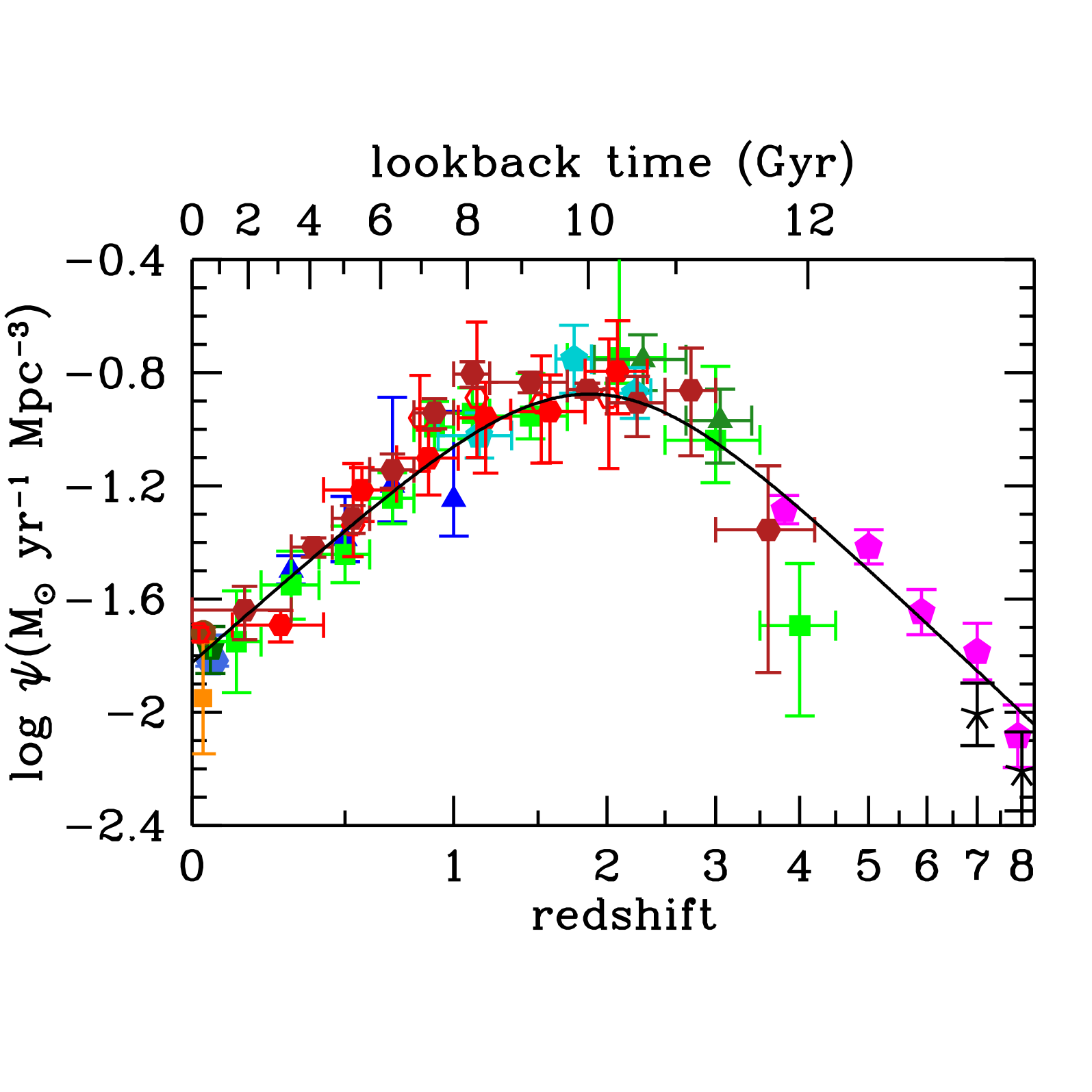 |
Madau & Dickinson (2014) | Cosmic star formation history (Madau plot), UV LF evolution | [[Madau plot]] |
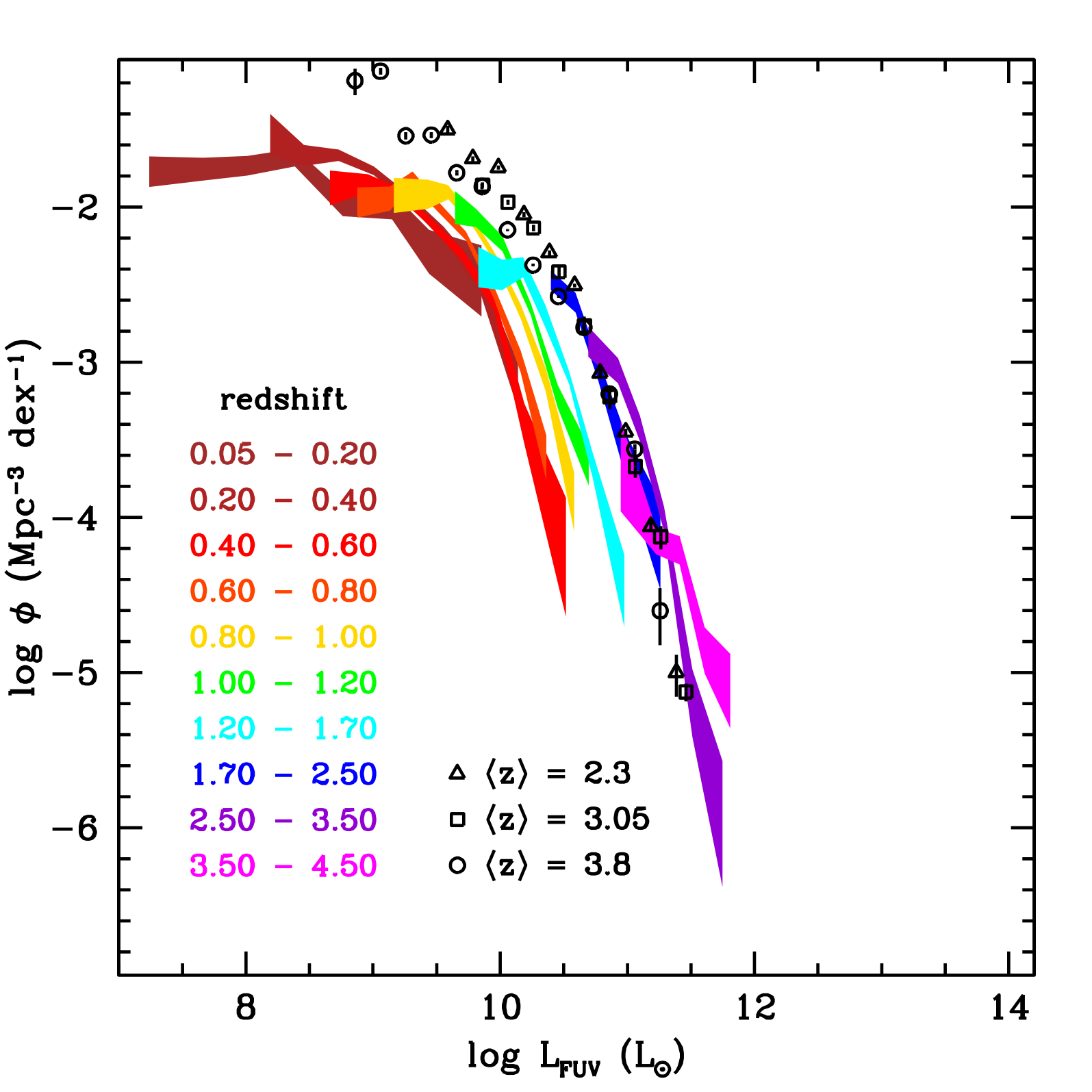 |
Madau & Dickinson (2014) | Cosmic star formation history (Madau plot), UV LF evolution | [[Madau plot]] |
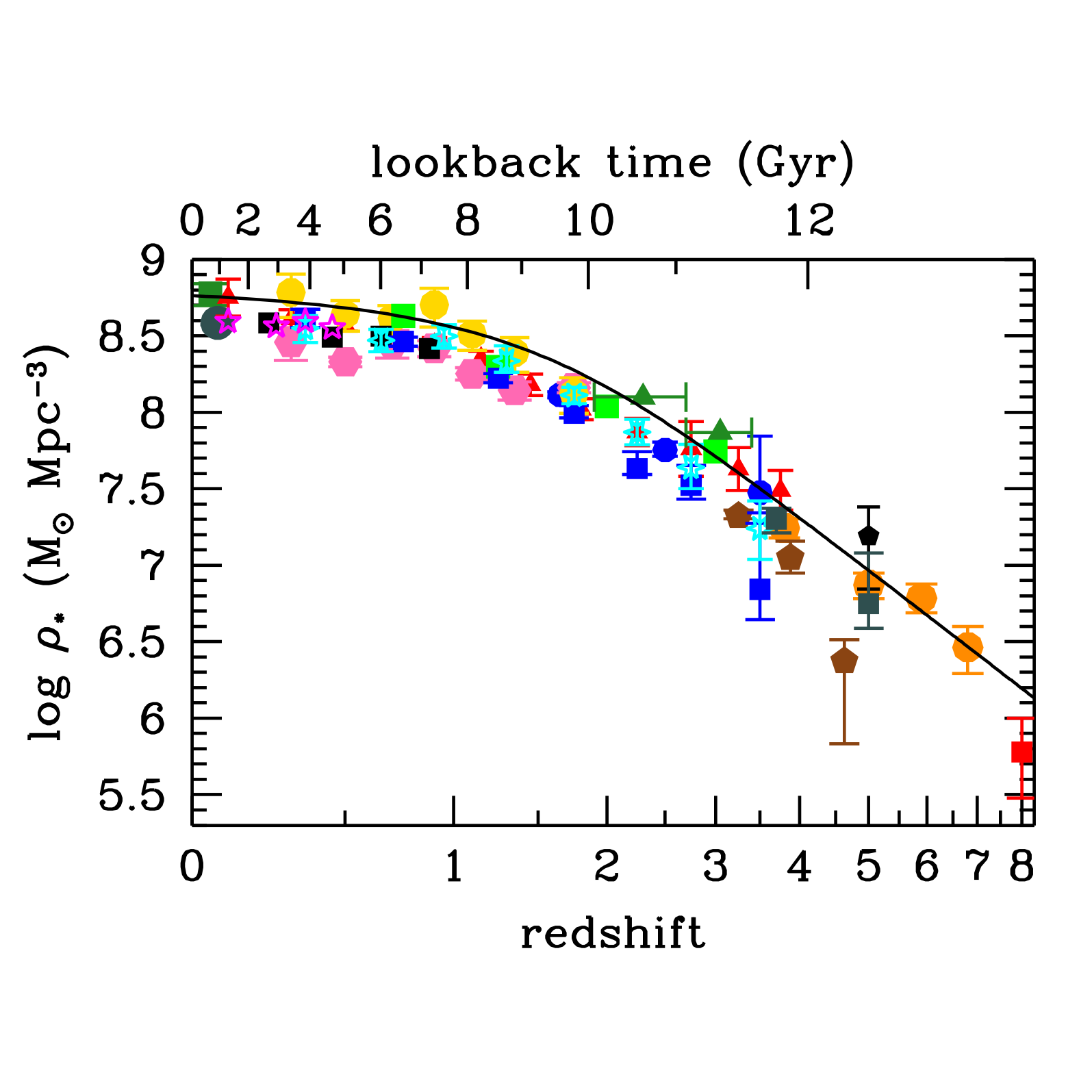 |
Madau & Dickinson (2014) | Cosmic star formation history (Madau plot), UV LF evolution | [[Madau plot]] |
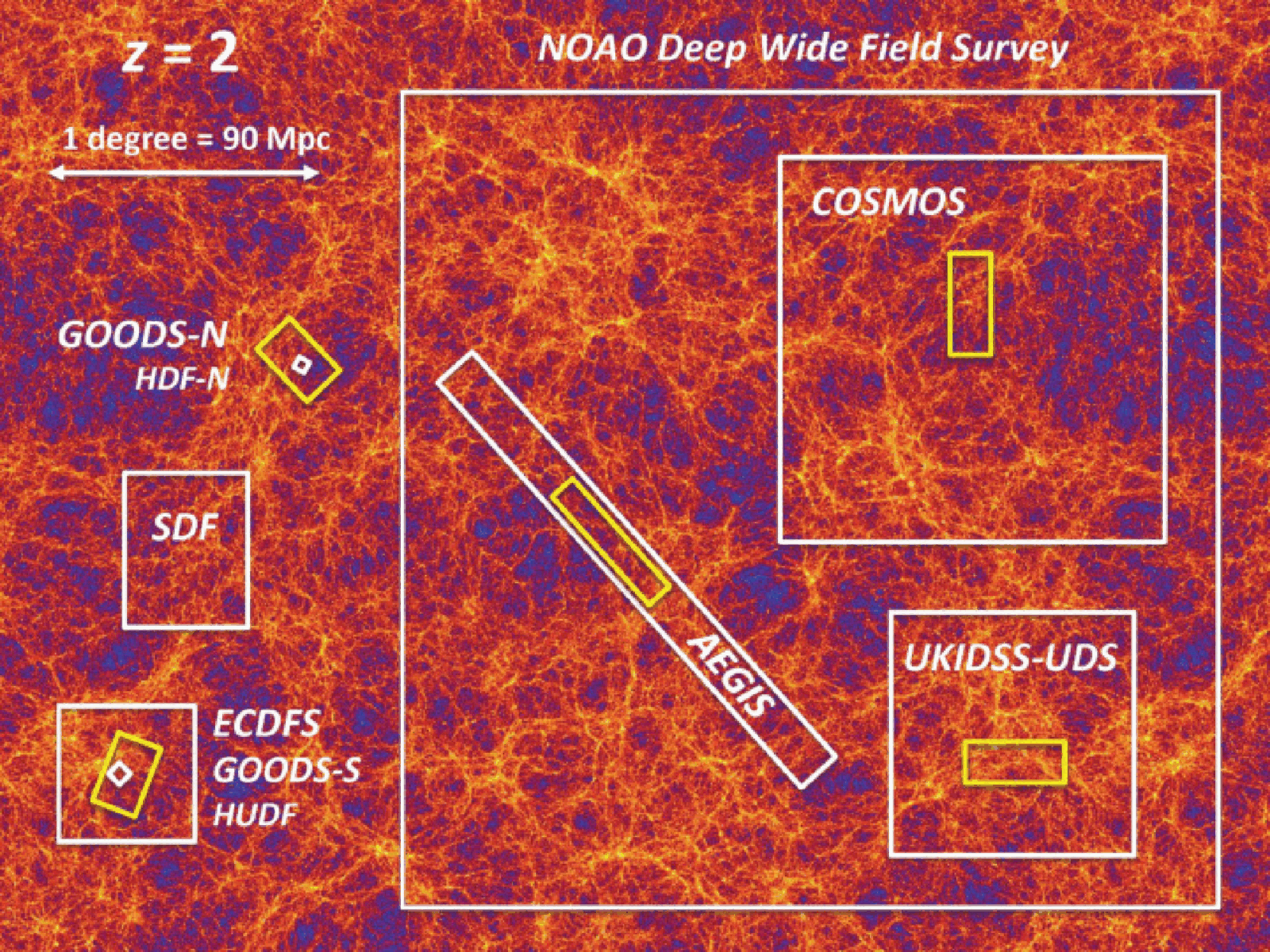 |
Madau & Dickinson (2014) | Cosmic star formation history (Madau plot), UV LF evolution | [[Madau plot]] |
 |
Madgwick et al. (2002) | 2dFGRS spectral classification PCA and eta parameter | [[PCA spectral classification of galaxies]] |
 |
Madgwick et al. (2002) | 2dFGRS spectral classification PCA and eta parameter | [[PCA spectral classification of galaxies]] |
 |
McConnell & Ma (2013) | High-mass calibration of M_BH - sigma relation | [[M sigma relation]] |
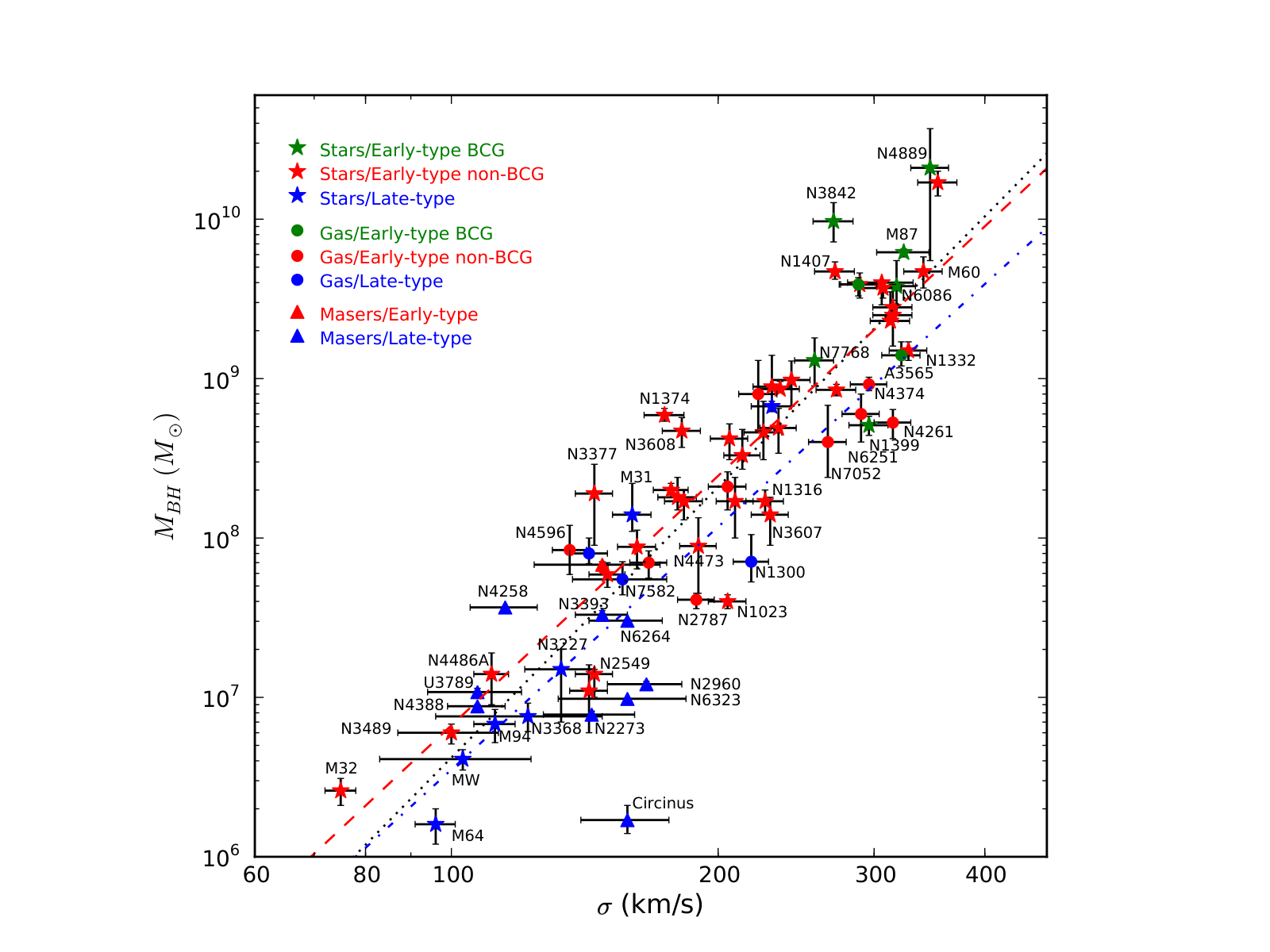 |
McConnell & Ma (2013) | High-mass calibration of M_BH - sigma relation | [[M sigma relation]] |
 |
Miyoshi et al. (1995) | VLBA water maser Keplerian rotation in NGC 4258 | [[Water maser BH masses]] |
 |
Miyoshi et al. (1995) | VLBA water maser Keplerian rotation in NGC 4258 | [[Water maser BH masses]] |
 |
Peterson et al. (2004) | Reverberation mapping measurements and R_BLR - L relation | [[Reverberation mapping]] |
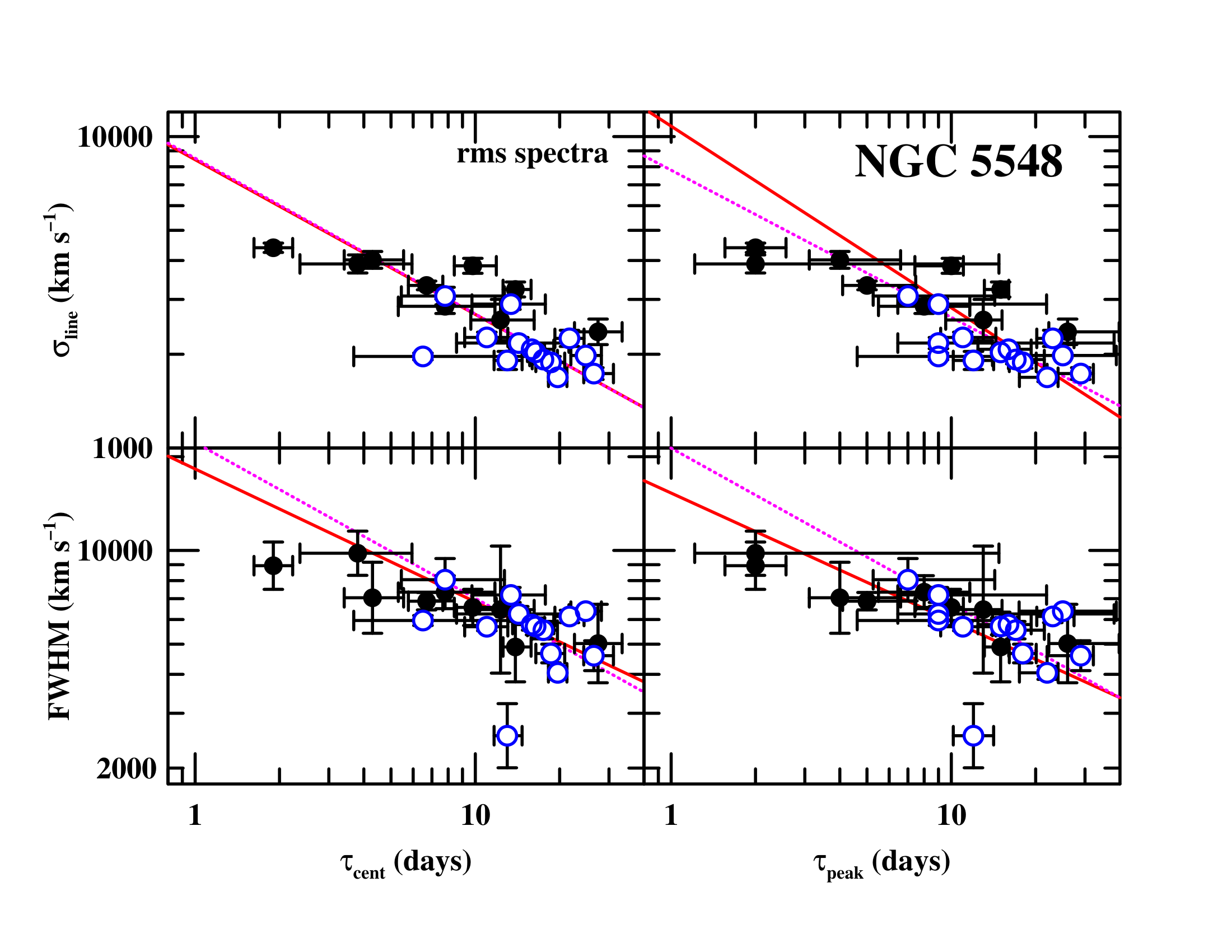 |
Peterson et al. (2004) | Reverberation mapping measurements and R_BLR - L relation | [[Reverberation mapping]] |
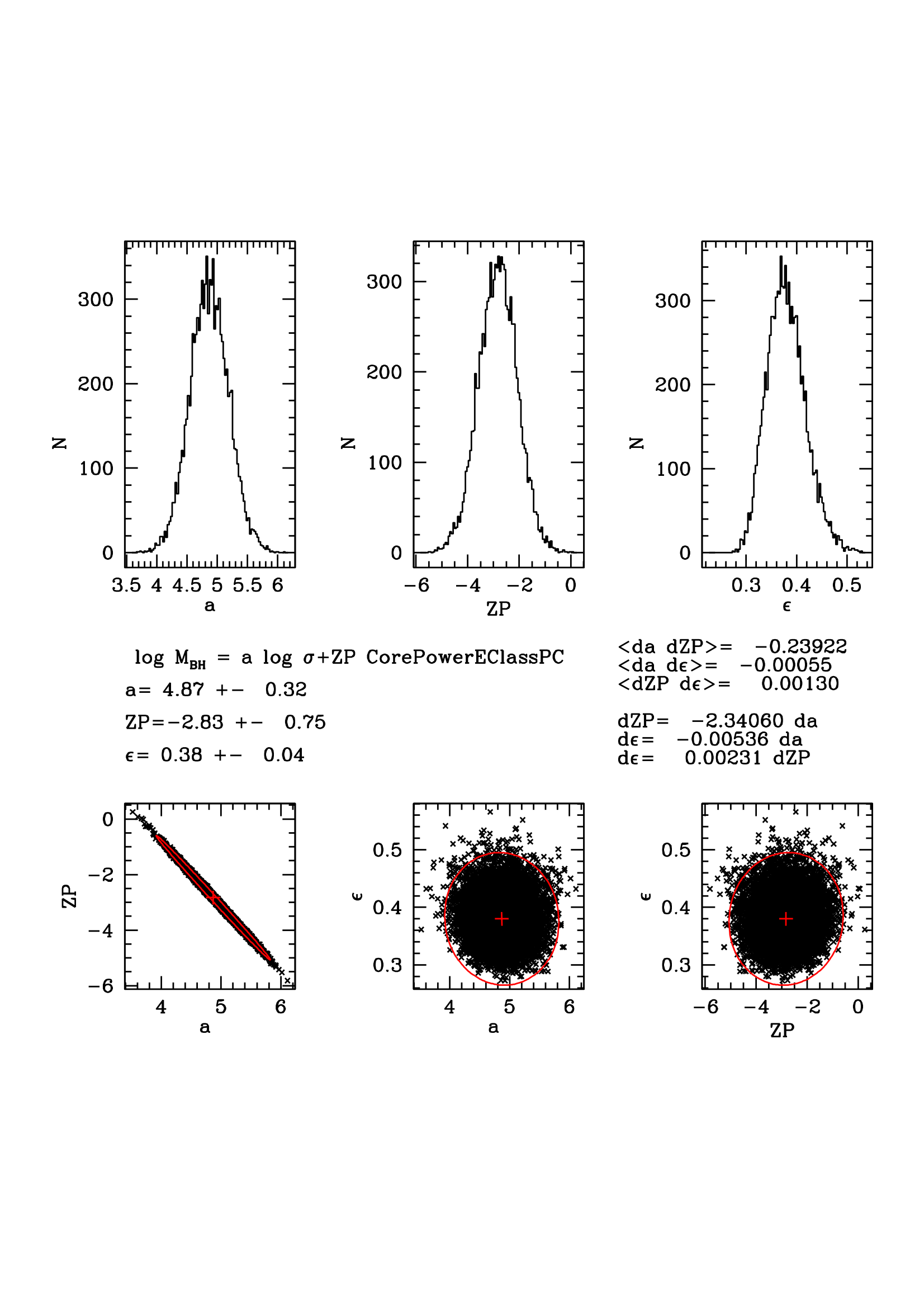 |
Saglia et al. (2016) | M_BH - sigma across classical bulges vs pseudobulges | [[M sigma relation]] |
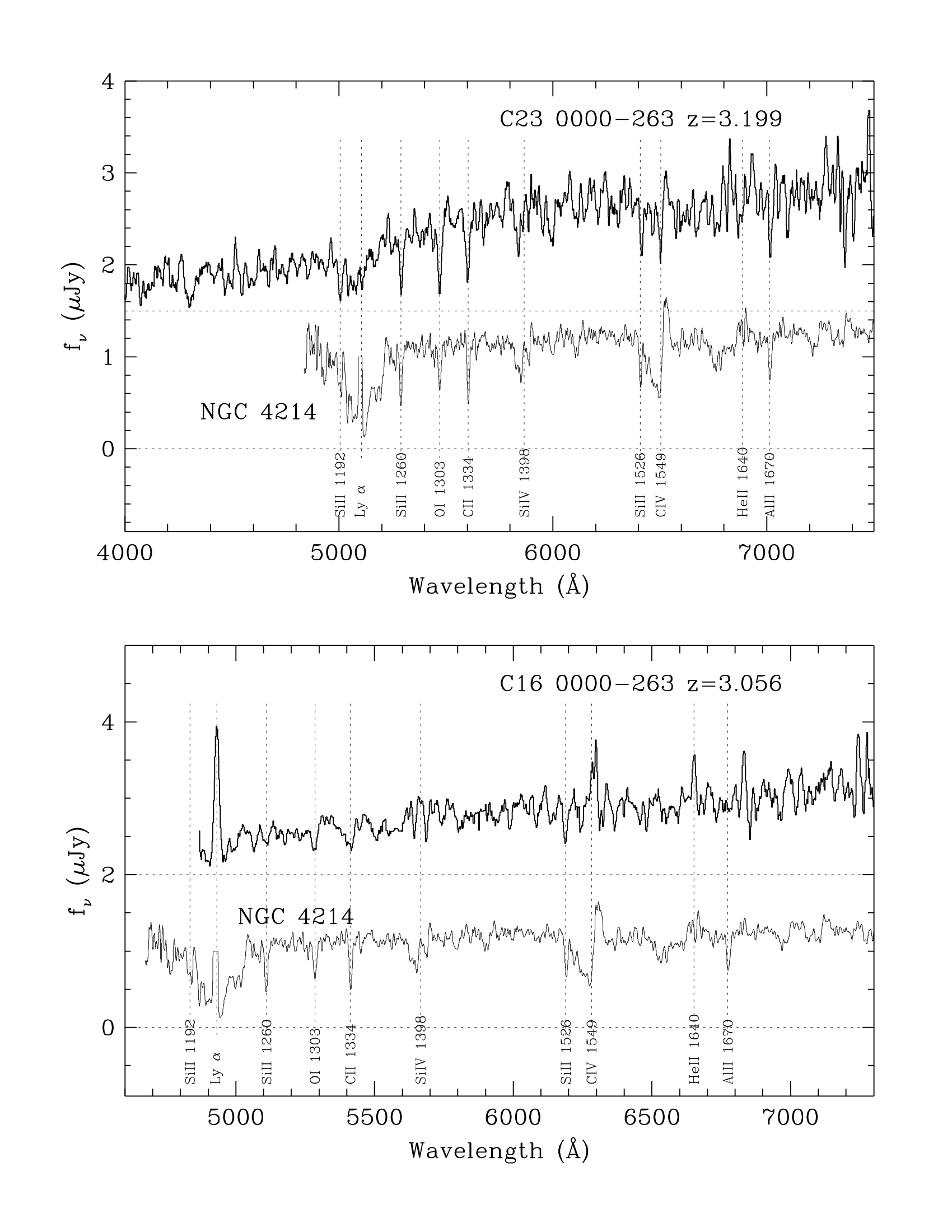 |
Steidel et al. (1996) | Lyman-Break Galaxy (LBG) composite rest-frame UV spectra | [[Deep-field surveys]] |
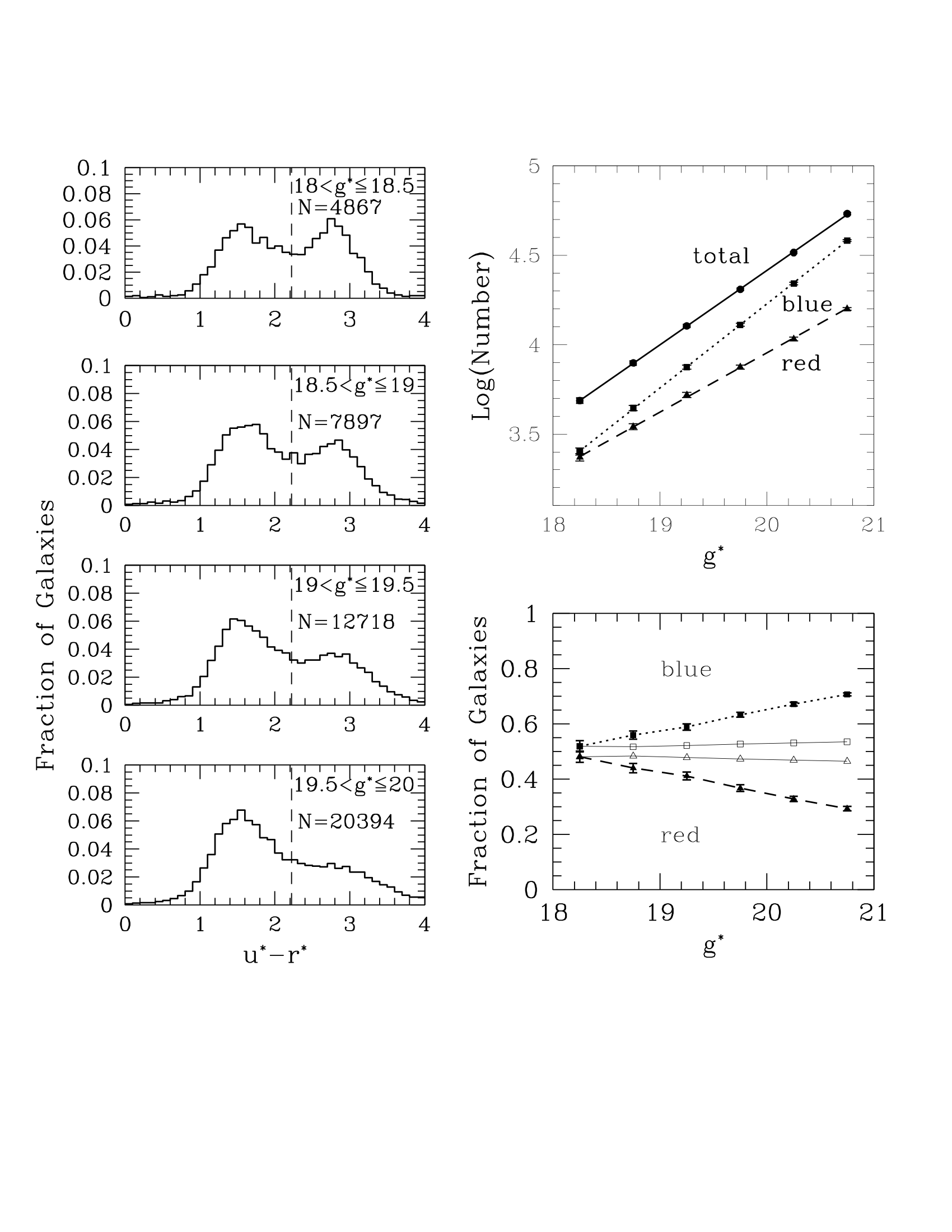 |
Strateva et al. (2001) | Color bimodality and concentration index C | [[Color bimodality of galaxies]] |
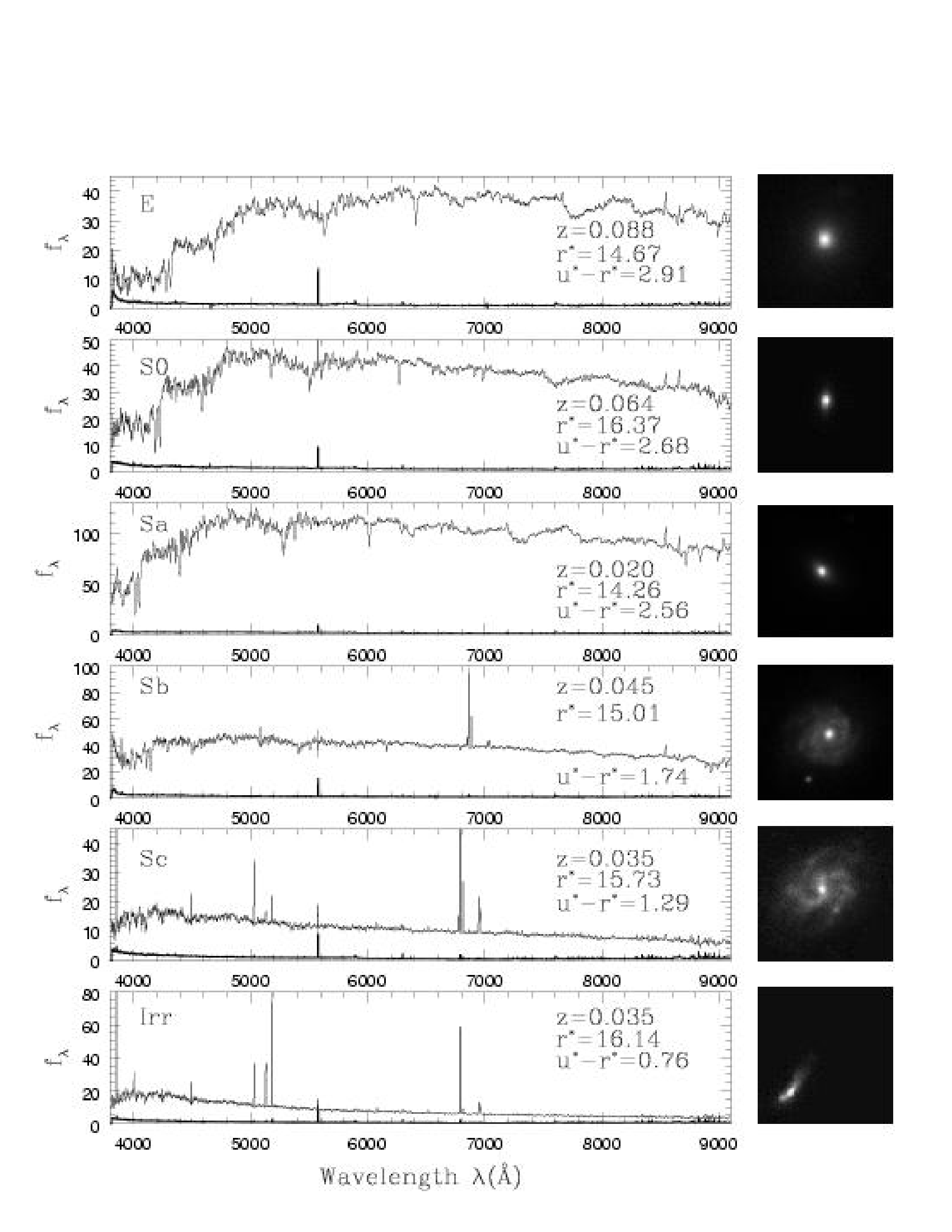 |
Strateva et al. (2001) | Color bimodality and concentration index C | [[Color bimodality of galaxies]] |
Part B - Core Lecture Slides (585 Slides Across 13 Decks)
| Slide Image | Originating Lecture Deck | Physical Topic Illustrated | Host Zettel Note |
|---|---|---|---|
 |
Lecture - Supermassive Black Holes | Milky Way Sgr A* - S2 stellar orbit, enclosed mass 4.15 x 10^6 M_Sun | [[Galactic Center Sgr A and S-stars]] |
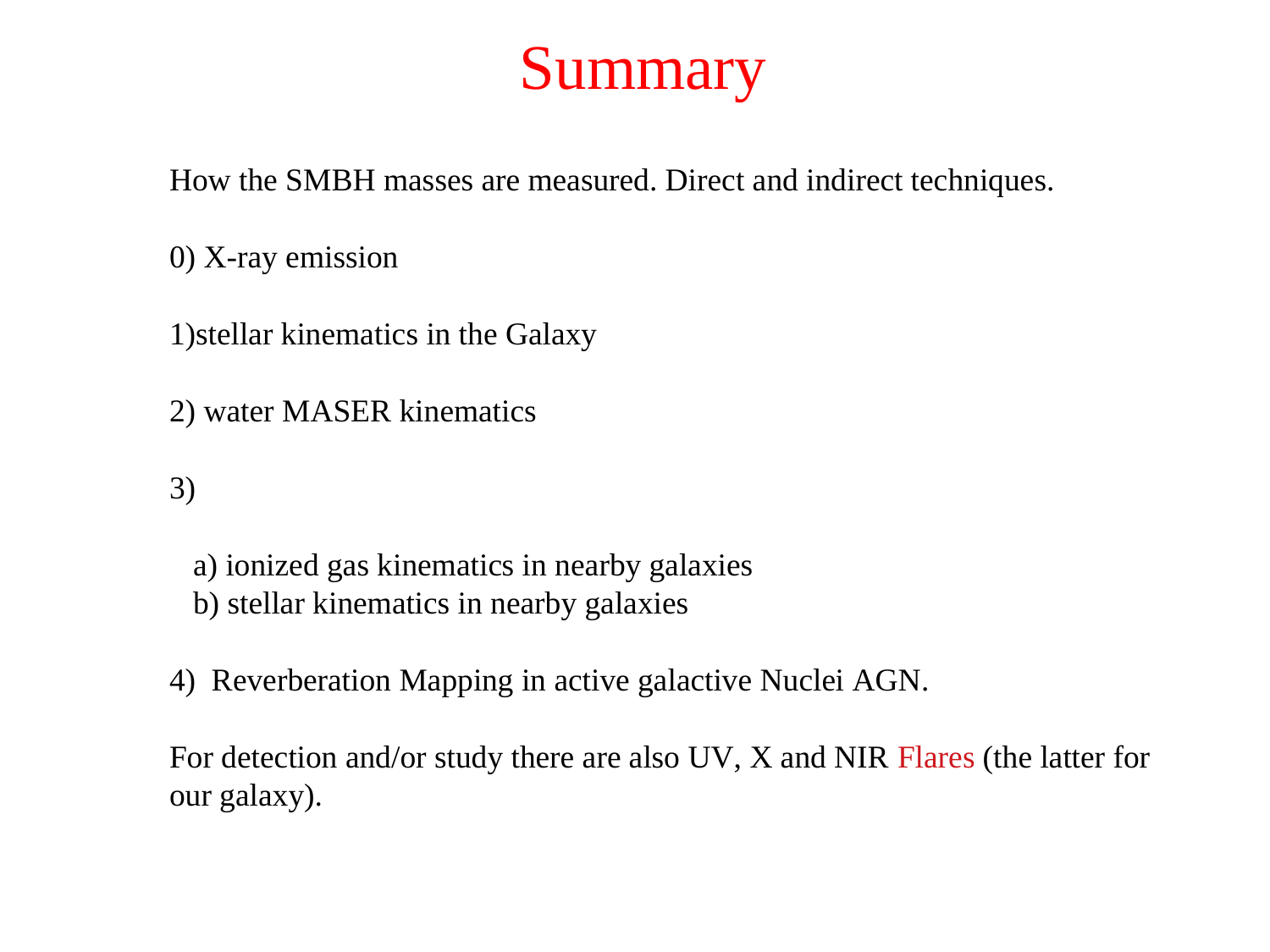 |
Lecture - Supermassive Black Holes | Milky Way Sgr A* - S2 stellar orbit, enclosed mass 4.15 x 10^6 M_Sun | [[Galactic Center Sgr A and S-stars]] |
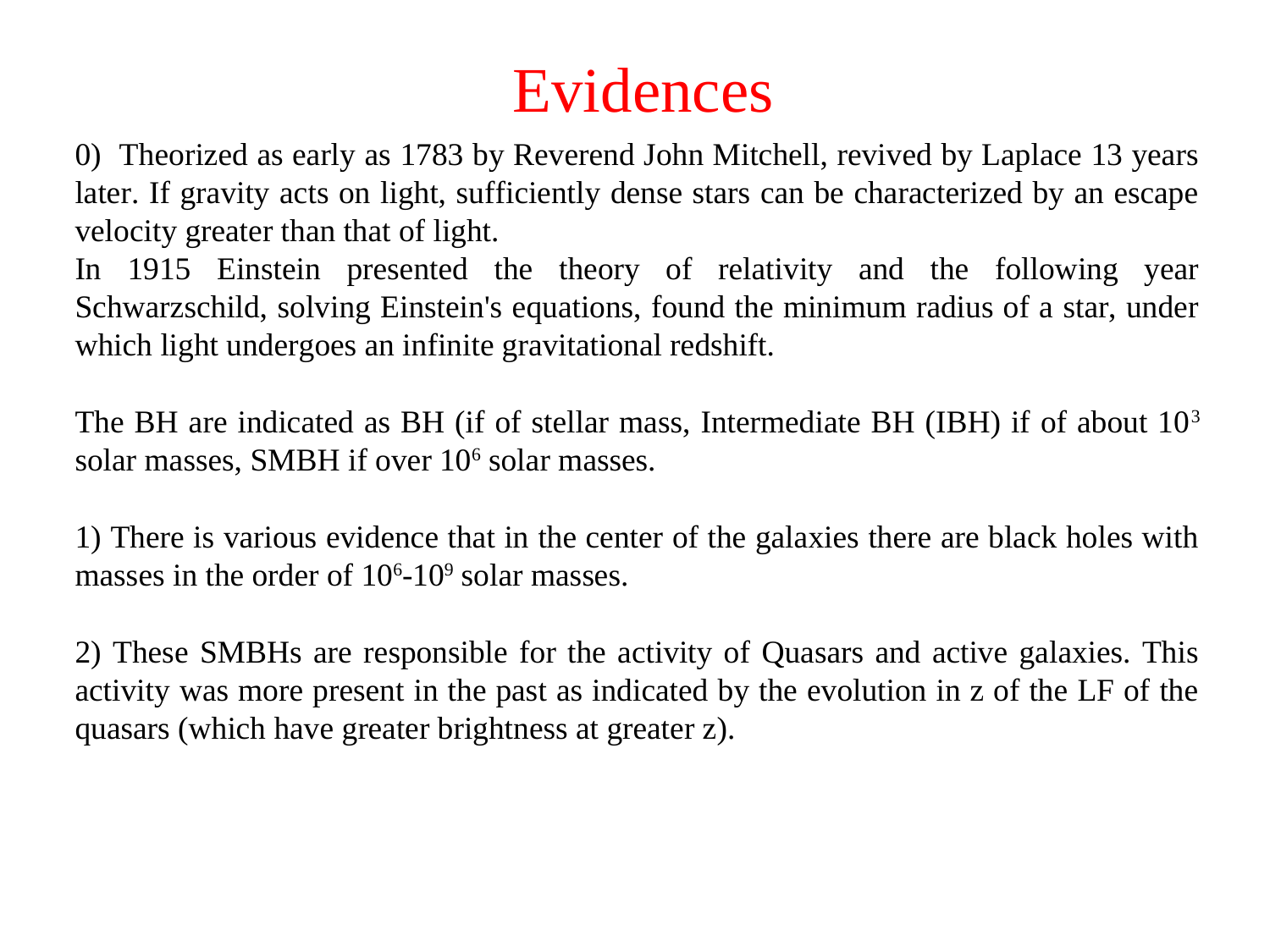 |
Lecture - Supermassive Black Holes | Milky Way Sgr A* - S2 stellar orbit, enclosed mass 4.15 x 10^6 M_Sun | [[Galactic Center Sgr A and S-stars]] |
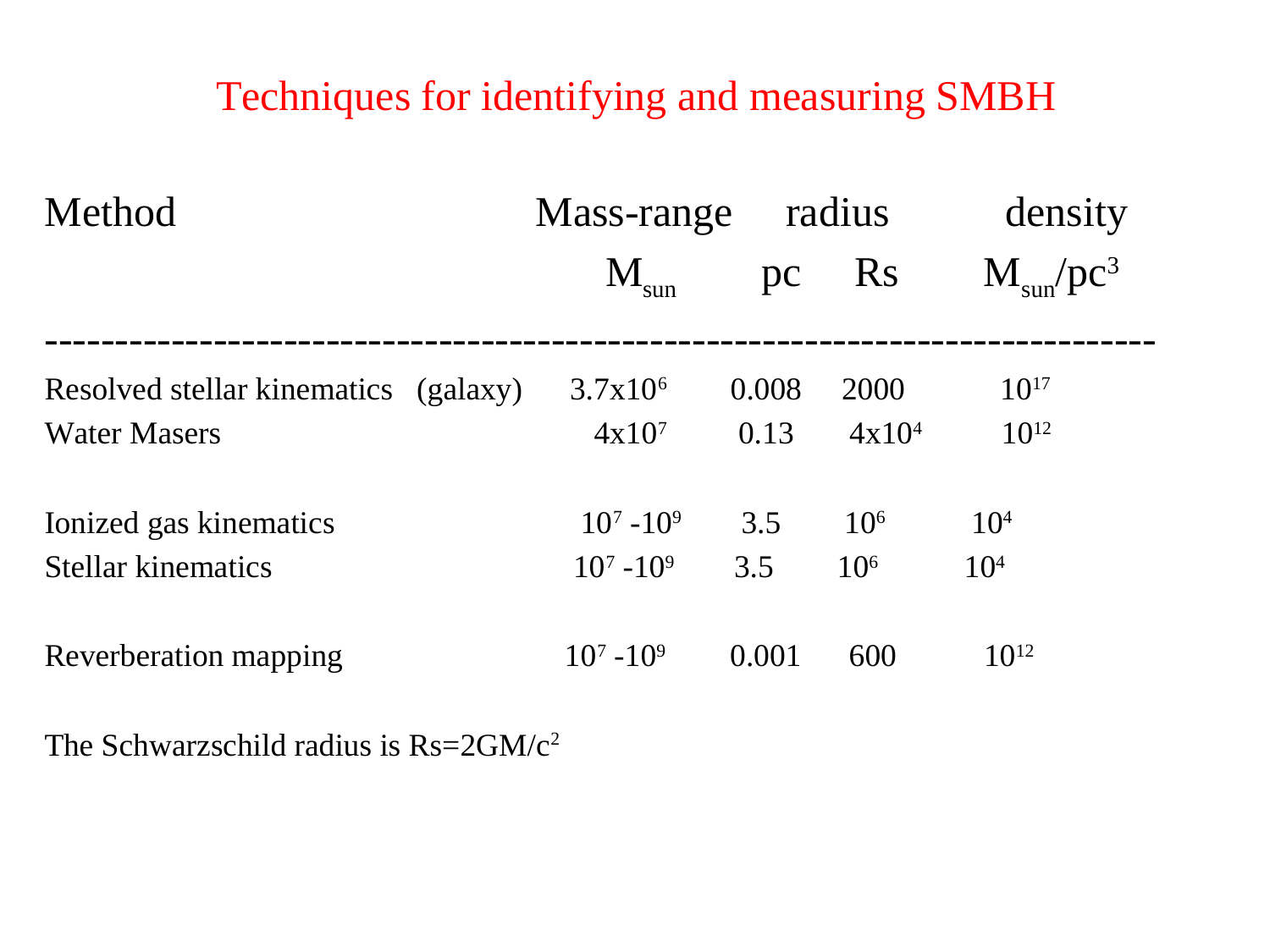 |
Lecture - Supermassive Black Holes | Milky Way Sgr A* - S2 stellar orbit, enclosed mass 4.15 x 10^6 M_Sun | [[Galactic Center Sgr A and S-stars]] |
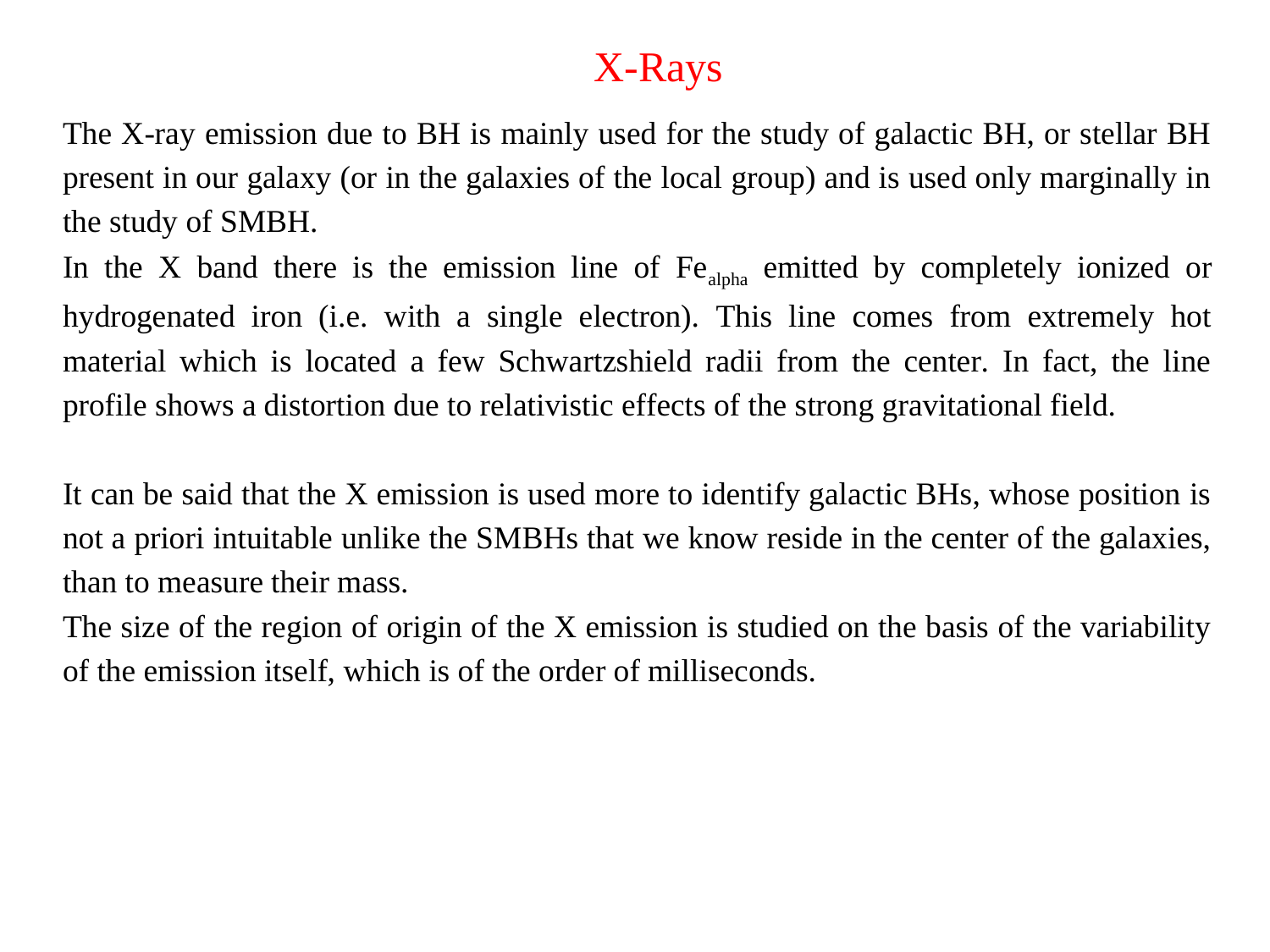 |
Lecture - Supermassive Black Holes | Milky Way Sgr A* - S2 stellar orbit, enclosed mass 4.15 x 10^6 M_Sun | [[Galactic Center Sgr A and S-stars]] |
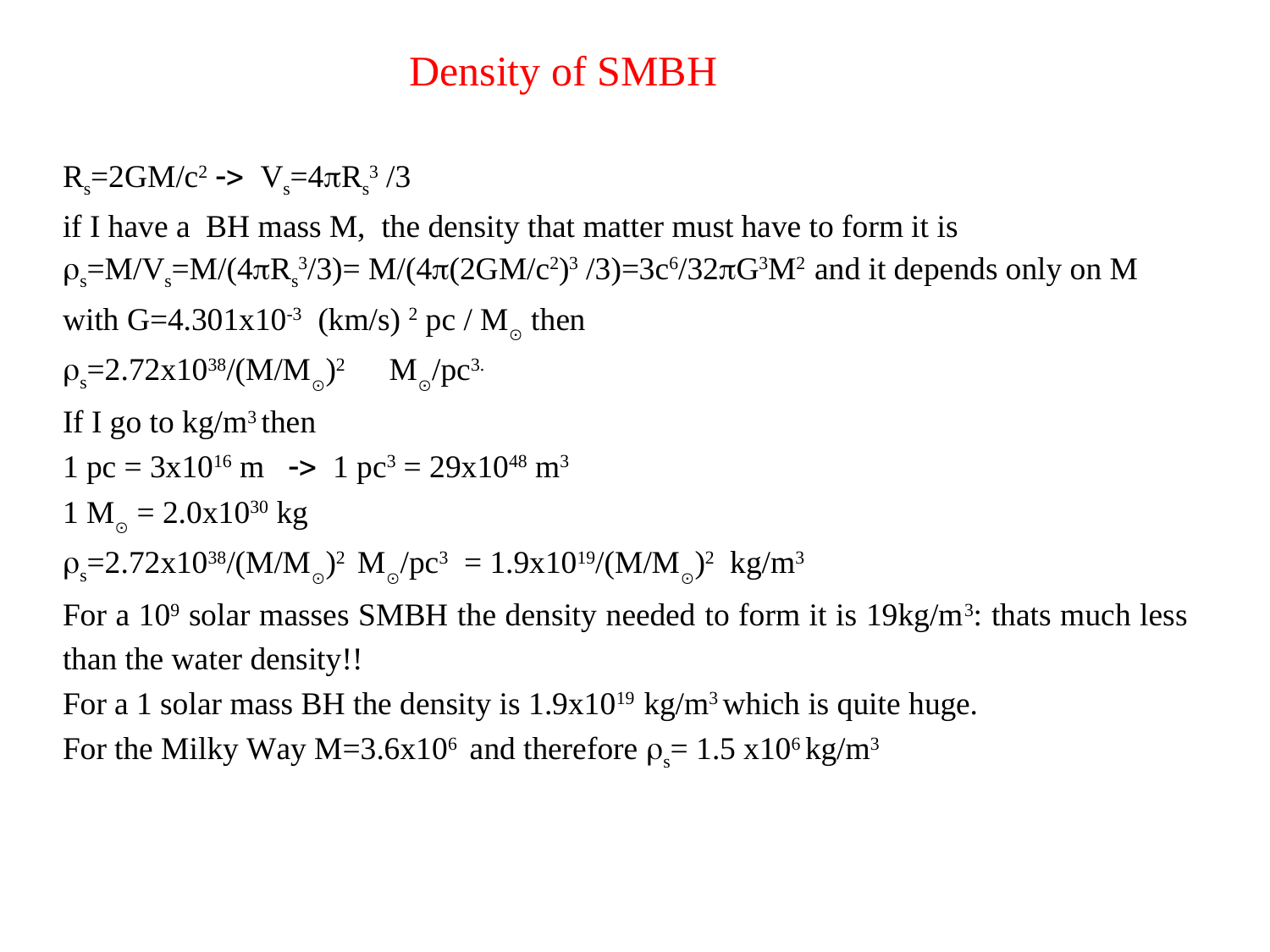 |
Lecture - Supermassive Black Holes | Milky Way Sgr A* - S2 stellar orbit, enclosed mass 4.15 x 10^6 M_Sun | [[Galactic Center Sgr A and S-stars]] |
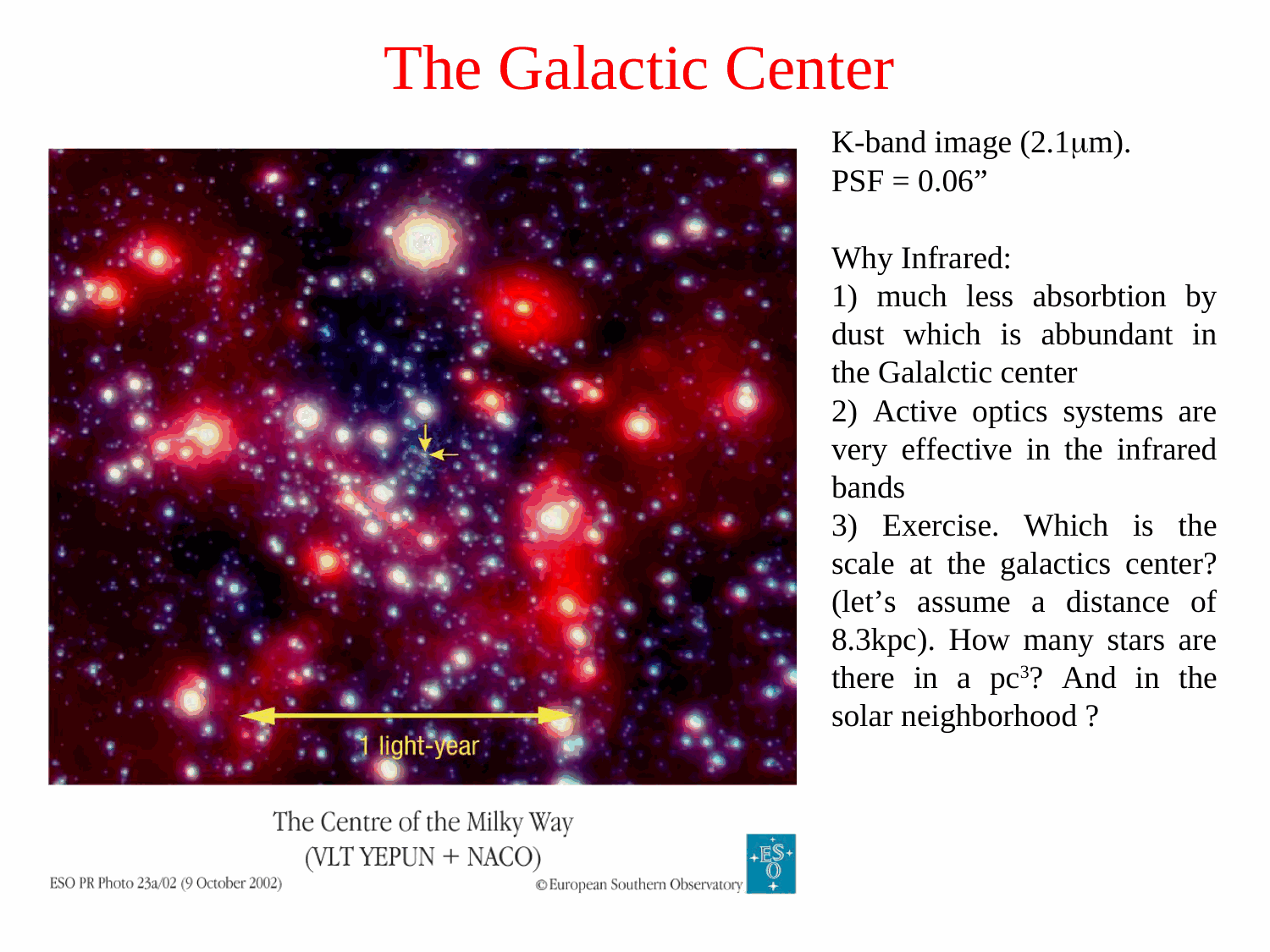 |
Lecture - Supermassive Black Holes | Milky Way Sgr A* - S2 stellar orbit, enclosed mass 4.15 x 10^6 M_Sun | [[Galactic Center Sgr A and S-stars]] |
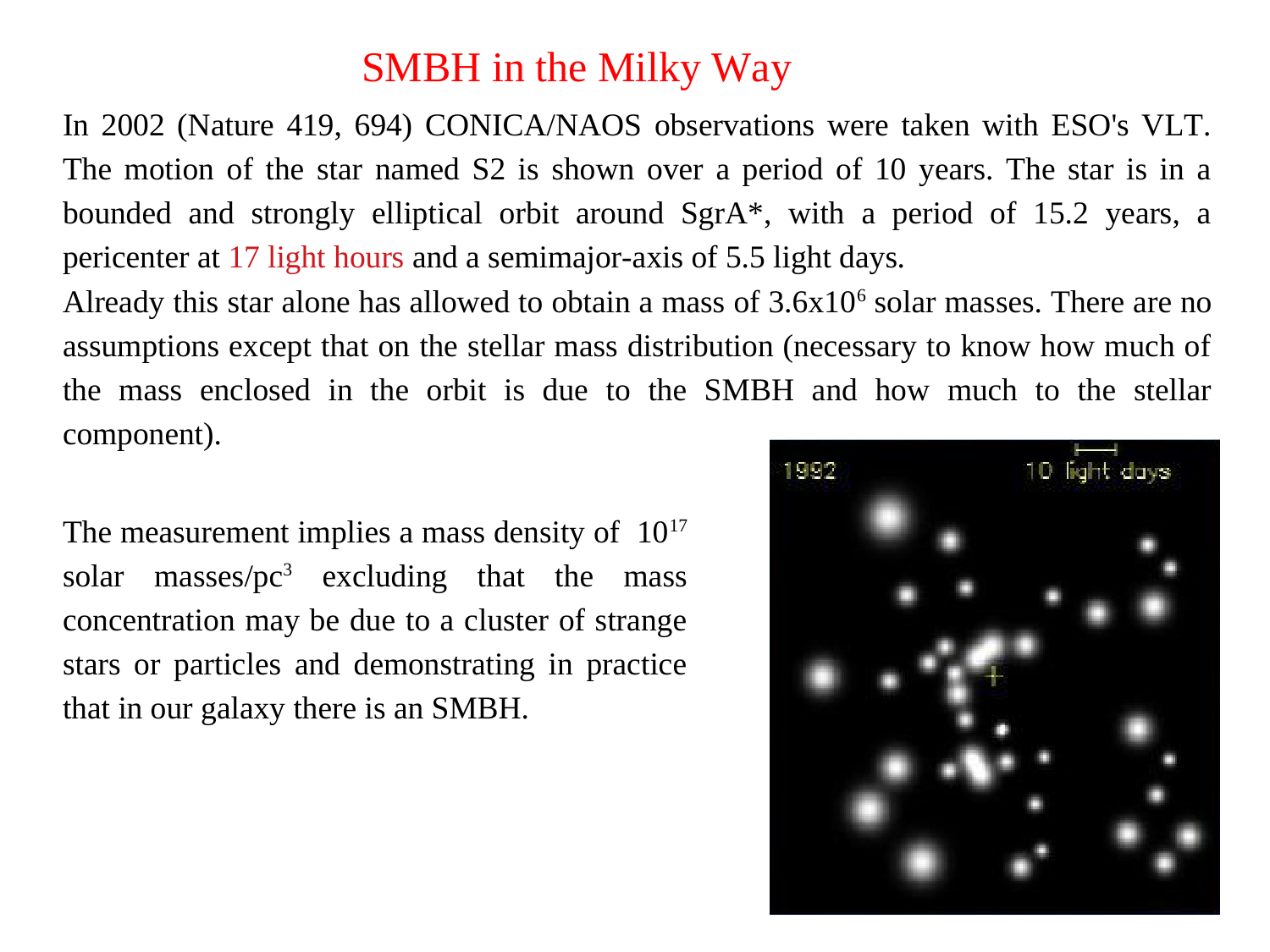 |
Lecture - Supermassive Black Holes | Milky Way Sgr A* - S2 stellar orbit, enclosed mass 4.15 x 10^6 M_Sun | [[Galactic Center Sgr A and S-stars]] |
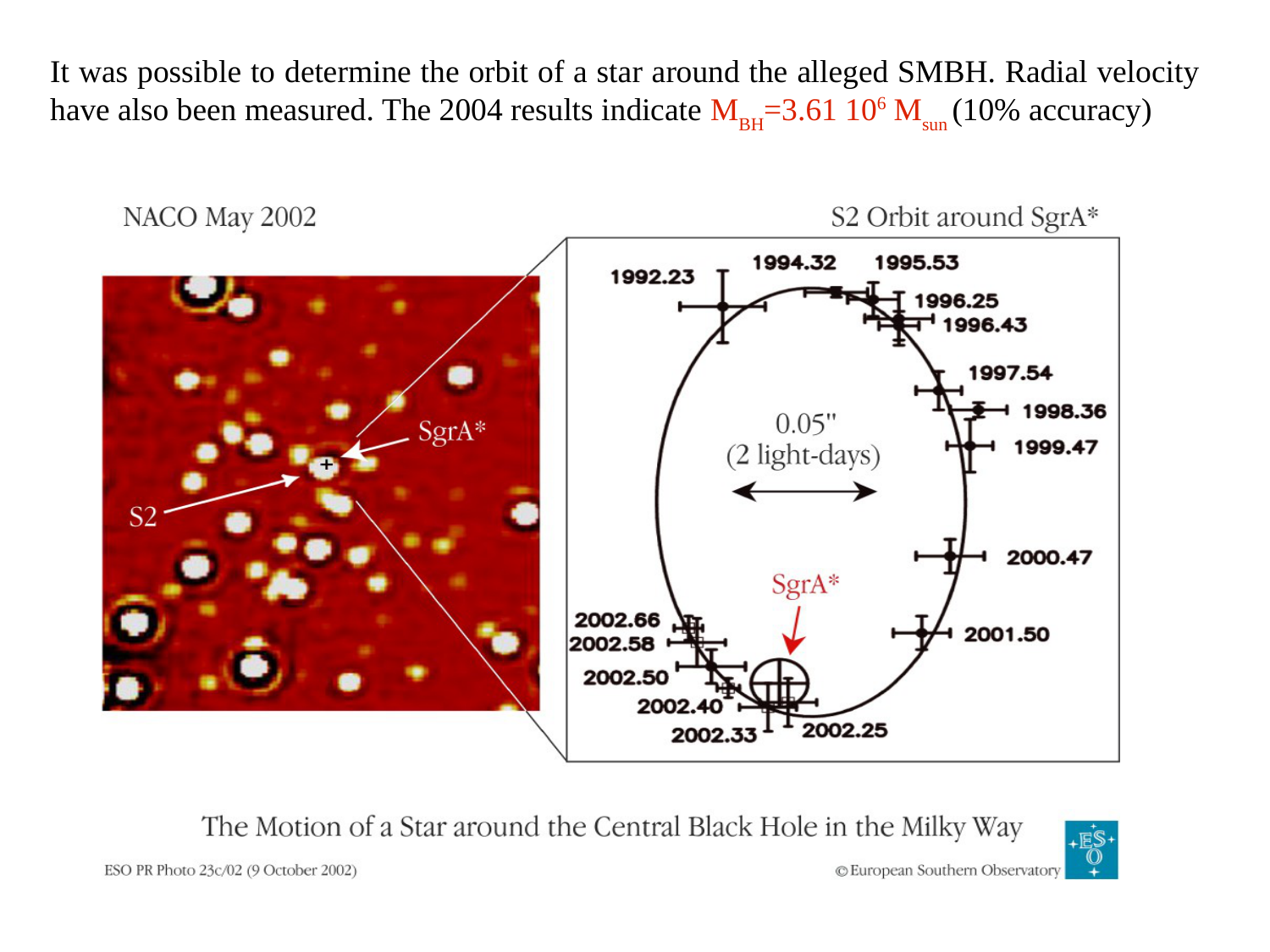 |
Lecture - Supermassive Black Holes | Milky Way Sgr A* - S2 stellar orbit, enclosed mass 4.15 x 10^6 M_Sun | [[Galactic Center Sgr A and S-stars]] |
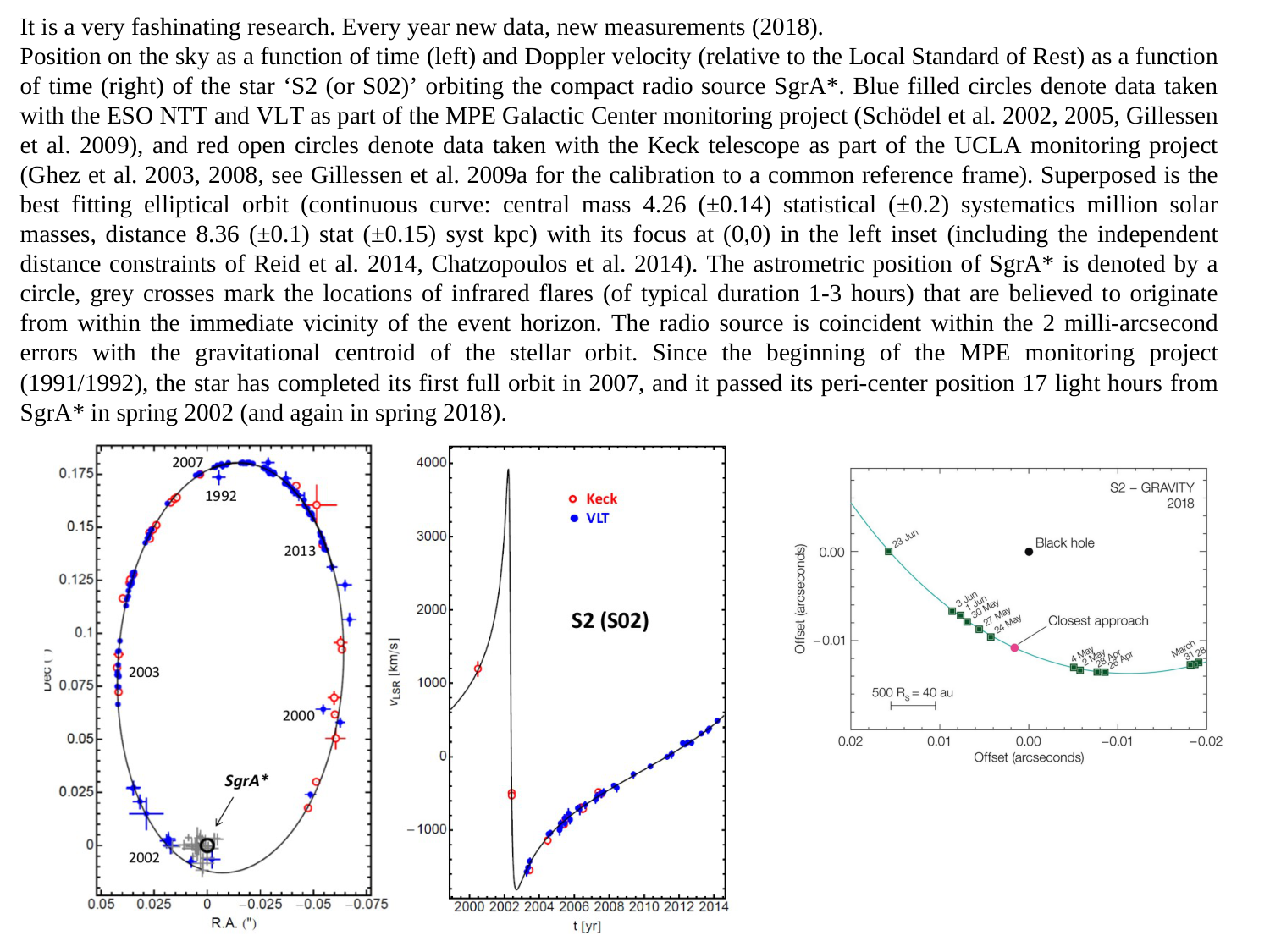 |
Lecture - Supermassive Black Holes | Milky Way Sgr A* - S2 stellar orbit, enclosed mass 4.15 x 10^6 M_Sun | [[Galactic Center Sgr A and S-stars]] |
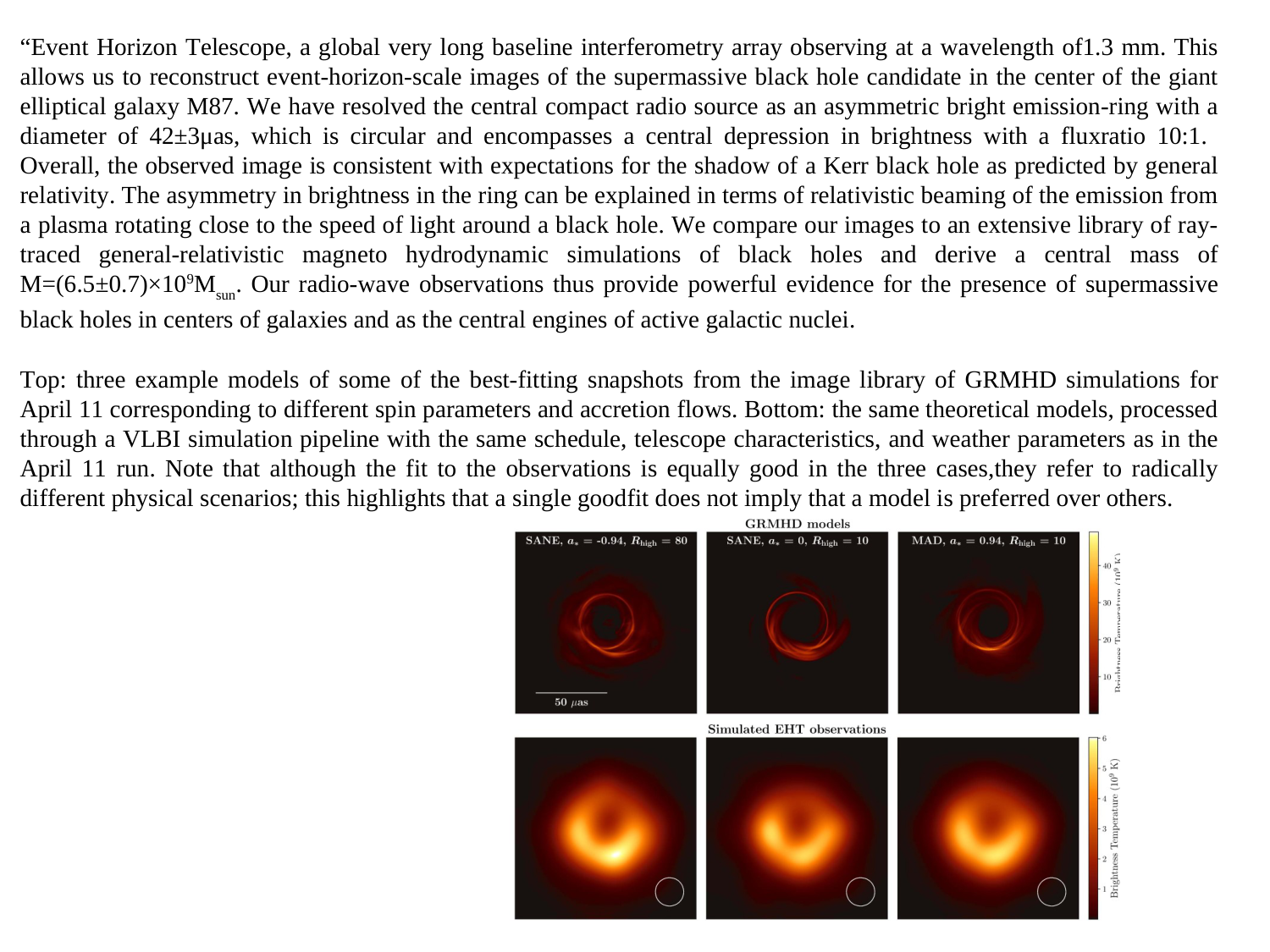 |
Lecture - Supermassive Black Holes | Milky Way Sgr A* - S2 stellar orbit, enclosed mass 4.15 x 10^6 M_Sun | [[Galactic Center Sgr A and S-stars]] |
 |
Lecture - Supermassive Black Holes | Milky Way Sgr A* - S2 stellar orbit, enclosed mass 4.15 x 10^6 M_Sun | [[Galactic Center Sgr A and S-stars]] |
 |
Lecture - Supermassive Black Holes | Milky Way Sgr A* - S2 stellar orbit, enclosed mass 4.15 x 10^6 M_Sun | [[Galactic Center Sgr A and S-stars]] |
 |
Lecture - Supermassive Black Holes | Milky Way Sgr A* - S2 stellar orbit, enclosed mass 4.15 x 10^6 M_Sun | [[Galactic Center Sgr A and S-stars]] |
 |
Lecture - Supermassive Black Holes | Milky Way Sgr A* - S2 stellar orbit, enclosed mass 4.15 x 10^6 M_Sun | [[Galactic Center Sgr A and S-stars]] |
 |
Lecture - Supermassive Black Holes | NGC 4258 water maser disk - VLBA Keplerian rotation curve v(r) ~ r^(-1/2) | [[Water maser BH masses]] |
 |
Lecture - Supermassive Black Holes | NGC 4258 water maser disk - VLBA Keplerian rotation curve v(r) ~ r^(-1/2) | [[Water maser BH masses]] |
 |
Lecture - Supermassive Black Holes | NGC 4258 water maser disk - VLBA Keplerian rotation curve v(r) ~ r^(-1/2) | [[Water maser BH masses]] |
 |
Lecture - Supermassive Black Holes | NGC 4258 water maser disk - VLBA Keplerian rotation curve v(r) ~ r^(-1/2) | [[Water maser BH masses]] |
 |
Lecture - Supermassive Black Holes | NGC 4258 water maser disk - VLBA Keplerian rotation curve v(r) ~ r^(-1/2) | [[Water maser BH masses]] |
 |
Lecture - Supermassive Black Holes | NGC 4258 water maser disk - VLBA Keplerian rotation curve v(r) ~ r^(-1/2) | [[Water maser BH masses]] |
 |
Lecture - Supermassive Black Holes | NGC 4258 water maser disk - VLBA Keplerian rotation curve v(r) ~ r^(-1/2) | [[Water maser BH masses]] |
 |
Lecture - Supermassive Black Holes | NGC 4258 water maser disk - VLBA Keplerian rotation curve v(r) ~ r^(-1/2) | [[Water maser BH masses]] |
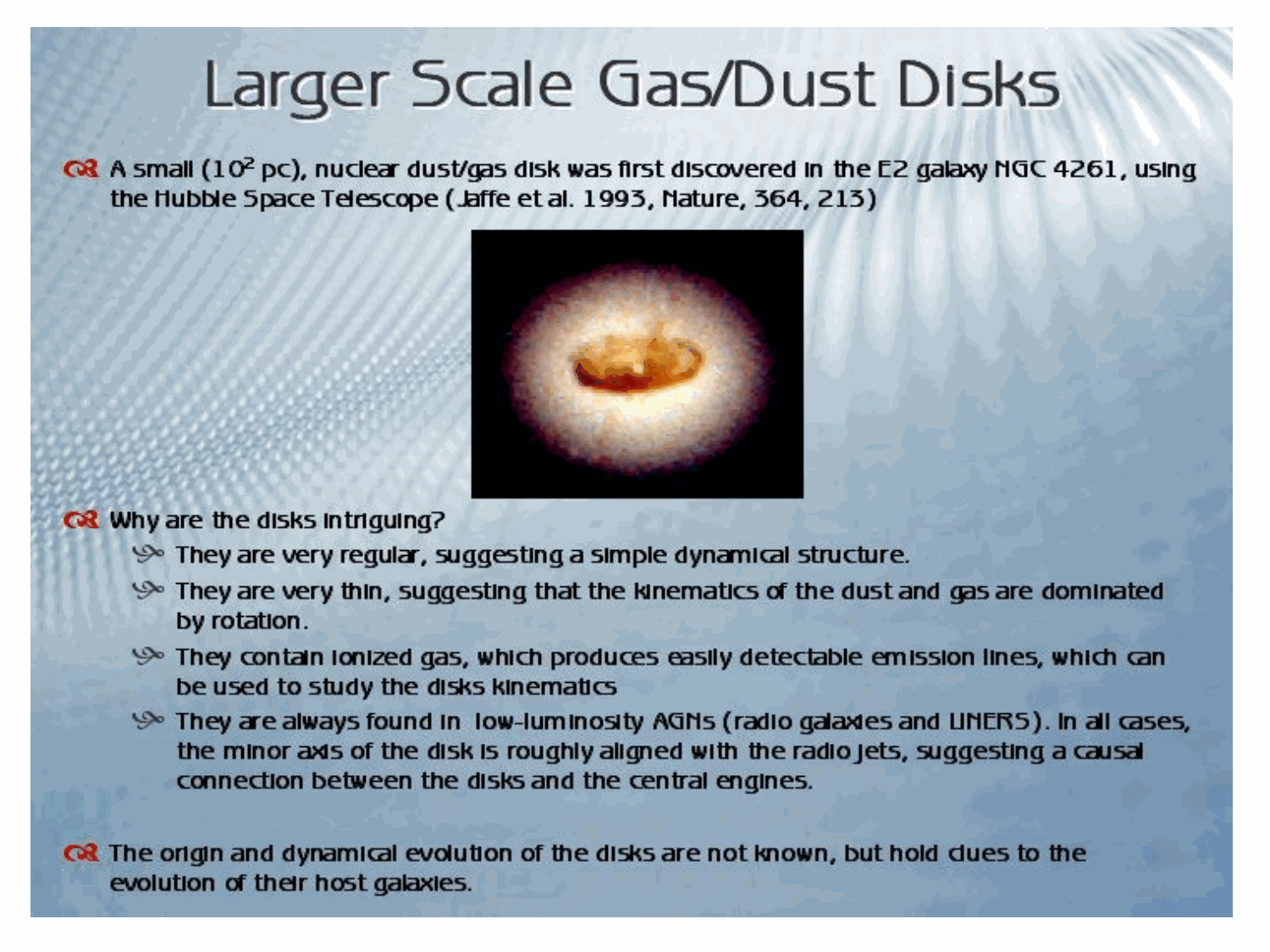 |
Lecture - Supermassive Black Holes | NGC 4258 water maser disk - VLBA Keplerian rotation curve v(r) ~ r^(-1/2) | [[Water maser BH masses]] |
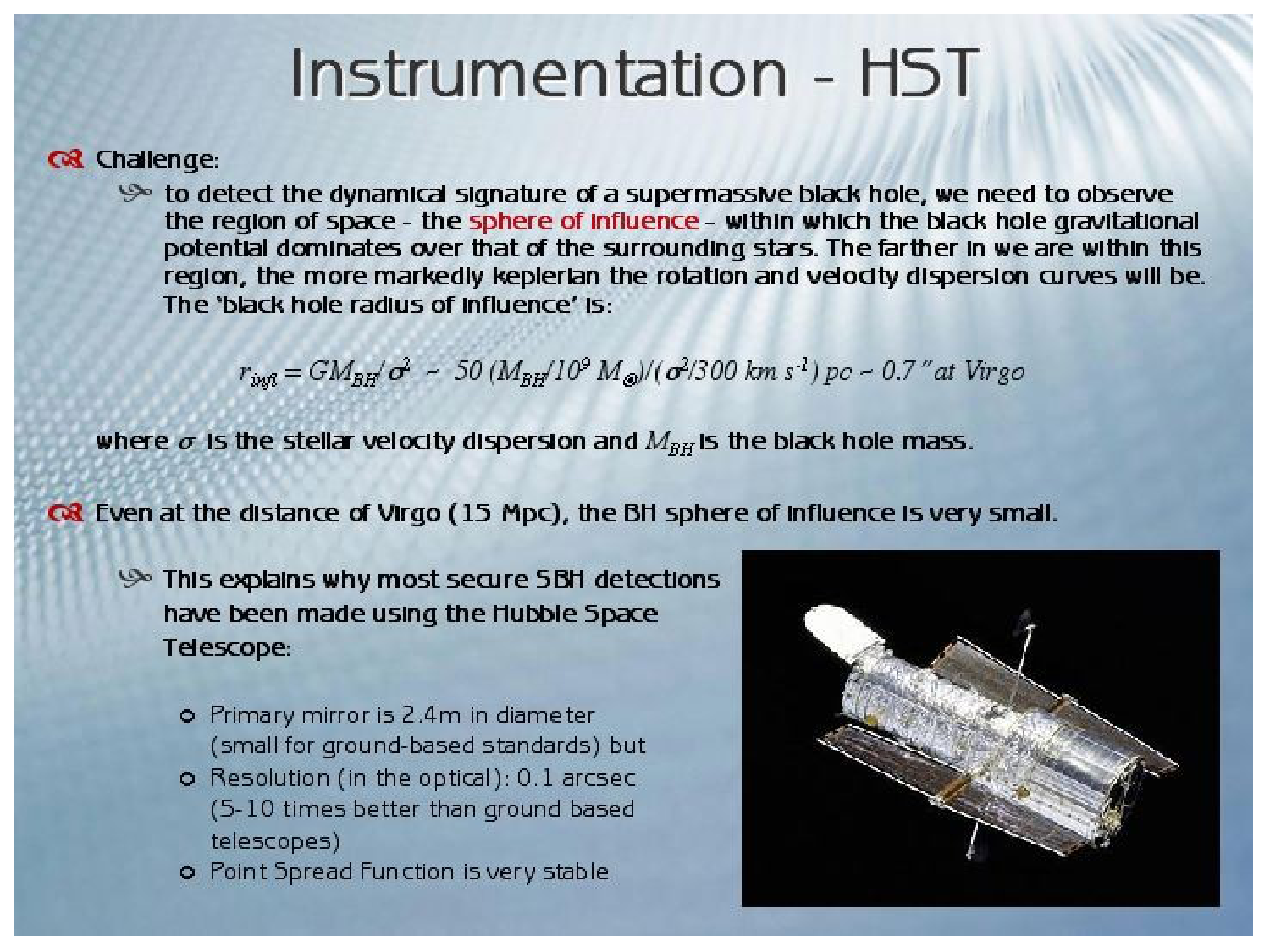 |
Lecture - Supermassive Black Holes | NGC 4258 water maser disk - VLBA Keplerian rotation curve v(r) ~ r^(-1/2) | [[Water maser BH masses]] |
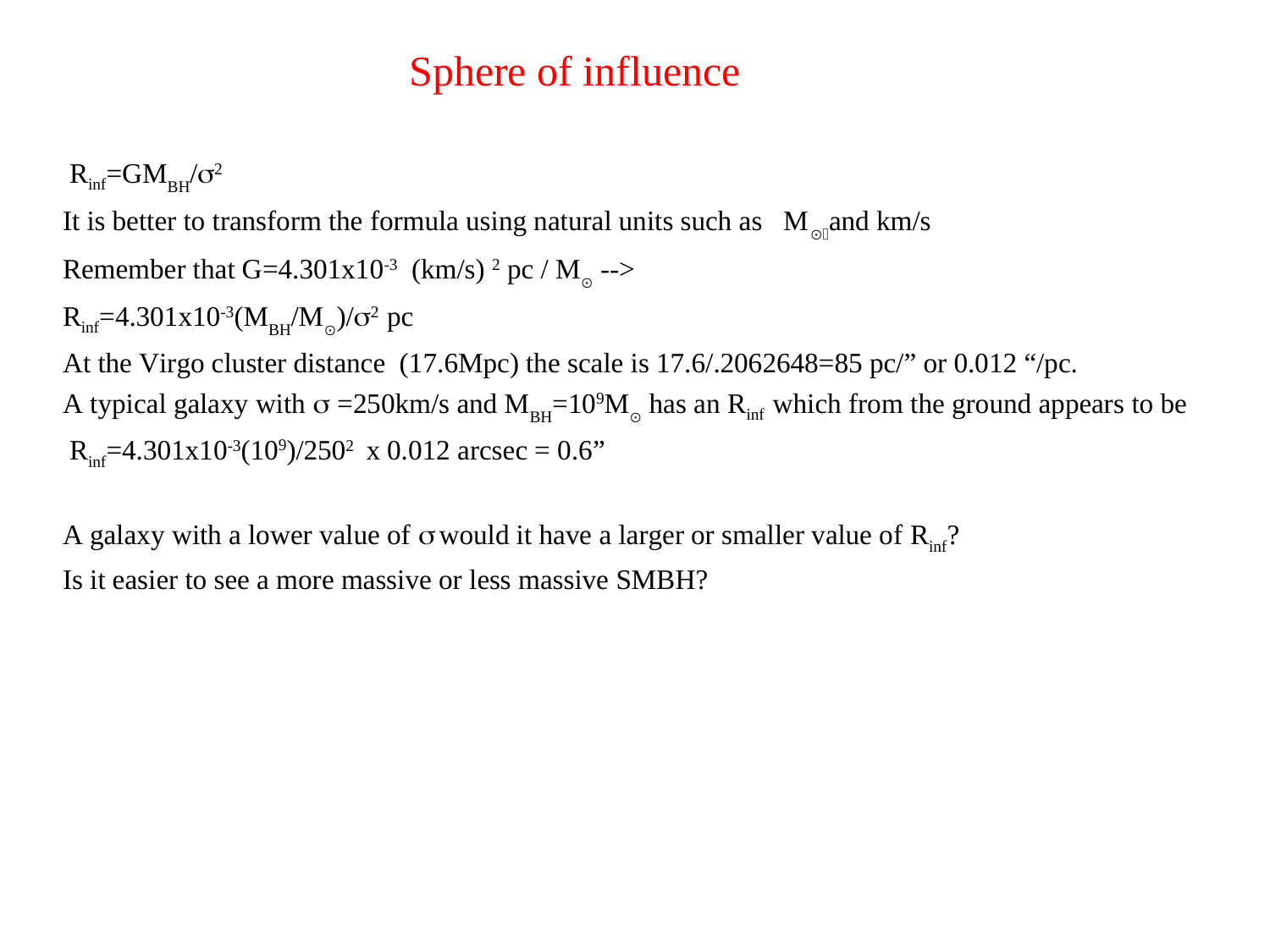 |
Lecture - Supermassive Black Holes | NGC 4258 water maser disk - VLBA Keplerian rotation curve v(r) ~ r^(-1/2) | [[Water maser BH masses]] |
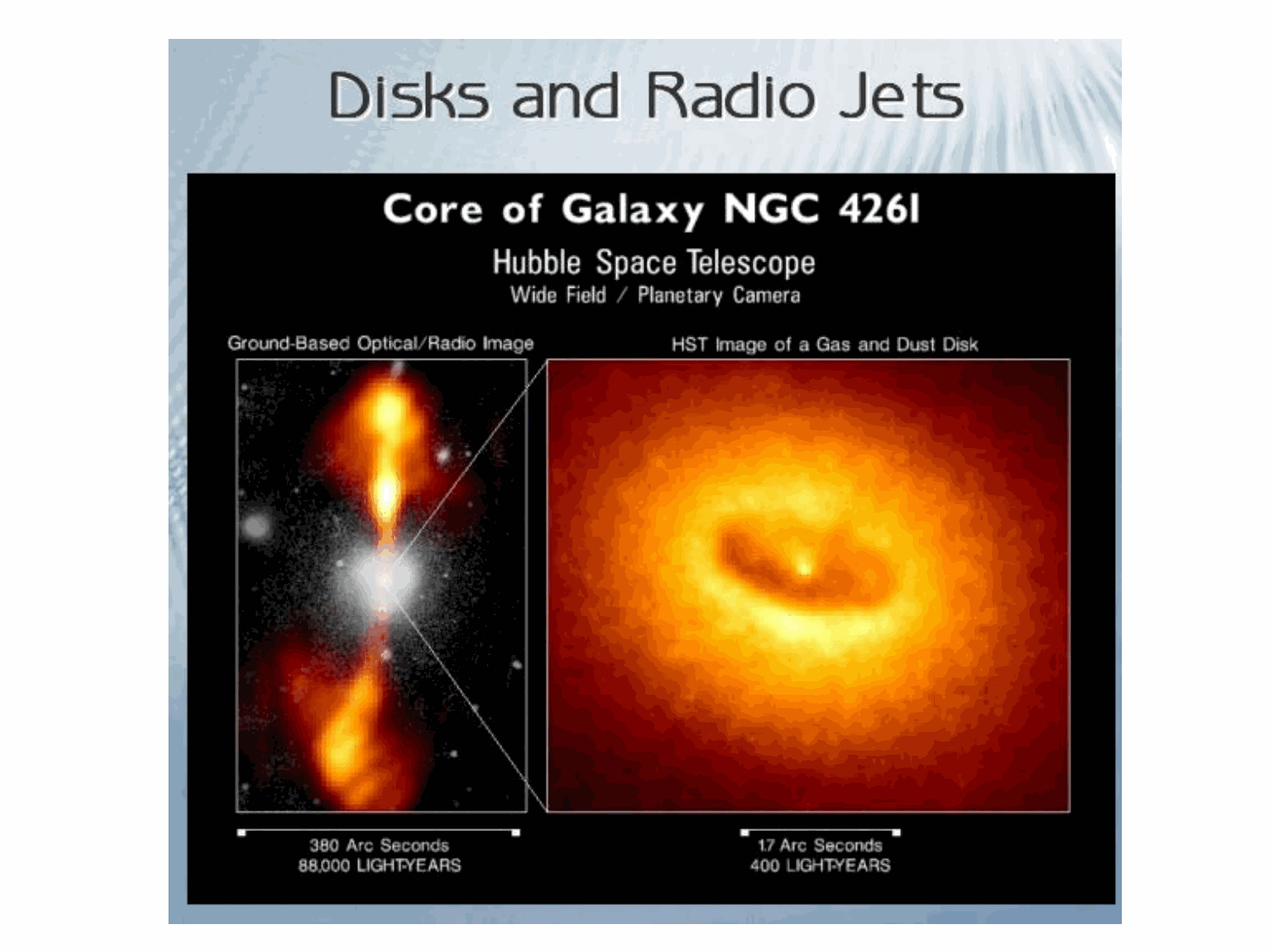 |
Lecture - Supermassive Black Holes | NGC 4258 water maser disk - VLBA Keplerian rotation curve v(r) ~ r^(-1/2) | [[Water maser BH masses]] |
 |
Lecture - Supermassive Black Holes | NGC 4258 water maser disk - VLBA Keplerian rotation curve v(r) ~ r^(-1/2) | [[Water maser BH masses]] |
 |
Lecture - Supermassive Black Holes | Reverberation mapping - light travel delay tau = R_BLR/c, virial mass formula | [[Reverberation mapping]] |
 |
Lecture - Supermassive Black Holes | Reverberation mapping - light travel delay tau = R_BLR/c, virial mass formula | [[Reverberation mapping]] |
 |
Lecture - Supermassive Black Holes | Reverberation mapping - light travel delay tau = R_BLR/c, virial mass formula | [[Reverberation mapping]] |
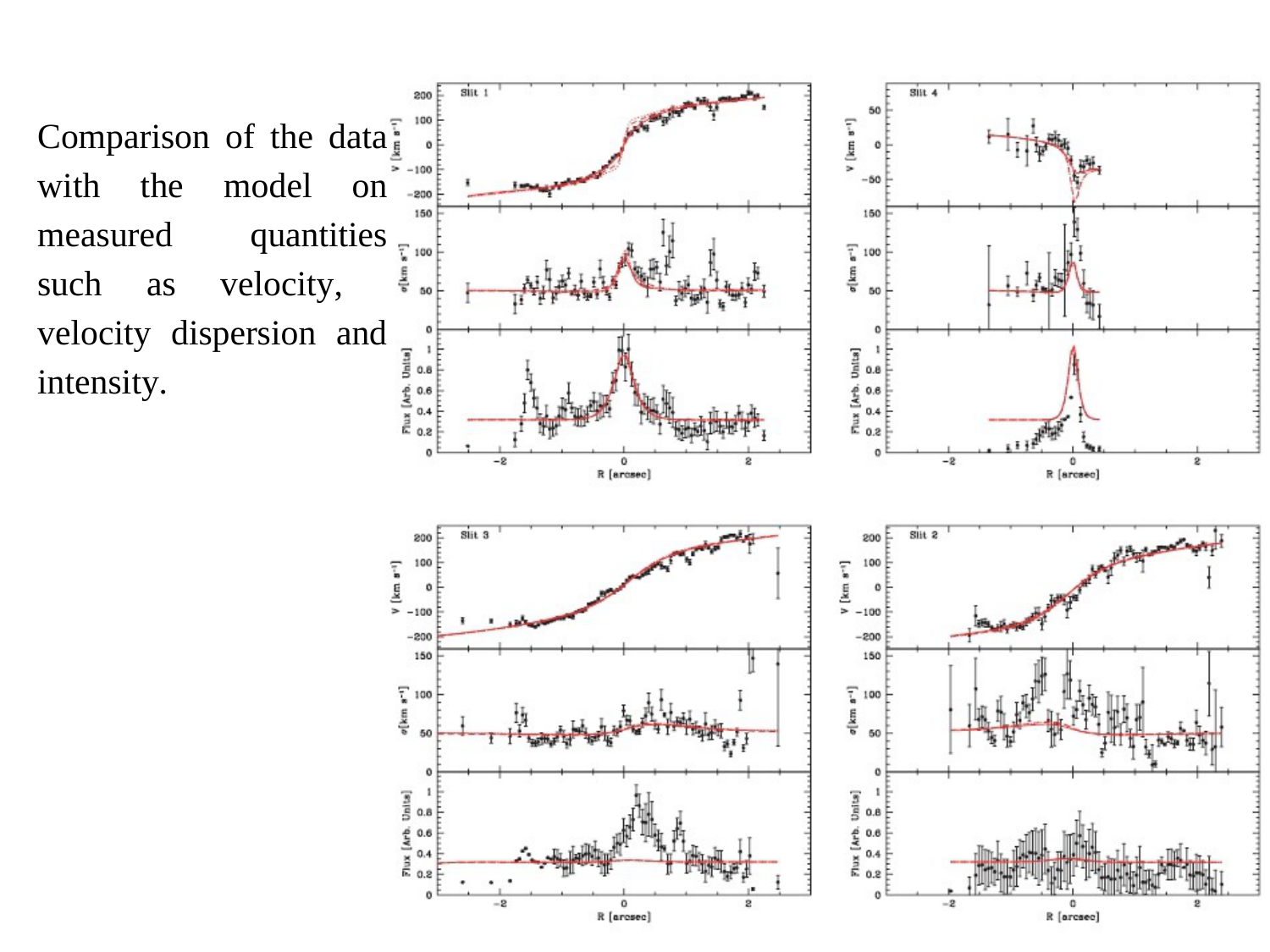 |
Lecture - Supermassive Black Holes | Reverberation mapping - light travel delay tau = R_BLR/c, virial mass formula | [[Reverberation mapping]] |
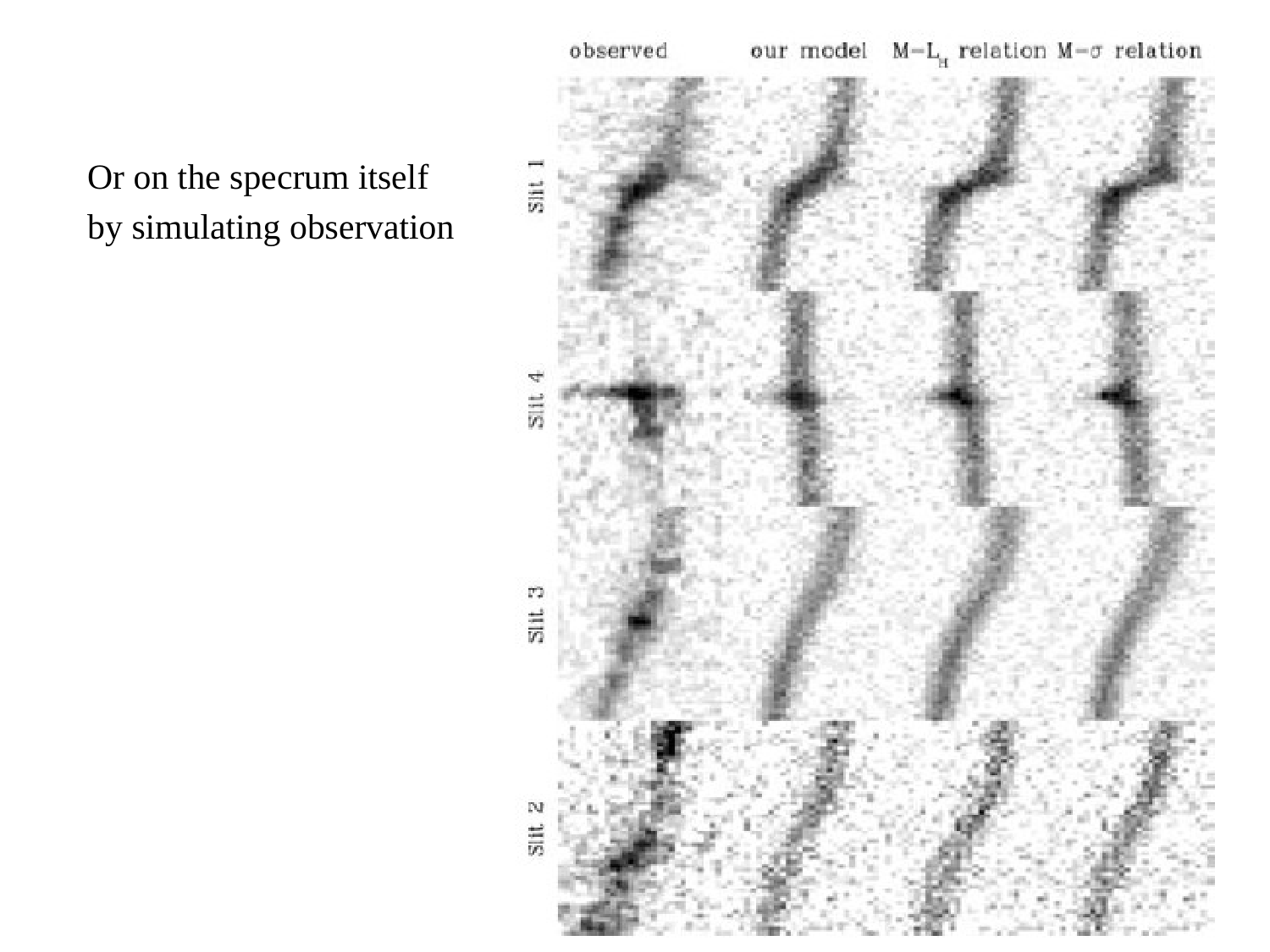 |
Lecture - Supermassive Black Holes | Reverberation mapping - light travel delay tau = R_BLR/c, virial mass formula | [[Reverberation mapping]] |
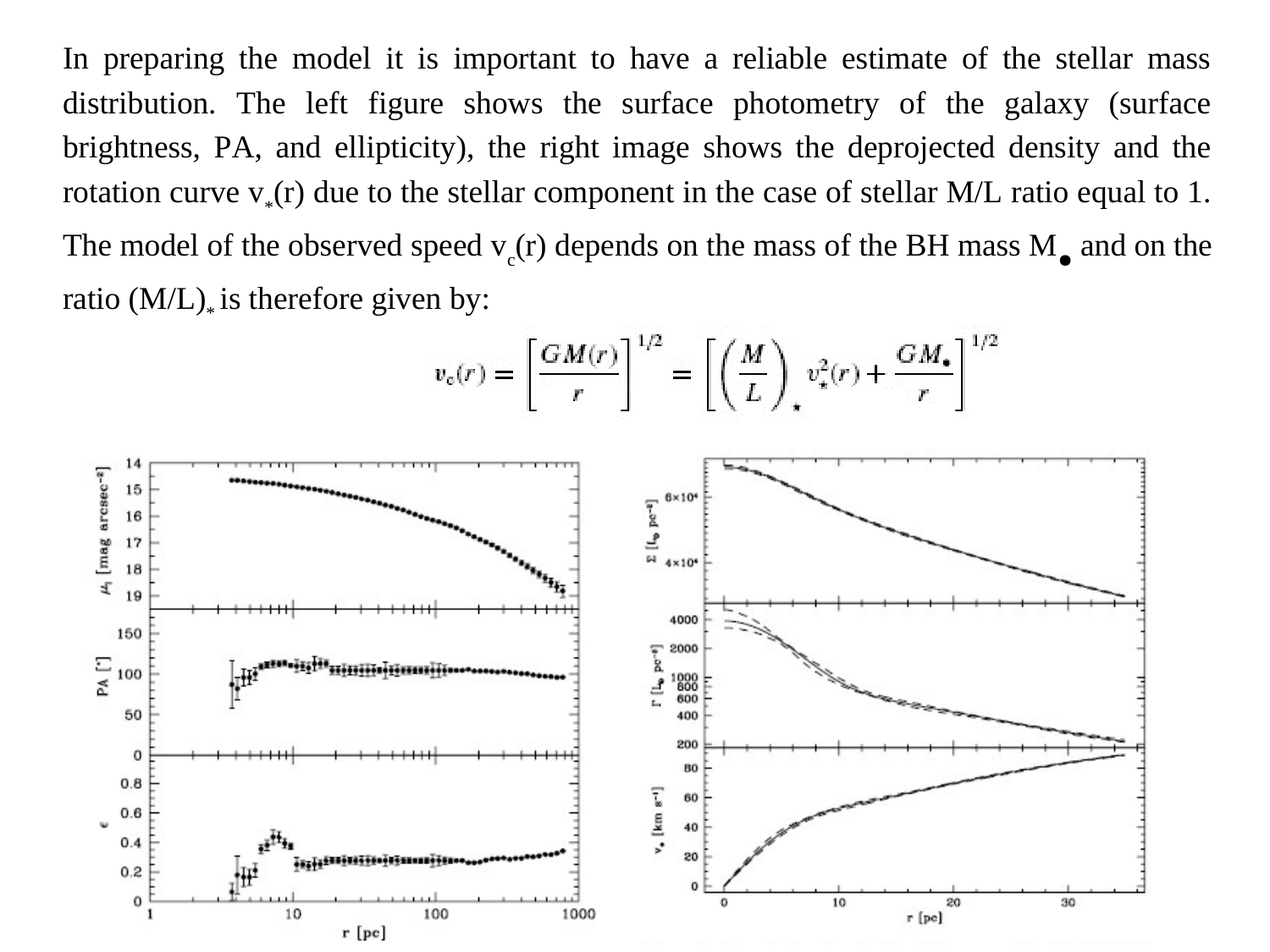 |
Lecture - Supermassive Black Holes | Reverberation mapping - light travel delay tau = R_BLR/c, virial mass formula | [[Reverberation mapping]] |
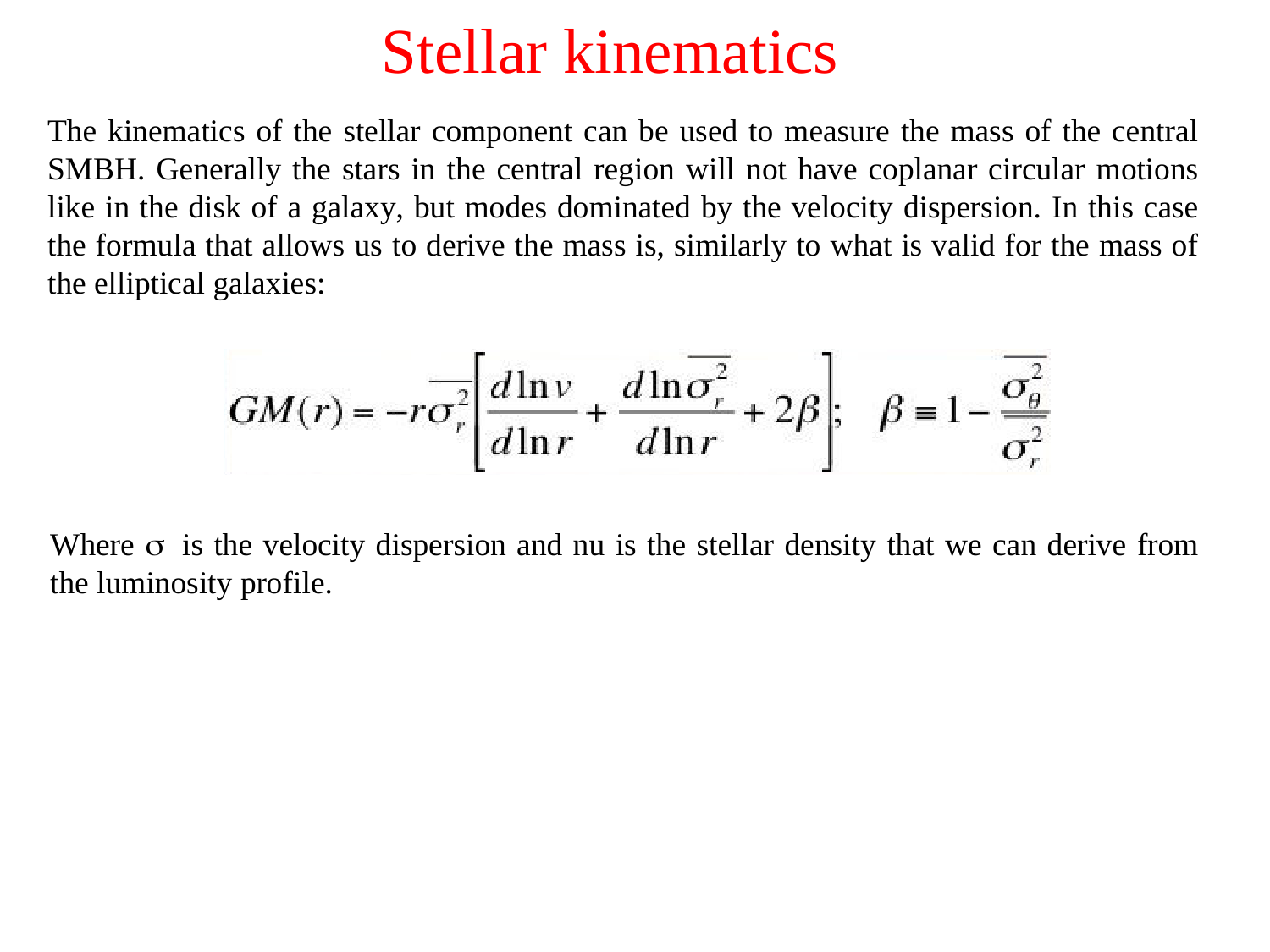 |
Lecture - Supermassive Black Holes | Reverberation mapping - light travel delay tau = R_BLR/c, virial mass formula | [[Reverberation mapping]] |
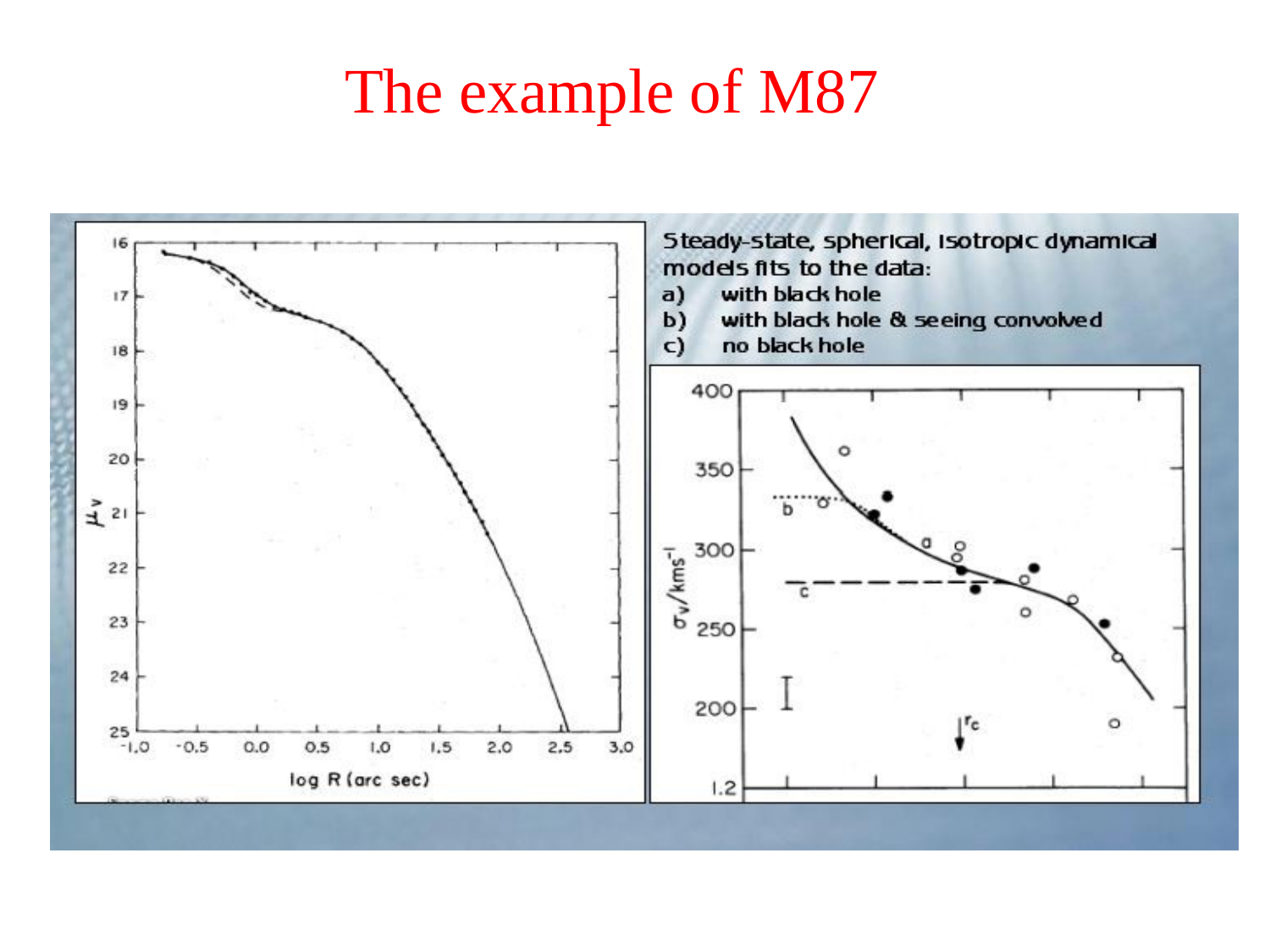 |
Lecture - Supermassive Black Holes | Reverberation mapping - light travel delay tau = R_BLR/c, virial mass formula | [[Reverberation mapping]] |
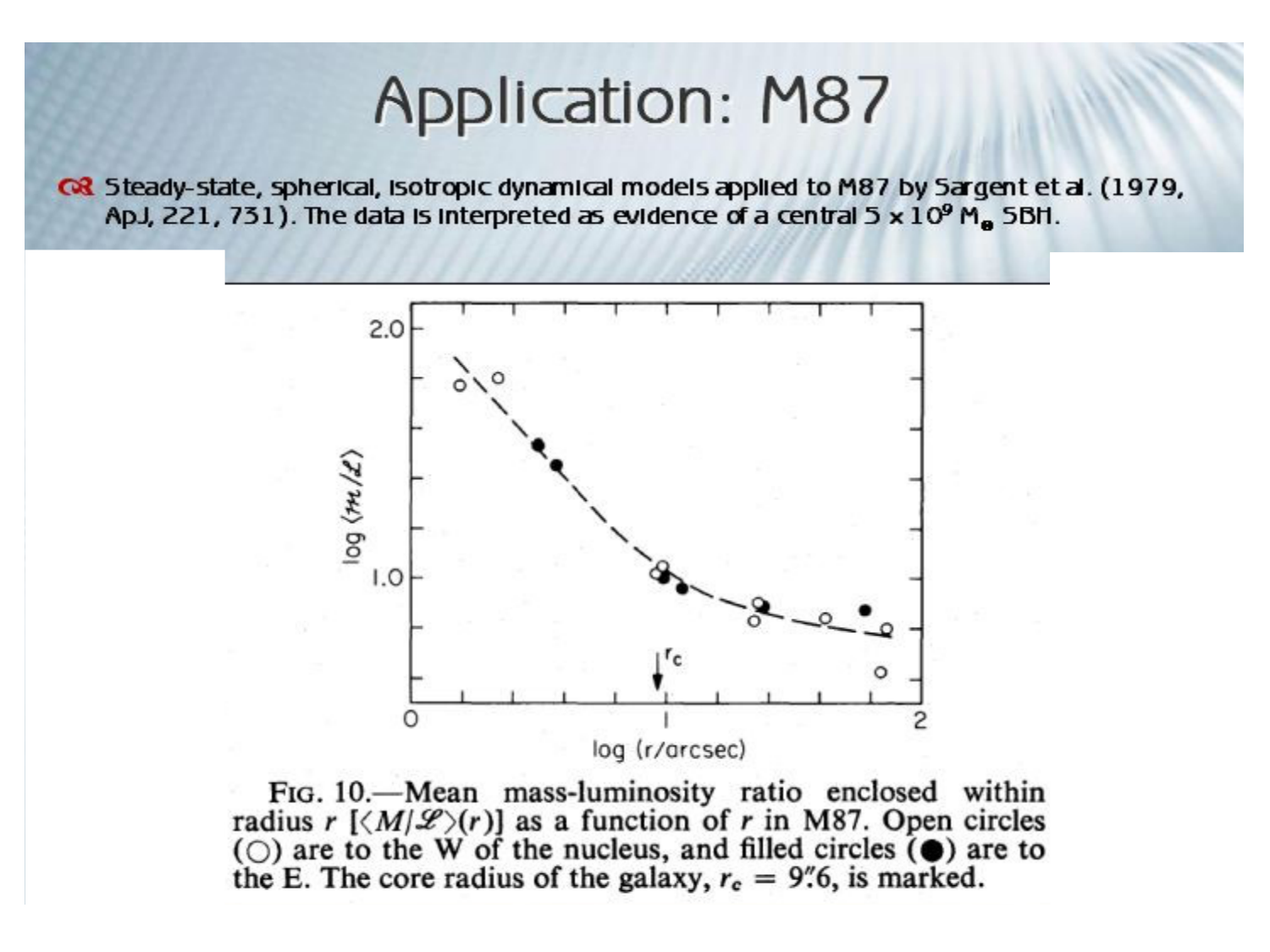 |
Lecture - Supermassive Black Holes | Reverberation mapping - light travel delay tau = R_BLR/c, virial mass formula | [[Reverberation mapping]] |
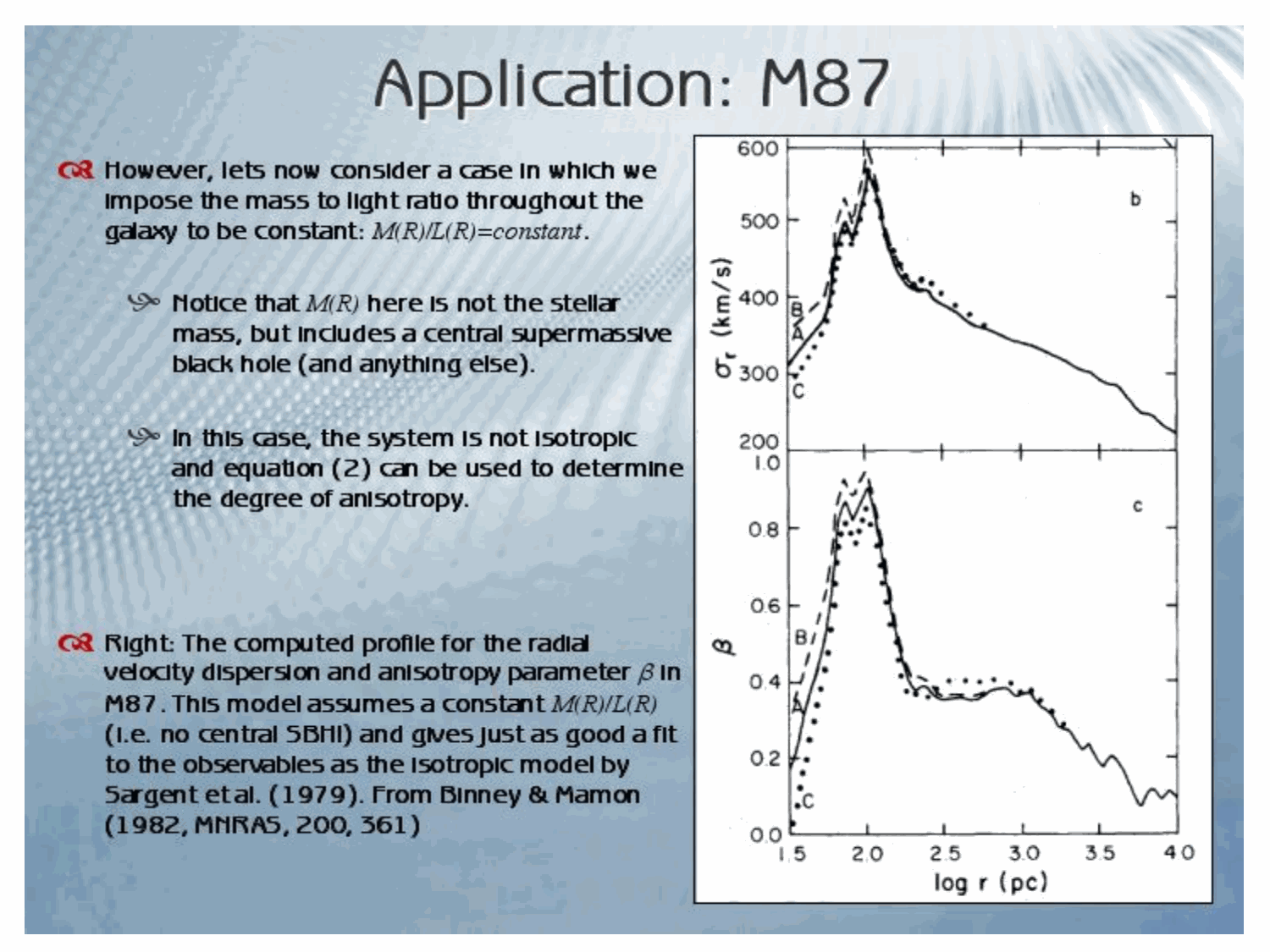 |
Lecture - Supermassive Black Holes | Reverberation mapping - light travel delay tau = R_BLR/c, virial mass formula | [[Reverberation mapping]] |
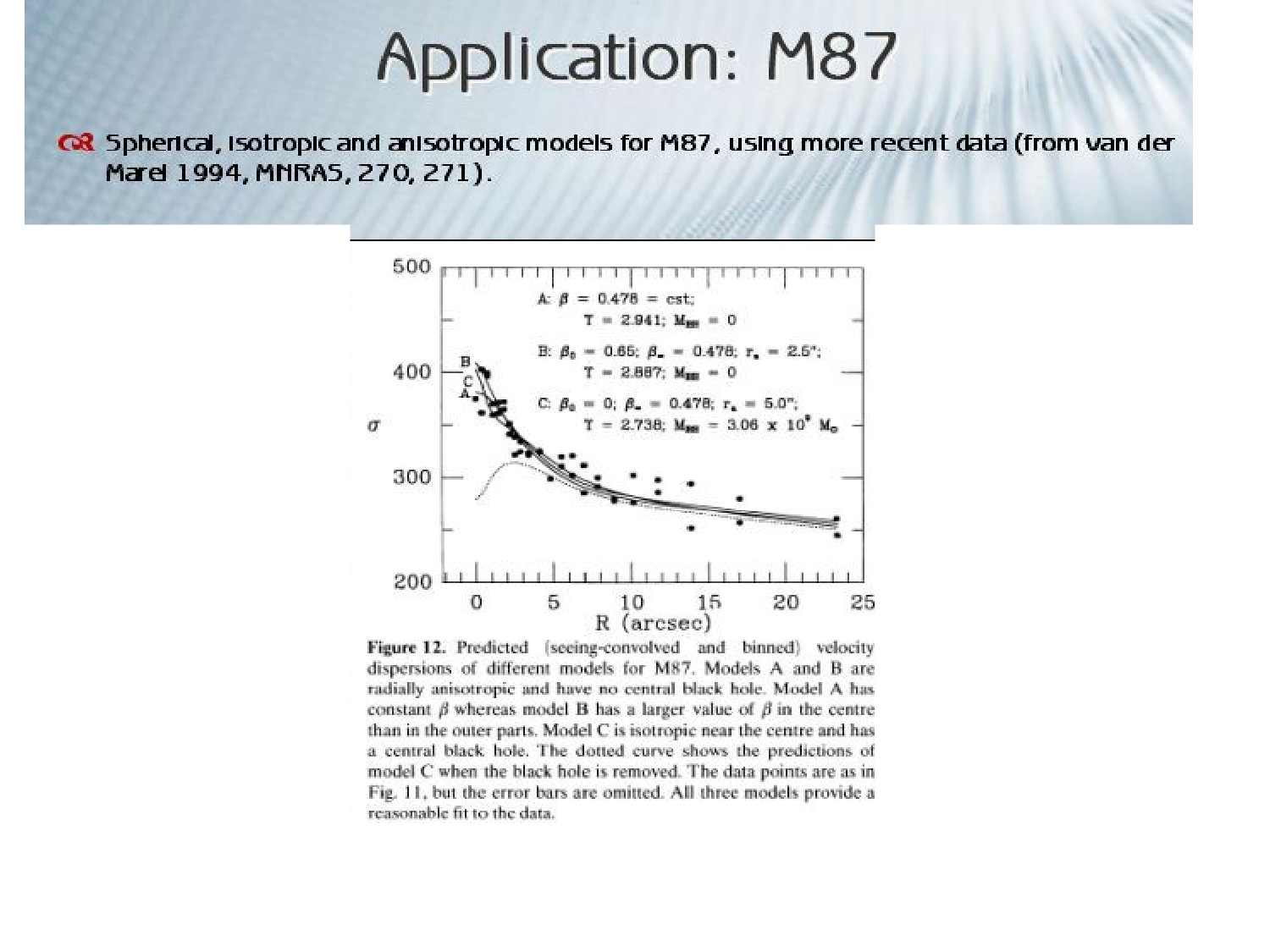 |
Lecture - Supermassive Black Holes | Reverberation mapping - light travel delay tau = R_BLR/c, virial mass formula | [[Reverberation mapping]] |
 |
Lecture - Supermassive Black Holes | Reverberation mapping - light travel delay tau = R_BLR/c, virial mass formula | [[Reverberation mapping]] |
 |
Lecture - Supermassive Black Holes | AGN unified model - Broad-Line Region (BLR), Narrow-Line Region (NLR), obscuring torus | [[AGN spectroscopy]] |
 |
Lecture - Supermassive Black Holes | AGN unified model - Broad-Line Region (BLR), Narrow-Line Region (NLR), obscuring torus | [[AGN spectroscopy]] |
 |
Lecture - Supermassive Black Holes | AGN unified model - Broad-Line Region (BLR), Narrow-Line Region (NLR), obscuring torus | [[AGN spectroscopy]] |
 |
Lecture - Supermassive Black Holes | AGN unified model - Broad-Line Region (BLR), Narrow-Line Region (NLR), obscuring torus | [[AGN spectroscopy]] |
 |
Lecture - Supermassive Black Holes | AGN unified model - Broad-Line Region (BLR), Narrow-Line Region (NLR), obscuring torus | [[AGN spectroscopy]] |
 |
Lecture - Supermassive Black Holes | Stellar dynamics SMBH masses - Jeans modeling and Schwarzschild orbit superposition | [[Stellar dynamics SMBH masses]] |
 |
Lecture - Supermassive Black Holes | Stellar dynamics SMBH masses - Jeans modeling and Schwarzschild orbit superposition | [[Stellar dynamics SMBH masses]] |
 |
Lecture - Supermassive Black Holes | Stellar dynamics SMBH masses - Jeans modeling and Schwarzschild orbit superposition | [[Stellar dynamics SMBH masses]] |
 |
Lecture - Supermassive Black Holes | Stellar dynamics SMBH masses - Jeans modeling and Schwarzschild orbit superposition | [[Stellar dynamics SMBH masses]] |
 |
Lecture - Supermassive Black Holes | Stellar dynamics SMBH masses - Jeans modeling and Schwarzschild orbit superposition | [[Stellar dynamics SMBH masses]] |
 |
Lecture - Supermassive Black Holes | Stellar dynamics SMBH masses - Jeans modeling and Schwarzschild orbit superposition | [[Stellar dynamics SMBH masses]] |
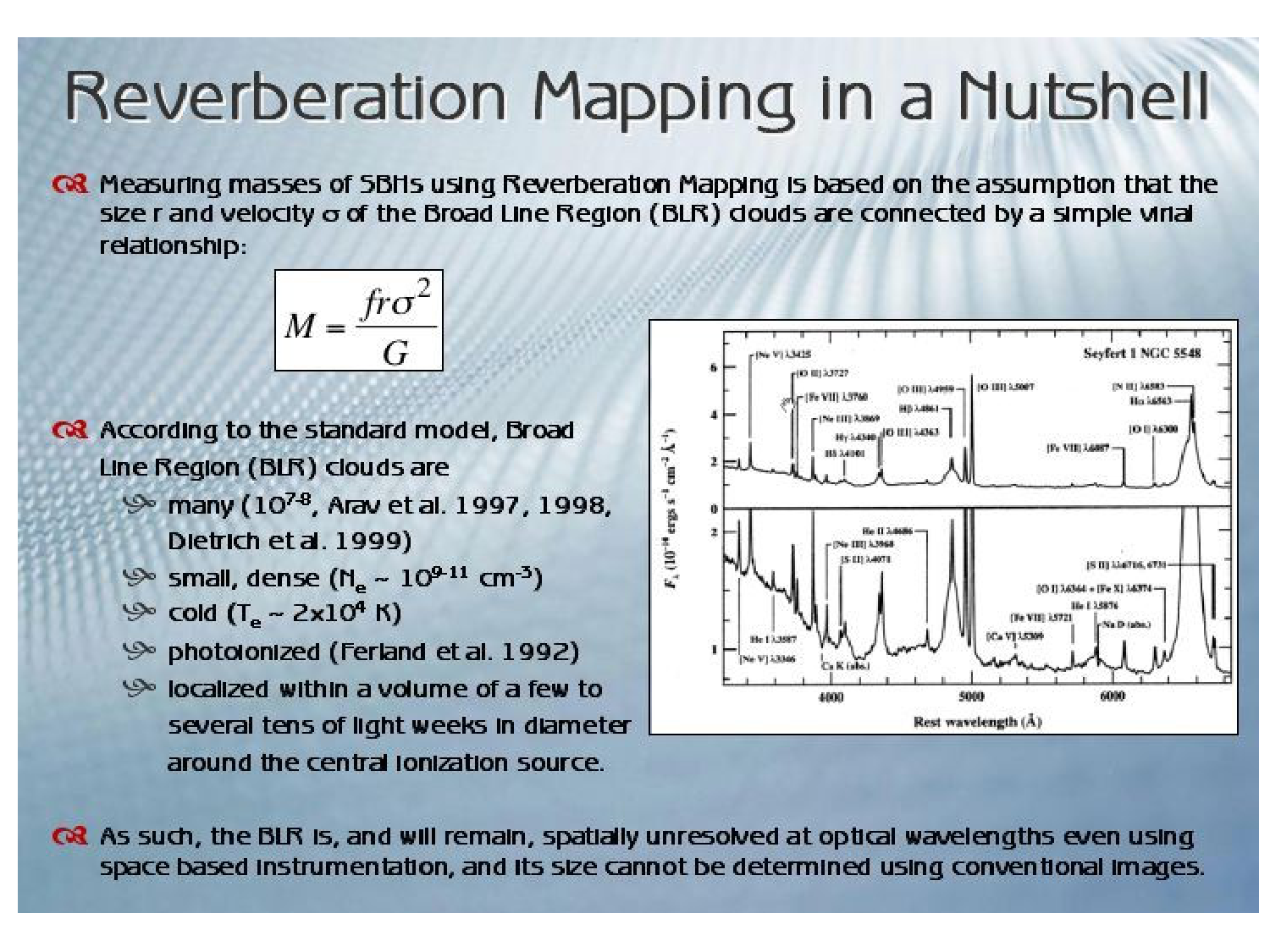 |
Lecture - Supermassive Black Holes | Stellar dynamics SMBH masses - Jeans modeling and Schwarzschild orbit superposition | [[Stellar dynamics SMBH masses]] |
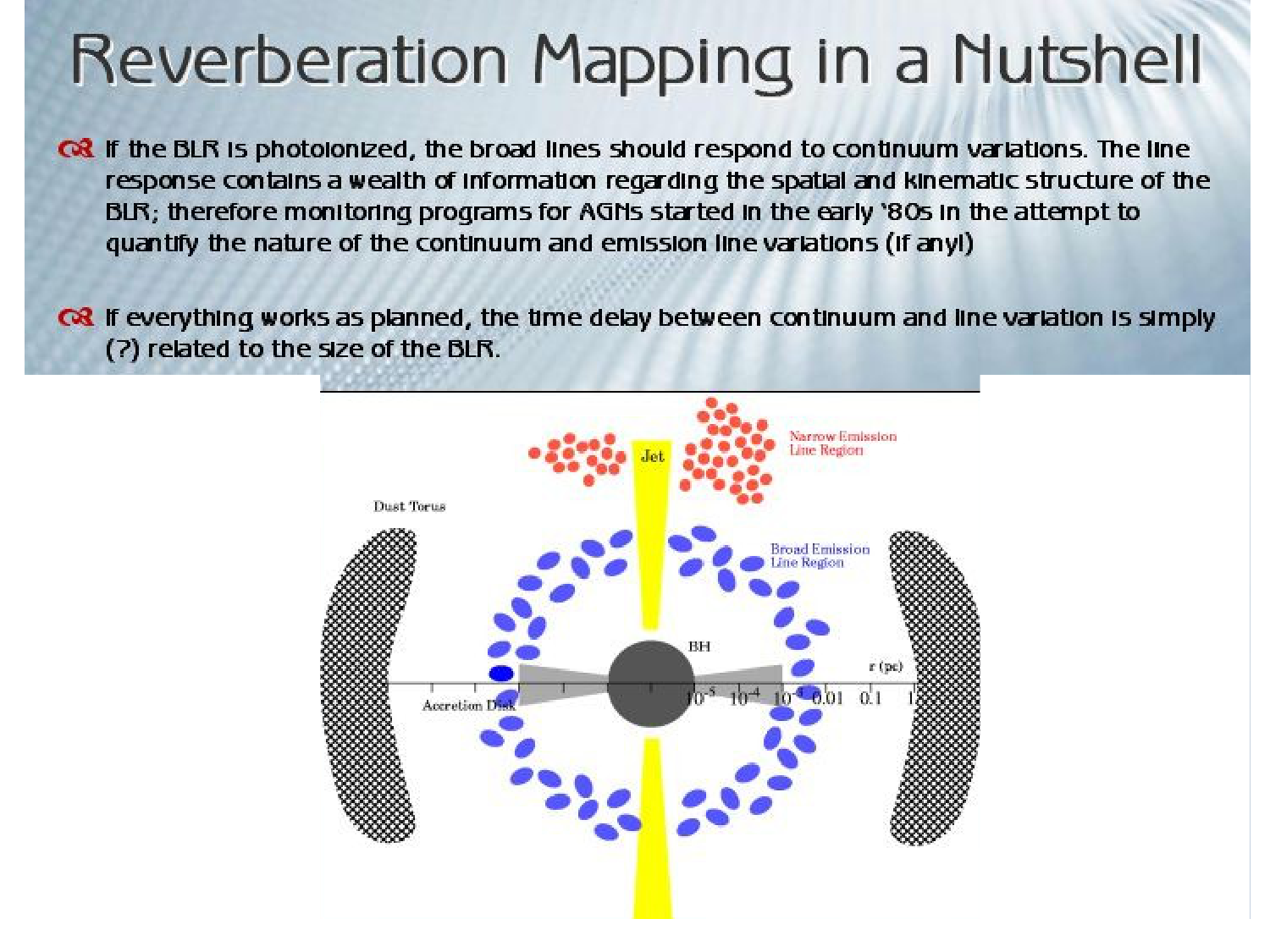 |
Lecture - Supermassive Black Holes | Stellar dynamics SMBH masses - Jeans modeling and Schwarzschild orbit superposition | [[Stellar dynamics SMBH masses]] |
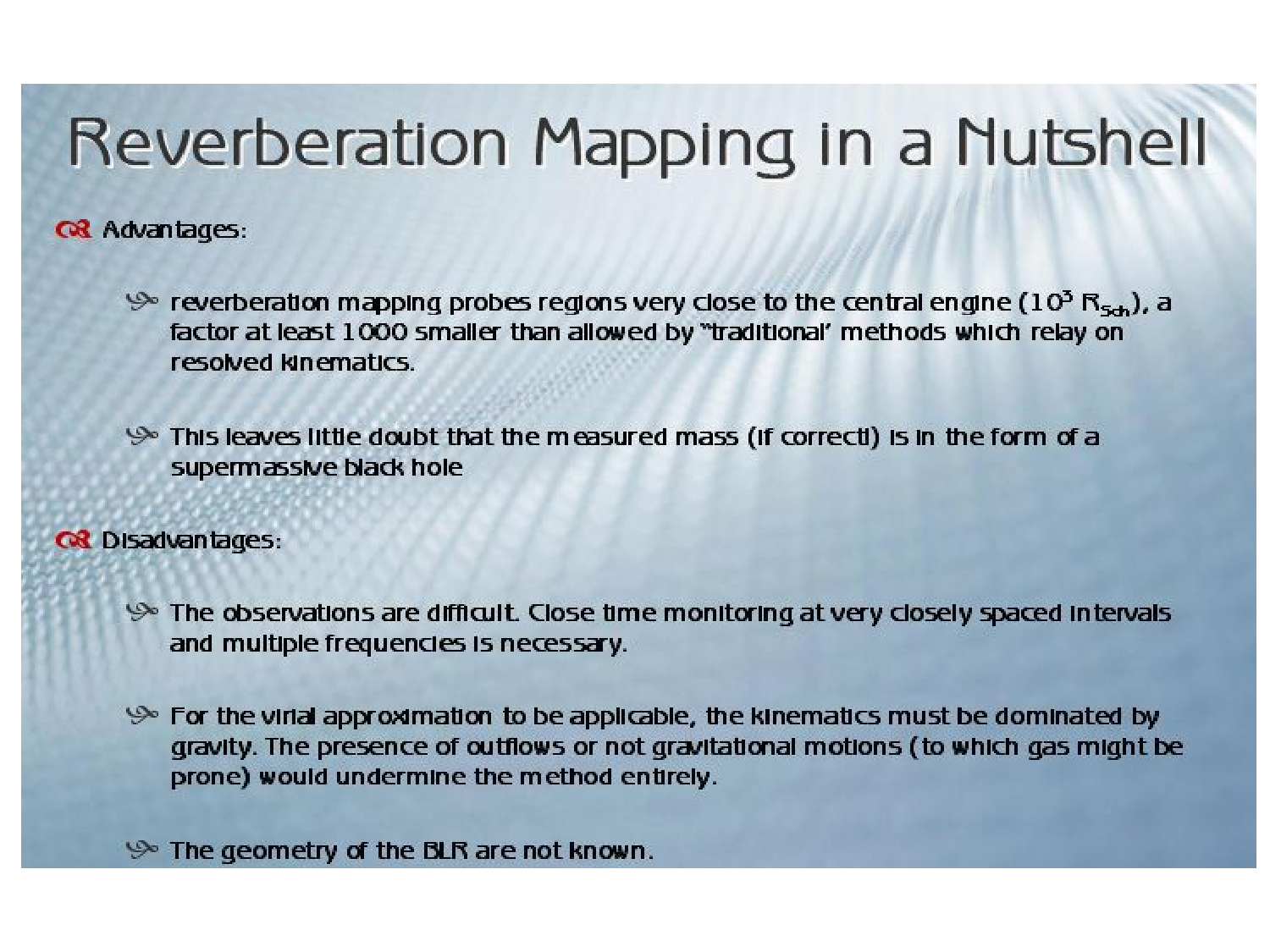 |
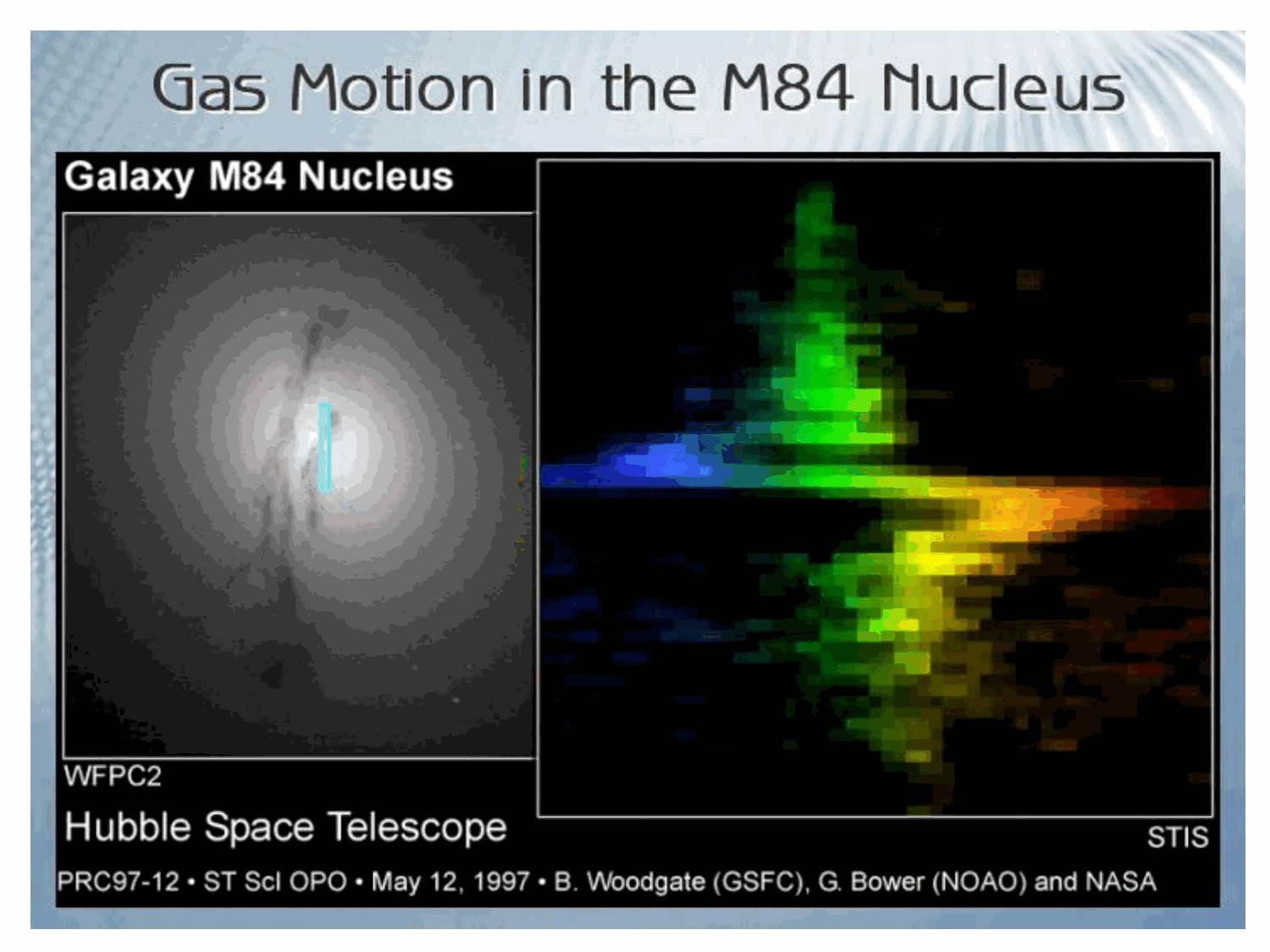
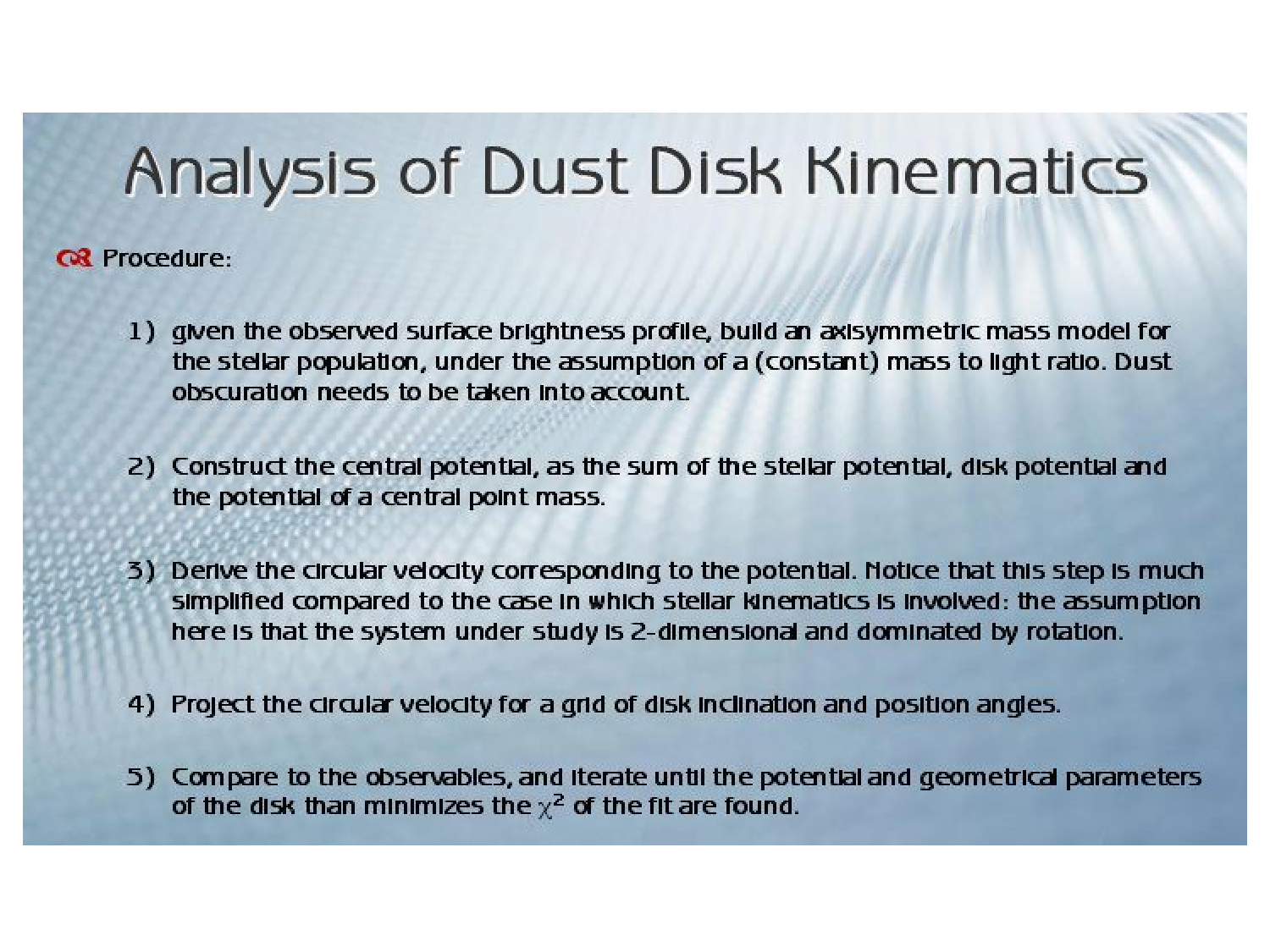
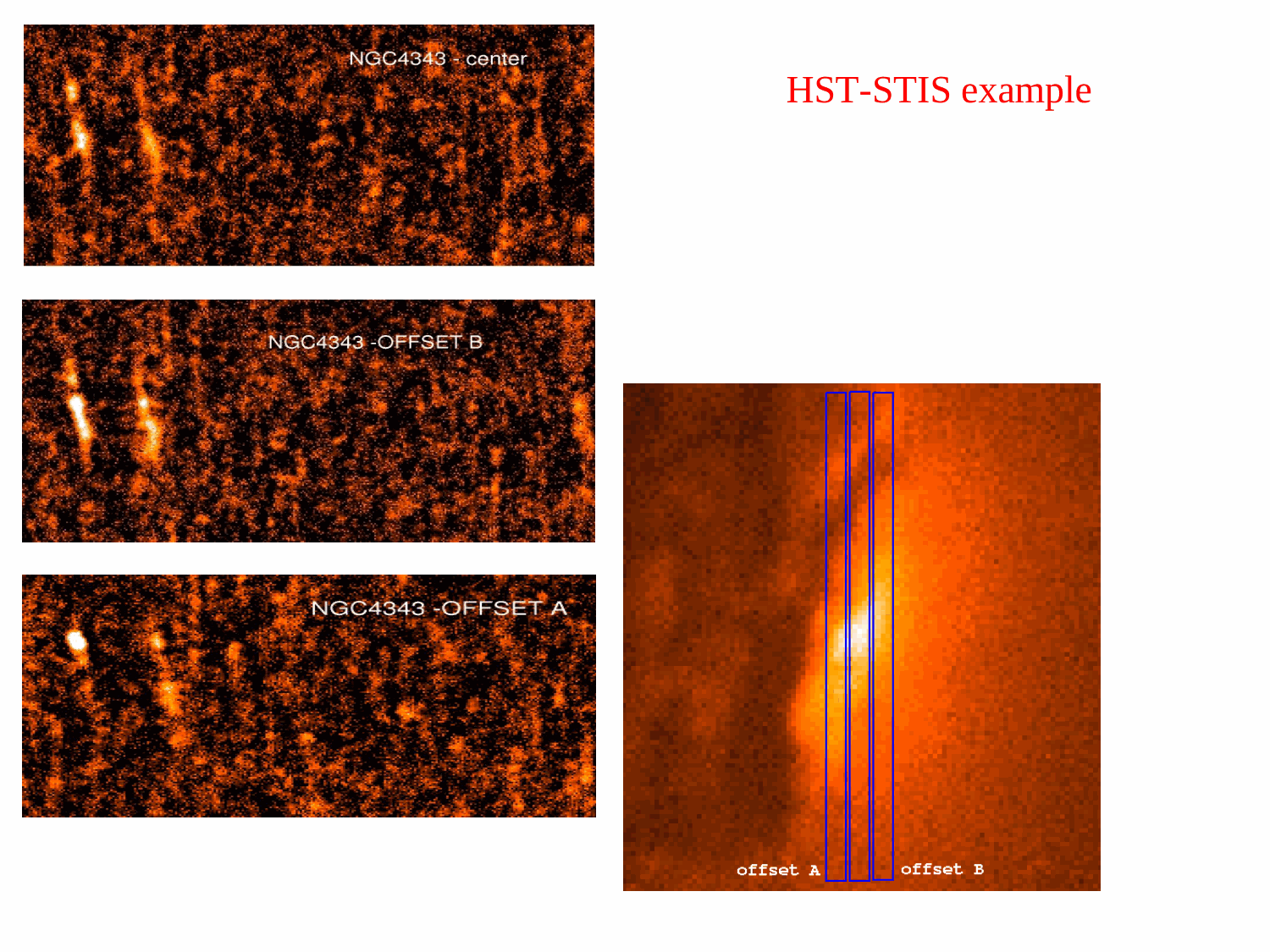
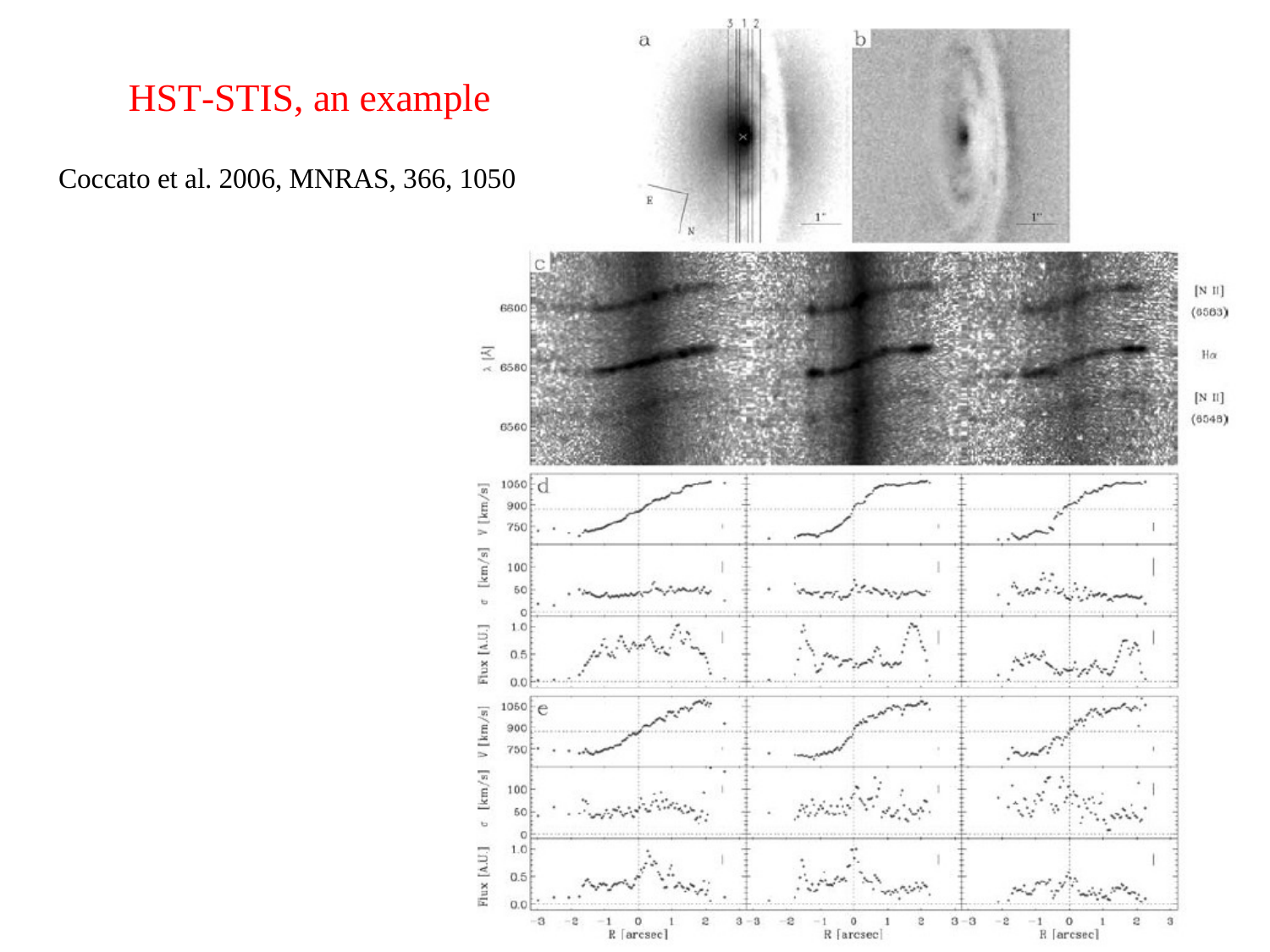
Lecture - Supermassive Black Holes | Ionized gas kinematics - nuclear disk rotation, sphere of influence r_infl | [[Ionized gas SMBH masses]] |
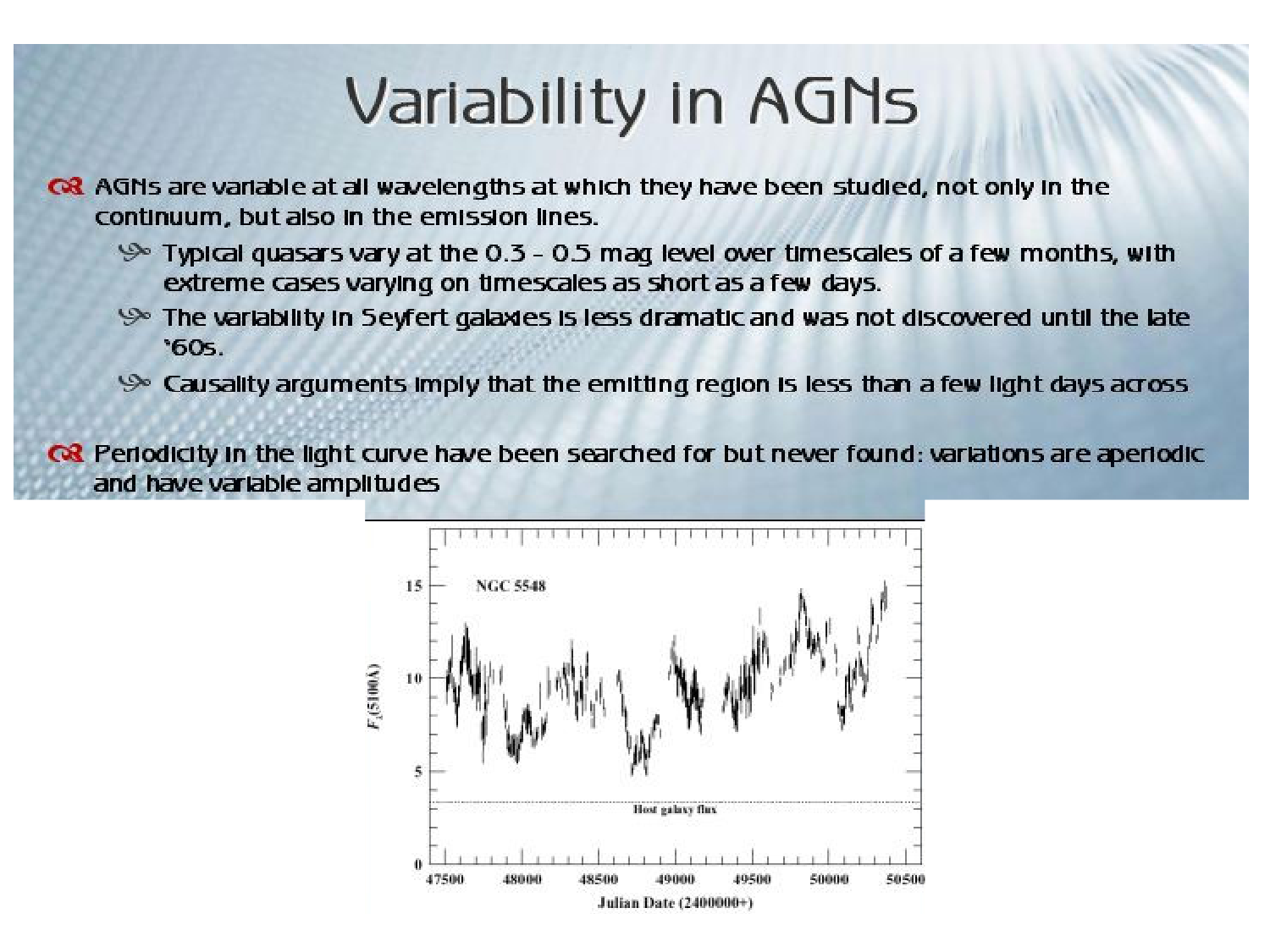 |
Lecture - Supermassive Black Holes | Ionized gas kinematics - nuclear disk rotation, sphere of influence r_infl | [[Ionized gas SMBH masses]] |
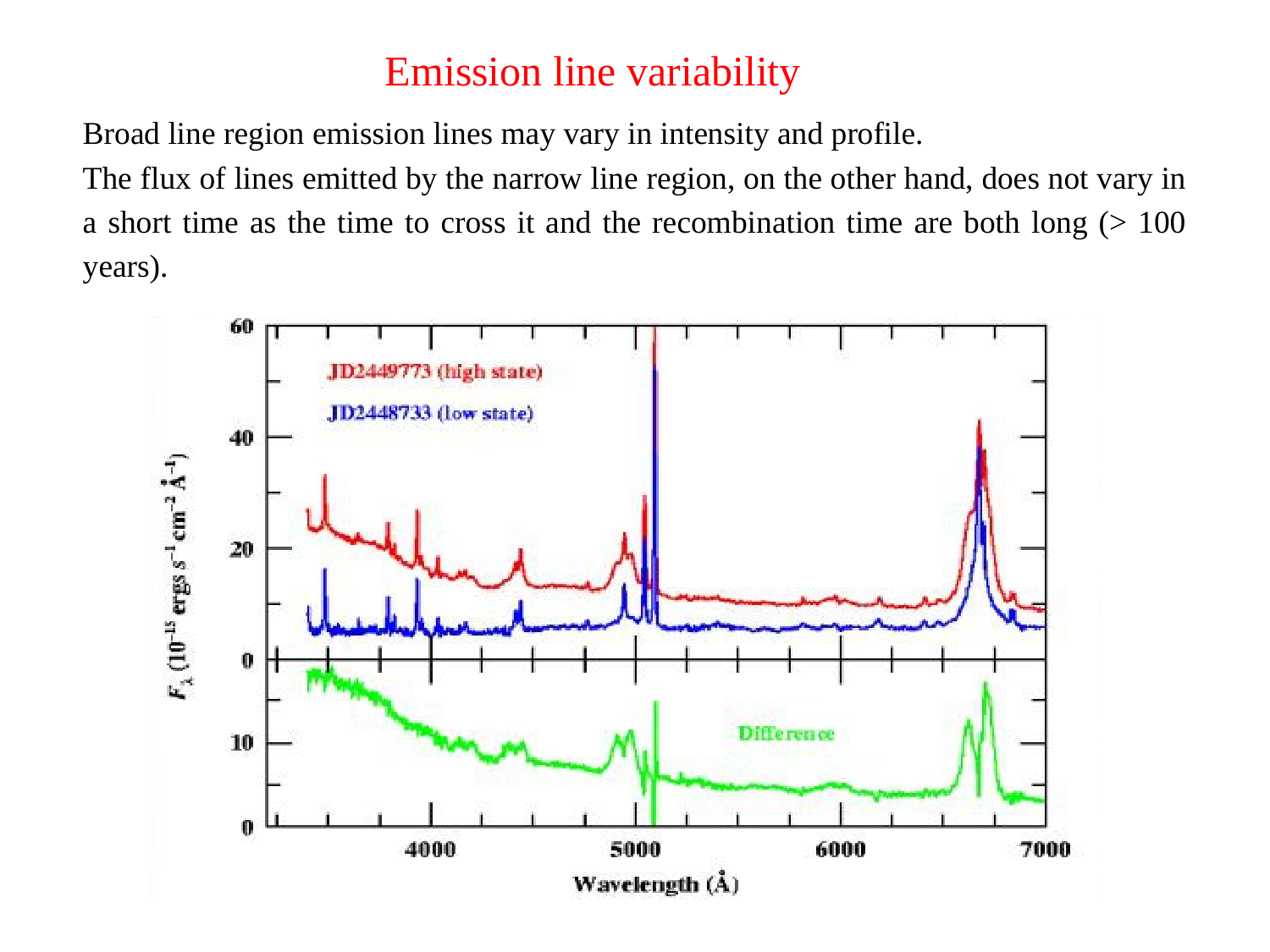 |
Lecture - Supermassive Black Holes | Ionized gas kinematics - nuclear disk rotation, sphere of influence r_infl | [[Ionized gas SMBH masses]] |
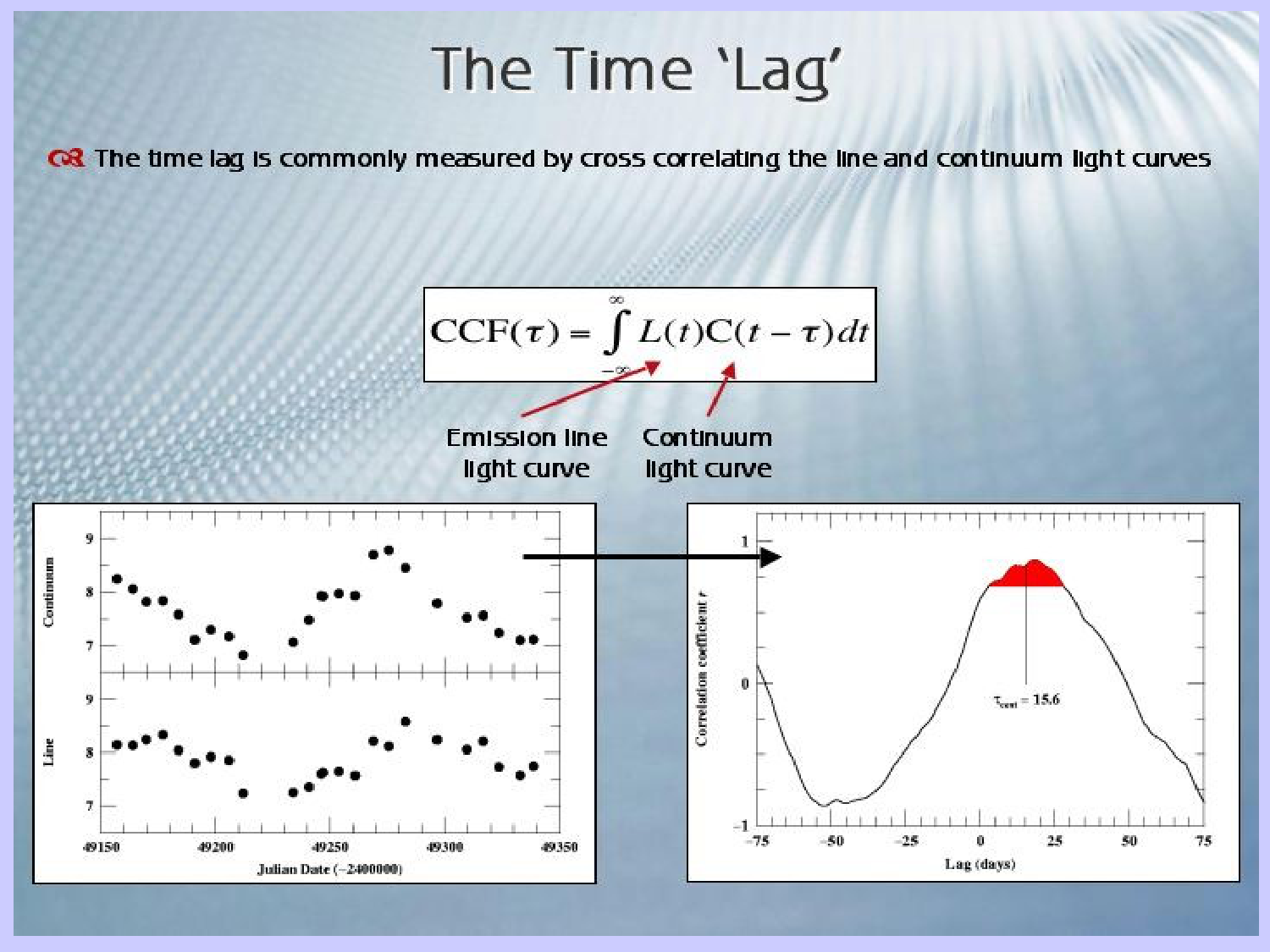 |
Lecture - Supermassive Black Holes | Ionized gas kinematics - nuclear disk rotation, sphere of influence r_infl | [[Ionized gas SMBH masses]] |
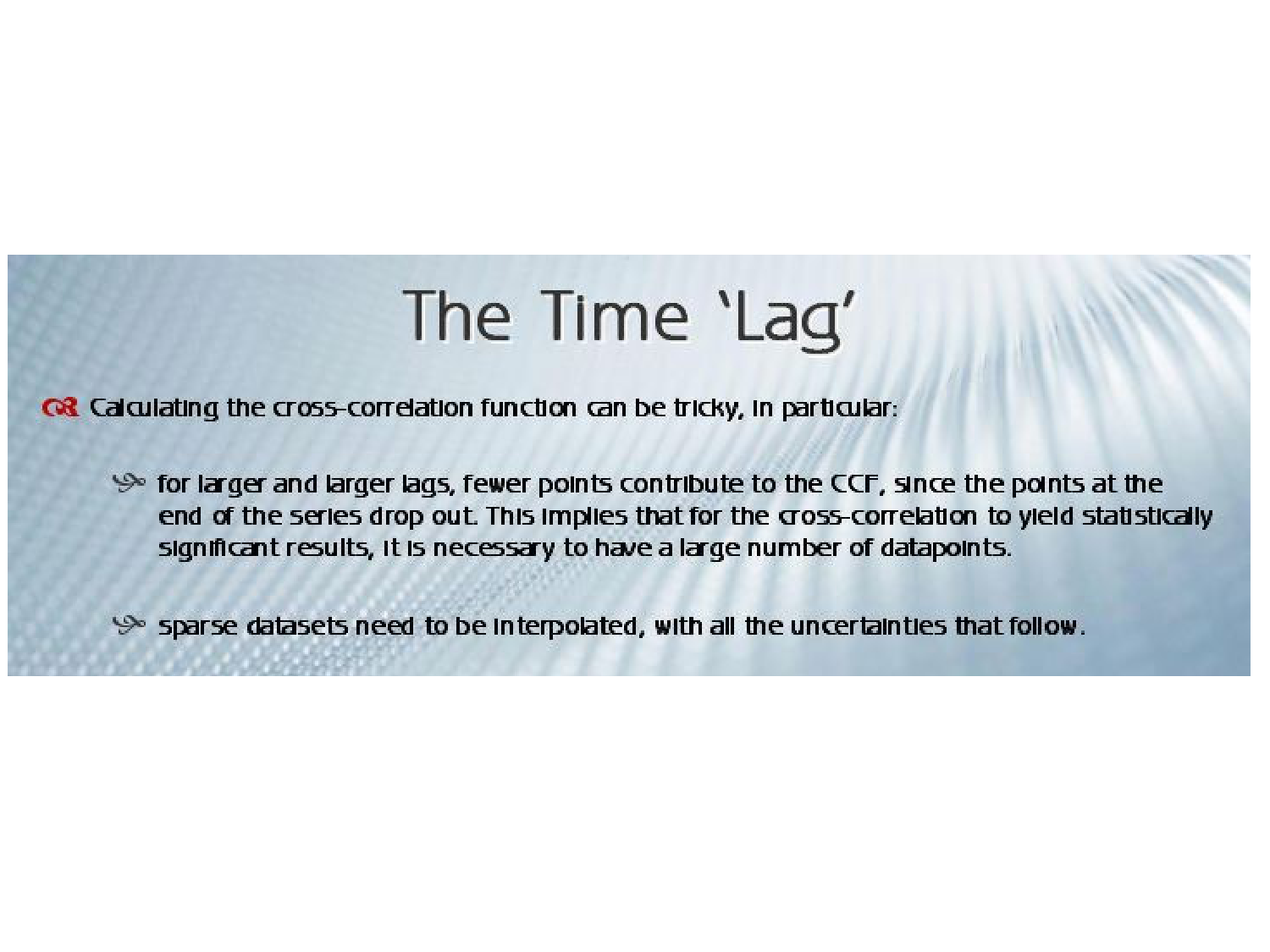 |
Lecture - Supermassive Black Holes | Ionized gas kinematics - nuclear disk rotation, sphere of influence r_infl | [[Ionized gas SMBH masses]] |
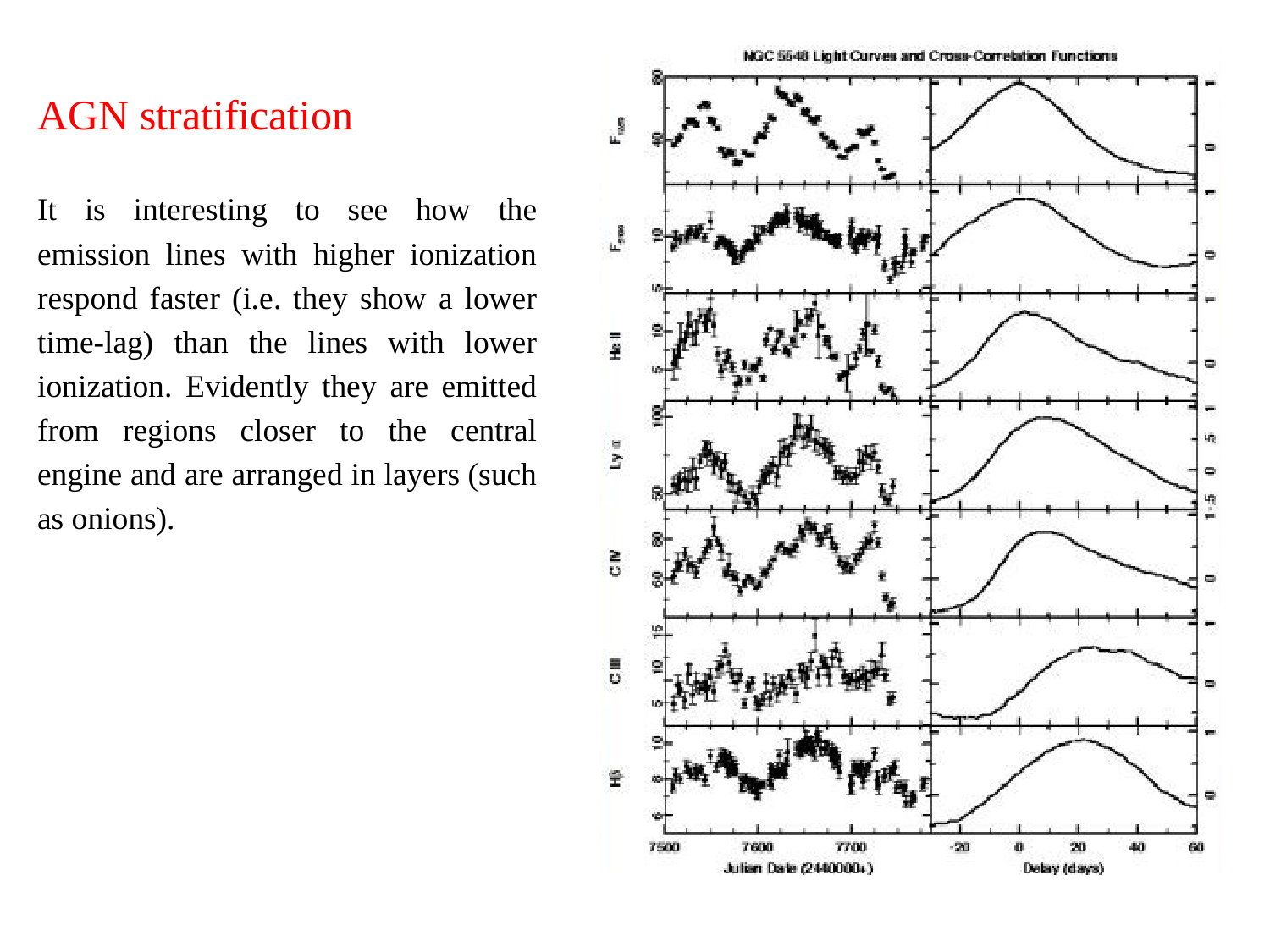 |
Lecture - Supermassive Black Holes | M_BH - sigma relation - slope ~ 4.4, tight correlation across bulges | [[M sigma relation]] |
 |
Lecture - Supermassive Black Holes | M_BH - sigma relation - slope ~ 4.4, tight correlation across bulges | [[M sigma relation]] |
 |
Lecture - Supermassive Black Holes | M_BH - sigma relation - slope ~ 4.4, tight correlation across bulges | [[M sigma relation]] |
 |
Lecture - Supermassive Black Holes | M_BH - sigma relation - slope ~ 4.4, tight correlation across bulges | [[M sigma relation]] |
 |
Lecture - Supermassive Black Holes | M_BH - sigma relation - slope ~ 4.4, tight correlation across bulges | [[M sigma relation]] |
 |
Lecture - Supermassive Black Holes | M_BH - sigma relation - slope ~ 4.4, tight correlation across bulges | [[M sigma relation]] |
 |
Lecture - Supermassive Black Holes | M_BH - sigma relation - slope ~ 4.4, tight correlation across bulges | [[M sigma relation]] |
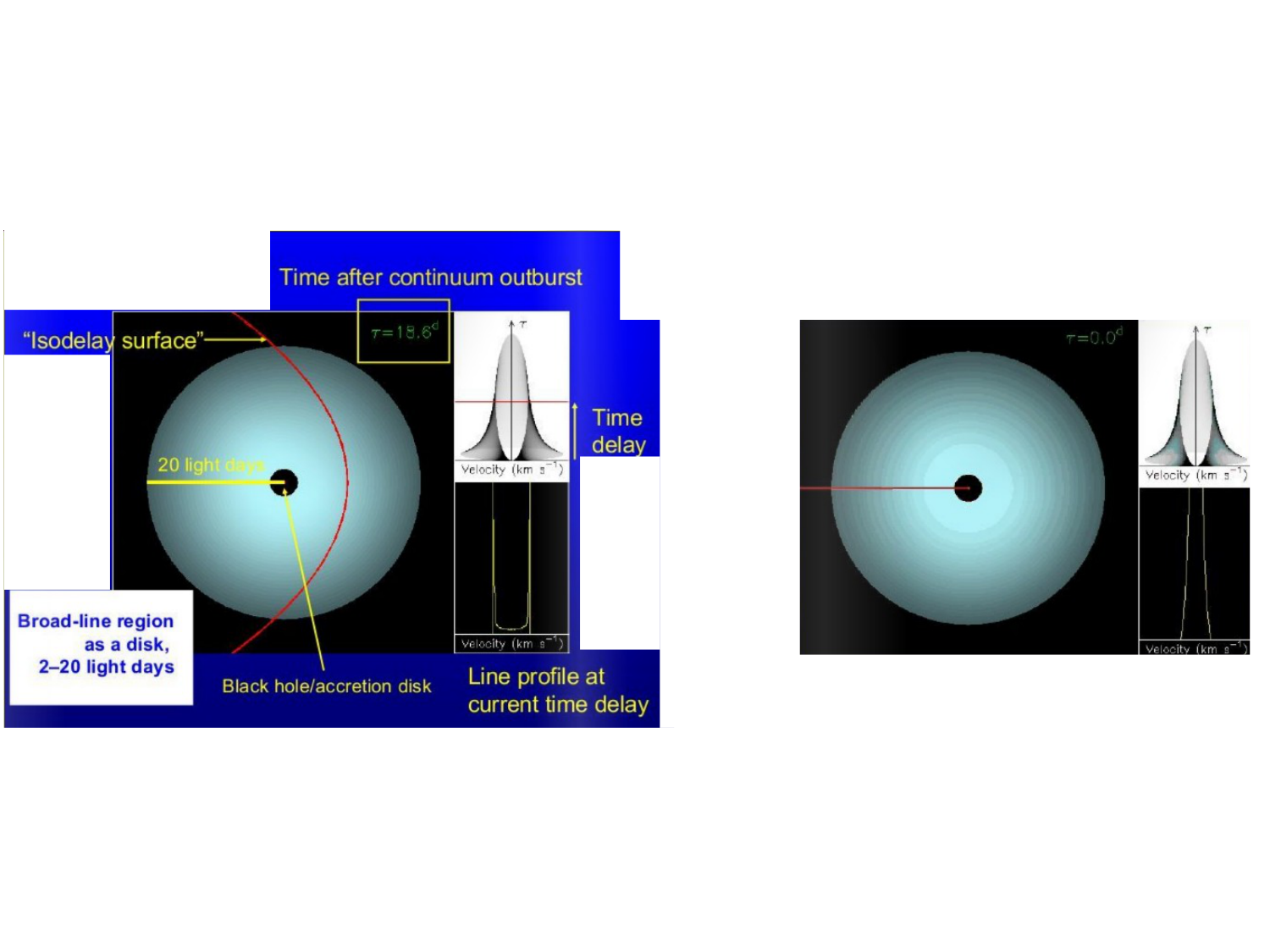 |
Lecture - Supermassive Black Holes | M_BH - sigma relation - slope ~ 4.4, tight correlation across bulges | [[M sigma relation]] |
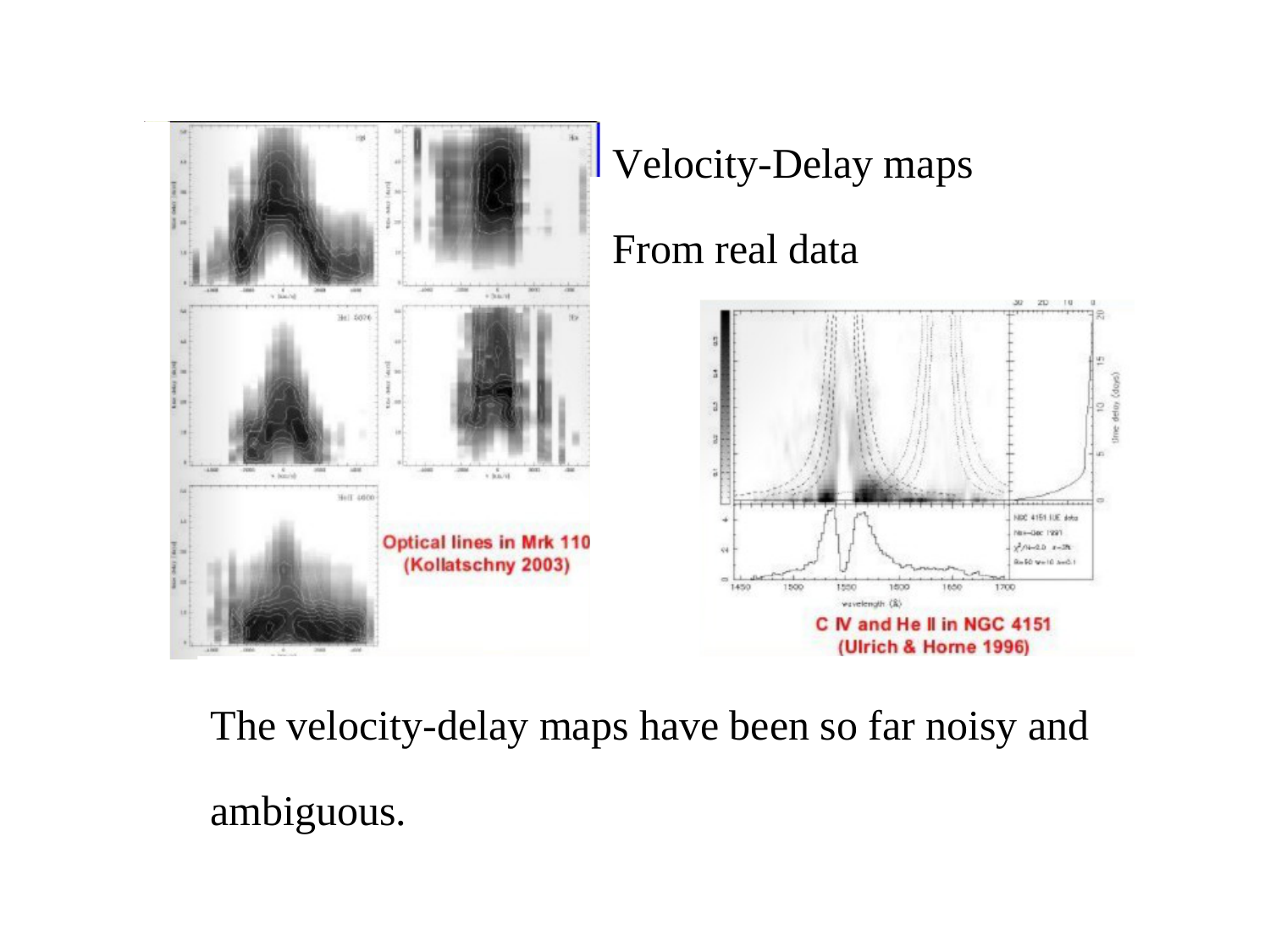 |
Lecture - Supermassive Black Holes | M_BH - sigma relation - slope ~ 4.4, tight correlation across bulges | [[M sigma relation]] |
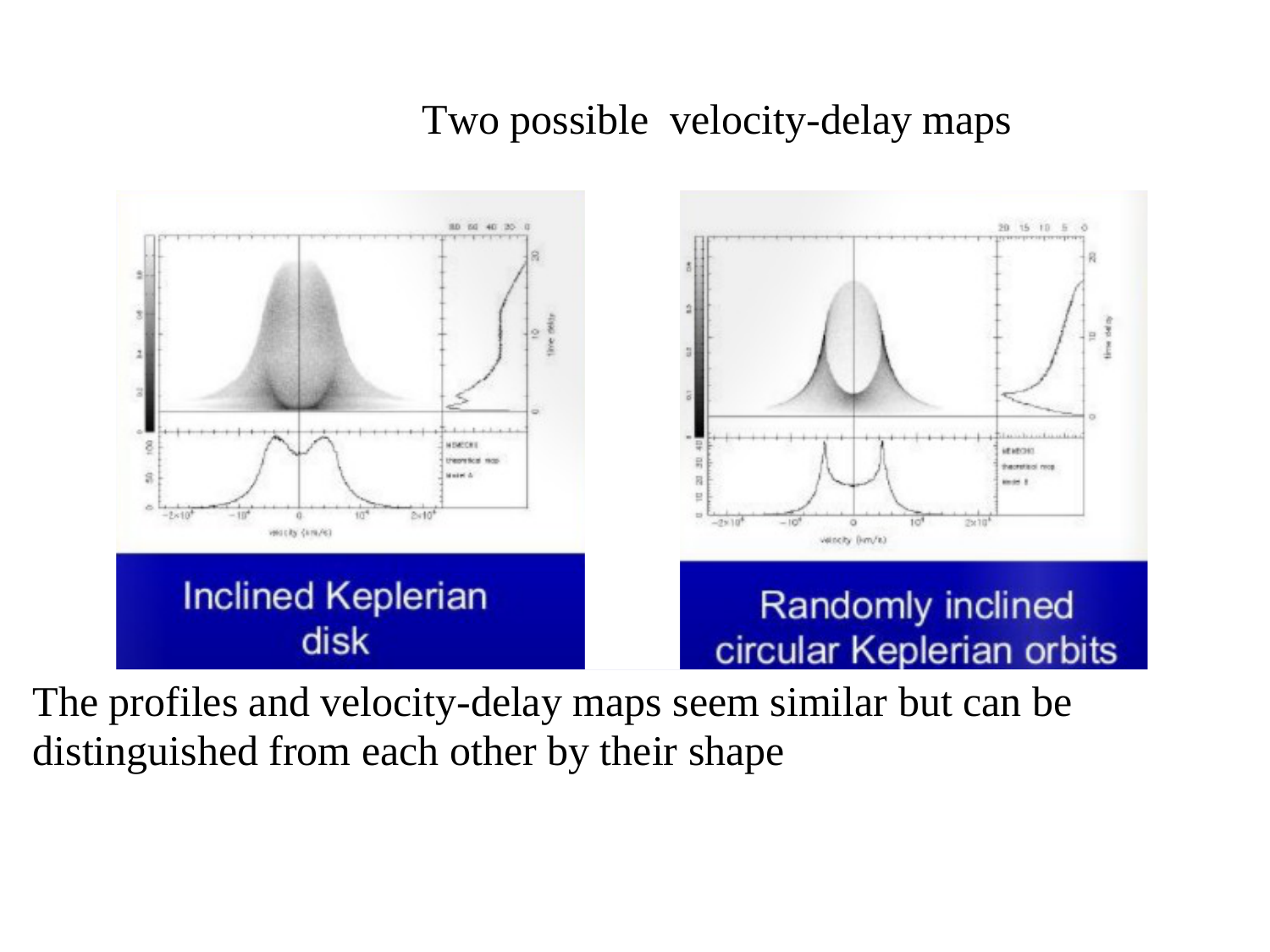 |
Lecture - Supermassive Black Holes | M_BH - sigma relation - slope ~ 4.4, tight correlation across bulges | [[M sigma relation]] |
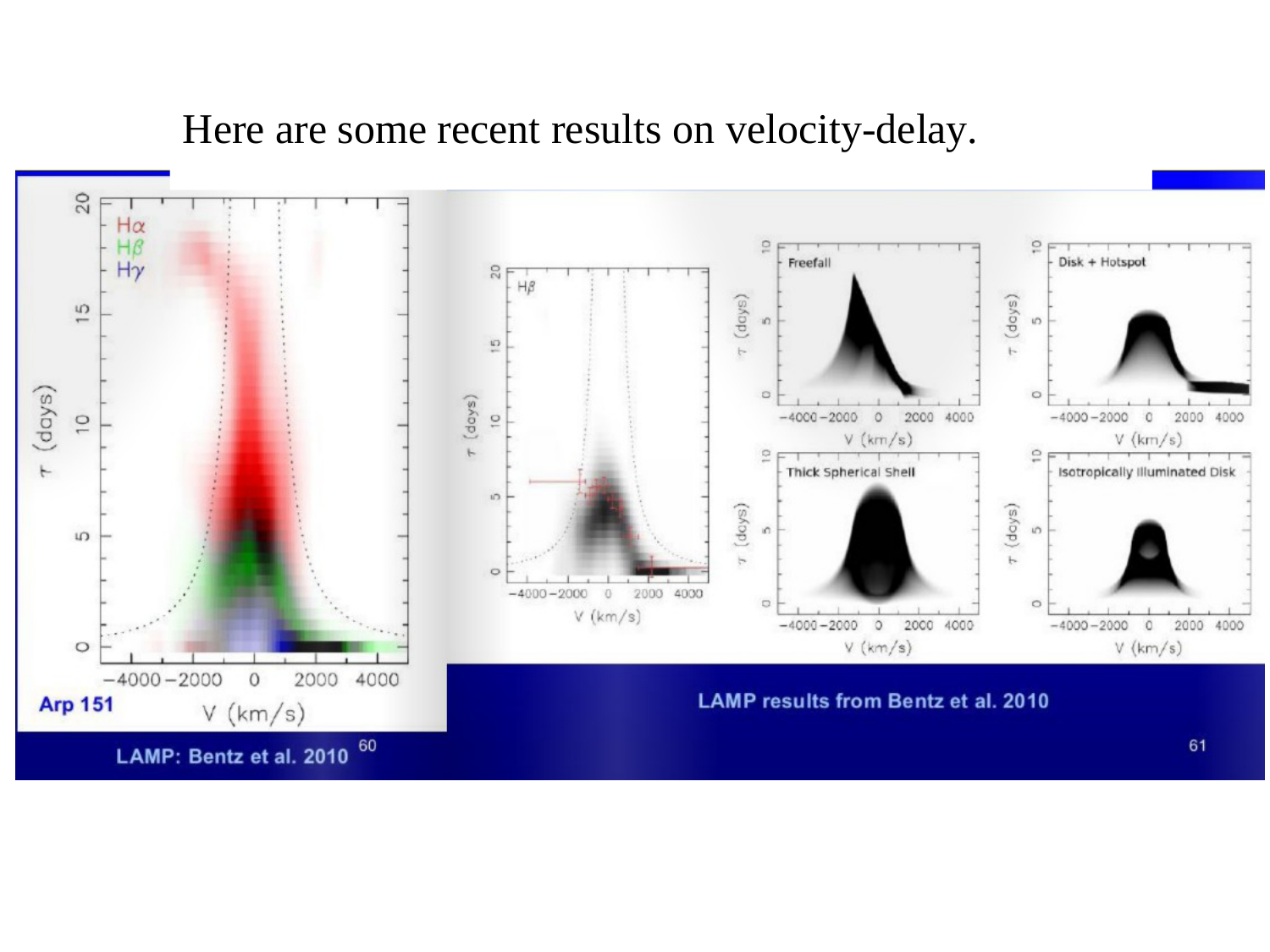 |
Lecture - Supermassive Black Holes | Magorrian relation - M_BH ~ 0.001 - 0.002 M_bulge, co-evolution and AGN feedback | [[Magorrian relation]] |
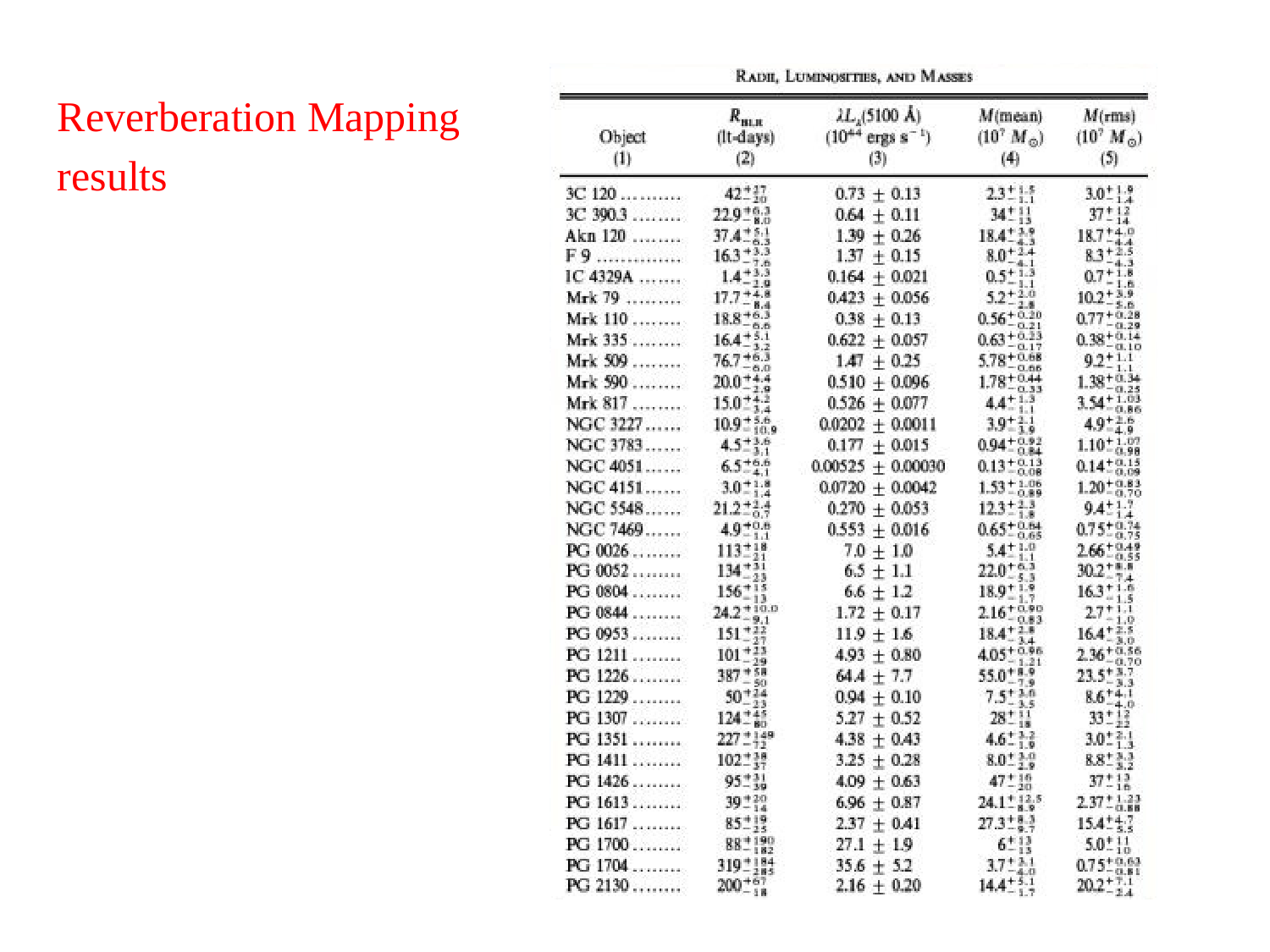 |
Lecture - Supermassive Black Holes | Magorrian relation - M_BH ~ 0.001 - 0.002 M_bulge, co-evolution and AGN feedback | [[Magorrian relation]] |
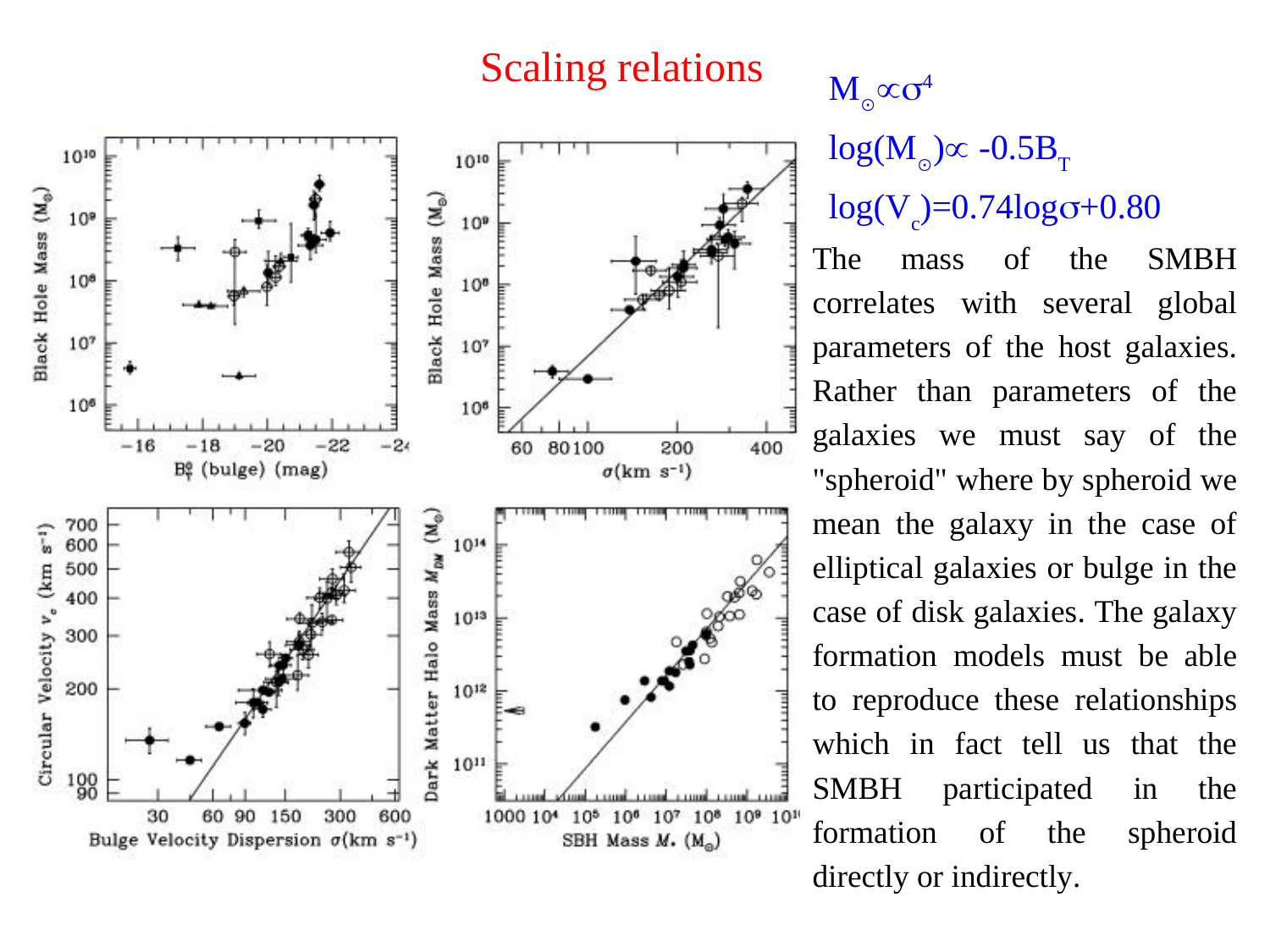 |
Lecture - Supermassive Black Holes | Magorrian relation - M_BH ~ 0.001 - 0.002 M_bulge, co-evolution and AGN feedback | [[Magorrian relation]] |
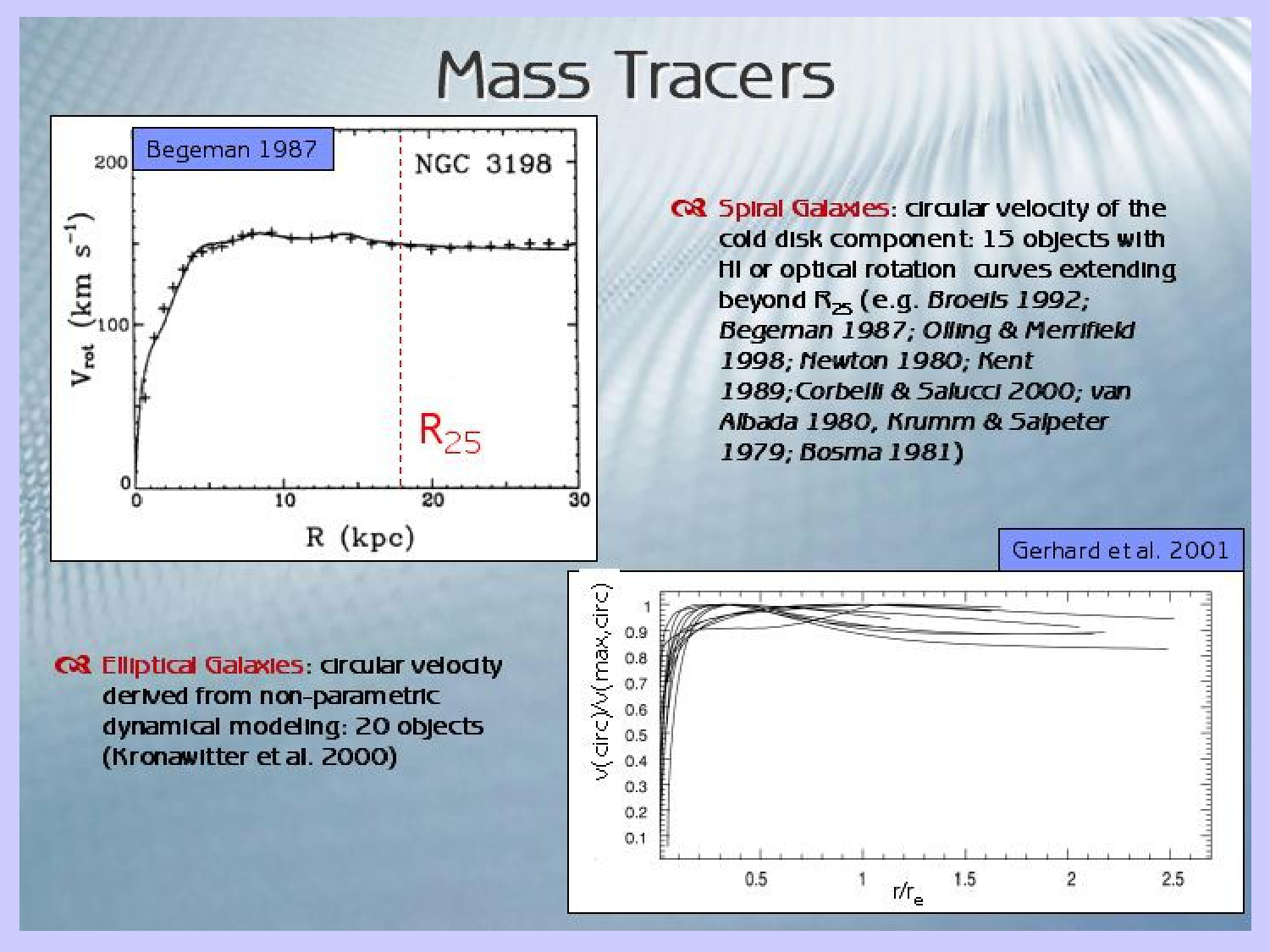 |
Lecture - Supermassive Black Holes | Magorrian relation - M_BH ~ 0.001 - 0.002 M_bulge, co-evolution and AGN feedback | [[Magorrian relation]] |
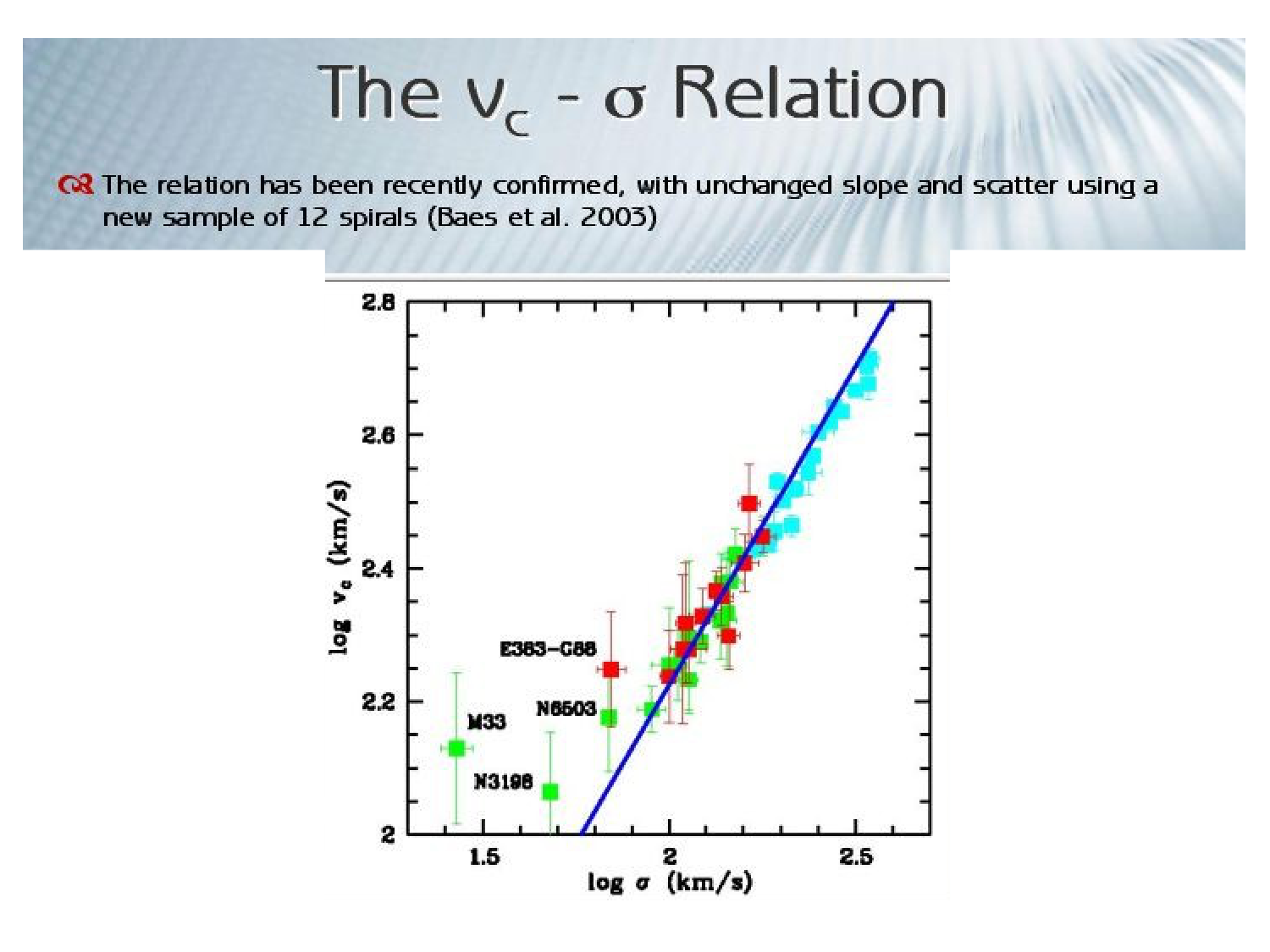 |
Lecture - Supermassive Black Holes | Magorrian relation - M_BH ~ 0.001 - 0.002 M_bulge, co-evolution and AGN feedback | [[Magorrian relation]] |
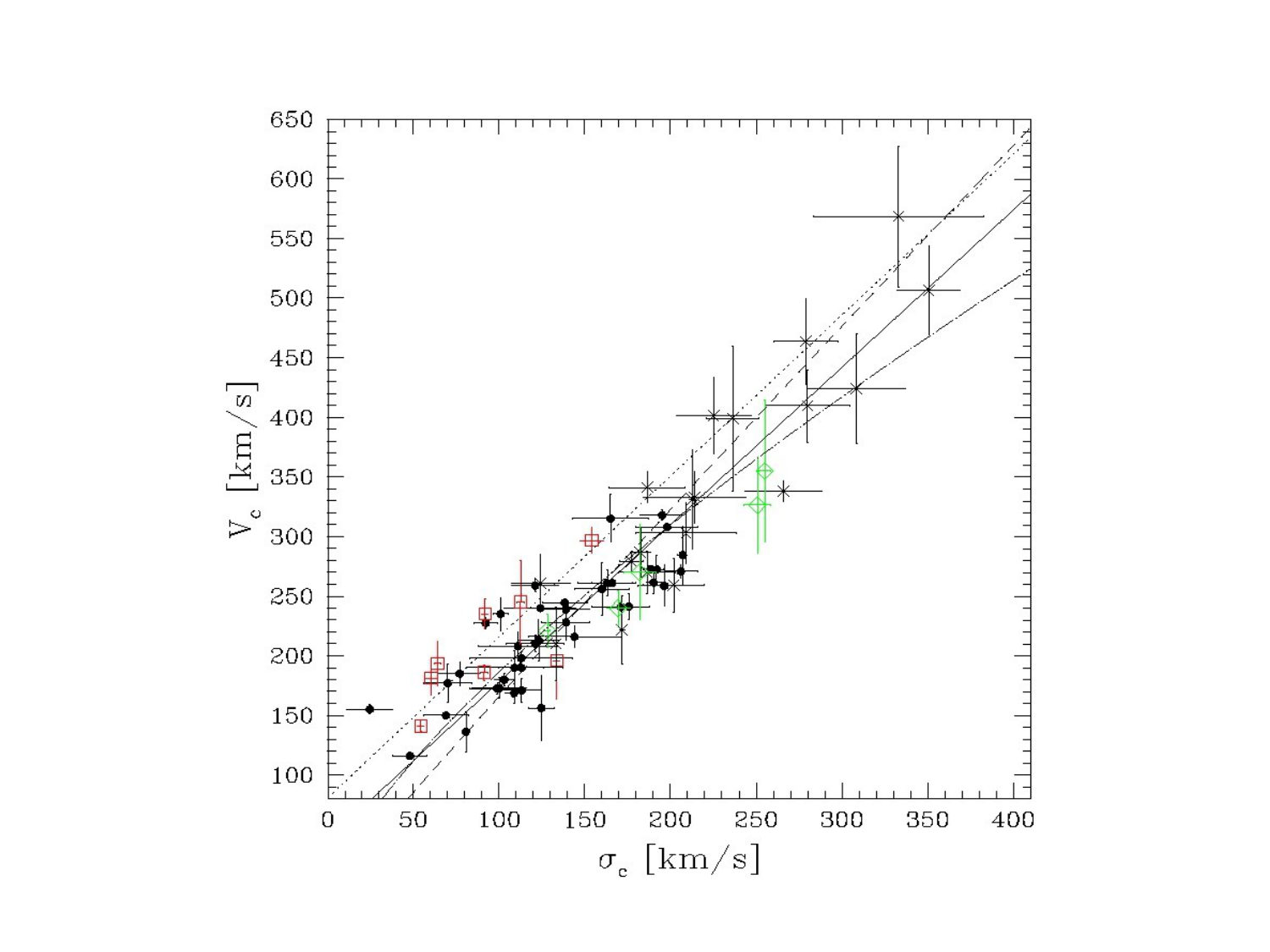 |
Lecture - Supermassive Black Holes | Magorrian relation - M_BH ~ 0.001 - 0.002 M_bulge, co-evolution and AGN feedback | [[Magorrian relation]] |
 |
Lecture 3 - Disks and Bars | Exponential disk surface brightness profile, scale length h_R, Freeman law | [[De Vaucouleurs and exponential profiles]] |
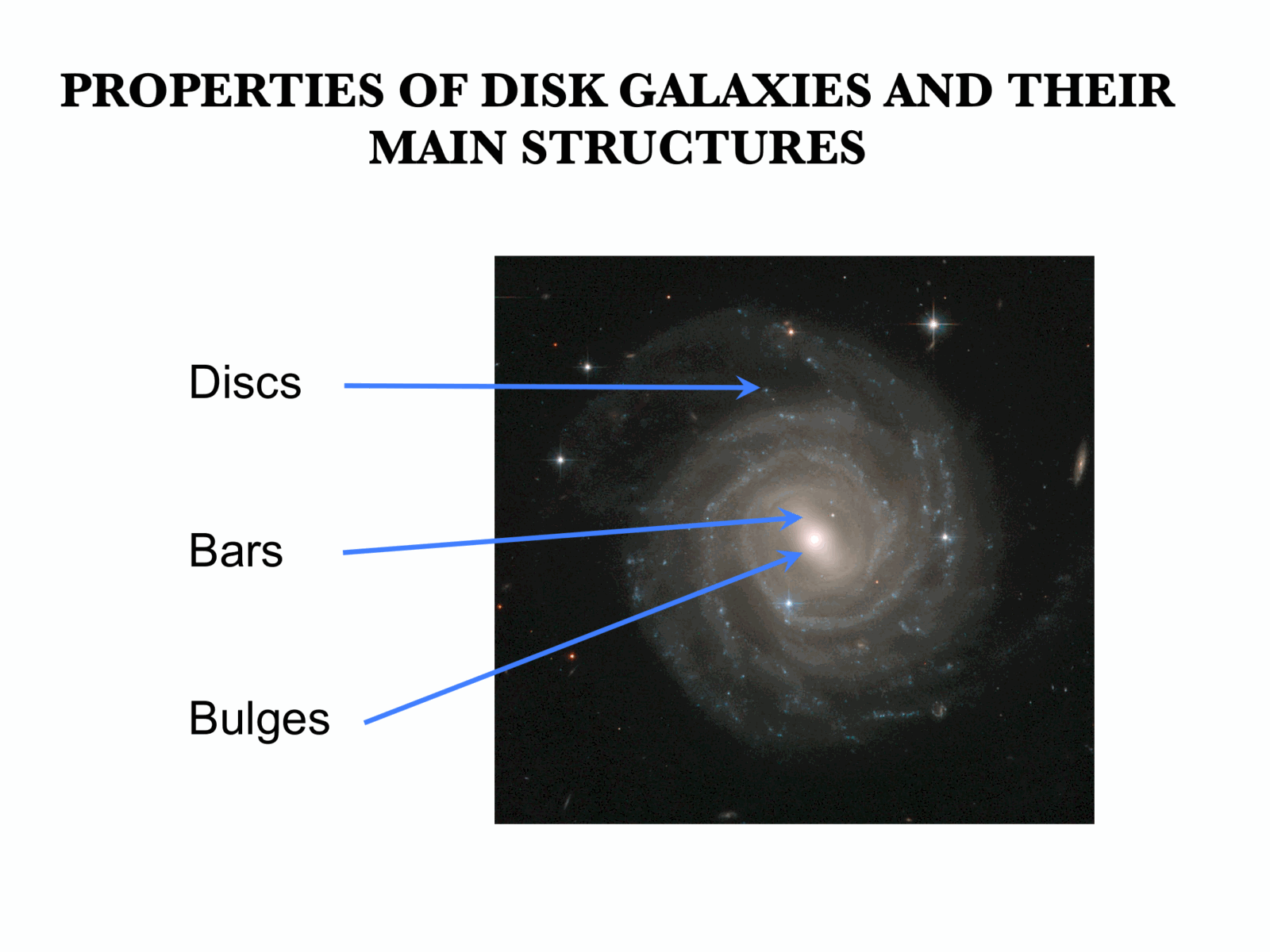 |
Lecture 3 - Disks and Bars | Exponential disk surface brightness profile, scale length h_R, Freeman law | [[De Vaucouleurs and exponential profiles]] |
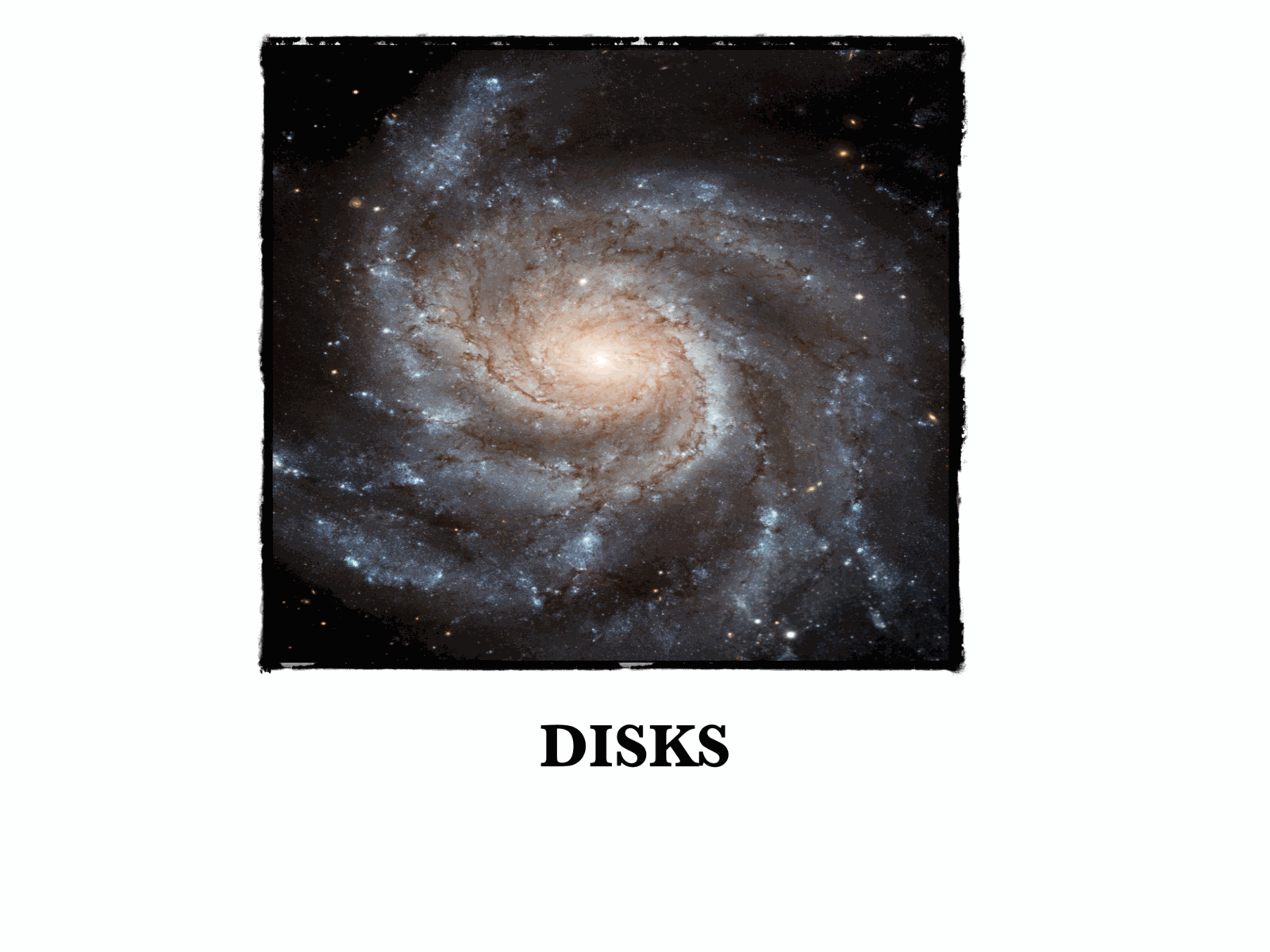 |
Lecture 3 - Disks and Bars | Exponential disk surface brightness profile, scale length h_R, Freeman law | [[De Vaucouleurs and exponential profiles]] |
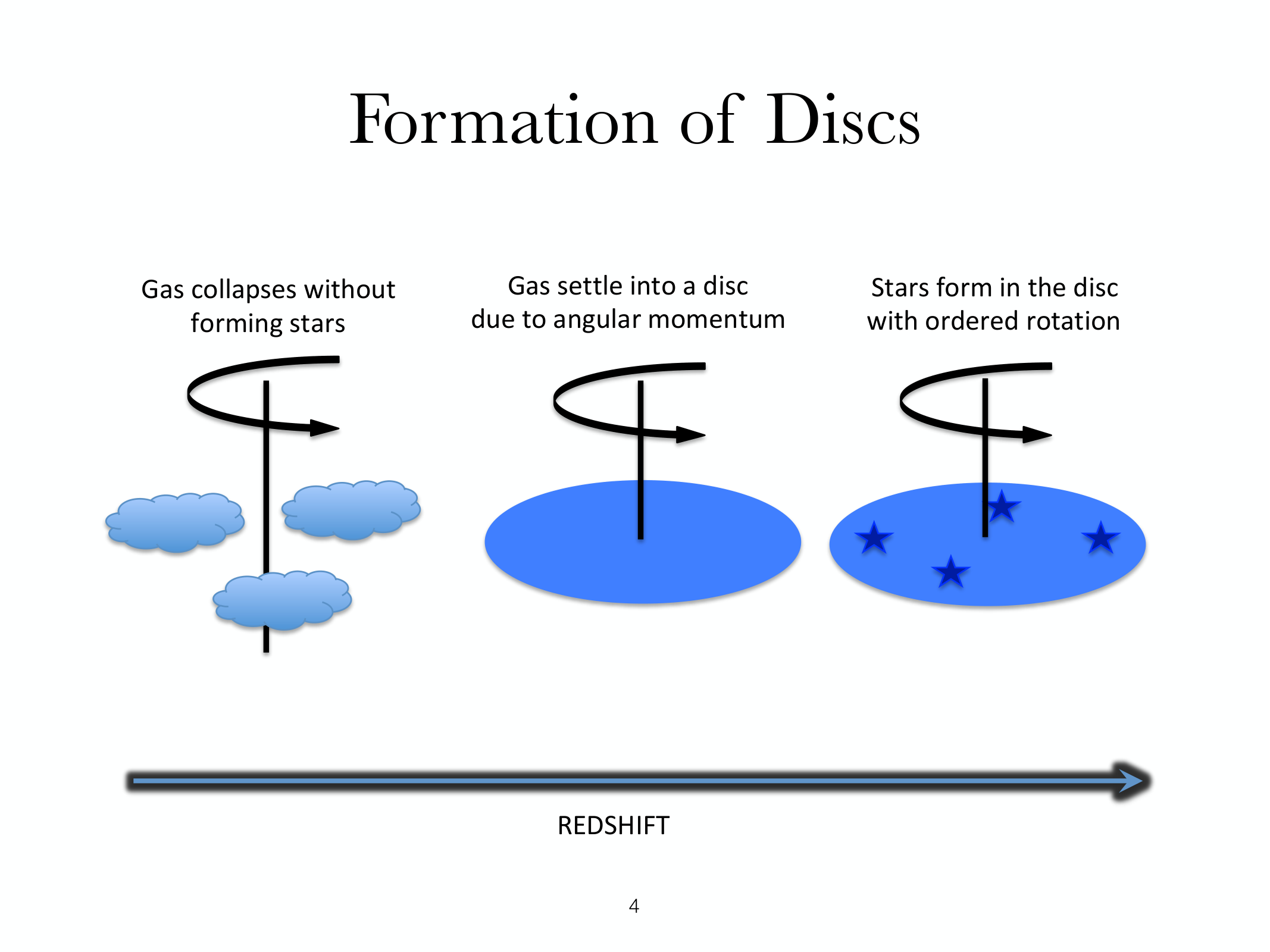 |
Lecture 3 - Disks and Bars | Exponential disk surface brightness profile, scale length h_R, Freeman law | [[De Vaucouleurs and exponential profiles]] |
 |
Lecture 3 - Disks and Bars | Exponential disk surface brightness profile, scale length h_R, Freeman law | [[De Vaucouleurs and exponential profiles]] |
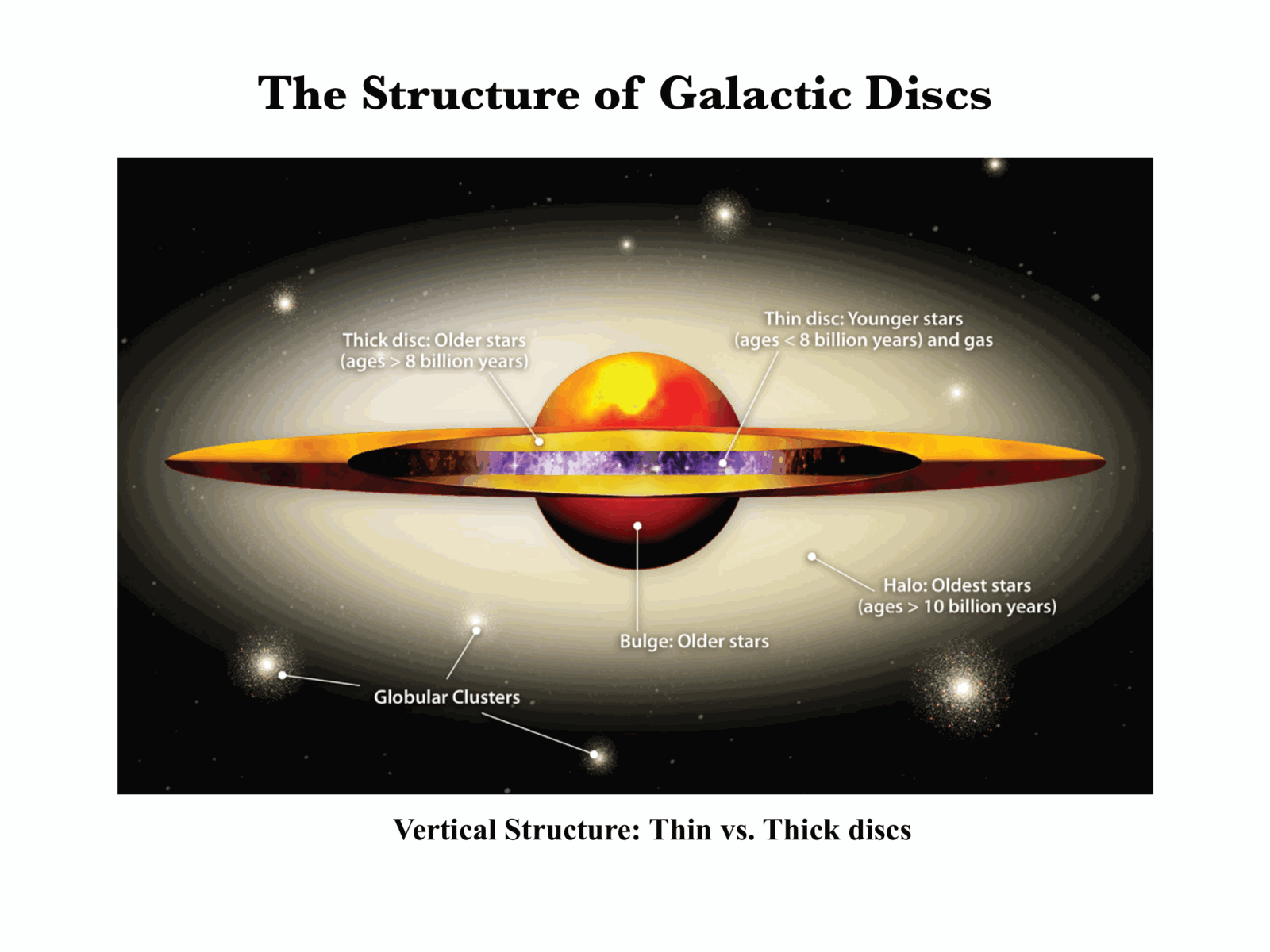 |
Lecture 3 - Disks and Bars | Exponential disk surface brightness profile, scale length h_R, Freeman law | [[De Vaucouleurs and exponential profiles]] |
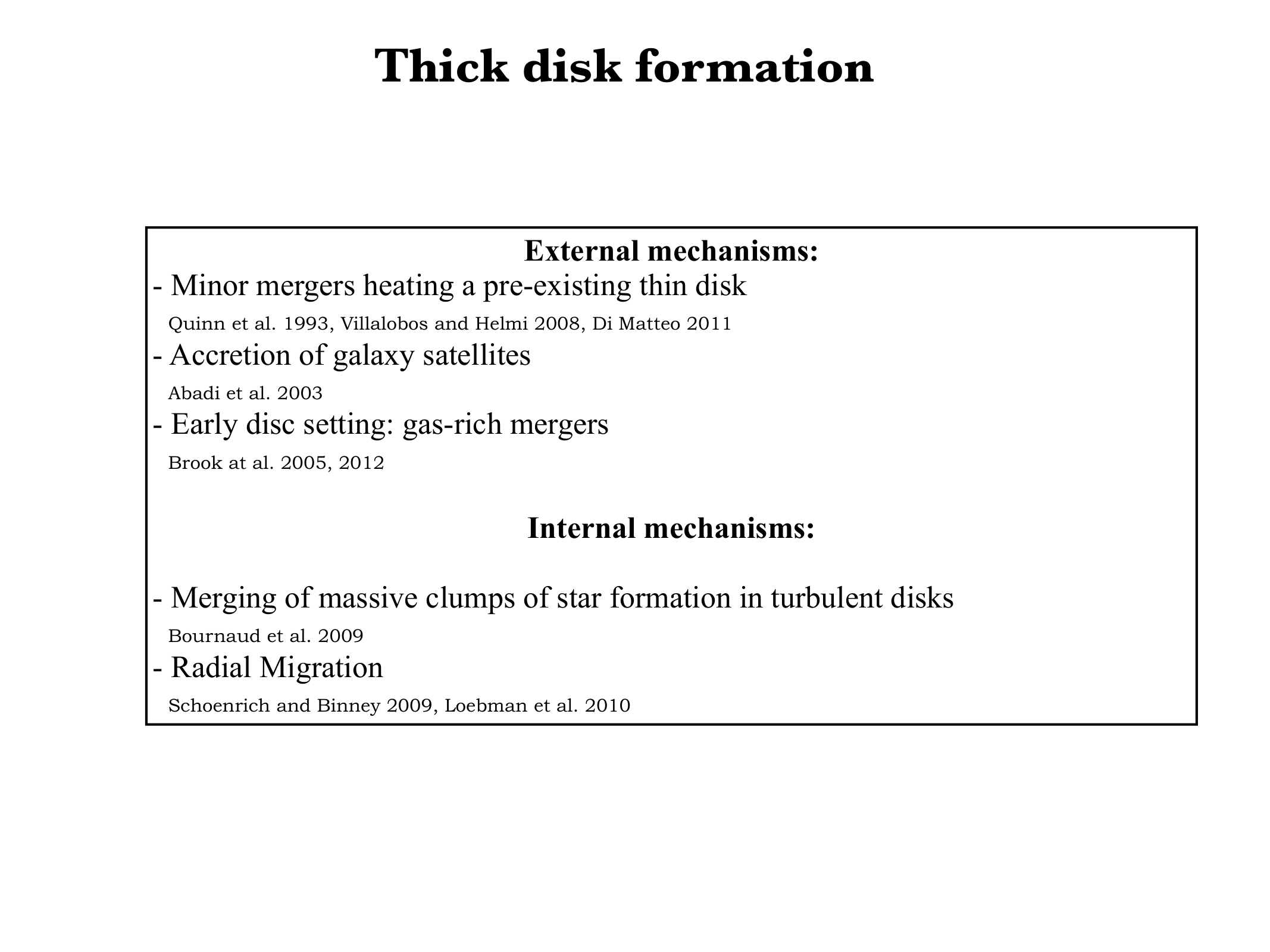 |
Lecture 3 - Disks and Bars | Exponential disk surface brightness profile, scale length h_R, Freeman law | [[De Vaucouleurs and exponential profiles]] |
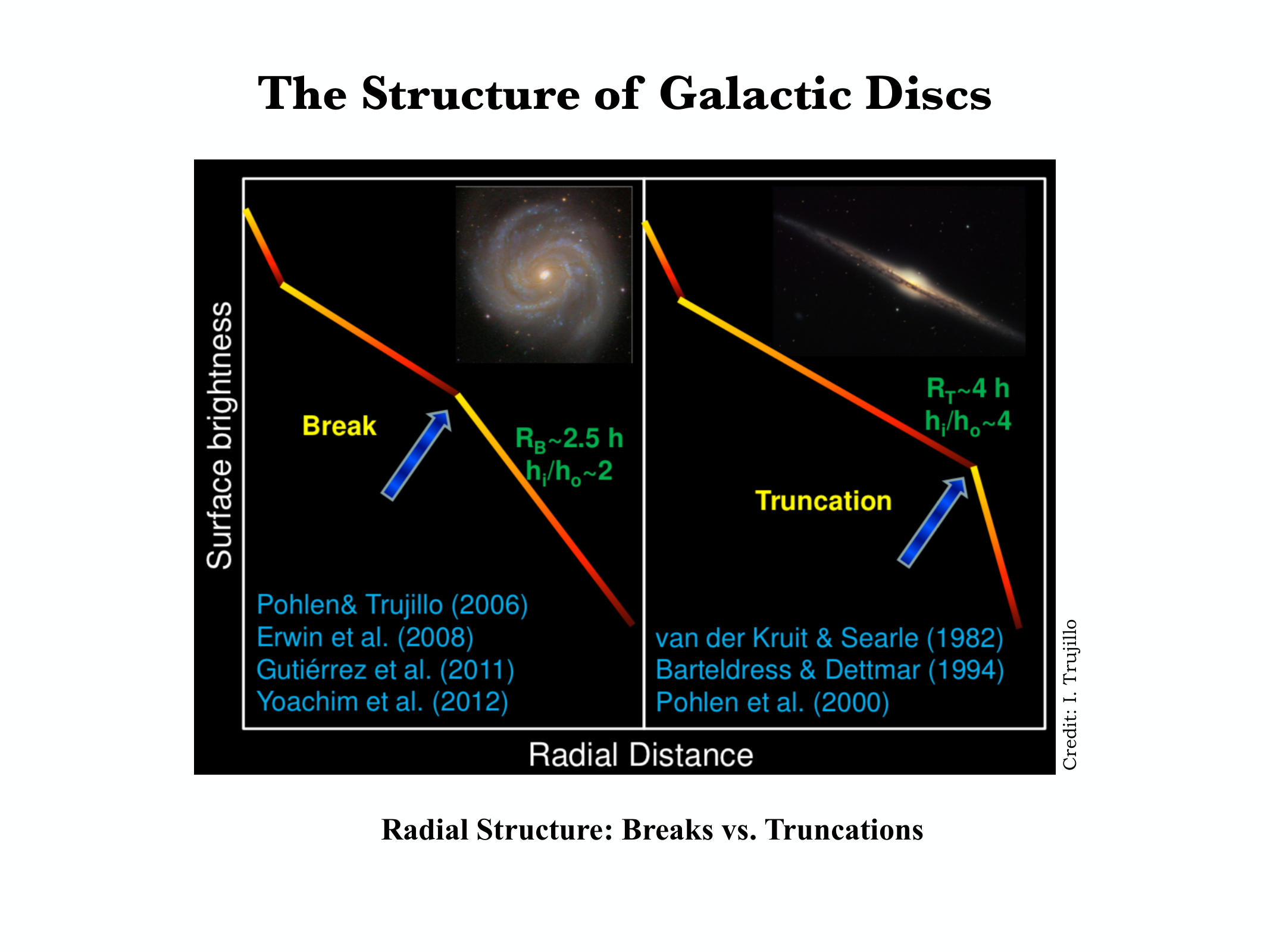 |
Lecture 3 - Disks and Bars | Exponential disk surface brightness profile, scale length h_R, Freeman law | [[De Vaucouleurs and exponential profiles]] |
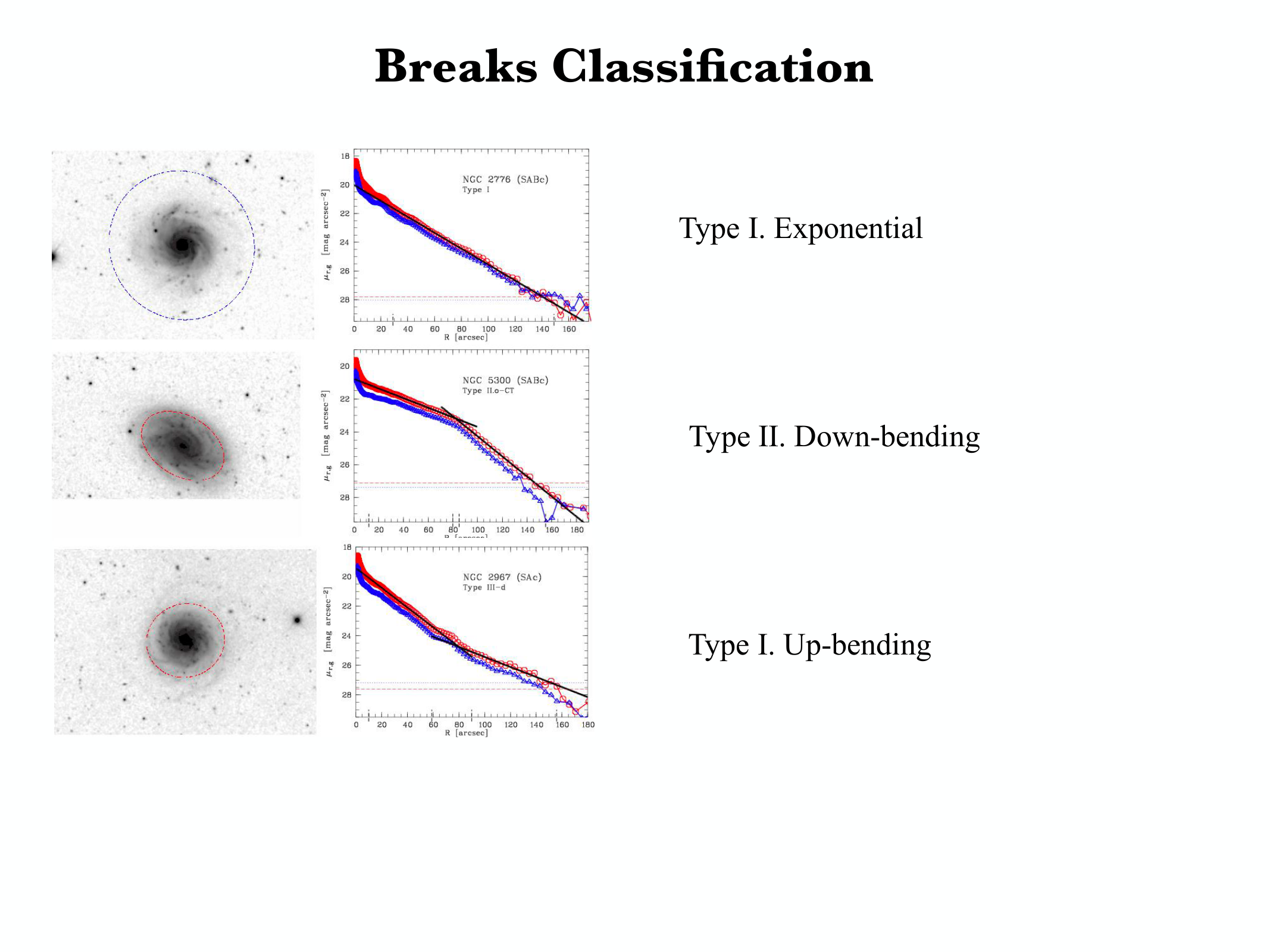 |
Lecture 3 - Disks and Bars | Exponential disk surface brightness profile, scale length h_R, Freeman law | [[De Vaucouleurs and exponential profiles]] |
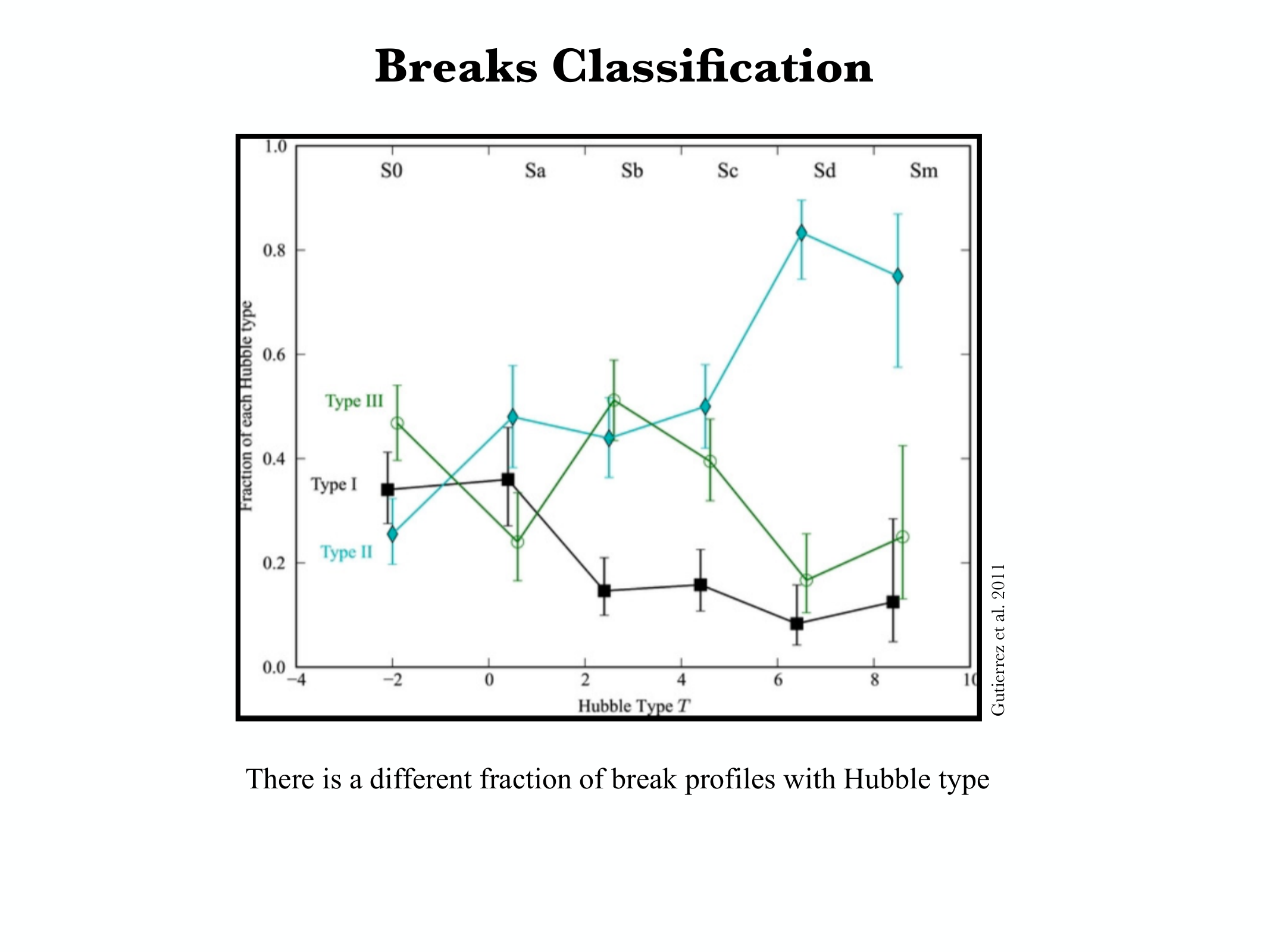 |
Lecture 3 - Disks and Bars | Exponential disk surface brightness profile, scale length h_R, Freeman law | [[De Vaucouleurs and exponential profiles]] |
 |
Lecture 3 - Disks and Bars | Exponential disk surface brightness profile, scale length h_R, Freeman law | [[De Vaucouleurs and exponential profiles]] |
 |
Lecture 3 - Disks and Bars | Exponential disk surface brightness profile, scale length h_R, Freeman law | [[De Vaucouleurs and exponential profiles]] |
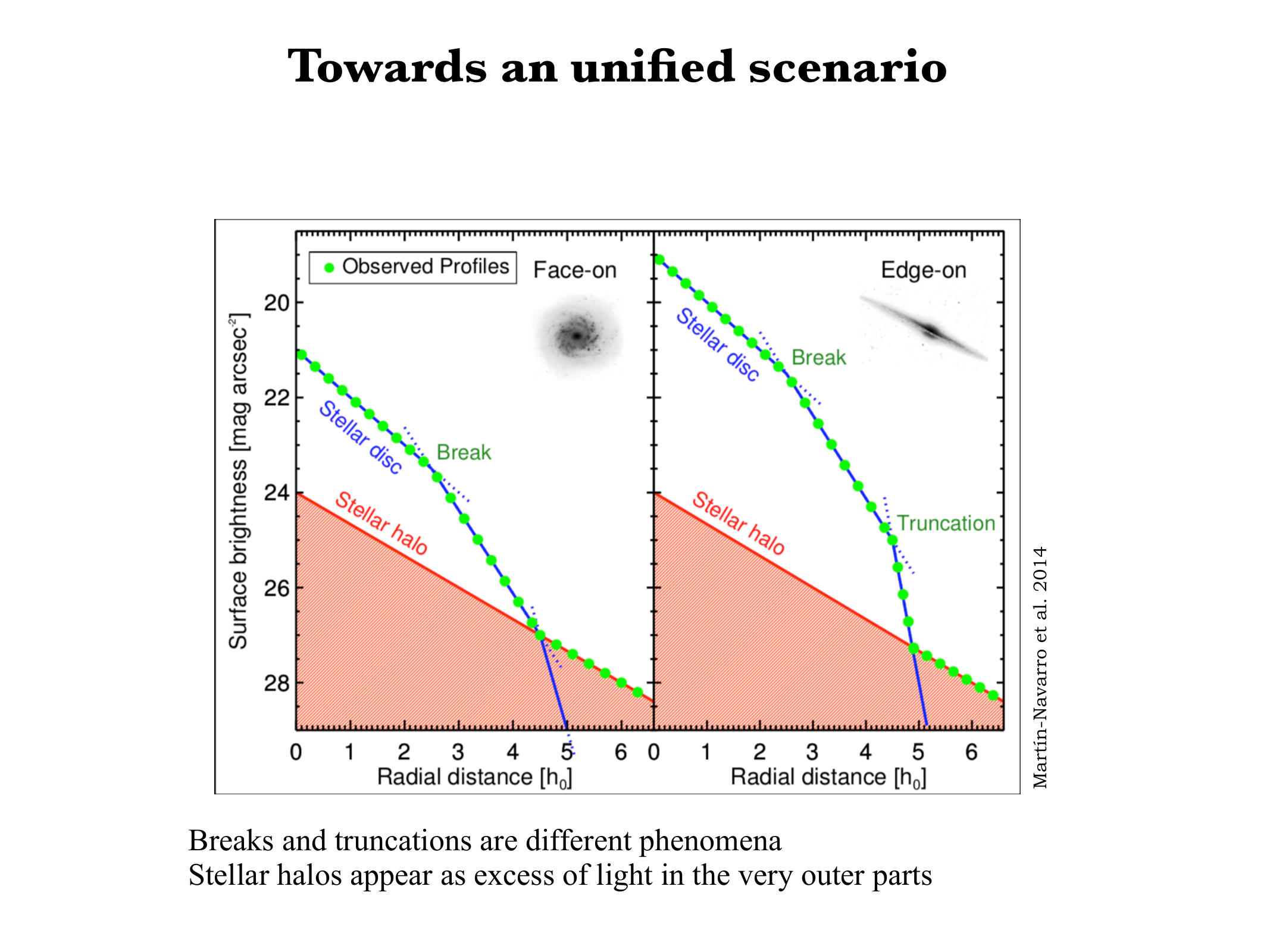 |
Lecture 3 - Disks and Bars | Exponential disk surface brightness profile, scale length h_R, Freeman law | [[De Vaucouleurs and exponential profiles]] |
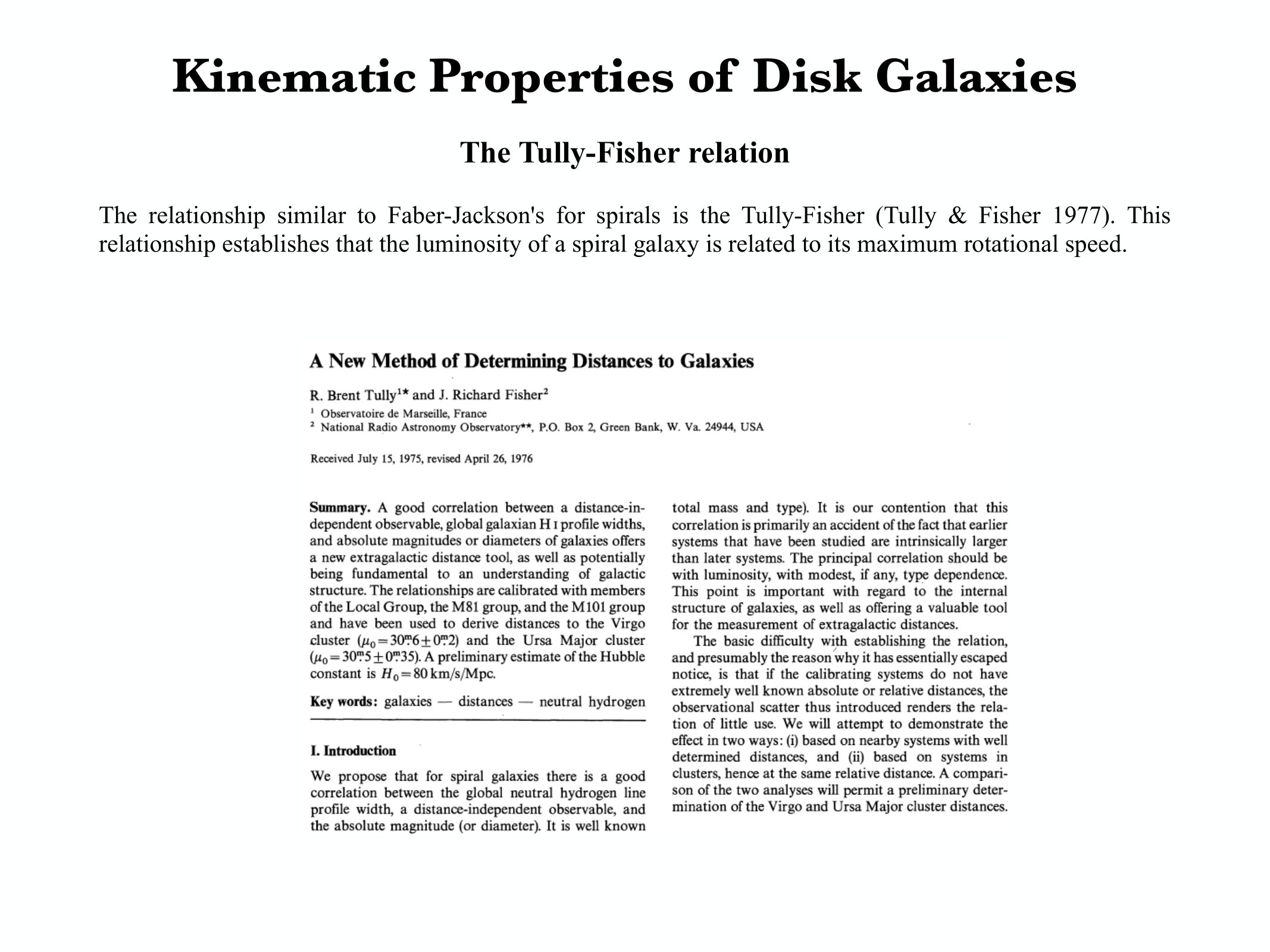 |
Lecture 3 - Disks and Bars | Exponential disk surface brightness profile, scale length h_R, Freeman law | [[De Vaucouleurs and exponential profiles]] |
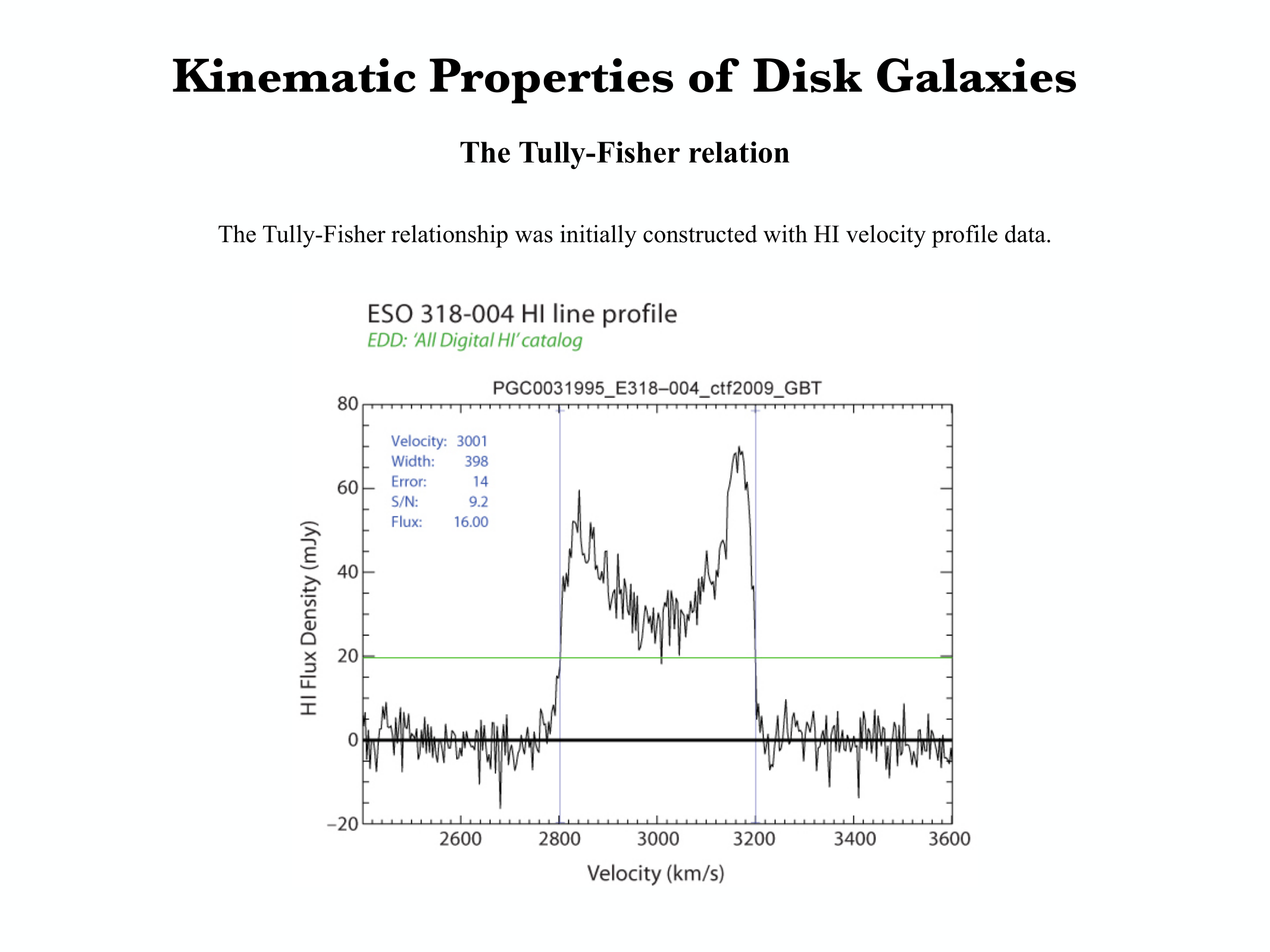 |
Lecture 3 - Disks and Bars | Exponential disk surface brightness profile, scale length h_R, Freeman law | [[De Vaucouleurs and exponential profiles]] |
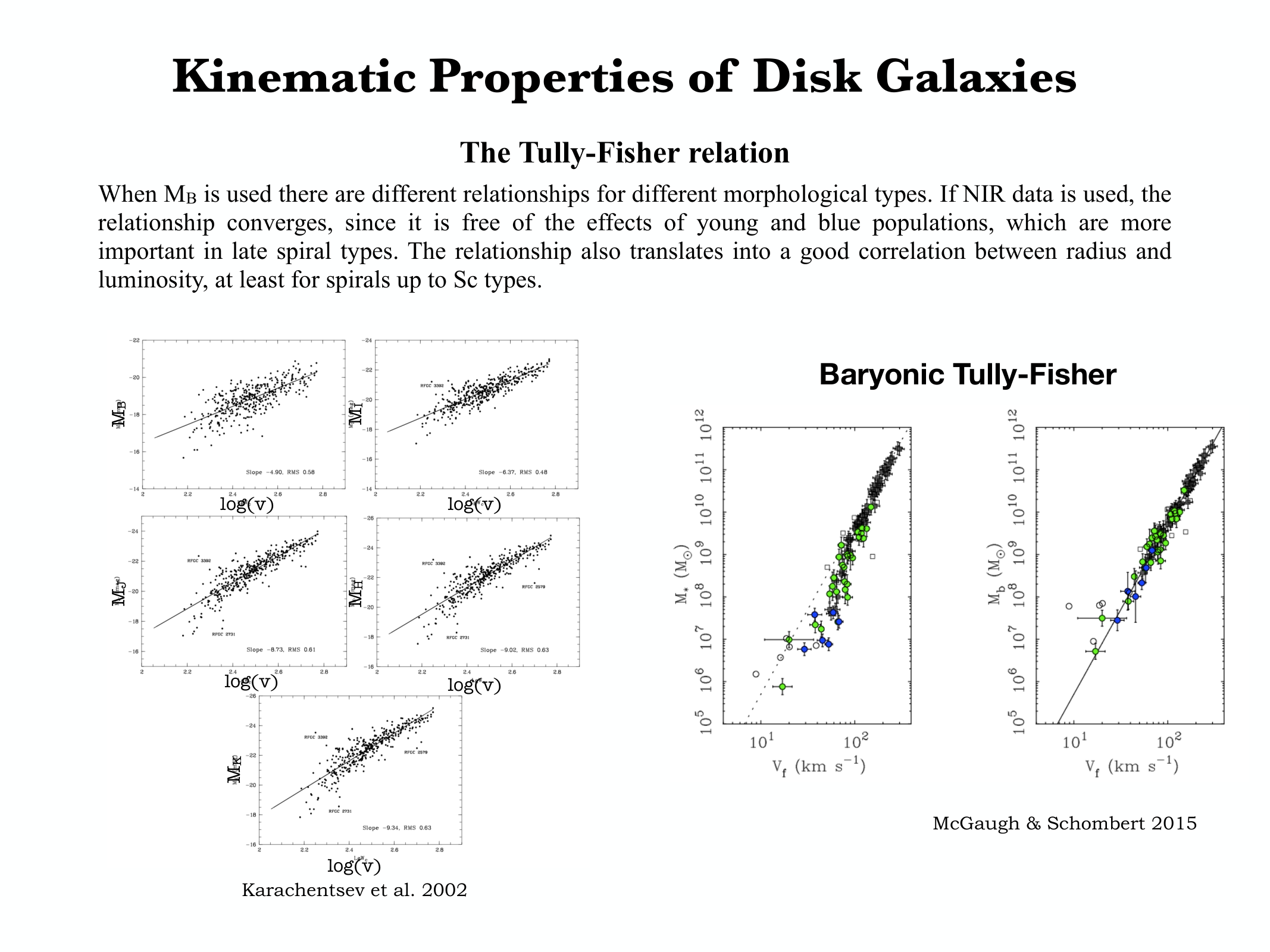 |
Lecture 3 - Disks and Bars | Exponential disk surface brightness profile, scale length h_R, Freeman law | [[De Vaucouleurs and exponential profiles]] |
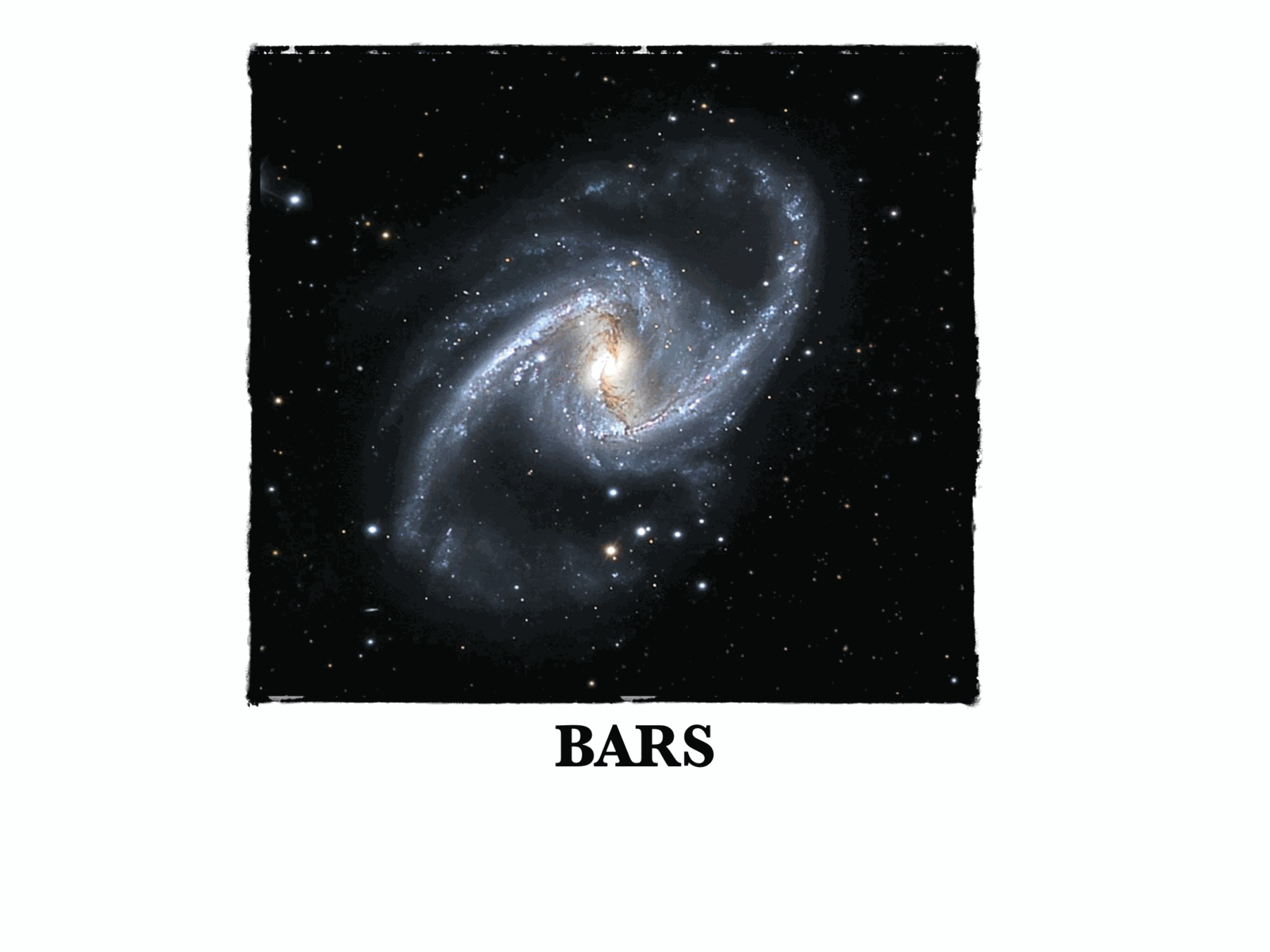 |
Lecture 3 - Disks and Bars | Exponential disk surface brightness profile, scale length h_R, Freeman law | [[De Vaucouleurs and exponential profiles]] |
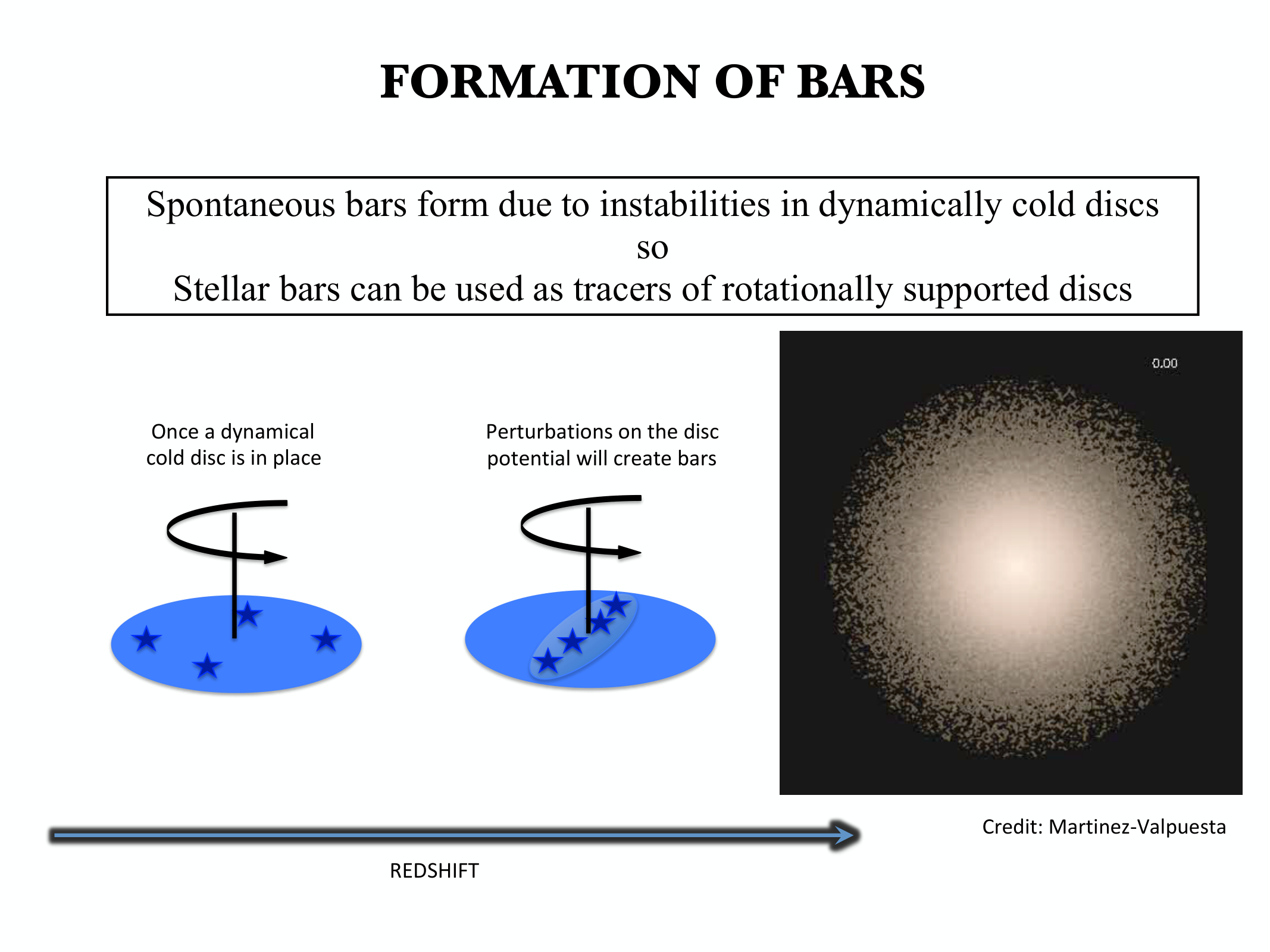 |
Lecture 3 - Disks and Bars | Exponential disk surface brightness profile, scale length h_R, Freeman law | [[De Vaucouleurs and exponential profiles]] |
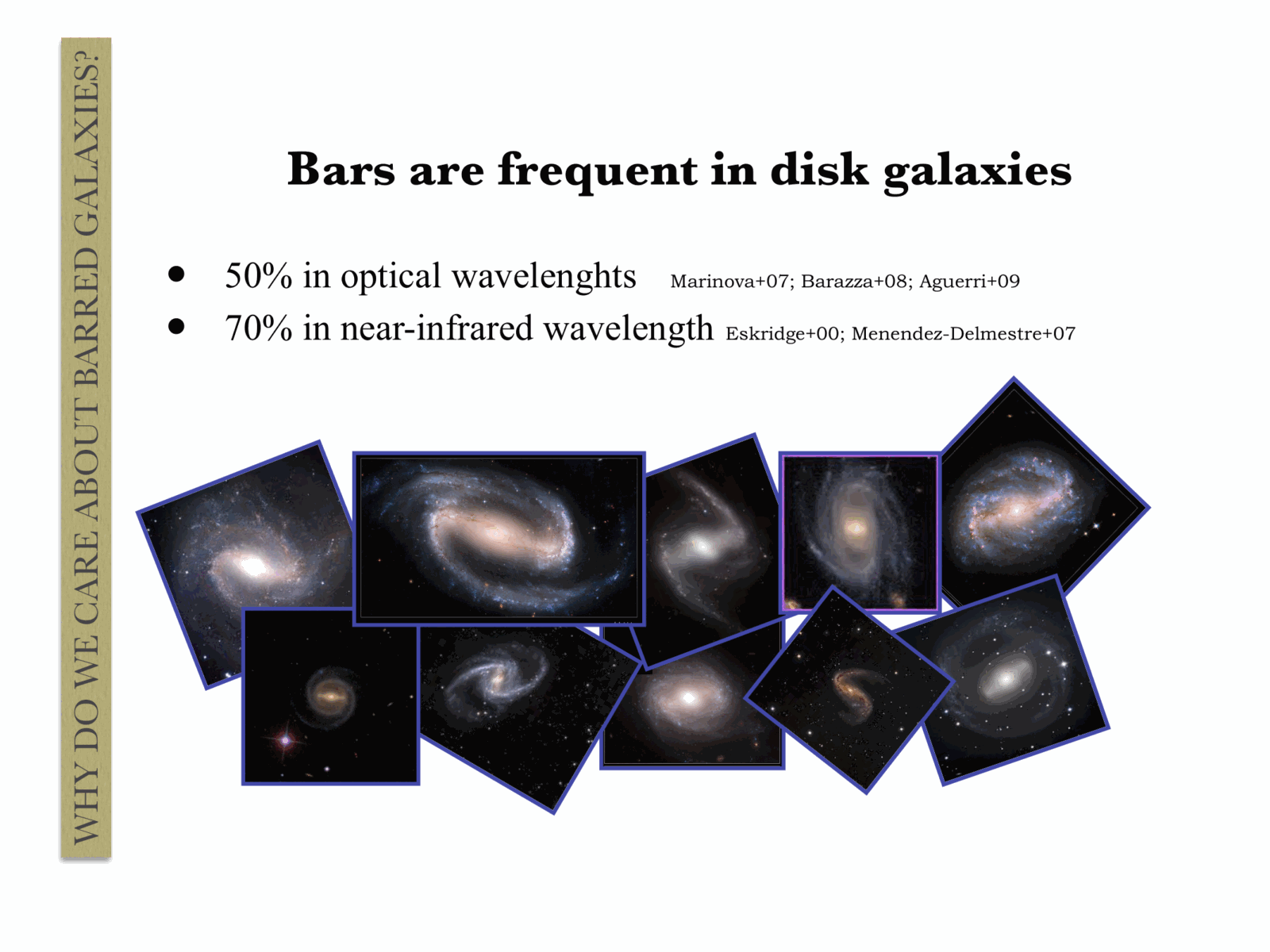 |
Lecture 3 - Disks and Bars | Stellar bars, peanut/boxy bulges, secular evolution, disk kinematics | [[Galaxy morphology vs physical properties]] |
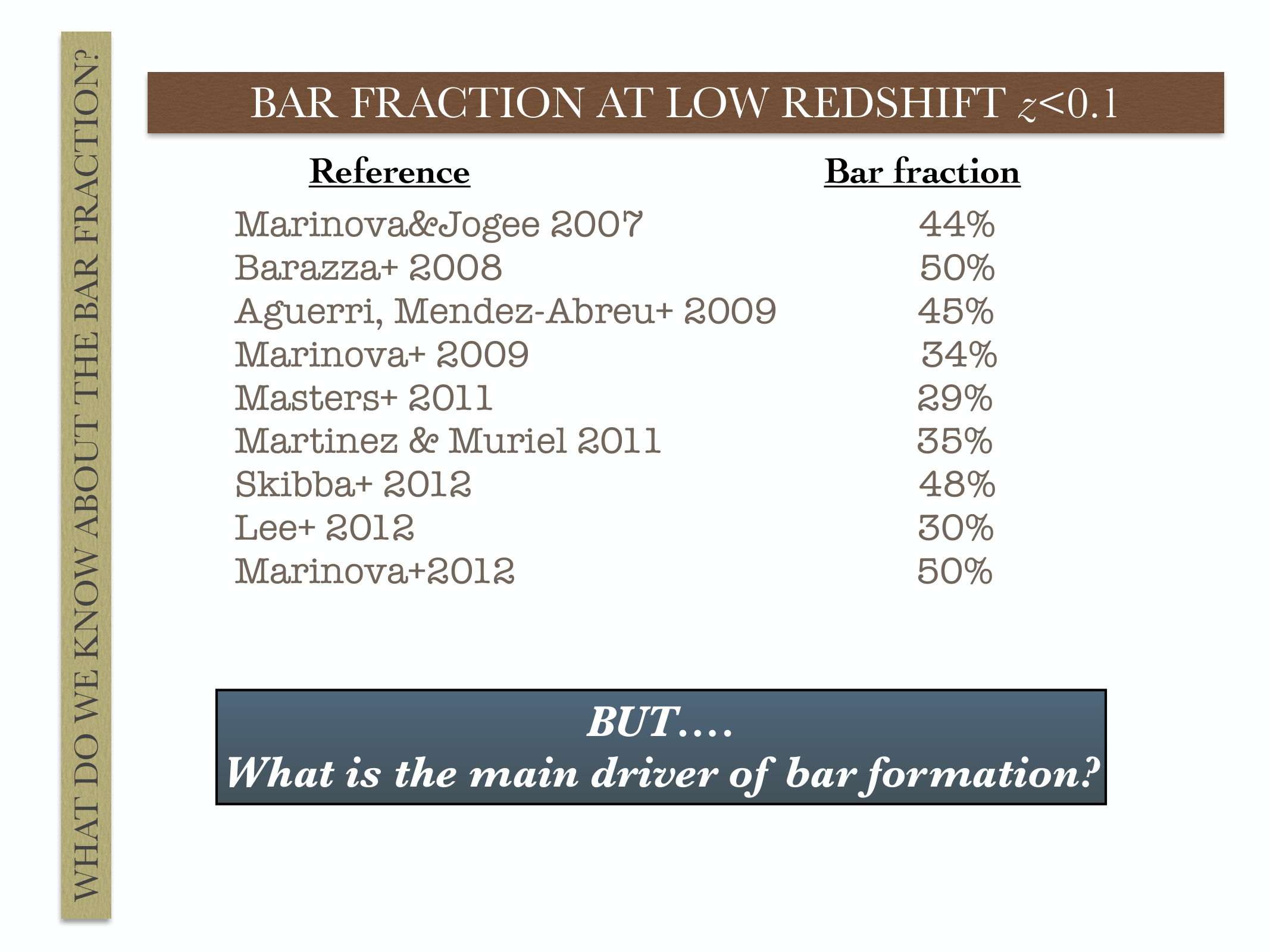 |
Lecture 3 - Disks and Bars | Stellar bars, peanut/boxy bulges, secular evolution, disk kinematics | [[Galaxy morphology vs physical properties]] |
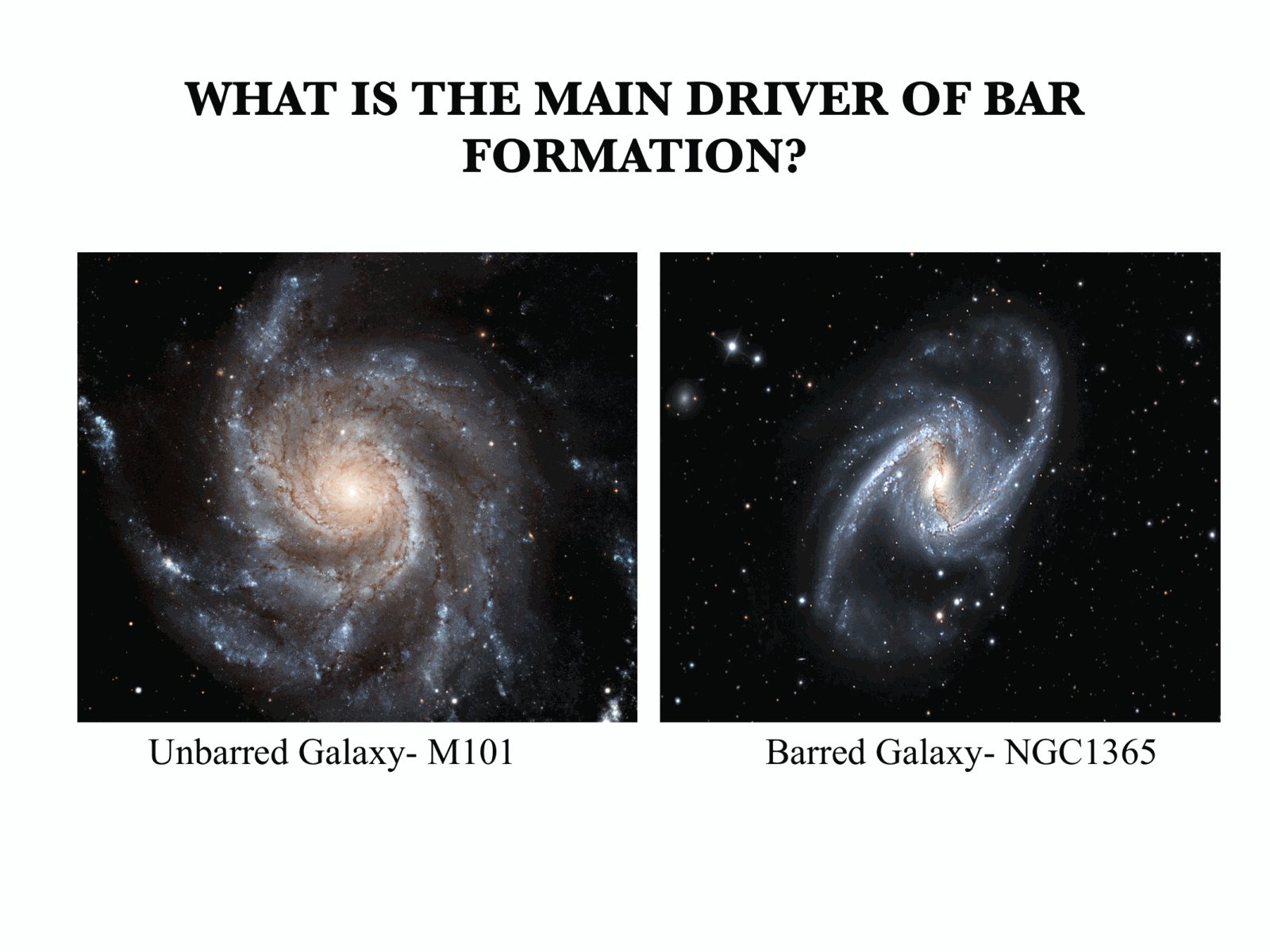 |
Lecture 3 - Disks and Bars | Stellar bars, peanut/boxy bulges, secular evolution, disk kinematics | [[Galaxy morphology vs physical properties]] |
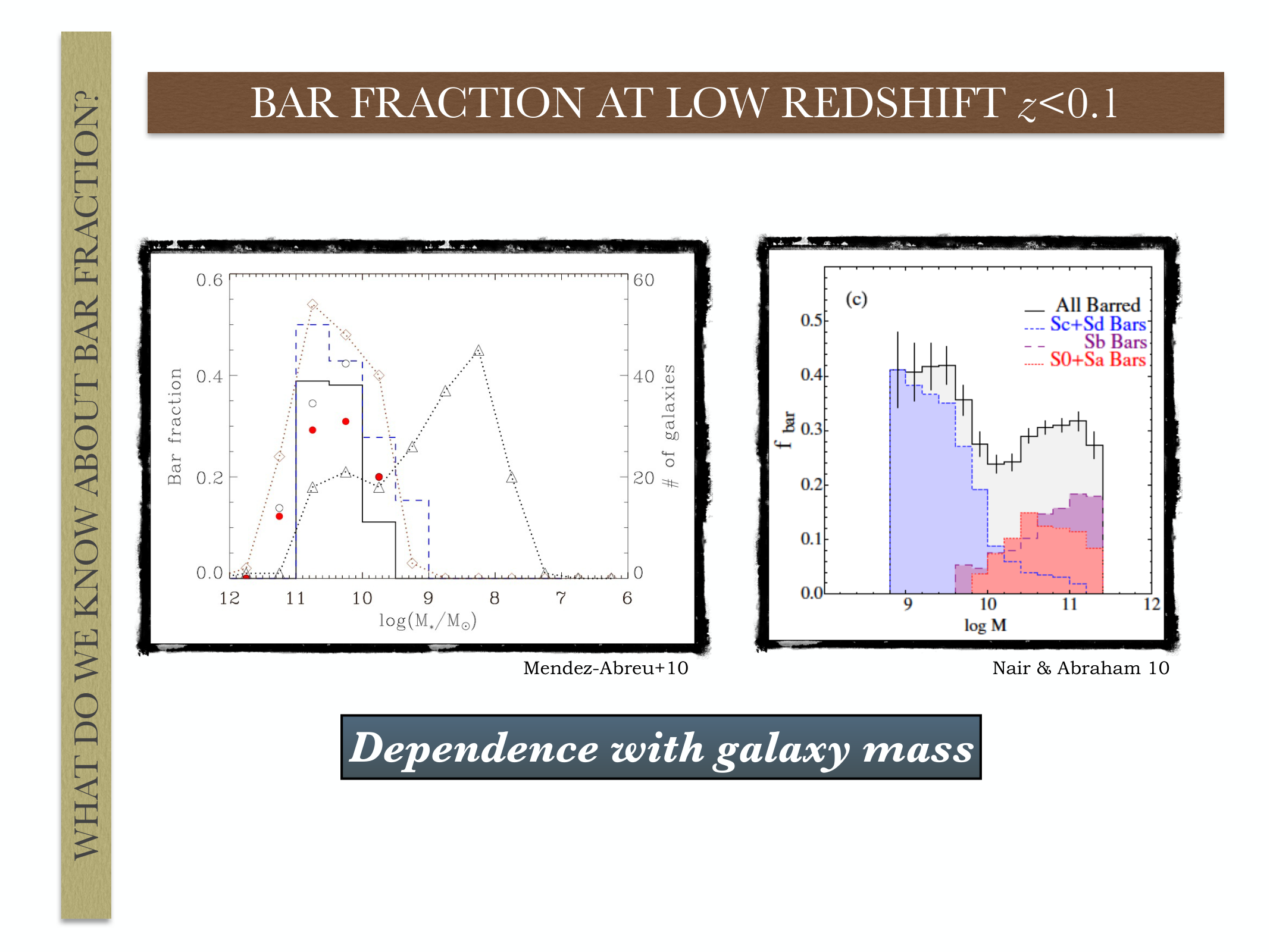 |
Lecture 3 - Disks and Bars | Stellar bars, peanut/boxy bulges, secular evolution, disk kinematics | [[Galaxy morphology vs physical properties]] |
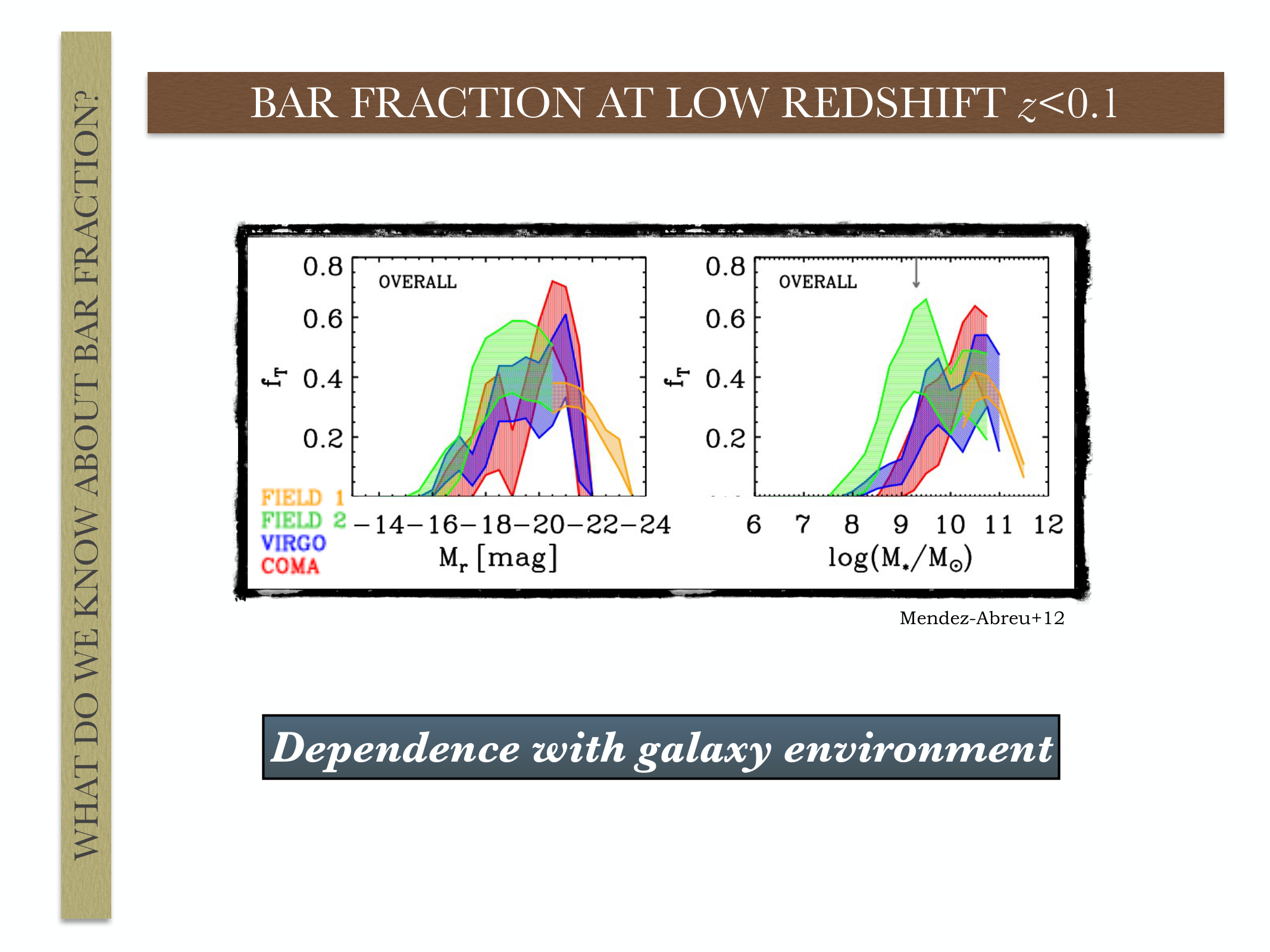 |
Lecture 3 - Disks and Bars | Stellar bars, peanut/boxy bulges, secular evolution, disk kinematics | [[Galaxy morphology vs physical properties]] |
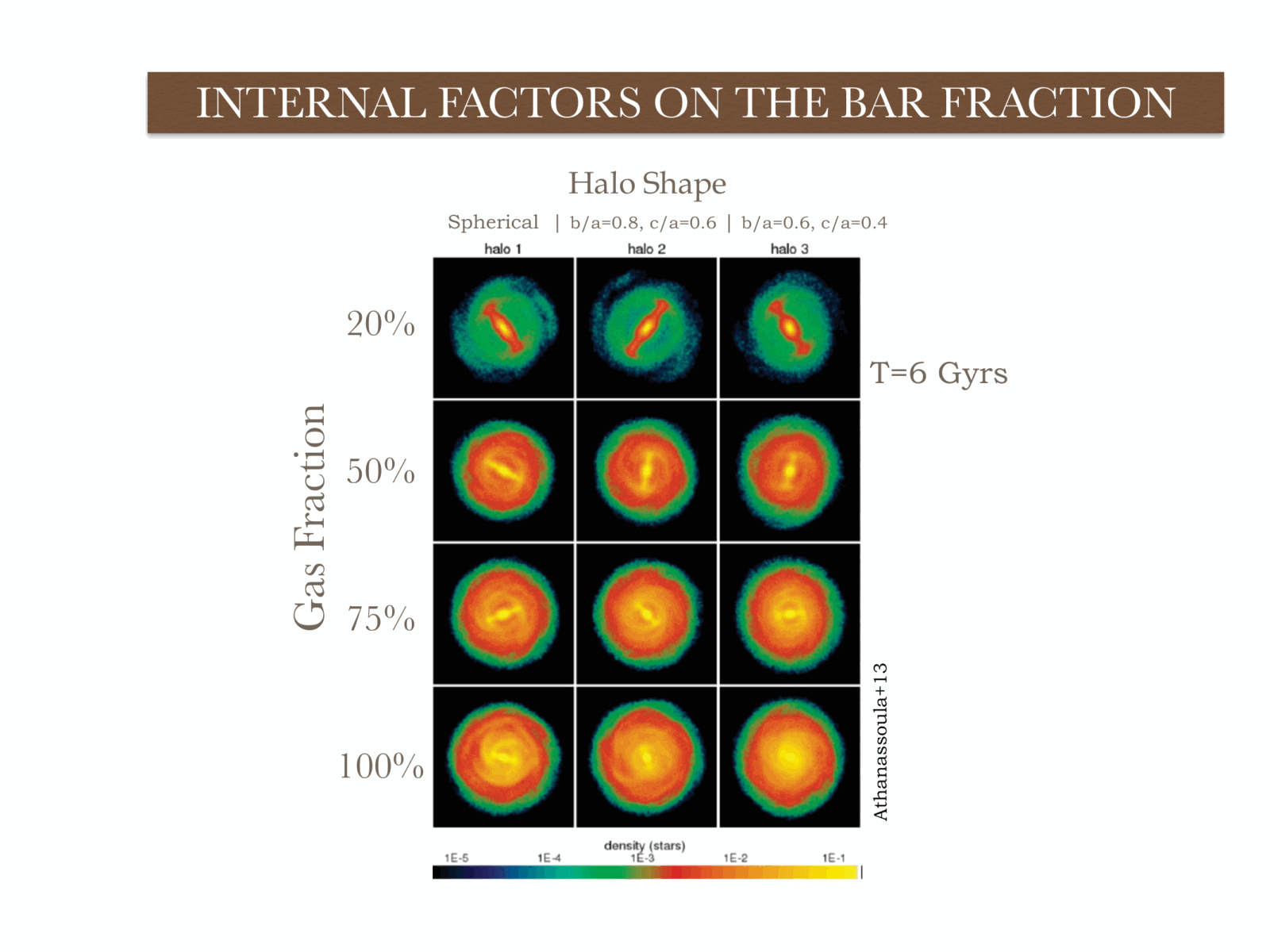 |
Lecture 3 - Disks and Bars | Stellar bars, peanut/boxy bulges, secular evolution, disk kinematics | [[Galaxy morphology vs physical properties]] |
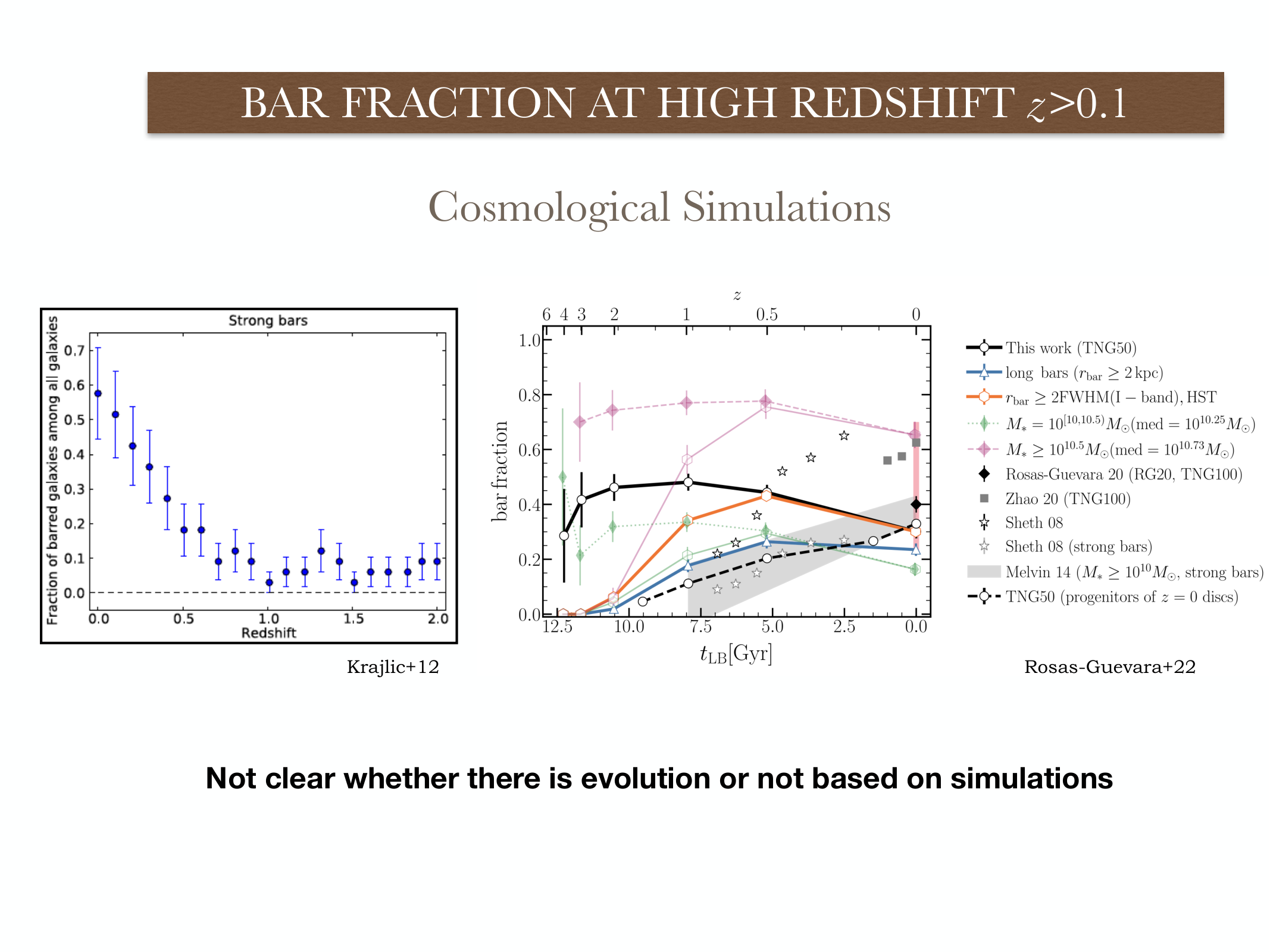 |
Lecture 3 - Disks and Bars | Stellar bars, peanut/boxy bulges, secular evolution, disk kinematics | [[Galaxy morphology vs physical properties]] |
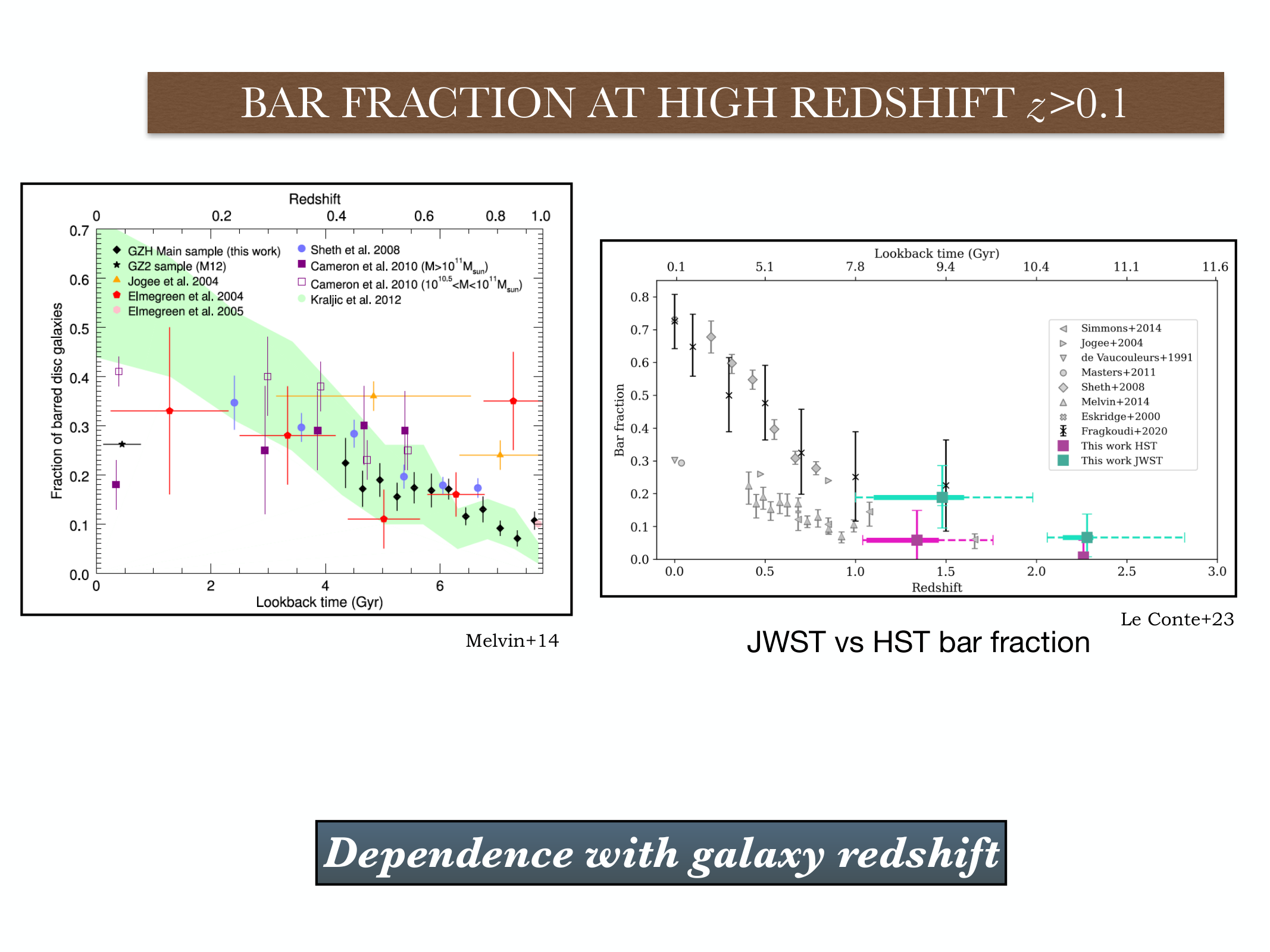 |
Lecture 3 - Disks and Bars | Stellar bars, peanut/boxy bulges, secular evolution, disk kinematics | [[Galaxy morphology vs physical properties]] |
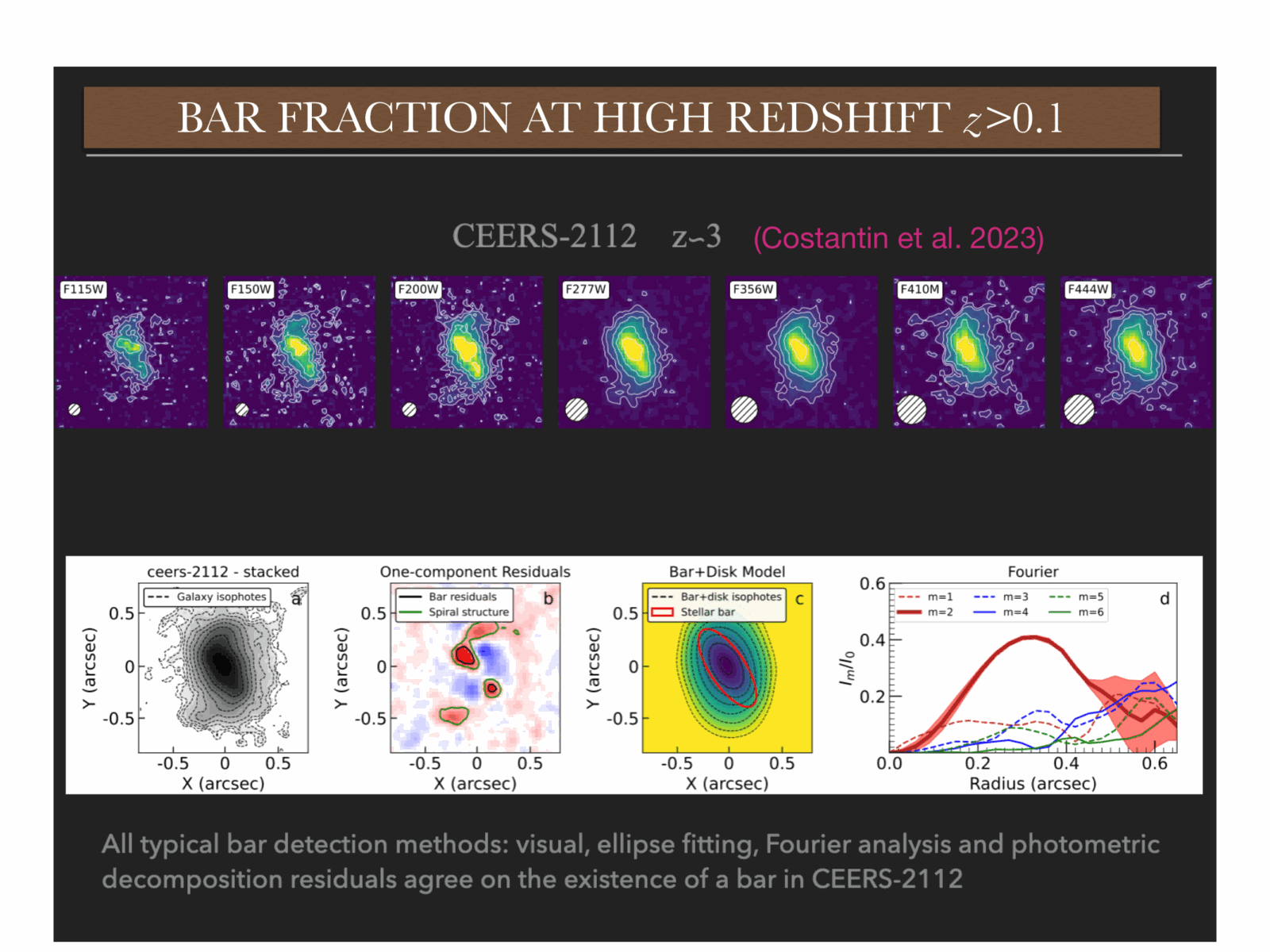 |
Lecture 3 - Disks and Bars | Stellar bars, peanut/boxy bulges, secular evolution, disk kinematics | [[Galaxy morphology vs physical properties]] |
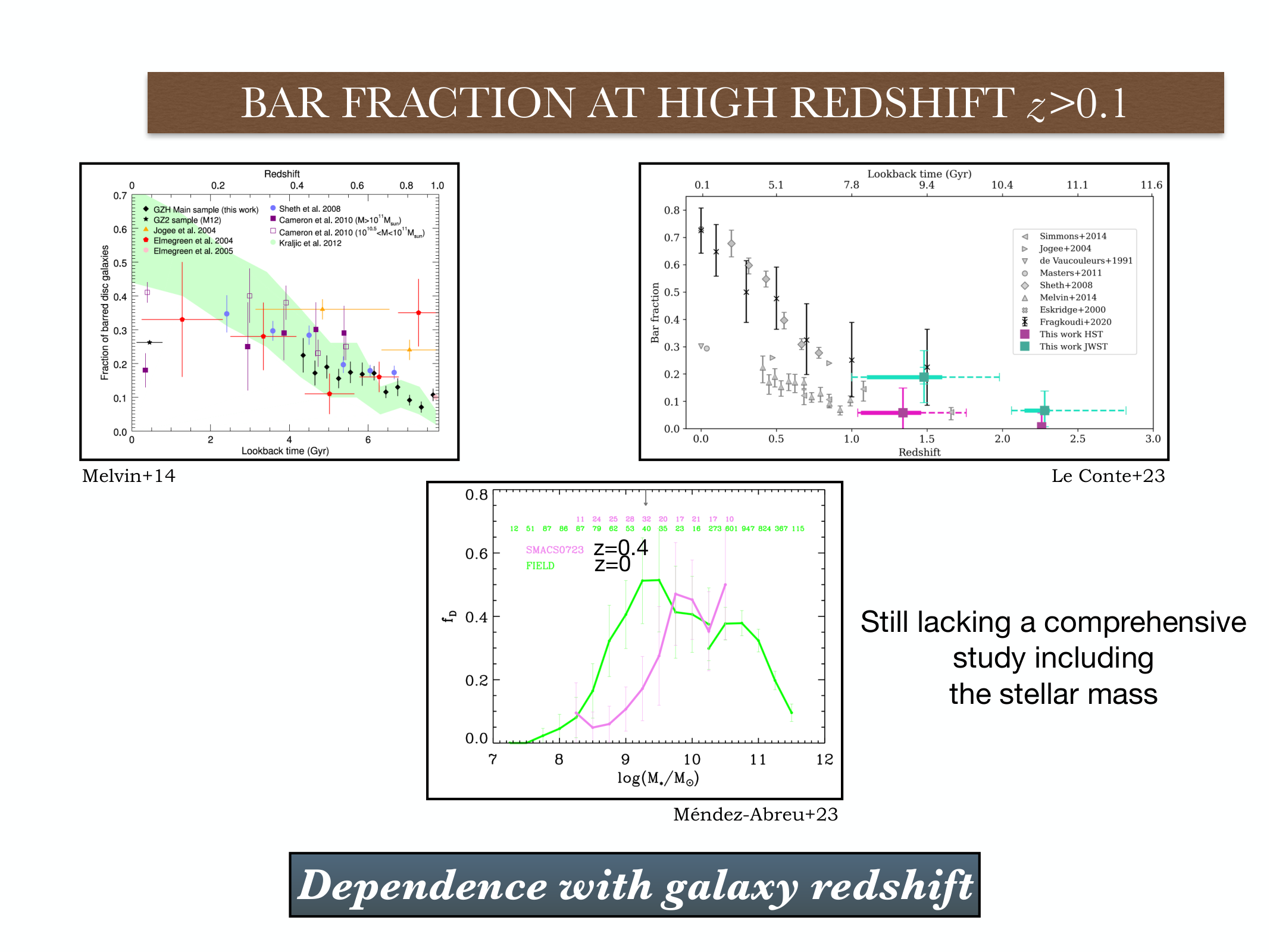 |
Lecture 3 - Disks and Bars | Stellar bars, peanut/boxy bulges, secular evolution, disk kinematics | [[Galaxy morphology vs physical properties]] |
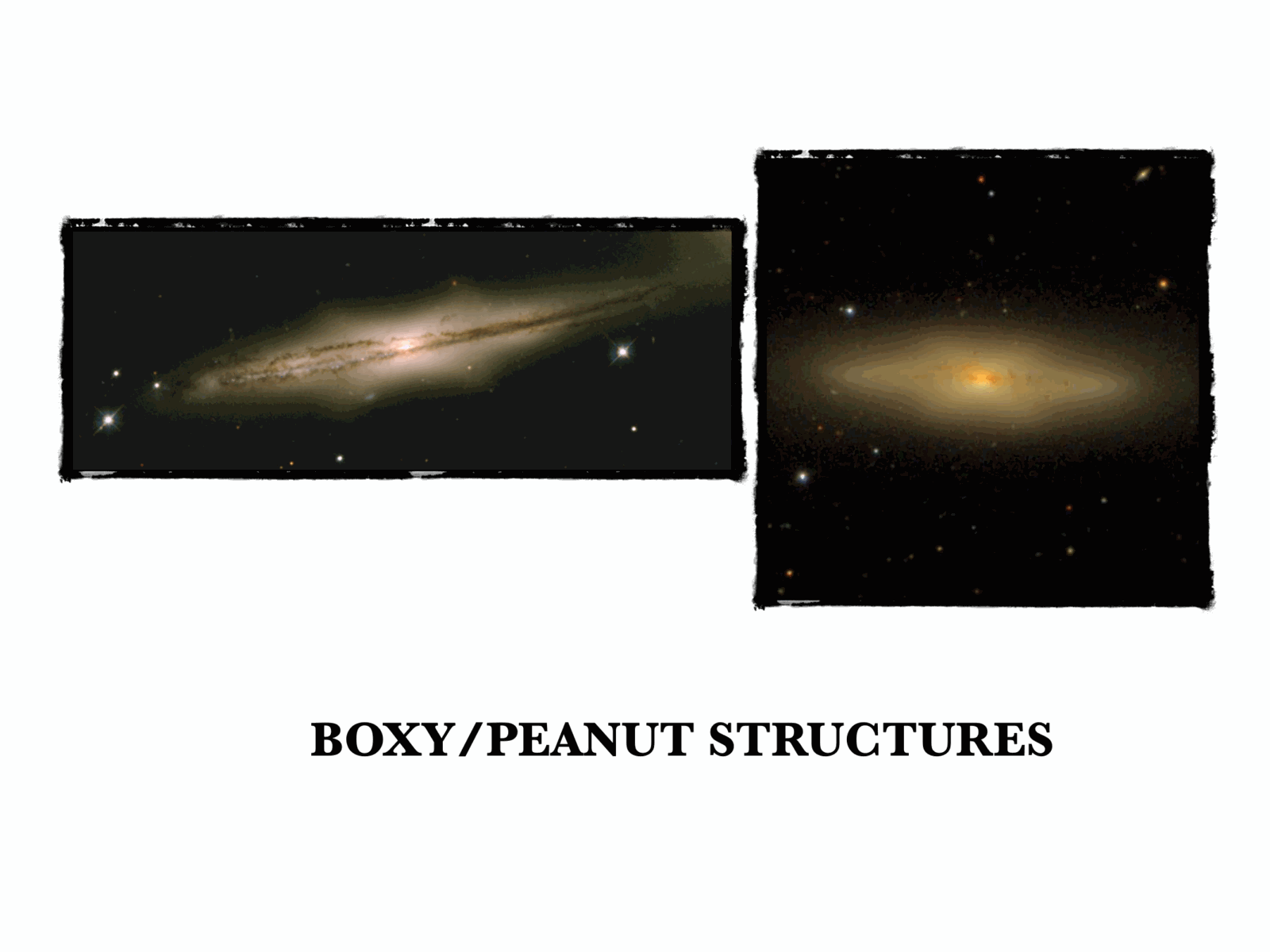 |
Lecture 3 - Disks and Bars | Stellar bars, peanut/boxy bulges, secular evolution, disk kinematics | [[Galaxy morphology vs physical properties]] |
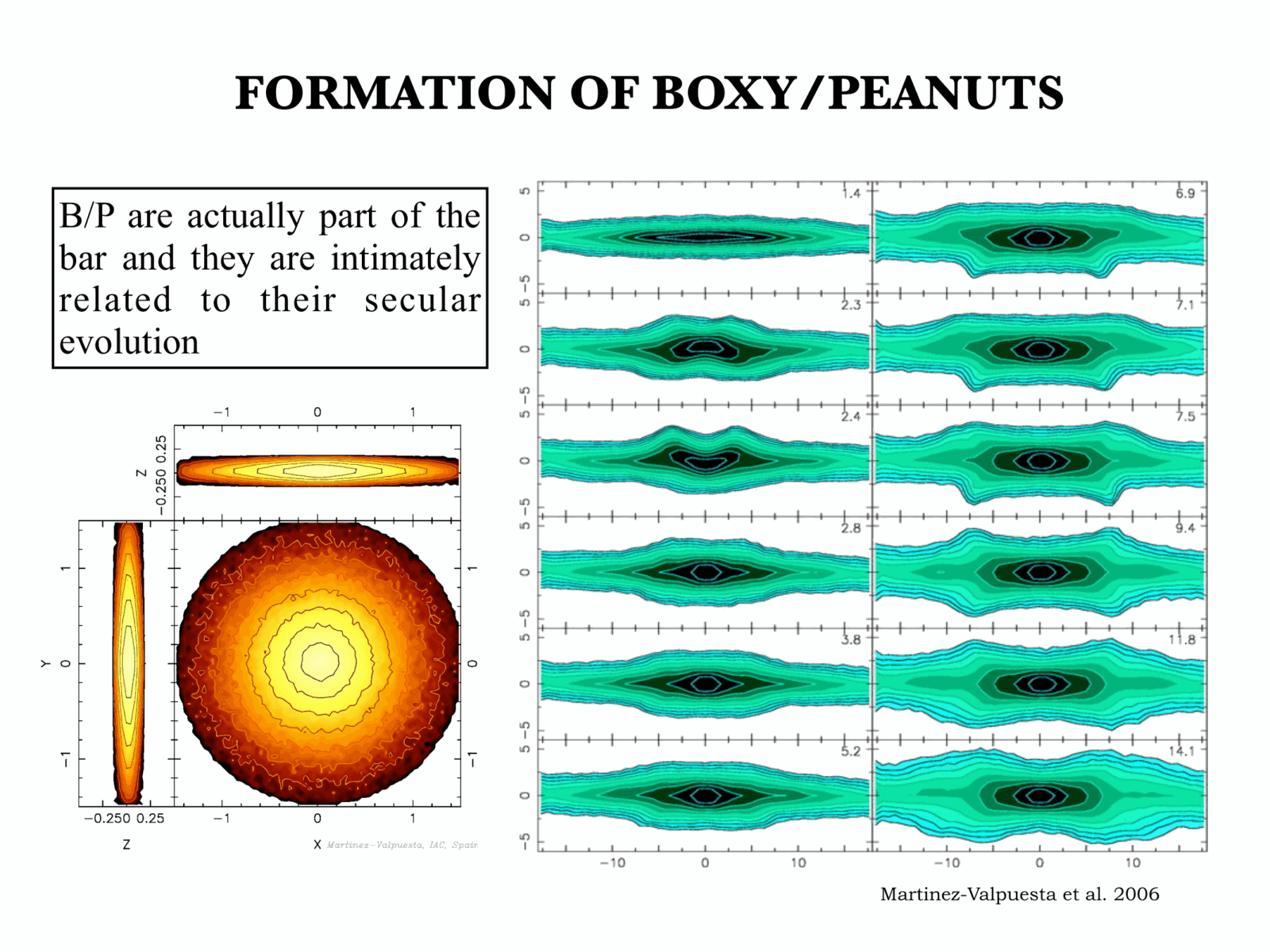 |
Lecture 3 - Disks and Bars | Stellar bars, peanut/boxy bulges, secular evolution, disk kinematics | [[Galaxy morphology vs physical properties]] |
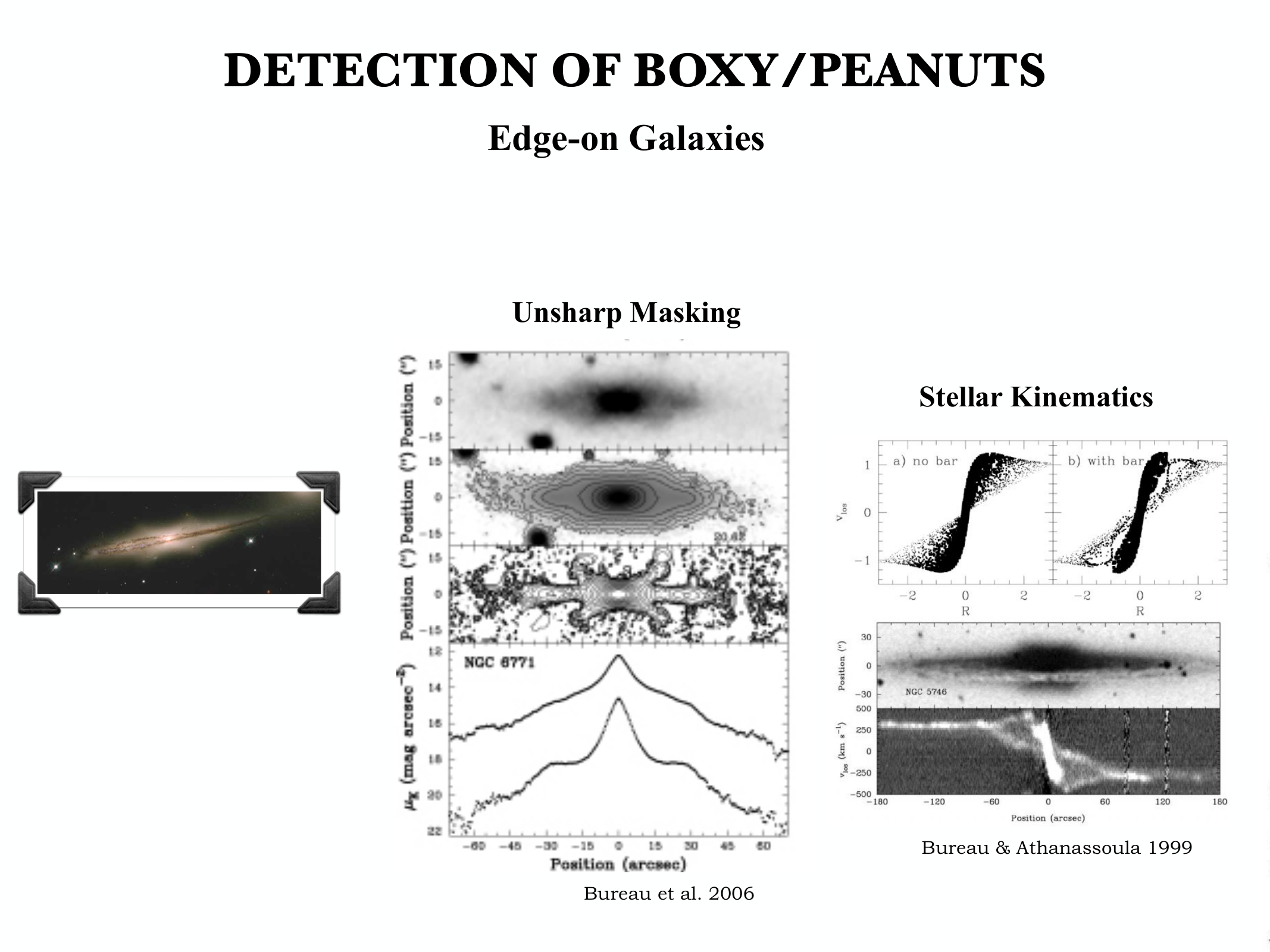 |
Lecture 3 - Disks and Bars | Stellar bars, peanut/boxy bulges, secular evolution, disk kinematics | [[Galaxy morphology vs physical properties]] |
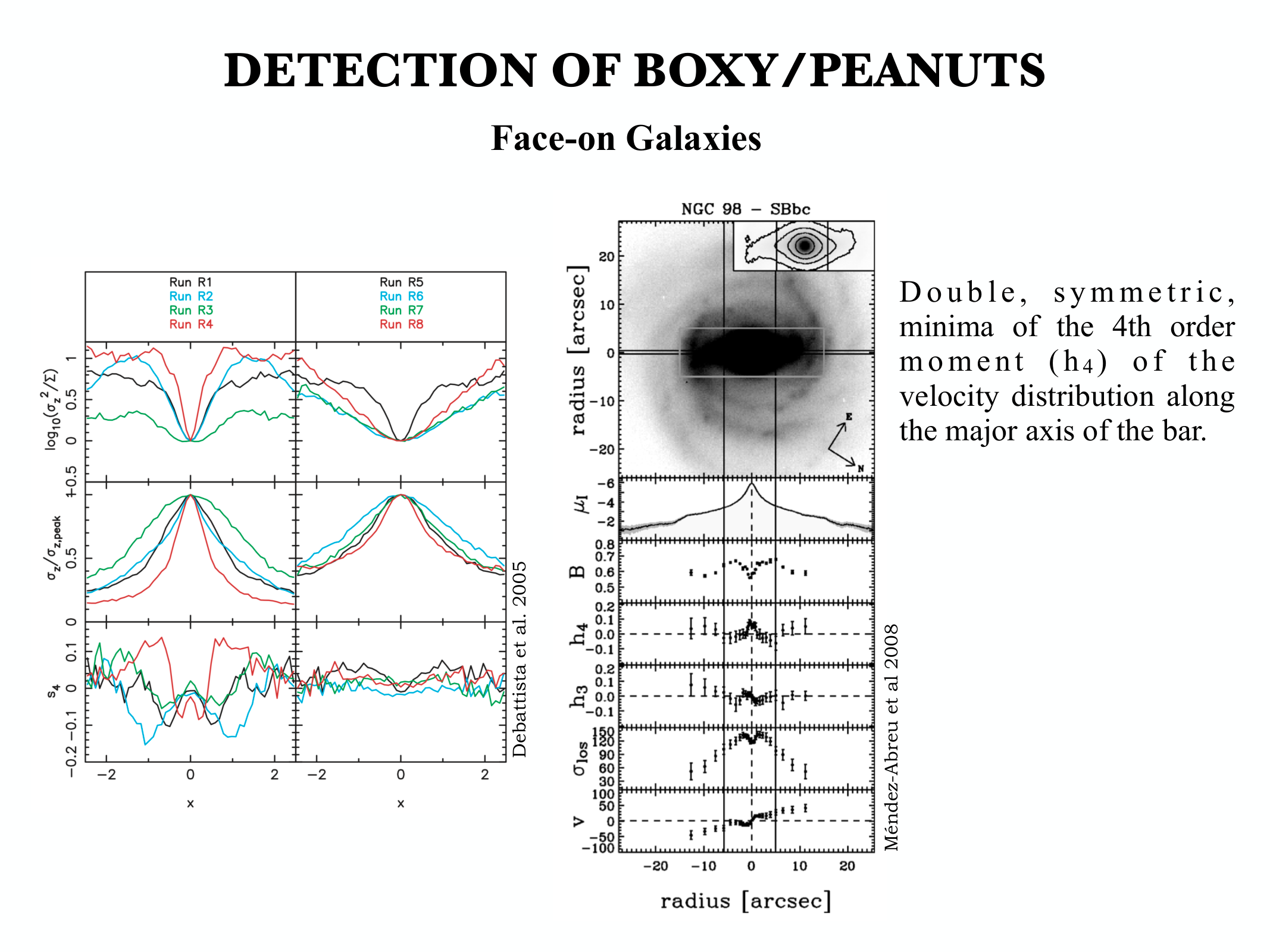 |
Lecture 3 - Disks and Bars | Stellar bars, peanut/boxy bulges, secular evolution, disk kinematics | [[Galaxy morphology vs physical properties]] |
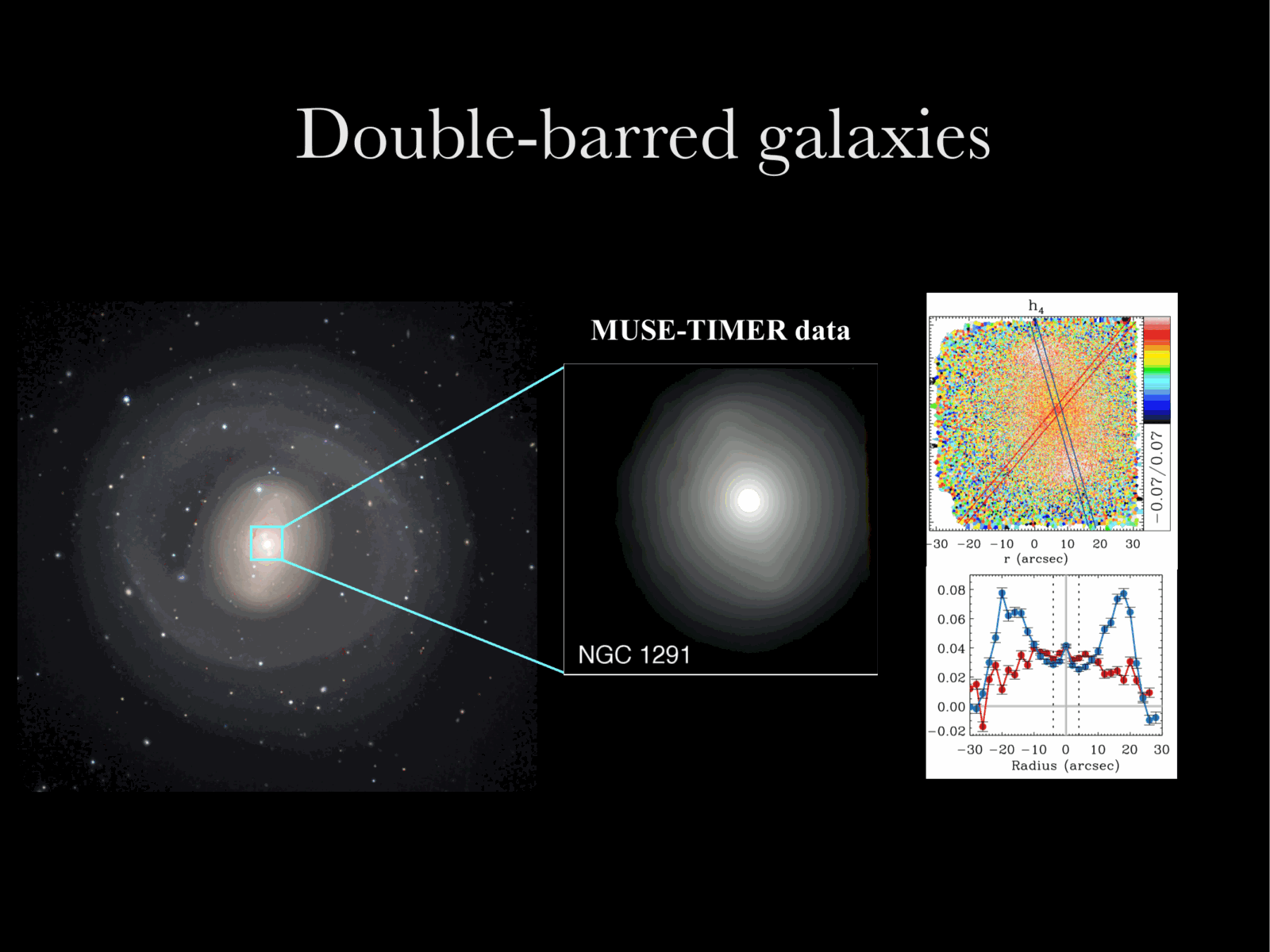 |
Lecture 3 - Disks and Bars | Stellar bars, peanut/boxy bulges, secular evolution, disk kinematics | [[Galaxy morphology vs physical properties]] |
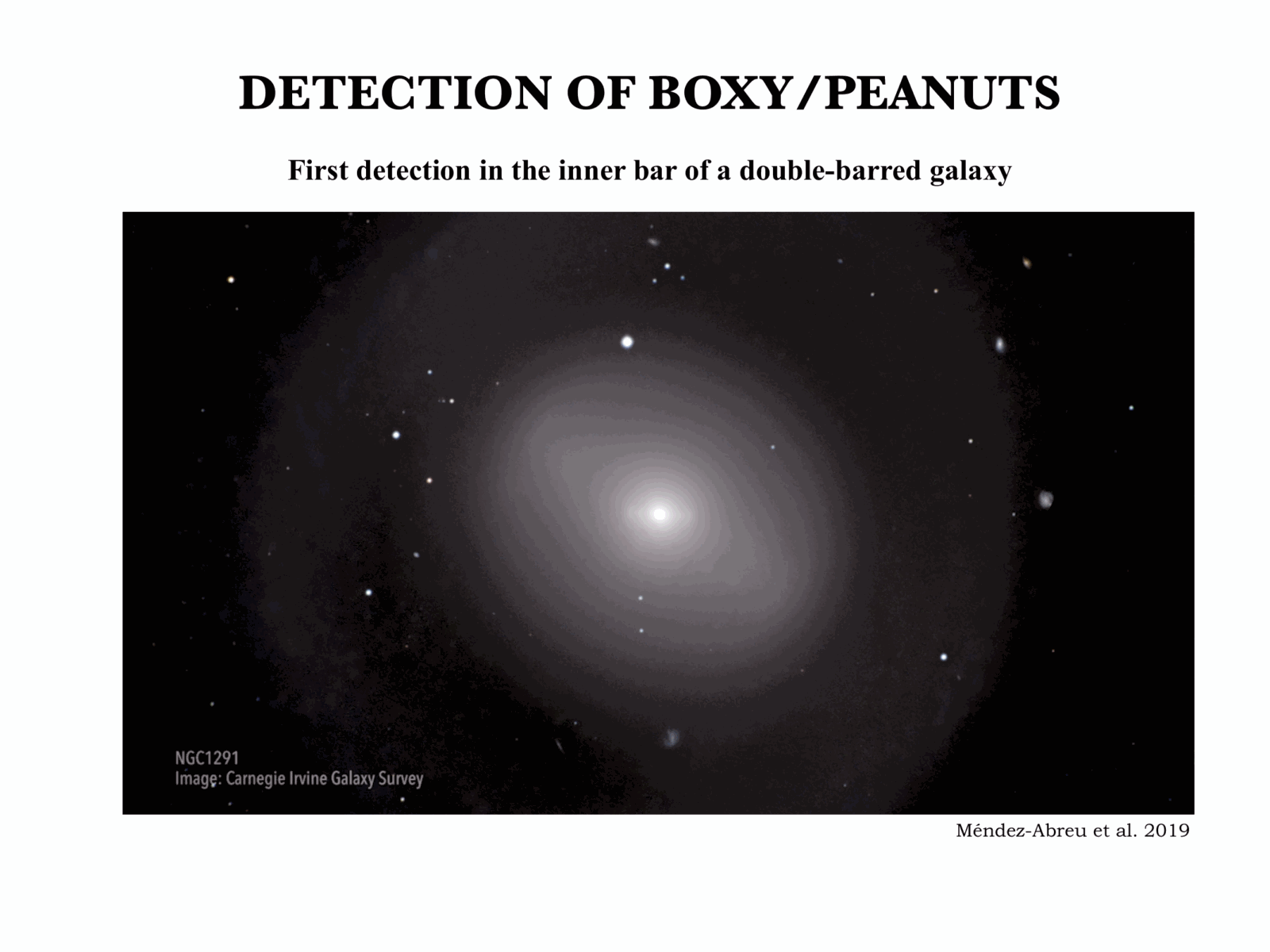 |
Lecture 3 - Disks and Bars | Stellar bars, peanut/boxy bulges, secular evolution, disk kinematics | [[Galaxy morphology vs physical properties]] |
 |
Lecture - Dark Matter in Galaxies | Flat rotation curves in spiral galaxies, mass deconstruction, isothermal halo | [[Dark matter rotation curves]] |
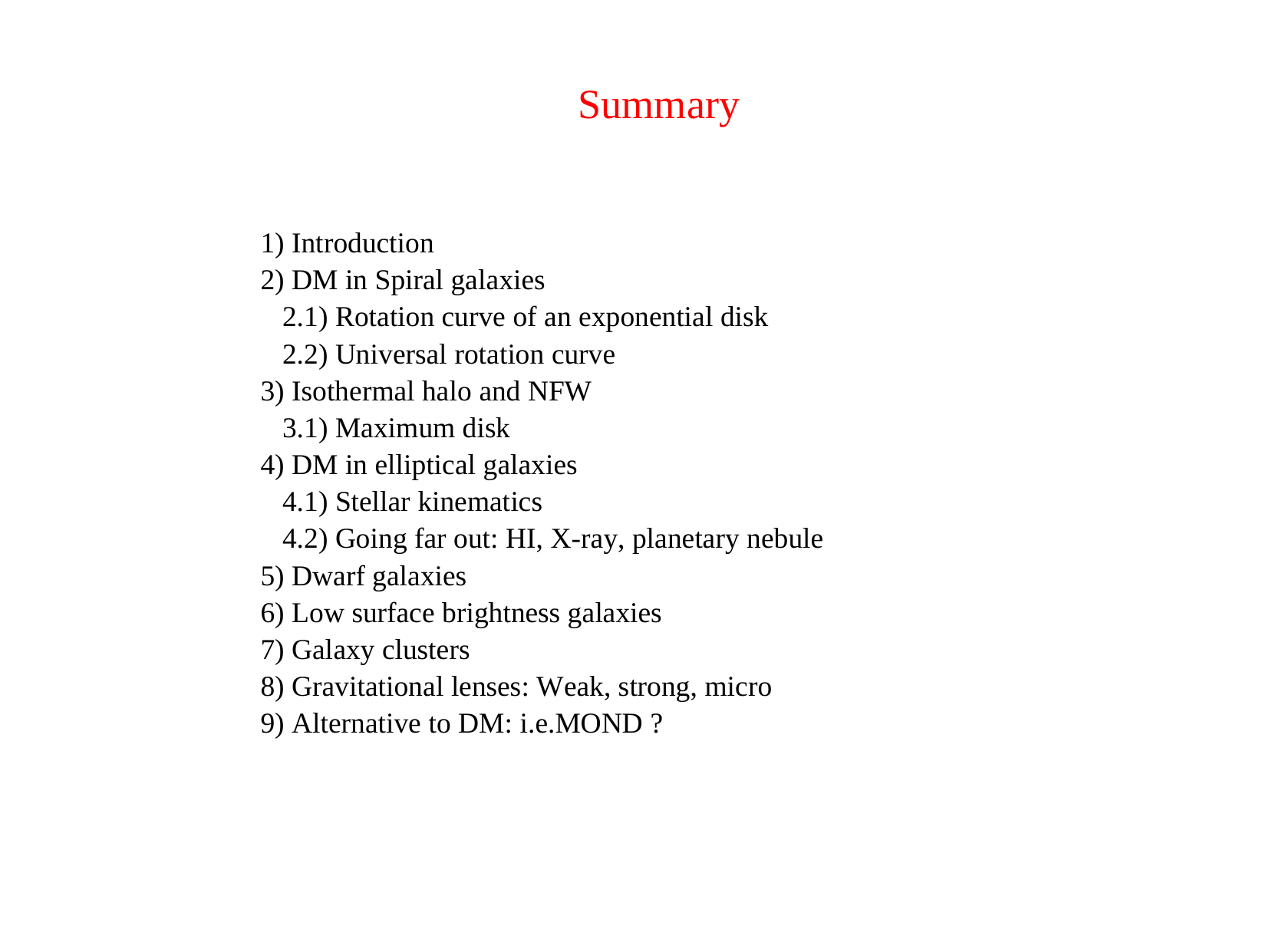 |
Lecture - Dark Matter in Galaxies | Flat rotation curves in spiral galaxies, mass deconstruction, isothermal halo | [[Dark matter rotation curves]] |
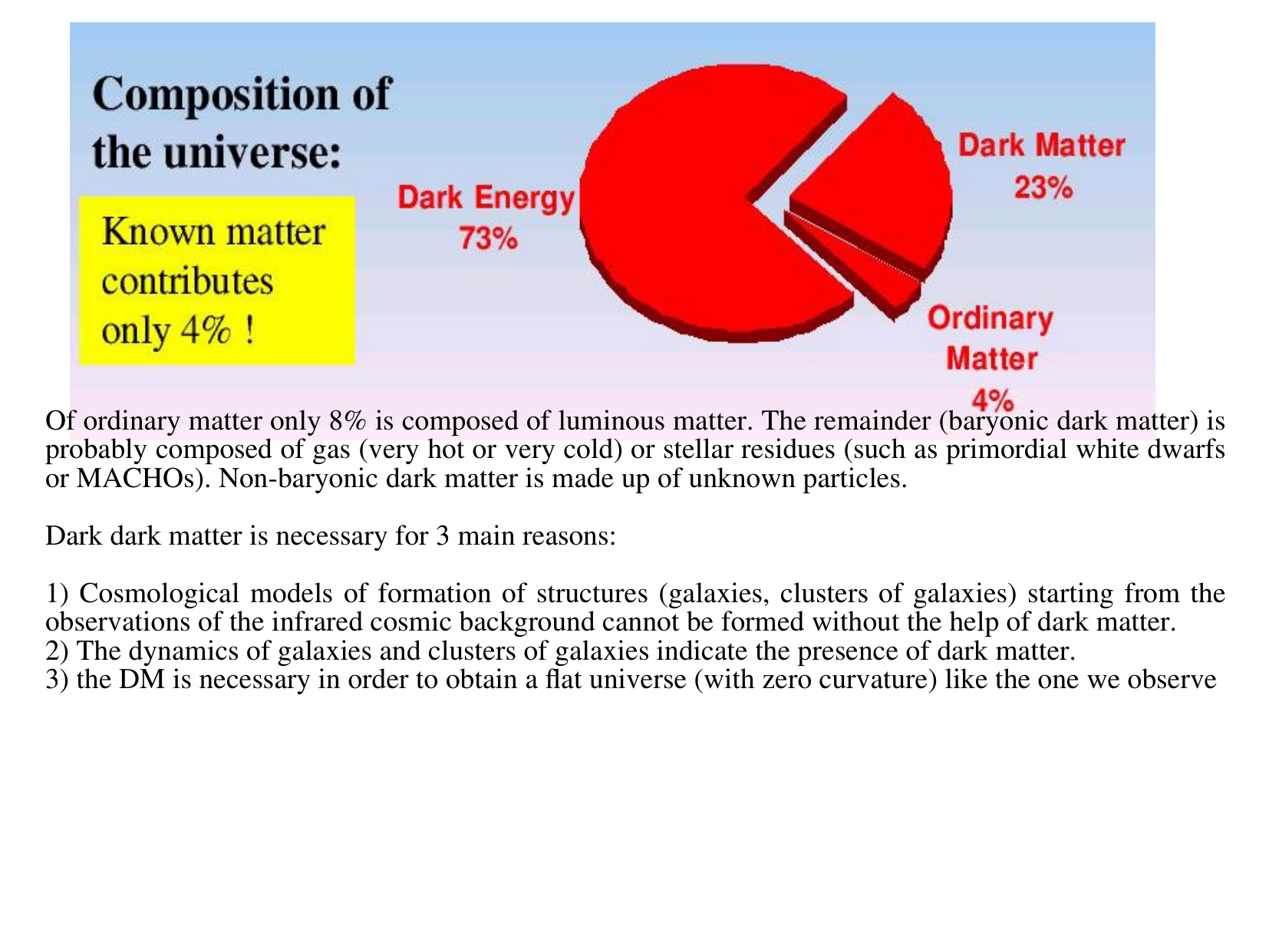 |
Lecture - Dark Matter in Galaxies | Flat rotation curves in spiral galaxies, mass deconstruction, isothermal halo | [[Dark matter rotation curves]] |
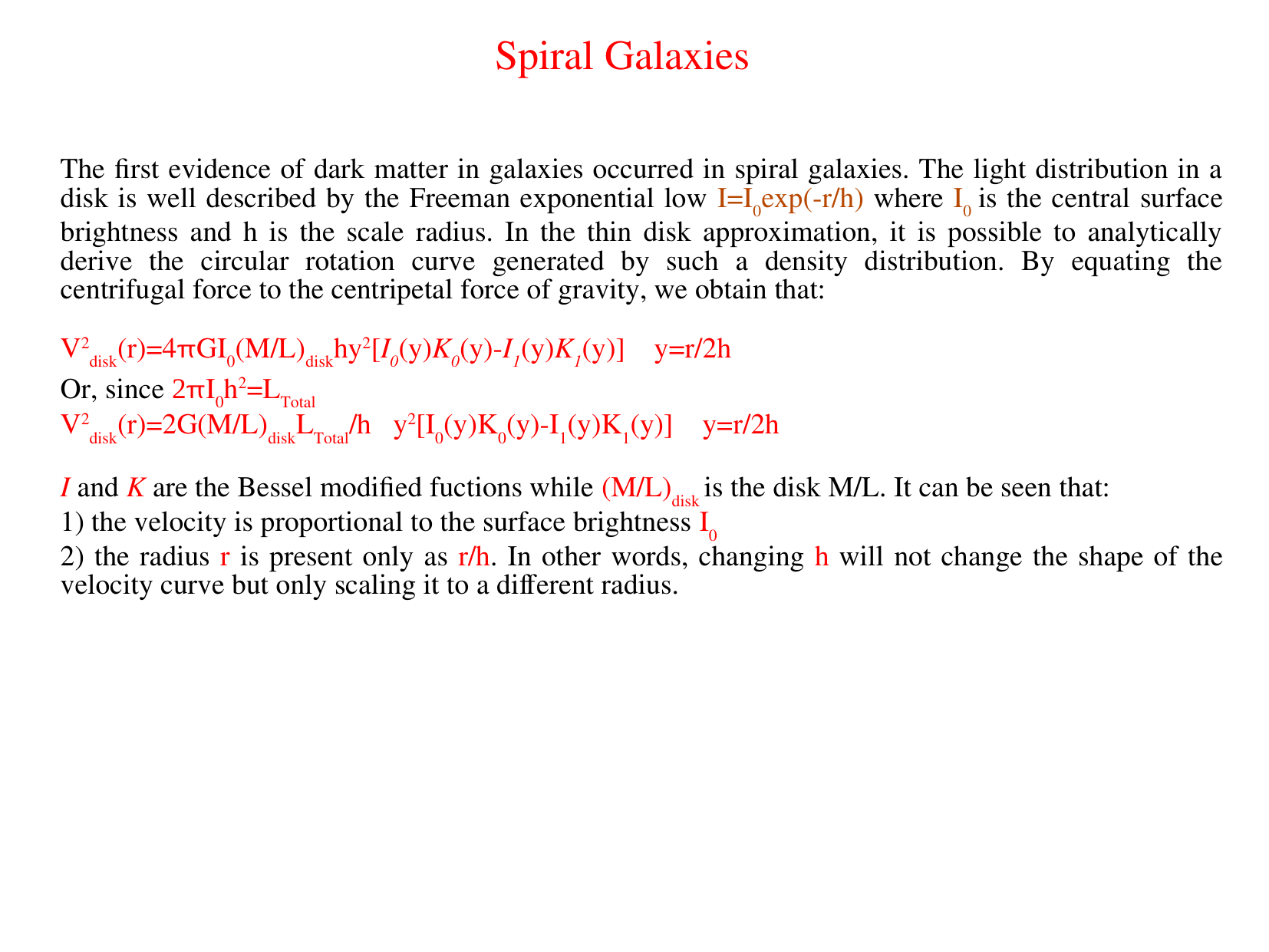 |
Lecture - Dark Matter in Galaxies | Flat rotation curves in spiral galaxies, mass deconstruction, isothermal halo | [[Dark matter rotation curves]] |
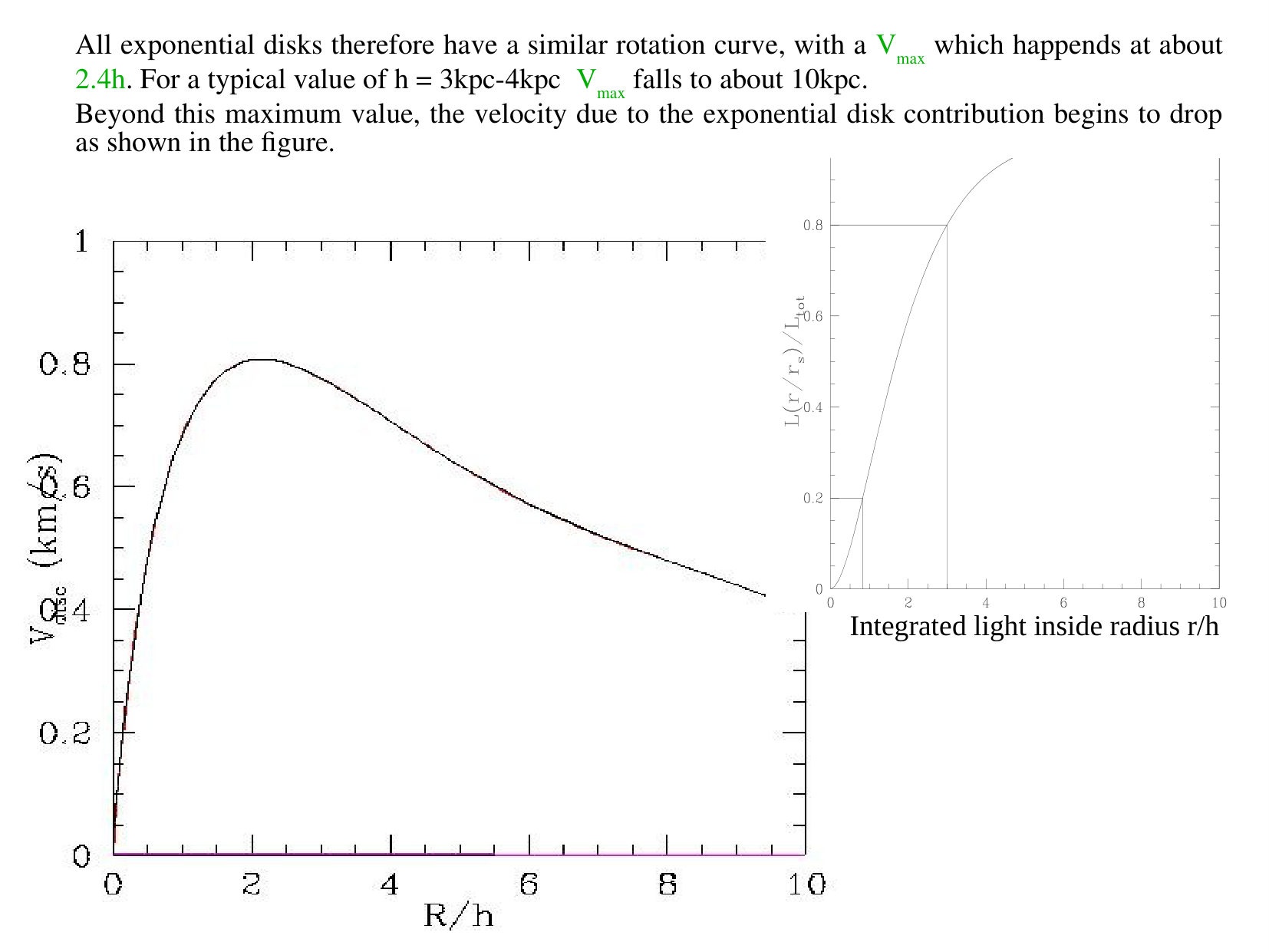 |
Lecture - Dark Matter in Galaxies | Flat rotation curves in spiral galaxies, mass deconstruction, isothermal halo | [[Dark matter rotation curves]] |
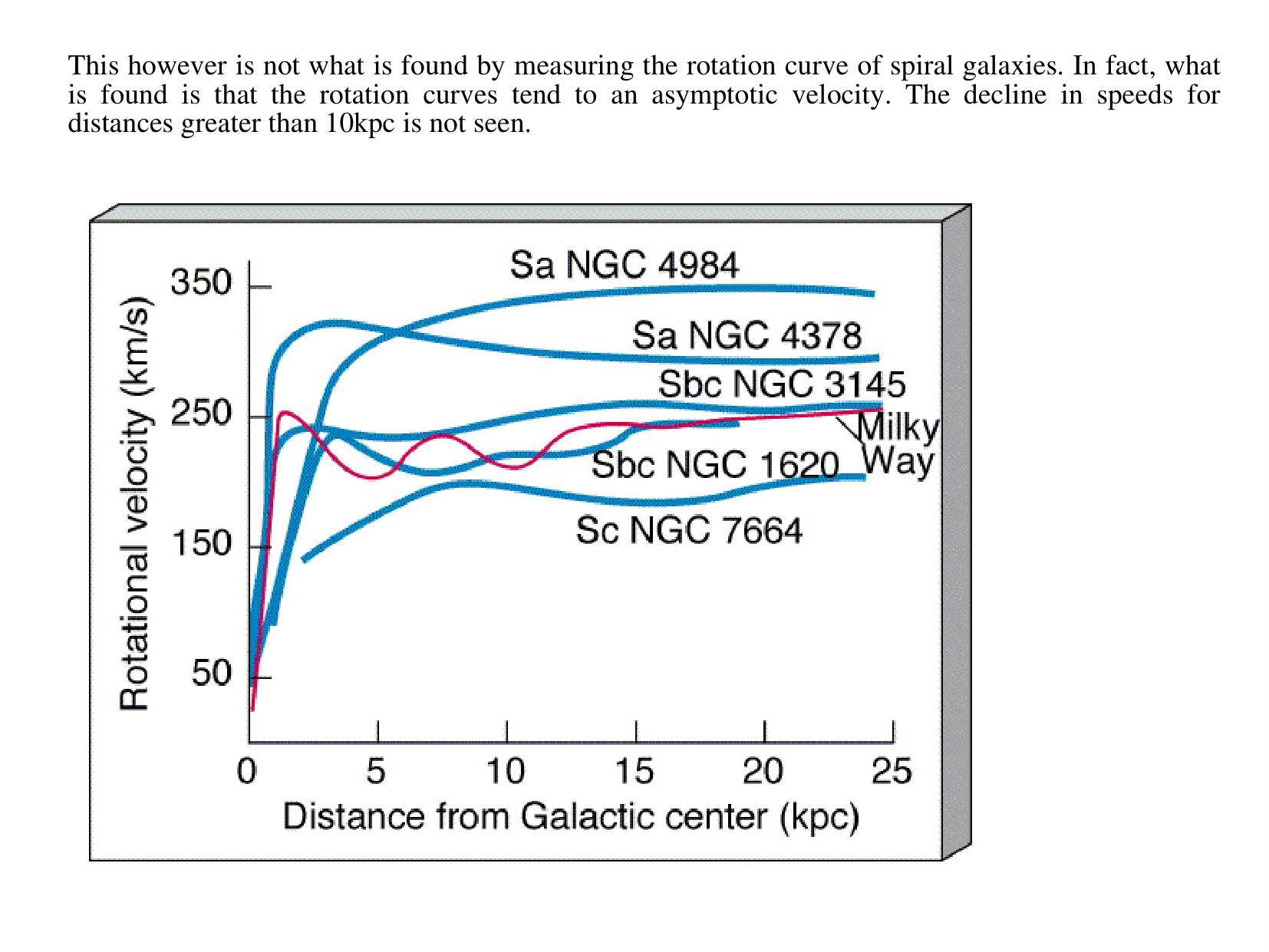 |
Lecture - Dark Matter in Galaxies | Flat rotation curves in spiral galaxies, mass deconstruction, isothermal halo | [[Dark matter rotation curves]] |
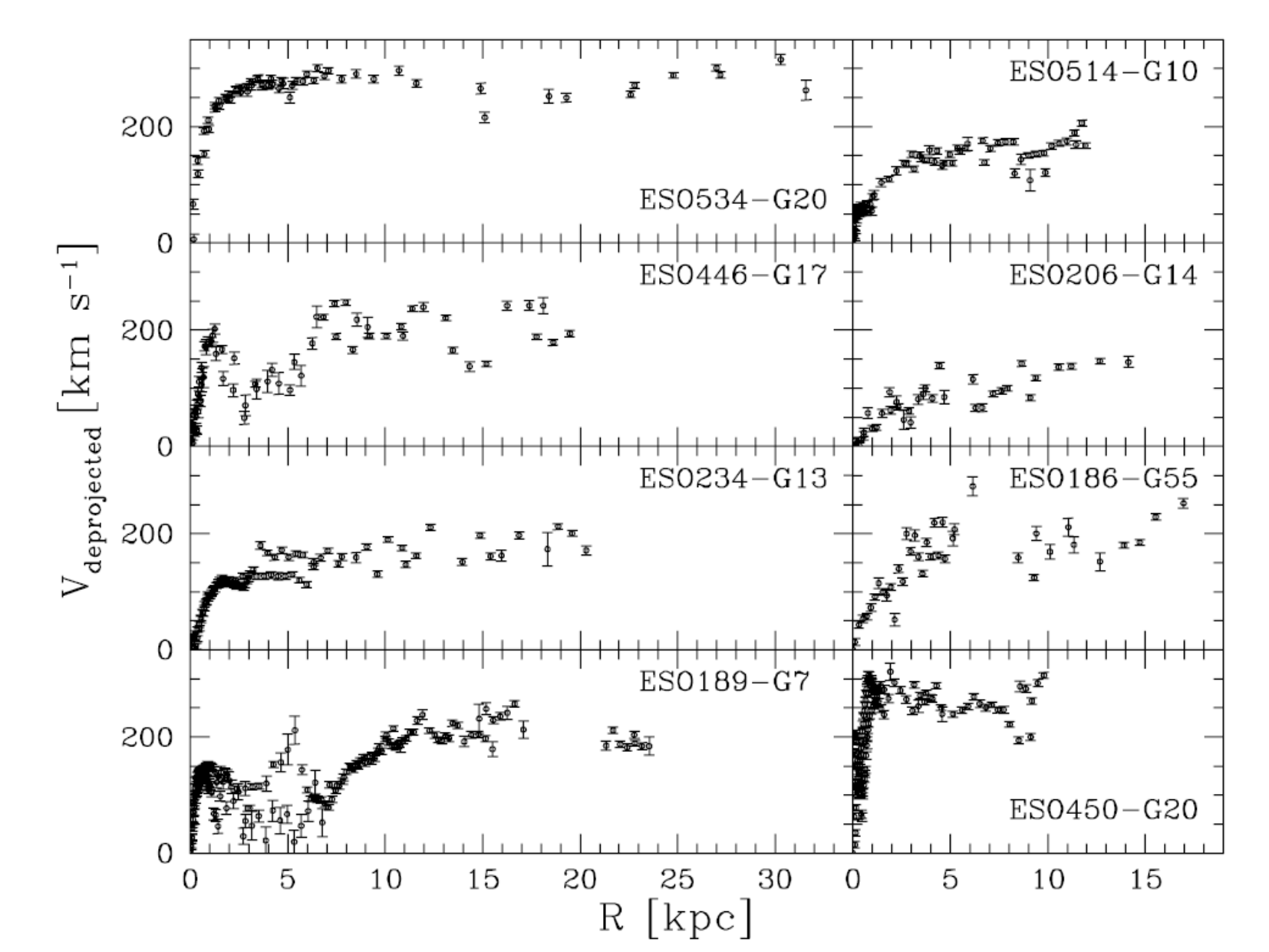 |
Lecture - Dark Matter in Galaxies | Flat rotation curves in spiral galaxies, mass deconstruction, isothermal halo | [[Dark matter rotation curves]] |
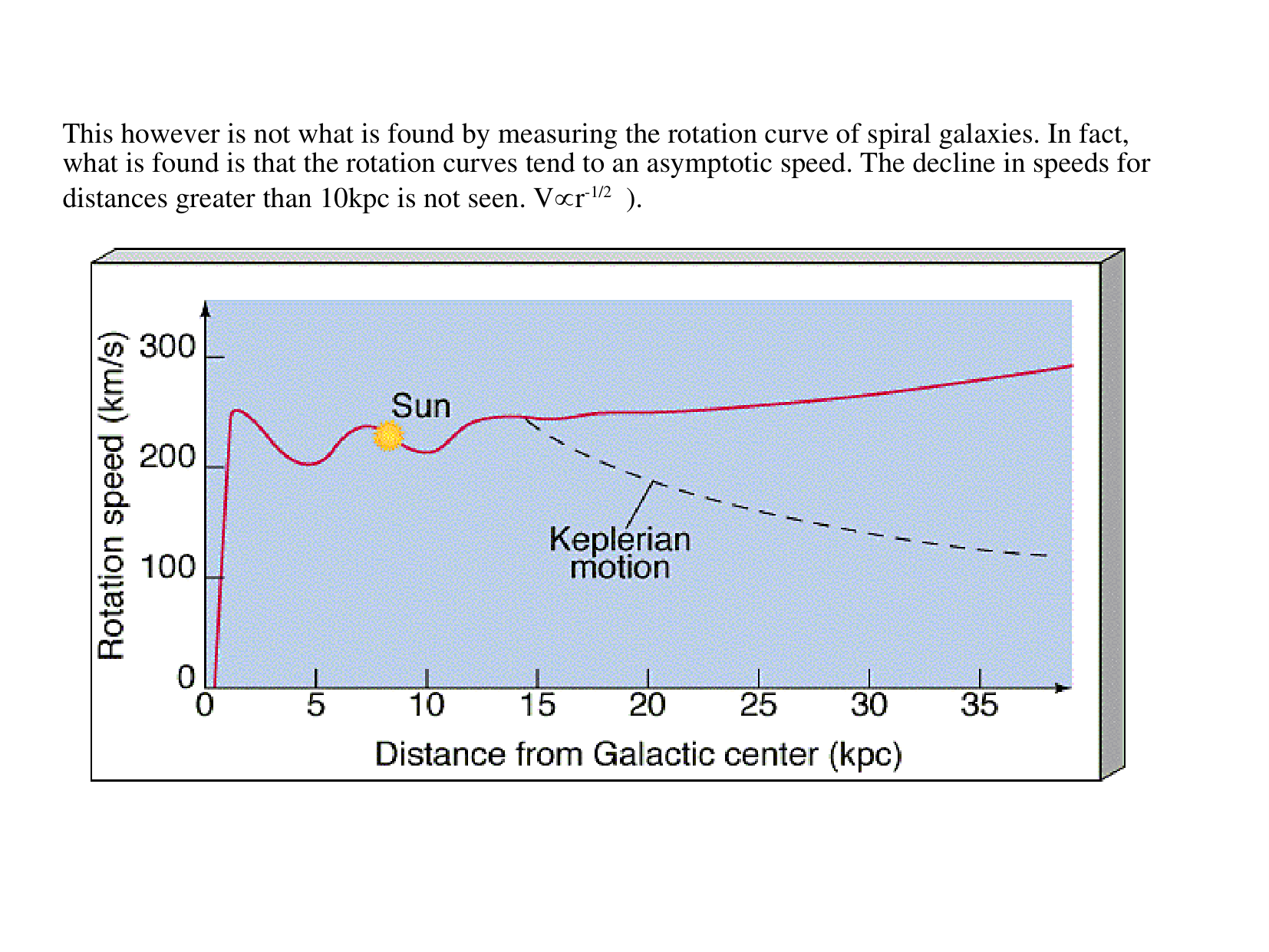 |
Lecture - Dark Matter in Galaxies | Flat rotation curves in spiral galaxies, mass deconstruction, isothermal halo | [[Dark matter rotation curves]] |
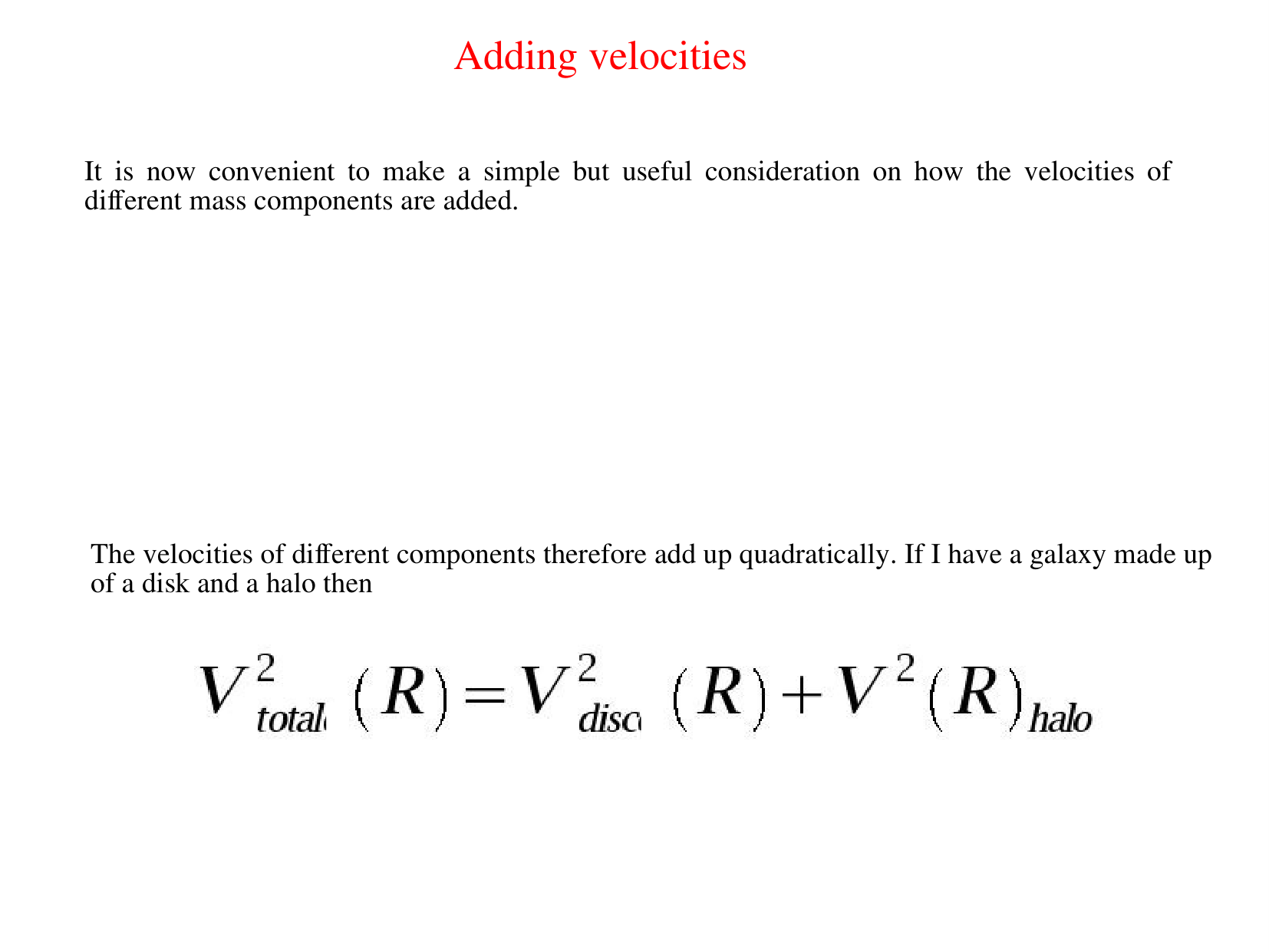 |
Lecture - Dark Matter in Galaxies | Flat rotation curves in spiral galaxies, mass deconstruction, isothermal halo | [[Dark matter rotation curves]] |
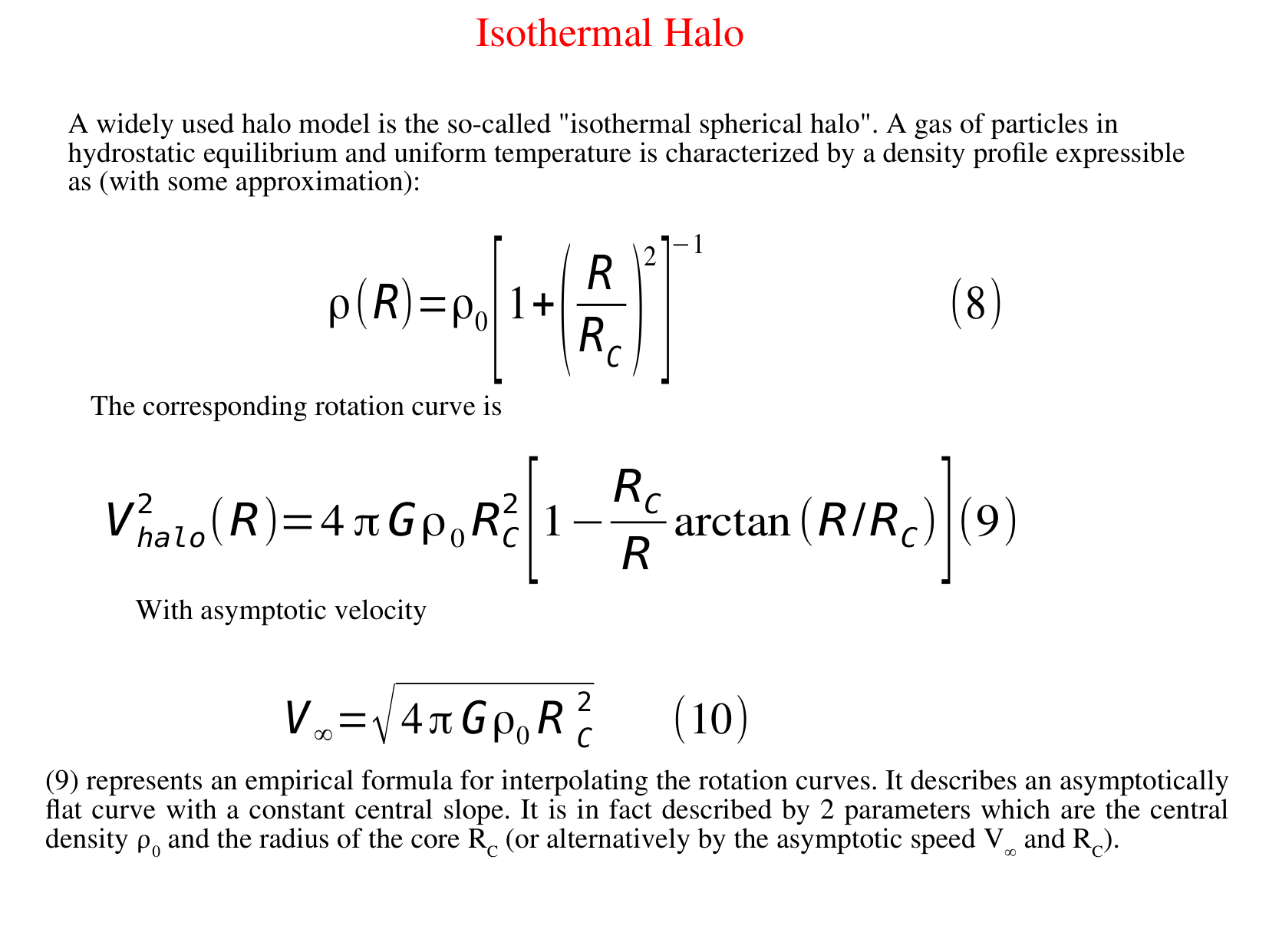 |
Lecture - Dark Matter in Galaxies | Flat rotation curves in spiral galaxies, mass deconstruction, isothermal halo | [[Dark matter rotation curves]] |
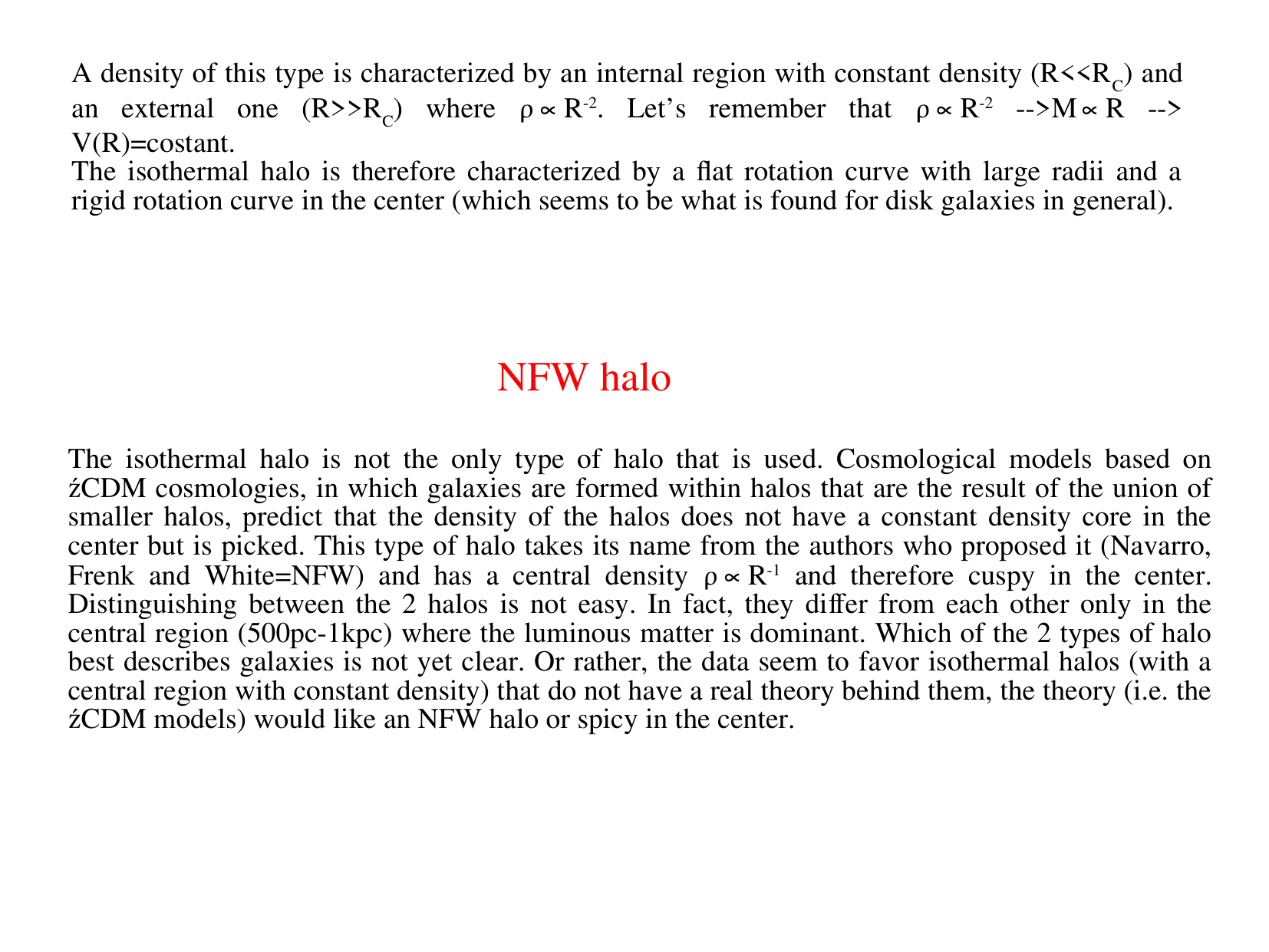 |
Lecture - Dark Matter in Galaxies | Flat rotation curves in spiral galaxies, mass deconstruction, isothermal halo | [[Dark matter rotation curves]] |
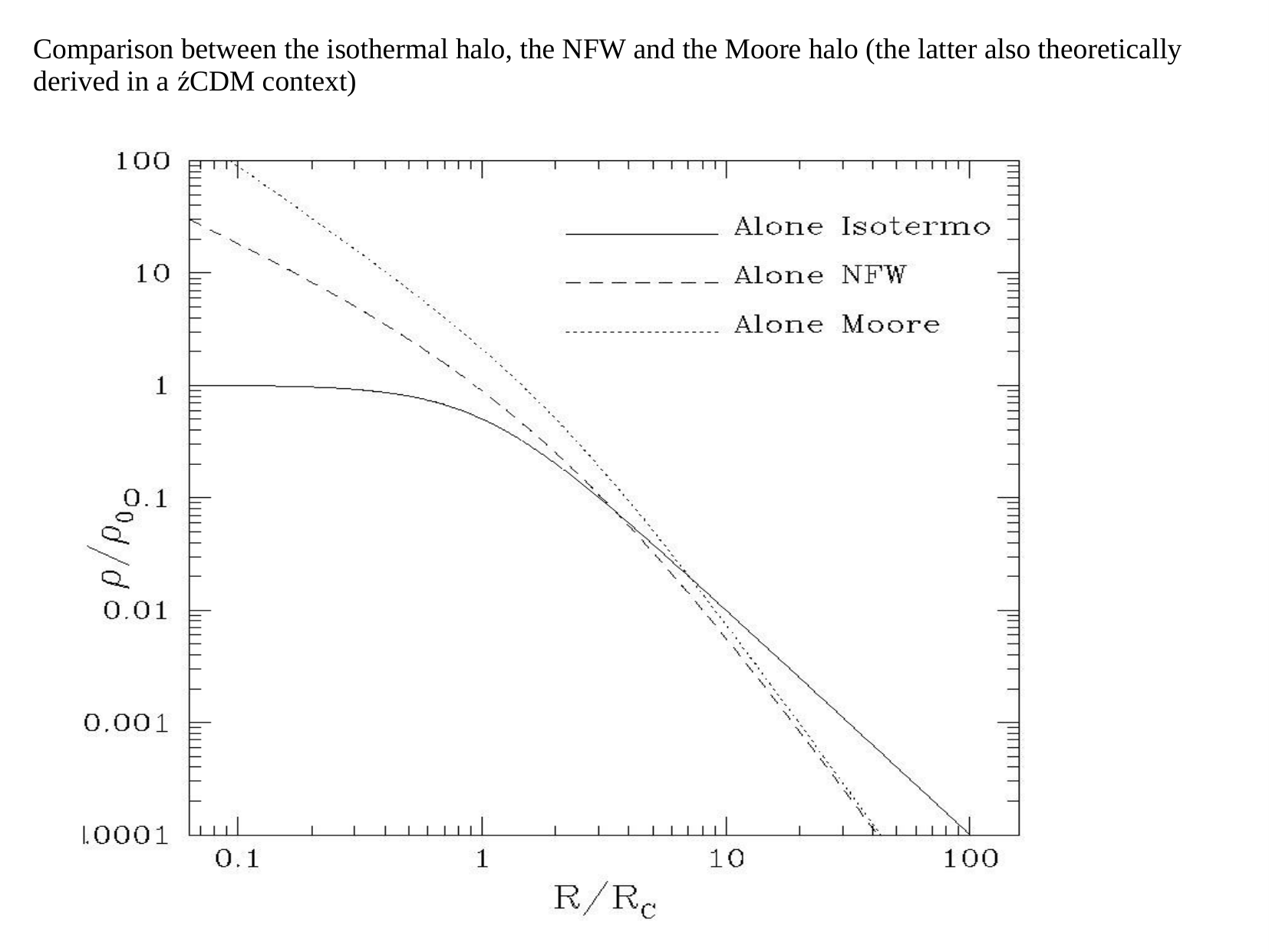 |
Lecture - Dark Matter in Galaxies | Flat rotation curves in spiral galaxies, mass deconstruction, isothermal halo | [[Dark matter rotation curves]] |
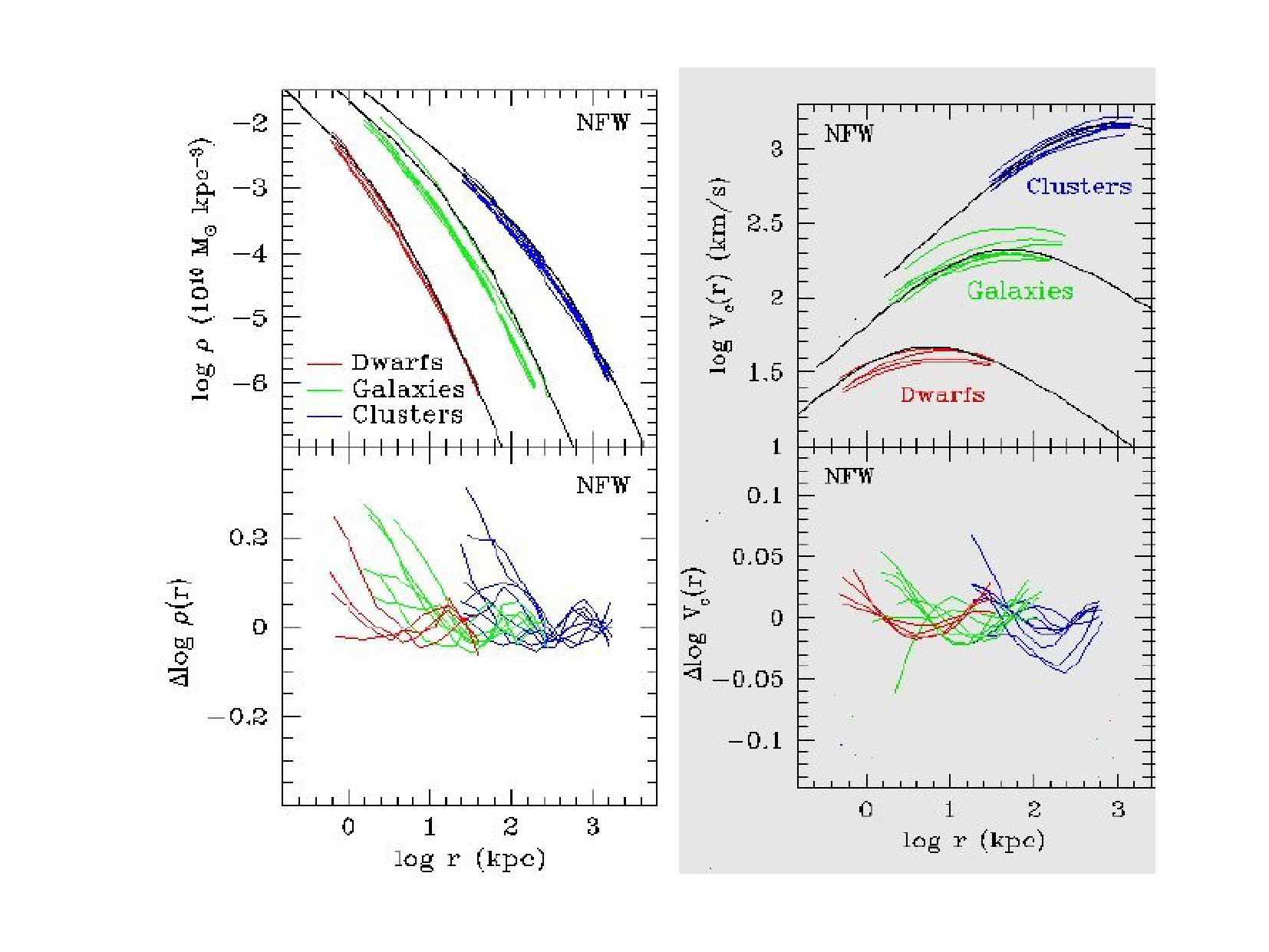 |
Lecture - Dark Matter in Galaxies | Flat rotation curves in spiral galaxies, mass deconstruction, isothermal halo | [[Dark matter rotation curves]] |
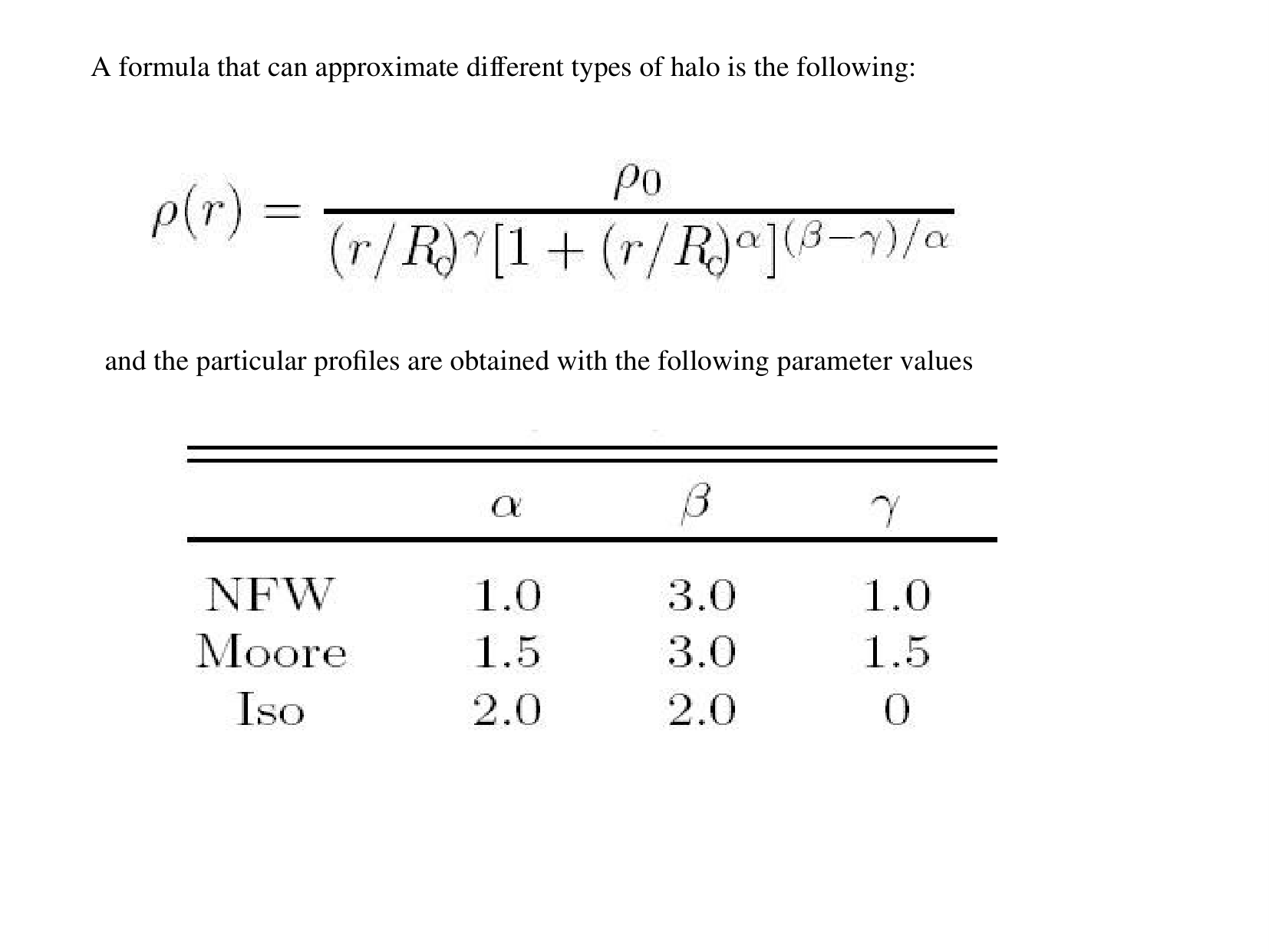 |
Lecture - Dark Matter in Galaxies | Flat rotation curves in spiral galaxies, mass deconstruction, isothermal halo | [[Dark matter rotation curves]] |
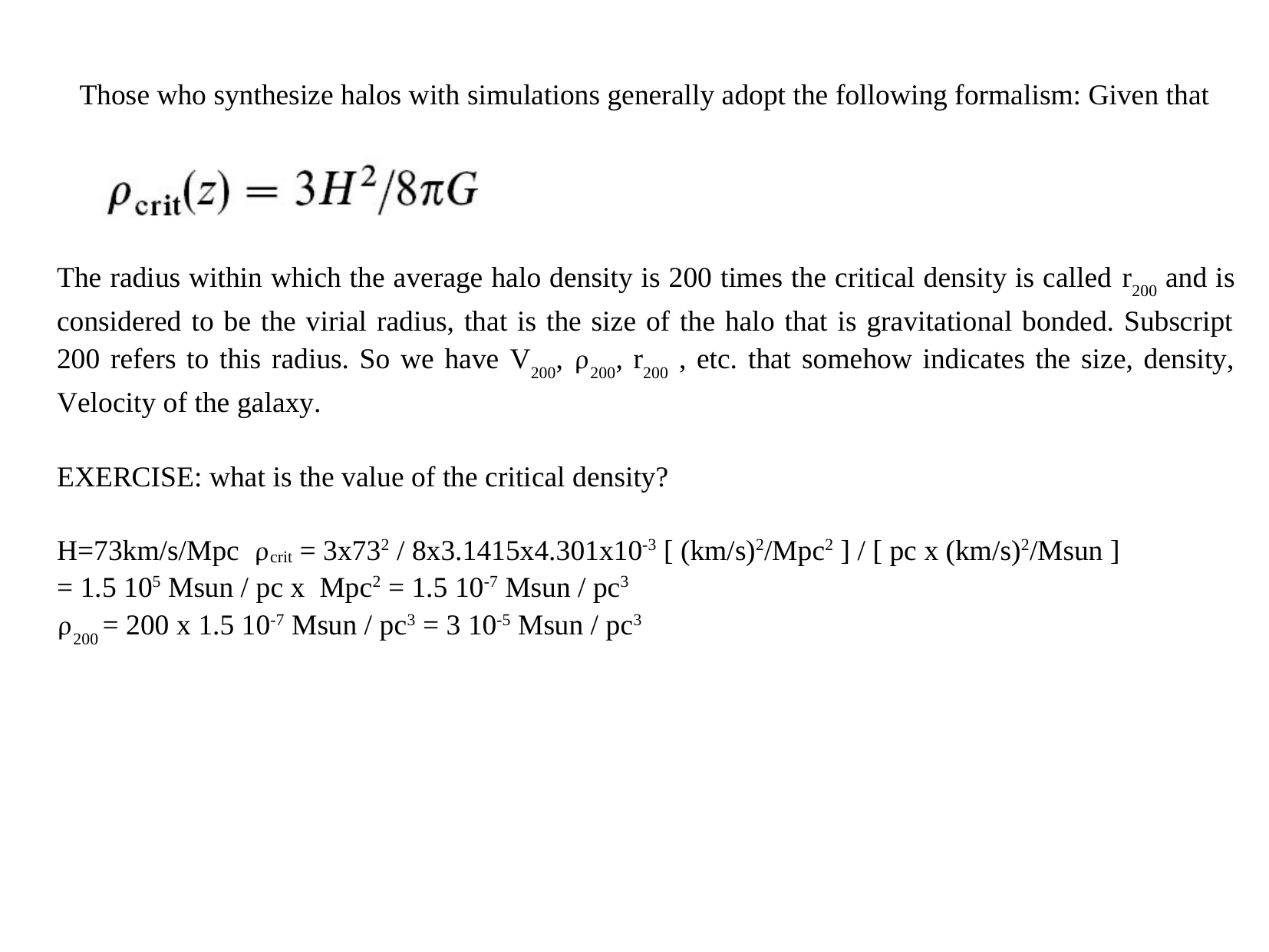 |
Lecture - Dark Matter in Galaxies | Flat rotation curves in spiral galaxies, mass deconstruction, isothermal halo | [[Dark matter rotation curves]] |
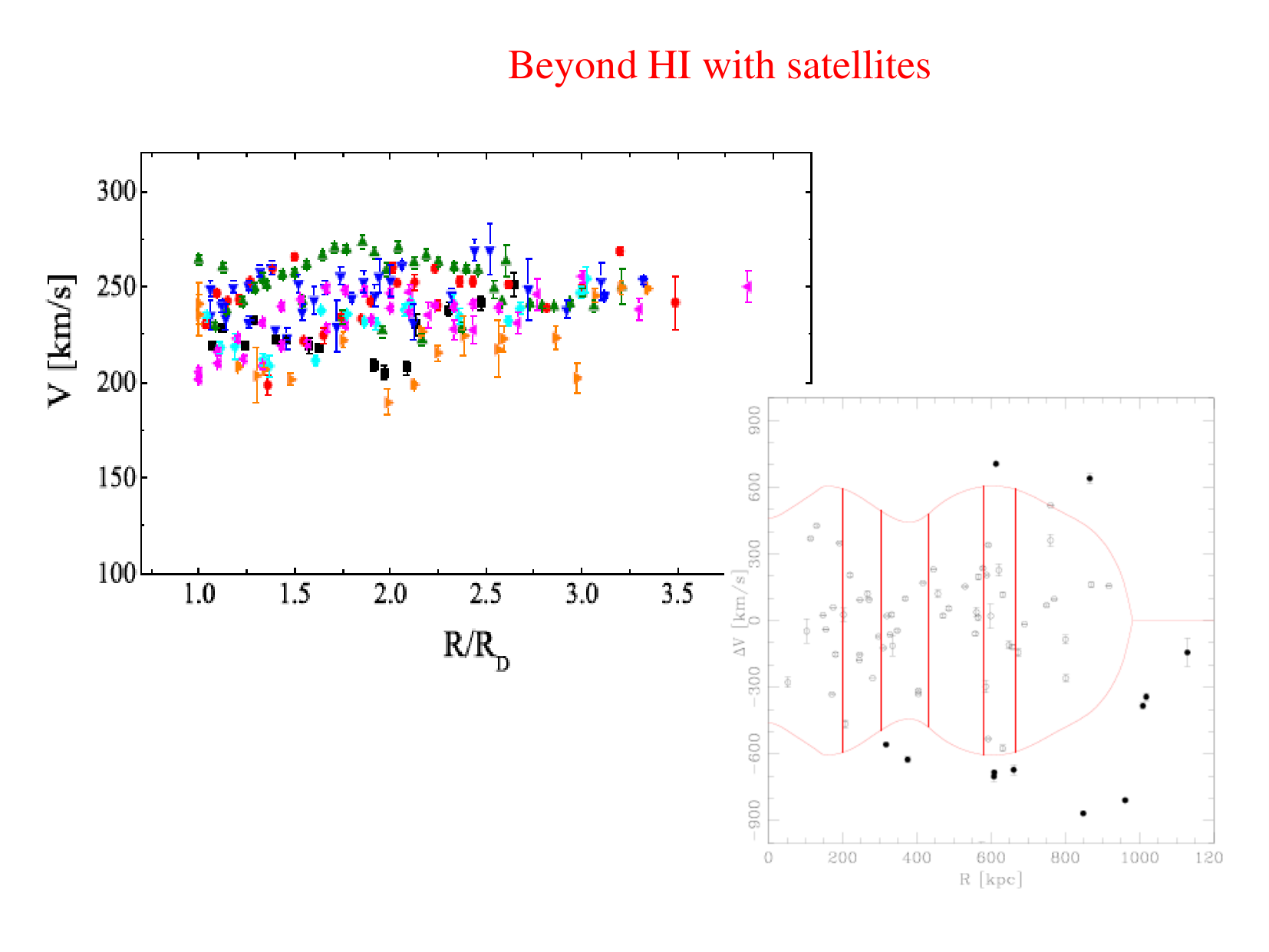 |
Lecture - Dark Matter in Galaxies | Flat rotation curves in spiral galaxies, mass deconstruction, isothermal halo | [[Dark matter rotation curves]] |
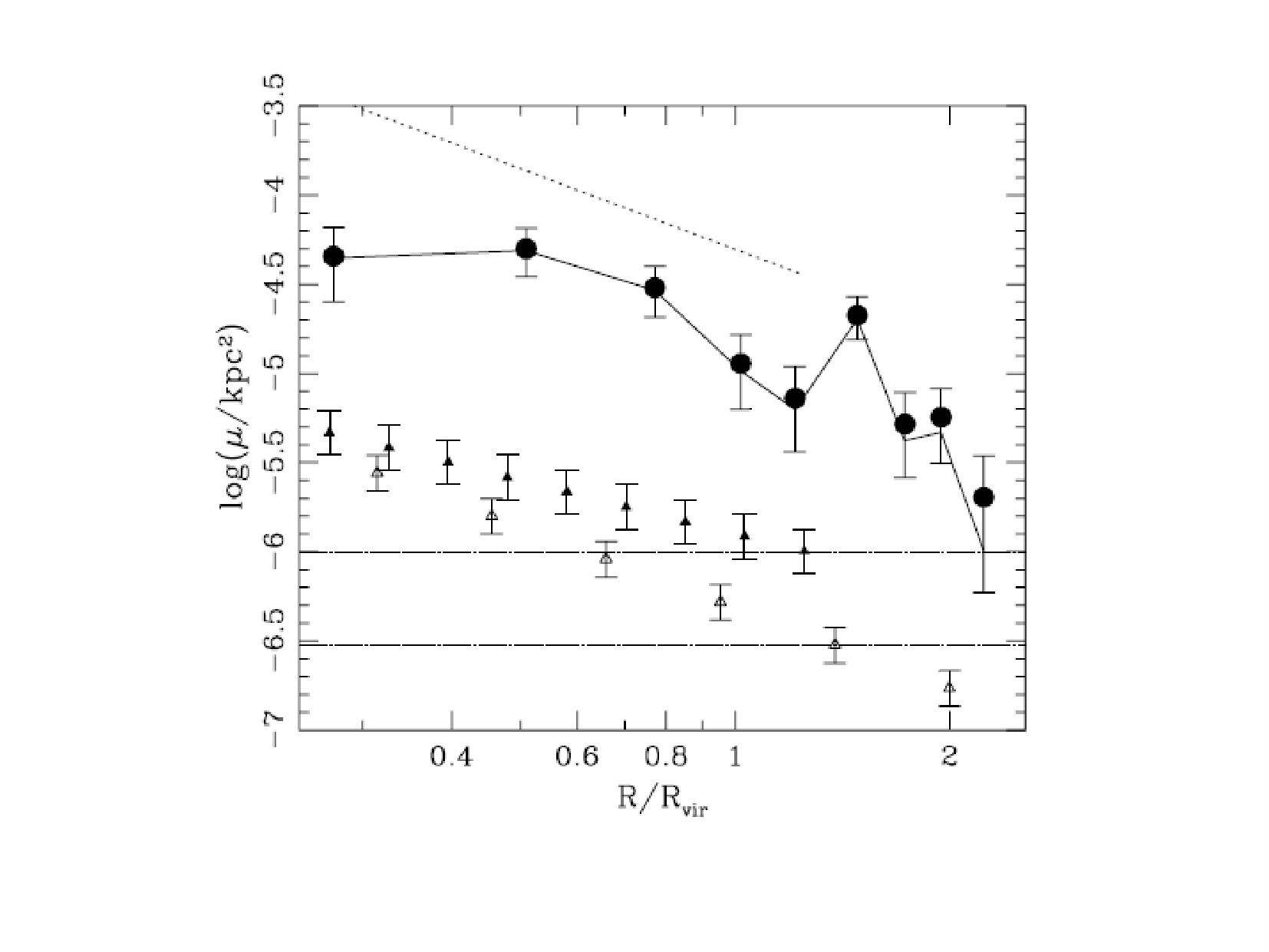 |
Lecture - Dark Matter in Galaxies | Flat rotation curves in spiral galaxies, mass deconstruction, isothermal halo | [[Dark matter rotation curves]] |
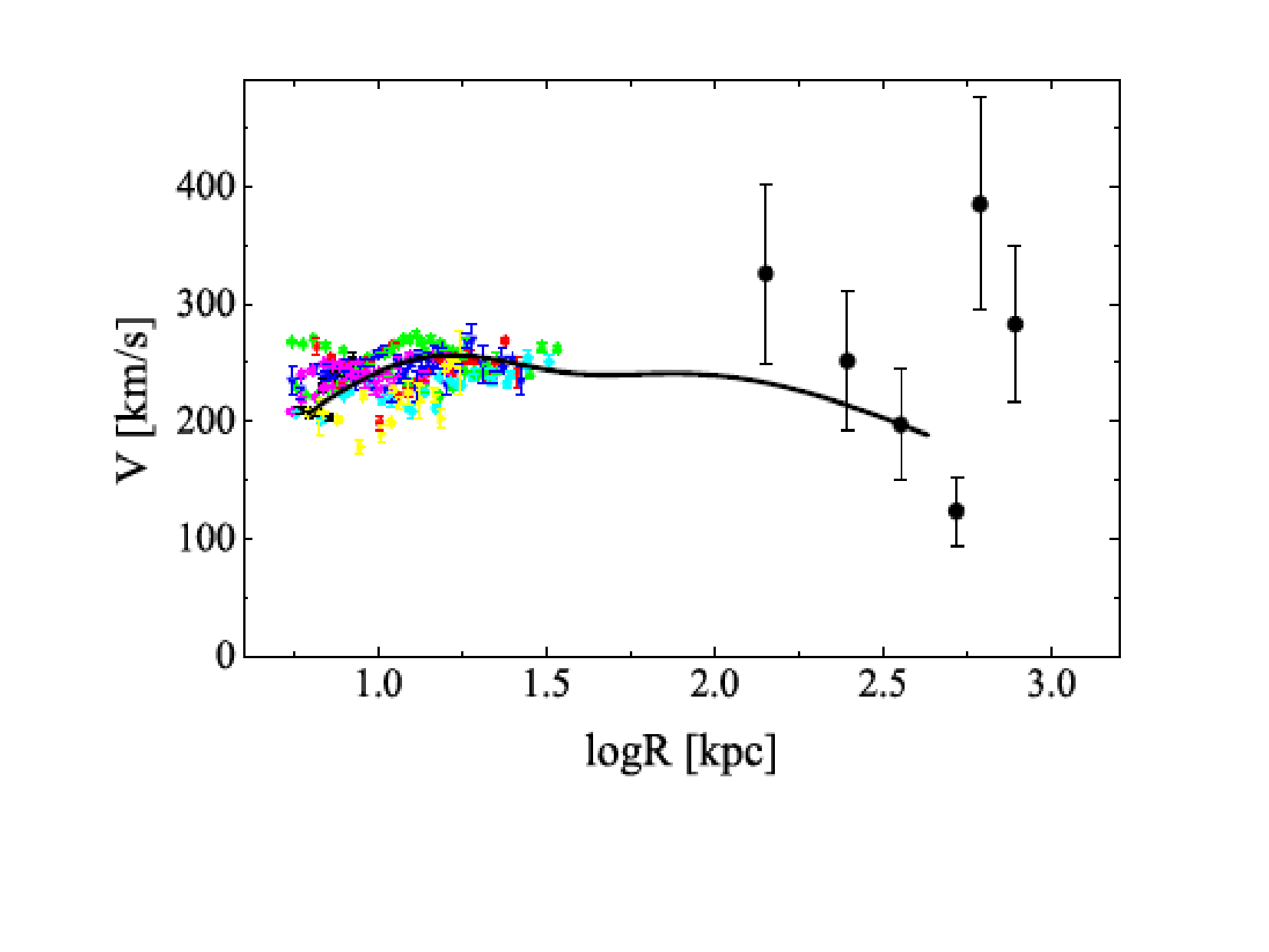 |
Lecture - Dark Matter in Galaxies | Flat rotation curves in spiral galaxies, mass deconstruction, isothermal halo | [[Dark matter rotation curves]] |
 |
Lecture - Dark Matter in Galaxies | Flat rotation curves in spiral galaxies, mass deconstruction, isothermal halo | [[Dark matter rotation curves]] |
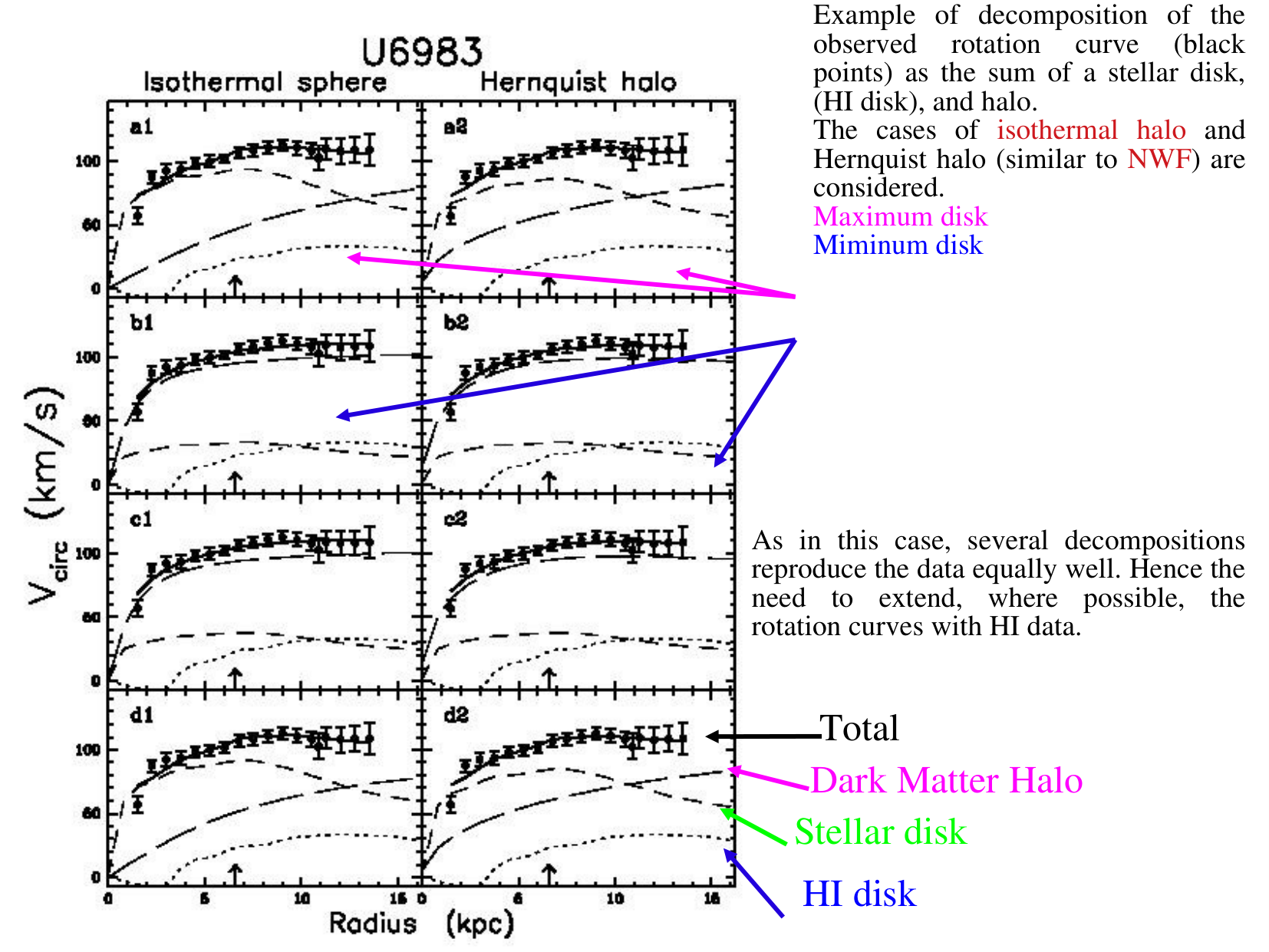 |
Lecture - Dark Matter in Galaxies | Flat rotation curves in spiral galaxies, mass deconstruction, isothermal halo | [[Dark matter rotation curves]] |
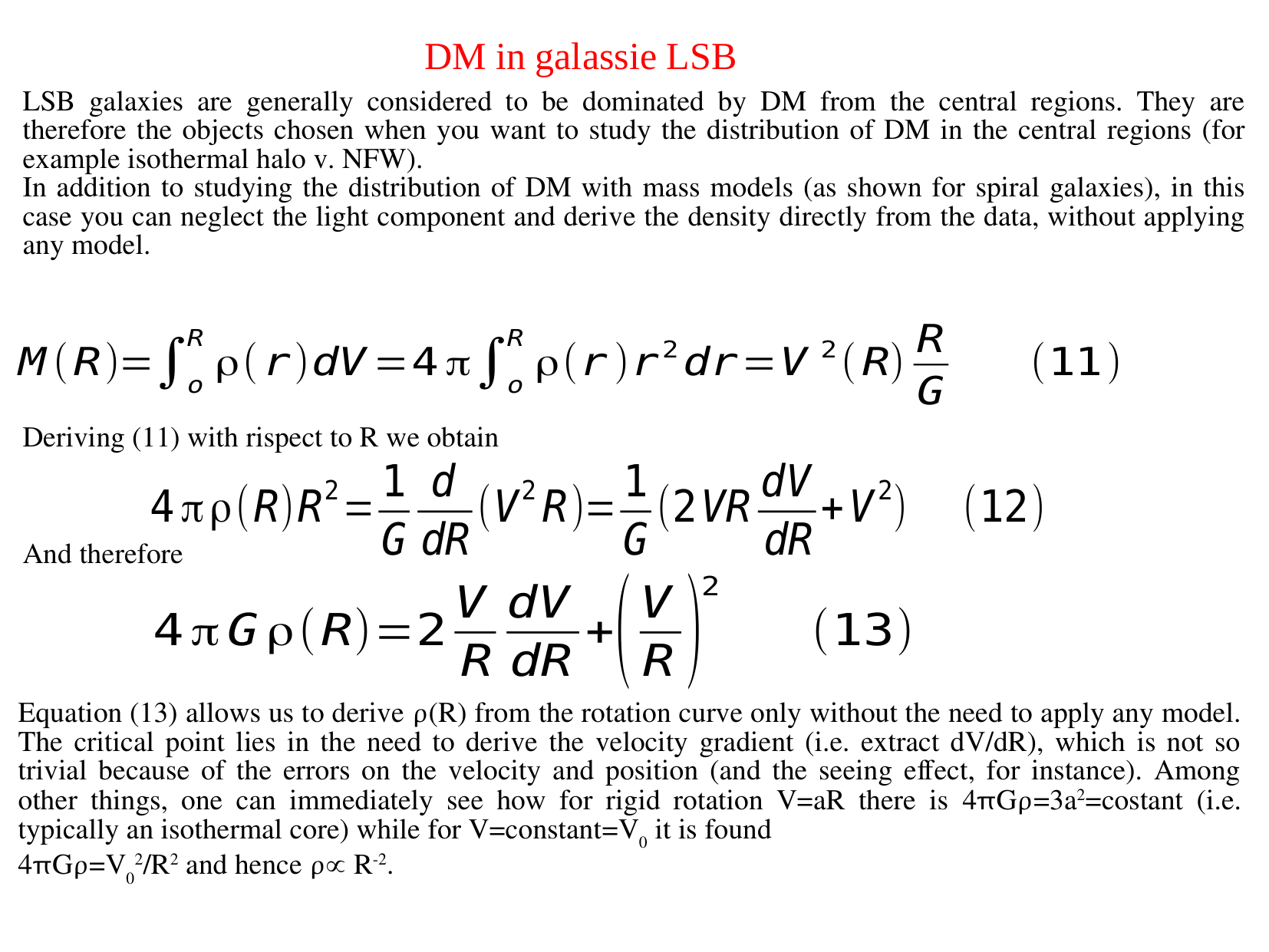 |
Lecture - Dark Matter in Galaxies | Flat rotation curves in spiral galaxies, mass deconstruction, isothermal halo | [[Dark matter rotation curves]] |
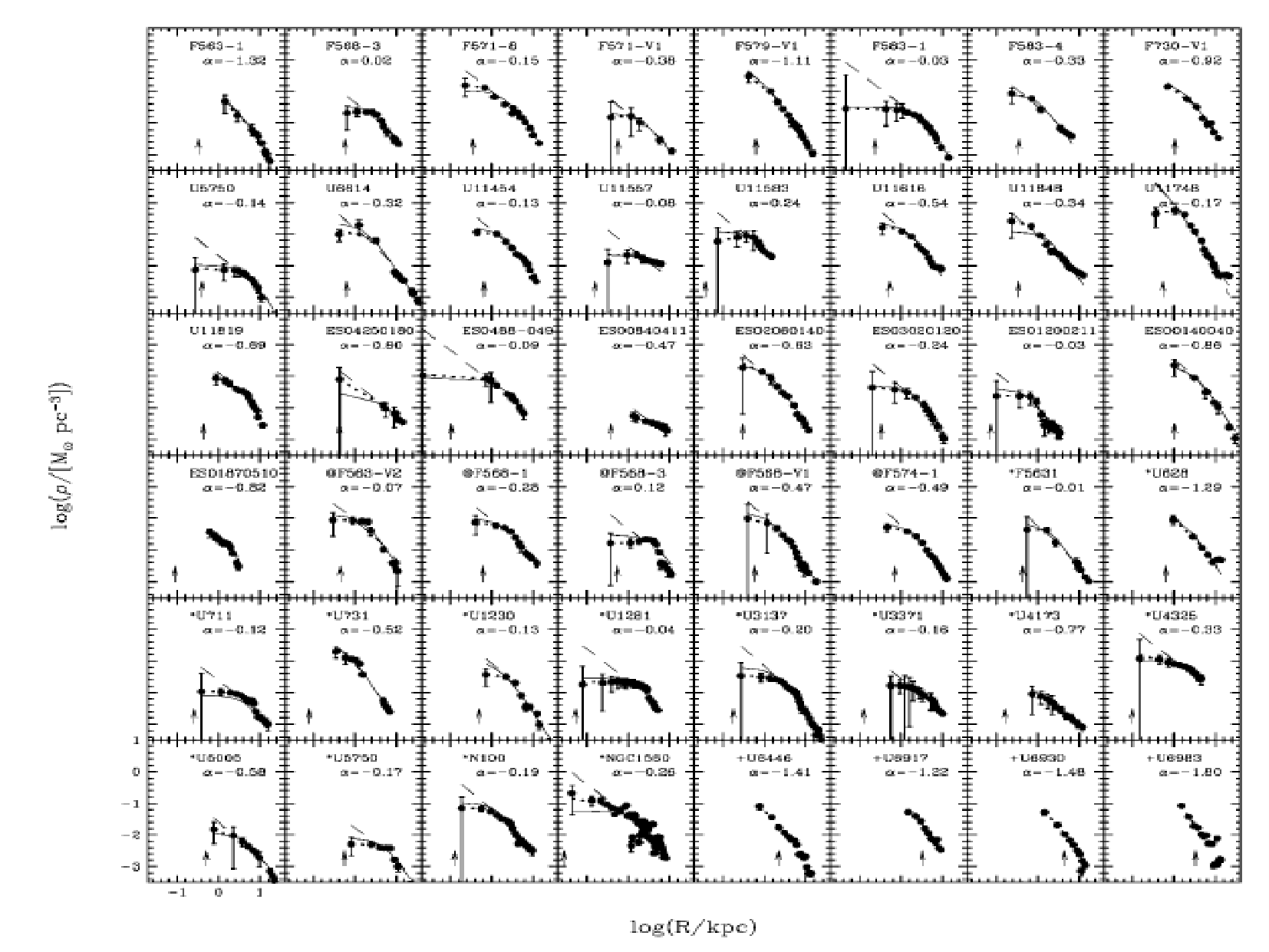 |
Lecture - Dark Matter in Galaxies | Flat rotation curves in spiral galaxies, mass deconstruction, isothermal halo | [[Dark matter rotation curves]] |
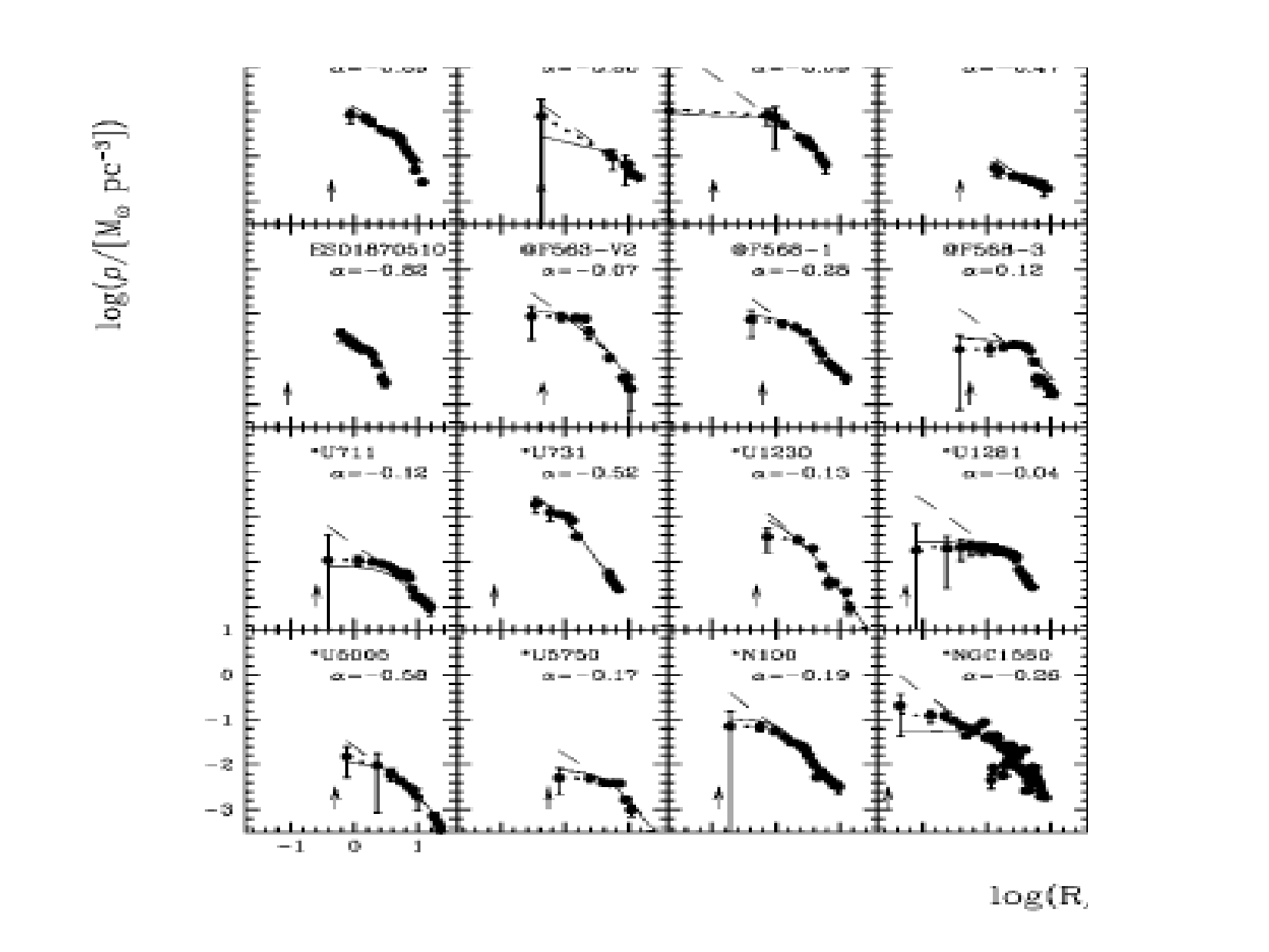 |
Lecture - Dark Matter in Galaxies | Dark matter in elliptical galaxies - X-ray gas hydrostatic equilibrium, GCs, PNe | [[Dark matter in elliptical galaxies]] |
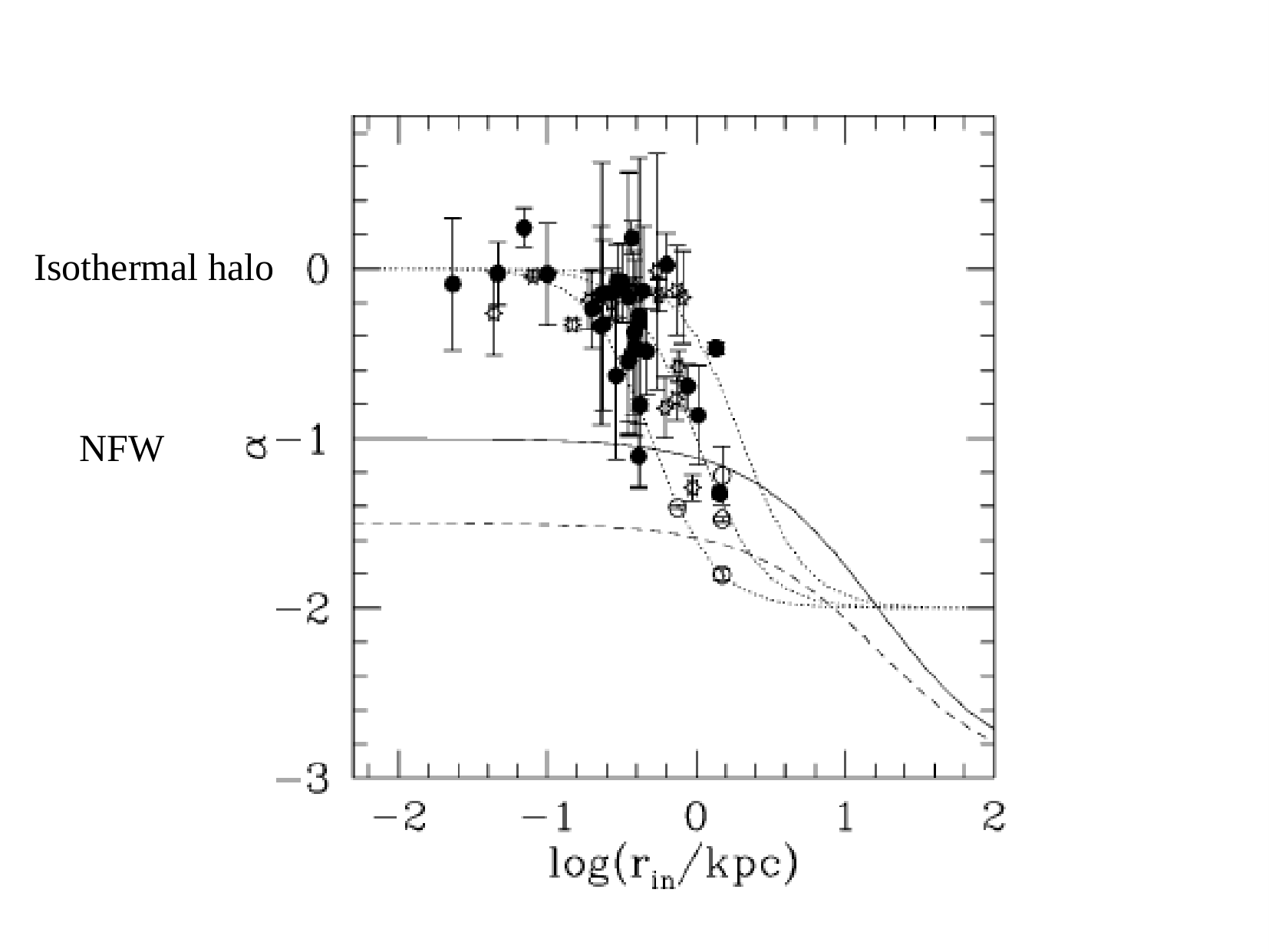 |
Lecture - Dark Matter in Galaxies | Dark matter in elliptical galaxies - X-ray gas hydrostatic equilibrium, GCs, PNe | [[Dark matter in elliptical galaxies]] |
 |
Lecture - Dark Matter in Galaxies | Dark matter in elliptical galaxies - X-ray gas hydrostatic equilibrium, GCs, PNe | [[Dark matter in elliptical galaxies]] |
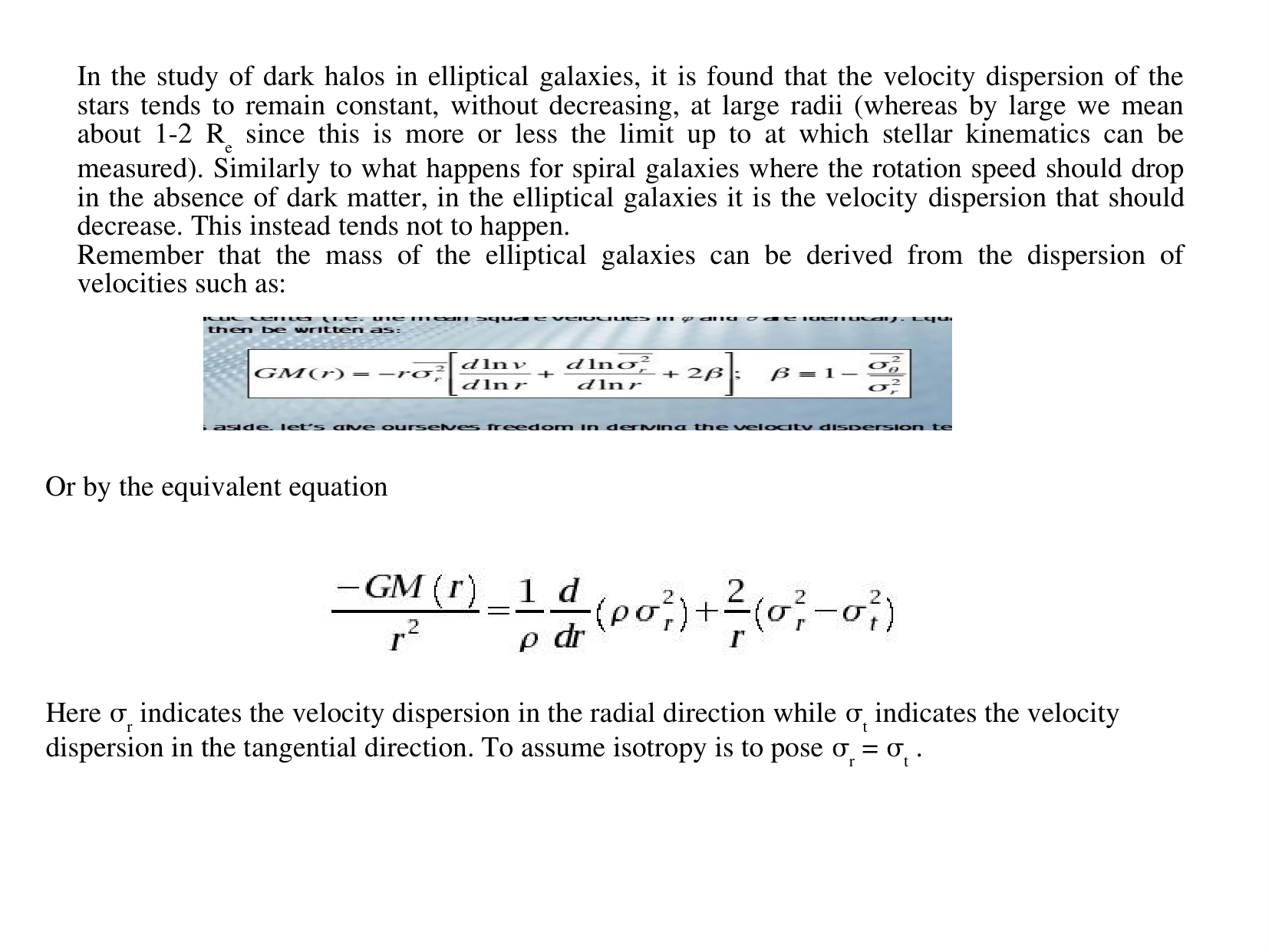 |
Lecture - Dark Matter in Galaxies | Dark matter in elliptical galaxies - X-ray gas hydrostatic equilibrium, GCs, PNe | [[Dark matter in elliptical galaxies]] |
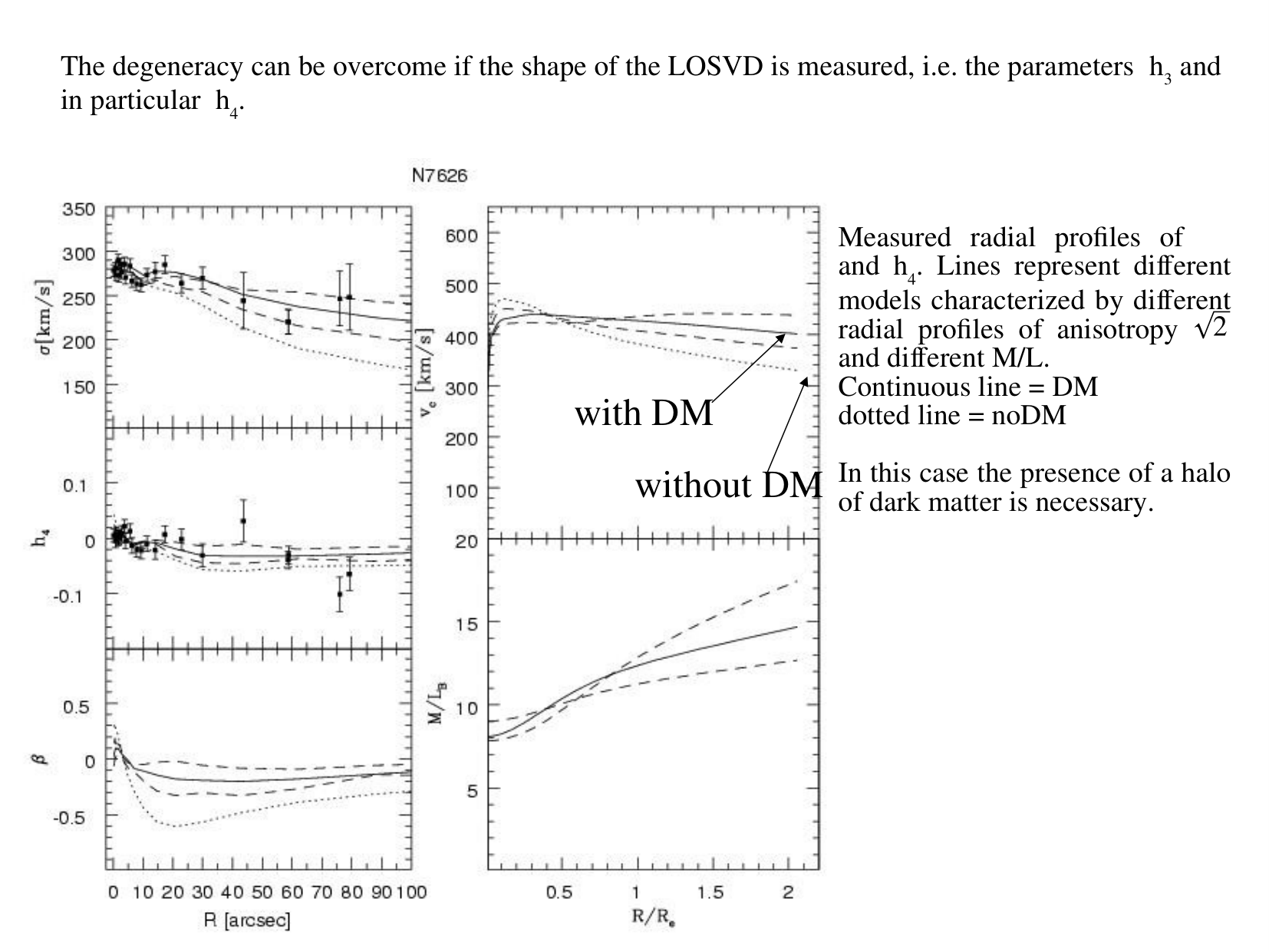 |
Lecture - Dark Matter in Galaxies | Dark matter in elliptical galaxies - X-ray gas hydrostatic equilibrium, GCs, PNe | [[Dark matter in elliptical galaxies]] |
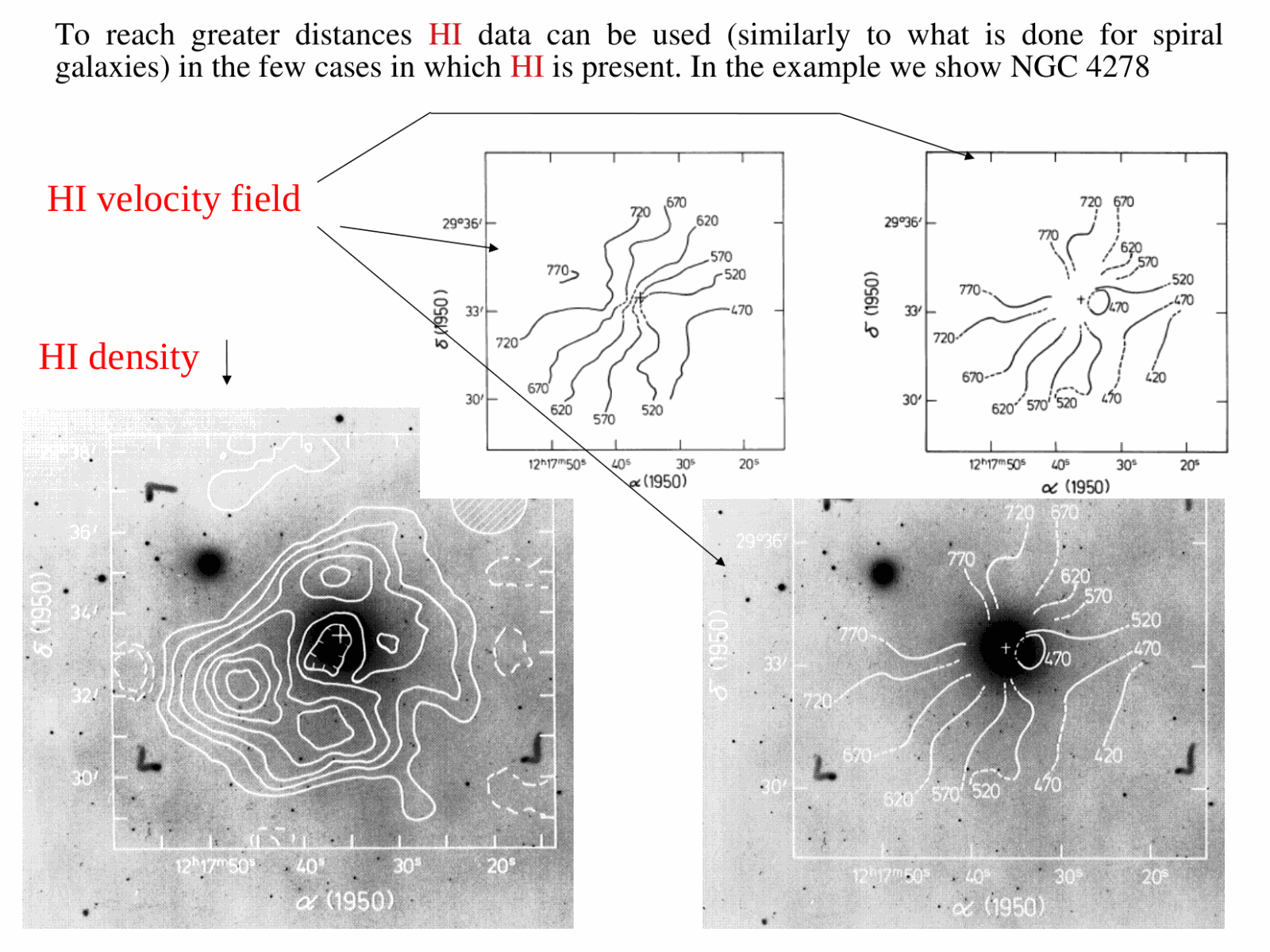 |
Lecture - Dark Matter in Galaxies | Dark matter in elliptical galaxies - X-ray gas hydrostatic equilibrium, GCs, PNe | [[Dark matter in elliptical galaxies]] |
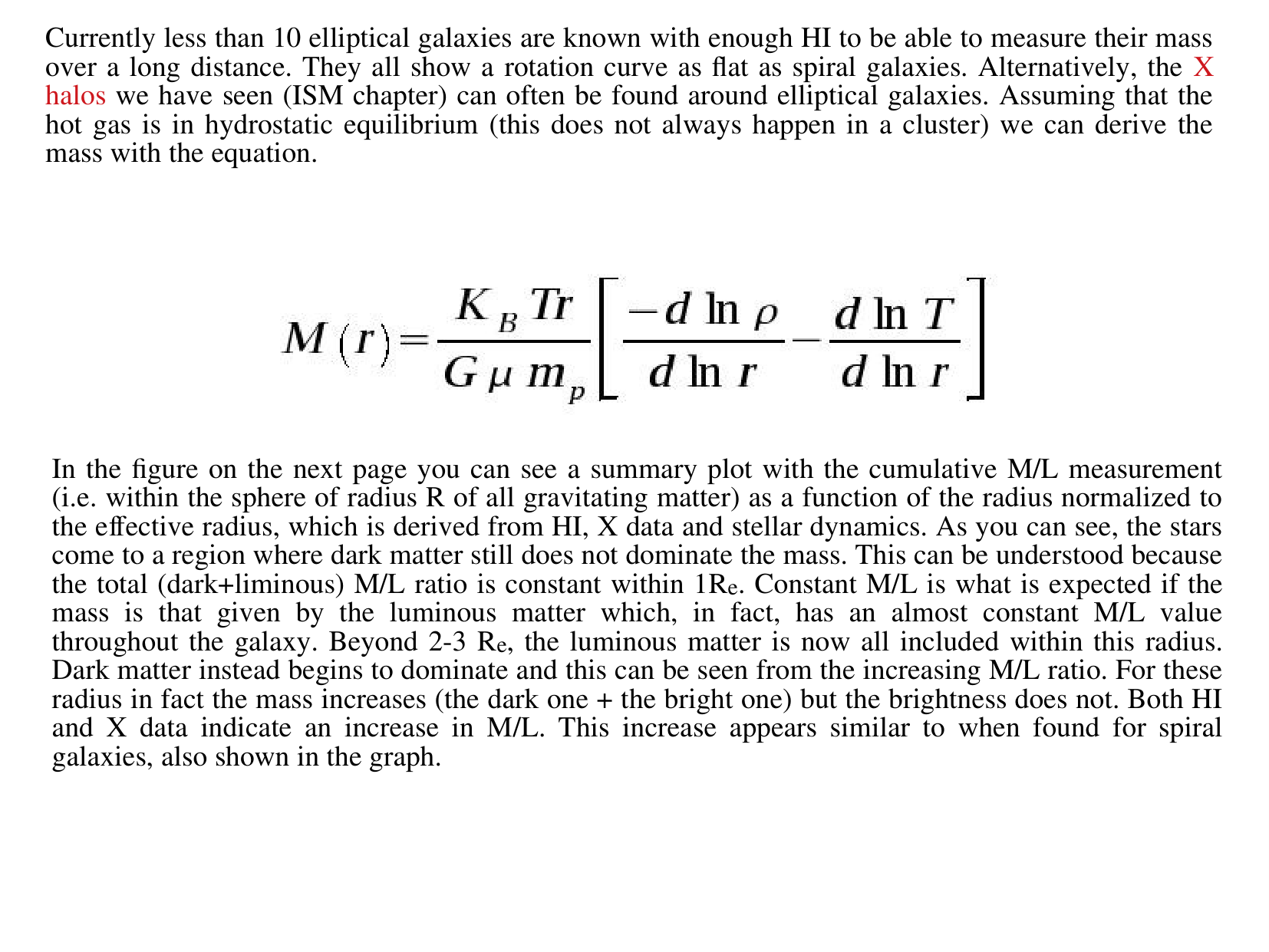 |
Lecture - Dark Matter in Galaxies | Dark matter in elliptical galaxies - X-ray gas hydrostatic equilibrium, GCs, PNe | [[Dark matter in elliptical galaxies]] |
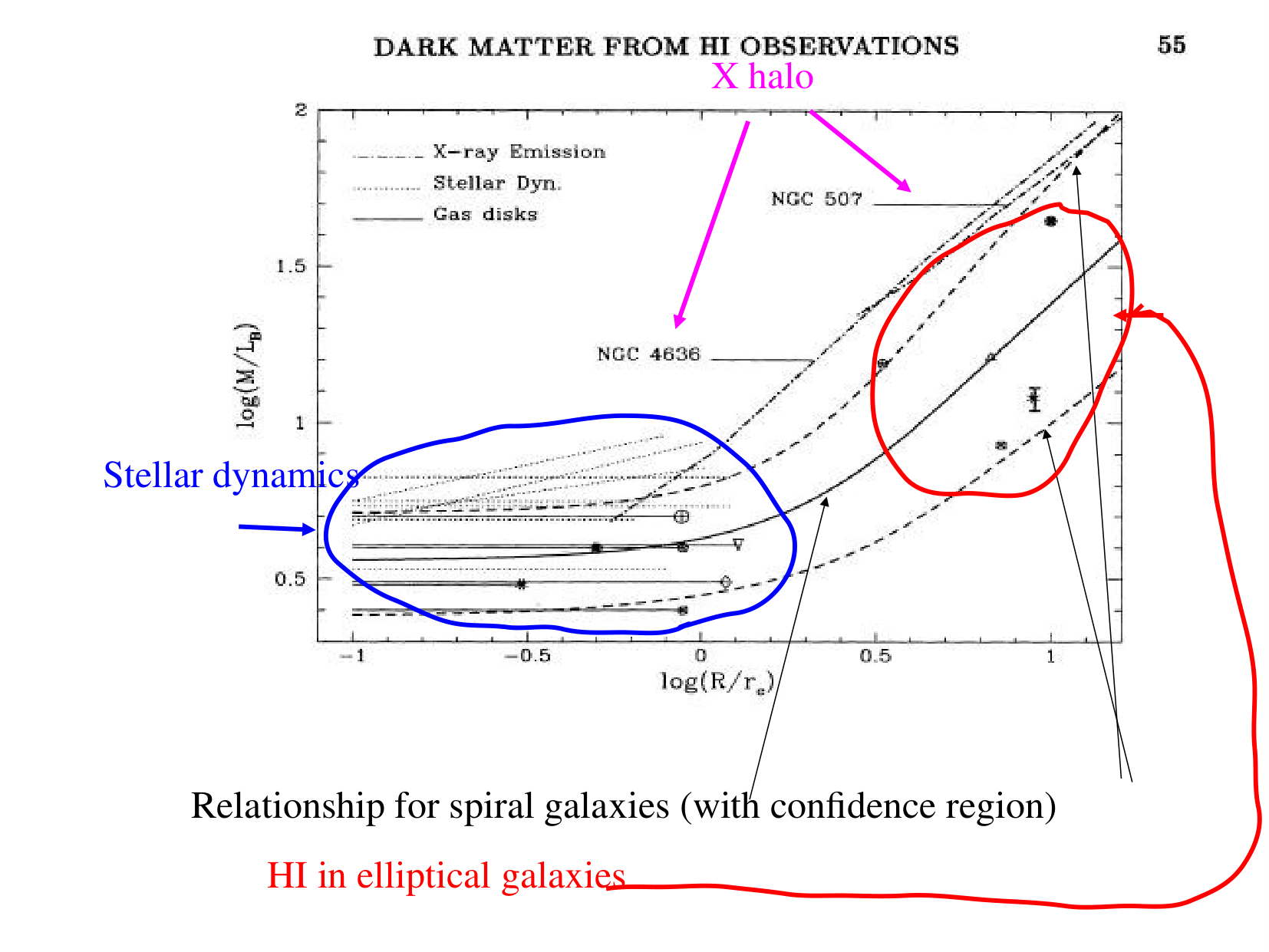 |
Lecture - Dark Matter in Galaxies | Dark matter in elliptical galaxies - X-ray gas hydrostatic equilibrium, GCs, PNe | [[Dark matter in elliptical galaxies]] |
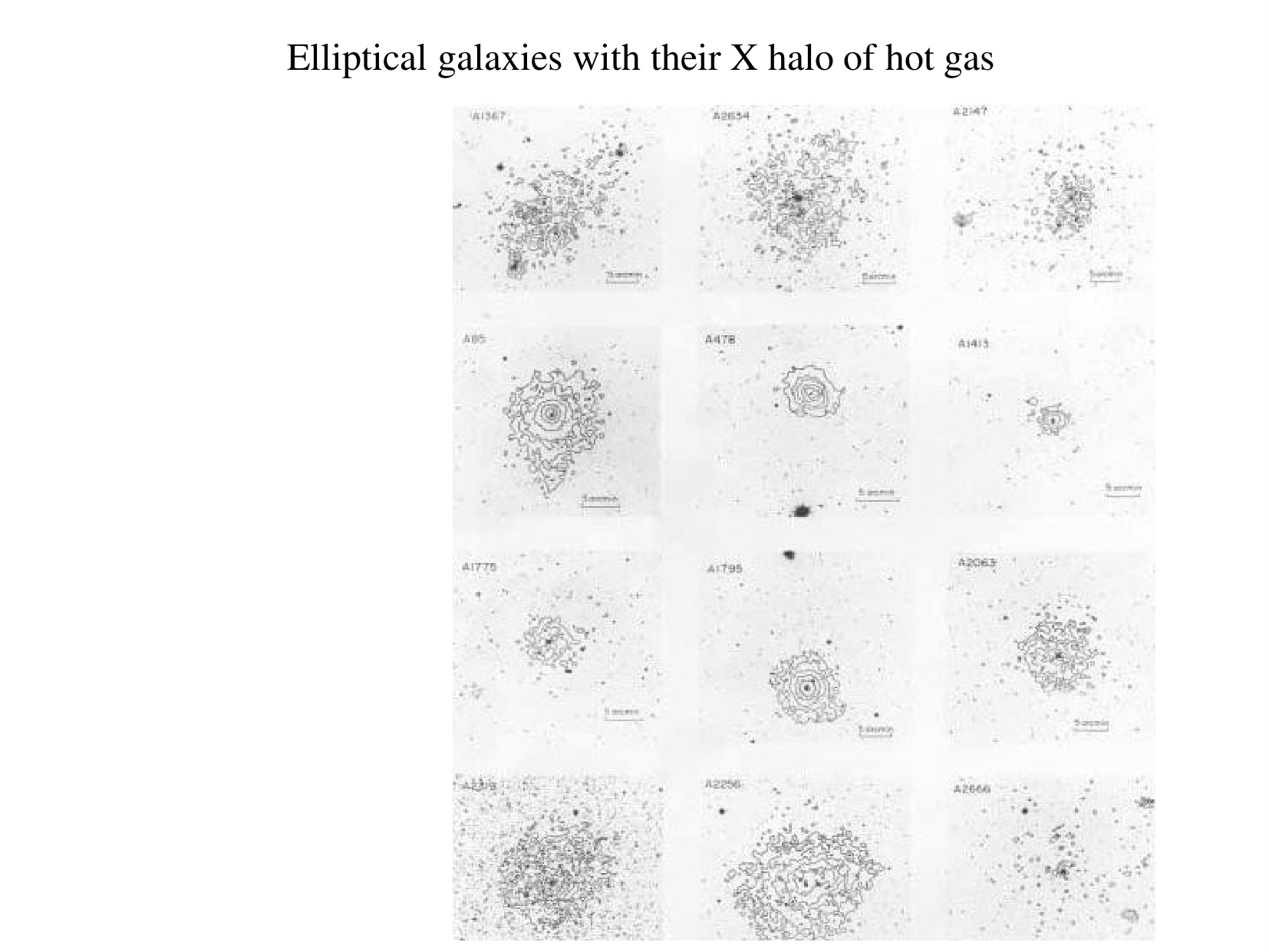 |
Lecture - Dark Matter in Galaxies | Dark matter in elliptical galaxies - X-ray gas hydrostatic equilibrium, GCs, PNe | [[Dark matter in elliptical galaxies]] |
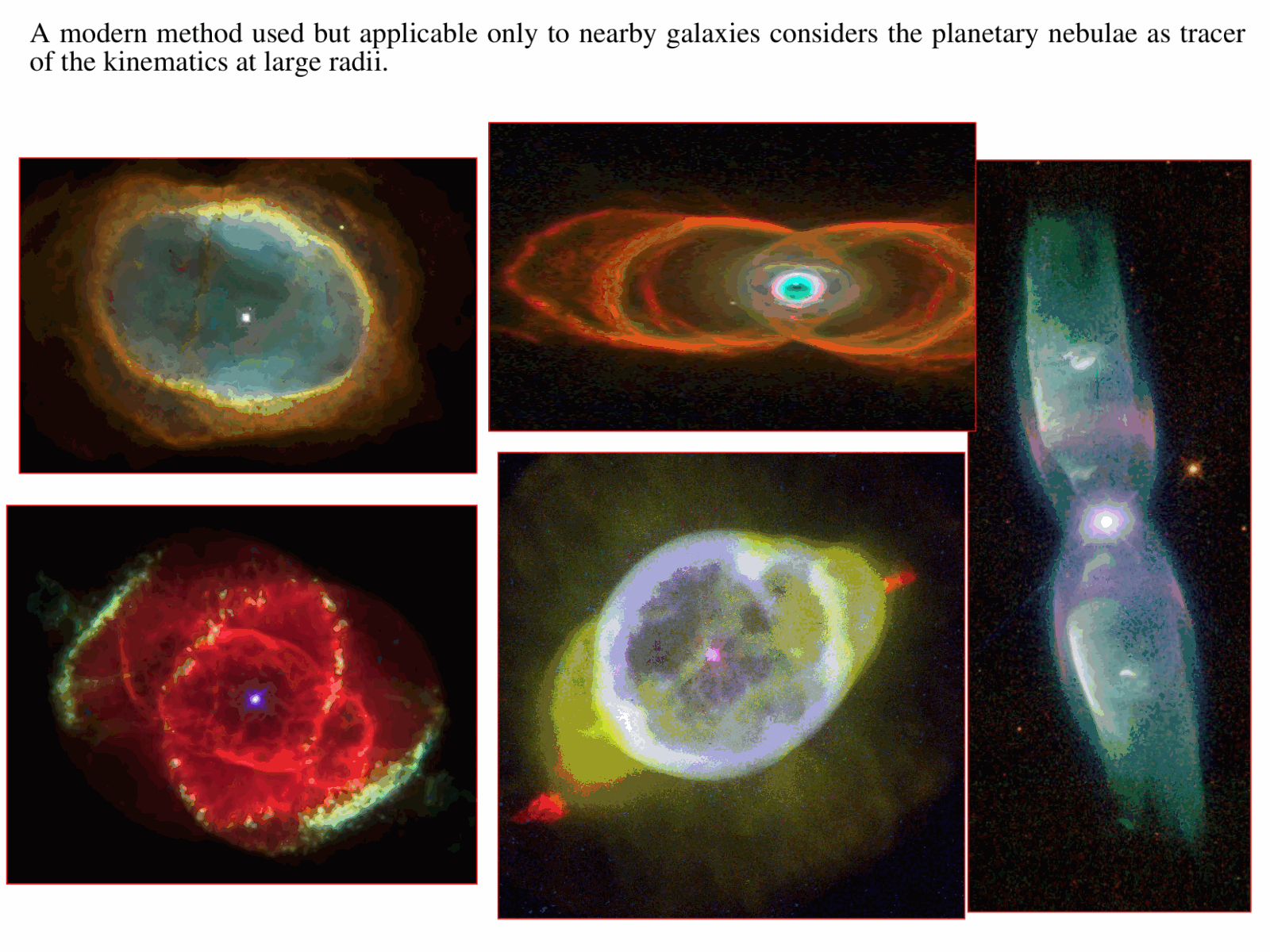 |
Lecture - Dark Matter in Galaxies | Dark matter in elliptical galaxies - X-ray gas hydrostatic equilibrium, GCs, PNe | [[Dark matter in elliptical galaxies]] |
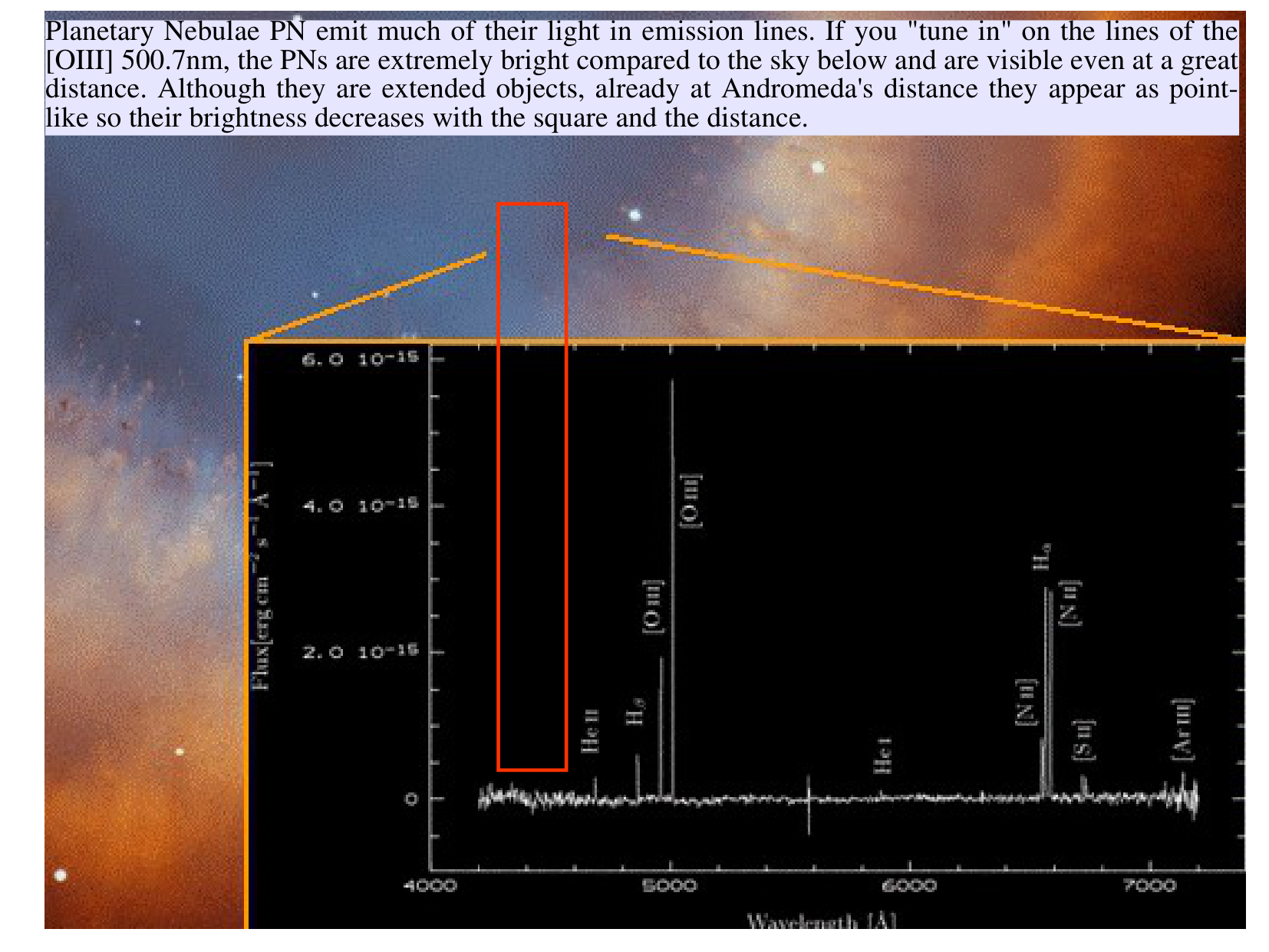 |
Lecture - Dark Matter in Galaxies | Dark matter in dwarf galaxies - extreme M/L ratios, cusp-core problem | [[Dark matter in dwarf galaxies]] |
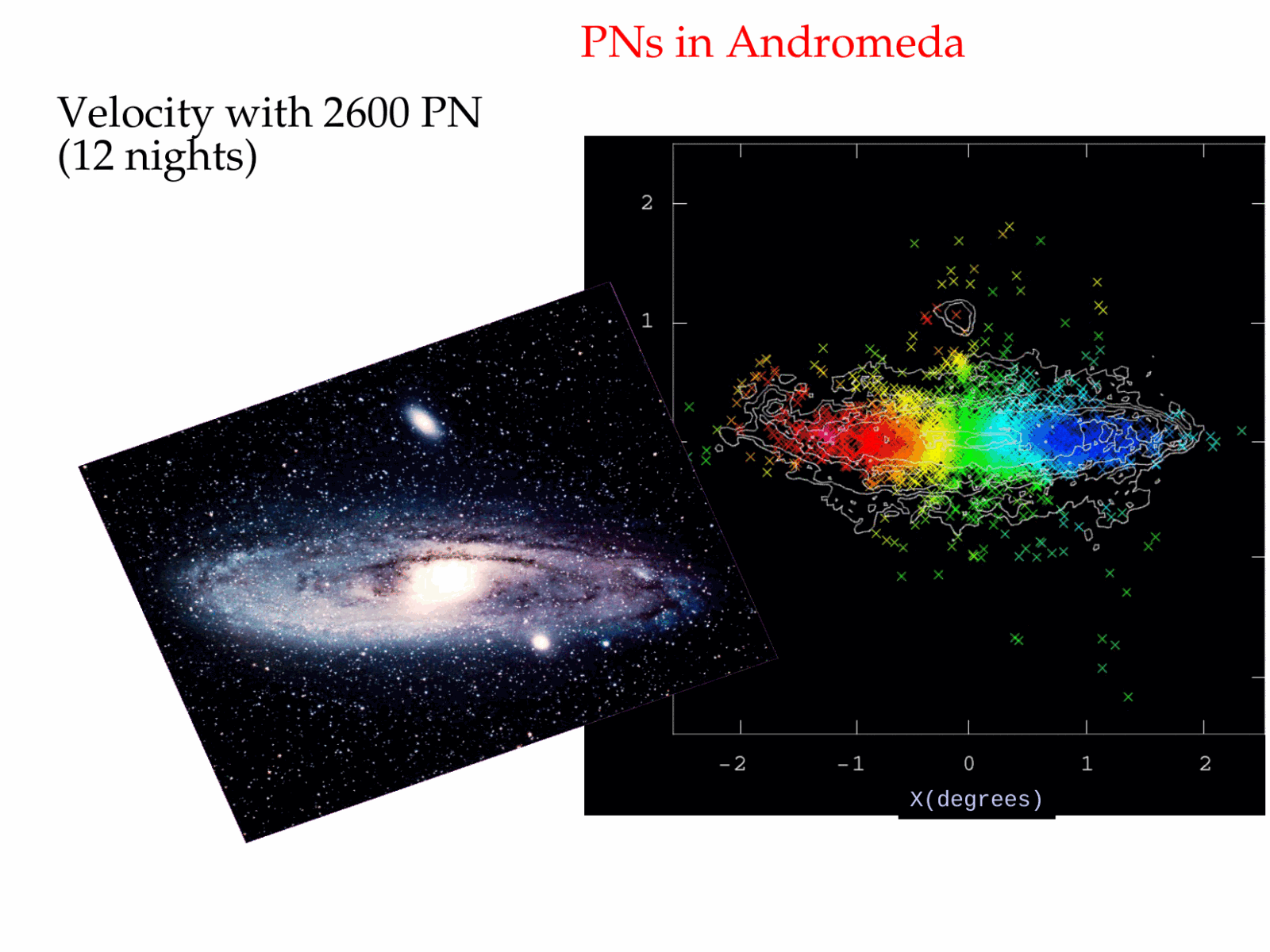 |
Lecture - Dark Matter in Galaxies | Dark matter in dwarf galaxies - extreme M/L ratios, cusp-core problem | [[Dark matter in dwarf galaxies]] |
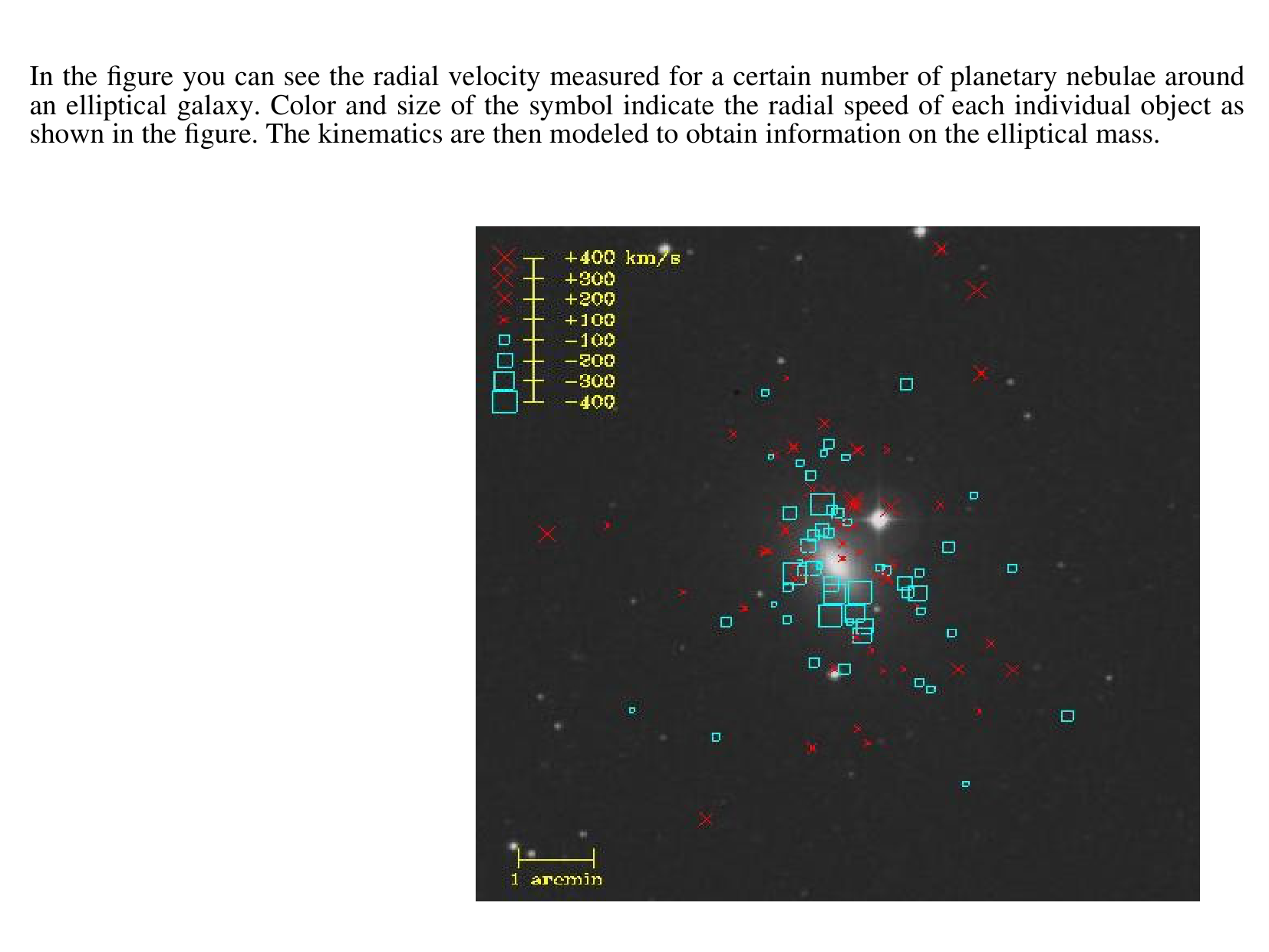 |
Lecture - Dark Matter in Galaxies | Dark matter in dwarf galaxies - extreme M/L ratios, cusp-core problem | [[Dark matter in dwarf galaxies]] |
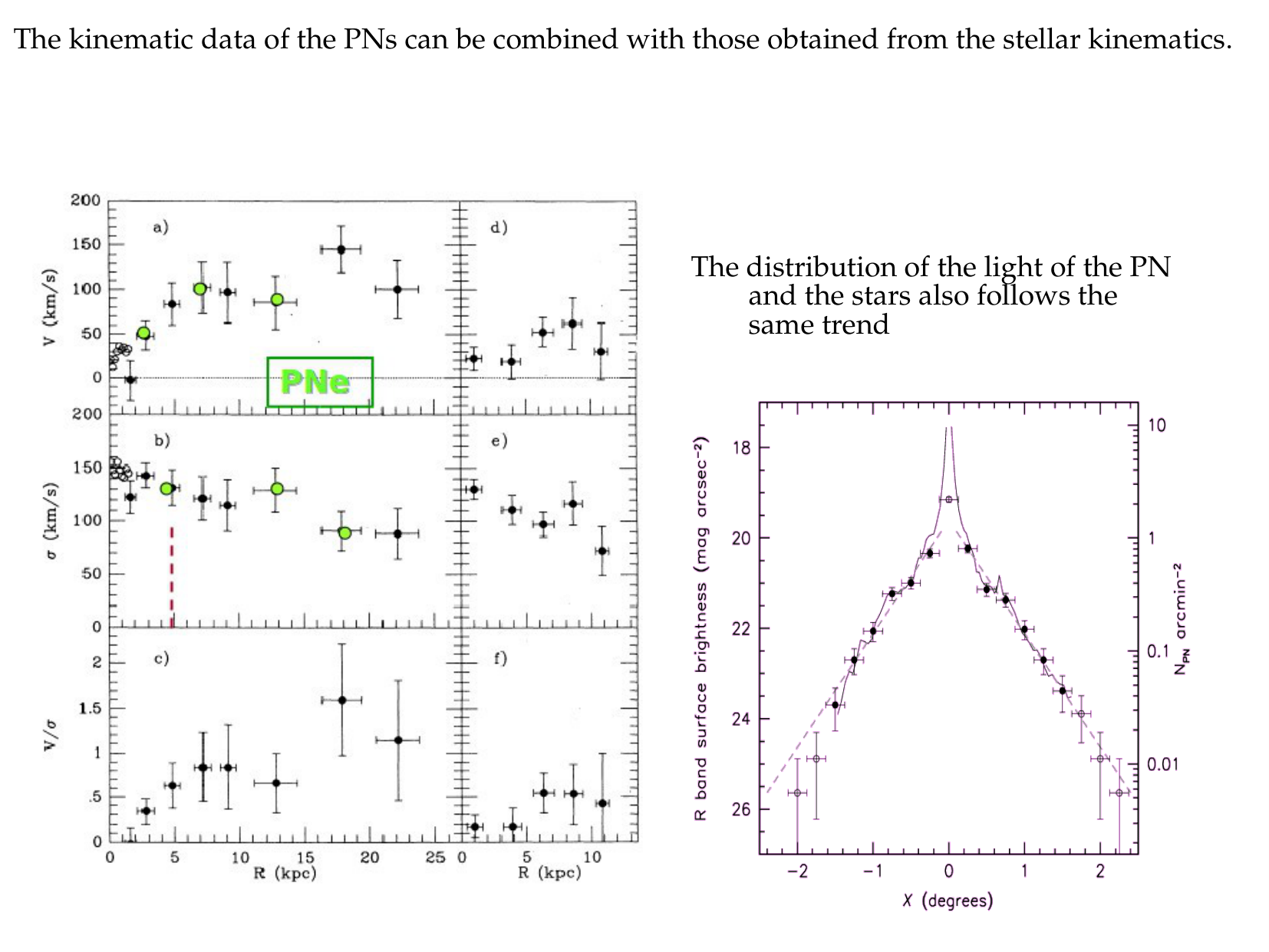 |
Lecture - Dark Matter in Galaxies | Dark matter in dwarf galaxies - extreme M/L ratios, cusp-core problem | [[Dark matter in dwarf galaxies]] |
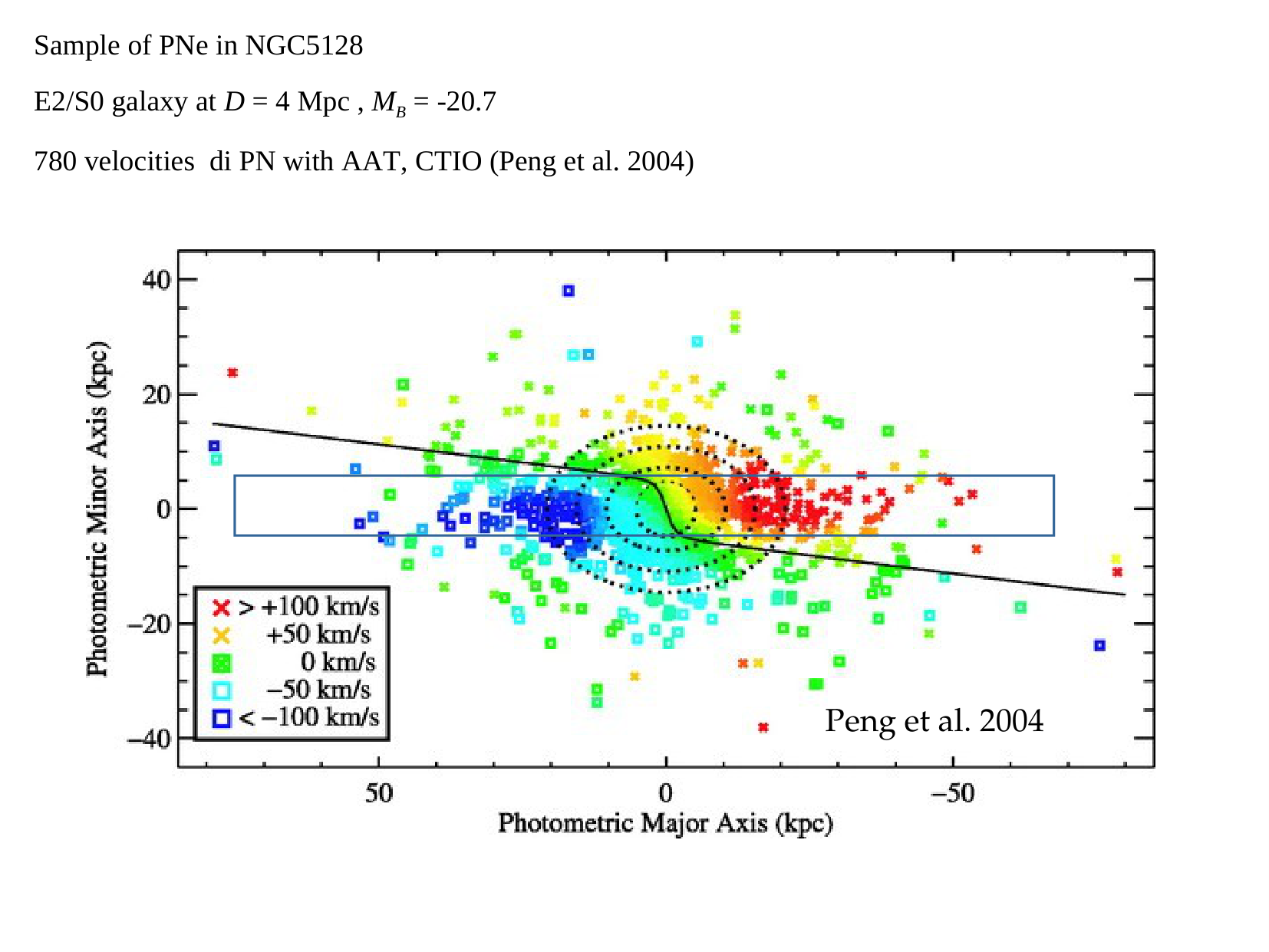 |
Lecture - Dark Matter in Galaxies | Dark matter in dwarf galaxies - extreme M/L ratios, cusp-core problem | [[Dark matter in dwarf galaxies]] |
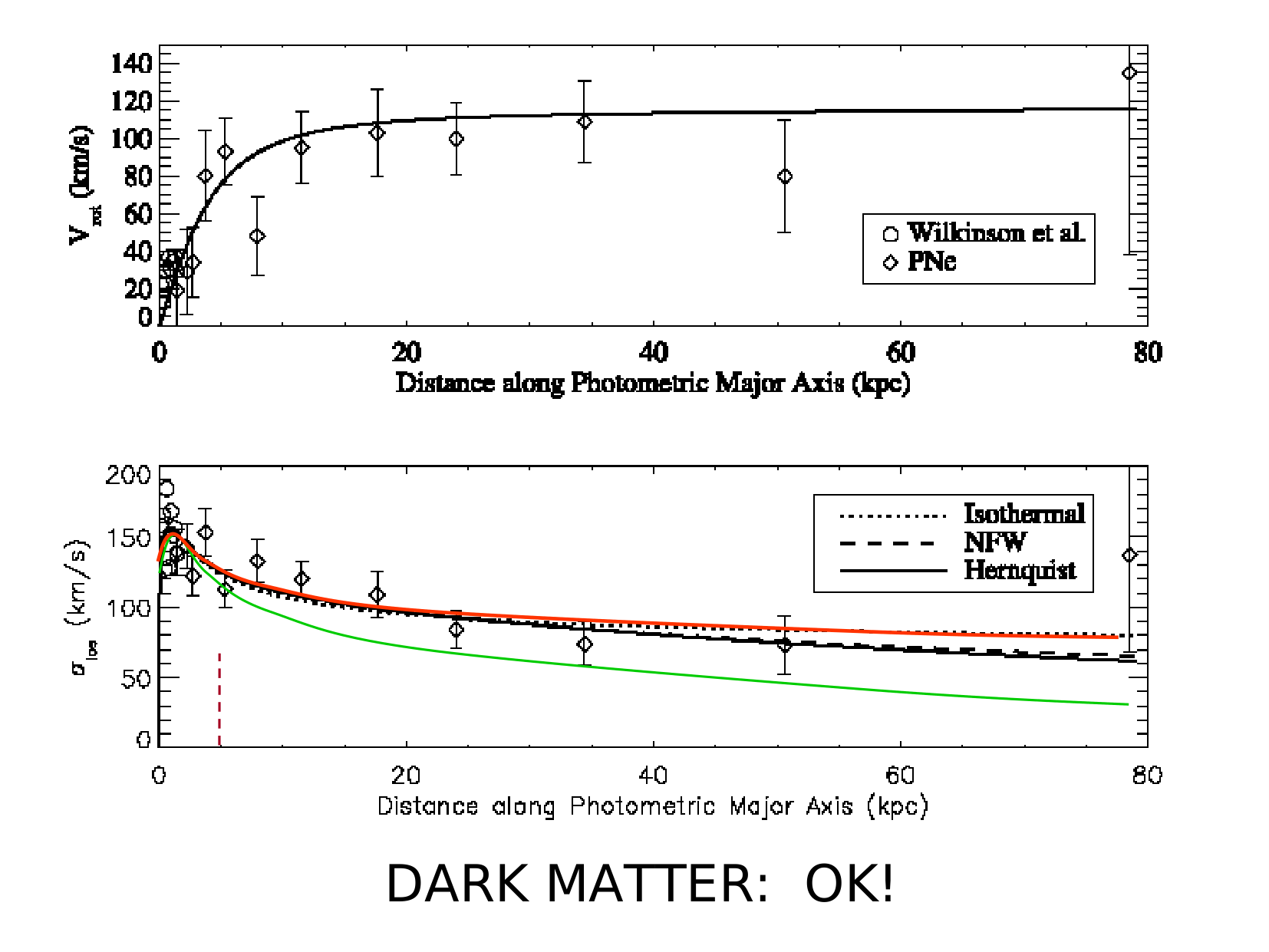 |
Lecture - Dark Matter in Galaxies | Dark matter in dwarf galaxies - extreme M/L ratios, cusp-core problem | [[Dark matter in dwarf galaxies]] |
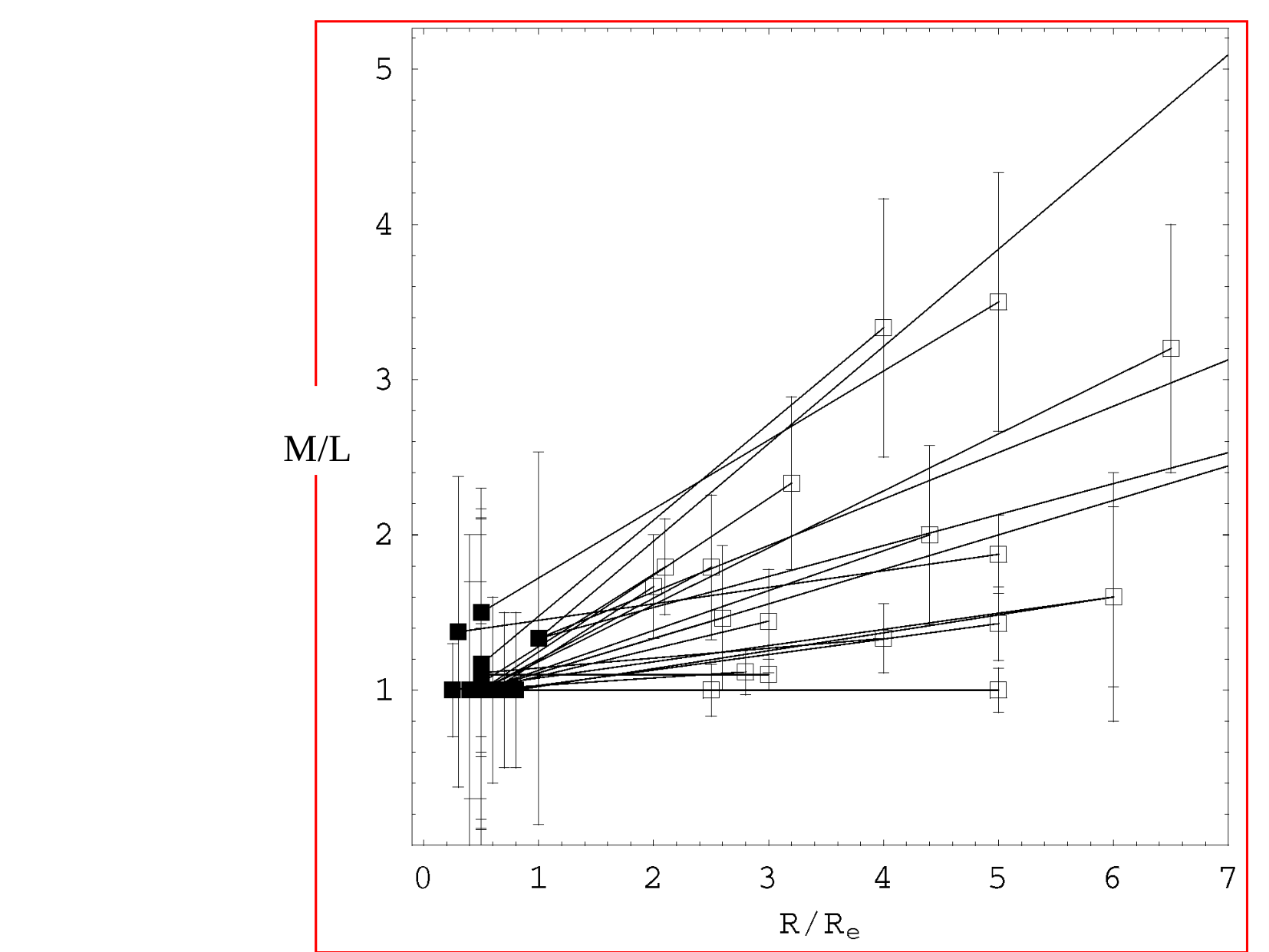 |
Lecture - Dark Matter in Galaxies | Dark matter in dwarf galaxies - extreme M/L ratios, cusp-core problem | [[Dark matter in dwarf galaxies]] |
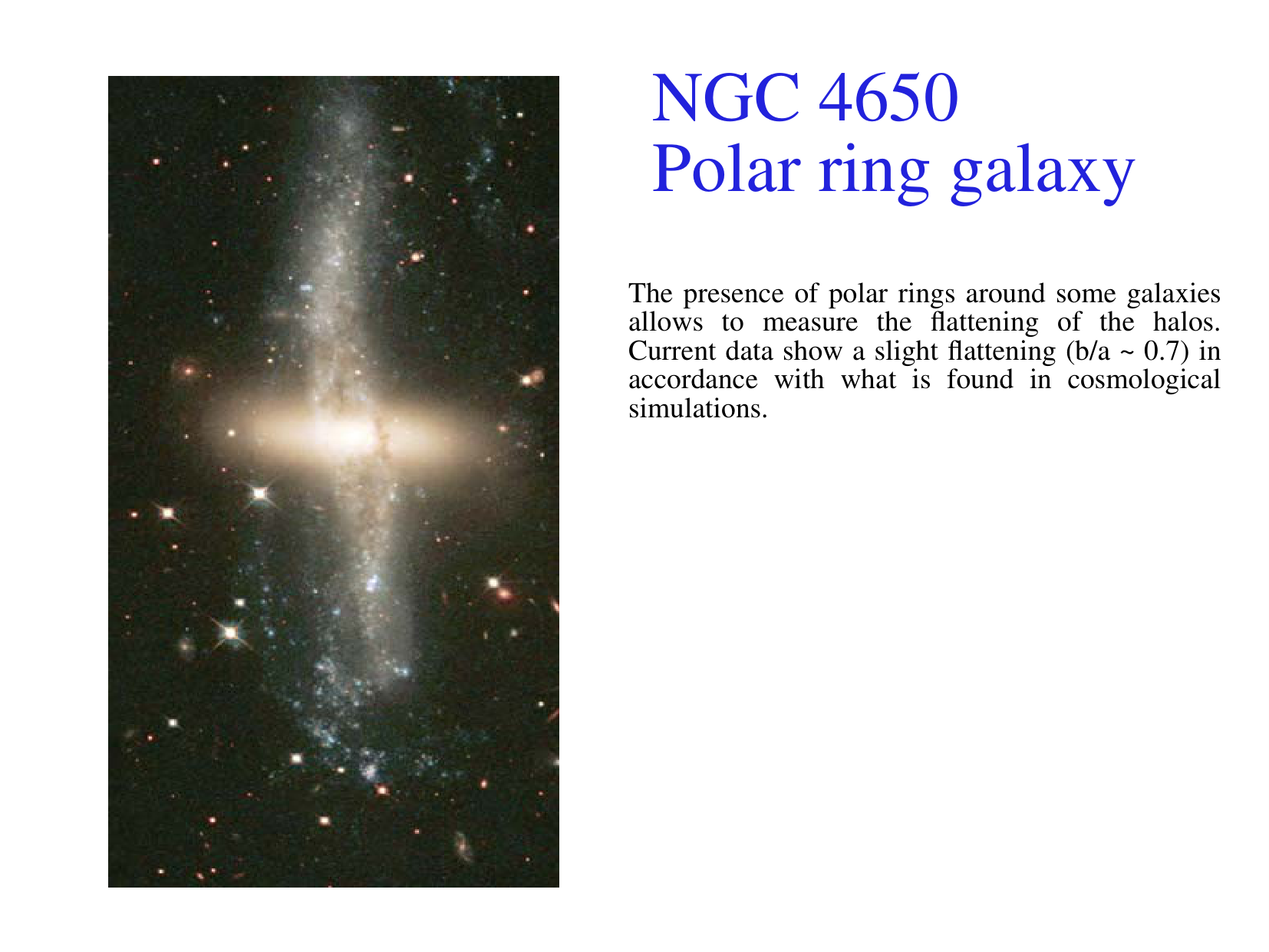 |
Lecture - Dark Matter in Galaxies | Dark matter in dwarf galaxies - extreme M/L ratios, cusp-core problem | [[Dark matter in dwarf galaxies]] |
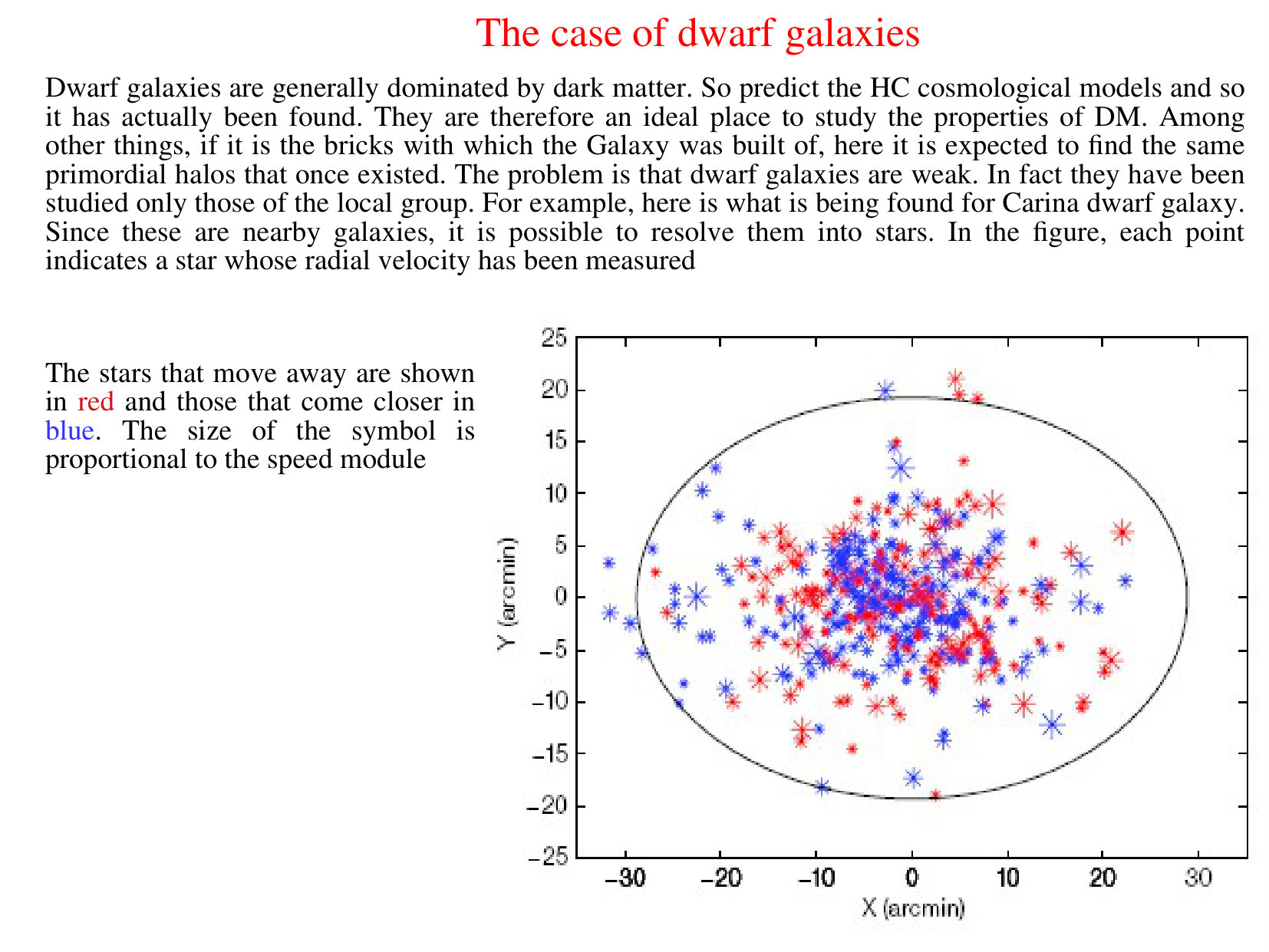 |
Lecture - Dark Matter in Galaxies | The Bullet Cluster (1E 0657-56) - direct proof of collisionless dark matter | [[Bullet Cluster and dark matter mapping]] |
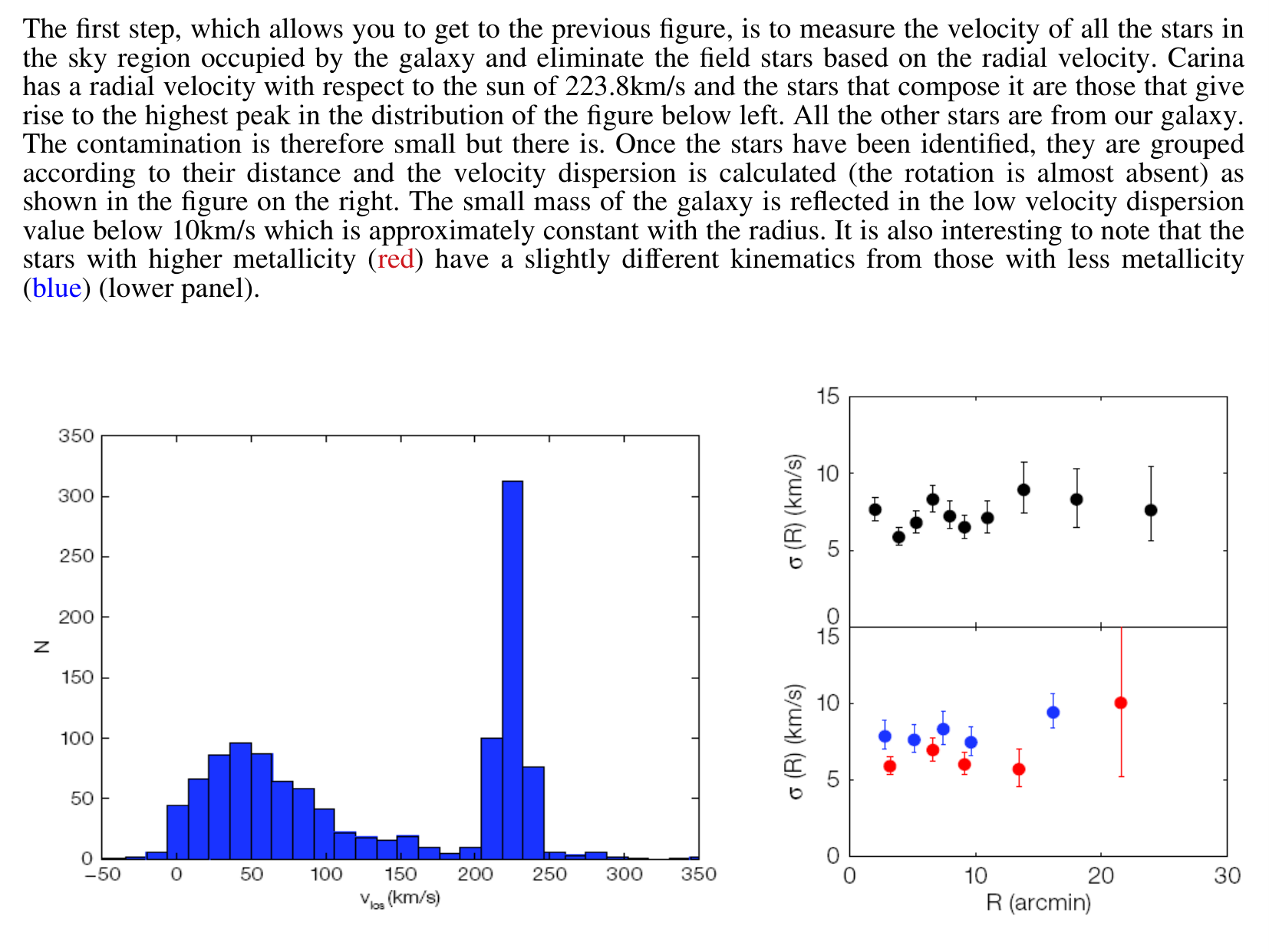 |
Lecture - Dark Matter in Galaxies | The Bullet Cluster (1E 0657-56) - direct proof of collisionless dark matter | [[Bullet Cluster and dark matter mapping]] |
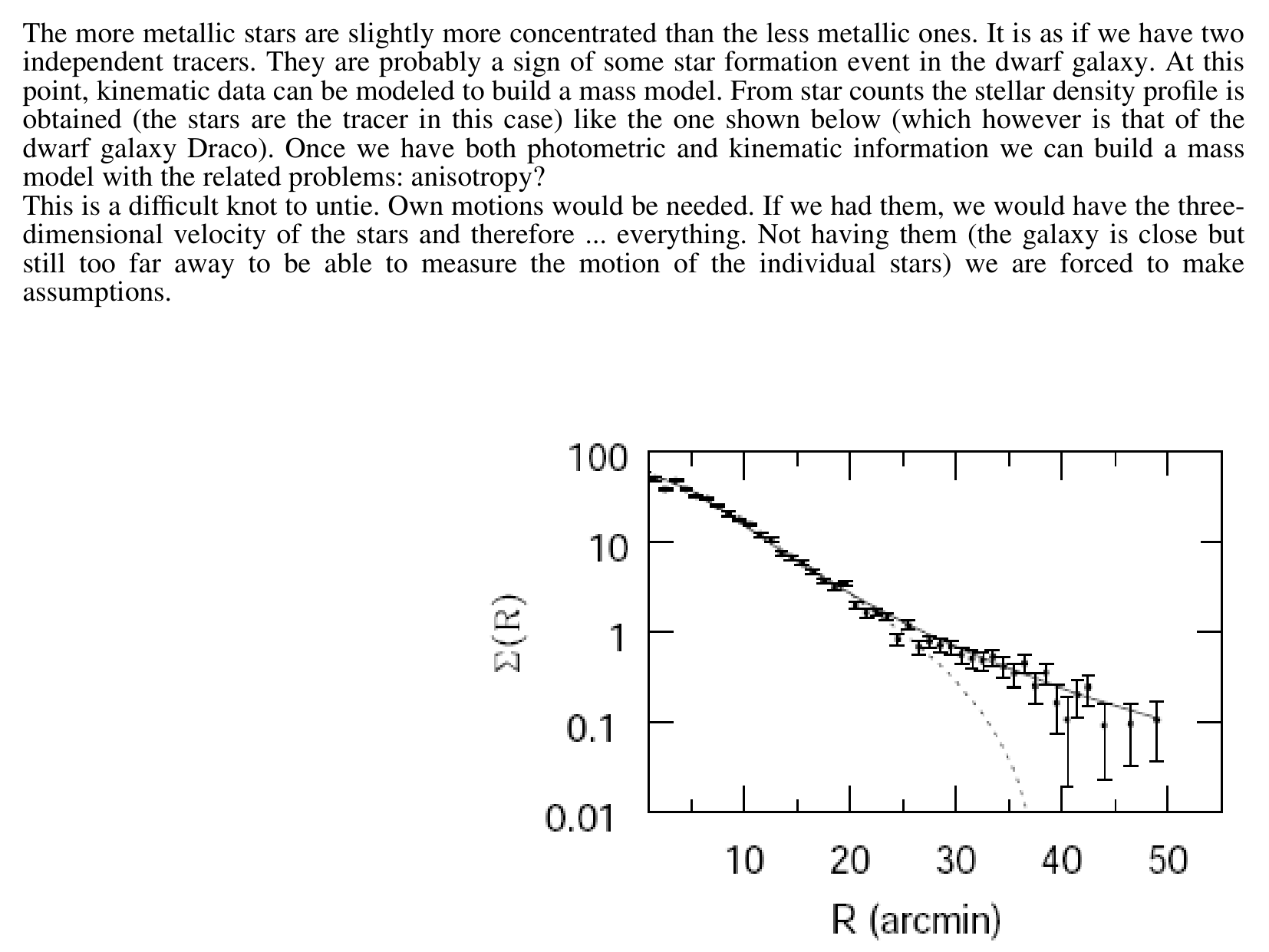 |
Lecture - Dark Matter in Galaxies | The Bullet Cluster (1E 0657-56) - direct proof of collisionless dark matter | [[Bullet Cluster and dark matter mapping]] |
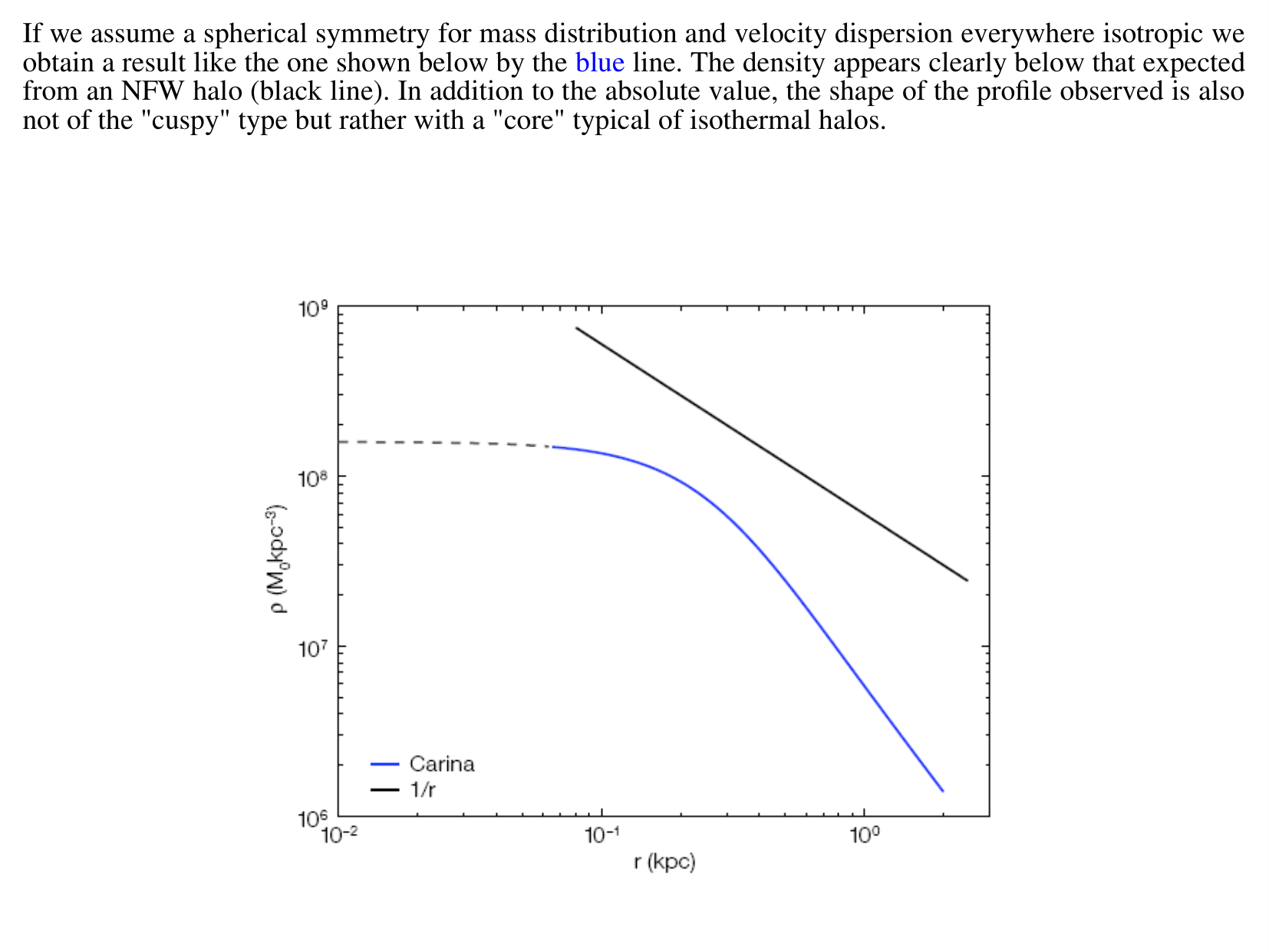 |
Lecture - Dark Matter in Galaxies | The Bullet Cluster (1E 0657-56) - direct proof of collisionless dark matter | [[Bullet Cluster and dark matter mapping]] |
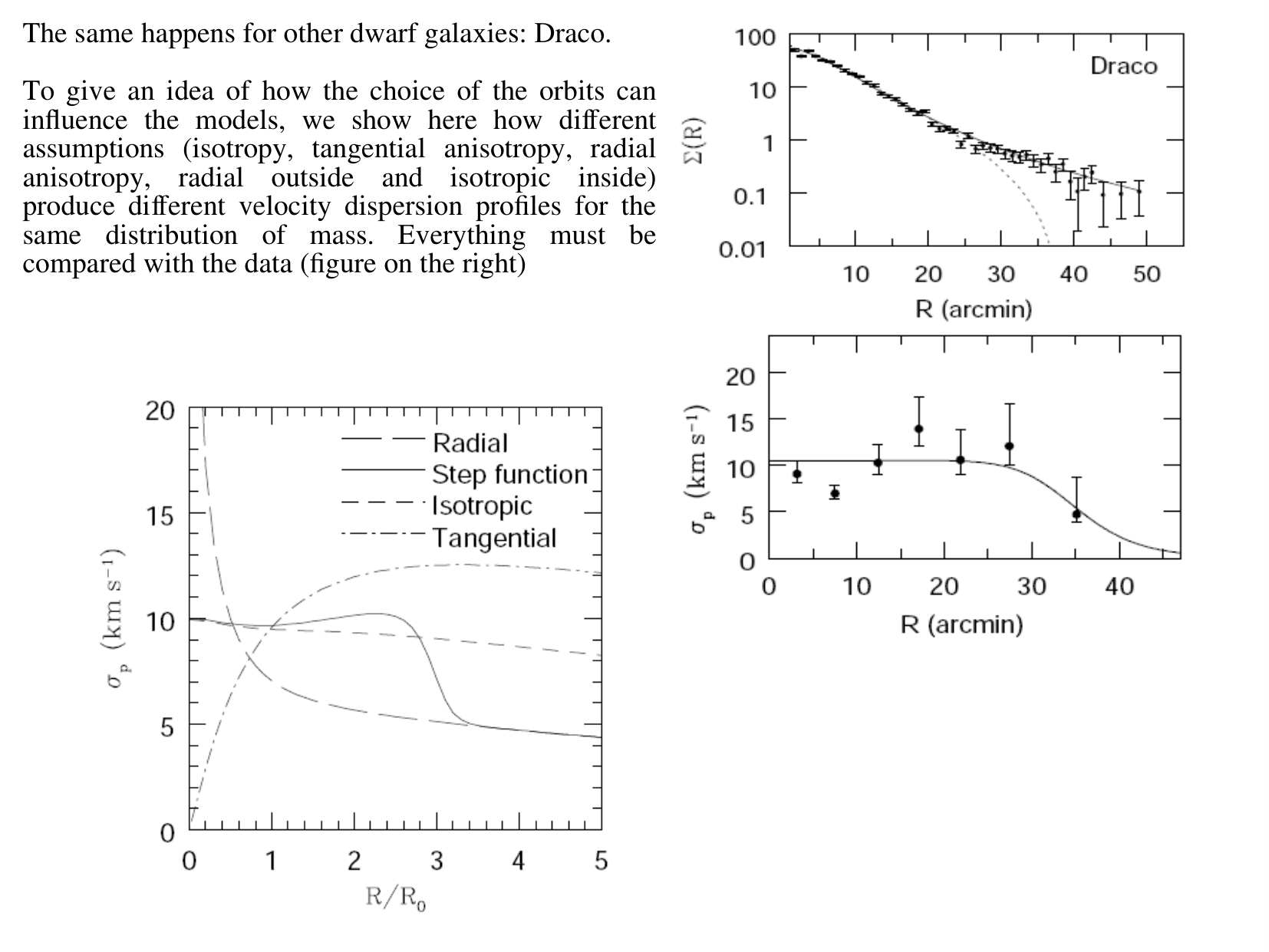 |
Lecture - Dark Matter in Galaxies | The Bullet Cluster (1E 0657-56) - direct proof of collisionless dark matter | [[Bullet Cluster and dark matter mapping]] |
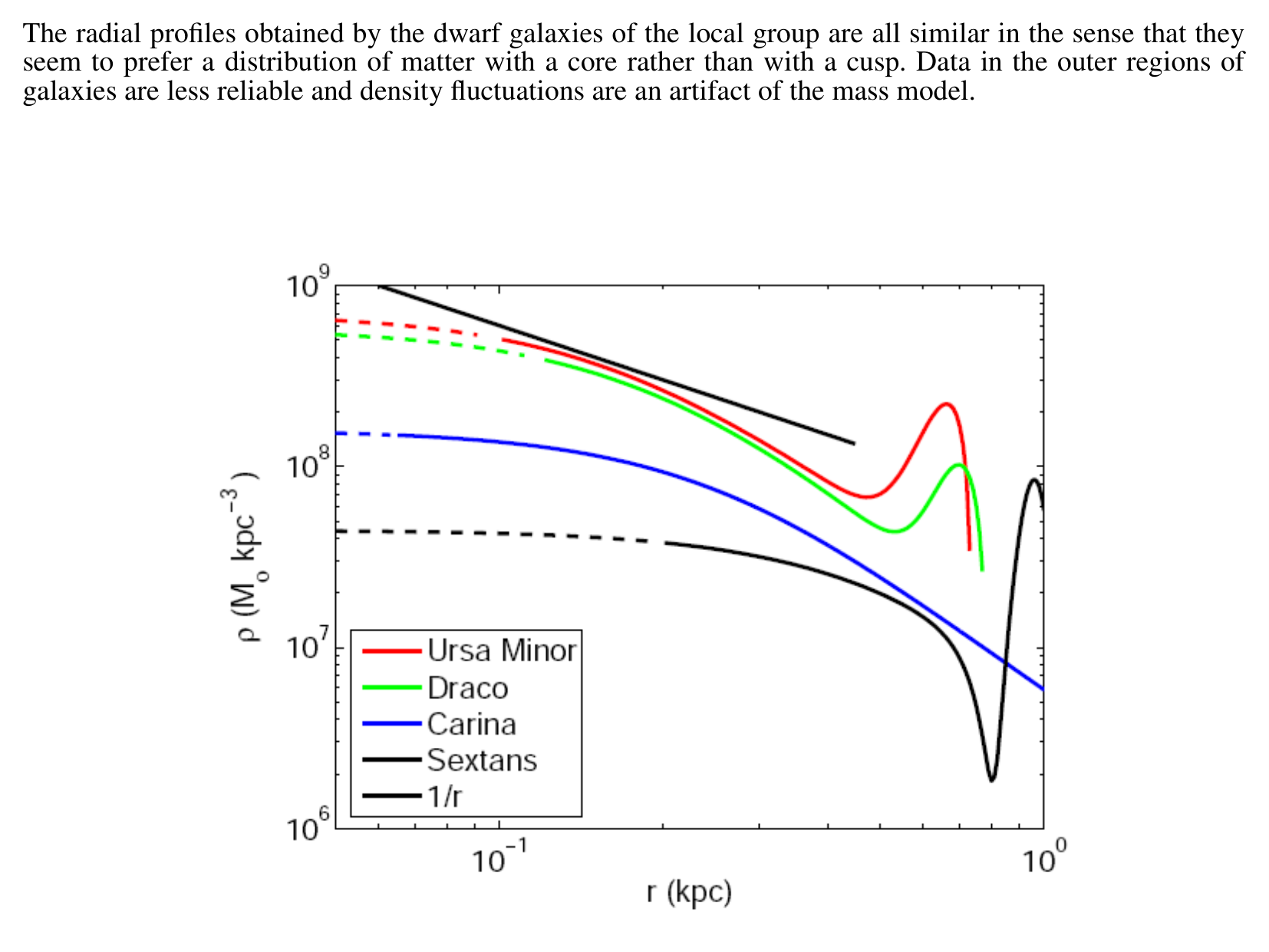 |
Lecture - Dark Matter in Galaxies | The Bullet Cluster (1E 0657-56) - direct proof of collisionless dark matter | [[Bullet Cluster and dark matter mapping]] |
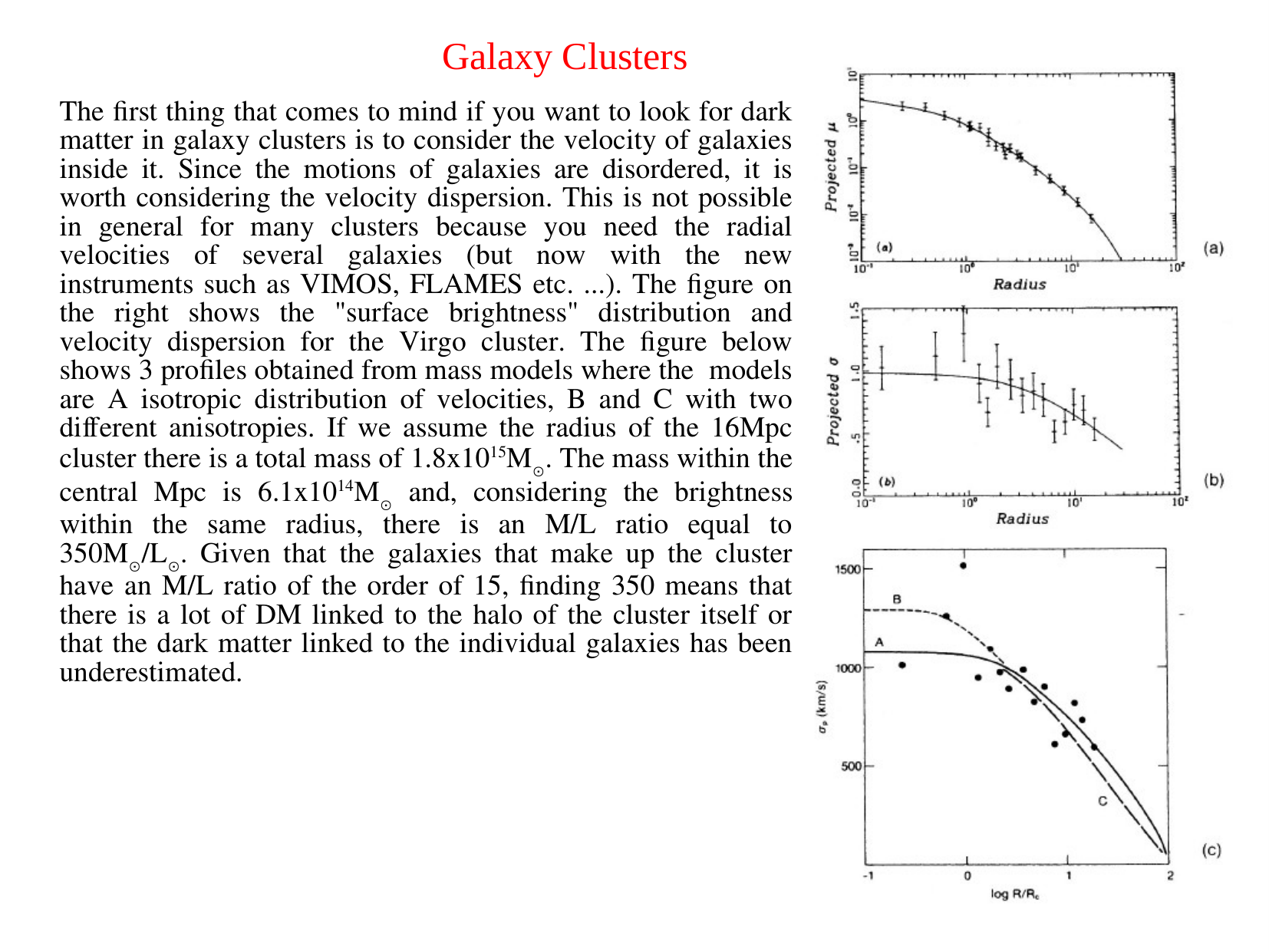 |
Lecture - Dark Matter in Galaxies | The Bullet Cluster (1E 0657-56) - direct proof of collisionless dark matter | [[Bullet Cluster and dark matter mapping]] |
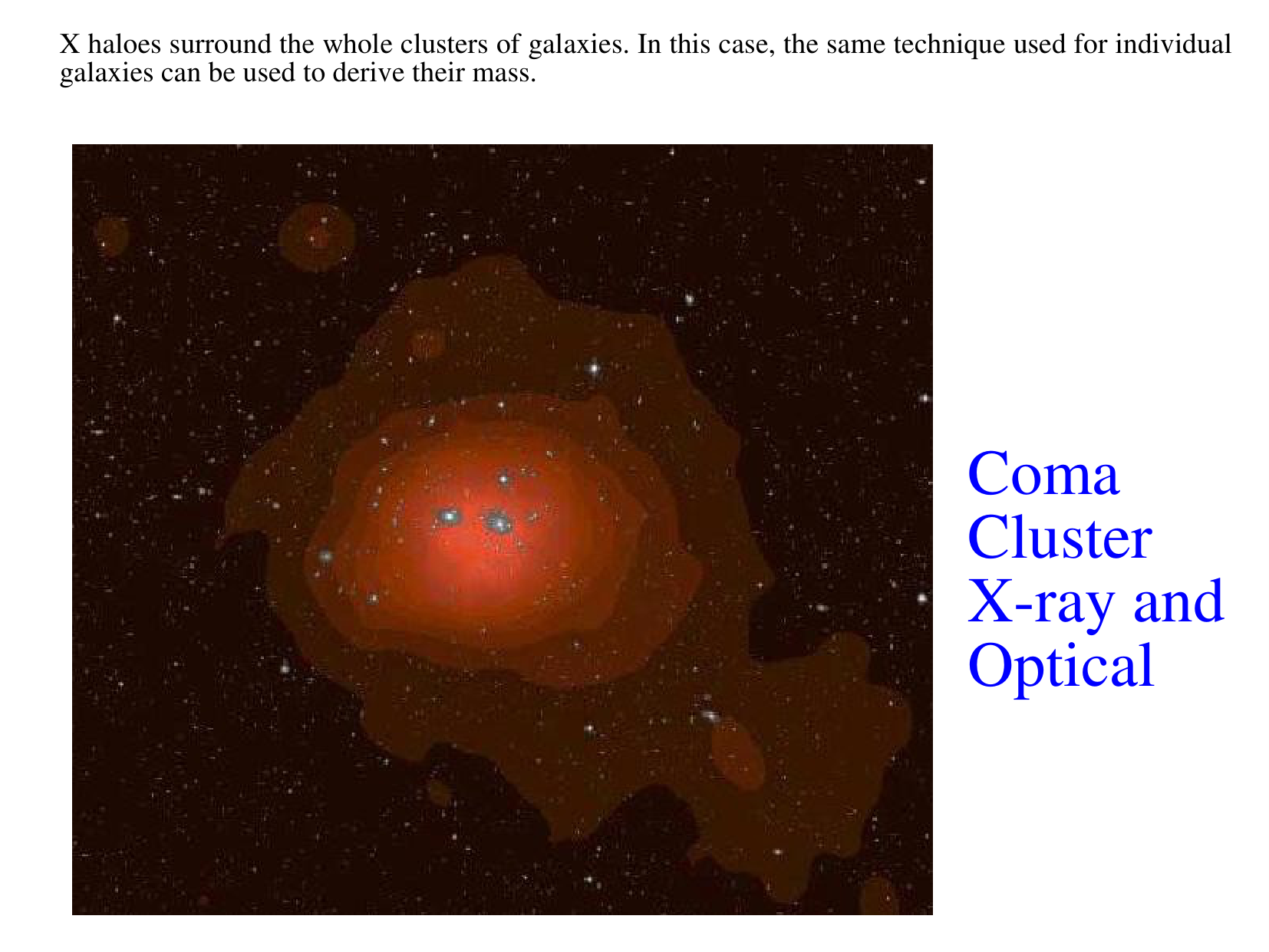 |
Lecture - Dark Matter in Galaxies | The Bullet Cluster (1E 0657-56) - direct proof of collisionless dark matter | [[Bullet Cluster and dark matter mapping]] |
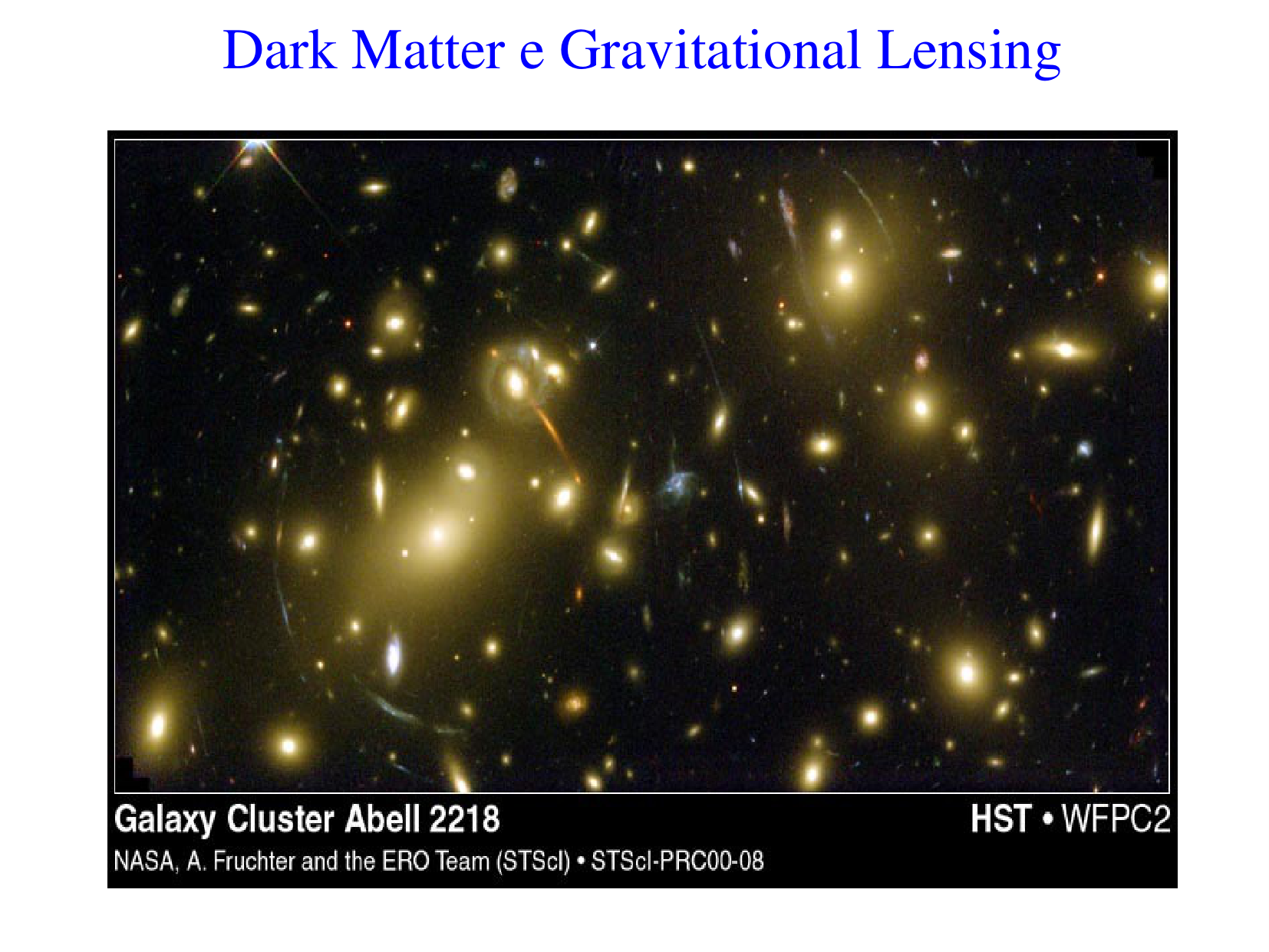 |
Lecture - Dark Matter in Galaxies | The Bullet Cluster (1E 0657-56) - direct proof of collisionless dark matter | [[Bullet Cluster and dark matter mapping]] |
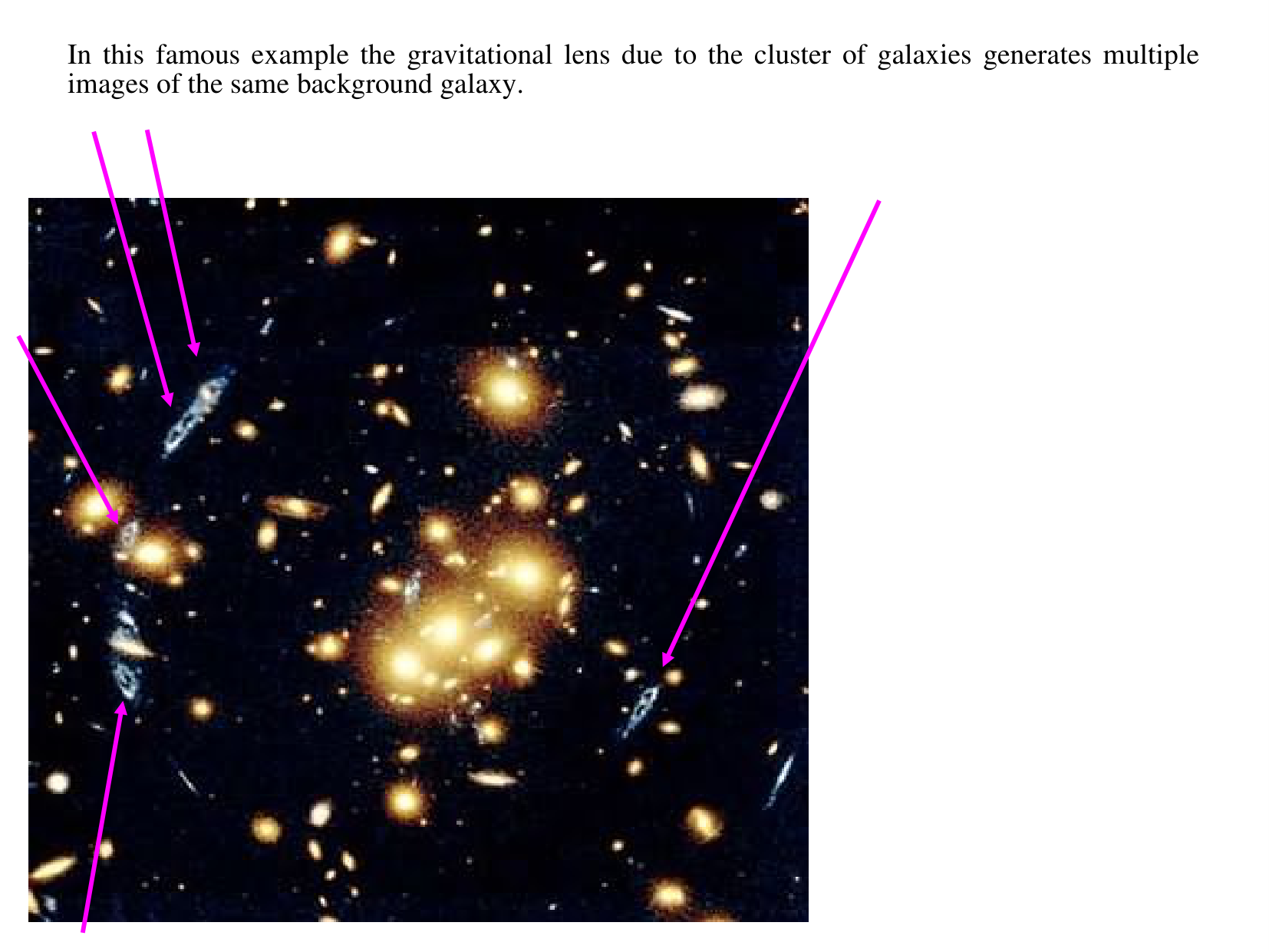 |
Lecture - Dark Matter in Galaxies | The Bullet Cluster (1E 0657-56) - direct proof of collisionless dark matter | [[Bullet Cluster and dark matter mapping]] |
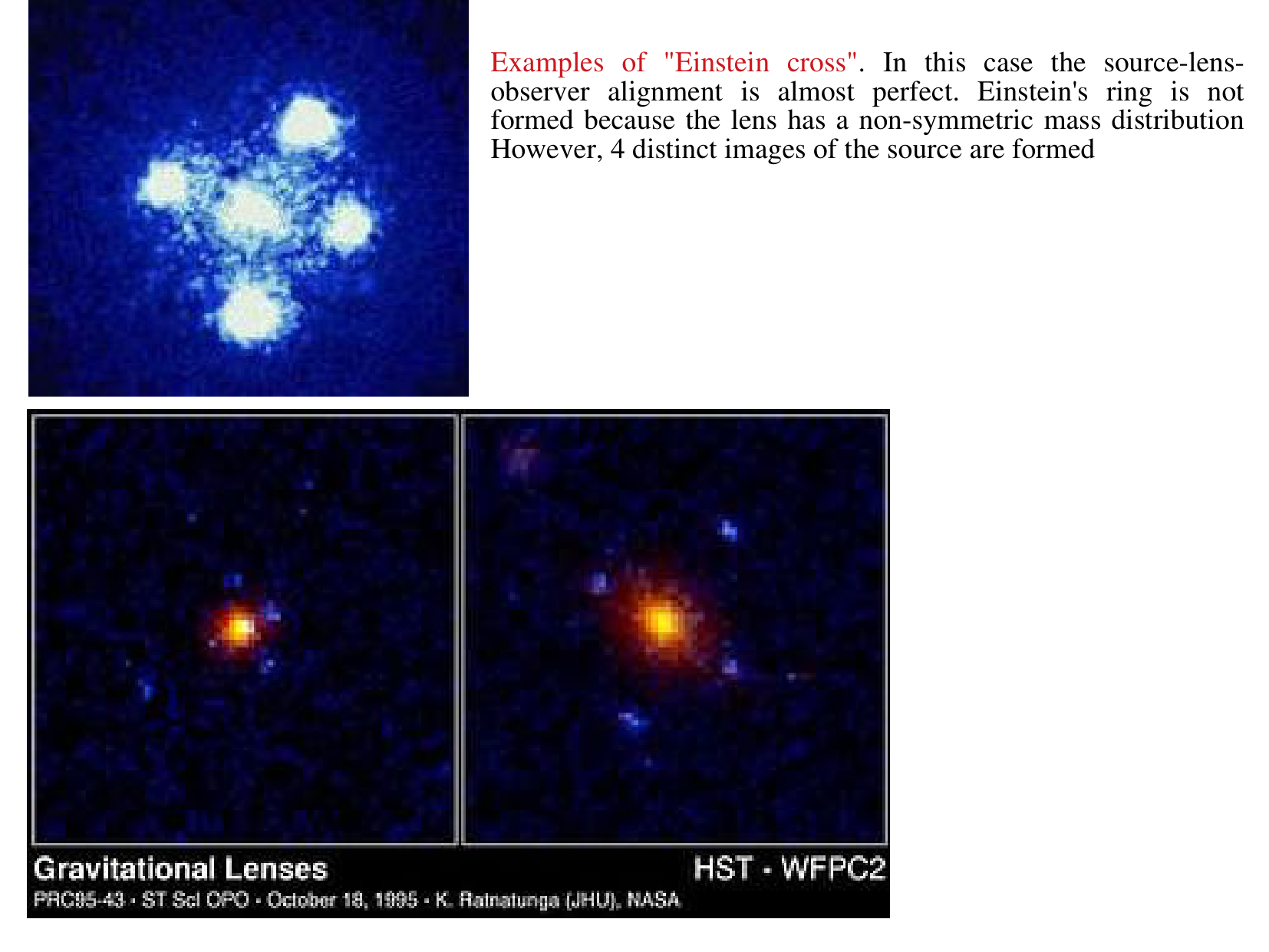 |
Lecture - Dark Matter in Galaxies | Gravitational lensing as dark matter probe - strong vs weak lensing shear | [[Lensing as a cosmological probe]] |
 |
Lecture - Dark Matter in Galaxies | Gravitational lensing as dark matter probe - strong vs weak lensing shear | [[Lensing as a cosmological probe]] |
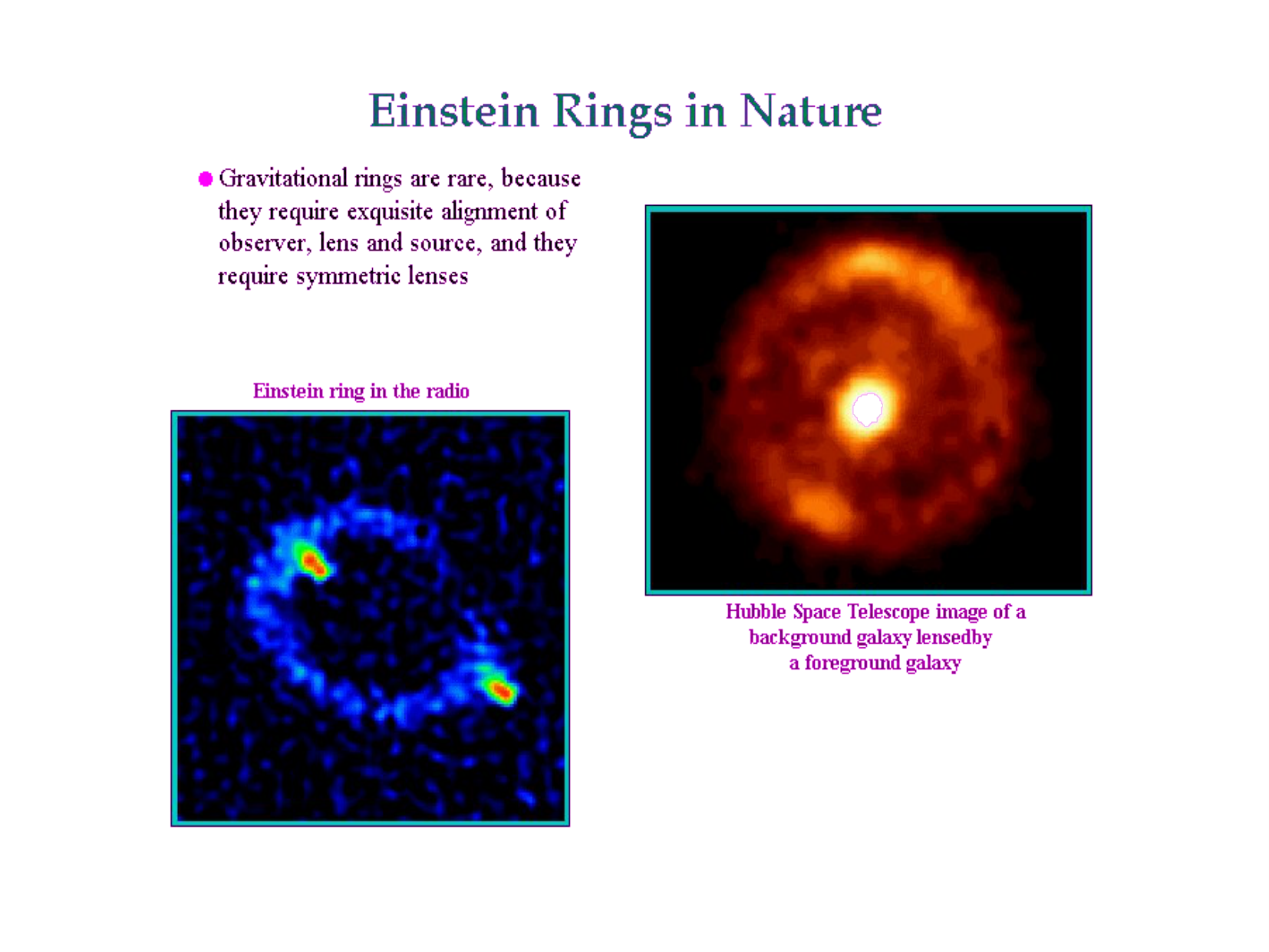 |
Lecture - Dark Matter in Galaxies | Gravitational lensing as dark matter probe - strong vs weak lensing shear | [[Lensing as a cosmological probe]] |
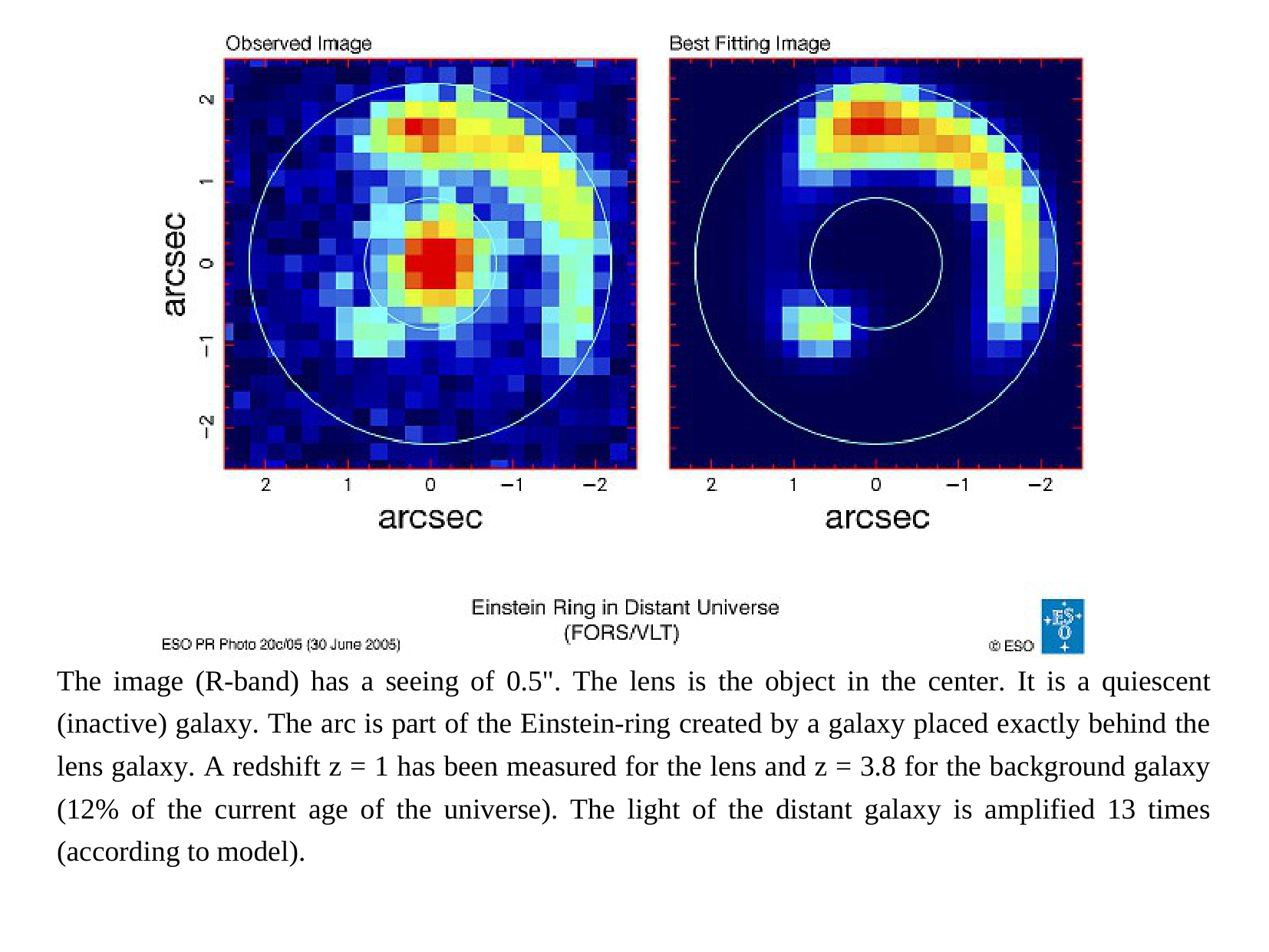 |
Lecture - Dark Matter in Galaxies | Gravitational lensing as dark matter probe - strong vs weak lensing shear | [[Lensing as a cosmological probe]] |
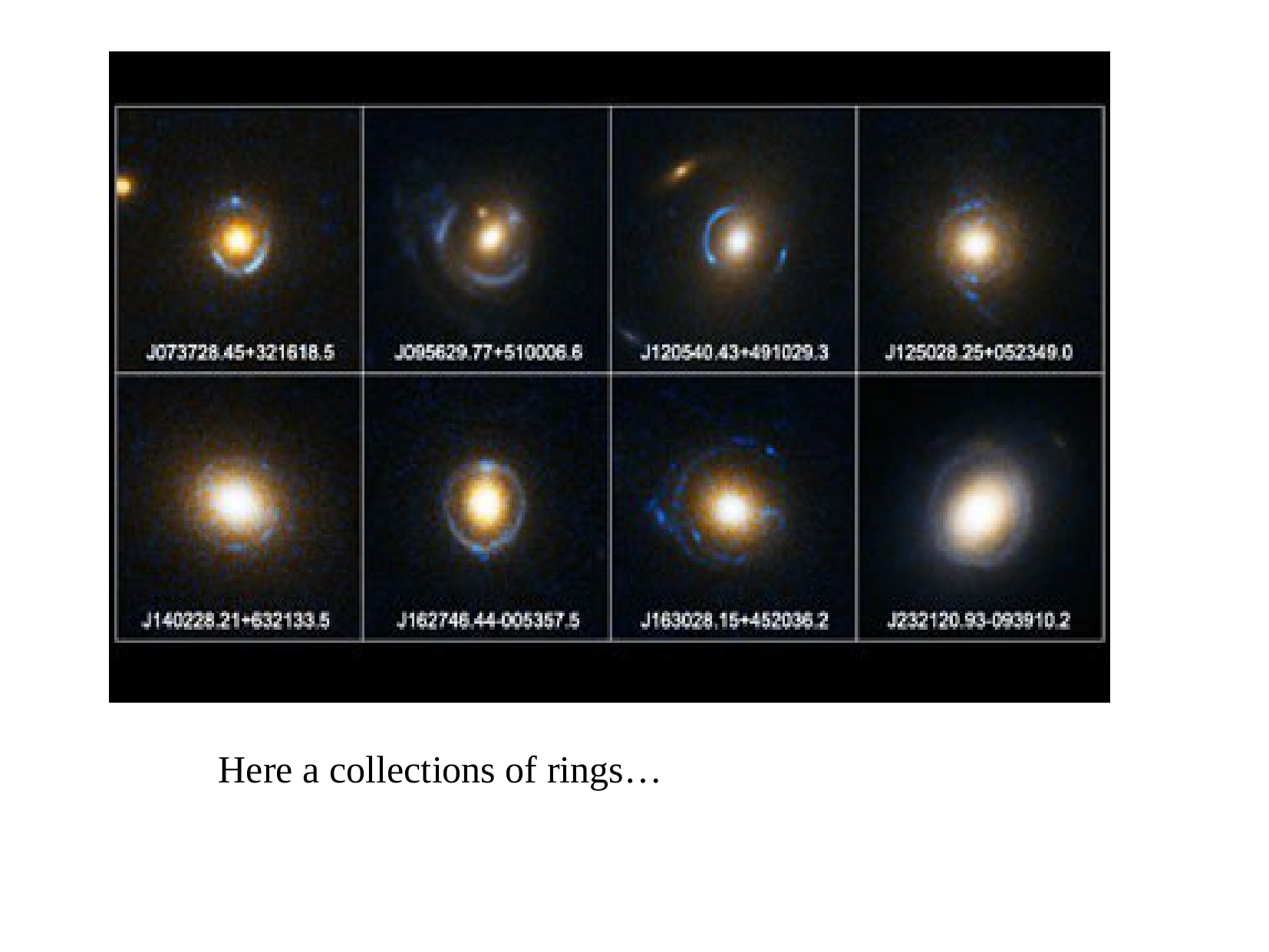 |
Lecture - Dark Matter in Galaxies | Gravitational lensing as dark matter probe - strong vs weak lensing shear | [[Lensing as a cosmological probe]] |
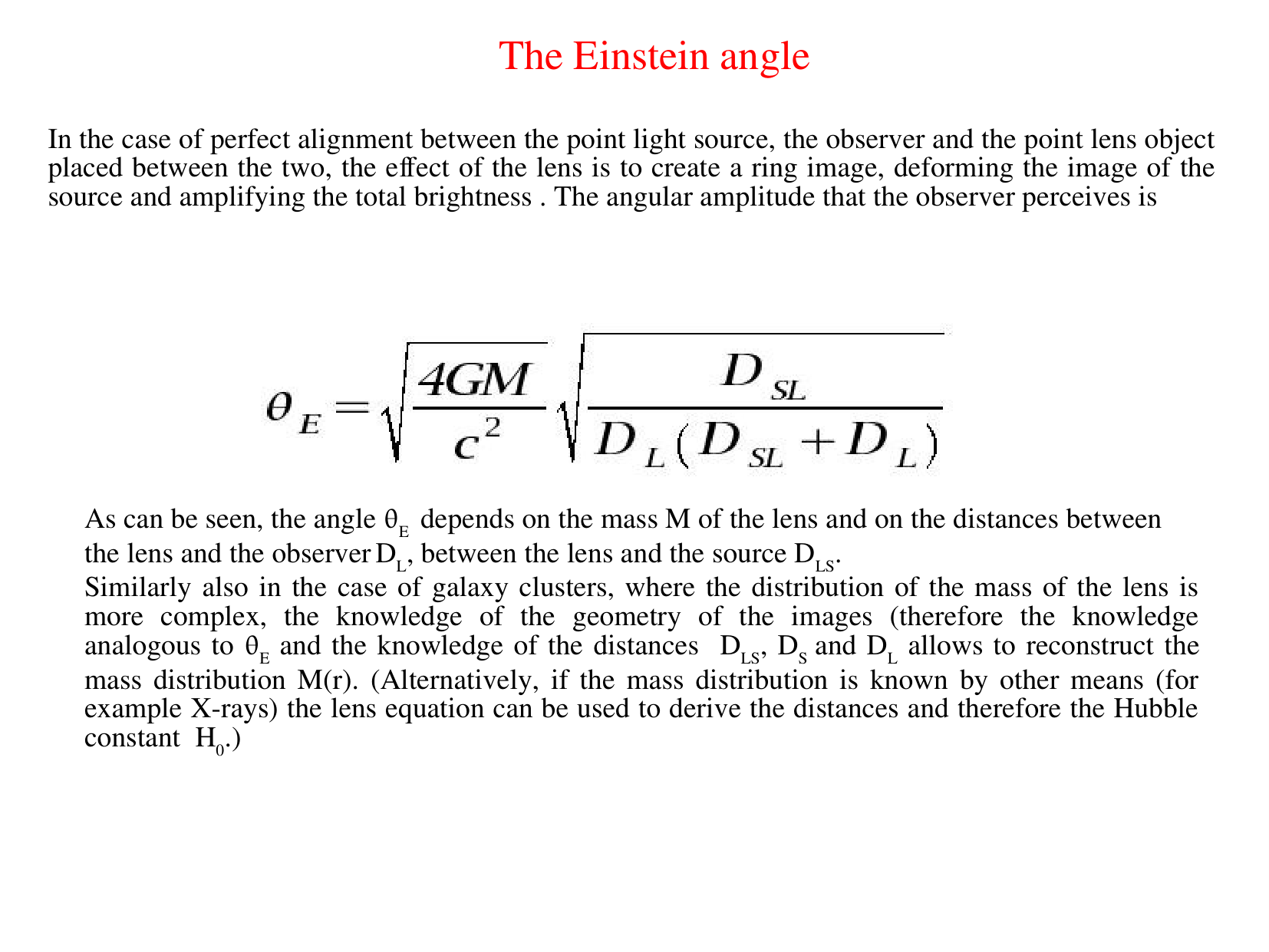 |
Lecture - Dark Matter in Galaxies | Gravitational lensing as dark matter probe - strong vs weak lensing shear | [[Lensing as a cosmological probe]] |
 |
Lecture - Dark Matter in Galaxies | Gravitational lensing as dark matter probe - strong vs weak lensing shear | [[Lensing as a cosmological probe]] |
 |
Lecture - Dark Matter in Galaxies | Gravitational lensing as dark matter probe - strong vs weak lensing shear | [[Lensing as a cosmological probe]] |
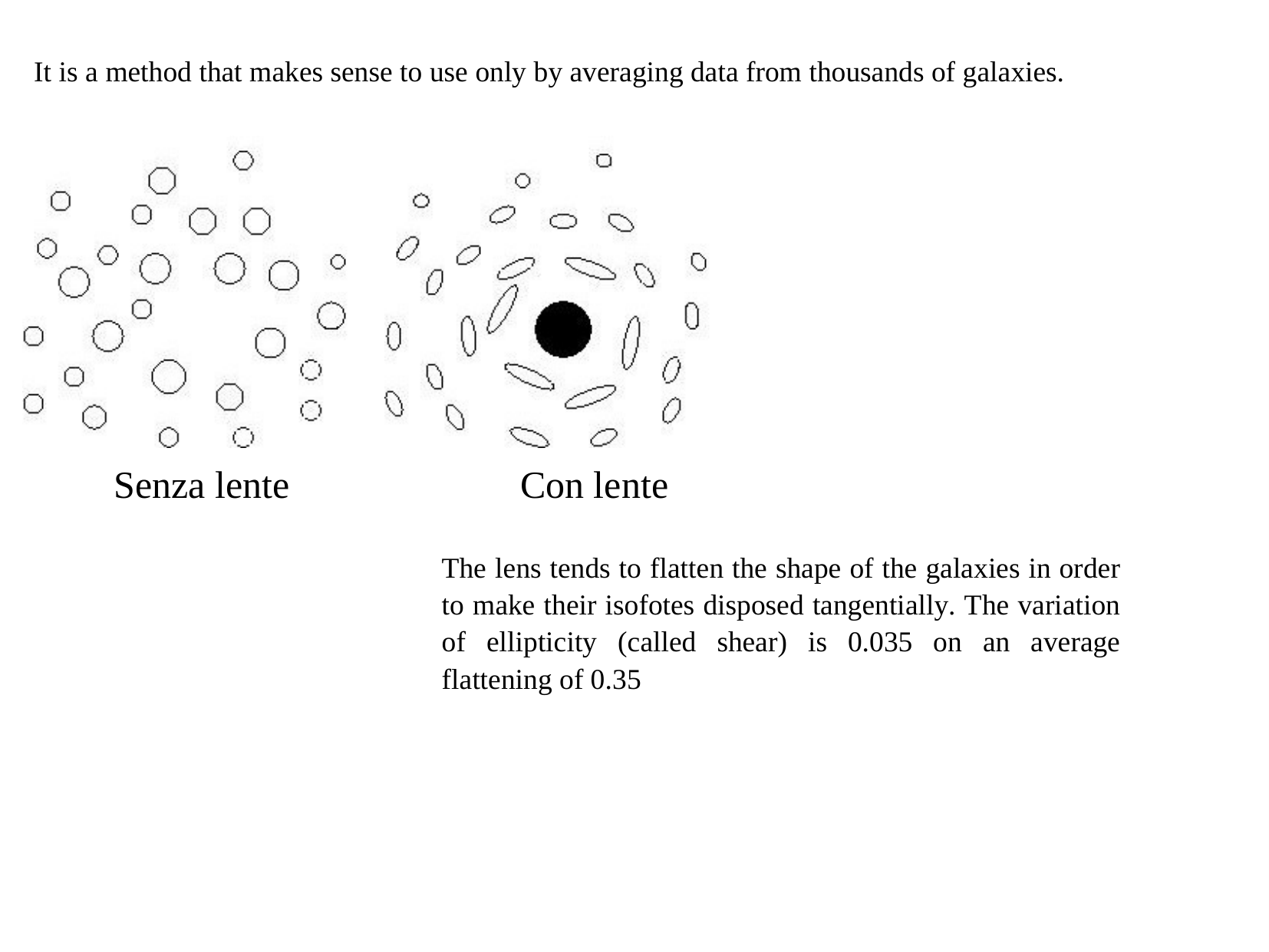 |
Lecture - Dark Matter in Galaxies | Modified Newtonian Dynamics (MOND) - acceleration threshold a_0, Tully-Fisher derivation | [[MOND]] |
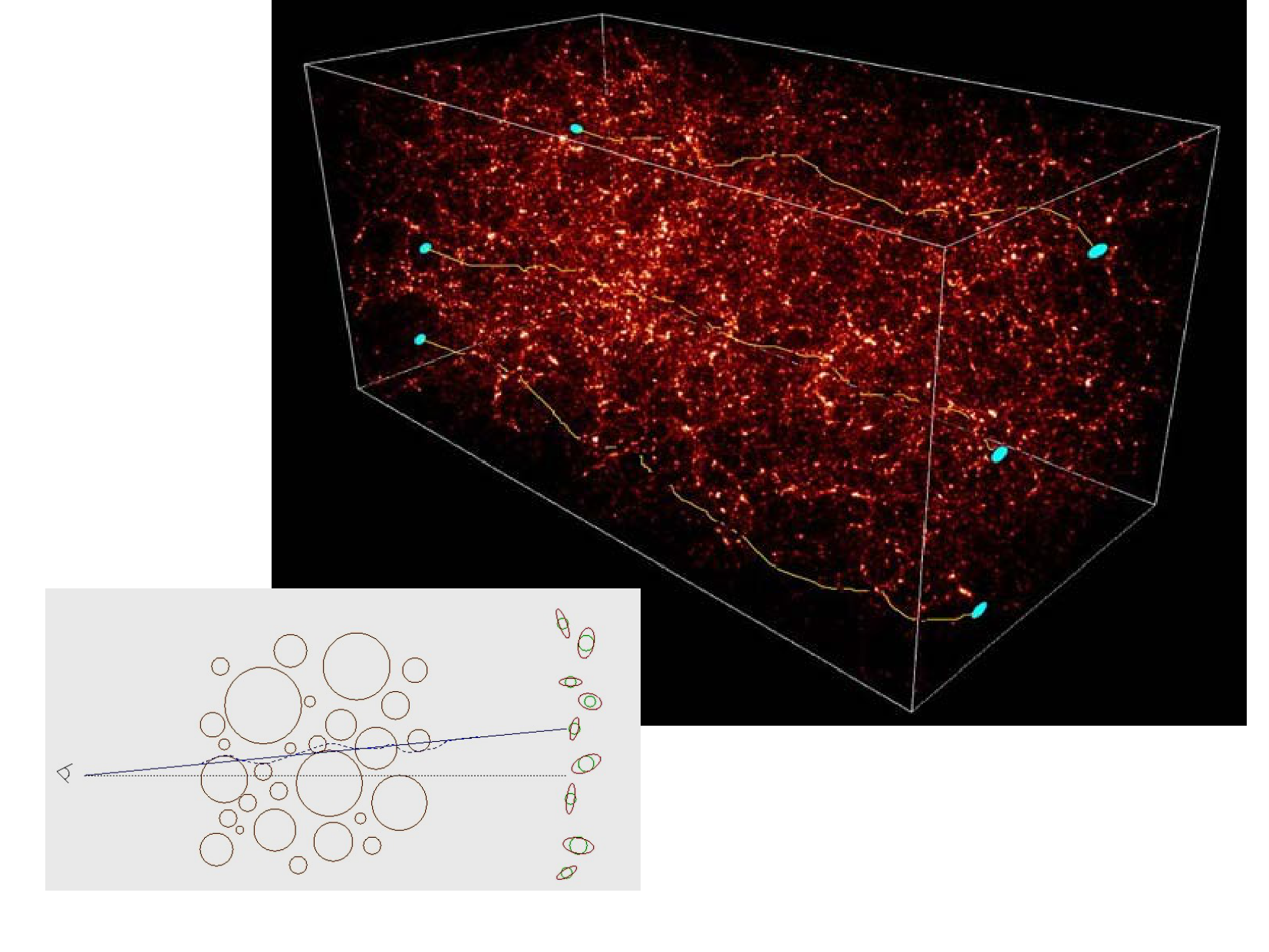 |
Lecture - Dark Matter in Galaxies | Modified Newtonian Dynamics (MOND) - acceleration threshold a_0, Tully-Fisher derivation | [[MOND]] |
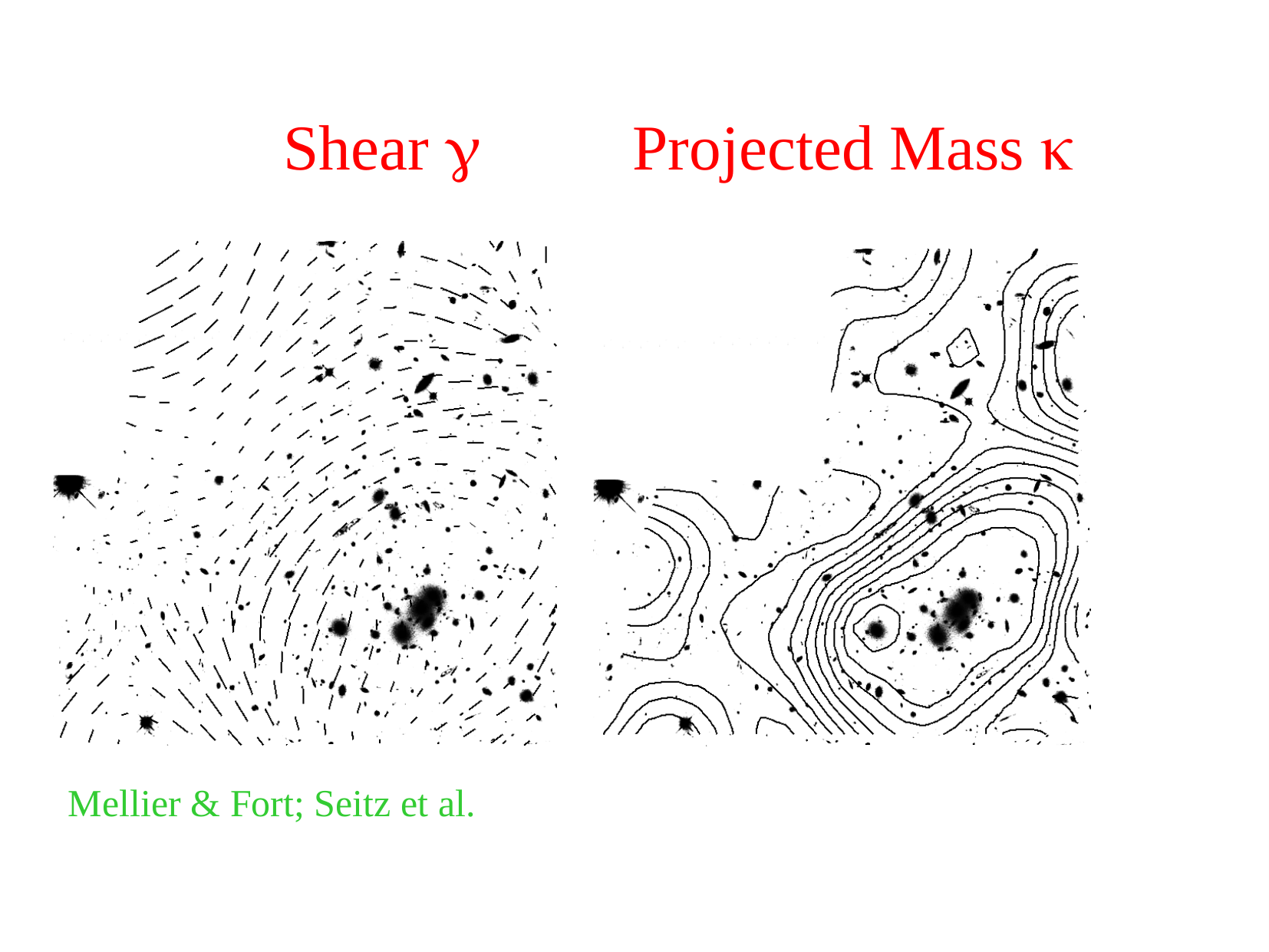 |
Lecture - Dark Matter in Galaxies | Modified Newtonian Dynamics (MOND) - acceleration threshold a_0, Tully-Fisher derivation | [[MOND]] |
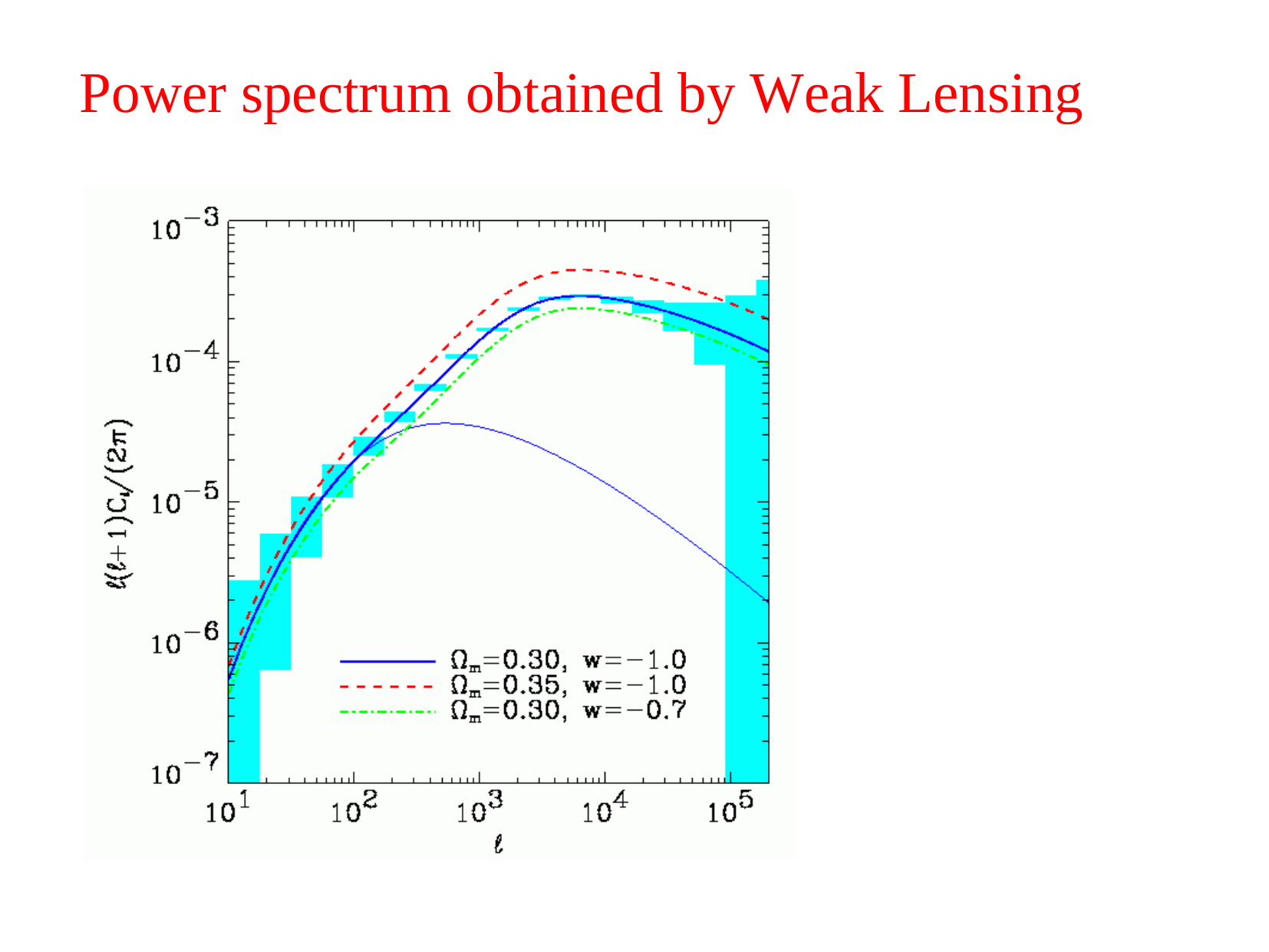 |
Lecture - Dark Matter in Galaxies | Modified Newtonian Dynamics (MOND) - acceleration threshold a_0, Tully-Fisher derivation | [[MOND]] |
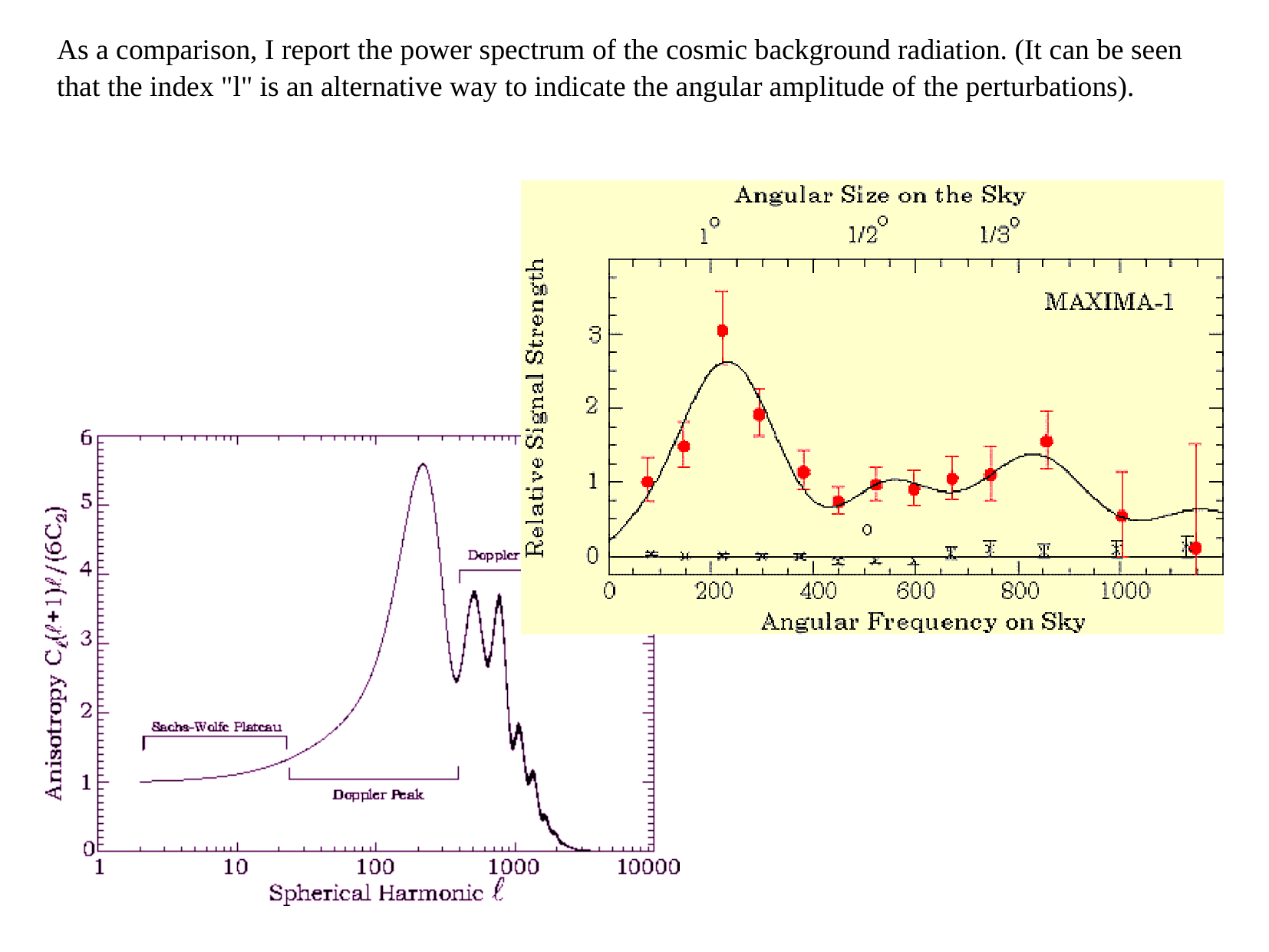 |
Lecture - Dark Matter in Galaxies | Modified Newtonian Dynamics (MOND) - acceleration threshold a_0, Tully-Fisher derivation | [[MOND]] |
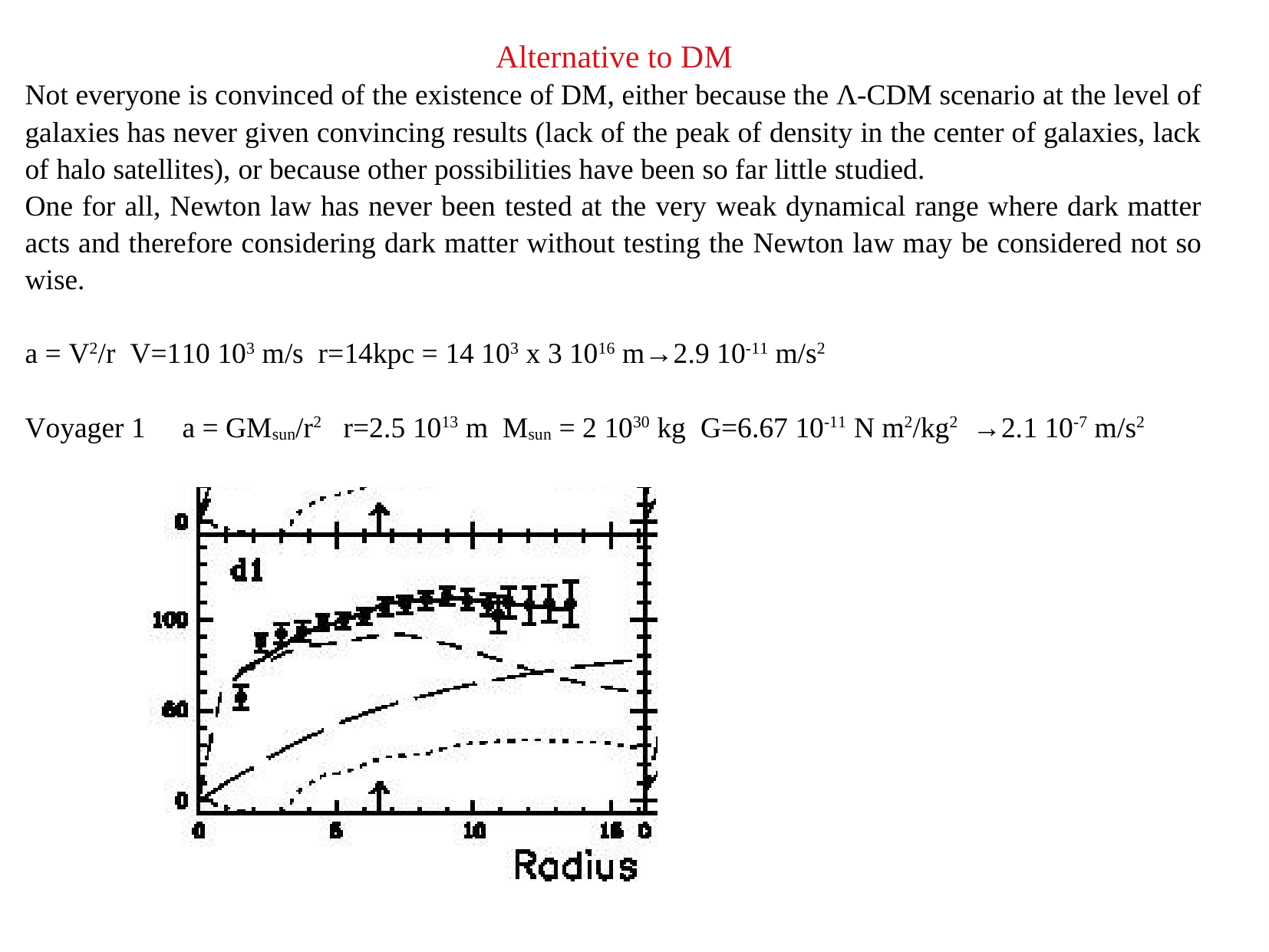 |
Lecture - Dark Matter in Galaxies | Modified Newtonian Dynamics (MOND) - acceleration threshold a_0, Tully-Fisher derivation | [[MOND]] |
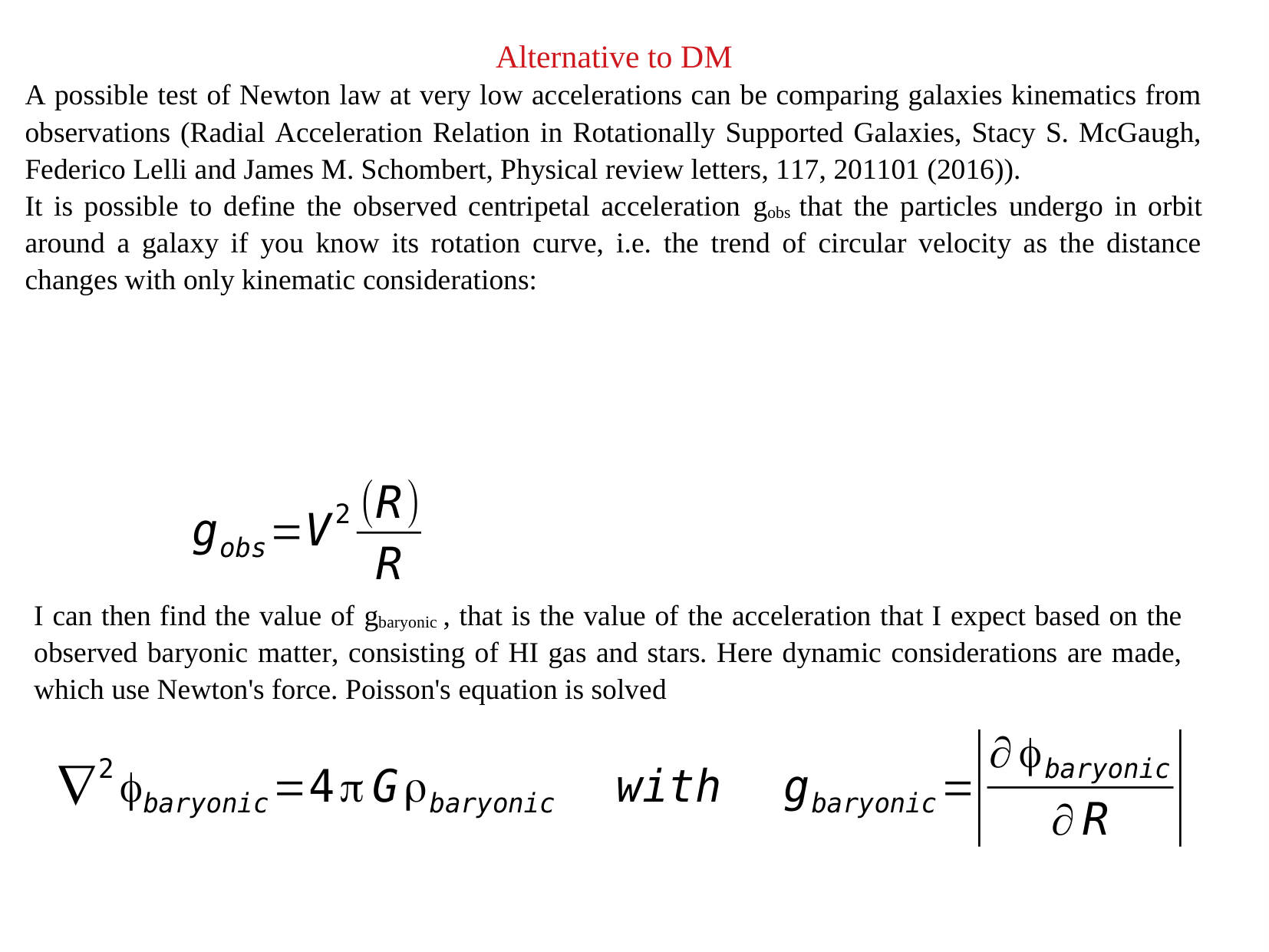 |
Lecture - Dark Matter in Galaxies | Modified Newtonian Dynamics (MOND) - acceleration threshold a_0, Tully-Fisher derivation | [[MOND]] |
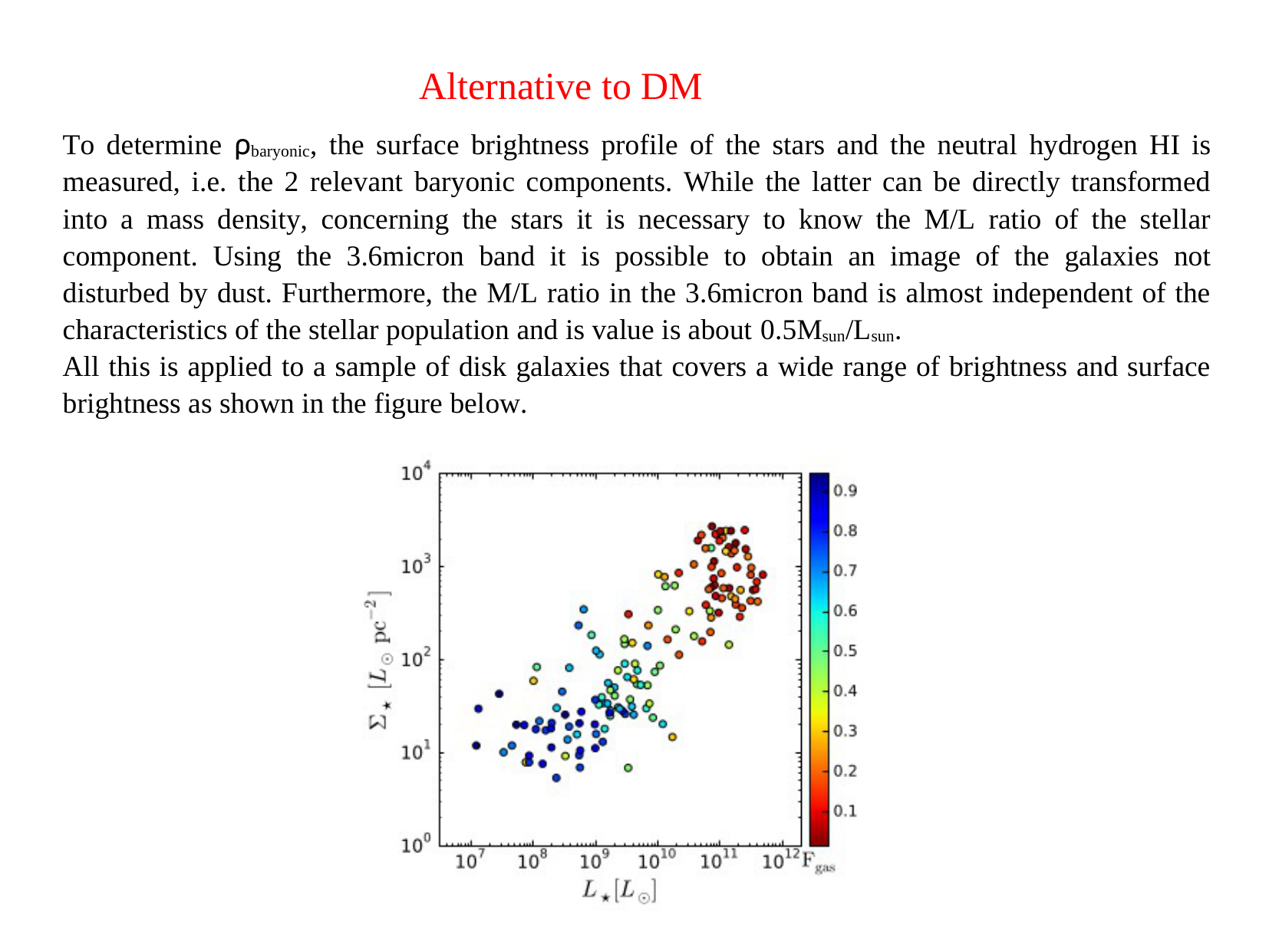 |
Lecture - Dark Matter in Galaxies | Modified Newtonian Dynamics (MOND) - acceleration threshold a_0, Tully-Fisher derivation | [[MOND]] |
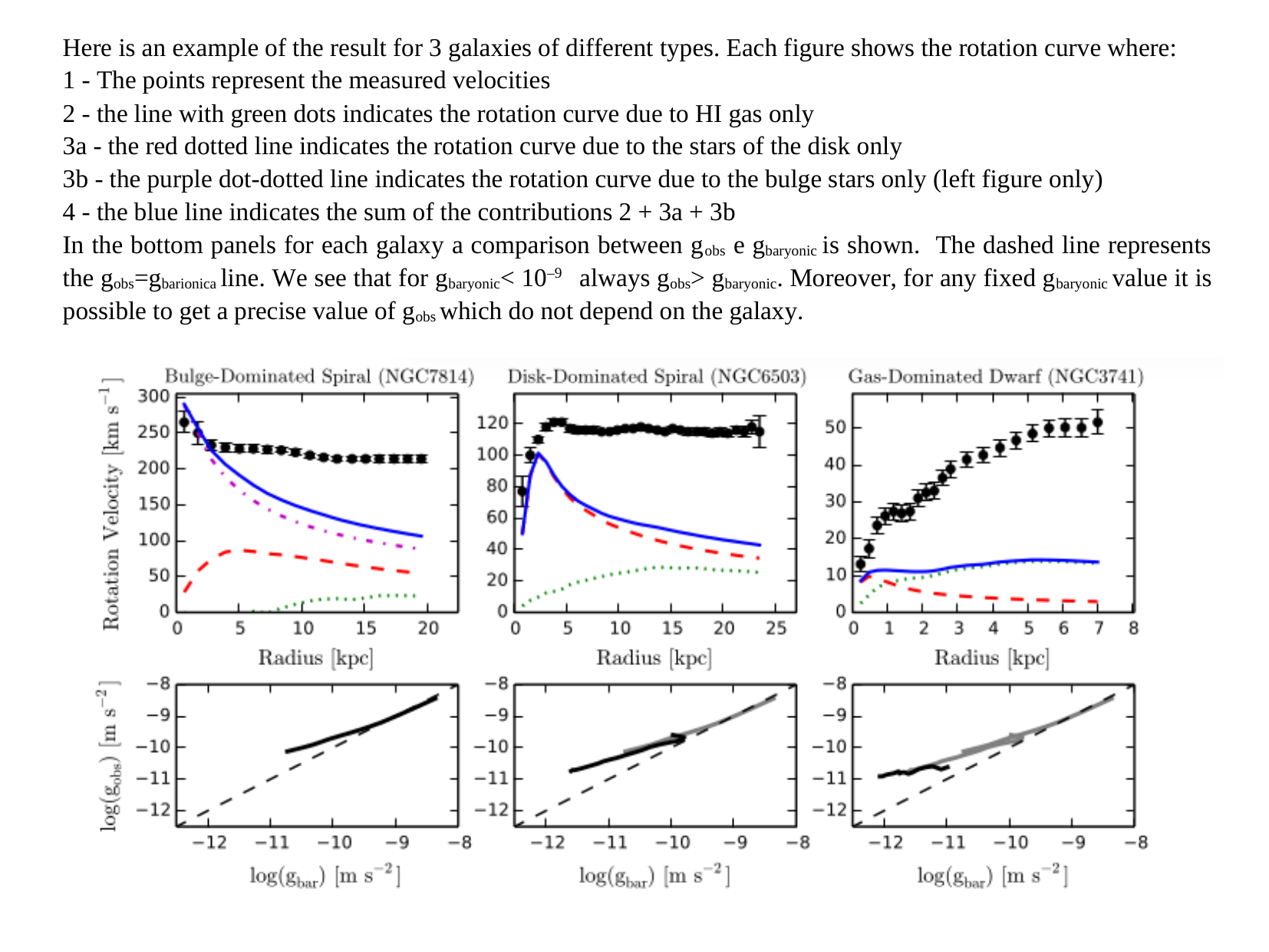 |
Lecture - Dark Matter in Galaxies | Modified Newtonian Dynamics (MOND) - acceleration threshold a_0, Tully-Fisher derivation | [[MOND]] |
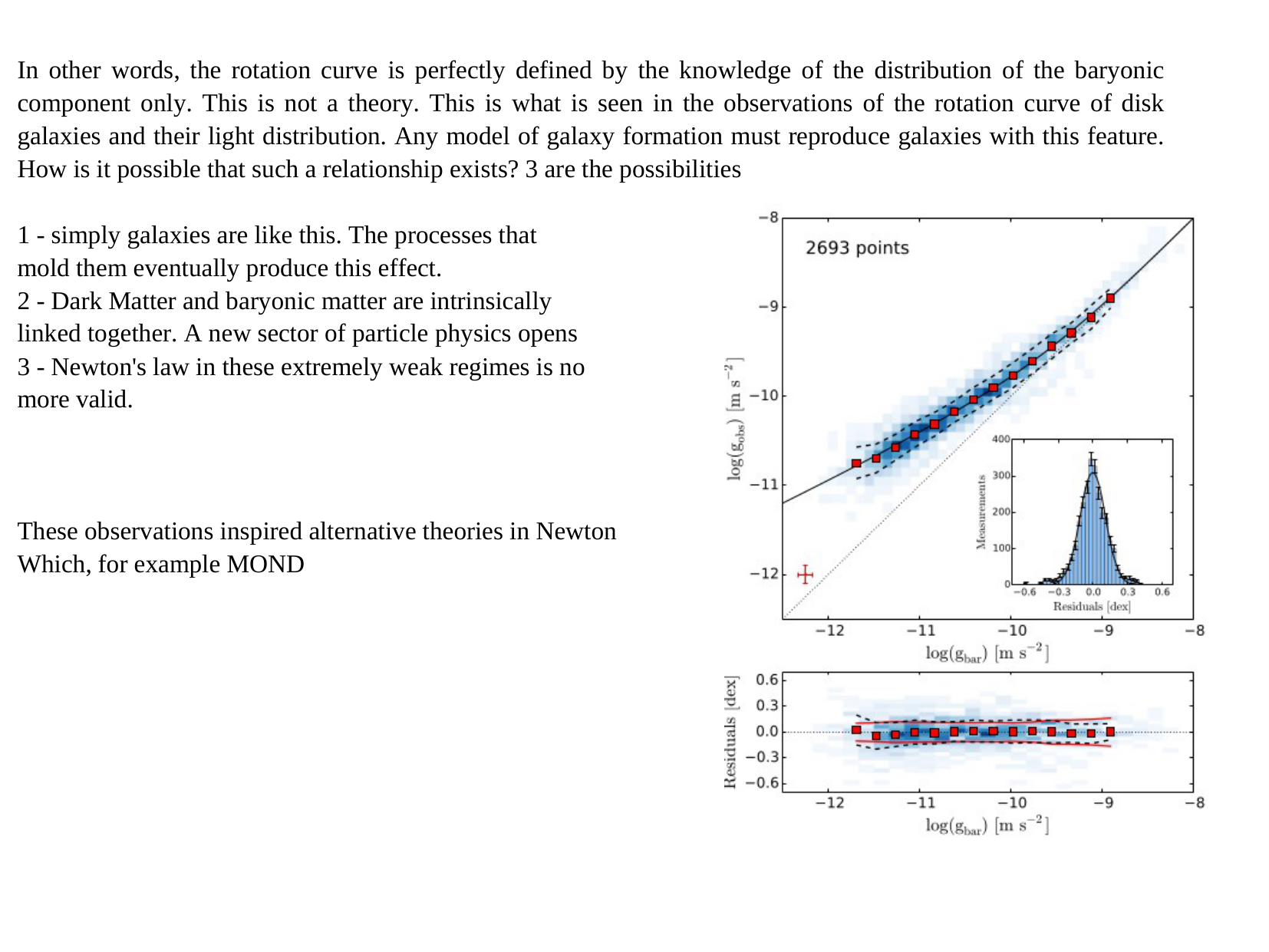 |
Lecture - Dark Matter in Galaxies | Modified Newtonian Dynamics (MOND) - acceleration threshold a_0, Tully-Fisher derivation | [[MOND]] |
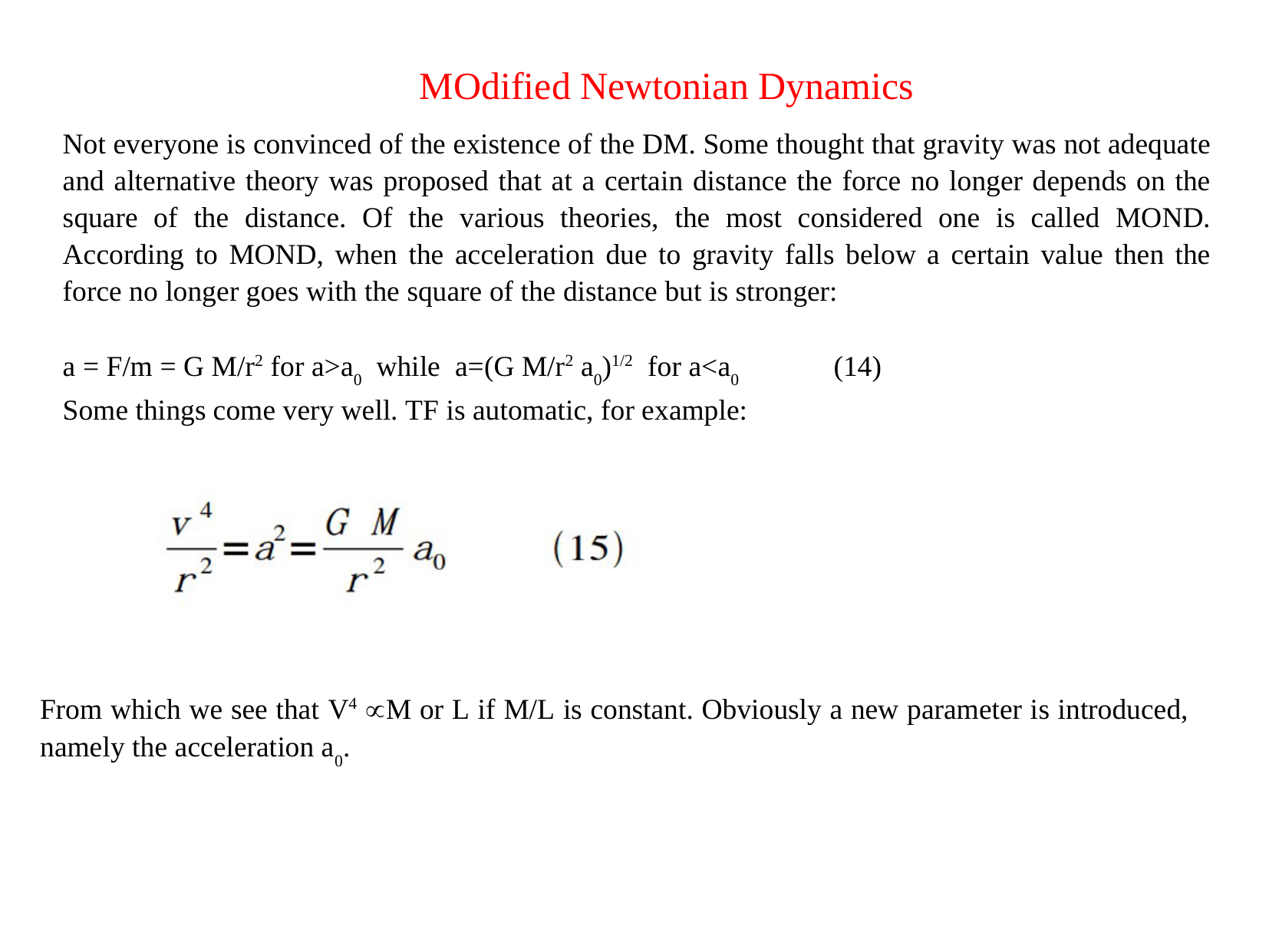 |
Lecture - Dark Matter in Galaxies | Modified Newtonian Dynamics (MOND) - acceleration threshold a_0, Tully-Fisher derivation | [[MOND]] |
 |
Lecture - Dark Matter in Galaxies | Modified Newtonian Dynamics (MOND) - acceleration threshold a_0, Tully-Fisher derivation | [[MOND]] |
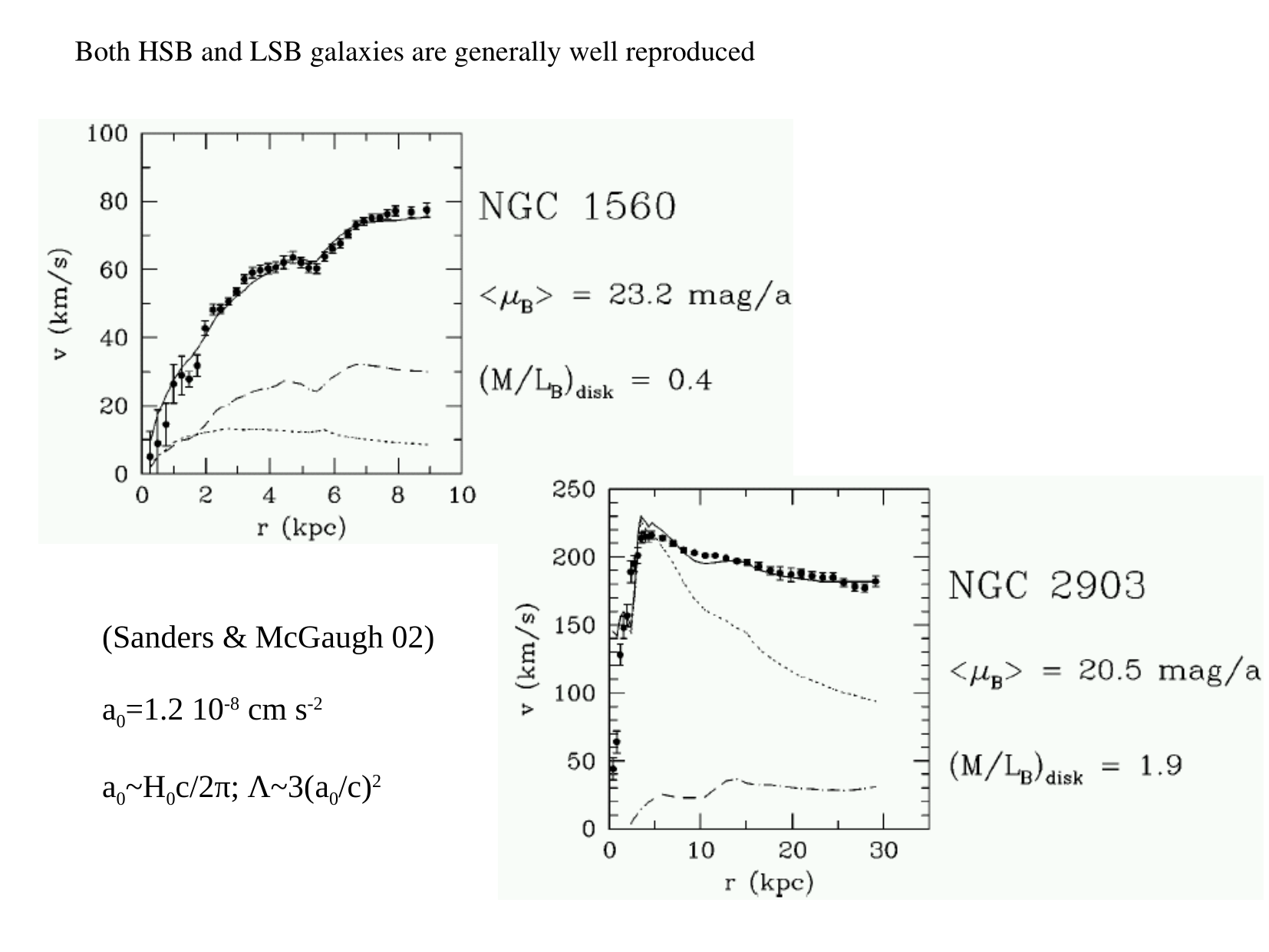 |
Lecture - Dark Matter in Galaxies | Relativistic modified gravity theories (TeVeS, MOG) and theoretical challenges | [[Modified gravity alternatives]] |
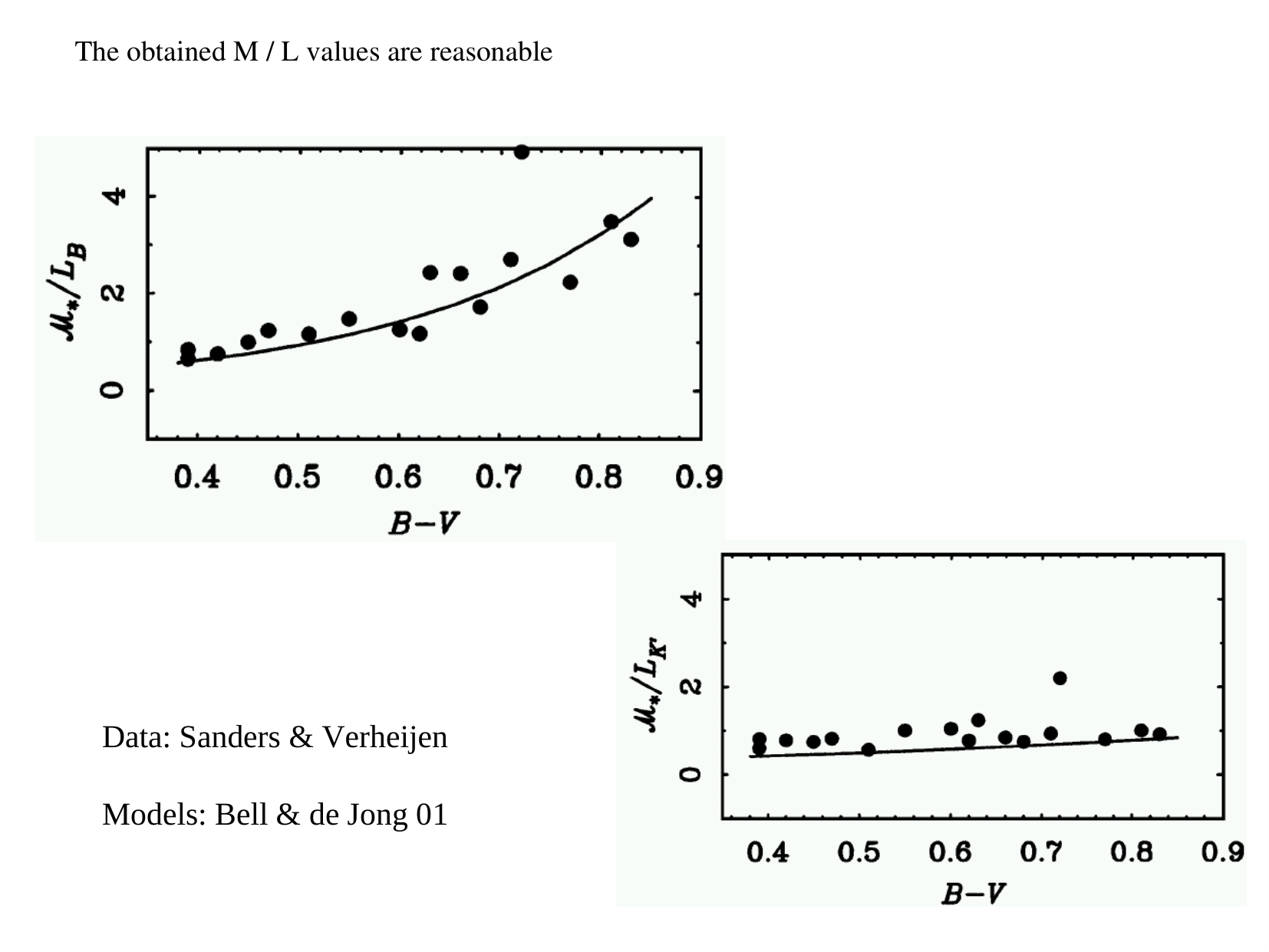 |
Lecture - Dark Matter in Galaxies | Relativistic modified gravity theories (TeVeS, MOG) and theoretical challenges | [[Modified gravity alternatives]] |
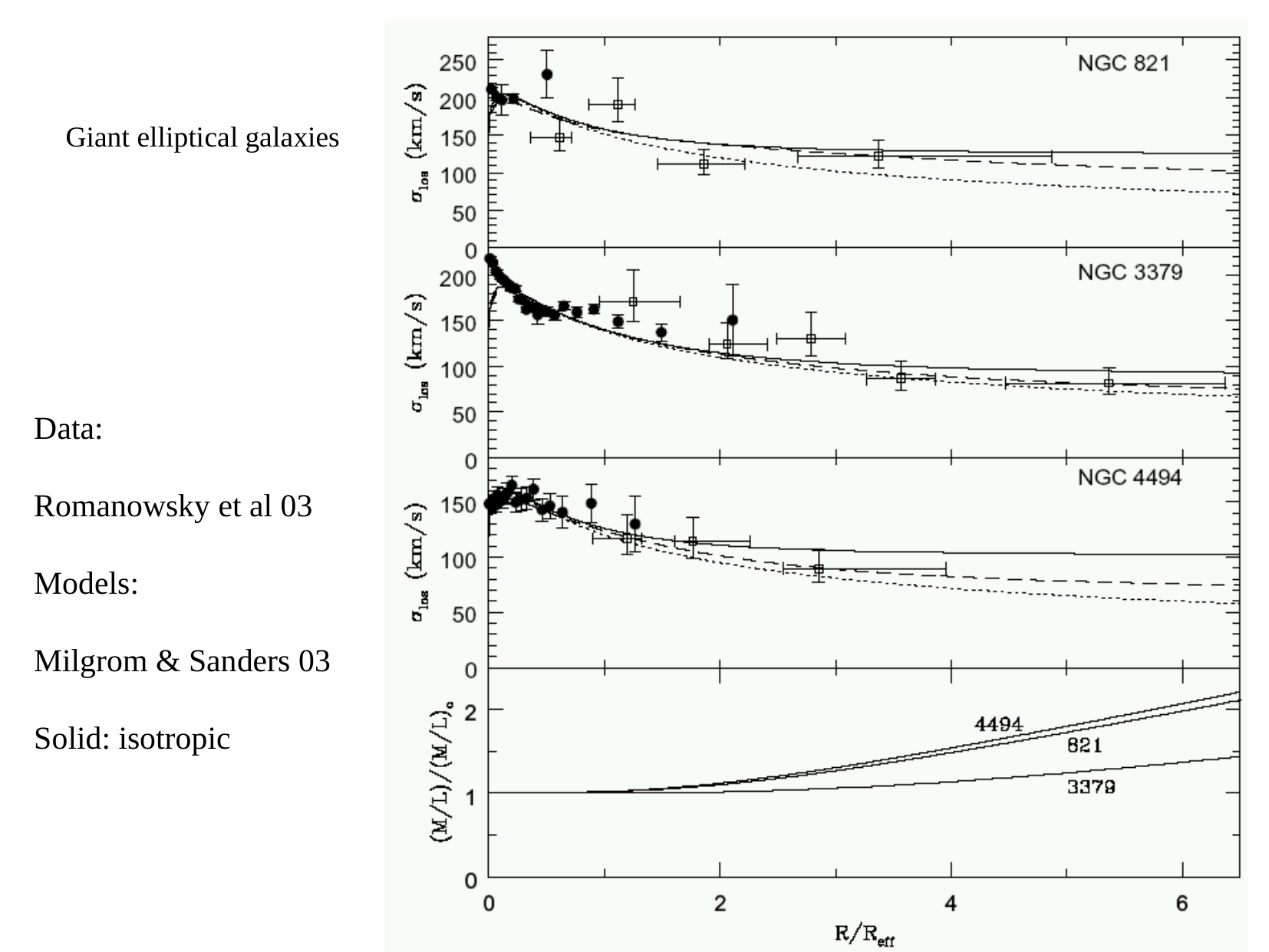 |
Lecture - Dark Matter in Galaxies | Relativistic modified gravity theories (TeVeS, MOG) and theoretical challenges | [[Modified gravity alternatives]] |
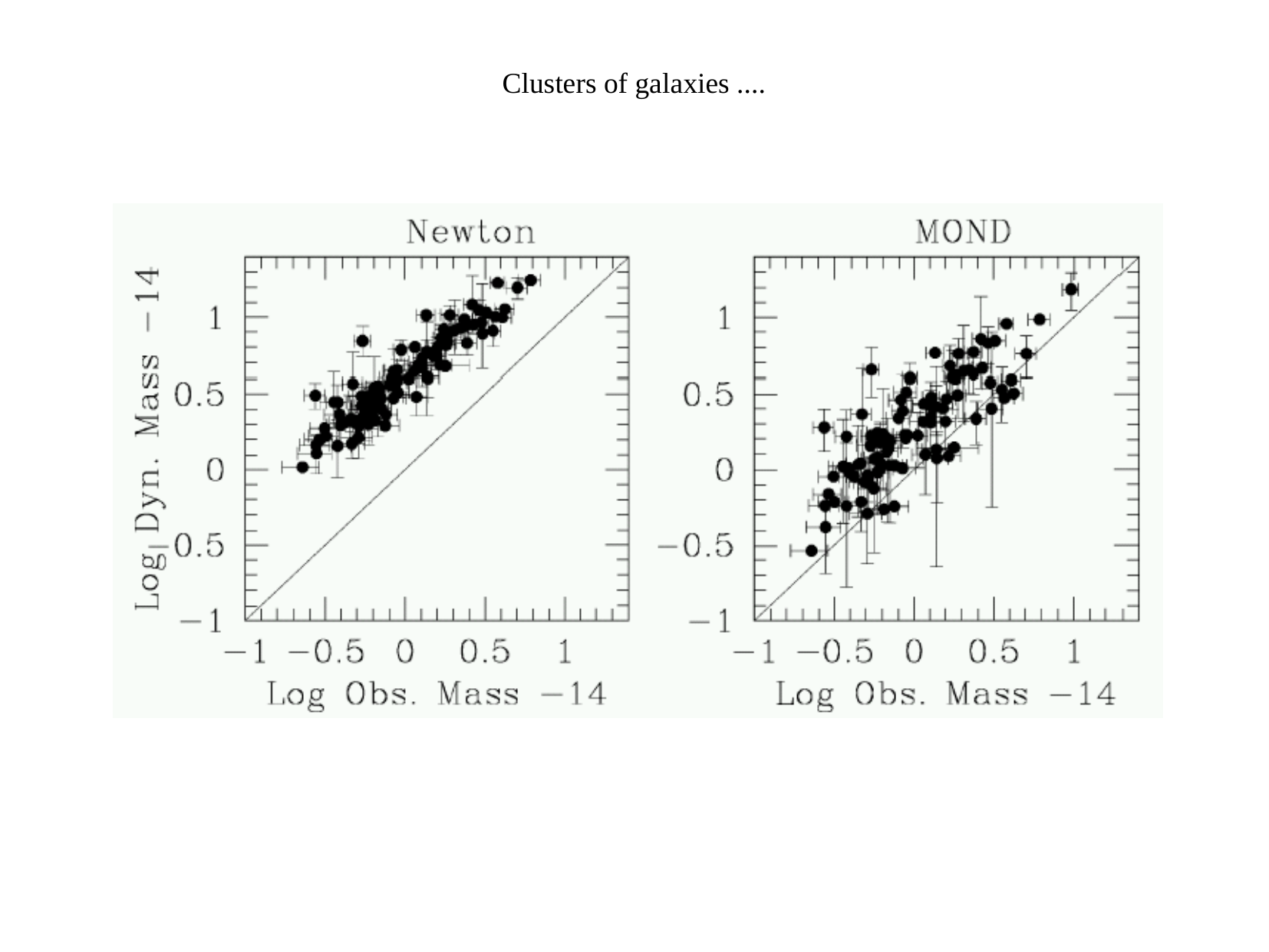 |
Lecture - Dark Matter in Galaxies | Relativistic modified gravity theories (TeVeS, MOG) and theoretical challenges | [[Modified gravity alternatives]] |
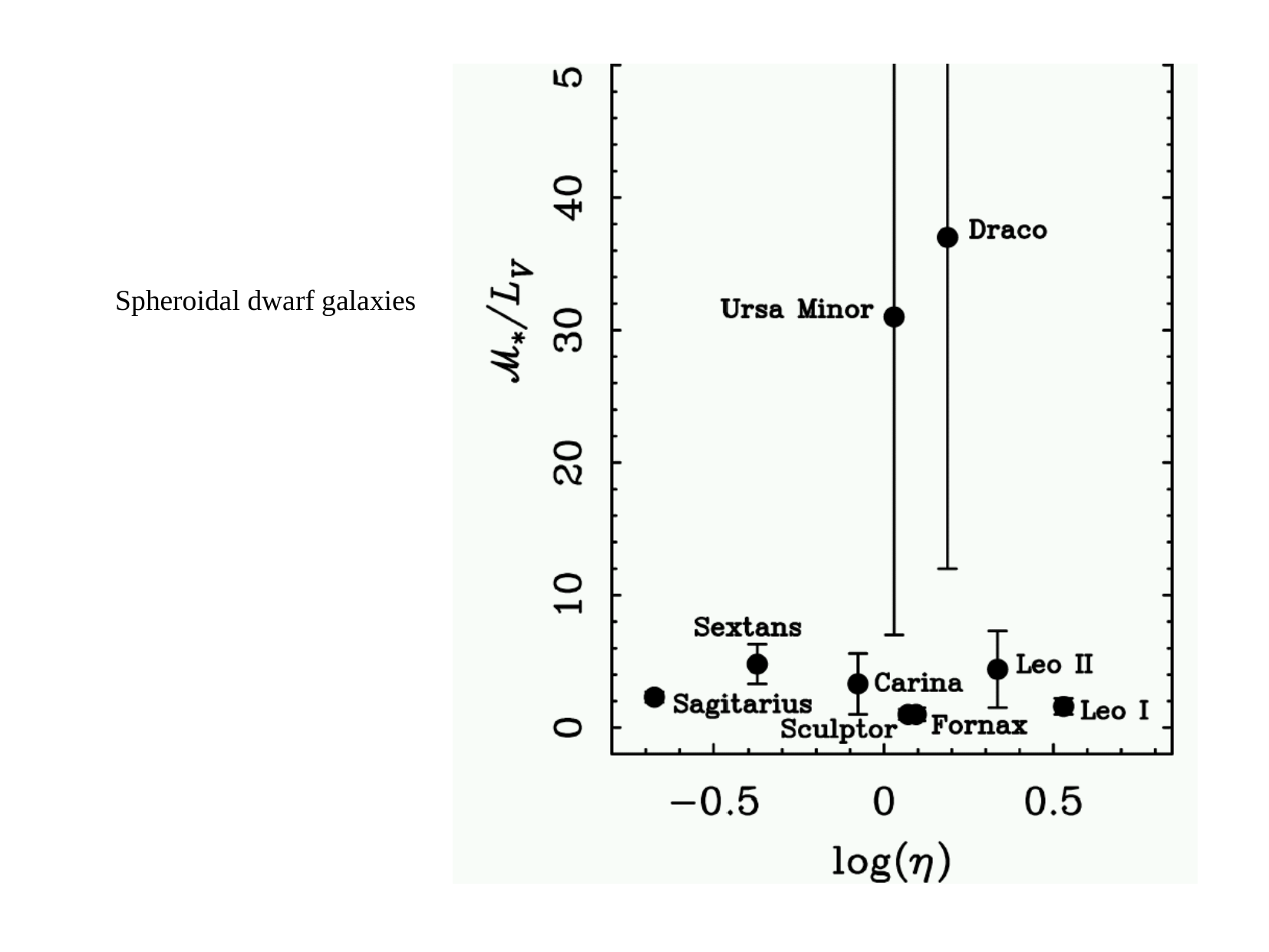 |
Lecture - Dark Matter in Galaxies | Relativistic modified gravity theories (TeVeS, MOG) and theoretical challenges | [[Modified gravity alternatives]] |
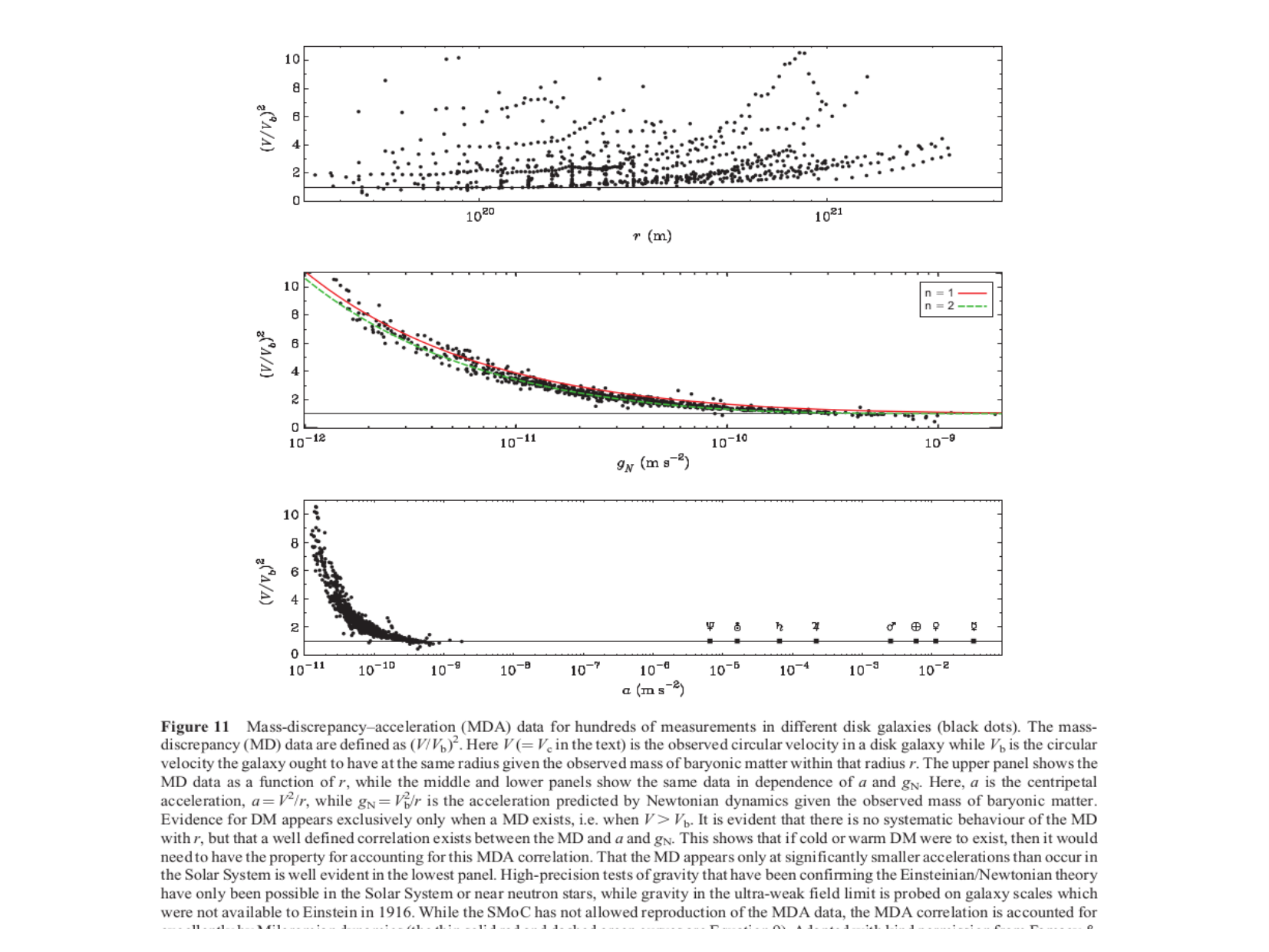 |
Lecture - Dark Matter in Galaxies | Relativistic modified gravity theories (TeVeS, MOG) and theoretical challenges | [[Modified gravity alternatives]] |
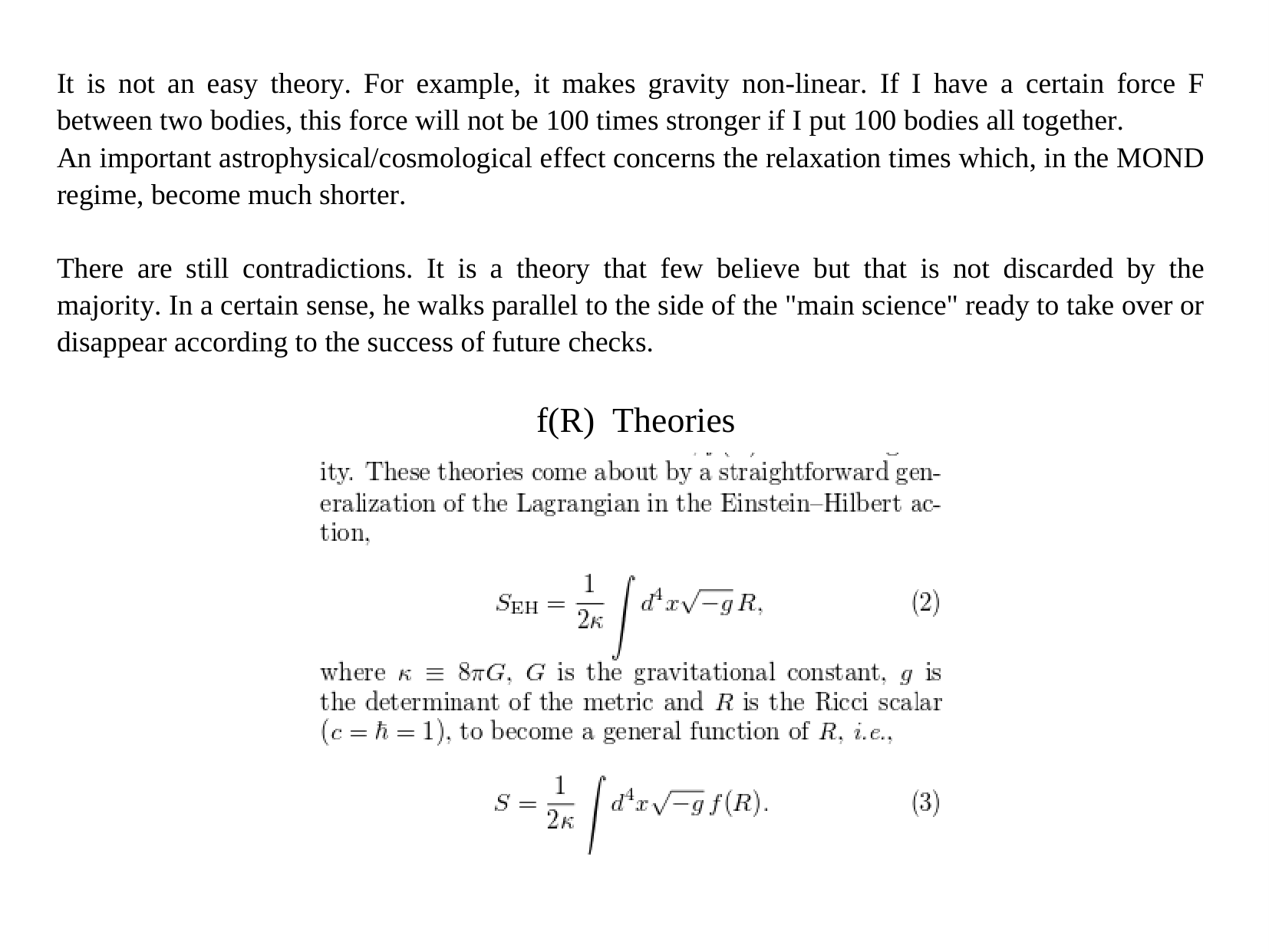 |
Lecture - Dark Matter in Galaxies | Relativistic modified gravity theories (TeVeS, MOG) and theoretical challenges | [[Modified gravity alternatives]] |
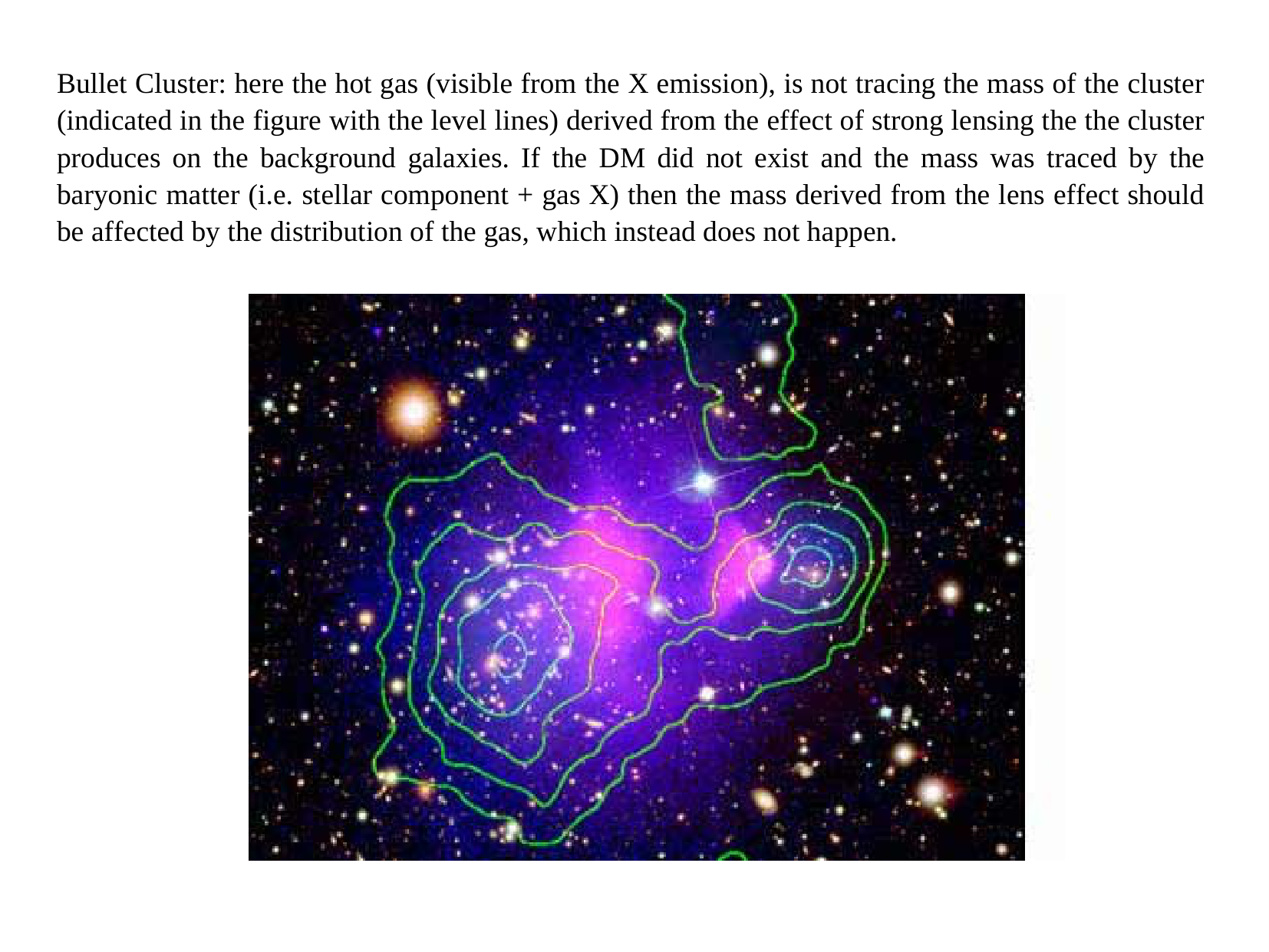 |
Lecture - Dark Matter in Galaxies | Relativistic modified gravity theories (TeVeS, MOG) and theoretical challenges | [[Modified gravity alternatives]] |
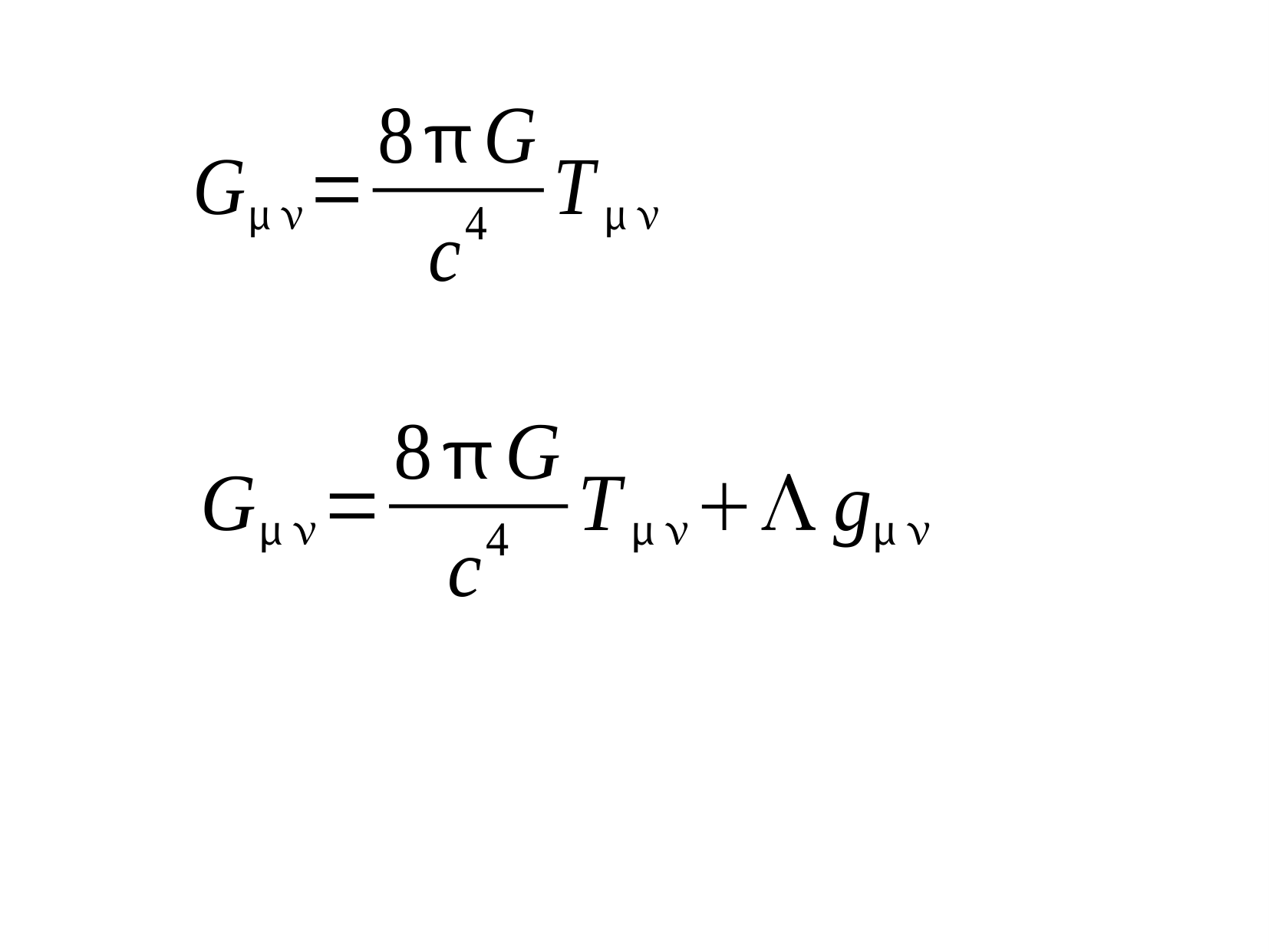 |
Lecture - Dark Matter in Galaxies | Relativistic modified gravity theories (TeVeS, MOG) and theoretical challenges | [[Modified gravity alternatives]] |
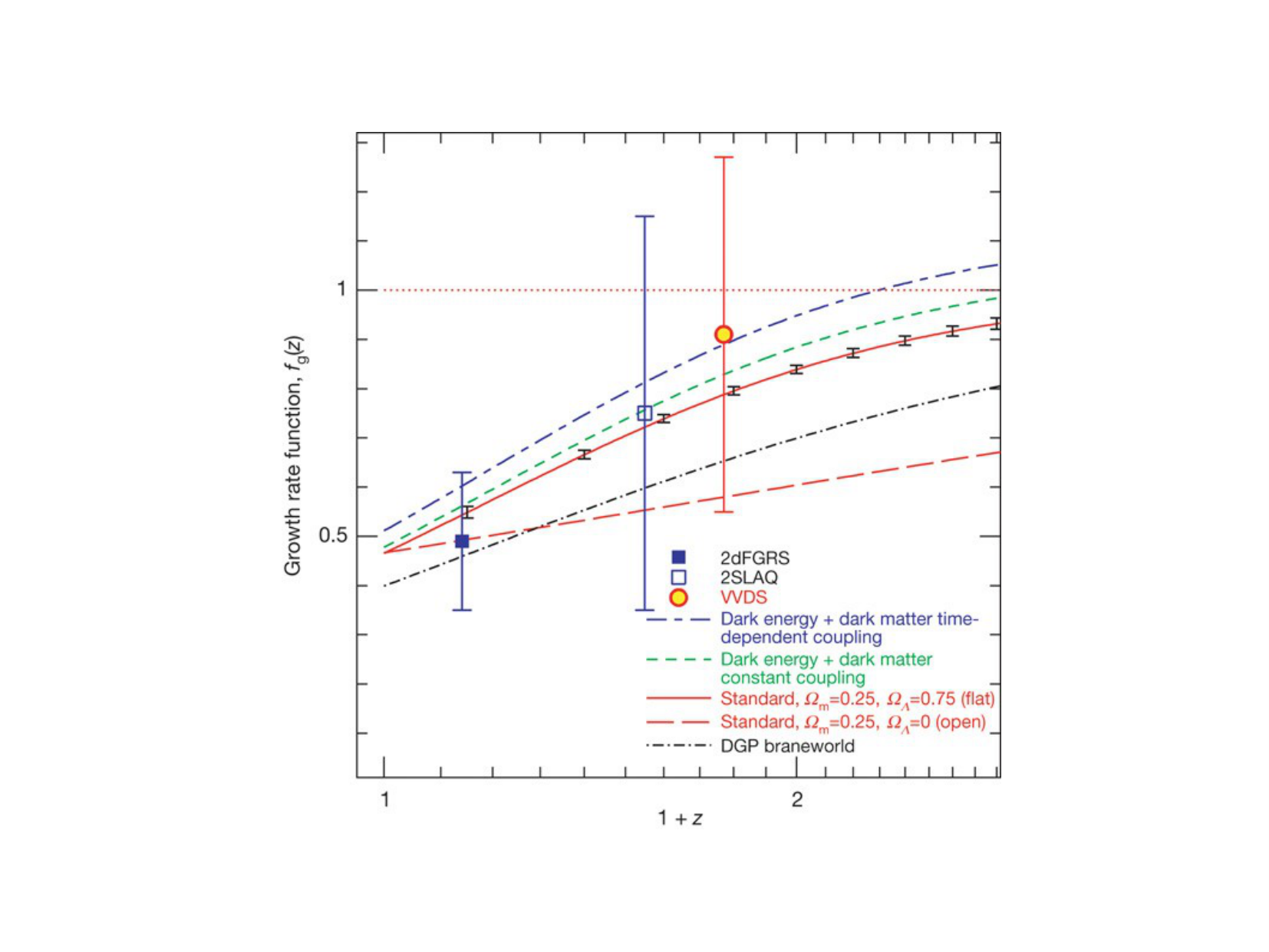 |
Lecture - Dark Matter in Galaxies | Relativistic modified gravity theories (TeVeS, MOG) and theoretical challenges | [[Modified gravity alternatives]] |
 |
Lecture 2 - Ellipticals and Bulges | Sersic surface brightness profile I(R), effective radius R_e, index n | [[Sersic profile]] |
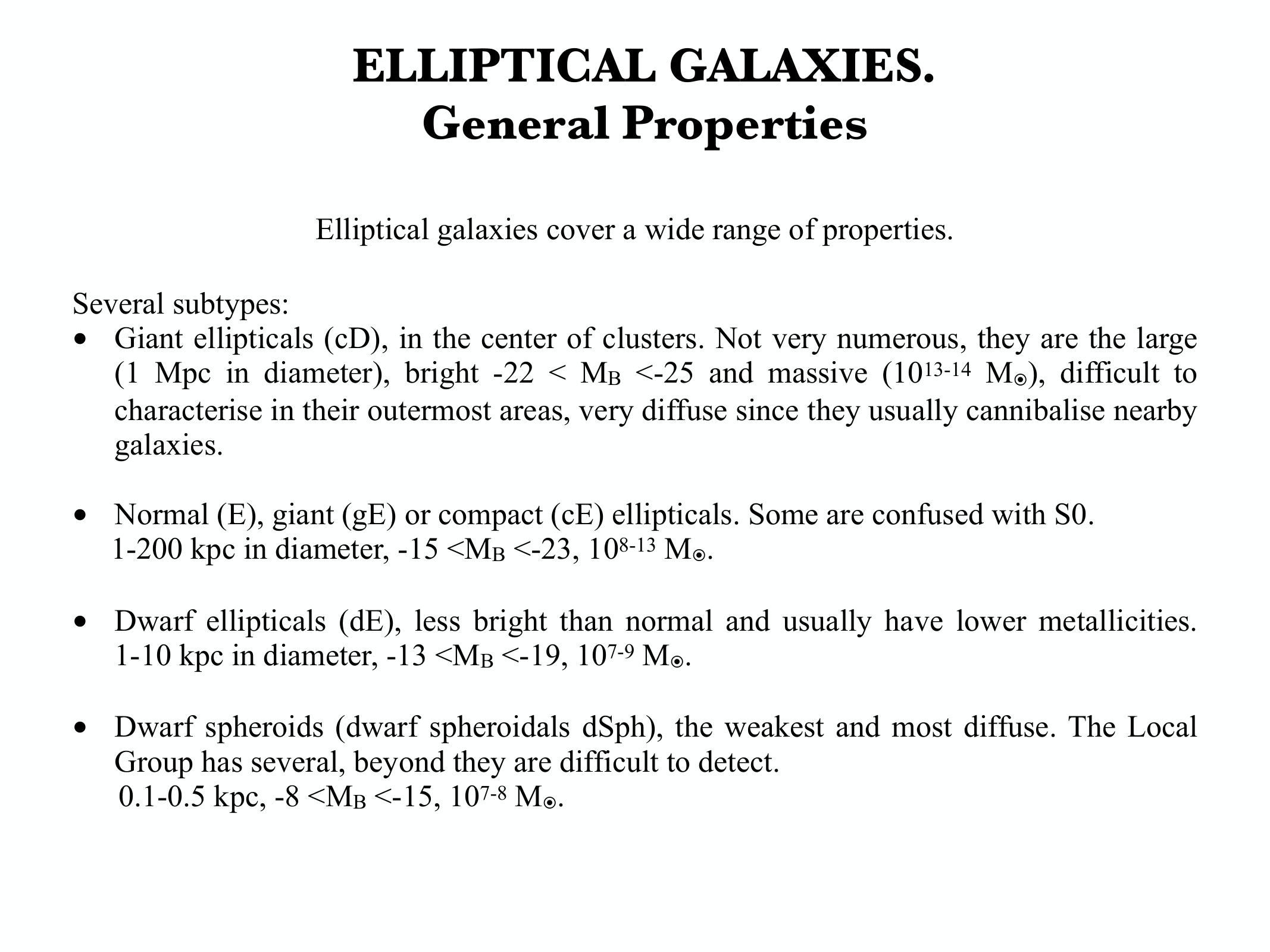 |
Lecture 2 - Ellipticals and Bulges | Sersic surface brightness profile I(R), effective radius R_e, index n | [[Sersic profile]] |
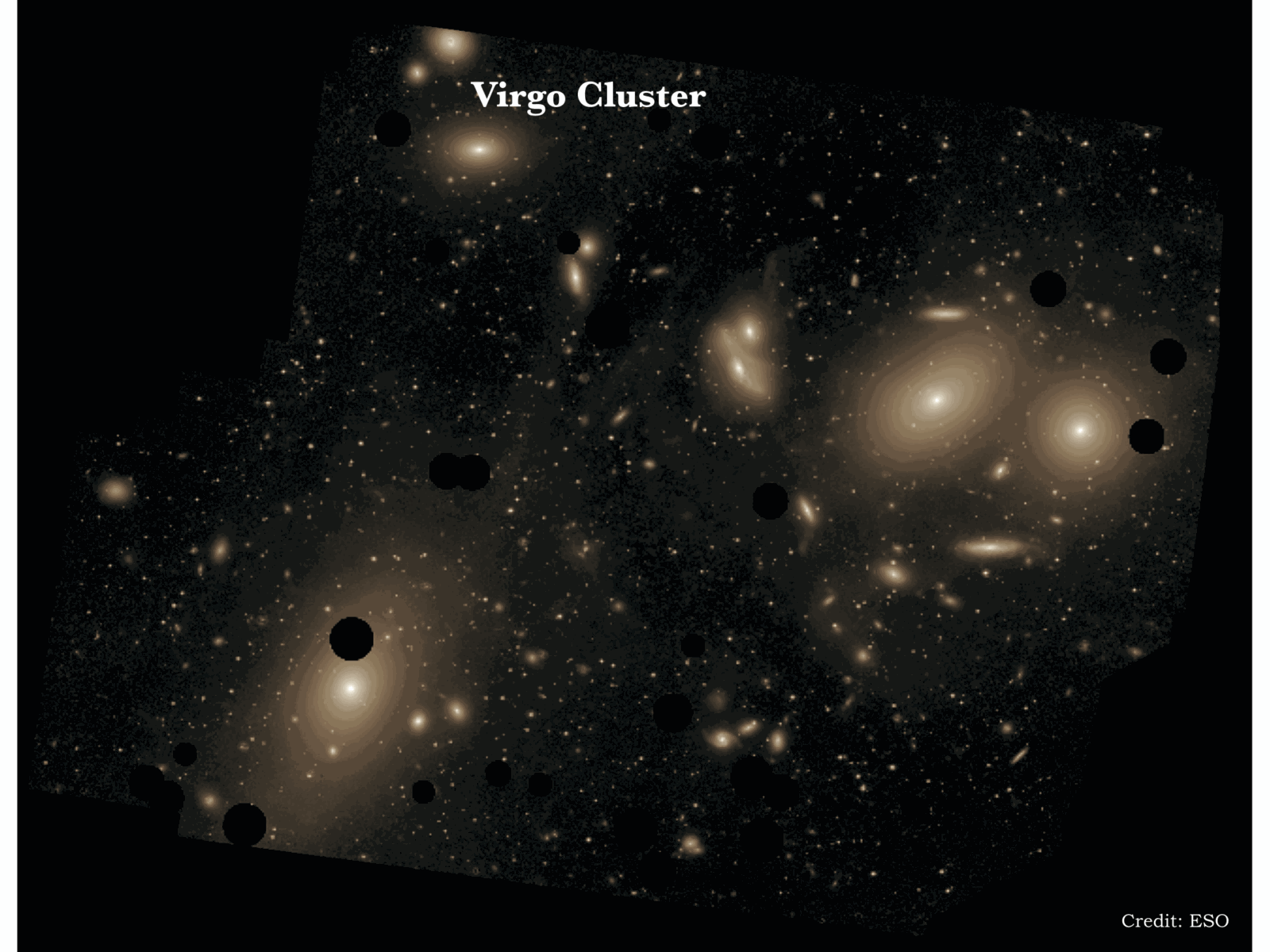 |
Lecture 2 - Ellipticals and Bulges | Sersic surface brightness profile I(R), effective radius R_e, index n | [[Sersic profile]] |
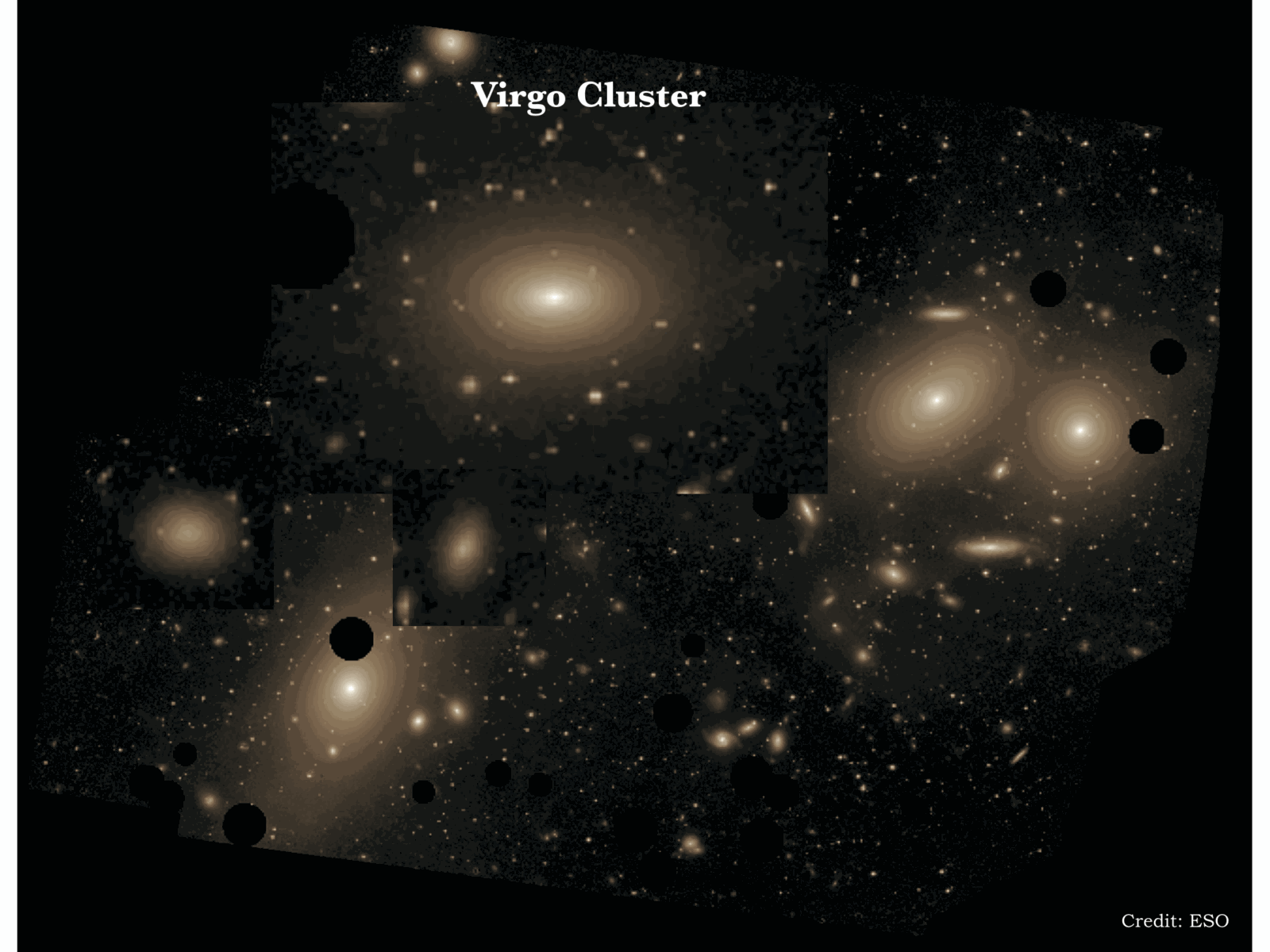 |
Lecture 2 - Ellipticals and Bulges | Sersic surface brightness profile I(R), effective radius R_e, index n | [[Sersic profile]] |
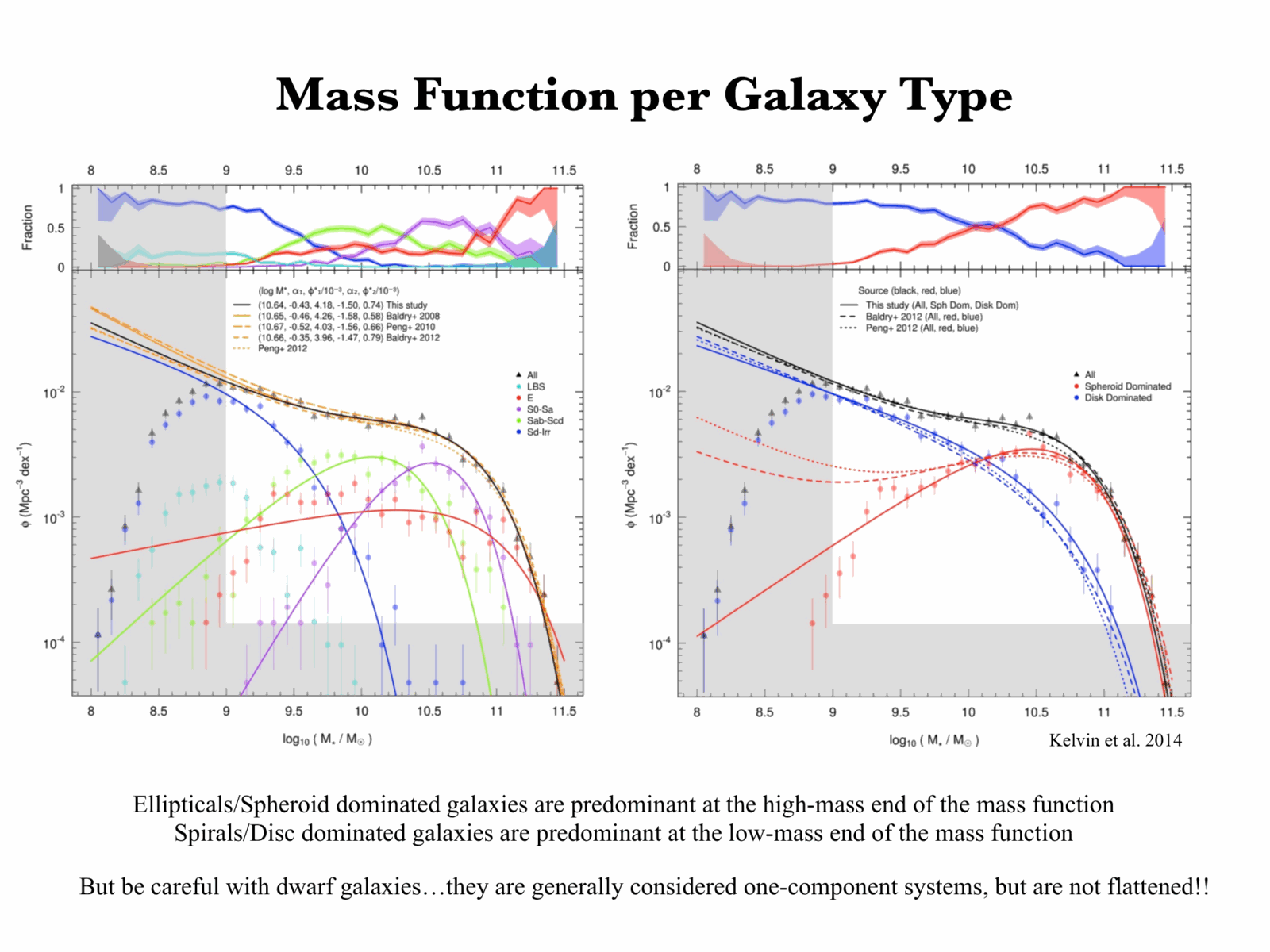 |
Lecture 2 - Ellipticals and Bulges | Sersic surface brightness profile I(R), effective radius R_e, index n | [[Sersic profile]] |
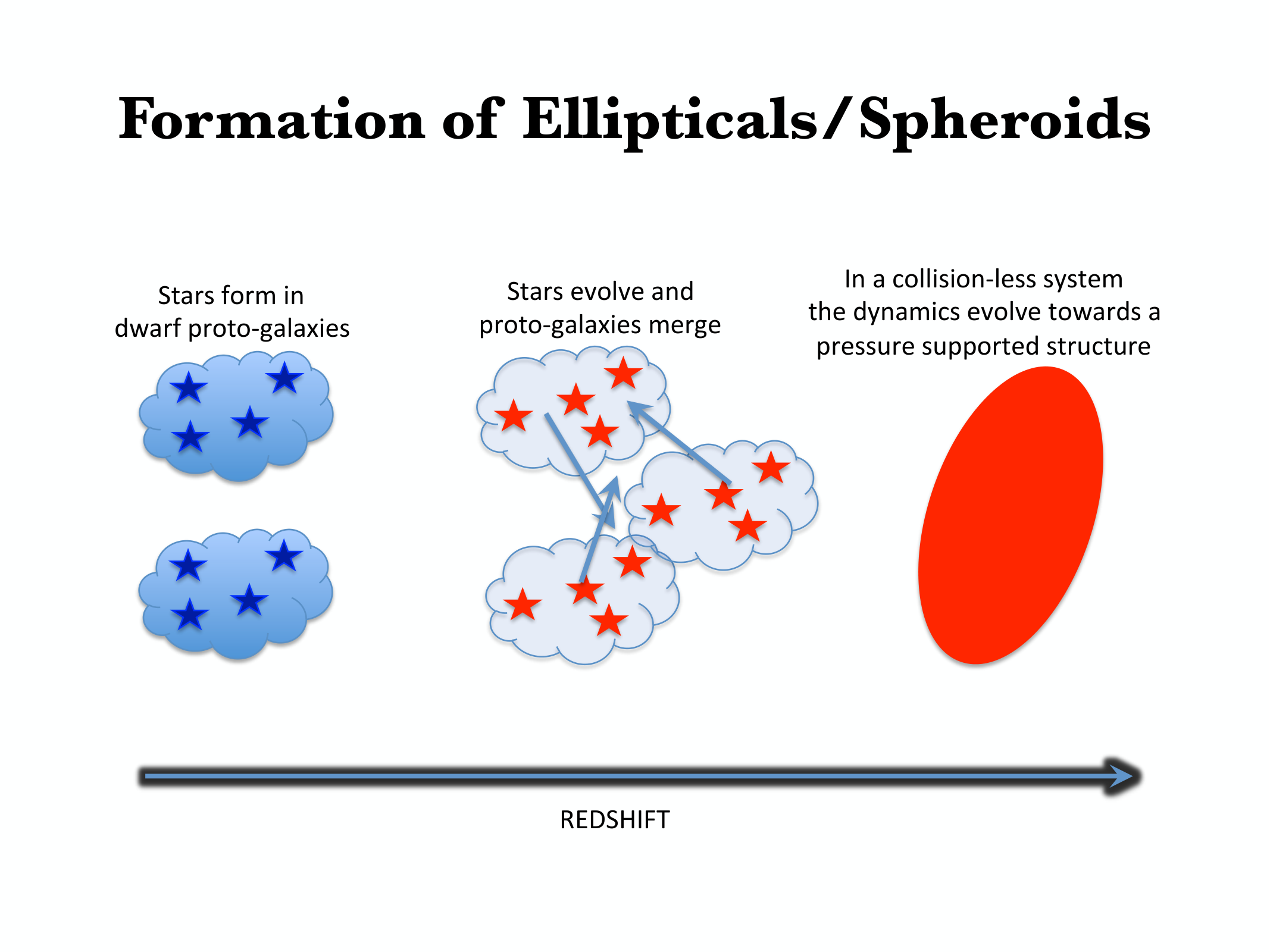 |
Lecture 2 - Ellipticals and Bulges | Sersic surface brightness profile I(R), effective radius R_e, index n | [[Sersic profile]] |
 |
Lecture 2 - Ellipticals and Bulges | Sersic surface brightness profile I(R), effective radius R_e, index n | [[Sersic profile]] |
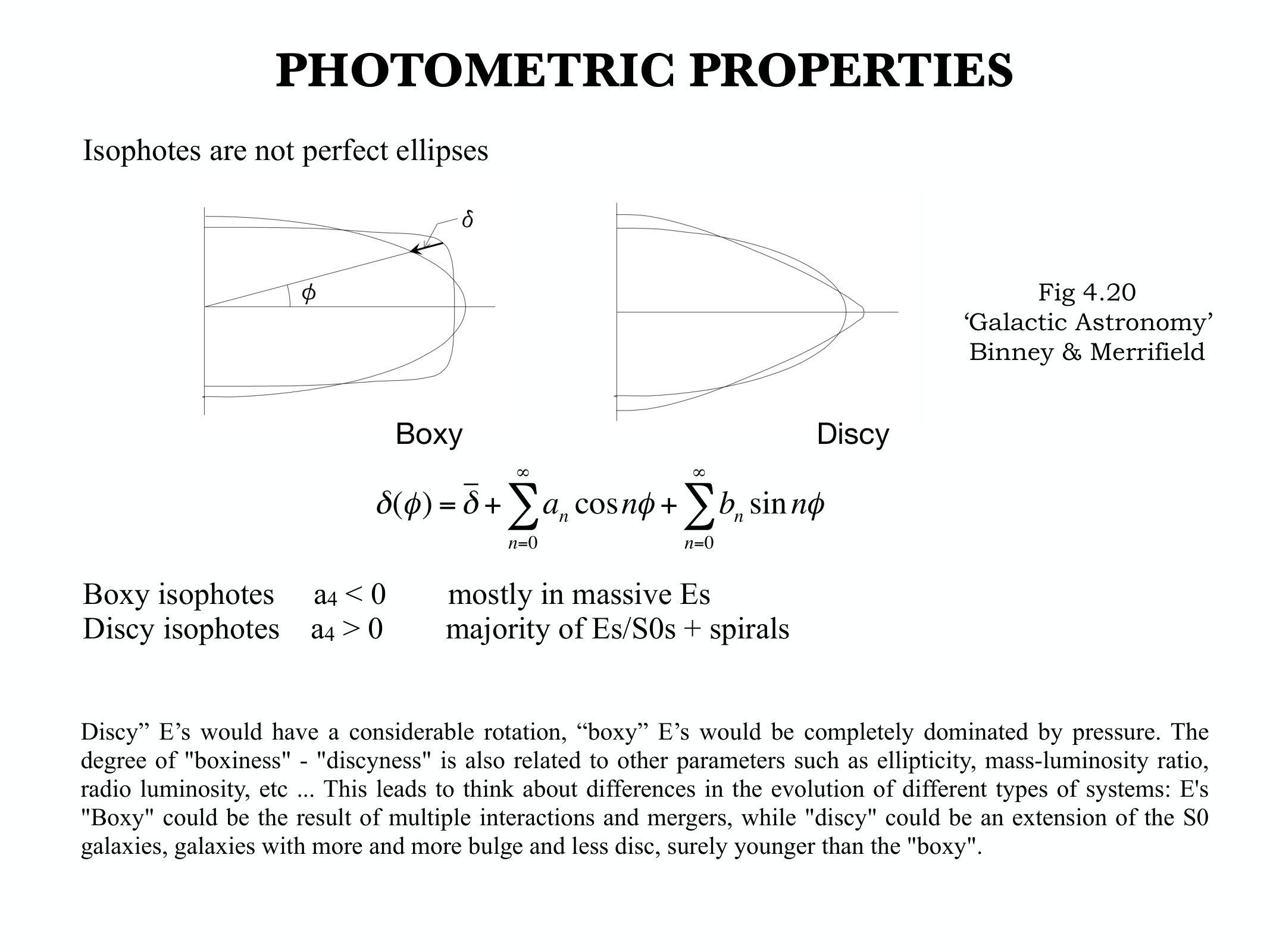 |
Lecture 2 - Ellipticals and Bulges | Sersic surface brightness profile I(R), effective radius R_e, index n | [[Sersic profile]] |
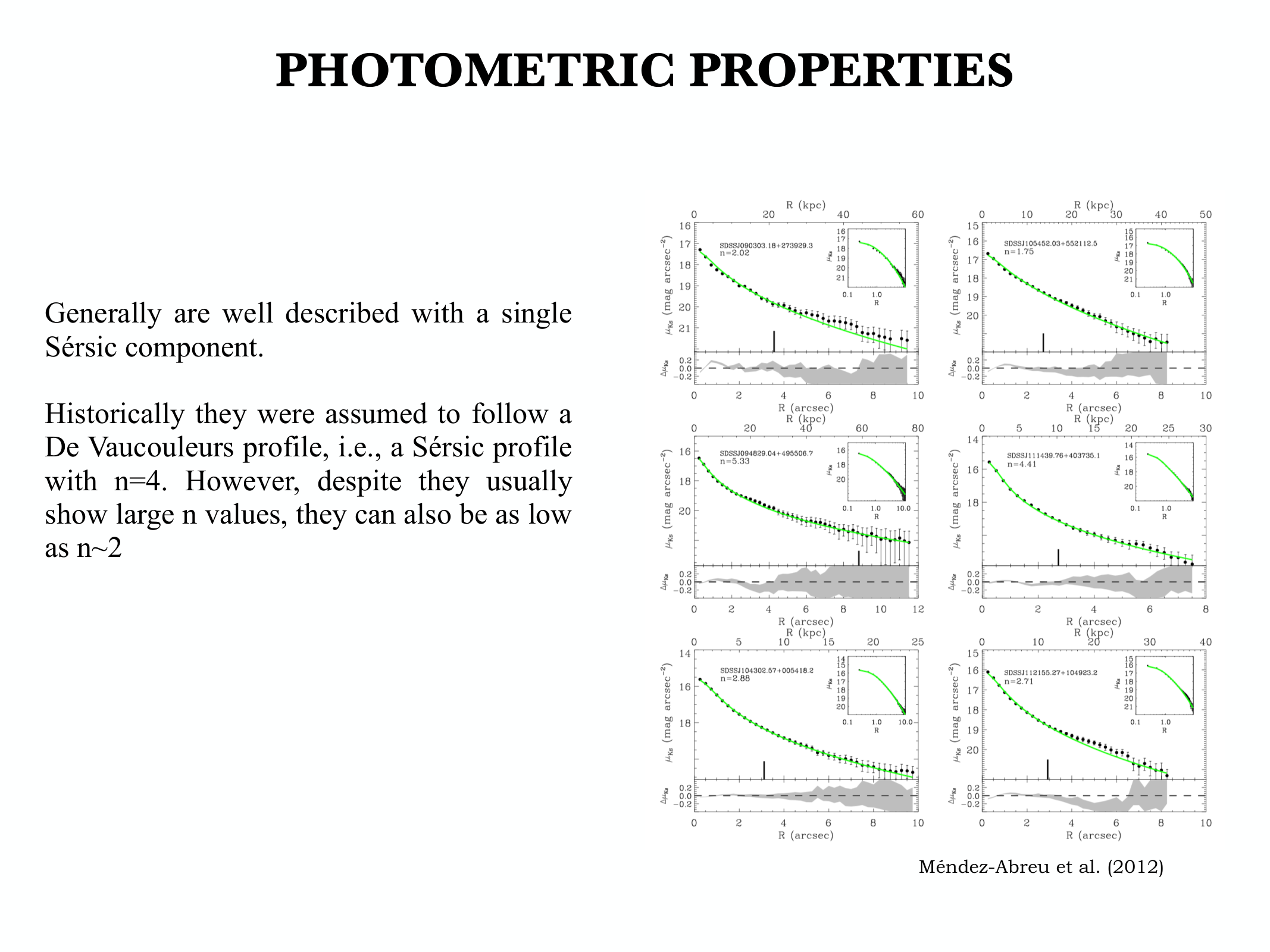 |
Lecture 2 - Ellipticals and Bulges | Sersic surface brightness profile I(R), effective radius R_e, index n | [[Sersic profile]] |
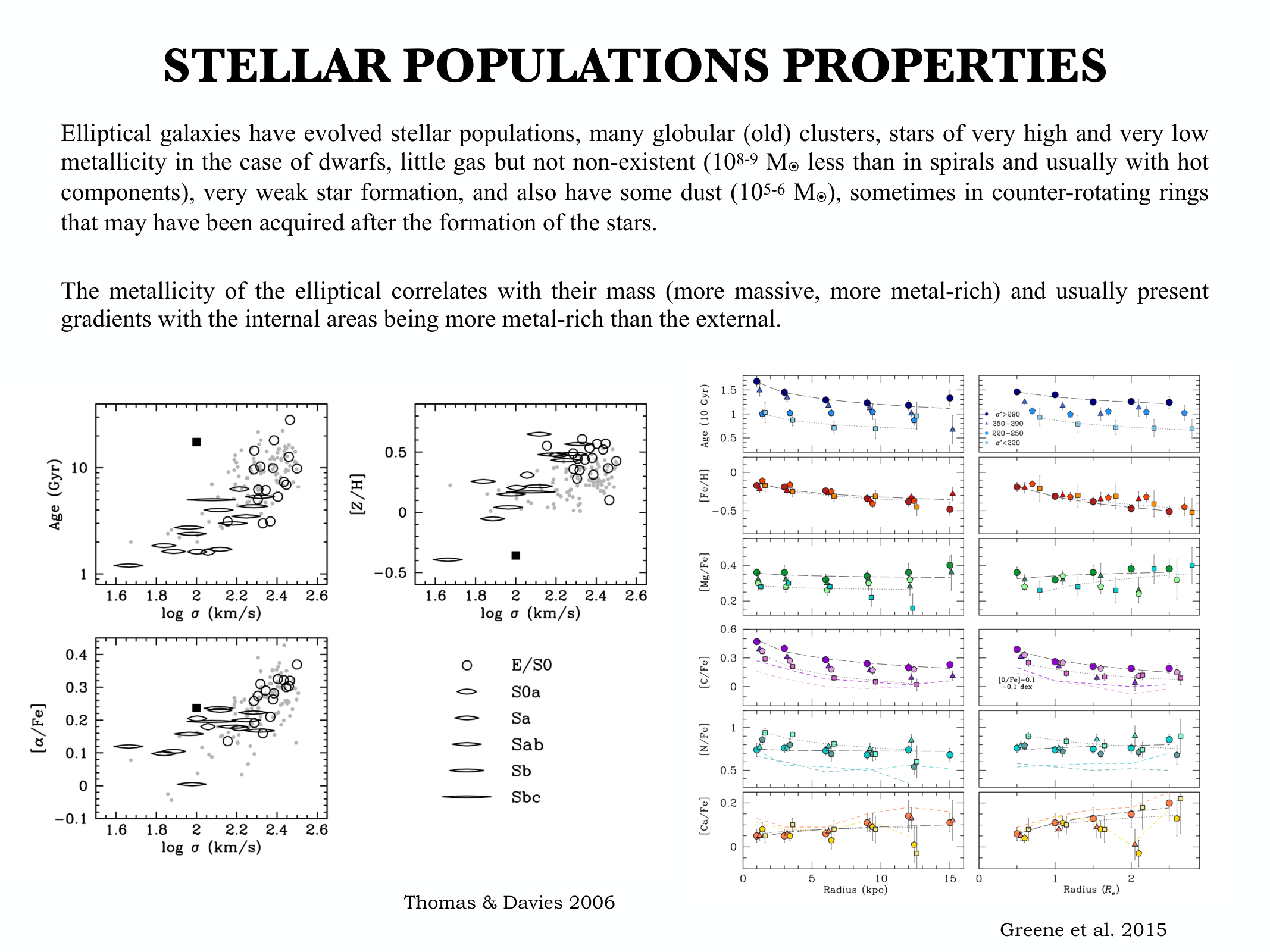 |
Lecture 2 - Ellipticals and Bulges | Sersic surface brightness profile I(R), effective radius R_e, index n | [[Sersic profile]] |
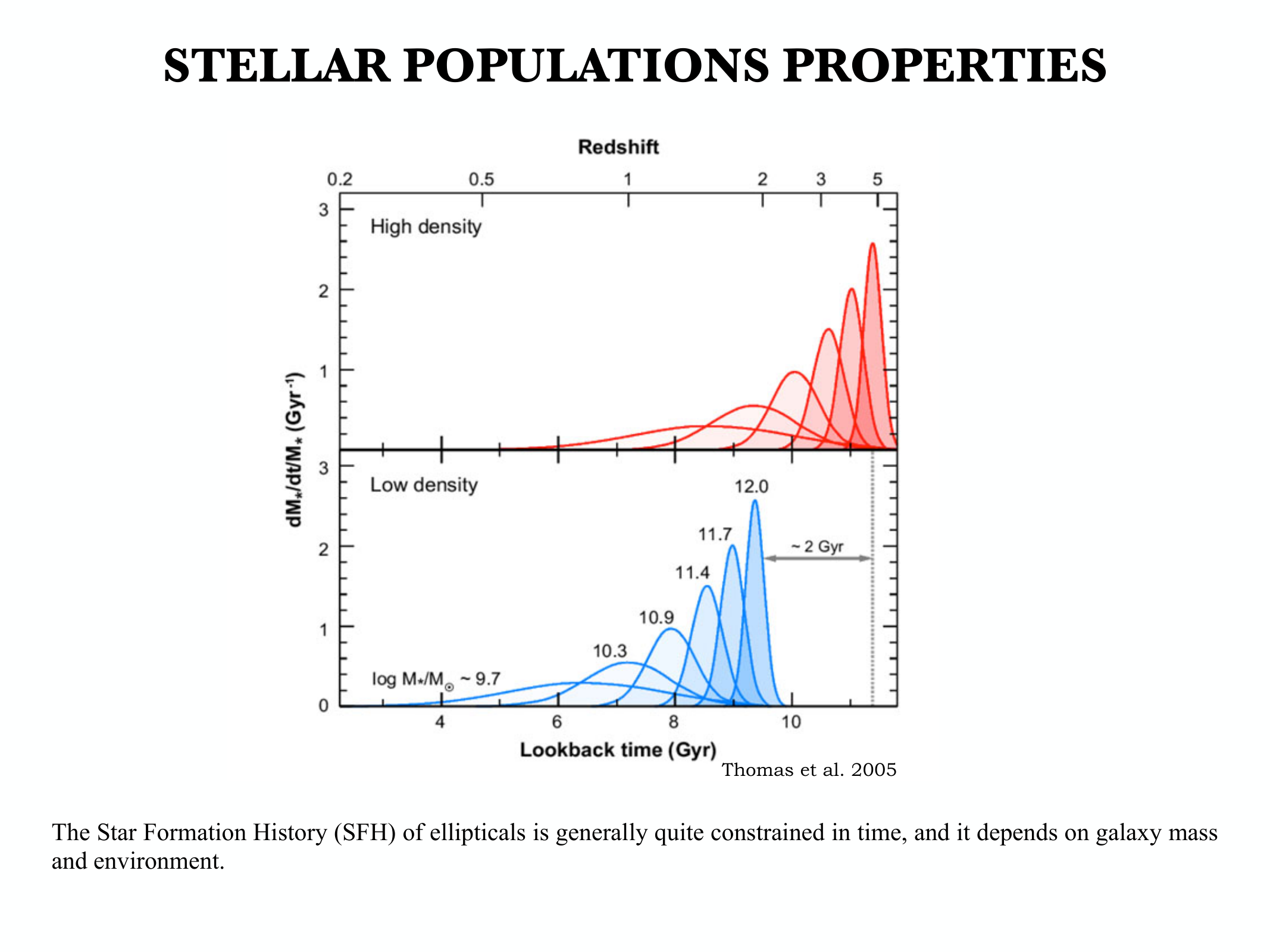 |
Lecture 2 - Ellipticals and Bulges | Sersic surface brightness profile I(R), effective radius R_e, index n | [[Sersic profile]] |
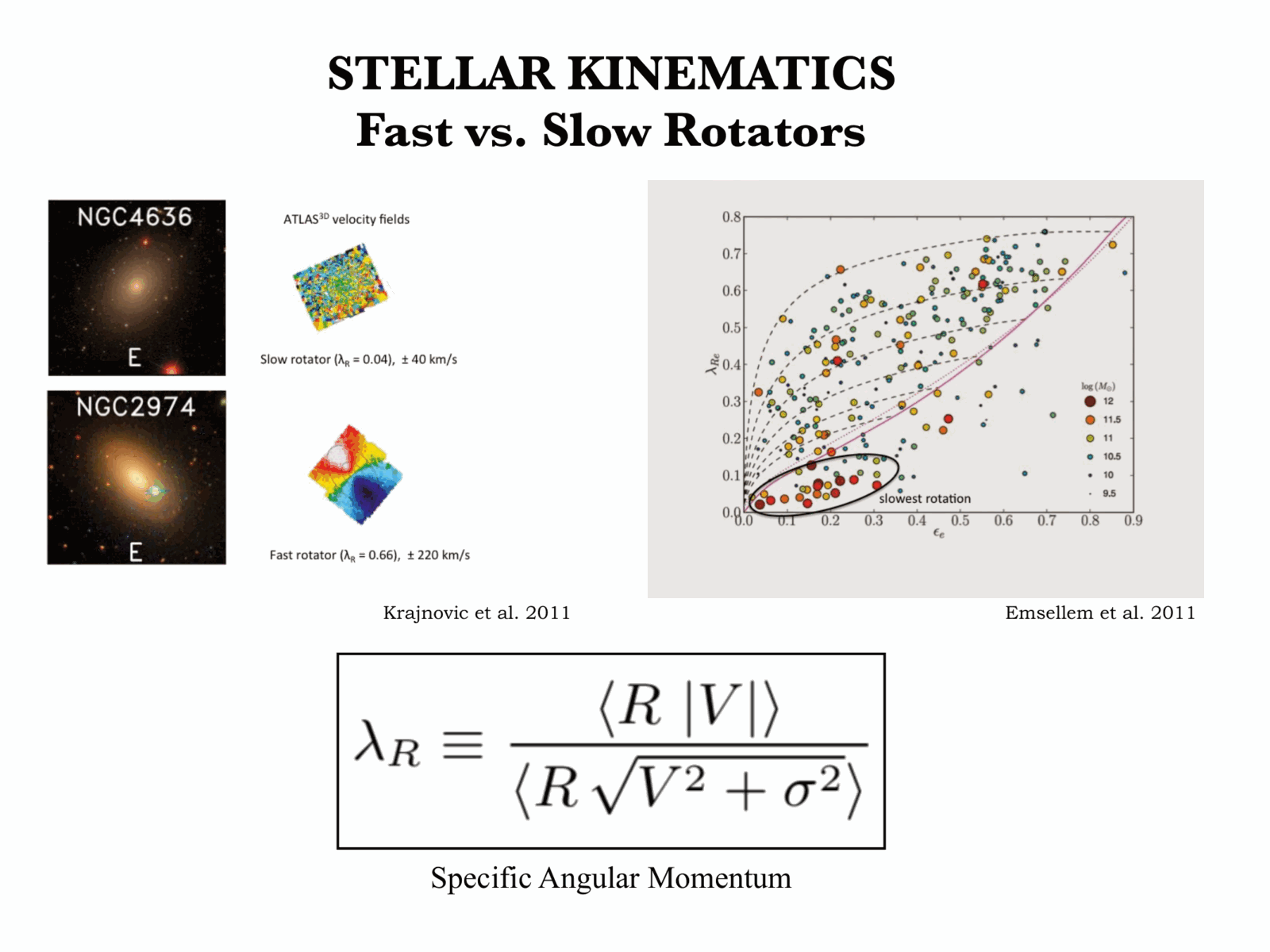 |
Lecture 2 - Ellipticals and Bulges | Sersic surface brightness profile I(R), effective radius R_e, index n | [[Sersic profile]] |
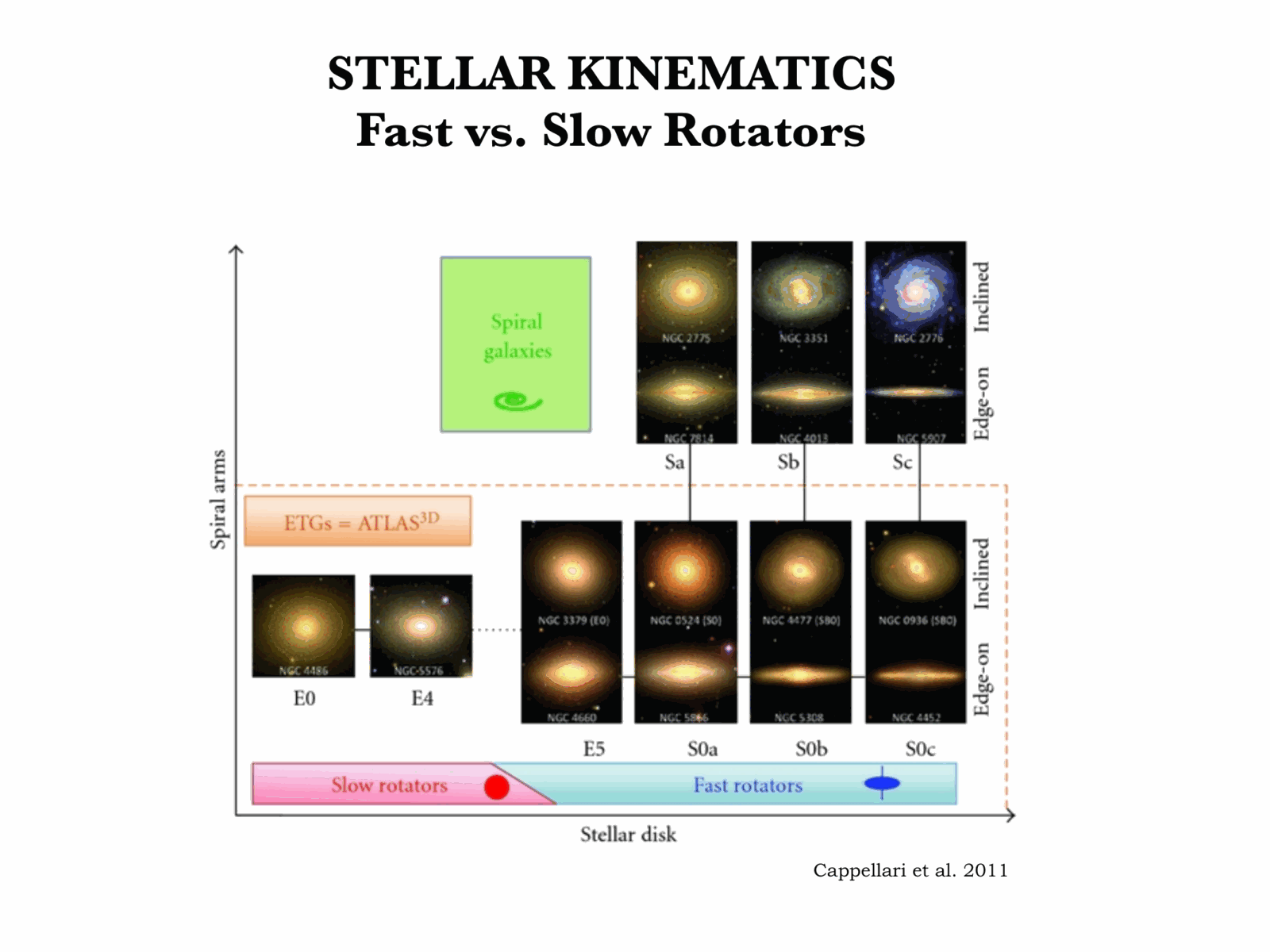 |
Lecture 2 - Ellipticals and Bulges | Sersic surface brightness profile I(R), effective radius R_e, index n | [[Sersic profile]] |
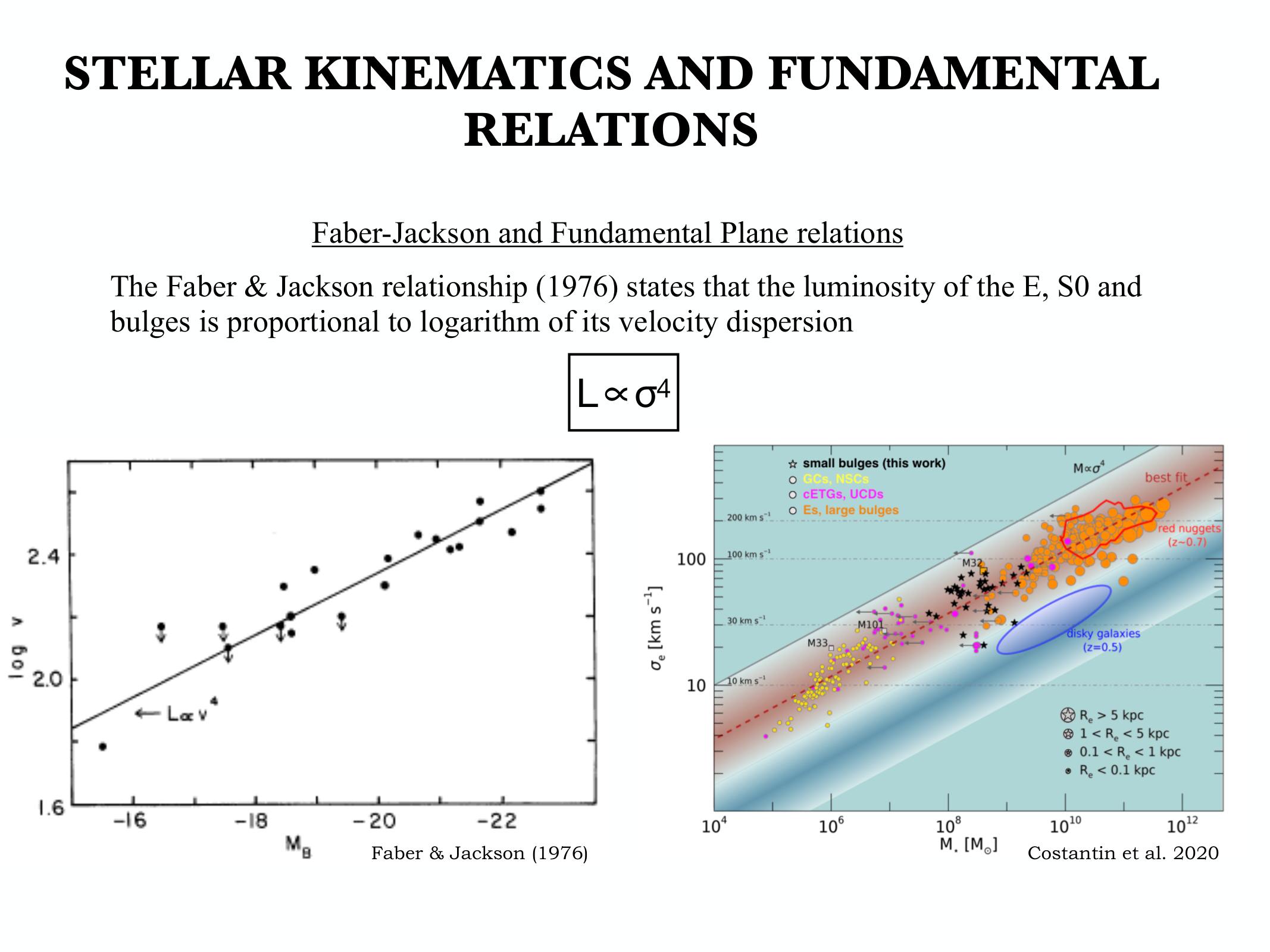 |
Lecture 2 - Ellipticals and Bulges | Sersic surface brightness profile I(R), effective radius R_e, index n | [[Sersic profile]] |
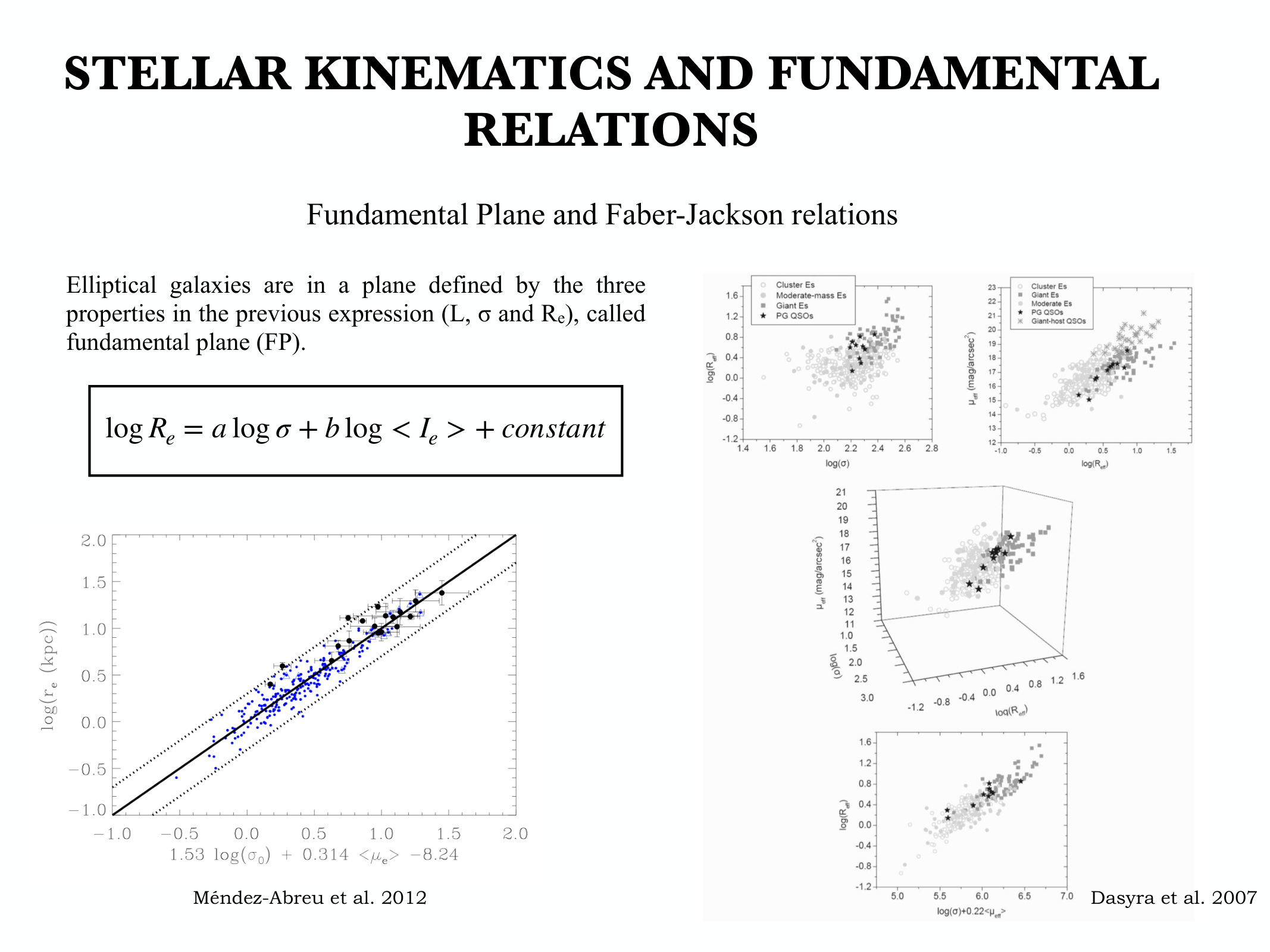 |
Lecture 2 - Ellipticals and Bulges | Sersic surface brightness profile I(R), effective radius R_e, index n | [[Sersic profile]] |
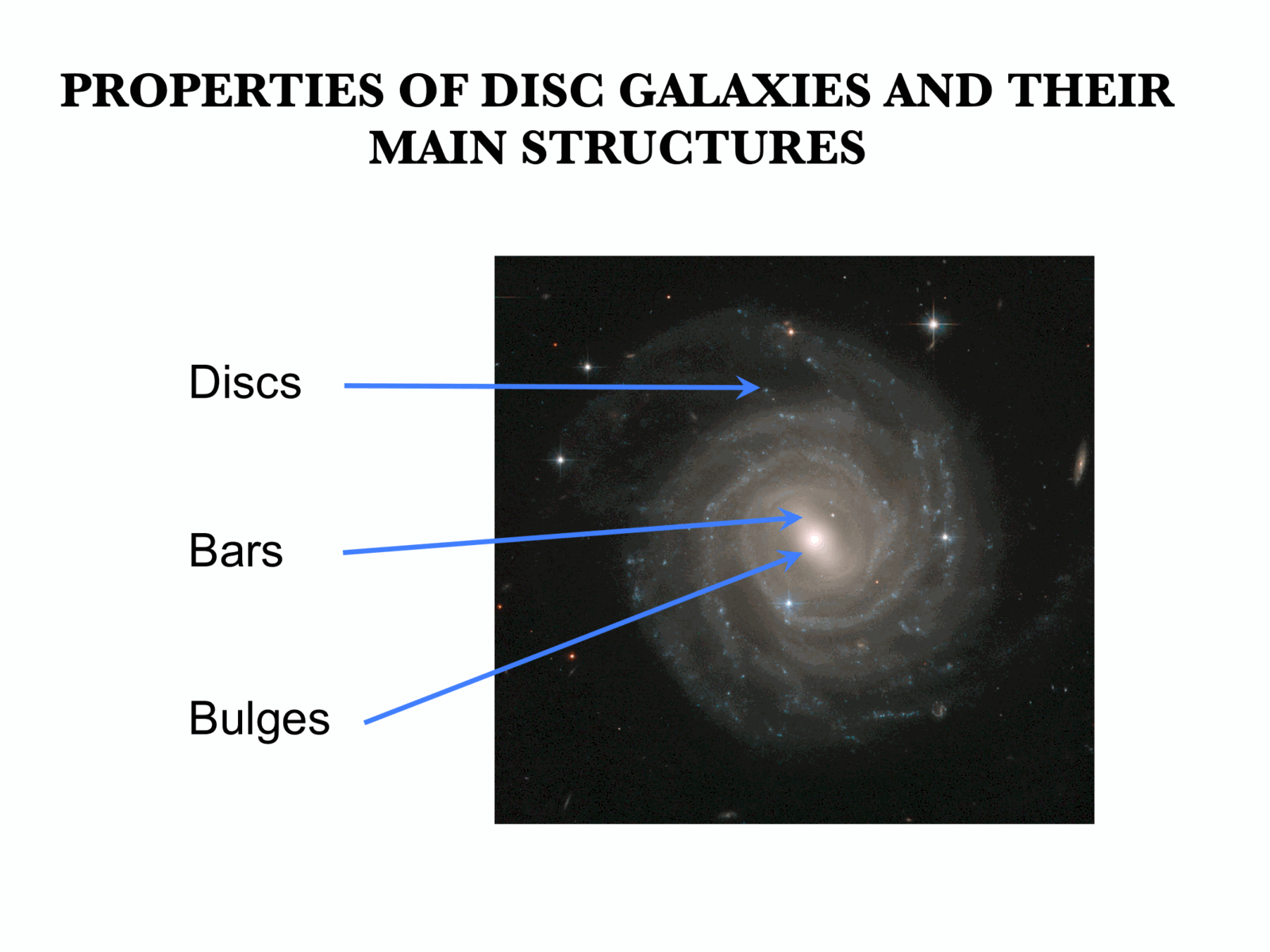 |
Lecture 2 - Ellipticals and Bulges | Sersic surface brightness profile I(R), effective radius R_e, index n | [[Sersic profile]] |
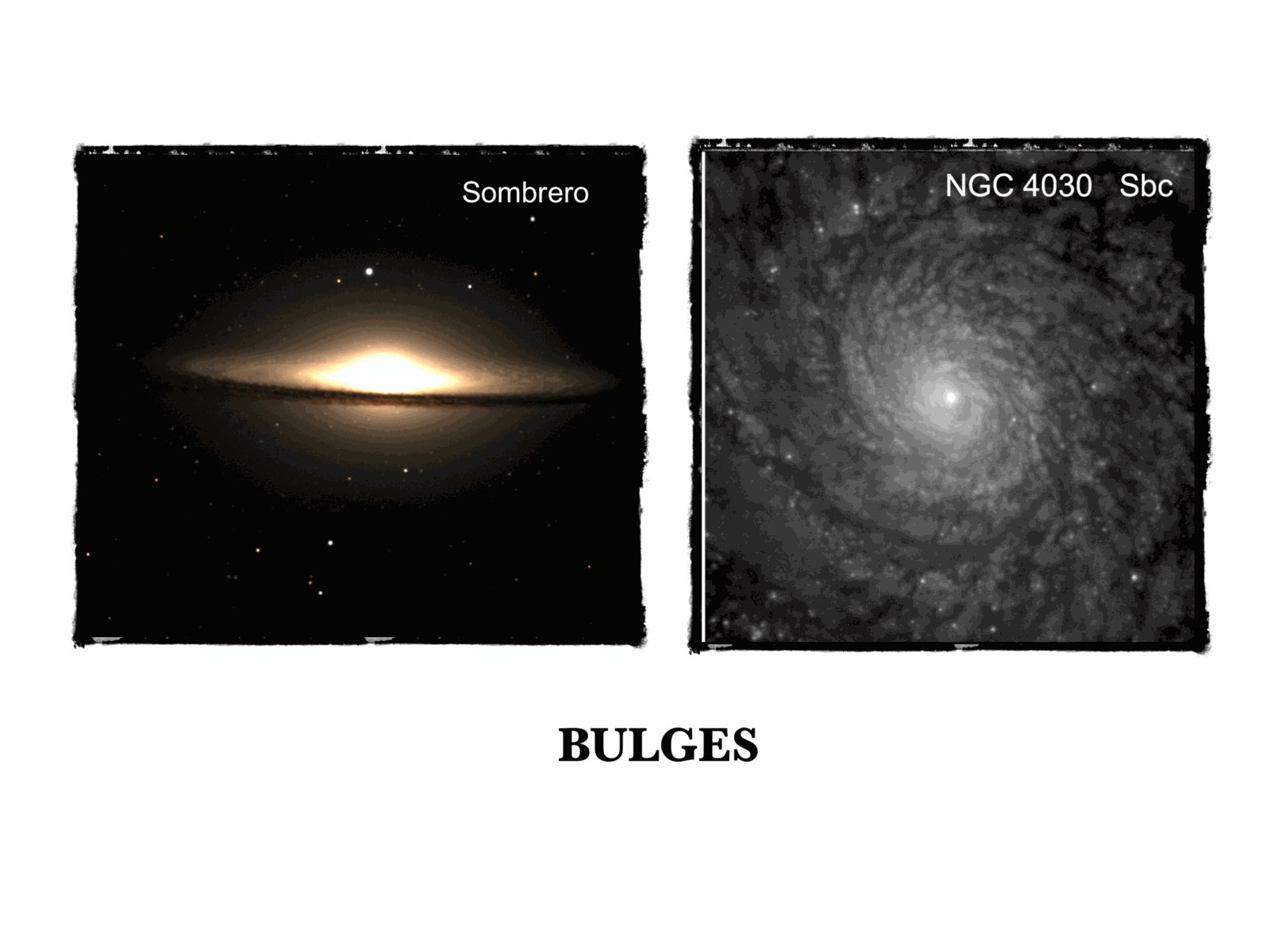 |
Lecture 2 - Ellipticals and Bulges | Sersic surface brightness profile I(R), effective radius R_e, index n | [[Sersic profile]] |
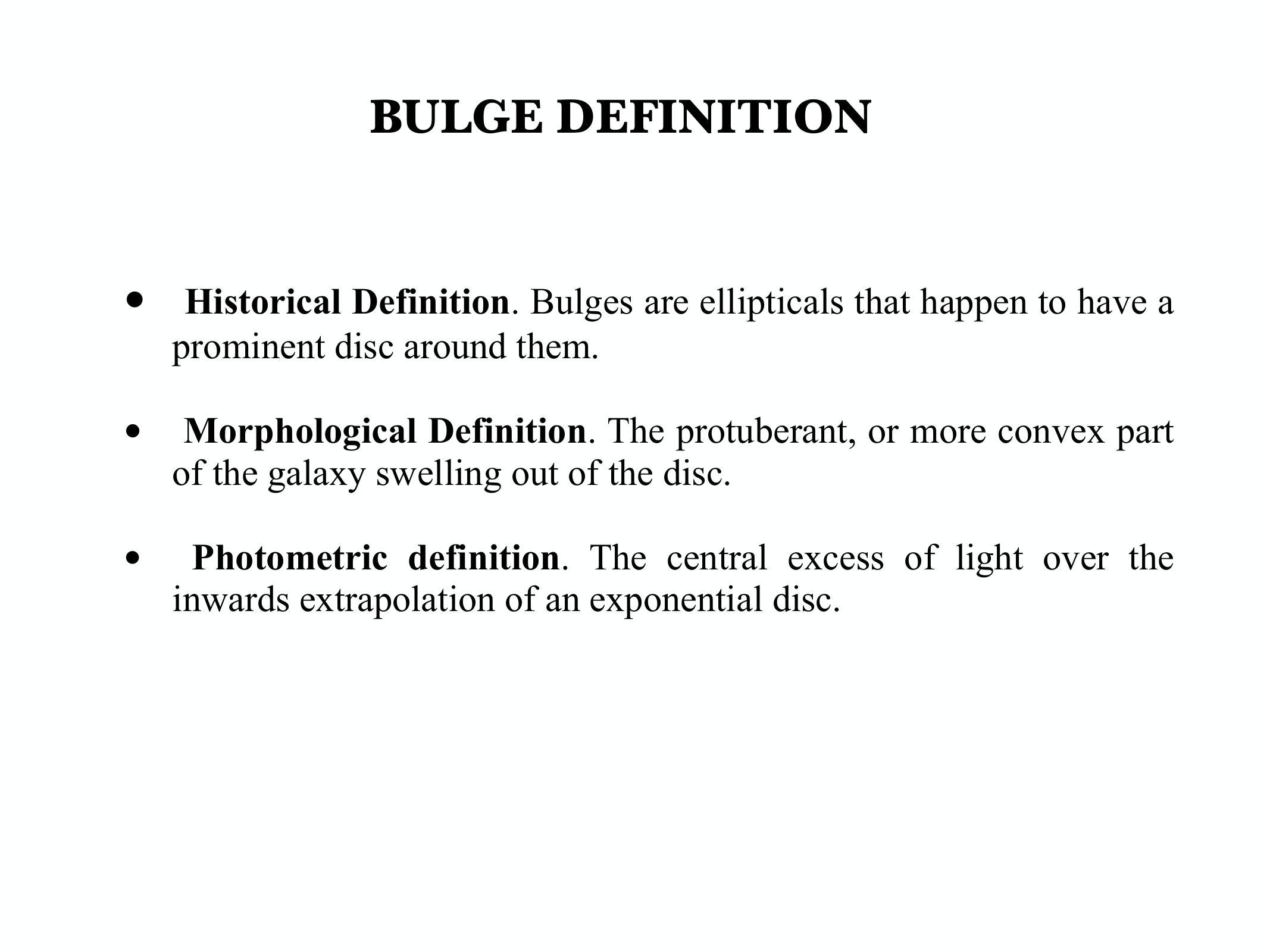 |
Lecture 2 - Ellipticals and Bulges | Sersic surface brightness profile I(R), effective radius R_e, index n | [[Sersic profile]] |
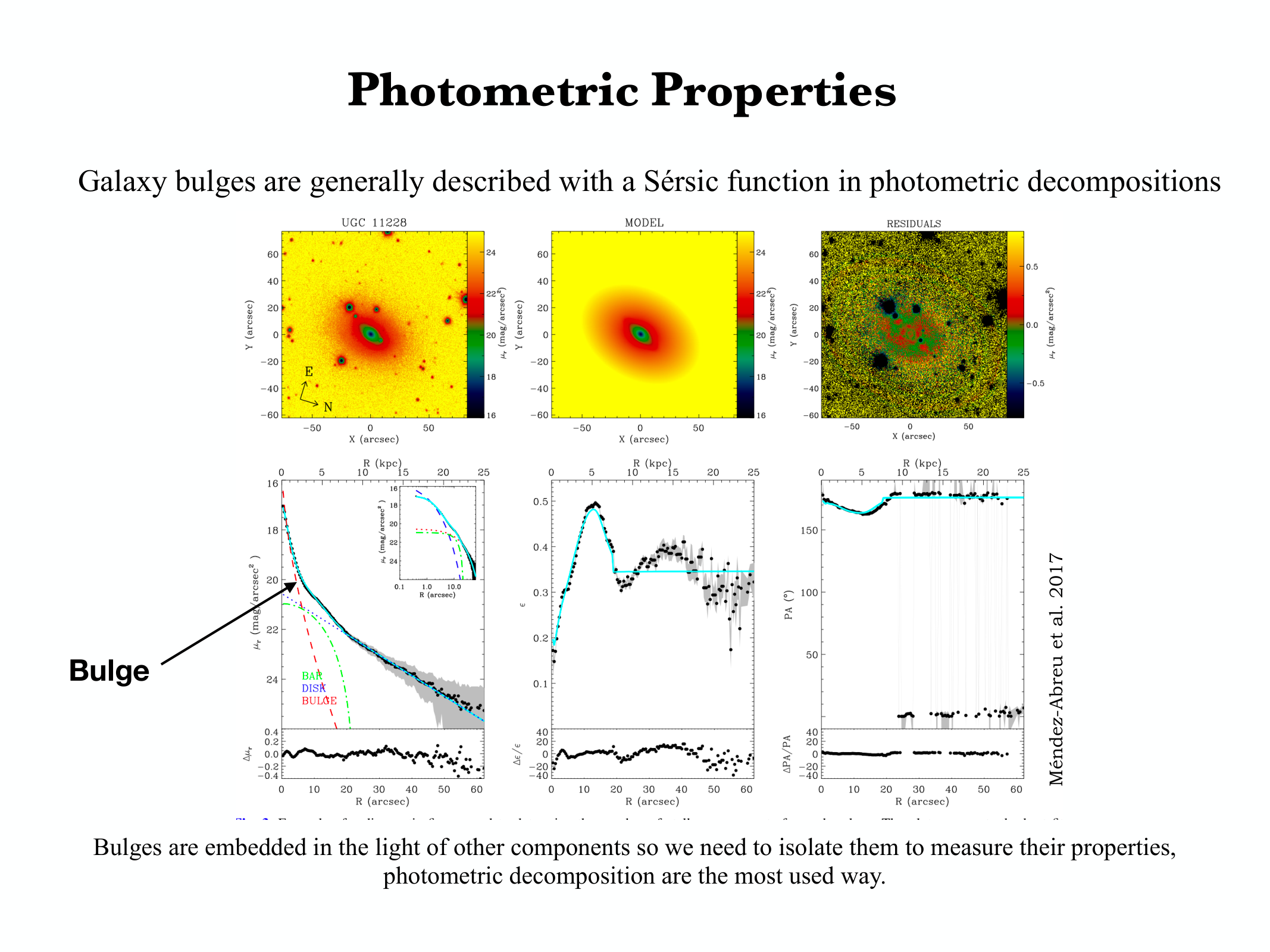 |
Lecture 2 - Ellipticals and Bulges | Sersic surface brightness profile I(R), effective radius R_e, index n | [[Sersic profile]] |
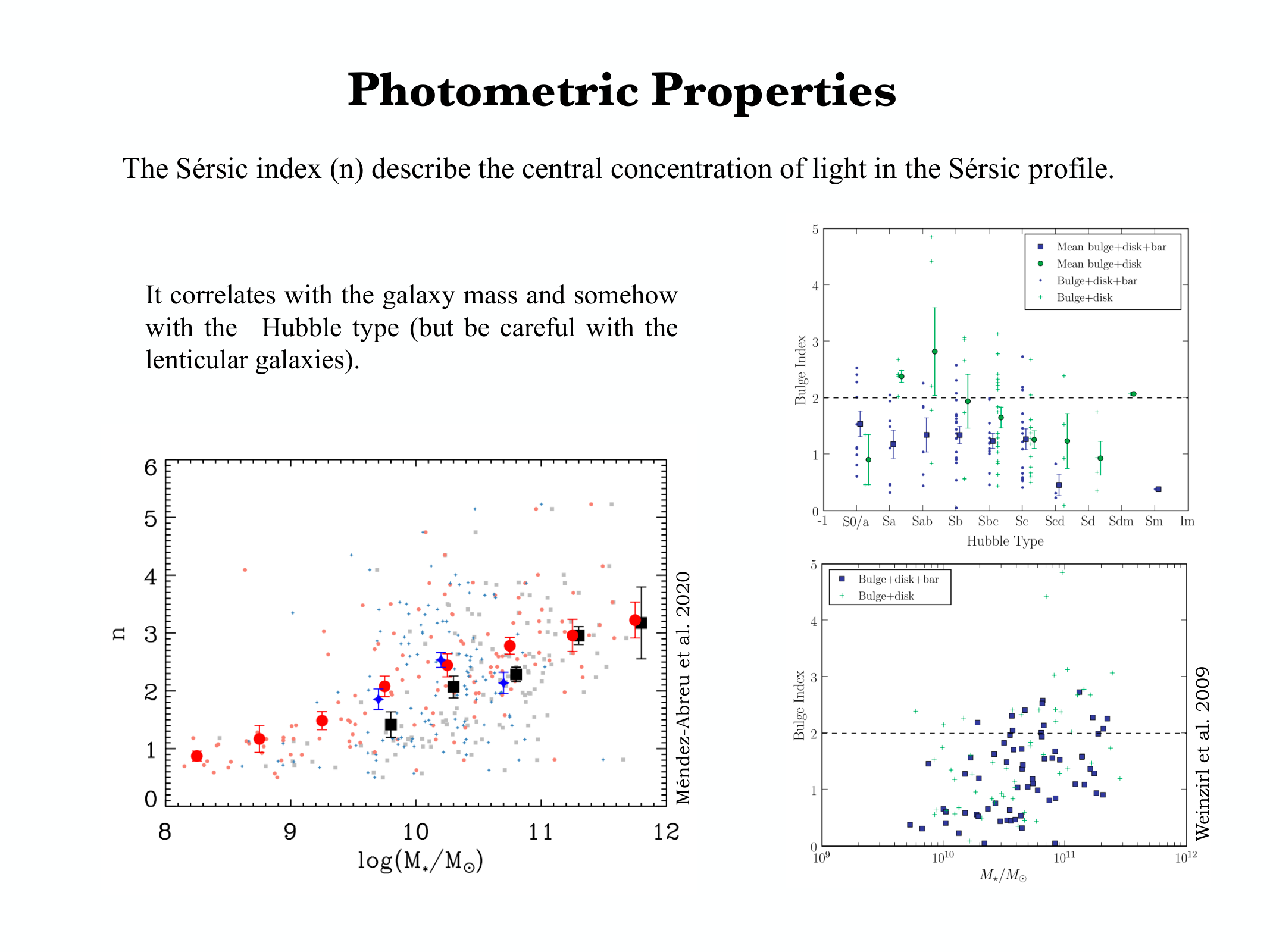 |
Lecture 2 - Ellipticals and Bulges | Sersic surface brightness profile I(R), effective radius R_e, index n | [[Sersic profile]] |
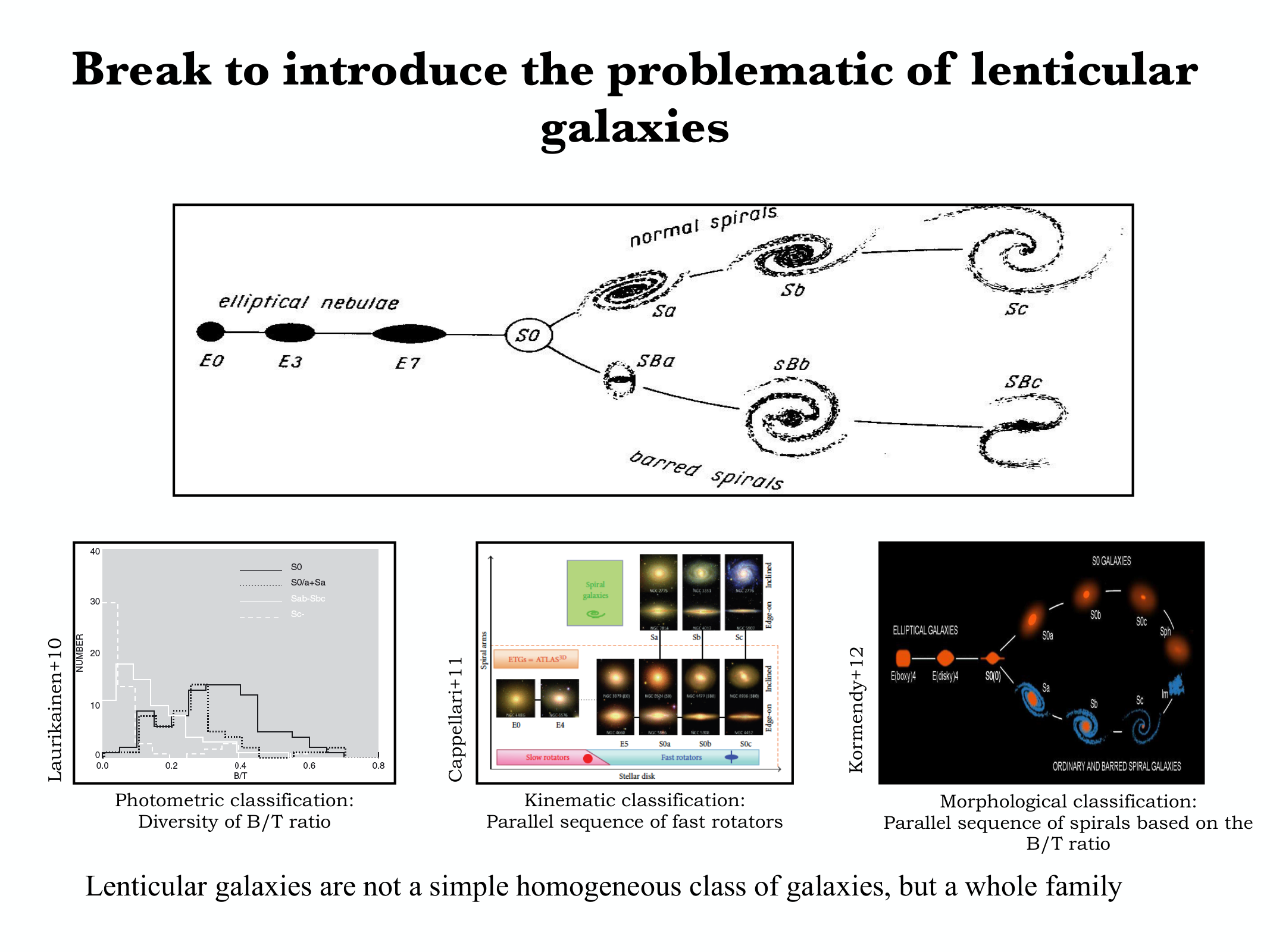 |
Lecture 2 - Ellipticals and Bulges | De Vaucouleurs R^(1/4) profile, boxy vs disky isophotes, kinematics | [[De Vaucouleurs and exponential profiles]] |
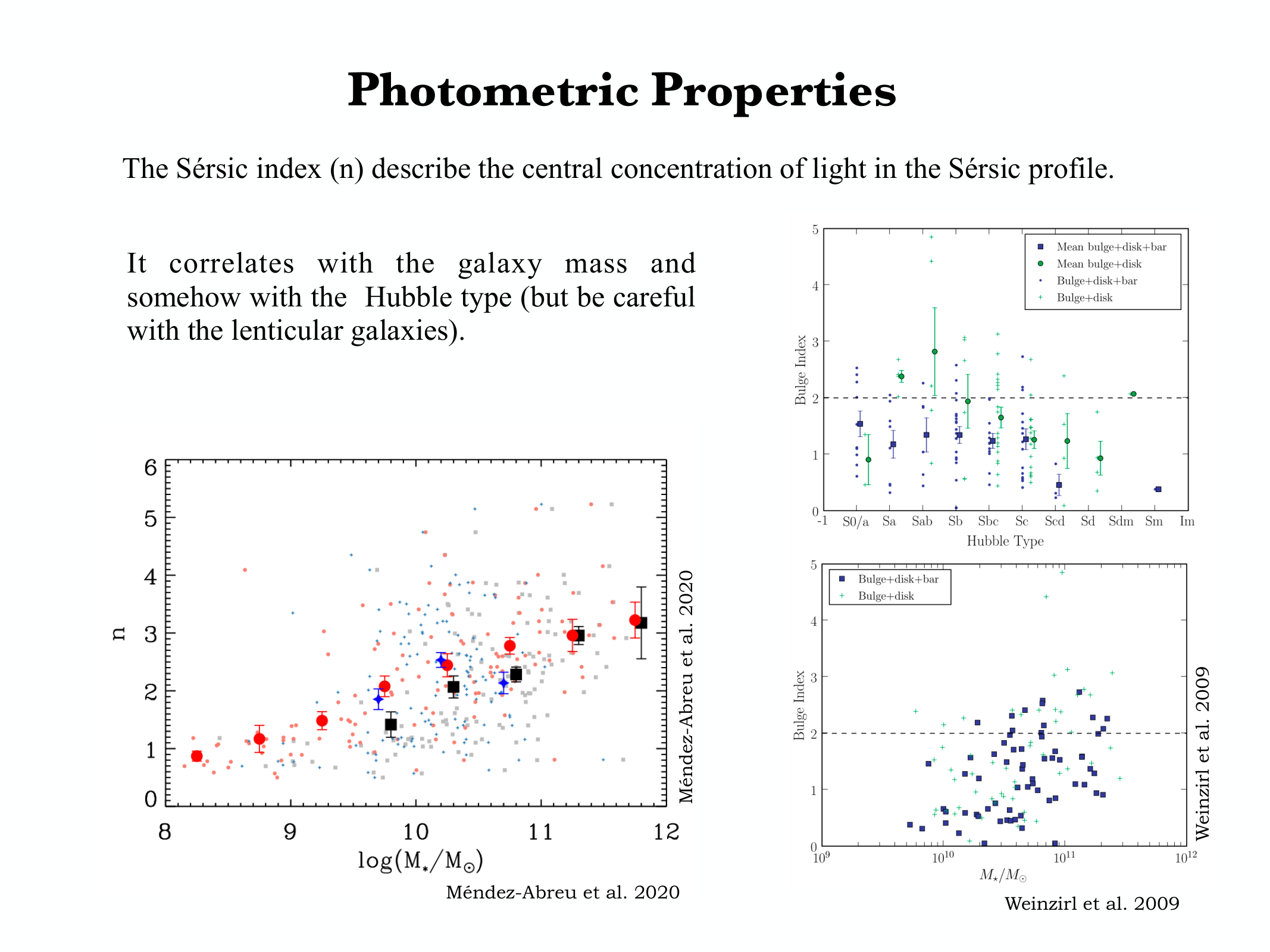 |
Lecture 2 - Ellipticals and Bulges | De Vaucouleurs R^(1/4) profile, boxy vs disky isophotes, kinematics | [[De Vaucouleurs and exponential profiles]] |
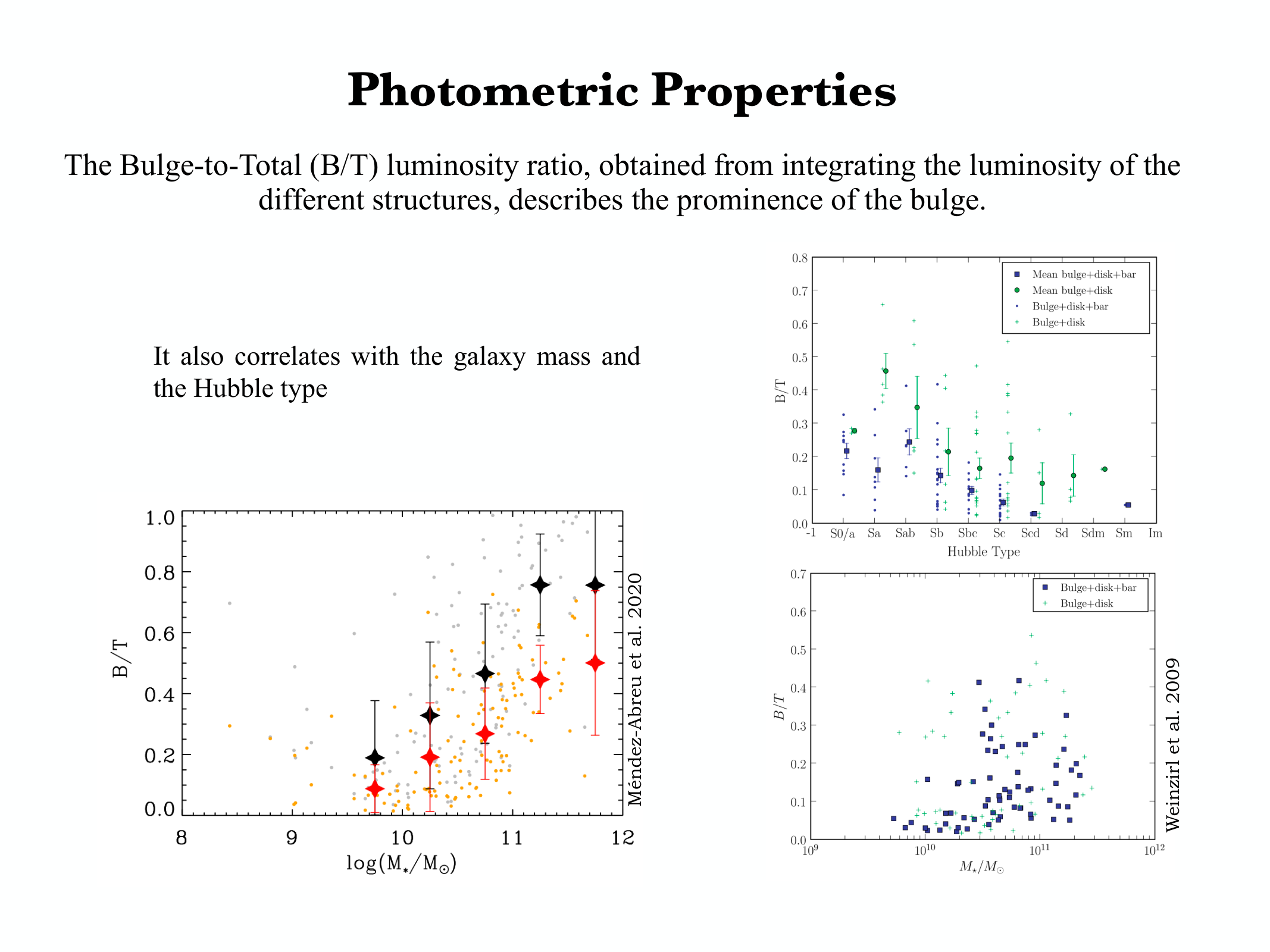 |
Lecture 2 - Ellipticals and Bulges | De Vaucouleurs R^(1/4) profile, boxy vs disky isophotes, kinematics | [[De Vaucouleurs and exponential profiles]] |
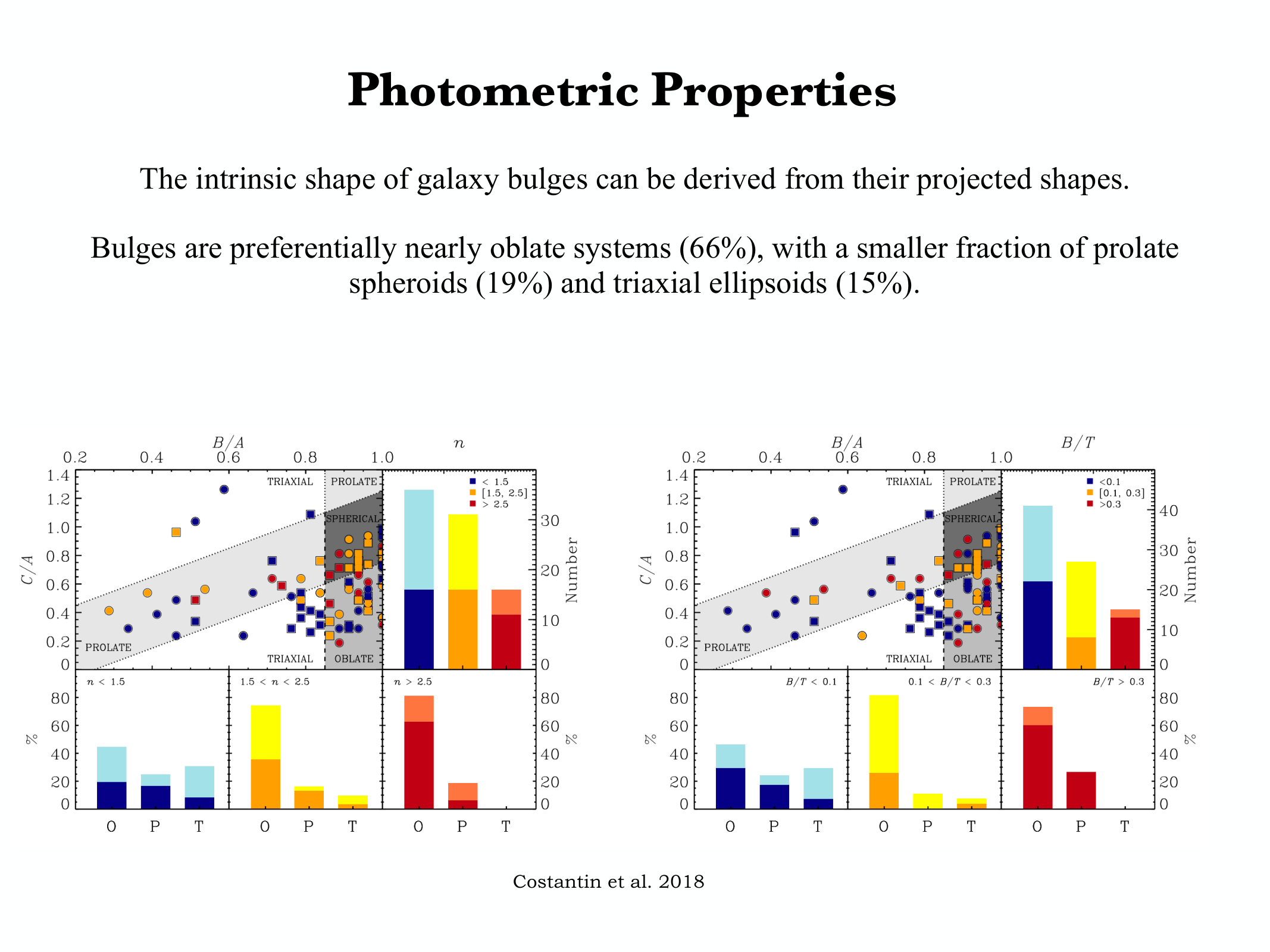 |
Lecture 2 - Ellipticals and Bulges | De Vaucouleurs R^(1/4) profile, boxy vs disky isophotes, kinematics | [[De Vaucouleurs and exponential profiles]] |
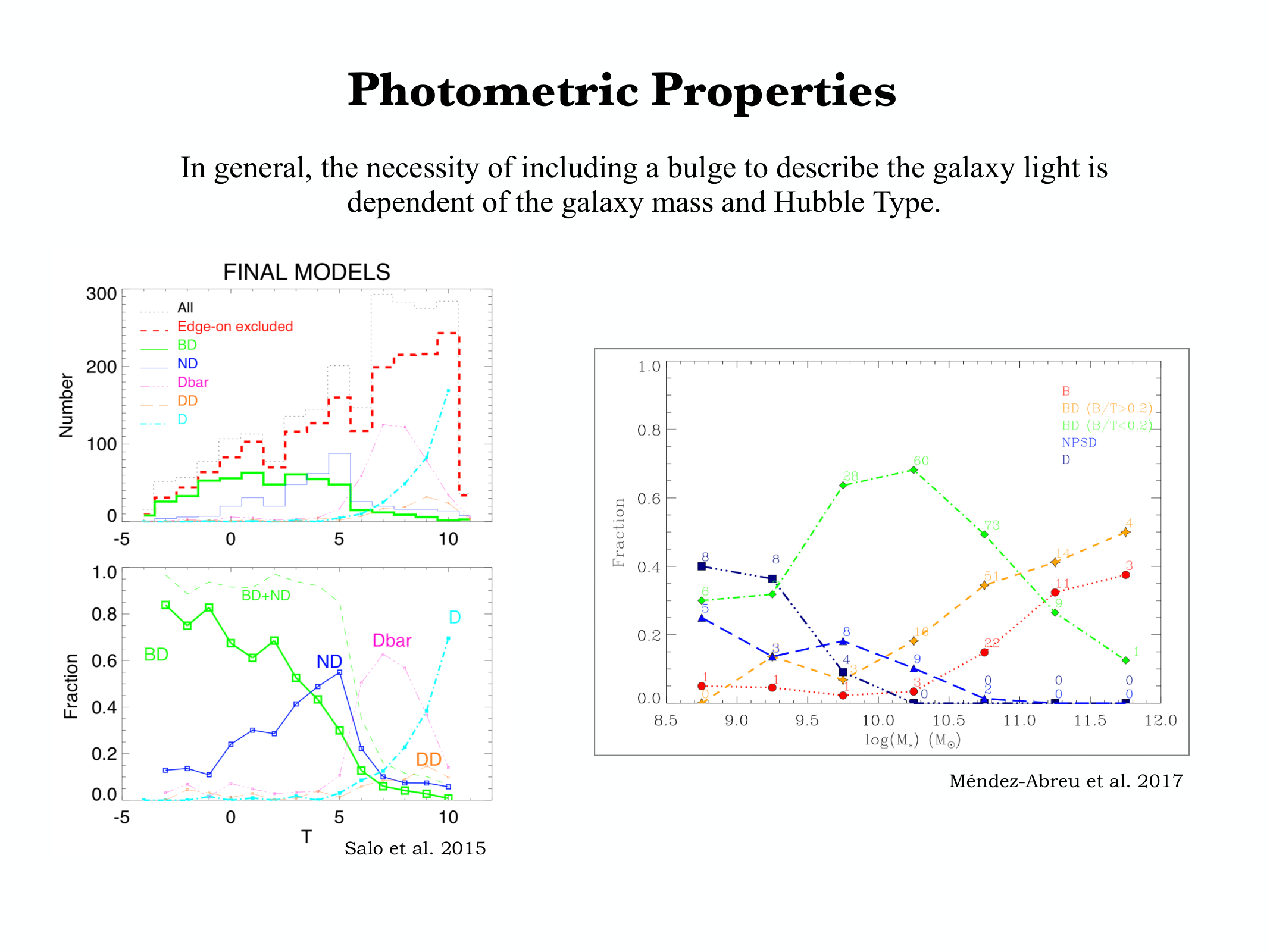 |
Lecture 2 - Ellipticals and Bulges | De Vaucouleurs R^(1/4) profile, boxy vs disky isophotes, kinematics | [[De Vaucouleurs and exponential profiles]] |
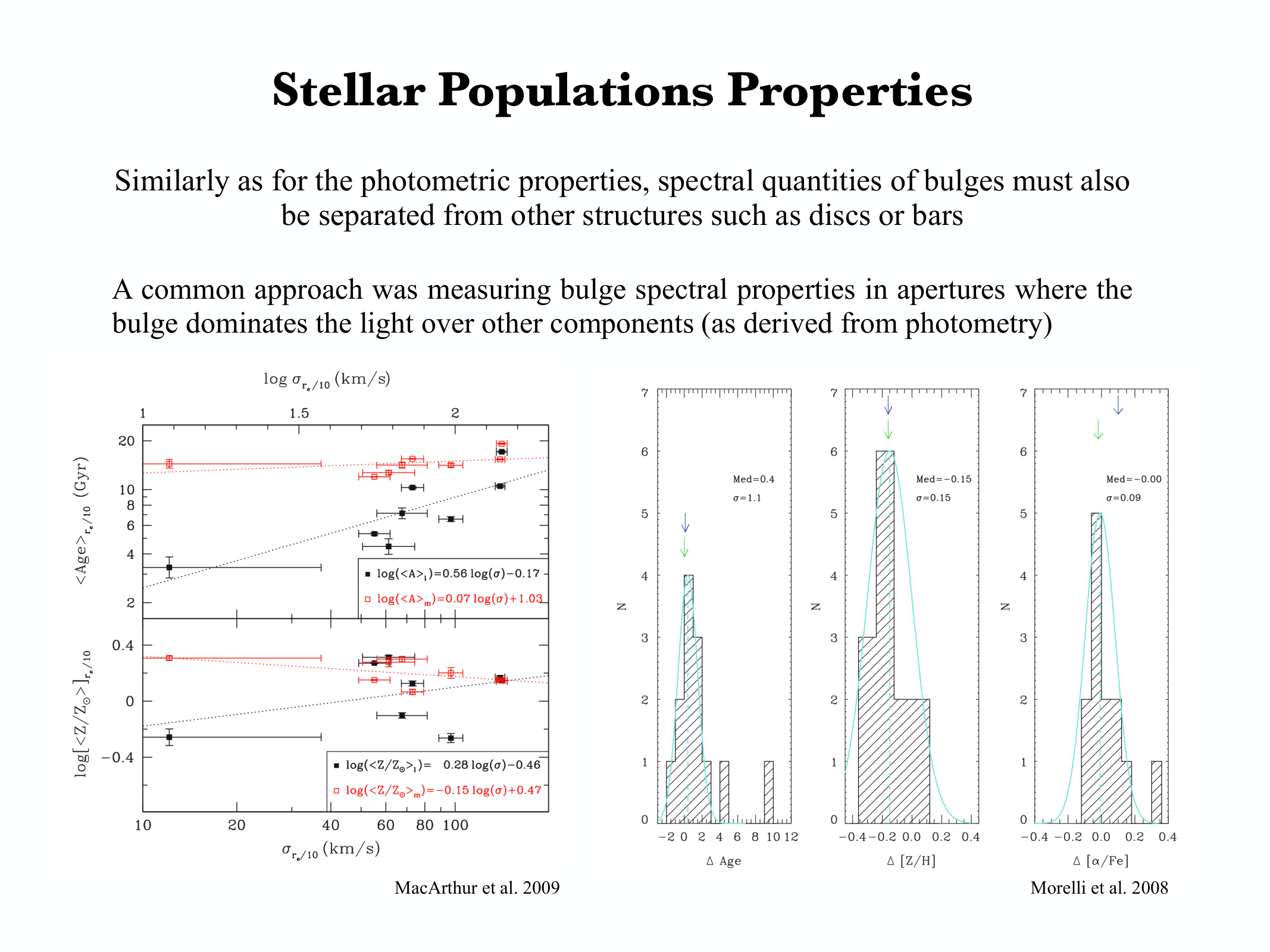 |
Lecture 2 - Ellipticals and Bulges | De Vaucouleurs R^(1/4) profile, boxy vs disky isophotes, kinematics | [[De Vaucouleurs and exponential profiles]] |
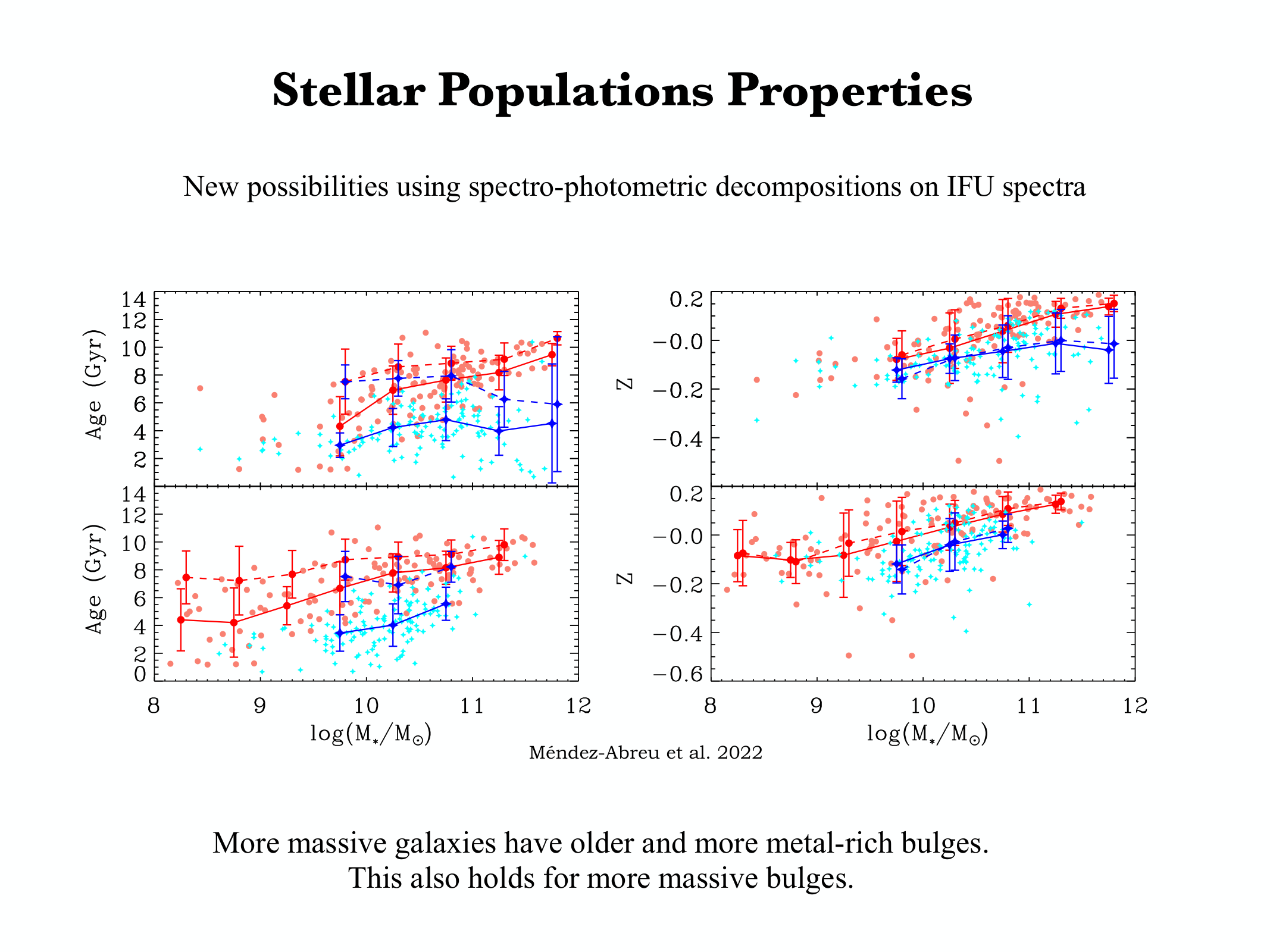 |
Lecture 2 - Ellipticals and Bulges | De Vaucouleurs R^(1/4) profile, boxy vs disky isophotes, kinematics | [[De Vaucouleurs and exponential profiles]] |
 |
Lecture 2 - Ellipticals and Bulges | De Vaucouleurs R^(1/4) profile, boxy vs disky isophotes, kinematics | [[De Vaucouleurs and exponential profiles]] |
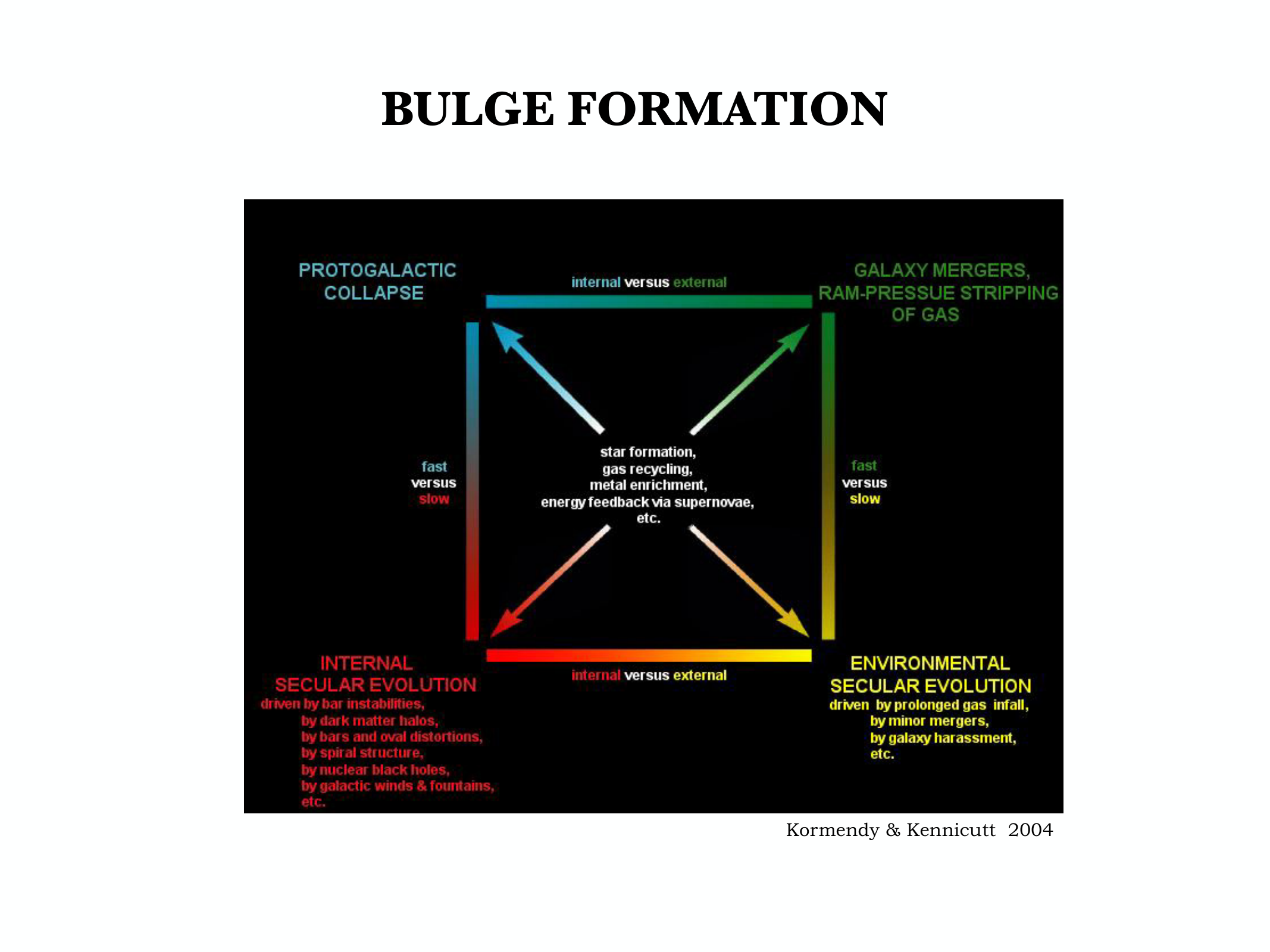 |
Lecture 2 - Ellipticals and Bulges | De Vaucouleurs R^(1/4) profile, boxy vs disky isophotes, kinematics | [[De Vaucouleurs and exponential profiles]] |
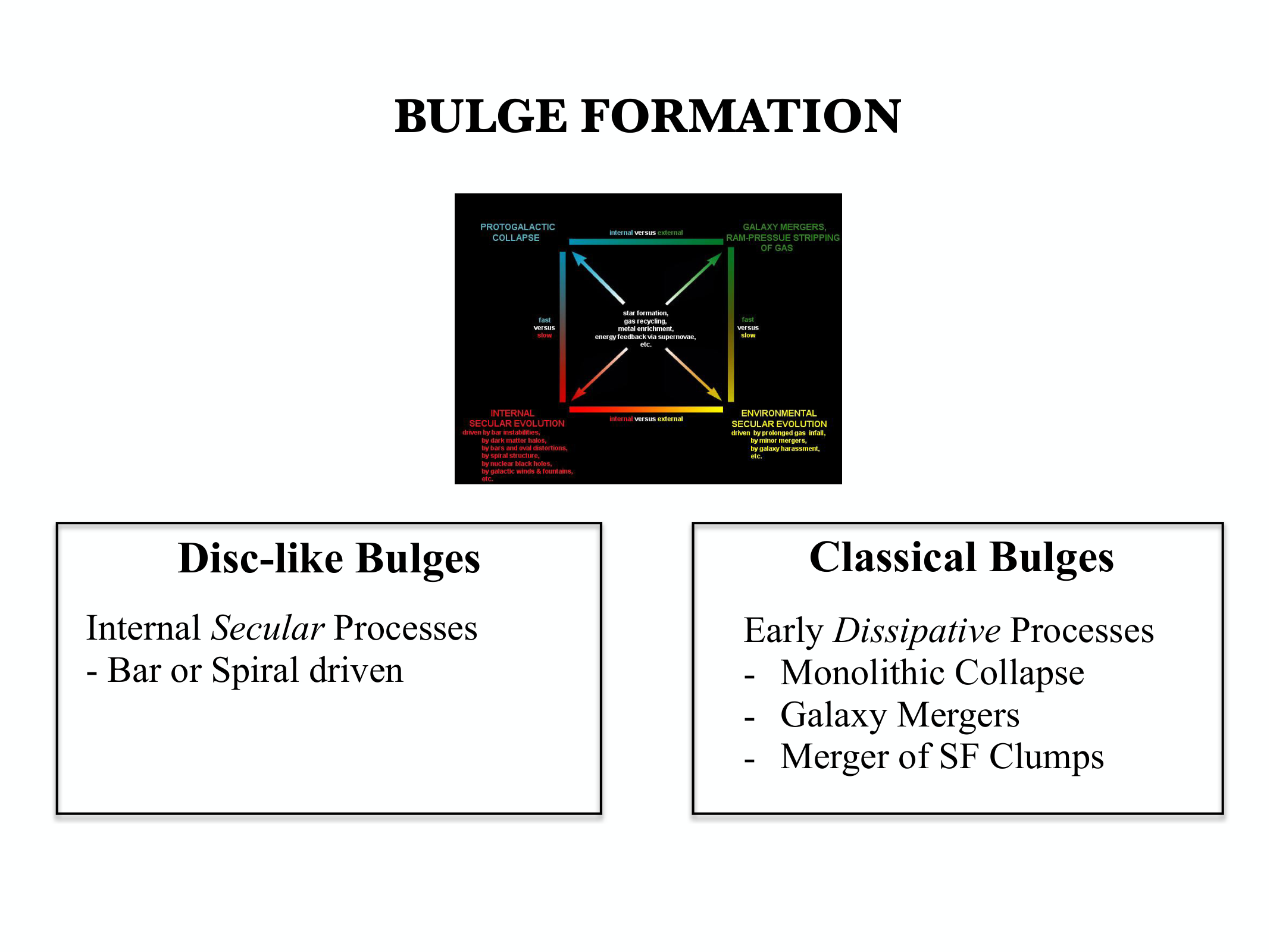 |
Lecture 2 - Ellipticals and Bulges | De Vaucouleurs R^(1/4) profile, boxy vs disky isophotes, kinematics | [[De Vaucouleurs and exponential profiles]] |
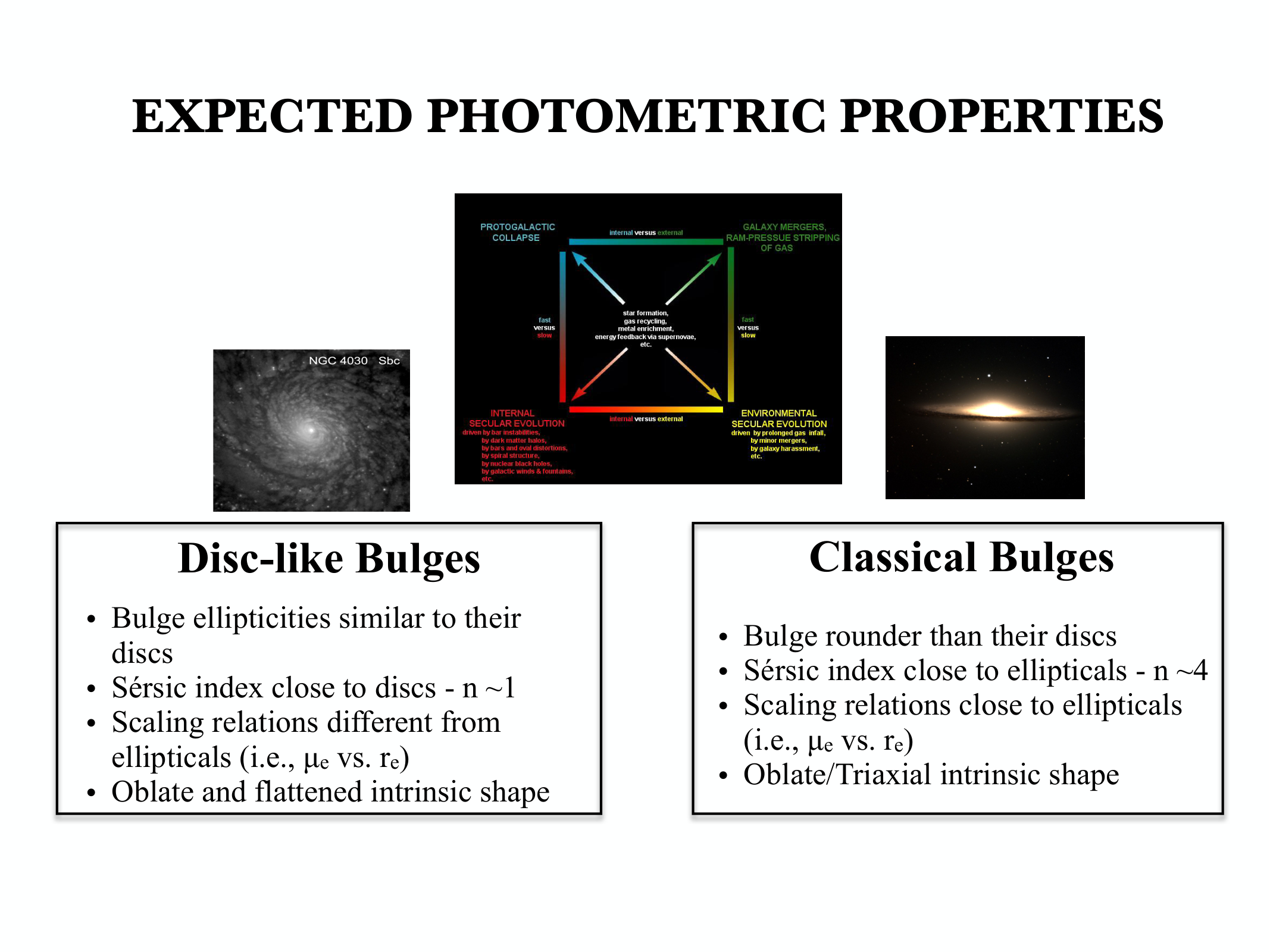 |
Lecture 2 - Ellipticals and Bulges | De Vaucouleurs R^(1/4) profile, boxy vs disky isophotes, kinematics | [[De Vaucouleurs and exponential profiles]] |
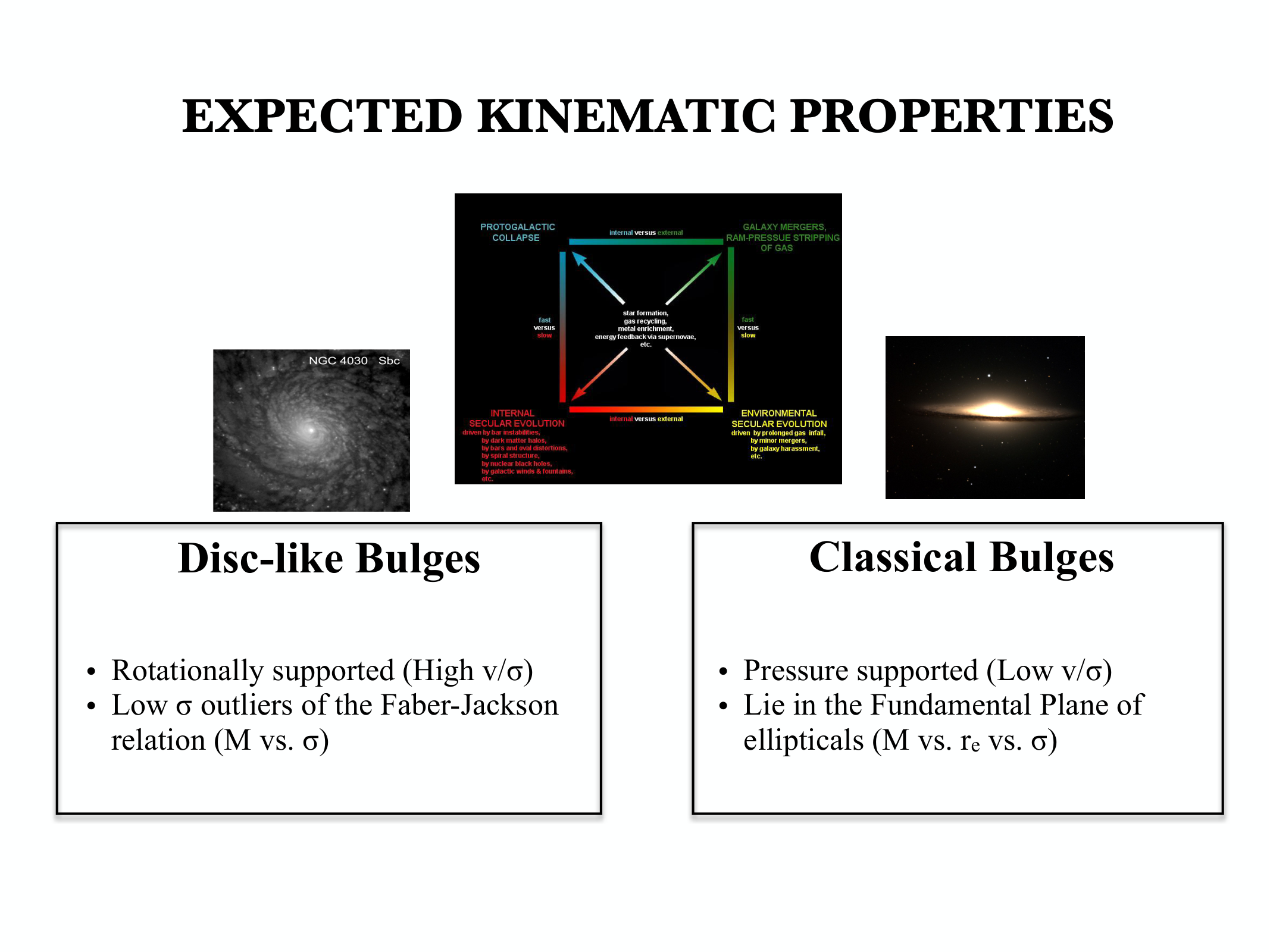 |
Lecture 2 - Ellipticals and Bulges | De Vaucouleurs R^(1/4) profile, boxy vs disky isophotes, kinematics | [[De Vaucouleurs and exponential profiles]] |
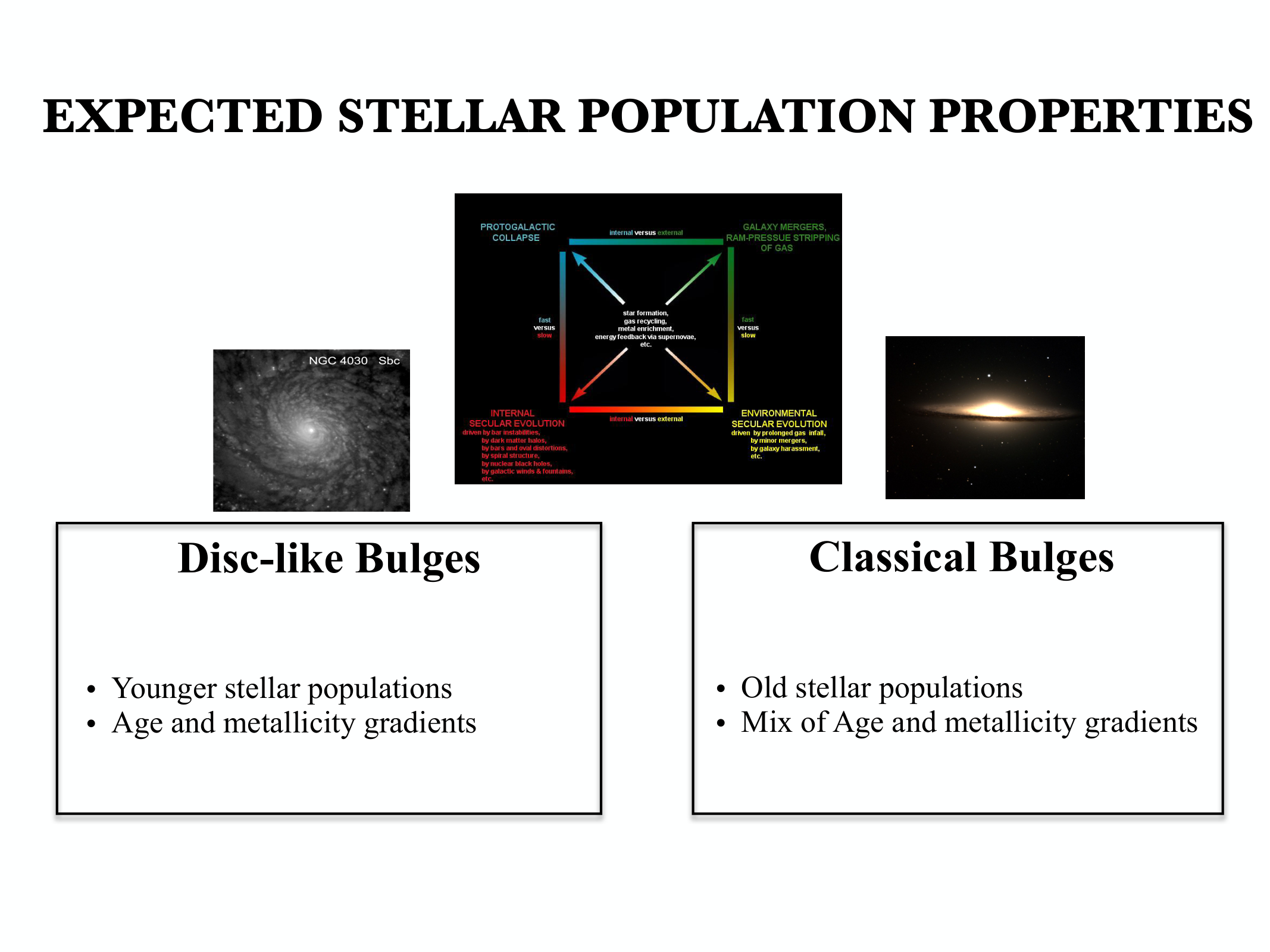 |
Lecture 2 - Ellipticals and Bulges | De Vaucouleurs R^(1/4) profile, boxy vs disky isophotes, kinematics | [[De Vaucouleurs and exponential profiles]] |
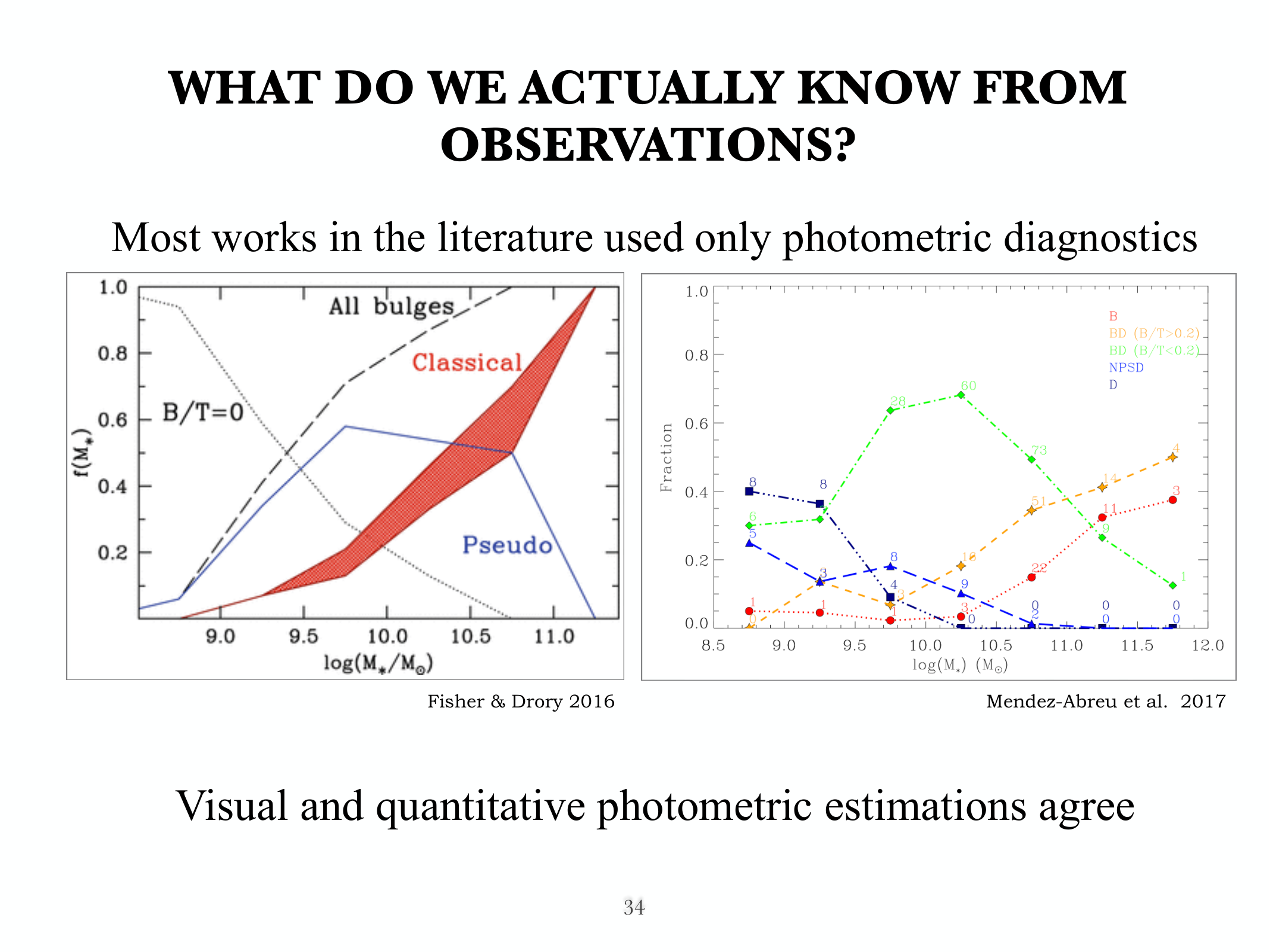 |
Lecture 2 - Ellipticals and Bulges | De Vaucouleurs R^(1/4) profile, boxy vs disky isophotes, kinematics | [[De Vaucouleurs and exponential profiles]] |
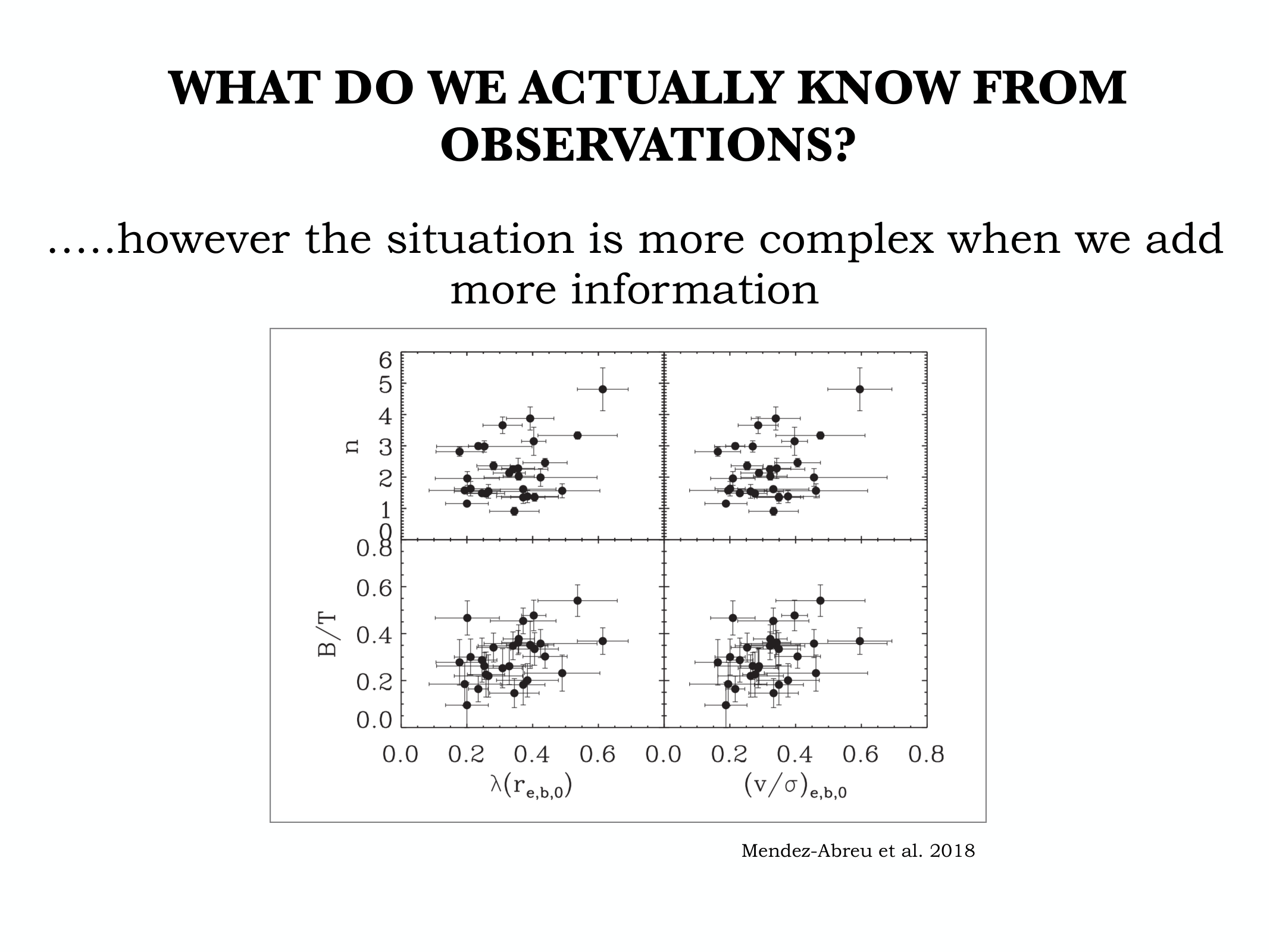 |
Lecture 2 - Ellipticals and Bulges | De Vaucouleurs R^(1/4) profile, boxy vs disky isophotes, kinematics | [[De Vaucouleurs and exponential profiles]] |
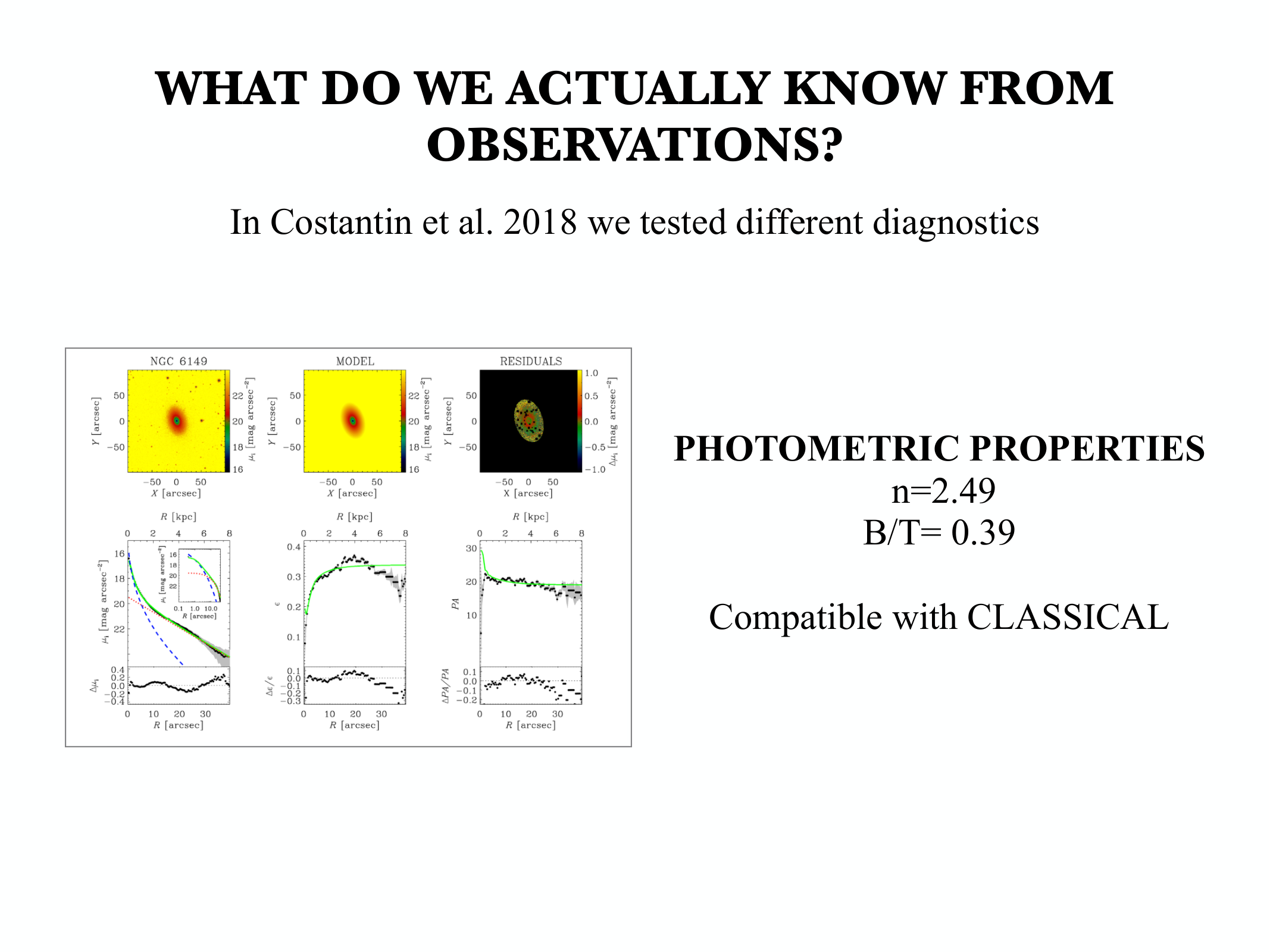 |
Lecture 2 - Ellipticals and Bulges | De Vaucouleurs R^(1/4) profile, boxy vs disky isophotes, kinematics | [[De Vaucouleurs and exponential profiles]] |
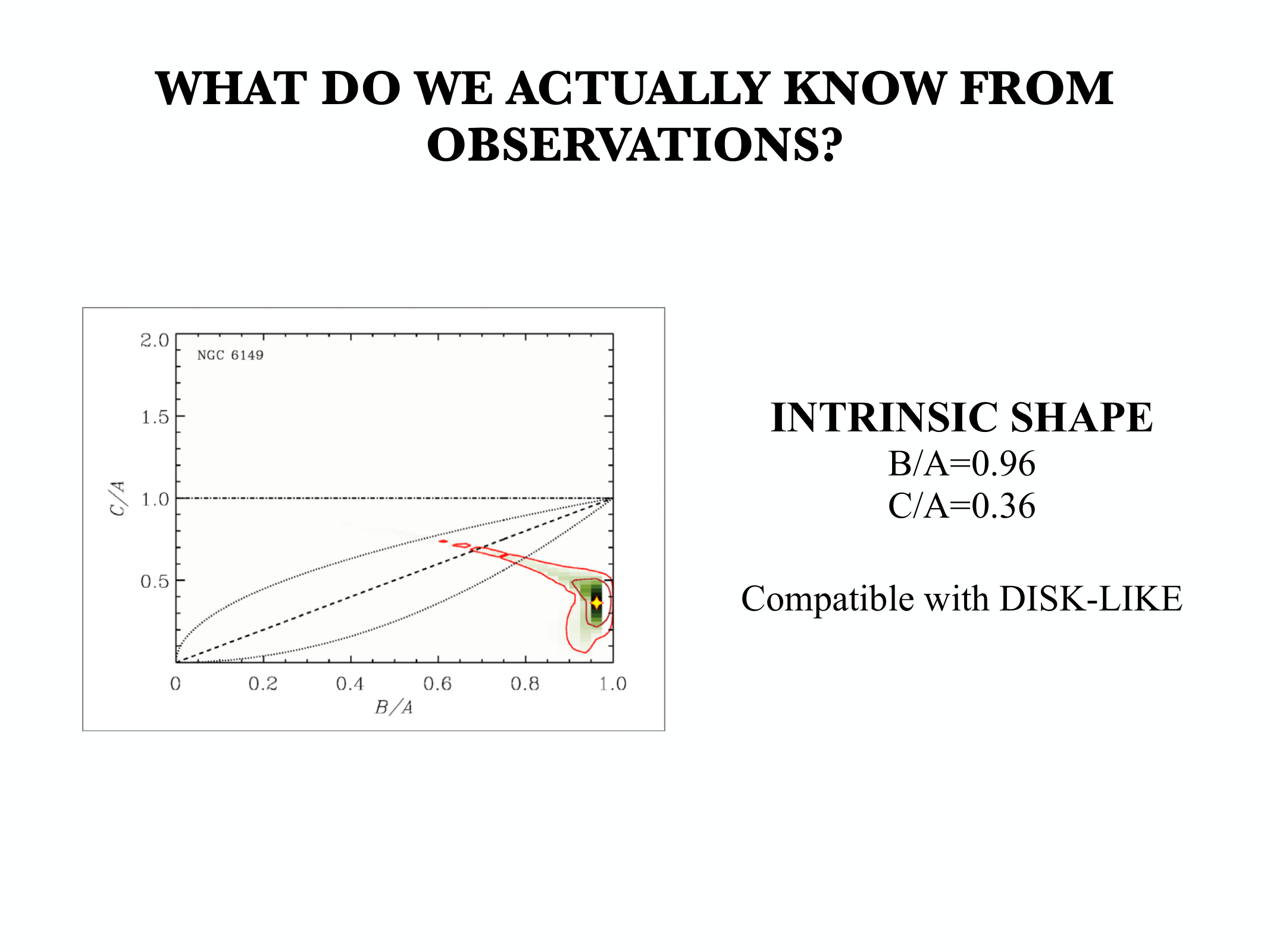 |
Lecture 2 - Ellipticals and Bulges | De Vaucouleurs R^(1/4) profile, boxy vs disky isophotes, kinematics | [[De Vaucouleurs and exponential profiles]] |
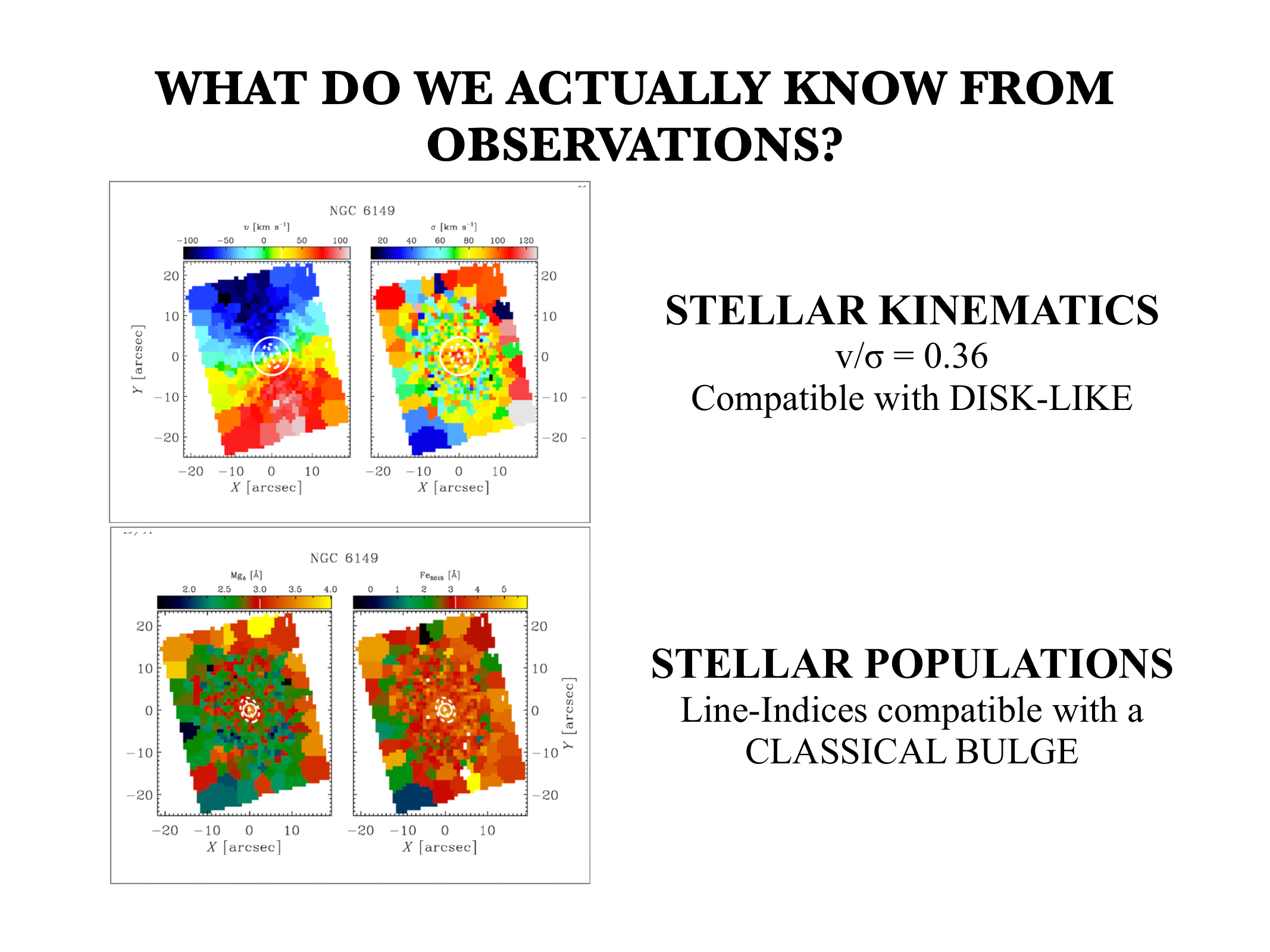 |
Lecture 2 - Ellipticals and Bulges | De Vaucouleurs R^(1/4) profile, boxy vs disky isophotes, kinematics | [[De Vaucouleurs and exponential profiles]] |
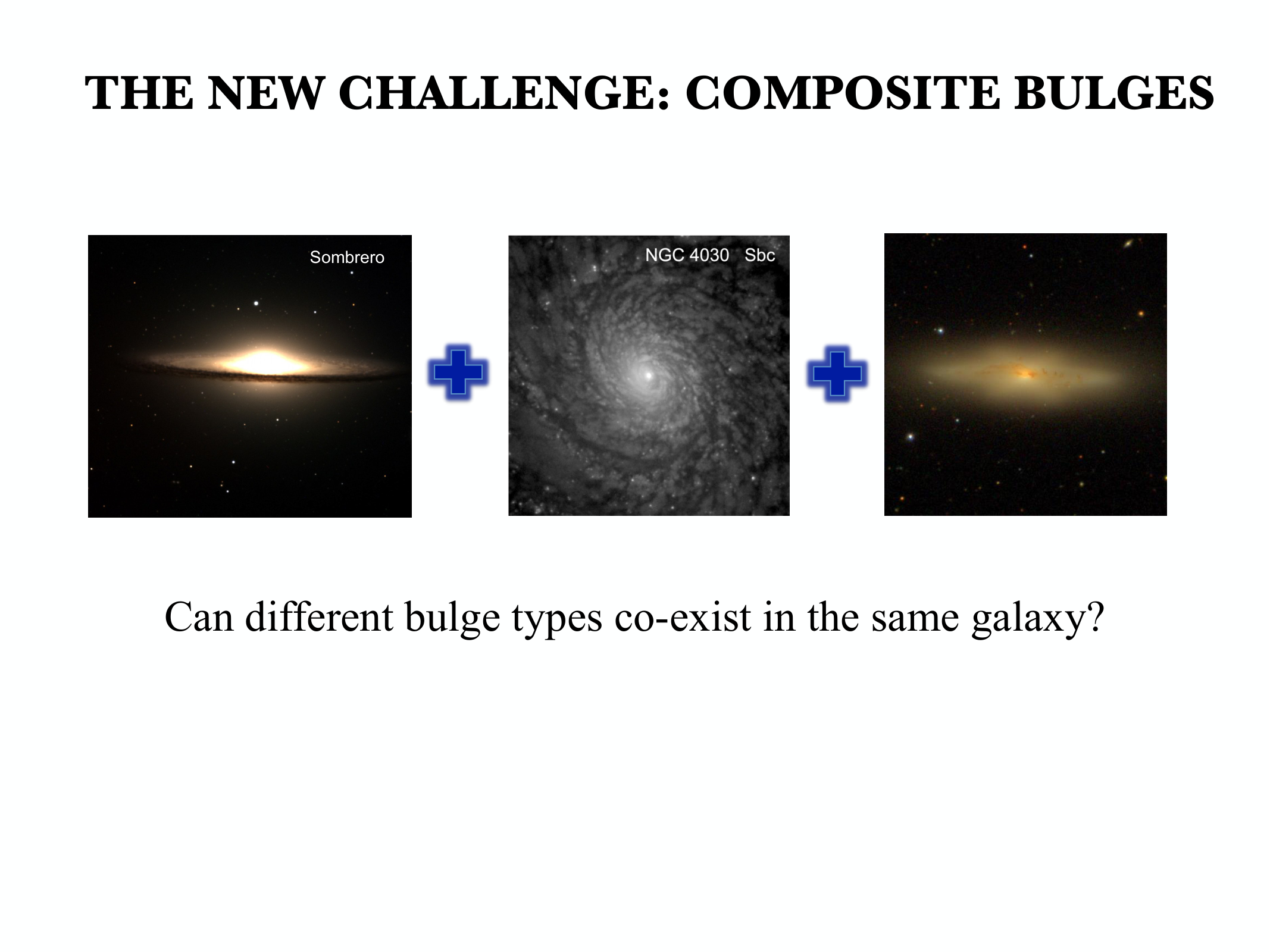 |
Lecture 2 - Ellipticals and Bulges | De Vaucouleurs R^(1/4) profile, boxy vs disky isophotes, kinematics | [[De Vaucouleurs and exponential profiles]] |
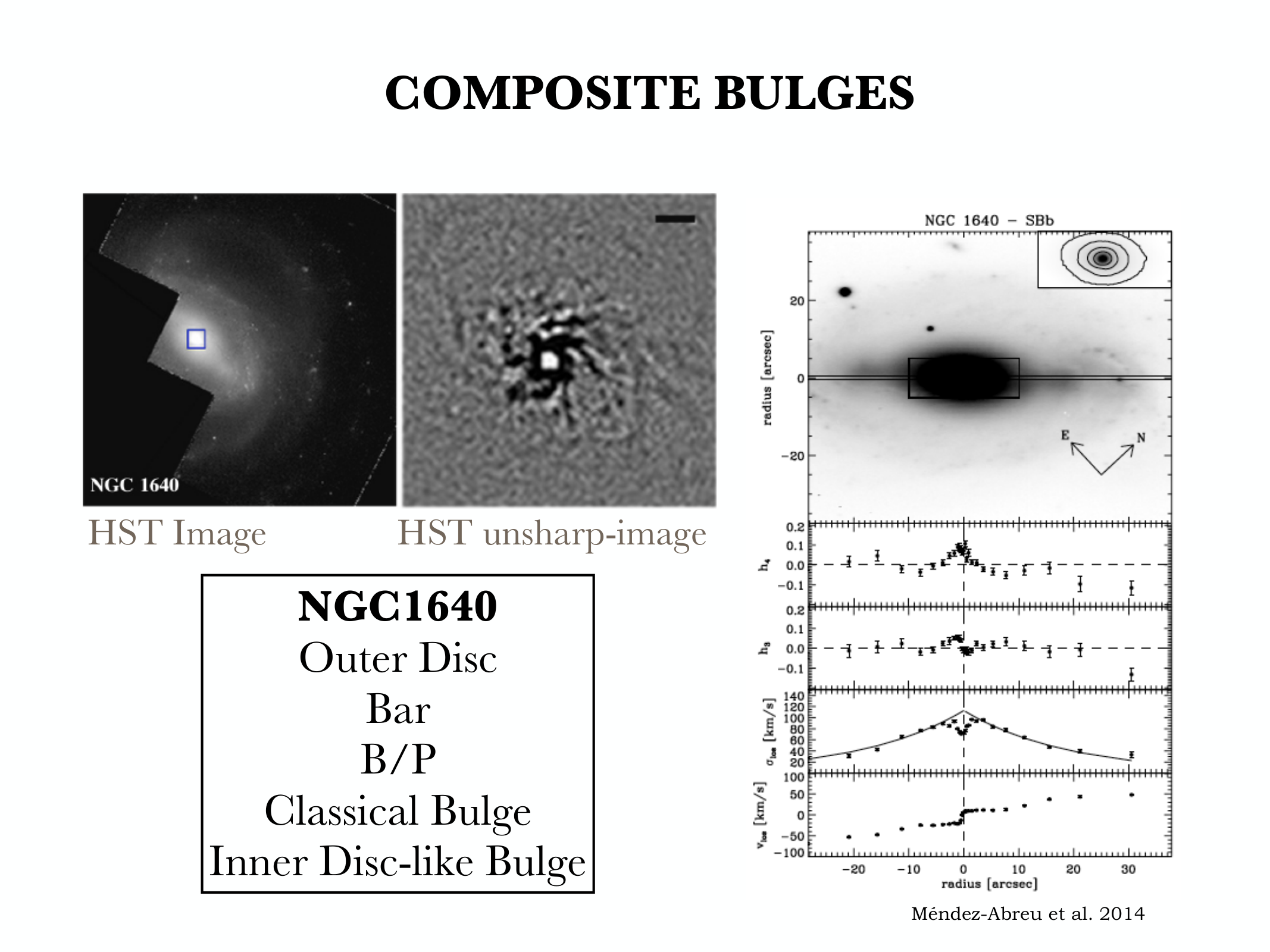 |
Lecture 2 - Ellipticals and Bulges | De Vaucouleurs R^(1/4) profile, boxy vs disky isophotes, kinematics | [[De Vaucouleurs and exponential profiles]] |
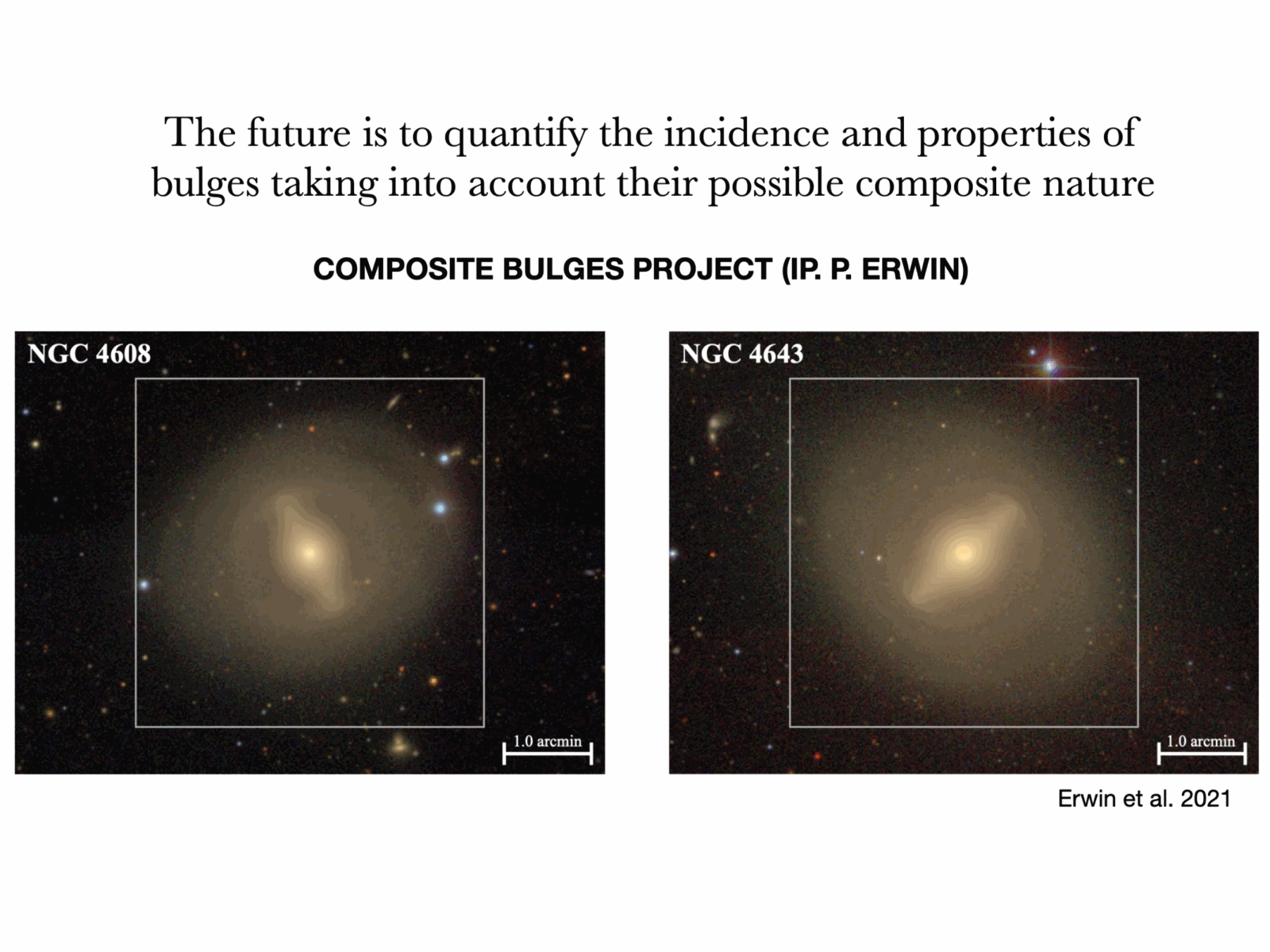 |
Lecture 2 - Ellipticals and Bulges | De Vaucouleurs R^(1/4) profile, boxy vs disky isophotes, kinematics | [[De Vaucouleurs and exponential profiles]] |
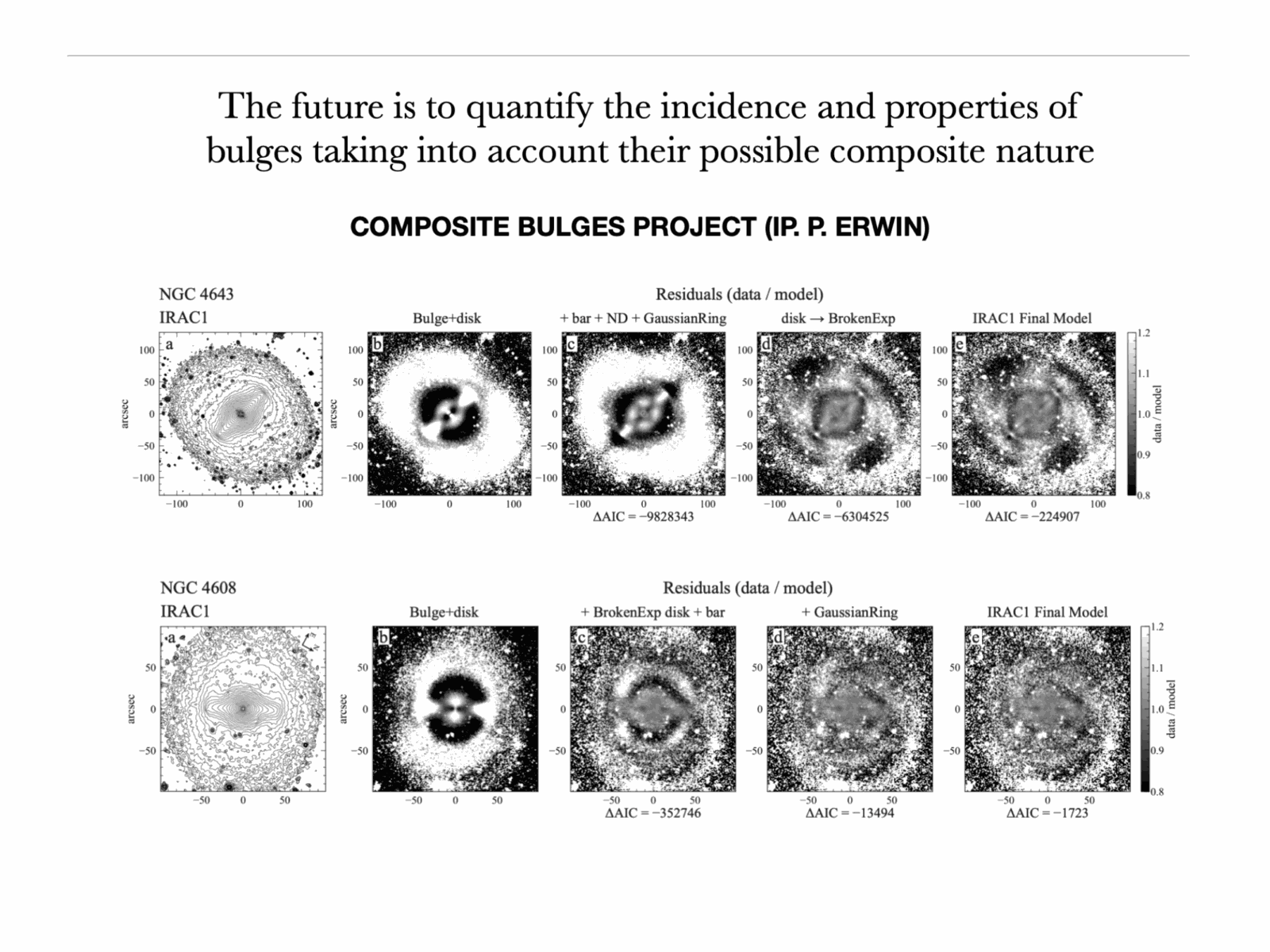 |
Lecture 2 - Ellipticals and Bulges | De Vaucouleurs R^(1/4) profile, boxy vs disky isophotes, kinematics | [[De Vaucouleurs and exponential profiles]] |
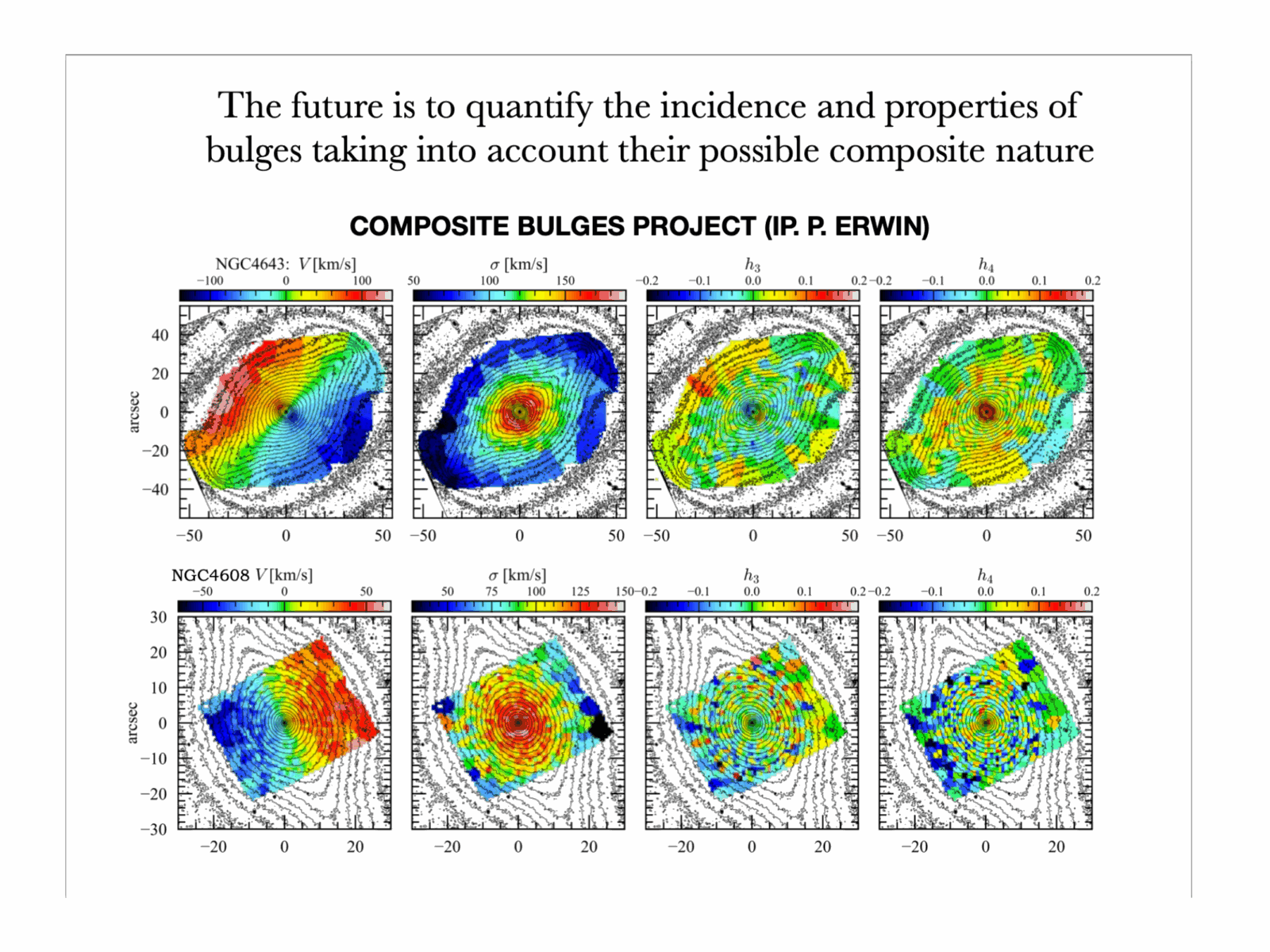 |
Lecture 2 - Ellipticals and Bulges | De Vaucouleurs R^(1/4) profile, boxy vs disky isophotes, kinematics | [[De Vaucouleurs and exponential profiles]] |
 |
Lecture - Interstellar Medium of Galaxies | The Kennicutt-Schmidt law - Sigma_SFR proportional to Sigma_gas^1.4 | [[Schmidt-Kennicutt law]] |
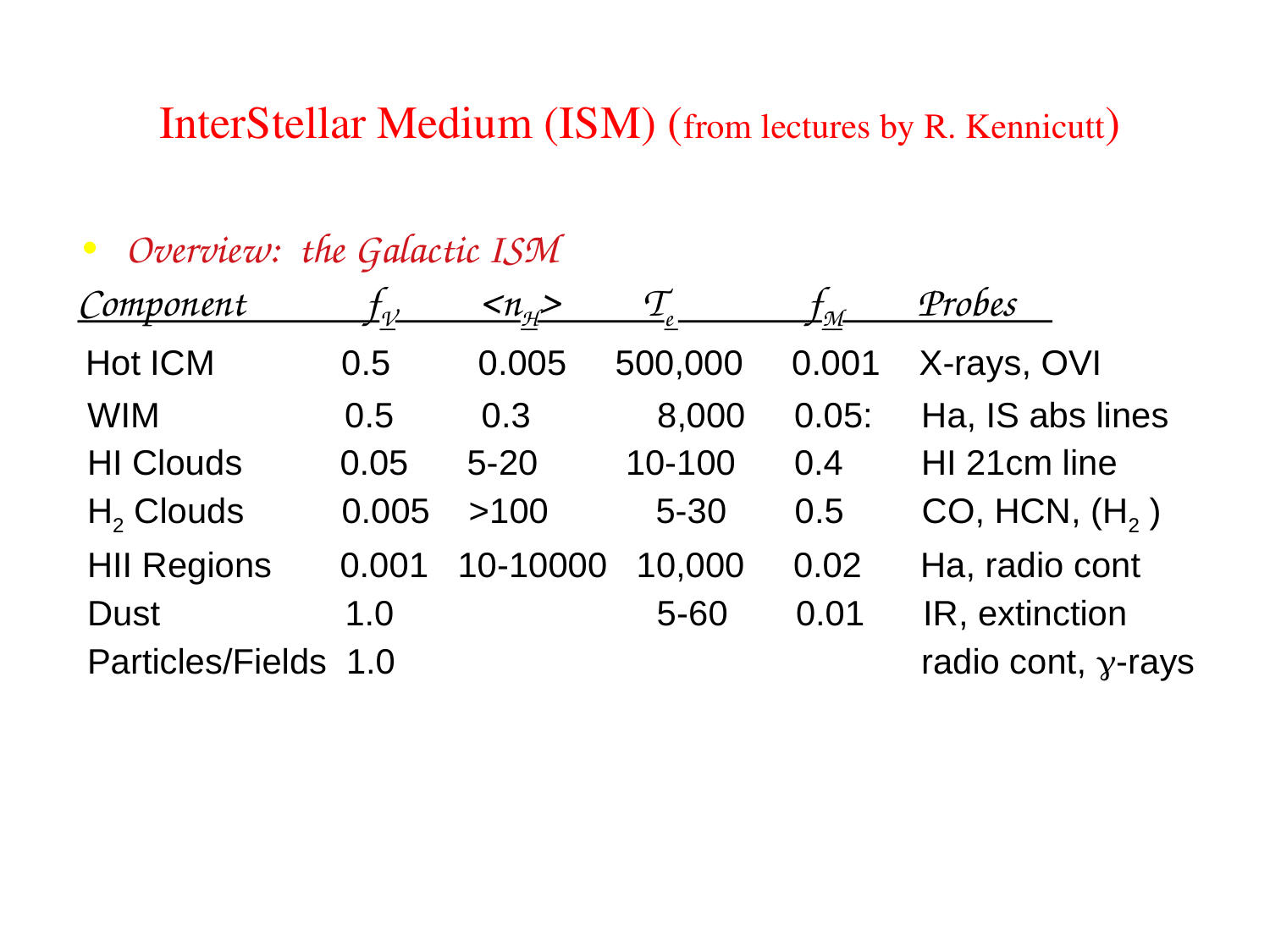 |
Lecture - Interstellar Medium of Galaxies | The Kennicutt-Schmidt law - Sigma_SFR proportional to Sigma_gas^1.4 | [[Schmidt-Kennicutt law]] |
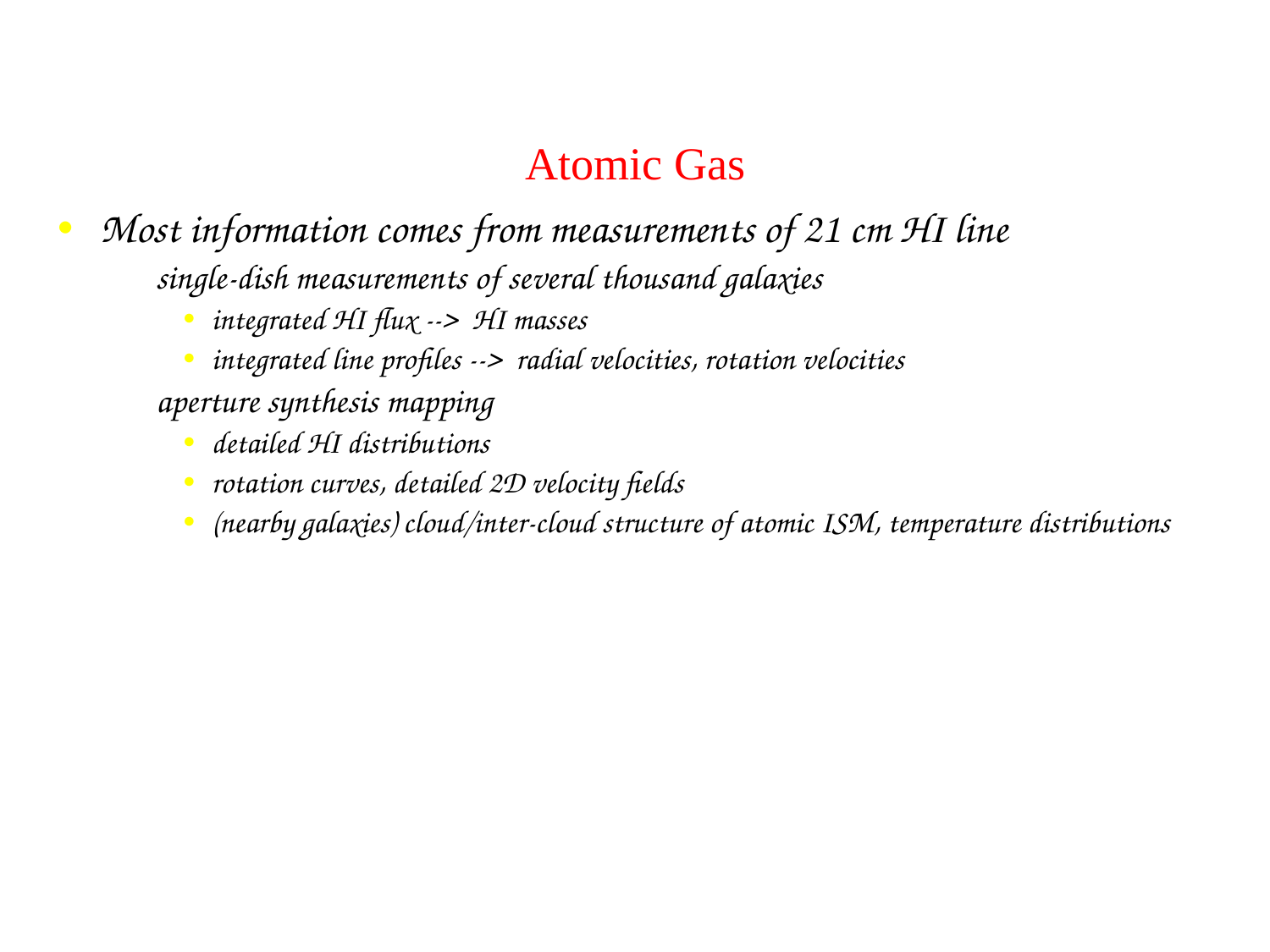 |
Lecture - Interstellar Medium of Galaxies | The Kennicutt-Schmidt law - Sigma_SFR proportional to Sigma_gas^1.4 | [[Schmidt-Kennicutt law]] |
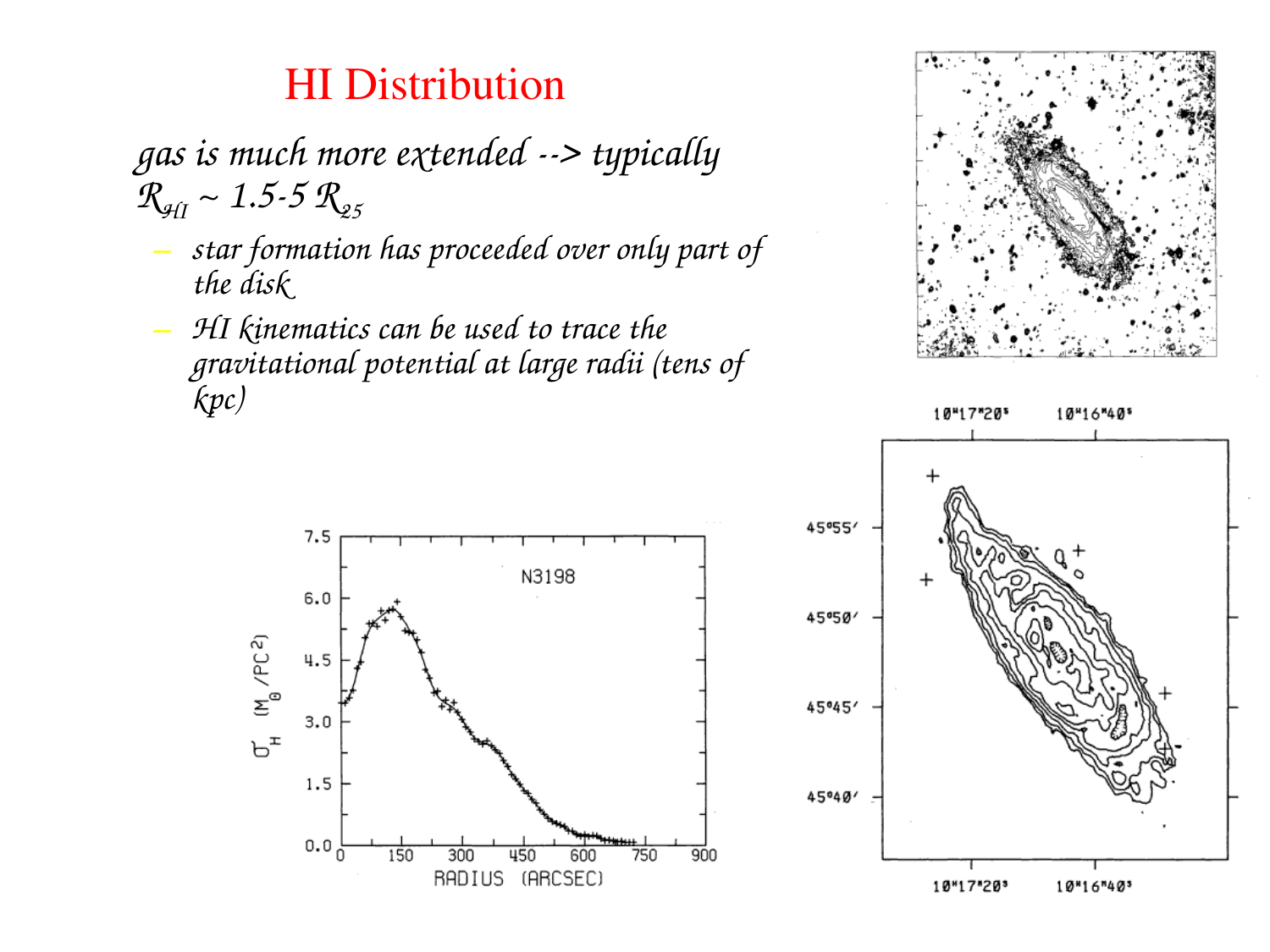 |
Lecture - Interstellar Medium of Galaxies | The Kennicutt-Schmidt law - Sigma_SFR proportional to Sigma_gas^1.4 | [[Schmidt-Kennicutt law]] |
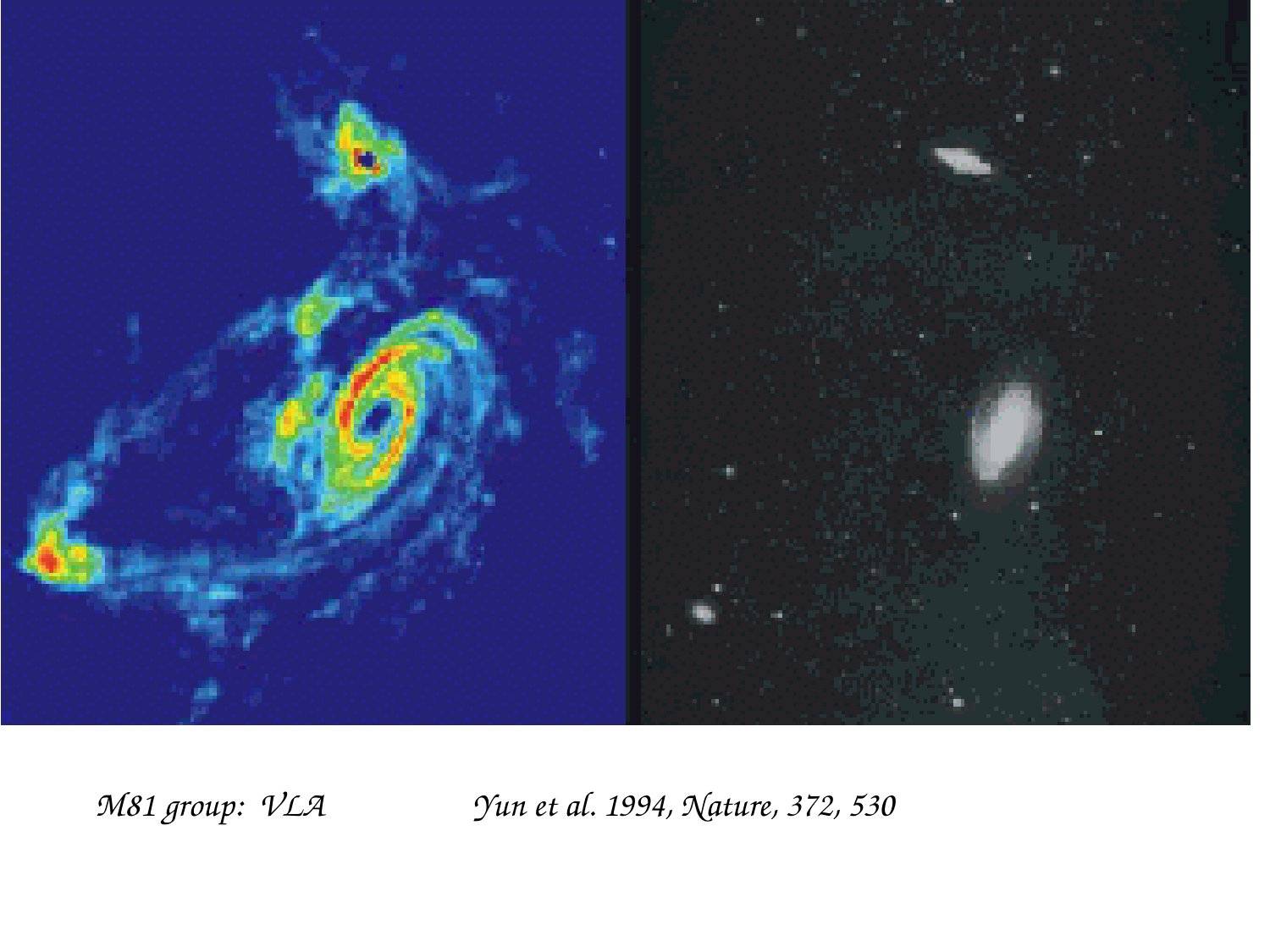 |
Lecture - Interstellar Medium of Galaxies | The Kennicutt-Schmidt law - Sigma_SFR proportional to Sigma_gas^1.4 | [[Schmidt-Kennicutt law]] |
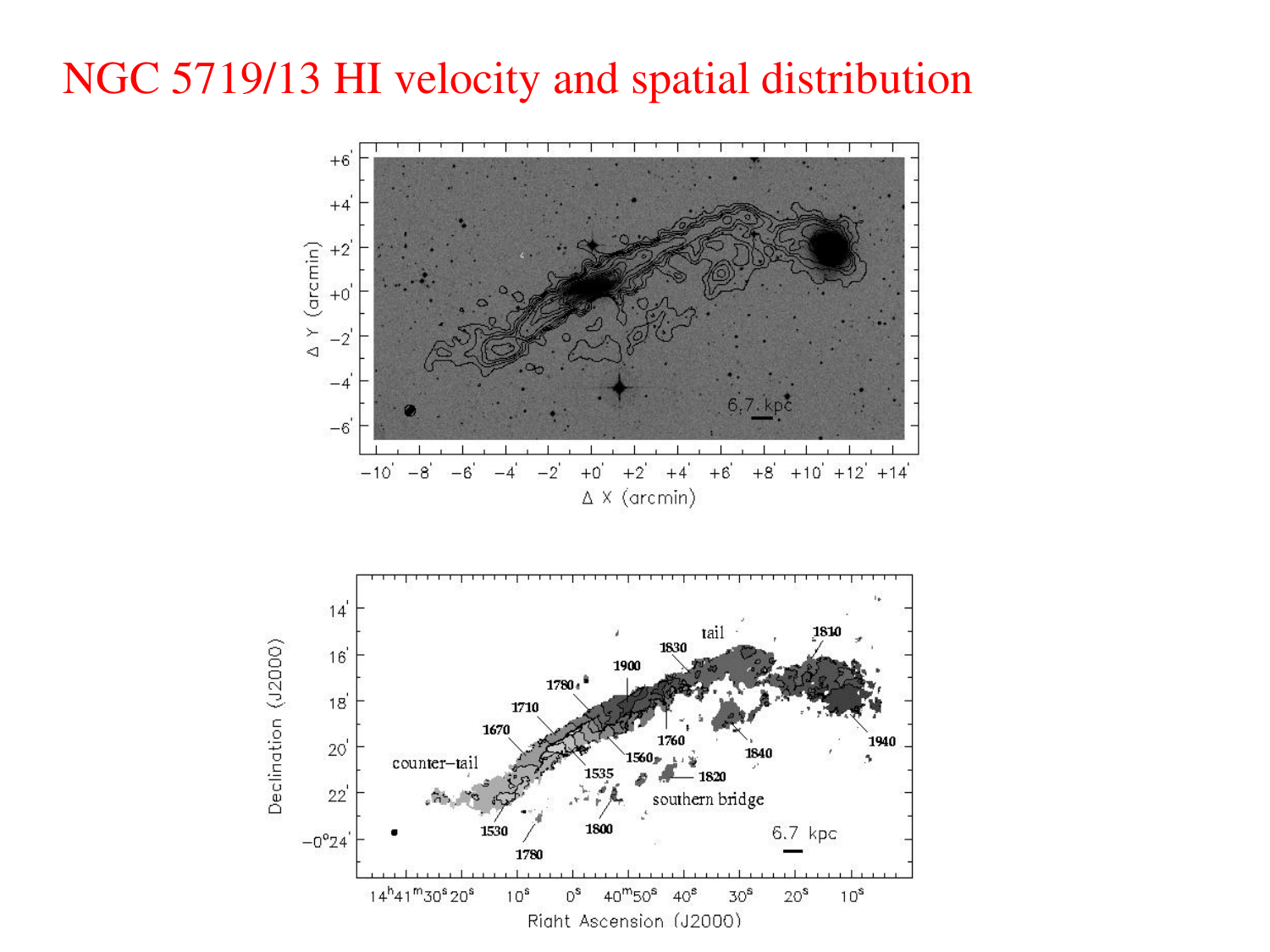 |
Lecture - Interstellar Medium of Galaxies | The Kennicutt-Schmidt law - Sigma_SFR proportional to Sigma_gas^1.4 | [[Schmidt-Kennicutt law]] |
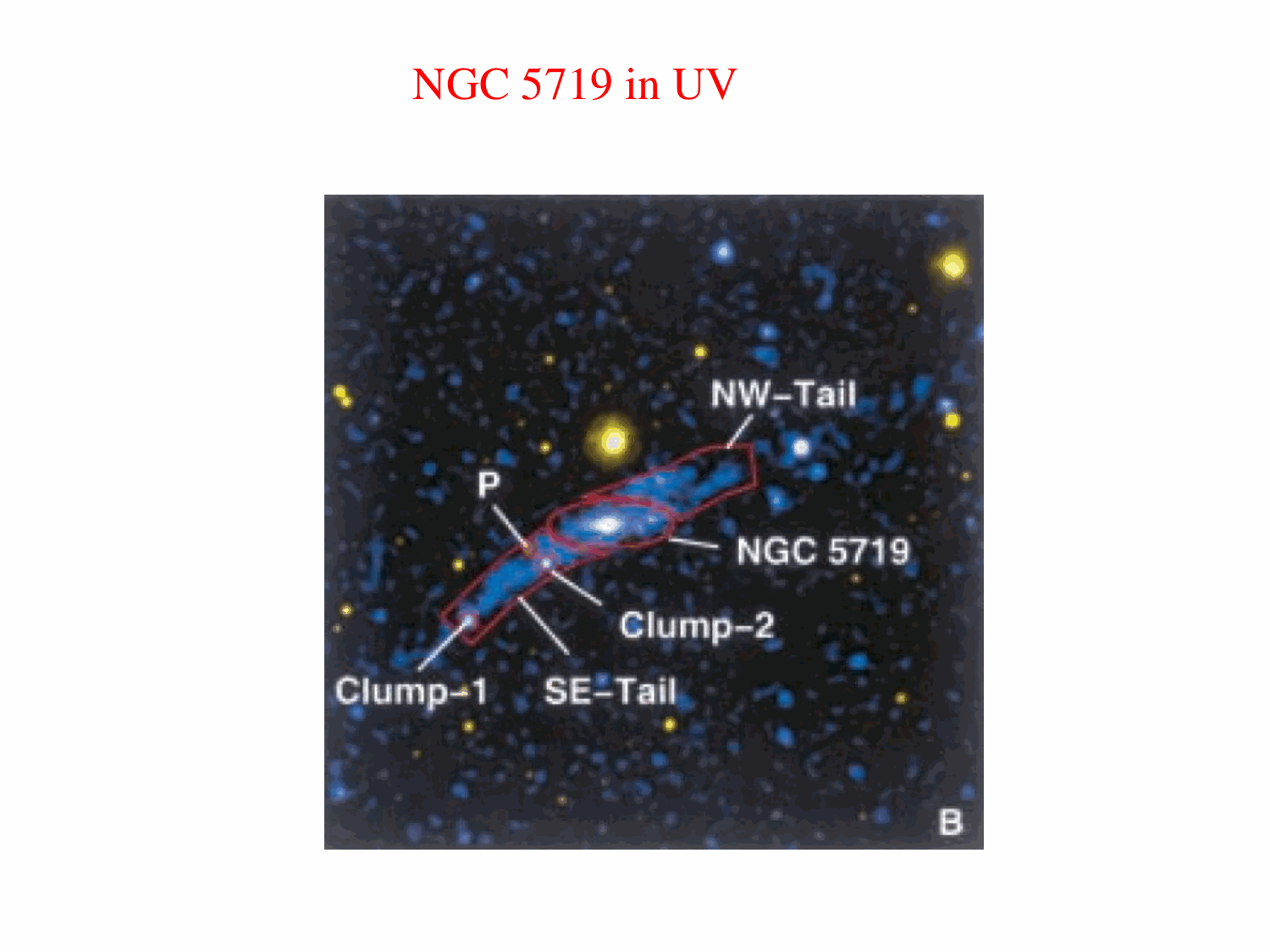 |
Lecture - Interstellar Medium of Galaxies | The Kennicutt-Schmidt law - Sigma_SFR proportional to Sigma_gas^1.4 | [[Schmidt-Kennicutt law]] |
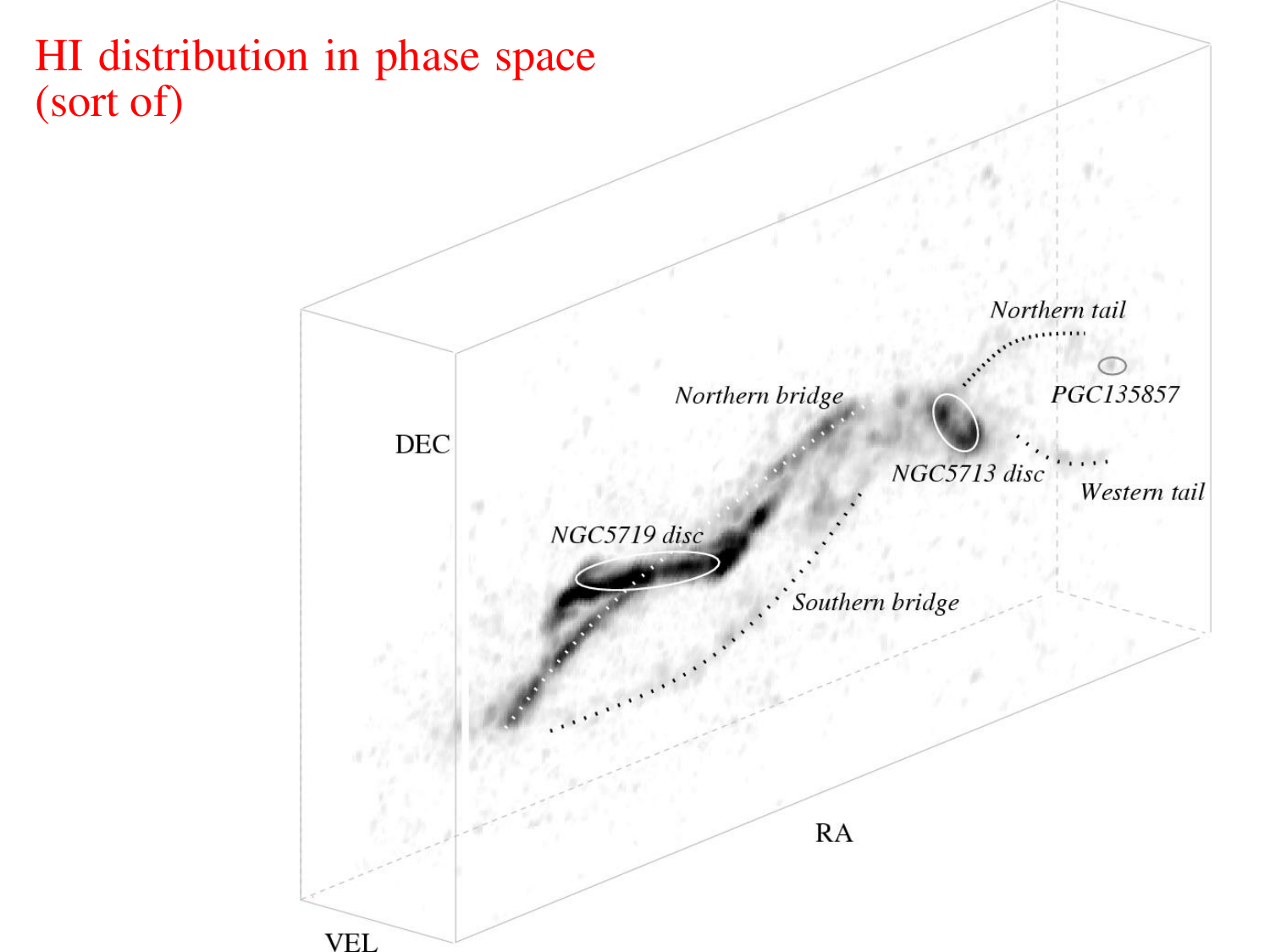 |
Lecture - Interstellar Medium of Galaxies | The Kennicutt-Schmidt law - Sigma_SFR proportional to Sigma_gas^1.4 | [[Schmidt-Kennicutt law]] |
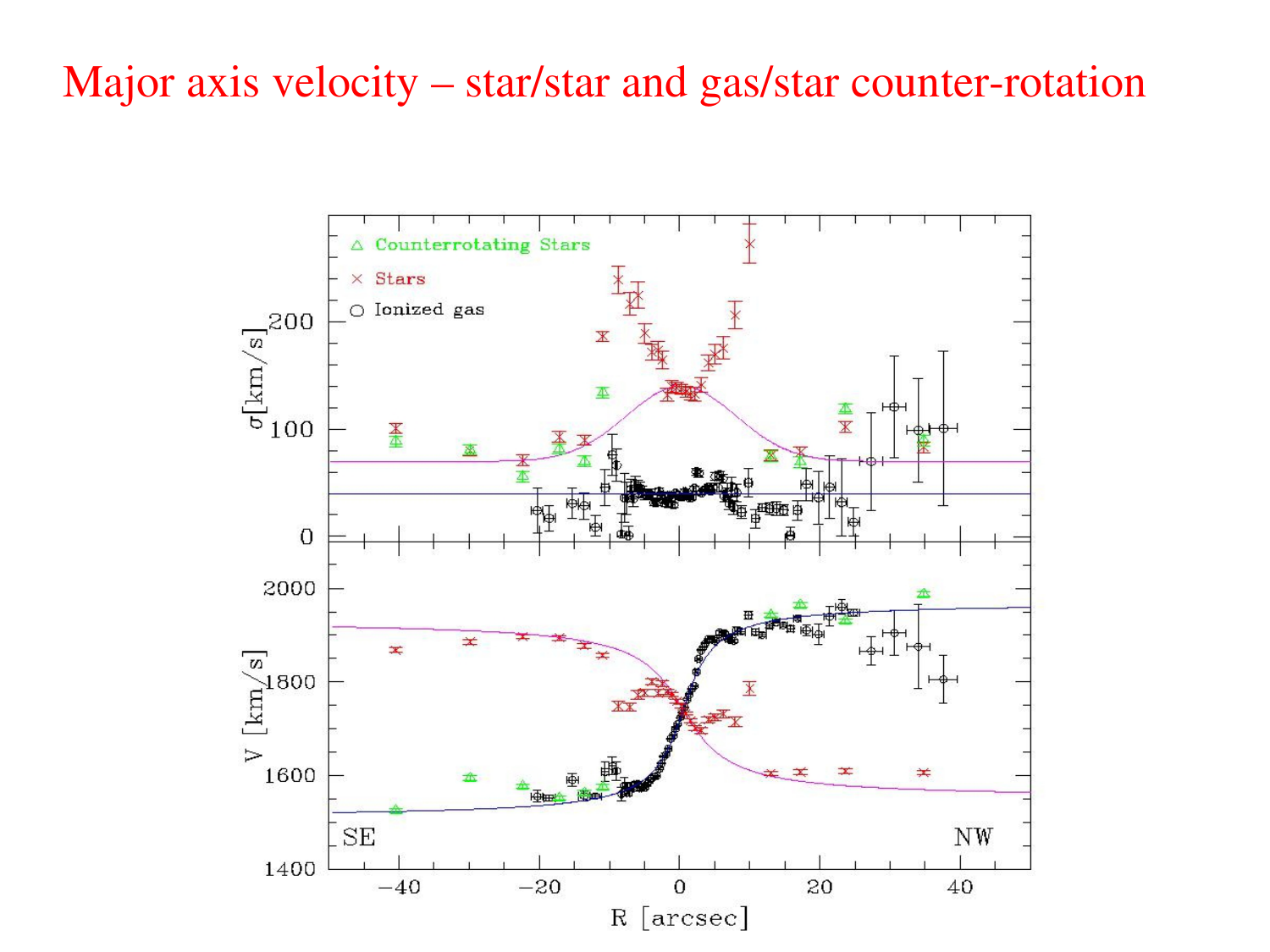 |
Lecture - Interstellar Medium of Galaxies | The Kennicutt-Schmidt law - Sigma_SFR proportional to Sigma_gas^1.4 | [[Schmidt-Kennicutt law]] |
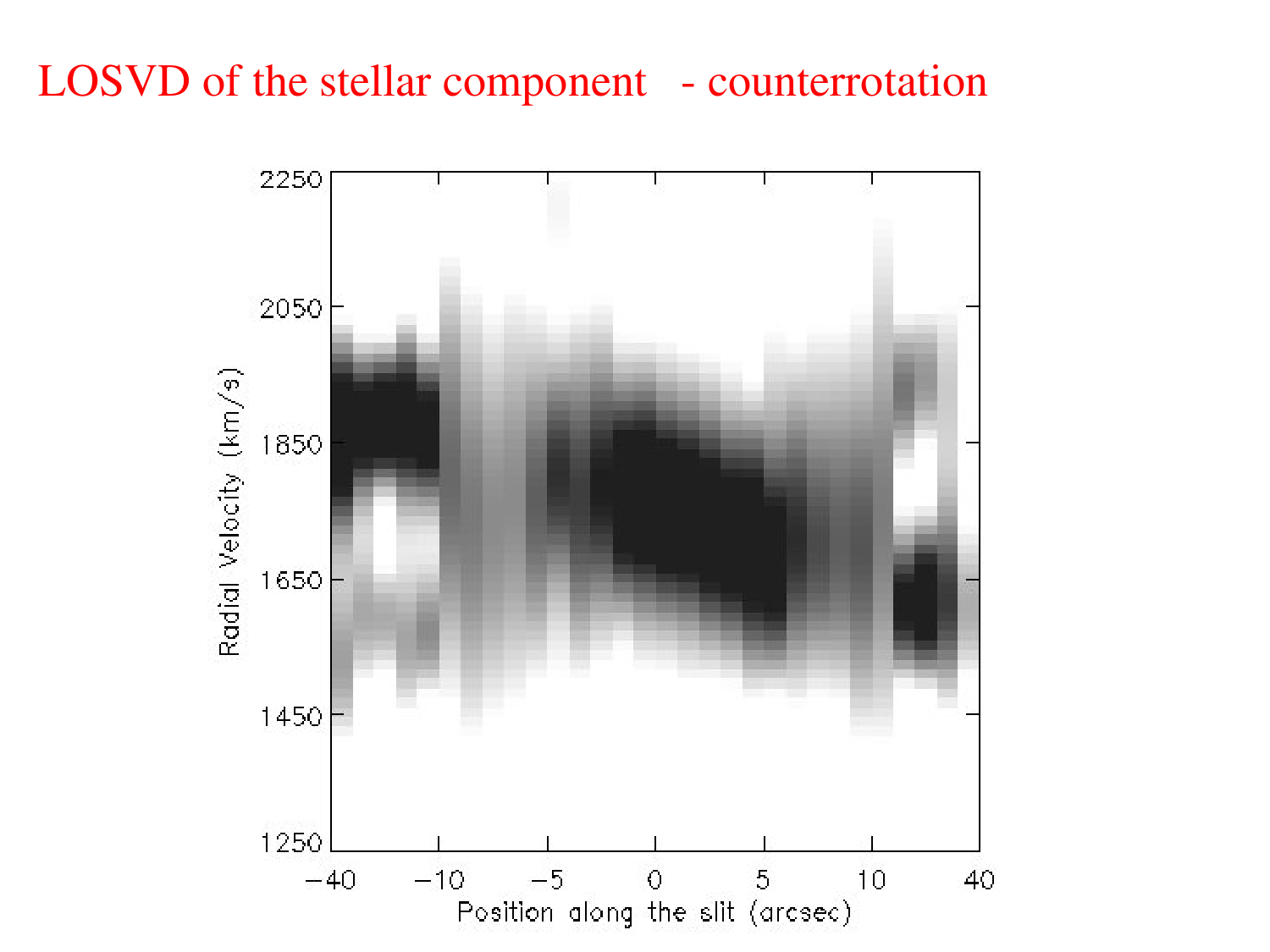 |
Lecture - Interstellar Medium of Galaxies | The Kennicutt-Schmidt law - Sigma_SFR proportional to Sigma_gas^1.4 | [[Schmidt-Kennicutt law]] |
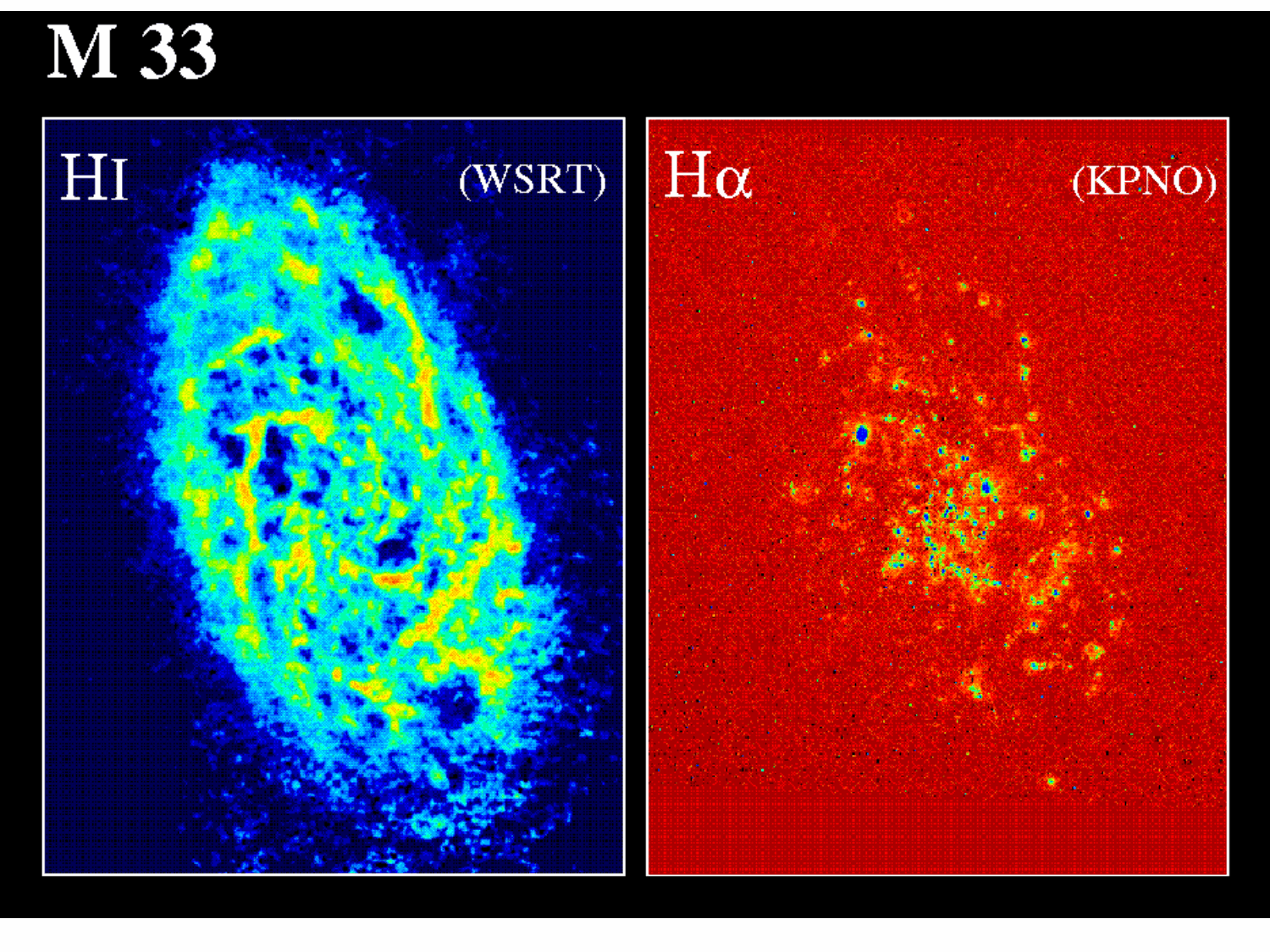 |
Lecture - Interstellar Medium of Galaxies | The Kennicutt-Schmidt law - Sigma_SFR proportional to Sigma_gas^1.4 | [[Schmidt-Kennicutt law]] |
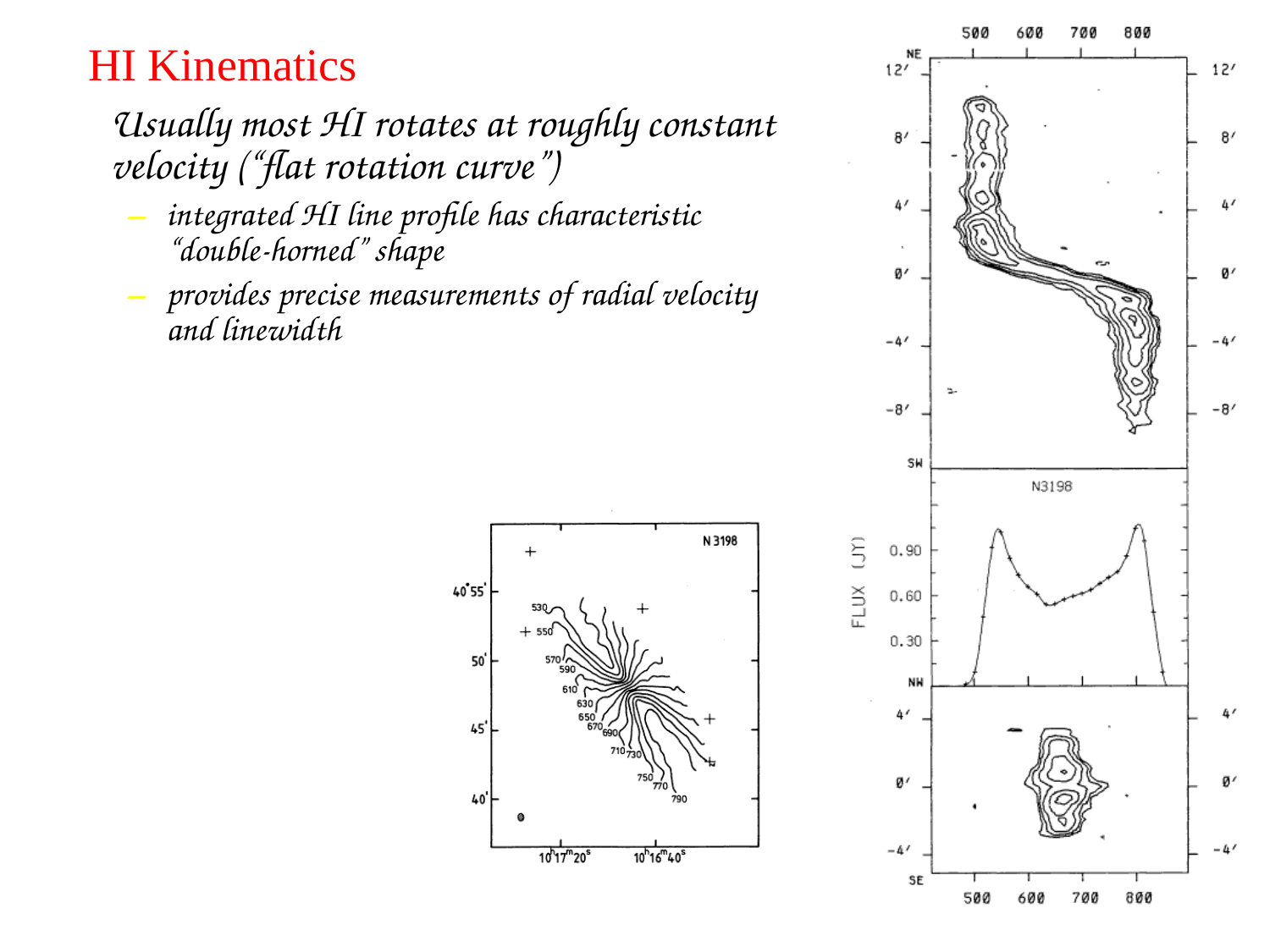 |
Lecture - Interstellar Medium of Galaxies | The Kennicutt-Schmidt law - Sigma_SFR proportional to Sigma_gas^1.4 | [[Schmidt-Kennicutt law]] |
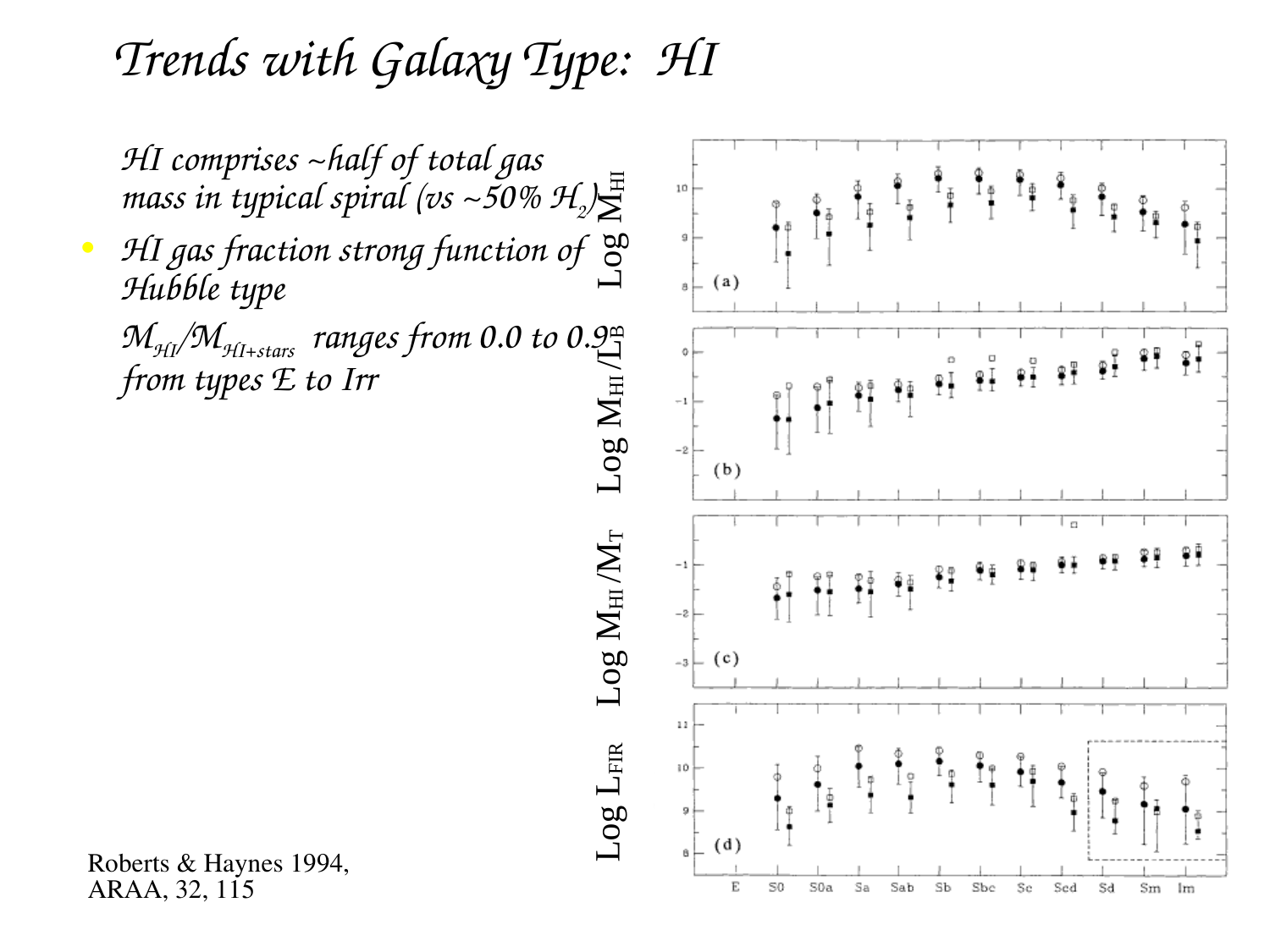 |
Lecture - Interstellar Medium of Galaxies | Giant Molecular Clouds (GMCs), CO emission, CO-to-H2 conversion factor X_CO | [[Molecular clouds]] |
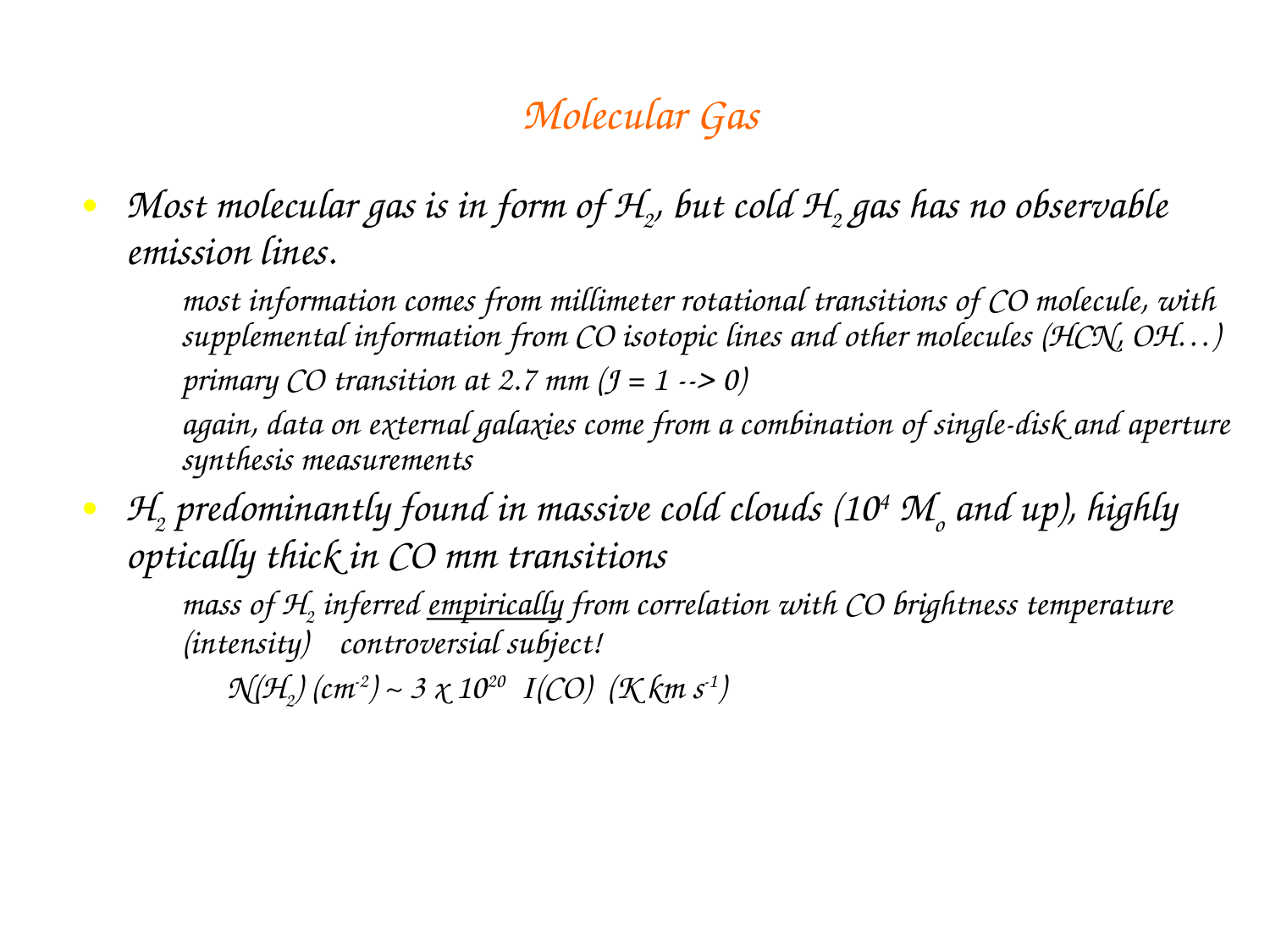 |
Lecture - Interstellar Medium of Galaxies | Giant Molecular Clouds (GMCs), CO emission, CO-to-H2 conversion factor X_CO | [[Molecular clouds]] |
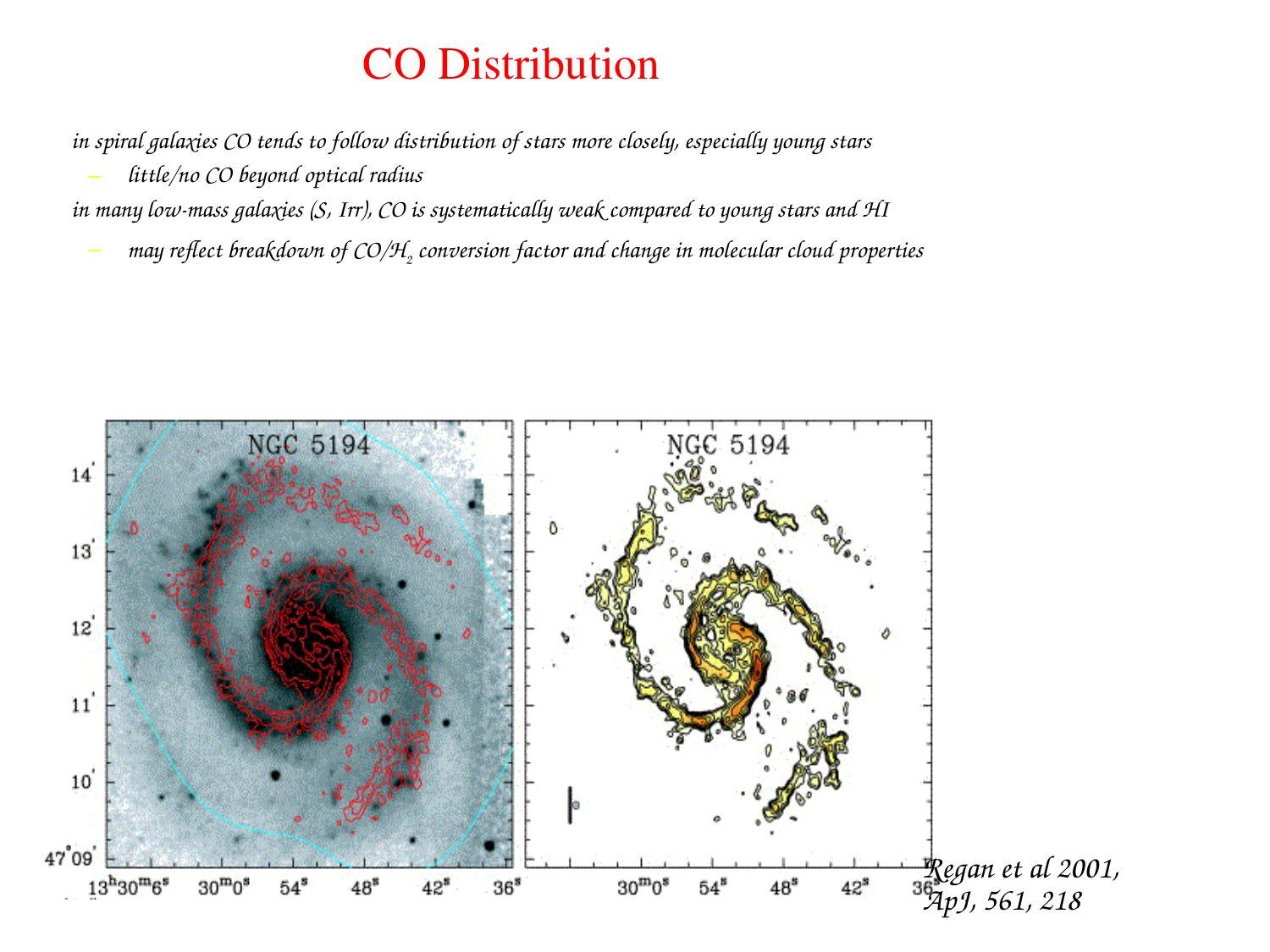 |
Lecture - Interstellar Medium of Galaxies | Giant Molecular Clouds (GMCs), CO emission, CO-to-H2 conversion factor X_CO | [[Molecular clouds]] |
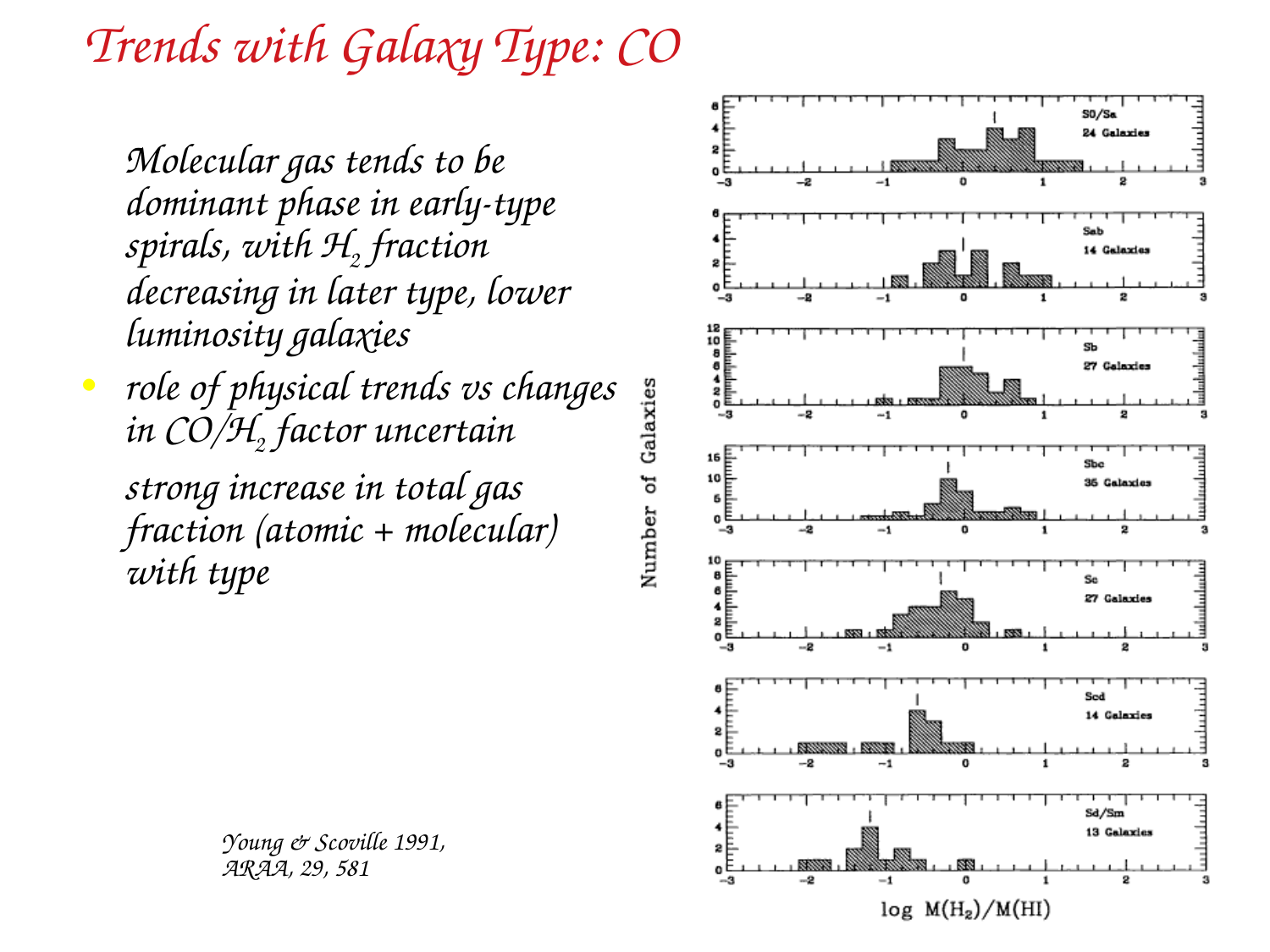 |
Lecture - Interstellar Medium of Galaxies | Giant Molecular Clouds (GMCs), CO emission, CO-to-H2 conversion factor X_CO | [[Molecular clouds]] |
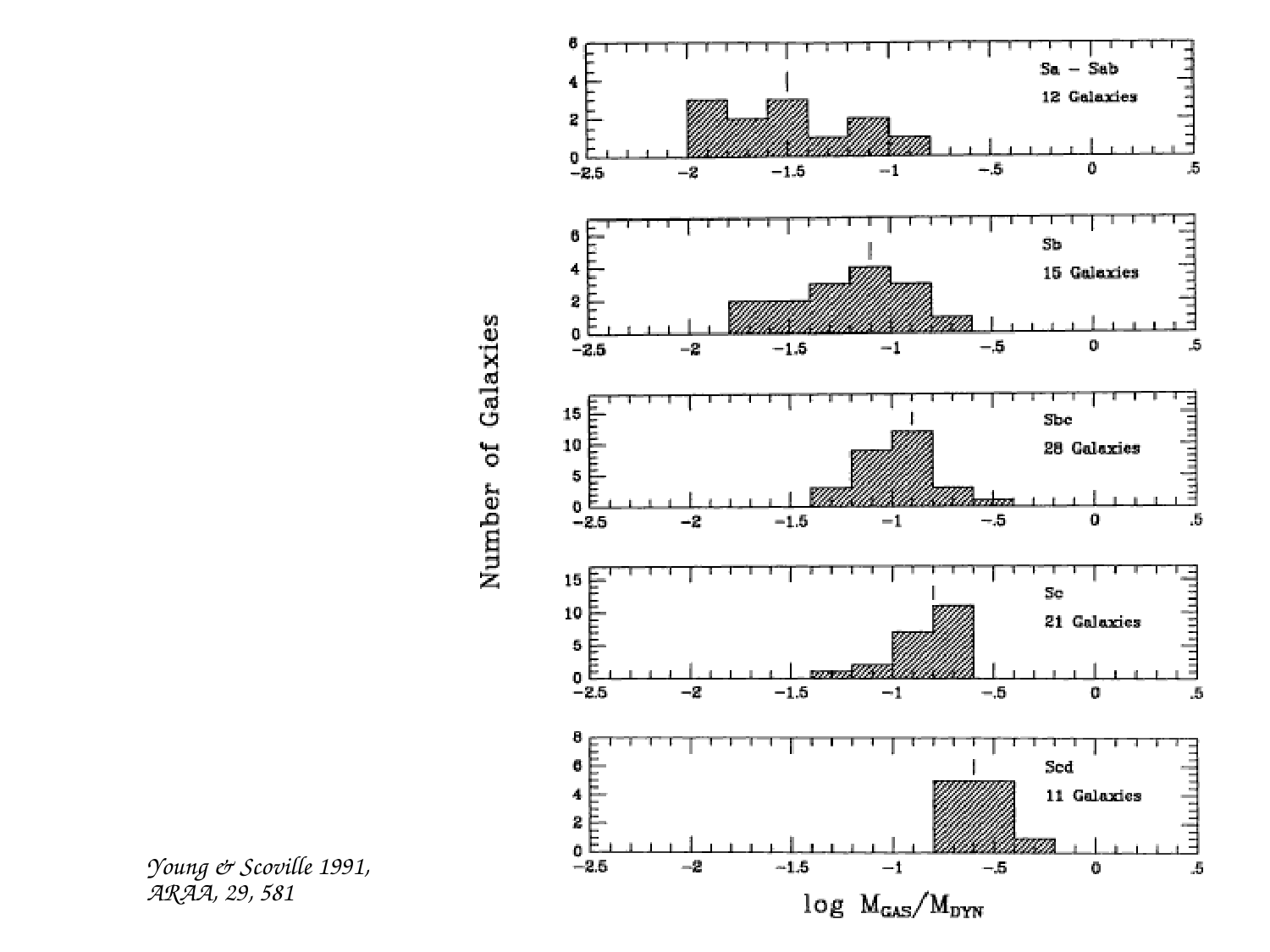 |
Lecture - Interstellar Medium of Galaxies | Giant Molecular Clouds (GMCs), CO emission, CO-to-H2 conversion factor X_CO | [[Molecular clouds]] |
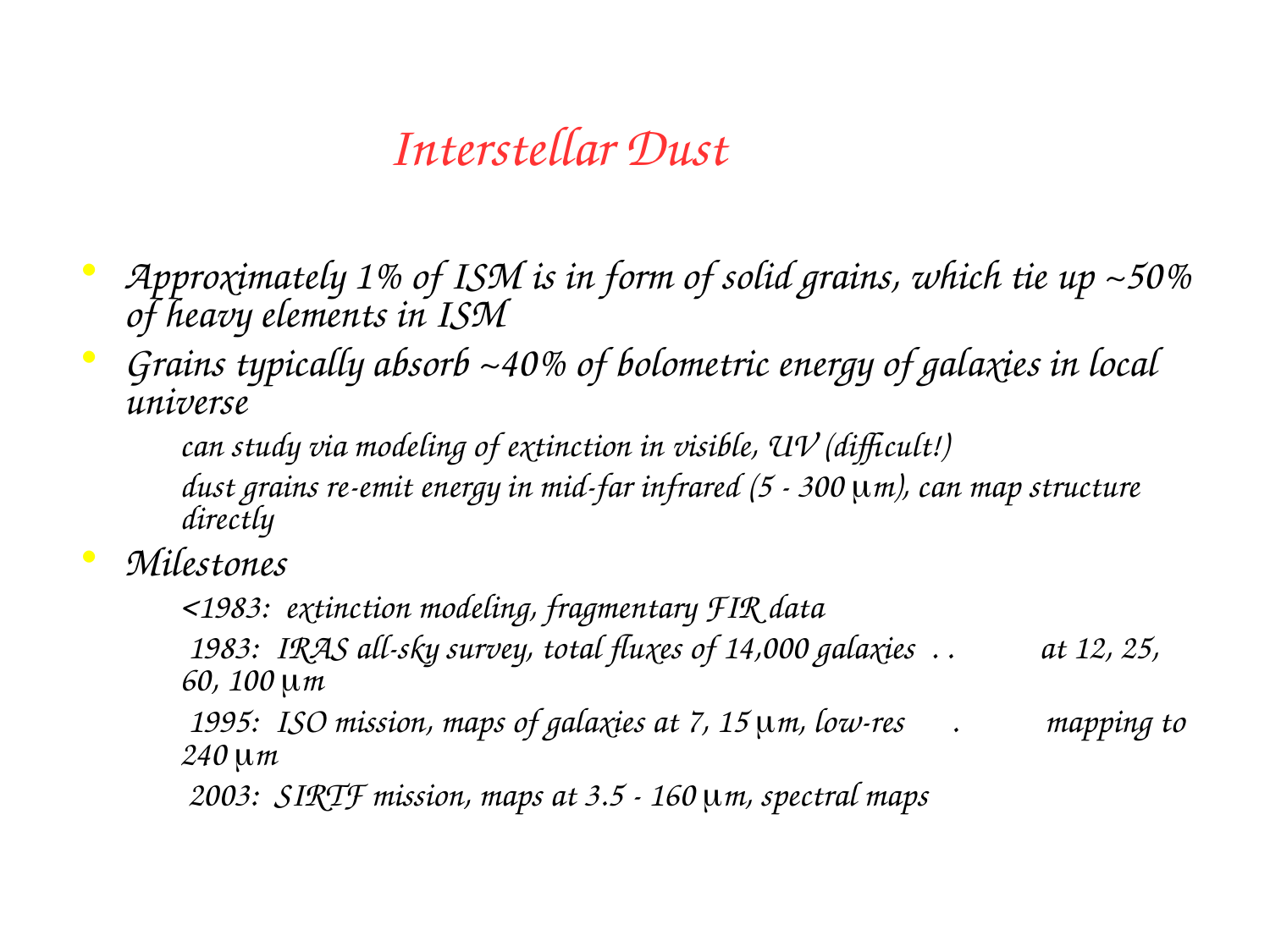 |
Lecture - Interstellar Medium of Galaxies | Giant Molecular Clouds (GMCs), CO emission, CO-to-H2 conversion factor X_CO | [[Molecular clouds]] |
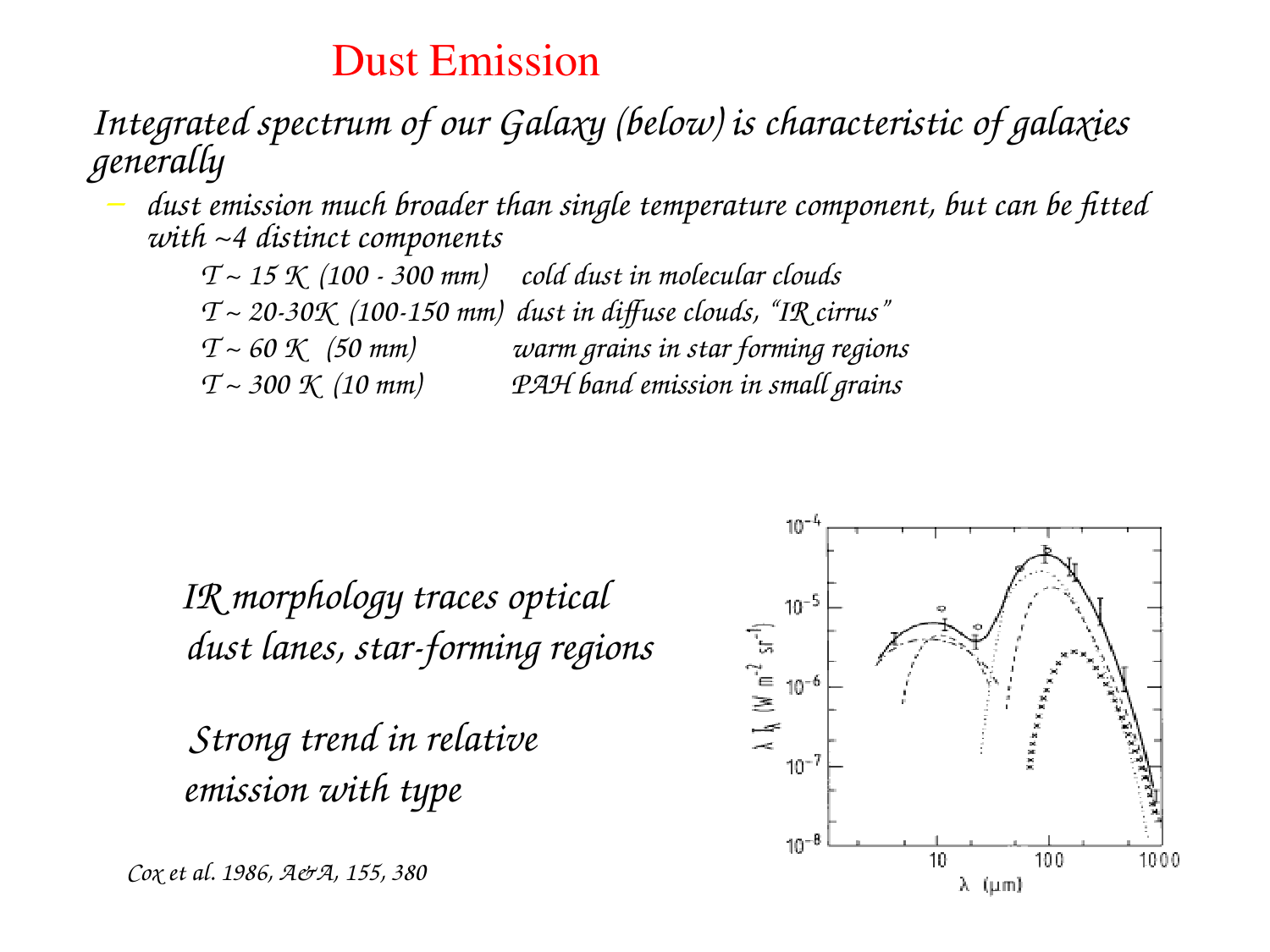 |
Lecture - Interstellar Medium of Galaxies | Neutral atomic hydrogen (HI) 21 cm emission disks and extended gas reservoirs | [[H I regions]] |
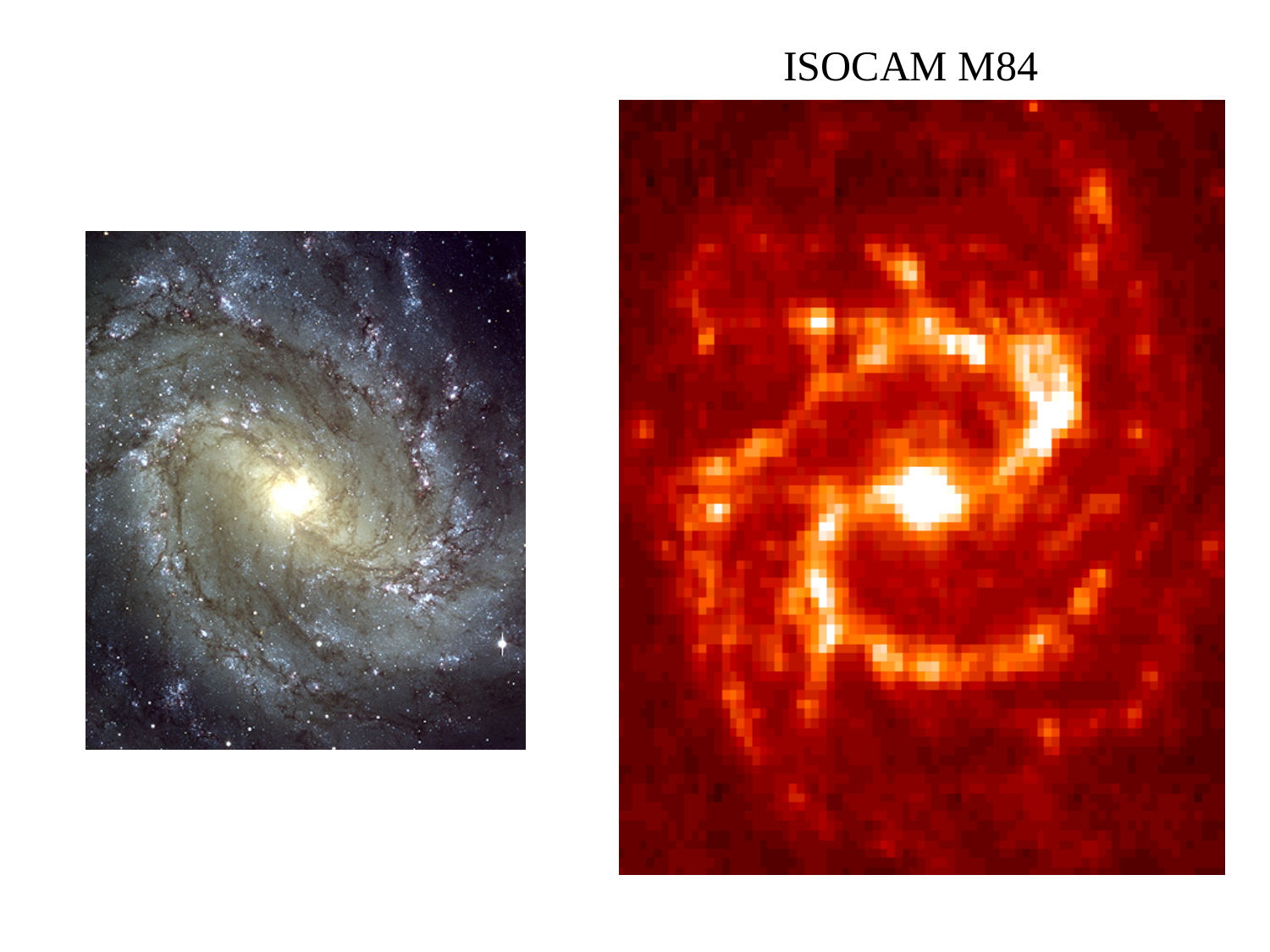 |
Lecture - Interstellar Medium of Galaxies | Neutral atomic hydrogen (HI) 21 cm emission disks and extended gas reservoirs | [[H I regions]] |
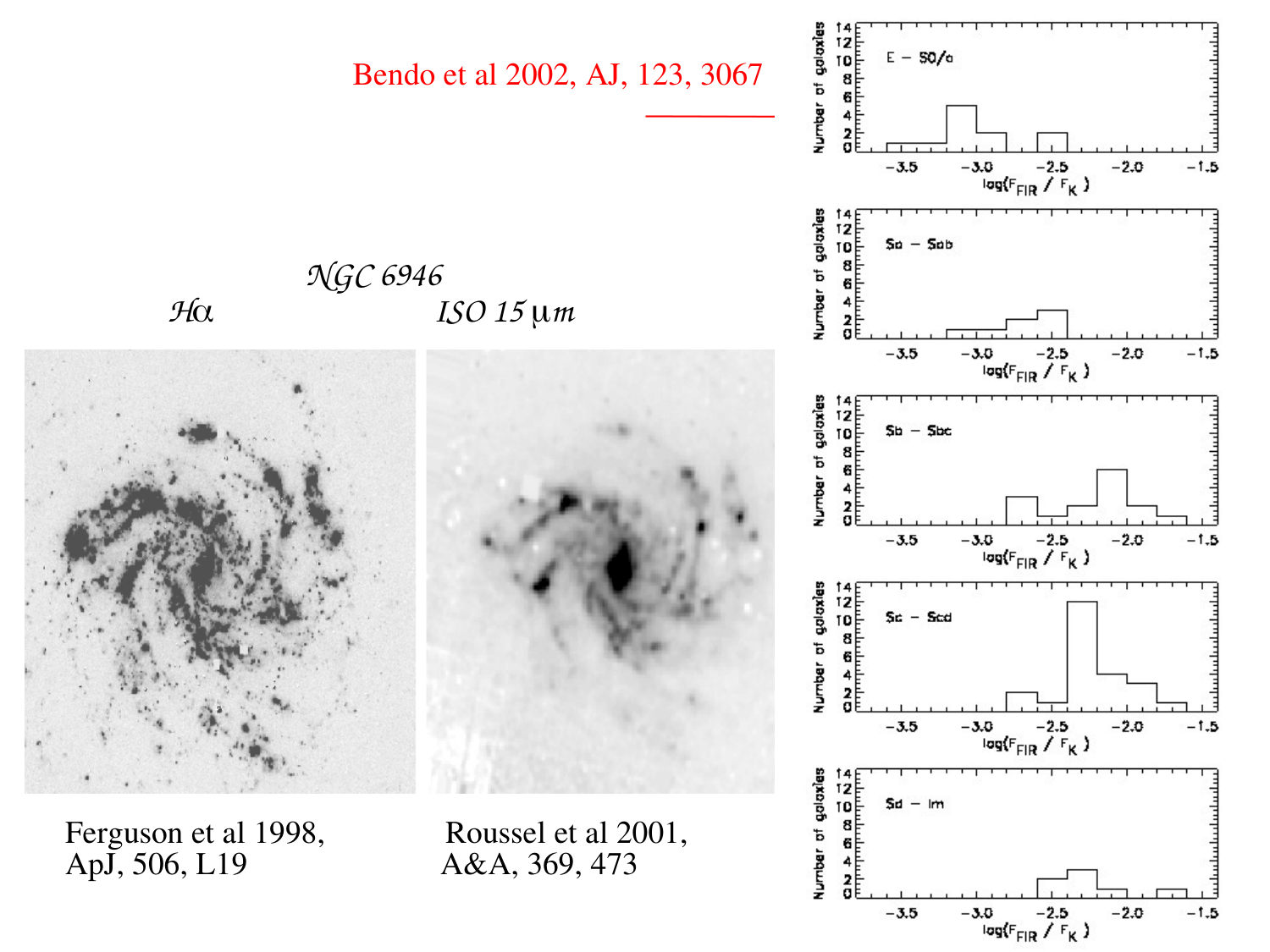 |
Lecture - Interstellar Medium of Galaxies | Neutral atomic hydrogen (HI) 21 cm emission disks and extended gas reservoirs | [[H I regions]] |
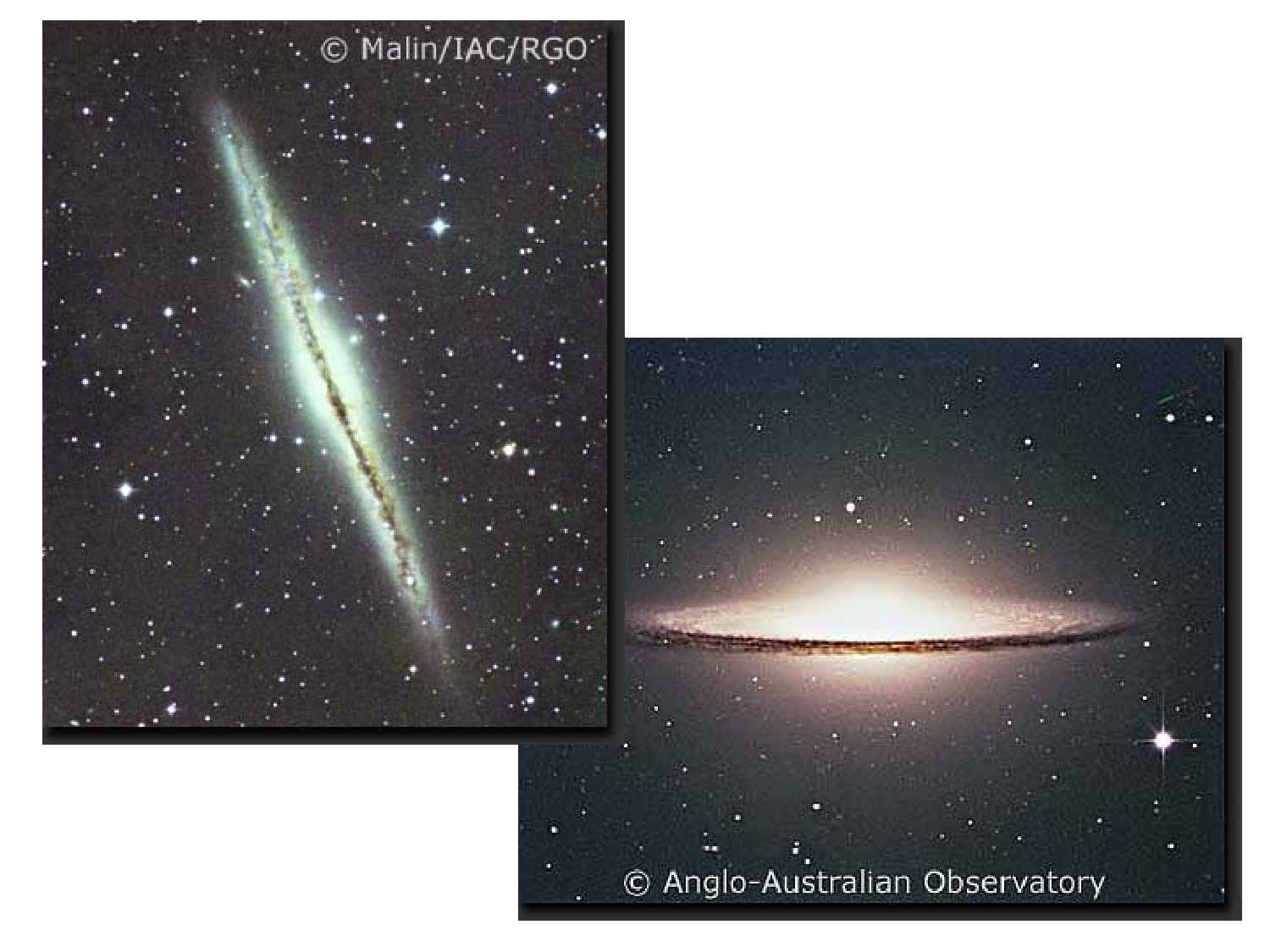 |
Lecture - Interstellar Medium of Galaxies | Neutral atomic hydrogen (HI) 21 cm emission disks and extended gas reservoirs | [[H I regions]] |
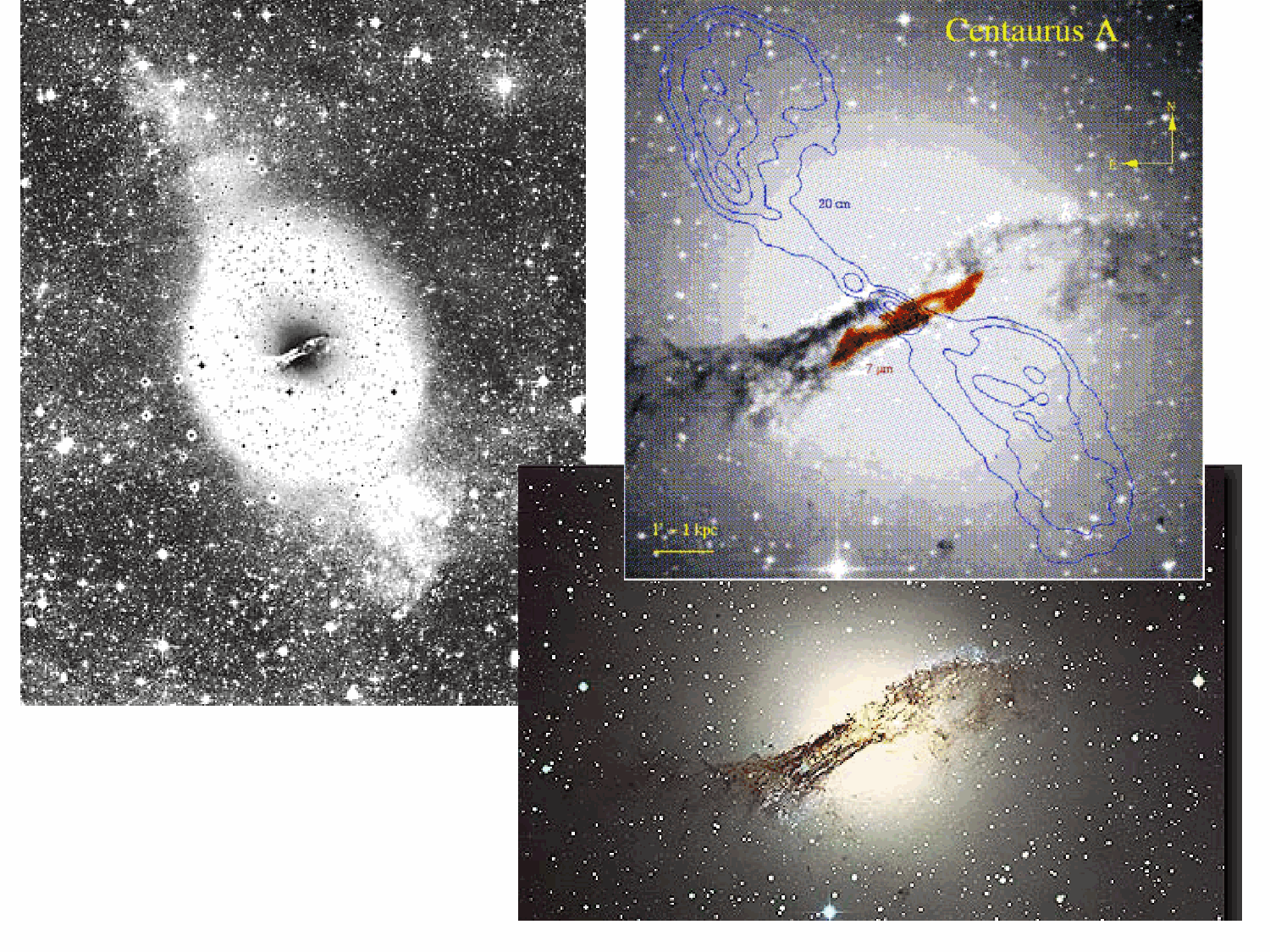 |
Lecture - Interstellar Medium of Galaxies | Neutral atomic hydrogen (HI) 21 cm emission disks and extended gas reservoirs | [[H I regions]] |
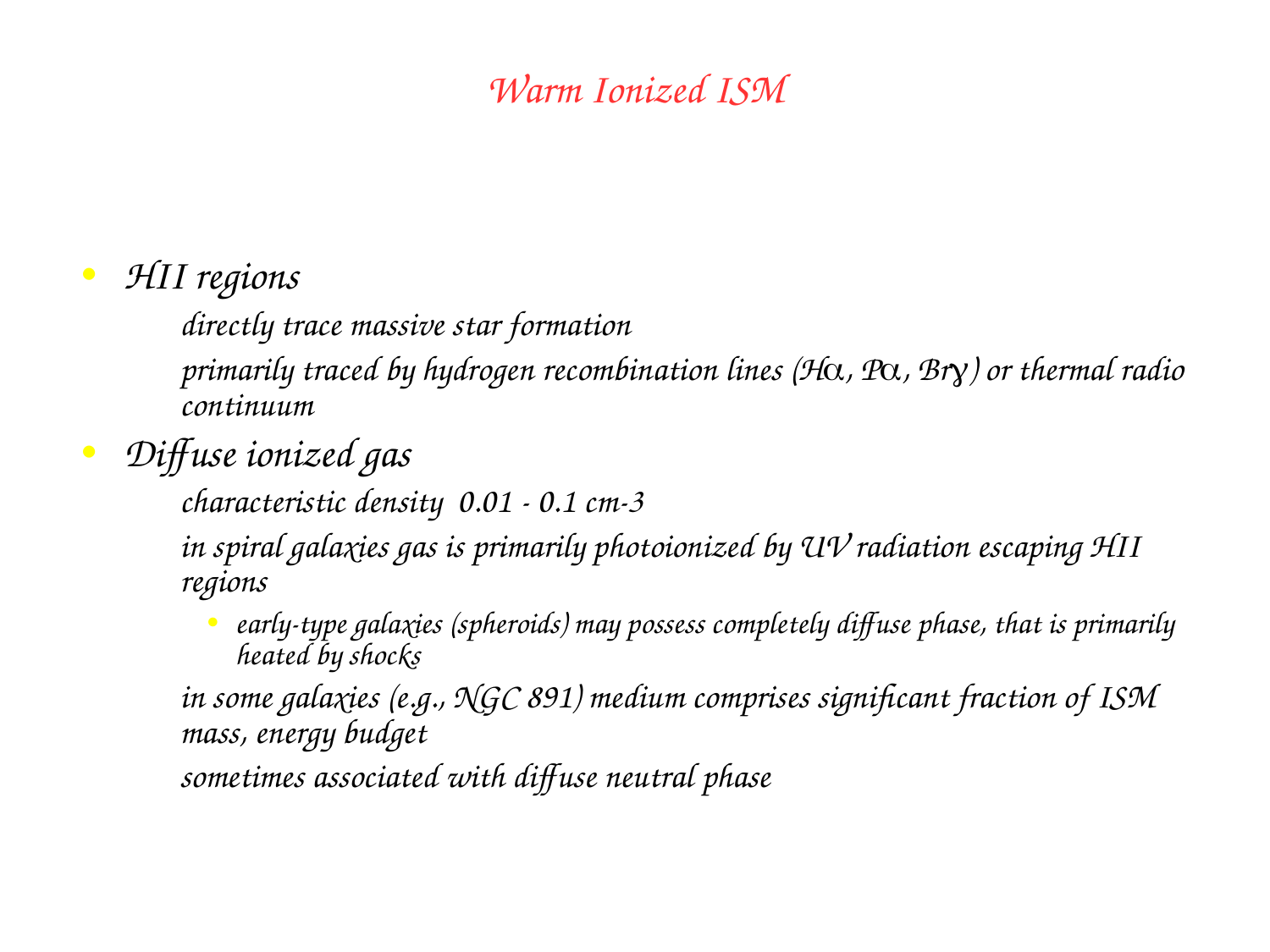 |
Lecture - Interstellar Medium of Galaxies | Photodissociation Regions (PDRs) at molecular cloud boundaries | [[Photodissociation regions PDRs]] |
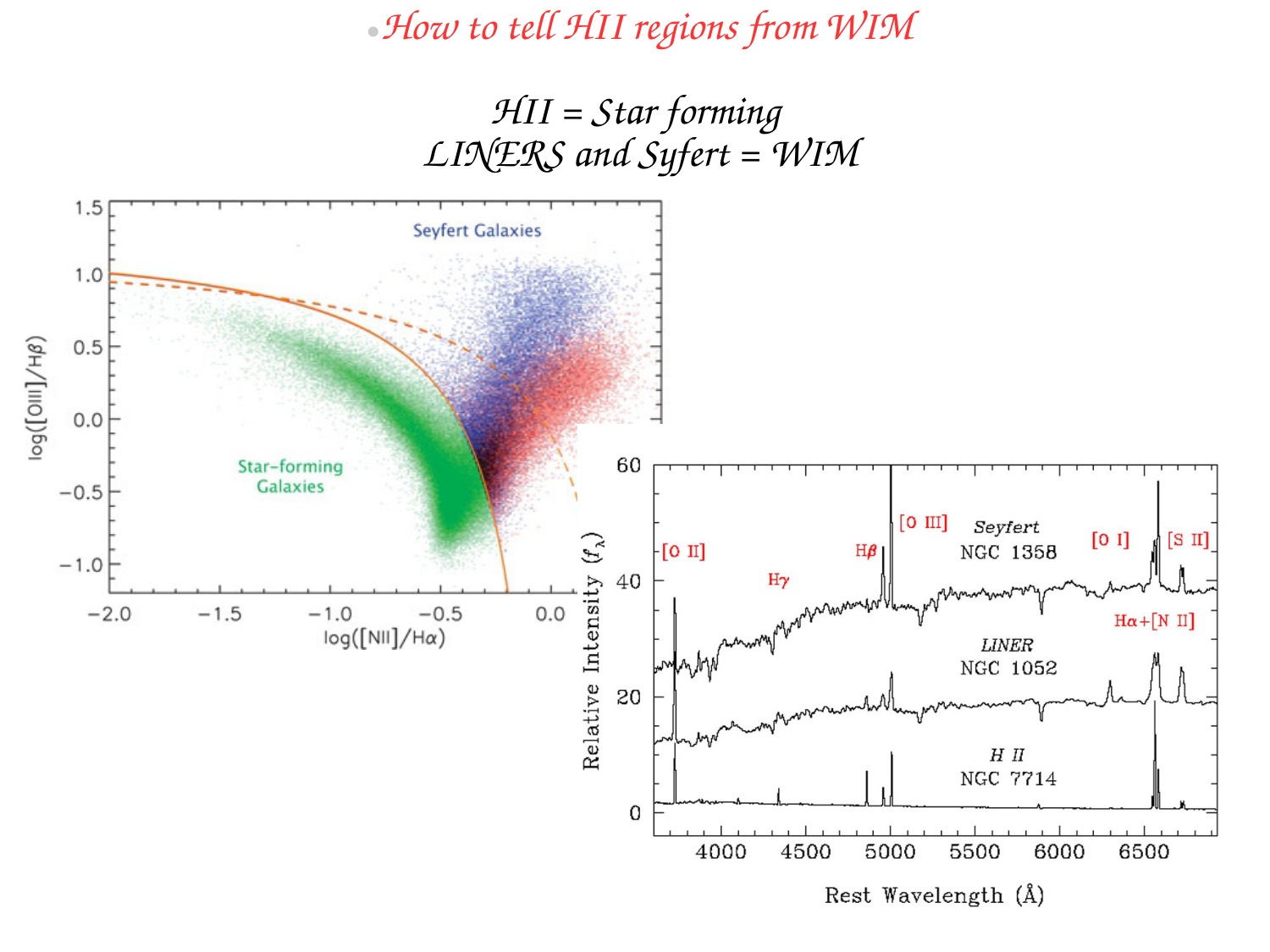 |
Lecture - Interstellar Medium of Galaxies | Photodissociation Regions (PDRs) at molecular cloud boundaries | [[Photodissociation regions PDRs]] |
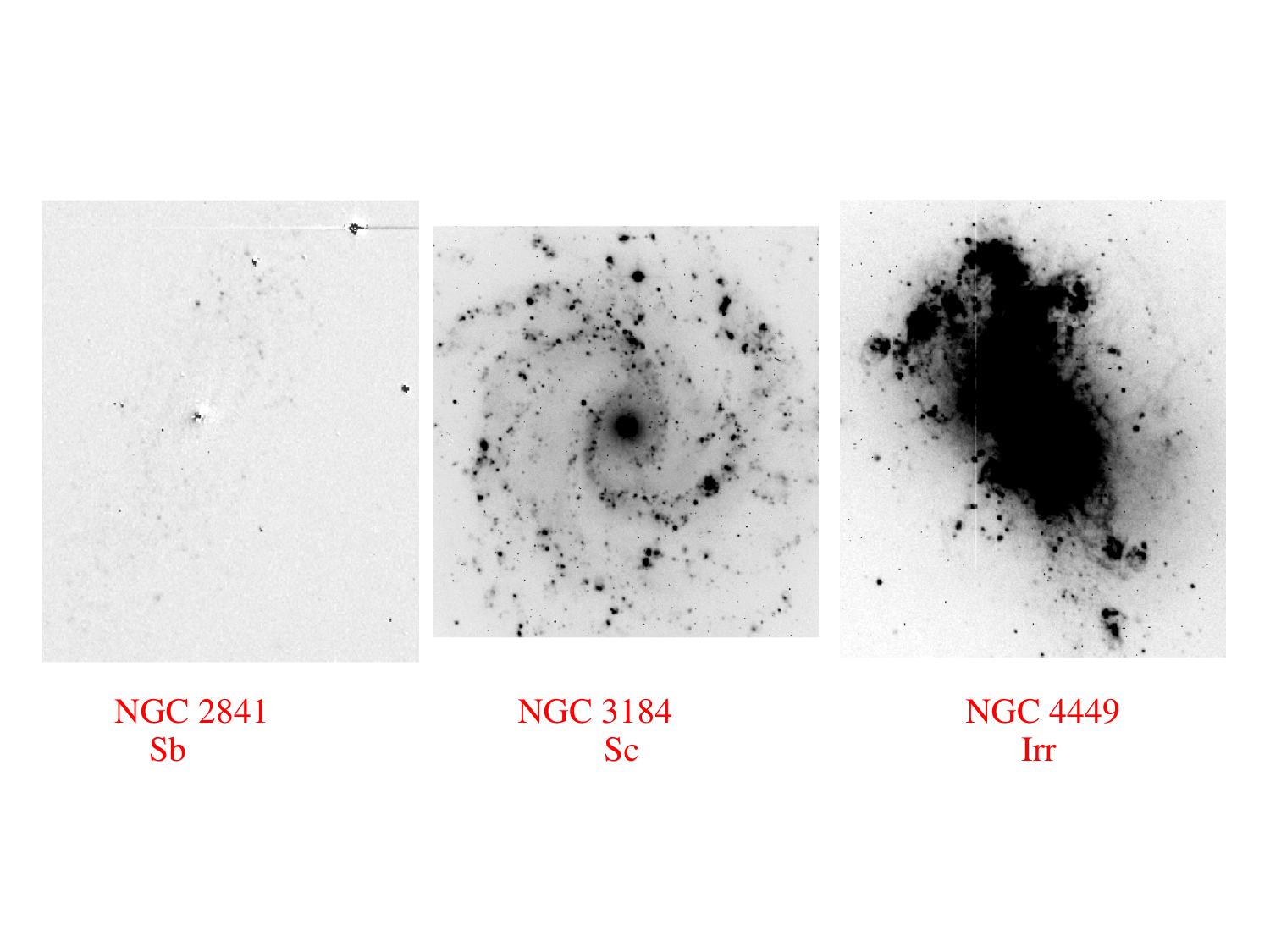 |
Lecture - Interstellar Medium of Galaxies | Photodissociation Regions (PDRs) at molecular cloud boundaries | [[Photodissociation regions PDRs]] |
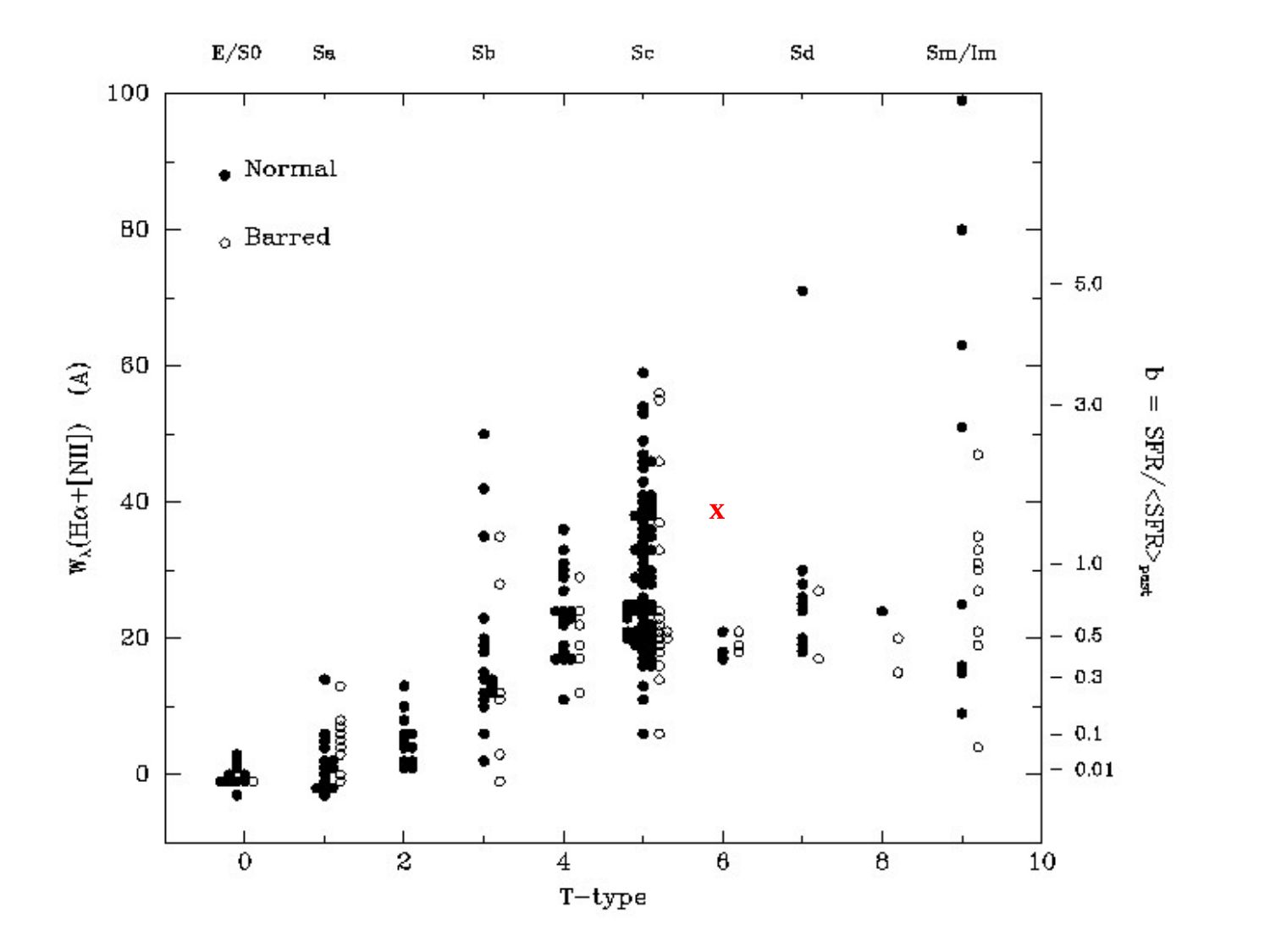 |
Lecture - Interstellar Medium of Galaxies | Photodissociation Regions (PDRs) at molecular cloud boundaries | [[Photodissociation regions PDRs]] |
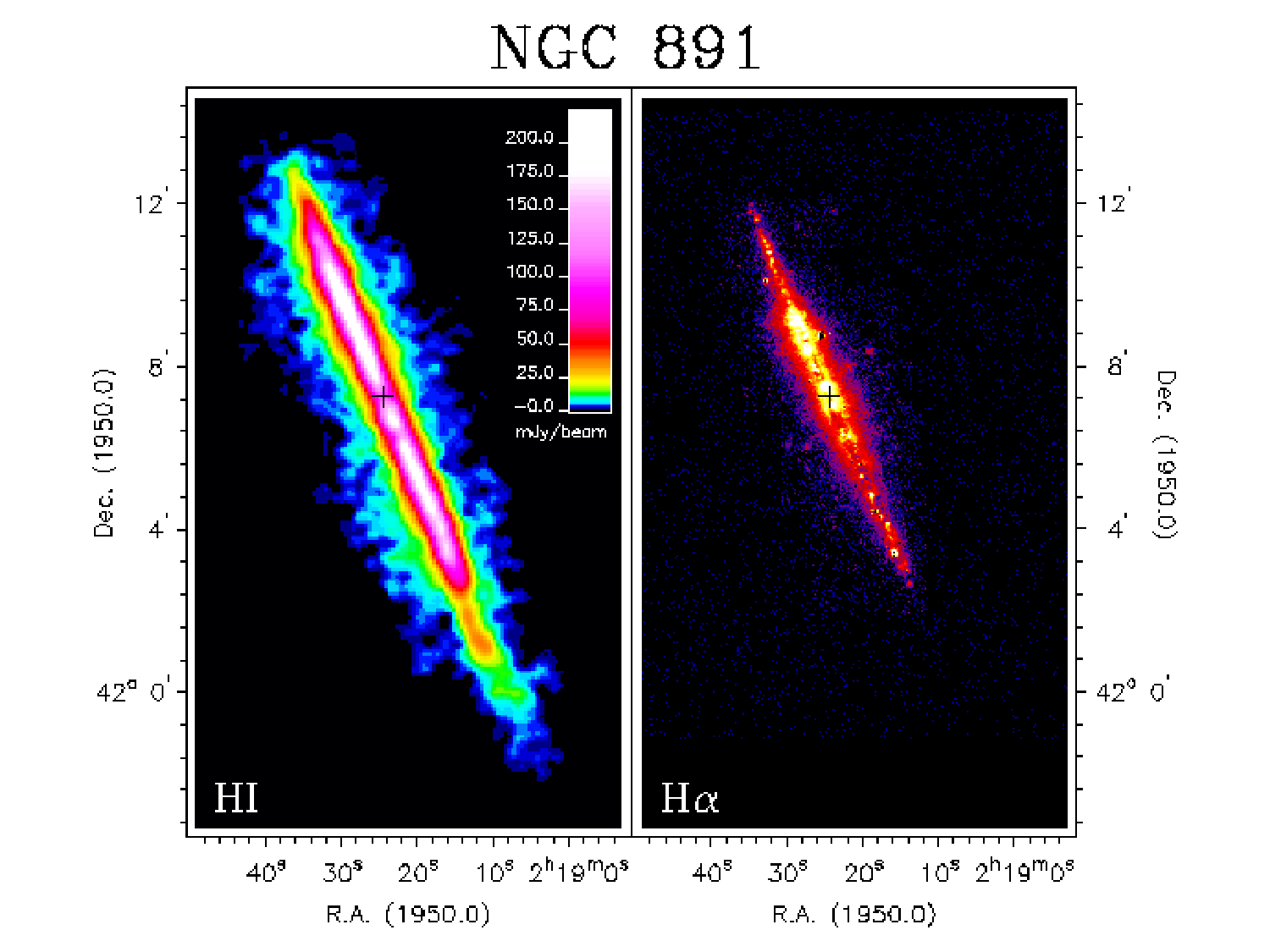 |
Lecture - Interstellar Medium of Galaxies | HII region emission line diagnostics and photoionization physics | [[H II region spectroscopy]] |
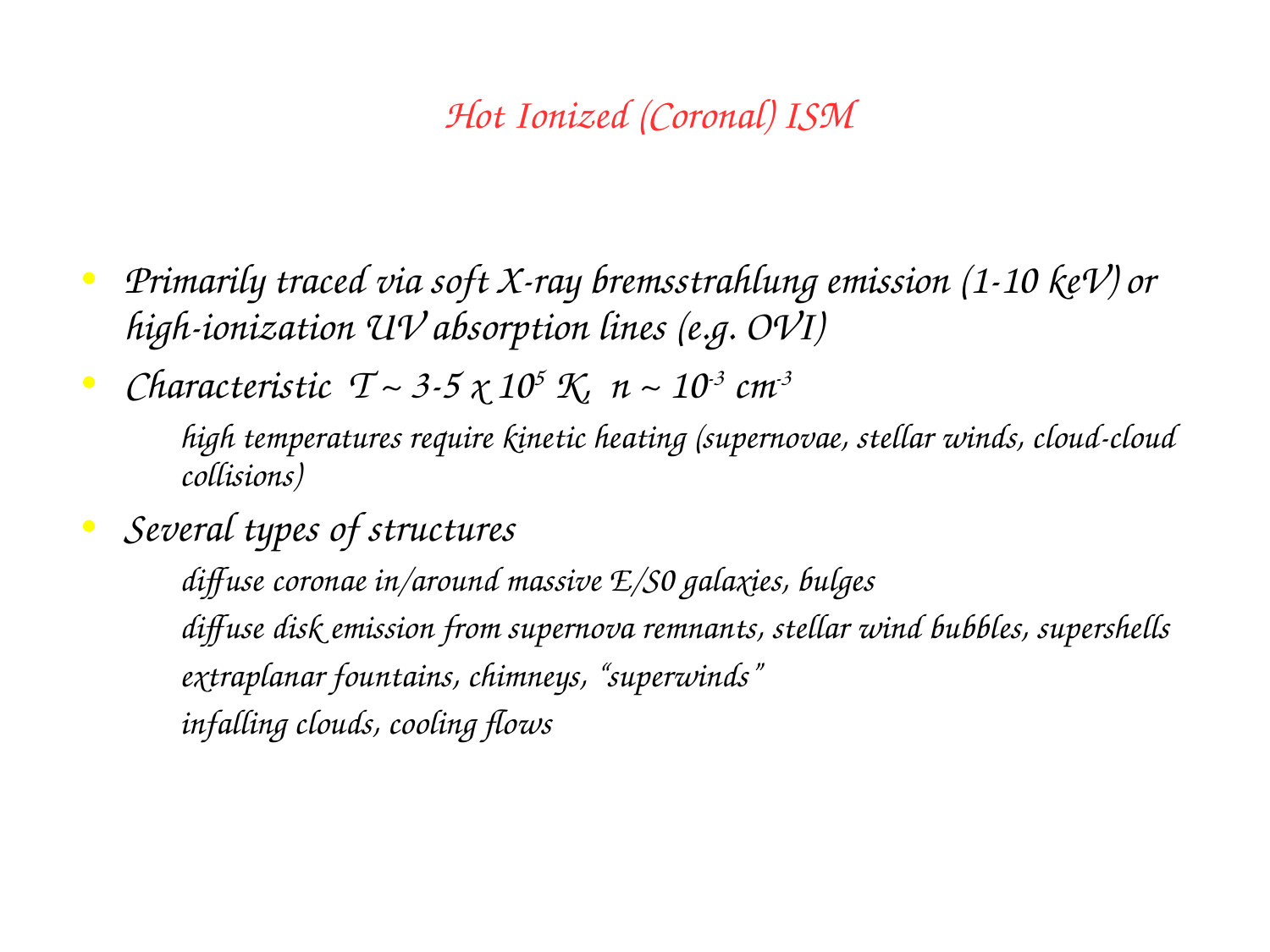 |
Lecture - Interstellar Medium of Galaxies | HII region emission line diagnostics and photoionization physics | [[H II region spectroscopy]] |
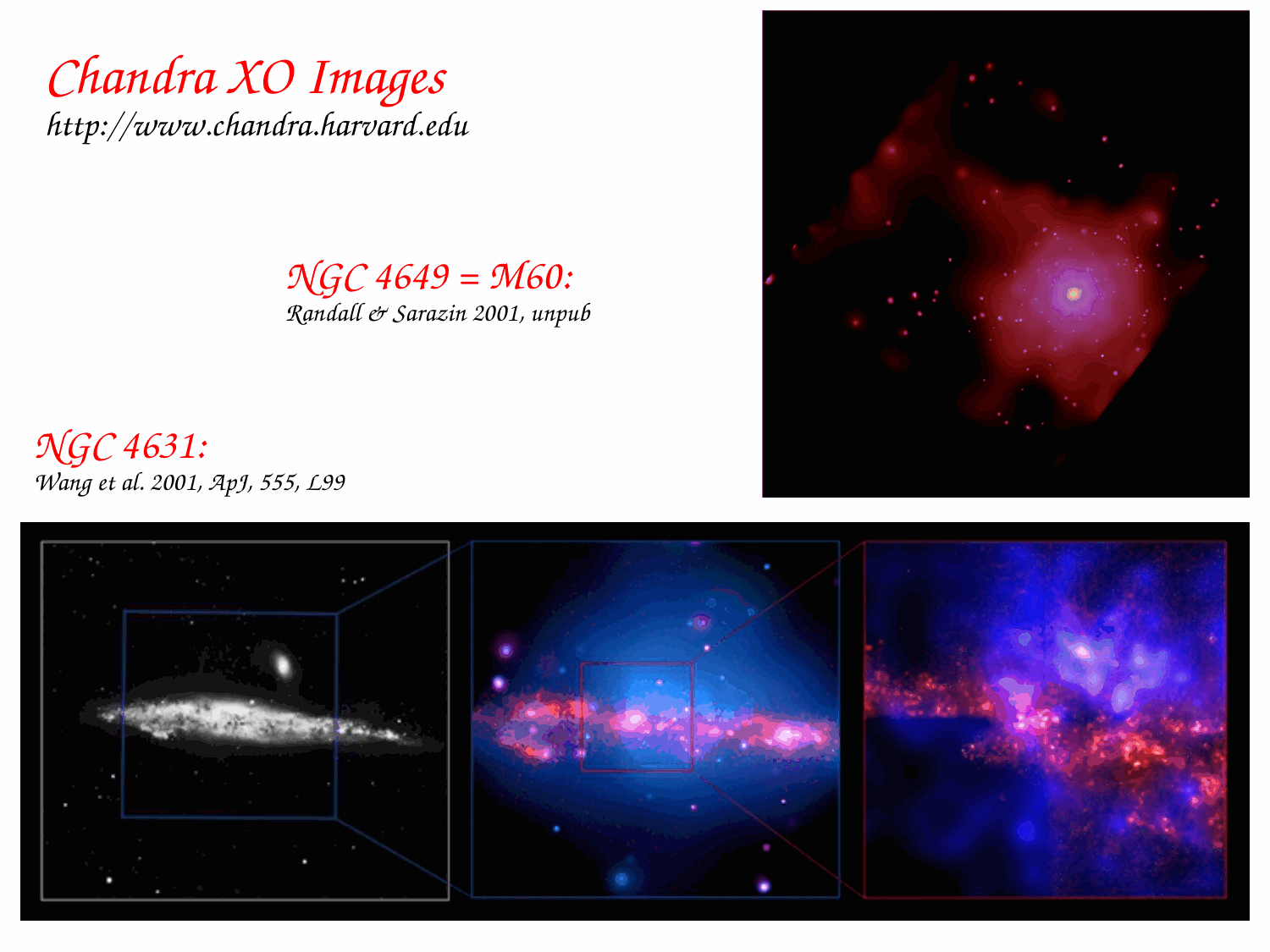 |
Lecture - Interstellar Medium of Galaxies | HII region emission line diagnostics and photoionization physics | [[H II region spectroscopy]] |
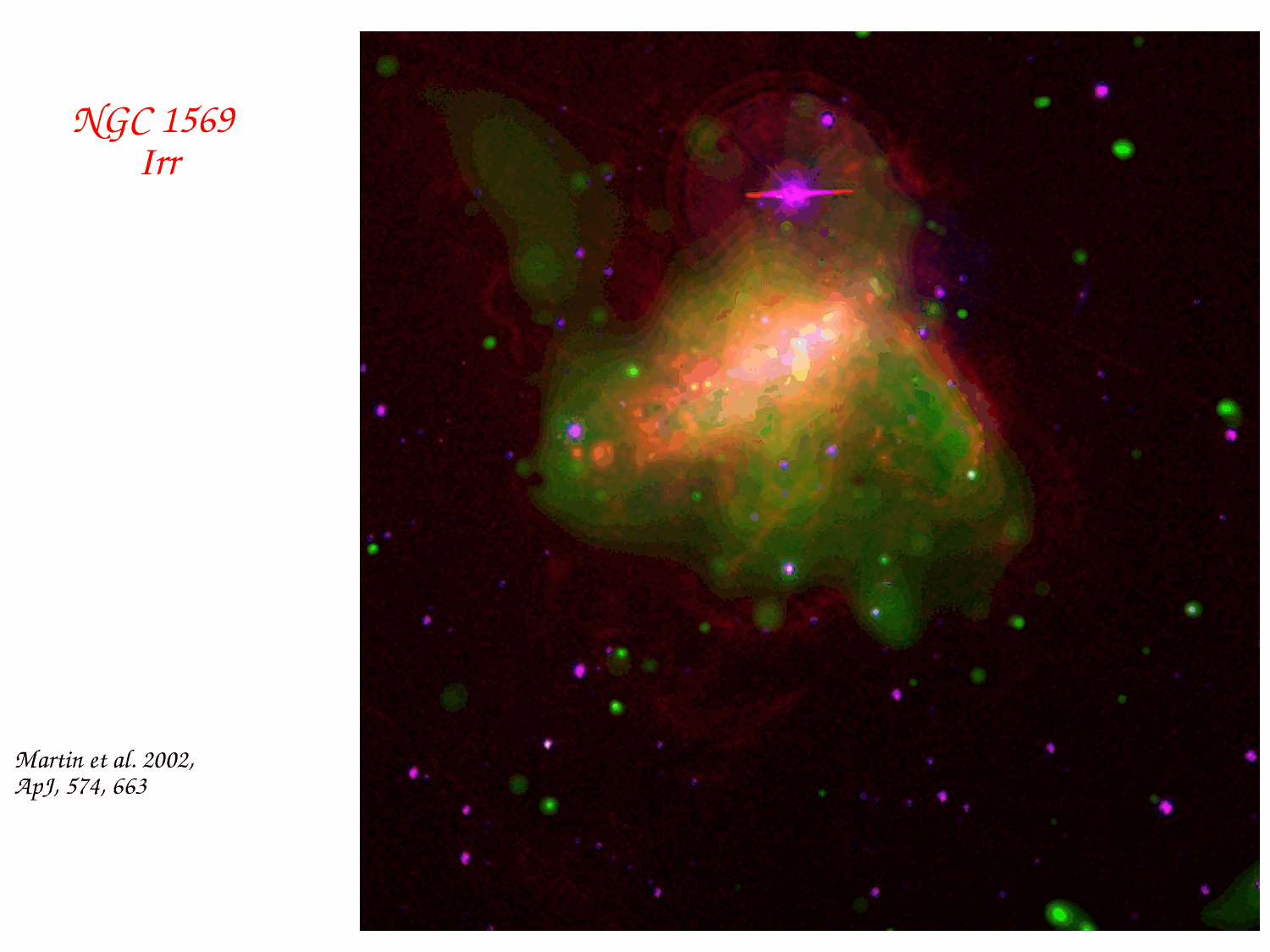 |
Lecture - Interstellar Medium of Galaxies | HII region emission line diagnostics and photoionization physics | [[H II region spectroscopy]] |
 |
Lecture - Luminosity Function Part 1 | Luminosity function definition, selection effects, 1/V_max method | [[Luminosity function definition]] |
 |
Lecture - Luminosity Function Part 1 | Luminosity function definition, selection effects, 1/V_max method | [[Luminosity function definition]] |
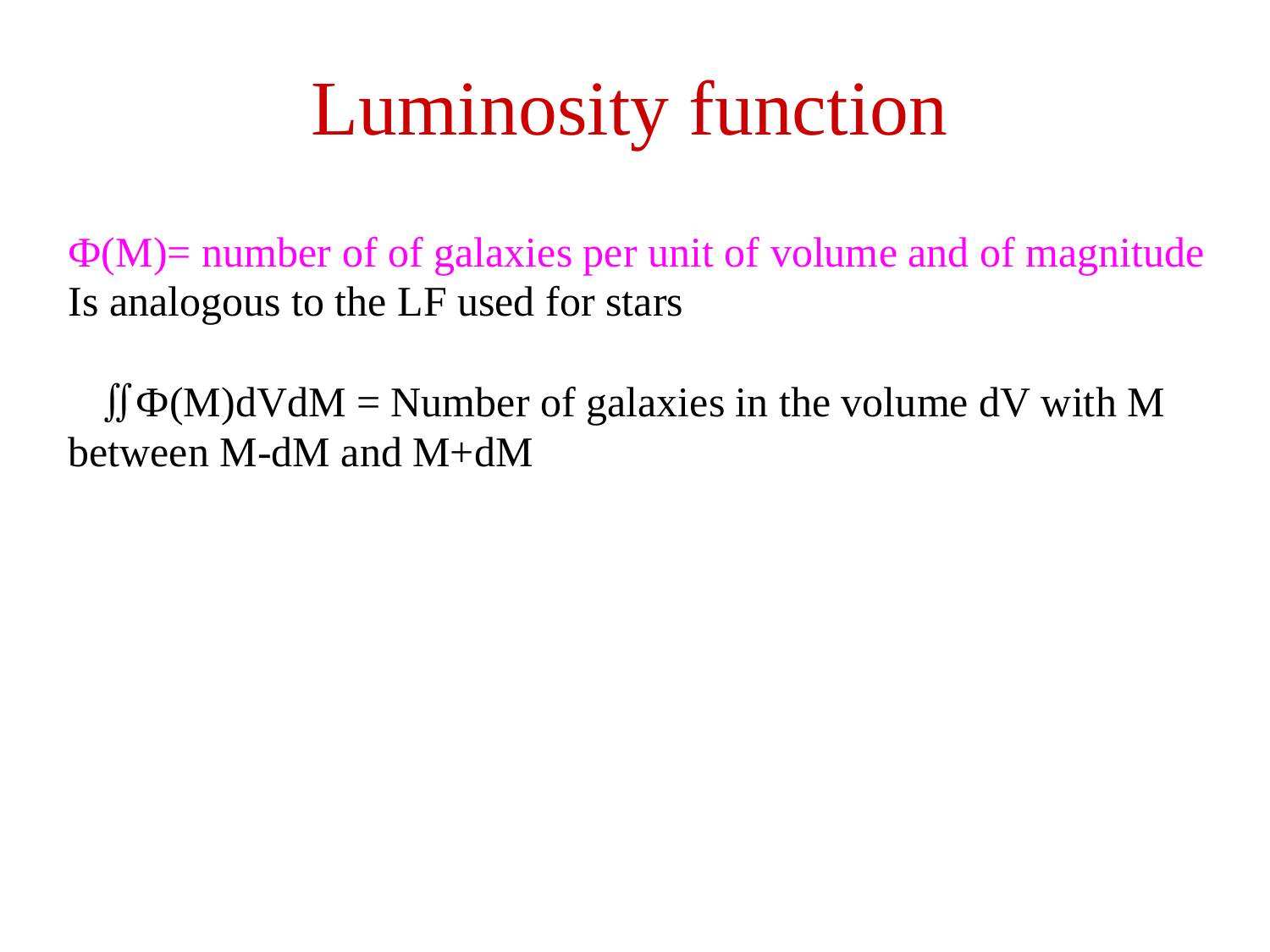 |
Lecture - Luminosity Function Part 1 | Luminosity function definition, selection effects, 1/V_max method | [[Luminosity function definition]] |
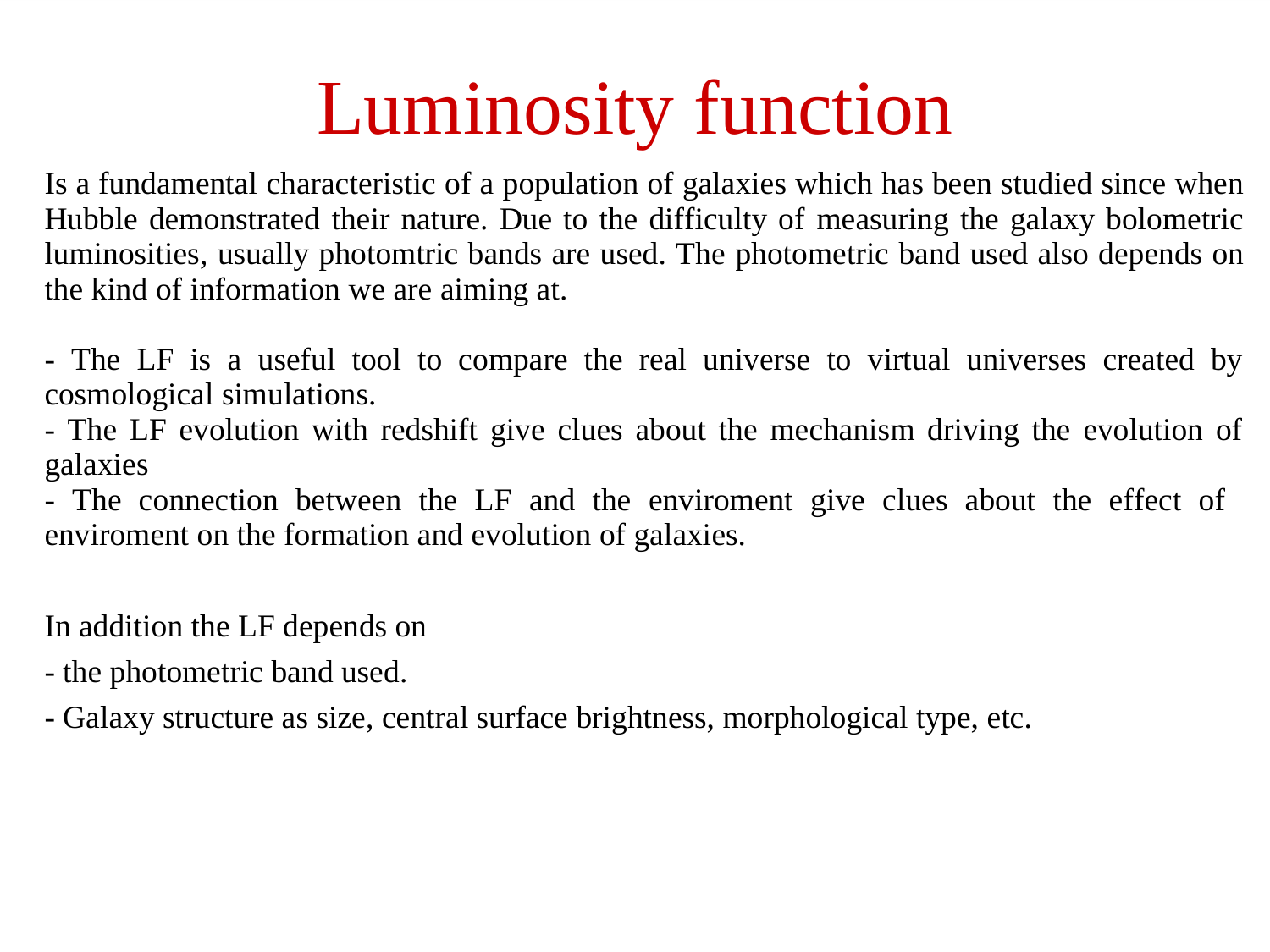 |
Lecture - Luminosity Function Part 1 | Luminosity function definition, selection effects, 1/V_max method | [[Luminosity function definition]] |
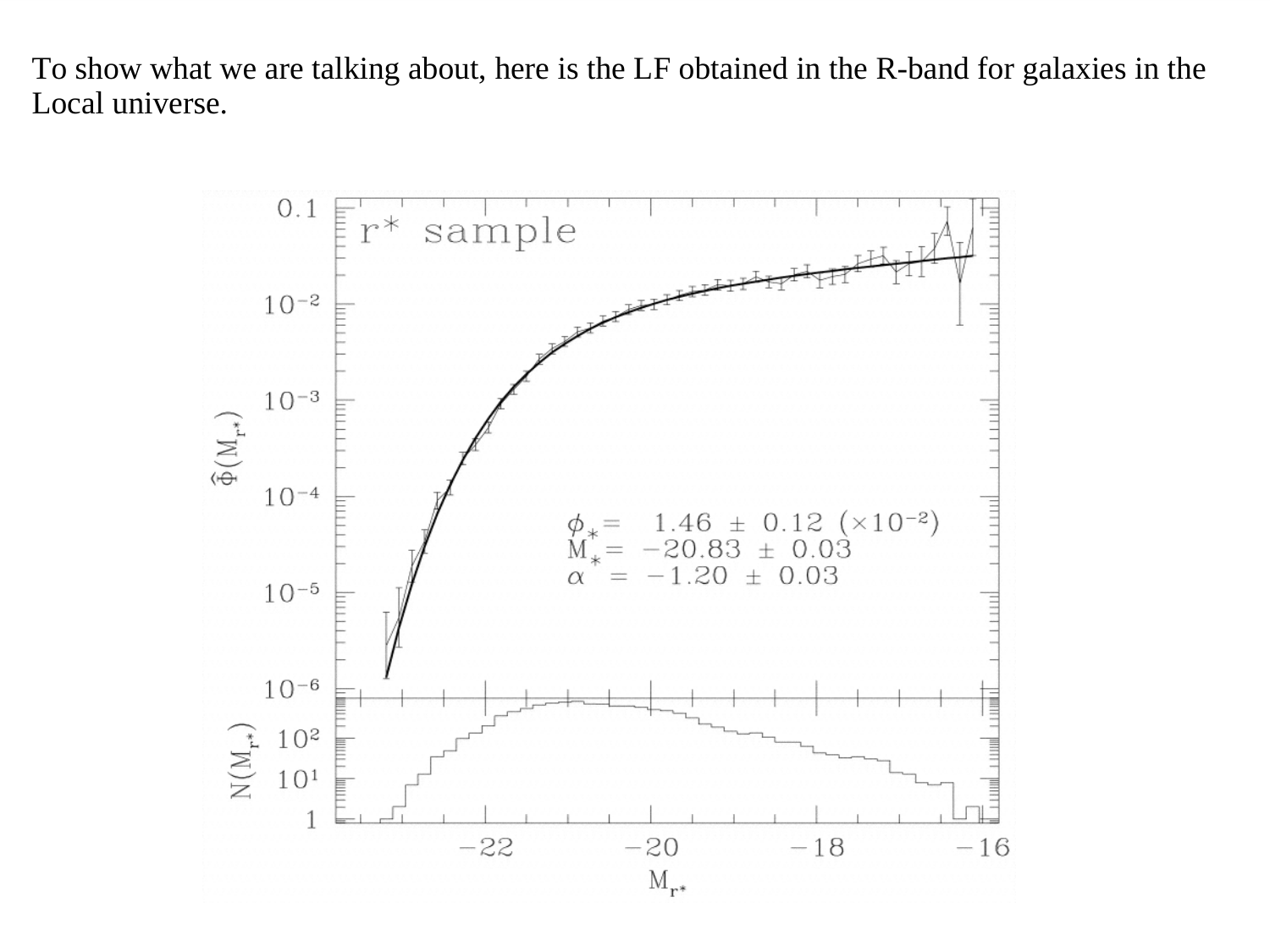 |
Lecture - Luminosity Function Part 1 | Luminosity function definition, selection effects, 1/V_max method | [[Luminosity function definition]] |
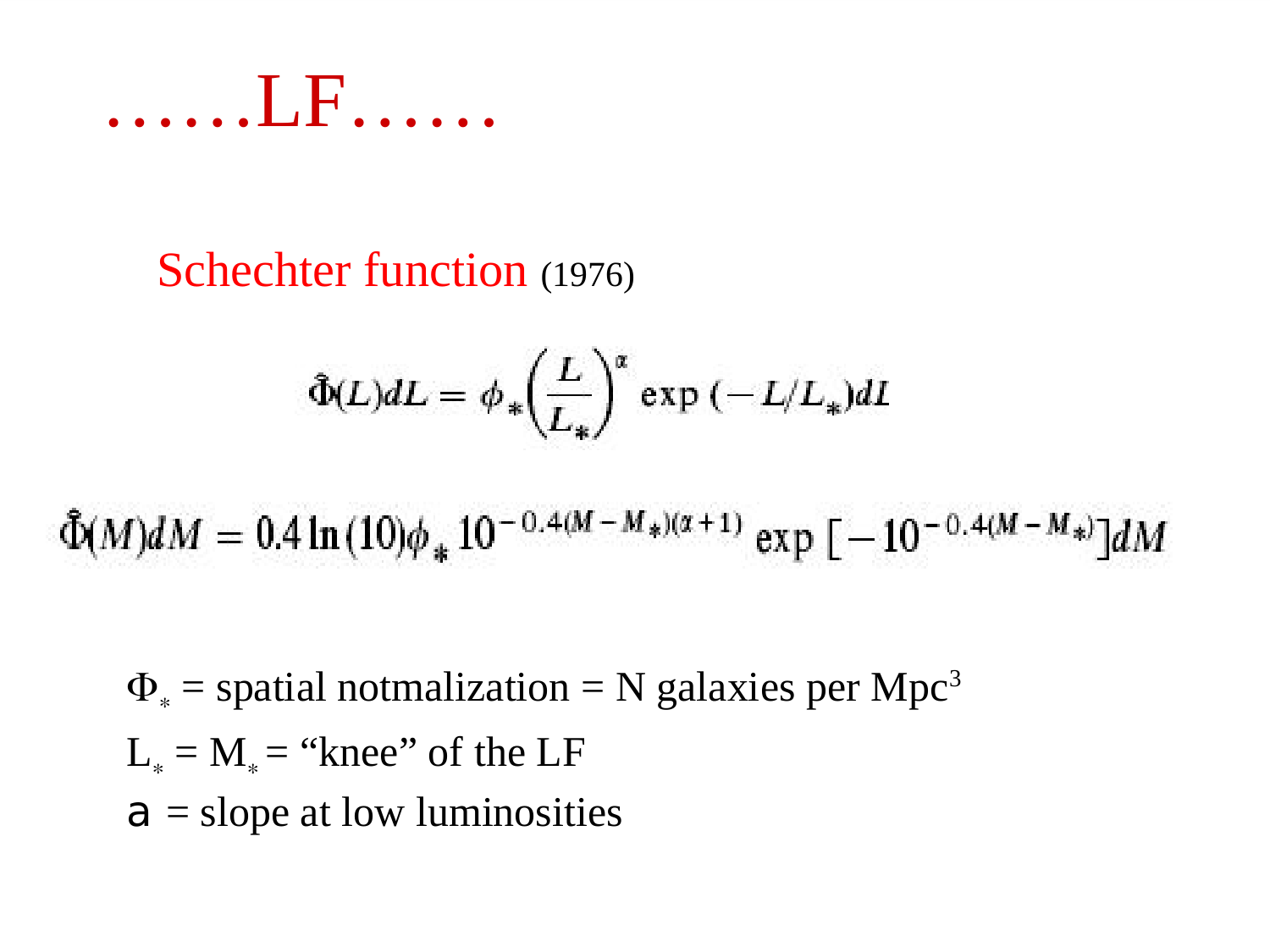 |
Lecture - Luminosity Function Part 1 | Luminosity function definition, selection effects, 1/V_max method | [[Luminosity function definition]] |
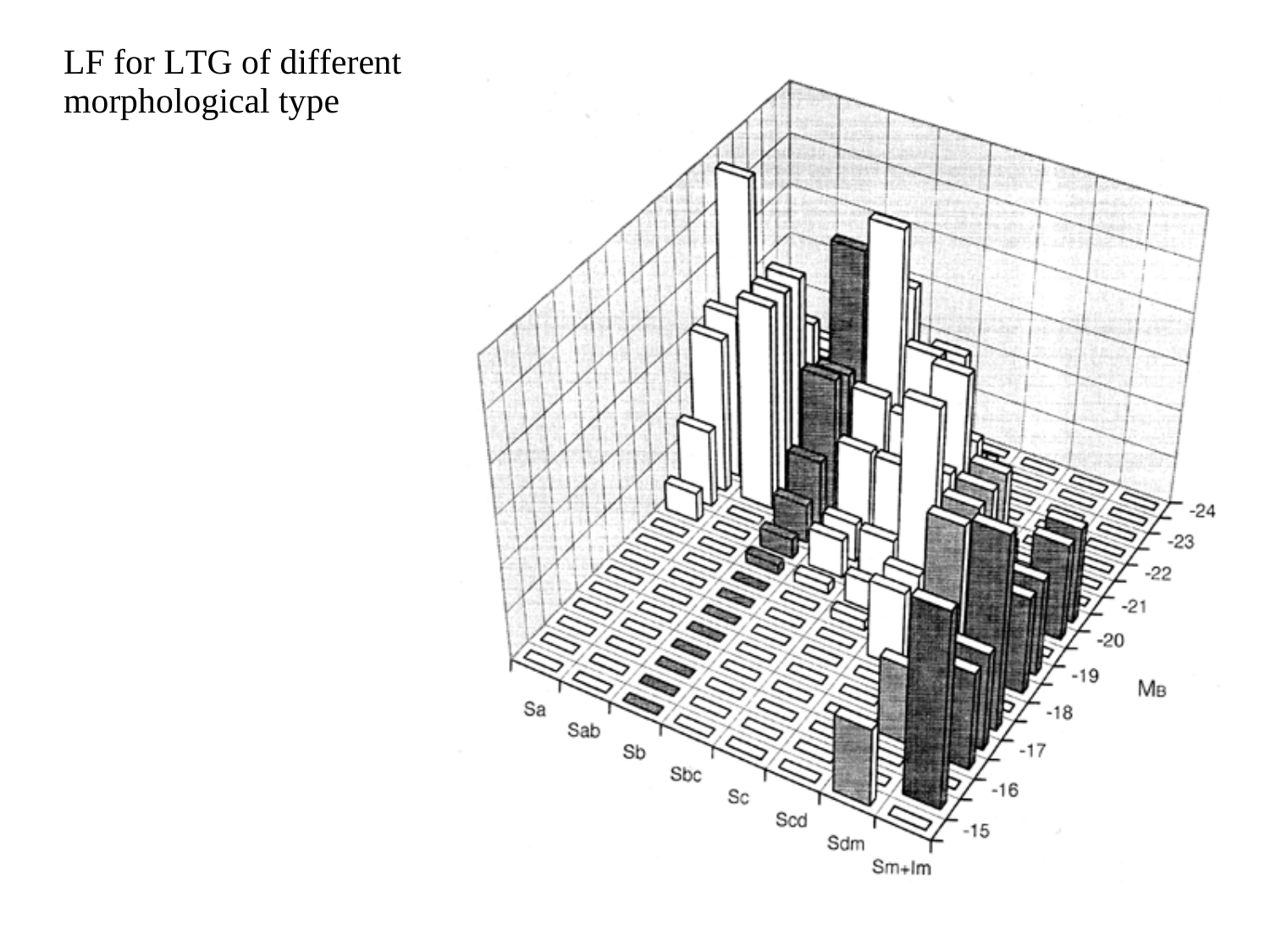 |
Lecture - Luminosity Function Part 1 | Luminosity function definition, selection effects, 1/V_max method | [[Luminosity function definition]] |
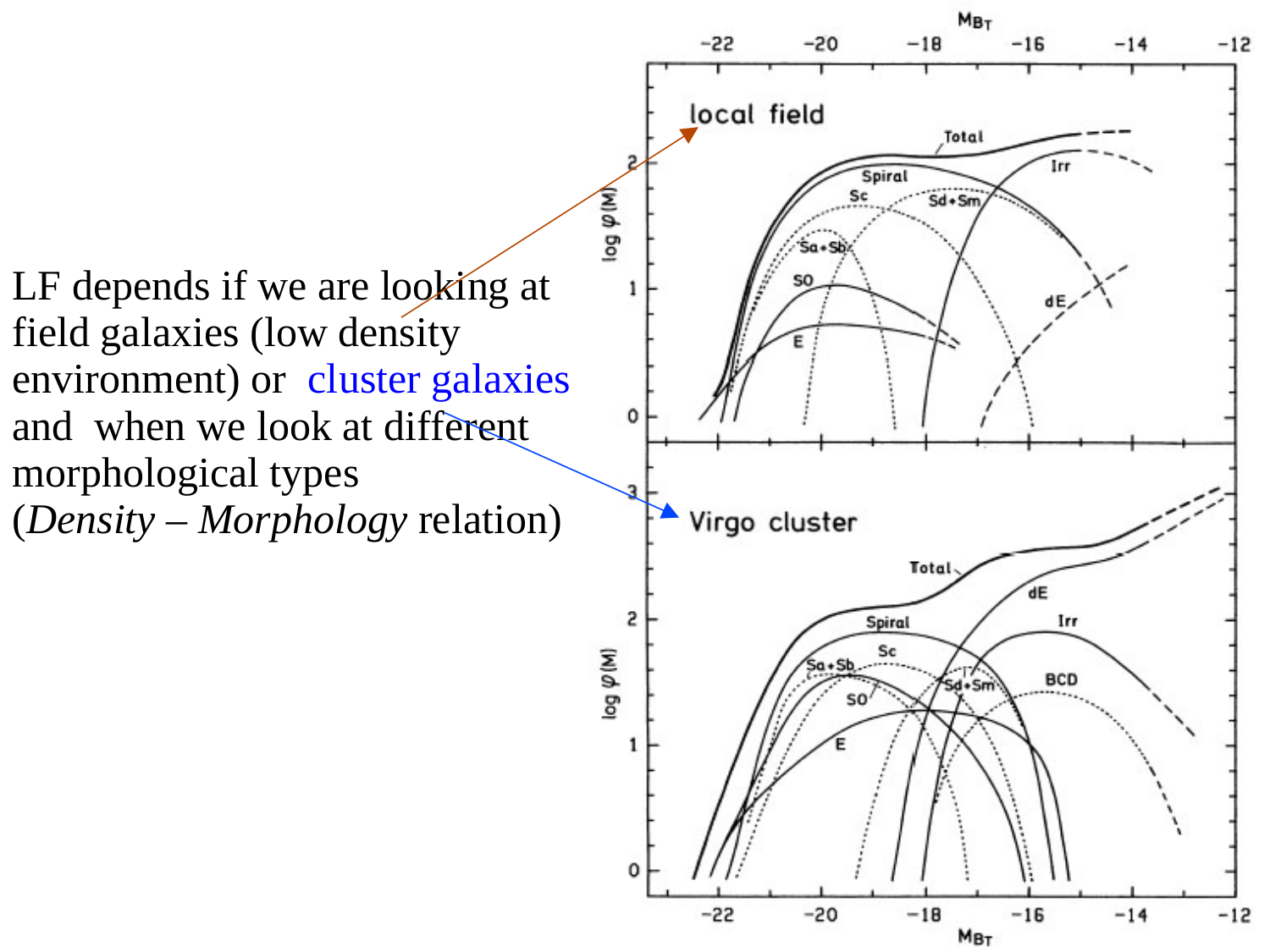 |
Lecture - Luminosity Function Part 1 | Luminosity function definition, selection effects, 1/V_max method | [[Luminosity function definition]] |
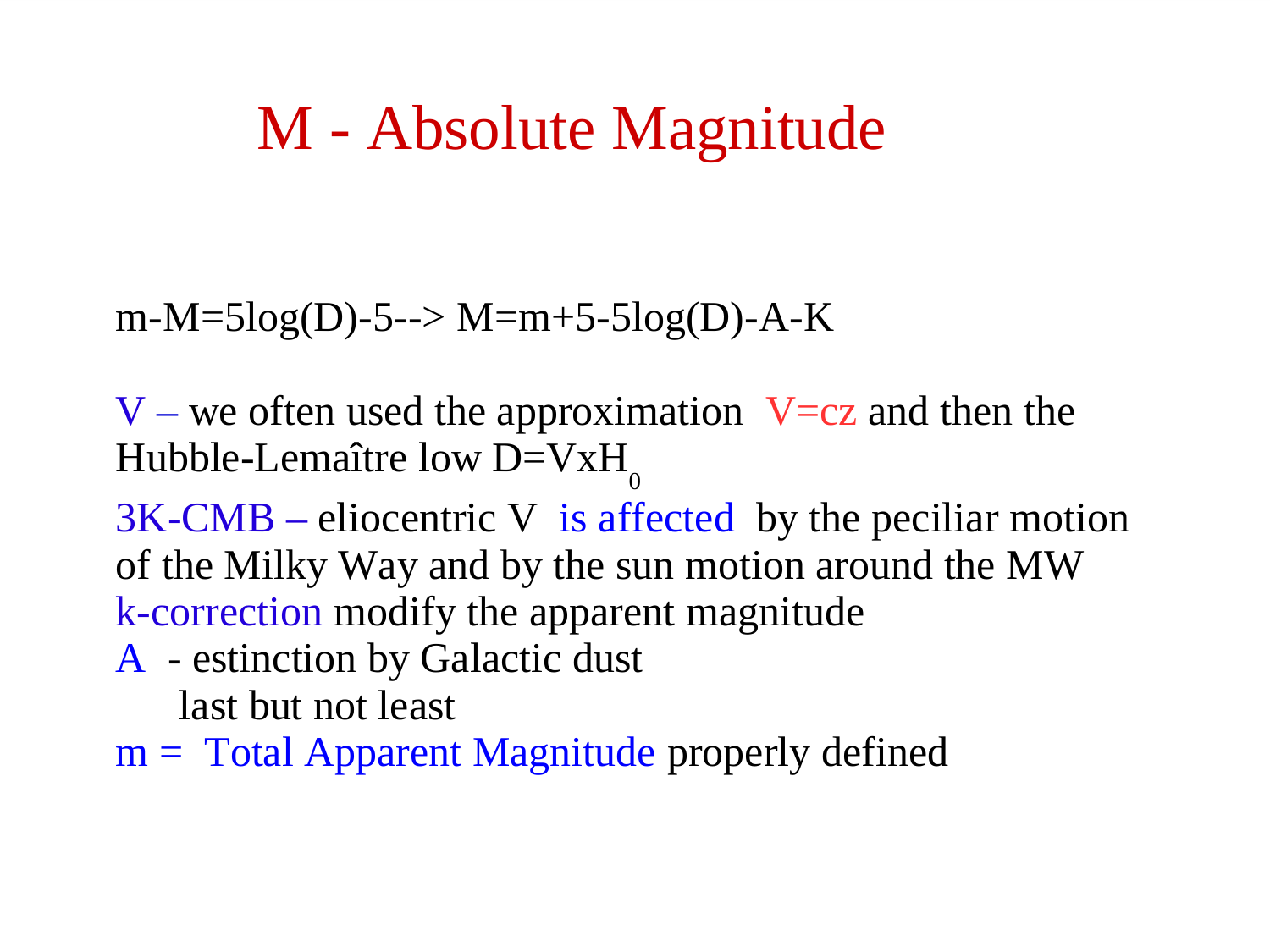 |
Lecture - Luminosity Function Part 1 | Luminosity function definition, selection effects, 1/V_max method | [[Luminosity function definition]] |
 |
Lecture - Luminosity Function Part 1 | Luminosity function definition, selection effects, 1/V_max method | [[Luminosity function definition]] |
 |
Lecture - Luminosity Function Part 1 | Luminosity function definition, selection effects, 1/V_max method | [[Luminosity function definition]] |
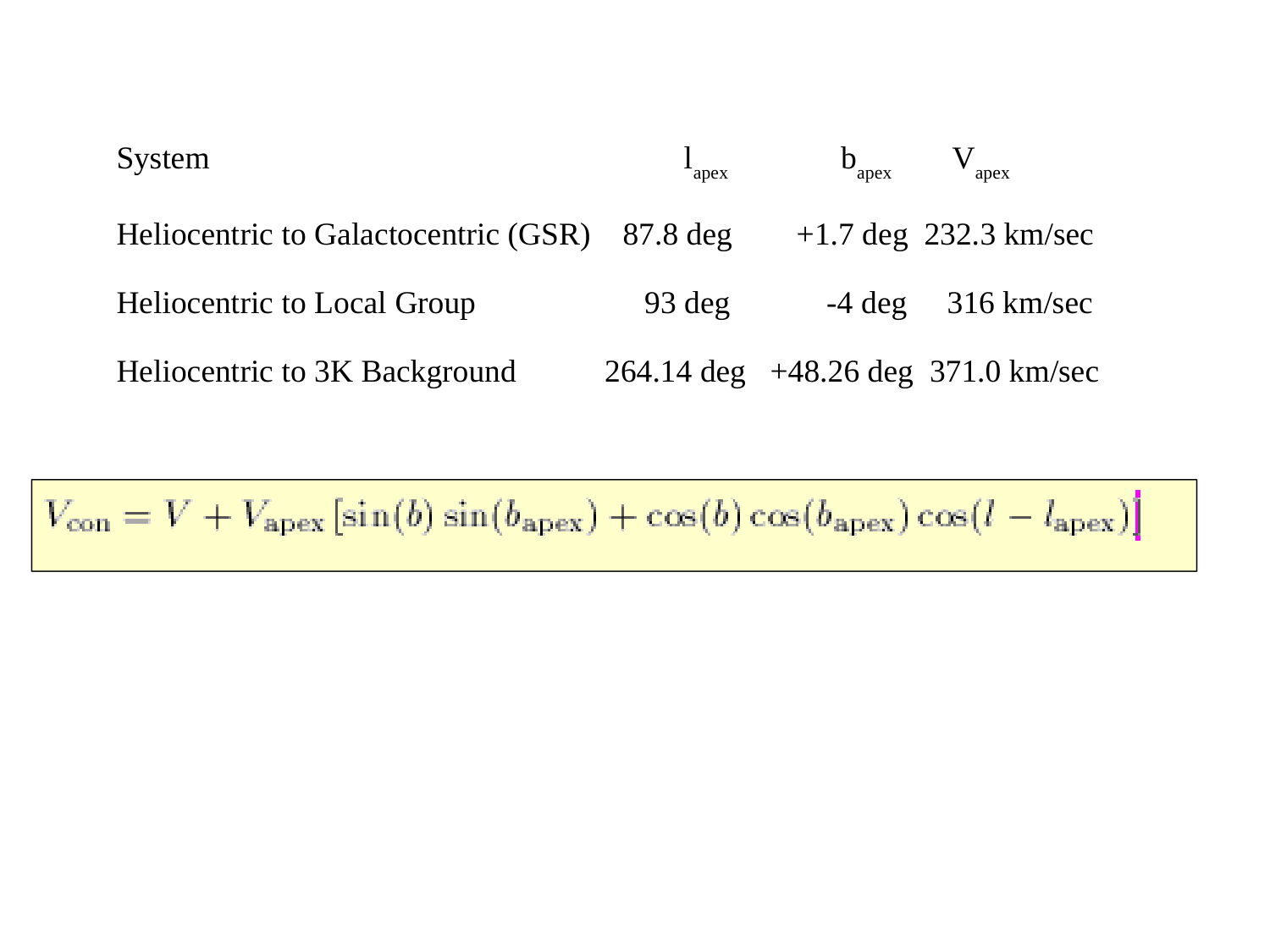 |
Lecture - Luminosity Function Part 1 | Luminosity function definition, selection effects, 1/V_max method | [[Luminosity function definition]] |
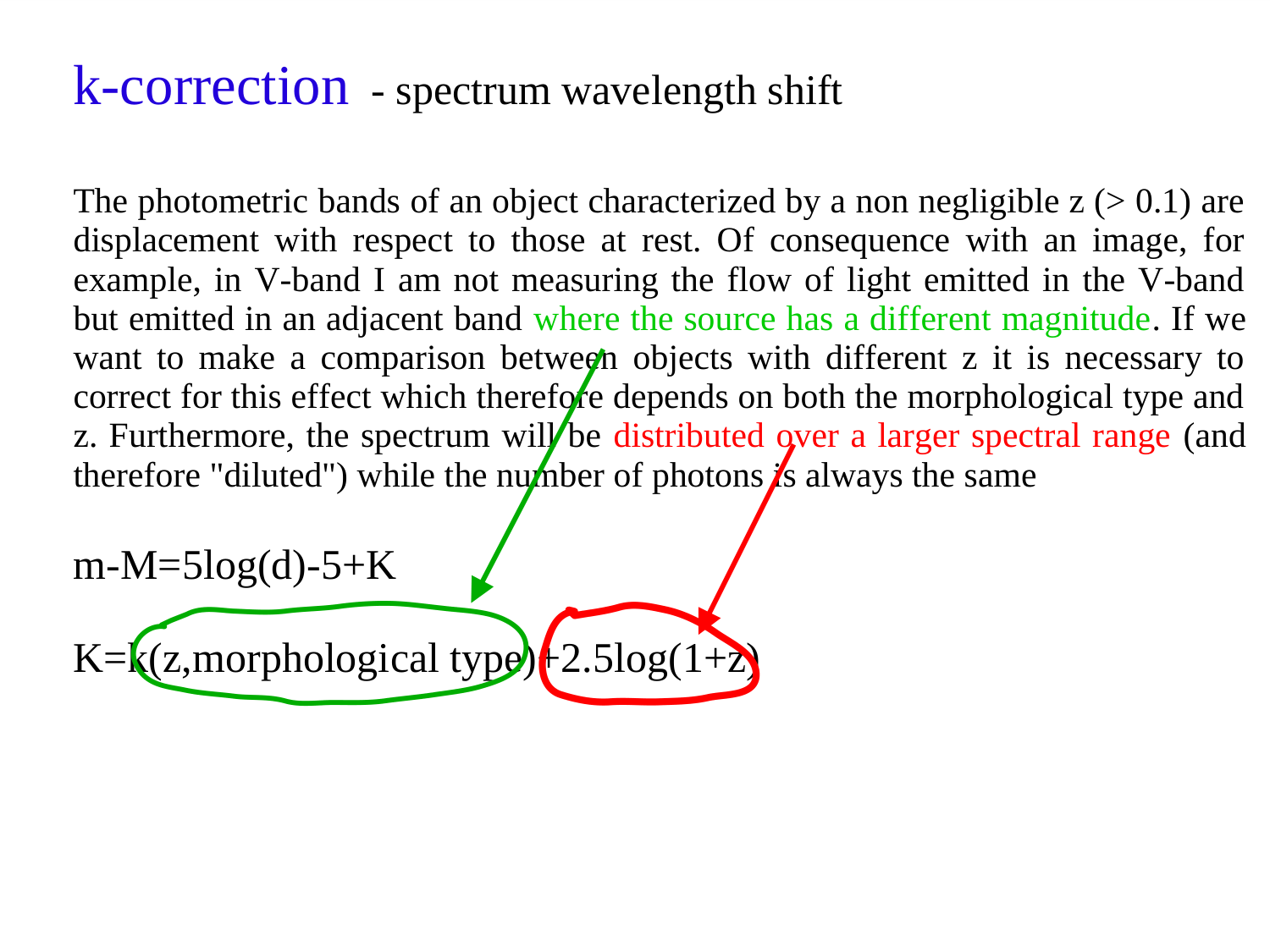 |
Lecture - Luminosity Function Part 1 | Luminosity function definition, selection effects, 1/V_max method | [[Luminosity function definition]] |
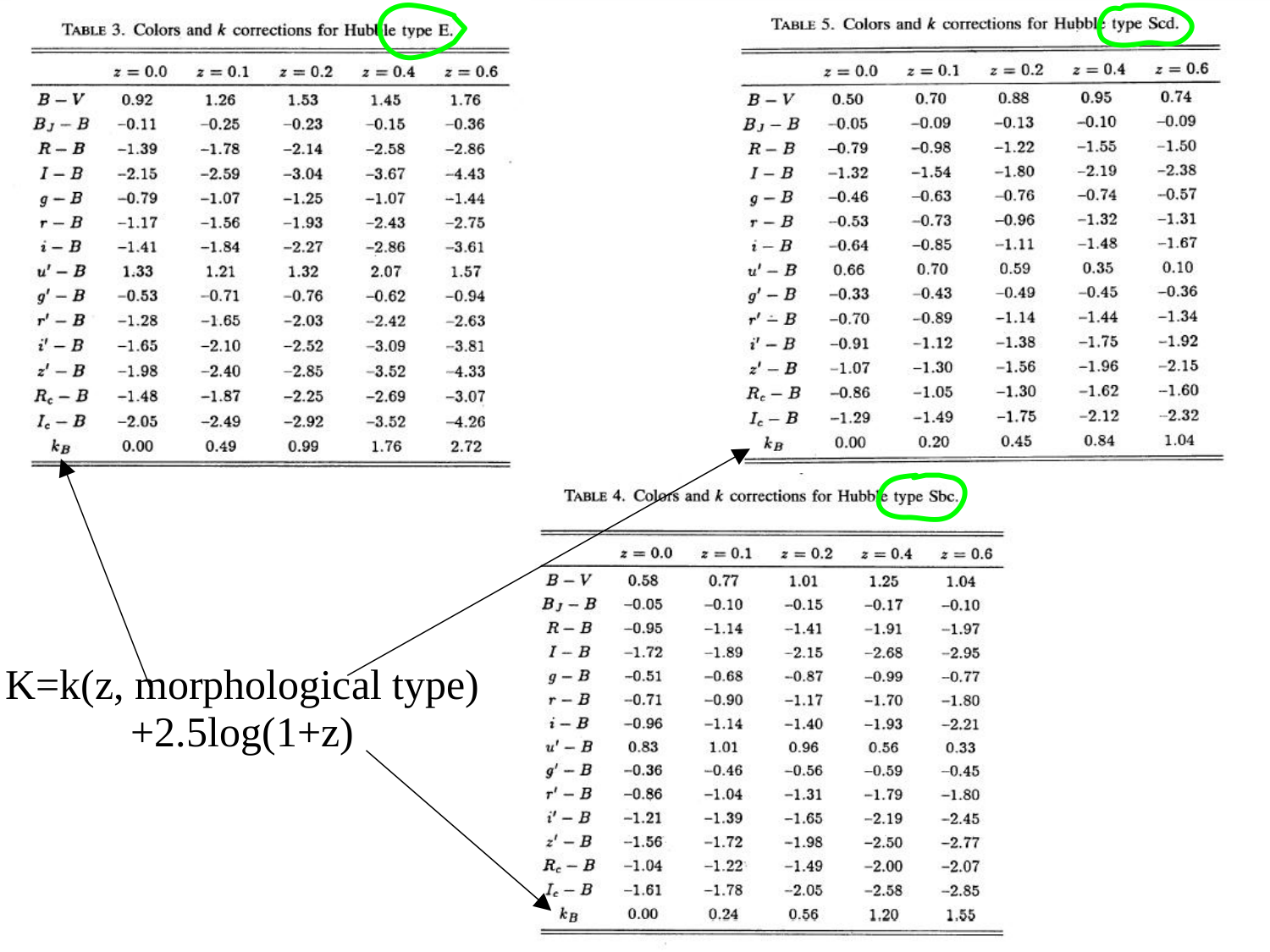 |
Lecture - Luminosity Function Part 1 | Luminosity function definition, selection effects, 1/V_max method | [[Luminosity function definition]] |
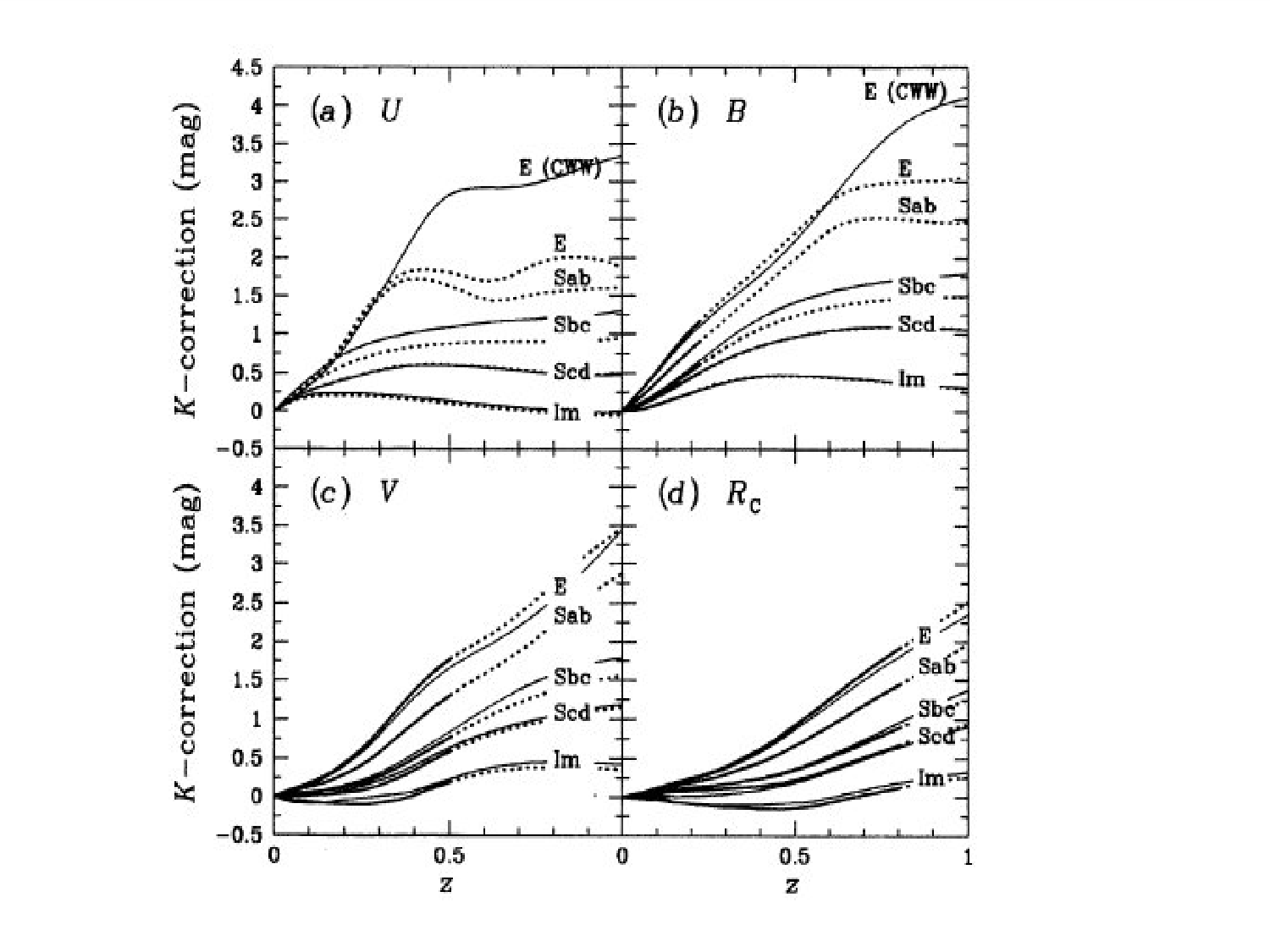 |
Lecture - Luminosity Function Part 1 | Luminosity function definition, selection effects, 1/V_max method | [[Luminosity function definition]] |
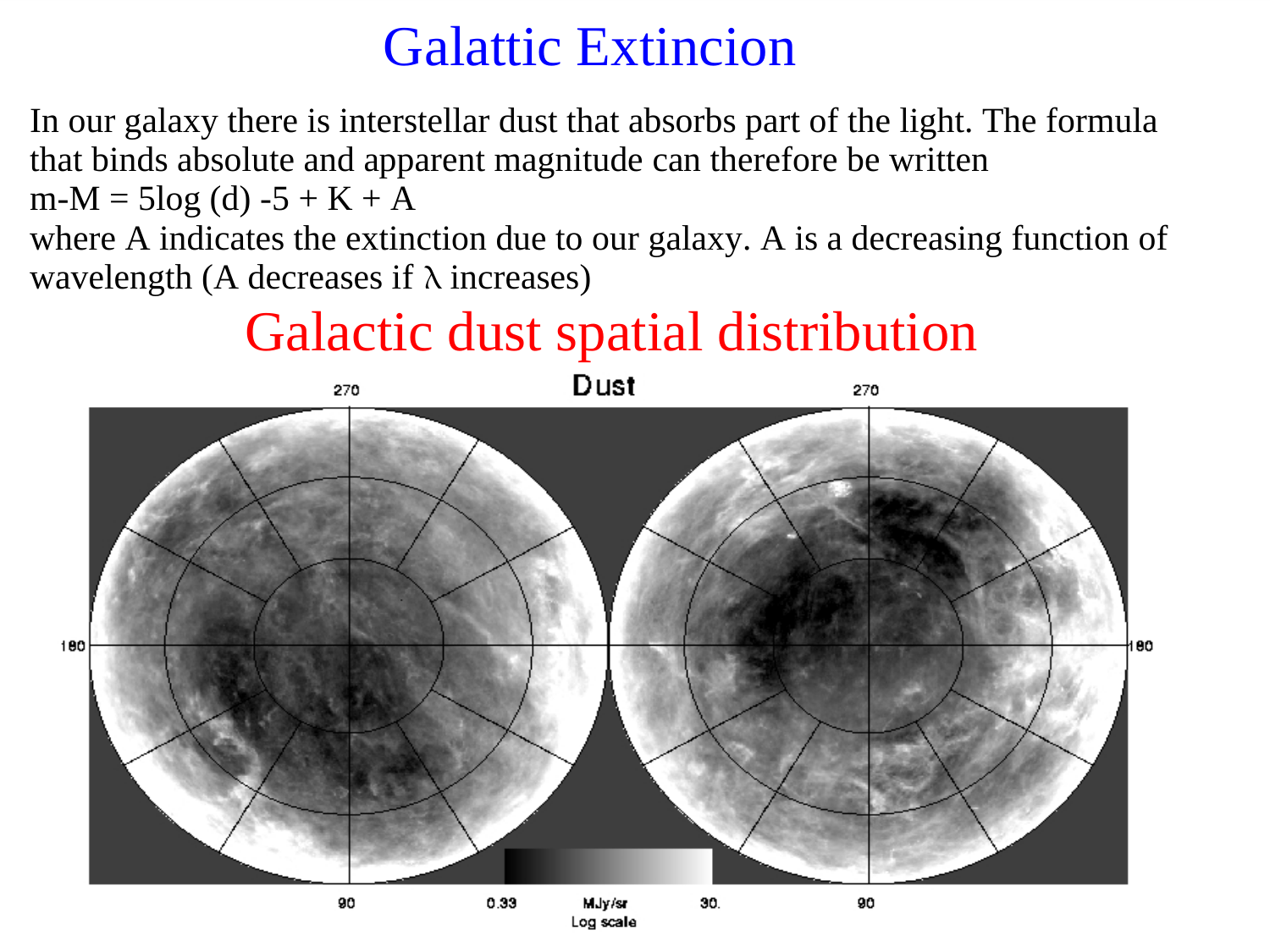 |
Lecture - Luminosity Function Part 1 | Schechter function definition, parameters (Phi, L, alpha) | [[Schechter function]] |
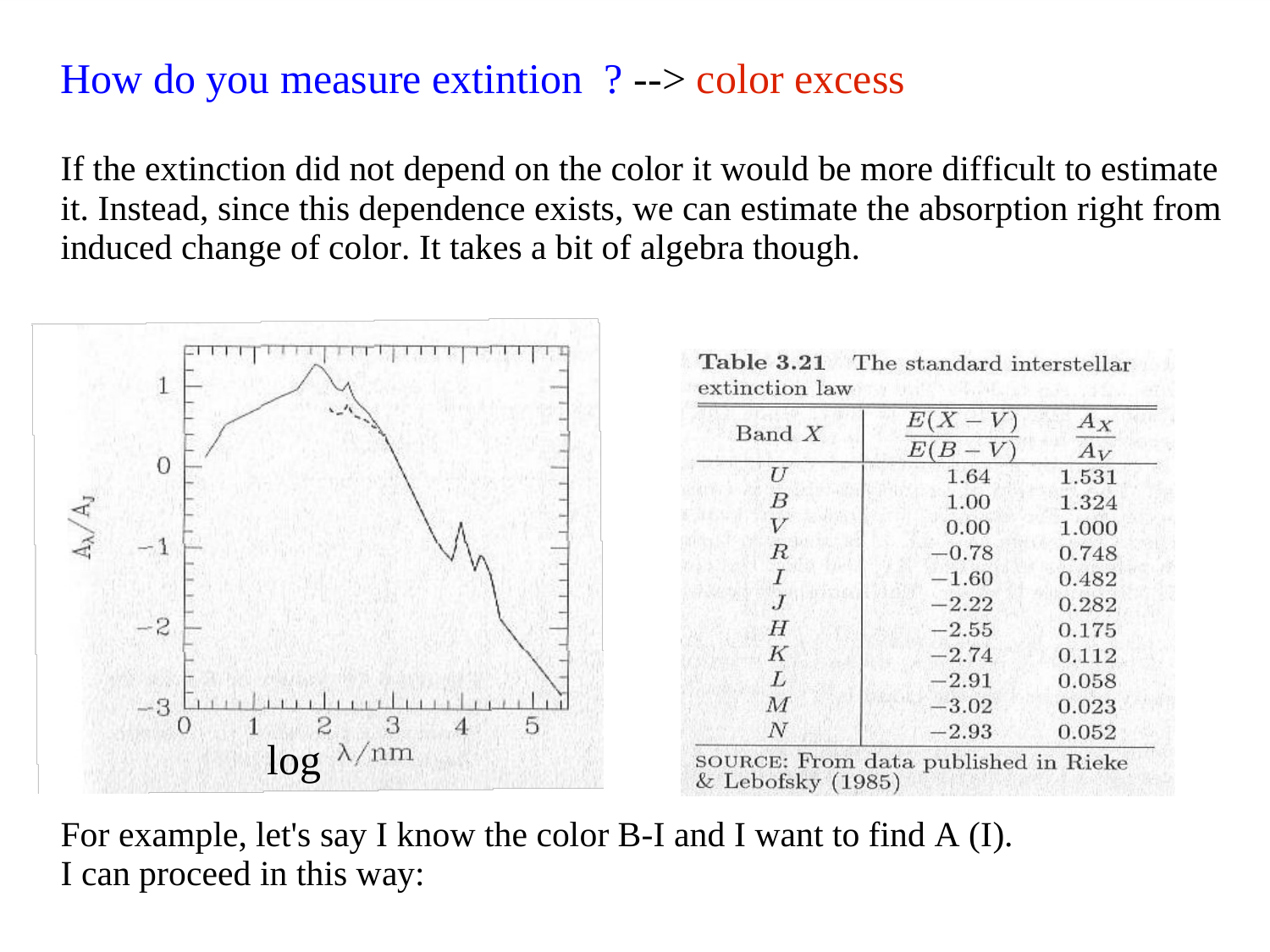 |
Lecture - Luminosity Function Part 1 | Schechter function definition, parameters (Phi, L, alpha) | [[Schechter function]] |
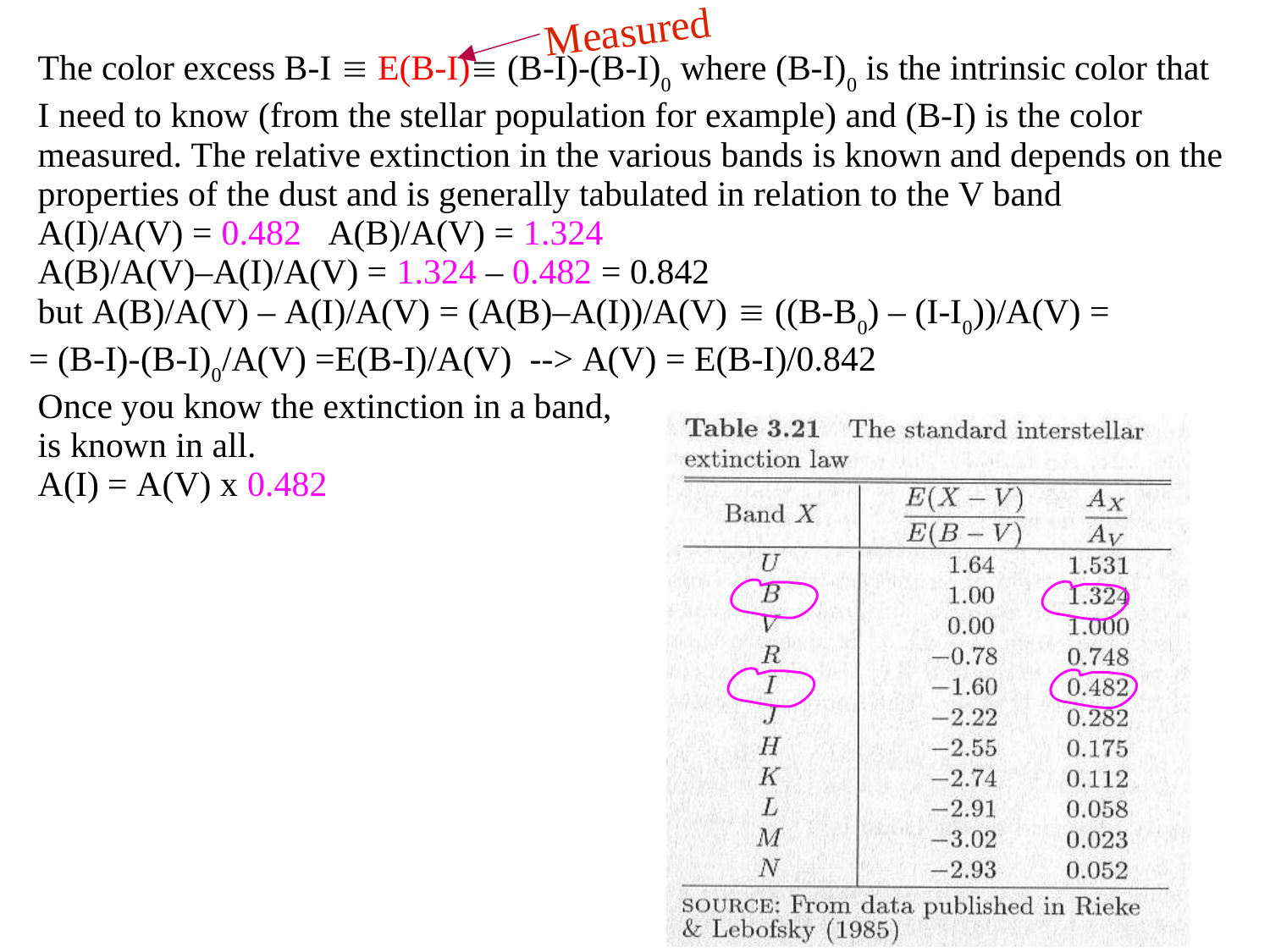 |
Lecture - Luminosity Function Part 1 | Schechter function definition, parameters (Phi, L, alpha) | [[Schechter function]] |
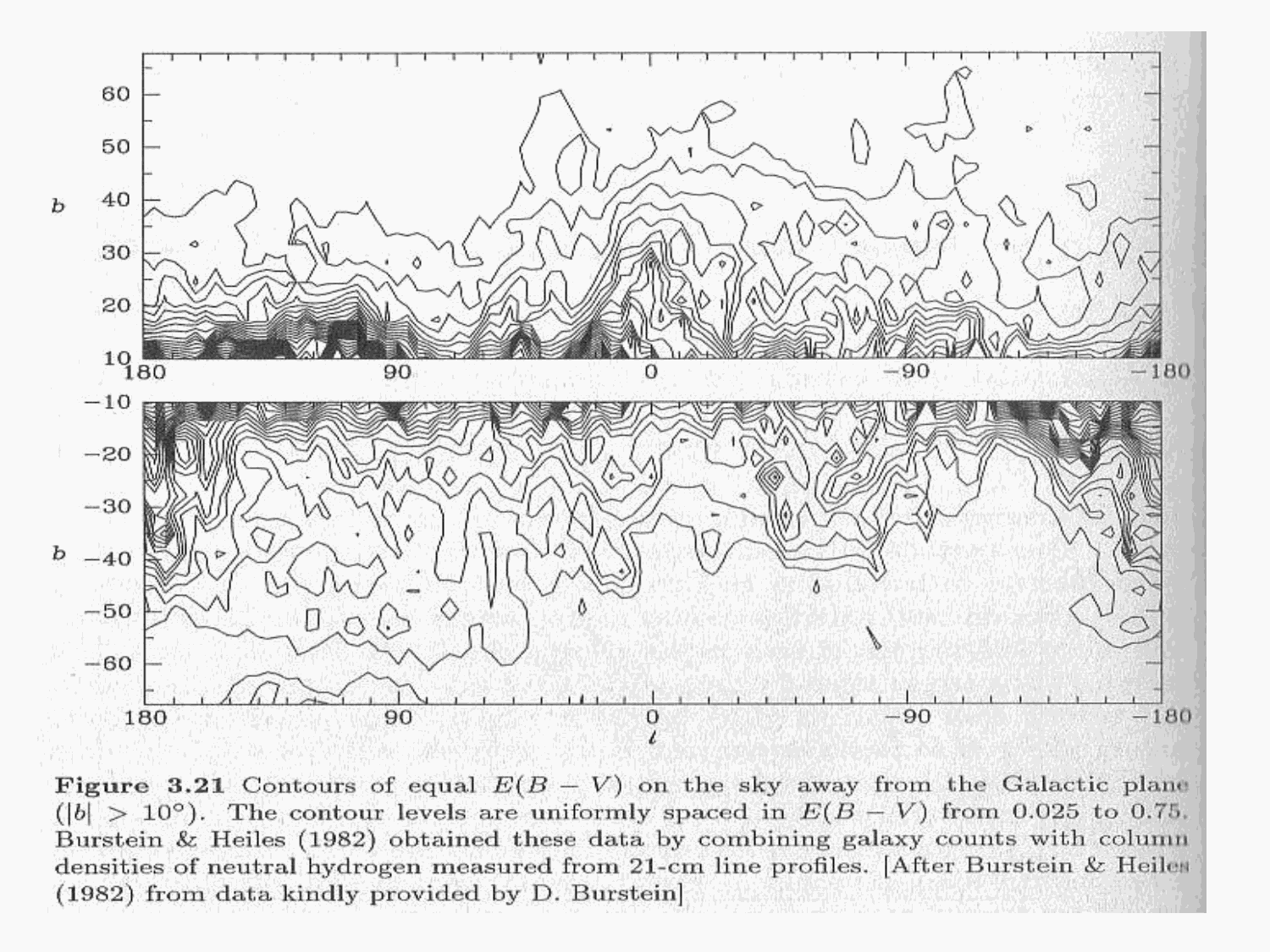 |
Lecture - Luminosity Function Part 1 | Schechter function definition, parameters (Phi, L, alpha) | [[Schechter function]] |
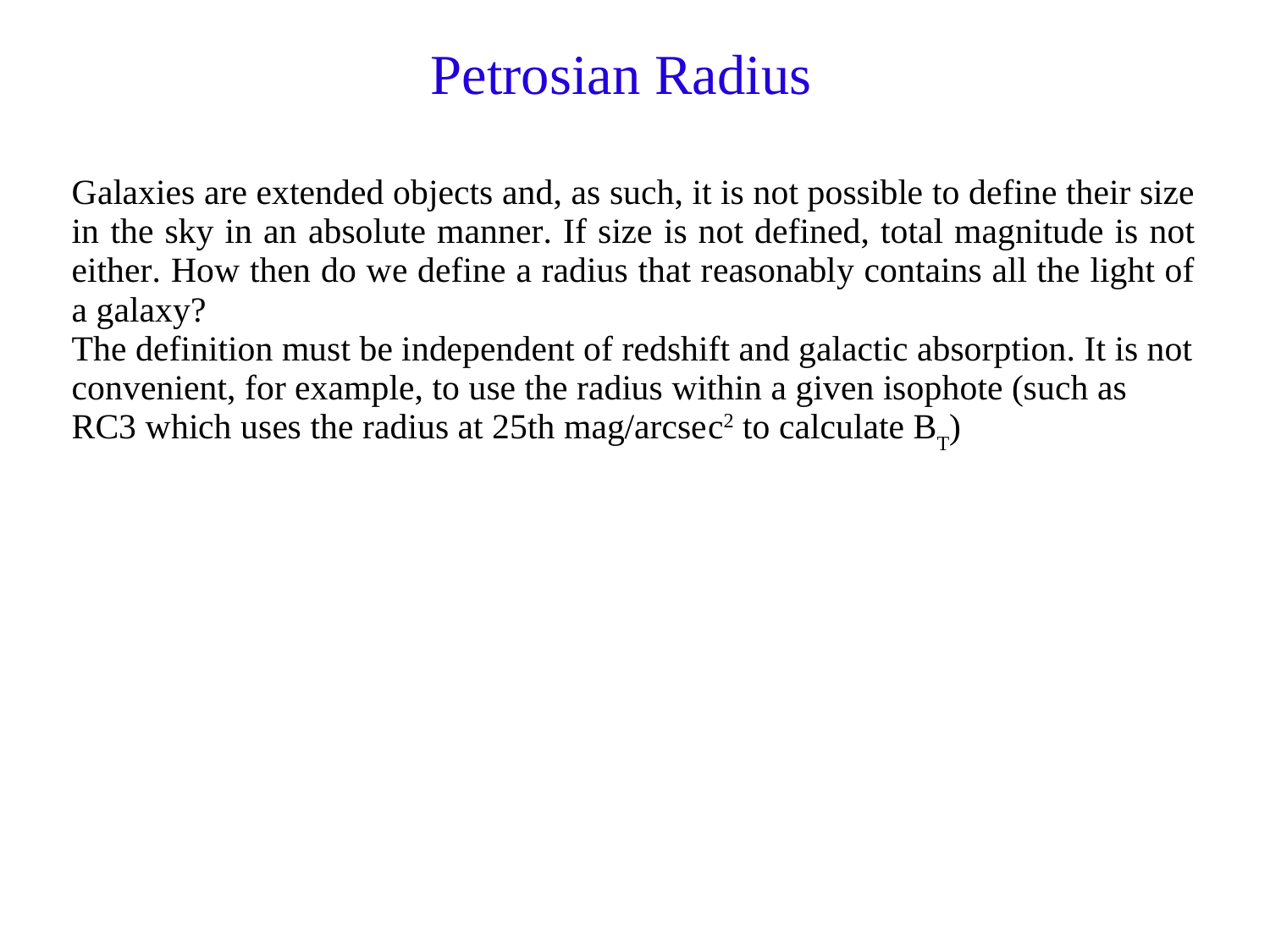 |
Lecture - Luminosity Function Part 1 | Schechter function definition, parameters (Phi, L, alpha) | [[Schechter function]] |
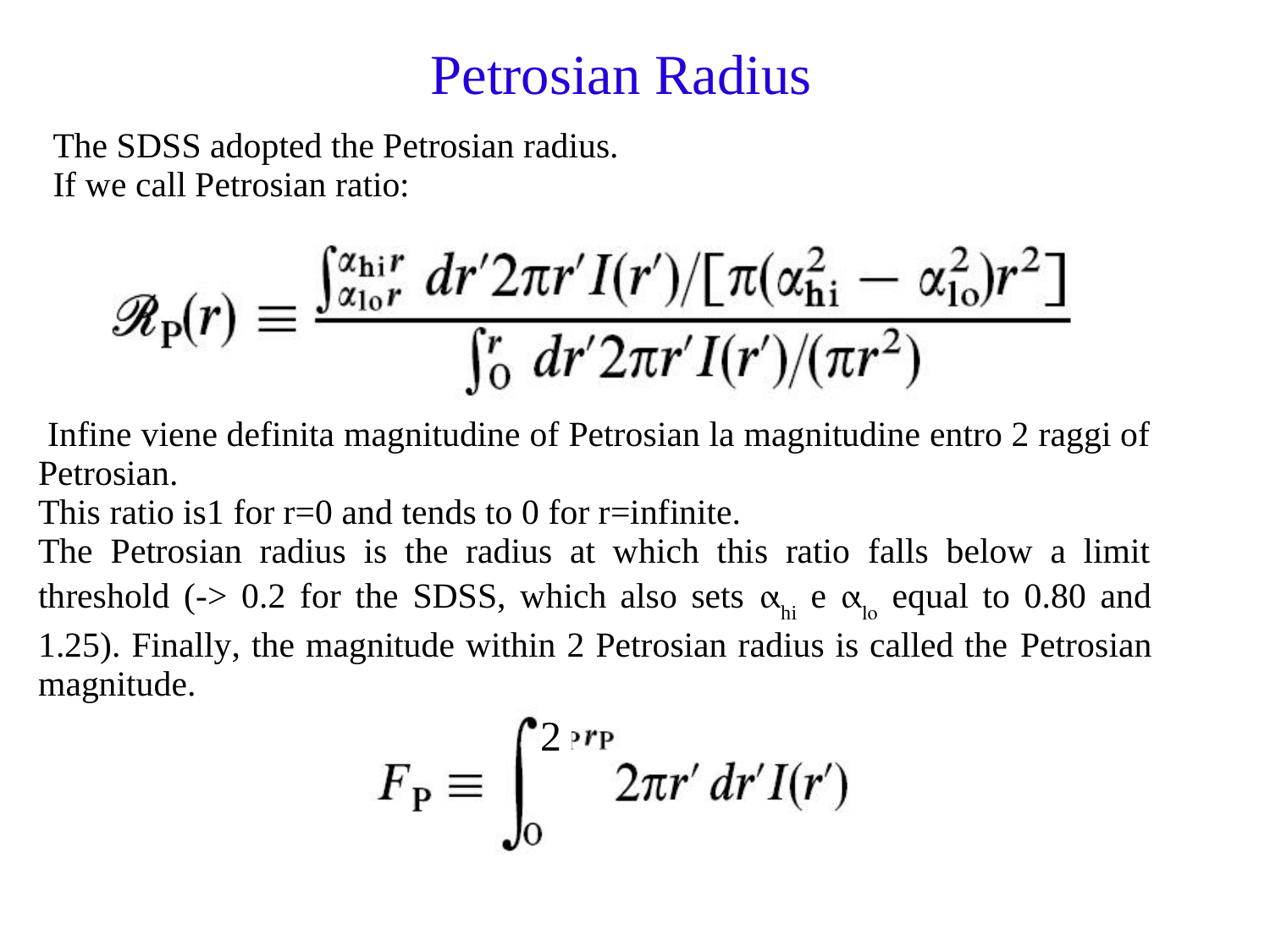 |
Lecture - Luminosity Function Part 1 | Schechter function definition, parameters (Phi, L, alpha) | [[Schechter function]] |
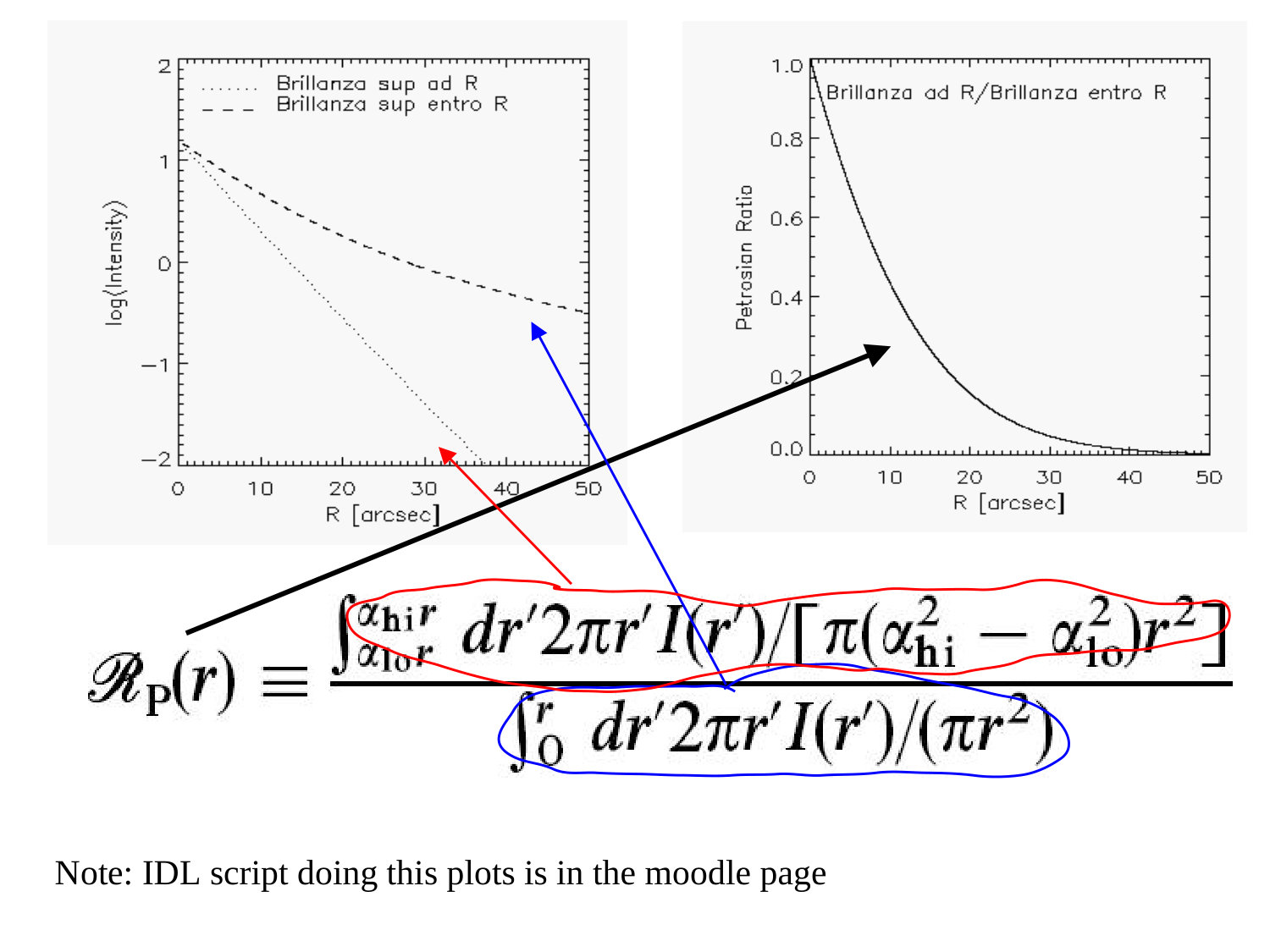 |
Lecture - Luminosity Function Part 1 | Schechter function definition, parameters (Phi, L, alpha) | [[Schechter function]] |
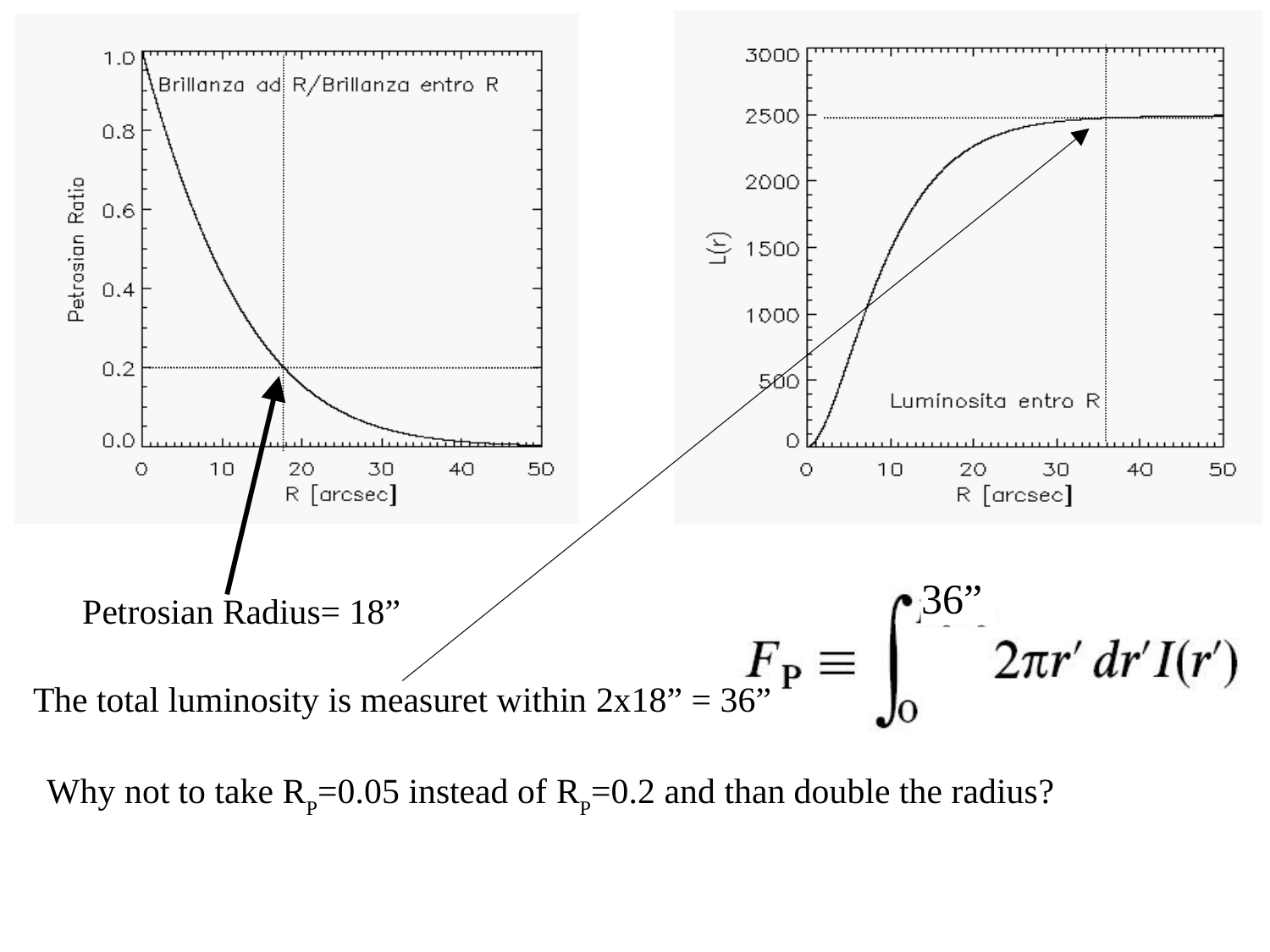 |
Lecture - Luminosity Function Part 1 | Schechter function definition, parameters (Phi, L, alpha) | [[Schechter function]] |
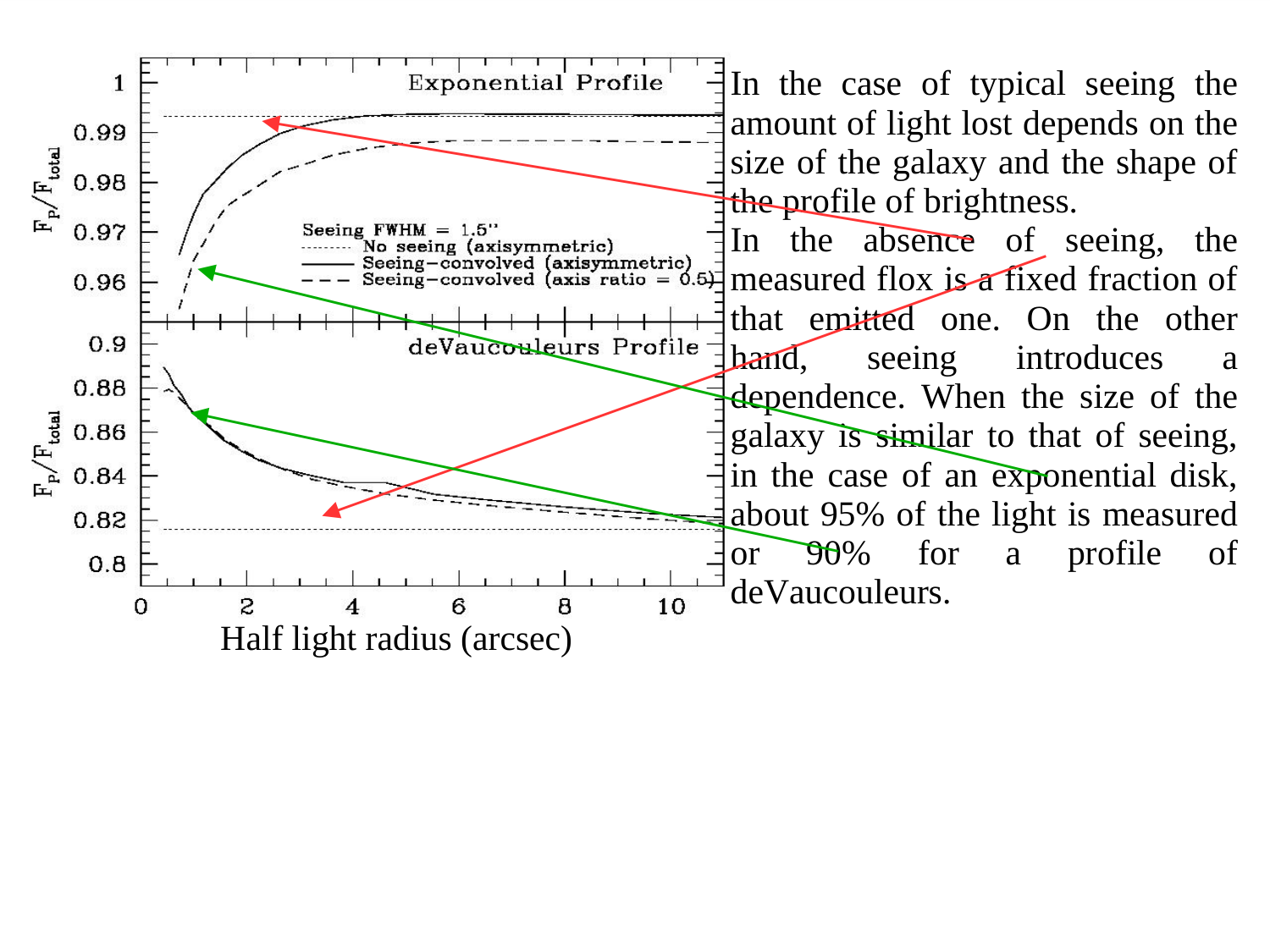 |
Lecture - Luminosity Function Part 1 | Schechter function definition, parameters (Phi, L, alpha) | [[Schechter function]] |
 |
Lecture - Luminosity Function Part 1 | Schechter function definition, parameters (Phi, L, alpha) | [[Schechter function]] |
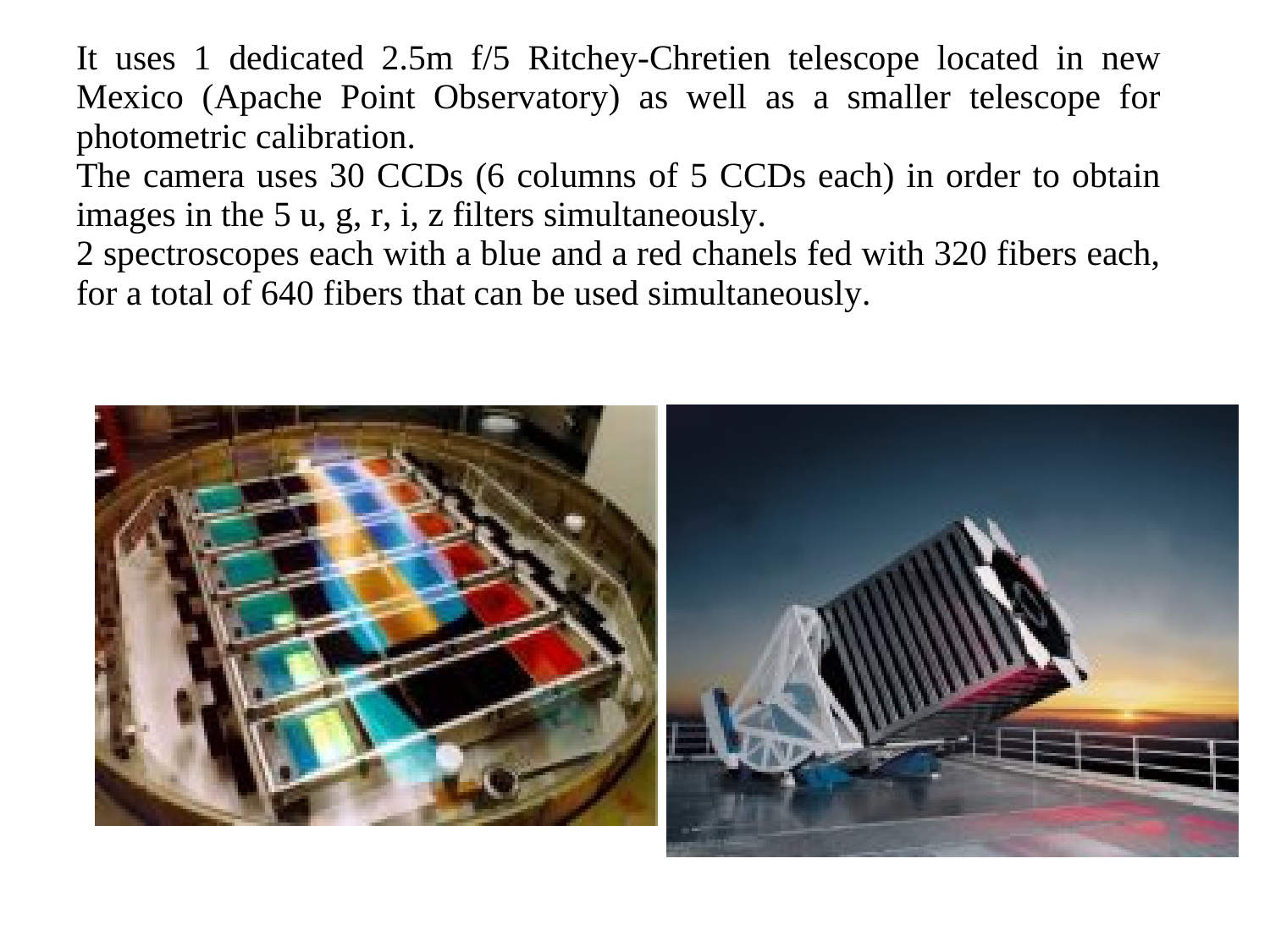 |
Lecture - Luminosity Function Part 1 | Schechter function definition, parameters (Phi, L, alpha) | [[Schechter function]] |
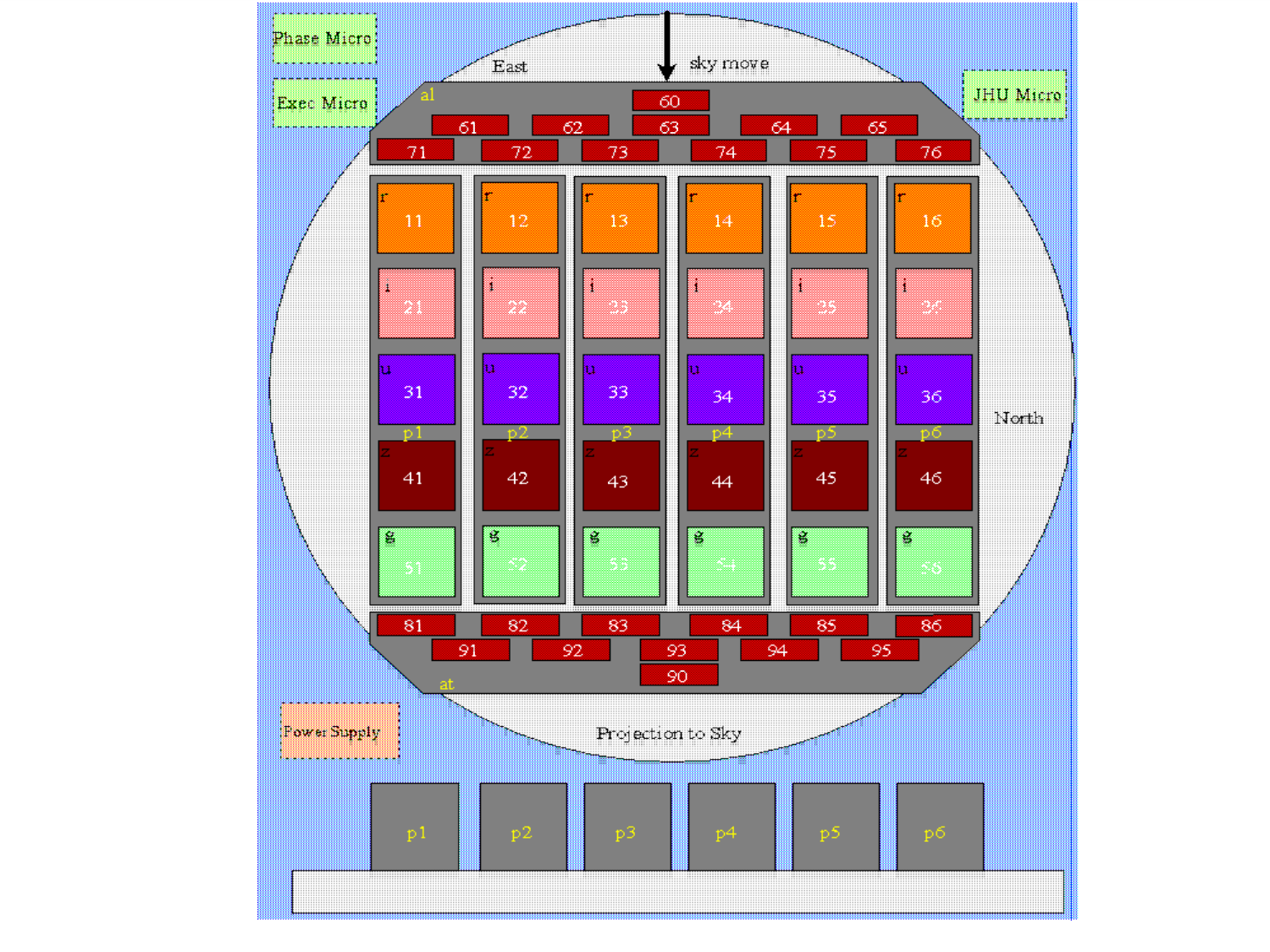 |
Lecture - Luminosity Function Part 1 | Schechter function definition, parameters (Phi, L, alpha) | [[Schechter function]] |
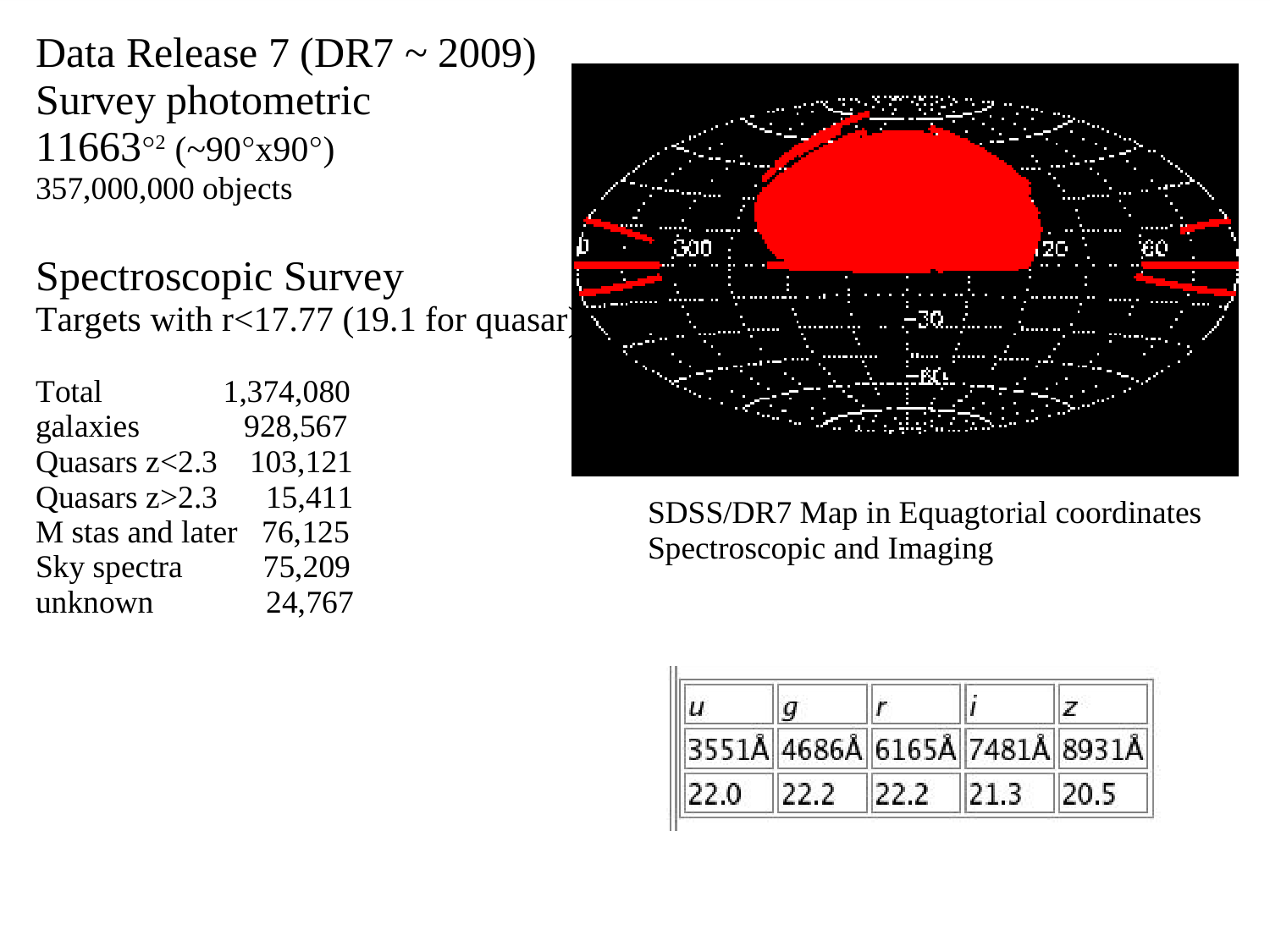 |
Lecture - Luminosity Function Part 1 | Schechter function definition, parameters (Phi, L, alpha) | [[Schechter function]] |
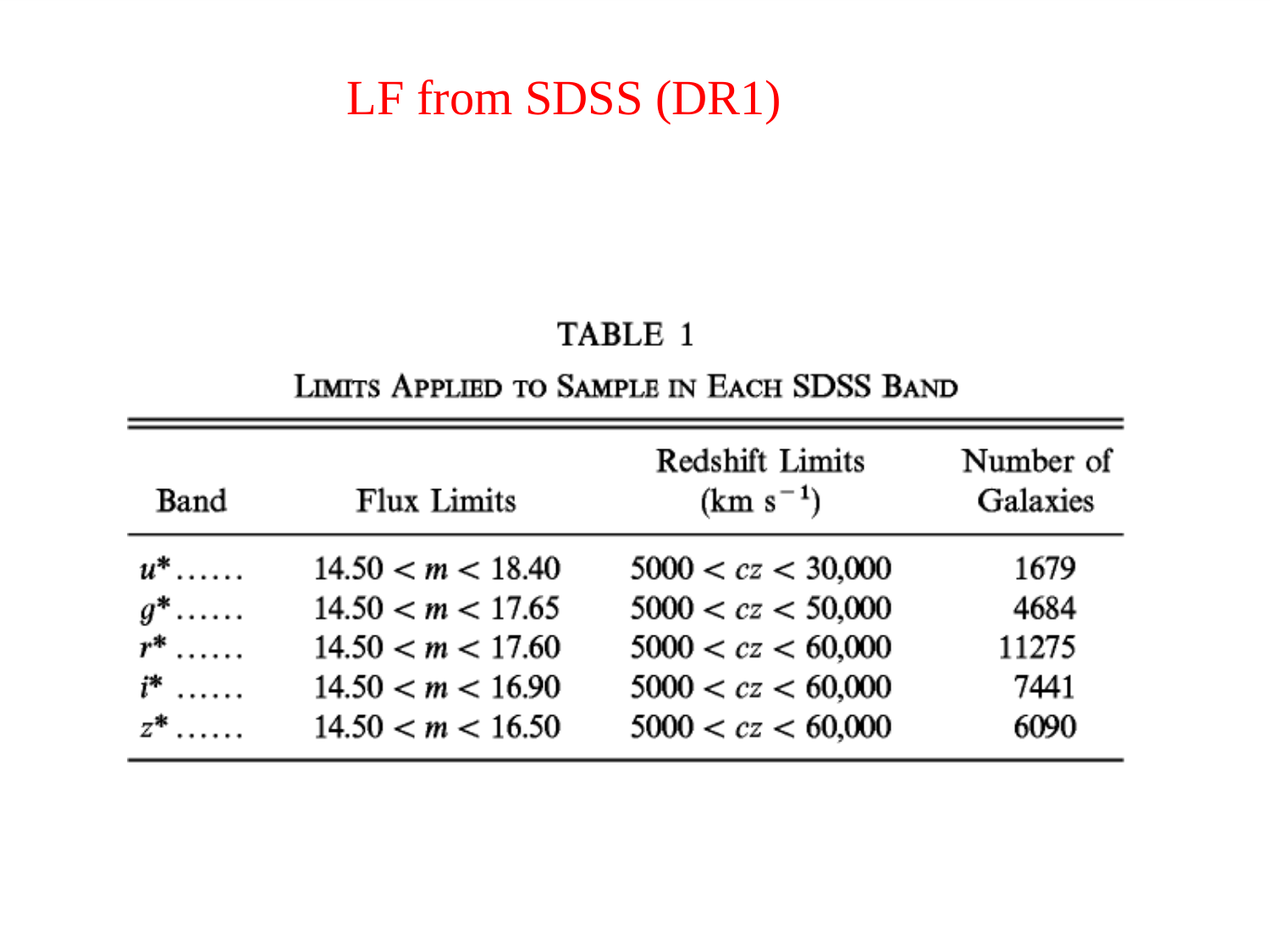 |
Lecture - Luminosity Function Part 1 | Schechter function definition, parameters (Phi, L, alpha) | [[Schechter function]] |
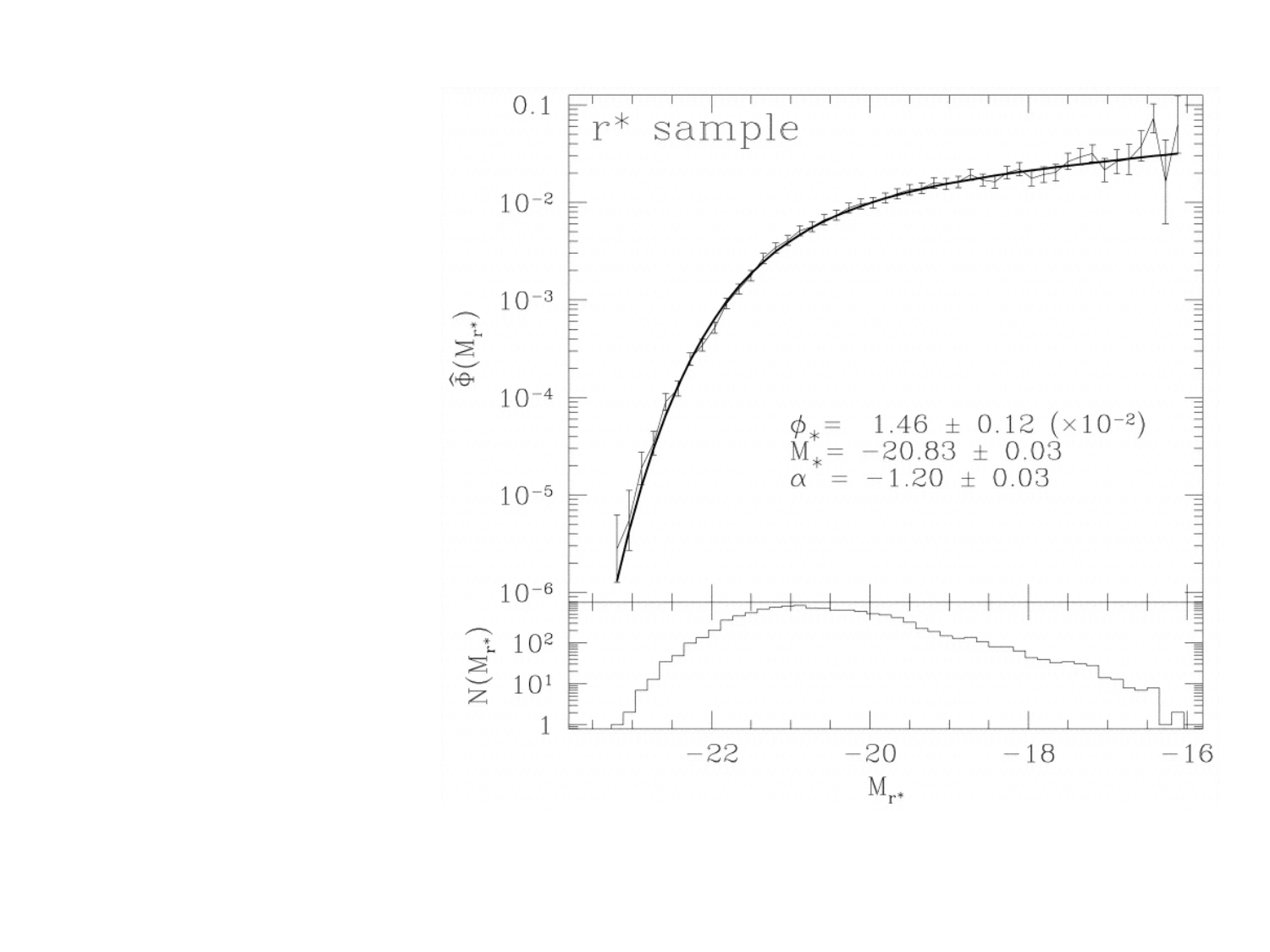 |
Lecture - Luminosity Function Part 1 | Schechter function definition, parameters (Phi, L, alpha) | [[Schechter function]] |
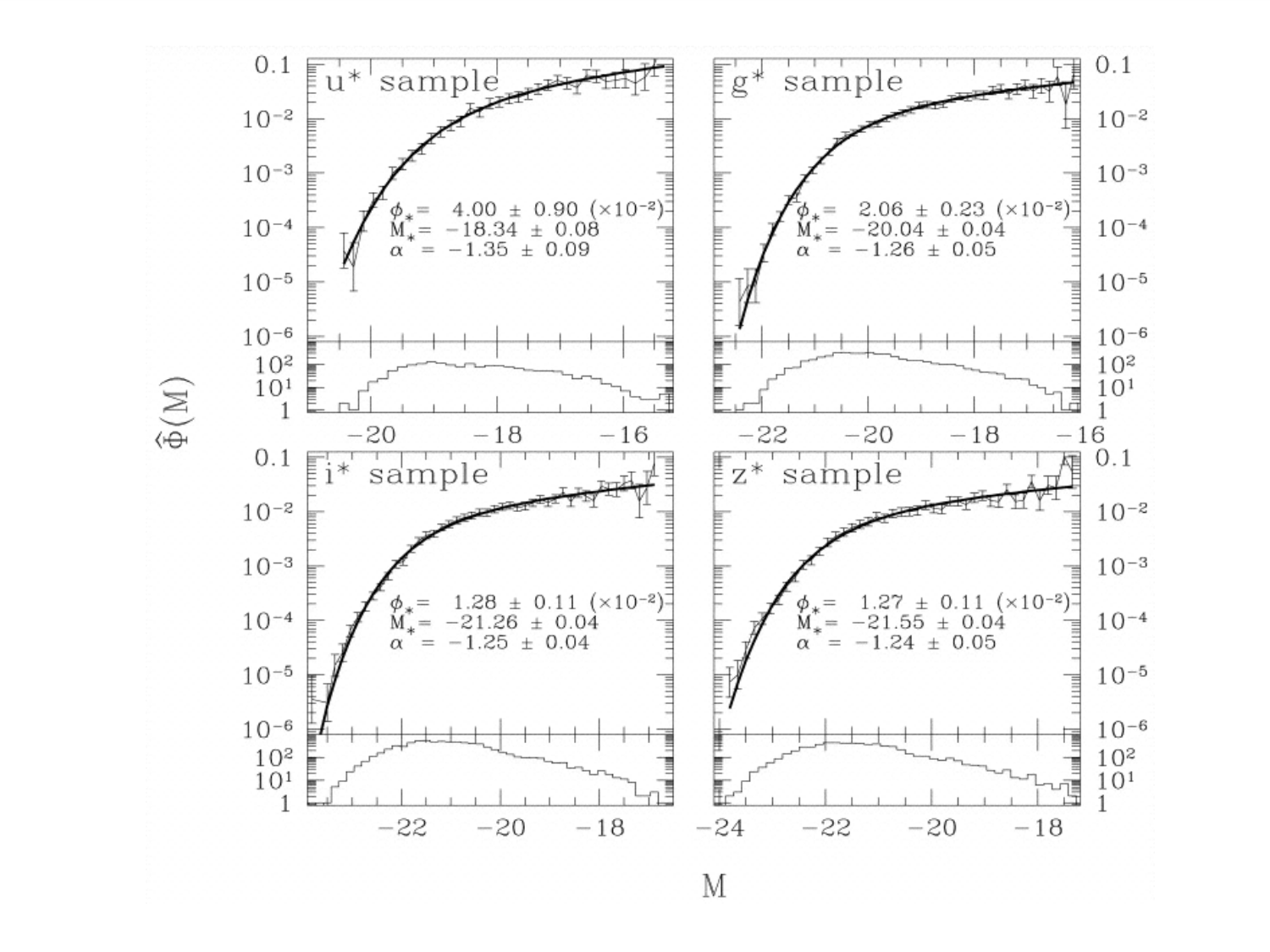 |
Lecture - Luminosity Function Part 1 | Integrals of the Schechter function - total number and luminosity density | [[Integrals of the Schechter function]] |
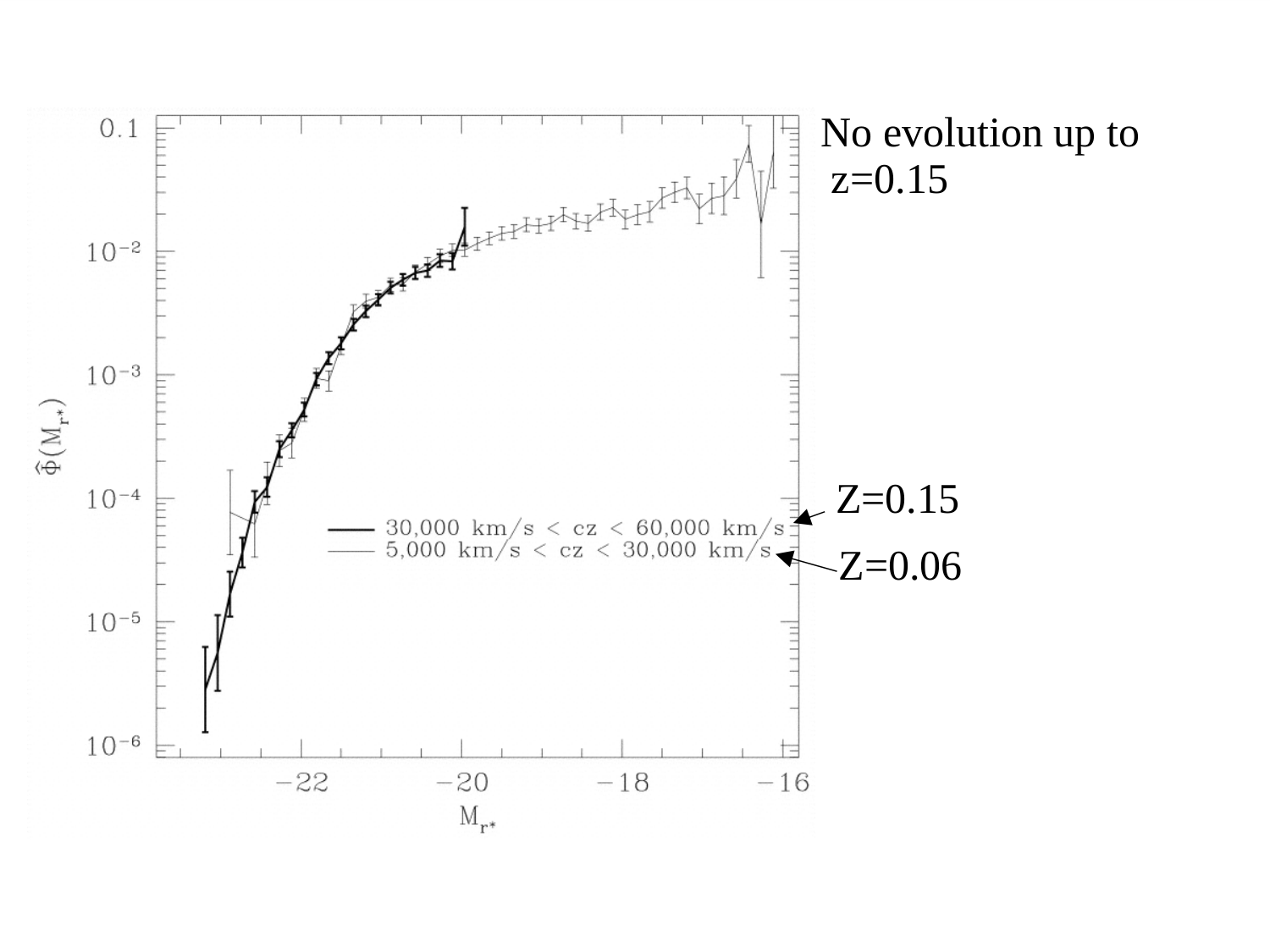 |
Lecture - Luminosity Function Part 1 | Integrals of the Schechter function - total number and luminosity density | [[Integrals of the Schechter function]] |
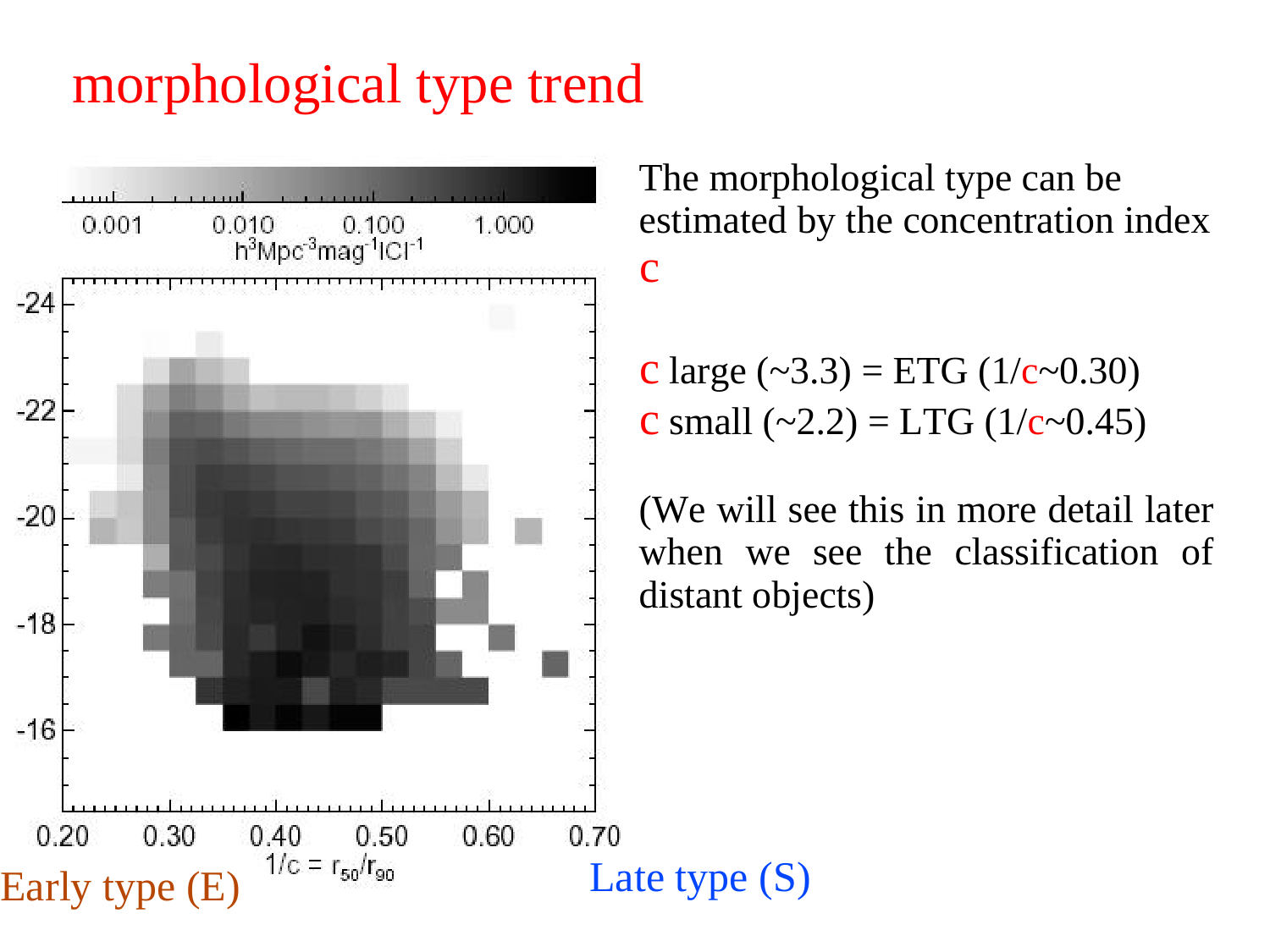 |
Lecture - Luminosity Function Part 1 | Integrals of the Schechter function - total number and luminosity density | [[Integrals of the Schechter function]] |
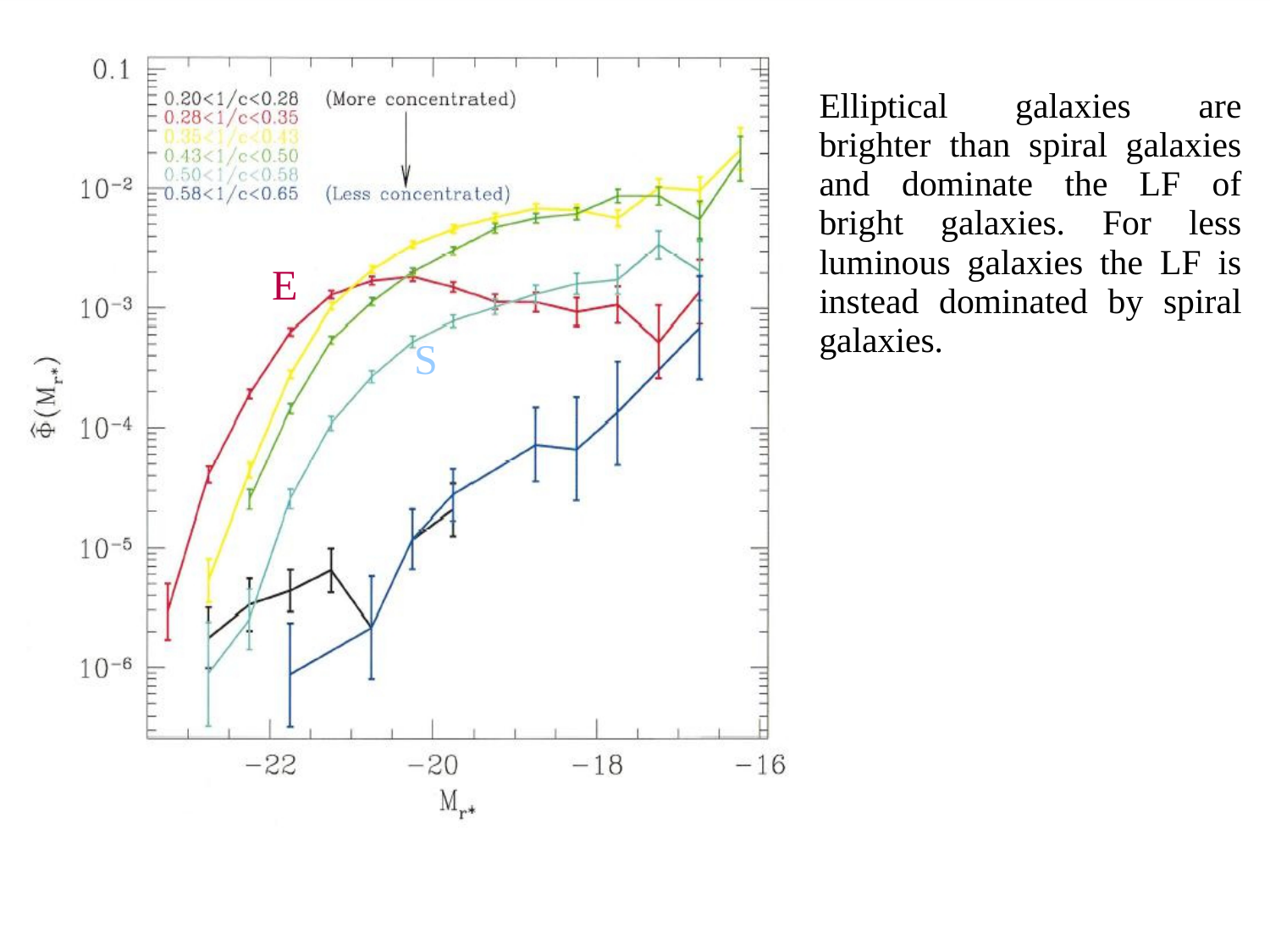 |
Lecture - Luminosity Function Part 1 | Integrals of the Schechter function - total number and luminosity density | [[Integrals of the Schechter function]] |
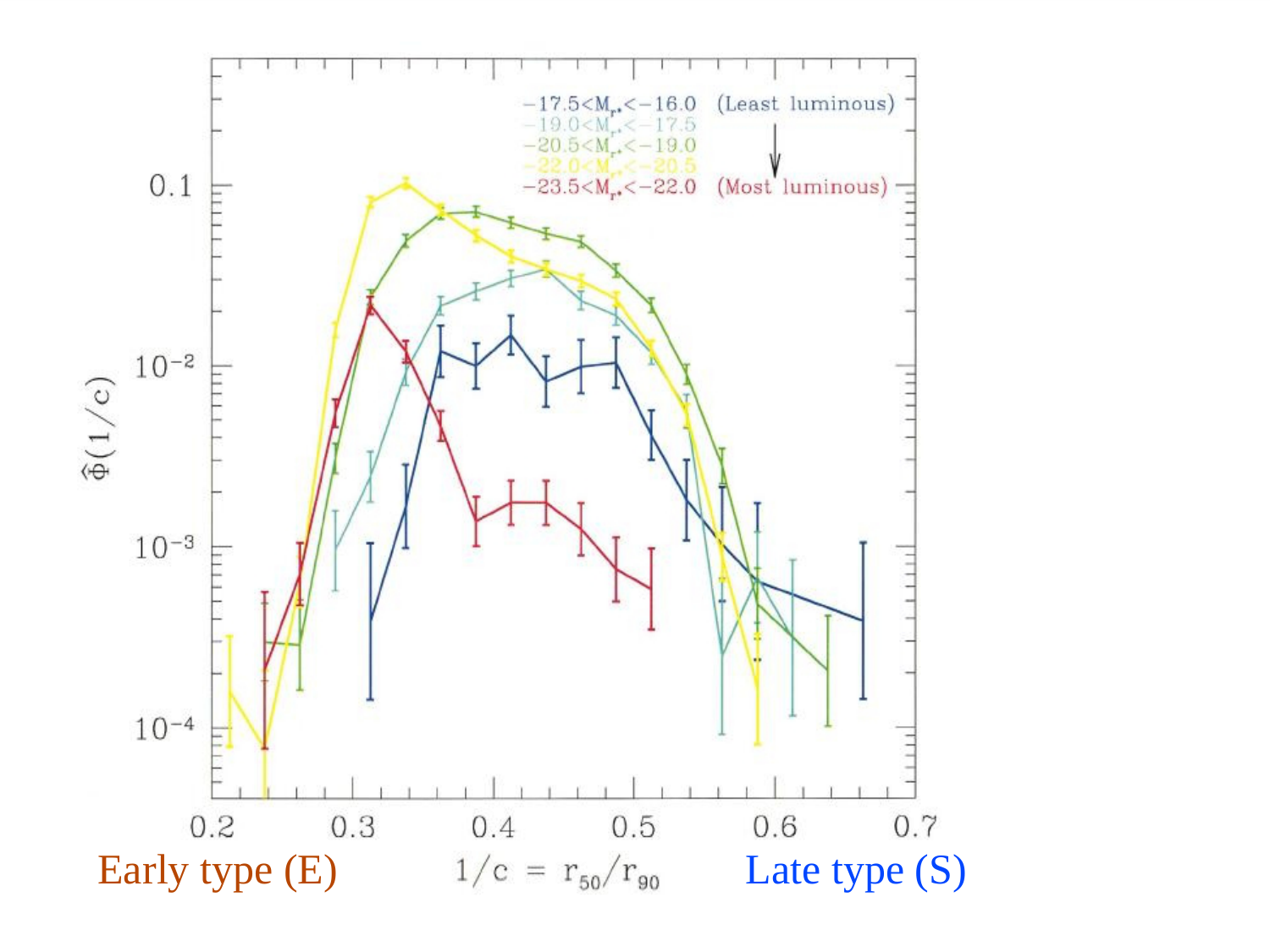 |
Lecture - Luminosity Function Part 1 | Integrals of the Schechter function - total number and luminosity density | [[Integrals of the Schechter function]] |
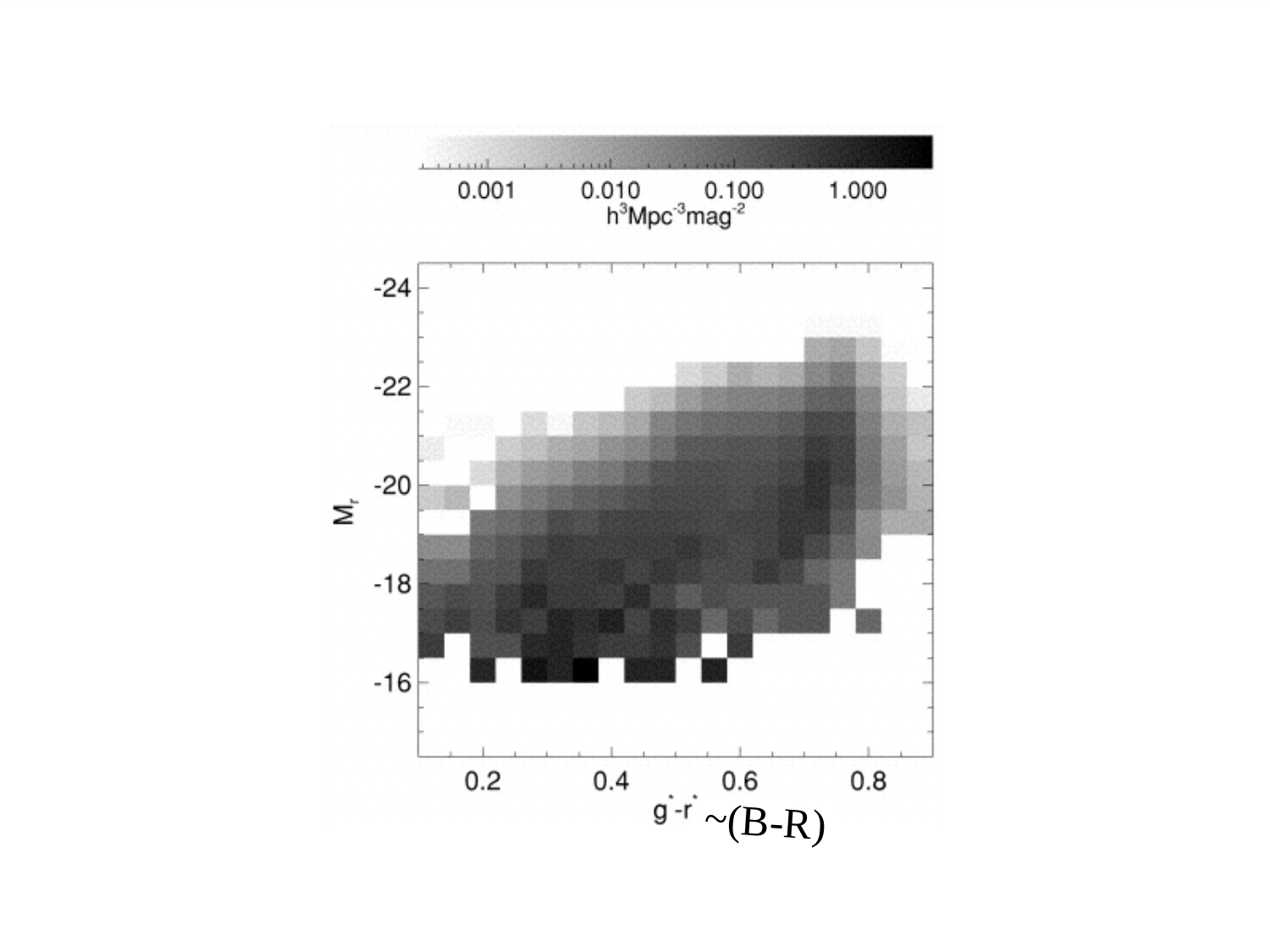 |
Lecture - Luminosity Function Part 1 | Integrals of the Schechter function - total number and luminosity density | [[Integrals of the Schechter function]] |
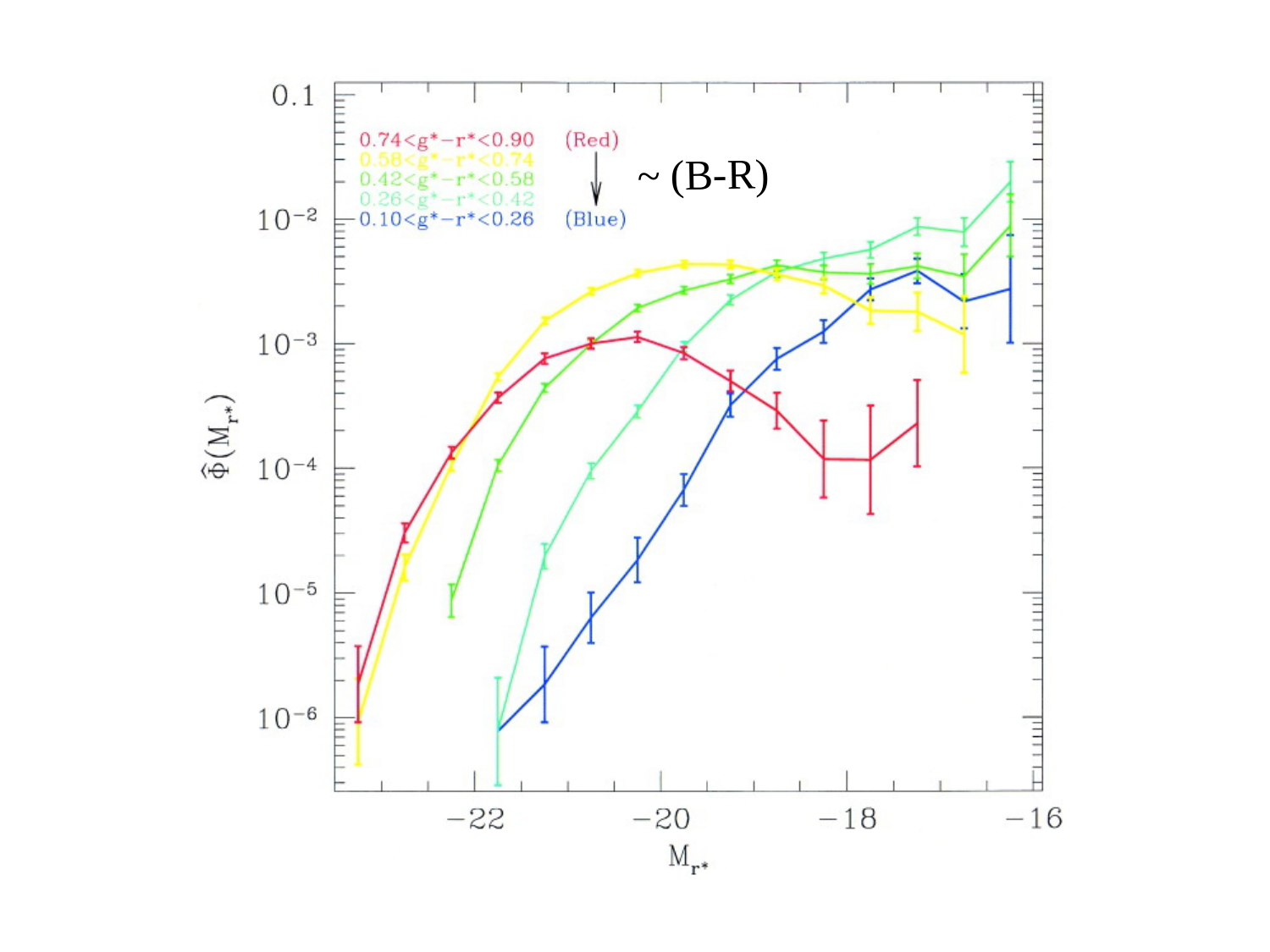 |
Lecture - Luminosity Function Part 1 | Integrals of the Schechter function - total number and luminosity density | [[Integrals of the Schechter function]] |
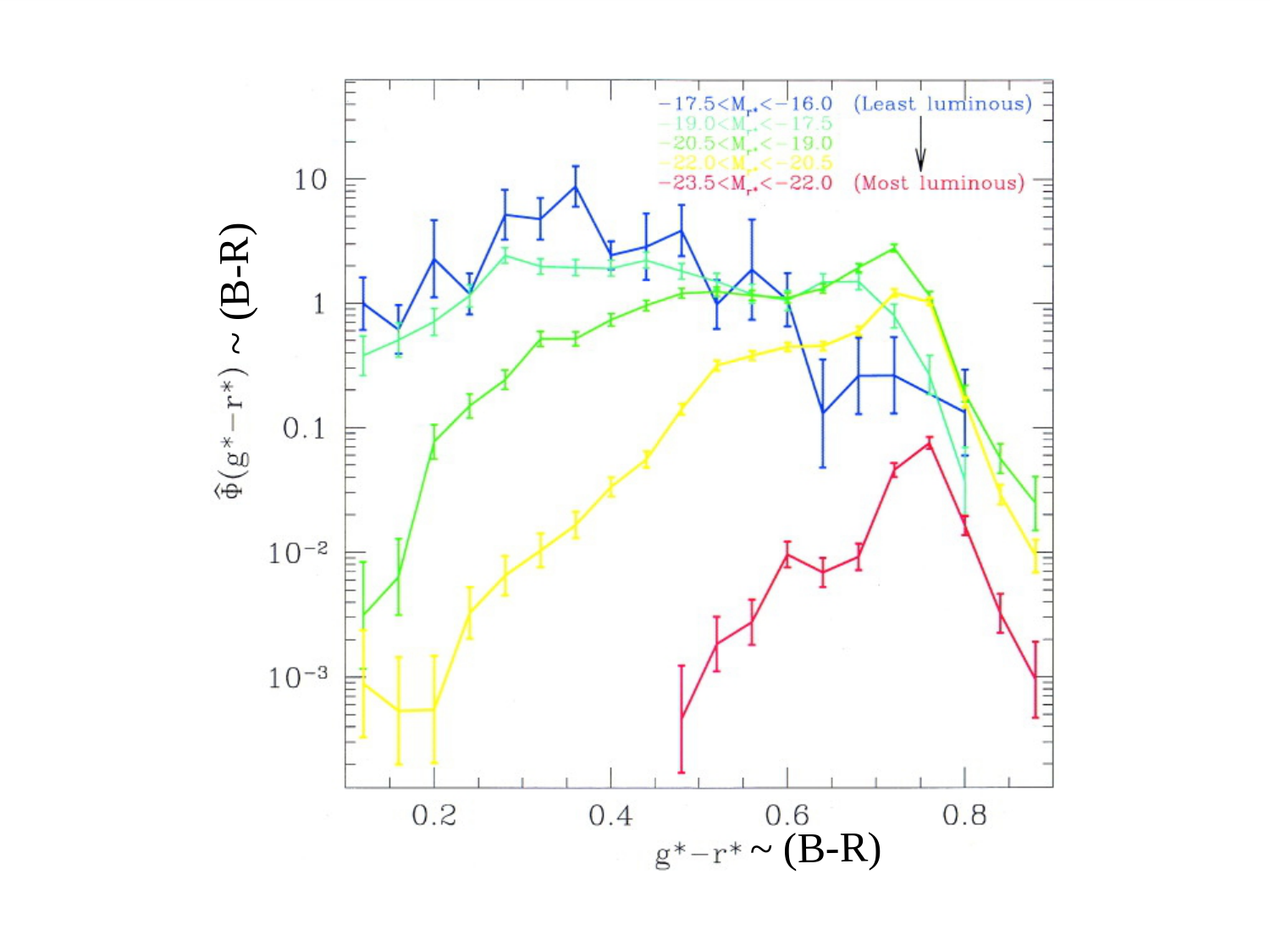 |
Lecture - Luminosity Function Part 1 | Integrals of the Schechter function - total number and luminosity density | [[Integrals of the Schechter function]] |
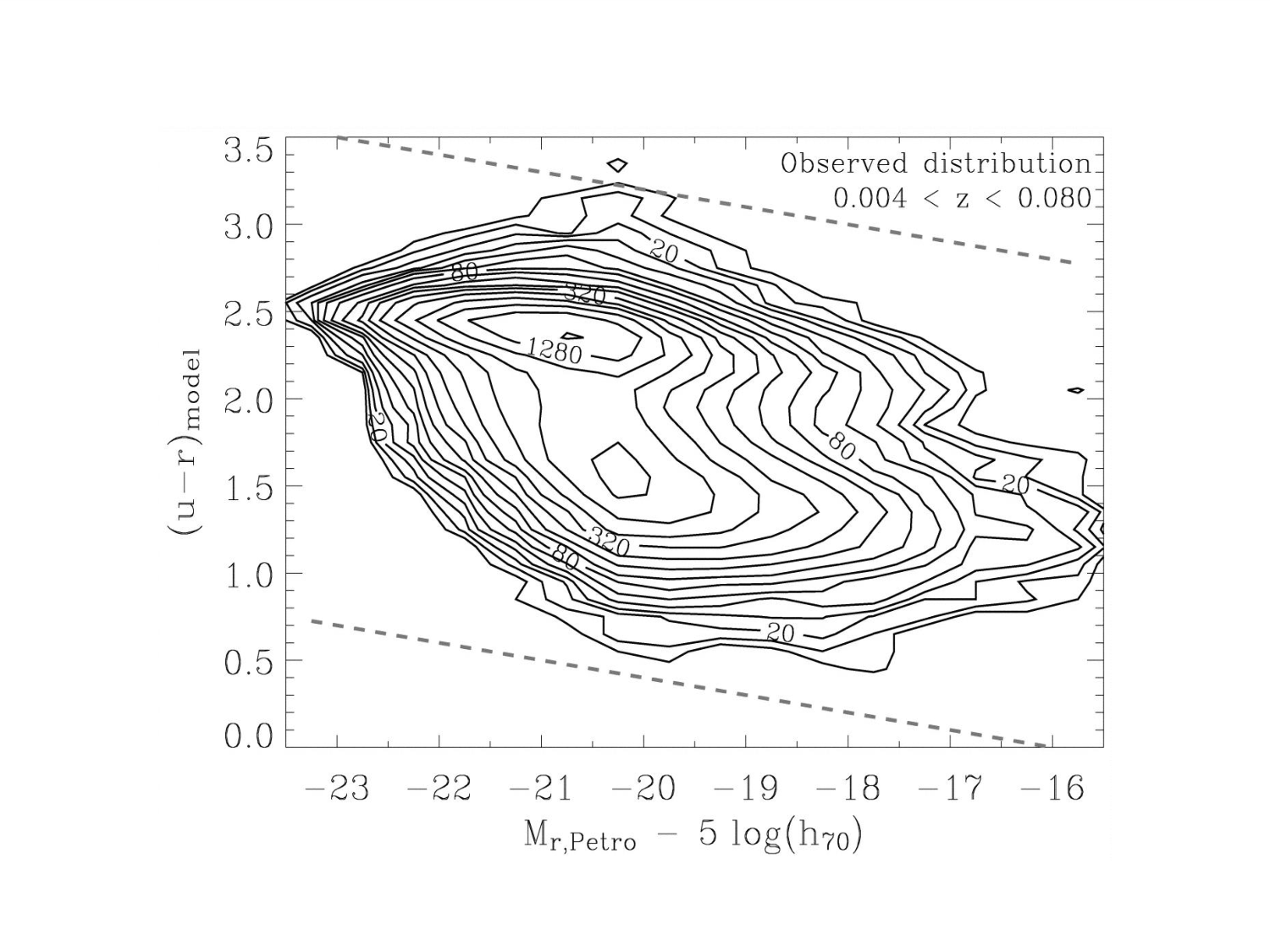 |
Lecture - Luminosity Function Part 1 | Integrals of the Schechter function - total number and luminosity density | [[Integrals of the Schechter function]] |
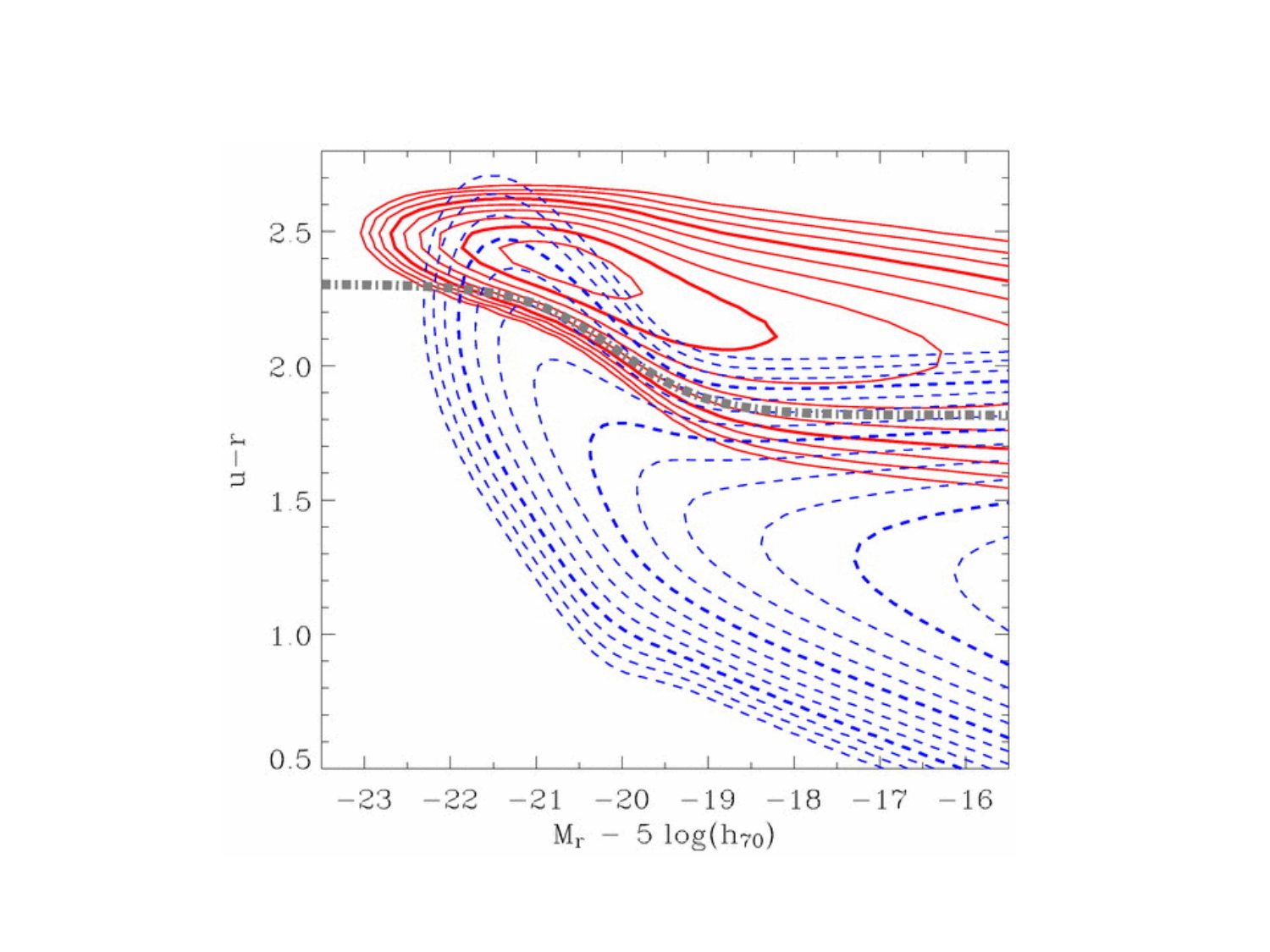 |
Lecture - Luminosity Function Part 1 | Integrals of the Schechter function - total number and luminosity density | [[Integrals of the Schechter function]] |
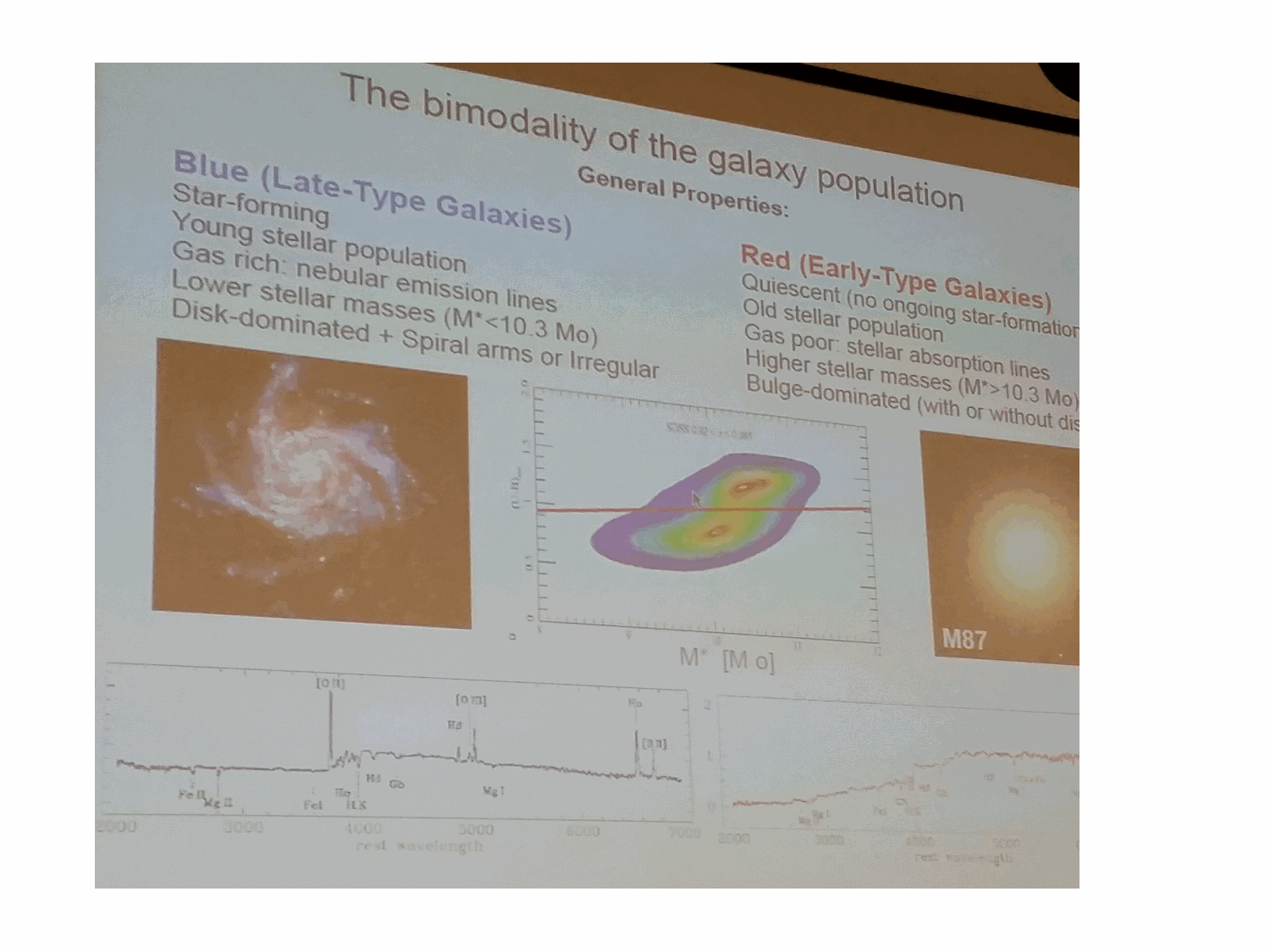 |
Lecture - Luminosity Function Part 1 | Modified Schechter functions, double power-laws at high redshift | [[Double power-law modified Schechter]] |
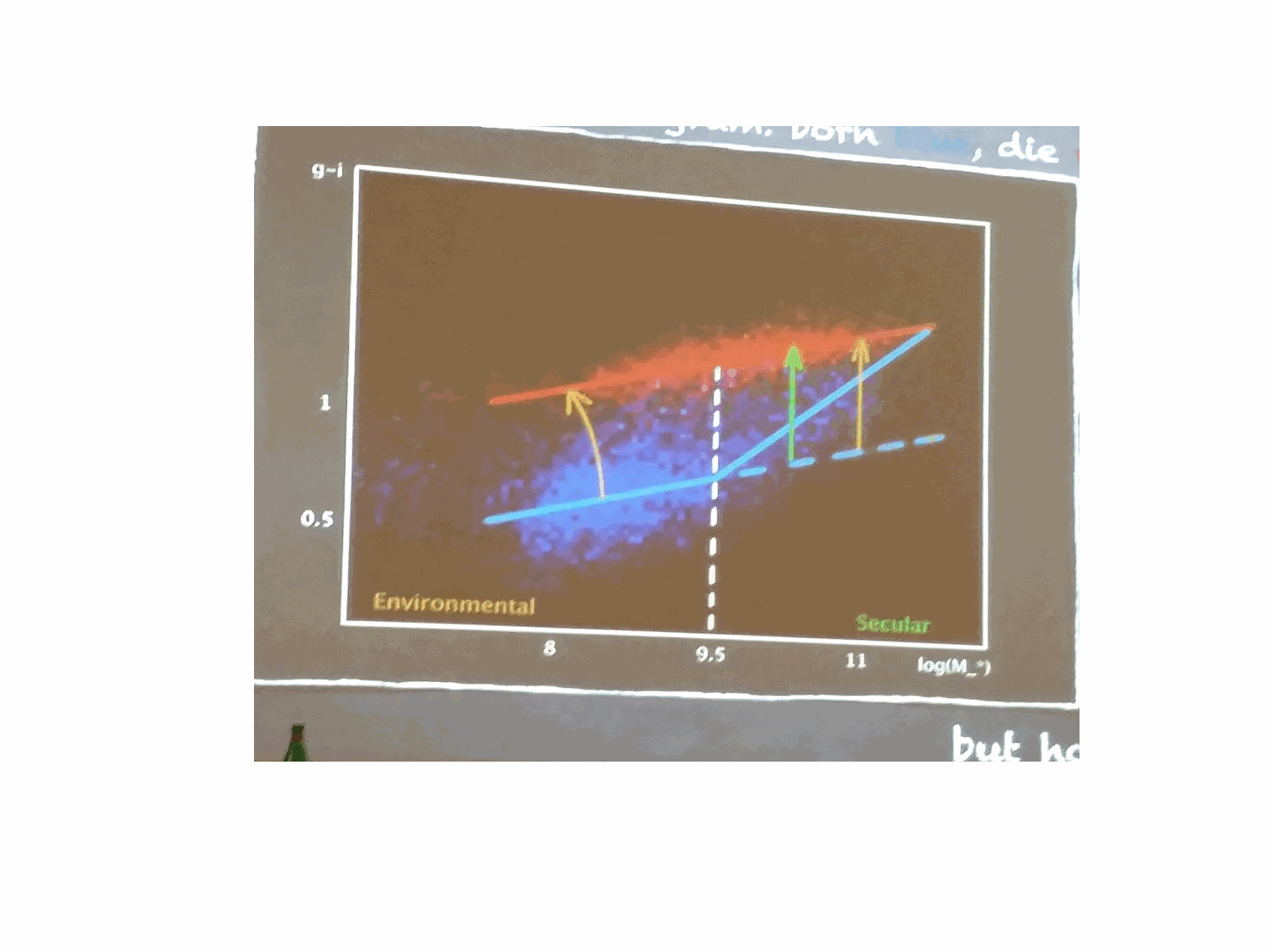 |
Lecture - Luminosity Function Part 1 | Modified Schechter functions, double power-laws at high redshift | [[Double power-law modified Schechter]] |
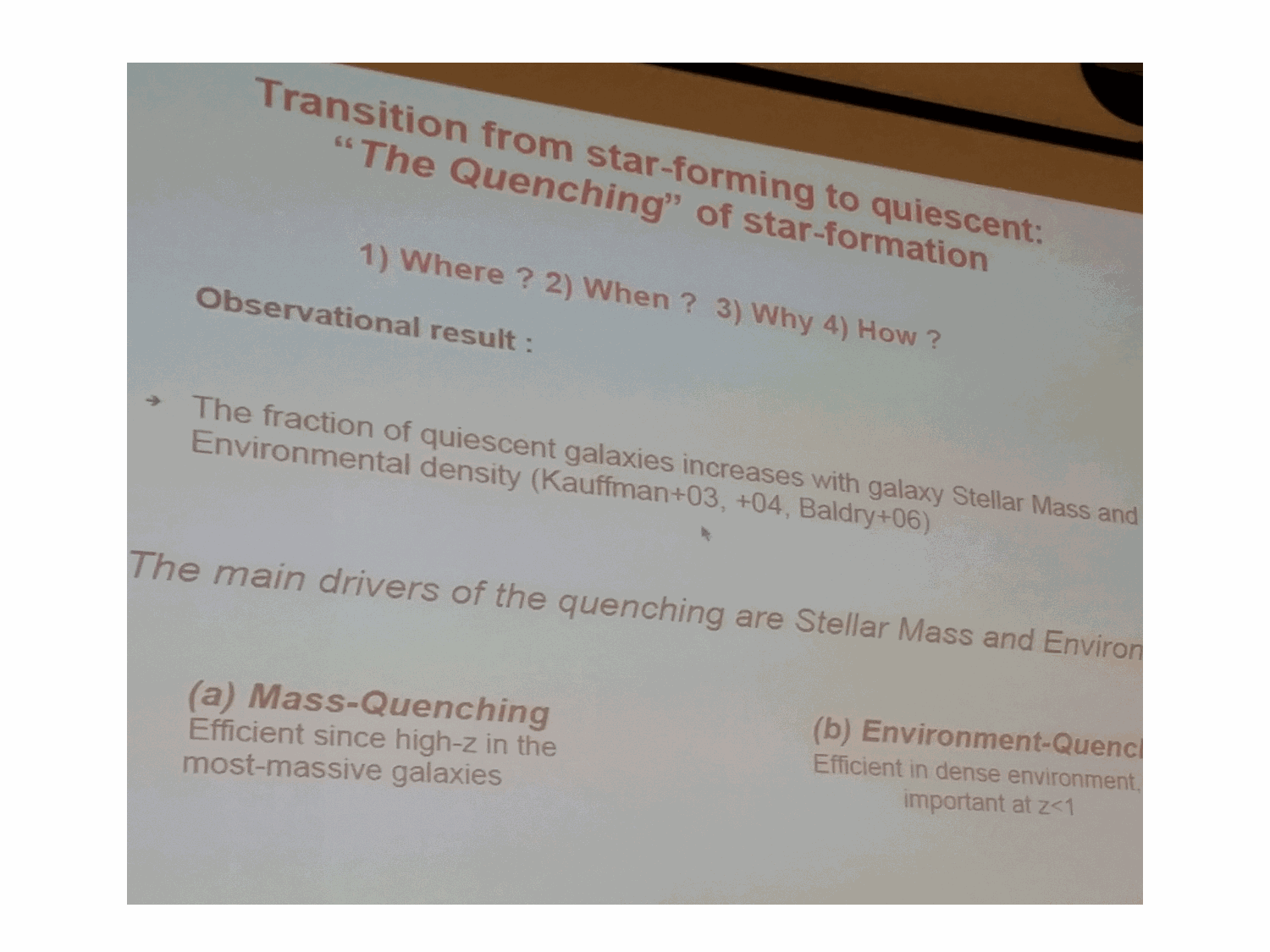 |
Lecture - Luminosity Function Part 1 | Modified Schechter functions, double power-laws at high redshift | [[Double power-law modified Schechter]] |
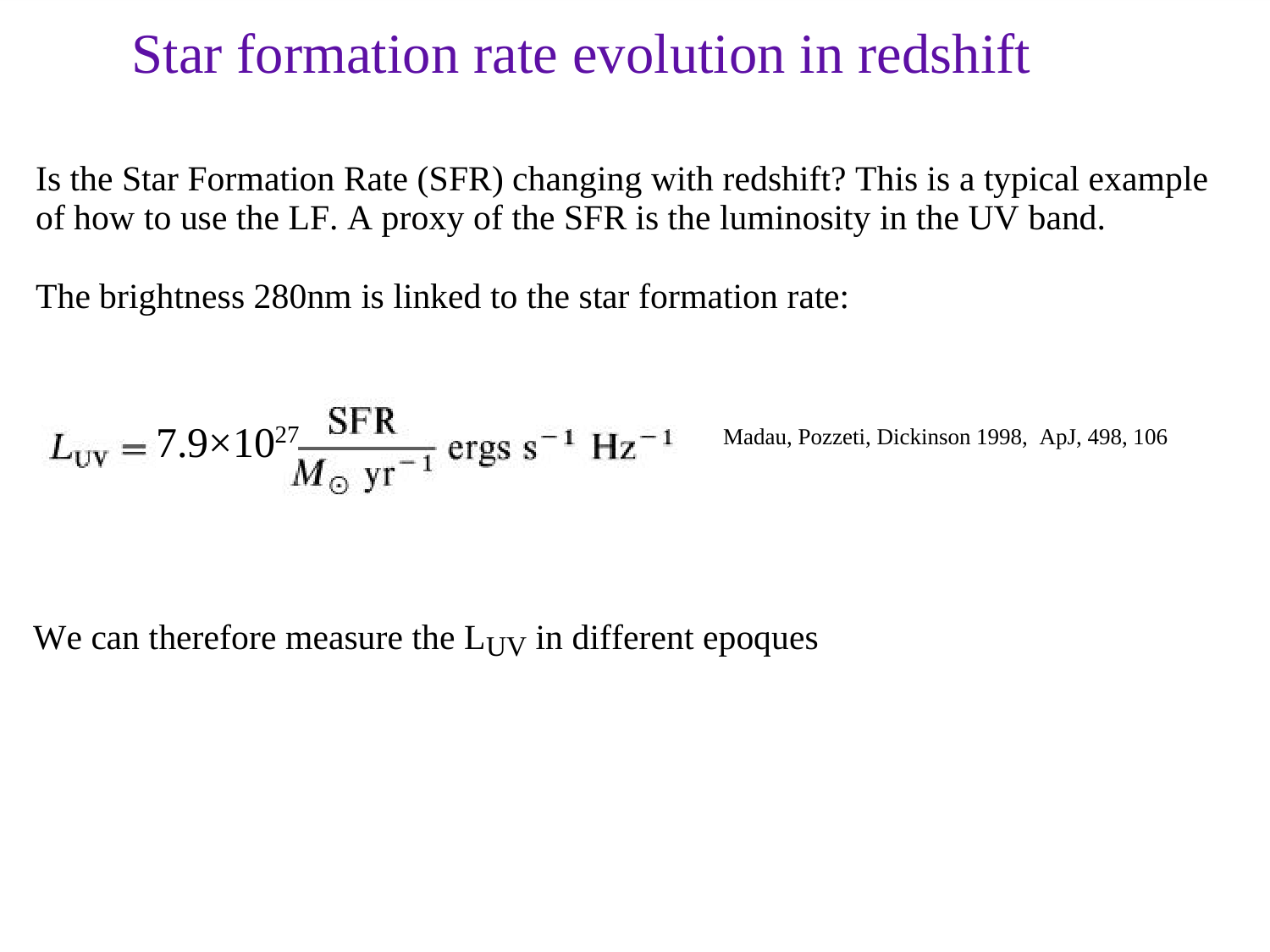 |
Lecture - Luminosity Function Part 1 | Modified Schechter functions, double power-laws at high redshift | [[Double power-law modified Schechter]] |
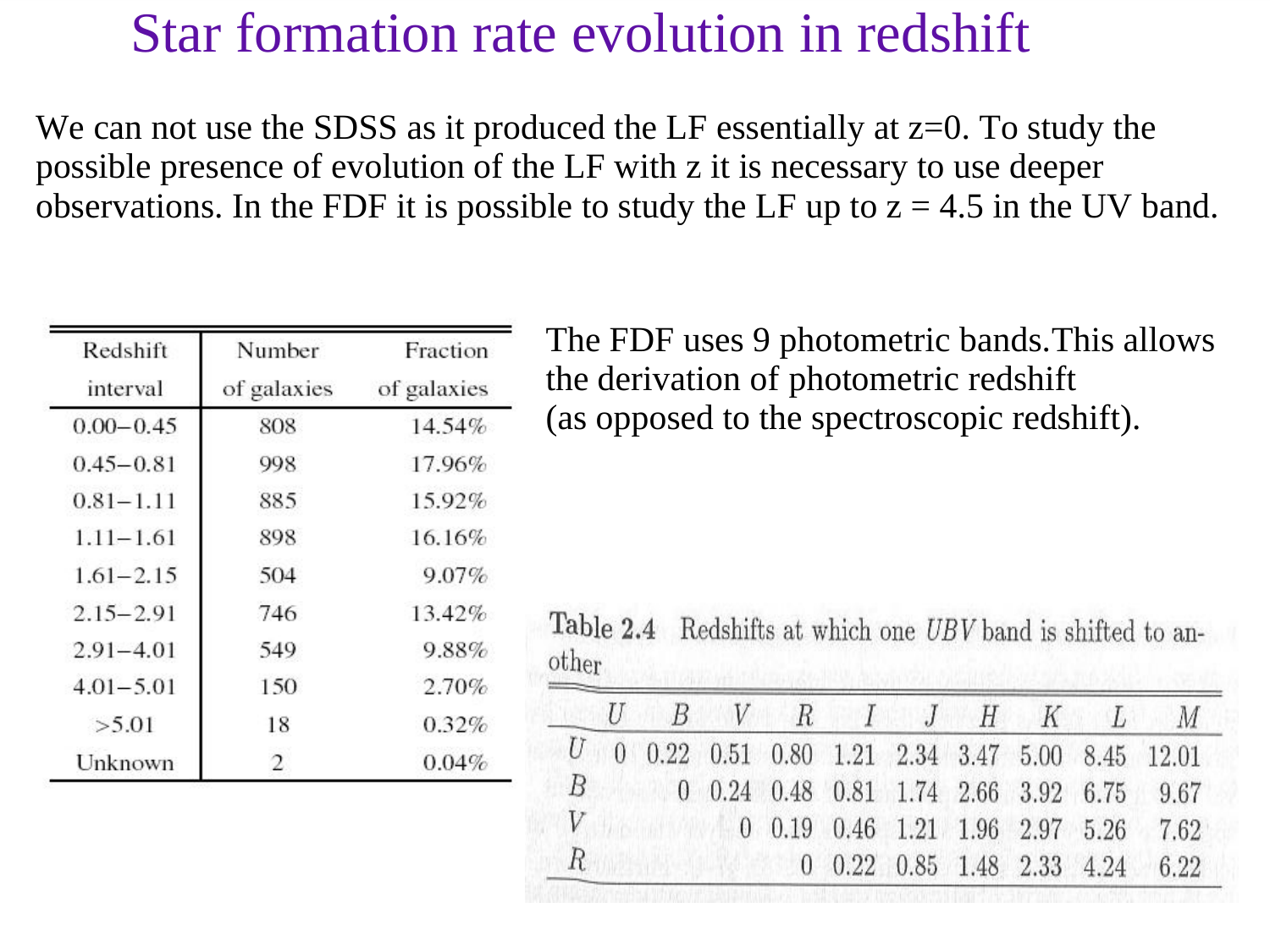 |
Lecture - Luminosity Function Part 1 | Modified Schechter functions, double power-laws at high redshift | [[Double power-law modified Schechter]] |
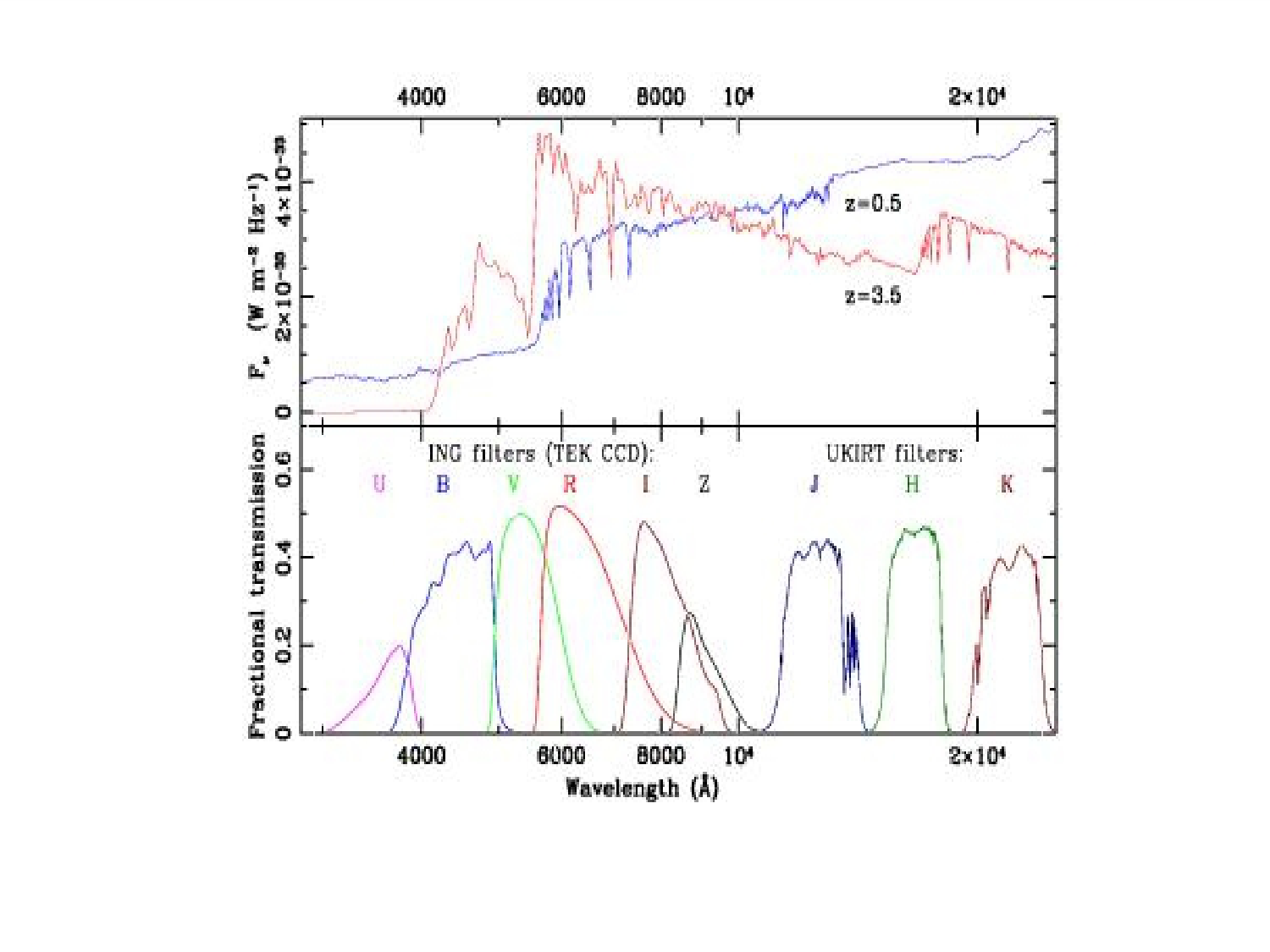 |
Lecture - Luminosity Function Part 1 | Modified Schechter functions, double power-laws at high redshift | [[Double power-law modified Schechter]] |
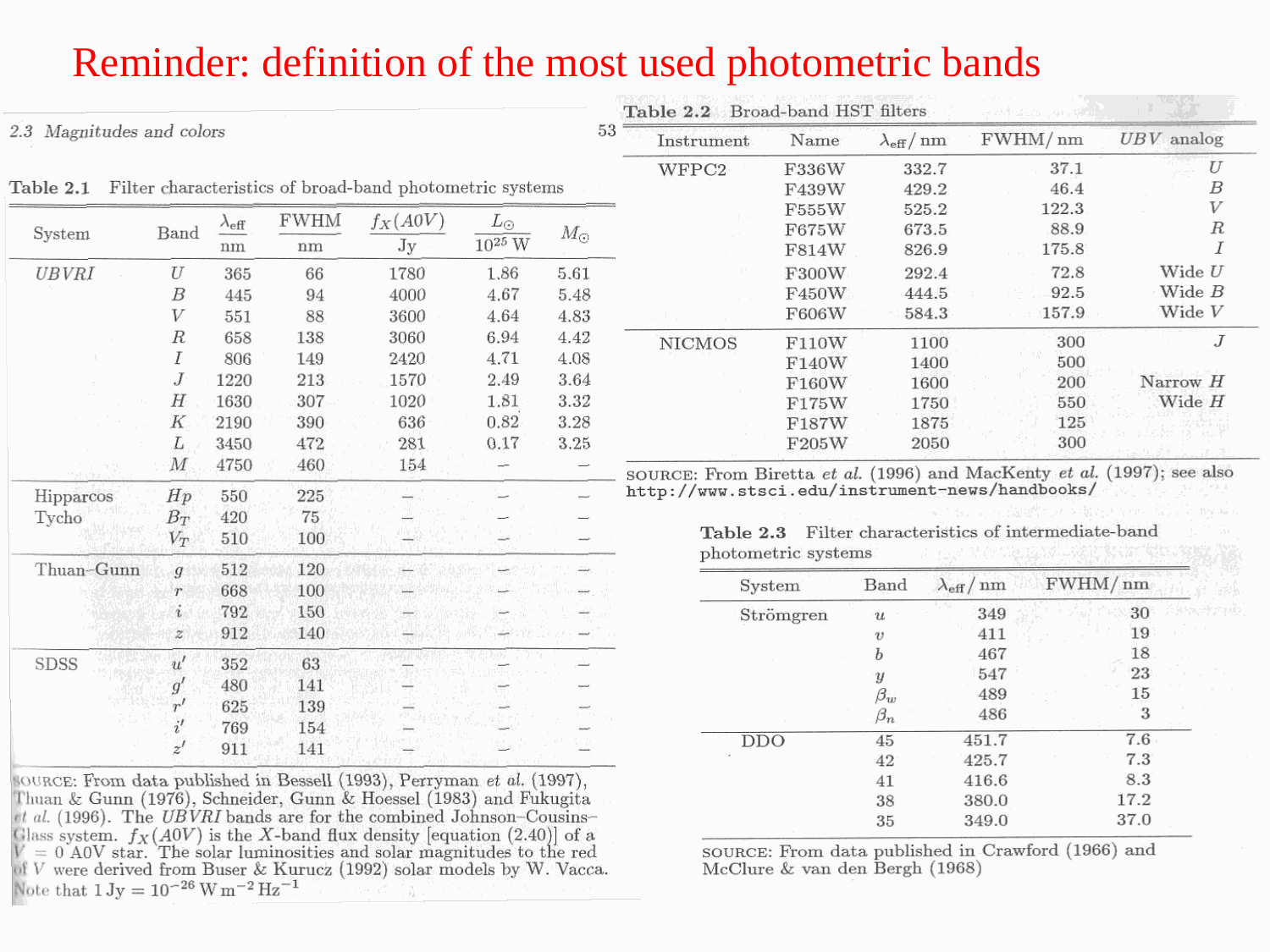 |
Lecture - Luminosity Function Part 1 | Modified Schechter functions, double power-laws at high redshift | [[Double power-law modified Schechter]] |
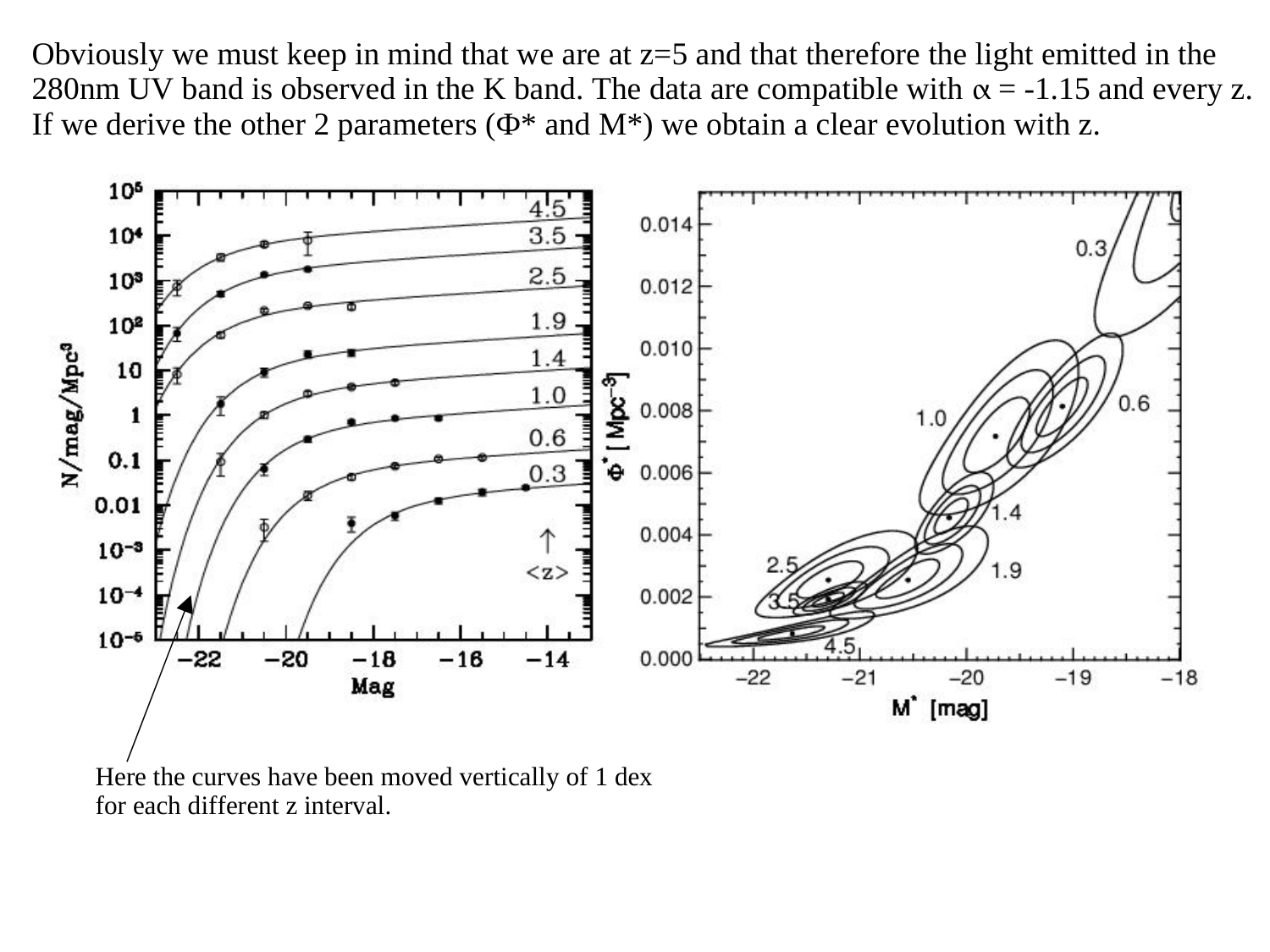 |
Lecture - Luminosity Function Part 1 | Modified Schechter functions, double power-laws at high redshift | [[Double power-law modified Schechter]] |
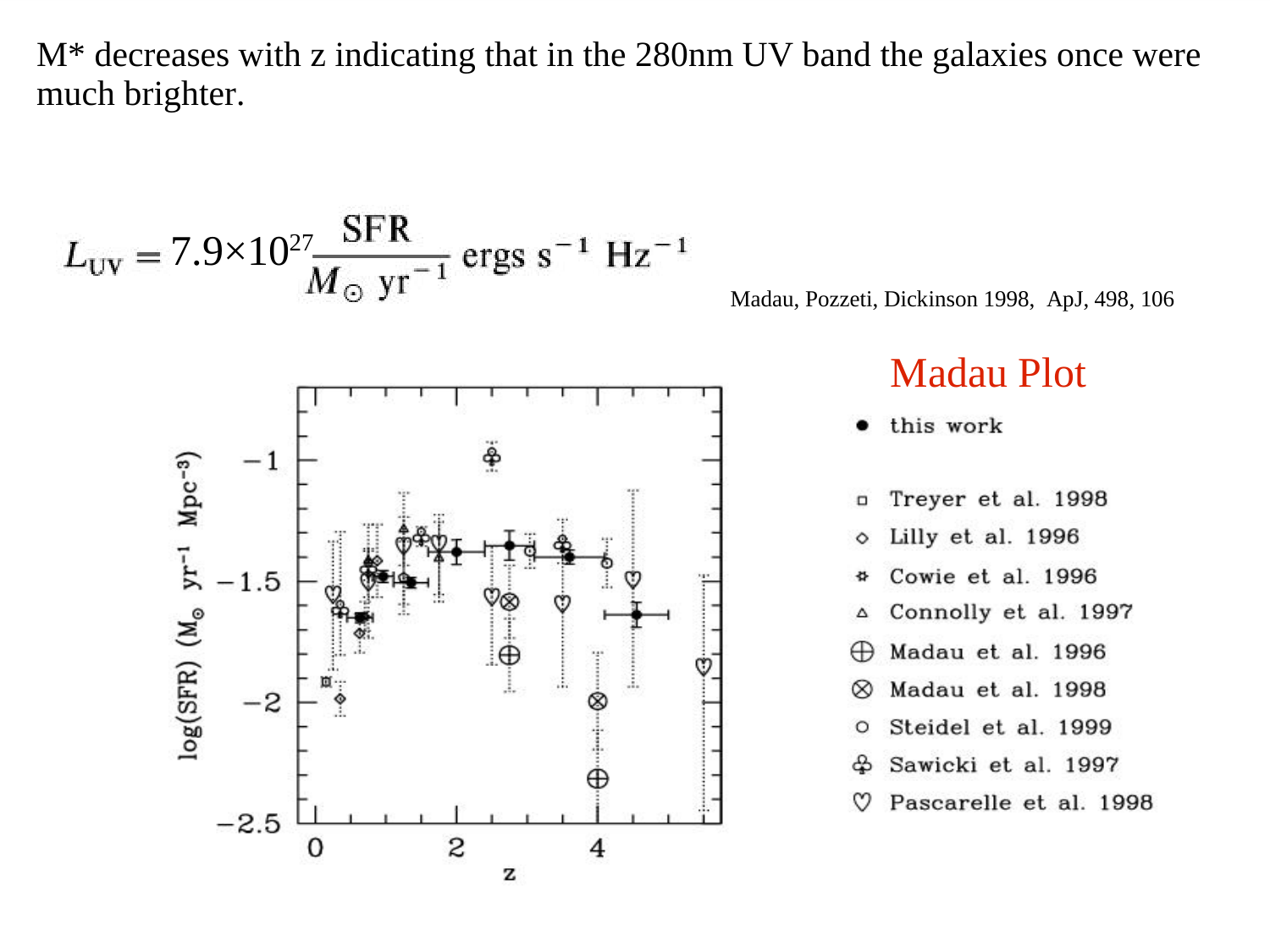 |
Lecture - Luminosity Function Part 1 | Modified Schechter functions, double power-laws at high redshift | [[Double power-law modified Schechter]] |
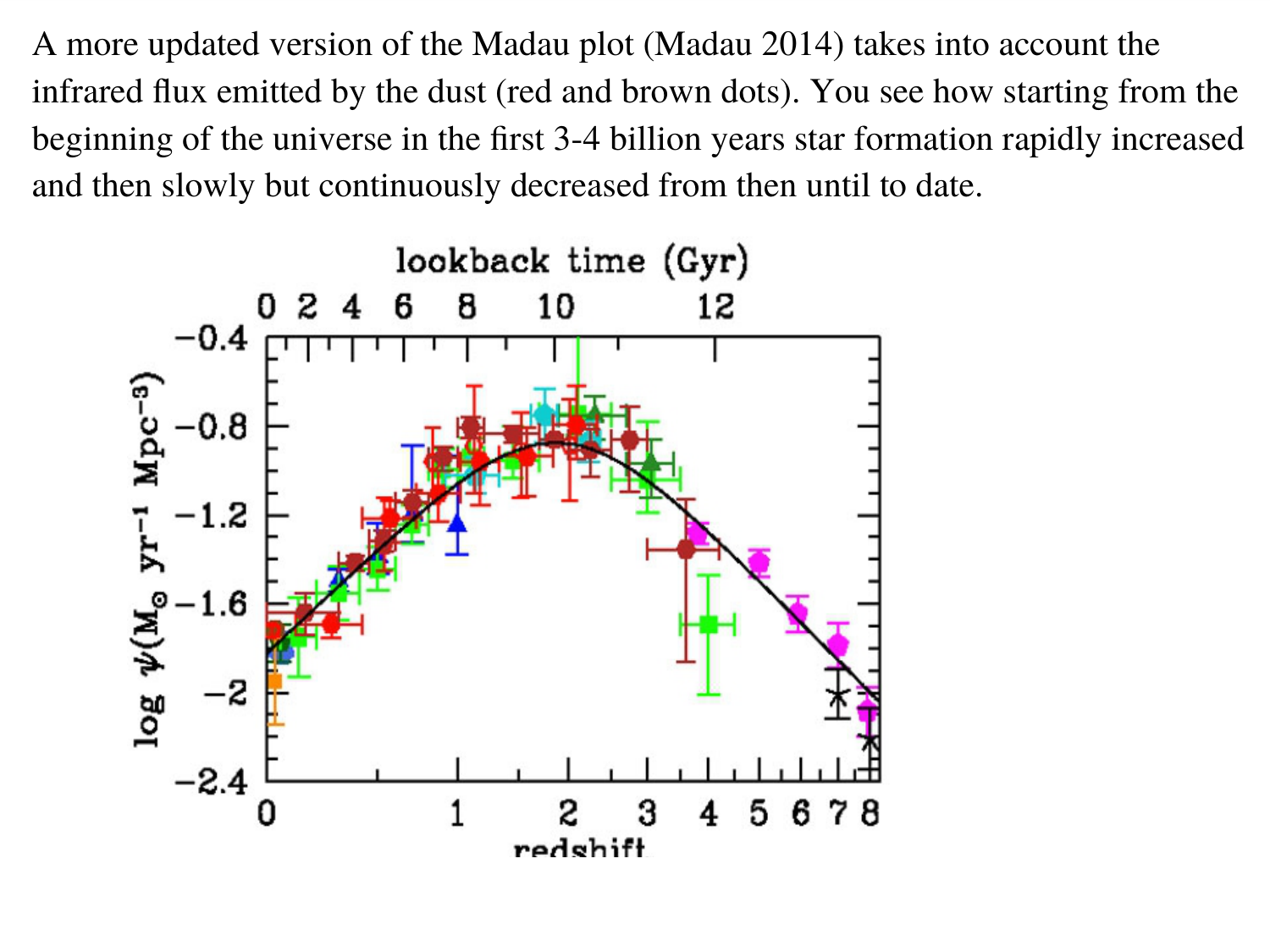 |
Lecture - Luminosity Function Part 1 | Modified Schechter functions, double power-laws at high redshift | [[Double power-law modified Schechter]] |
 |
Lecture - Luminosity Function Part 2 | Schechter function expressed in absolute magnitudes Phi(M) dM | [[Schechter function in magnitudes]] |
 |
Lecture - Luminosity Function Part 2 | Schechter function expressed in absolute magnitudes Phi(M) dM | [[Schechter function in magnitudes]] |
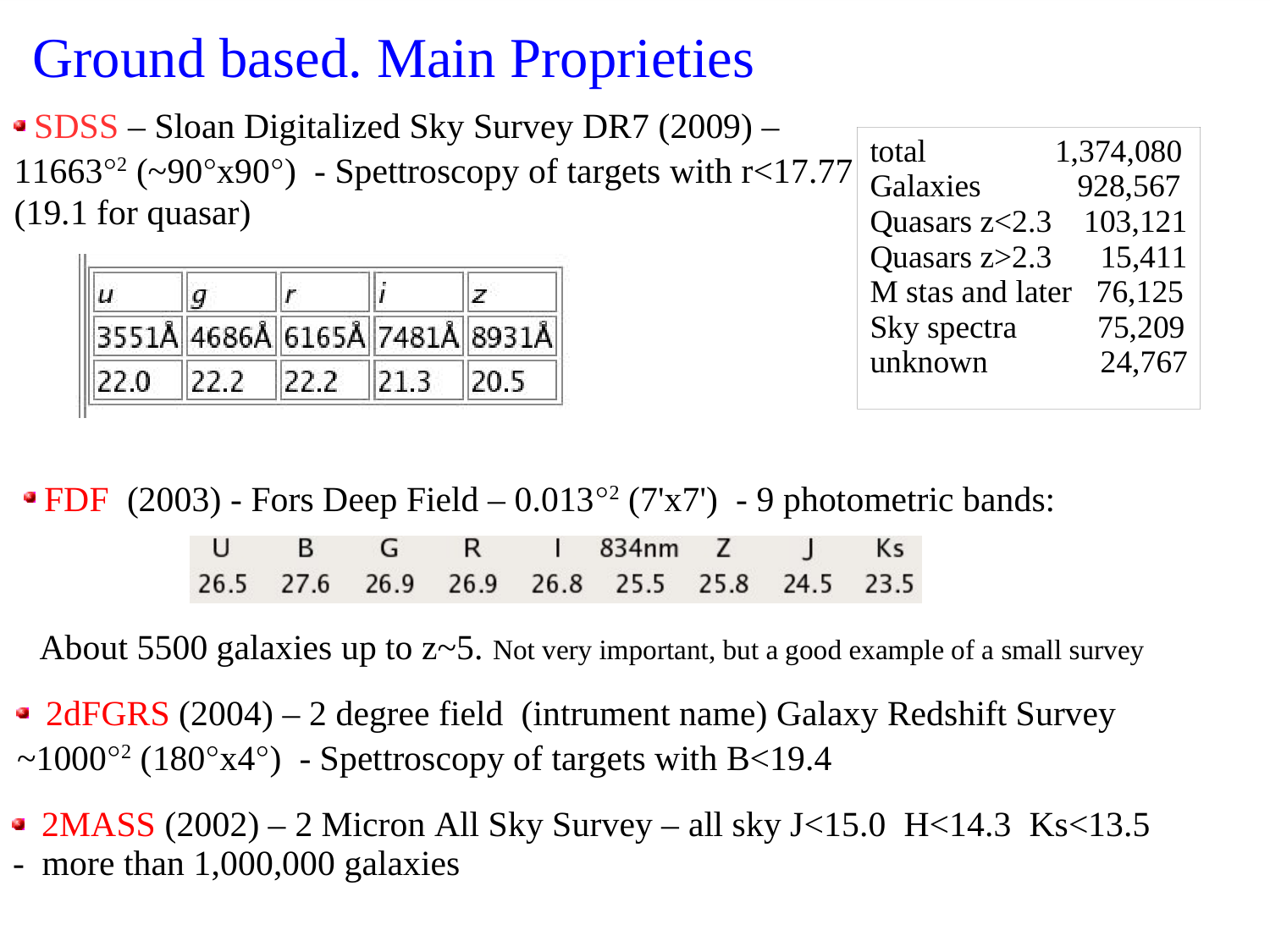 |
Lecture - Luminosity Function Part 2 | Schechter function expressed in absolute magnitudes Phi(M) dM | [[Schechter function in magnitudes]] |
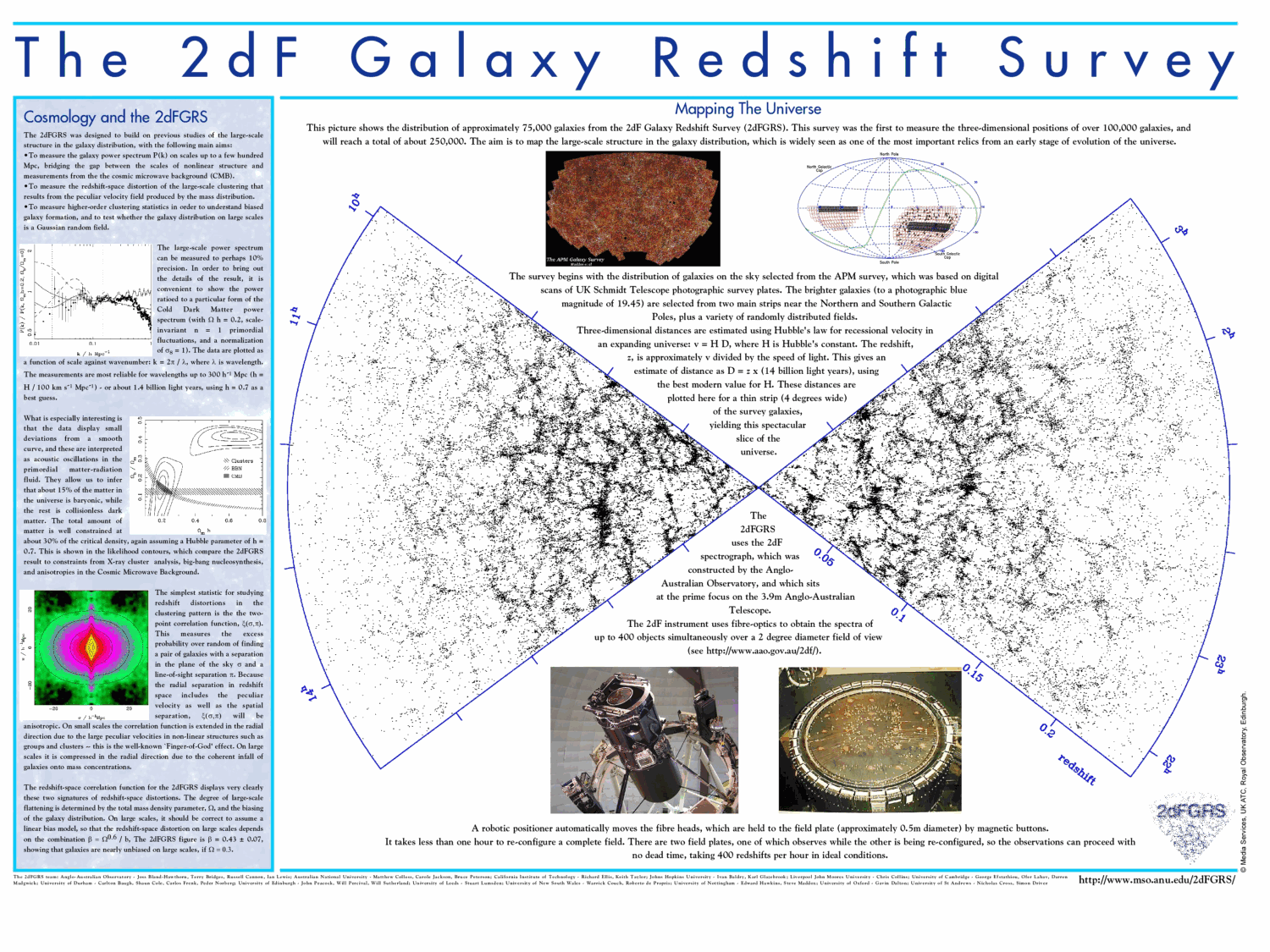 |
Lecture - Luminosity Function Part 2 | Schechter function expressed in absolute magnitudes Phi(M) dM | [[Schechter function in magnitudes]] |
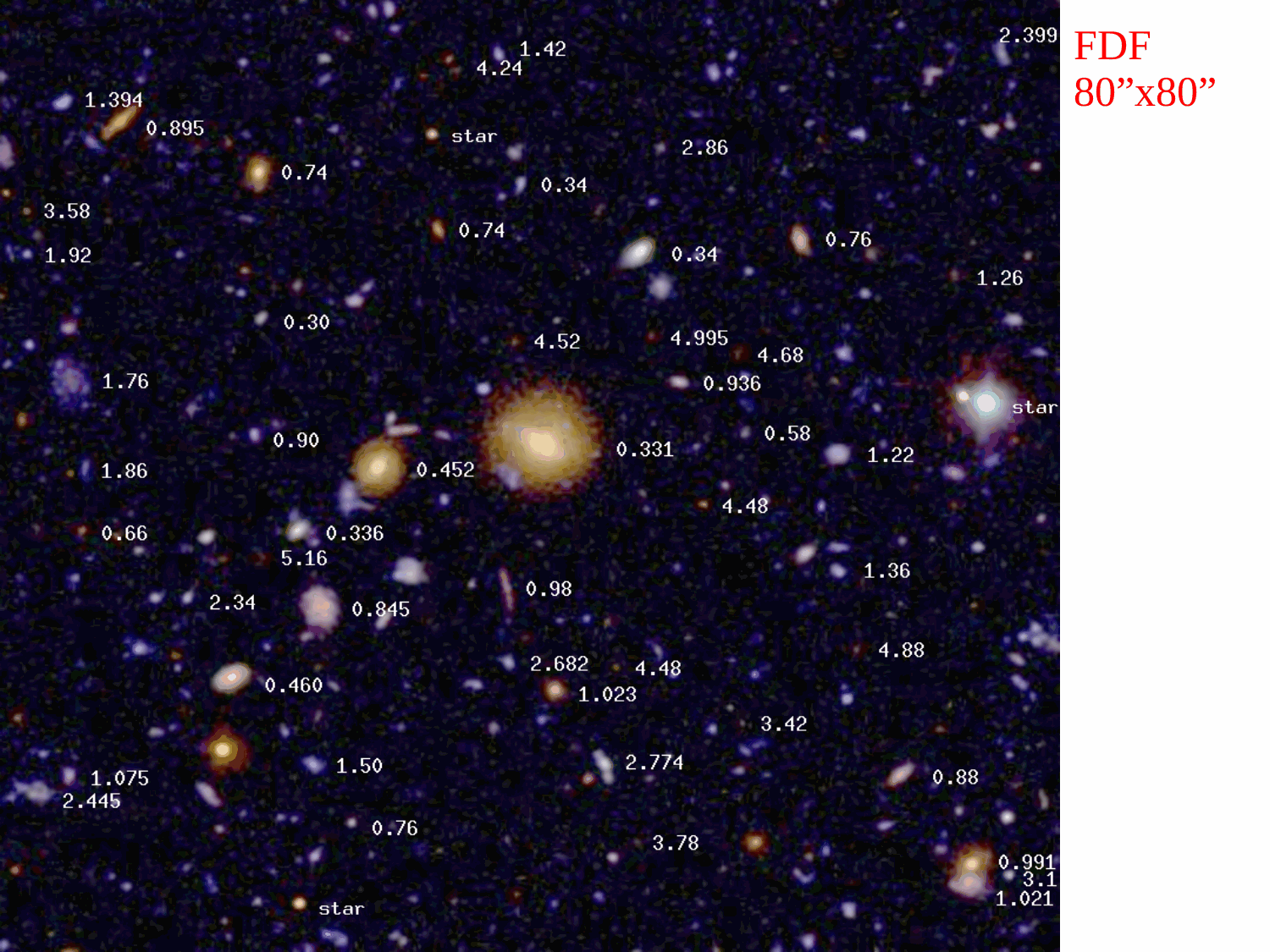 |
Lecture - Luminosity Function Part 2 | Schechter function expressed in absolute magnitudes Phi(M) dM | [[Schechter function in magnitudes]] |
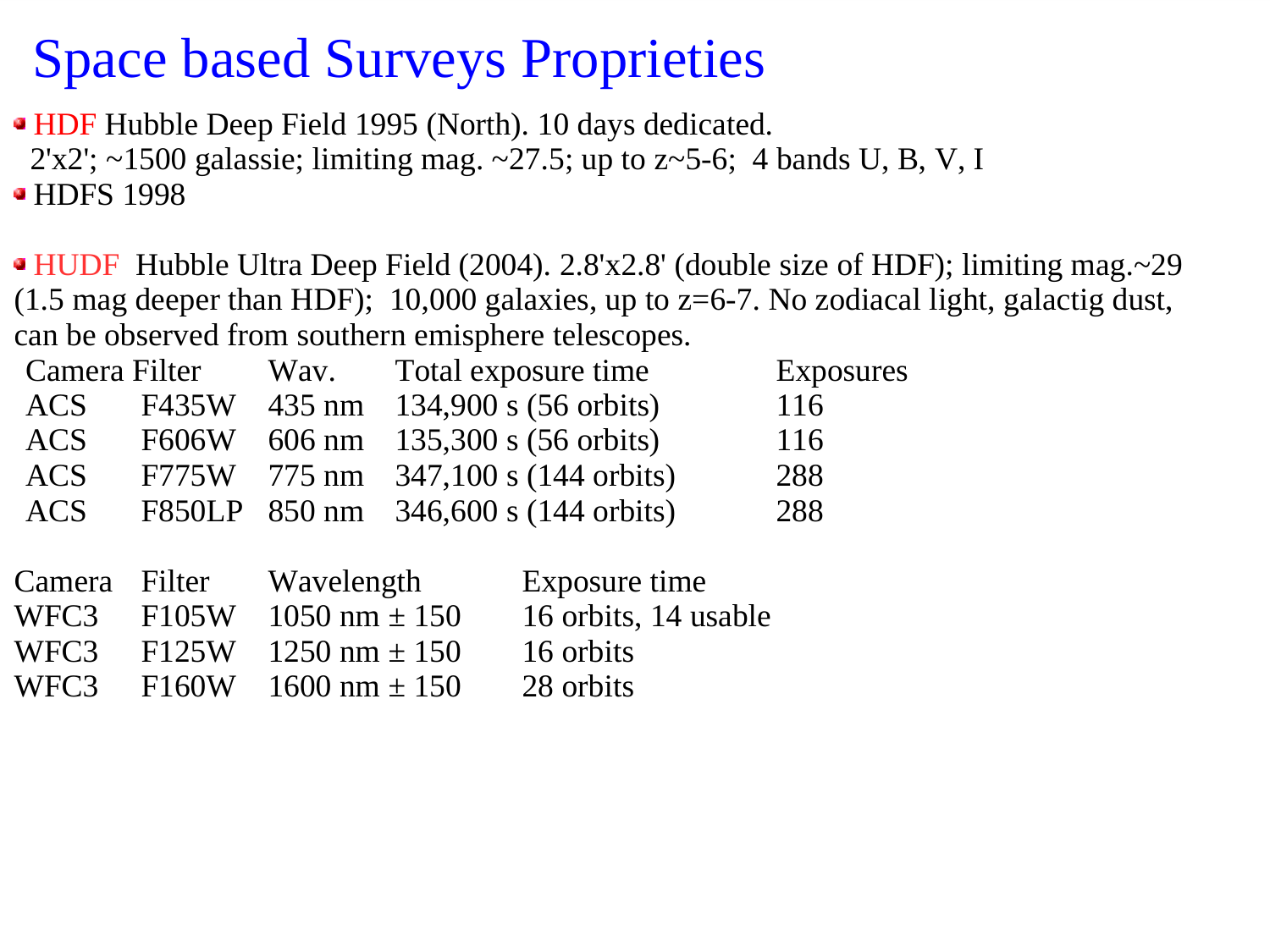 |
Lecture - Luminosity Function Part 2 | Schechter function expressed in absolute magnitudes Phi(M) dM | [[Schechter function in magnitudes]] |
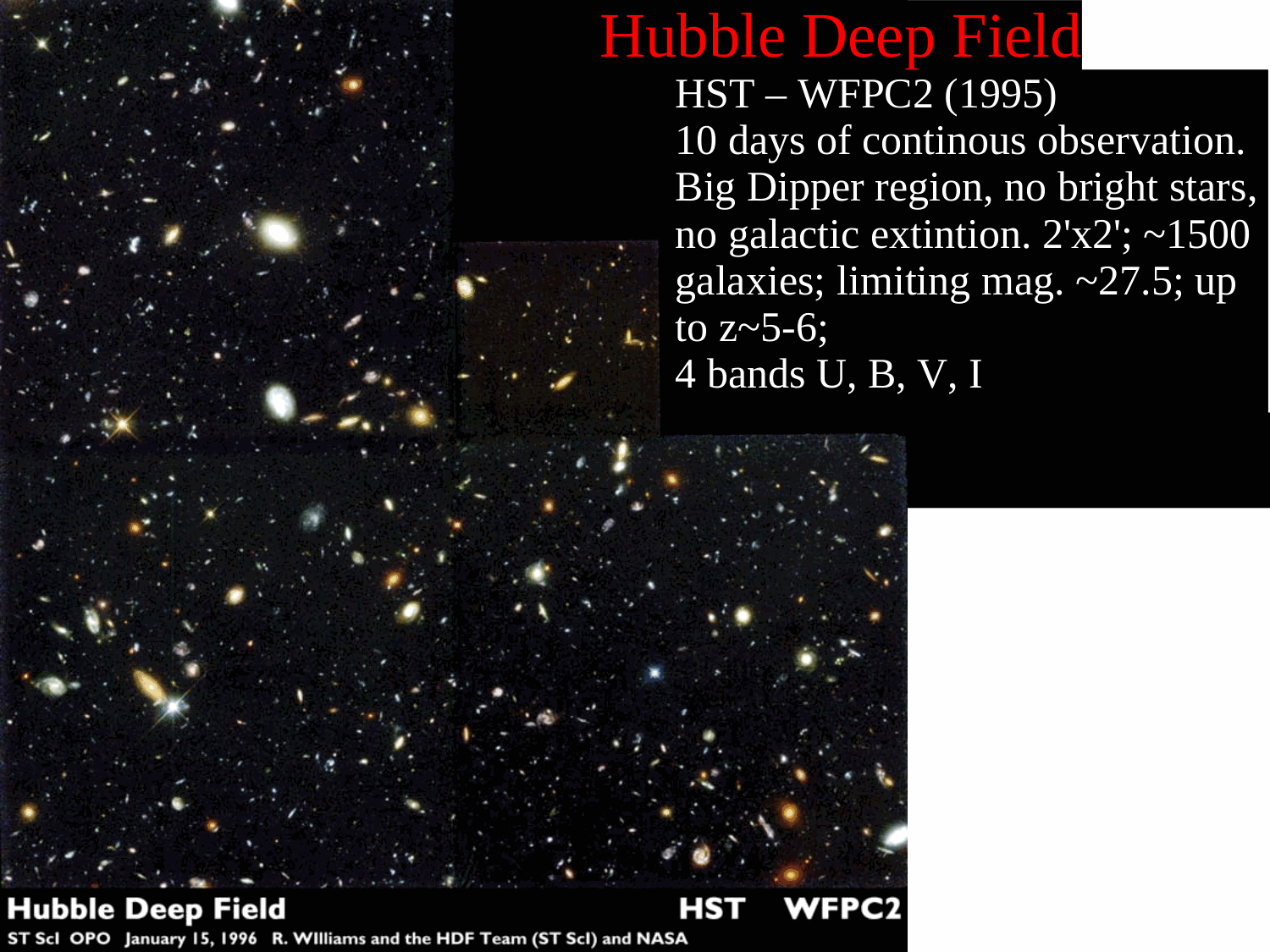 |
Lecture - Luminosity Function Part 2 | Schechter function expressed in absolute magnitudes Phi(M) dM | [[Schechter function in magnitudes]] |
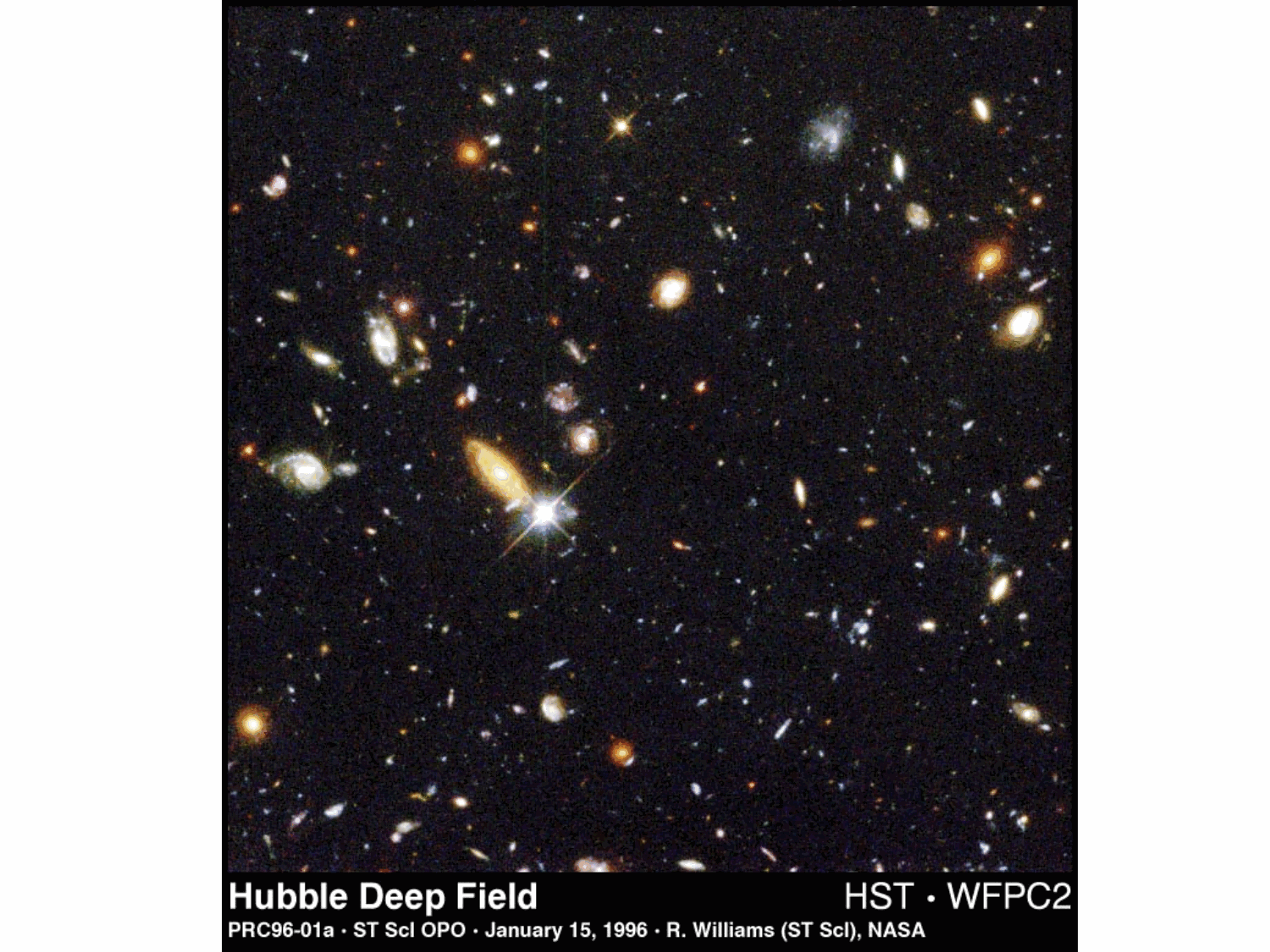 |
Lecture - Luminosity Function Part 2 | Schechter function expressed in absolute magnitudes Phi(M) dM | [[Schechter function in magnitudes]] |
 |
Lecture - Luminosity Function Part 2 | Schechter function expressed in absolute magnitudes Phi(M) dM | [[Schechter function in magnitudes]] |
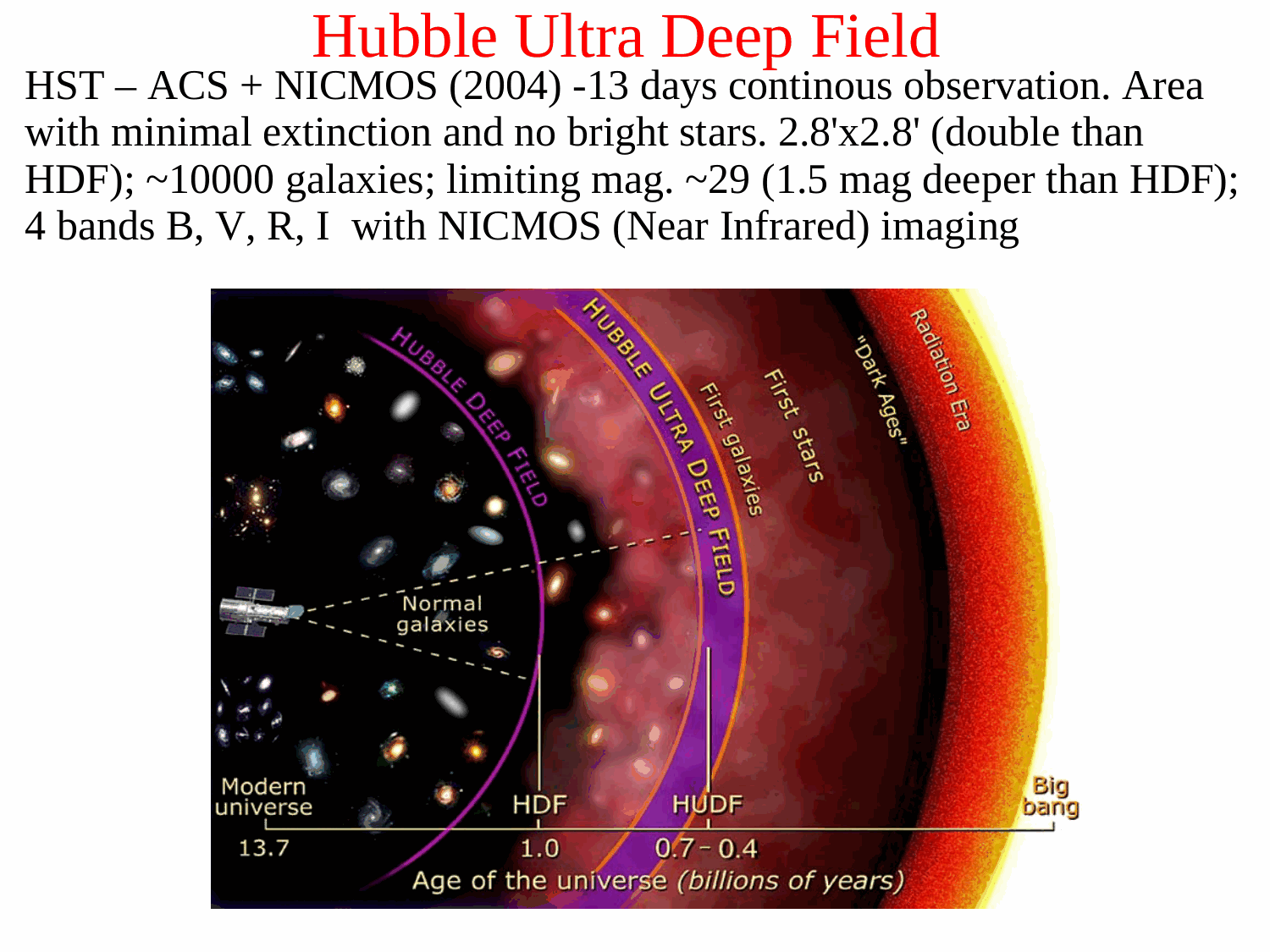 |
Lecture - Luminosity Function Part 2 | Schechter function expressed in absolute magnitudes Phi(M) dM | [[Schechter function in magnitudes]] |
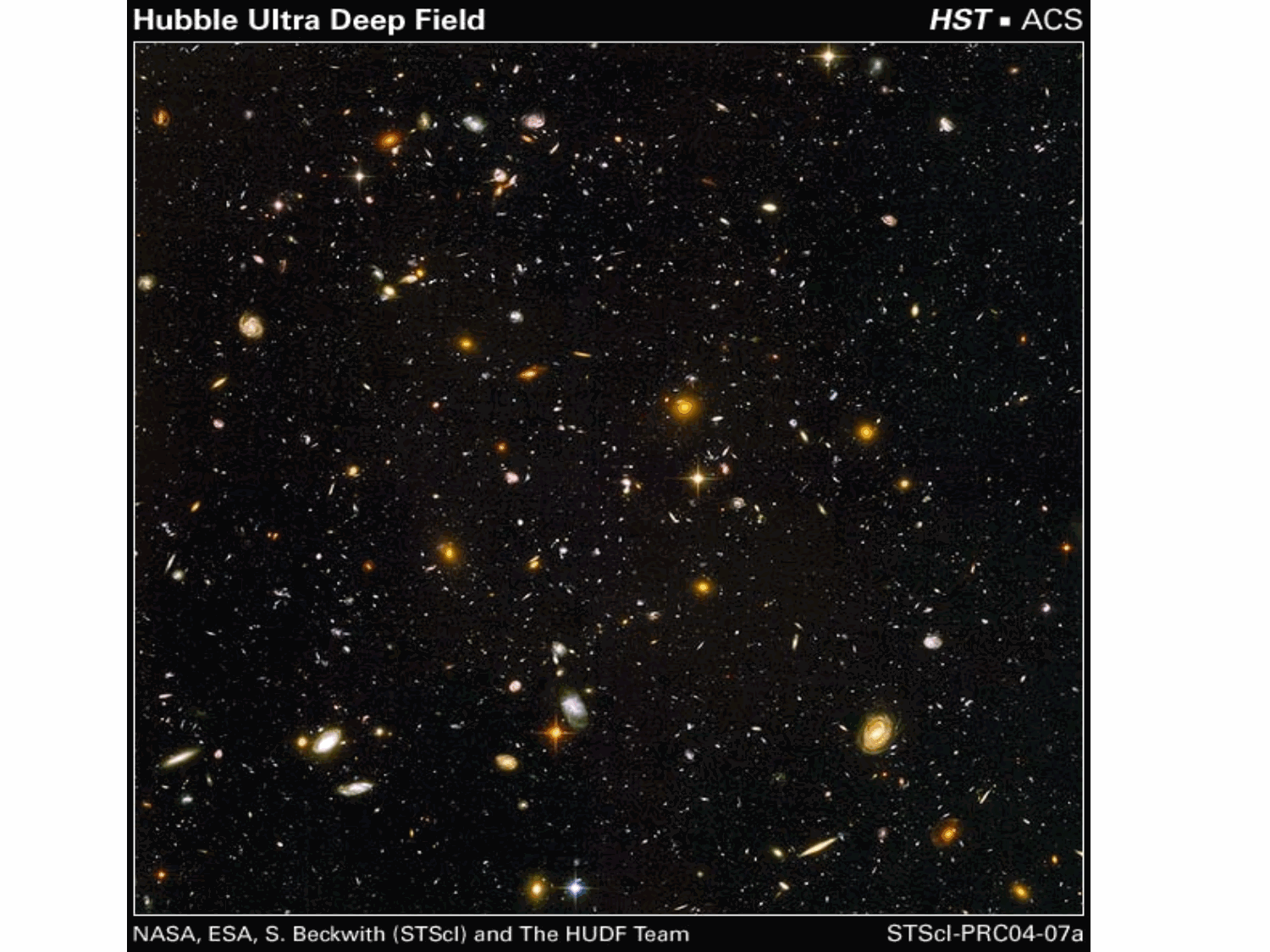 |
Lecture - Luminosity Function Part 2 | Schechter function expressed in absolute magnitudes Phi(M) dM | [[Schechter function in magnitudes]] |
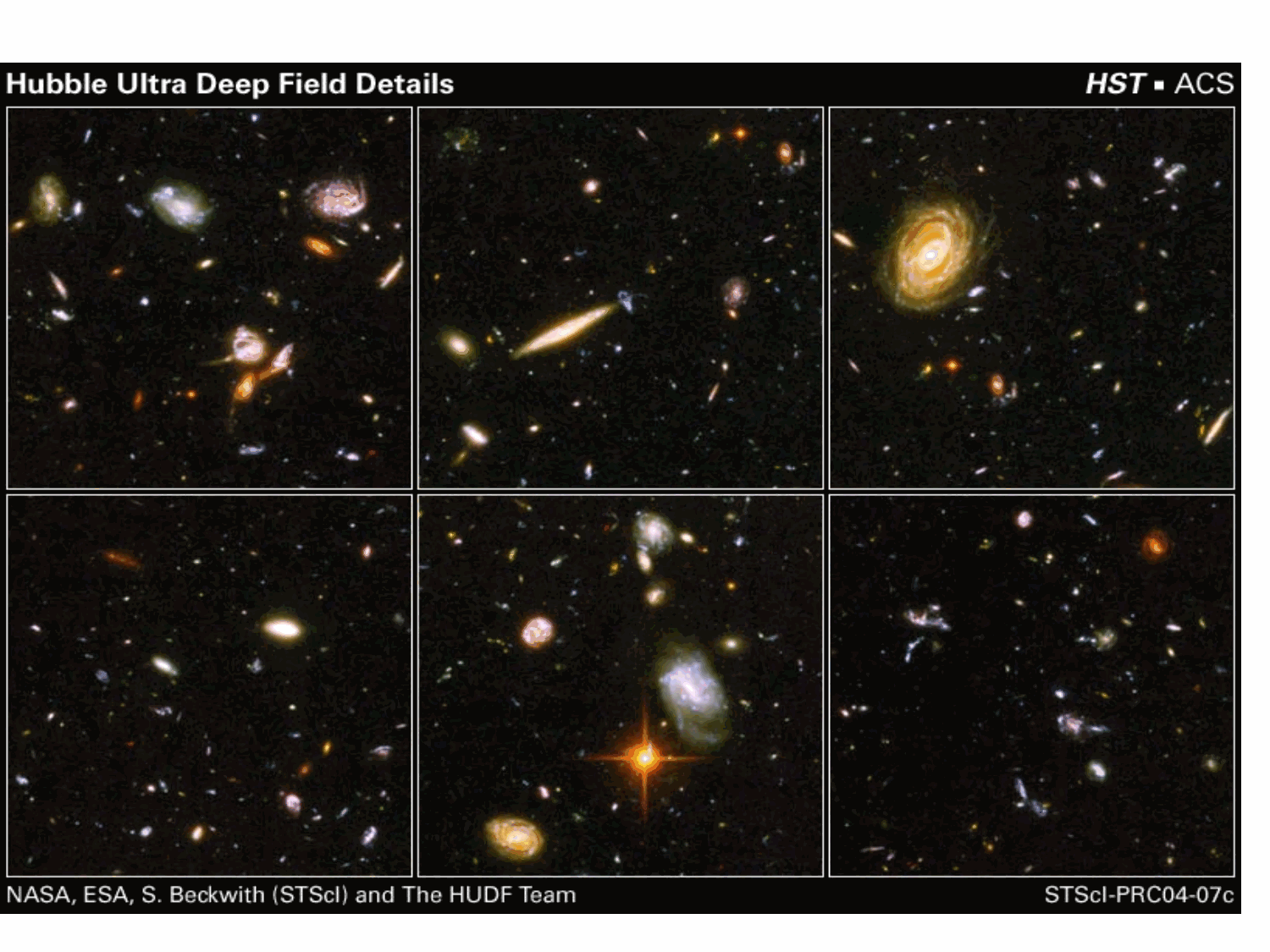 |
Lecture - Luminosity Function Part 2 | Schechter function expressed in absolute magnitudes Phi(M) dM | [[Schechter function in magnitudes]] |
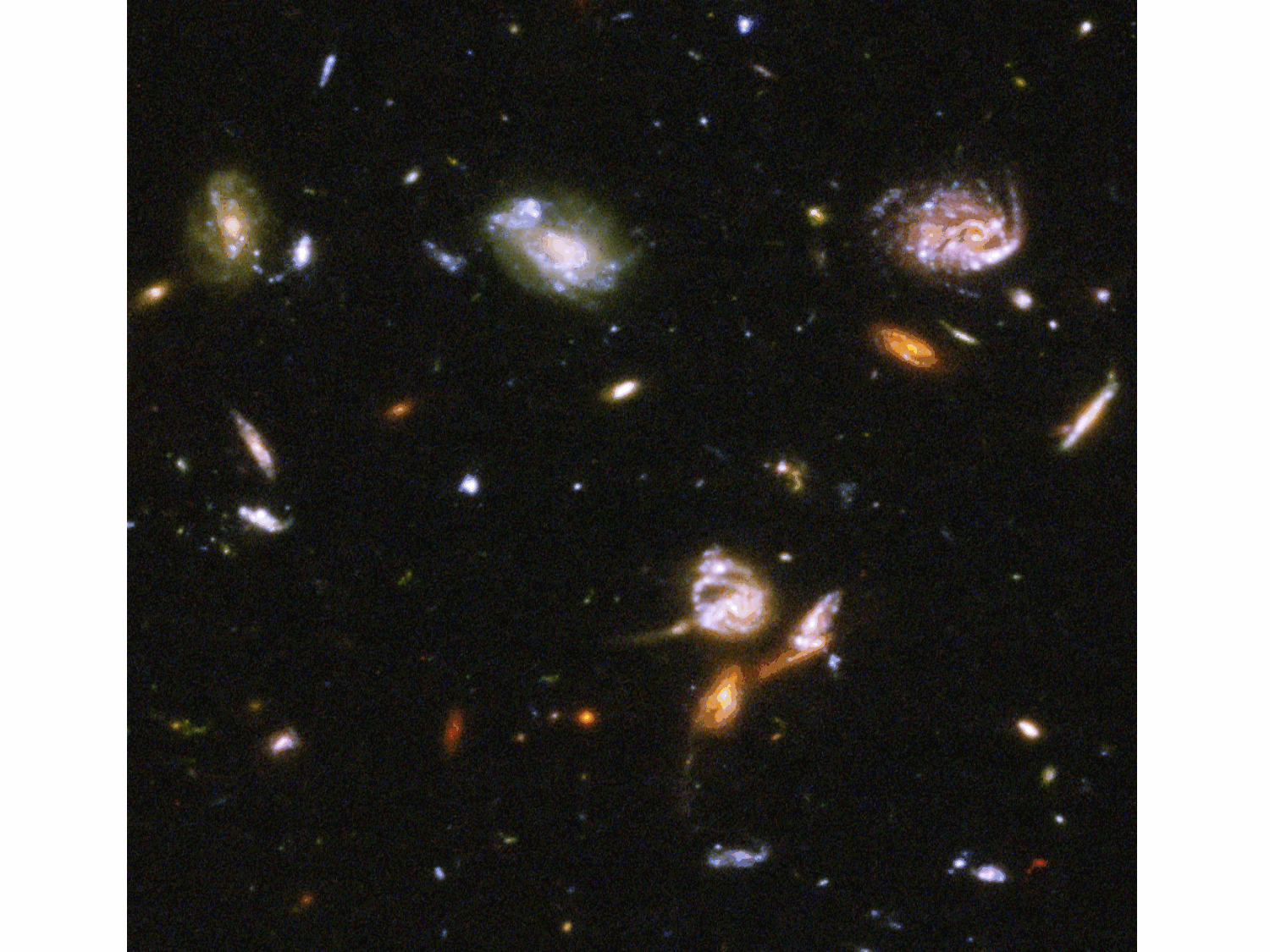 |
Lecture - Luminosity Function Part 2 | Petrosian radius r_P and Petrosian flux measurement in SDSS | [[Petrosian radius]] |
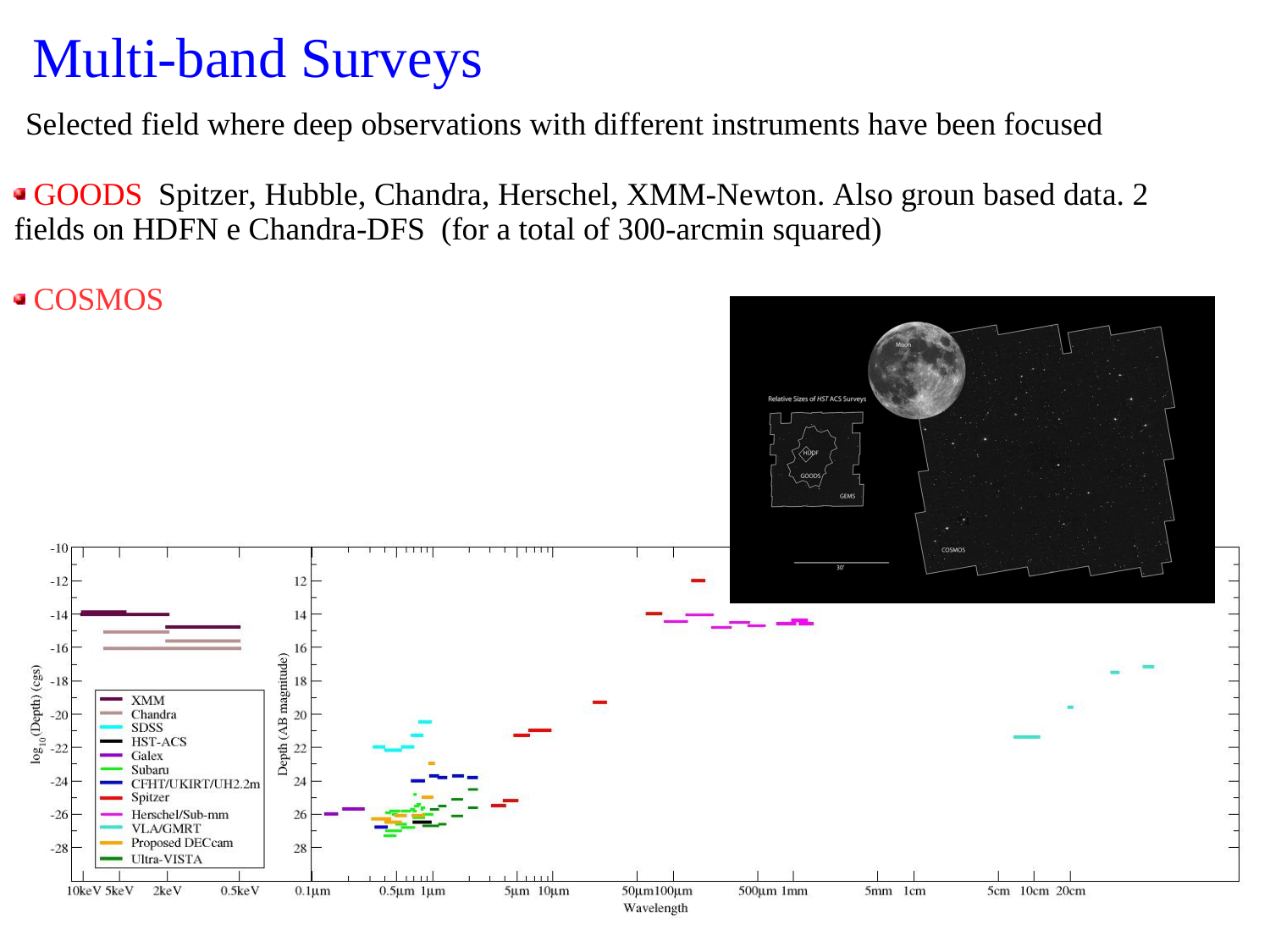 |
Lecture - Luminosity Function Part 2 | Petrosian radius r_P and Petrosian flux measurement in SDSS | [[Petrosian radius]] |
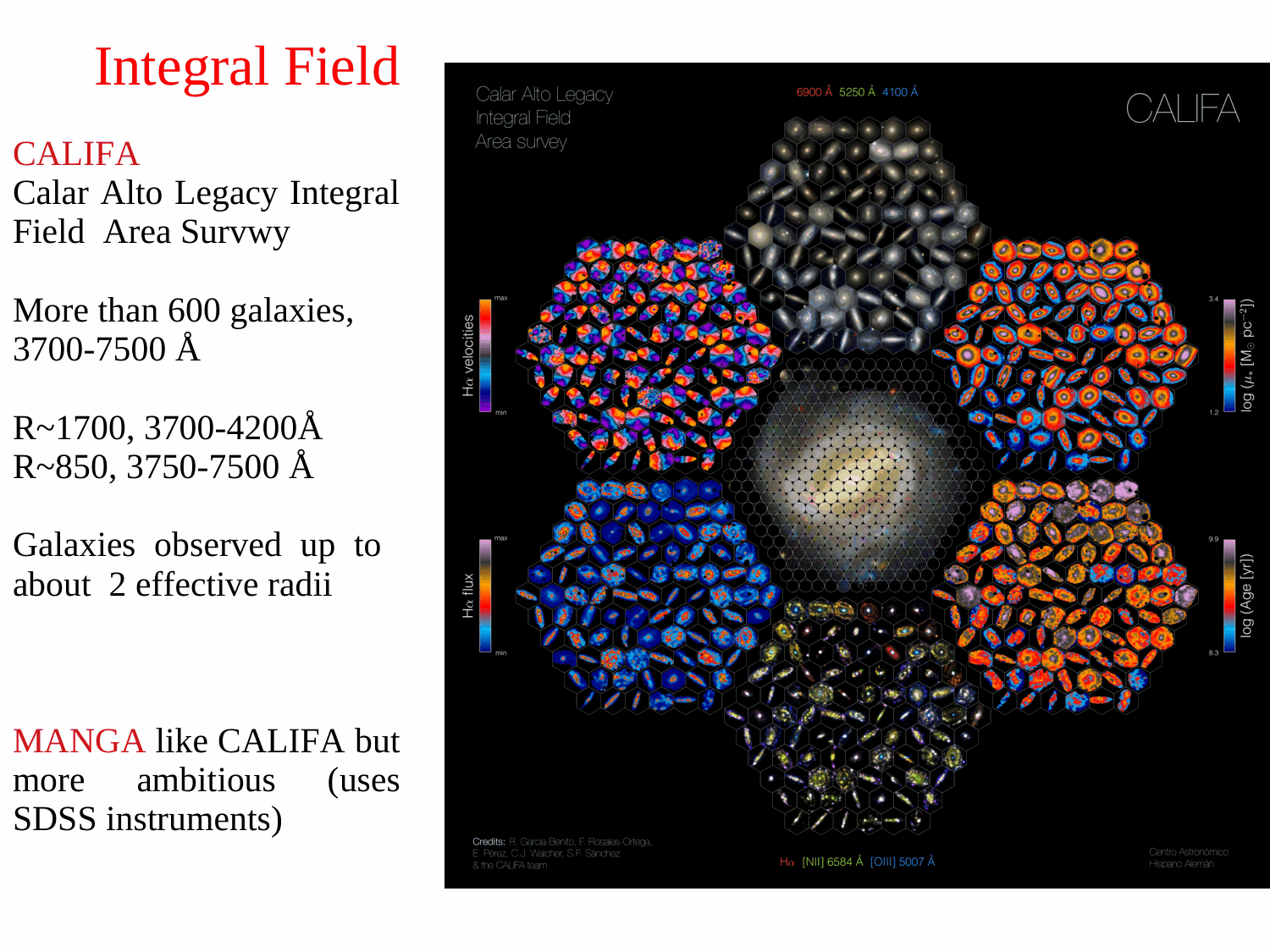 |
Lecture - Luminosity Function Part 2 | Petrosian radius r_P and Petrosian flux measurement in SDSS | [[Petrosian radius]] |
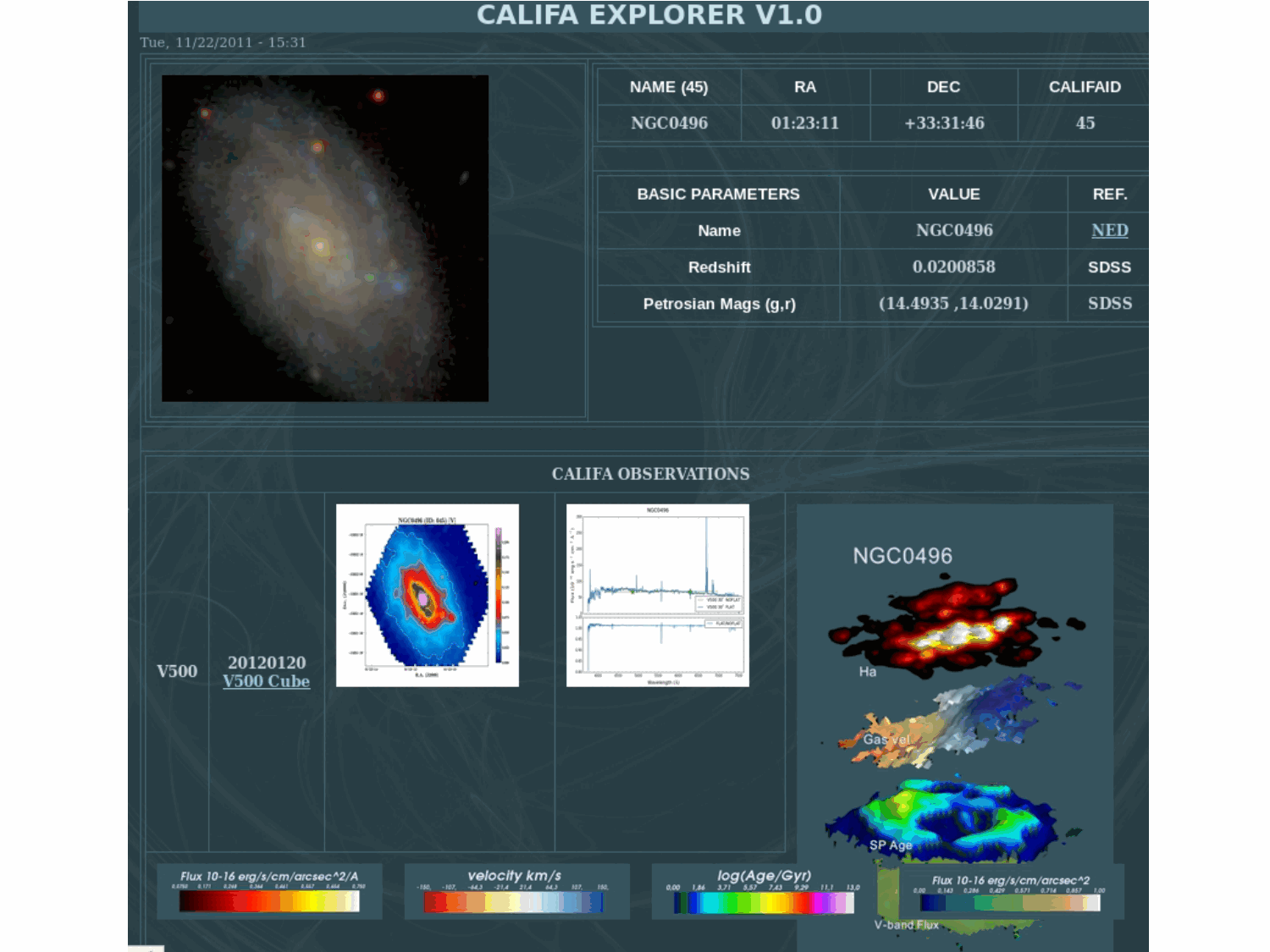 |
Lecture - Luminosity Function Part 2 | Petrosian radius r_P and Petrosian flux measurement in SDSS | [[Petrosian radius]] |
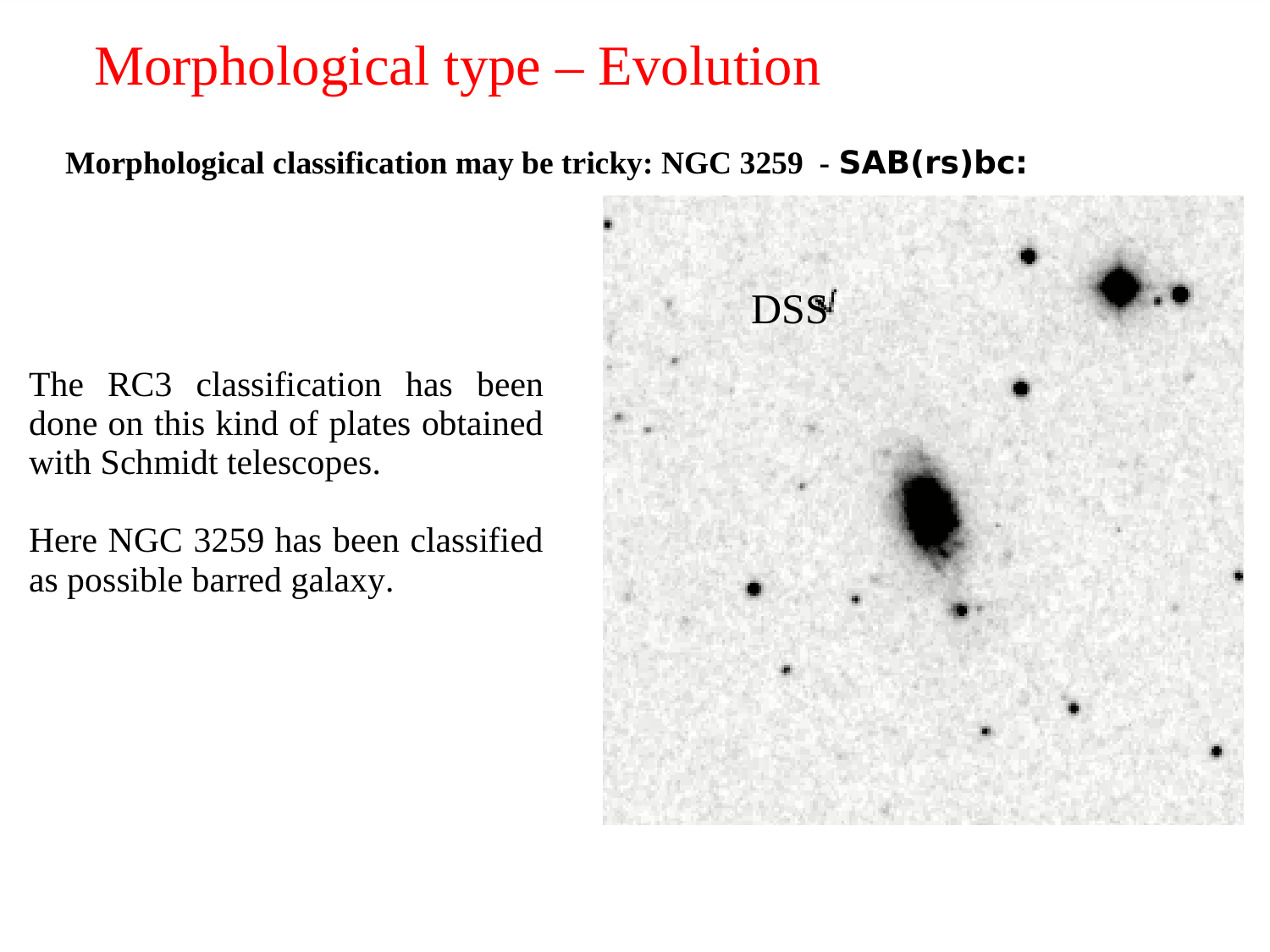 |
Lecture - Luminosity Function Part 2 | Petrosian radius r_P and Petrosian flux measurement in SDSS | [[Petrosian radius]] |
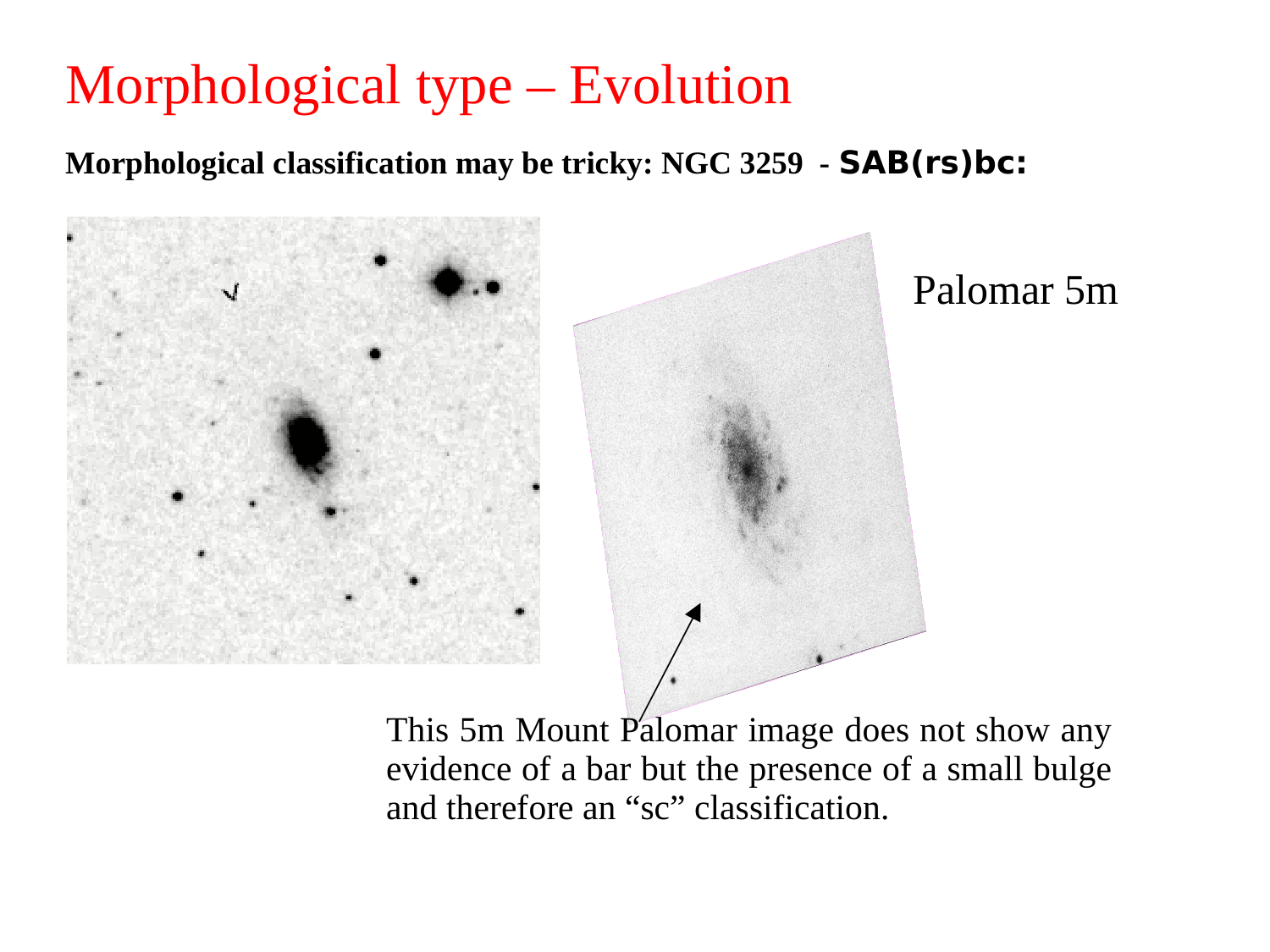 |
Lecture - Luminosity Function Part 2 | Petrosian radius r_P and Petrosian flux measurement in SDSS | [[Petrosian radius]] |
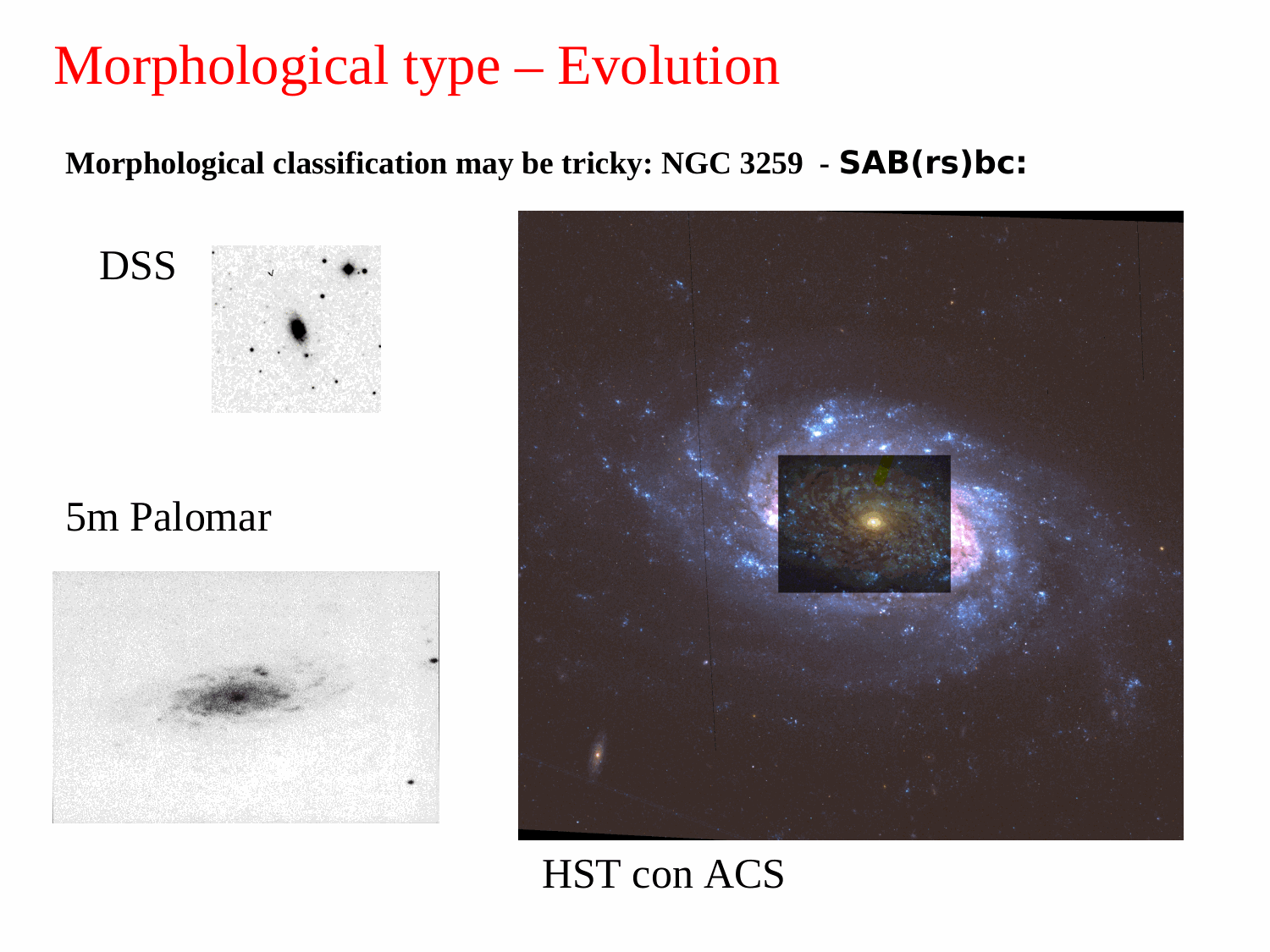 |
Lecture - Luminosity Function Part 2 | SDSS survey architecture, photometric passbands, spectroscopic target selection | [[SDSS overview]] |
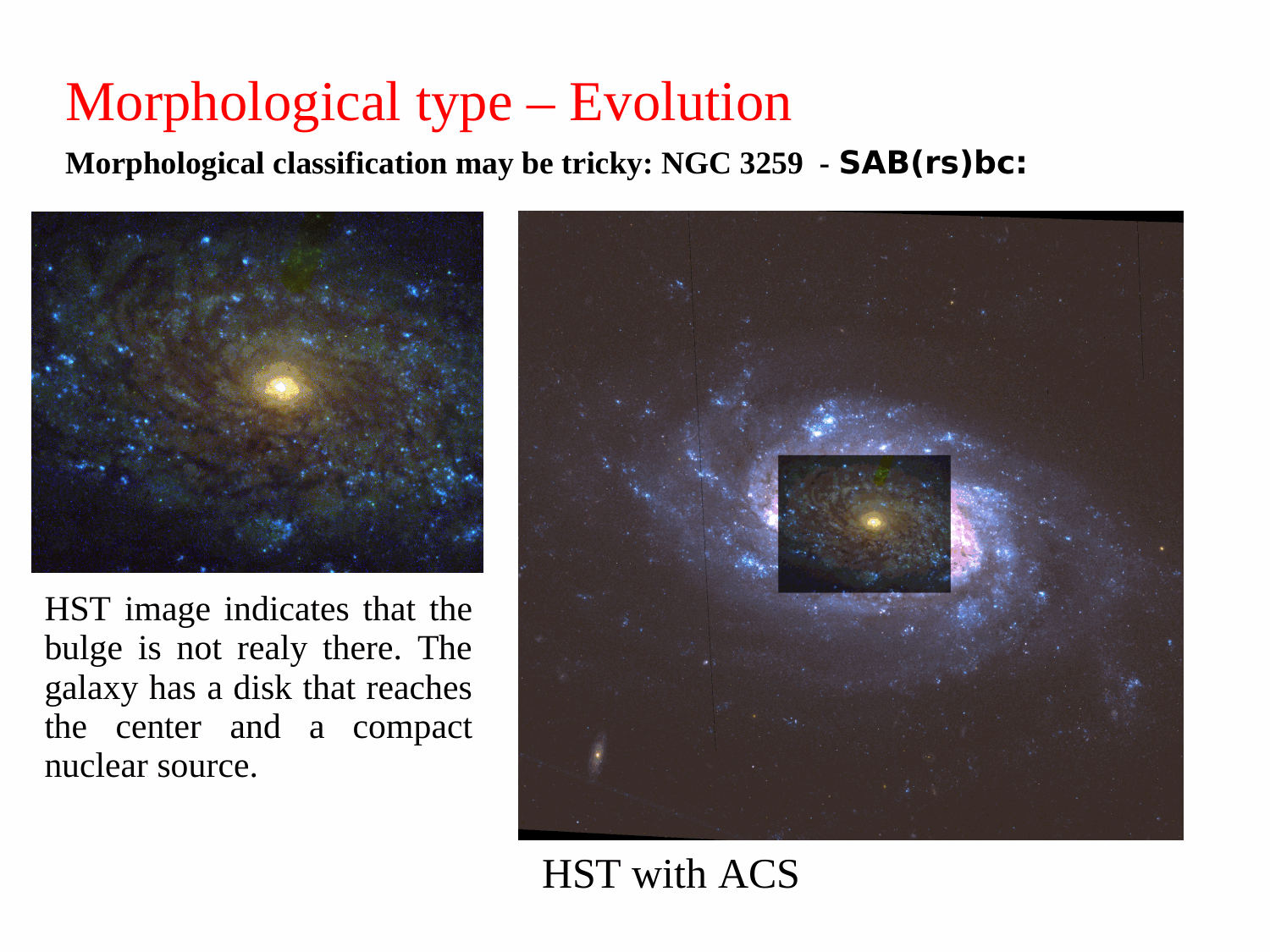 |
Lecture - Luminosity Function Part 2 | SDSS survey architecture, photometric passbands, spectroscopic target selection | [[SDSS overview]] |
 |
Lecture - Luminosity Function Part 2 | SDSS survey architecture, photometric passbands, spectroscopic target selection | [[SDSS overview]] |
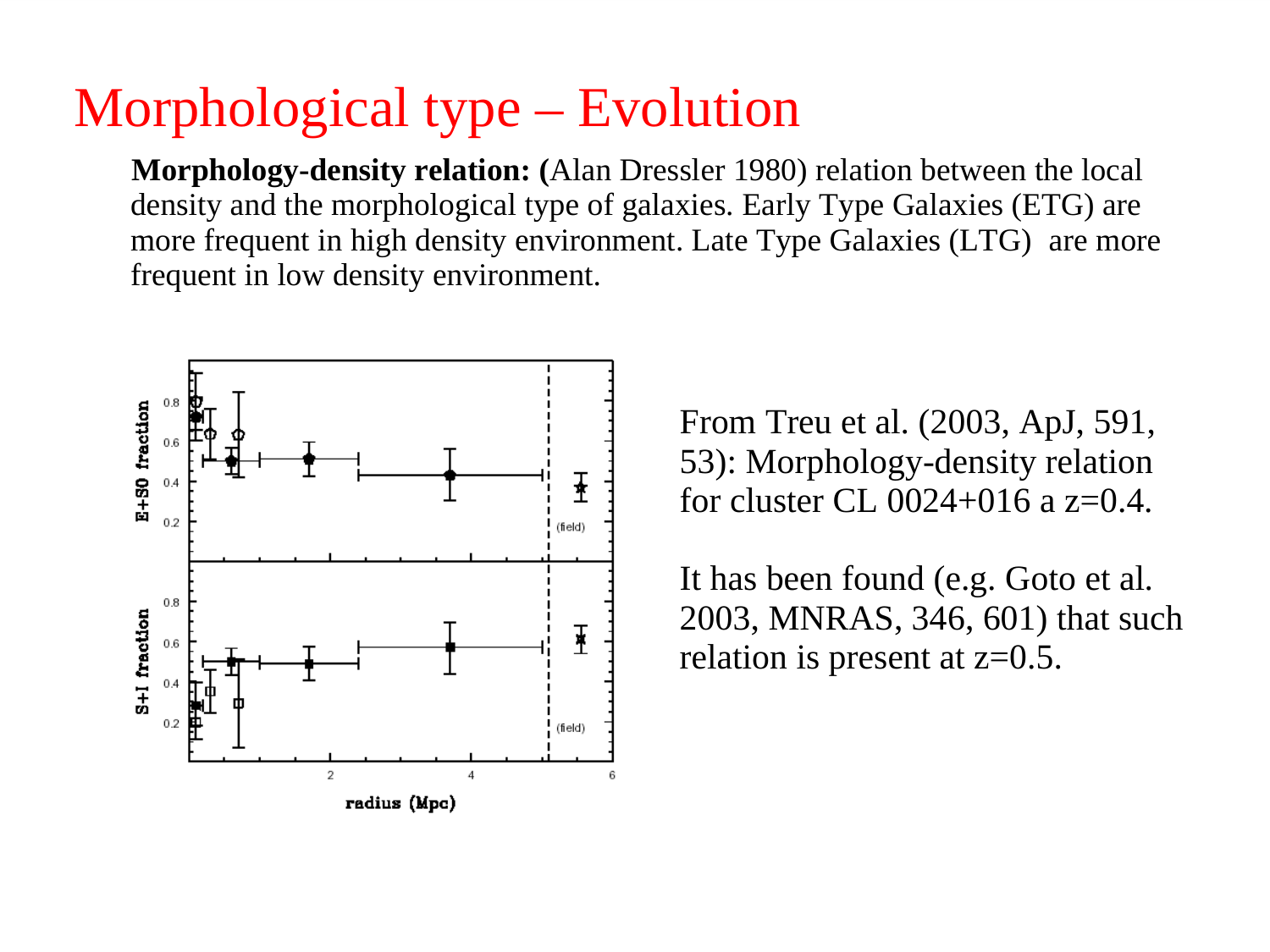 |
Lecture - Luminosity Function Part 2 | SDSS survey architecture, photometric passbands, spectroscopic target selection | [[SDSS overview]] |
 |
Lecture - Luminosity Function Part 2 | SDSS survey architecture, photometric passbands, spectroscopic target selection | [[SDSS overview]] |
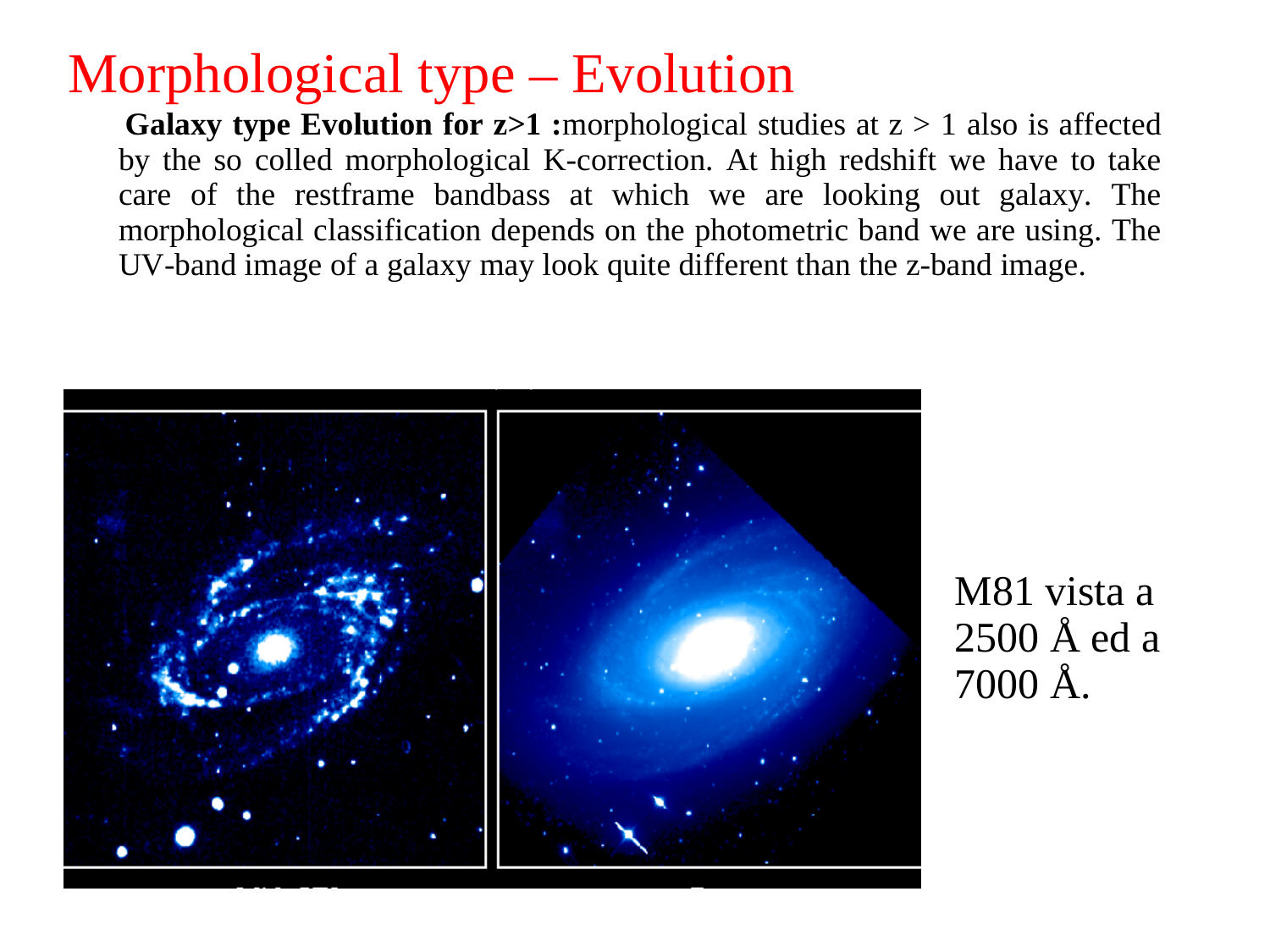 |
Lecture - Luminosity Function Part 2 | SDSS survey architecture, photometric passbands, spectroscopic target selection | [[SDSS overview]] |
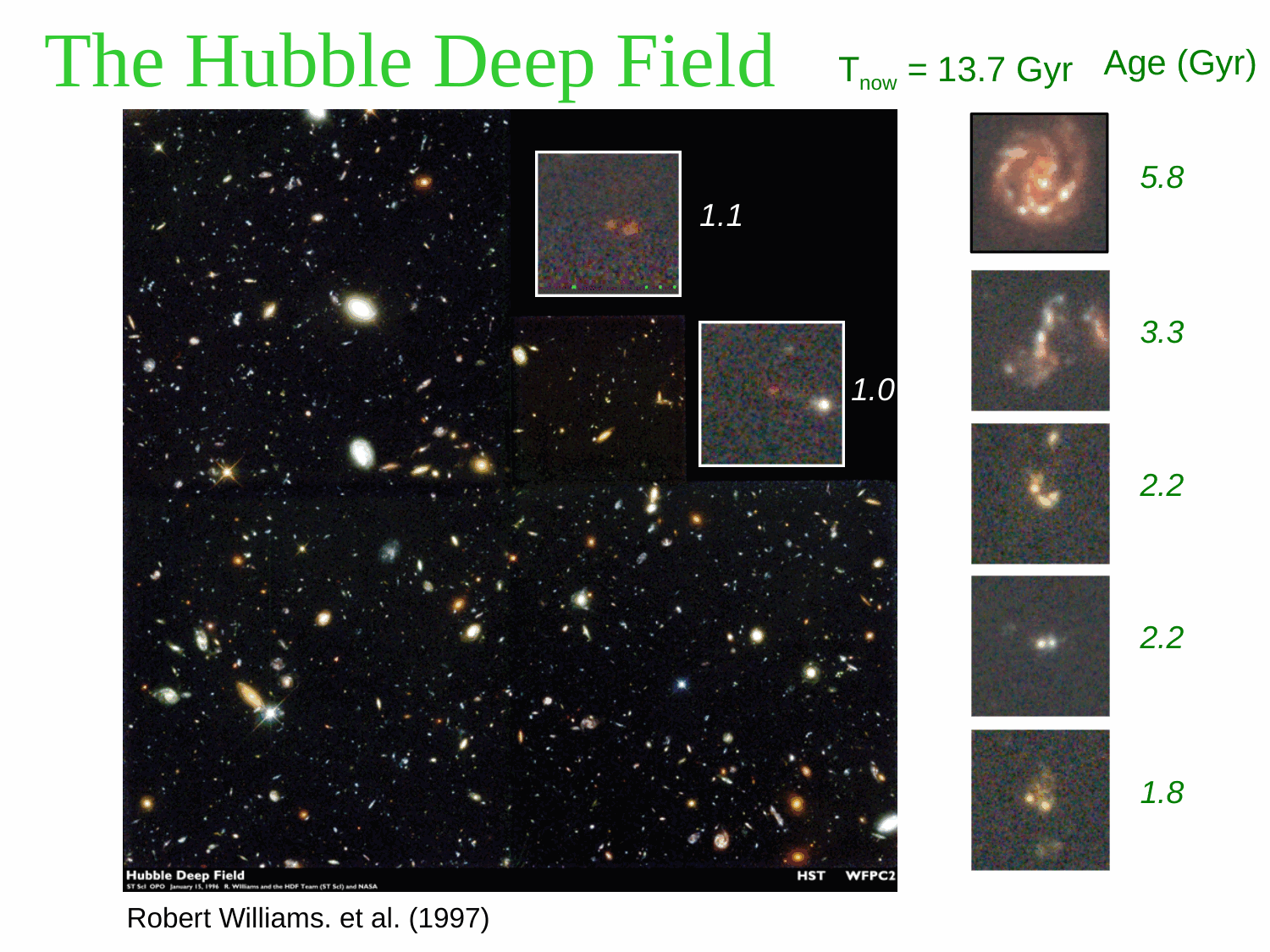 |
Lecture - Luminosity Function Part 2 | SDSS survey architecture, photometric passbands, spectroscopic target selection | [[SDSS overview]] |
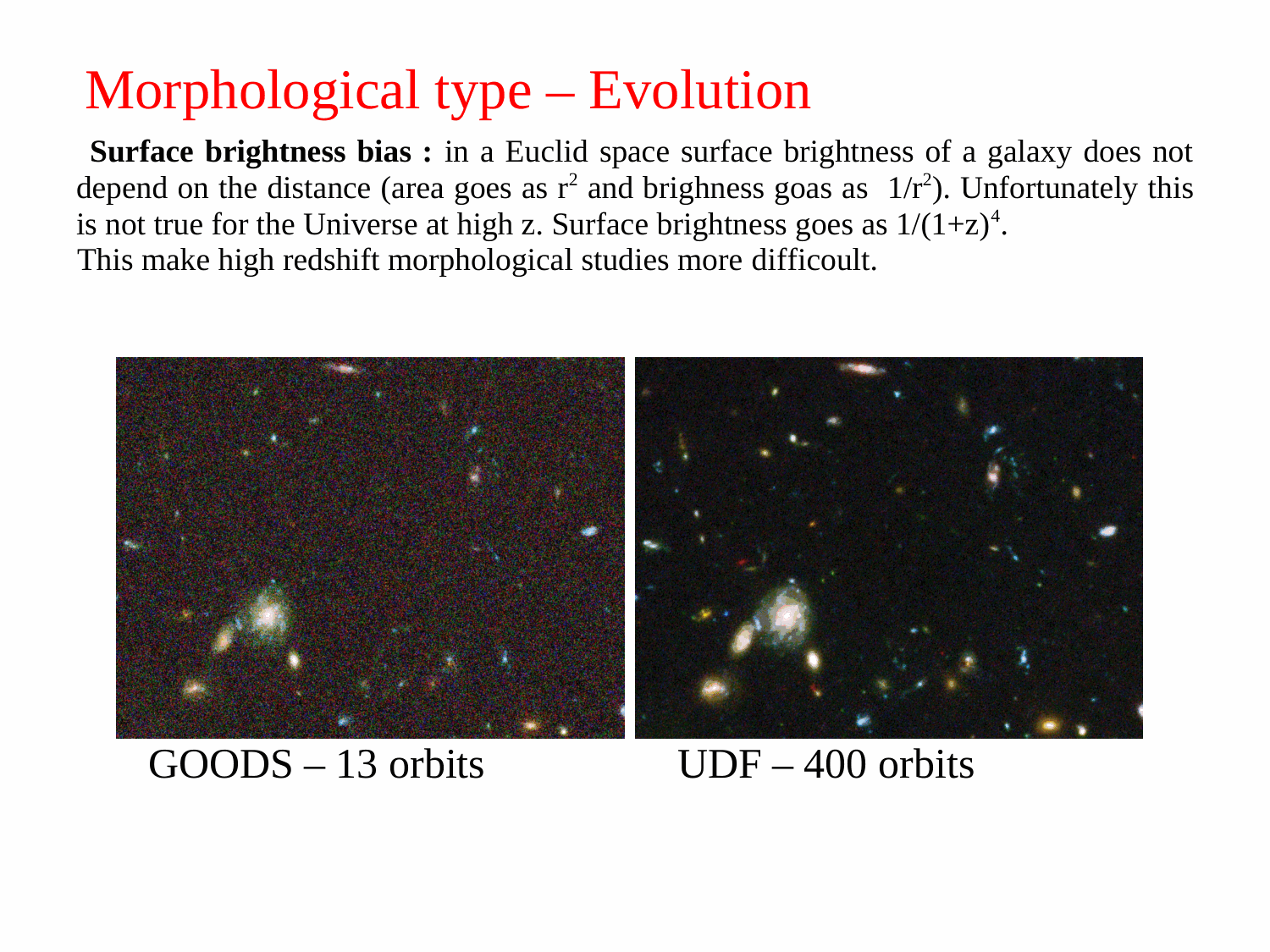 |
Lecture - Luminosity Function Part 2 | SDSS survey architecture, photometric passbands, spectroscopic target selection | [[SDSS overview]] |
 |
Lecture - Luminosity Function Part 3 | Galaxy color bimodality, Red Sequence vs Blue Cloud populations | [[Red sequence and blue cloud]] |
 |
Lecture - Luminosity Function Part 3 | Galaxy color bimodality, Red Sequence vs Blue Cloud populations | [[Red sequence and blue cloud]] |
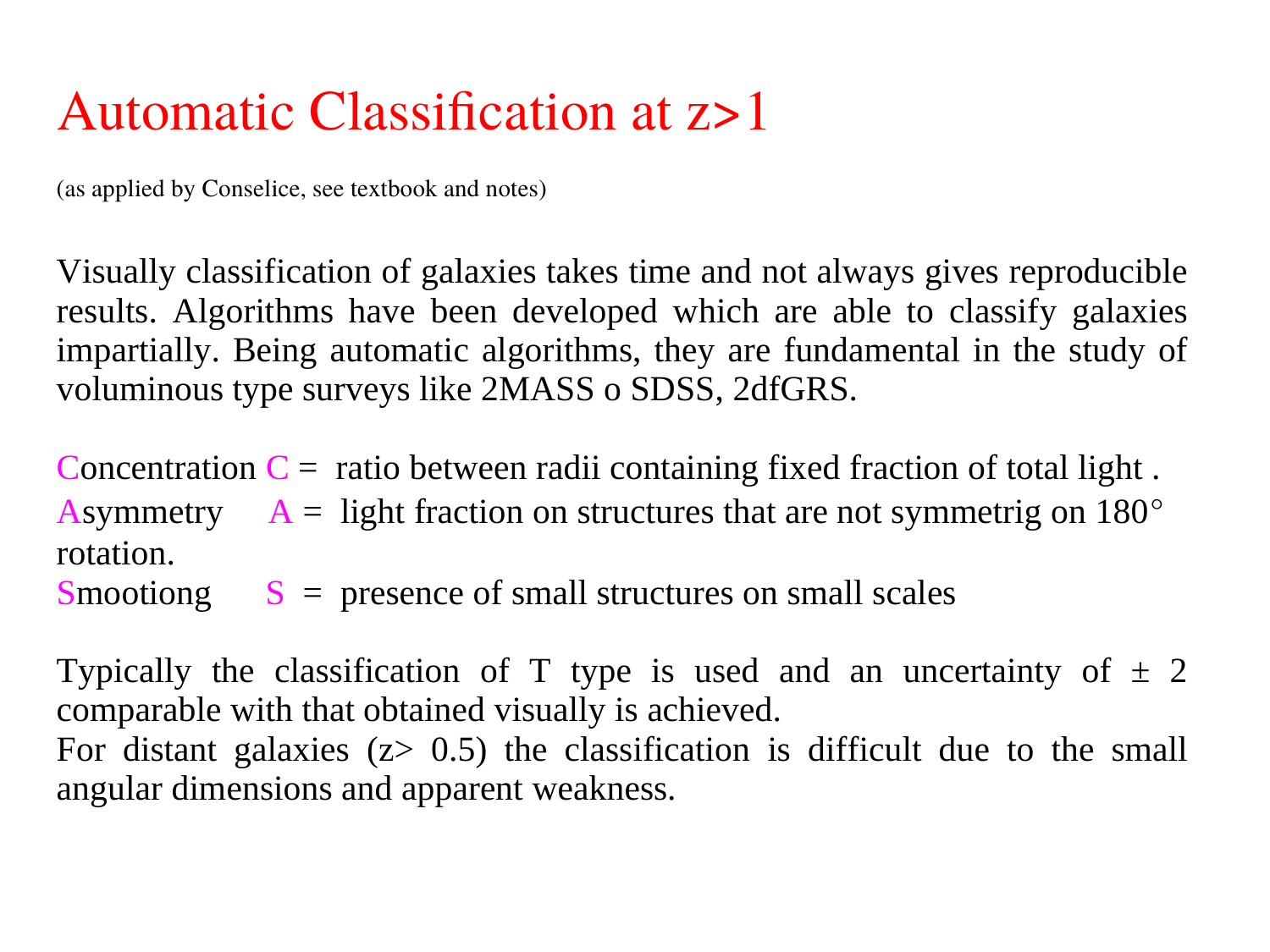 |
Lecture - Luminosity Function Part 3 | Galaxy color bimodality, Red Sequence vs Blue Cloud populations | [[Red sequence and blue cloud]] |
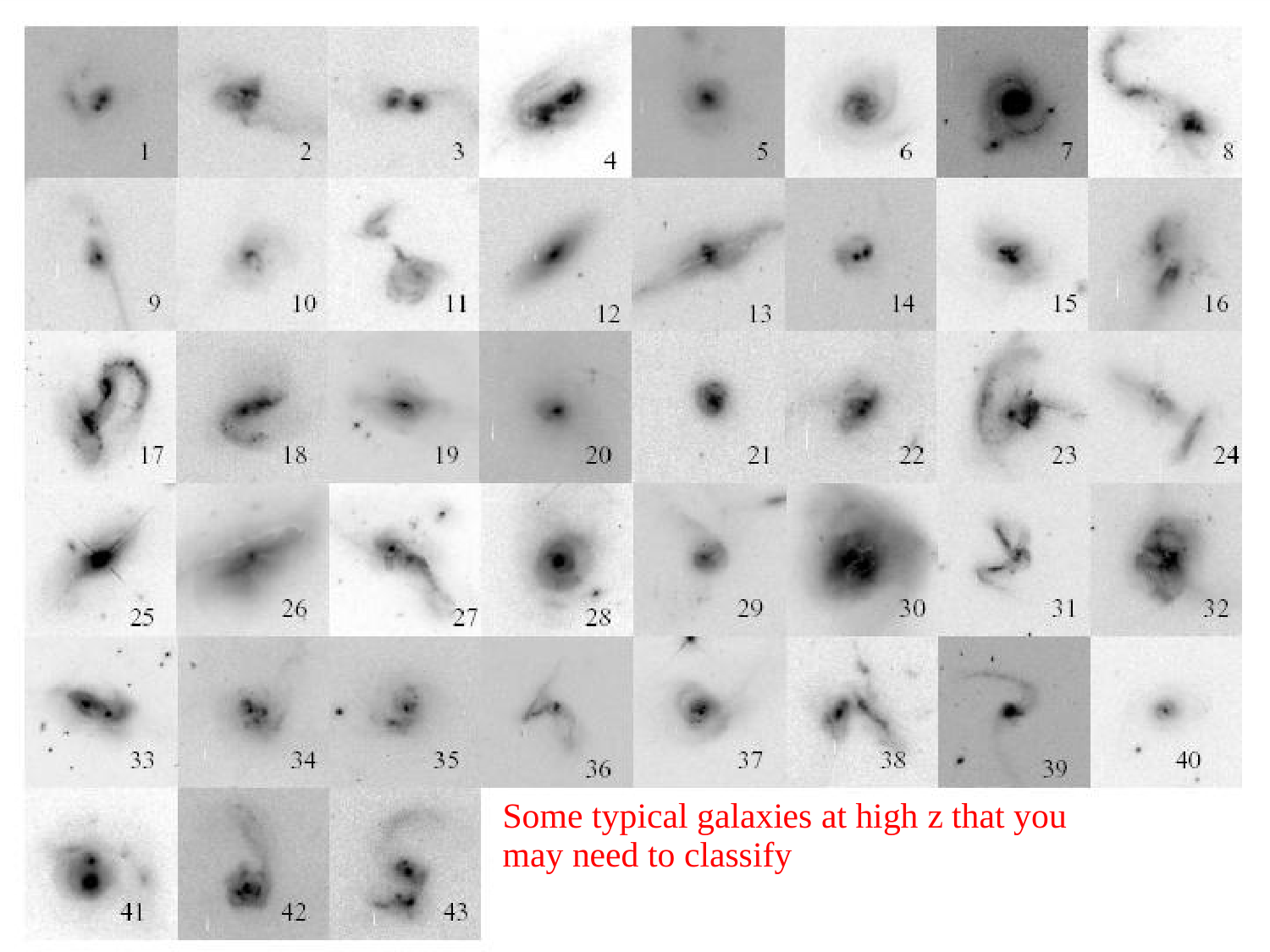 |
Lecture - Luminosity Function Part 3 | Galaxy color bimodality, Red Sequence vs Blue Cloud populations | [[Red sequence and blue cloud]] |
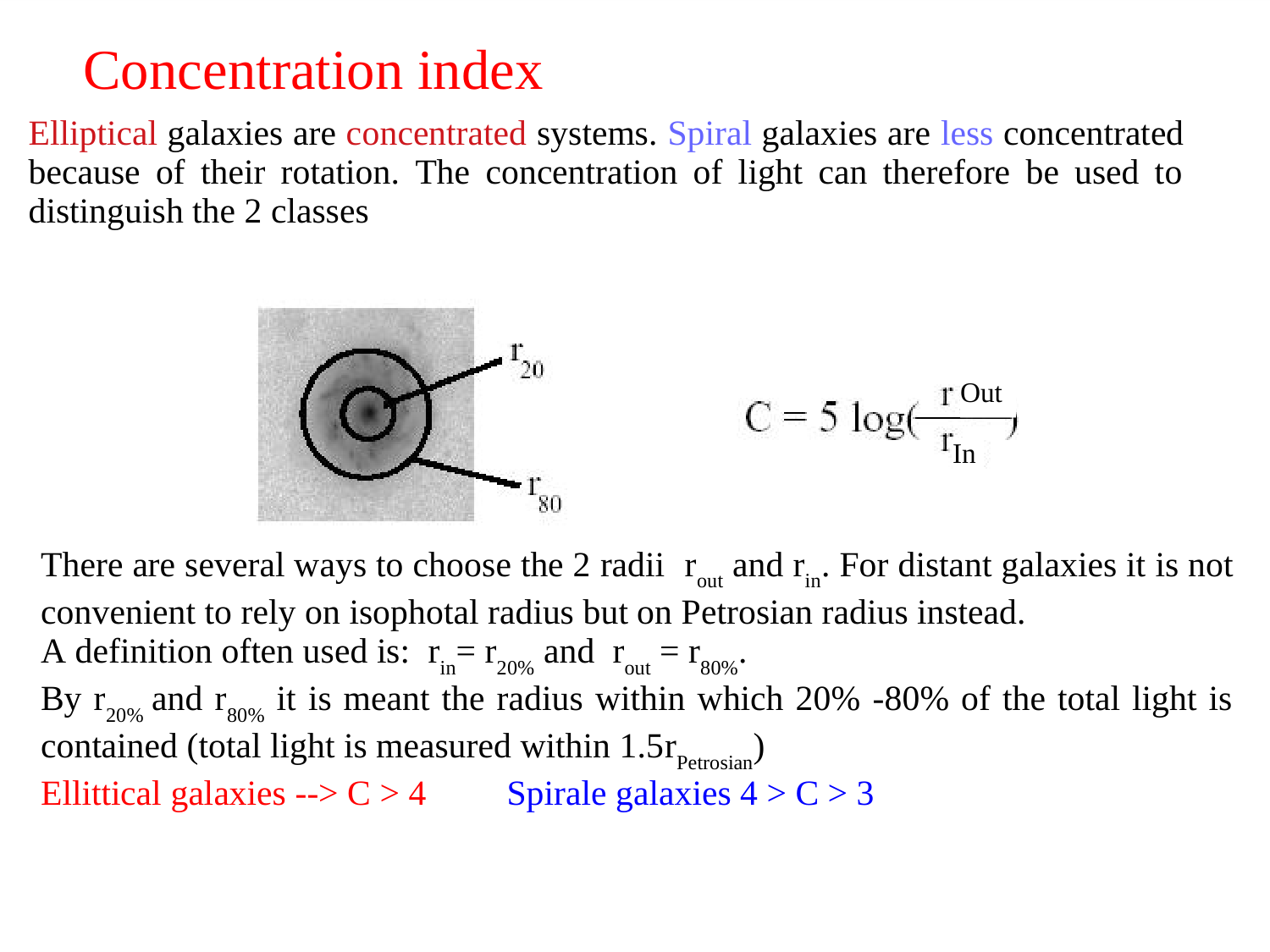 |
Lecture - Luminosity Function Part 3 | Galaxy color bimodality, Red Sequence vs Blue Cloud populations | [[Red sequence and blue cloud]] |
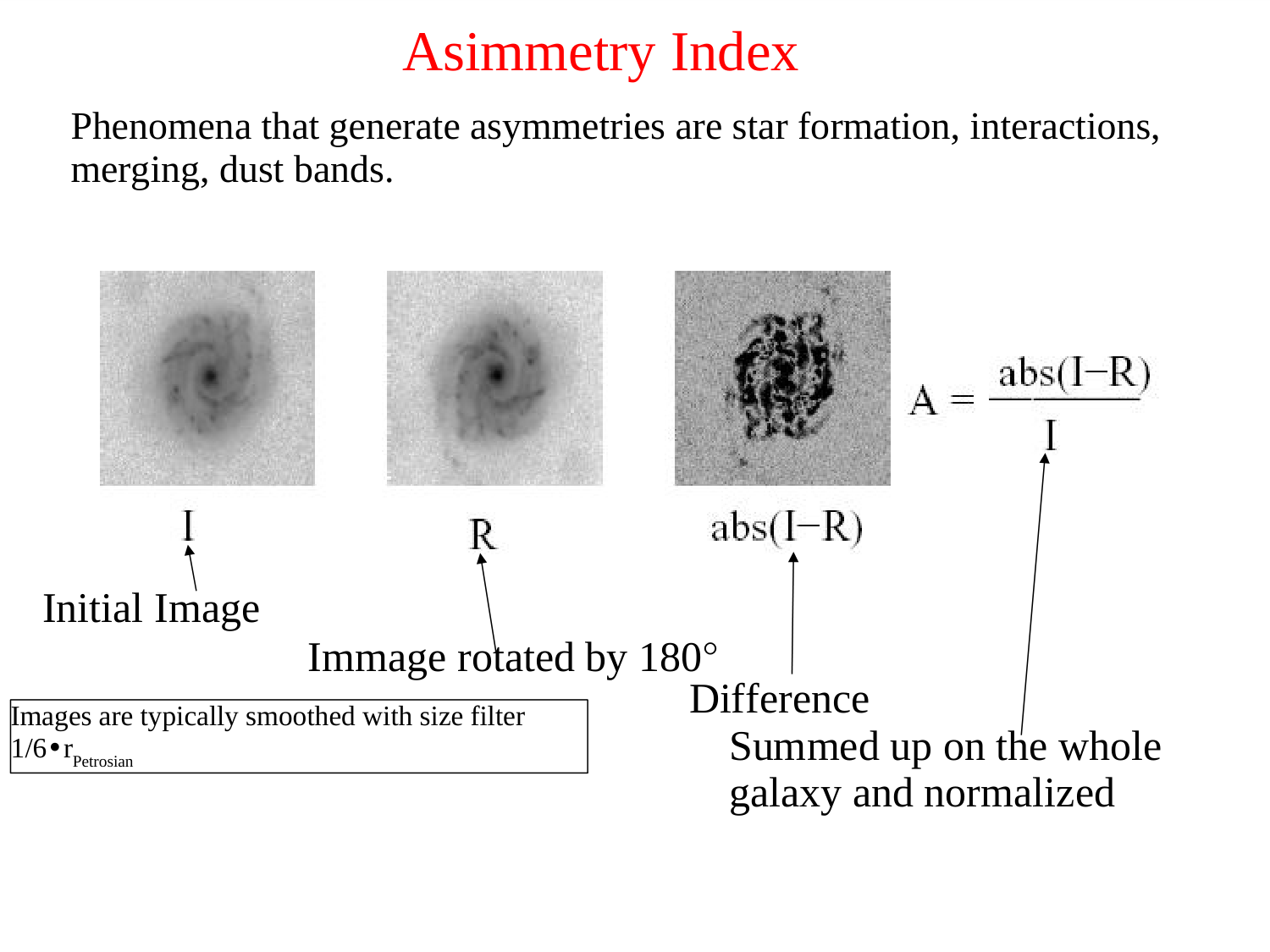 |
Lecture - Luminosity Function Part 3 | Galaxy color bimodality, Red Sequence vs Blue Cloud populations | [[Red sequence and blue cloud]] |
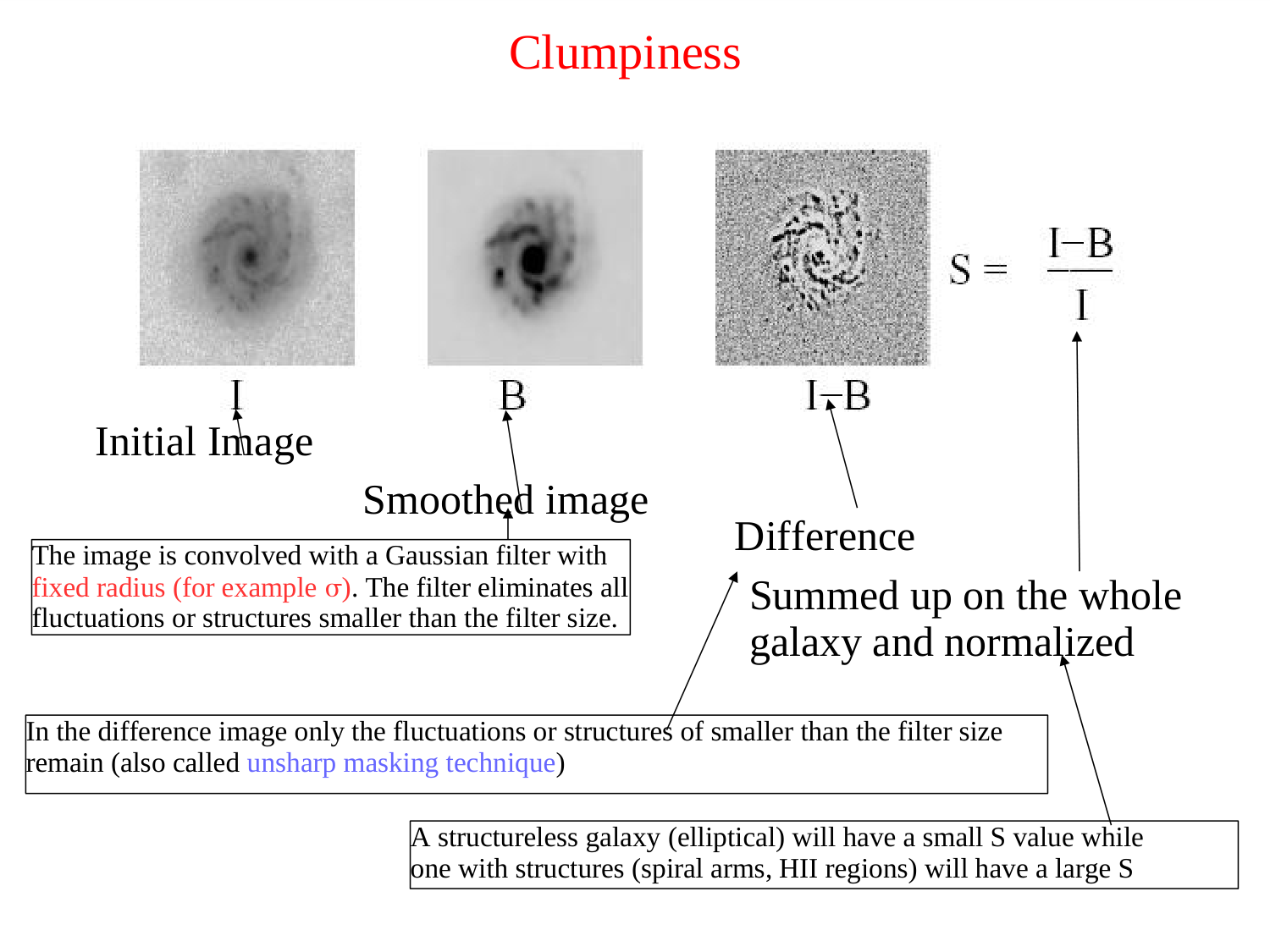 |
Lecture - Luminosity Function Part 3 | Galaxy color bimodality, Red Sequence vs Blue Cloud populations | [[Red sequence and blue cloud]] |
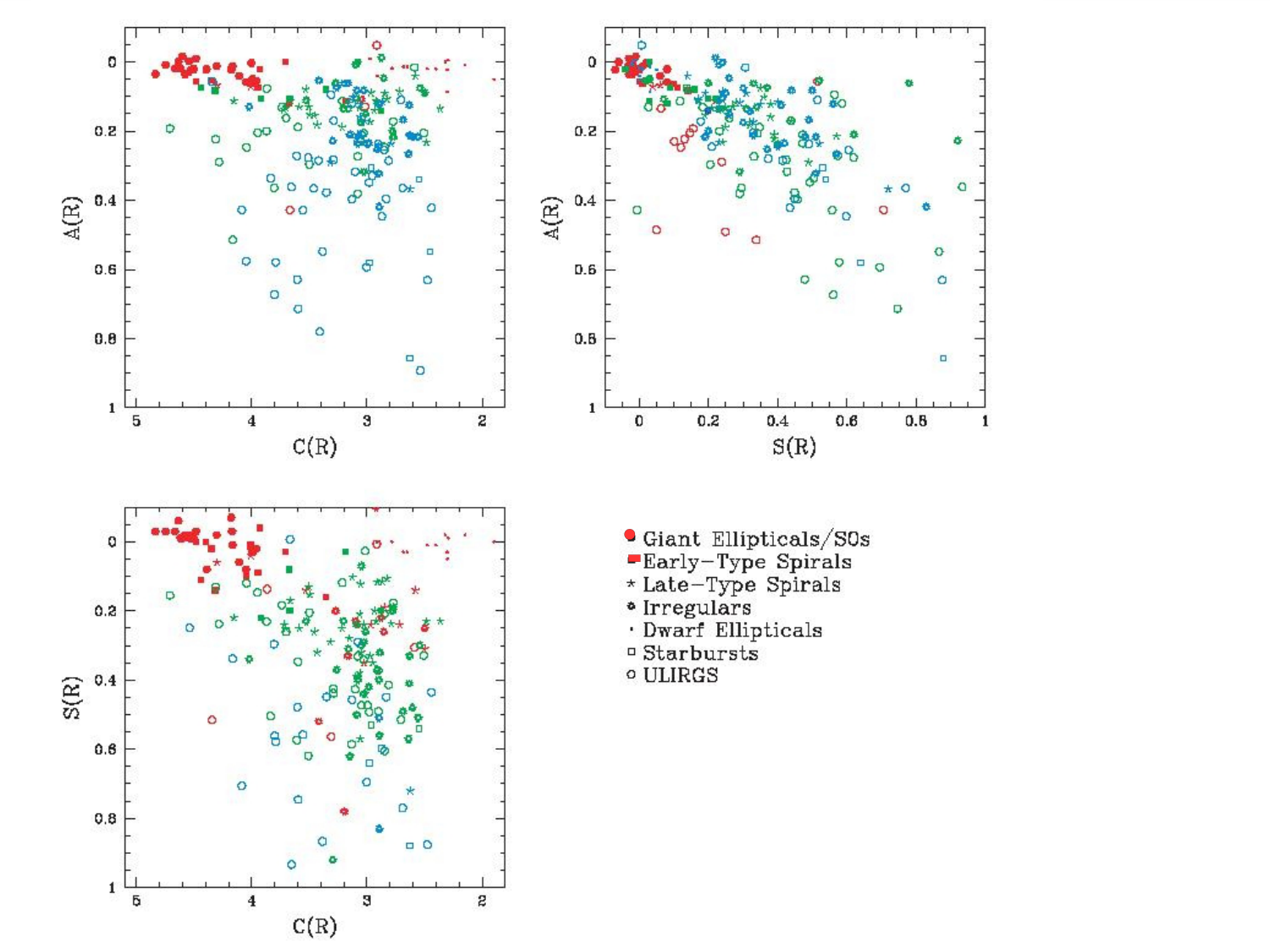 |
Lecture - Luminosity Function Part 3 | Galaxy color bimodality, Red Sequence vs Blue Cloud populations | [[Red sequence and blue cloud]] |
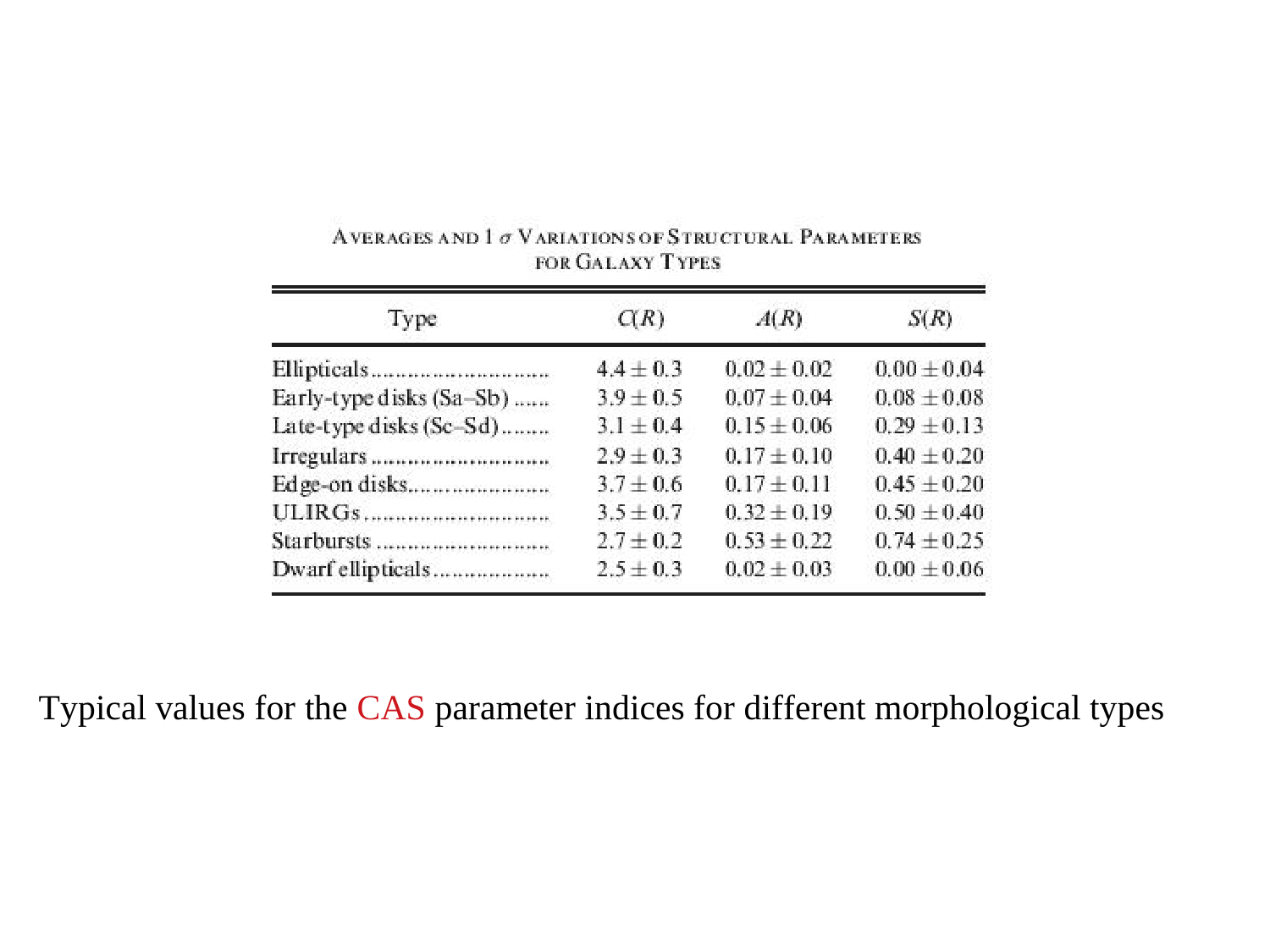 |
Lecture - Luminosity Function Part 3 | Galaxy color bimodality, Red Sequence vs Blue Cloud populations | [[Red sequence and blue cloud]] |
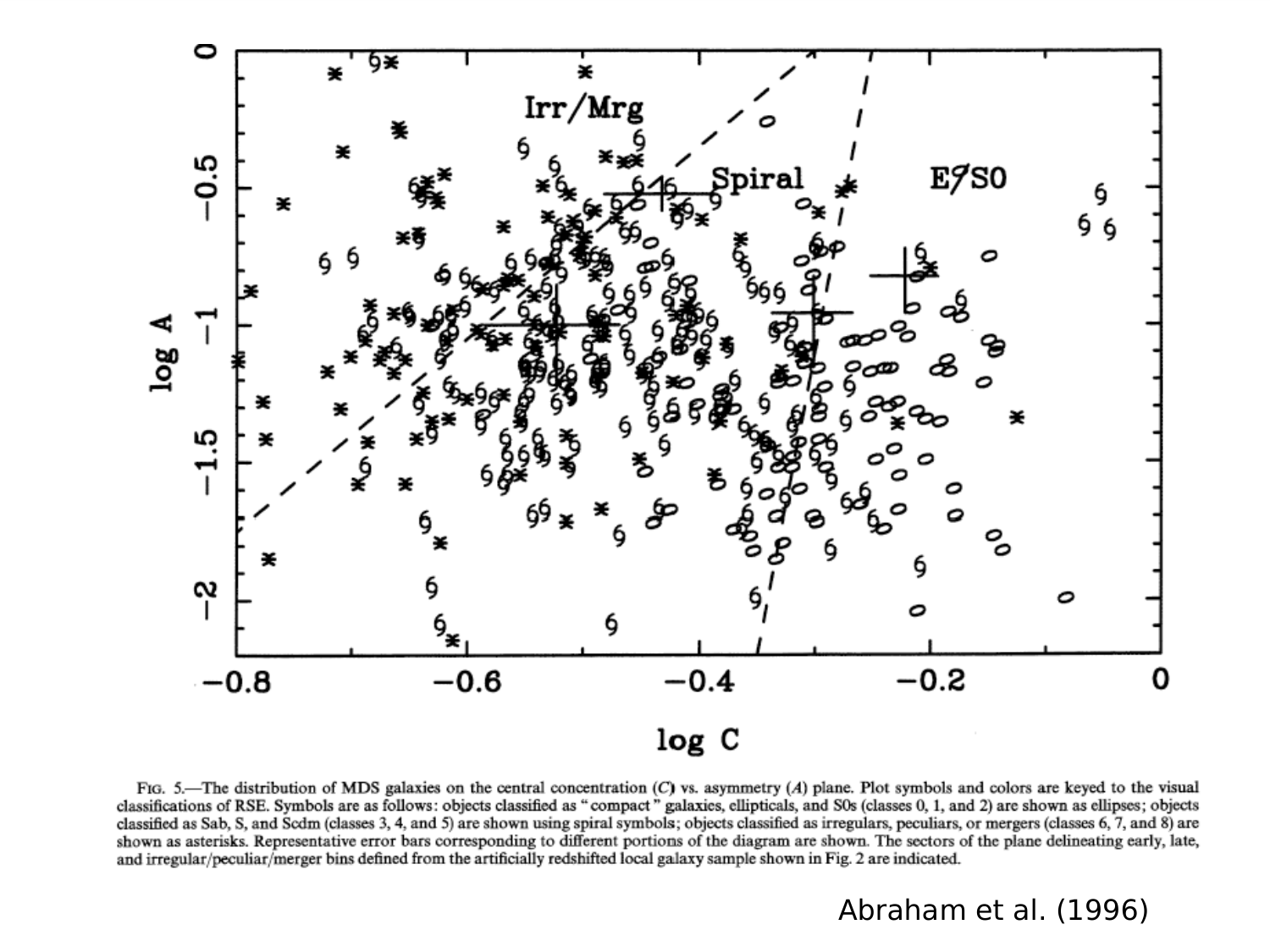 |
Lecture - Luminosity Function Part 3 | Galaxy color bimodality, Red Sequence vs Blue Cloud populations | [[Red sequence and blue cloud]] |
 |
Lecture - Luminosity Function Part 3 | Galaxy color bimodality, Red Sequence vs Blue Cloud populations | [[Red sequence and blue cloud]] |
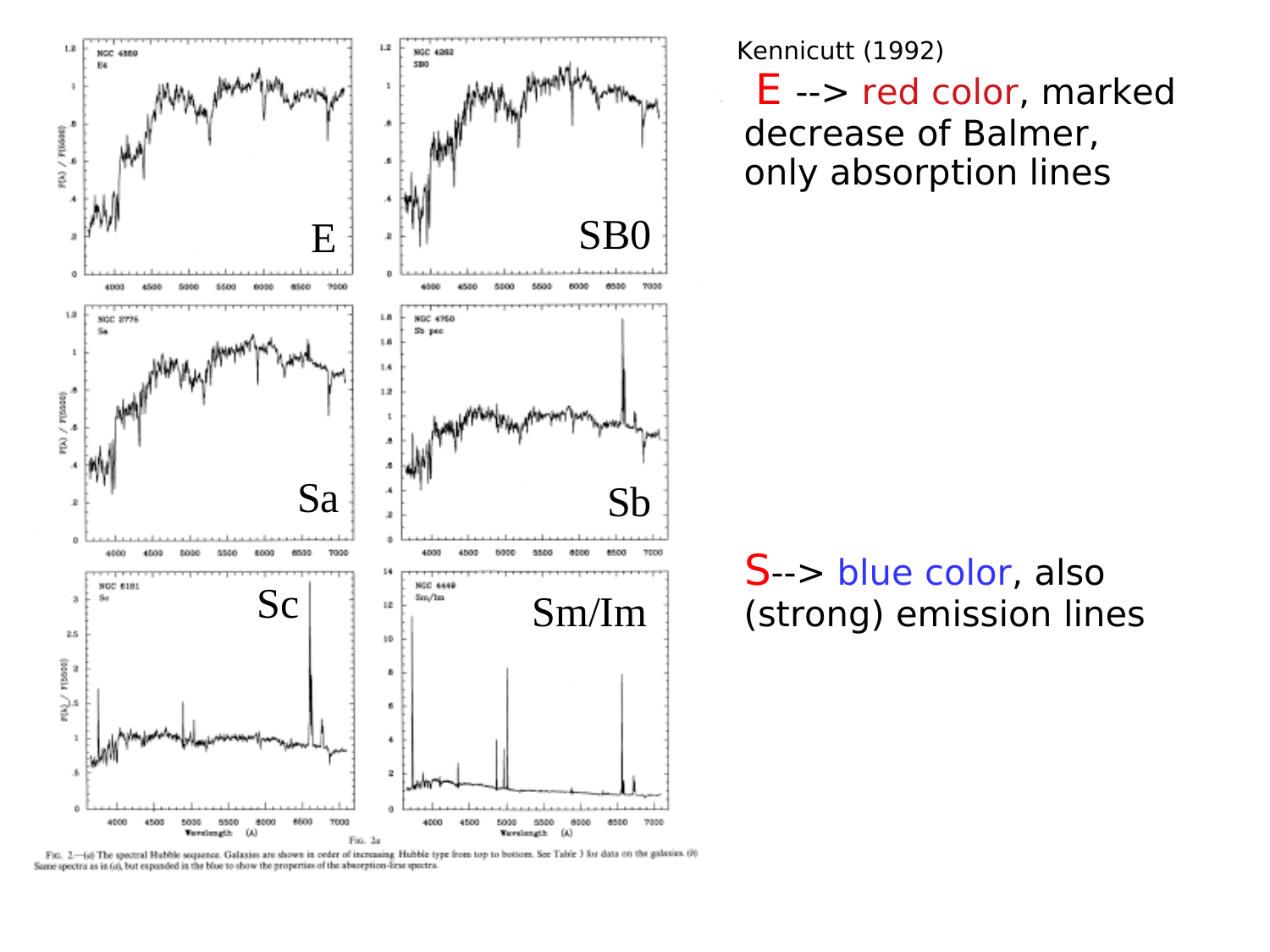 |
Lecture - Luminosity Function Part 3 | Galaxy color bimodality, Red Sequence vs Blue Cloud populations | [[Red sequence and blue cloud]] |
 |
Lecture - Luminosity Function Part 3 | Double Gaussian decomposition of color distributions, transition mass | [[Color bimodality of galaxies]] |
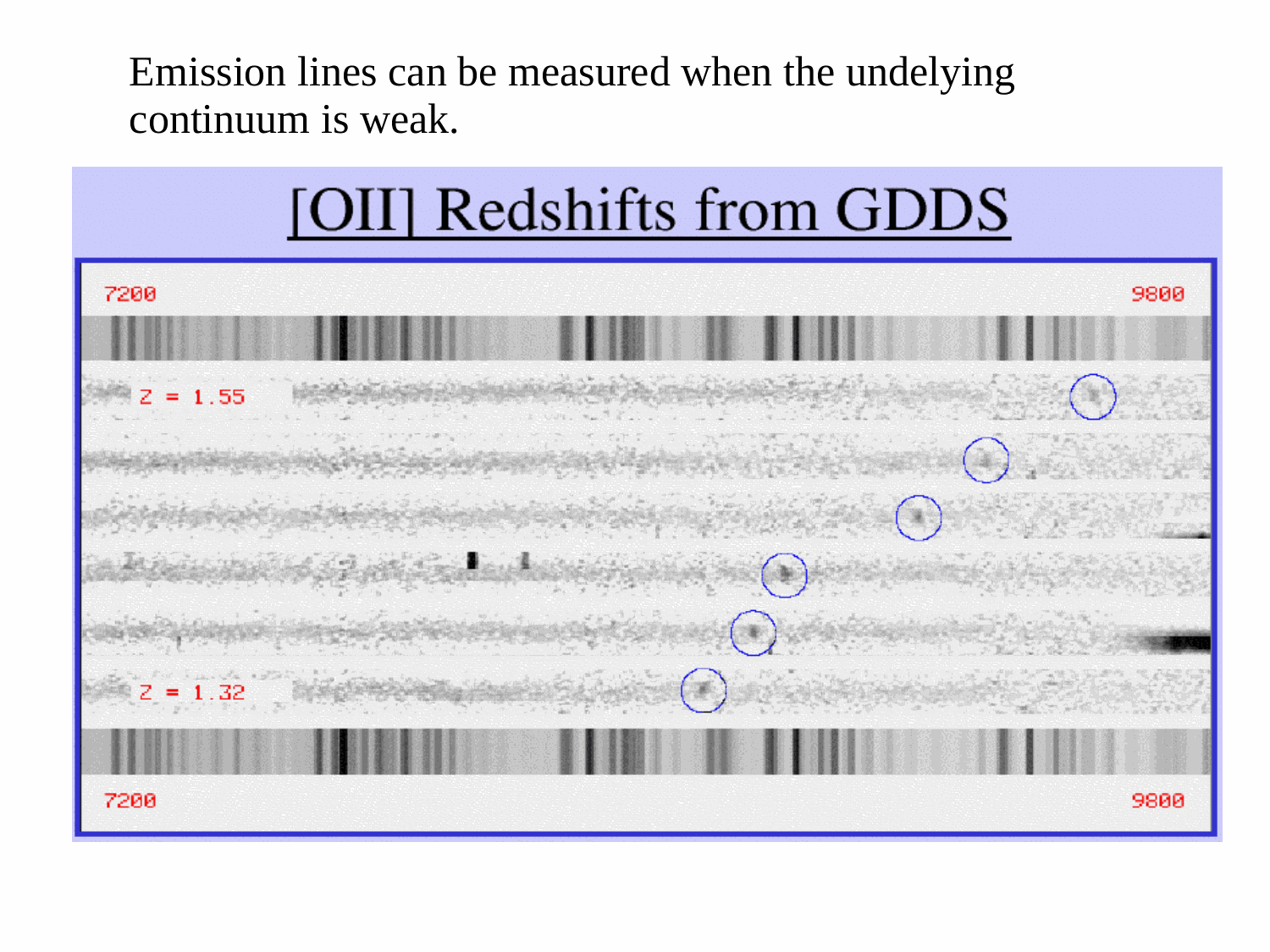 |
Lecture - Luminosity Function Part 3 | Double Gaussian decomposition of color distributions, transition mass | [[Color bimodality of galaxies]] |
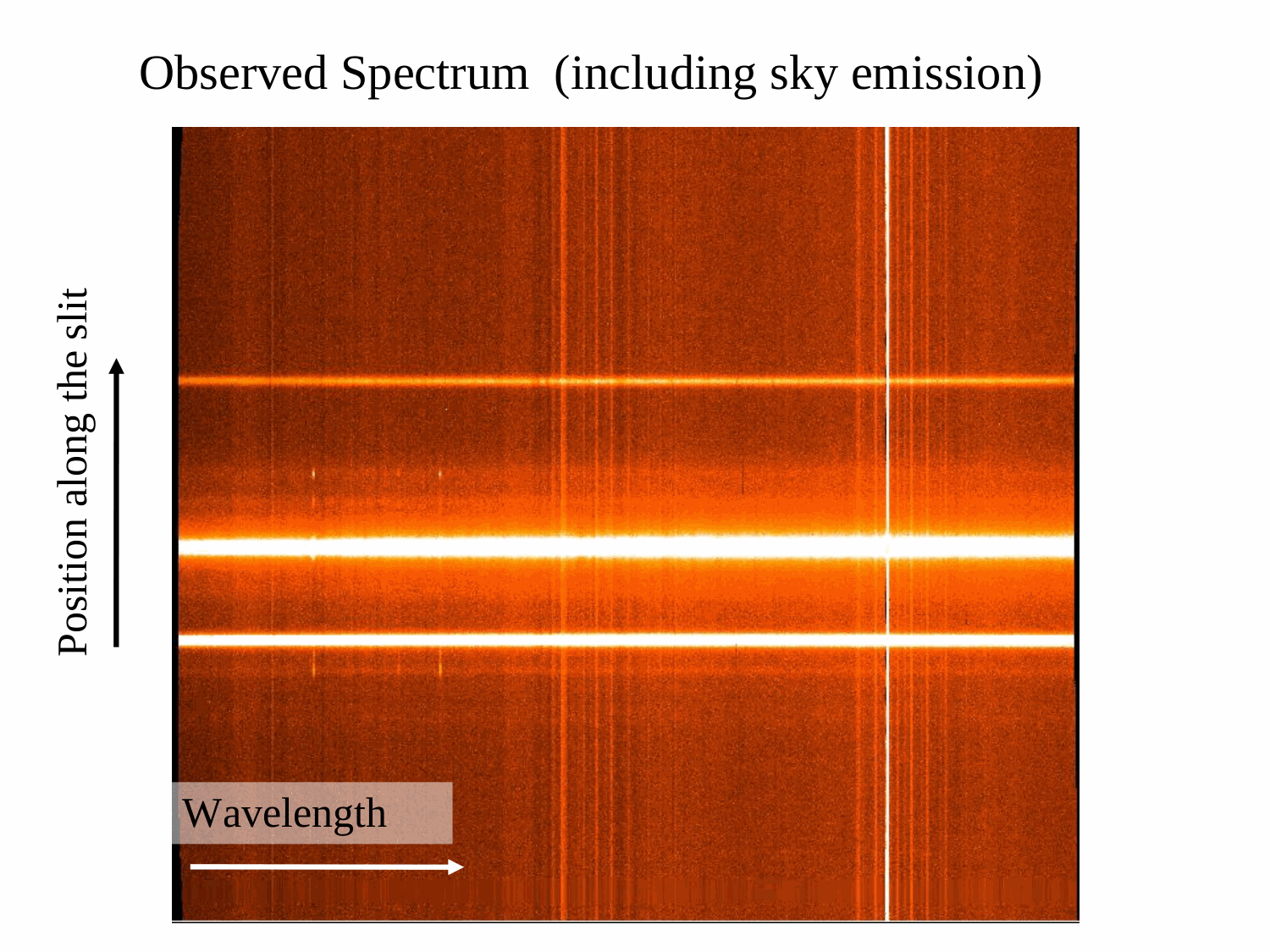 |
Lecture - Luminosity Function Part 3 | Double Gaussian decomposition of color distributions, transition mass | [[Color bimodality of galaxies]] |
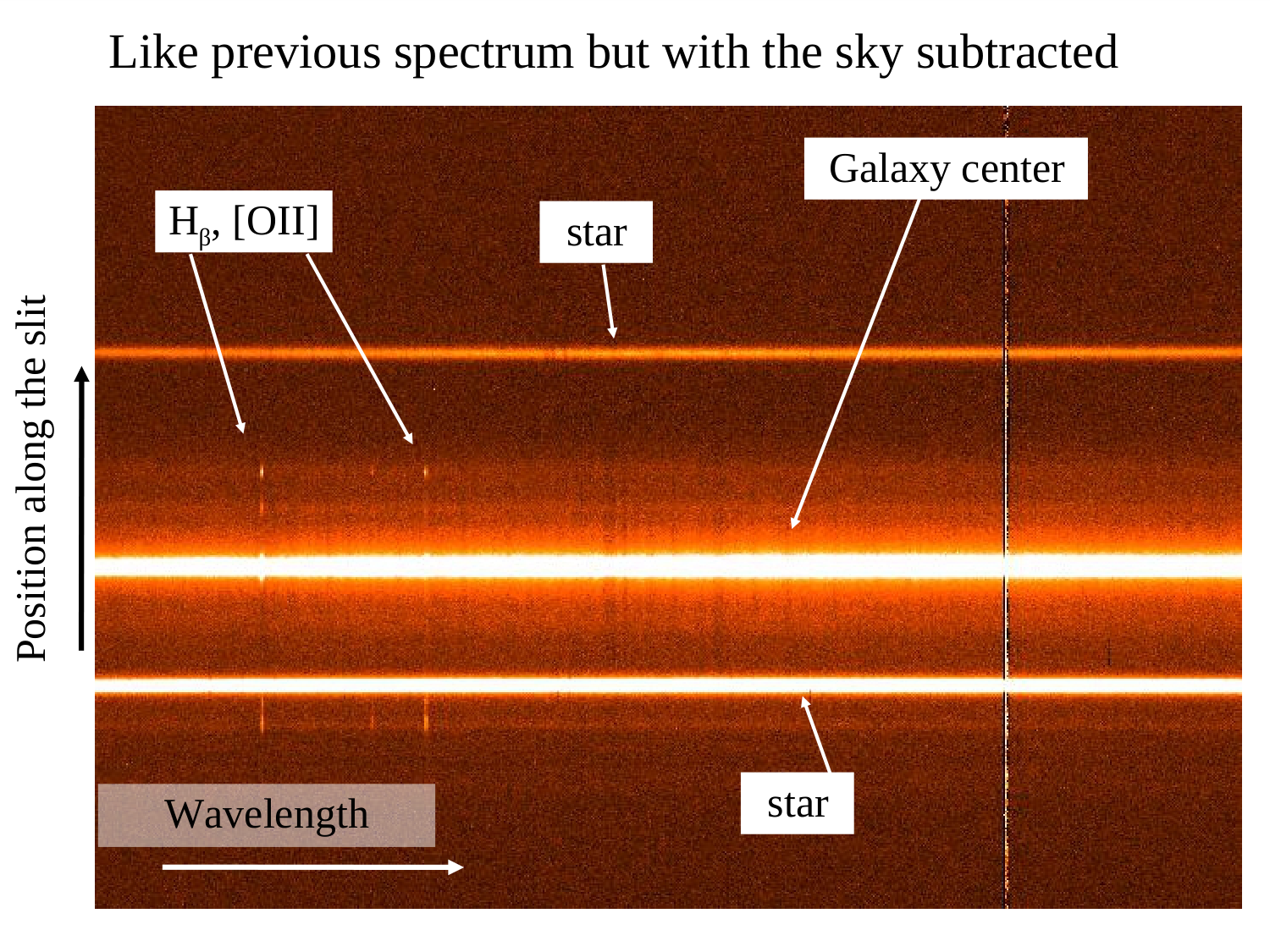 |
Lecture - Luminosity Function Part 3 | Double Gaussian decomposition of color distributions, transition mass | [[Color bimodality of galaxies]] |
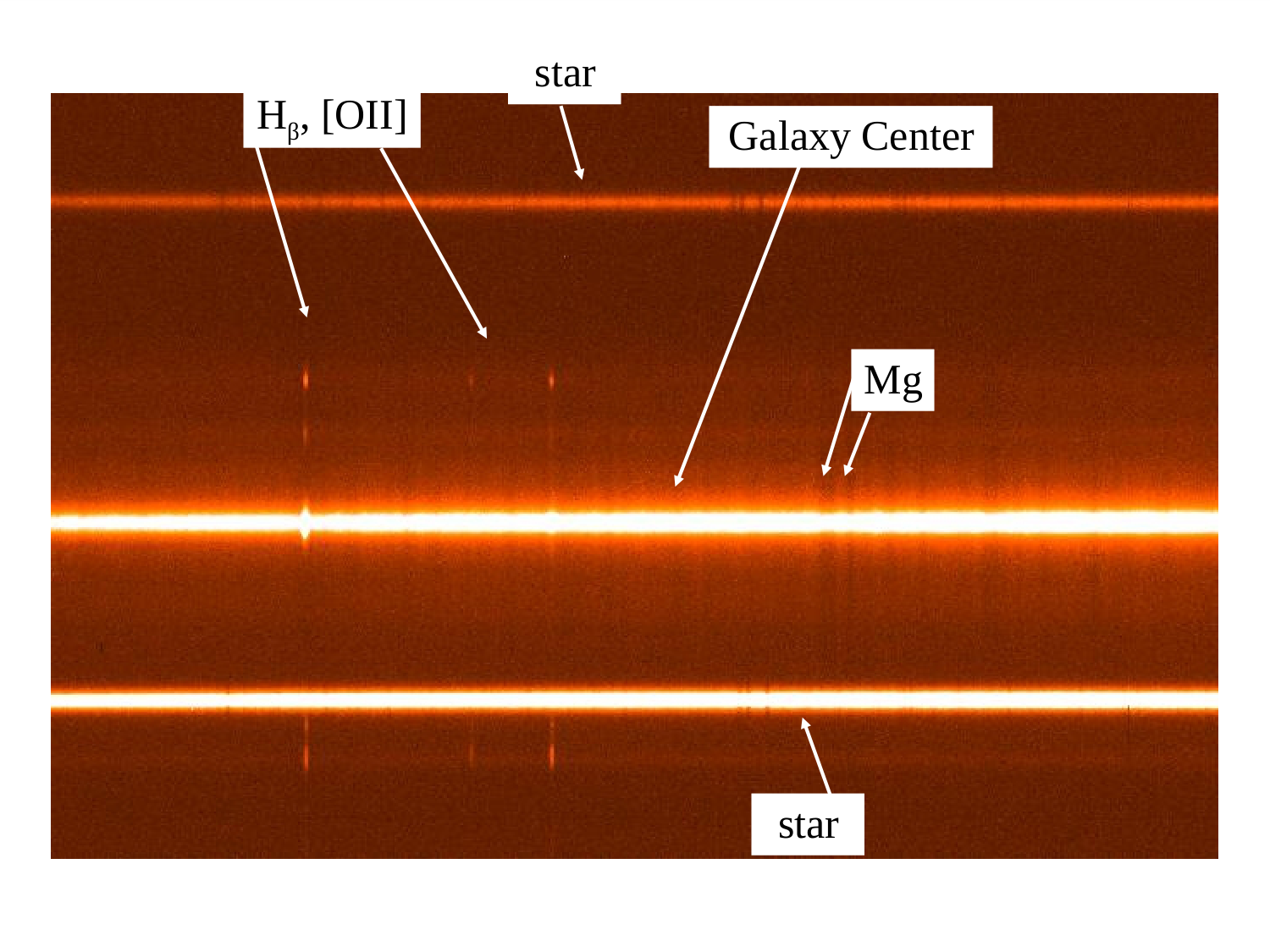 |
Lecture - Luminosity Function Part 3 | Double Gaussian decomposition of color distributions, transition mass | [[Color bimodality of galaxies]] |
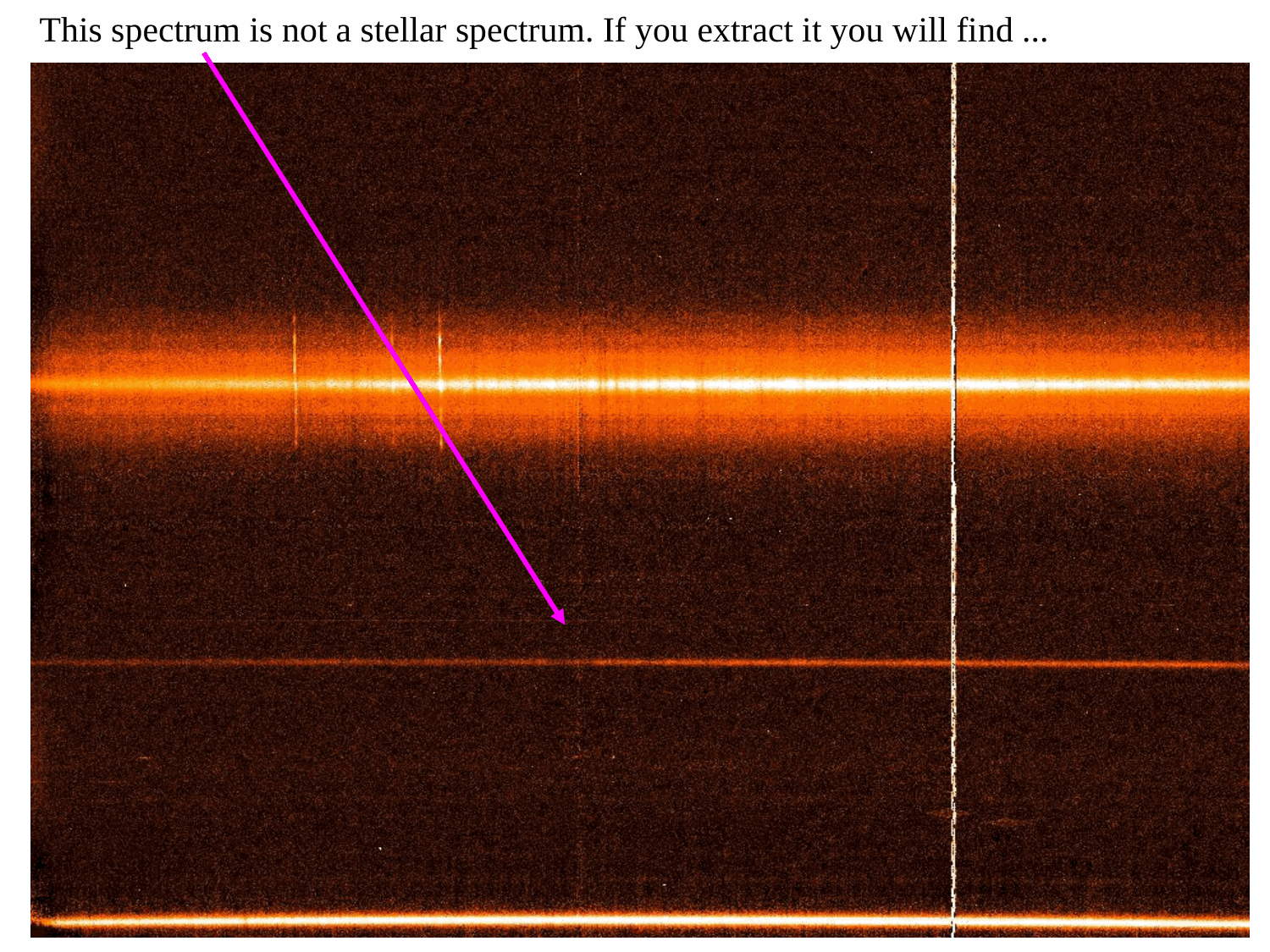 |
Lecture - Luminosity Function Part 3 | Double Gaussian decomposition of color distributions, transition mass | [[Color bimodality of galaxies]] |
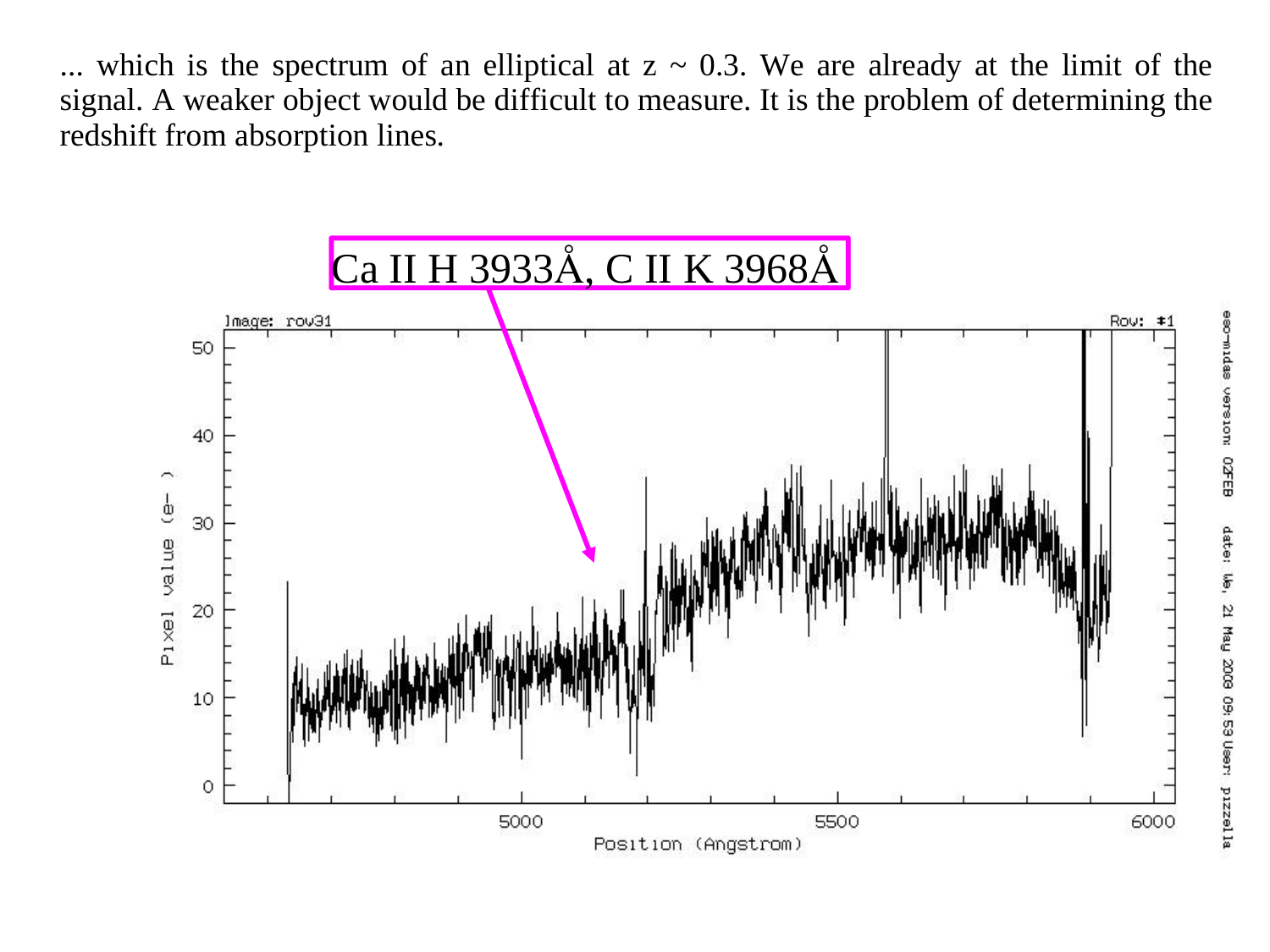 |
Lecture - Luminosity Function Part 3 | Double Gaussian decomposition of color distributions, transition mass | [[Color bimodality of galaxies]] |
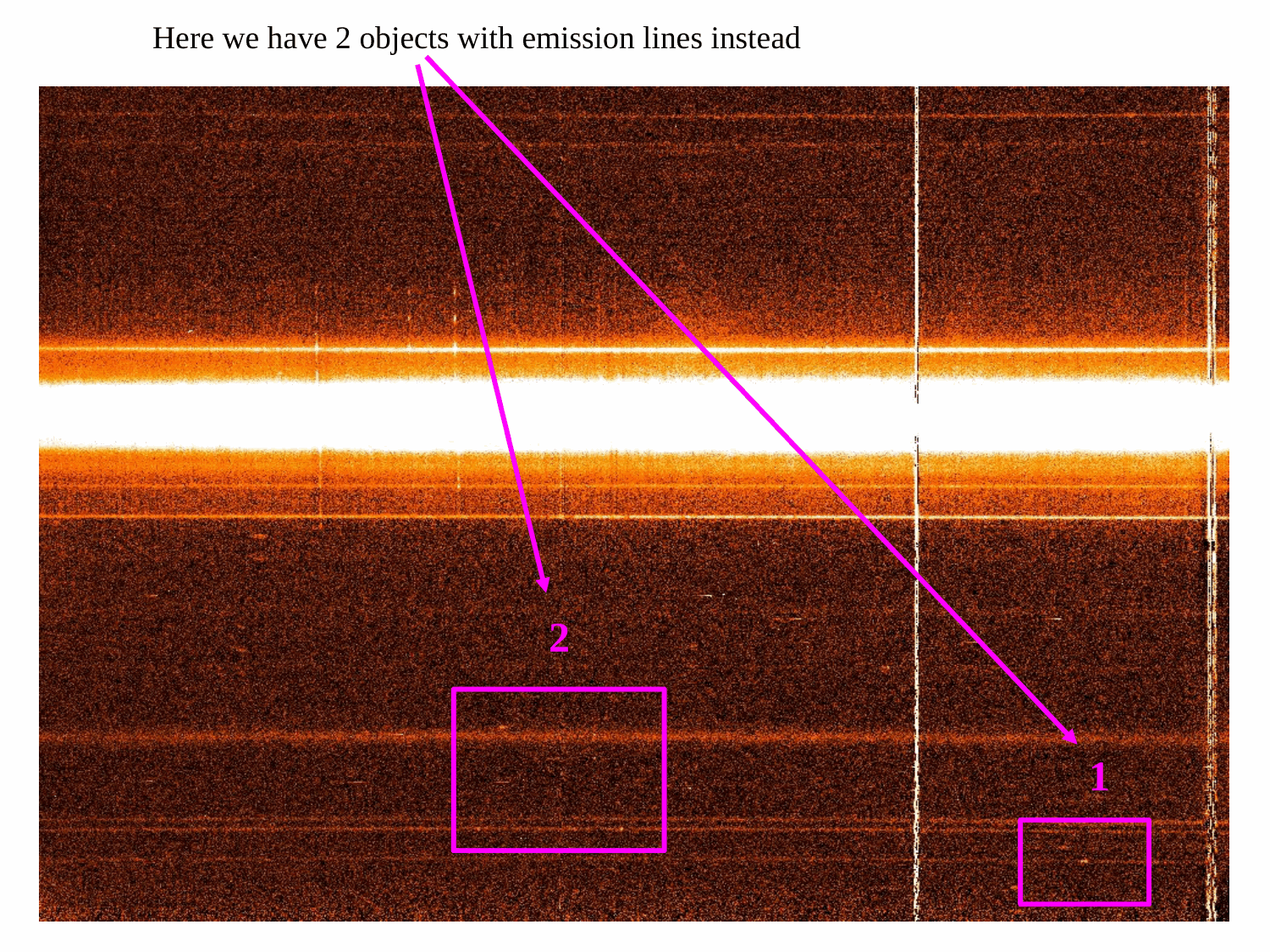 |
Lecture - Luminosity Function Part 3 | Double Gaussian decomposition of color distributions, transition mass | [[Color bimodality of galaxies]] |
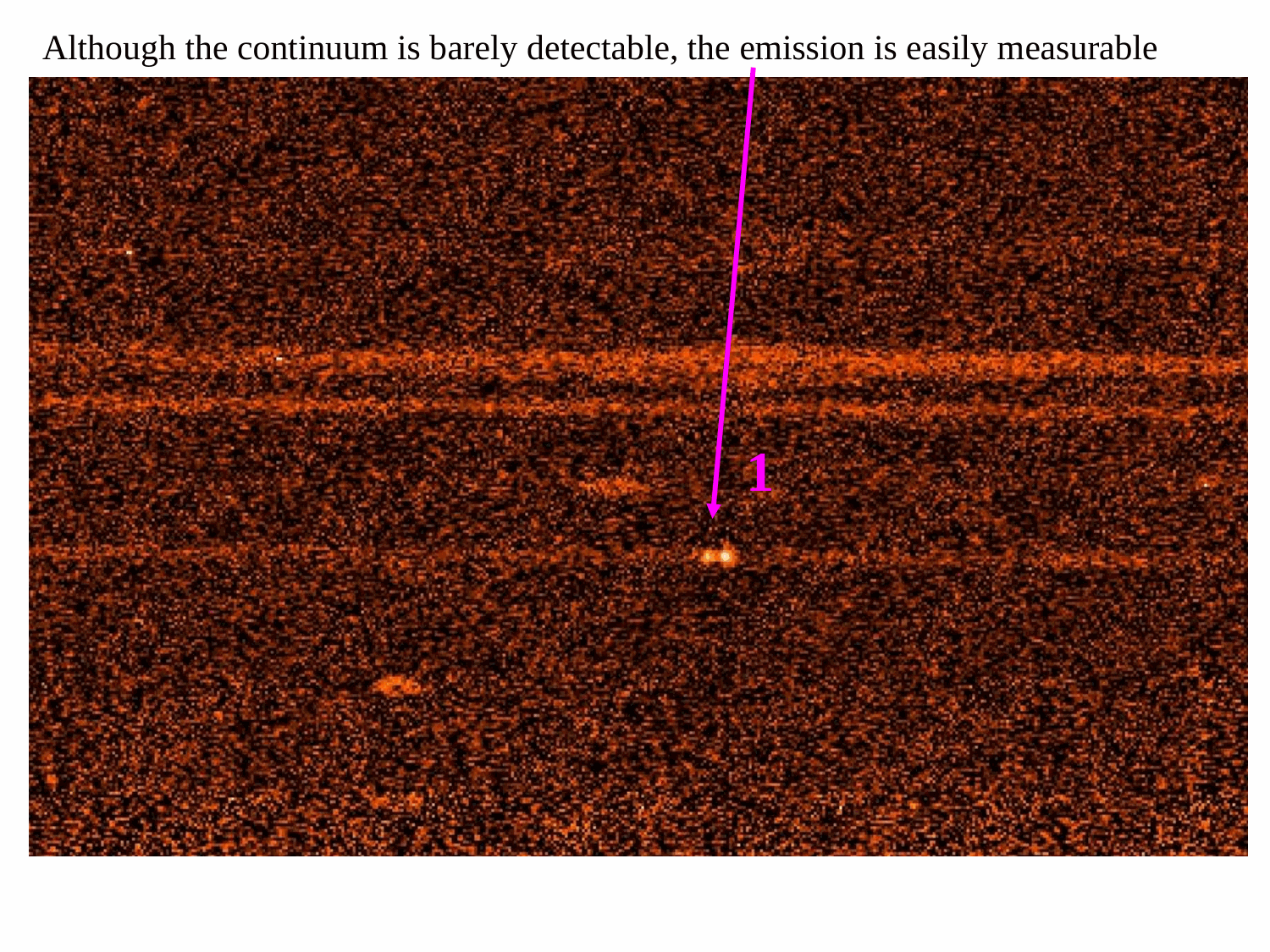 |
Lecture - Luminosity Function Part 3 | Double Gaussian decomposition of color distributions, transition mass | [[Color bimodality of galaxies]] |
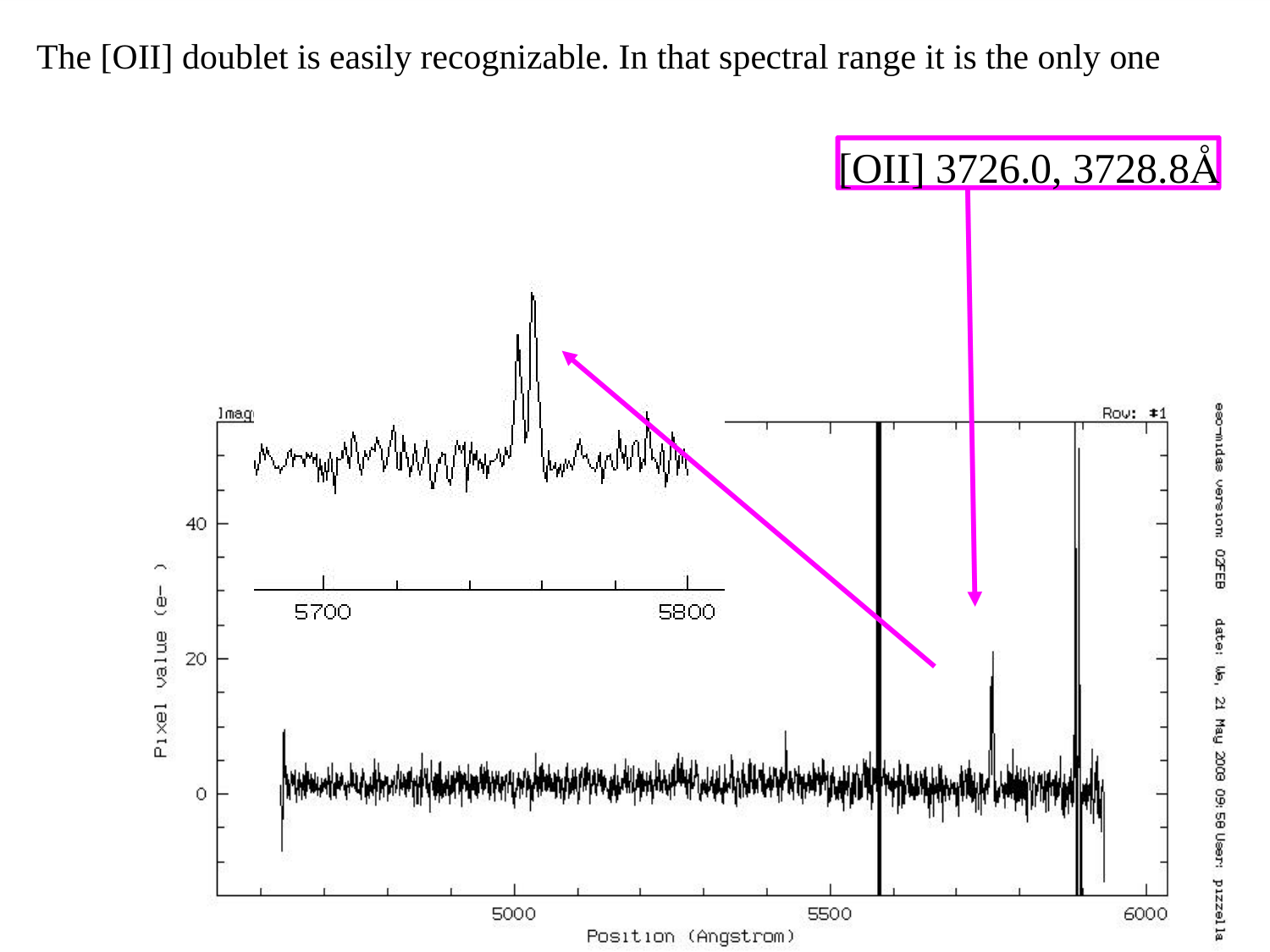 |
Lecture - Luminosity Function Part 3 | Double Gaussian decomposition of color distributions, transition mass | [[Color bimodality of galaxies]] |
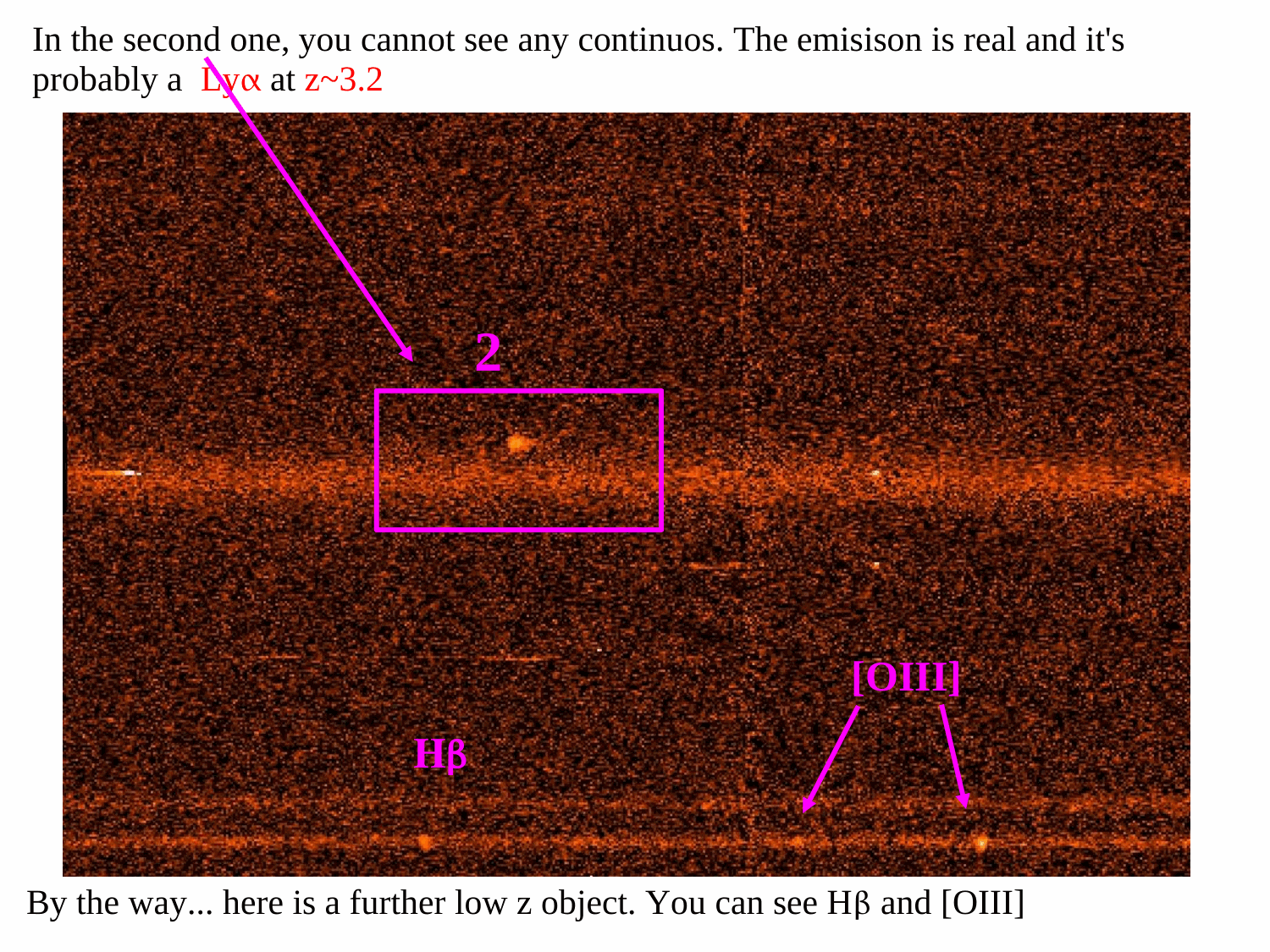 |
Lecture - Luminosity Function Part 3 | The Green Valley, quenching mechanisms, transition timescales | [[Green valley and quenching tracks]] |
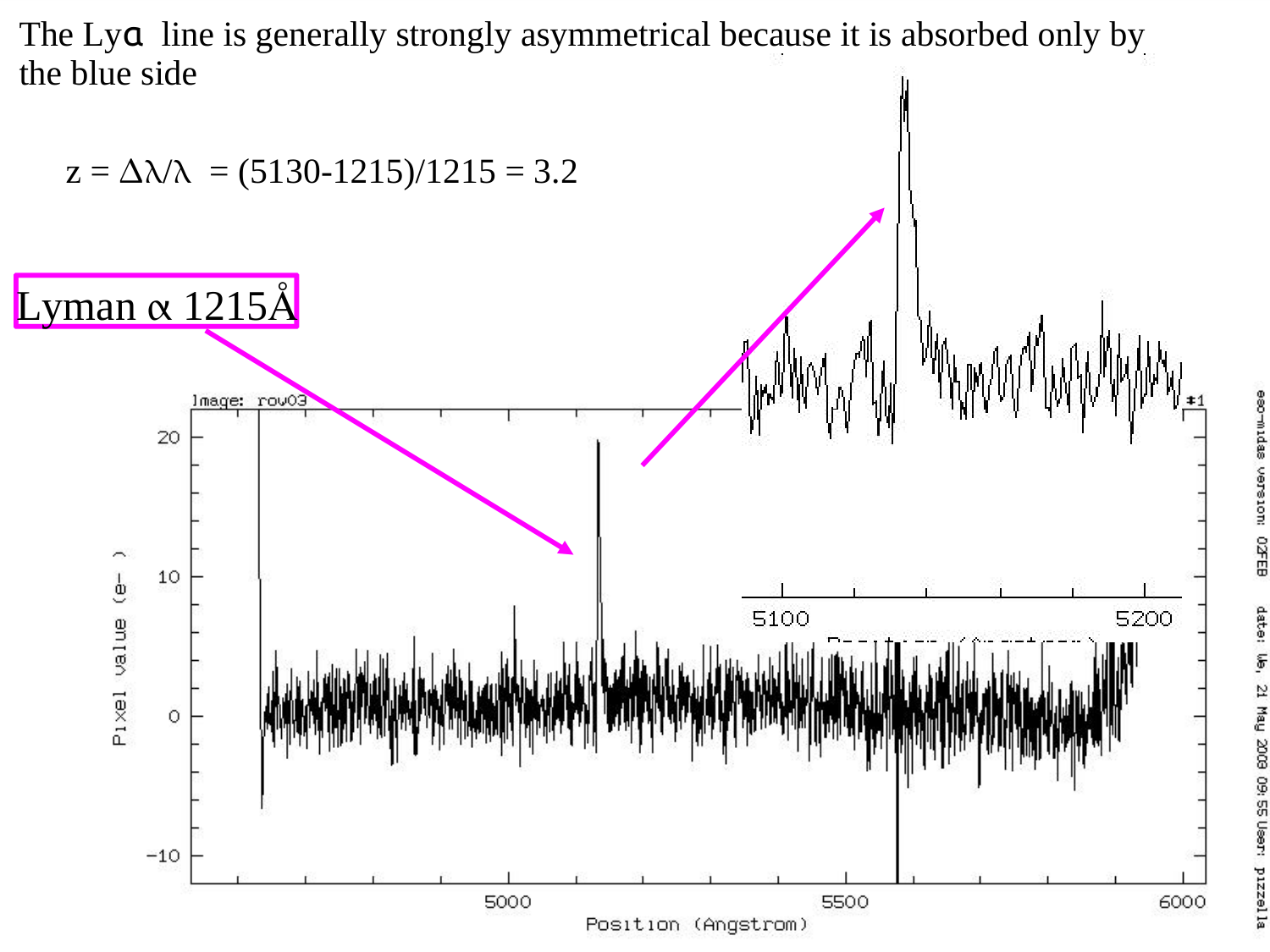 |
Lecture - Luminosity Function Part 3 | The Green Valley, quenching mechanisms, transition timescales | [[Green valley and quenching tracks]] |
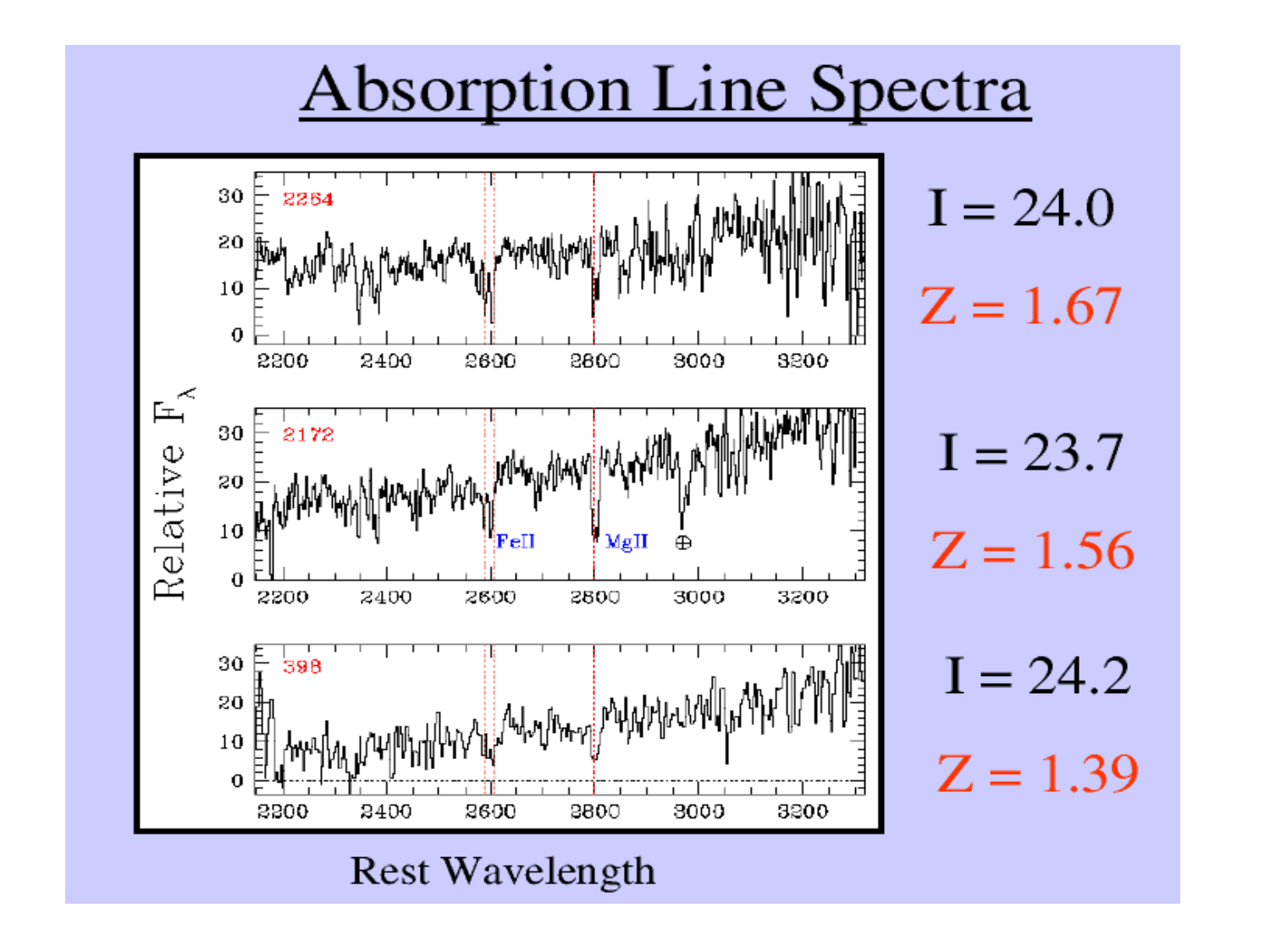 |
Lecture - Luminosity Function Part 3 | The Green Valley, quenching mechanisms, transition timescales | [[Green valley and quenching tracks]] |
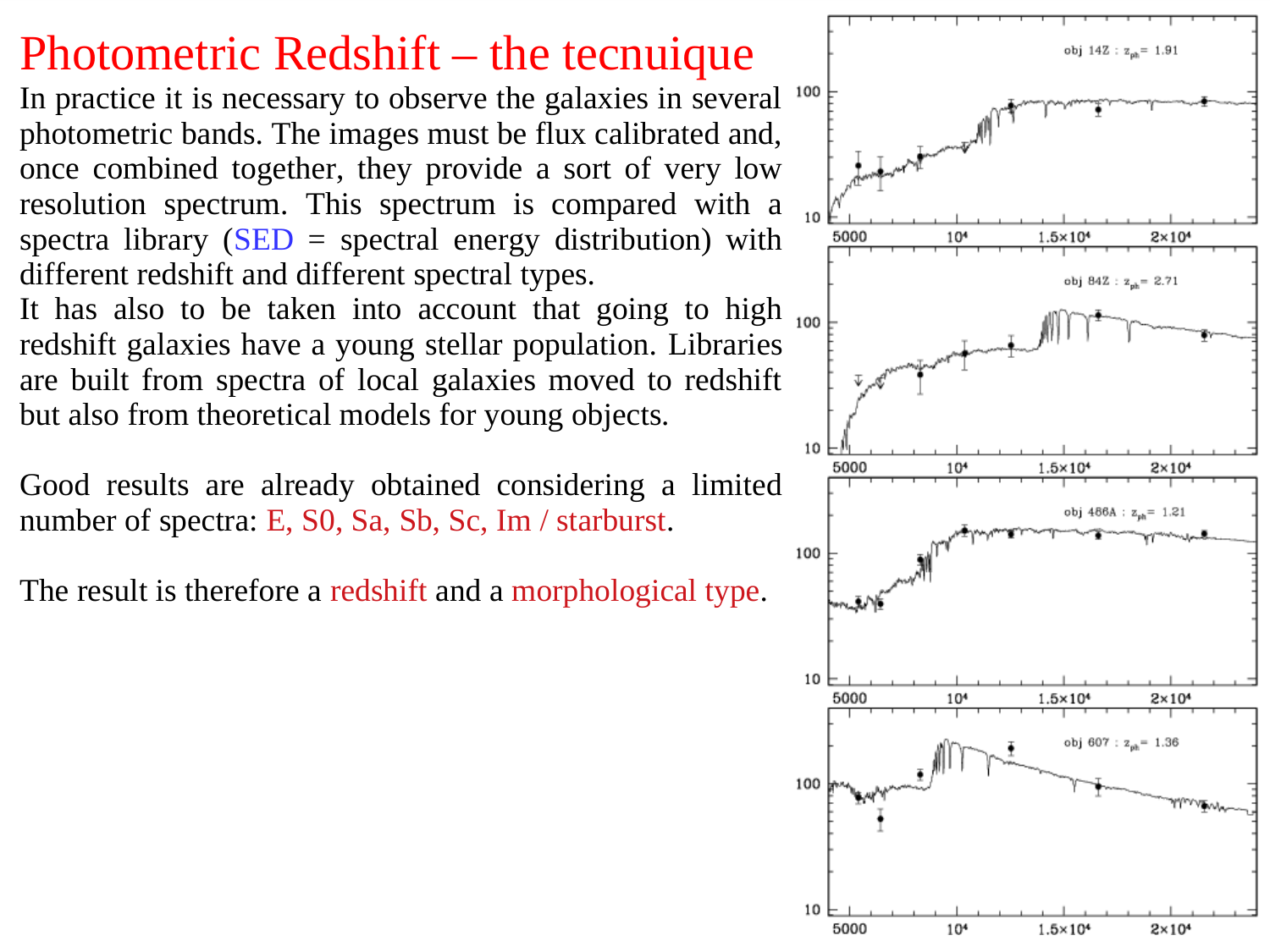 |
Lecture - Luminosity Function Part 3 | The Green Valley, quenching mechanisms, transition timescales | [[Green valley and quenching tracks]] |
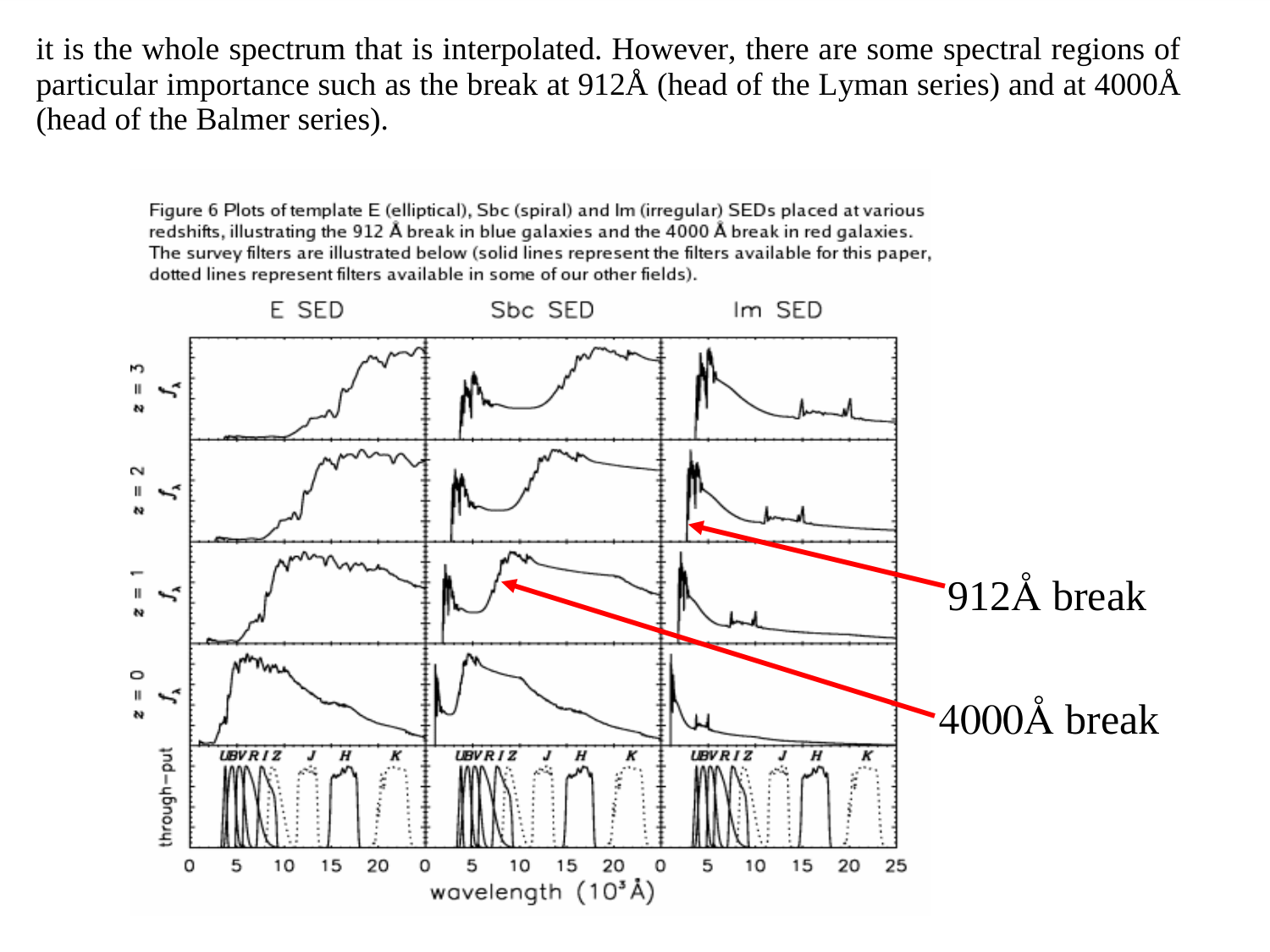 |
Lecture - Luminosity Function Part 3 | The Green Valley, quenching mechanisms, transition timescales | [[Green valley and quenching tracks]] |
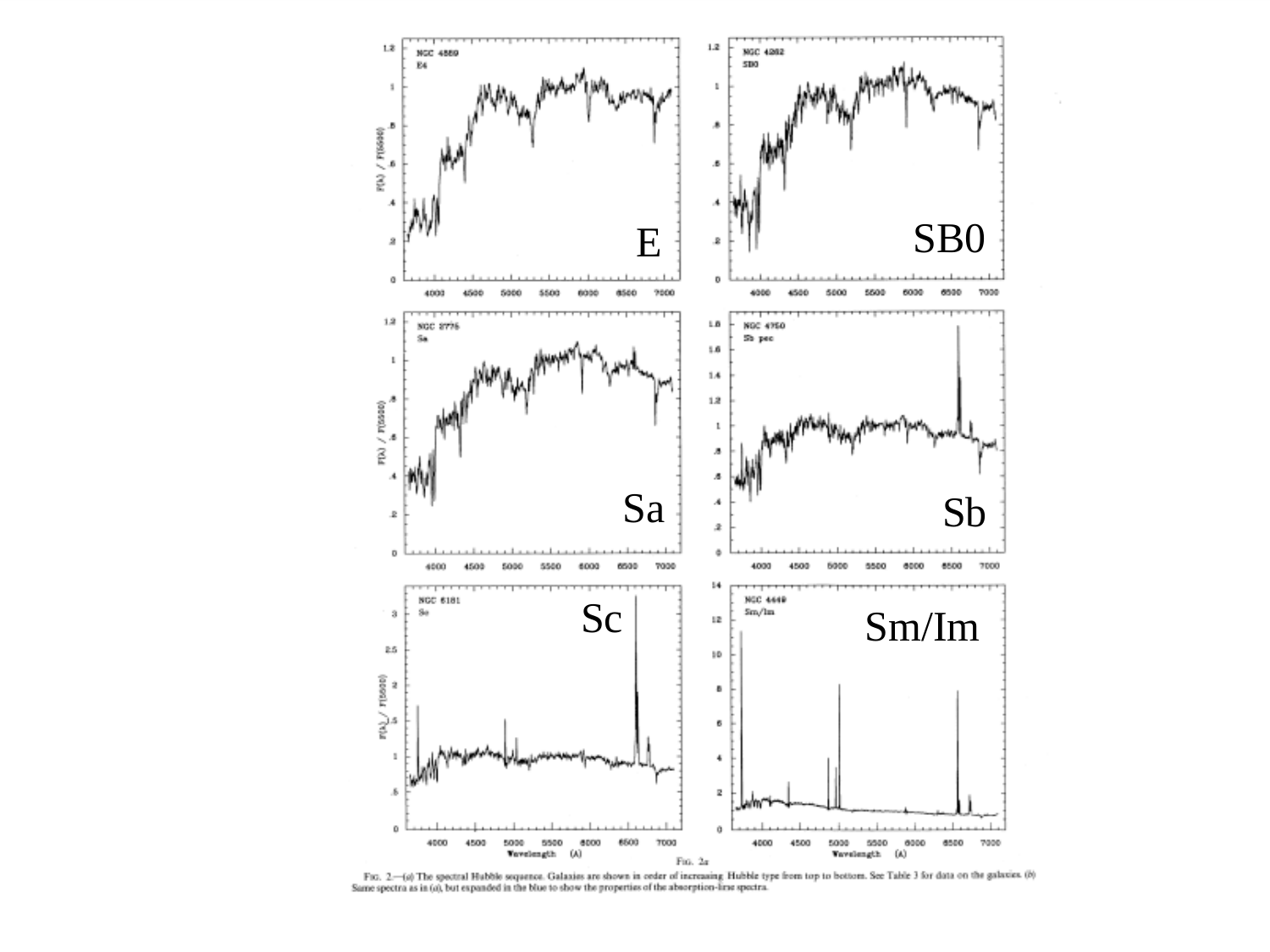 |
Lecture - Luminosity Function Part 3 | The Green Valley, quenching mechanisms, transition timescales | [[Green valley and quenching tracks]] |
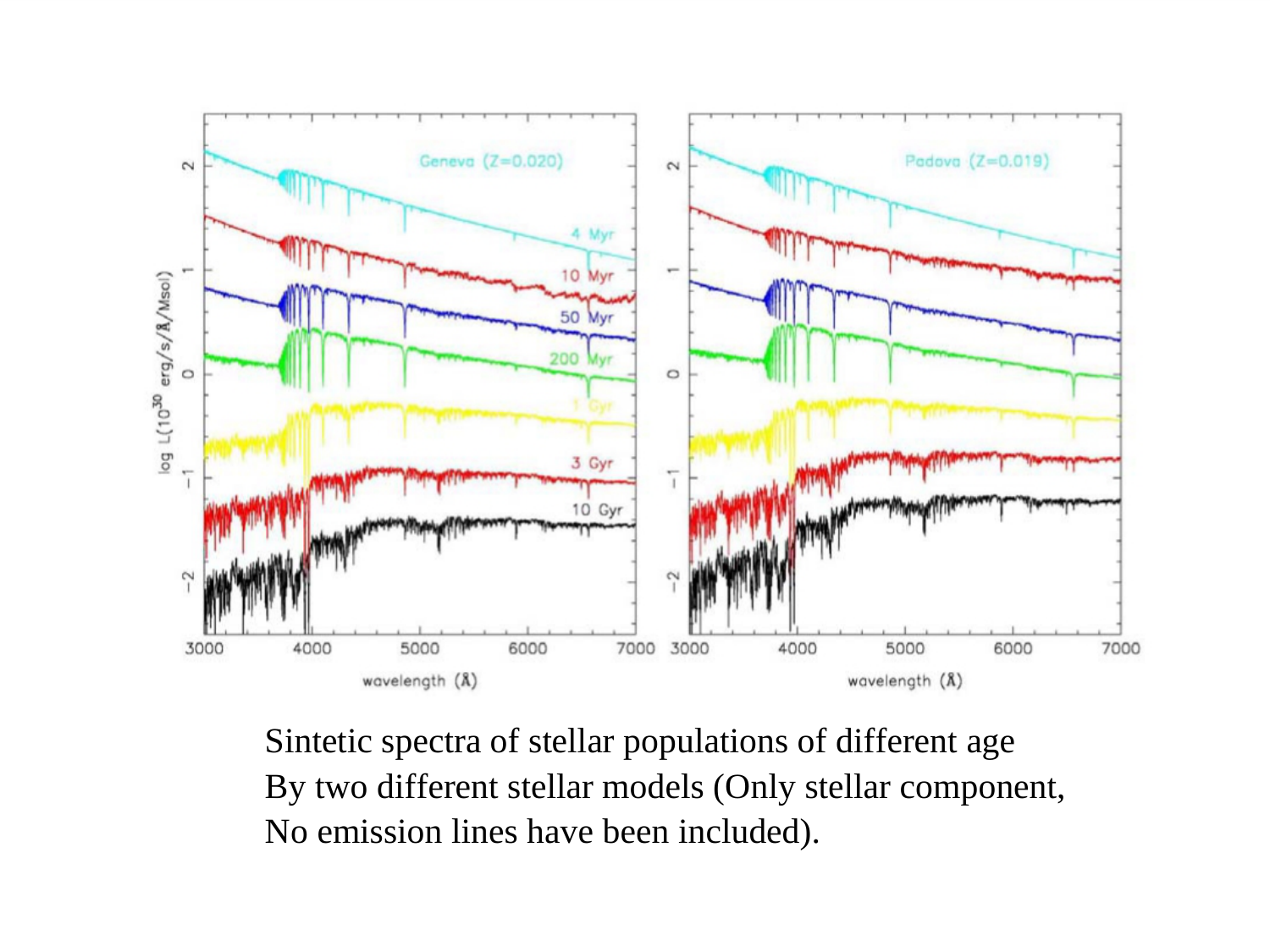 |
Lecture - Luminosity Function Part 3 | The Green Valley, quenching mechanisms, transition timescales | [[Green valley and quenching tracks]] |
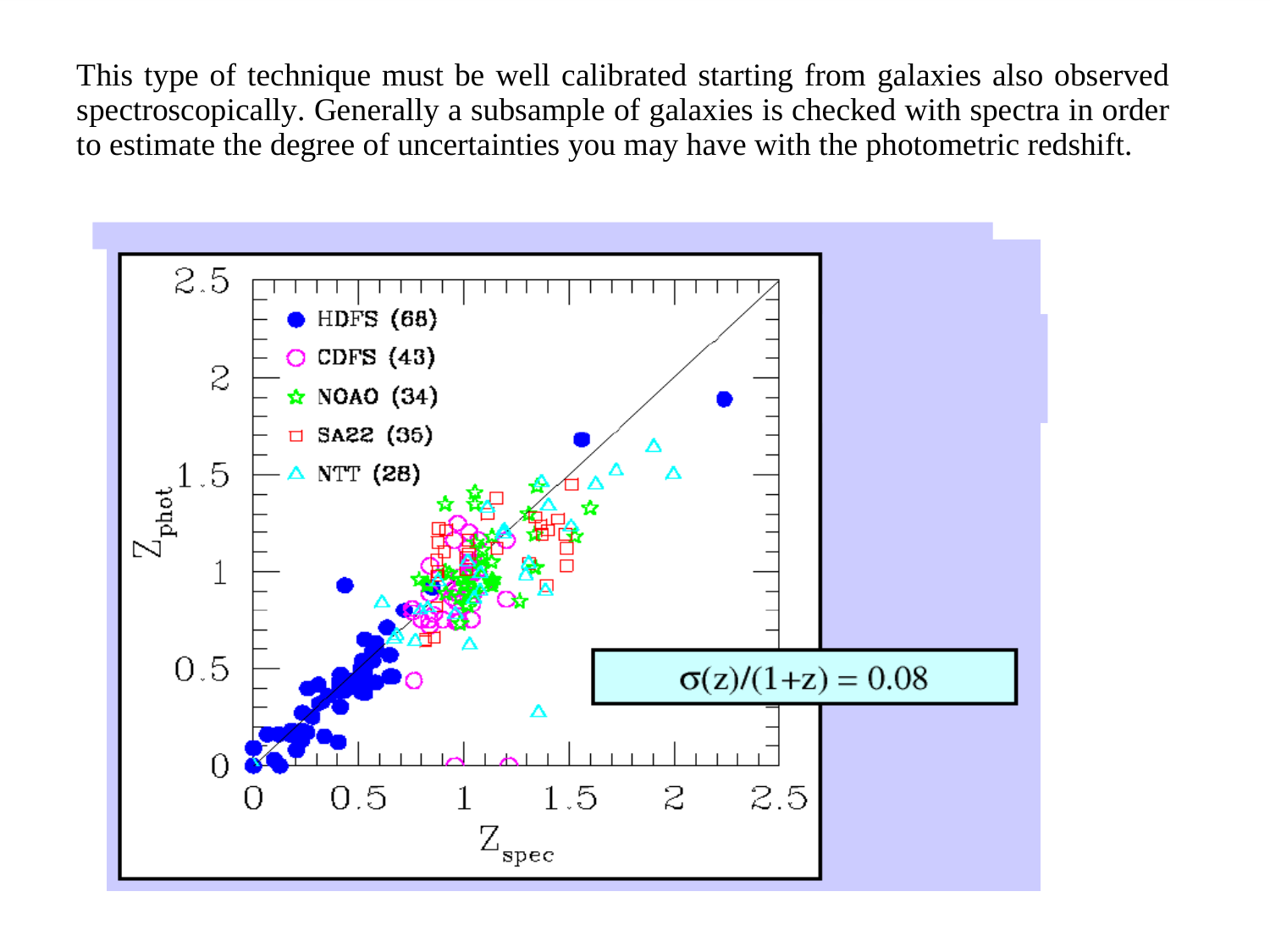 |
Lecture - Luminosity Function Part 3 | The Green Valley, quenching mechanisms, transition timescales | [[Green valley and quenching tracks]] |
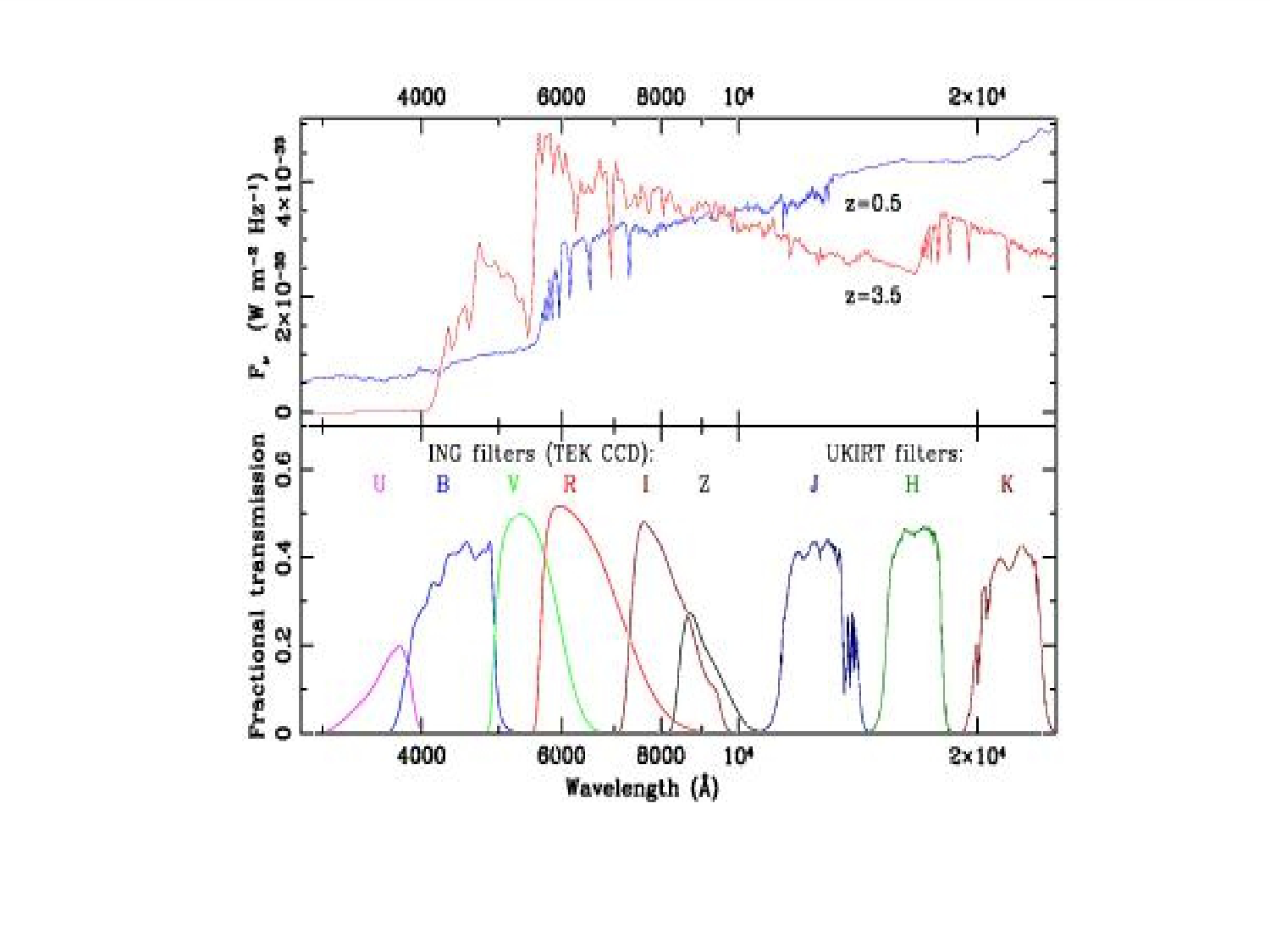 |
Lecture - Luminosity Function Part 3 | The Green Valley, quenching mechanisms, transition timescales | [[Green valley and quenching tracks]] |
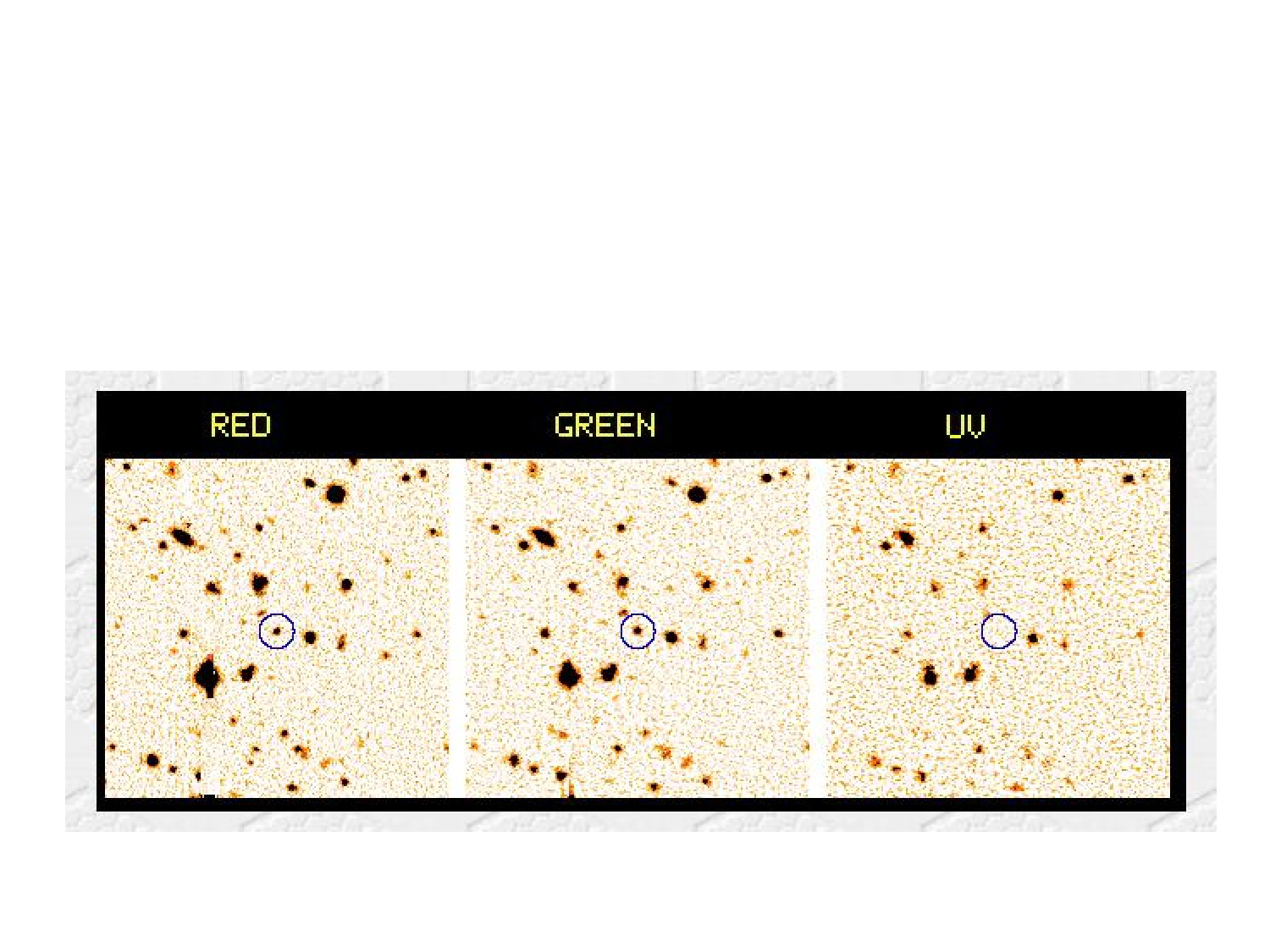 |
Lecture - Luminosity Function Part 3 | The Green Valley, quenching mechanisms, transition timescales | [[Green valley and quenching tracks]] |
 |
Lecture - Local Group & Clusters | Local Group architecture - MW, M31, M33, dwarf satellites, timing argument | [[Local Group galaxies]] |
 |
Lecture - Local Group & Clusters | Local Group architecture - MW, M31, M33, dwarf satellites, timing argument | [[Local Group galaxies]] |
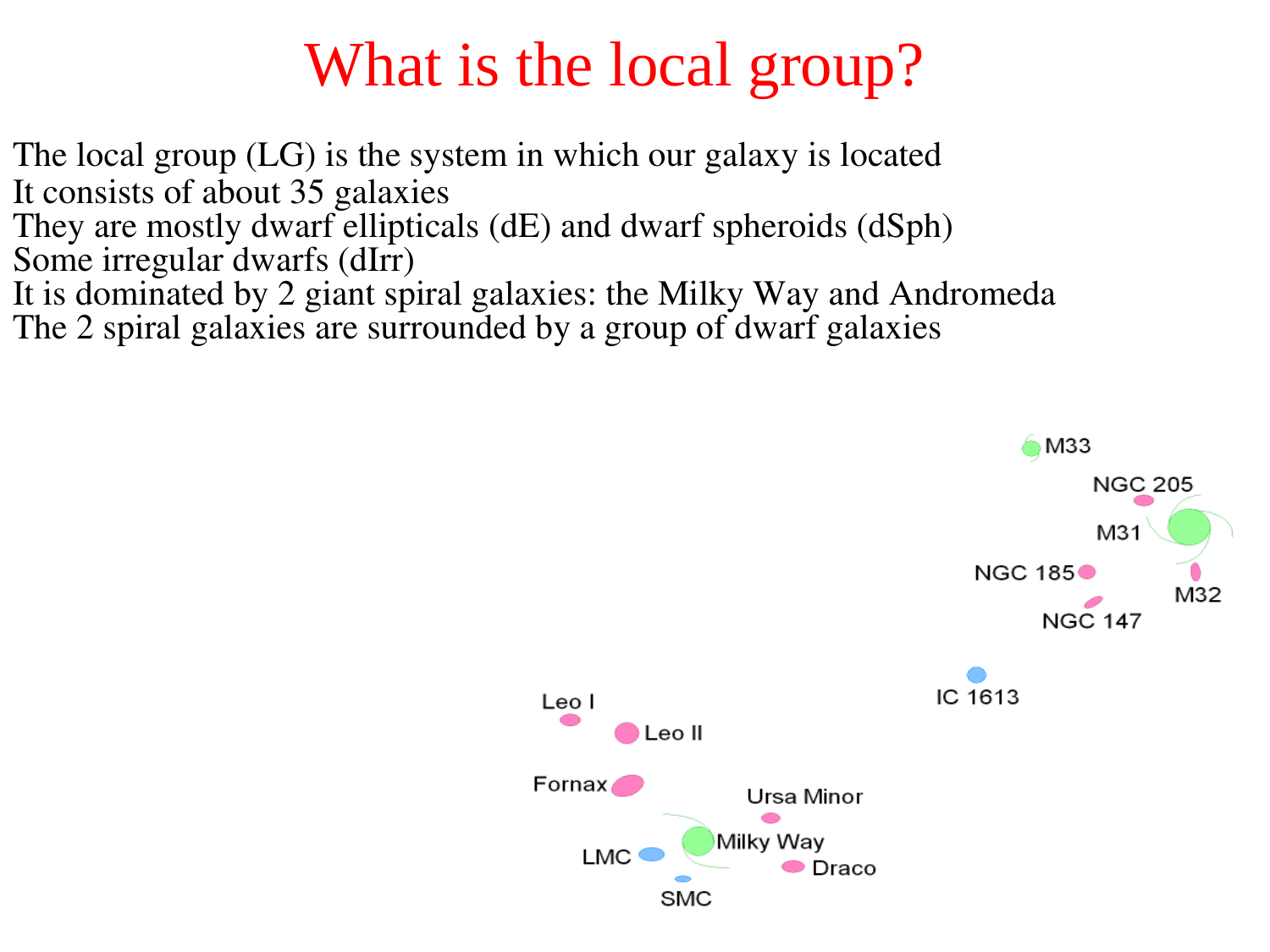 |
Lecture - Local Group & Clusters | Local Group architecture - MW, M31, M33, dwarf satellites, timing argument | [[Local Group galaxies]] |
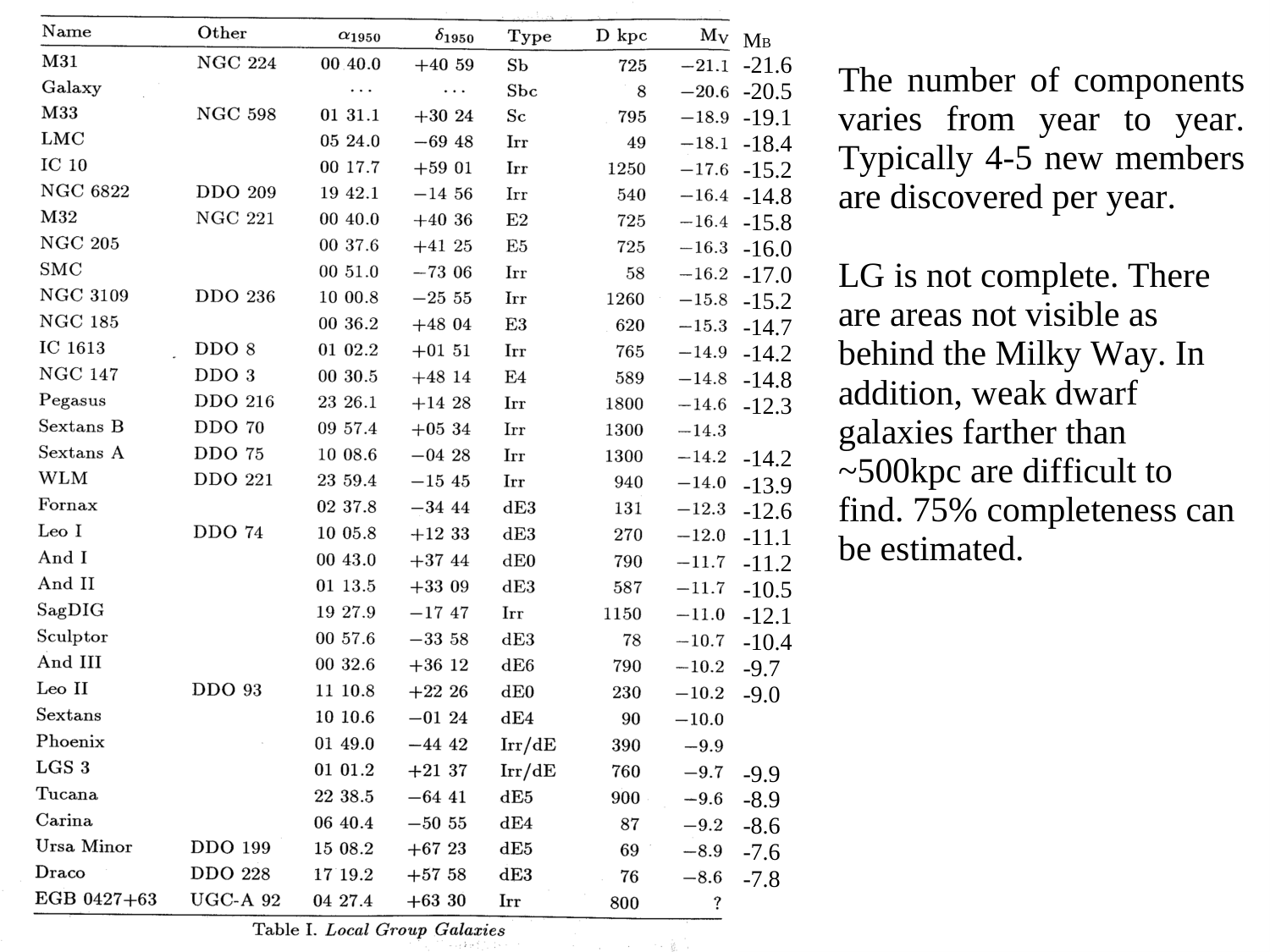 |
Lecture - Local Group & Clusters | Local Group architecture - MW, M31, M33, dwarf satellites, timing argument | [[Local Group galaxies]] |
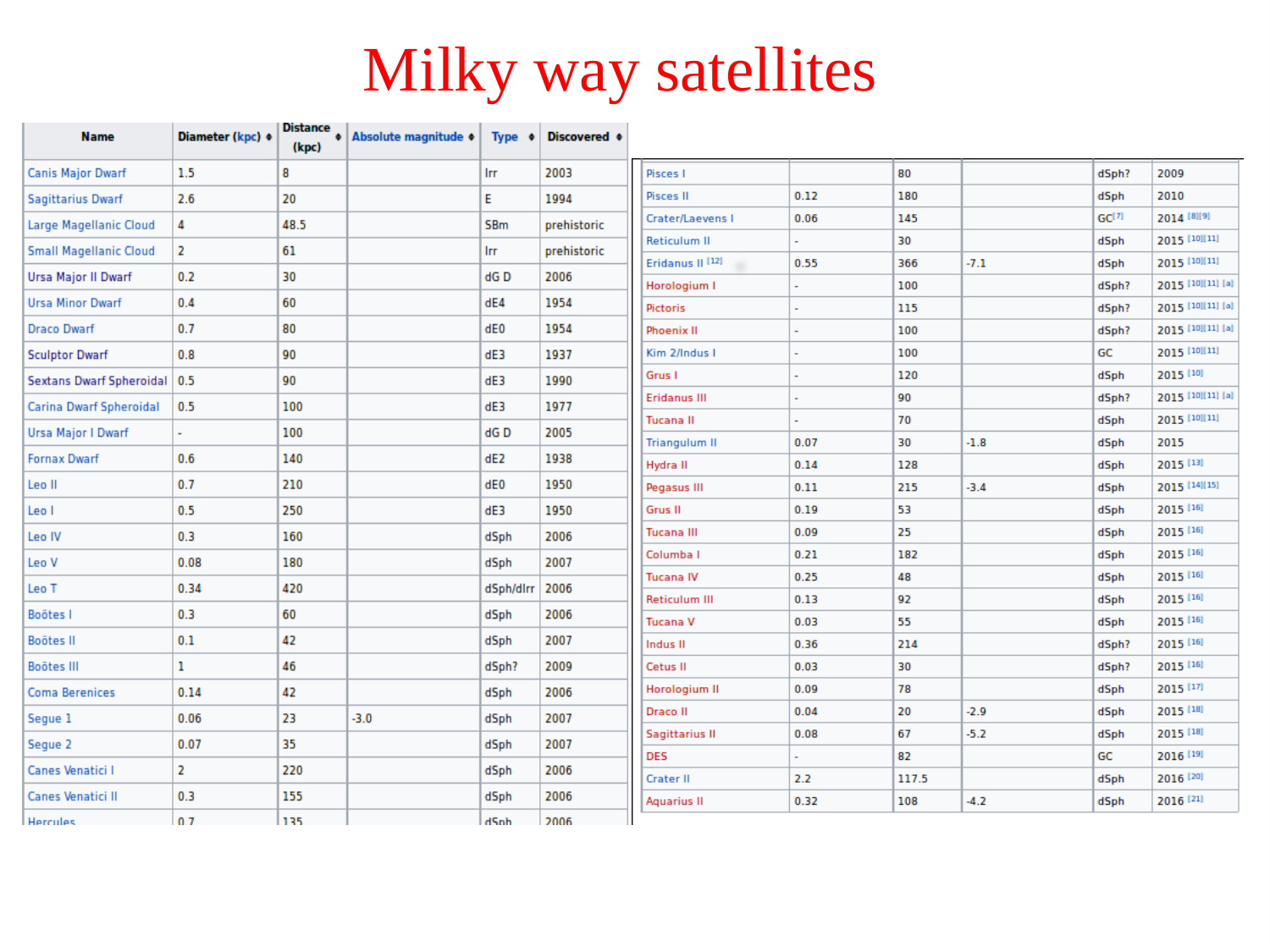 |
Lecture - Local Group & Clusters | Local Group architecture - MW, M31, M33, dwarf satellites, timing argument | [[Local Group galaxies]] |
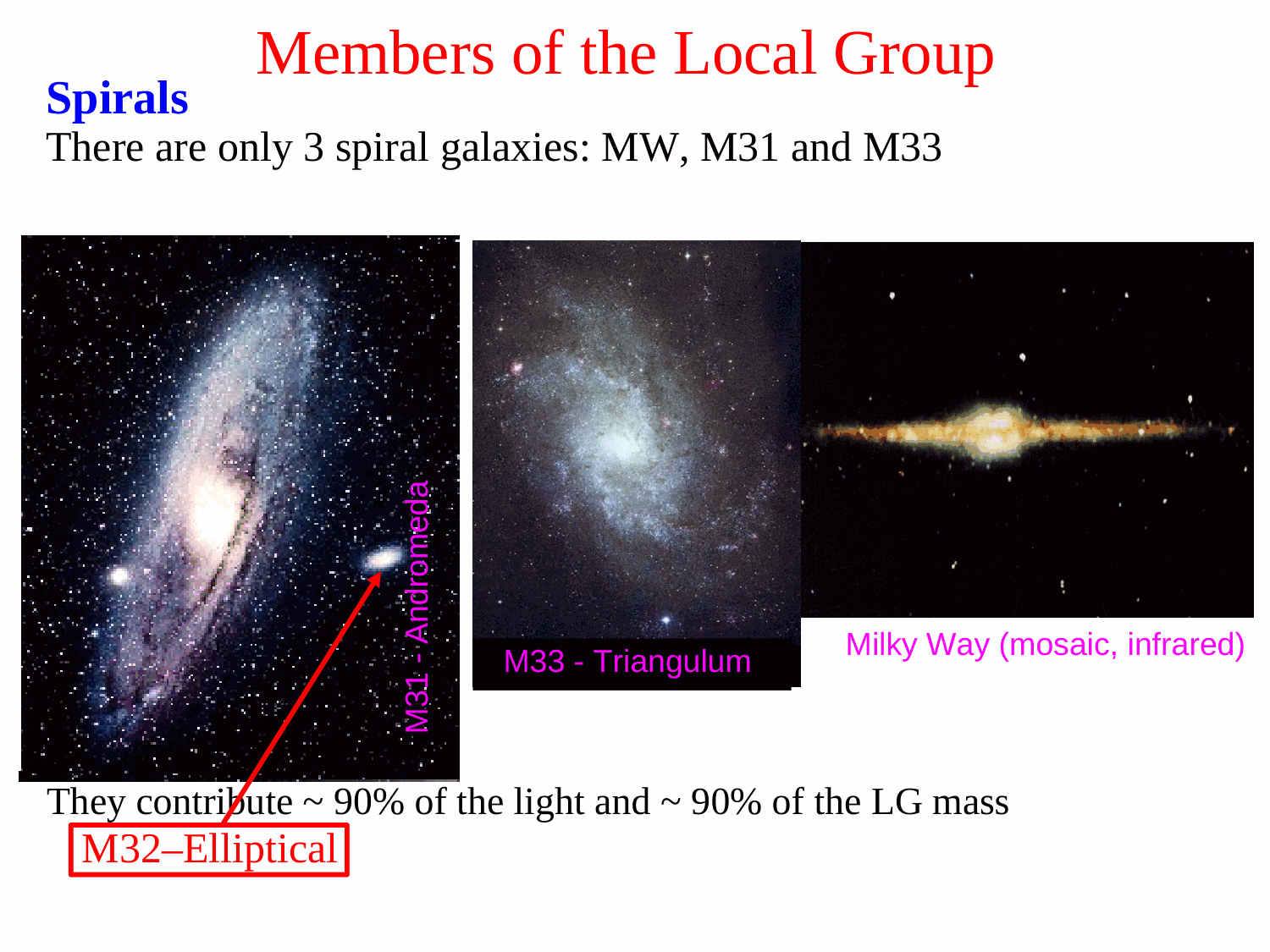 |
Lecture - Local Group & Clusters | Local Group architecture - MW, M31, M33, dwarf satellites, timing argument | [[Local Group galaxies]] |
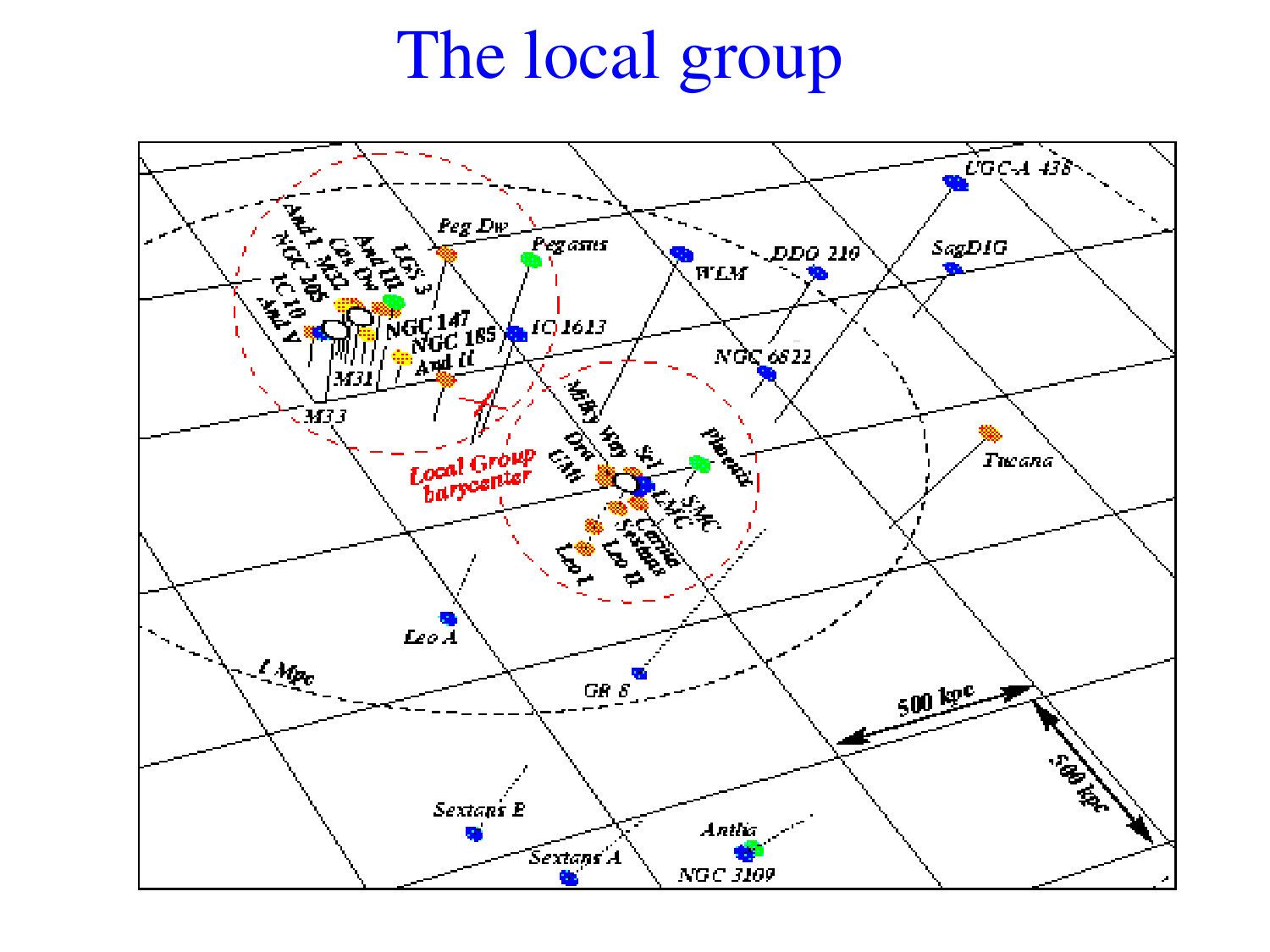 |
Lecture - Local Group & Clusters | Local Group architecture - MW, M31, M33, dwarf satellites, timing argument | [[Local Group galaxies]] |
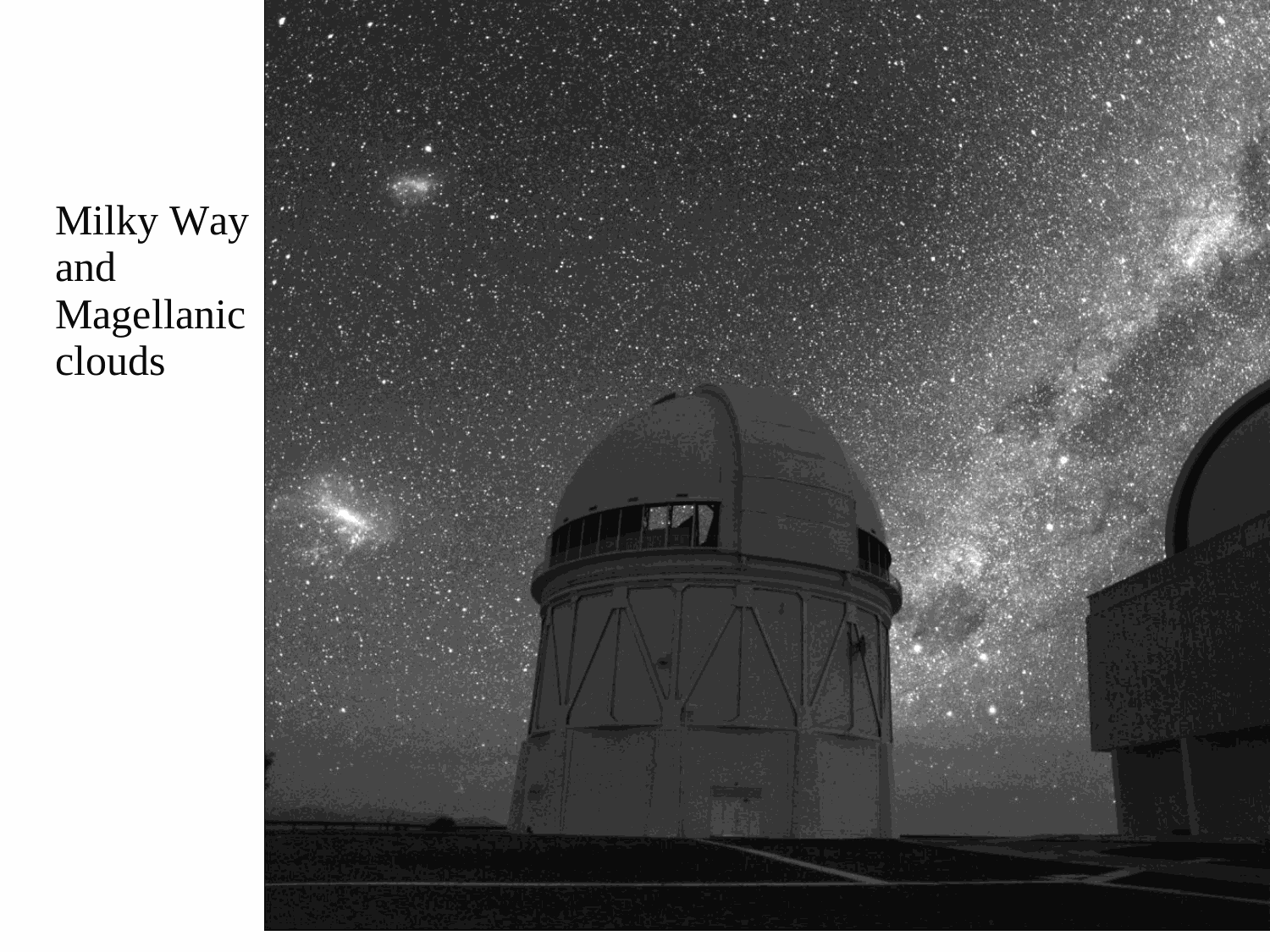 |
Lecture - Local Group & Clusters | Local Group architecture - MW, M31, M33, dwarf satellites, timing argument | [[Local Group galaxies]] |
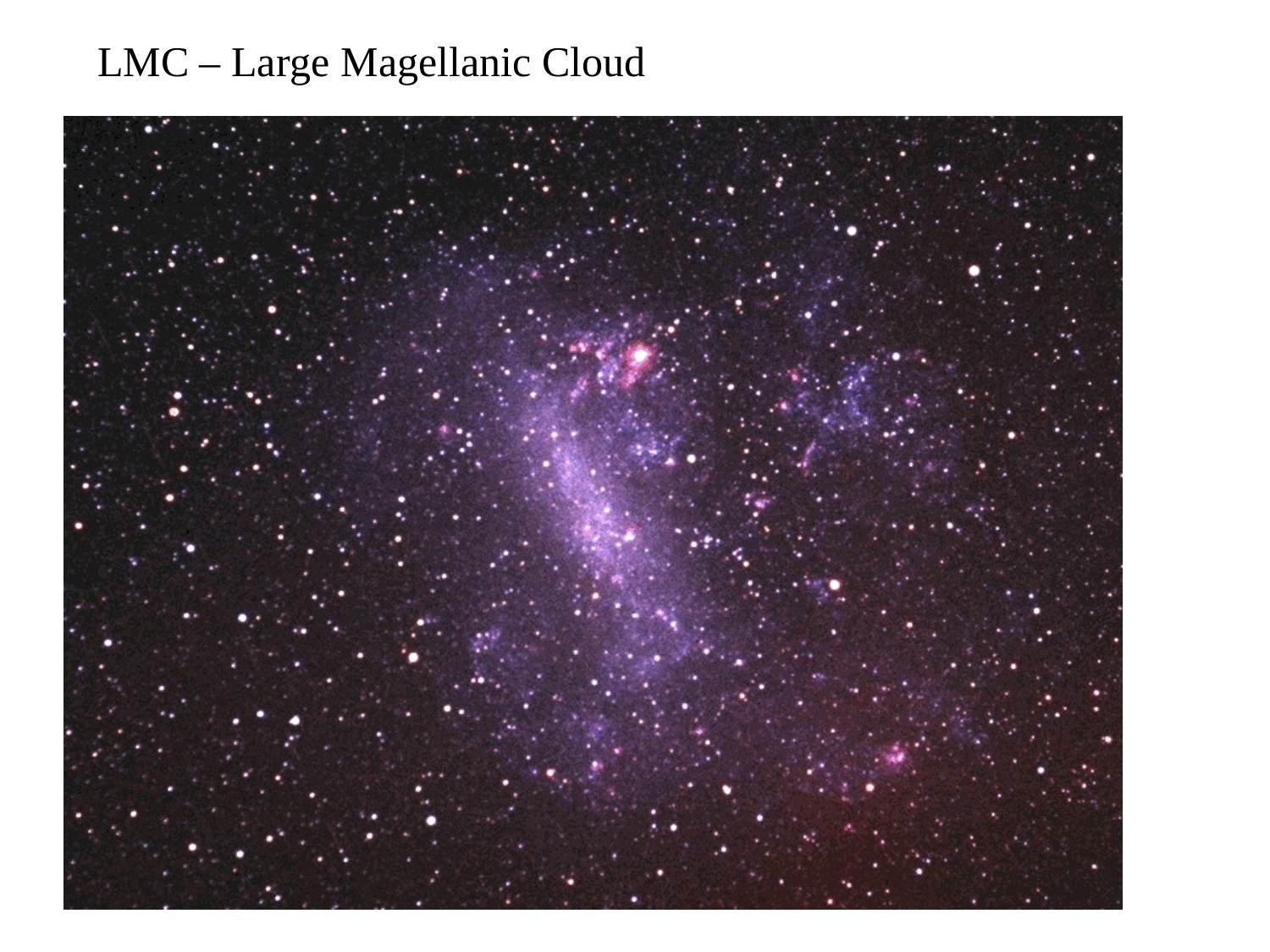 |
Lecture - Local Group & Clusters | Local Group architecture - MW, M31, M33, dwarf satellites, timing argument | [[Local Group galaxies]] |
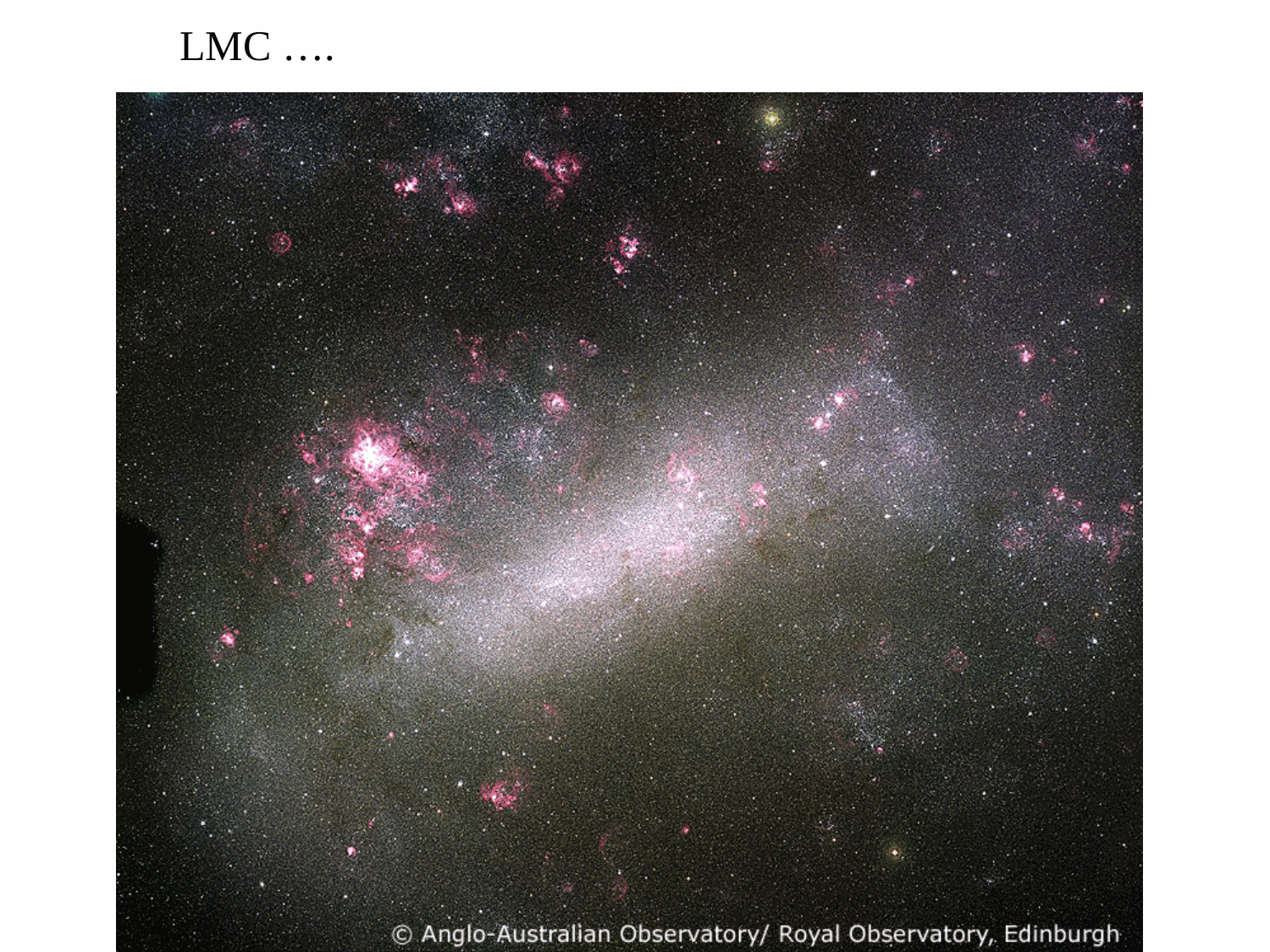 |
Lecture - Local Group & Clusters | Local Group architecture - MW, M31, M33, dwarf satellites, timing argument | [[Local Group galaxies]] |
 |
Lecture - Local Group & Clusters | Local Group architecture - MW, M31, M33, dwarf satellites, timing argument | [[Local Group galaxies]] |
 |
Lecture - Local Group & Clusters | Local Group architecture - MW, M31, M33, dwarf satellites, timing argument | [[Local Group galaxies]] |
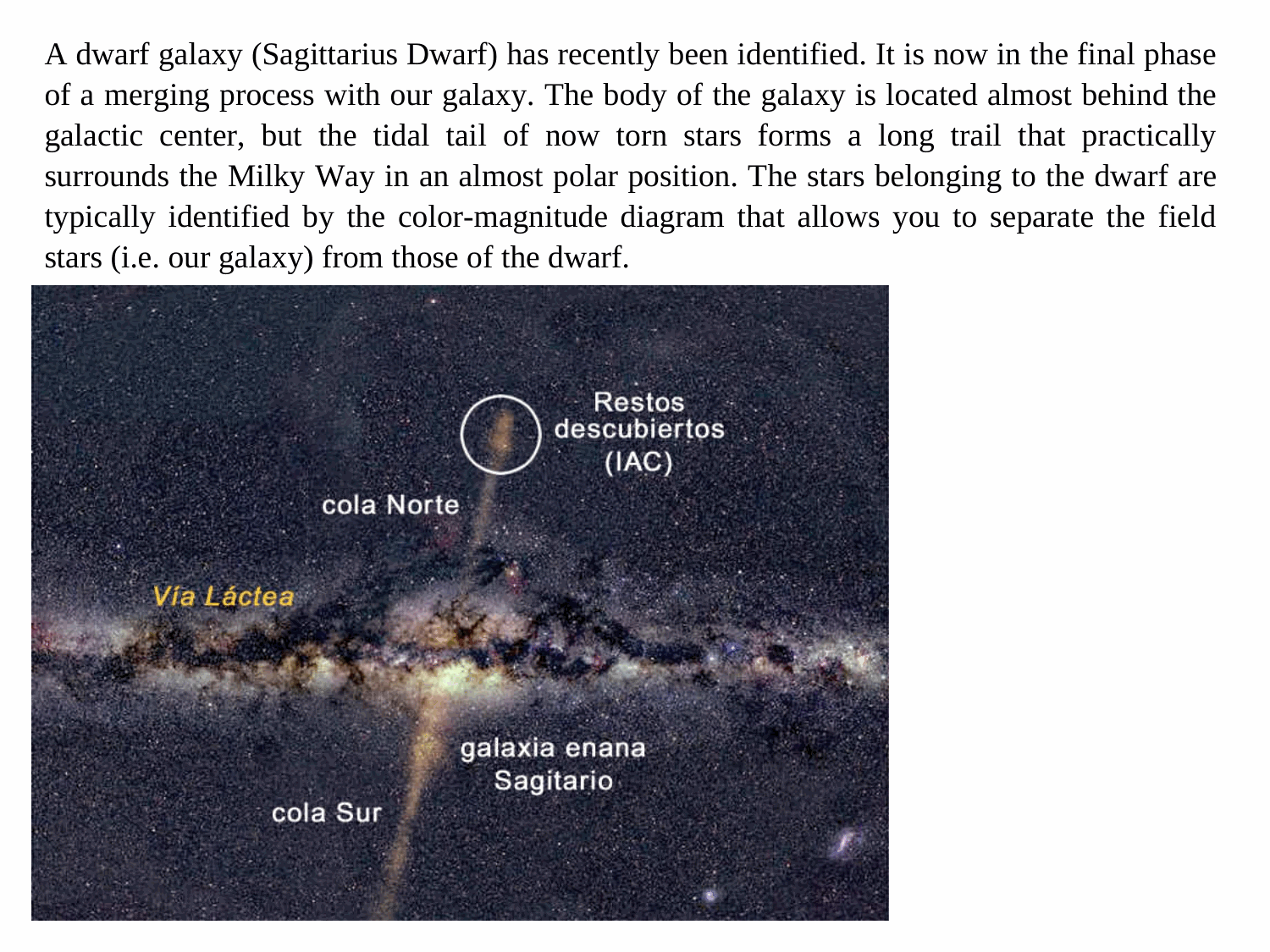 |
Lecture - Local Group & Clusters | Local Group architecture - MW, M31, M33, dwarf satellites, timing argument | [[Local Group galaxies]] |
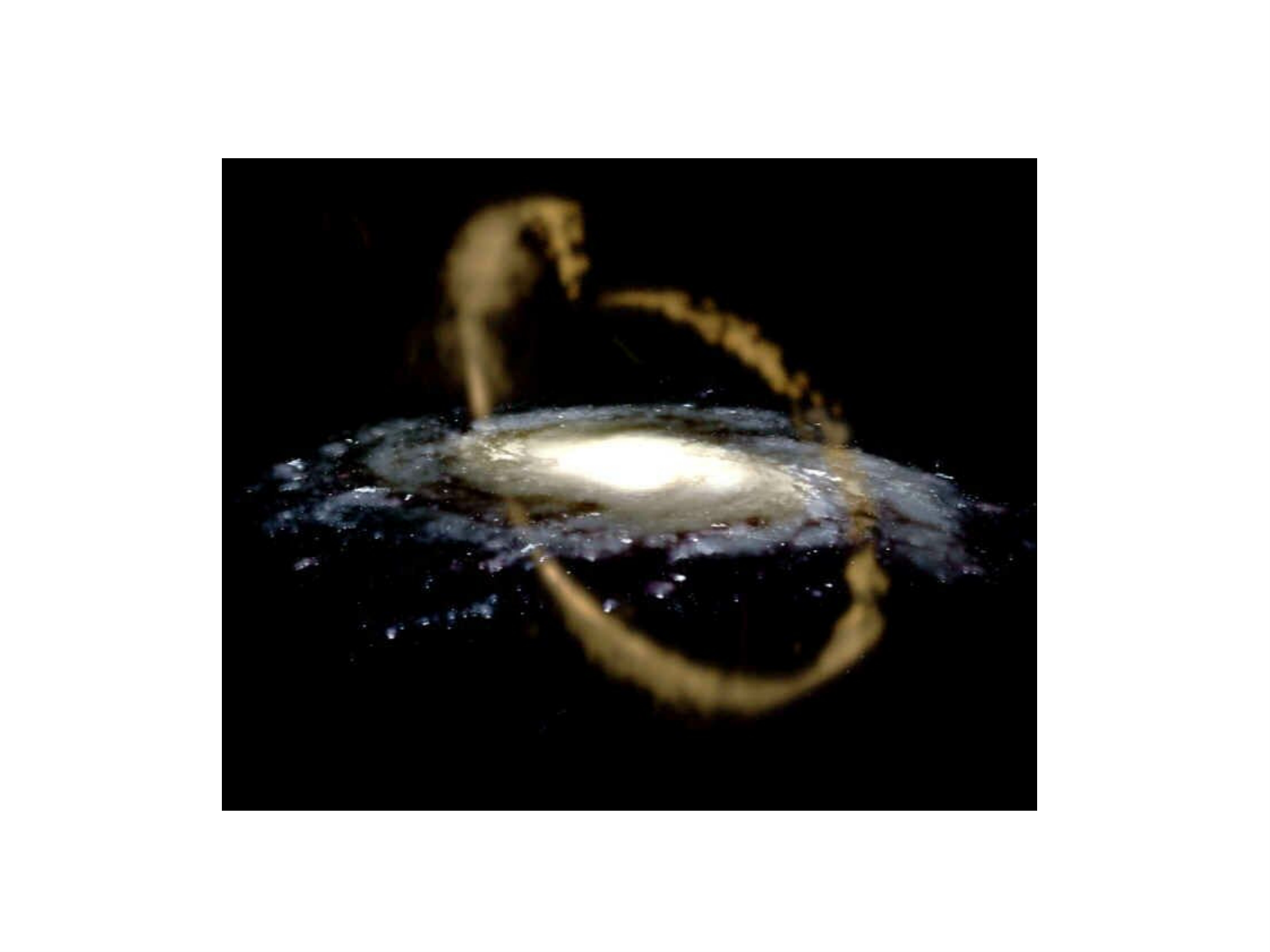 |
Lecture - Local Group & Clusters | Local Group architecture - MW, M31, M33, dwarf satellites, timing argument | [[Local Group galaxies]] |
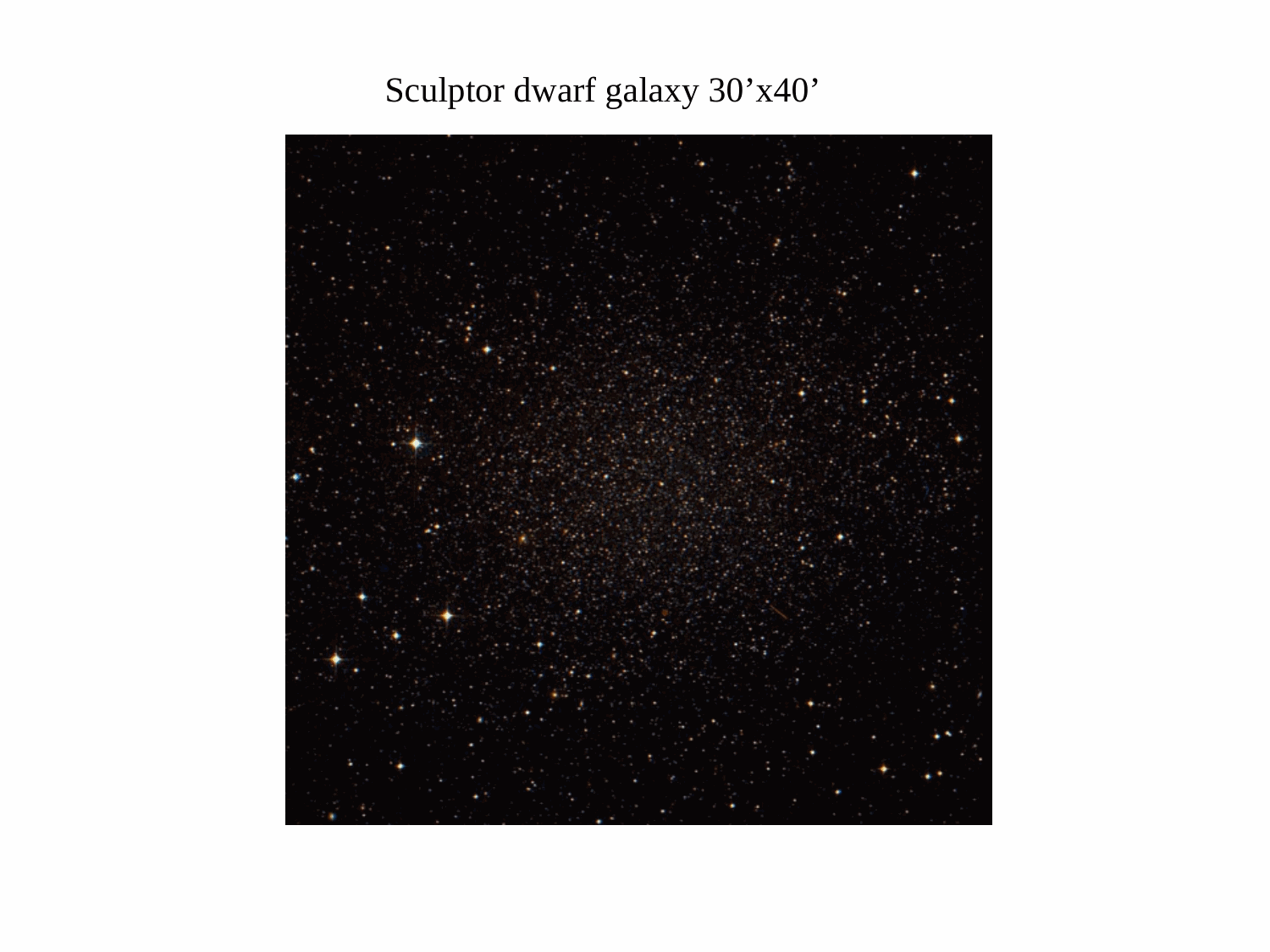 |
Lecture - Local Group & Clusters | Local Group architecture - MW, M31, M33, dwarf satellites, timing argument | [[Local Group galaxies]] |
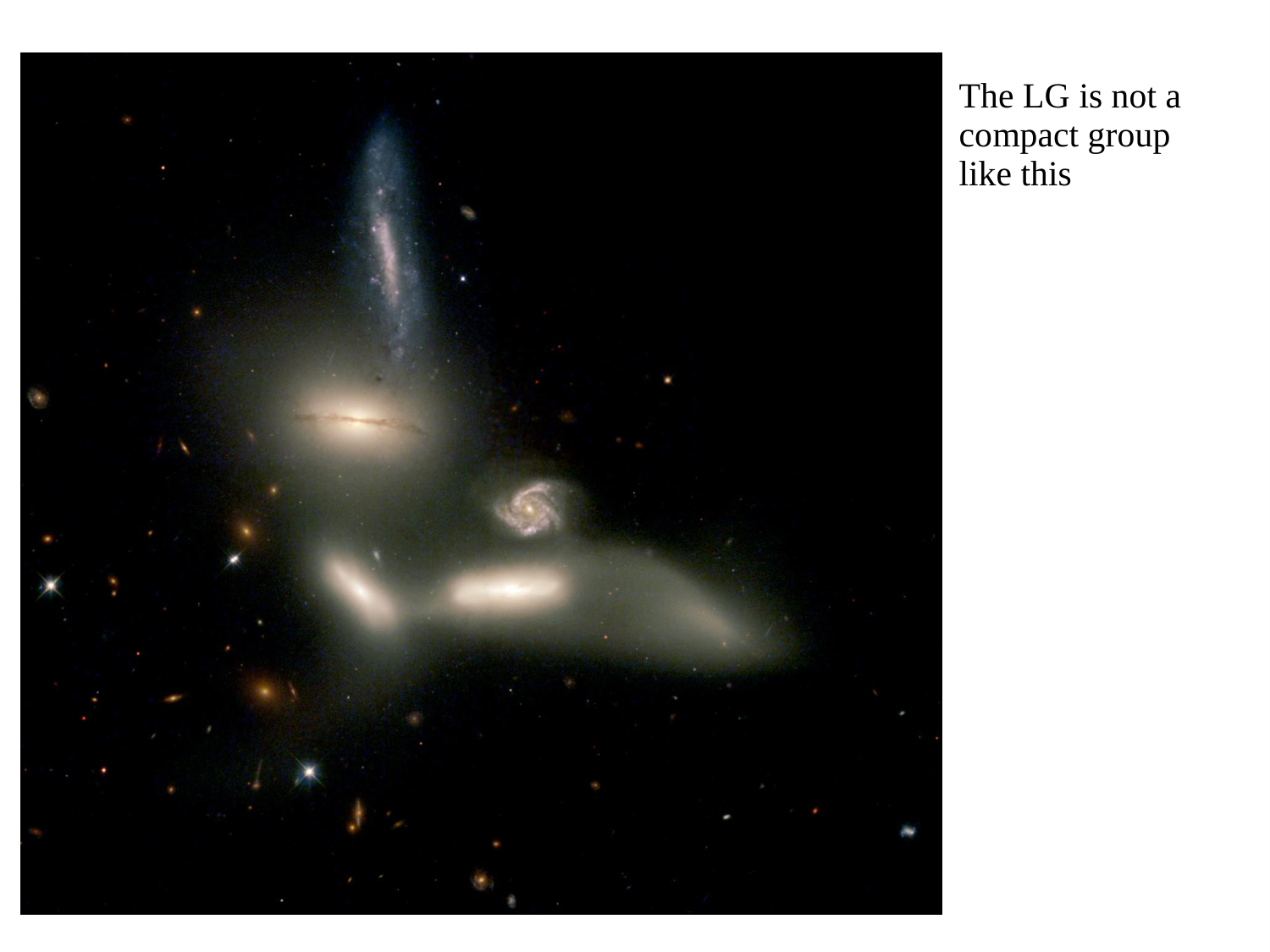 |
Lecture - Local Group & Clusters | Local Group architecture - MW, M31, M33, dwarf satellites, timing argument | [[Local Group galaxies]] |
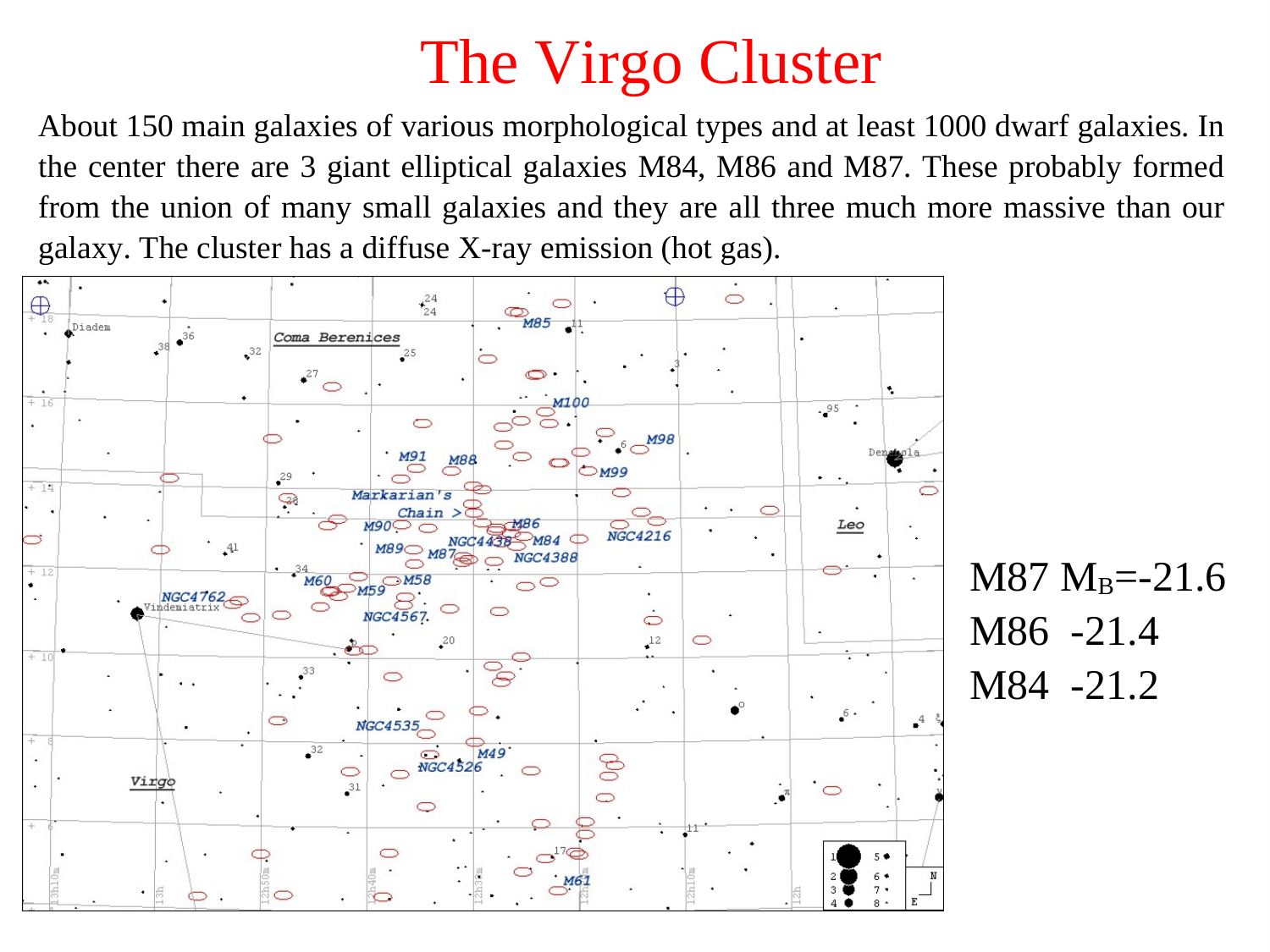 |
Lecture - Local Group & Clusters | Virgo cluster properties, sub-structures, intracluster light | [[Virgo cluster]] |
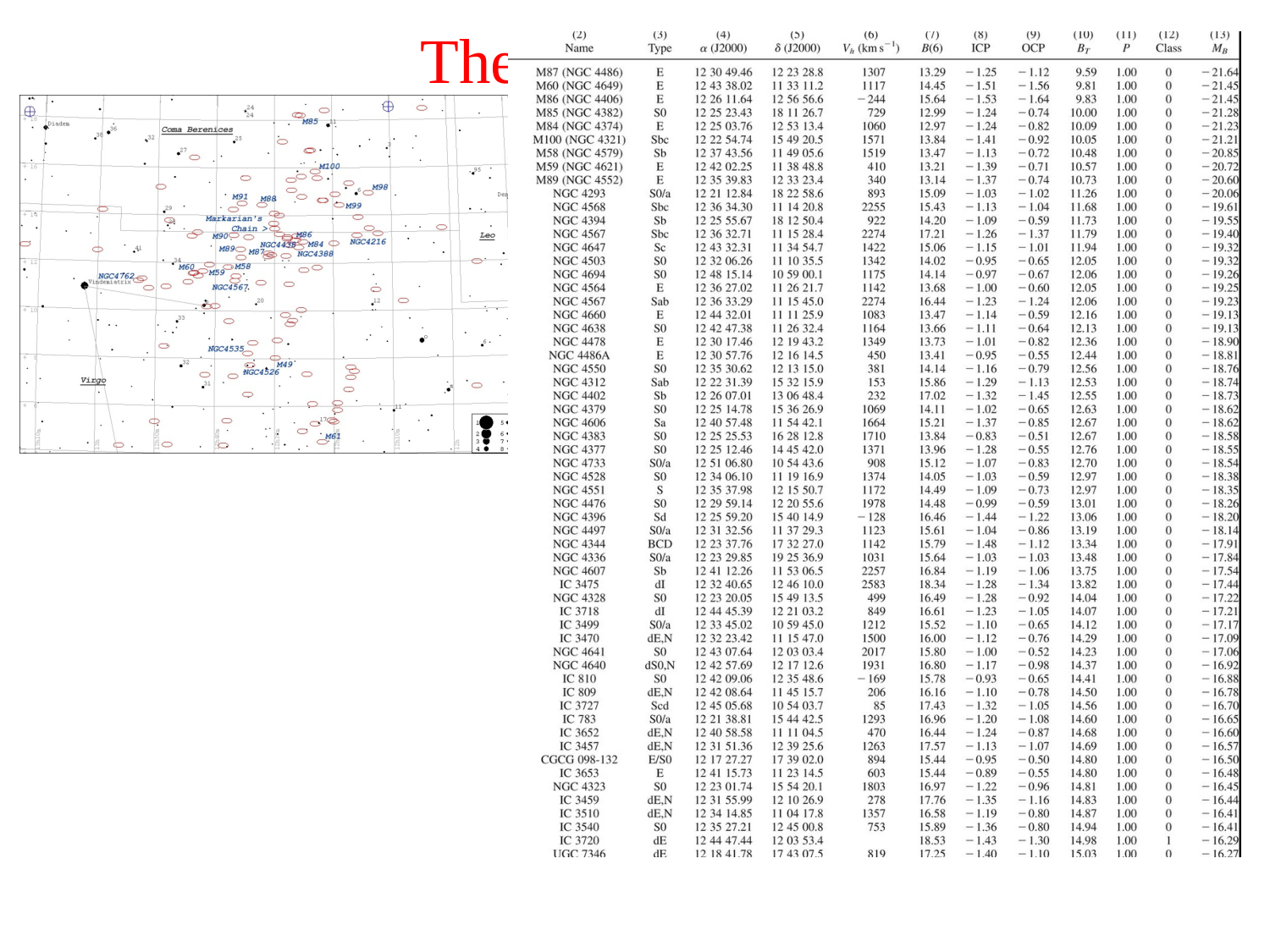 |
Lecture - Local Group & Clusters | Virgo cluster properties, sub-structures, intracluster light | [[Virgo cluster]] |
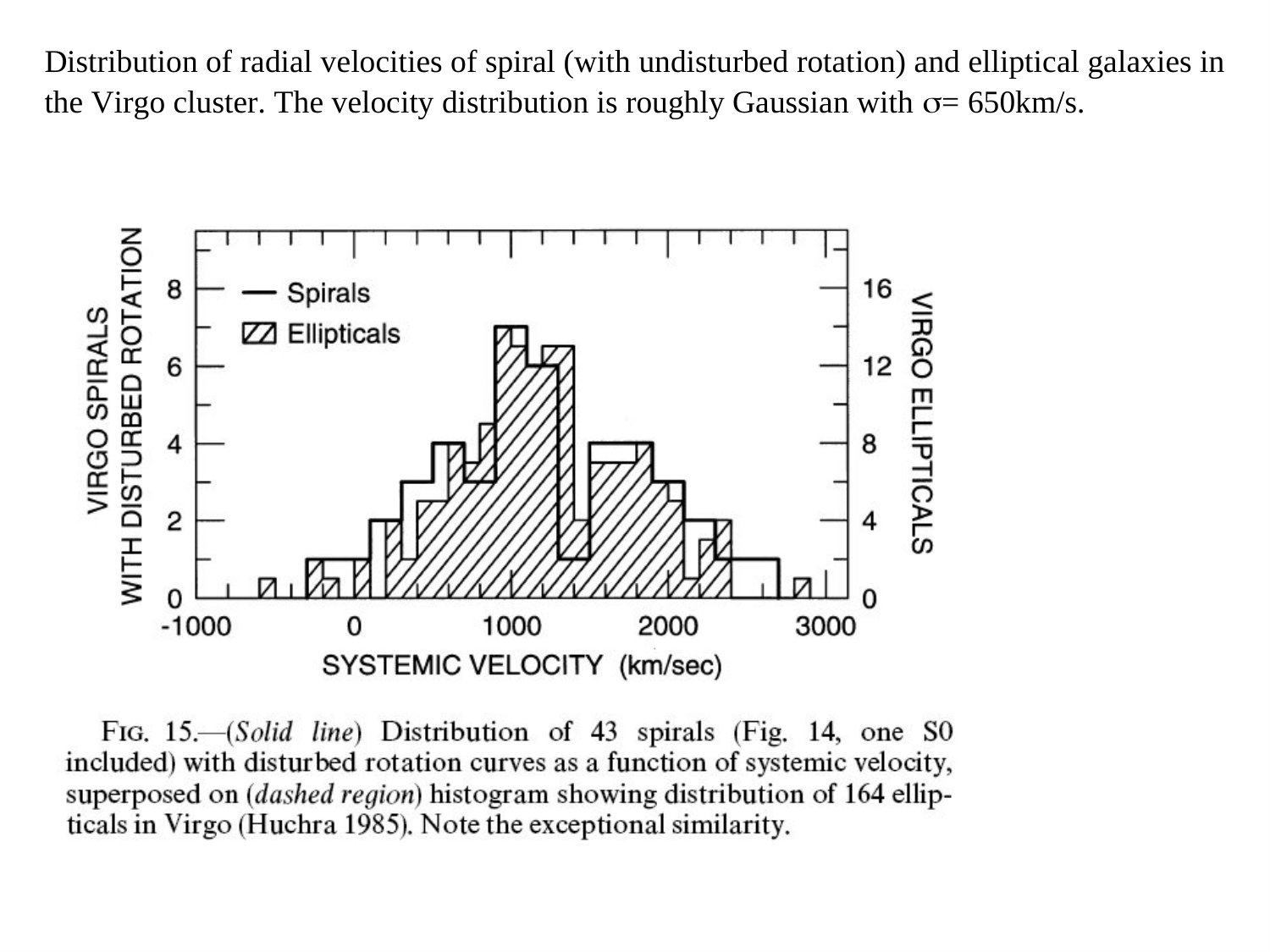 |
Lecture - Local Group & Clusters | Virgo cluster properties, sub-structures, intracluster light | [[Virgo cluster]] |
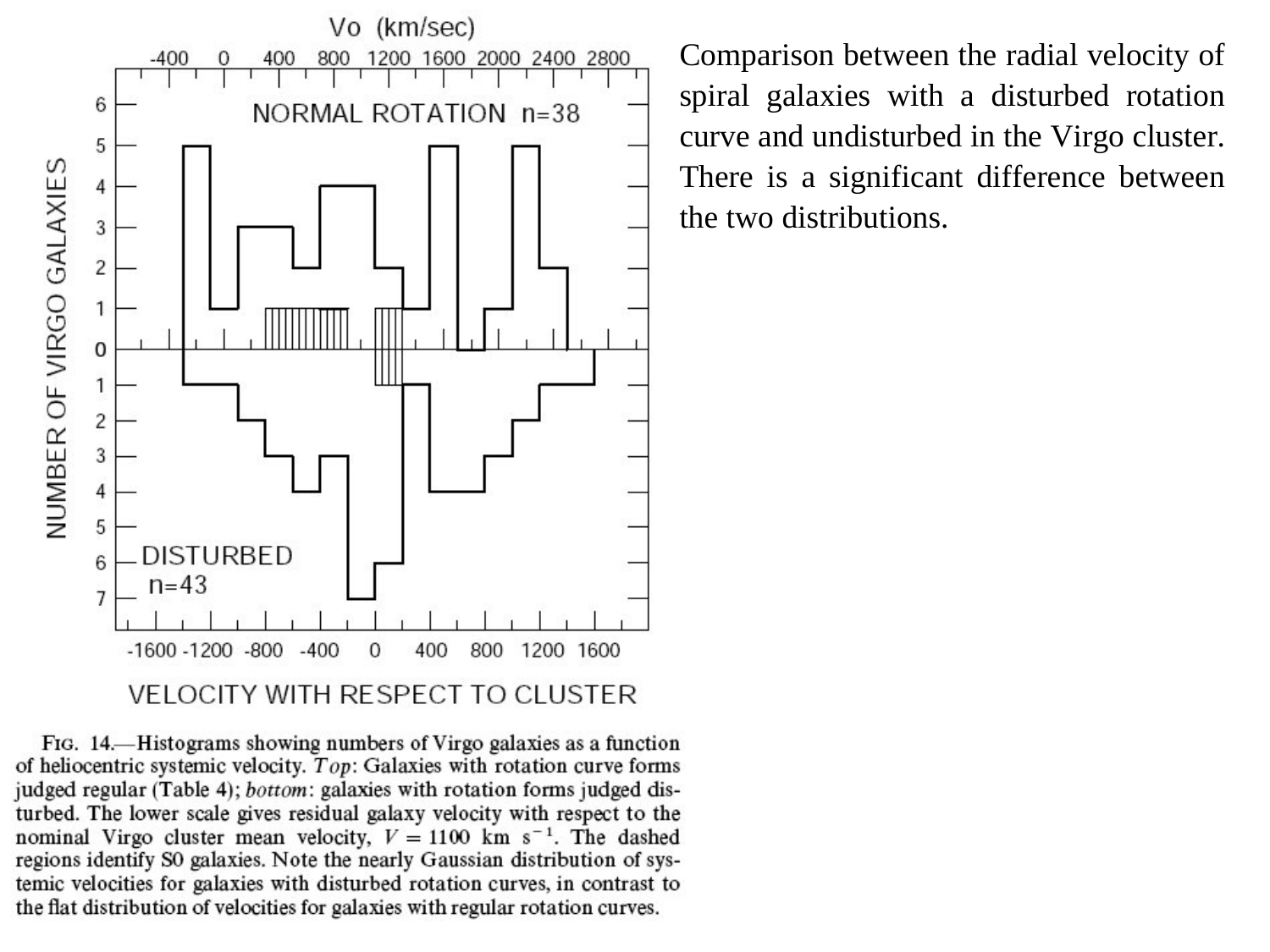 |
Lecture - Local Group & Clusters | Virgo cluster properties, sub-structures, intracluster light | [[Virgo cluster]] |
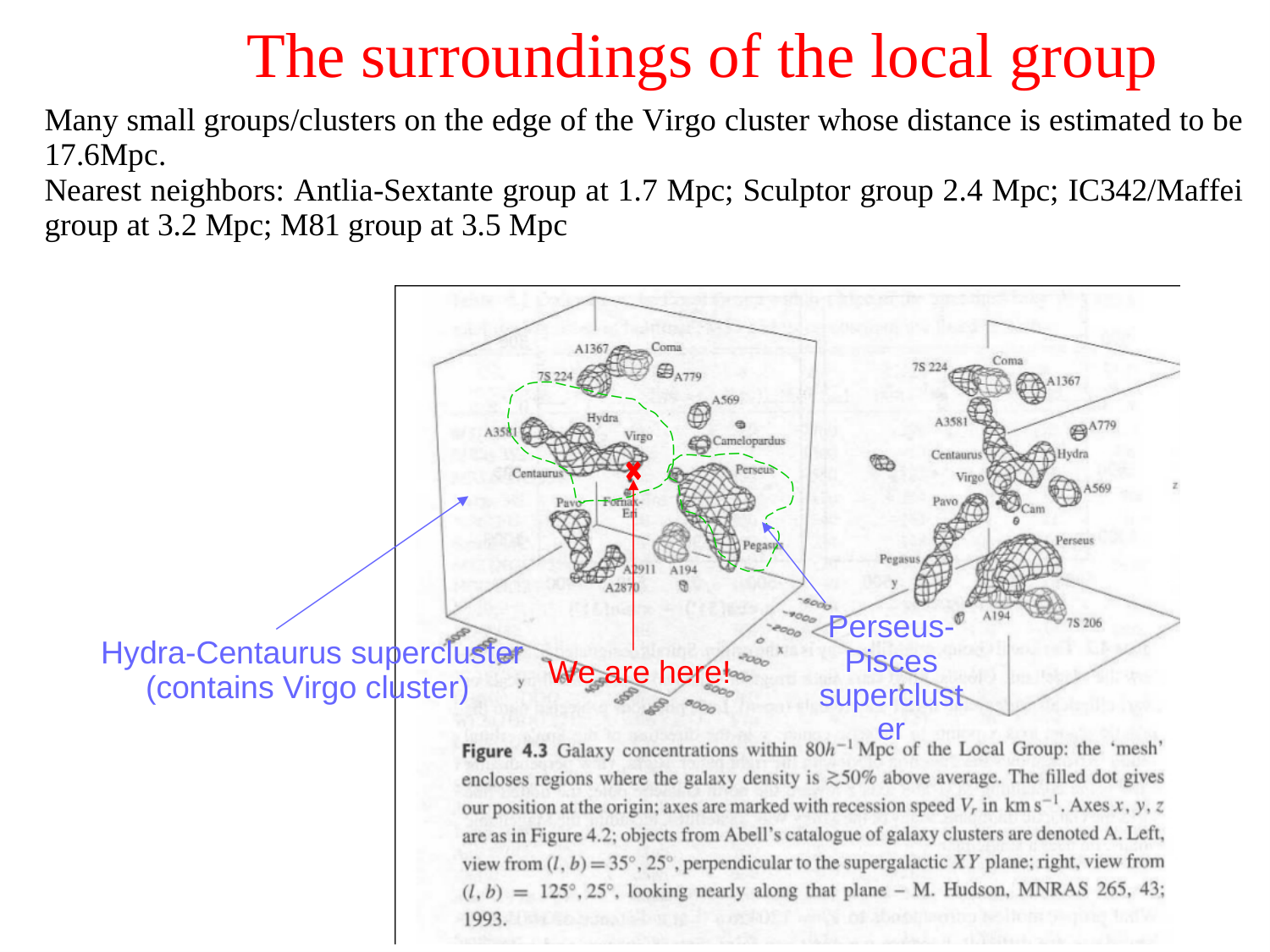 |
Lecture - Local Group & Clusters | Virgo cluster properties, sub-structures, intracluster light | [[Virgo cluster]] |
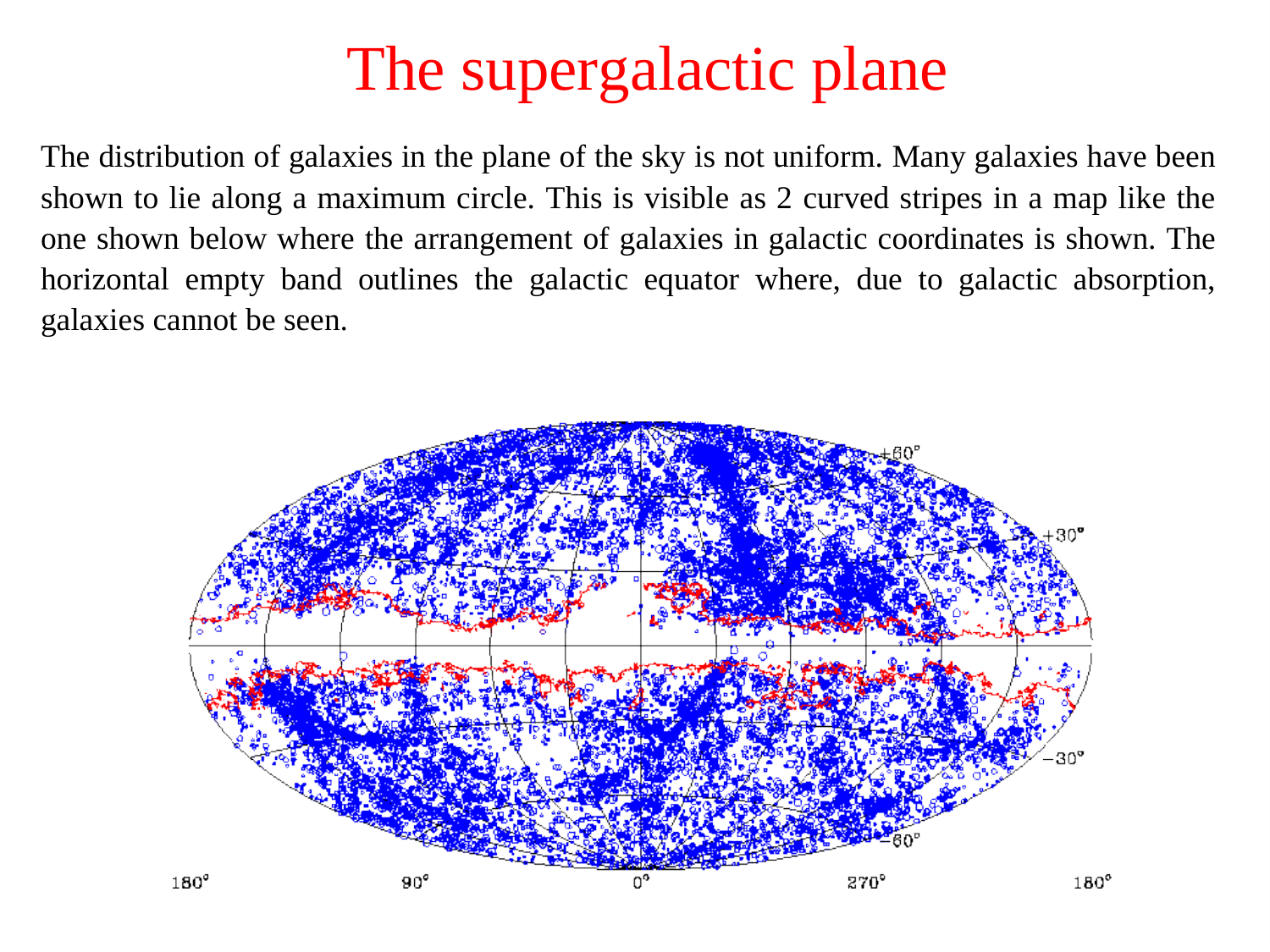 |
Lecture - Local Group & Clusters | Virgo cluster properties, sub-structures, intracluster light | [[Virgo cluster]] |
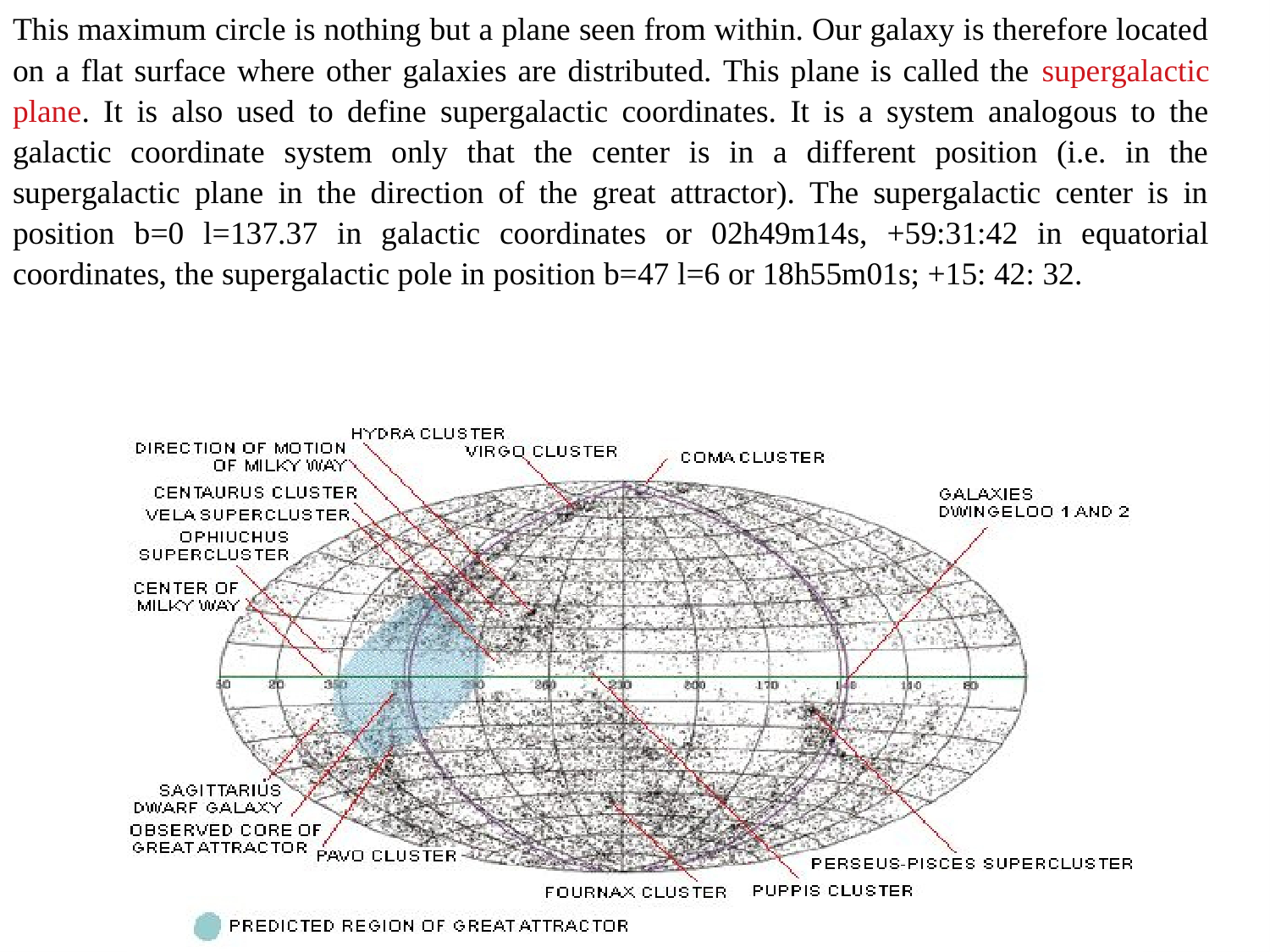 |
Lecture - Local Group & Clusters | Virgo cluster properties, sub-structures, intracluster light | [[Virgo cluster]] |
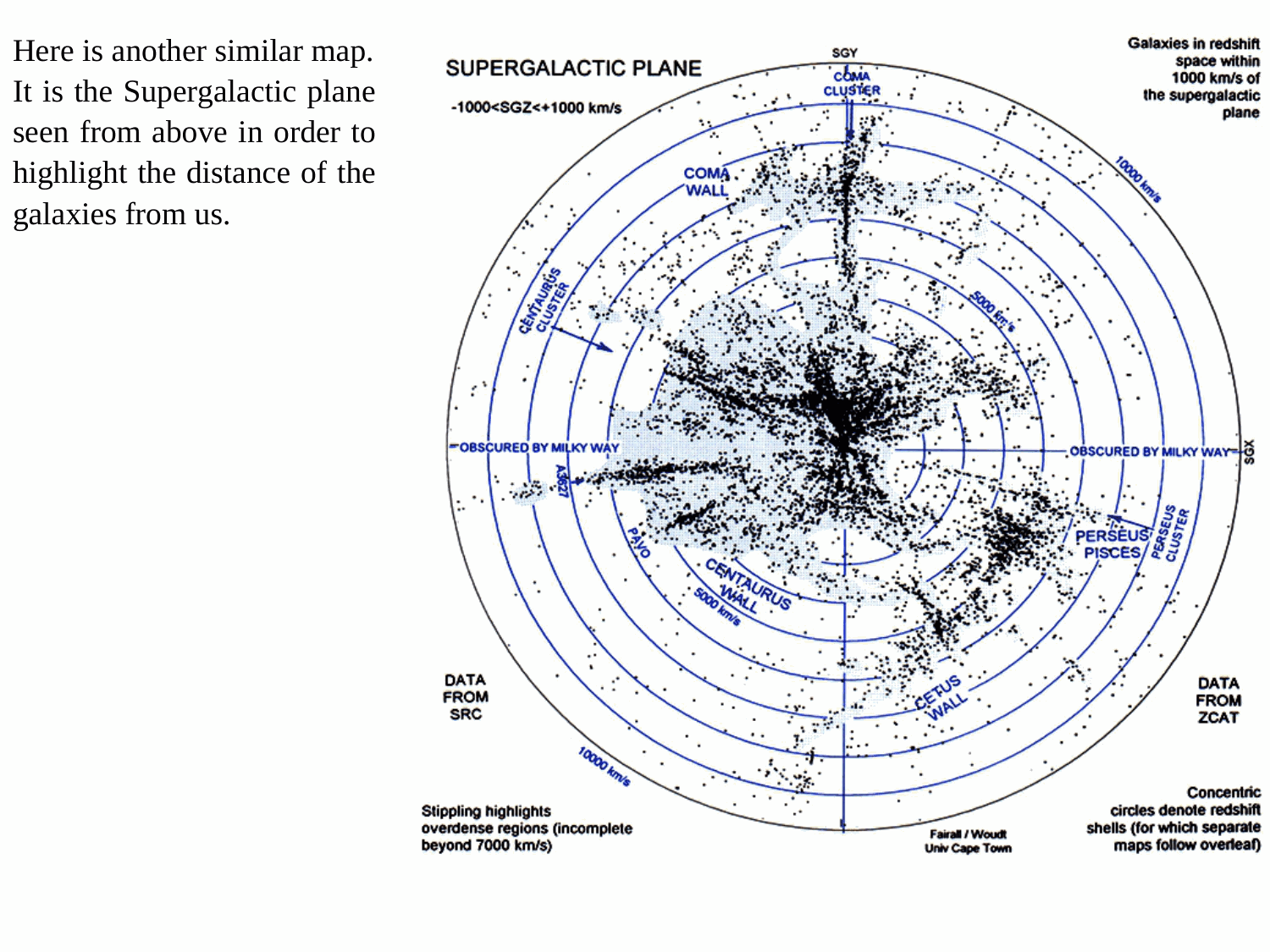 |
Lecture - Local Group & Clusters | Virgo cluster properties, sub-structures, intracluster light | [[Virgo cluster]] |
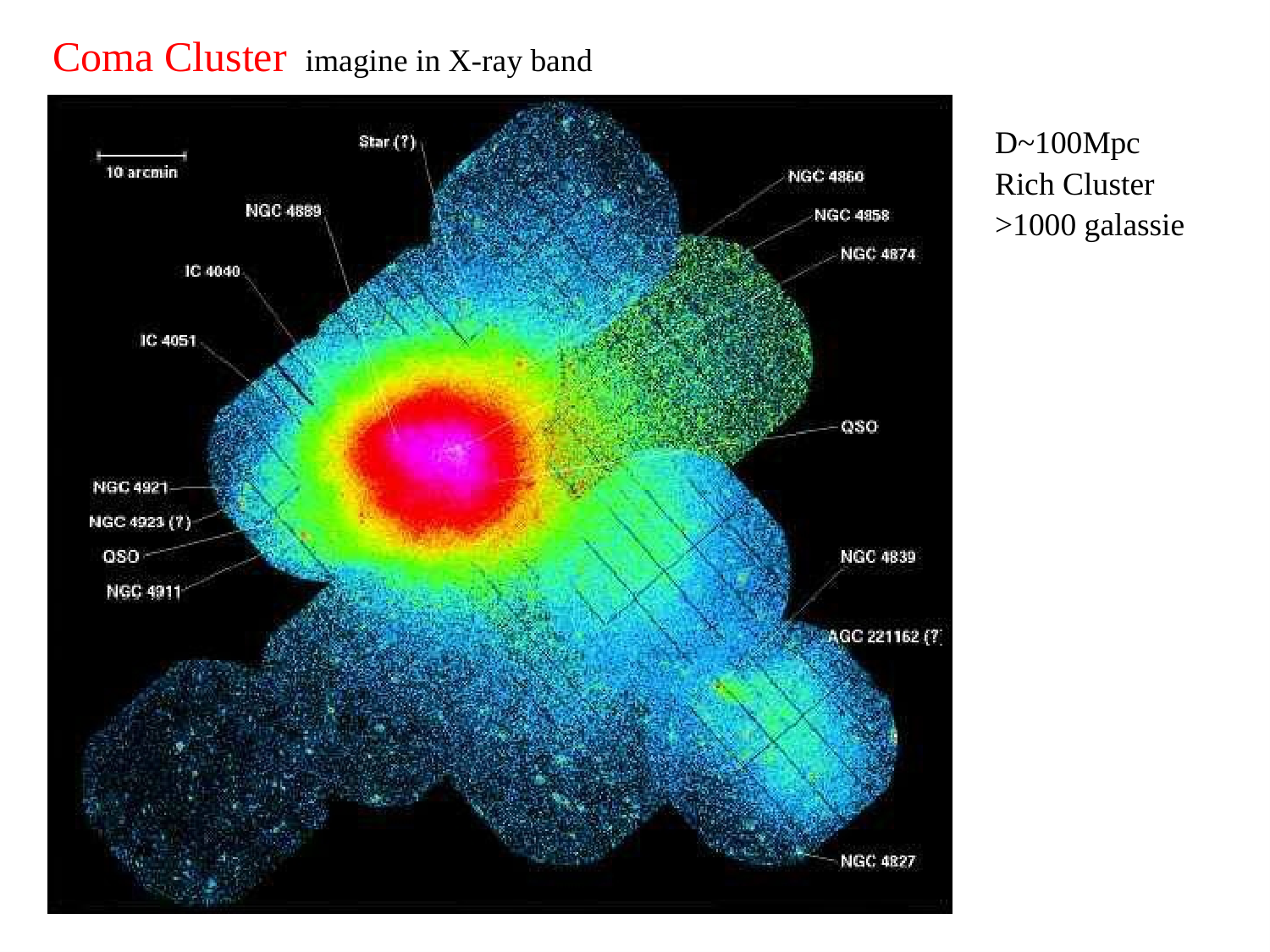 |
Lecture - Local Group & Clusters | Virgo cluster properties, sub-structures, intracluster light | [[Virgo cluster]] |
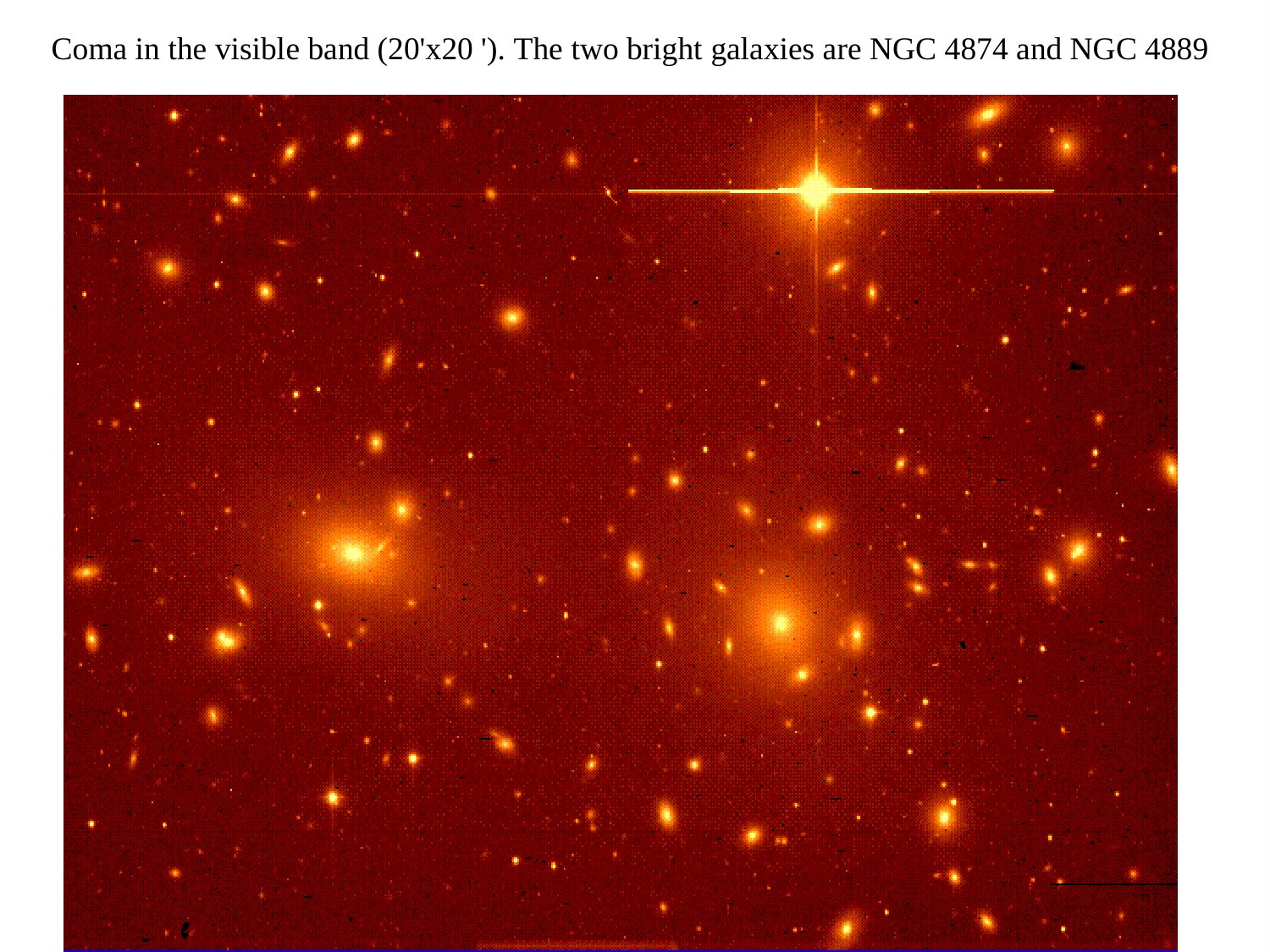 |
Lecture - Local Group & Clusters | Virgo cluster properties, sub-structures, intracluster light | [[Virgo cluster]] |
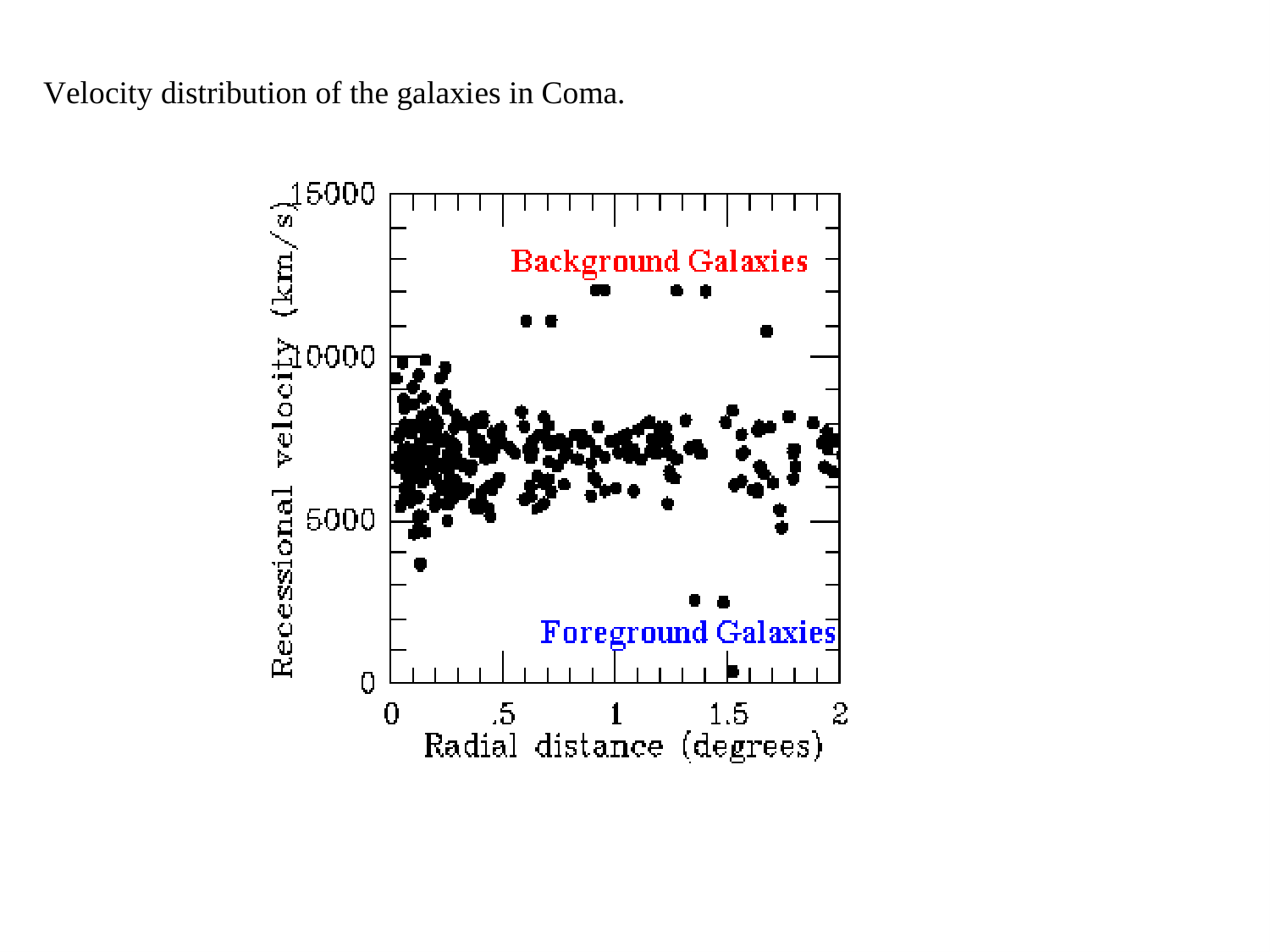 |
Lecture - Local Group & Clusters | Coma cluster, rich cluster dynamics, hot ICM X-ray emission | [[Coma cluster]] |
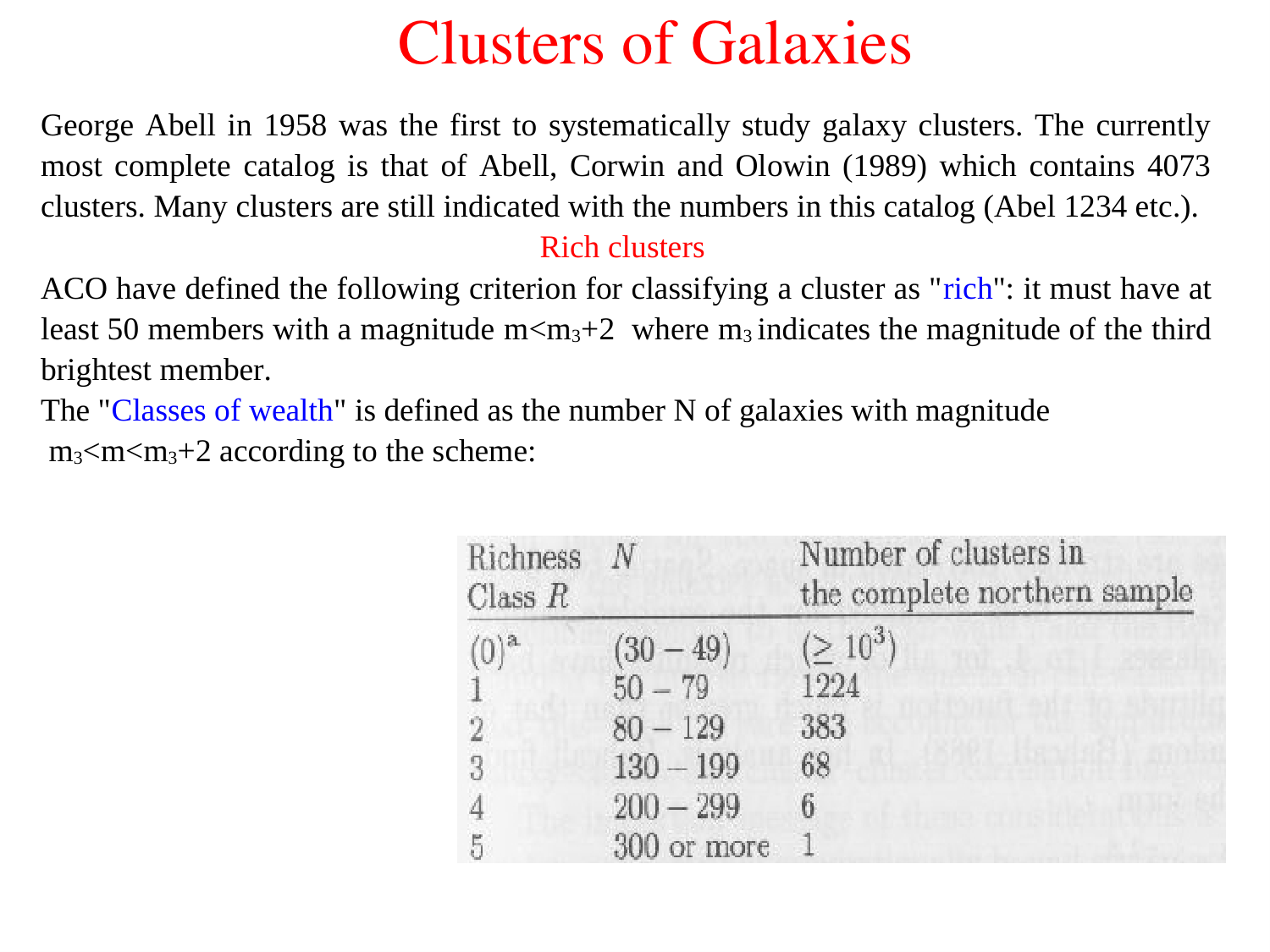 |
Lecture - Local Group & Clusters | Coma cluster, rich cluster dynamics, hot ICM X-ray emission | [[Coma cluster]] |
 |
Lecture - Local Group & Clusters | Coma cluster, rich cluster dynamics, hot ICM X-ray emission | [[Coma cluster]] |
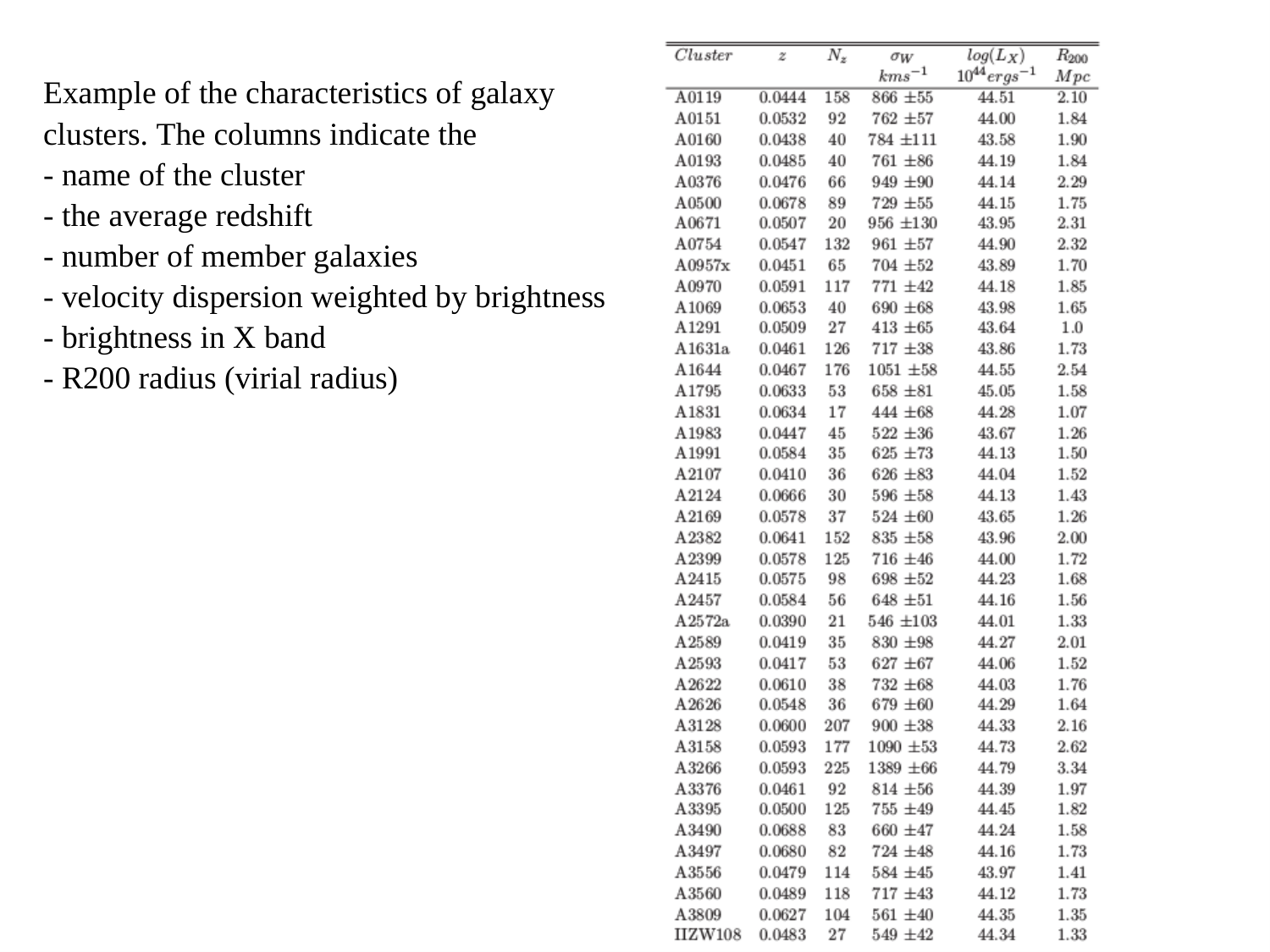 |
Lecture - Local Group & Clusters | Coma cluster, rich cluster dynamics, hot ICM X-ray emission | [[Coma cluster]] |
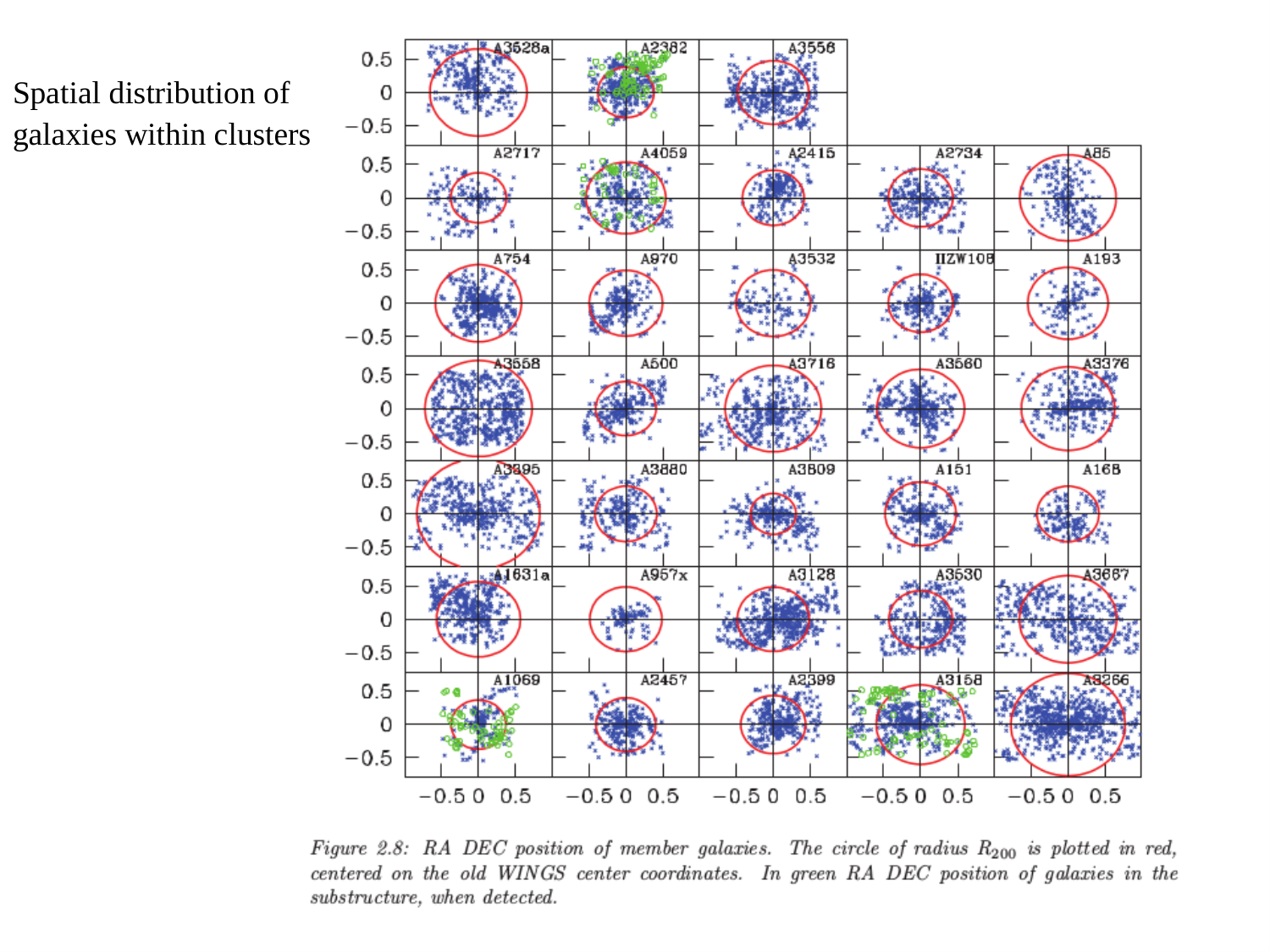 |
Lecture - Local Group & Clusters | Coma cluster, rich cluster dynamics, hot ICM X-ray emission | [[Coma cluster]] |
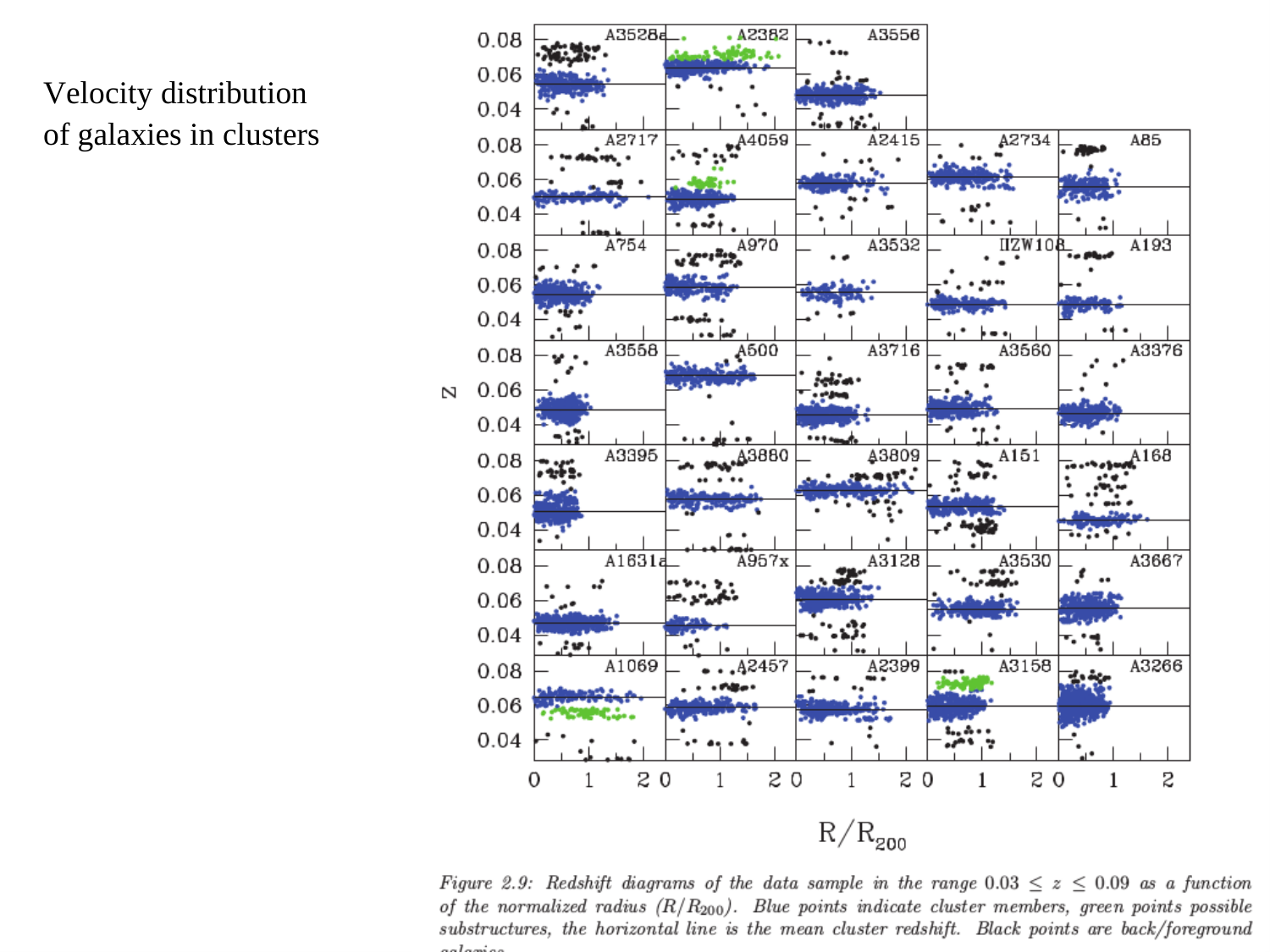 |
Lecture - Local Group & Clusters | Coma cluster, rich cluster dynamics, hot ICM X-ray emission | [[Coma cluster]] |
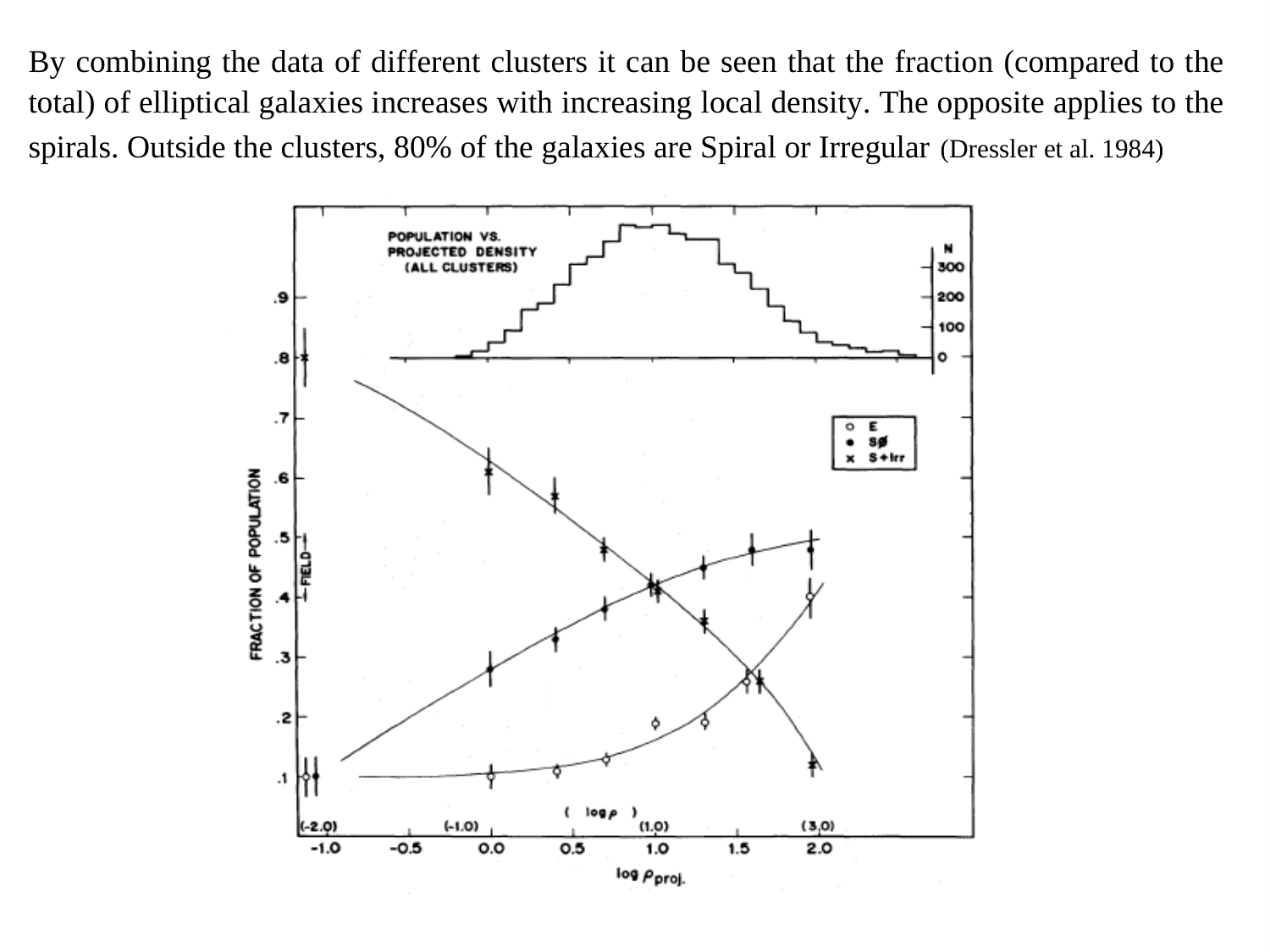 |
Lecture - Local Group & Clusters | Coma cluster, rich cluster dynamics, hot ICM X-ray emission | [[Coma cluster]] |
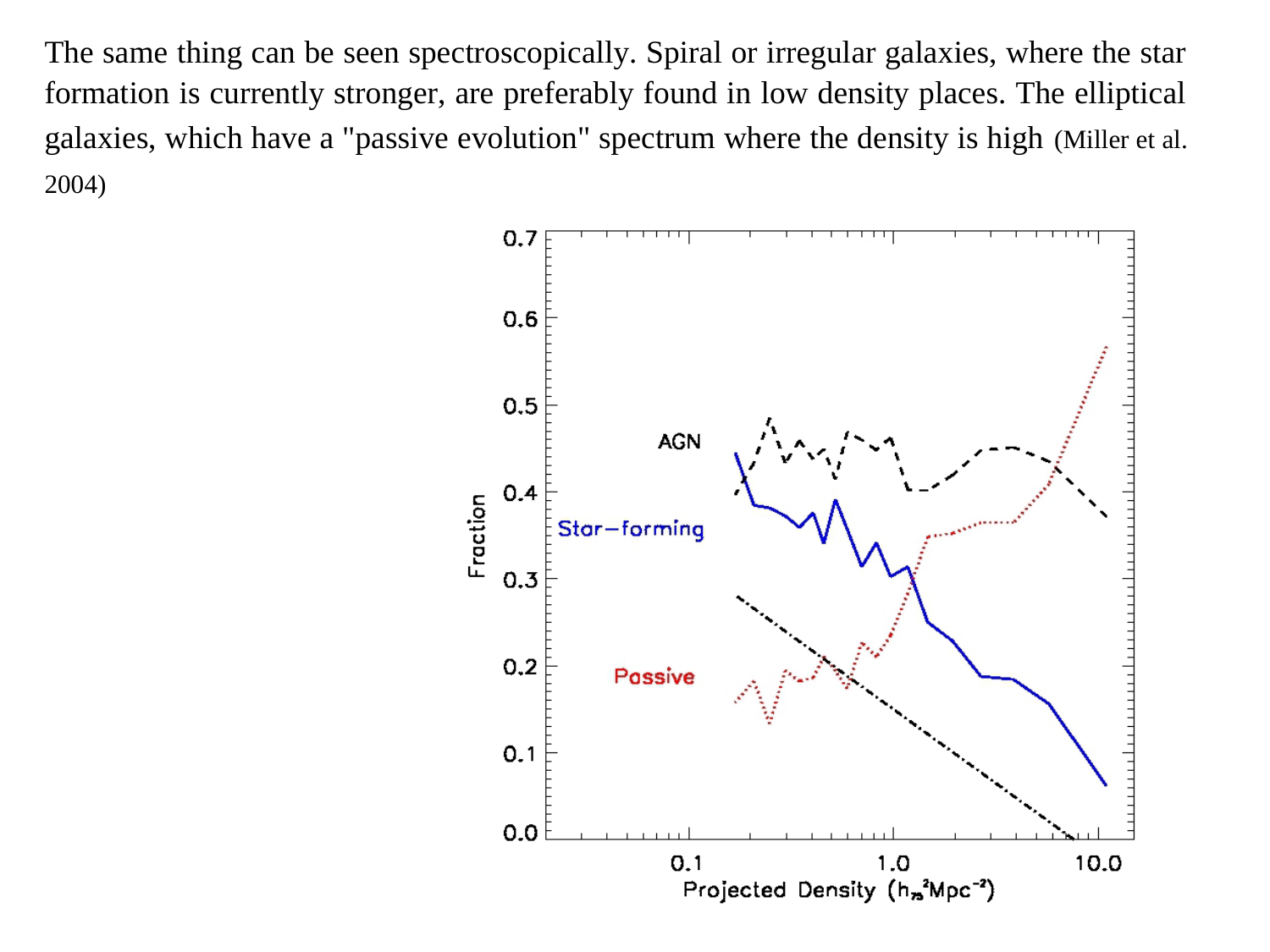 |
Lecture - Local Group & Clusters | Coma cluster, rich cluster dynamics, hot ICM X-ray emission | [[Coma cluster]] |
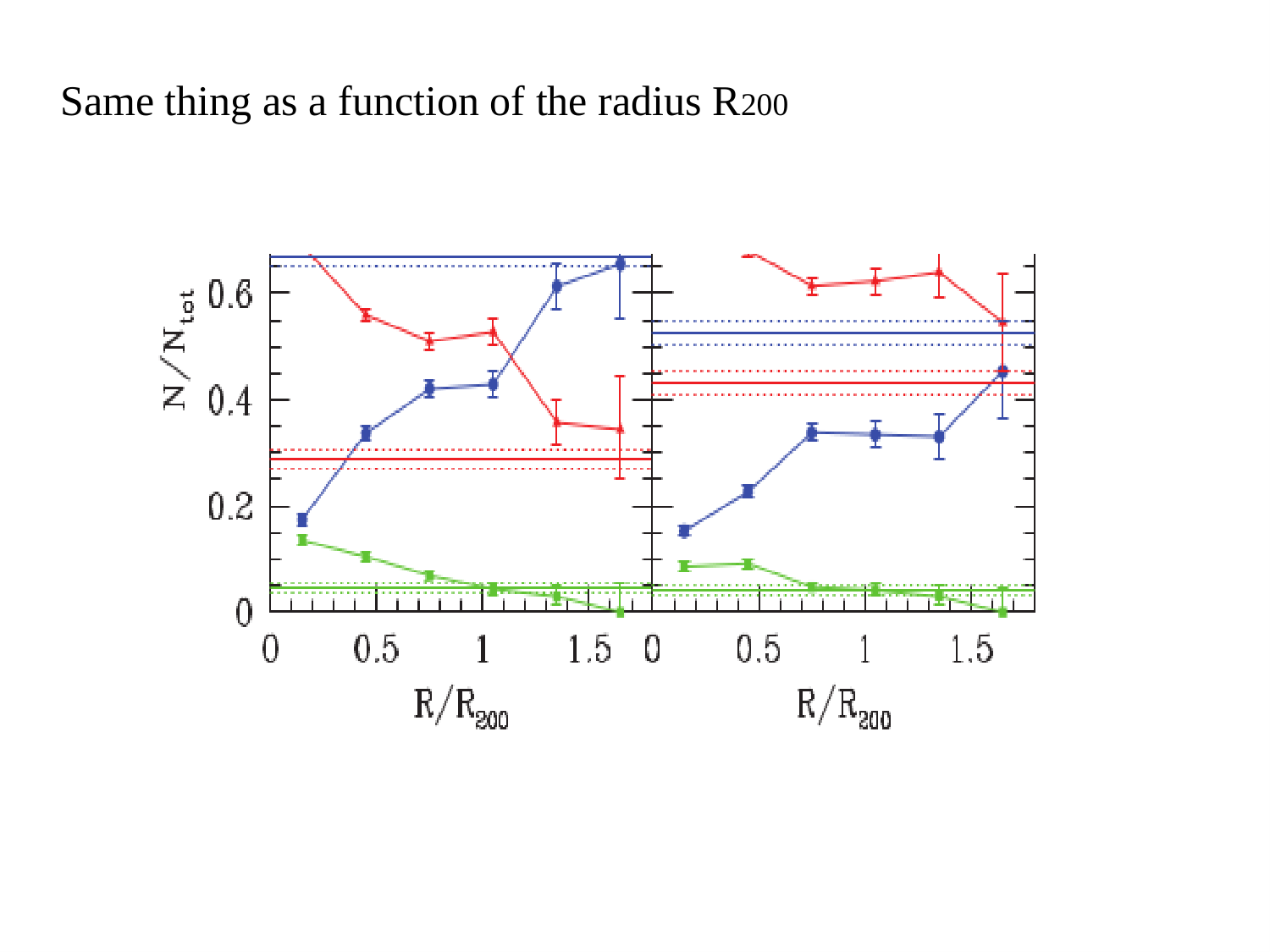 |
Lecture - Local Group & Clusters | Coma cluster, rich cluster dynamics, hot ICM X-ray emission | [[Coma cluster]] |
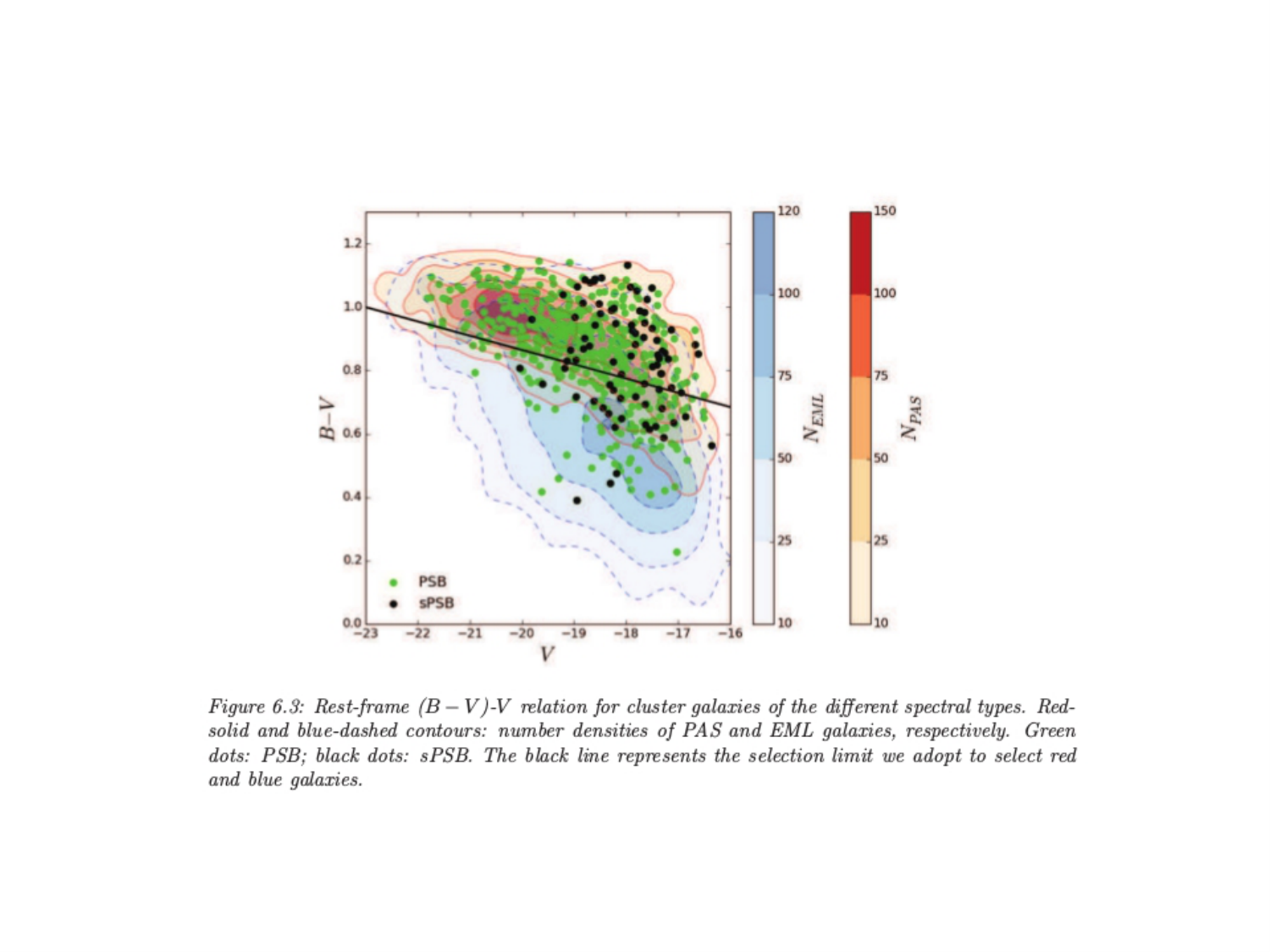 |
Lecture - Local Group & Clusters | Coma cluster, rich cluster dynamics, hot ICM X-ray emission | [[Coma cluster]] |
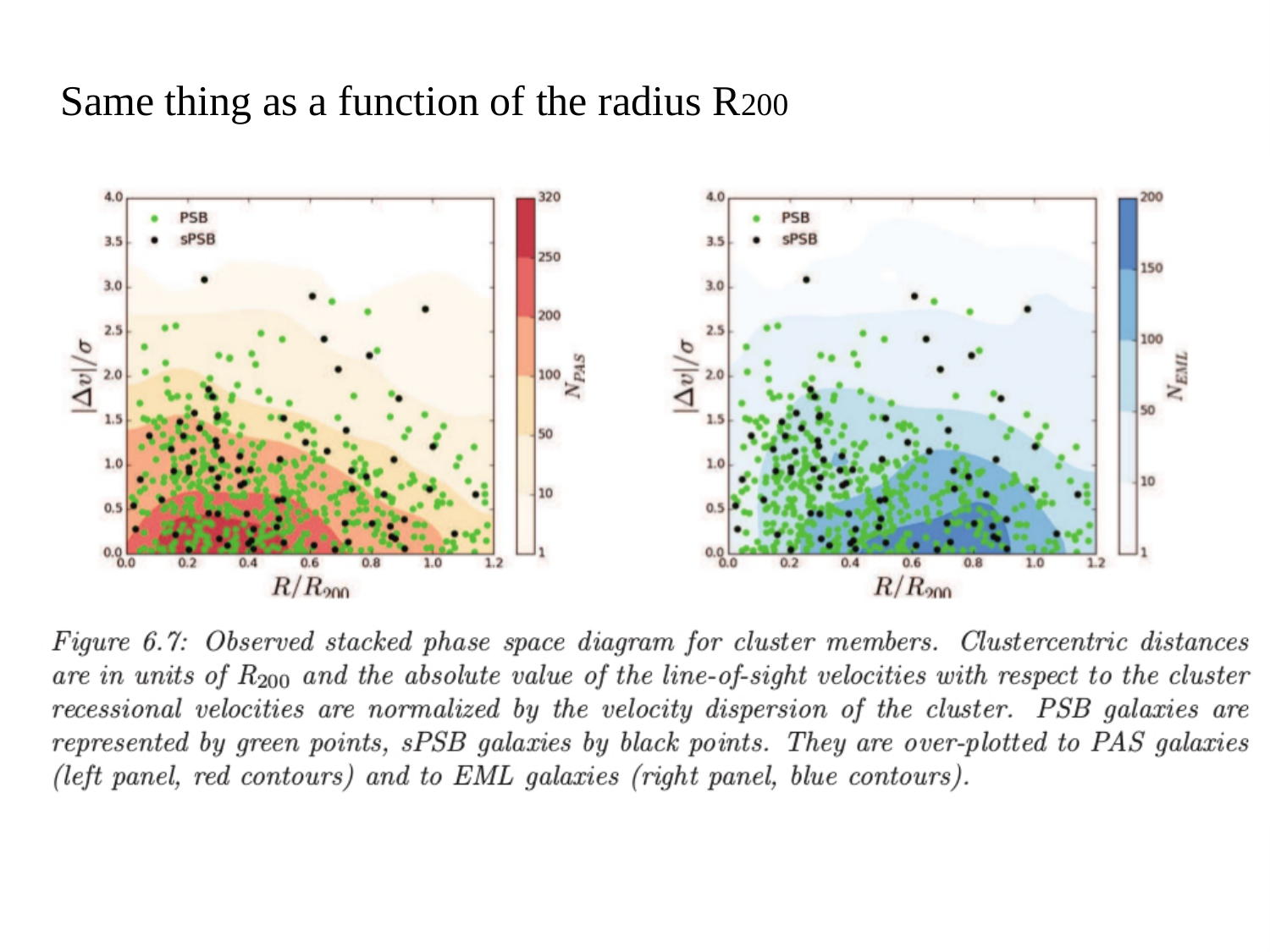 |
Lecture - Local Group & Clusters | Coma cluster, rich cluster dynamics, hot ICM X-ray emission | [[Coma cluster]] |
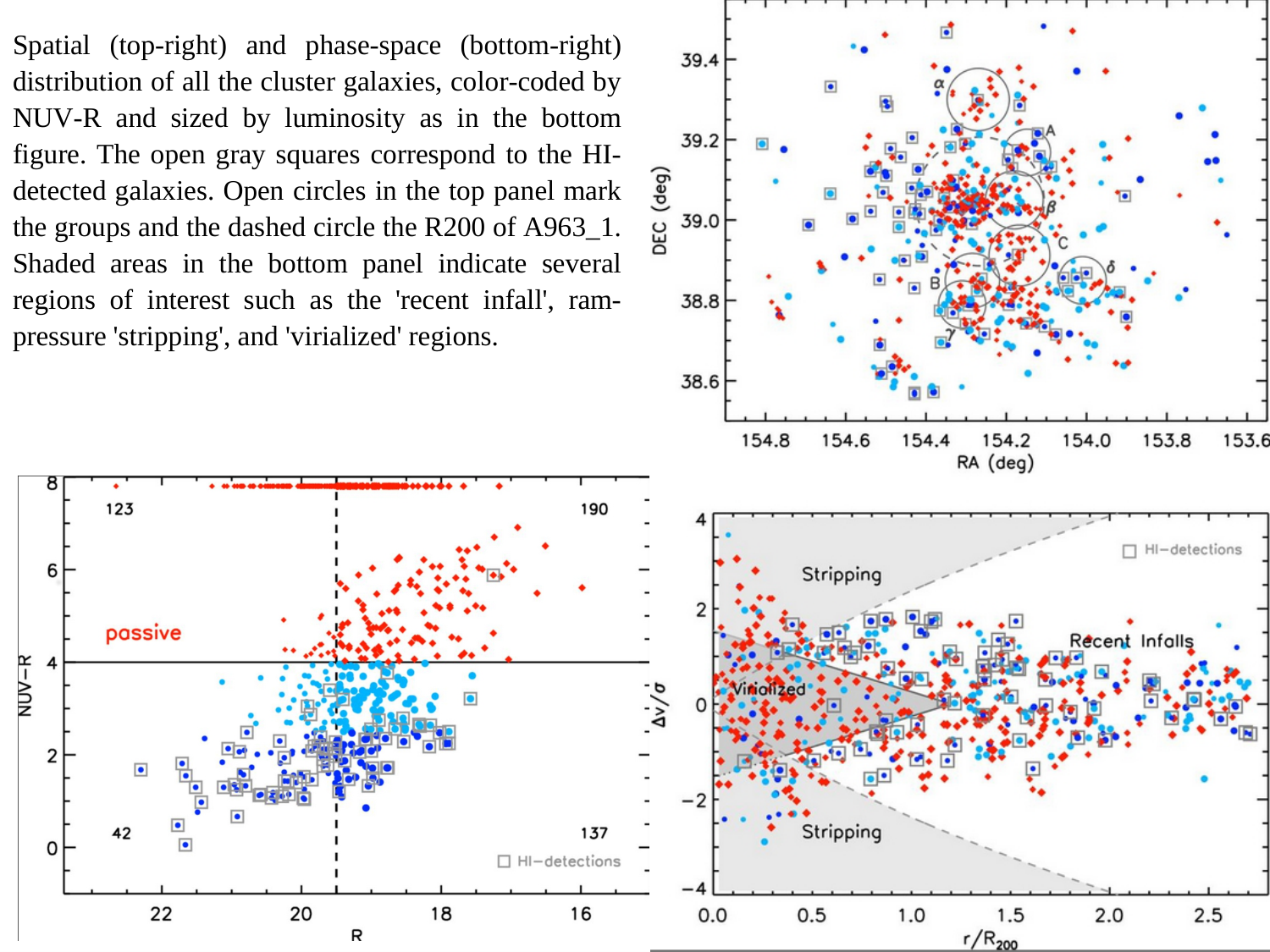 |
Lecture - Local Group & Clusters | Coma cluster, rich cluster dynamics, hot ICM X-ray emission | [[Coma cluster]] |
 |
Lecture 1 - Morphology Classification | Hubble tuning fork sequence, E0-E7, S0, Sa-Sc, SBa-SBc, Irr | [[Hubble morphological sequence]] |
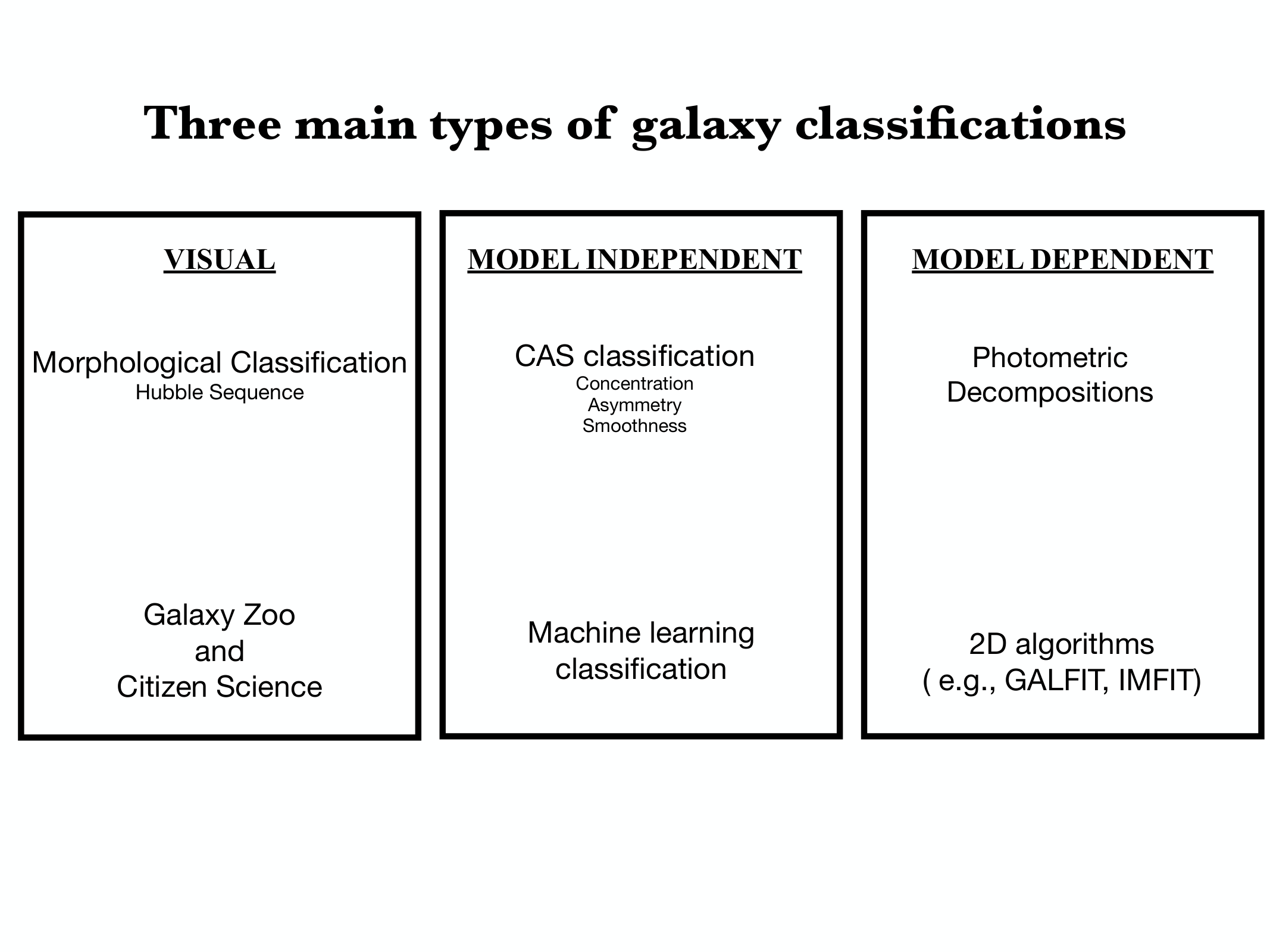 |
Lecture 1 - Morphology Classification | Hubble tuning fork sequence, E0-E7, S0, Sa-Sc, SBa-SBc, Irr | [[Hubble morphological sequence]] |
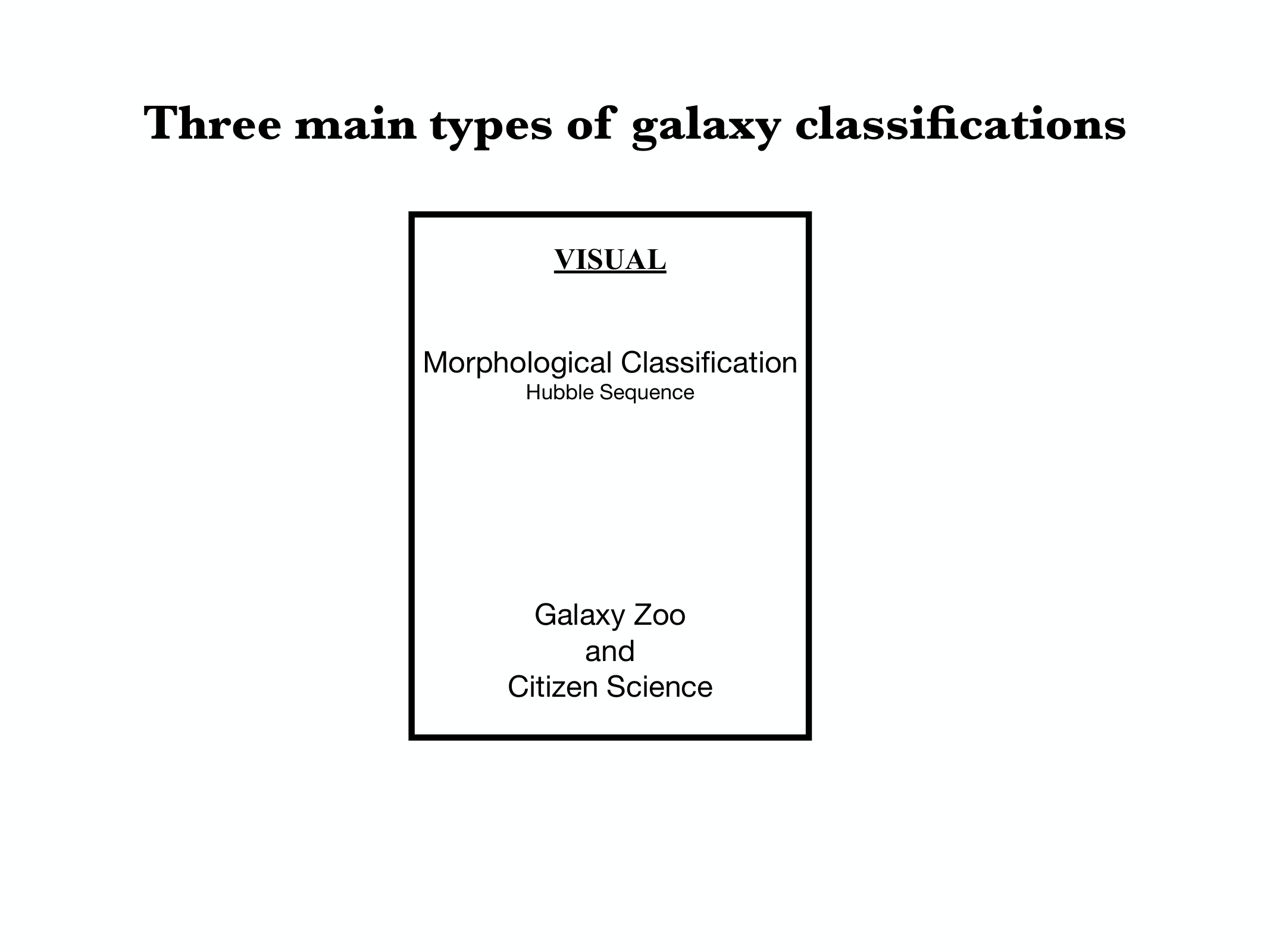 |
Lecture 1 - Morphology Classification | Hubble tuning fork sequence, E0-E7, S0, Sa-Sc, SBa-SBc, Irr | [[Hubble morphological sequence]] |
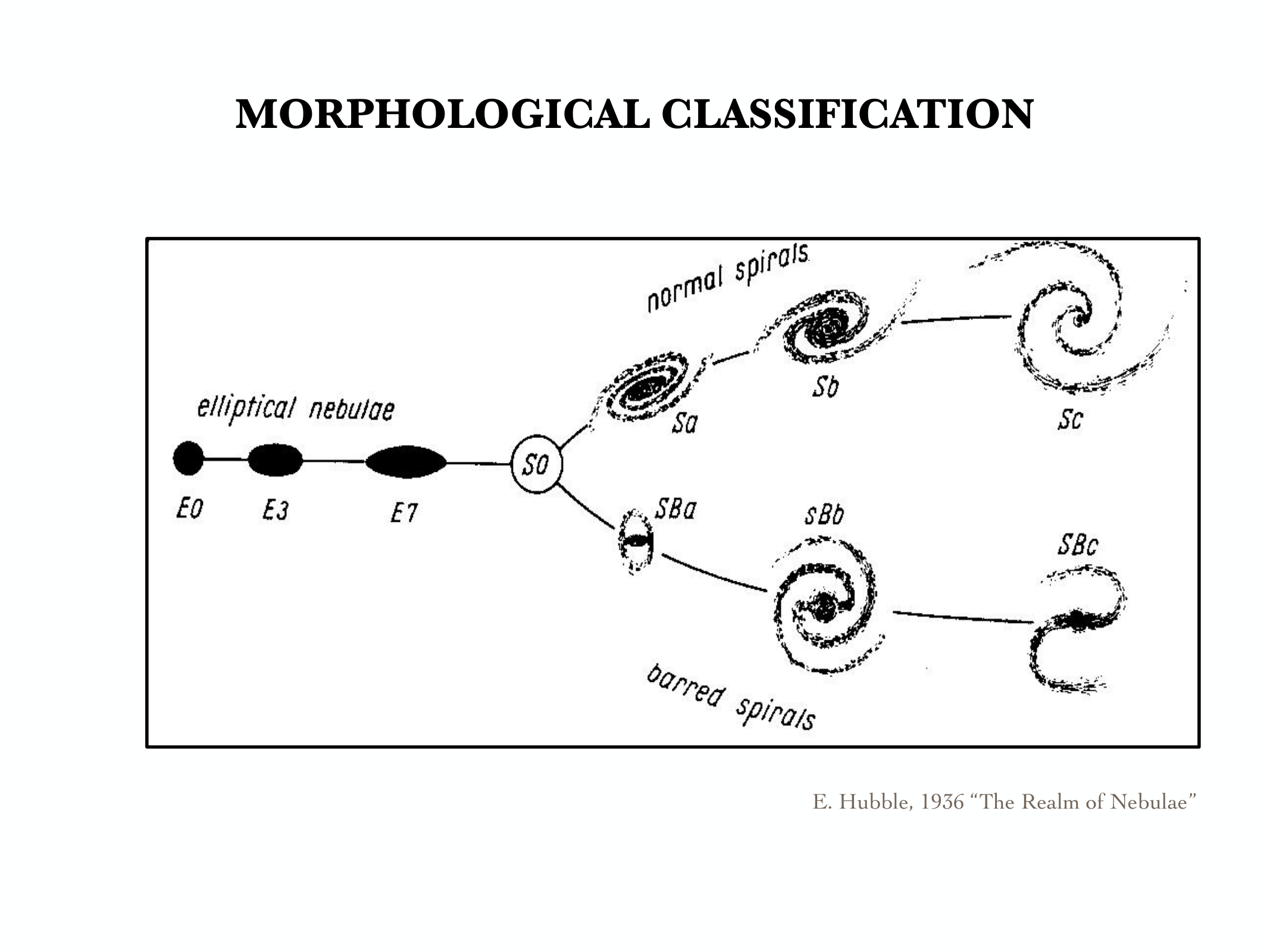 |
Lecture 1 - Morphology Classification | Hubble tuning fork sequence, E0-E7, S0, Sa-Sc, SBa-SBc, Irr | [[Hubble morphological sequence]] |
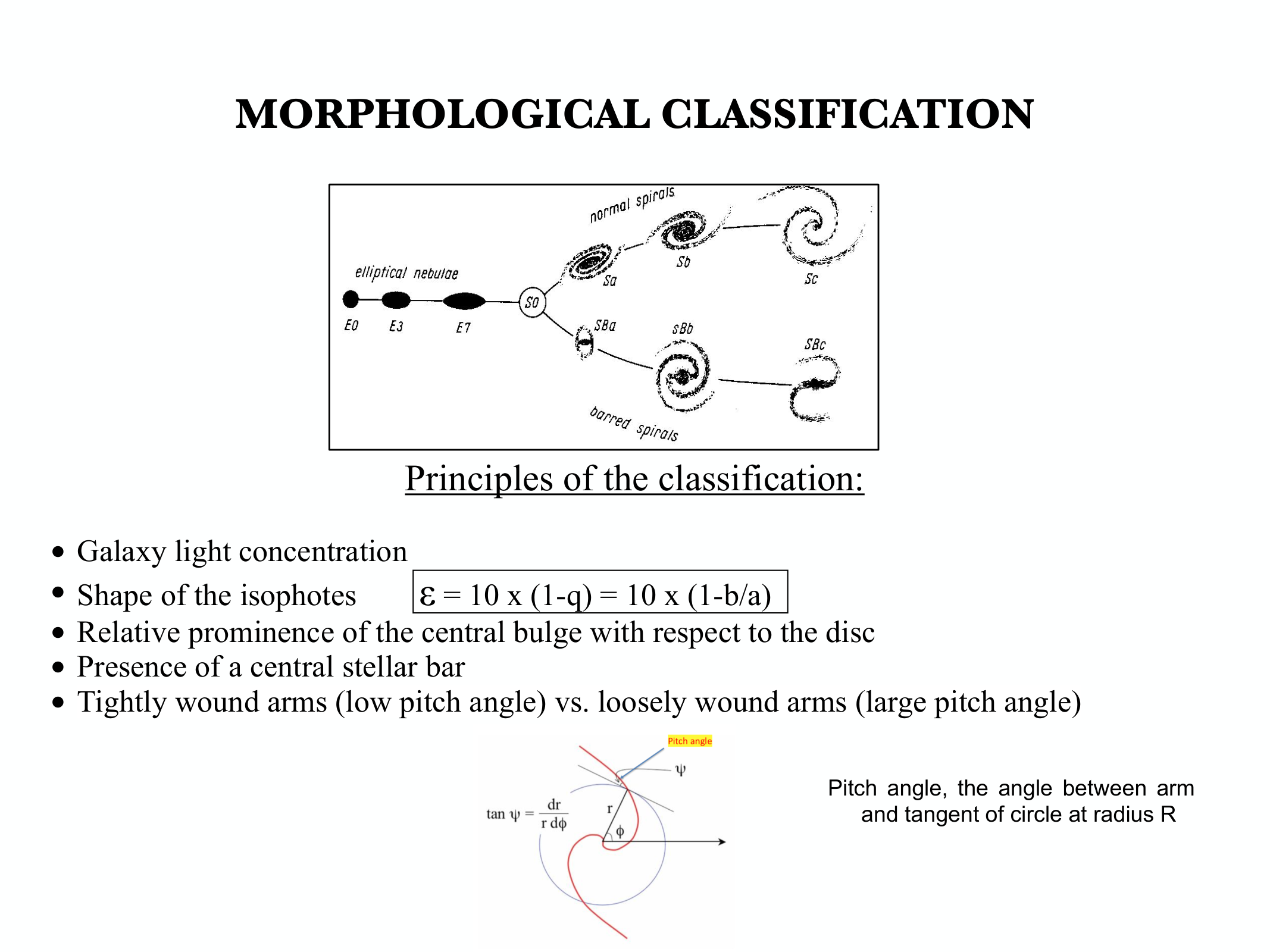 |
Lecture 1 - Morphology Classification | Hubble tuning fork sequence, E0-E7, S0, Sa-Sc, SBa-SBc, Irr | [[Hubble morphological sequence]] |
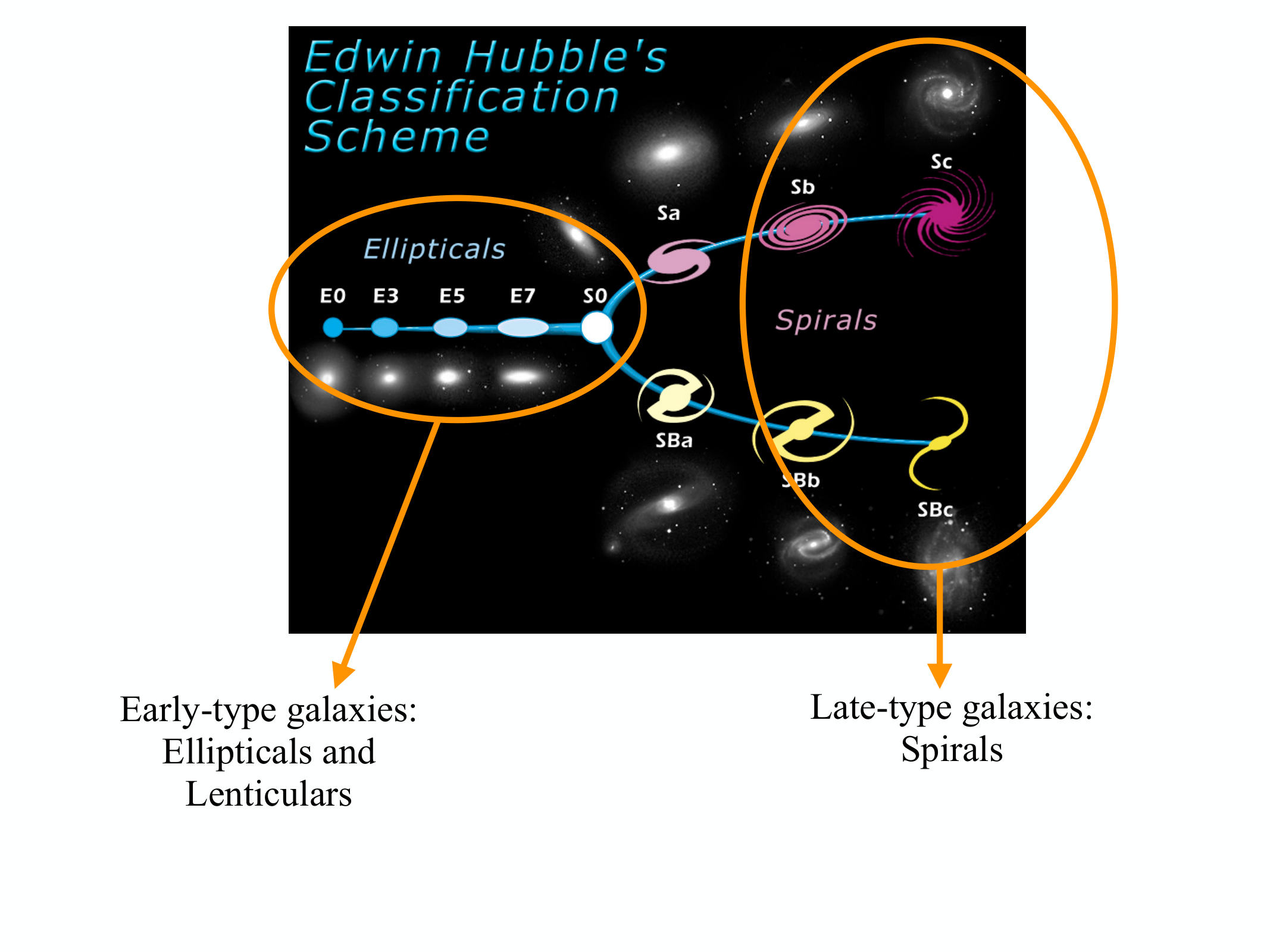 |
Lecture 1 - Morphology Classification | Hubble tuning fork sequence, E0-E7, S0, Sa-Sc, SBa-SBc, Irr | [[Hubble morphological sequence]] |
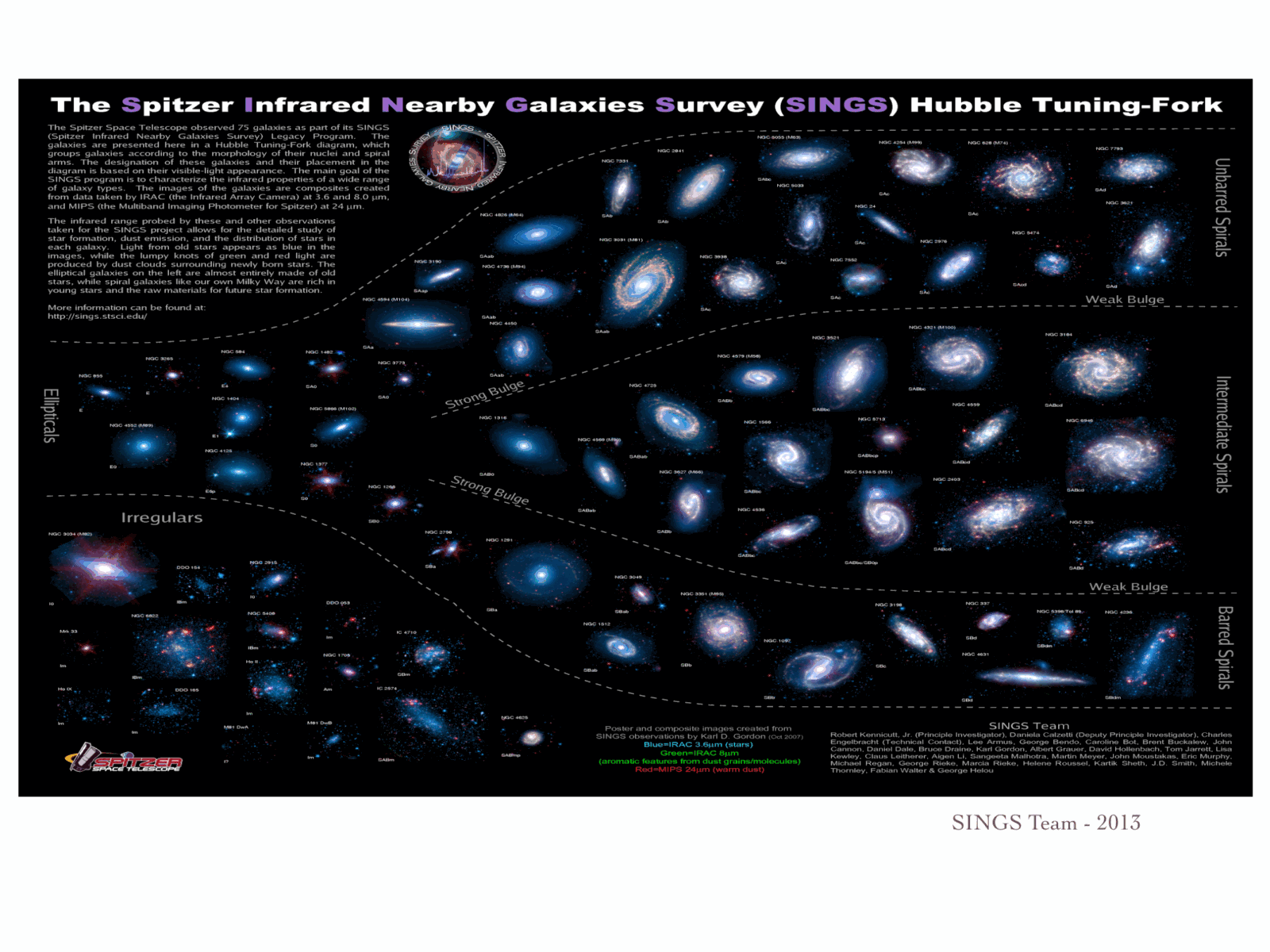 |
Lecture 1 - Morphology Classification | Hubble tuning fork sequence, E0-E7, S0, Sa-Sc, SBa-SBc, Irr | [[Hubble morphological sequence]] |
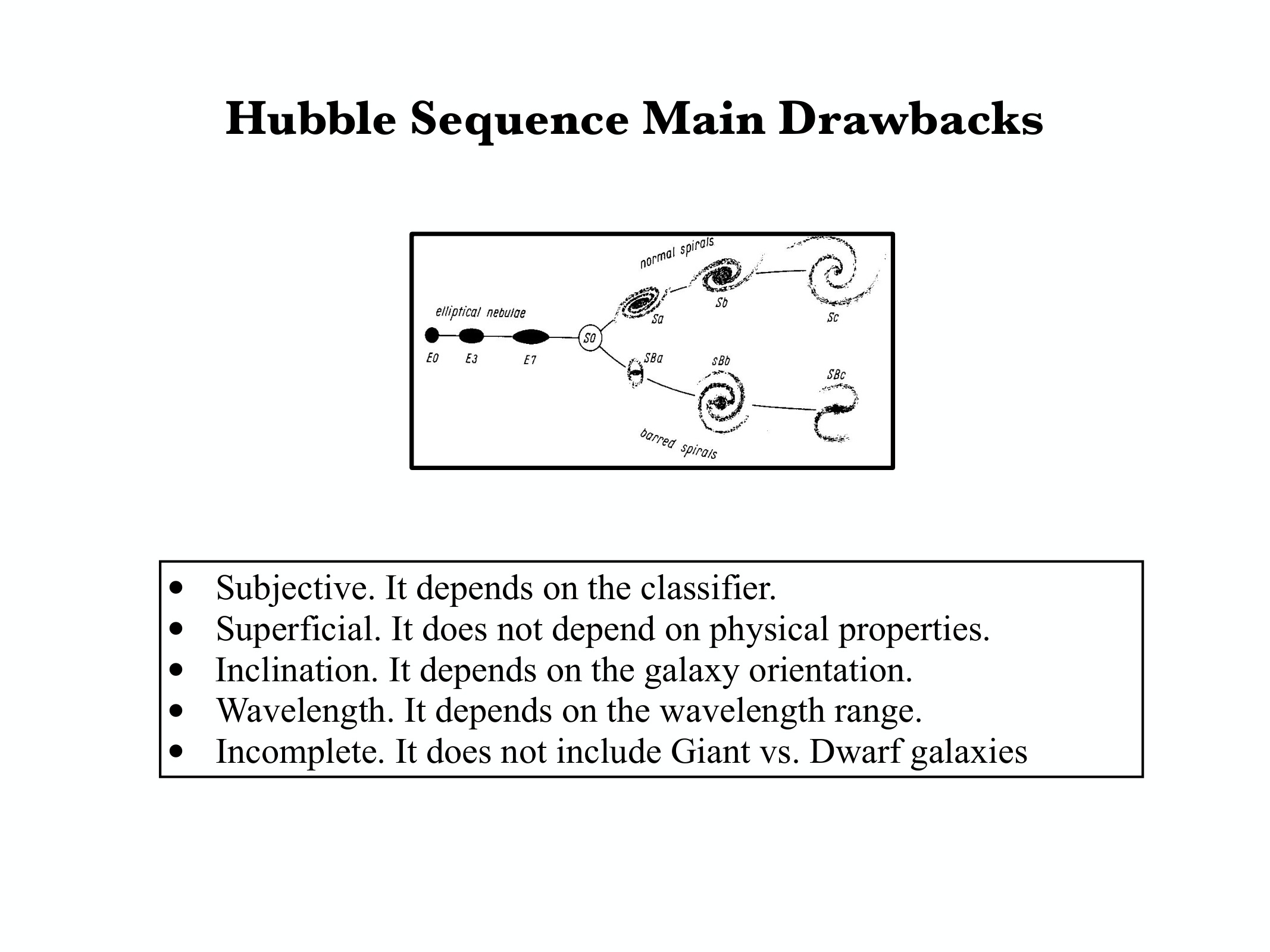 |
Lecture 1 - Morphology Classification | Hubble tuning fork sequence, E0-E7, S0, Sa-Sc, SBa-SBc, Irr | [[Hubble morphological sequence]] |
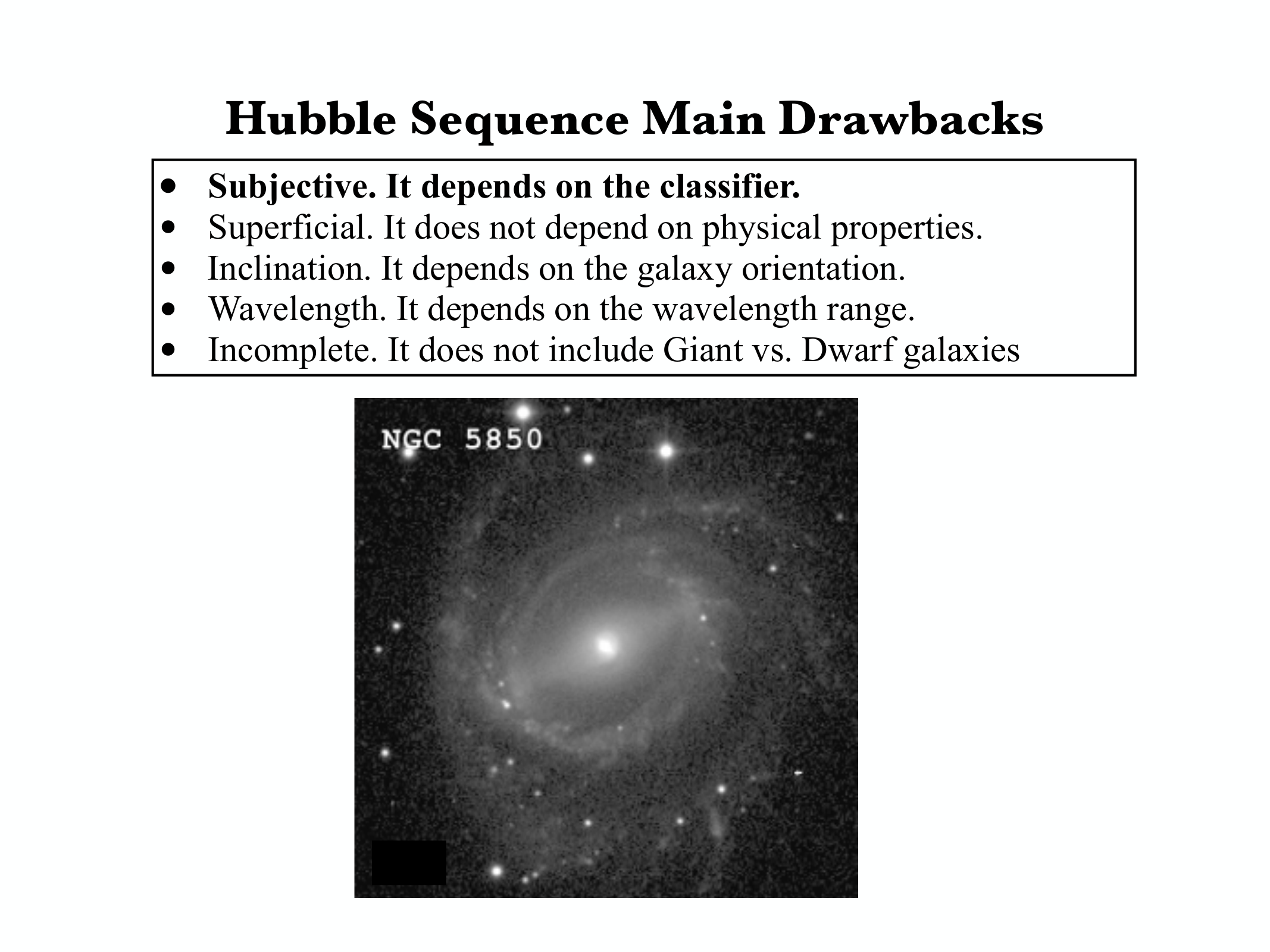 |
Lecture 1 - Morphology Classification | Hubble tuning fork sequence, E0-E7, S0, Sa-Sc, SBa-SBc, Irr | [[Hubble morphological sequence]] |
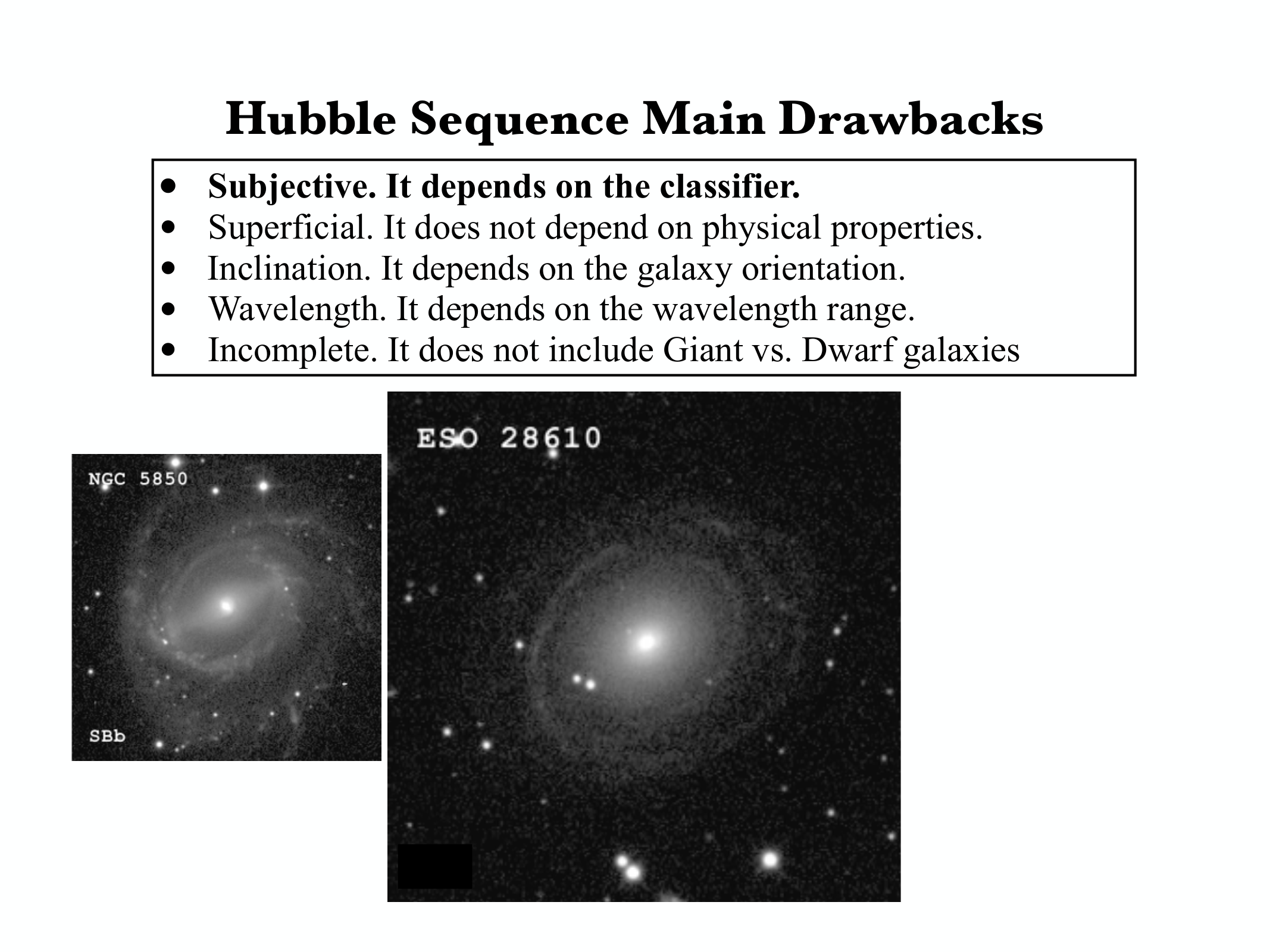 |
Lecture 1 - Morphology Classification | Hubble tuning fork sequence, E0-E7, S0, Sa-Sc, SBa-SBc, Irr | [[Hubble morphological sequence]] |
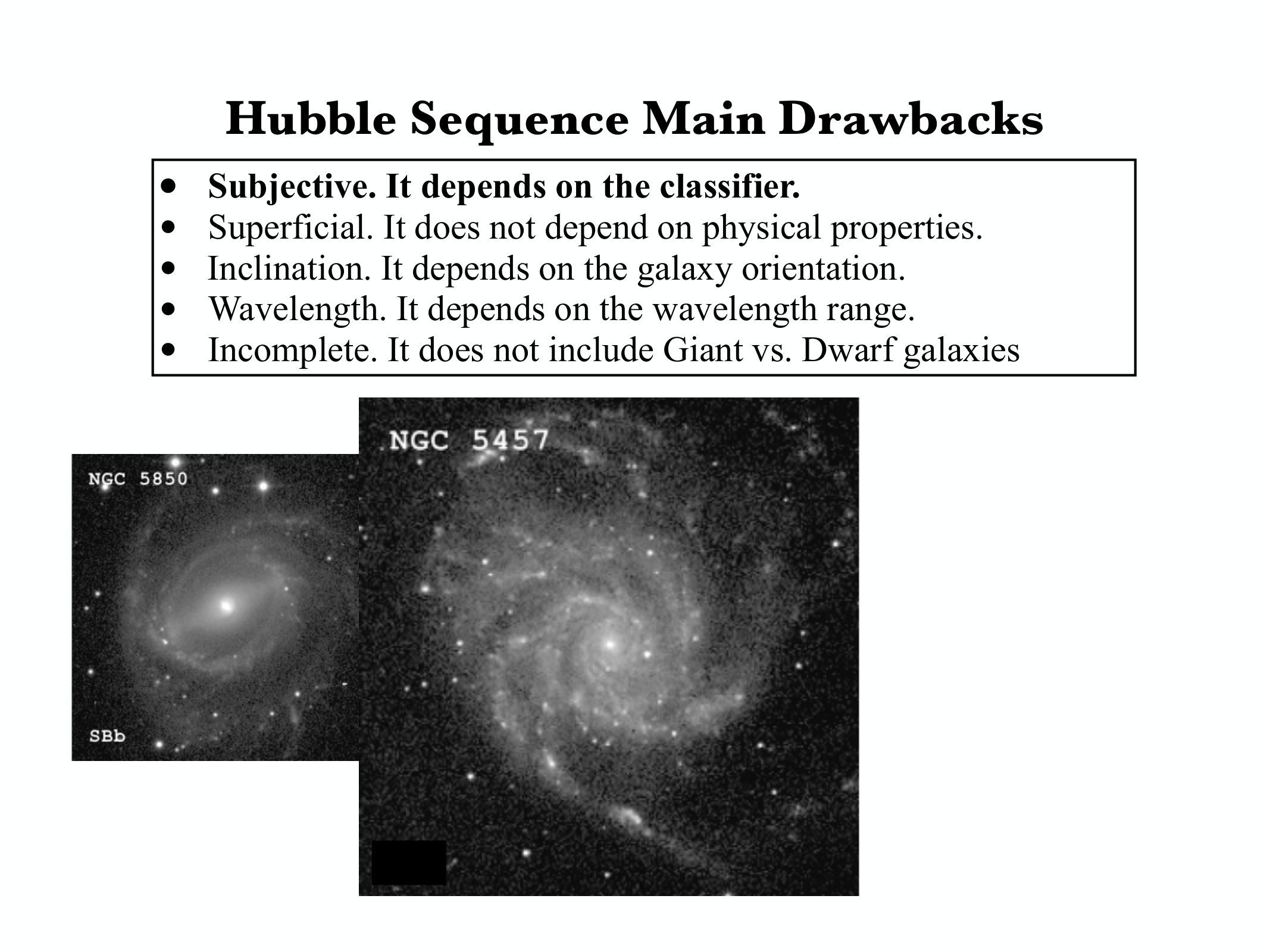 |
Lecture 1 - Morphology Classification | Hubble tuning fork sequence, E0-E7, S0, Sa-Sc, SBa-SBc, Irr | [[Hubble morphological sequence]] |
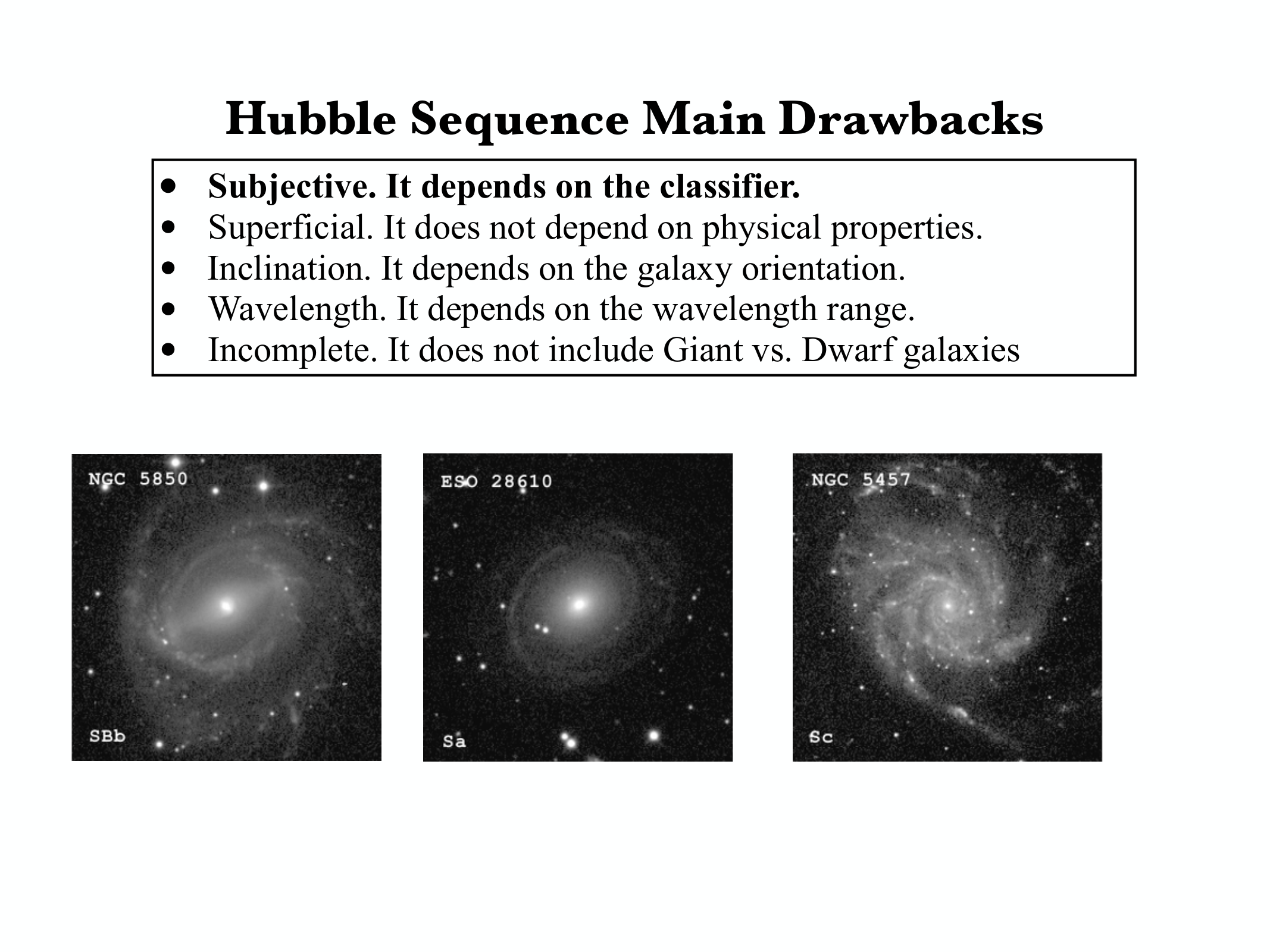 |
Lecture 1 - Morphology Classification | Hubble tuning fork sequence, E0-E7, S0, Sa-Sc, SBa-SBc, Irr | [[Hubble morphological sequence]] |
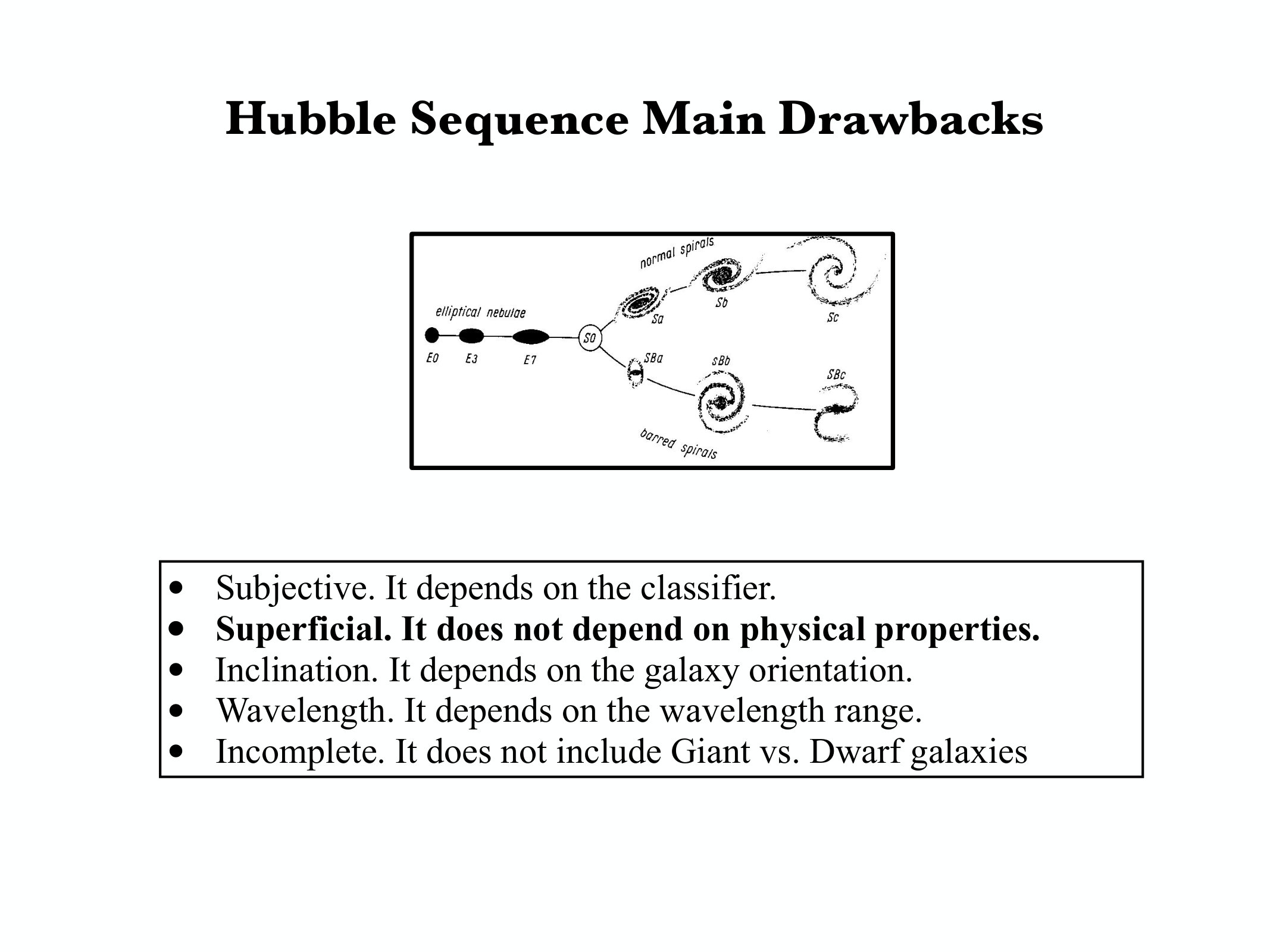 |
Lecture 1 - Morphology Classification | Hubble tuning fork sequence, E0-E7, S0, Sa-Sc, SBa-SBc, Irr | [[Hubble morphological sequence]] |
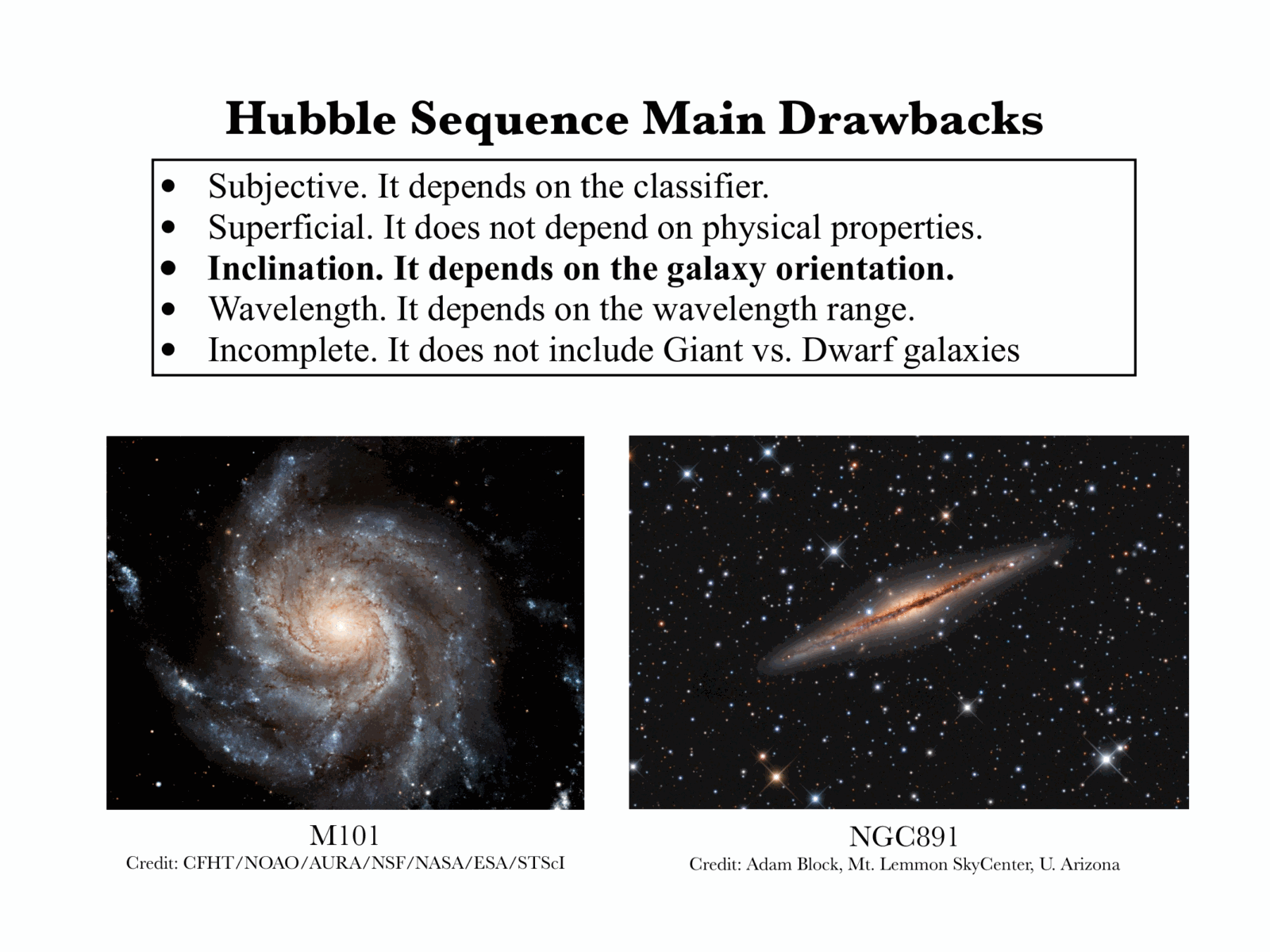 |
Lecture 1 - Morphology Classification | Hubble tuning fork sequence, E0-E7, S0, Sa-Sc, SBa-SBc, Irr | [[Hubble morphological sequence]] |
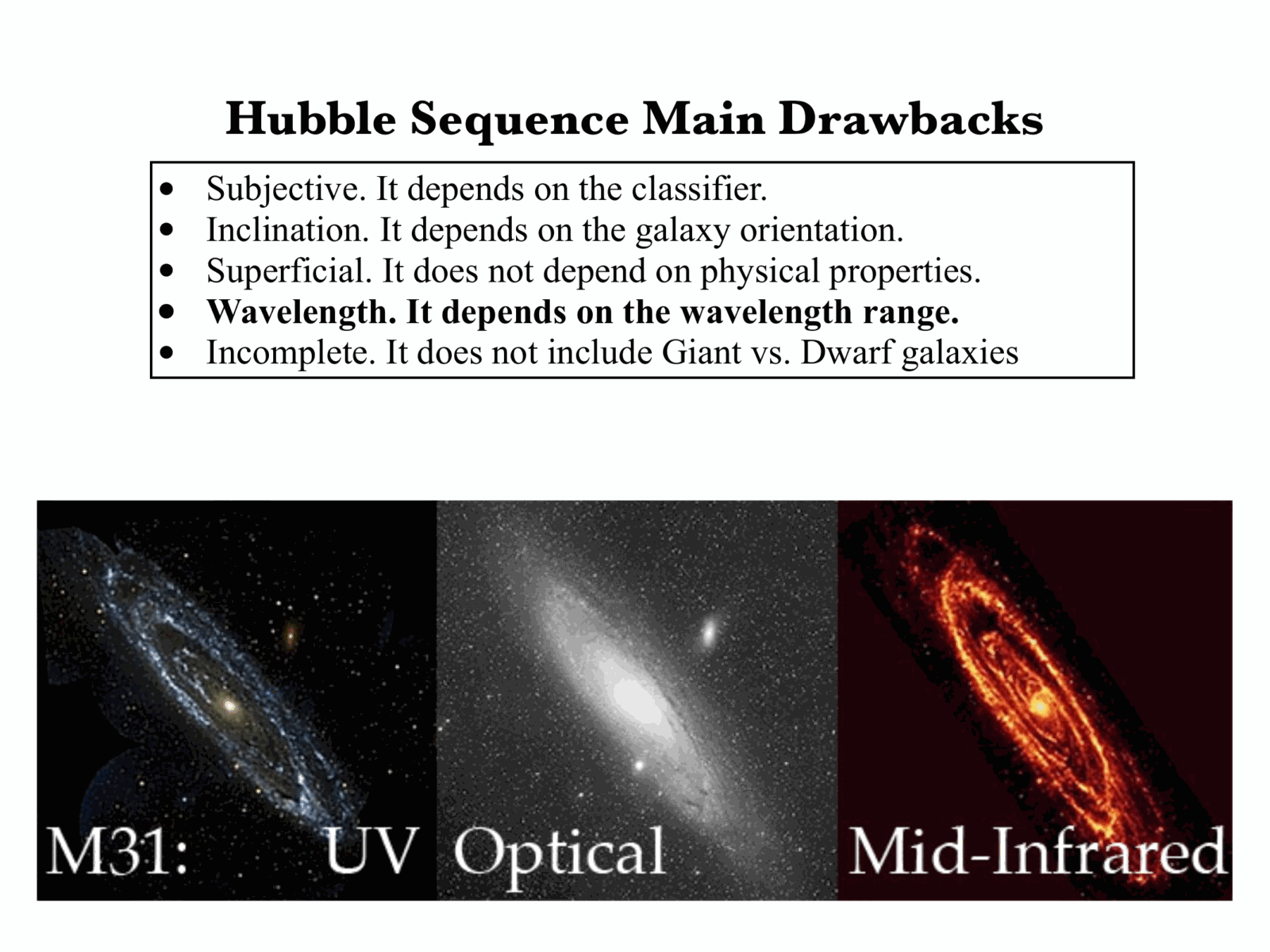 |
Lecture 1 - Morphology Classification | Hubble tuning fork sequence, E0-E7, S0, Sa-Sc, SBa-SBc, Irr | [[Hubble morphological sequence]] |
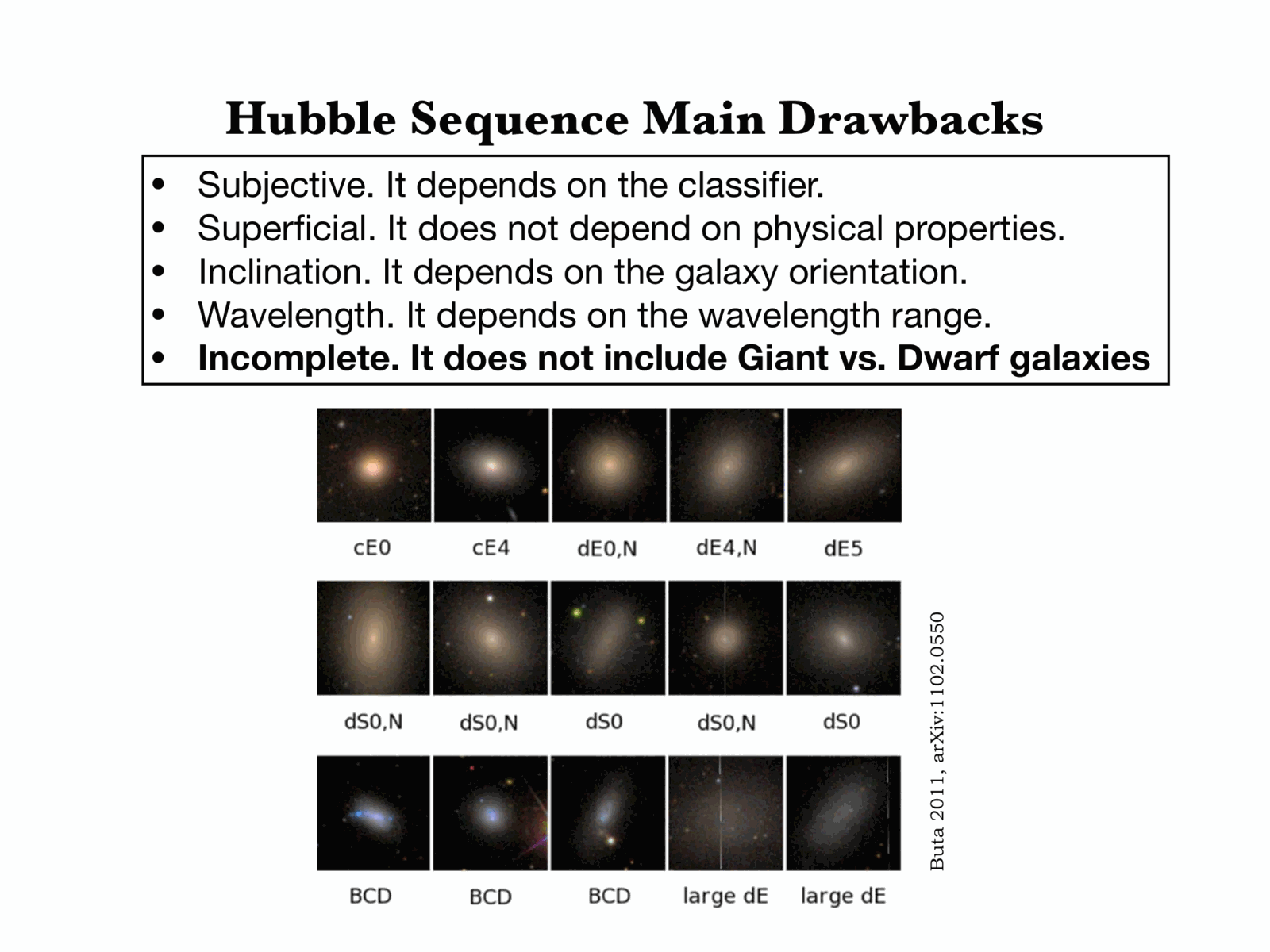 |
Lecture 1 - Morphology Classification | Hubble tuning fork sequence, E0-E7, S0, Sa-Sc, SBa-SBc, Irr | [[Hubble morphological sequence]] |
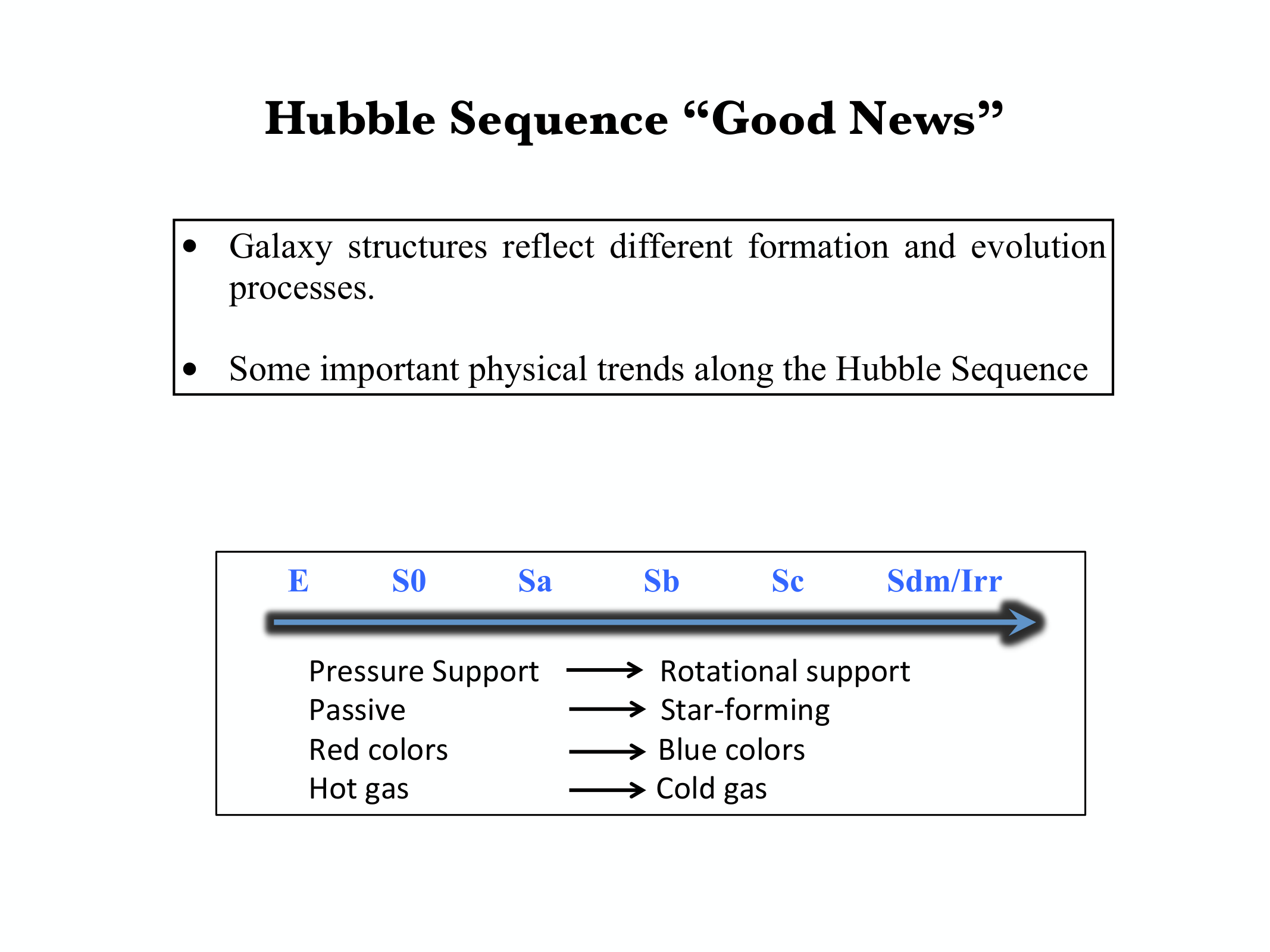 |
Lecture 1 - Morphology Classification | Systematic morphological trends, rotation support vs dispersion | [[Galaxy morphology vs physical properties]] |
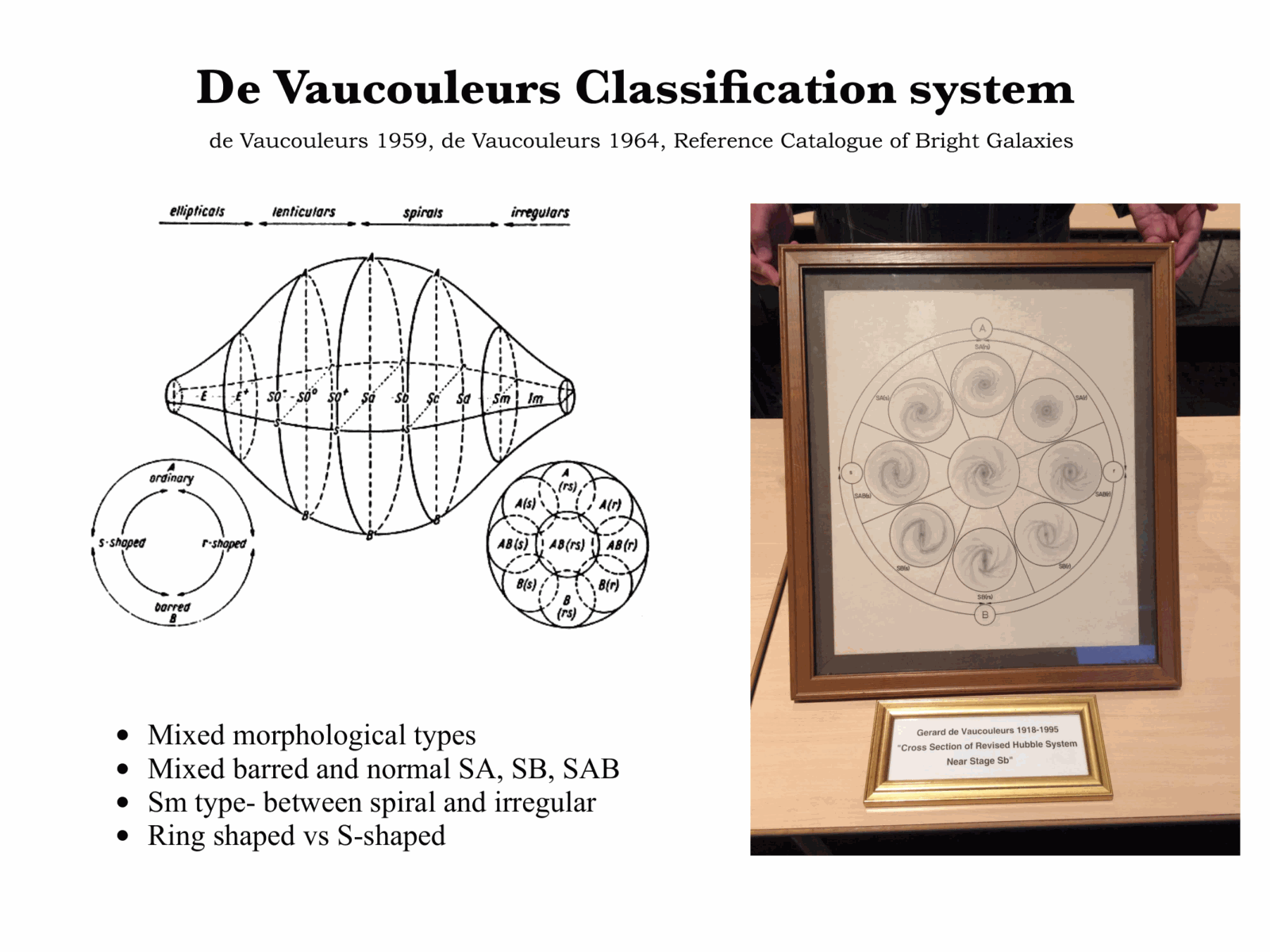 |
Lecture 1 - Morphology Classification | Systematic morphological trends, rotation support vs dispersion | [[Galaxy morphology vs physical properties]] |
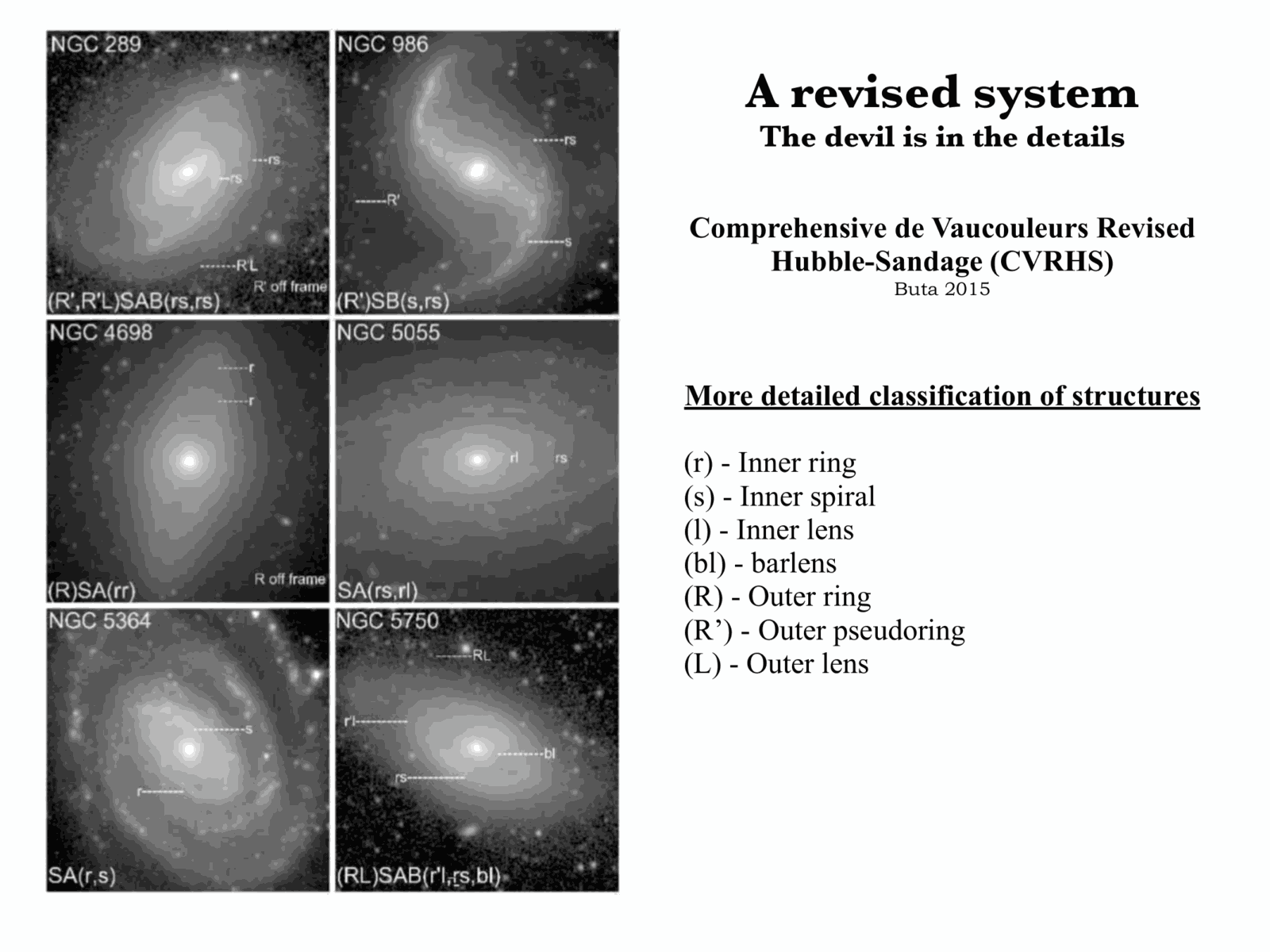 |
Lecture 1 - Morphology Classification | Systematic morphological trends, rotation support vs dispersion | [[Galaxy morphology vs physical properties]] |
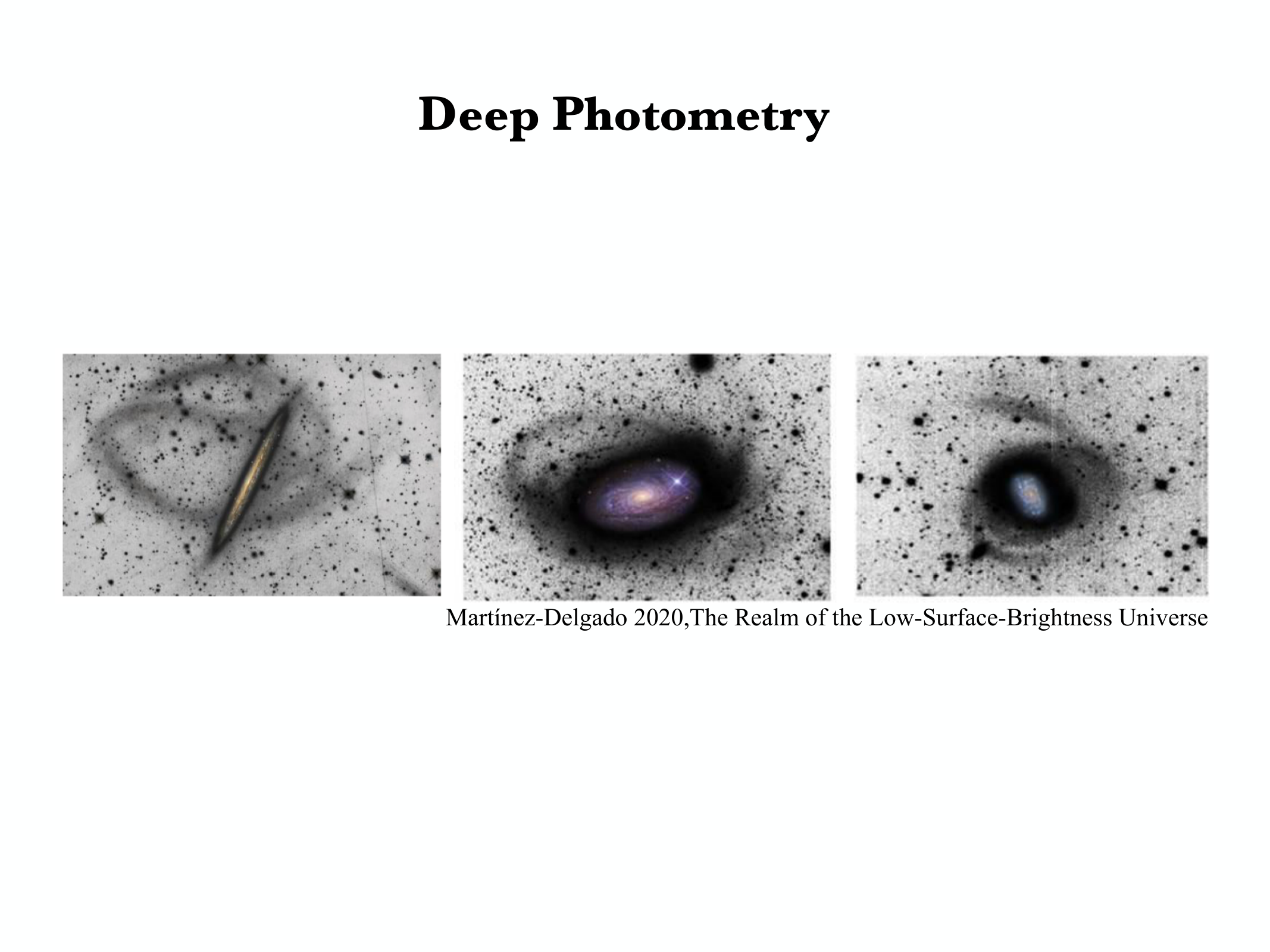 |
Lecture 1 - Morphology Classification | Systematic morphological trends, rotation support vs dispersion | [[Galaxy morphology vs physical properties]] |
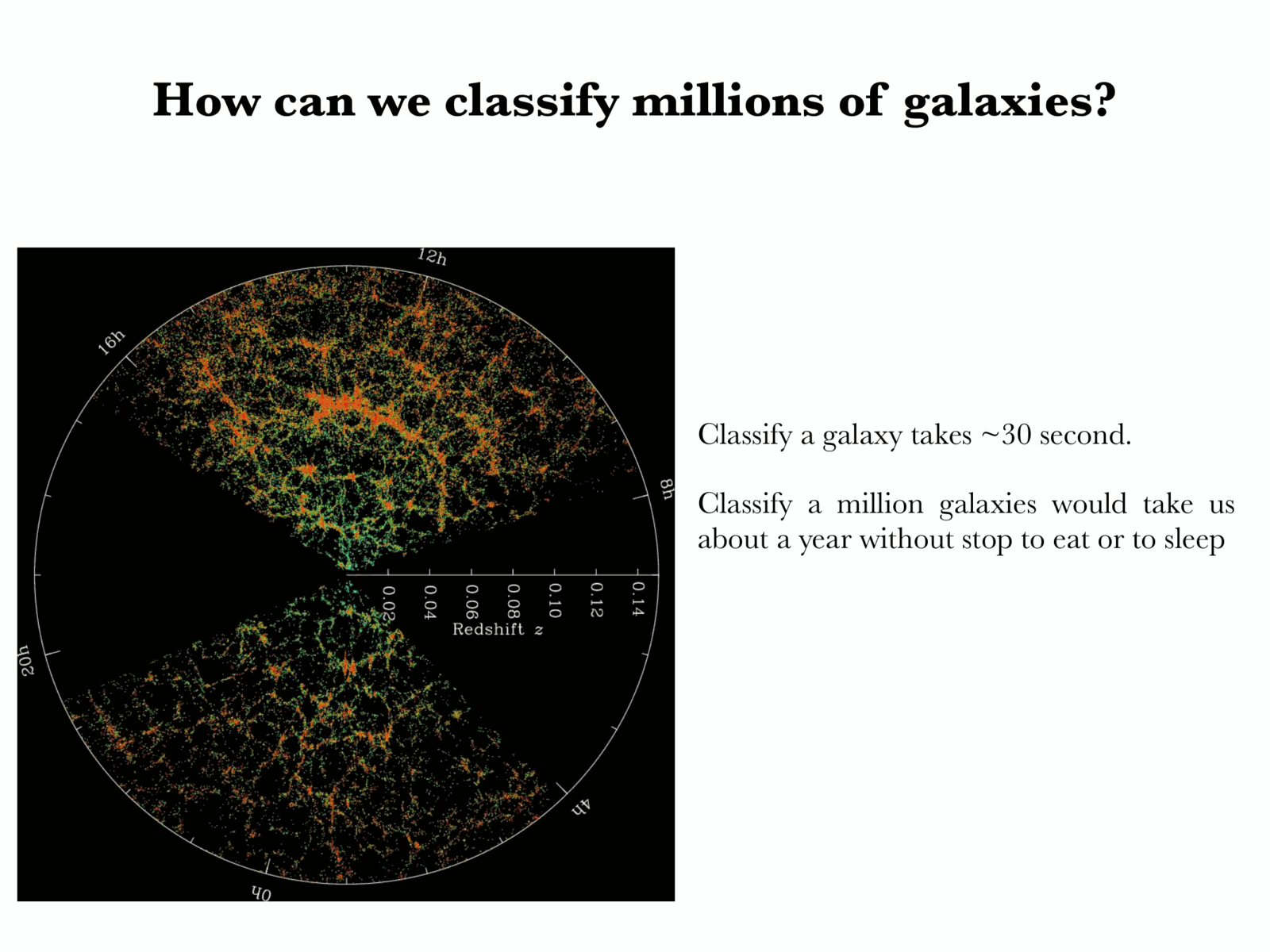 |
Lecture 1 - Morphology Classification | Systematic morphological trends, rotation support vs dispersion | [[Galaxy morphology vs physical properties]] |
 |
Lecture 1 - Morphology Classification | Systematic morphological trends, rotation support vs dispersion | [[Galaxy morphology vs physical properties]] |
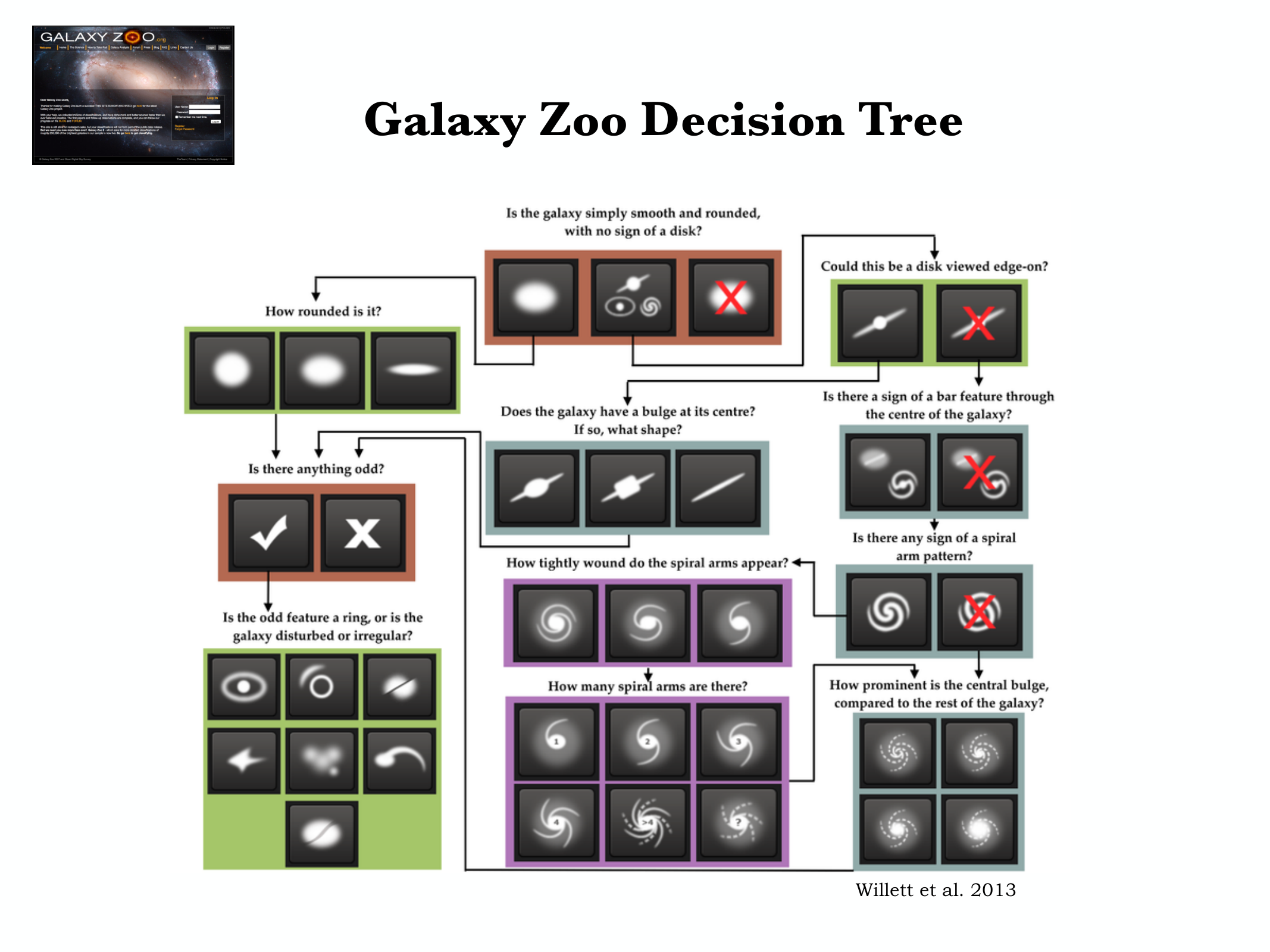 |
Lecture 1 - Morphology Classification | Systematic morphological trends, rotation support vs dispersion | [[Galaxy morphology vs physical properties]] |
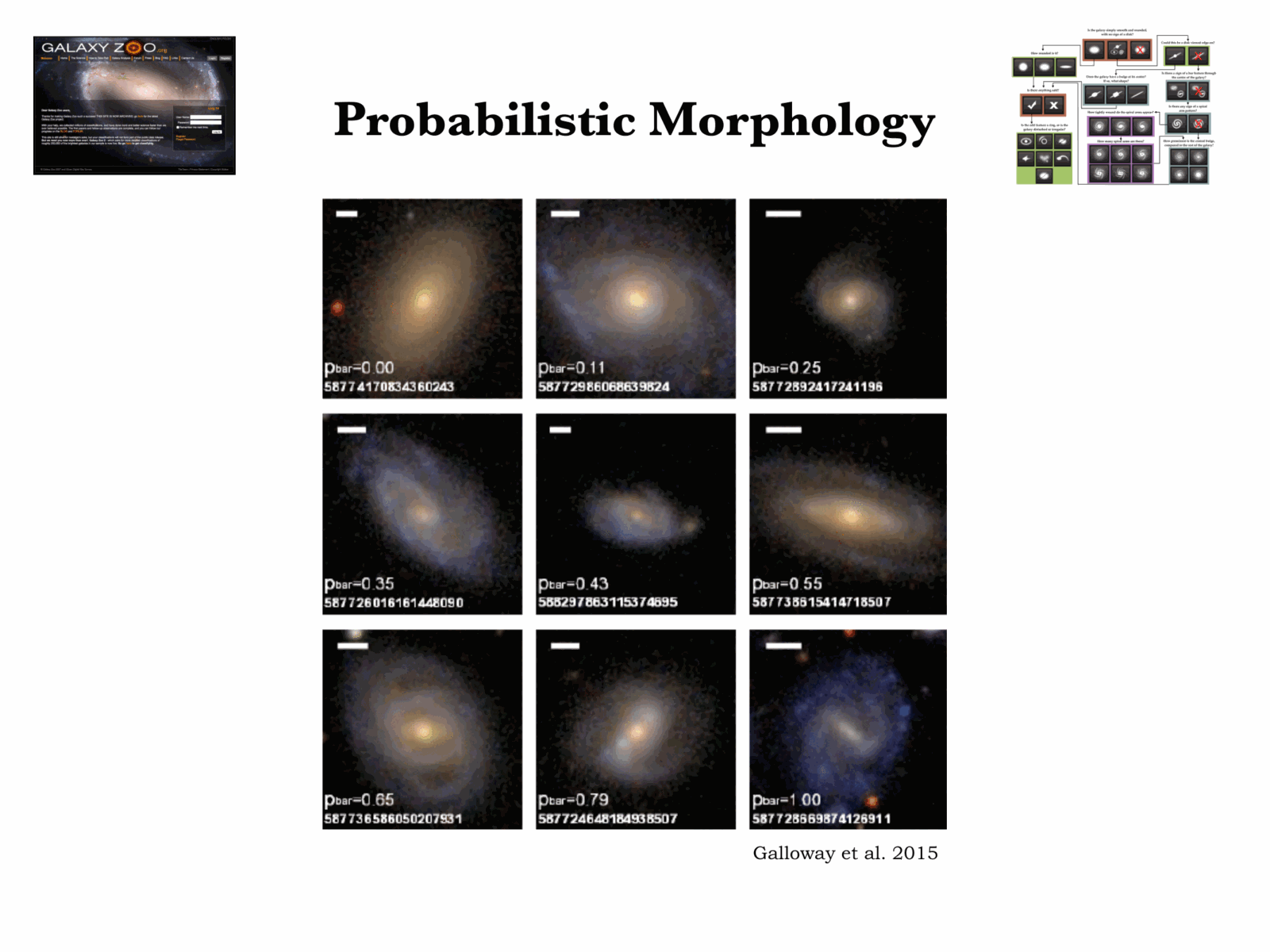 |
Lecture 1 - Morphology Classification | Systematic morphological trends, rotation support vs dispersion | [[Galaxy morphology vs physical properties]] |
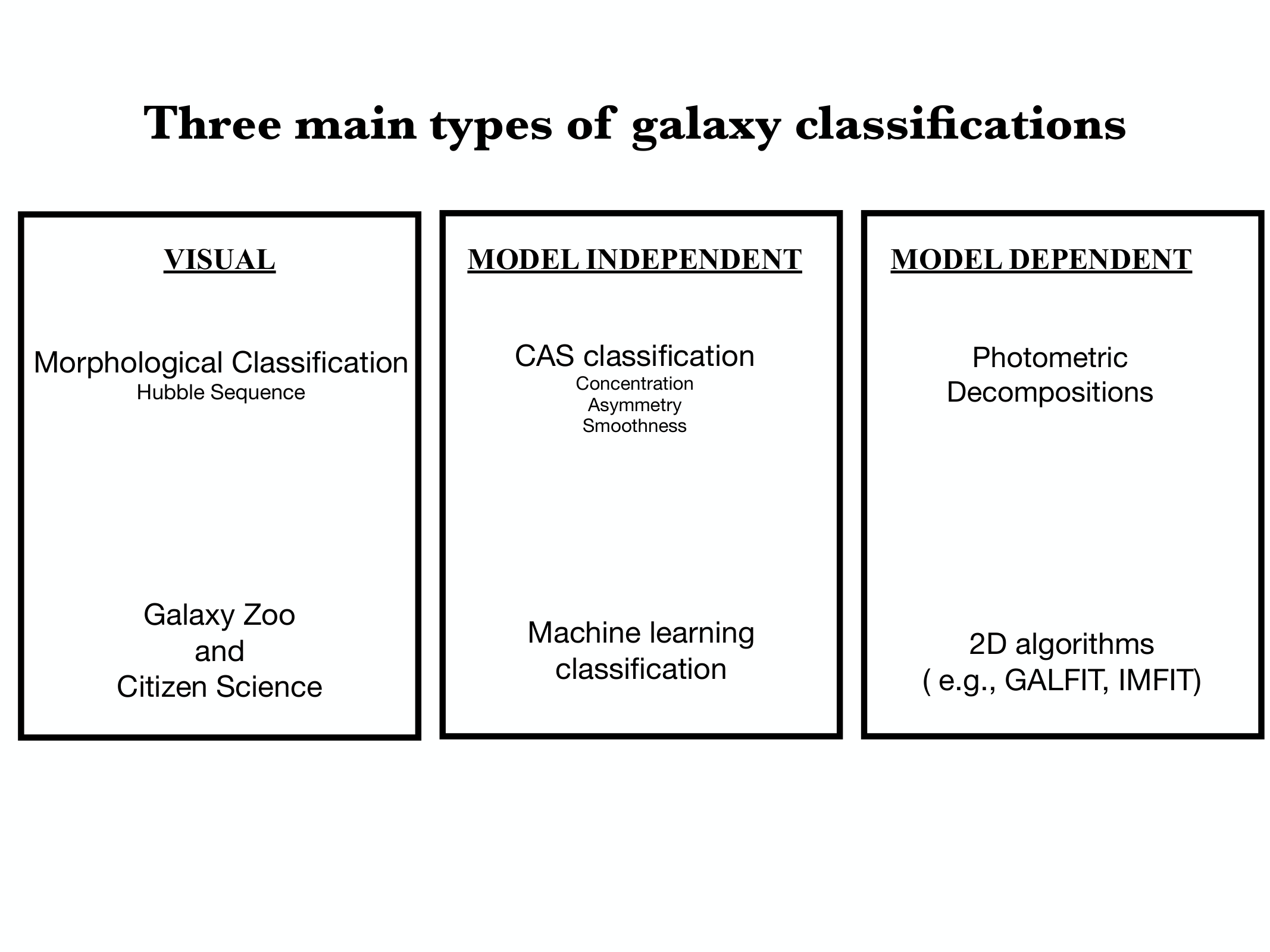 |
Lecture 1 - Morphology Classification | Systematic morphological trends, rotation support vs dispersion | [[Galaxy morphology vs physical properties]] |
 |
Lecture 1 - Morphology Classification | Systematic morphological trends, rotation support vs dispersion | [[Galaxy morphology vs physical properties]] |
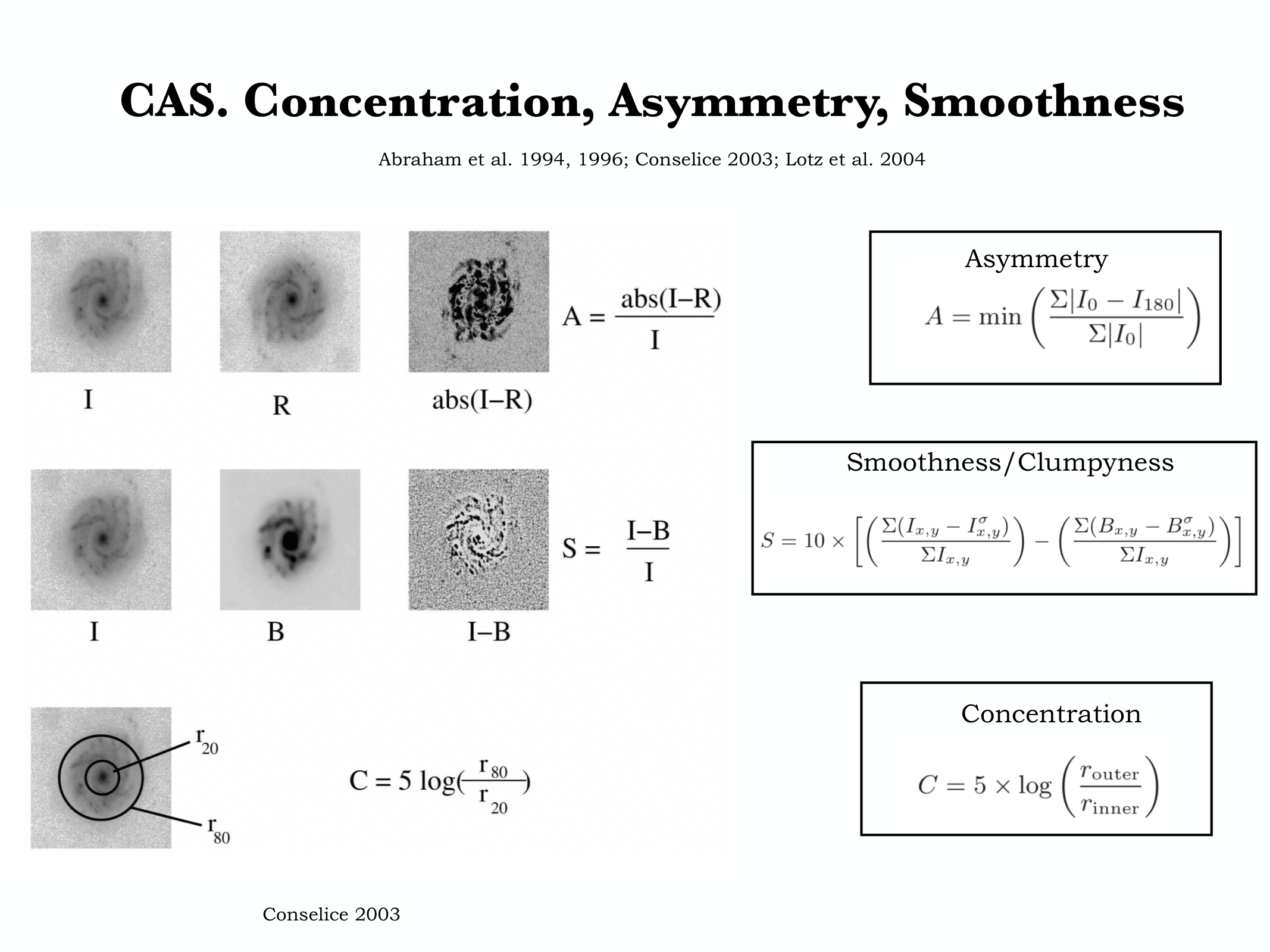 |
Lecture 1 - Morphology Classification | Systematic morphological trends, rotation support vs dispersion | [[Galaxy morphology vs physical properties]] |
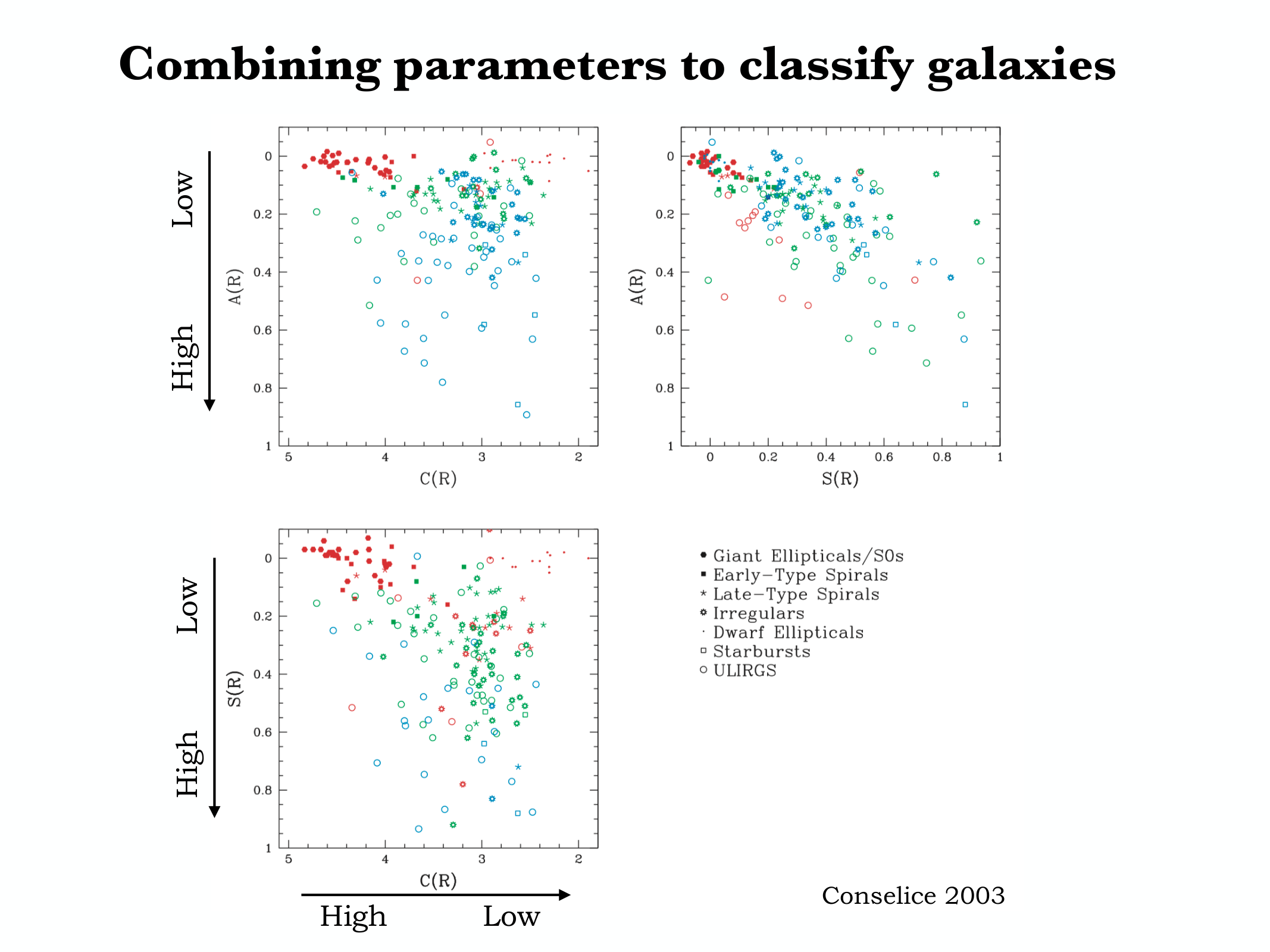 |
Lecture 1 - Morphology Classification | Systematic morphological trends, rotation support vs dispersion | [[Galaxy morphology vs physical properties]] |
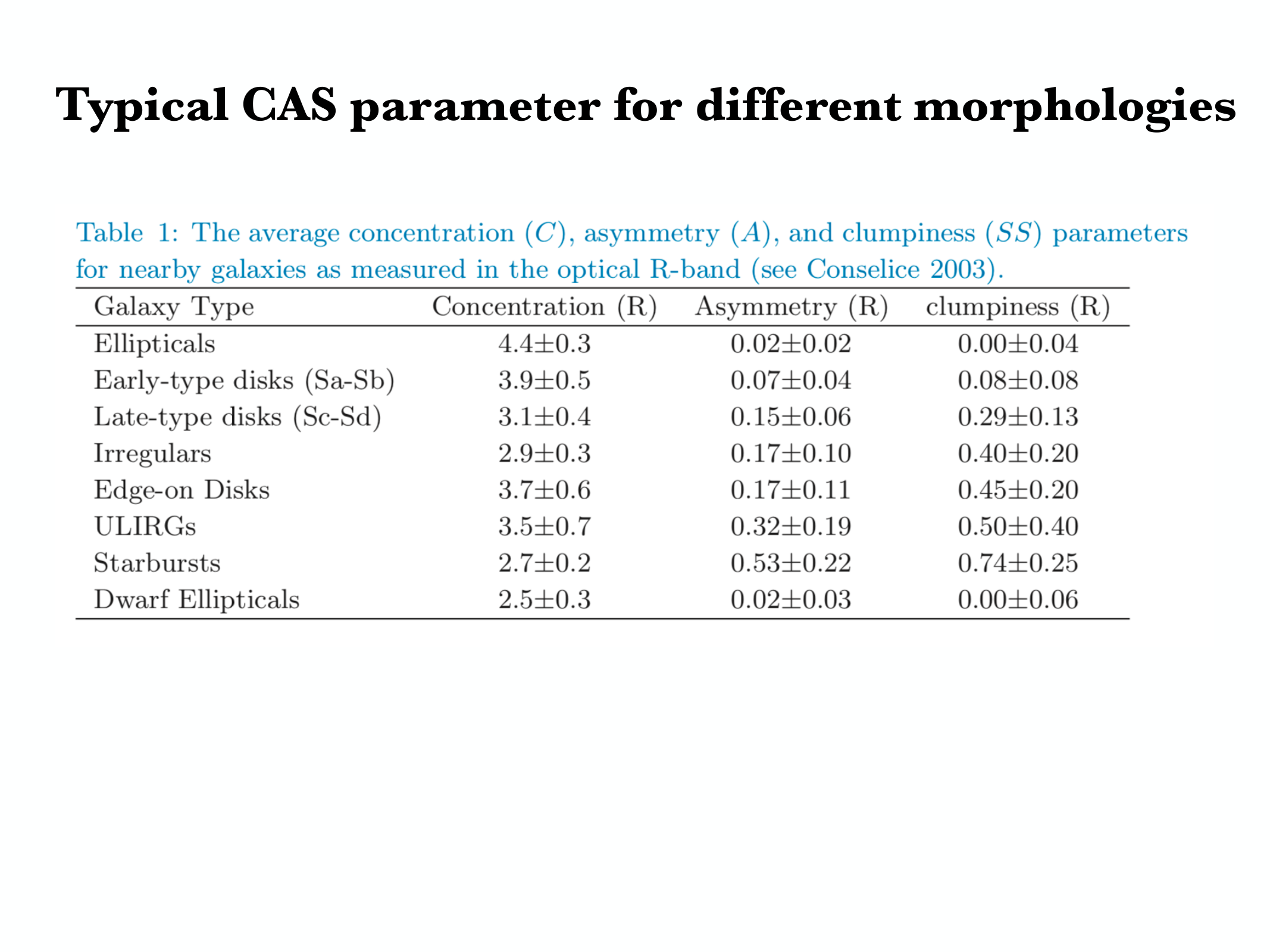 |
Lecture 1 - Morphology Classification | Systematic morphological trends, rotation support vs dispersion | [[Galaxy morphology vs physical properties]] |
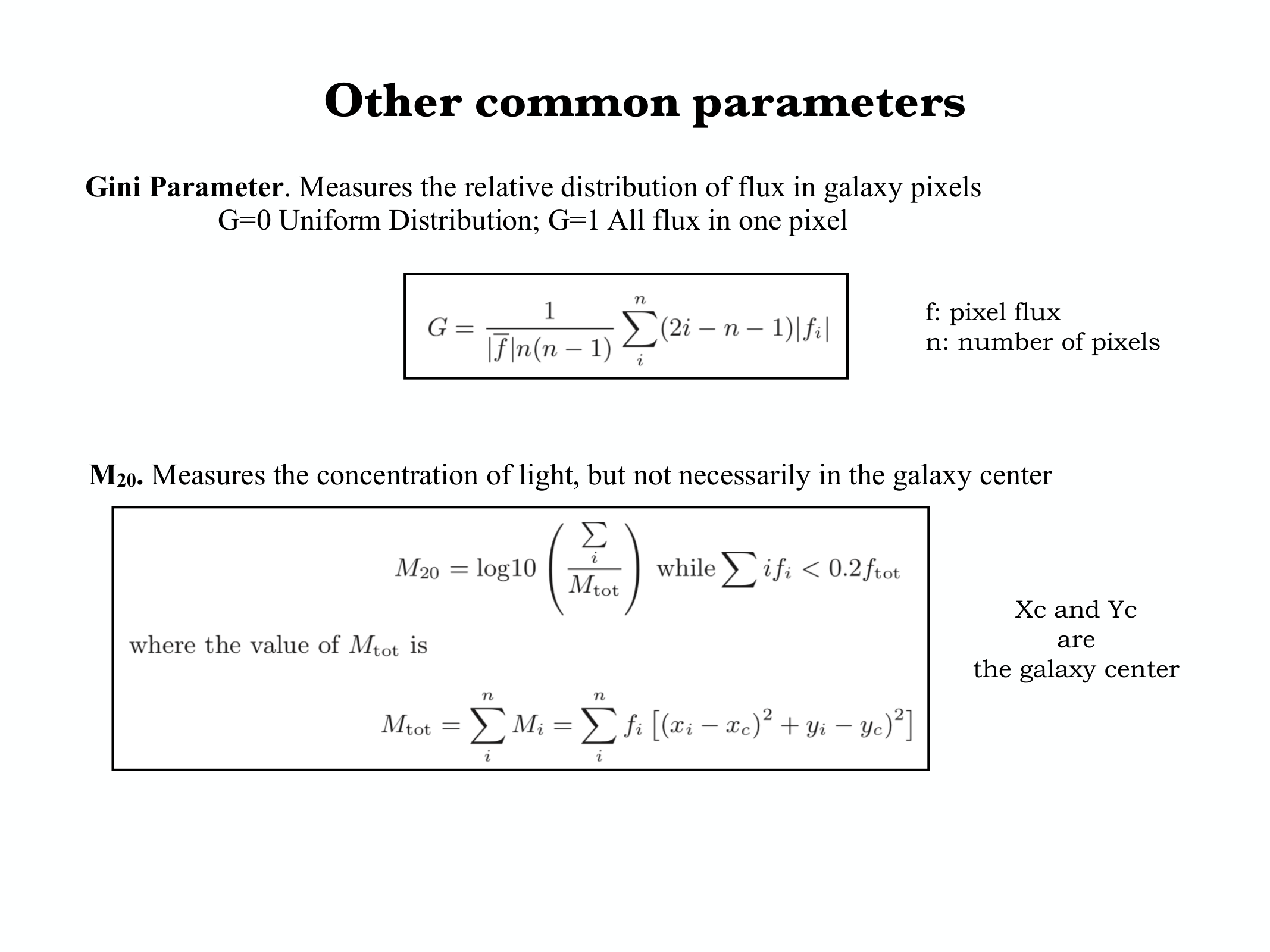 |
Lecture 1 - Morphology Classification | Systematic morphological trends, rotation support vs dispersion | [[Galaxy morphology vs physical properties]] |
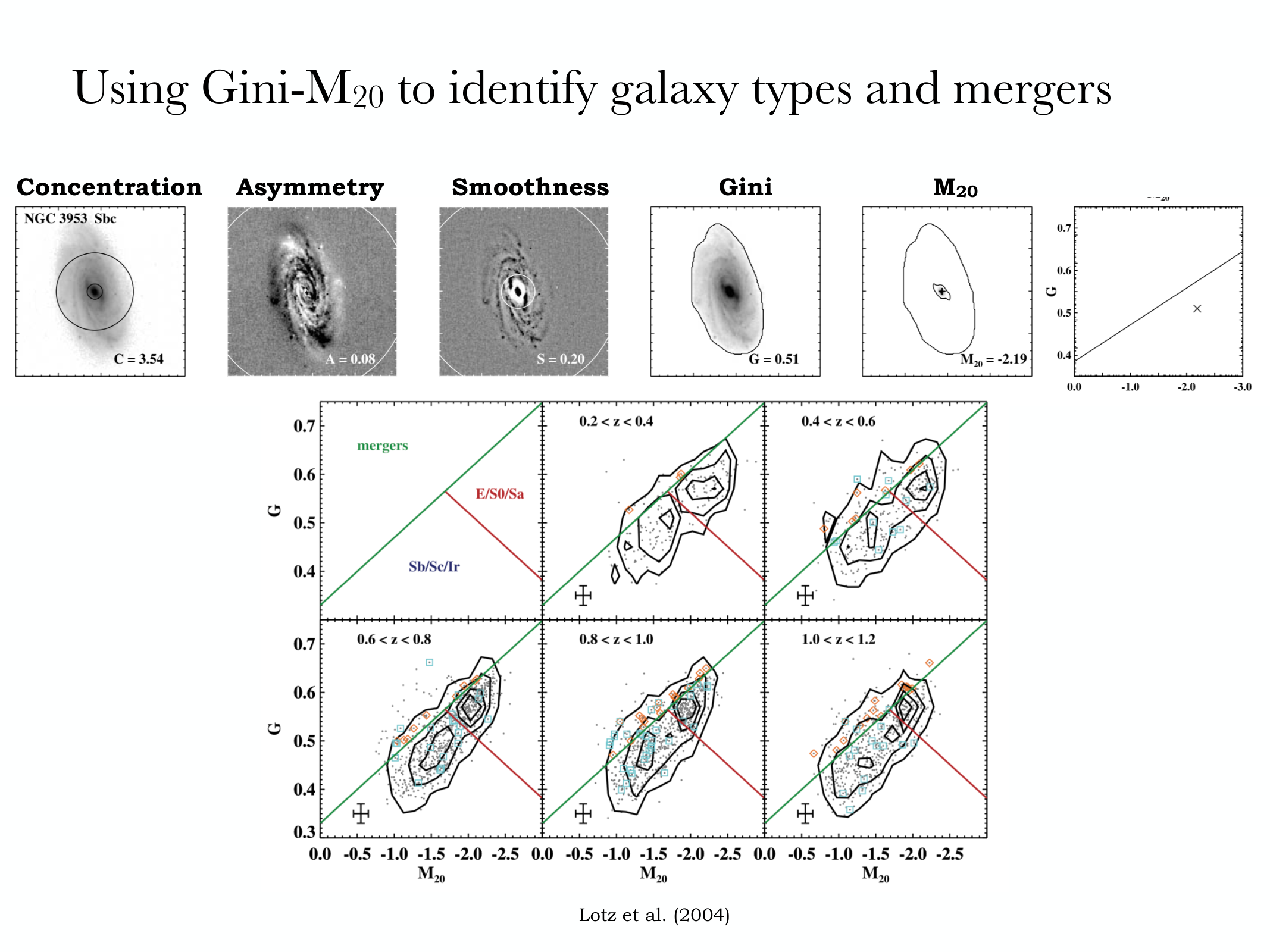 |
Lecture 1 - Morphology Classification | Quantitative morphology - Concentration, Asymmetry, Smoothness (CAS) | [[CAS galaxy classification]] |
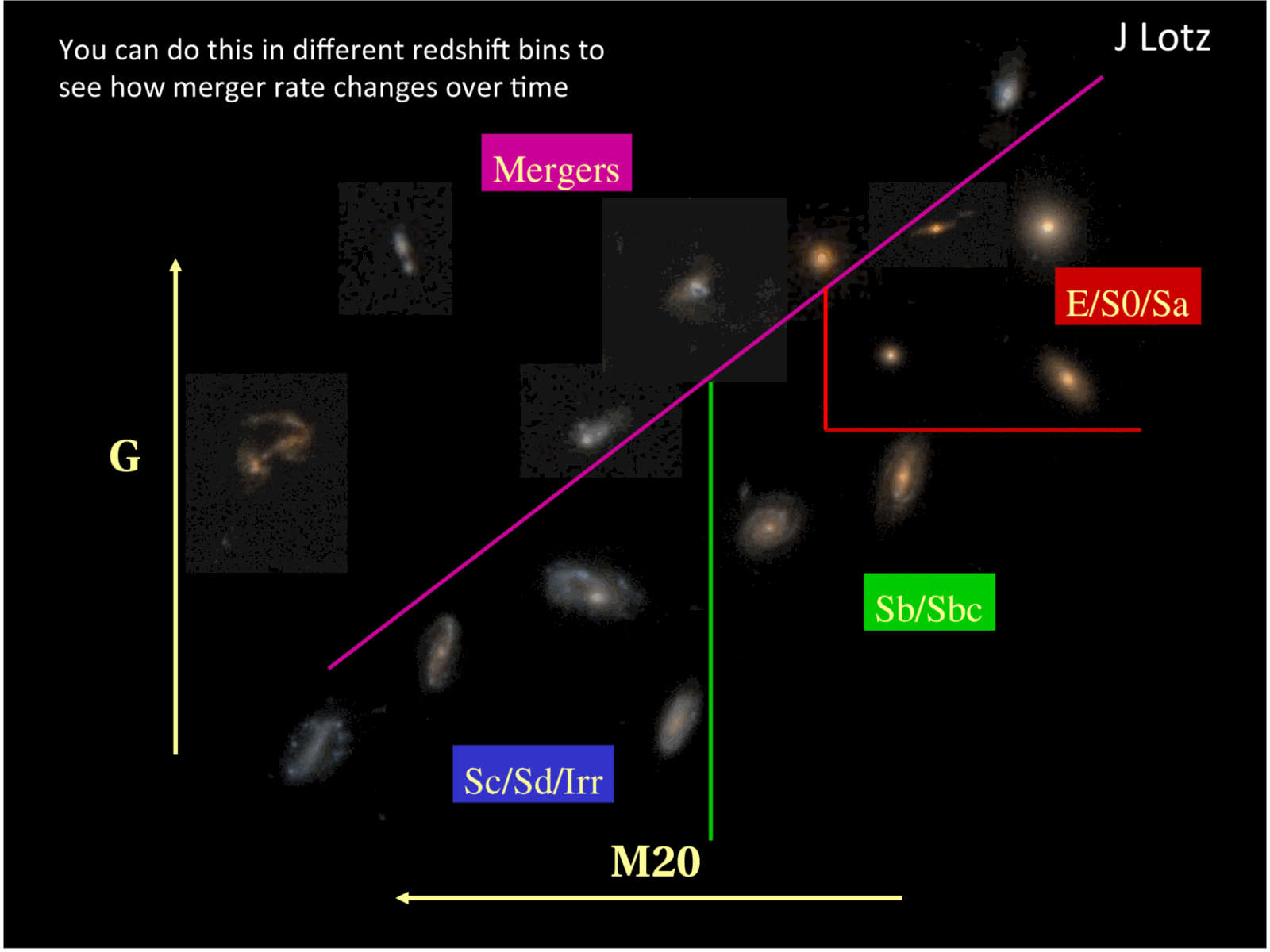 |
Lecture 1 - Morphology Classification | Quantitative morphology - Concentration, Asymmetry, Smoothness (CAS) | [[CAS galaxy classification]] |
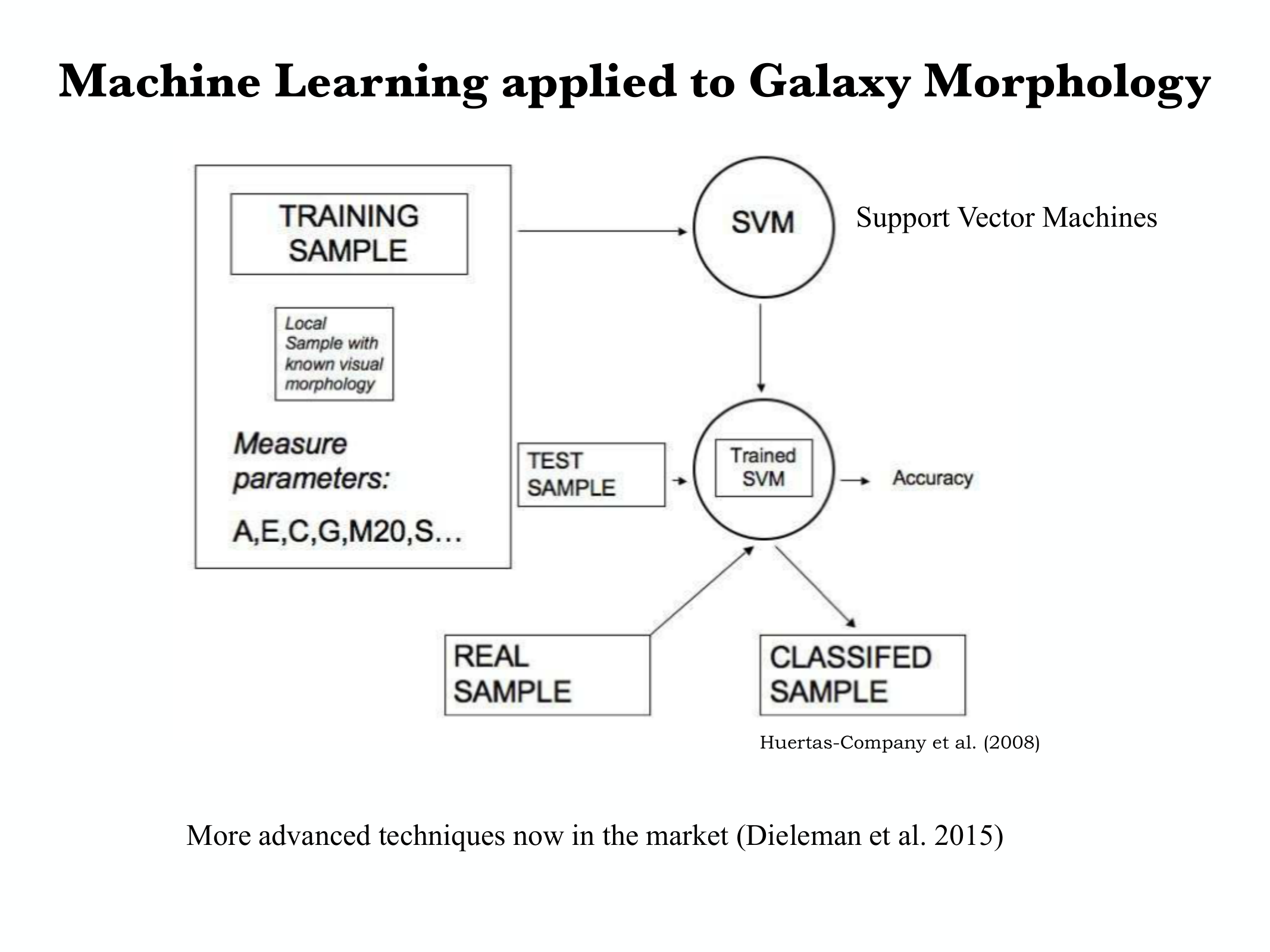 |
Lecture 1 - Morphology Classification | Quantitative morphology - Concentration, Asymmetry, Smoothness (CAS) | [[CAS galaxy classification]] |
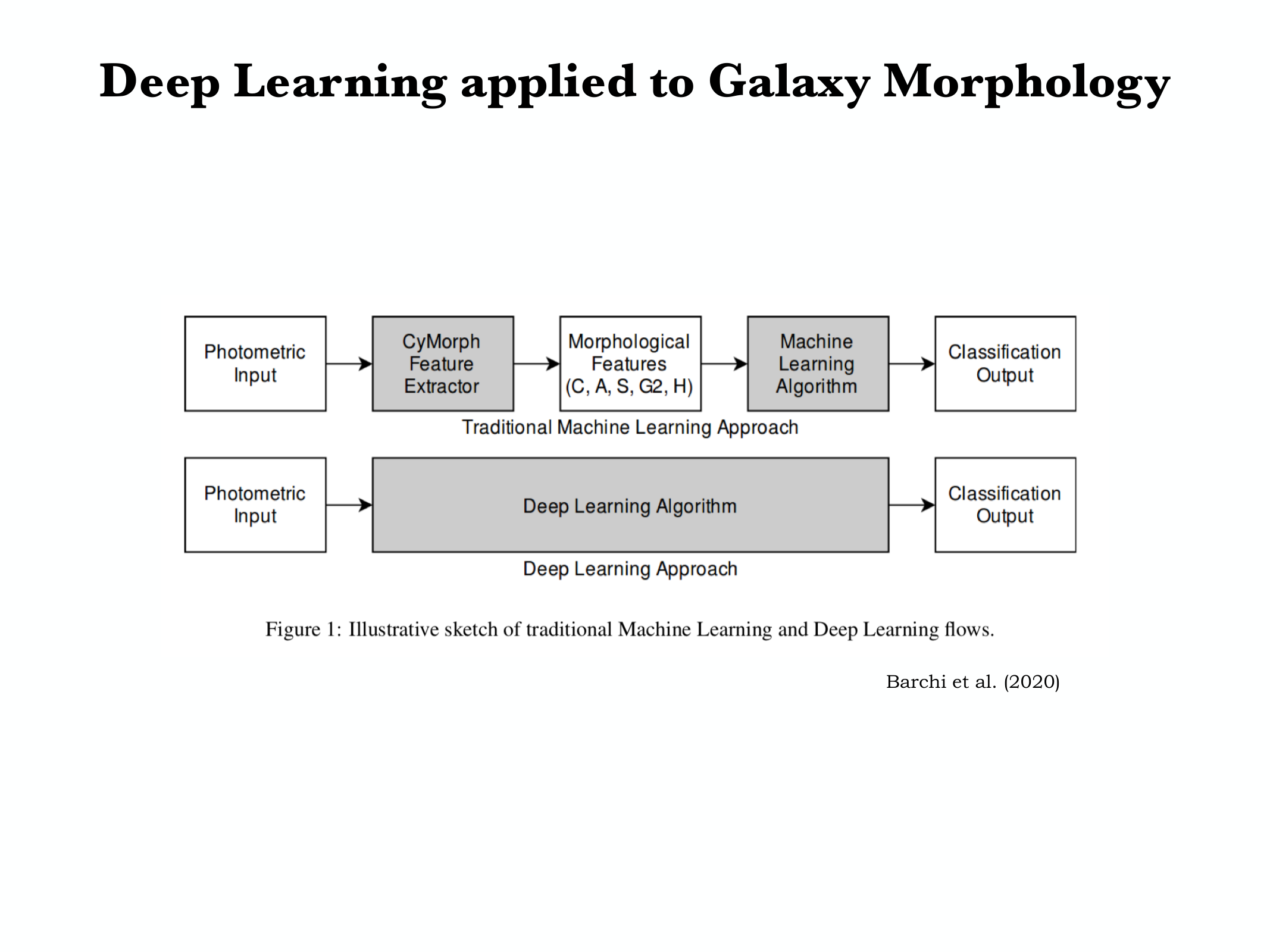 |
Lecture 1 - Morphology Classification | Quantitative morphology - Concentration, Asymmetry, Smoothness (CAS) | [[CAS galaxy classification]] |
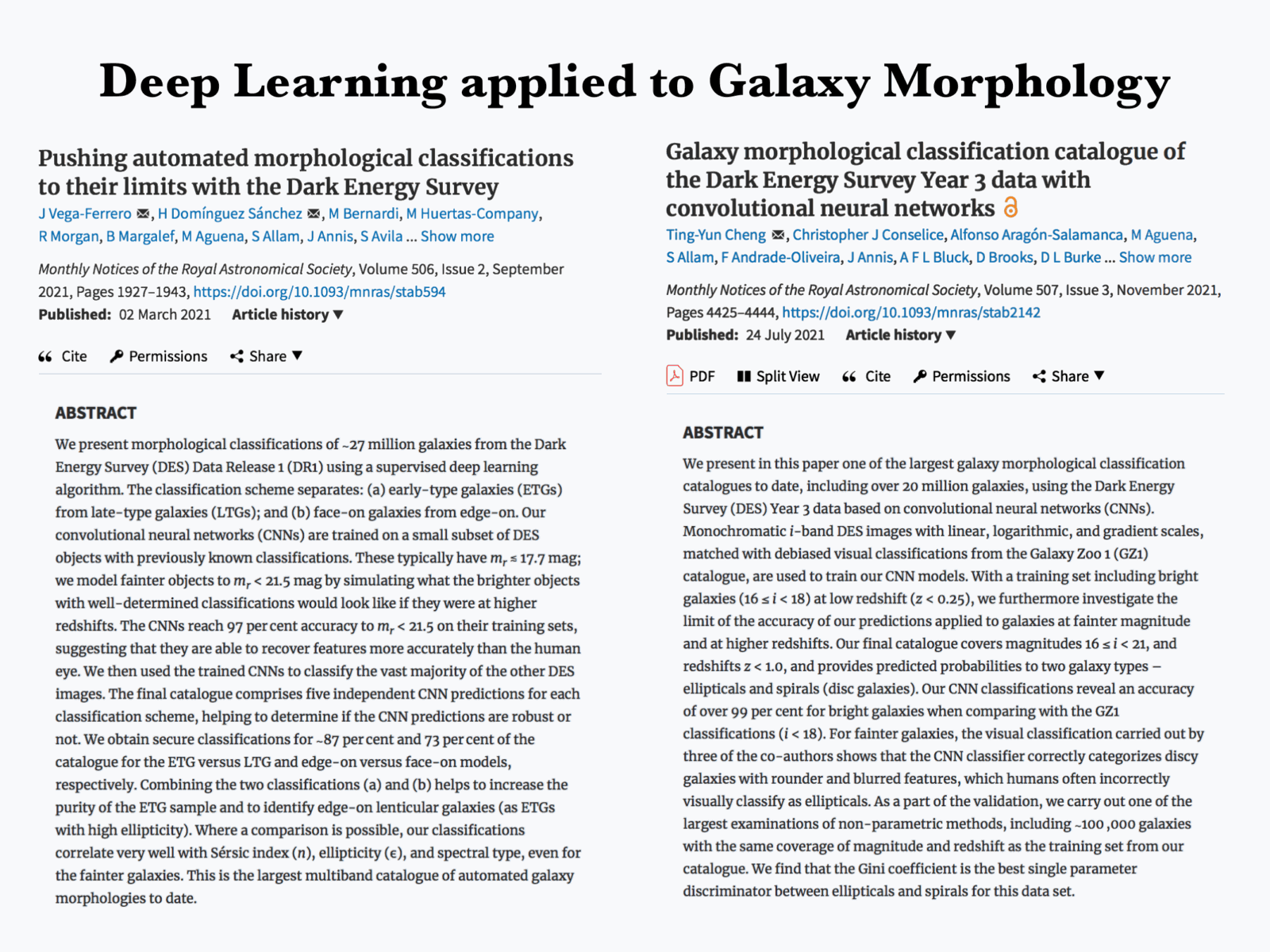 |
Lecture 1 - Morphology Classification | Quantitative morphology - Concentration, Asymmetry, Smoothness (CAS) | [[CAS galaxy classification]] |
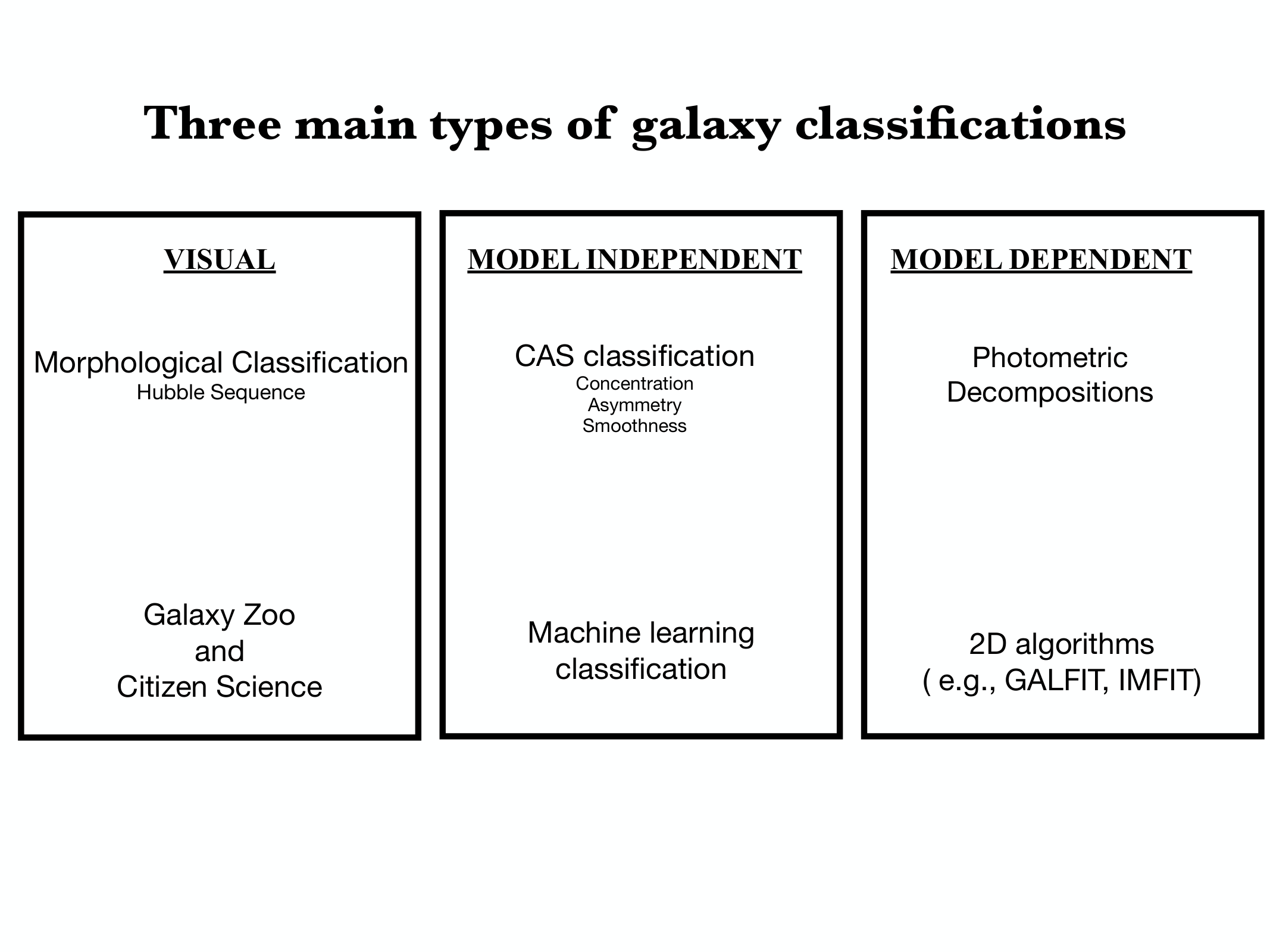 |
Lecture 1 - Morphology Classification | Quantitative morphology - Concentration, Asymmetry, Smoothness (CAS) | [[CAS galaxy classification]] |
 |
Lecture 1 - Morphology Classification | Quantitative morphology - Concentration, Asymmetry, Smoothness (CAS) | [[CAS galaxy classification]] |
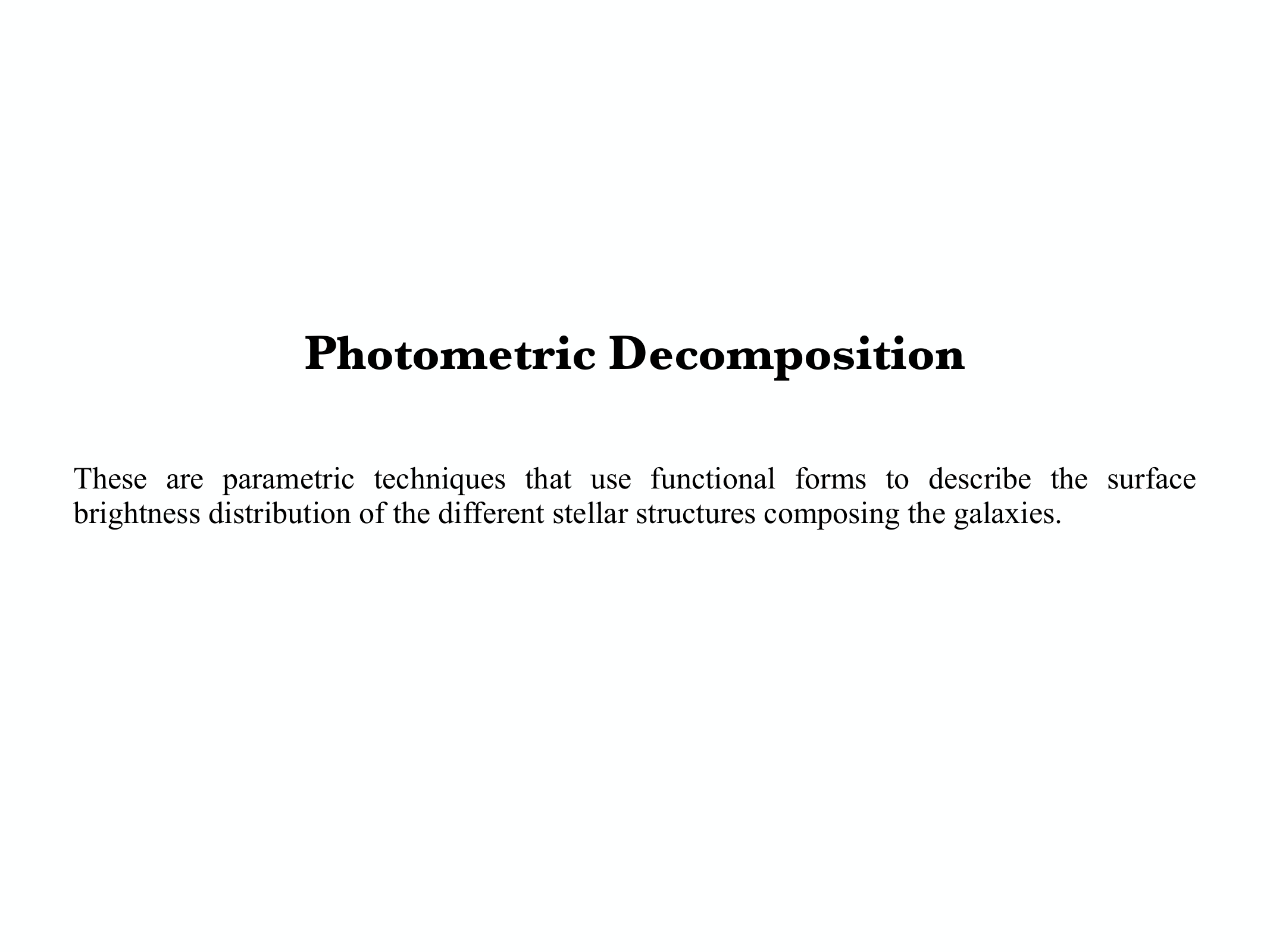 |
Lecture 1 - Morphology Classification | Quantitative morphology - Concentration, Asymmetry, Smoothness (CAS) | [[CAS galaxy classification]] |
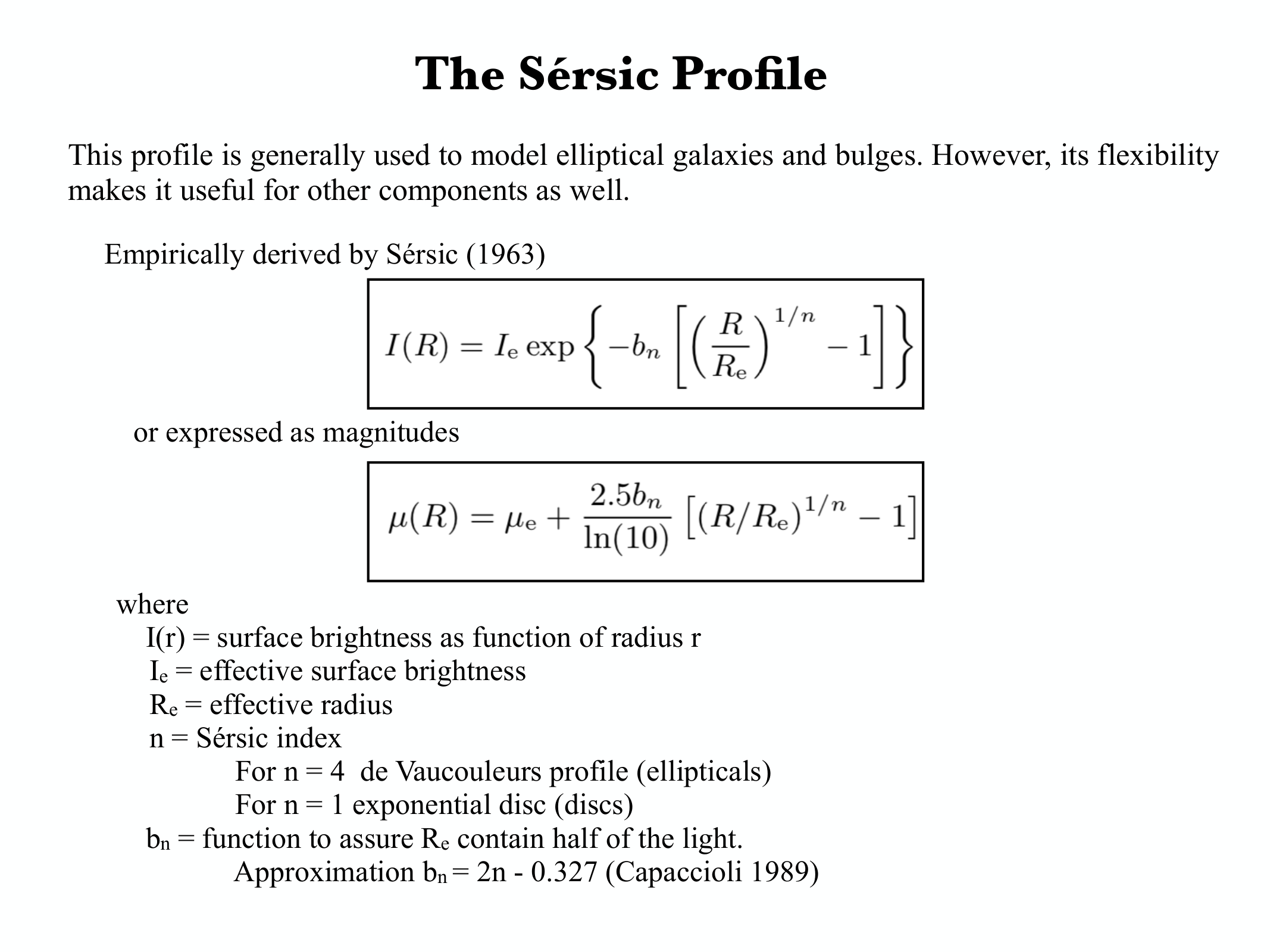 |
Lecture 1 - Morphology Classification | Quantitative morphology - Concentration, Asymmetry, Smoothness (CAS) | [[CAS galaxy classification]] |
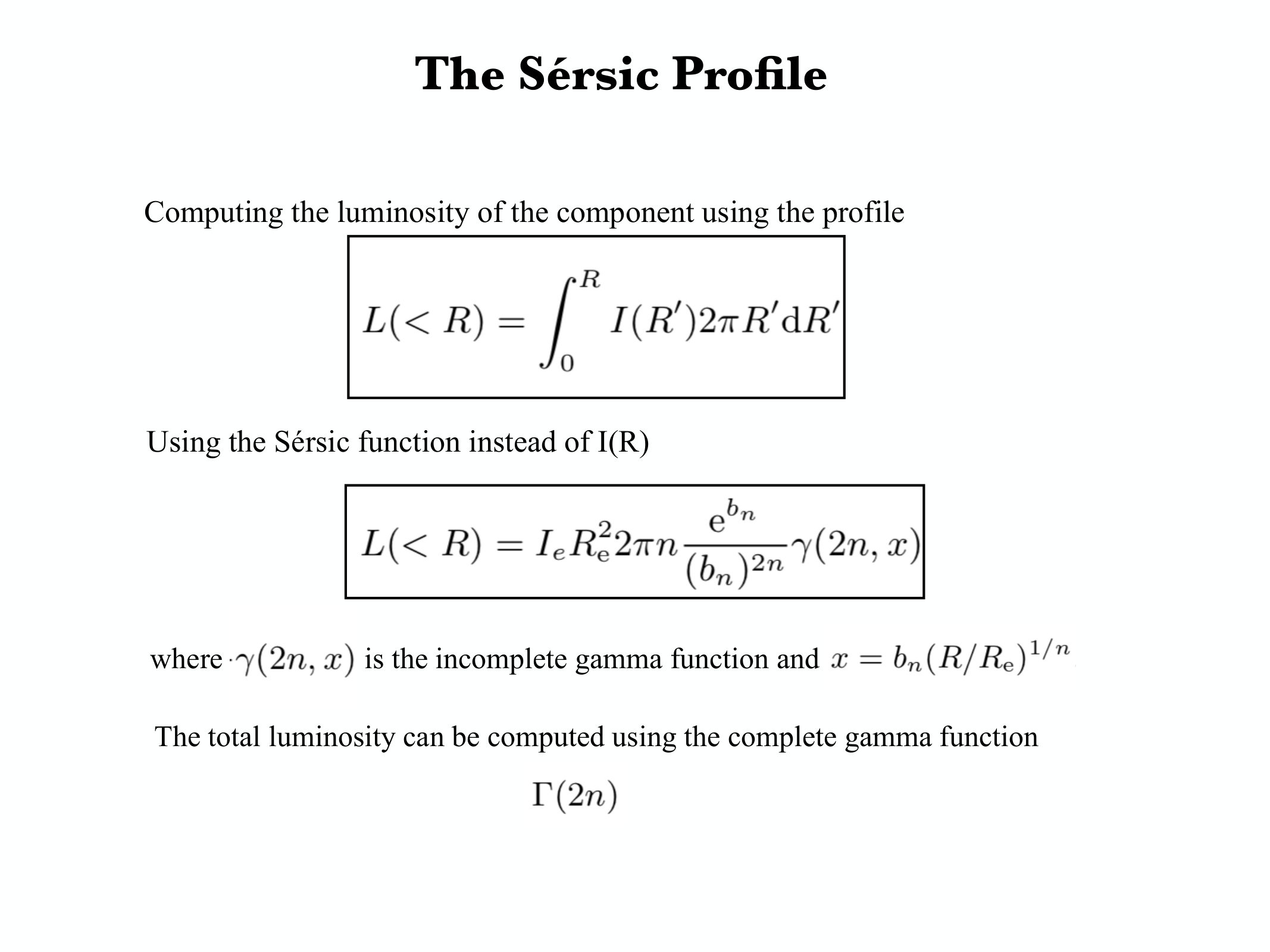 |
Lecture 1 - Morphology Classification | Morphology-density relation, environmental segregation in clusters | [[Galaxy color, density and morphology]] |
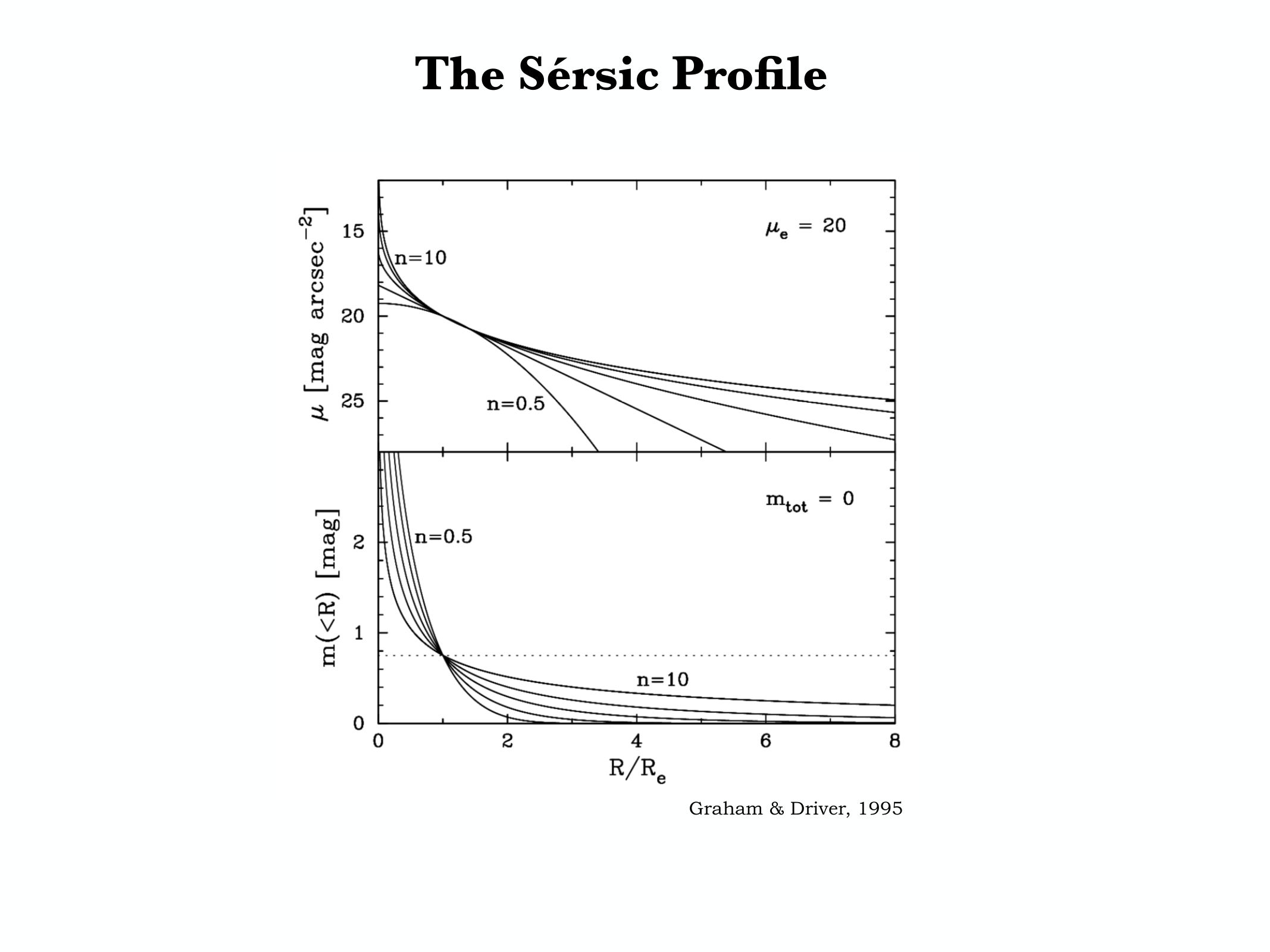 |
Lecture 1 - Morphology Classification | Morphology-density relation, environmental segregation in clusters | [[Galaxy color, density and morphology]] |
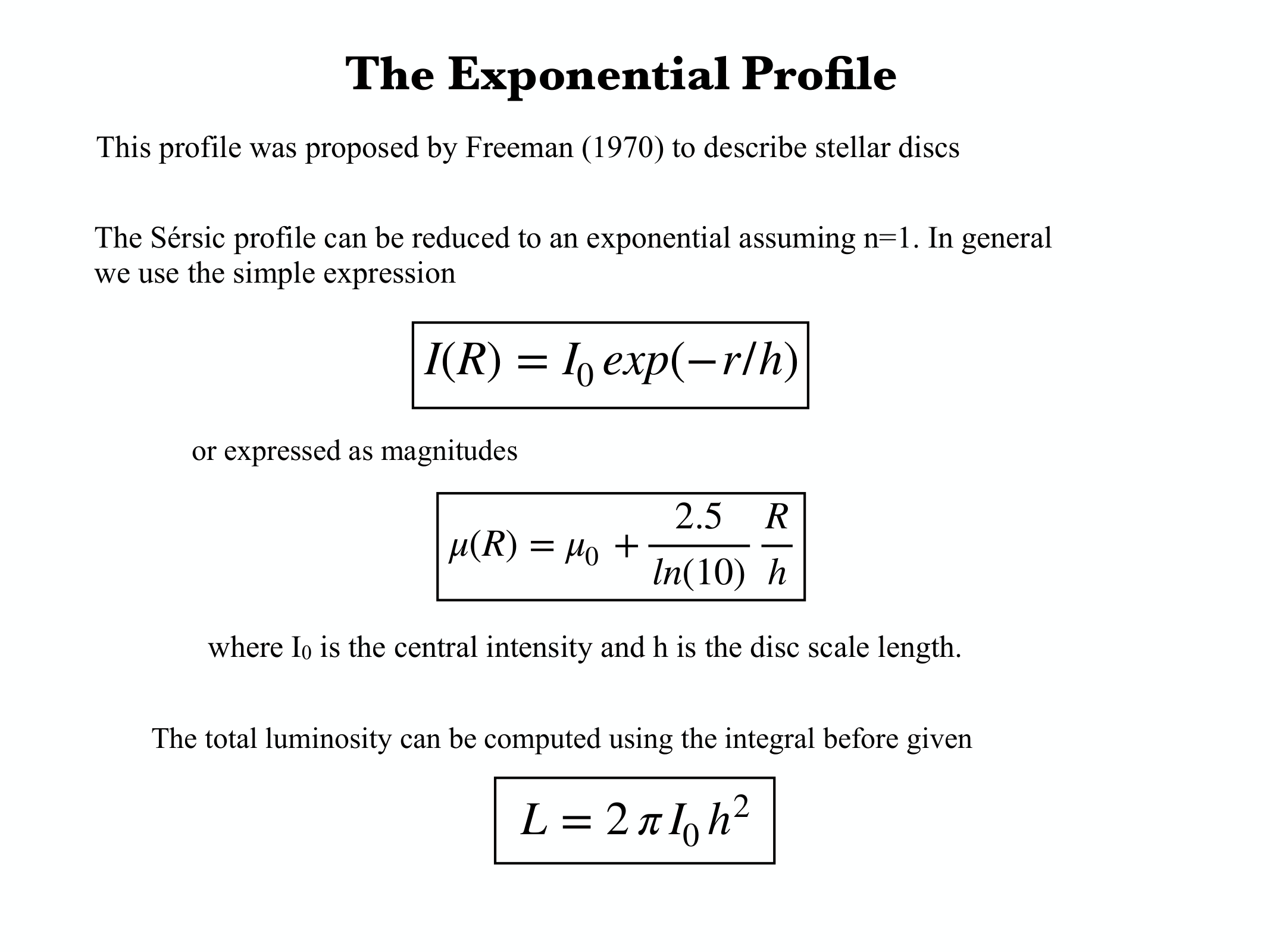 |
Lecture 1 - Morphology Classification | Morphology-density relation, environmental segregation in clusters | [[Galaxy color, density and morphology]] |
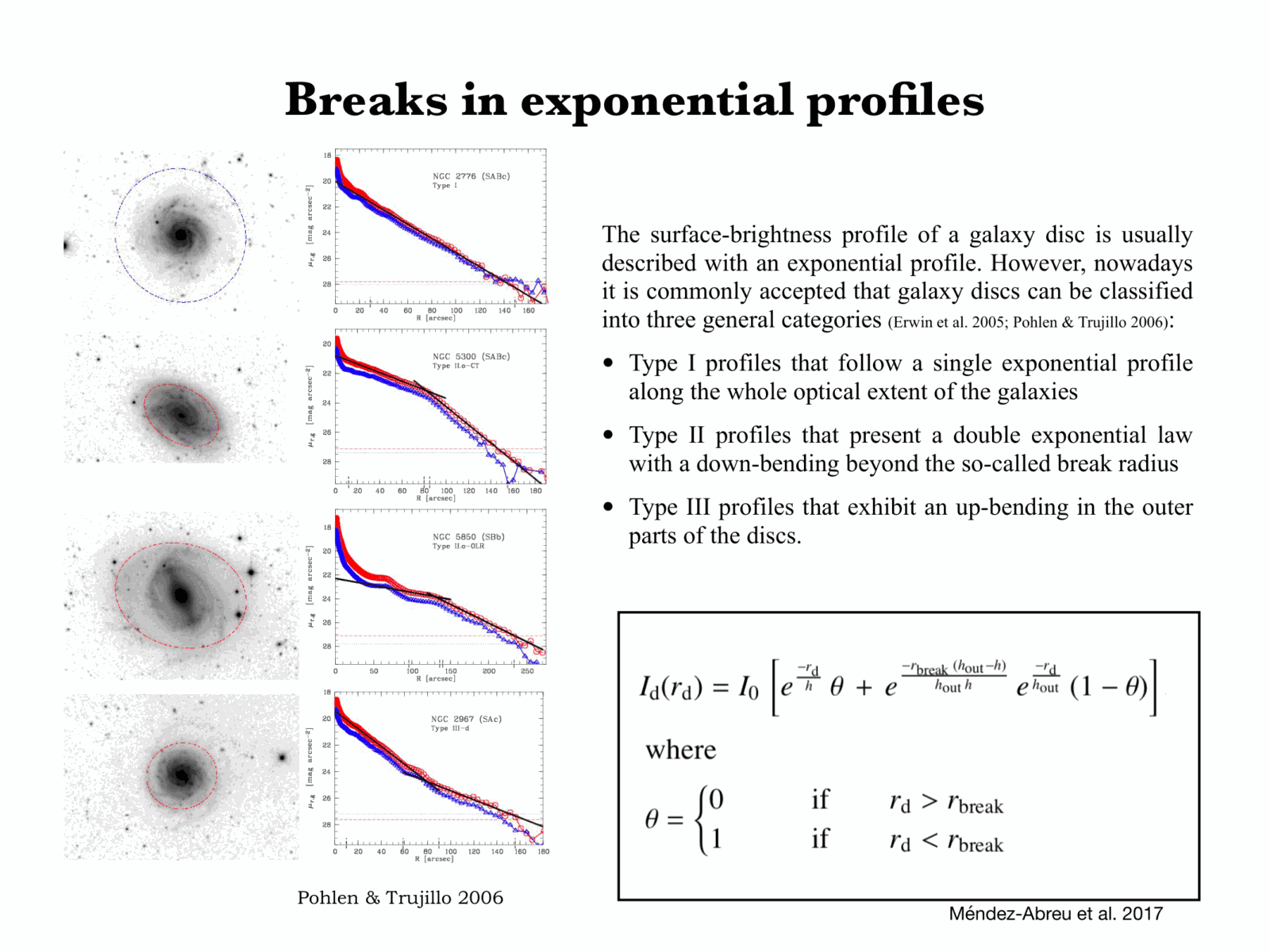 |
Lecture 1 - Morphology Classification | Morphology-density relation, environmental segregation in clusters | [[Galaxy color, density and morphology]] |
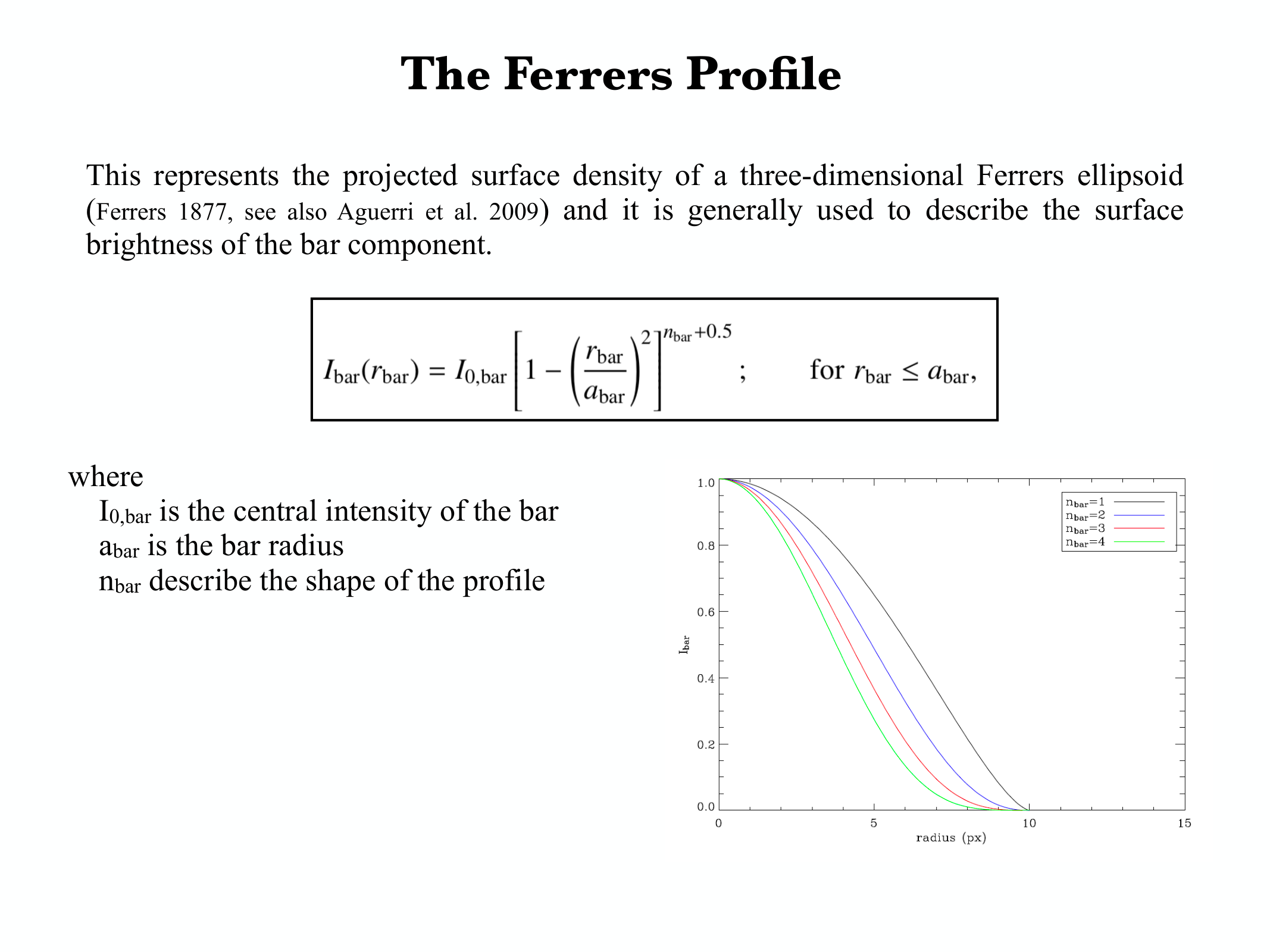 |
Lecture 1 - Morphology Classification | Morphology-density relation, environmental segregation in clusters | [[Galaxy color, density and morphology]] |
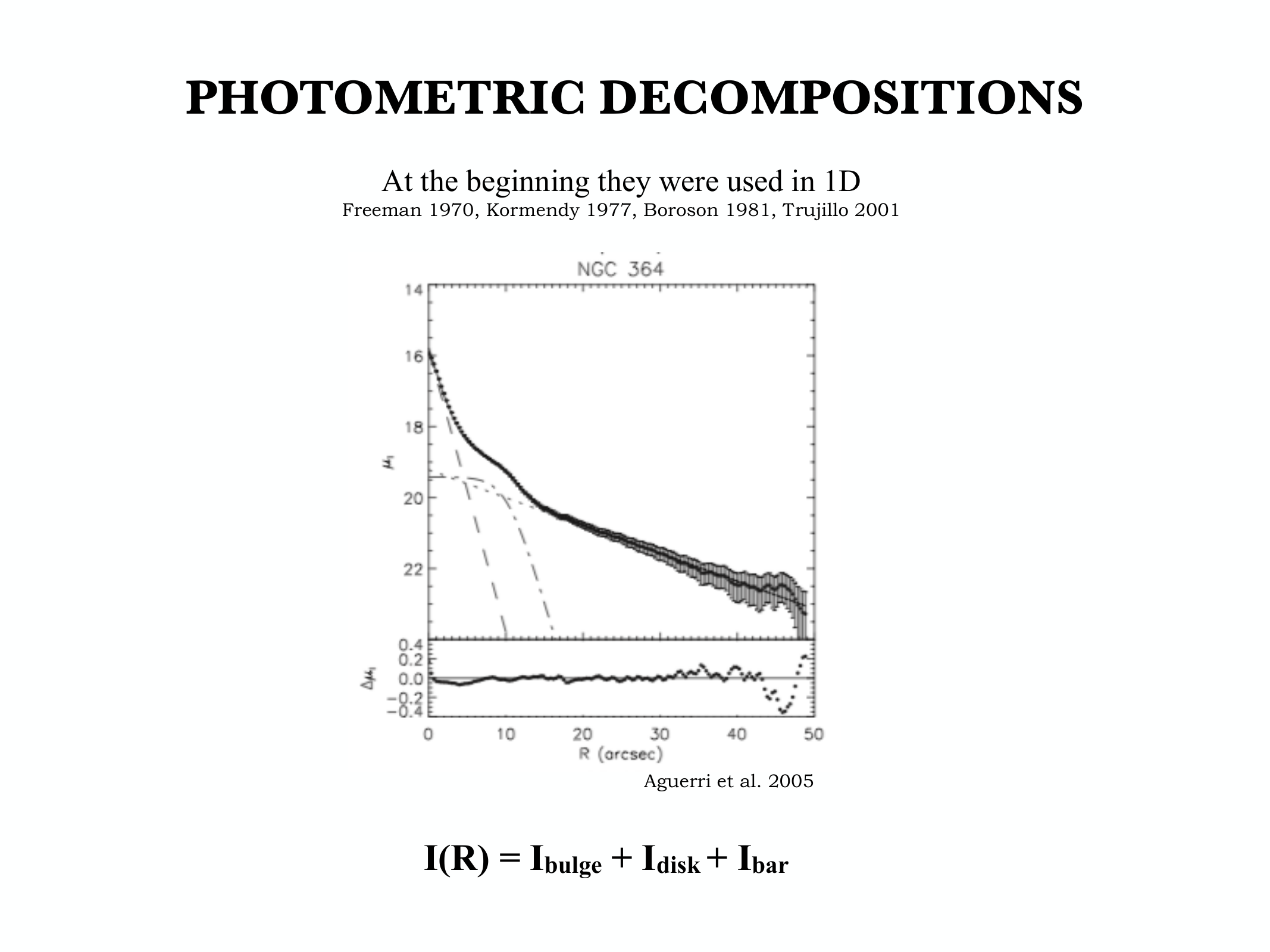 |
Lecture 1 - Morphology Classification | Morphology-density relation, environmental segregation in clusters | [[Galaxy color, density and morphology]] |
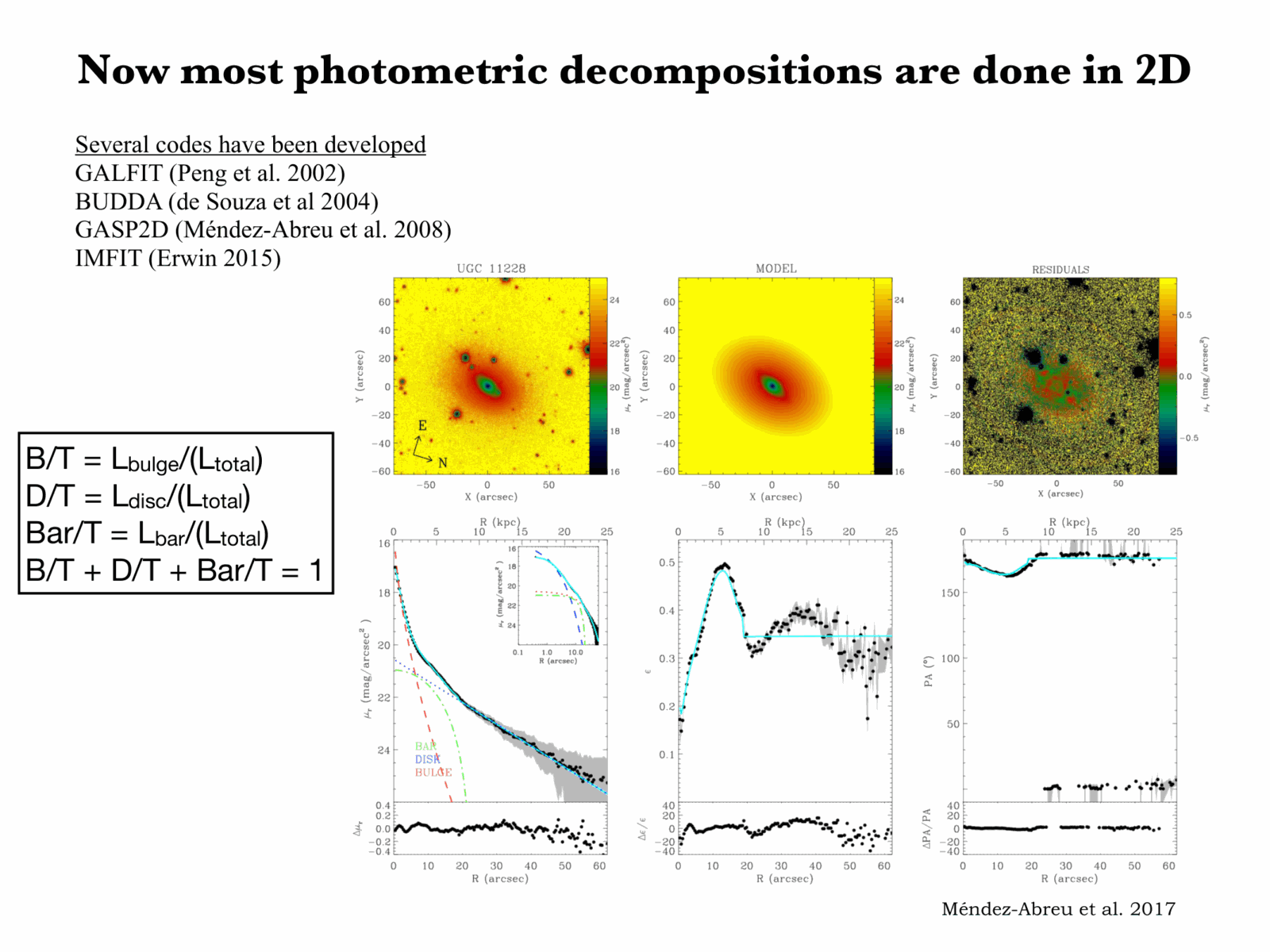 |
Lecture 1 - Morphology Classification | Morphology-density relation, environmental segregation in clusters | [[Galaxy color, density and morphology]] |
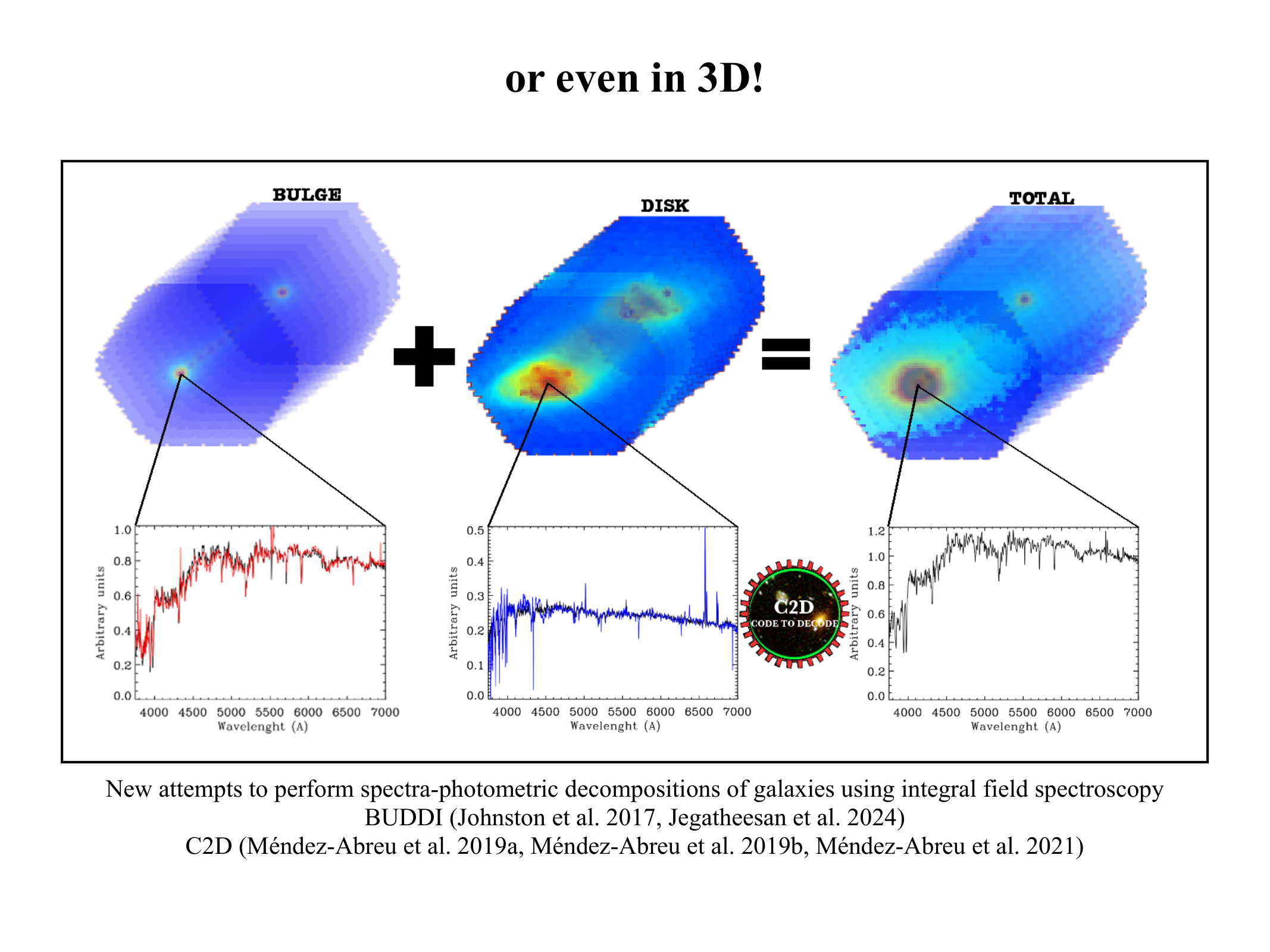 |
Lecture 1 - Morphology Classification | Morphology-density relation, environmental segregation in clusters | [[Galaxy color, density and morphology]] |
 |
Lecture - Spectral Classification & PCA | Principal Component Analysis (PCA) of galaxy spectra, eigenspectra PC1/PC2 | [[PCA spectral classification of galaxies]] |
 |
Lecture - Spectral Classification & PCA | Principal Component Analysis (PCA) of galaxy spectra, eigenspectra PC1/PC2 | [[PCA spectral classification of galaxies]] |
 |
Lecture - Spectral Classification & PCA | Principal Component Analysis (PCA) of galaxy spectra, eigenspectra PC1/PC2 | [[PCA spectral classification of galaxies]] |
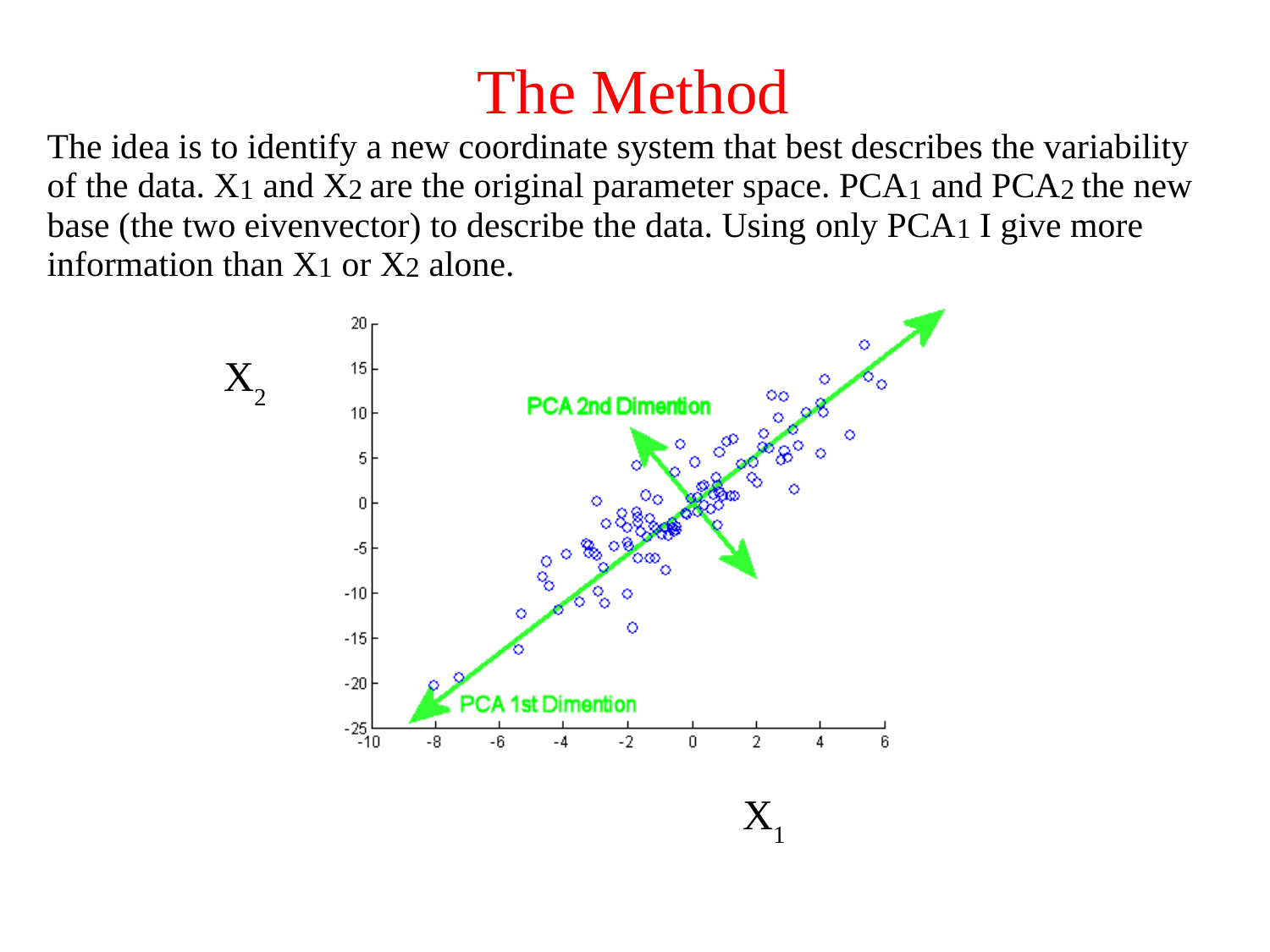 |
Lecture - Spectral Classification & PCA | Principal Component Analysis (PCA) of galaxy spectra, eigenspectra PC1/PC2 | [[PCA spectral classification of galaxies]] |
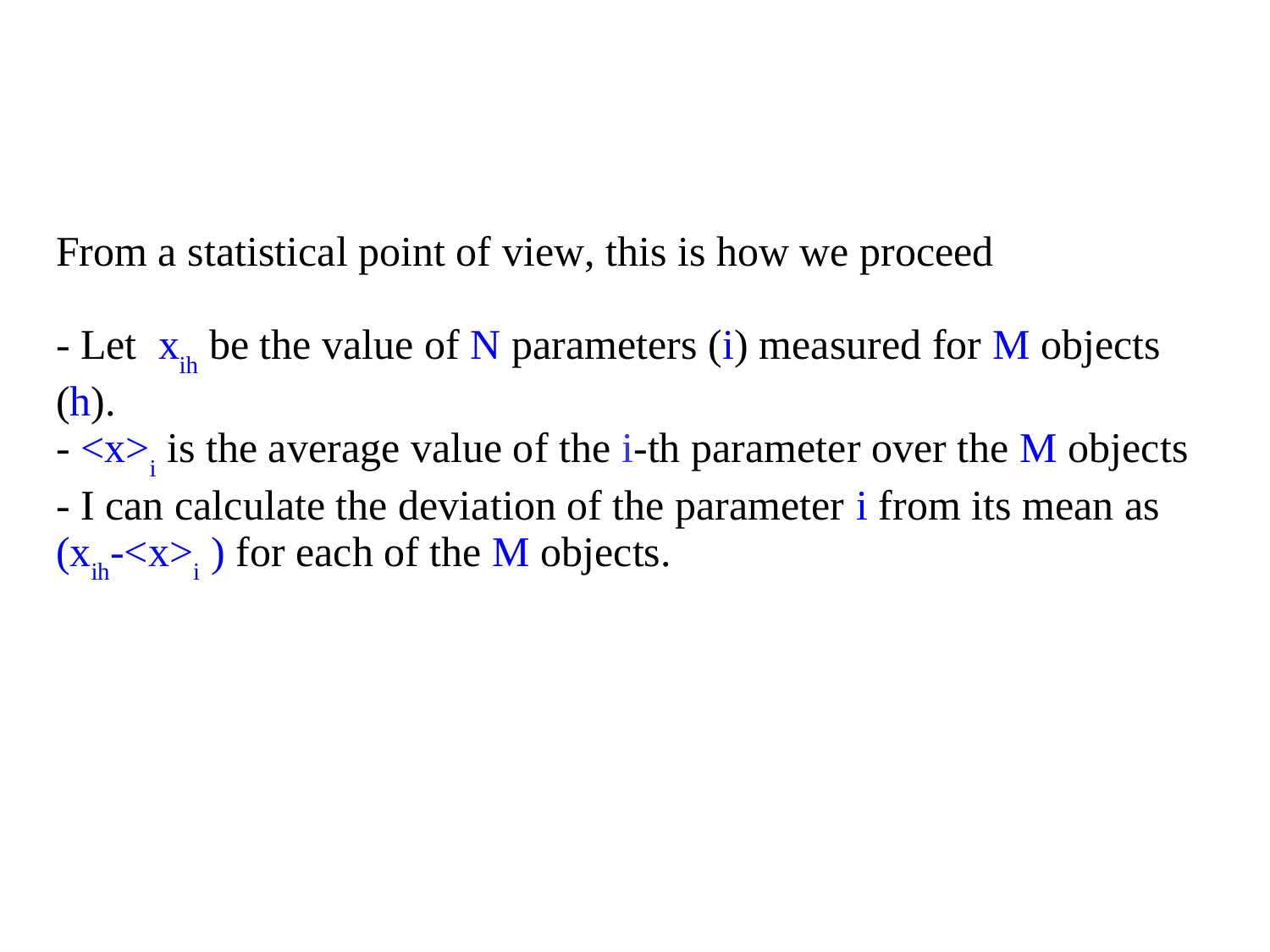 |
Lecture - Spectral Classification & PCA | Principal Component Analysis (PCA) of galaxy spectra, eigenspectra PC1/PC2 | [[PCA spectral classification of galaxies]] |
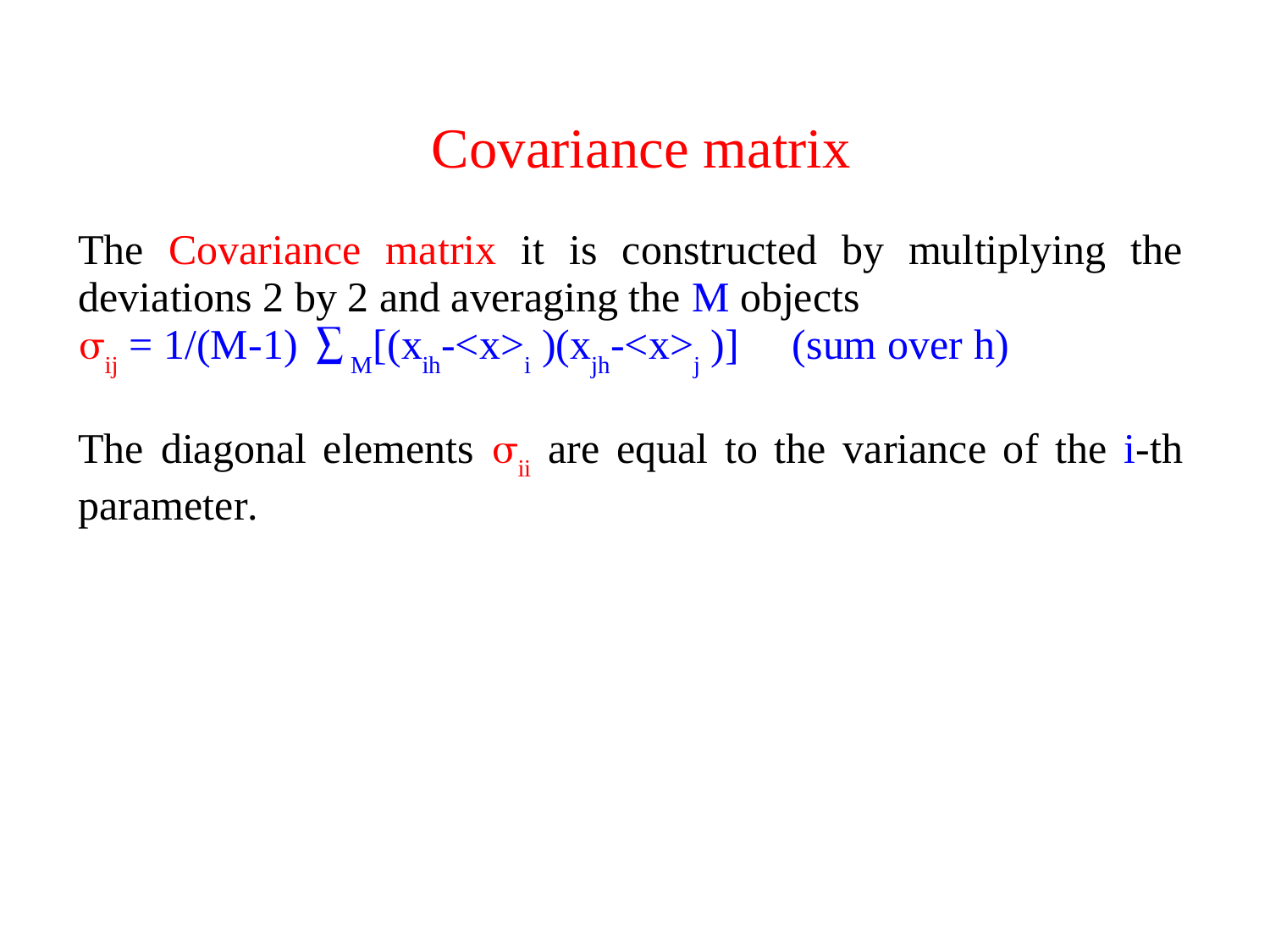 |
Lecture - Spectral Classification & PCA | Principal Component Analysis (PCA) of galaxy spectra, eigenspectra PC1/PC2 | [[PCA spectral classification of galaxies]] |
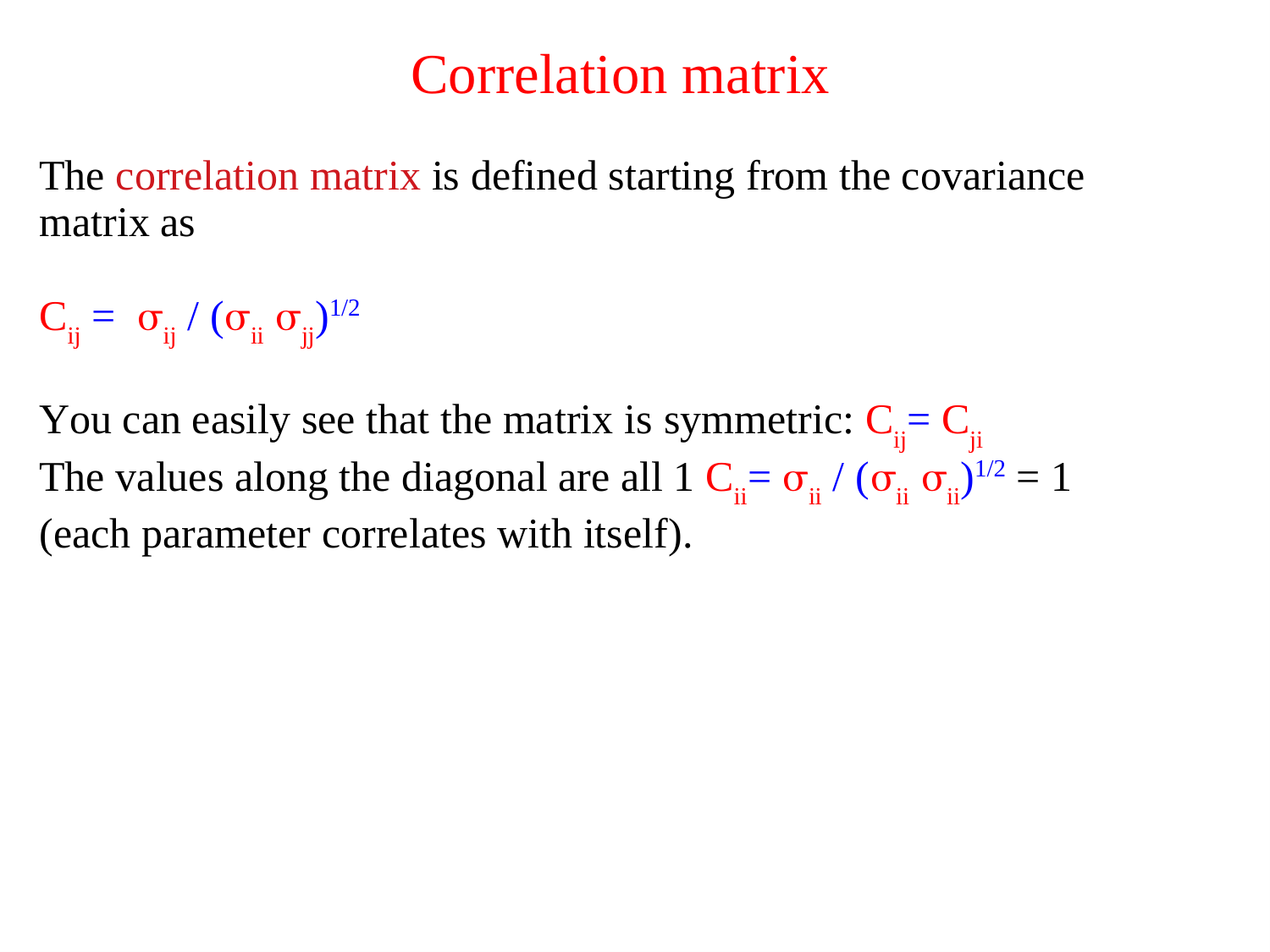 |
Lecture - Spectral Classification & PCA | Principal Component Analysis (PCA) of galaxy spectra, eigenspectra PC1/PC2 | [[PCA spectral classification of galaxies]] |
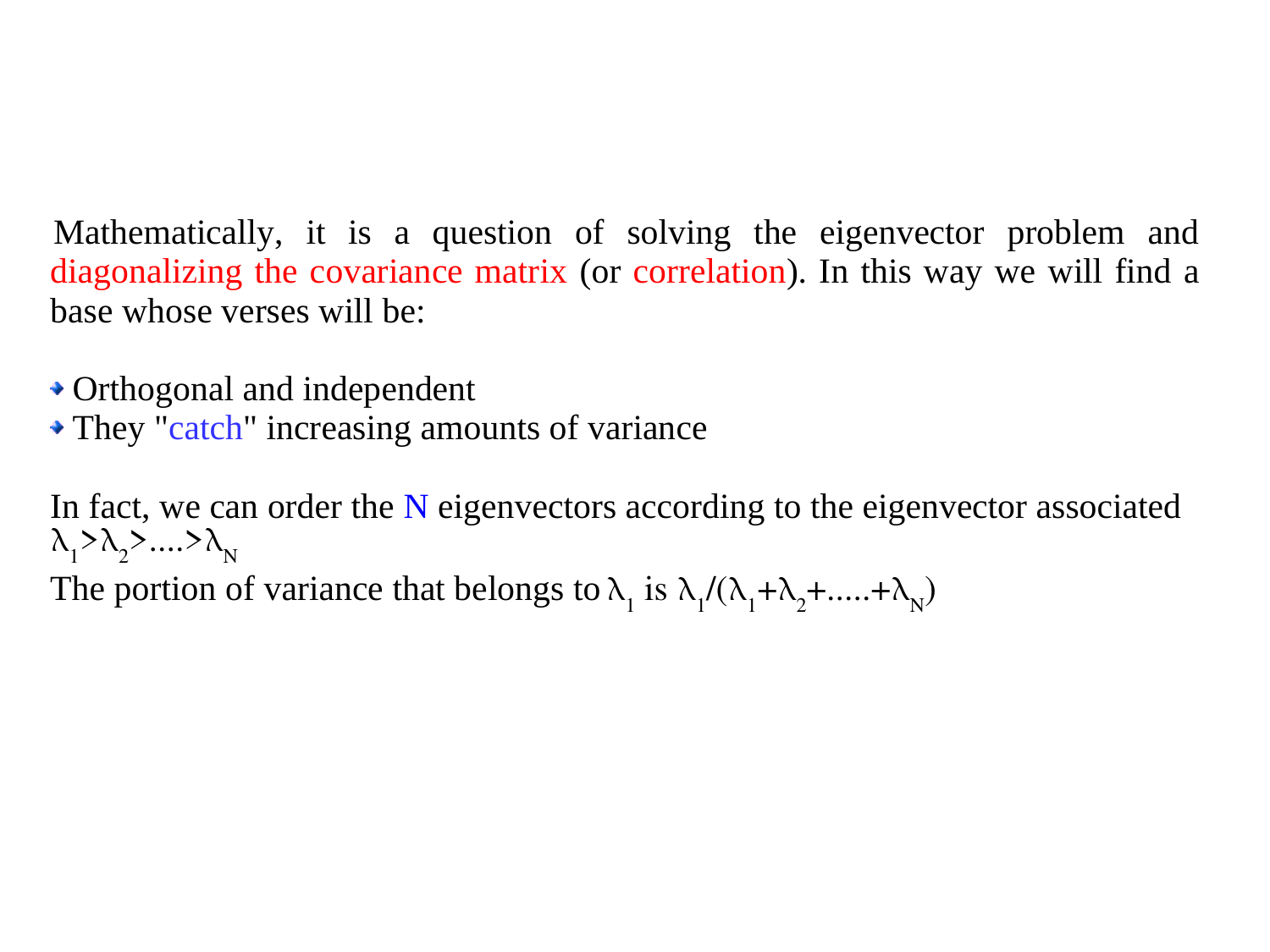 |
Lecture - Spectral Classification & PCA | Principal Component Analysis (PCA) of galaxy spectra, eigenspectra PC1/PC2 | [[PCA spectral classification of galaxies]] |
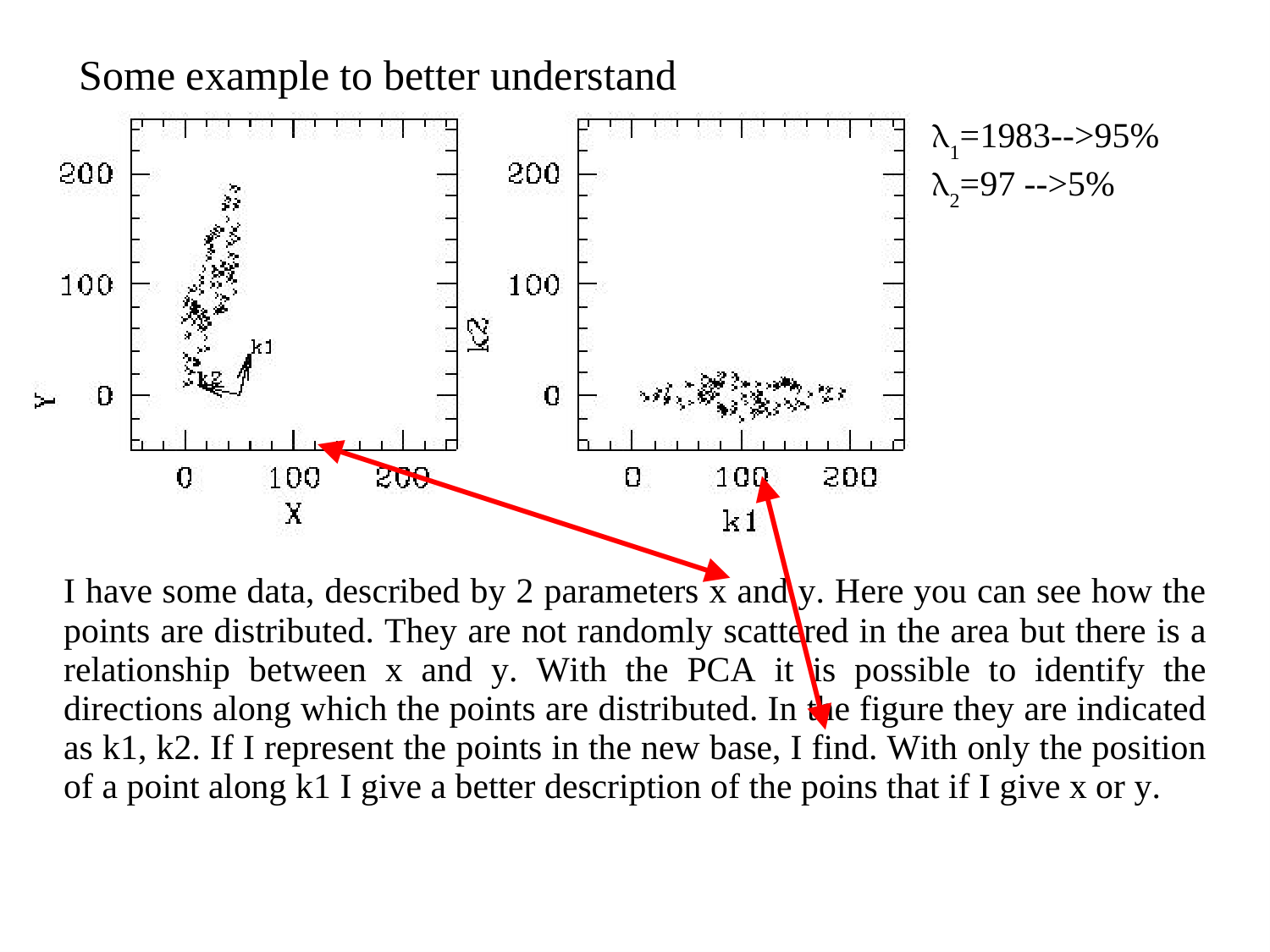 |
Lecture - Spectral Classification & PCA | Principal Component Analysis (PCA) of galaxy spectra, eigenspectra PC1/PC2 | [[PCA spectral classification of galaxies]] |
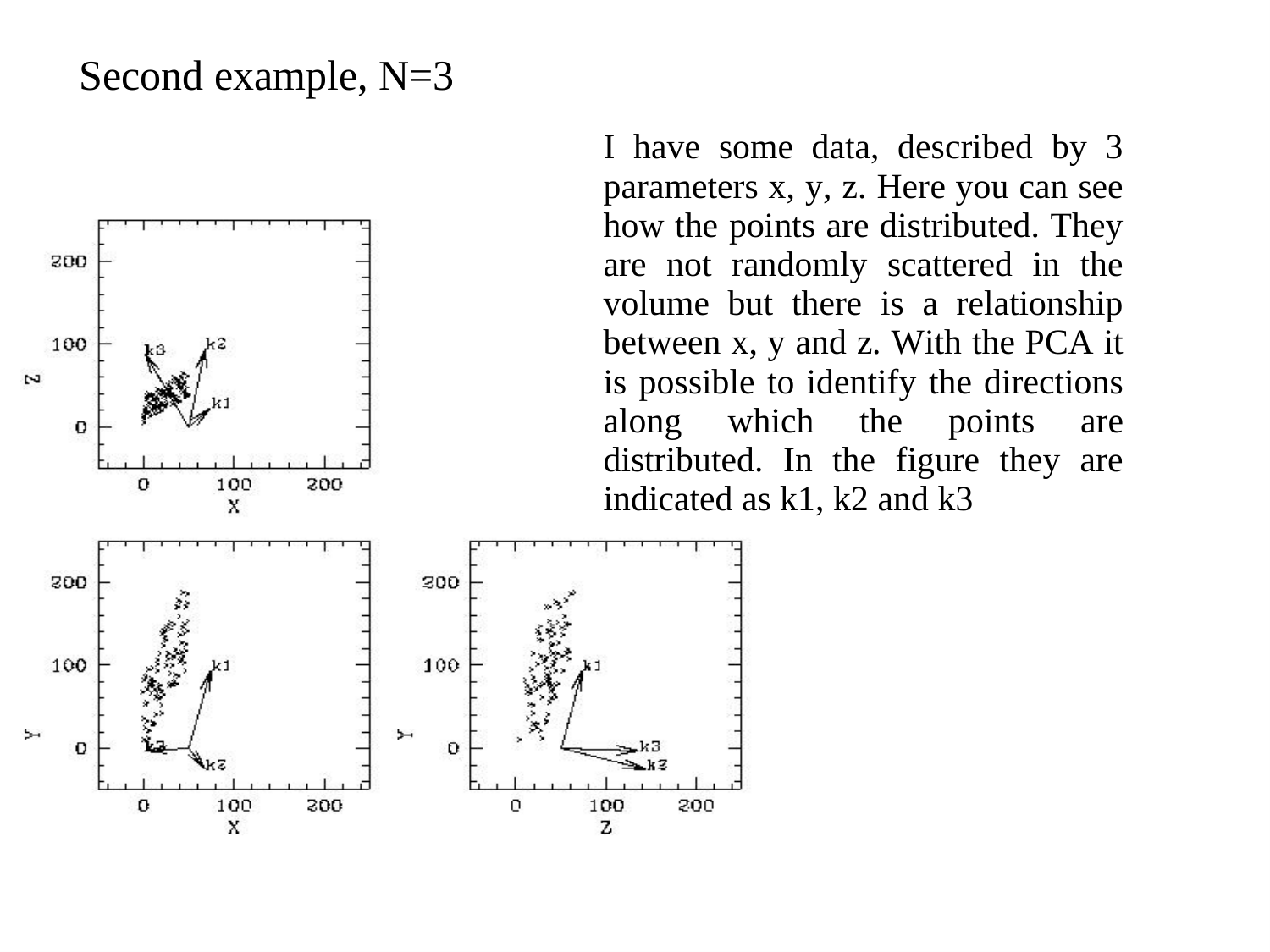 |
Lecture - Spectral Classification & PCA | Principal Component Analysis (PCA) of galaxy spectra, eigenspectra PC1/PC2 | [[PCA spectral classification of galaxies]] |
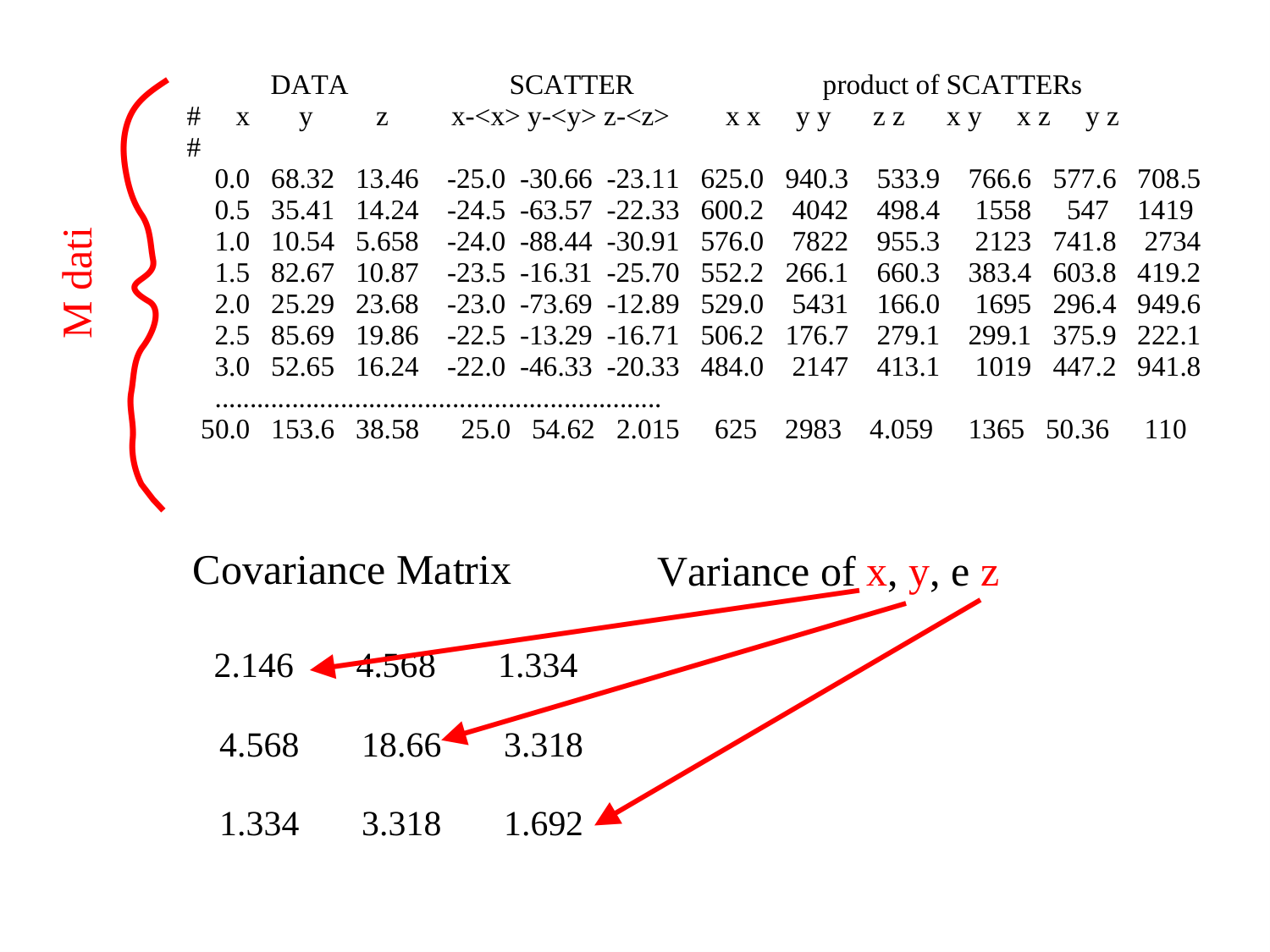 |
Lecture - Spectral Classification & PCA | Principal Component Analysis (PCA) of galaxy spectra, eigenspectra PC1/PC2 | [[PCA spectral classification of galaxies]] |
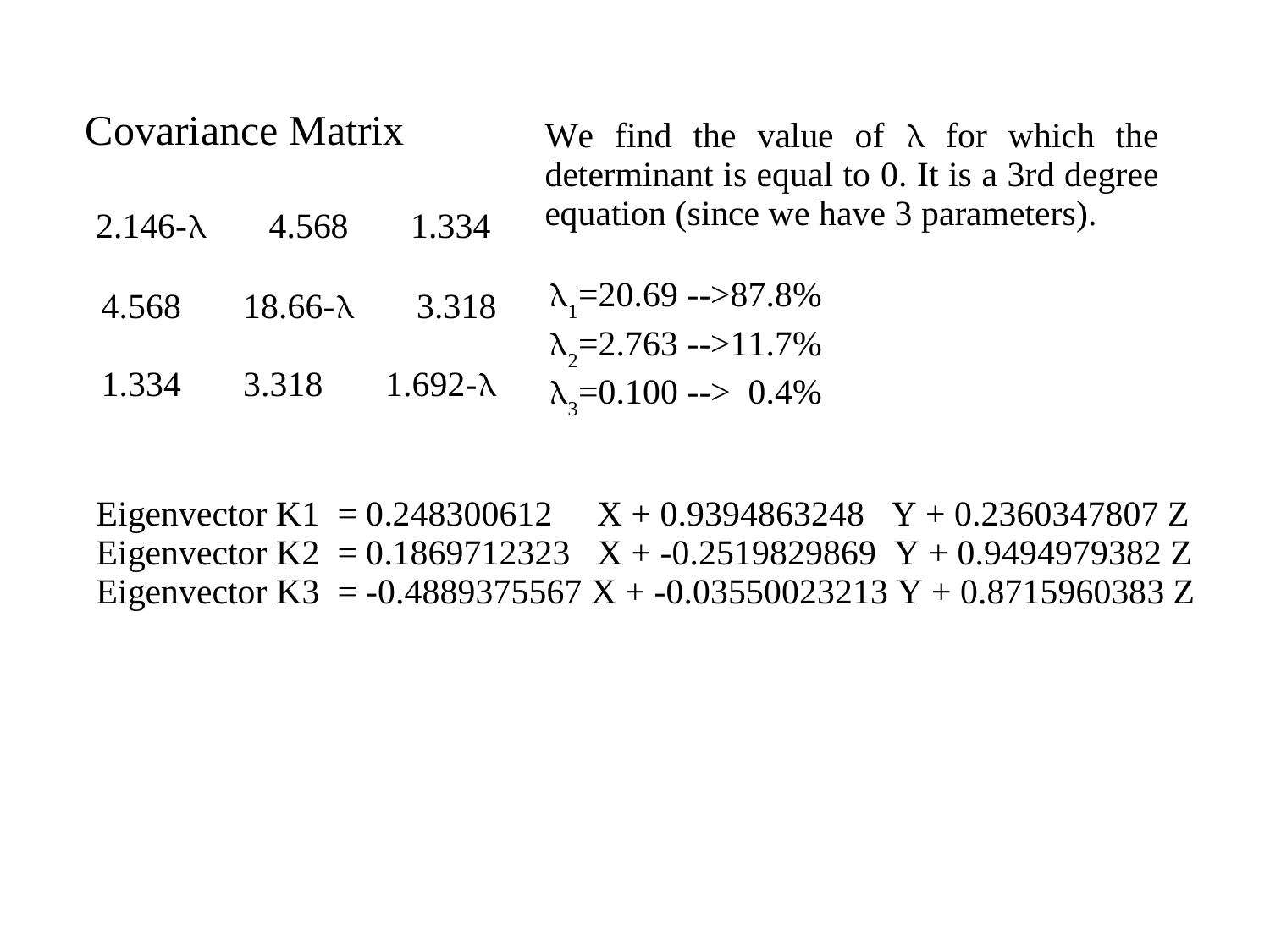 |
Lecture - Spectral Classification & PCA | Principal Component Analysis (PCA) of galaxy spectra, eigenspectra PC1/PC2 | [[PCA spectral classification of galaxies]] |
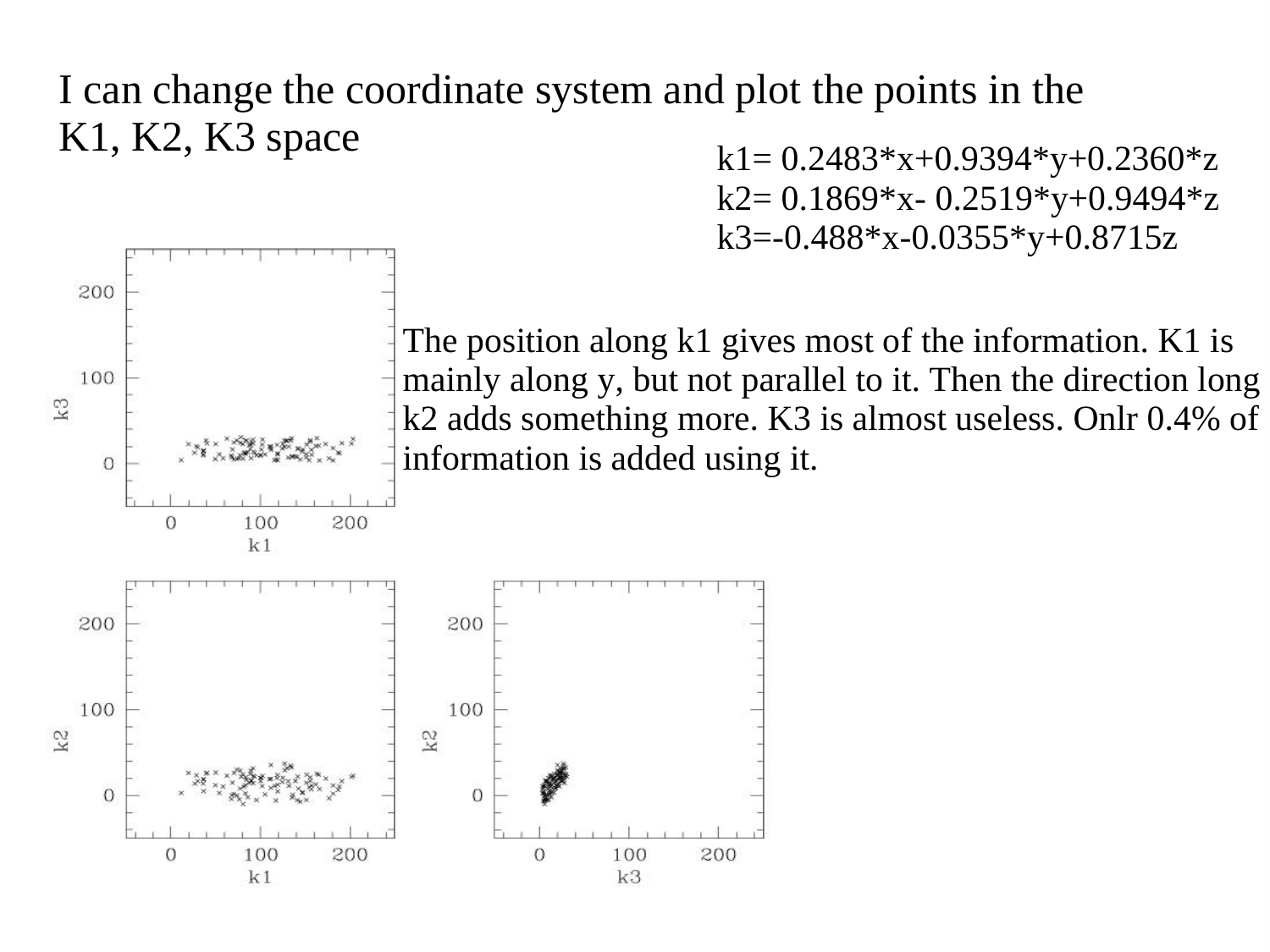 |
Lecture - Spectral Classification & PCA | Principal Component Analysis (PCA) of galaxy spectra, eigenspectra PC1/PC2 | [[PCA spectral classification of galaxies]] |
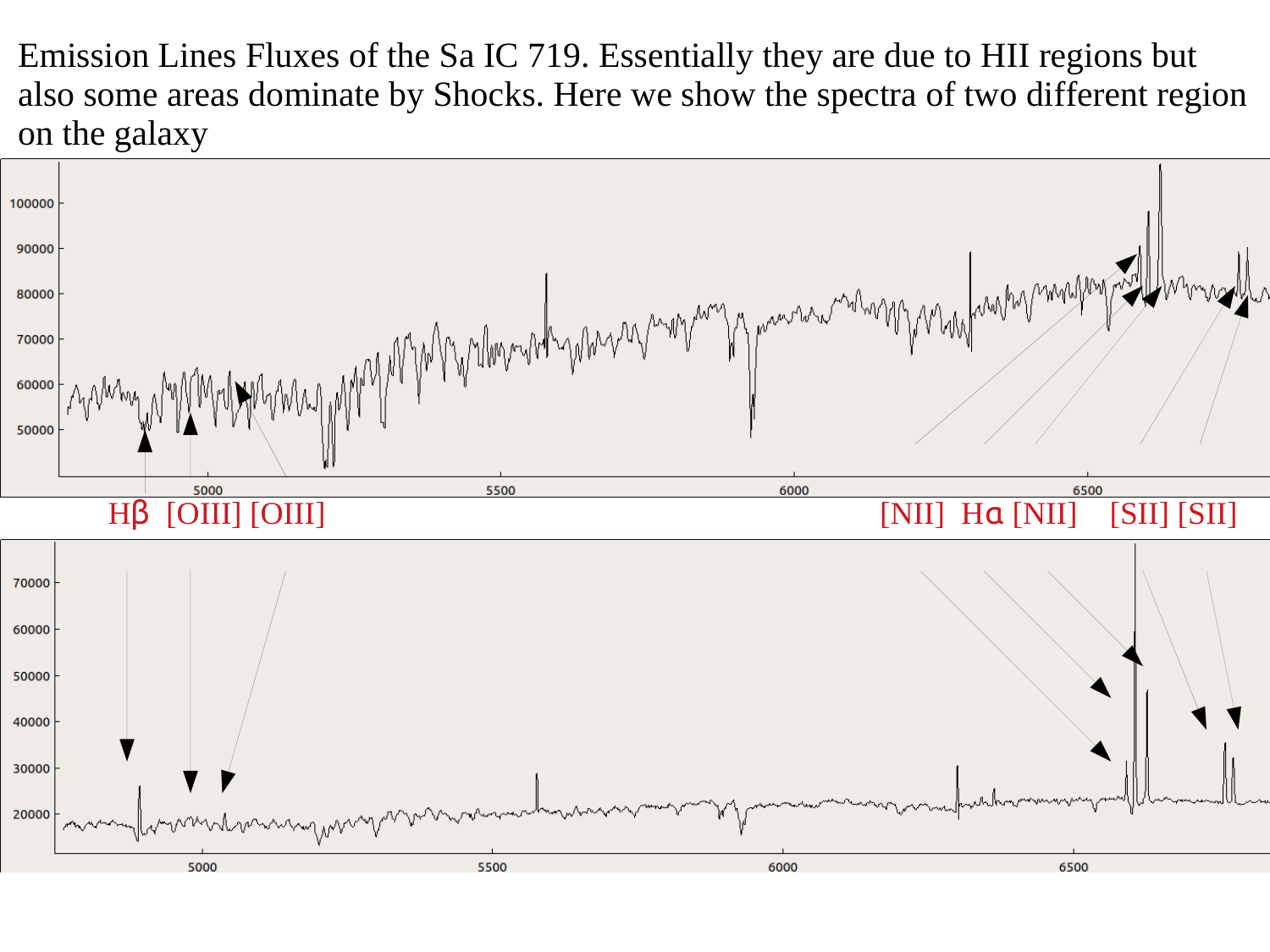 |
Lecture - Spectral Classification & PCA | Principal Component Analysis (PCA) of galaxy spectra, eigenspectra PC1/PC2 | [[PCA spectral classification of galaxies]] |
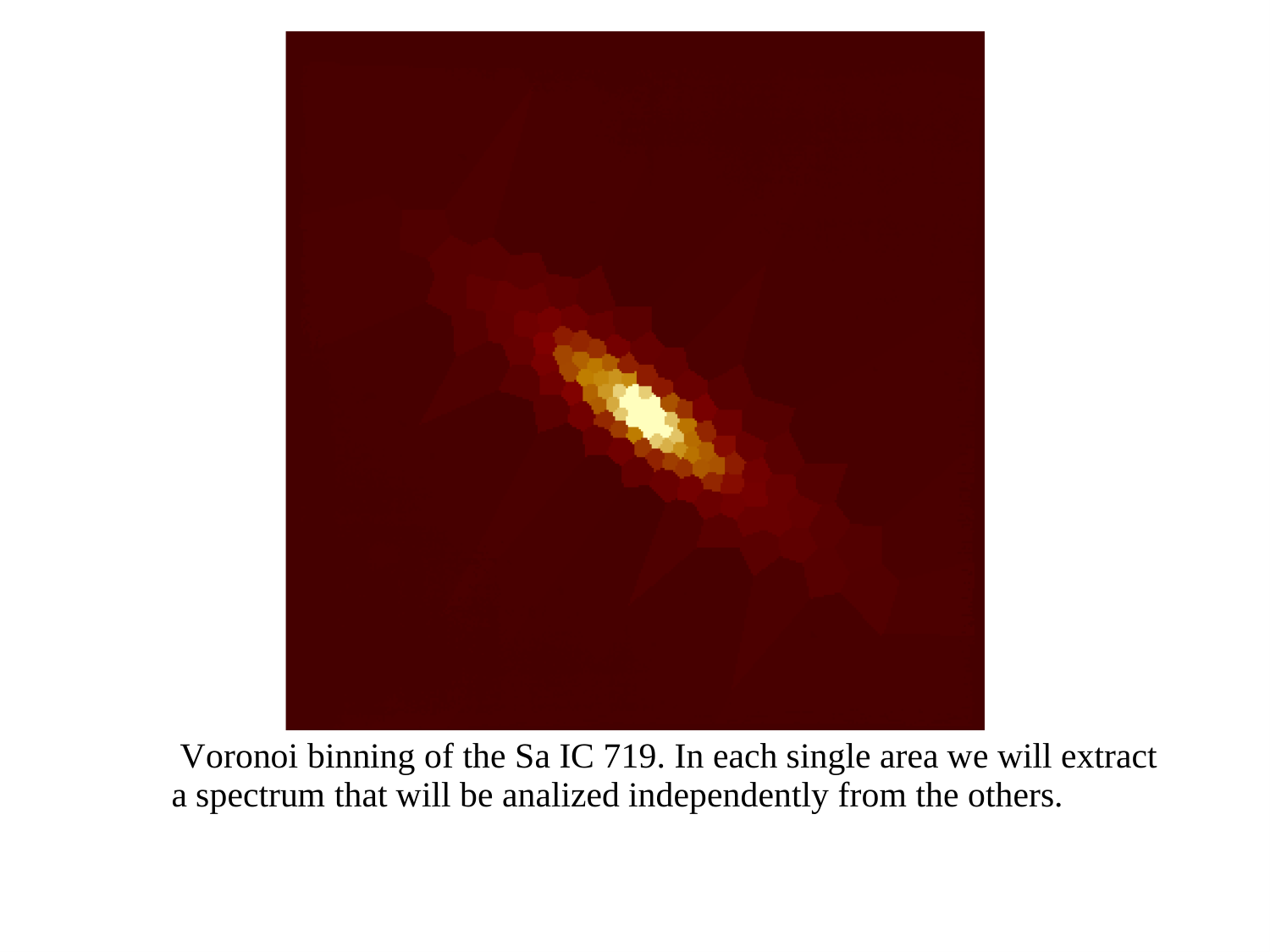 |
Lecture - Spectral Classification & PCA | Principal Component Analysis (PCA) of galaxy spectra, eigenspectra PC1/PC2 | [[PCA spectral classification of galaxies]] |
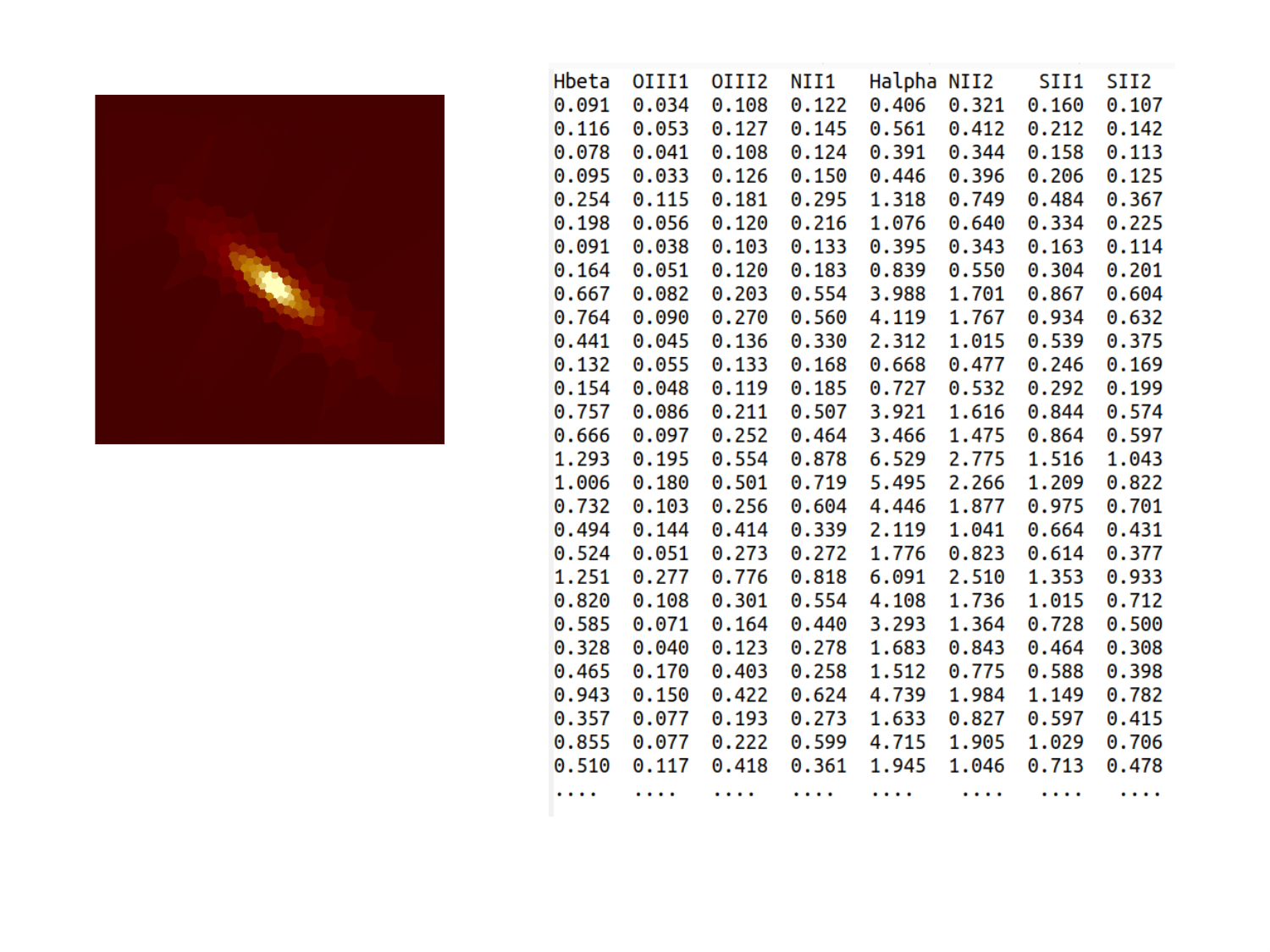 |
Lecture - Spectral Classification & PCA | Principal Component Analysis (PCA) of galaxy spectra, eigenspectra PC1/PC2 | [[PCA spectral classification of galaxies]] |
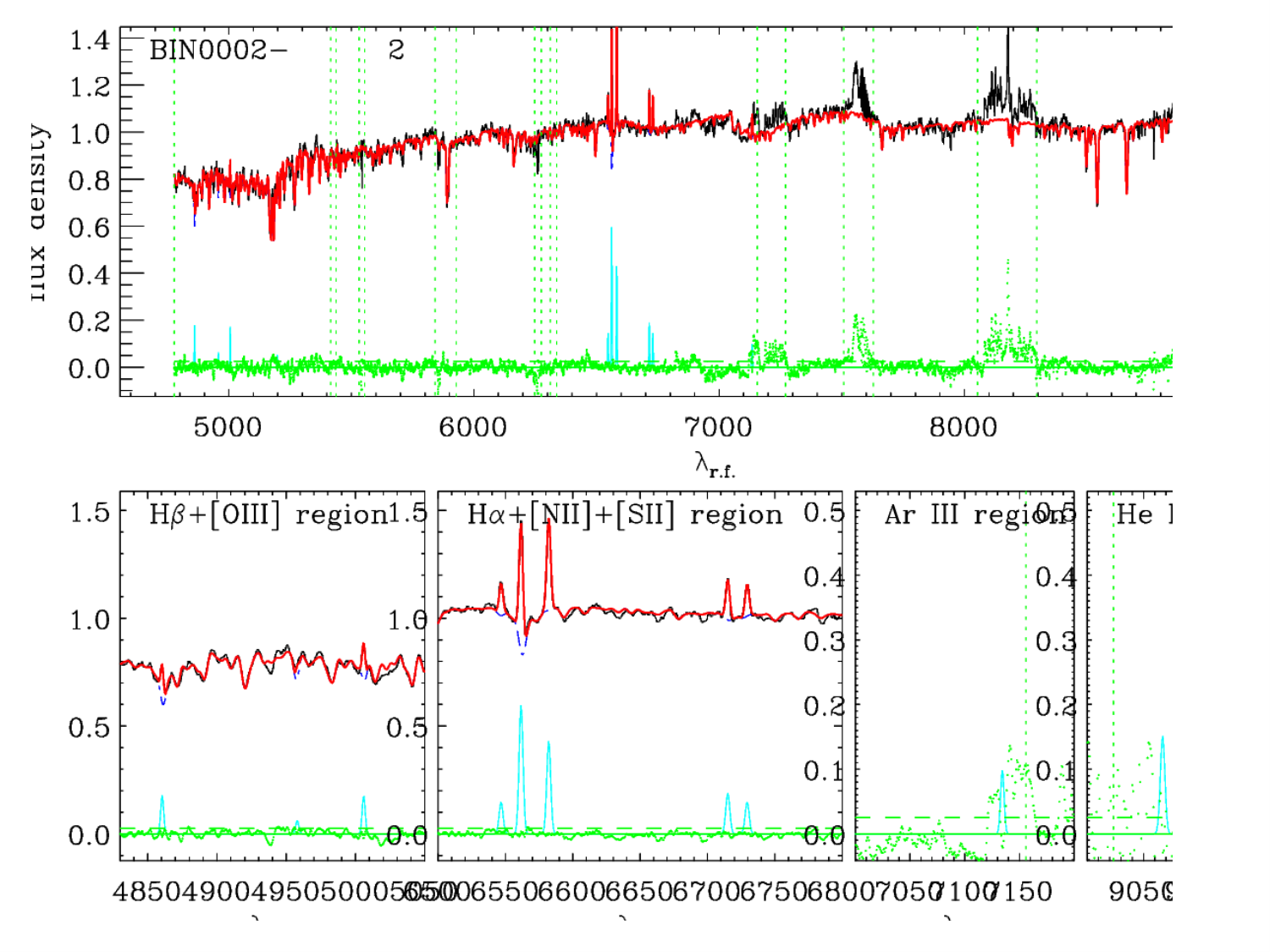 |
Lecture - Spectral Classification & PCA | The spectral parameter eta, mapping to star formation and morphological type | [[Eigenspectra and spectral types]] |
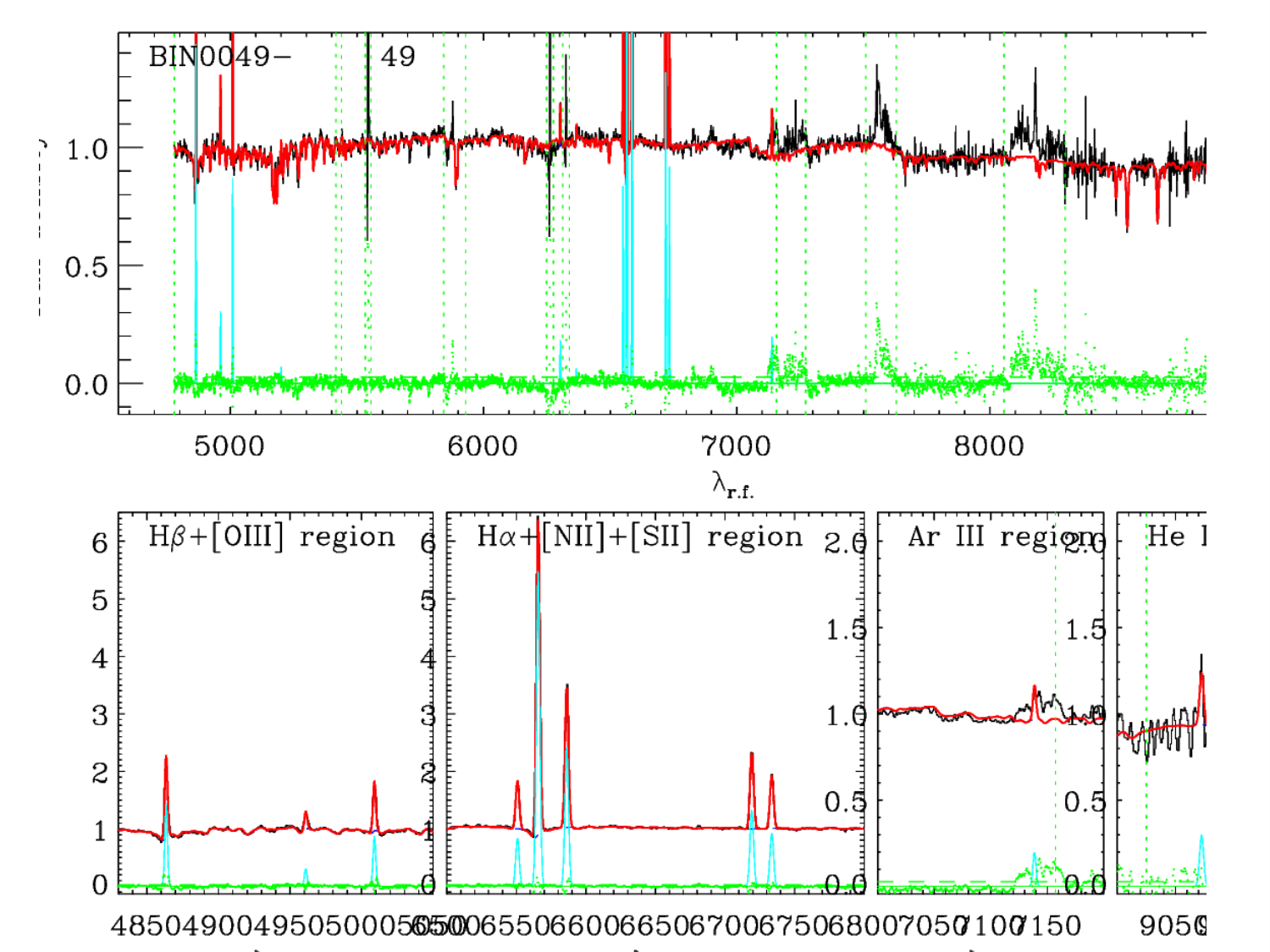 |
Lecture - Spectral Classification & PCA | The spectral parameter eta, mapping to star formation and morphological type | [[Eigenspectra and spectral types]] |
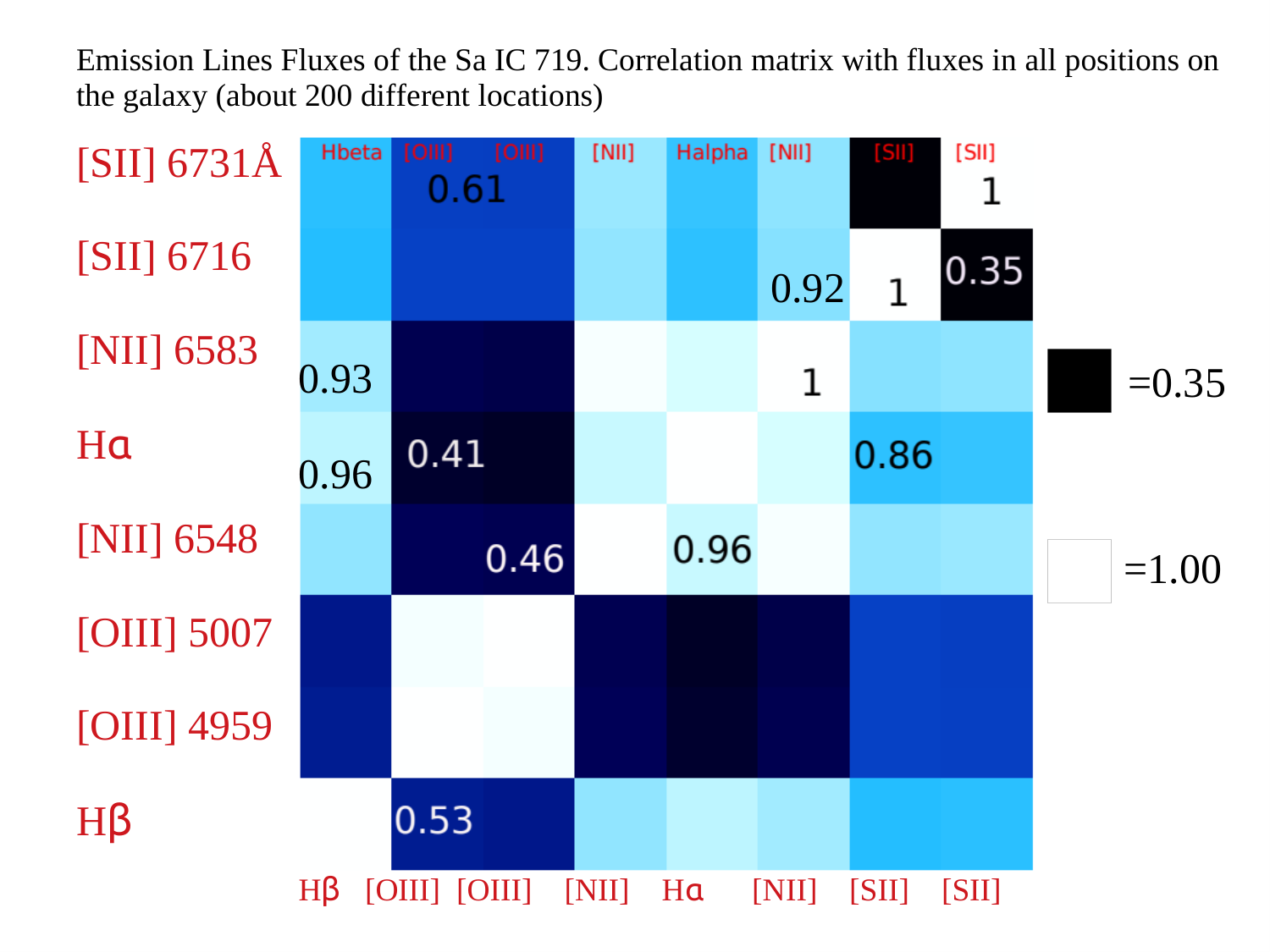 |
Lecture - Spectral Classification & PCA | The spectral parameter eta, mapping to star formation and morphological type | [[Eigenspectra and spectral types]] |
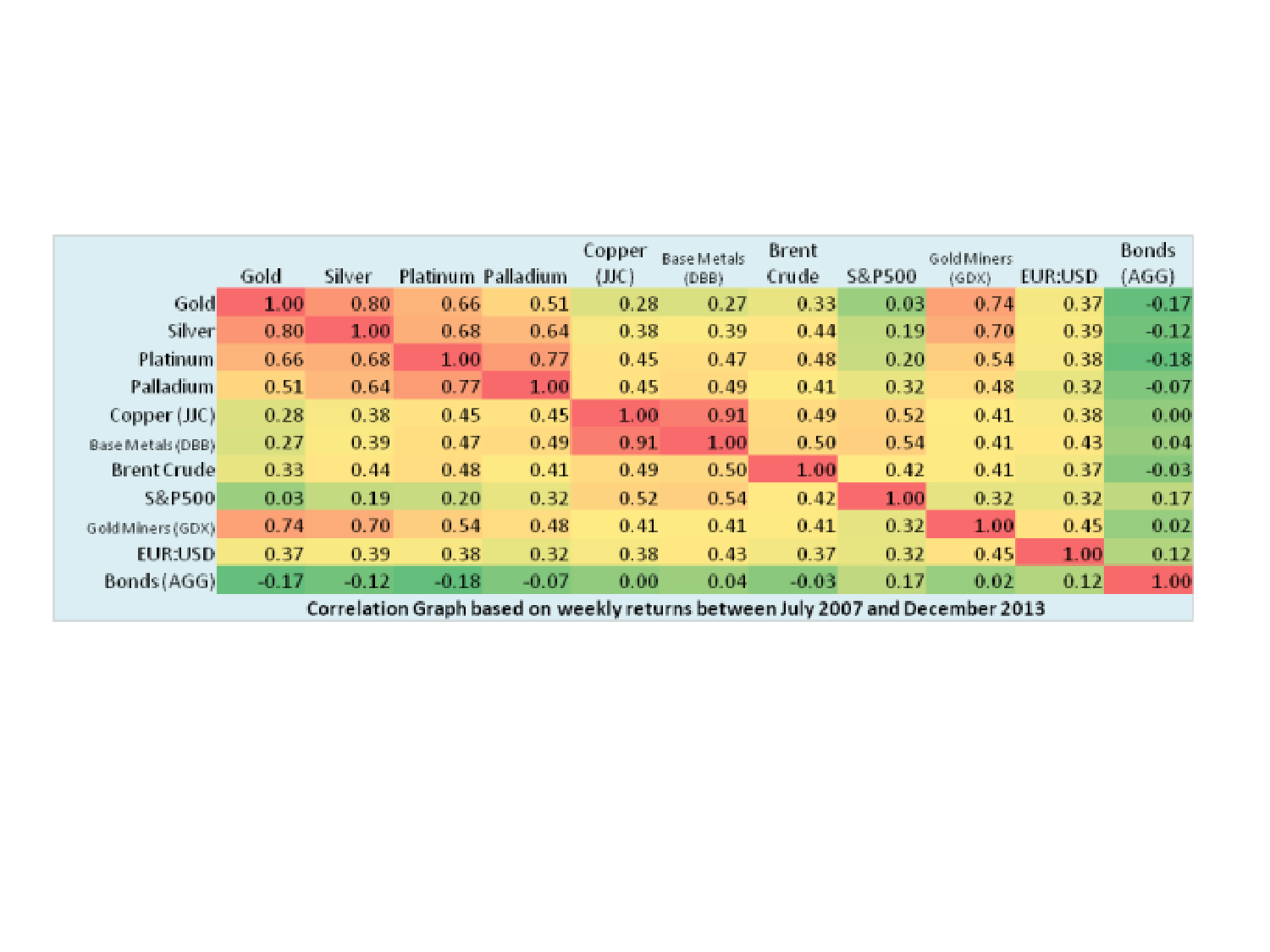 |
Lecture - Spectral Classification & PCA | The spectral parameter eta, mapping to star formation and morphological type | [[Eigenspectra and spectral types]] |
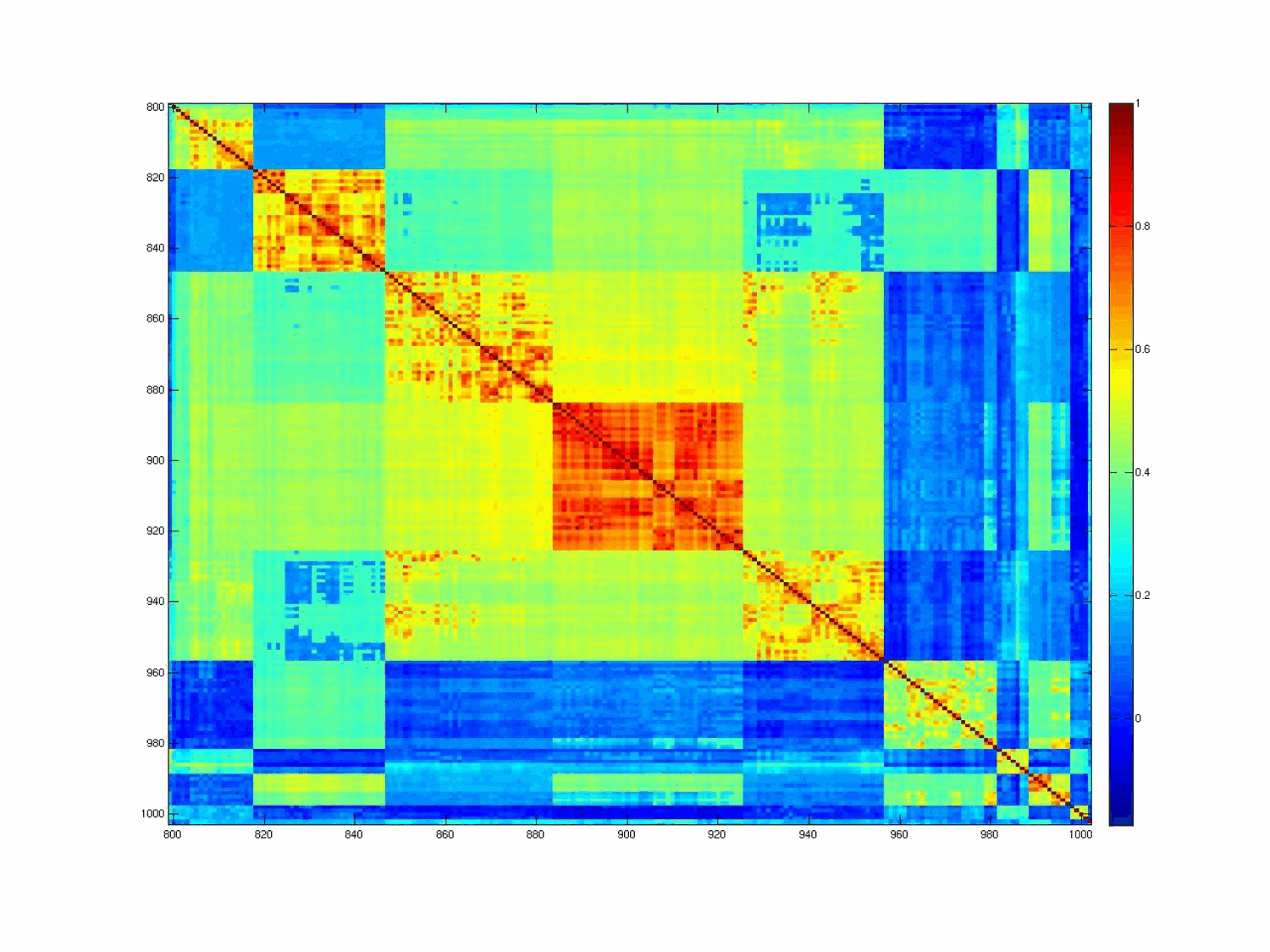 |
Lecture - Spectral Classification & PCA | The spectral parameter eta, mapping to star formation and morphological type | [[Eigenspectra and spectral types]] |
 |
Lecture - Spectral Classification & PCA | The spectral parameter eta, mapping to star formation and morphological type | [[Eigenspectra and spectral types]] |
 |
Lecture - Spectral Classification & PCA | The spectral parameter eta, mapping to star formation and morphological type | [[Eigenspectra and spectral types]] |
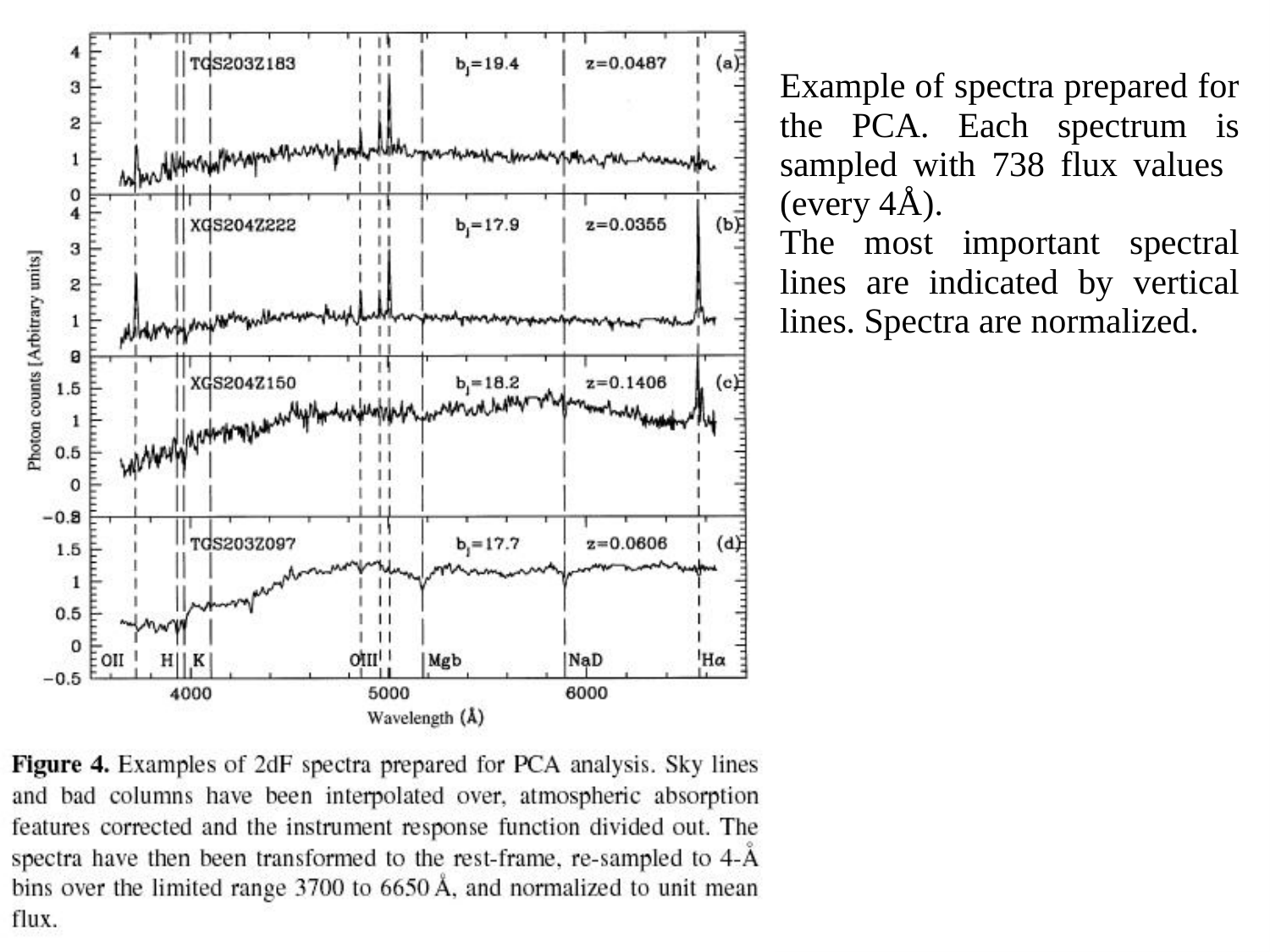 |
Lecture - Spectral Classification & PCA | The spectral parameter eta, mapping to star formation and morphological type | [[Eigenspectra and spectral types]] |
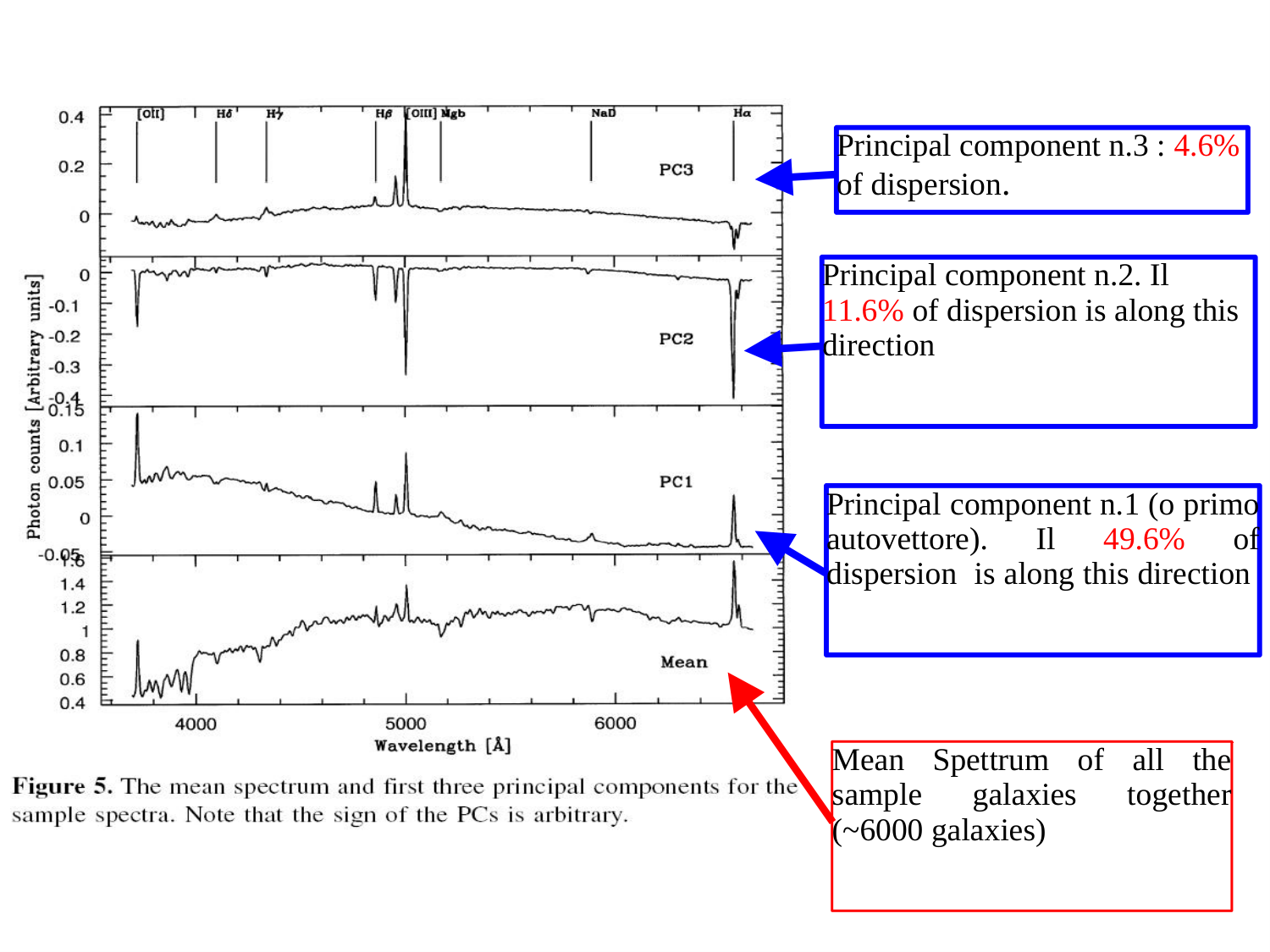 |
Lecture - Spectral Classification & PCA | The spectral parameter eta, mapping to star formation and morphological type | [[Eigenspectra and spectral types]] |
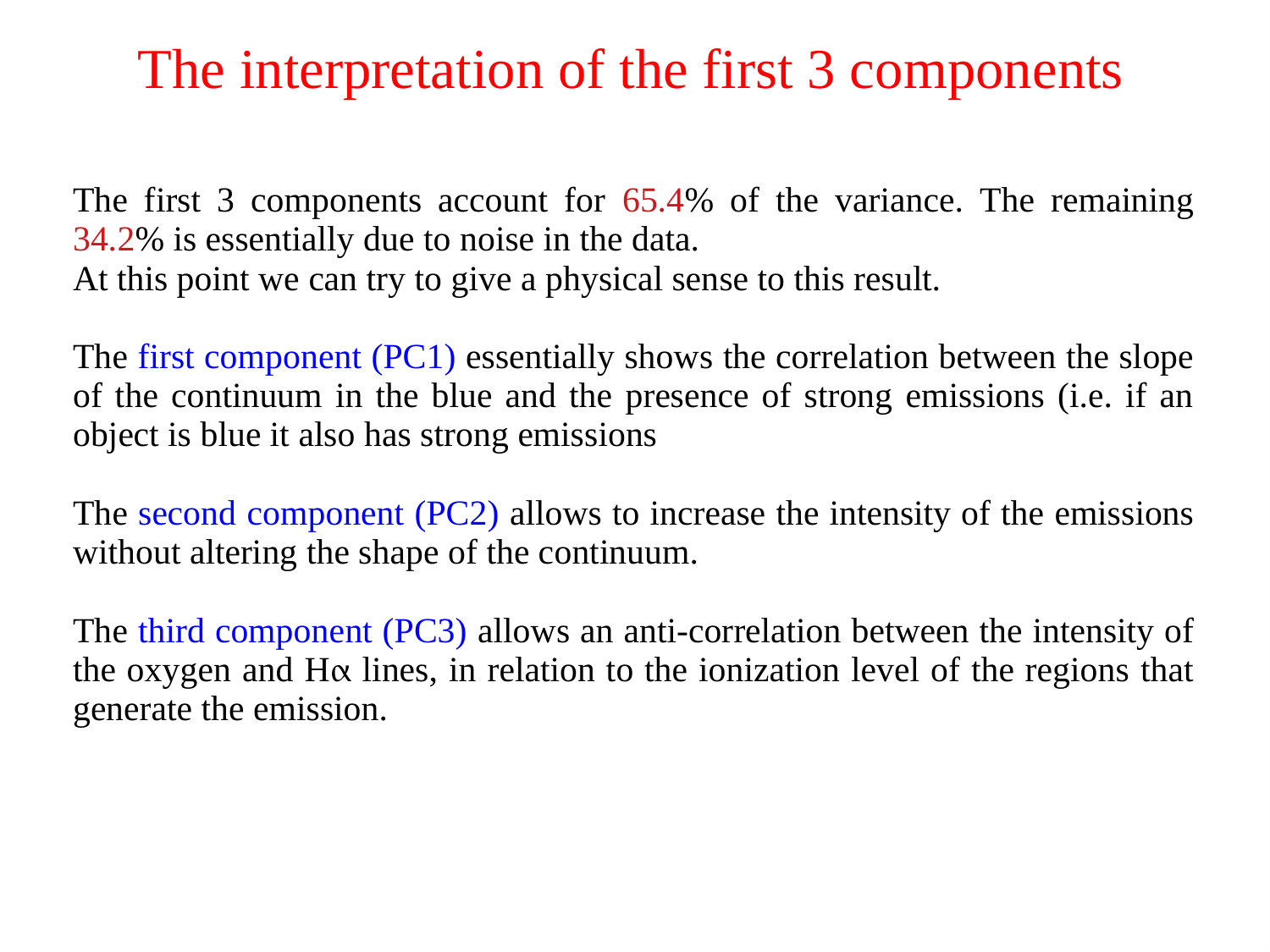 |
Lecture - Spectral Classification & PCA | The spectral parameter eta, mapping to star formation and morphological type | [[Eigenspectra and spectral types]] |
 |
Lecture - Spectral Classification & PCA | The spectral parameter eta, mapping to star formation and morphological type | [[Eigenspectra and spectral types]] |
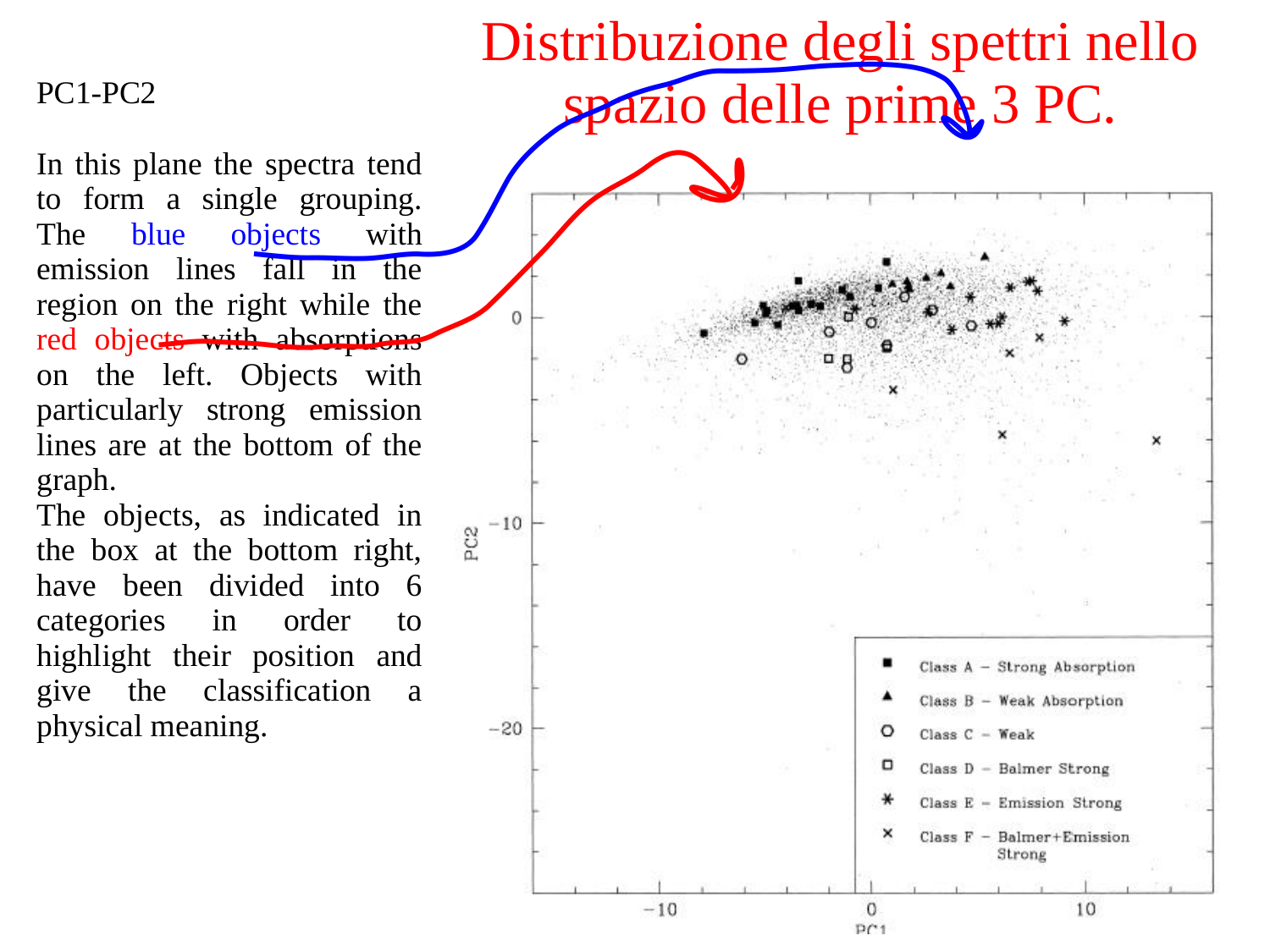 |
Lecture - Spectral Classification & PCA | The spectral parameter eta, mapping to star formation and morphological type | [[Eigenspectra and spectral types]] |
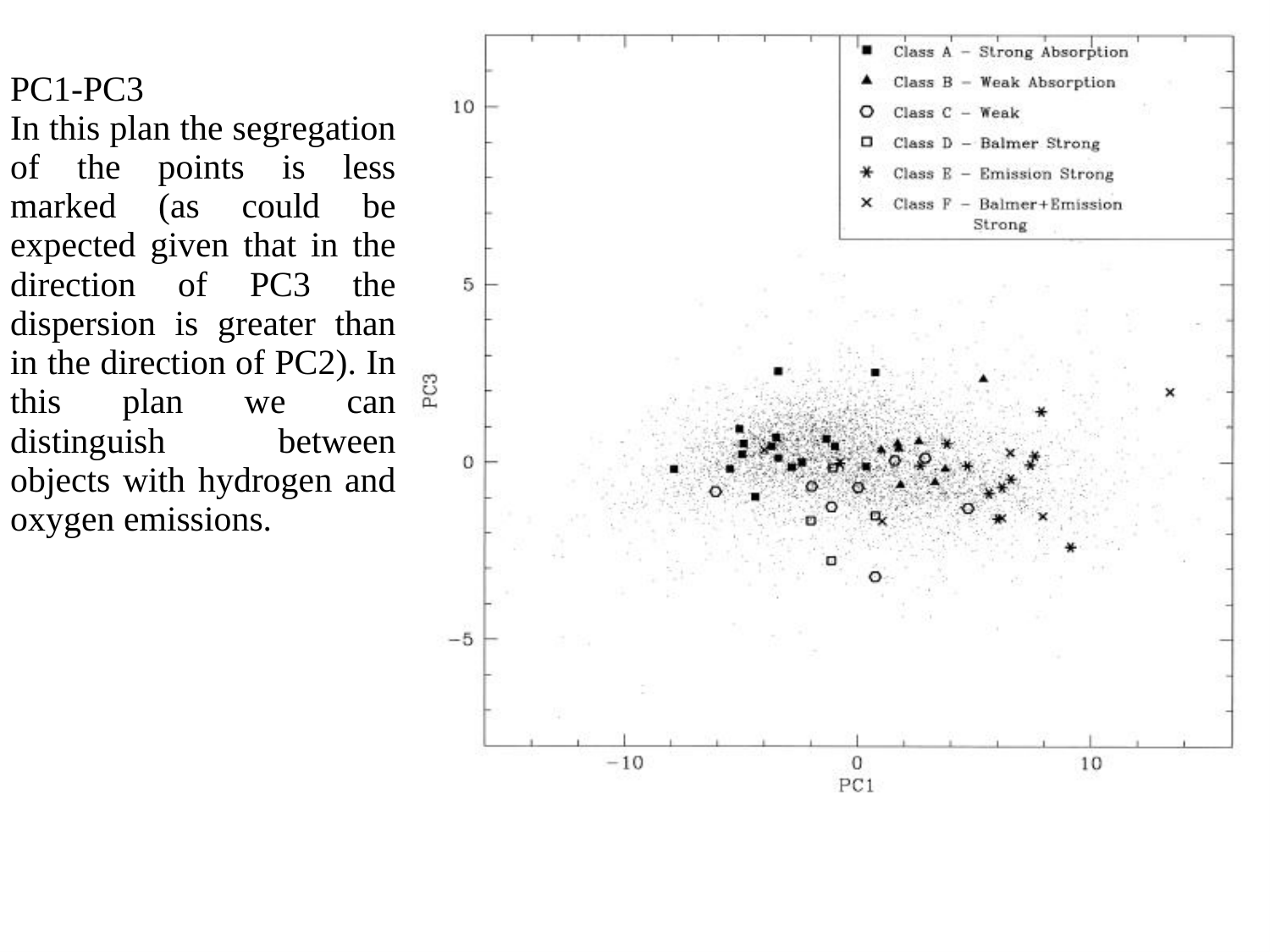 |
Lecture - Spectral Classification & PCA | The spectral parameter eta, mapping to star formation and morphological type | [[Eigenspectra and spectral types]] |
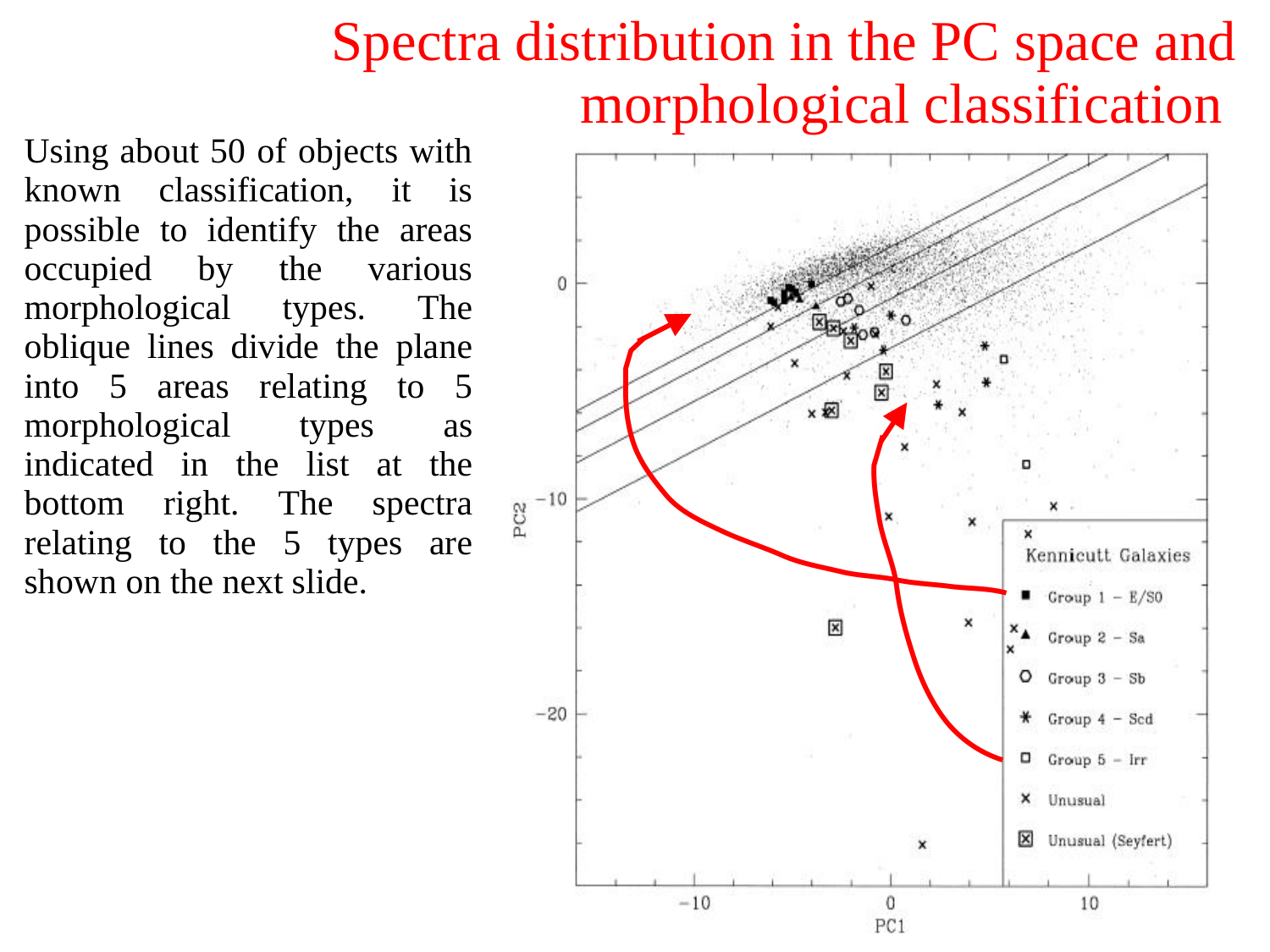 |
Lecture - Spectral Classification & PCA | The spectral parameter eta, mapping to star formation and morphological type | [[Eigenspectra and spectral types]] |
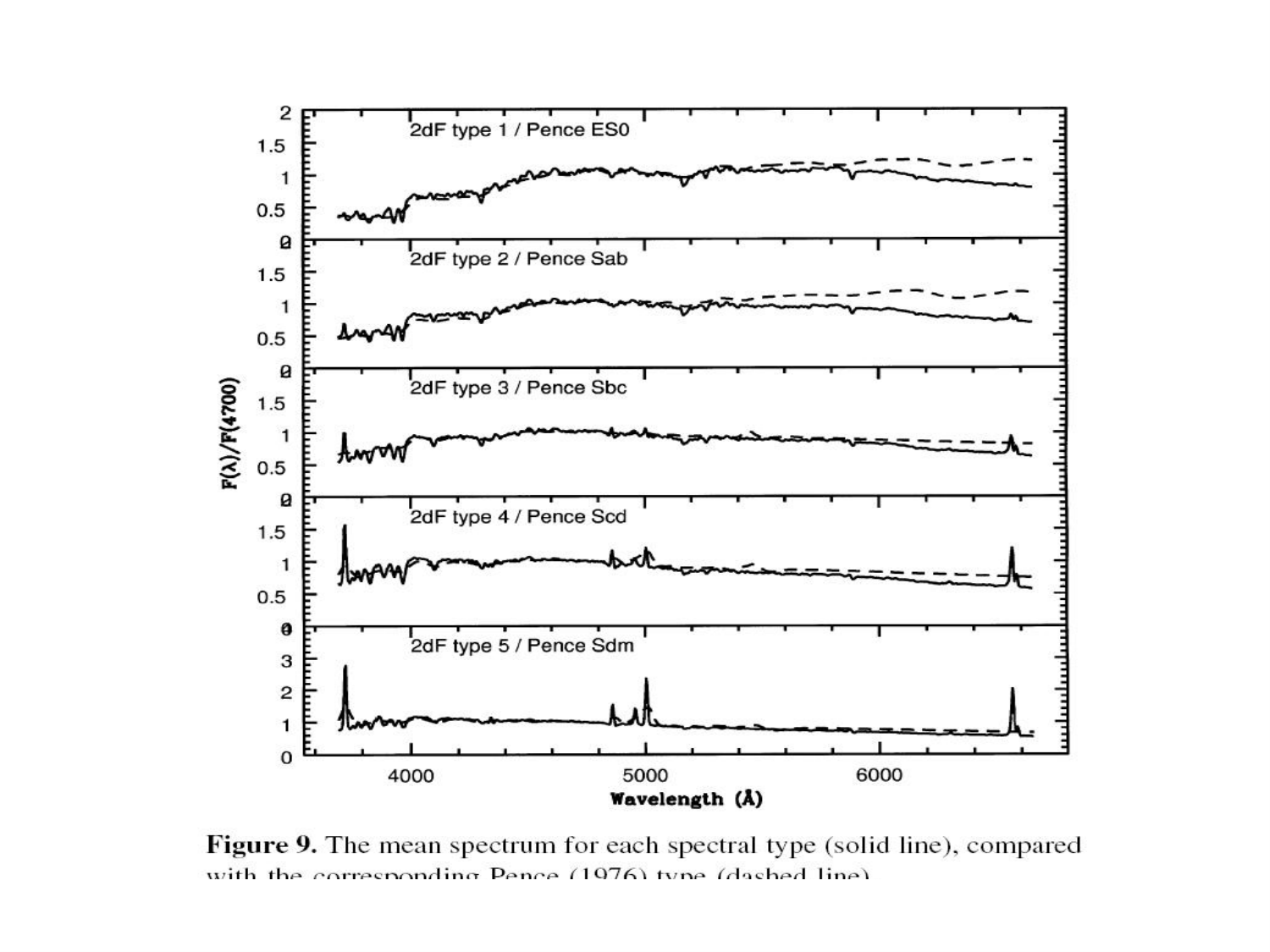 |
Lecture - Spectral Classification & PCA | The spectral parameter eta, mapping to star formation and morphological type | [[Eigenspectra and spectral types]] |
 |
Lecture - Early-Type Galaxy Stellar Populations | Early-type stellar populations, downsizing, monolithic vs hierarchical formation | [[Early-type galaxy stellar populations]] |
 |
Lecture - Early-Type Galaxy Stellar Populations | Early-type stellar populations, downsizing, monolithic vs hierarchical formation | [[Early-type galaxy stellar populations]] |
 |
Lecture - Early-Type Galaxy Stellar Populations | Early-type stellar populations, downsizing, monolithic vs hierarchical formation | [[Early-type galaxy stellar populations]] |
 |
Lecture - Early-Type Galaxy Stellar Populations | Early-type stellar populations, downsizing, monolithic vs hierarchical formation | [[Early-type galaxy stellar populations]] |
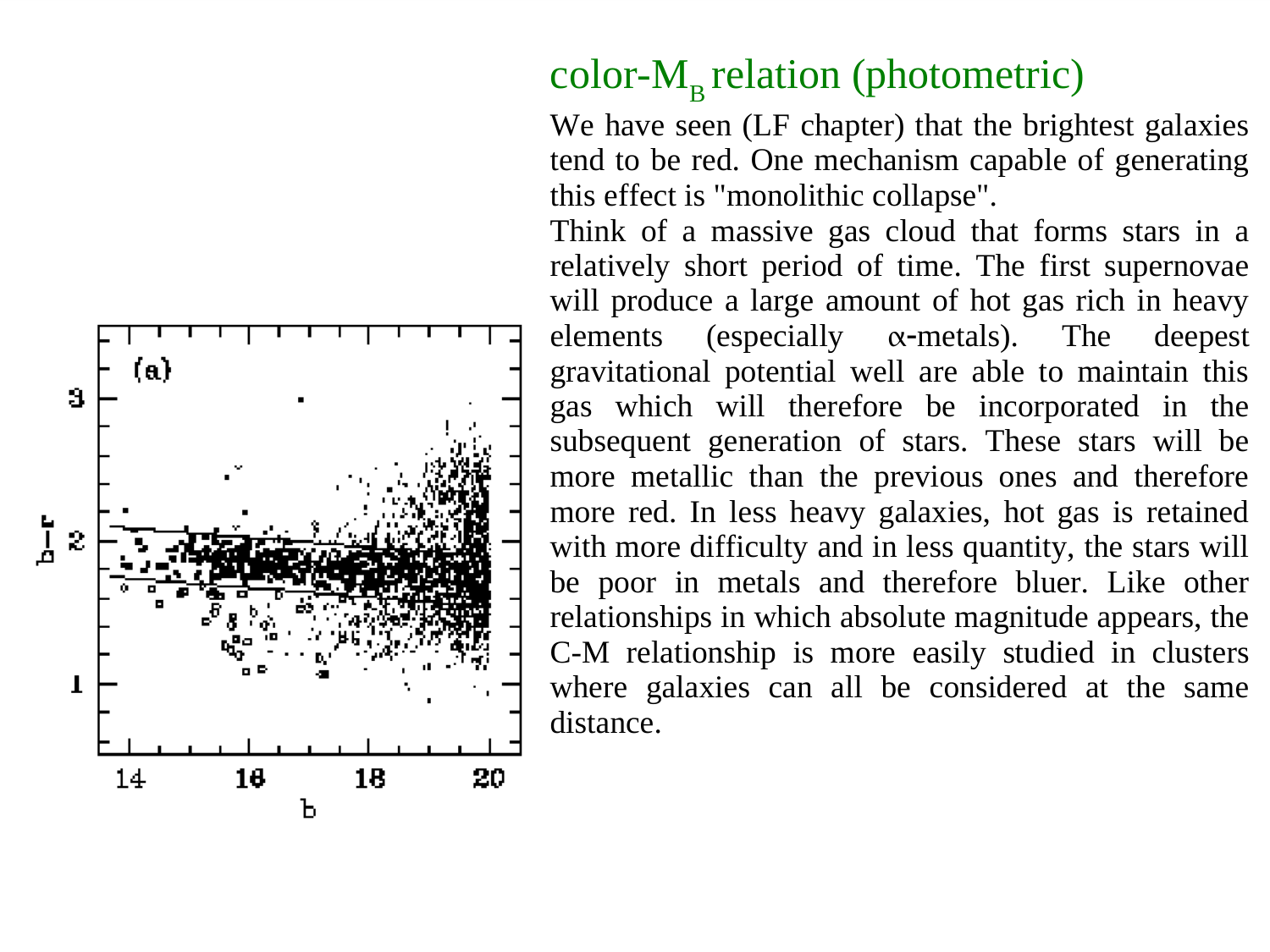 |
Lecture - Early-Type Galaxy Stellar Populations | Early-type stellar populations, downsizing, monolithic vs hierarchical formation | [[Early-type galaxy stellar populations]] |
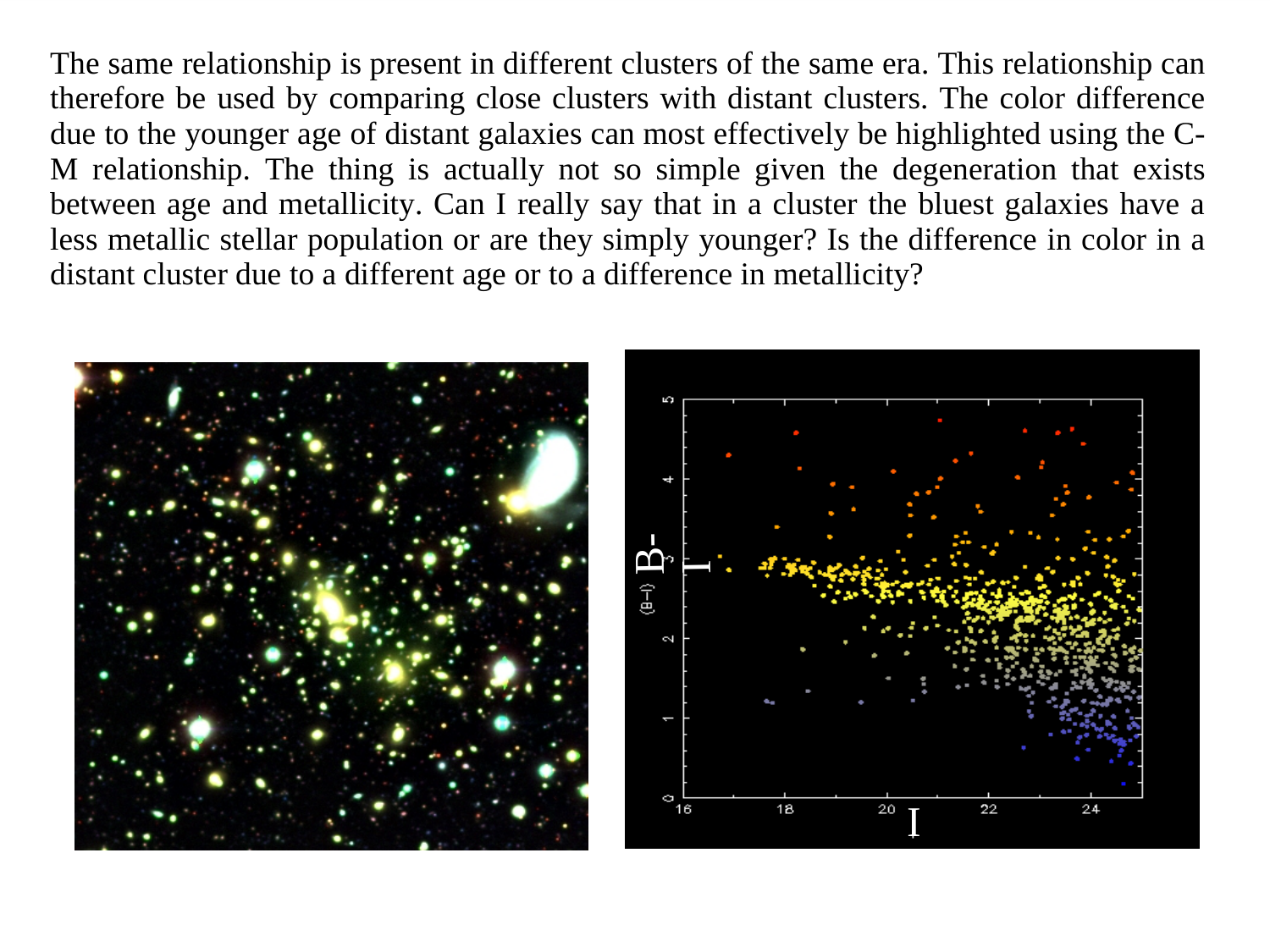 |
Lecture - Early-Type Galaxy Stellar Populations | Early-type stellar populations, downsizing, monolithic vs hierarchical formation | [[Early-type galaxy stellar populations]] |
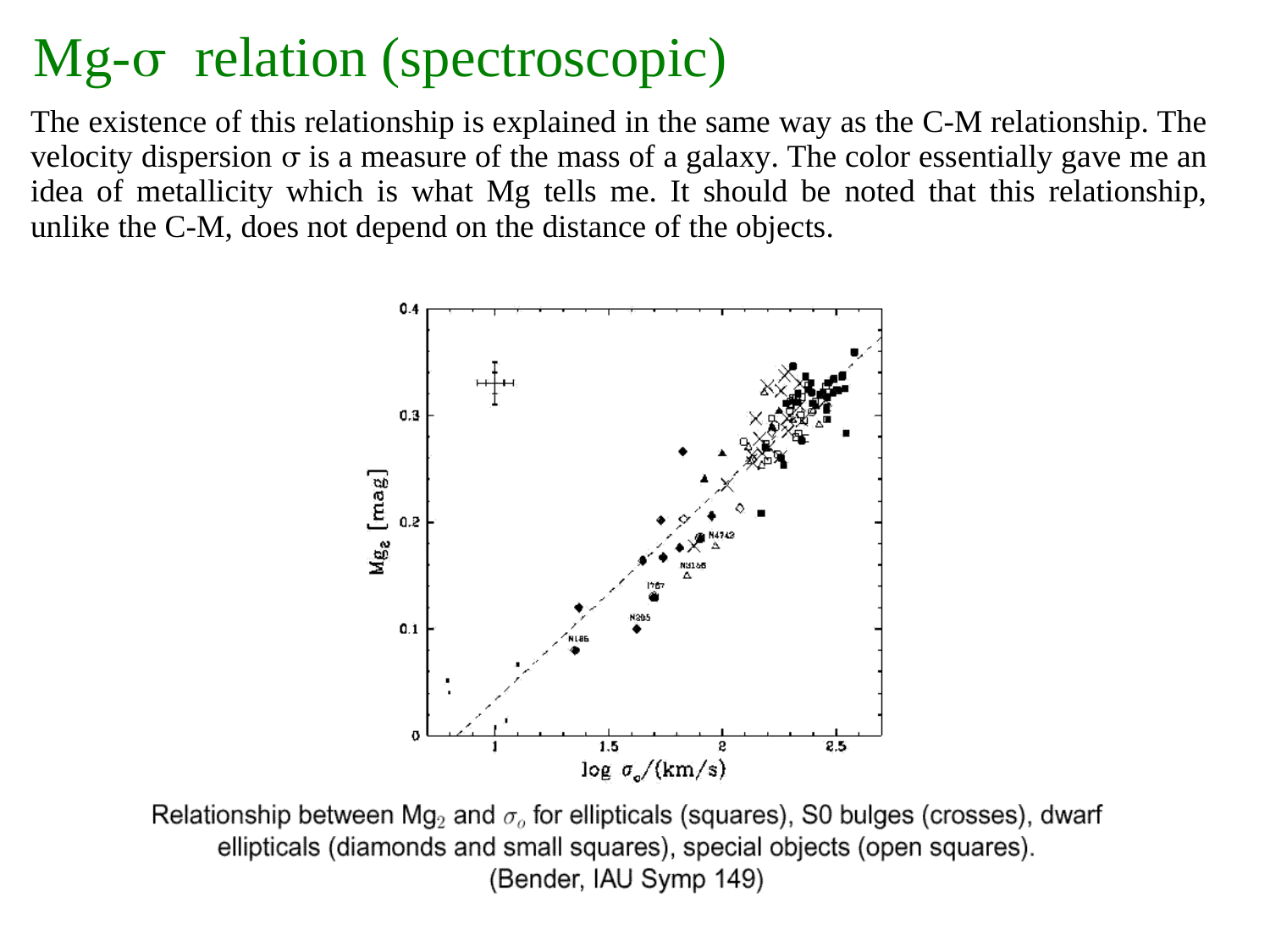 |
Lecture - Early-Type Galaxy Stellar Populations | Early-type stellar populations, downsizing, monolithic vs hierarchical formation | [[Early-type galaxy stellar populations]] |
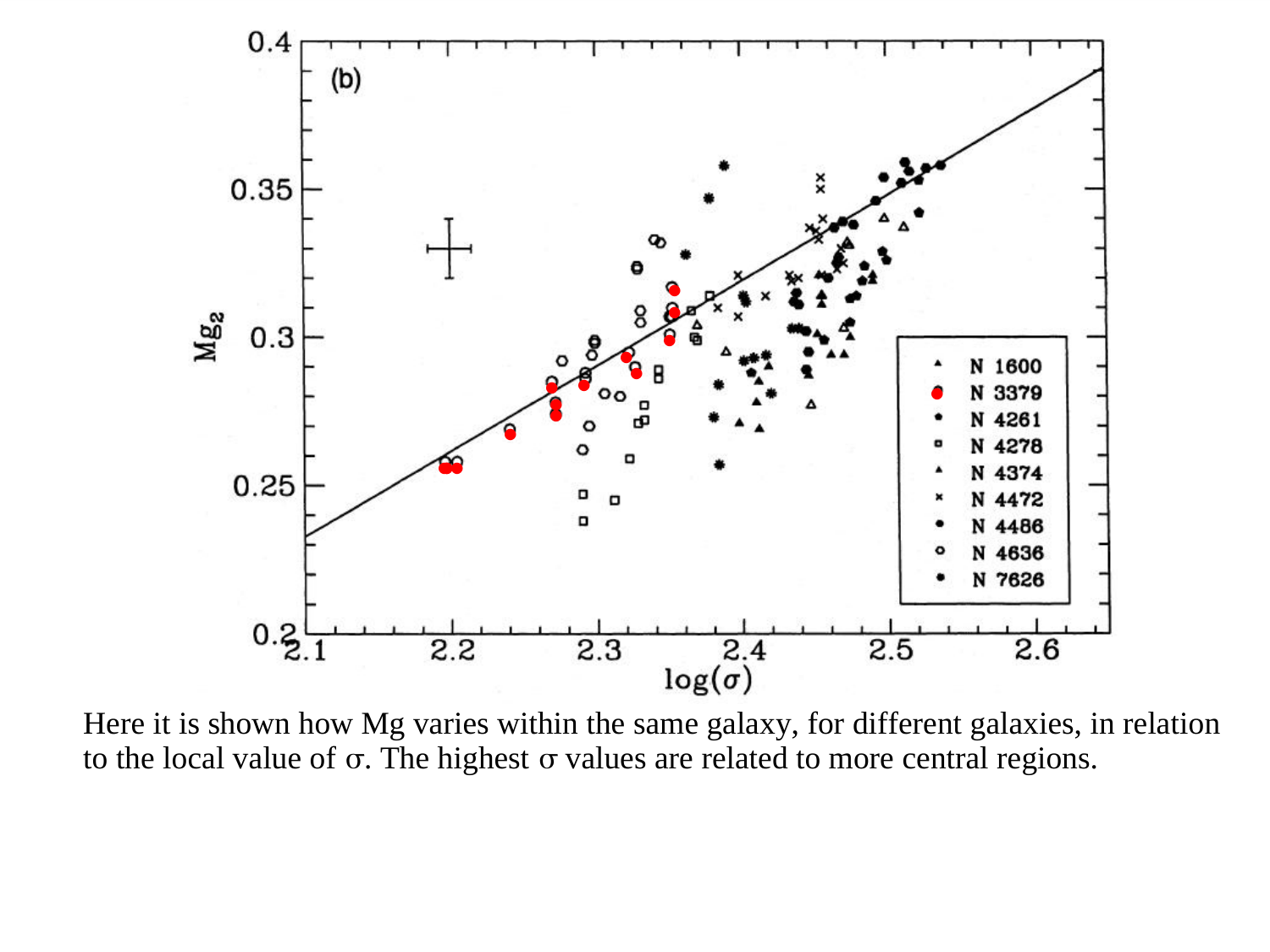 |
Lecture - Early-Type Galaxy Stellar Populations | Early-type stellar populations, downsizing, monolithic vs hierarchical formation | [[Early-type galaxy stellar populations]] |
 |
Lecture - Early-Type Galaxy Stellar Populations | Early-type stellar populations, downsizing, monolithic vs hierarchical formation | [[Early-type galaxy stellar populations]] |
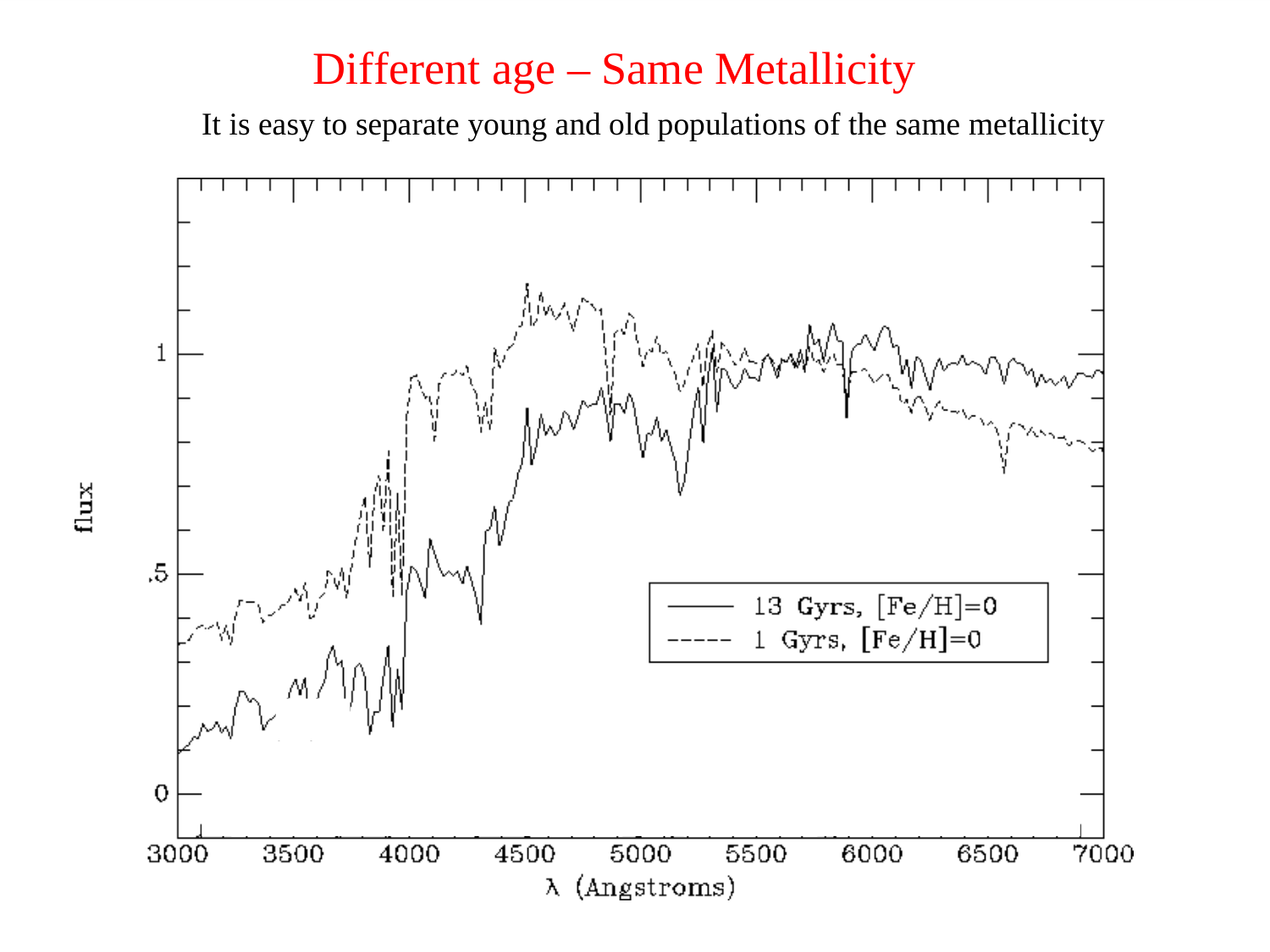 |
Lecture - Early-Type Galaxy Stellar Populations | Early-type stellar populations, downsizing, monolithic vs hierarchical formation | [[Early-type galaxy stellar populations]] |
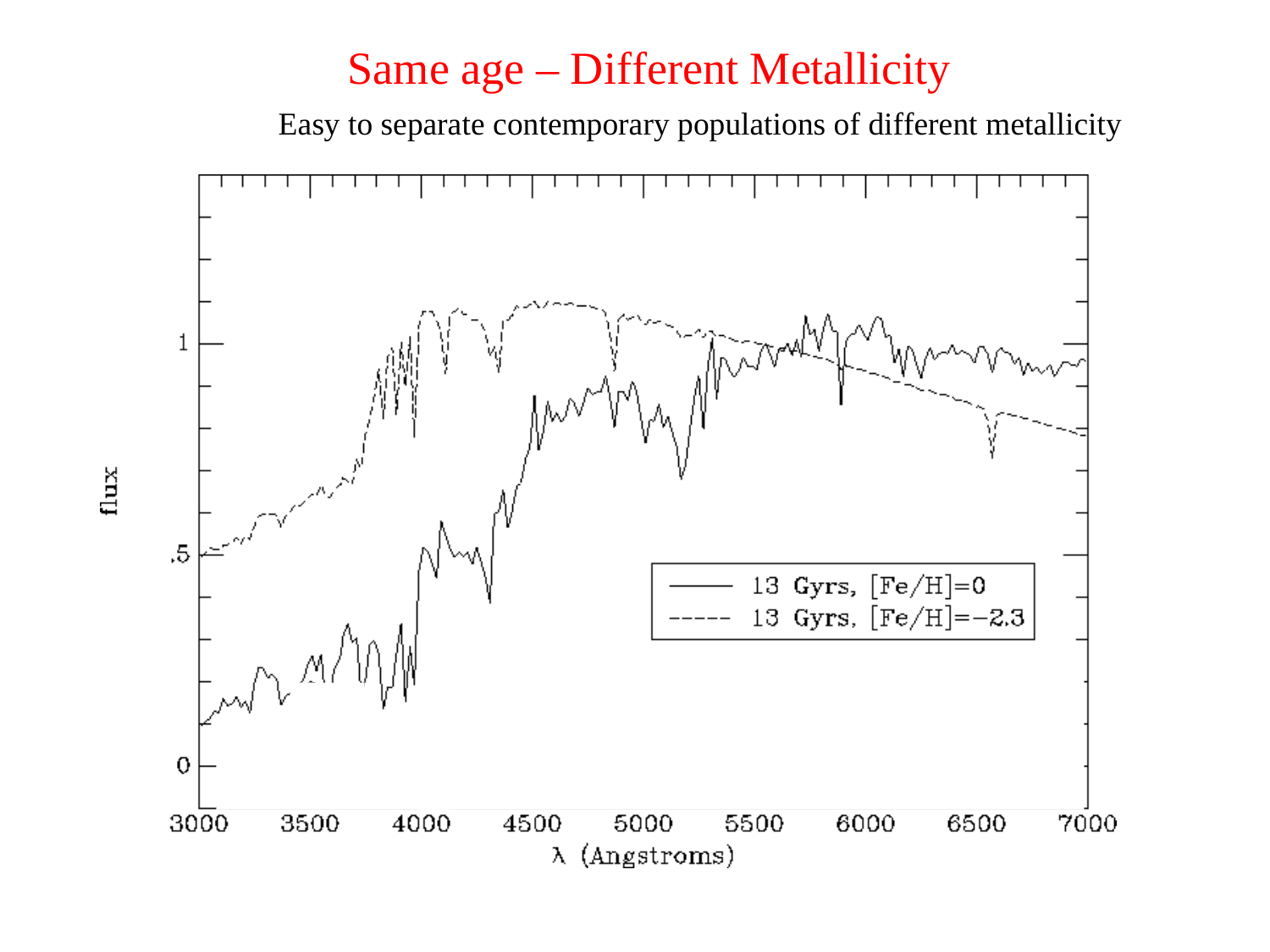 |
Lecture - Early-Type Galaxy Stellar Populations | Early-type stellar populations, downsizing, monolithic vs hierarchical formation | [[Early-type galaxy stellar populations]] |
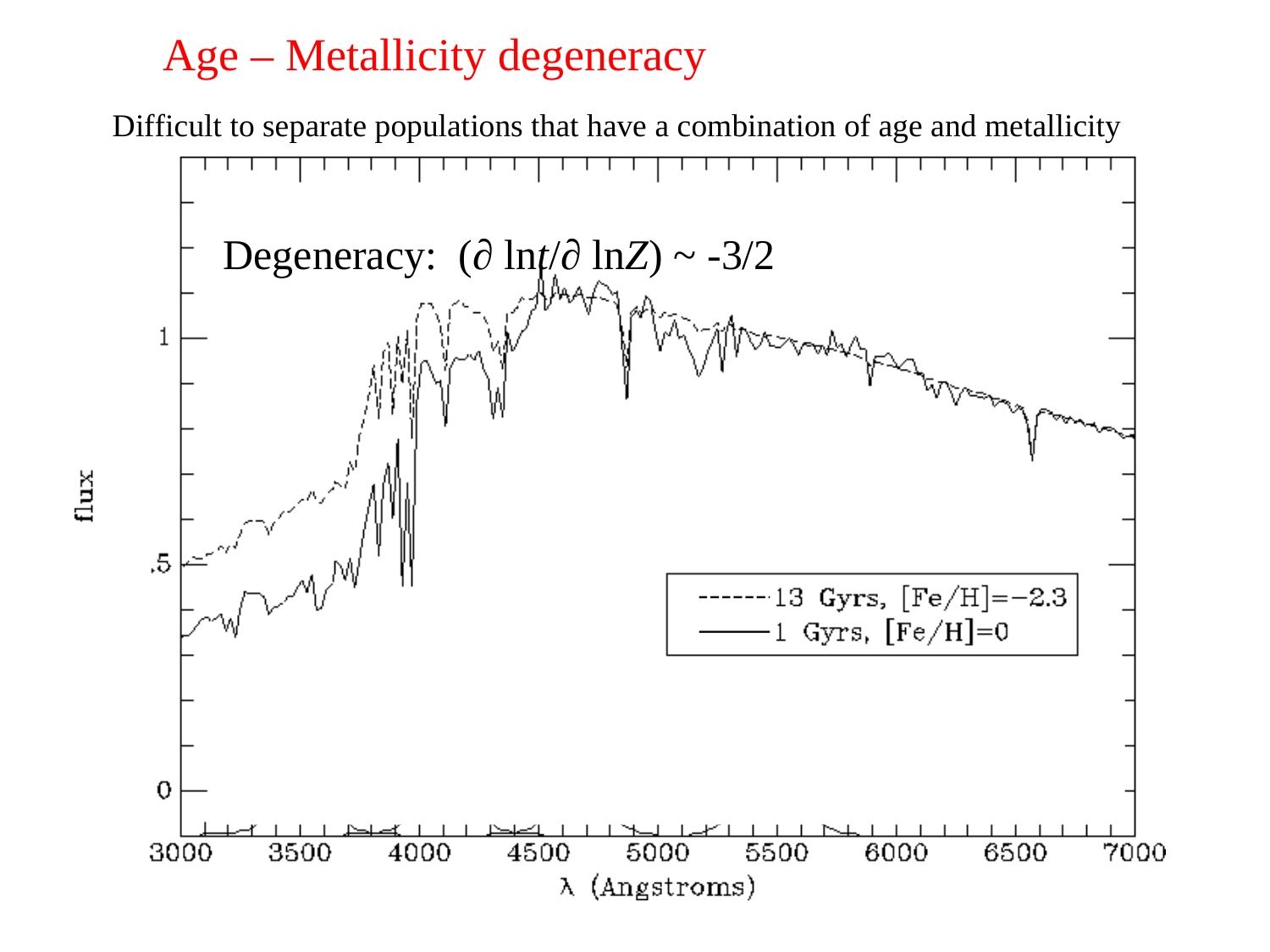 |
Lecture - Early-Type Galaxy Stellar Populations | Early-type stellar populations, downsizing, monolithic vs hierarchical formation | [[Early-type galaxy stellar populations]] |
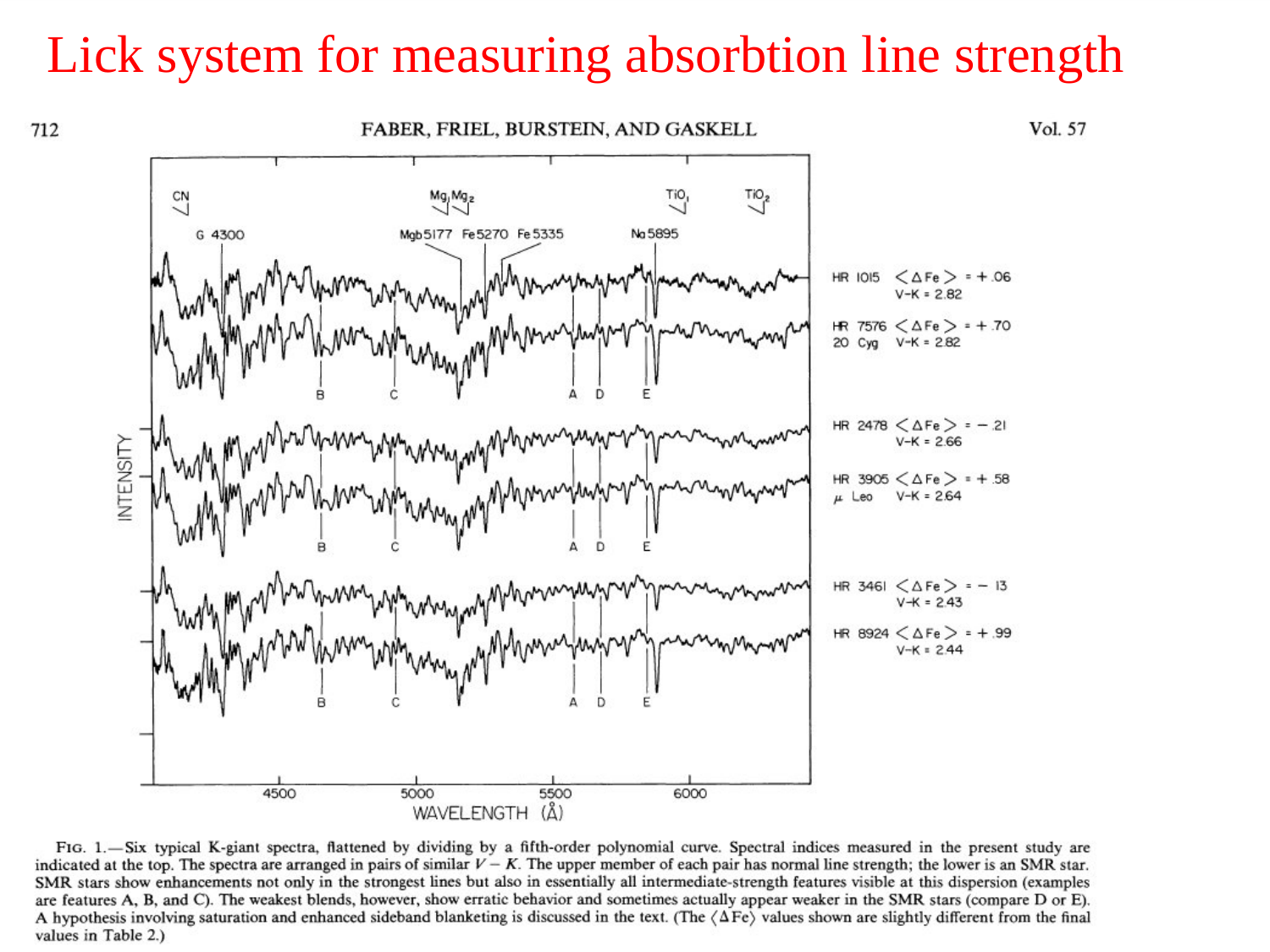 |
Lecture - Early-Type Galaxy Stellar Populations | Early-type stellar populations, downsizing, monolithic vs hierarchical formation | [[Early-type galaxy stellar populations]] |
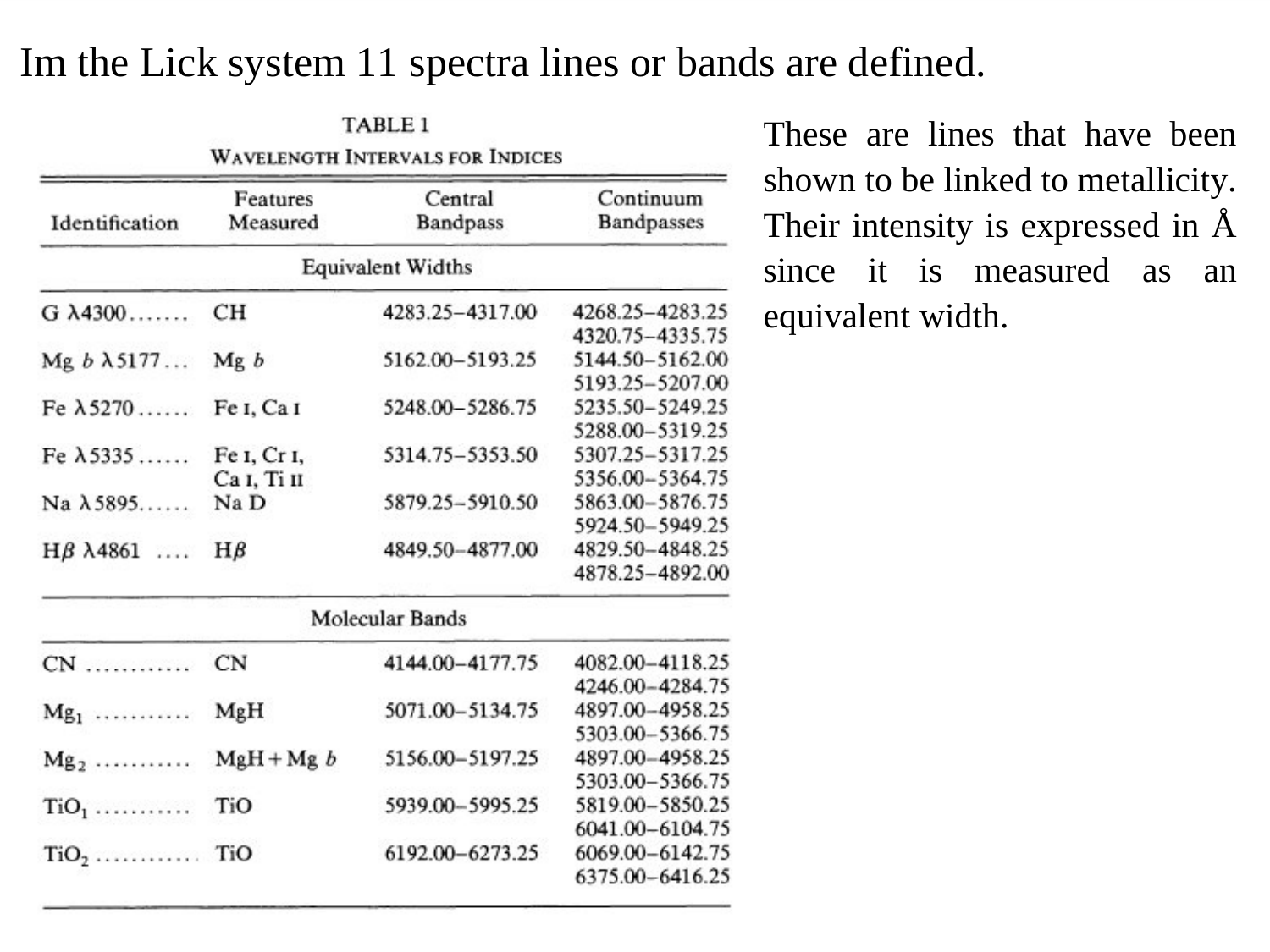 |
Lecture - Early-Type Galaxy Stellar Populations | Early-type stellar populations, downsizing, monolithic vs hierarchical formation | [[Early-type galaxy stellar populations]] |
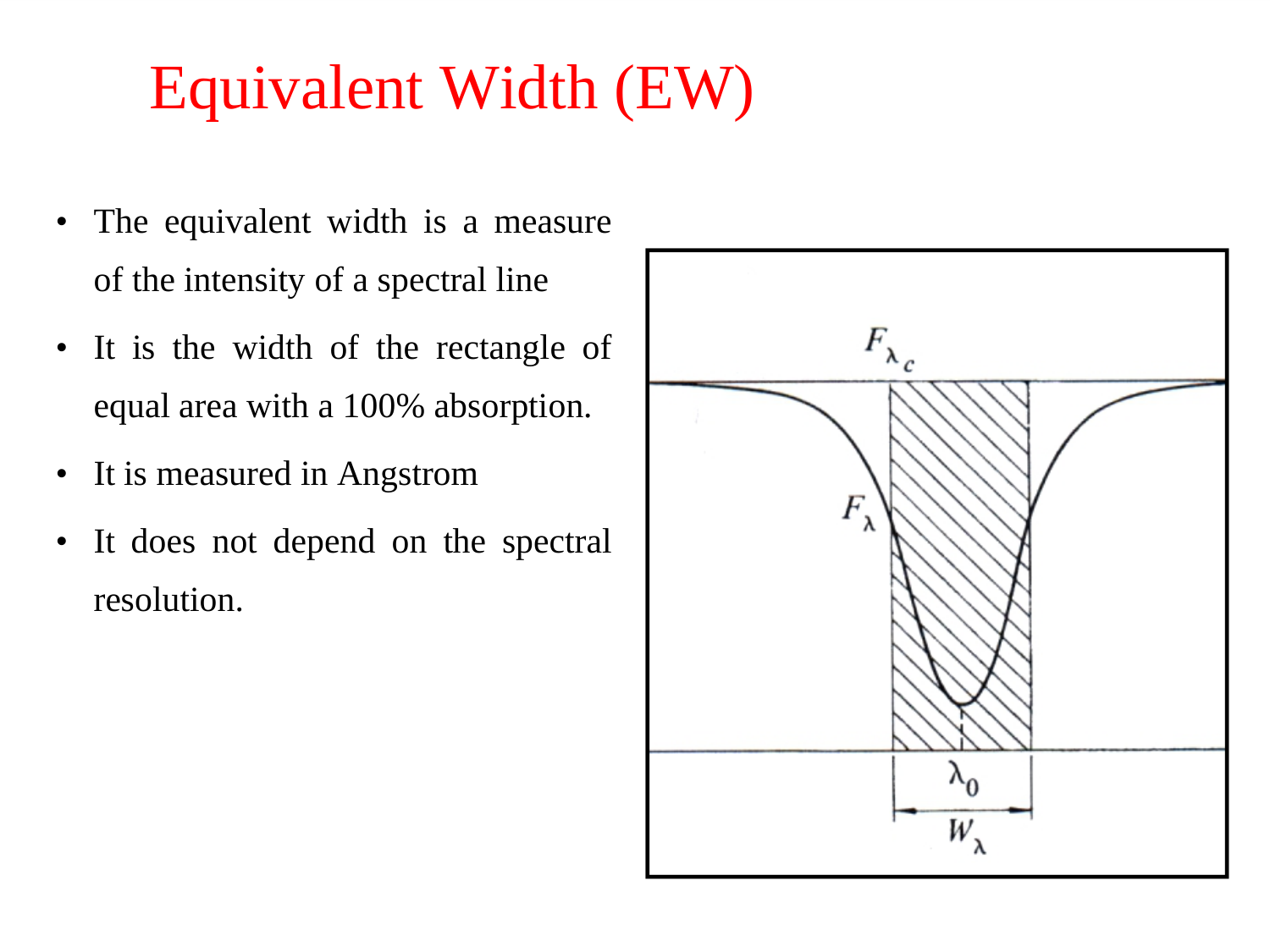 |
Lecture - Early-Type Galaxy Stellar Populations | Early-type stellar populations, downsizing, monolithic vs hierarchical formation | [[Early-type galaxy stellar populations]] |
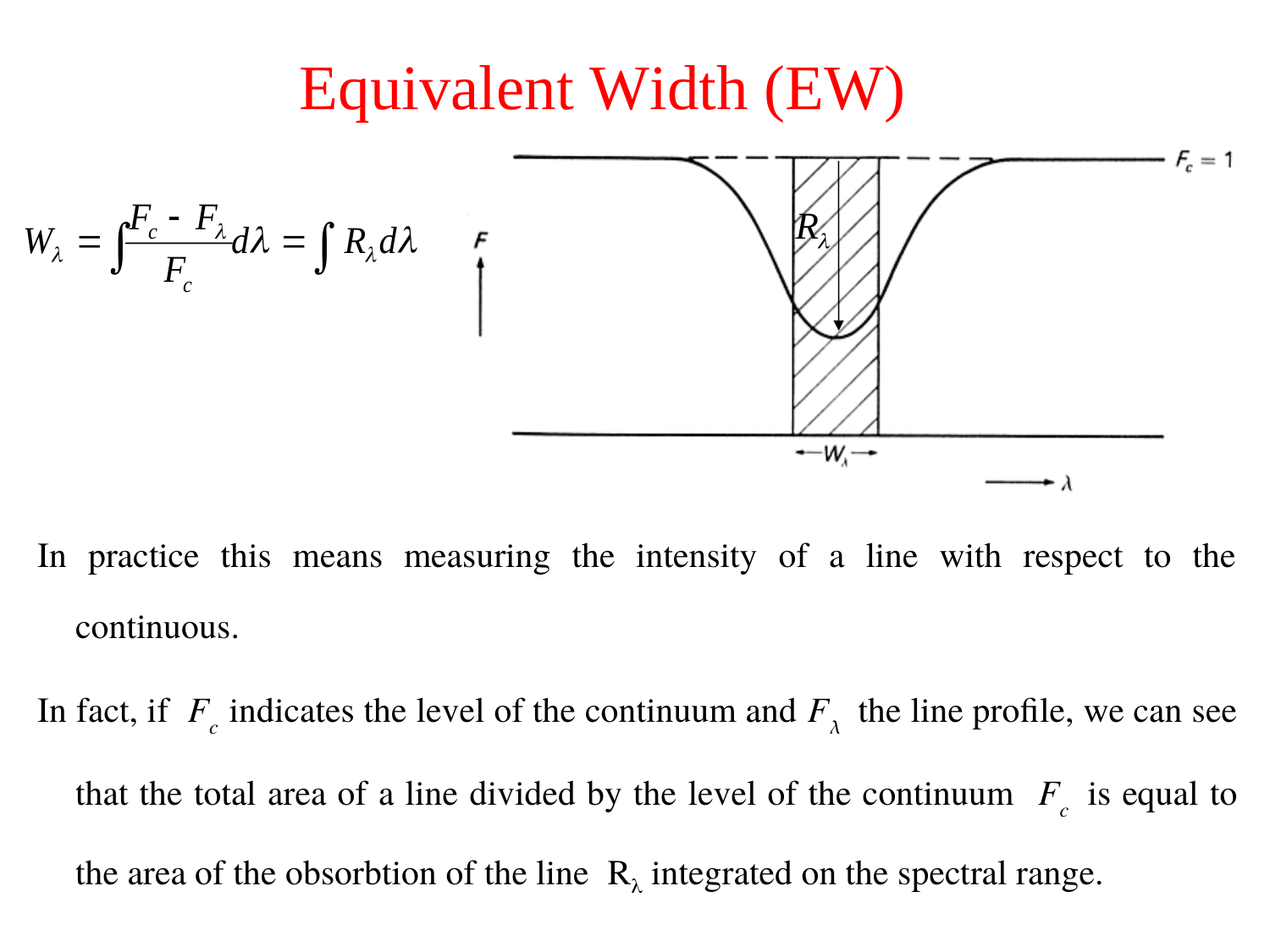 |
Lecture - Early-Type Galaxy Stellar Populations | Early-type stellar populations, downsizing, monolithic vs hierarchical formation | [[Early-type galaxy stellar populations]] |
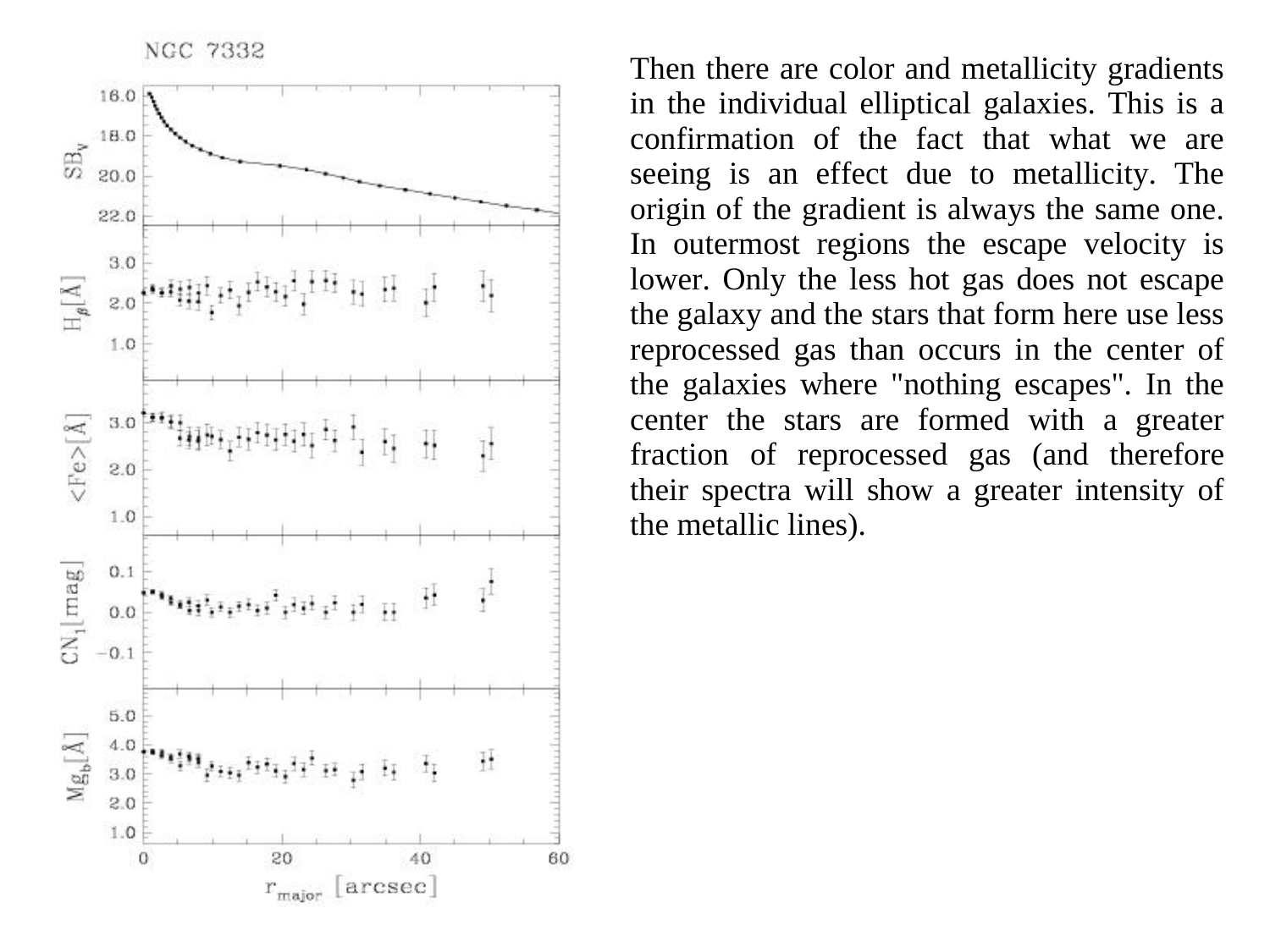 |
Lecture - Early-Type Galaxy Stellar Populations | Early-type stellar populations, downsizing, monolithic vs hierarchical formation | [[Early-type galaxy stellar populations]] |
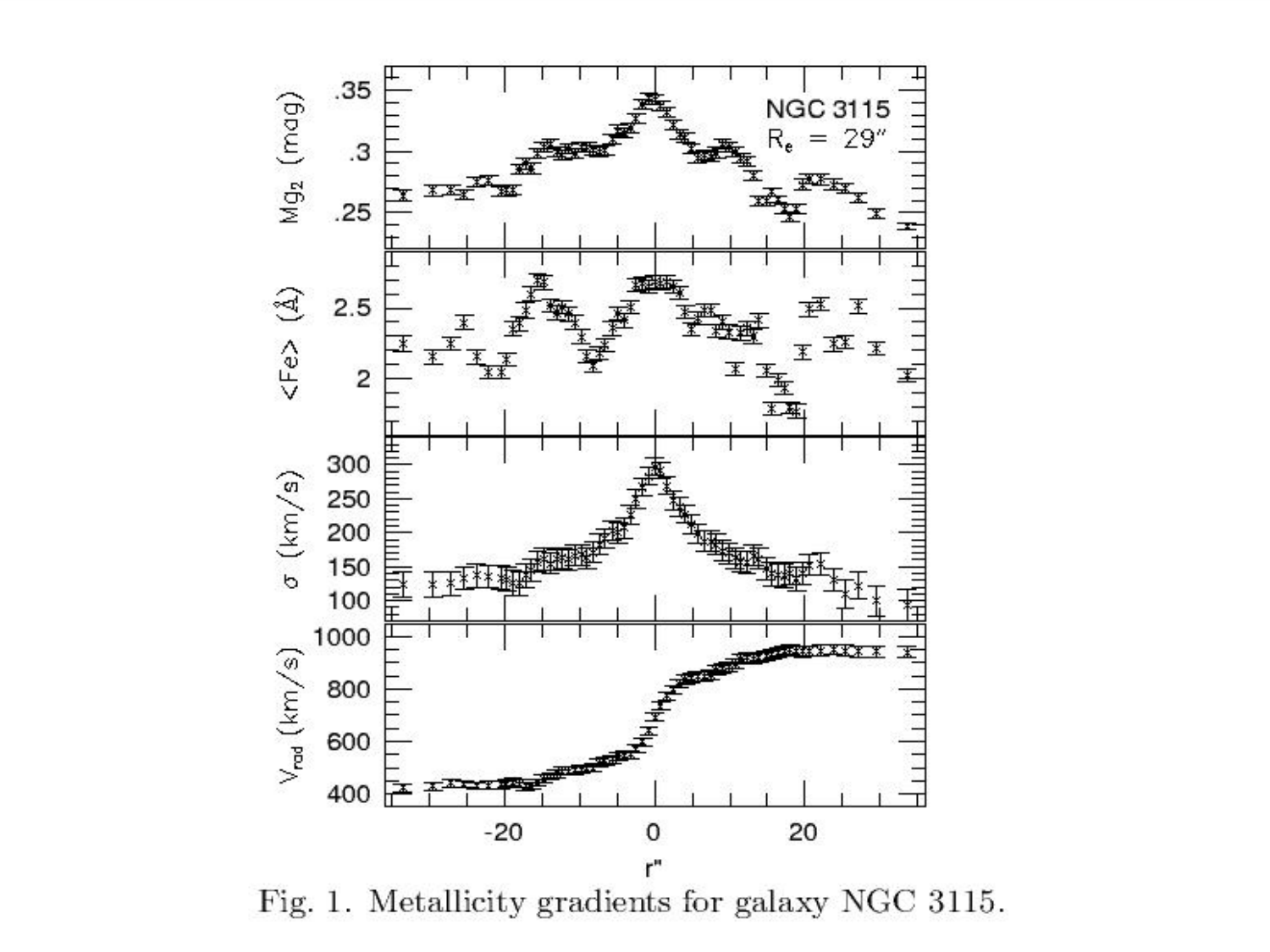 |
Lecture - Early-Type Galaxy Stellar Populations | Early-type stellar populations, downsizing, monolithic vs hierarchical formation | [[Early-type galaxy stellar populations]] |
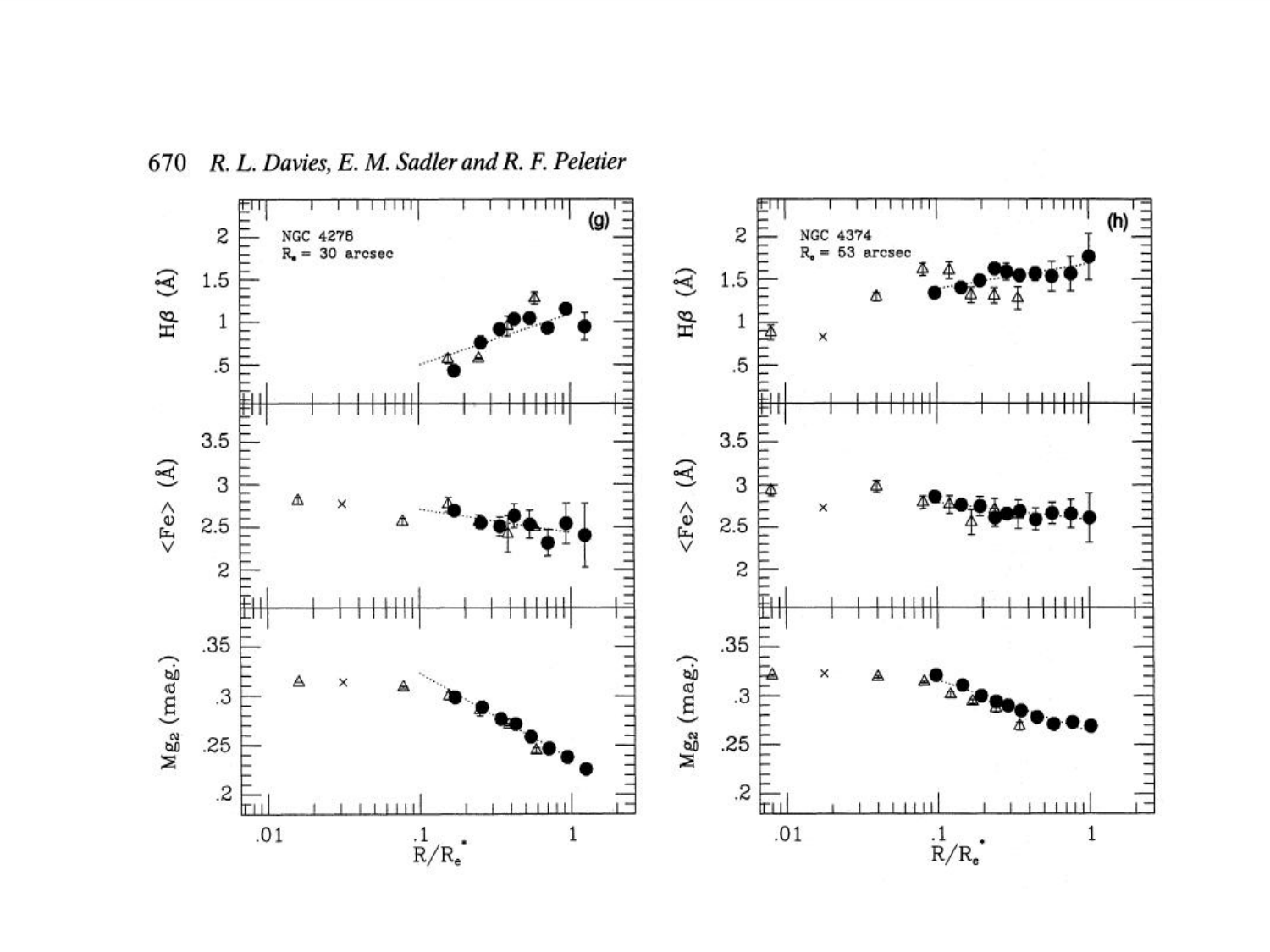 |
Lecture - Early-Type Galaxy Stellar Populations | Early-type stellar populations, downsizing, monolithic vs hierarchical formation | [[Early-type galaxy stellar populations]] |
 |
Lecture - Early-Type Galaxy Stellar Populations | Early-type stellar populations, downsizing, monolithic vs hierarchical formation | [[Early-type galaxy stellar populations]] |
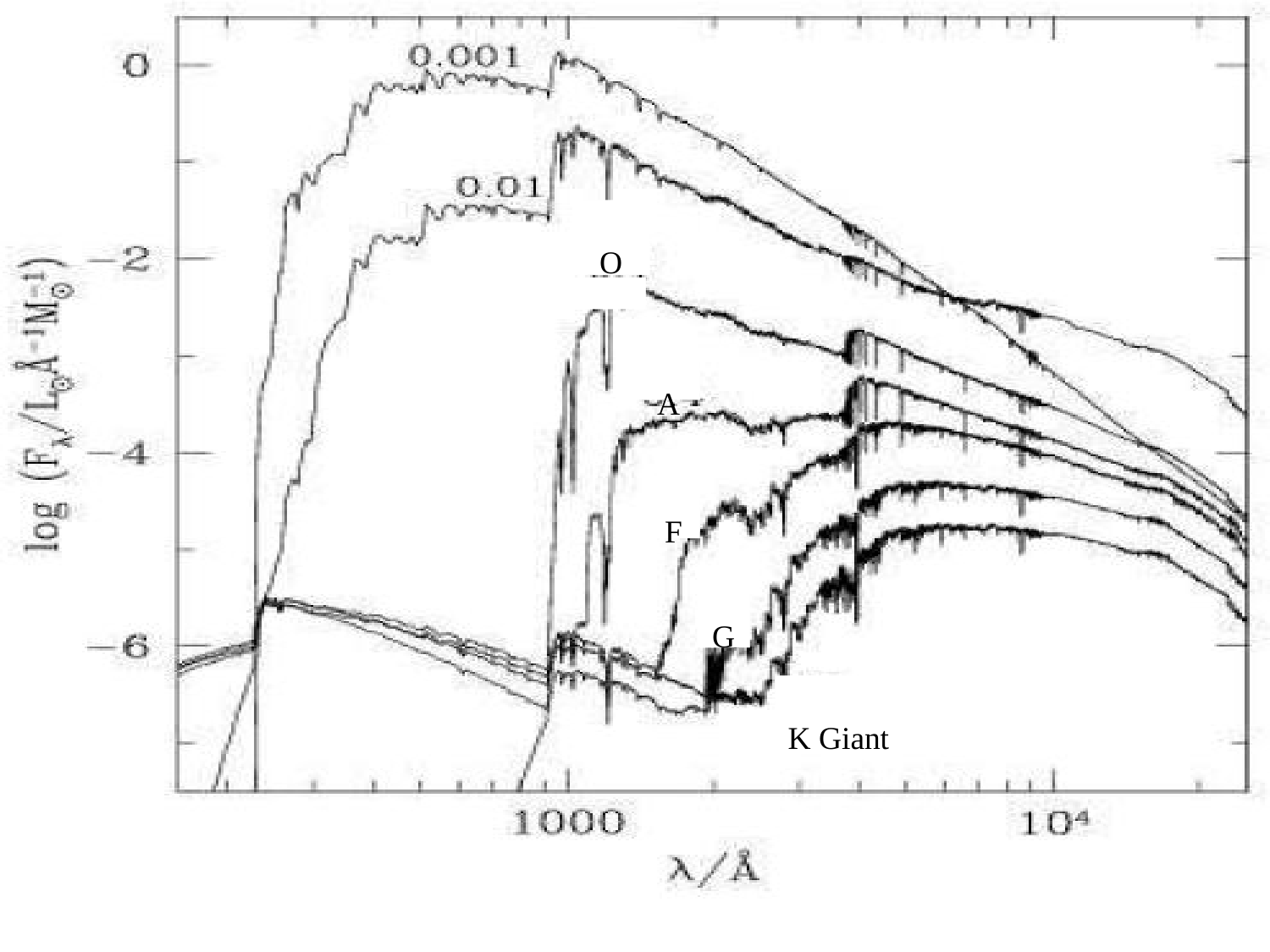 |
Lecture - Early-Type Galaxy Stellar Populations | [alpha/Fe] enhancement as clock for star formation duration (< 1 Gyr) | [[Alpha-Fe enhancement]] |
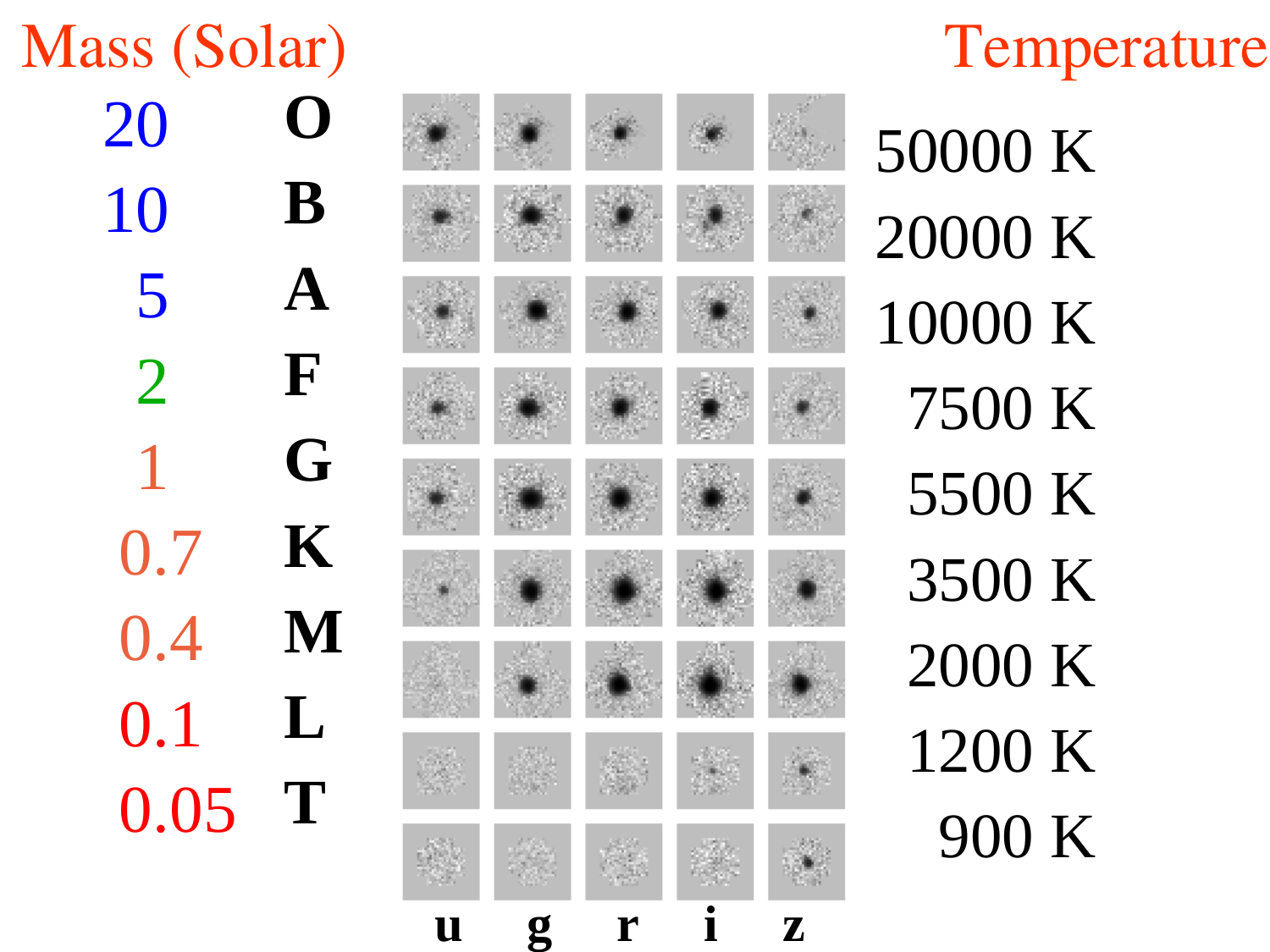 |
Lecture - Early-Type Galaxy Stellar Populations | [alpha/Fe] enhancement as clock for star formation duration (< 1 Gyr) | [[Alpha-Fe enhancement]] |
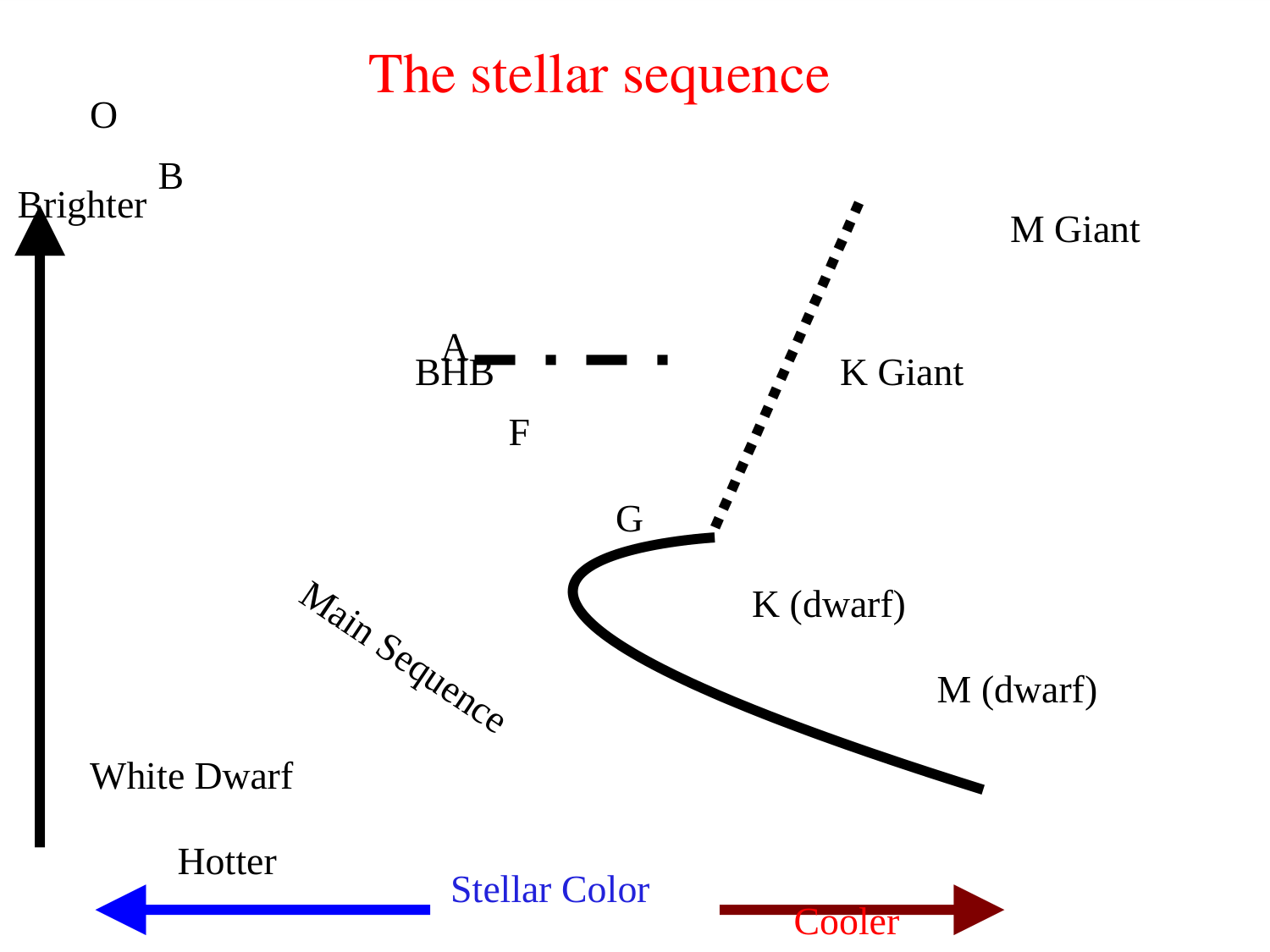 |
Lecture - Early-Type Galaxy Stellar Populations | [alpha/Fe] enhancement as clock for star formation duration (< 1 Gyr) | [[Alpha-Fe enhancement]] |
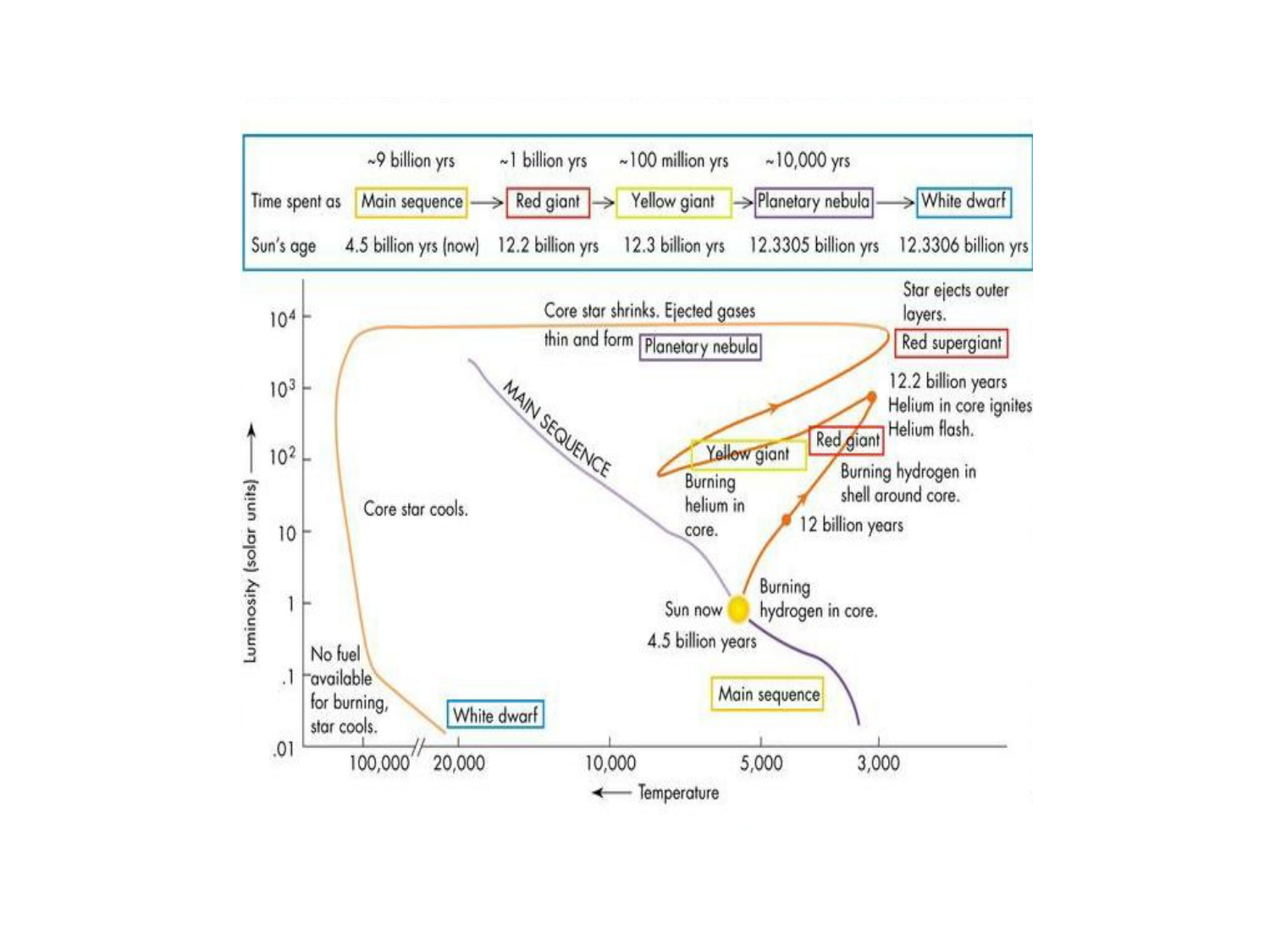 |
Lecture - Early-Type Galaxy Stellar Populations | [alpha/Fe] enhancement as clock for star formation duration (< 1 Gyr) | [[Alpha-Fe enhancement]] |
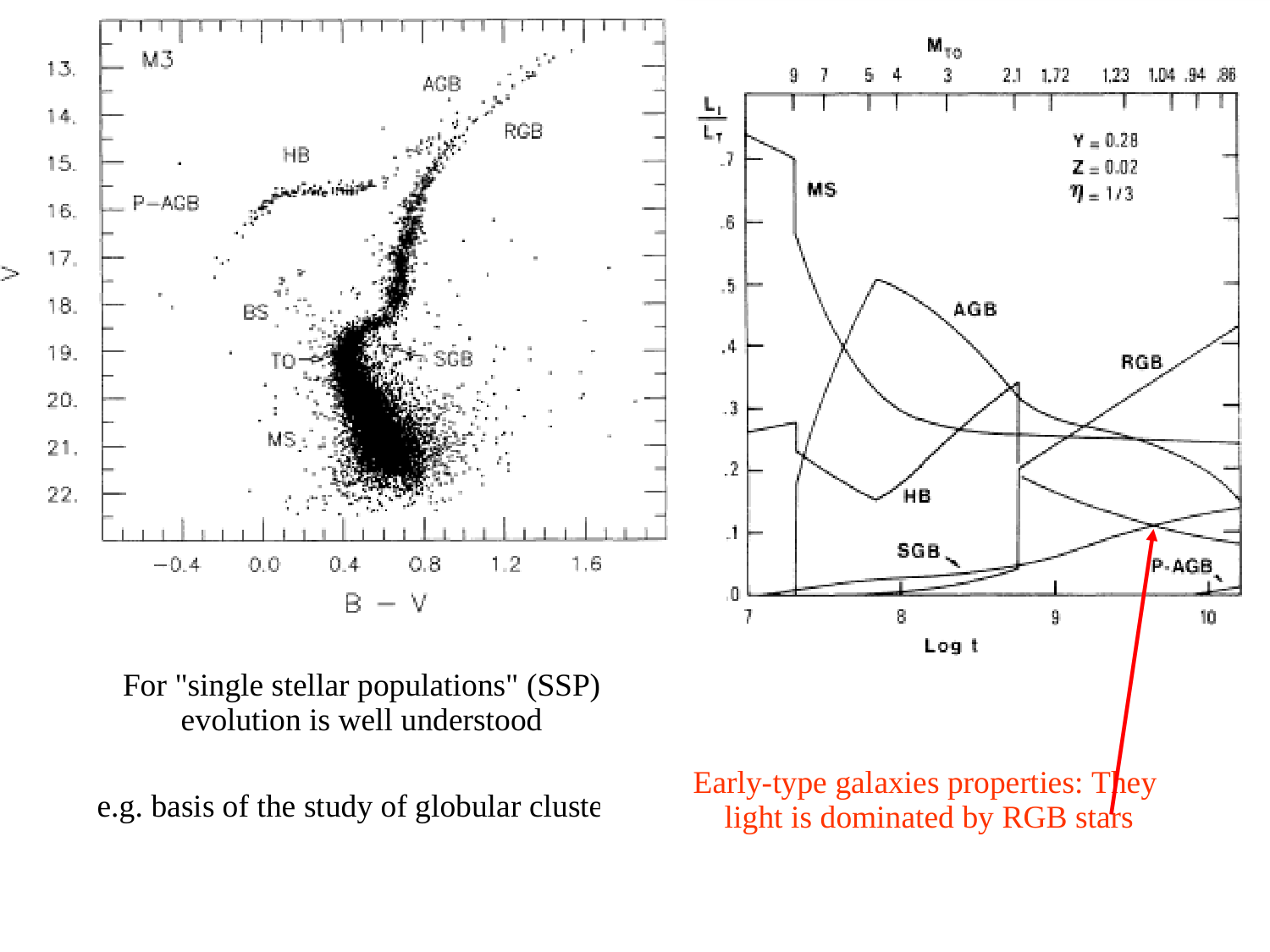 |
Lecture - Early-Type Galaxy Stellar Populations | [alpha/Fe] enhancement as clock for star formation duration (< 1 Gyr) | [[Alpha-Fe enhancement]] |
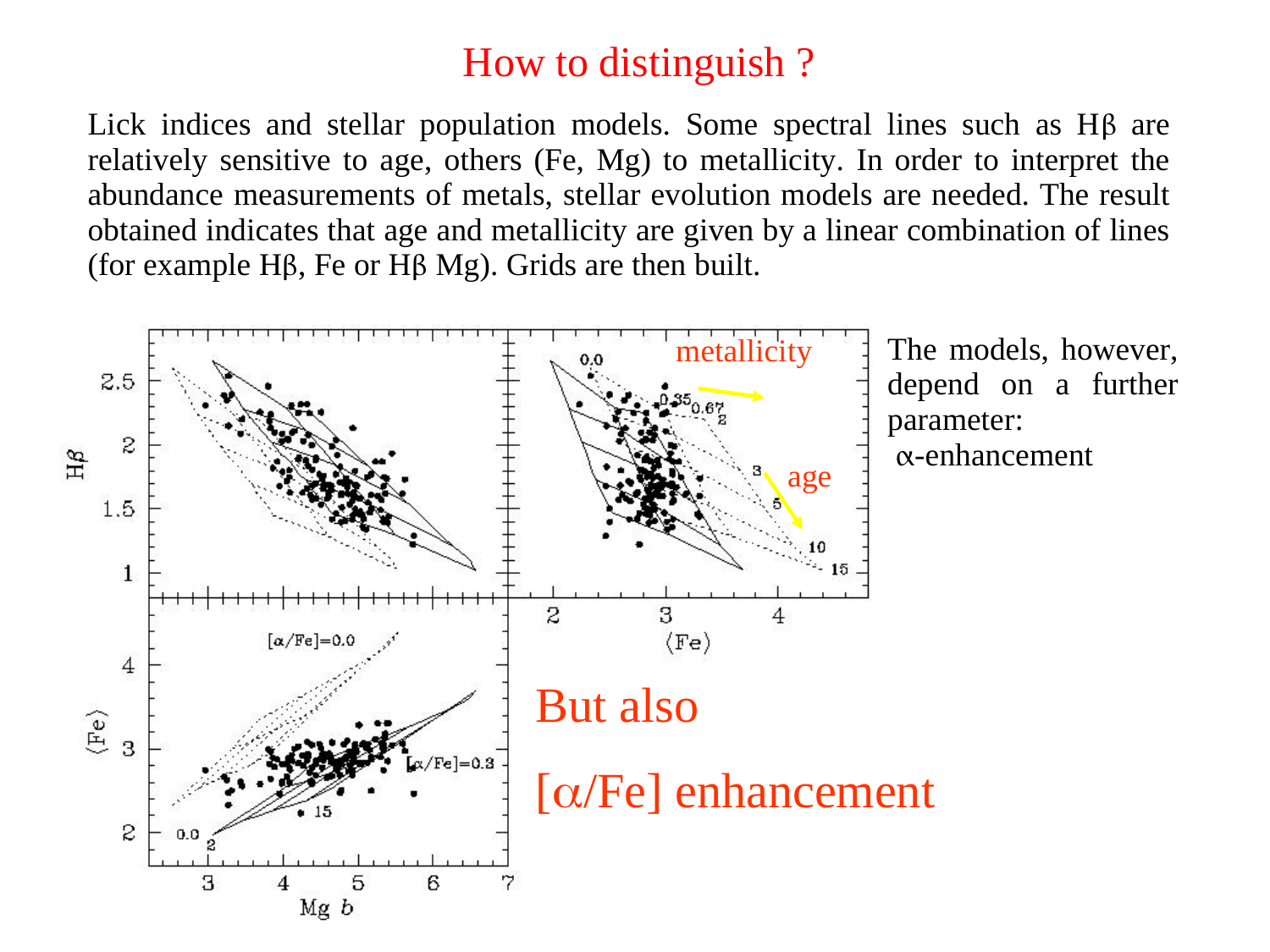 |
Lecture - Early-Type Galaxy Stellar Populations | [alpha/Fe] enhancement as clock for star formation duration (< 1 Gyr) | [[Alpha-Fe enhancement]] |
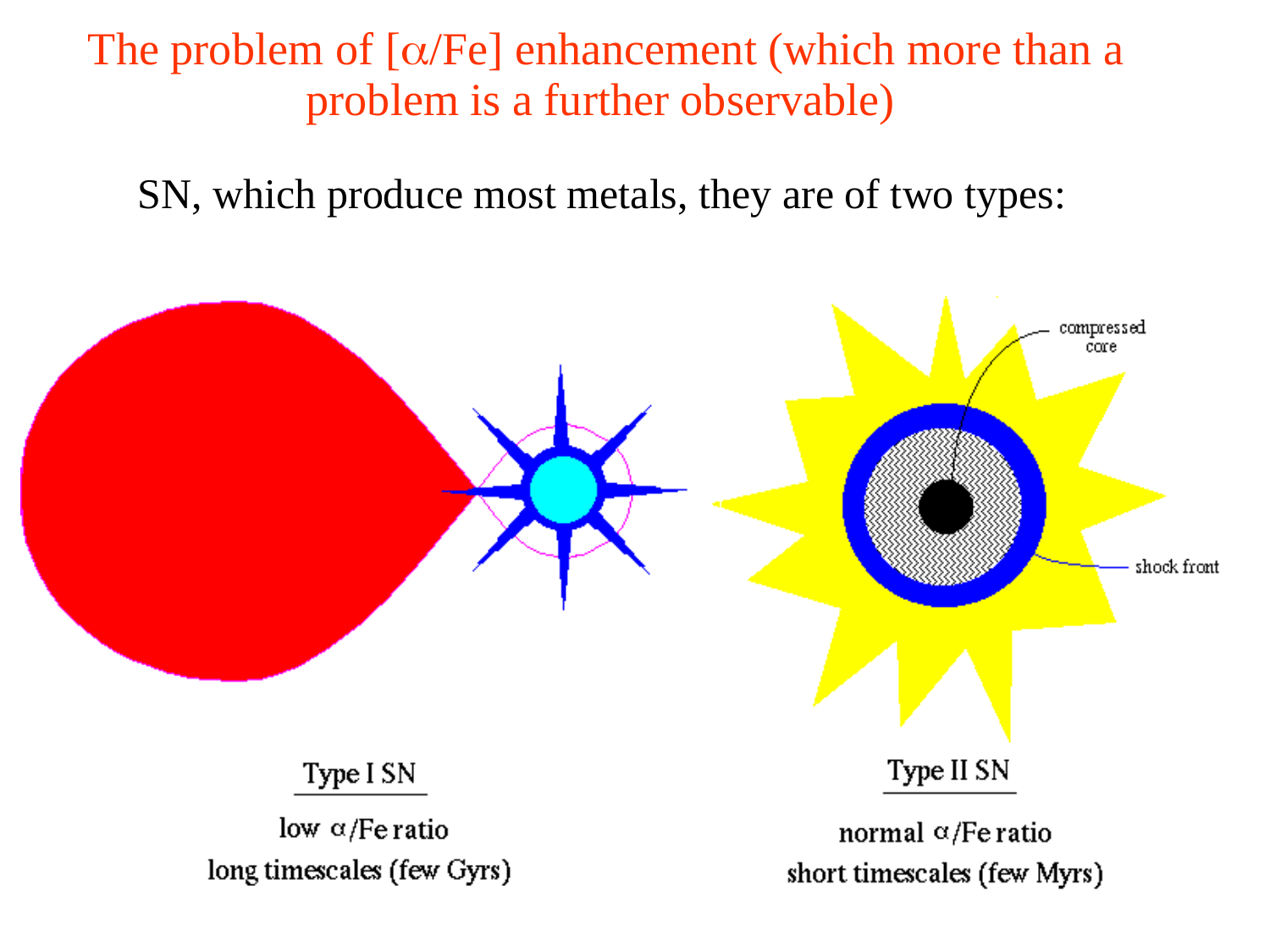 |
Lecture - Early-Type Galaxy Stellar Populations | [alpha/Fe] enhancement as clock for star formation duration (< 1 Gyr) | [[Alpha-Fe enhancement]] |
 |
Lecture - Early-Type Galaxy Stellar Populations | [alpha/Fe] enhancement as clock for star formation duration (< 1 Gyr) | [[Alpha-Fe enhancement]] |
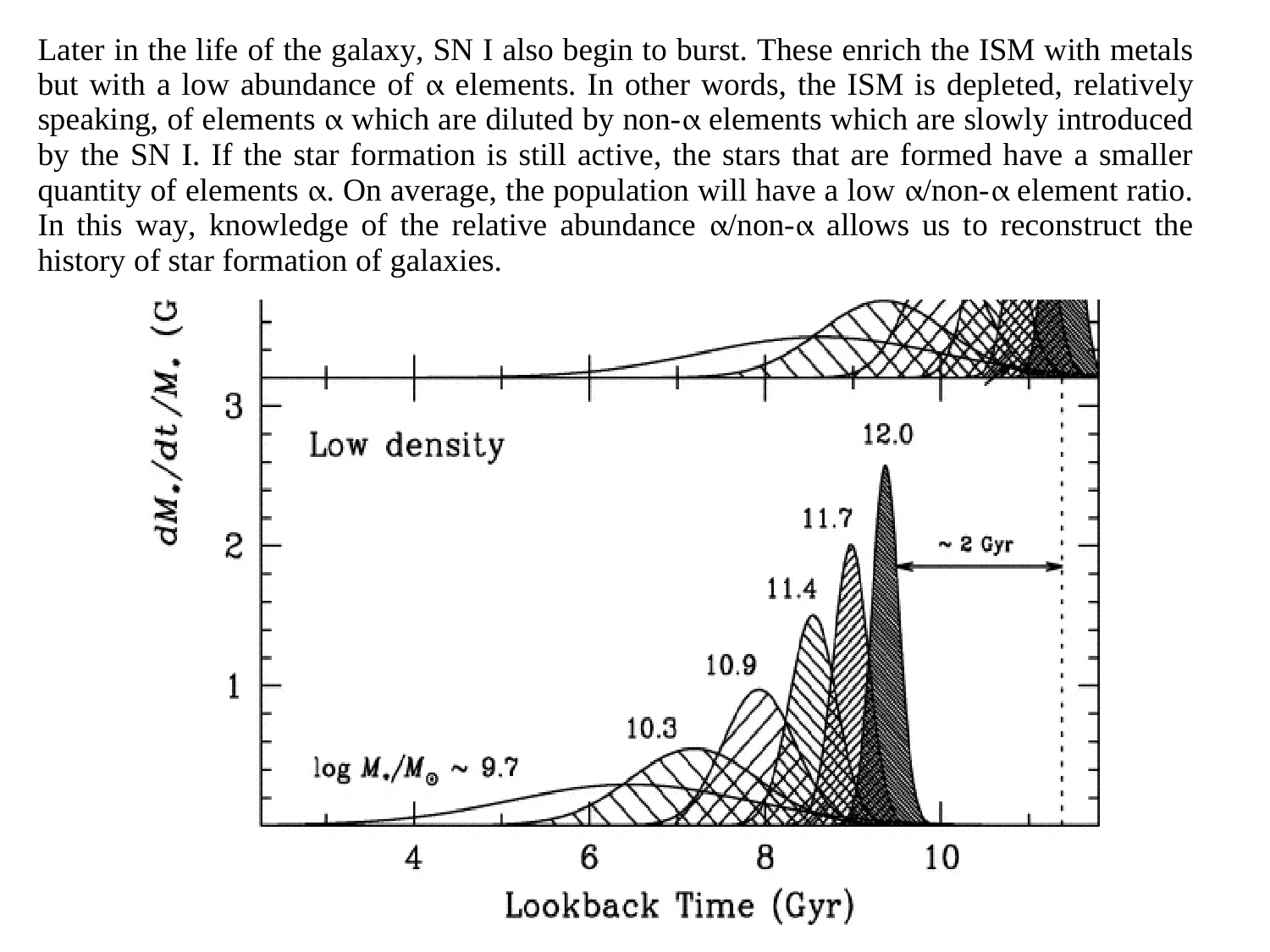 |
Lecture - Early-Type Galaxy Stellar Populations | [alpha/Fe] enhancement as clock for star formation duration (< 1 Gyr) | [[Alpha-Fe enhancement]] |
 |
Lecture - Early-Type Galaxy Stellar Populations | [alpha/Fe] enhancement as clock for star formation duration (< 1 Gyr) | [[Alpha-Fe enhancement]] |
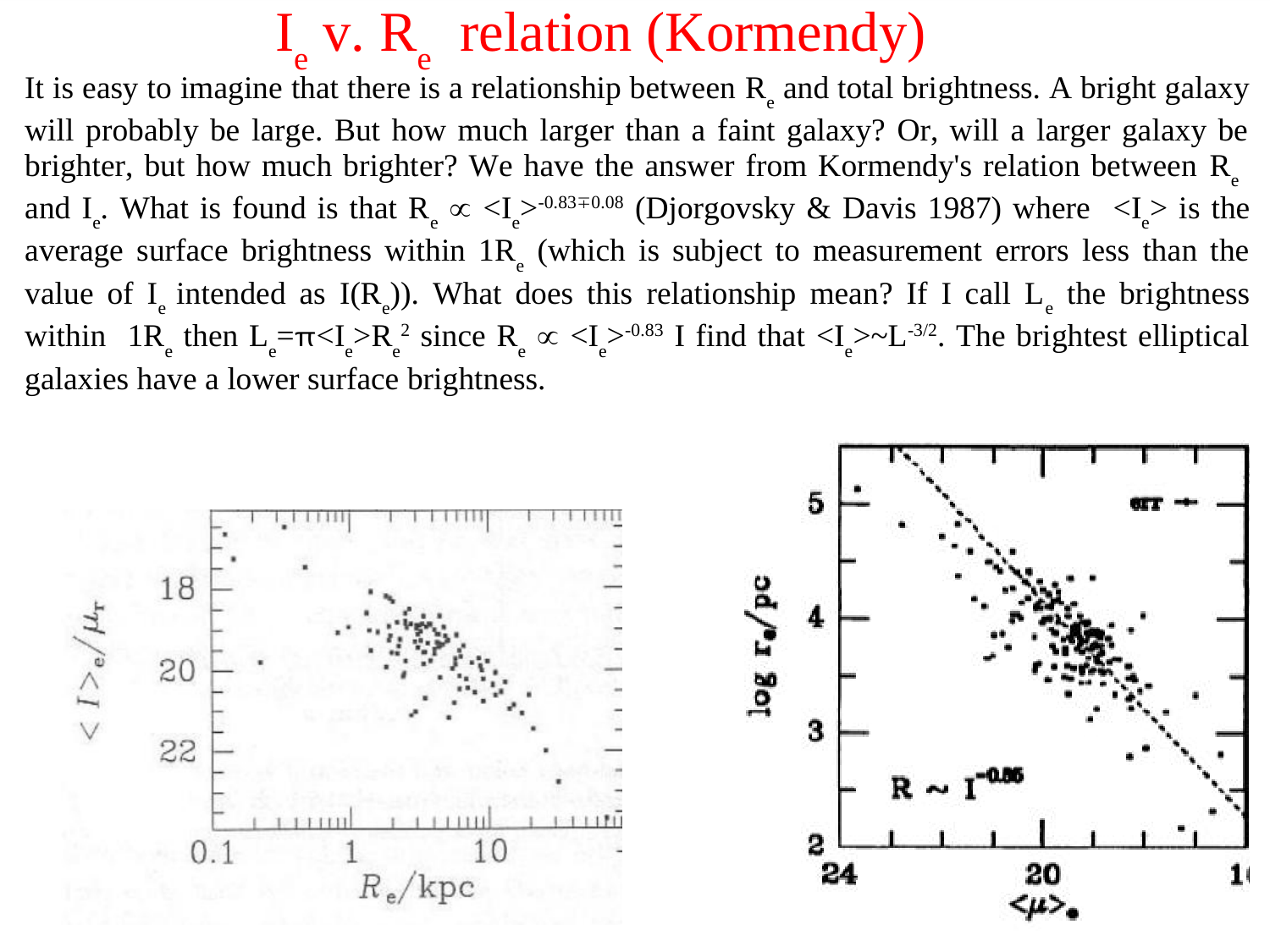 |
Lecture - Early-Type Galaxy Stellar Populations | [alpha/Fe] enhancement as clock for star formation duration (< 1 Gyr) | [[Alpha-Fe enhancement]] |
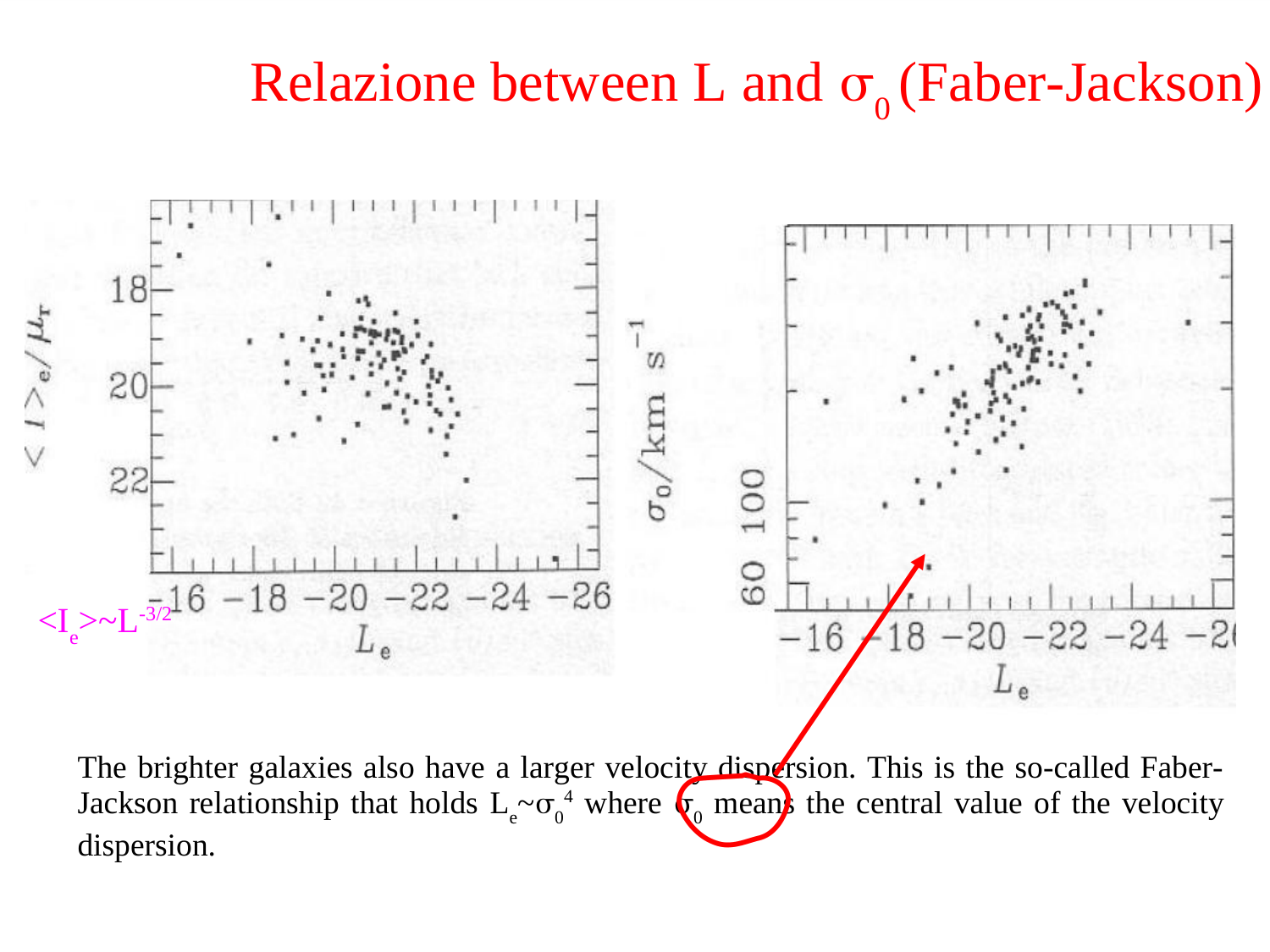 |
Lecture - Early-Type Galaxy Stellar Populations | [alpha/Fe] enhancement as clock for star formation duration (< 1 Gyr) | [[Alpha-Fe enhancement]] |
 |
Lecture - Early-Type Galaxy Stellar Populations | [alpha/Fe] enhancement as clock for star formation duration (< 1 Gyr) | [[Alpha-Fe enhancement]] |
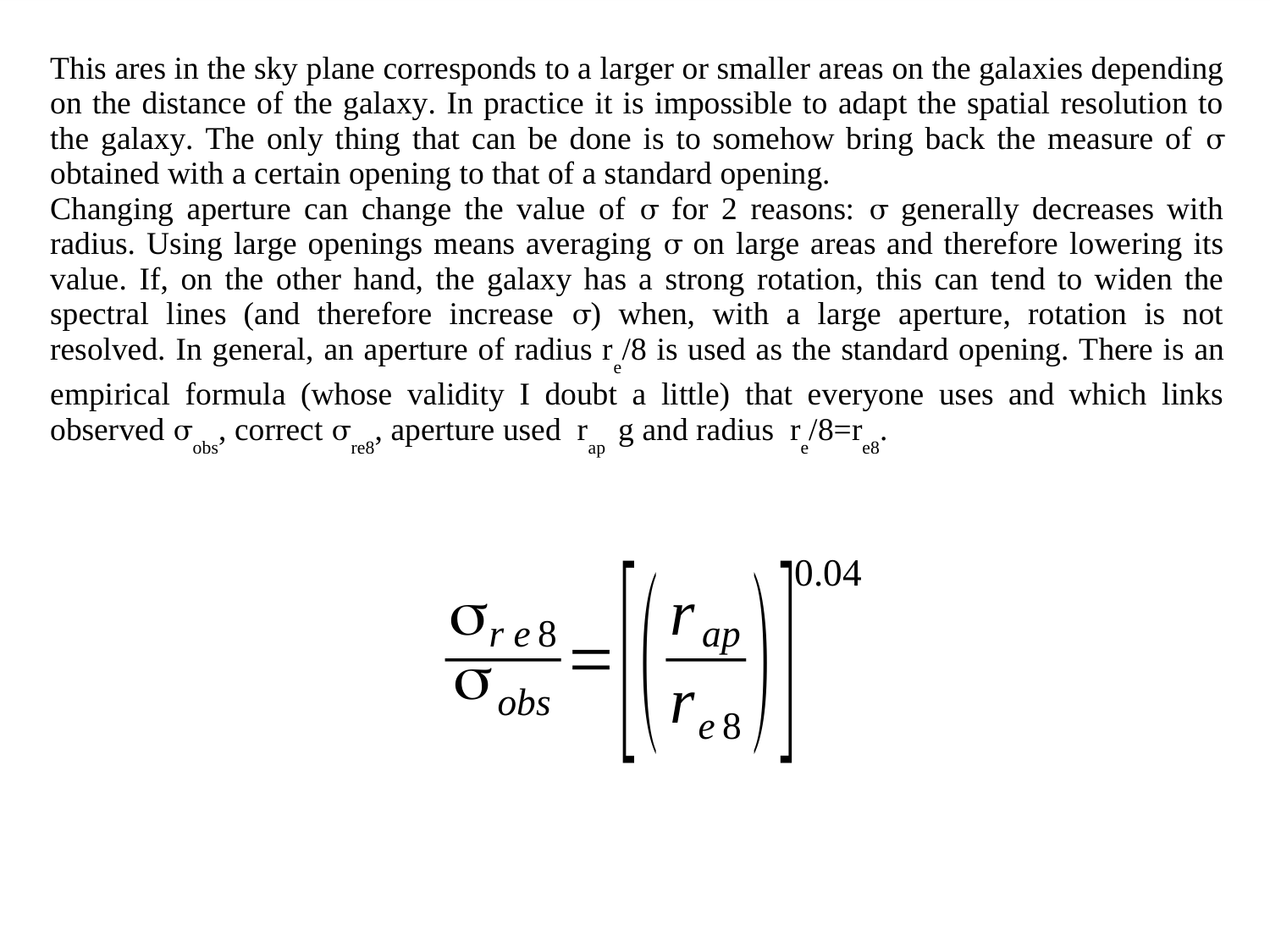 |
Lecture - Early-Type Galaxy Stellar Populations | [alpha/Fe] enhancement as clock for star formation duration (< 1 Gyr) | [[Alpha-Fe enhancement]] |
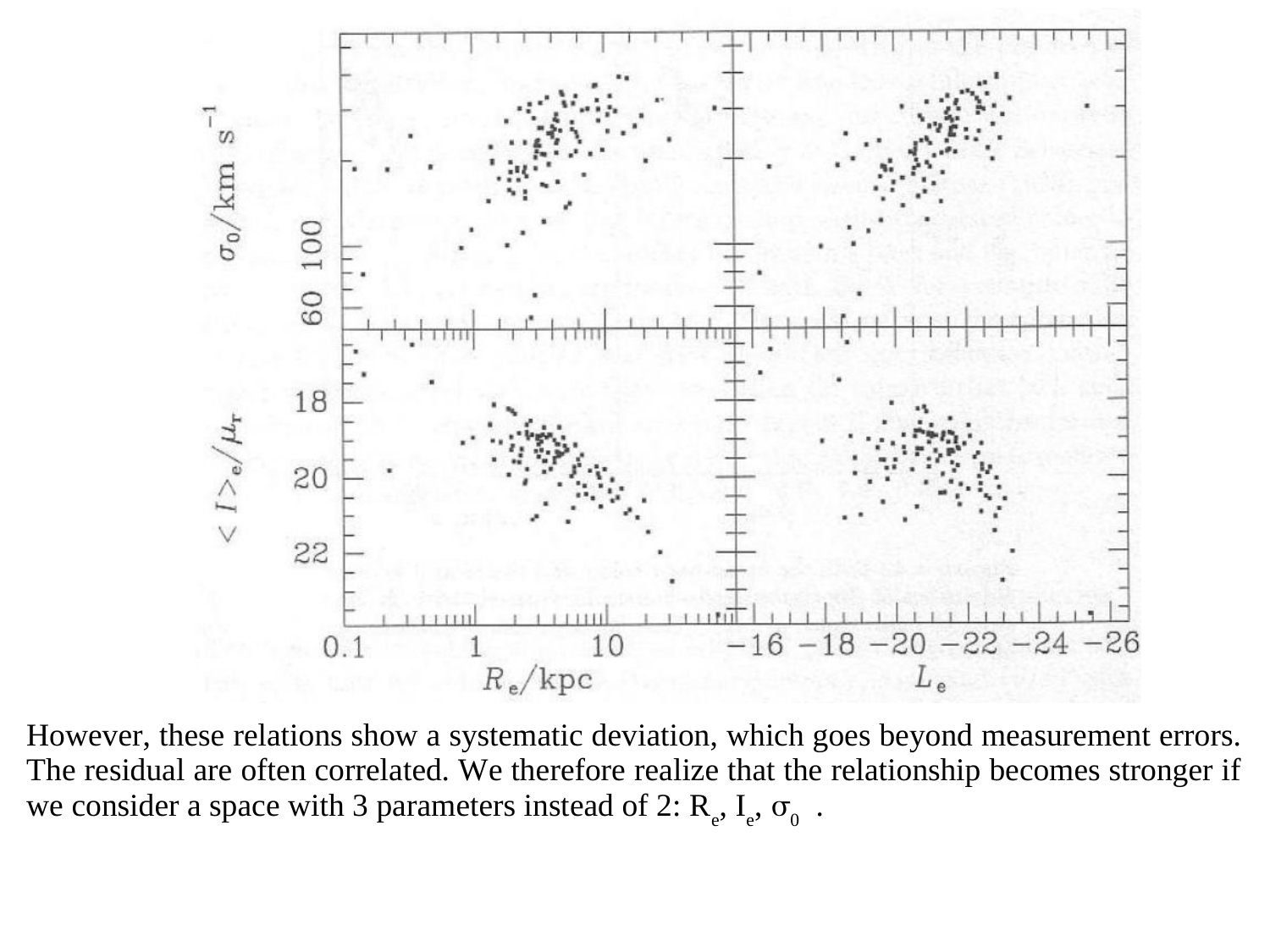 |
Lecture - Early-Type Galaxy Stellar Populations | [alpha/Fe] enhancement as clock for star formation duration (< 1 Gyr) | [[Alpha-Fe enhancement]] |
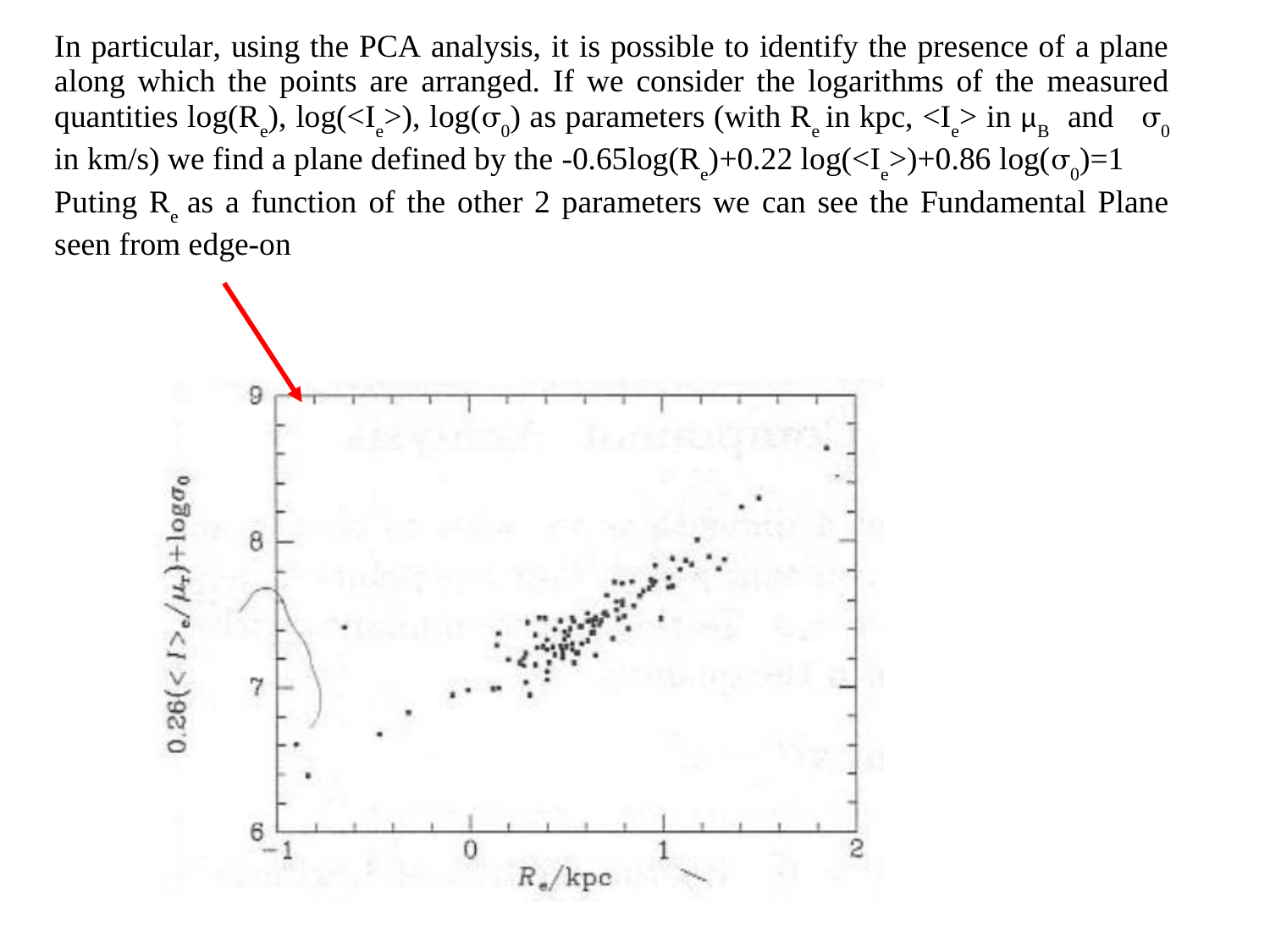 |
Lecture - Early-Type Galaxy Stellar Populations | [alpha/Fe] enhancement as clock for star formation duration (< 1 Gyr) | [[Alpha-Fe enhancement]] |
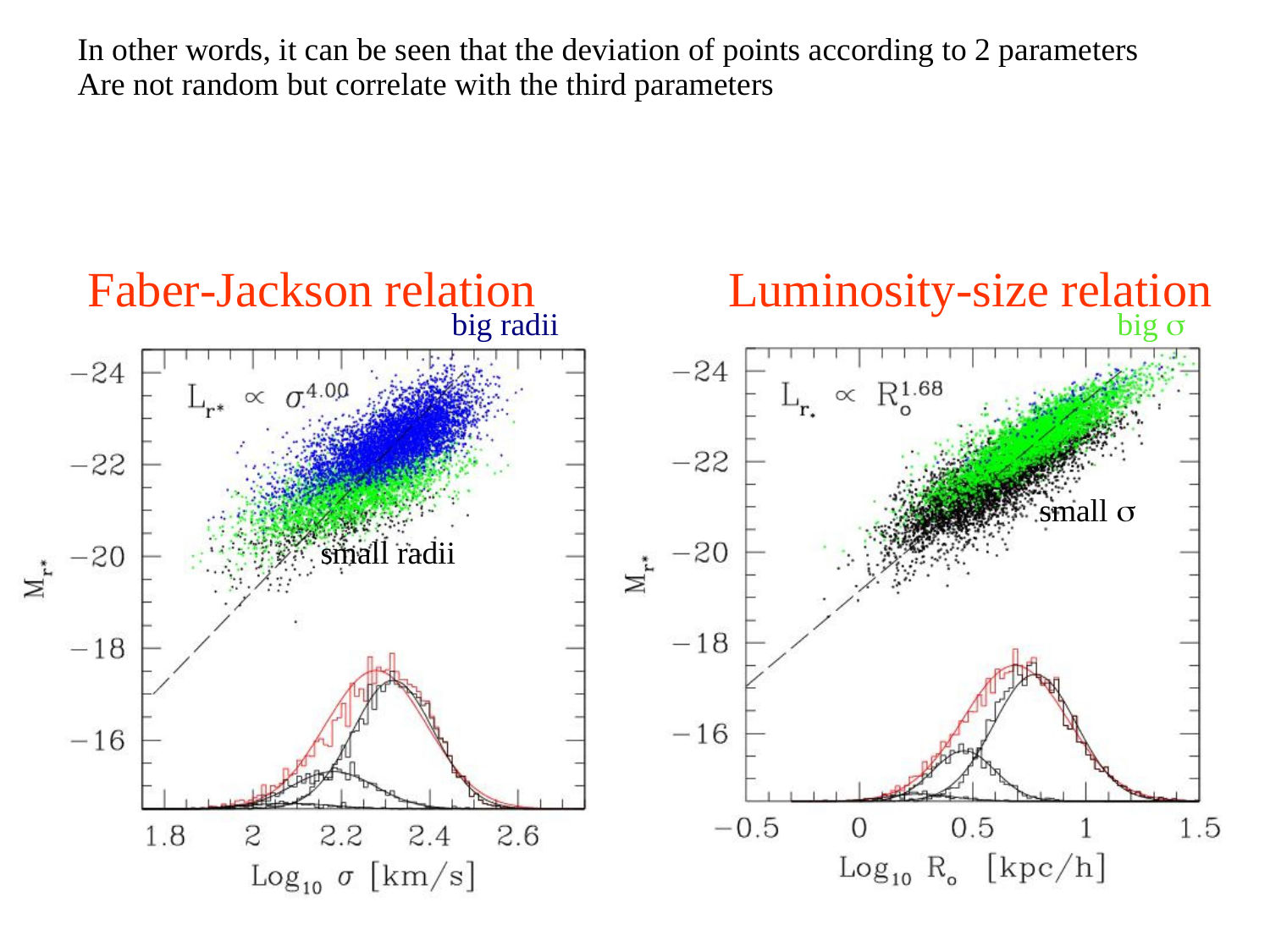 |
Lecture - Early-Type Galaxy Stellar Populations | Radial color and metallicity gradients in ellipticals, inside-out assembly | [[Color gradients in ellipticals]] |
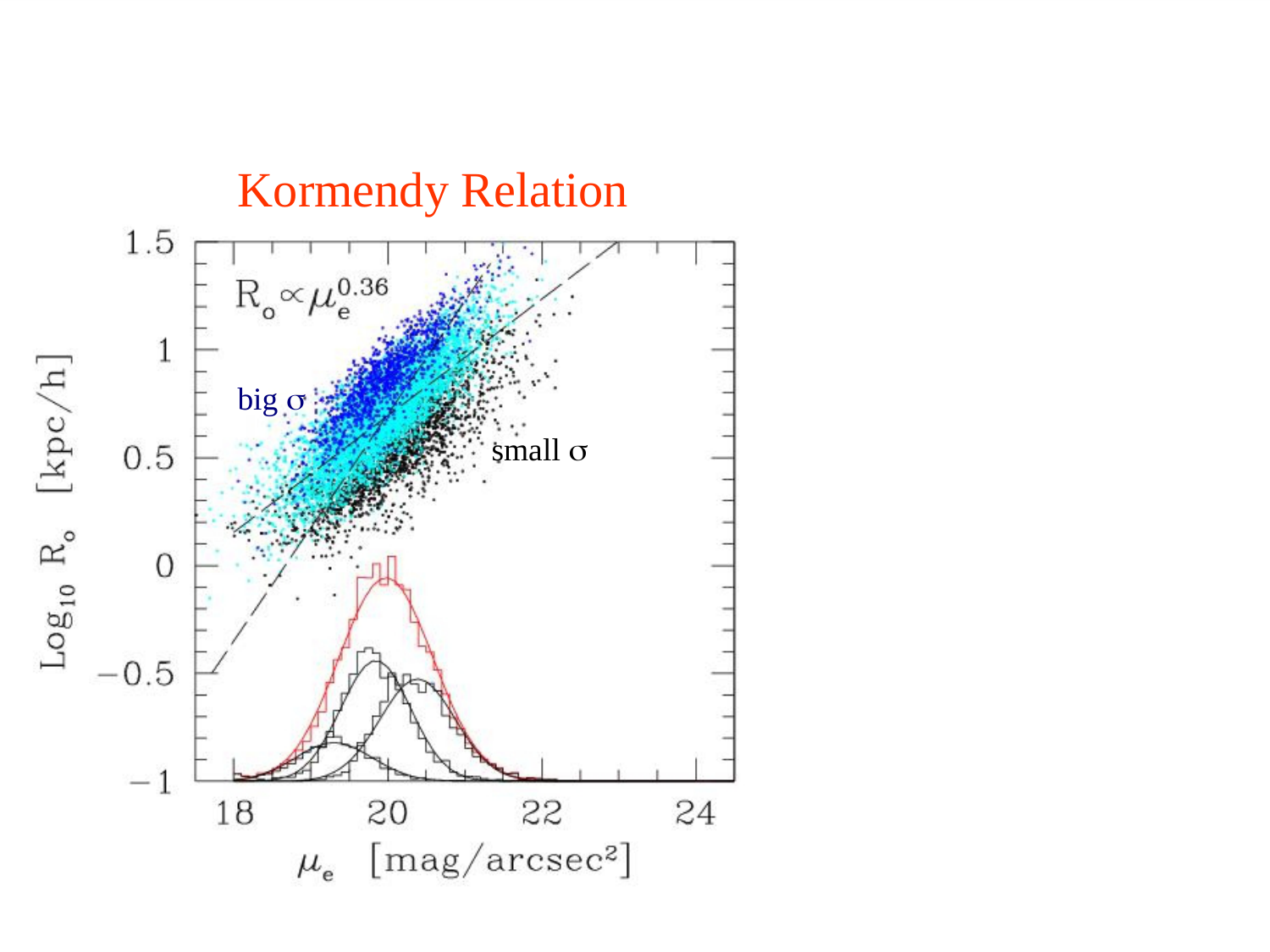 |
Lecture - Early-Type Galaxy Stellar Populations | Radial color and metallicity gradients in ellipticals, inside-out assembly | [[Color gradients in ellipticals]] |
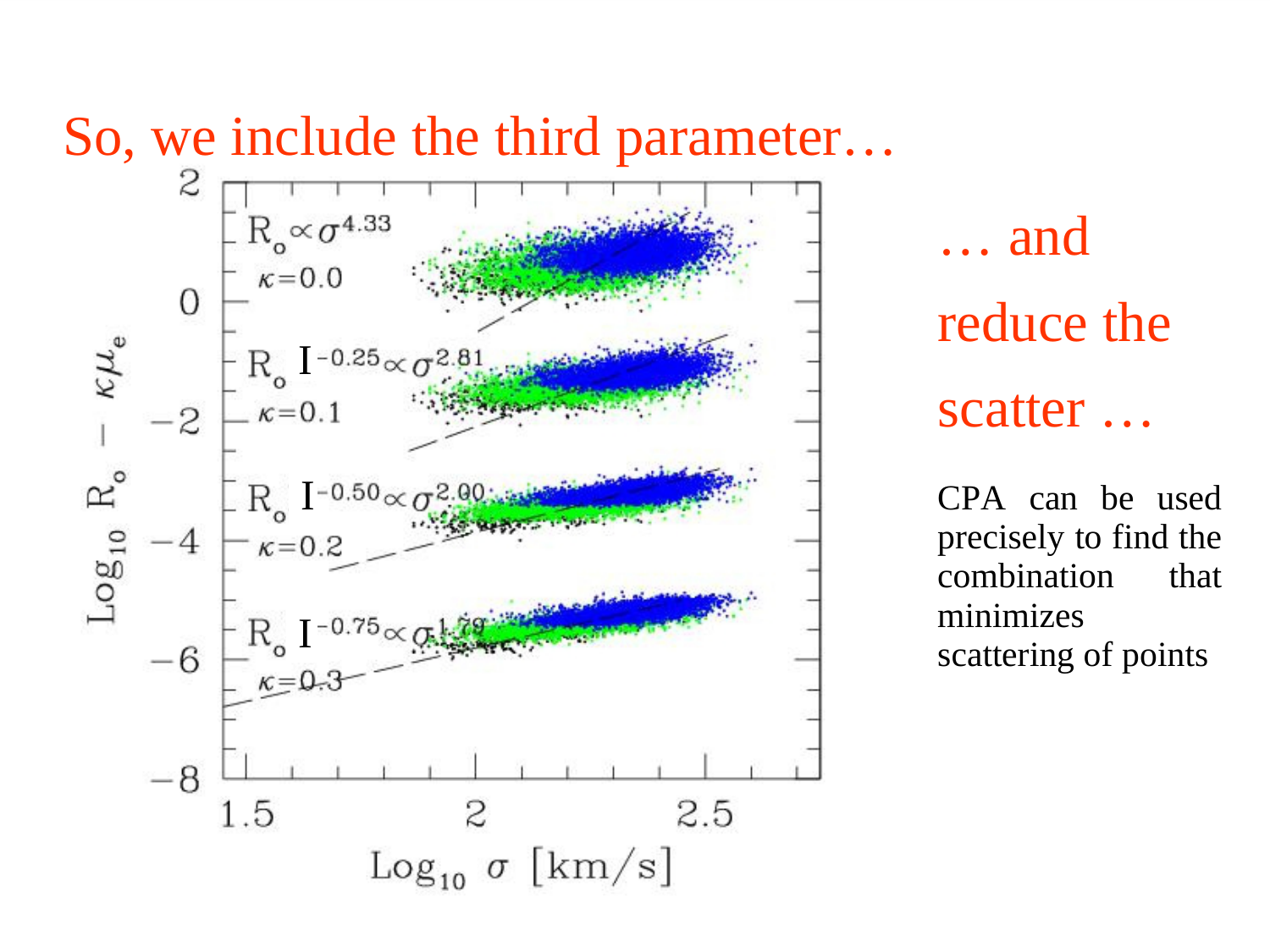 |
Lecture - Early-Type Galaxy Stellar Populations | Radial color and metallicity gradients in ellipticals, inside-out assembly | [[Color gradients in ellipticals]] |
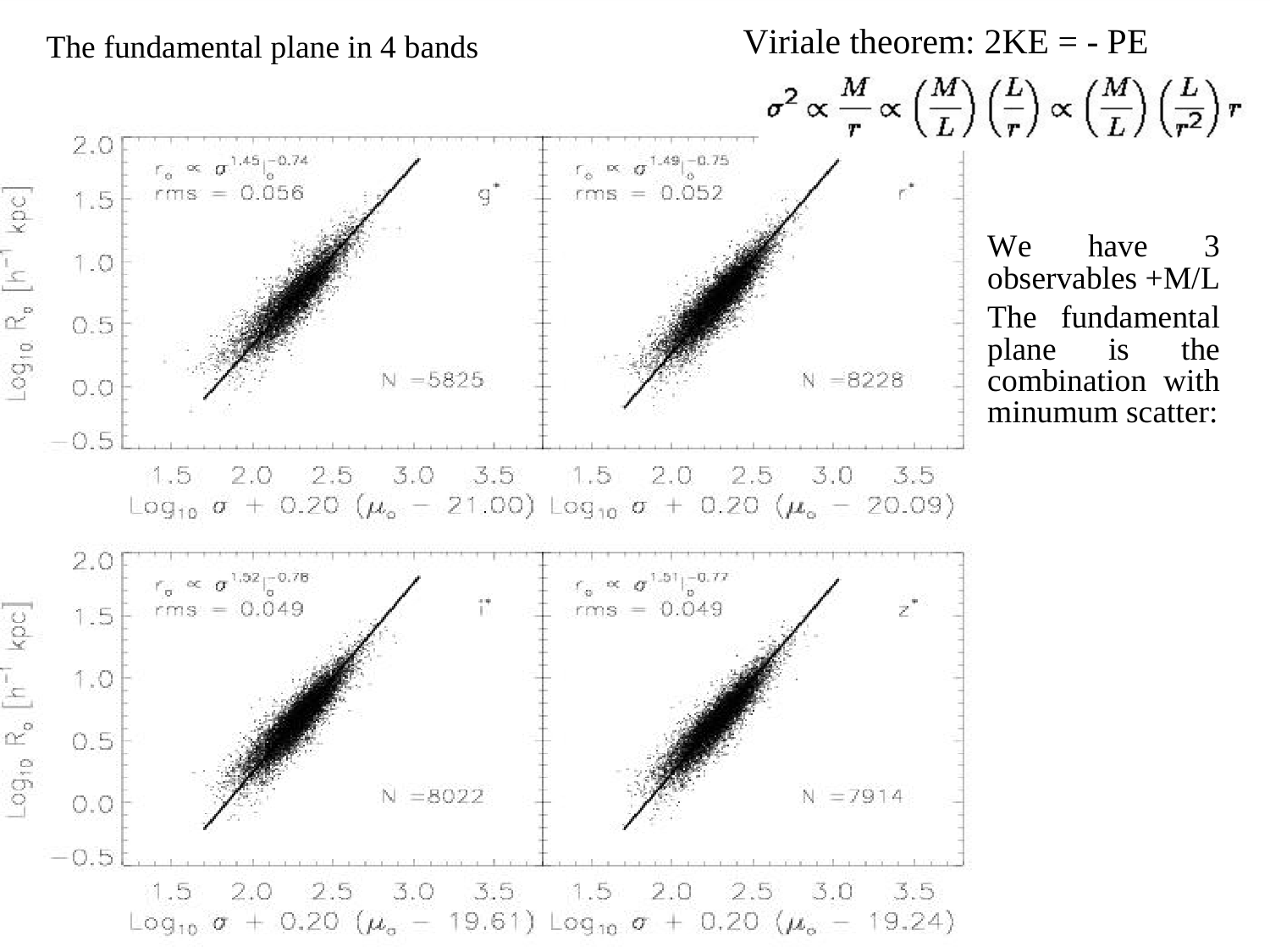 |
Lecture - Early-Type Galaxy Stellar Populations | Radial color and metallicity gradients in ellipticals, inside-out assembly | [[Color gradients in ellipticals]] |
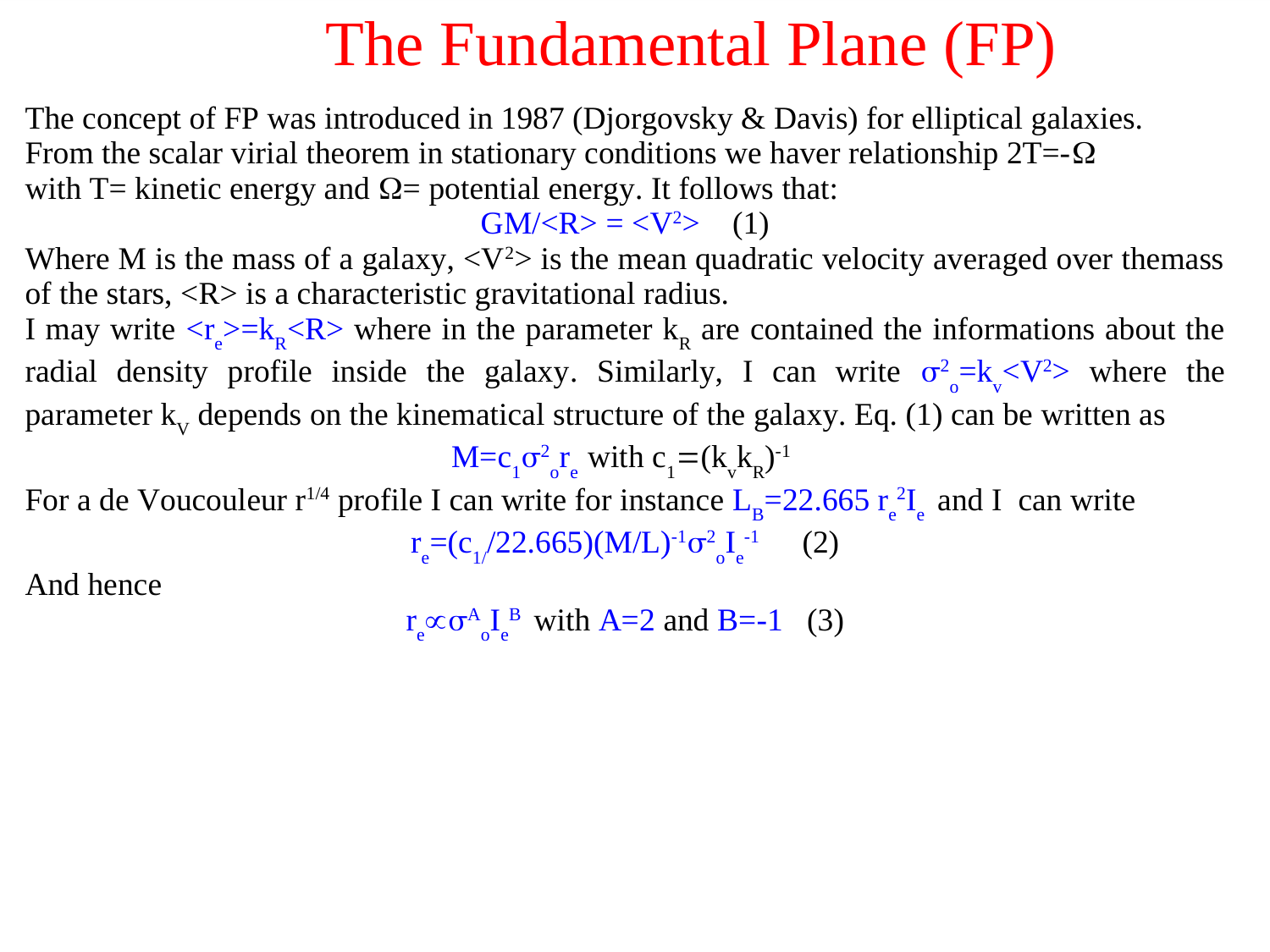 |
Lecture - Early-Type Galaxy Stellar Populations | Radial color and metallicity gradients in ellipticals, inside-out assembly | [[Color gradients in ellipticals]] |
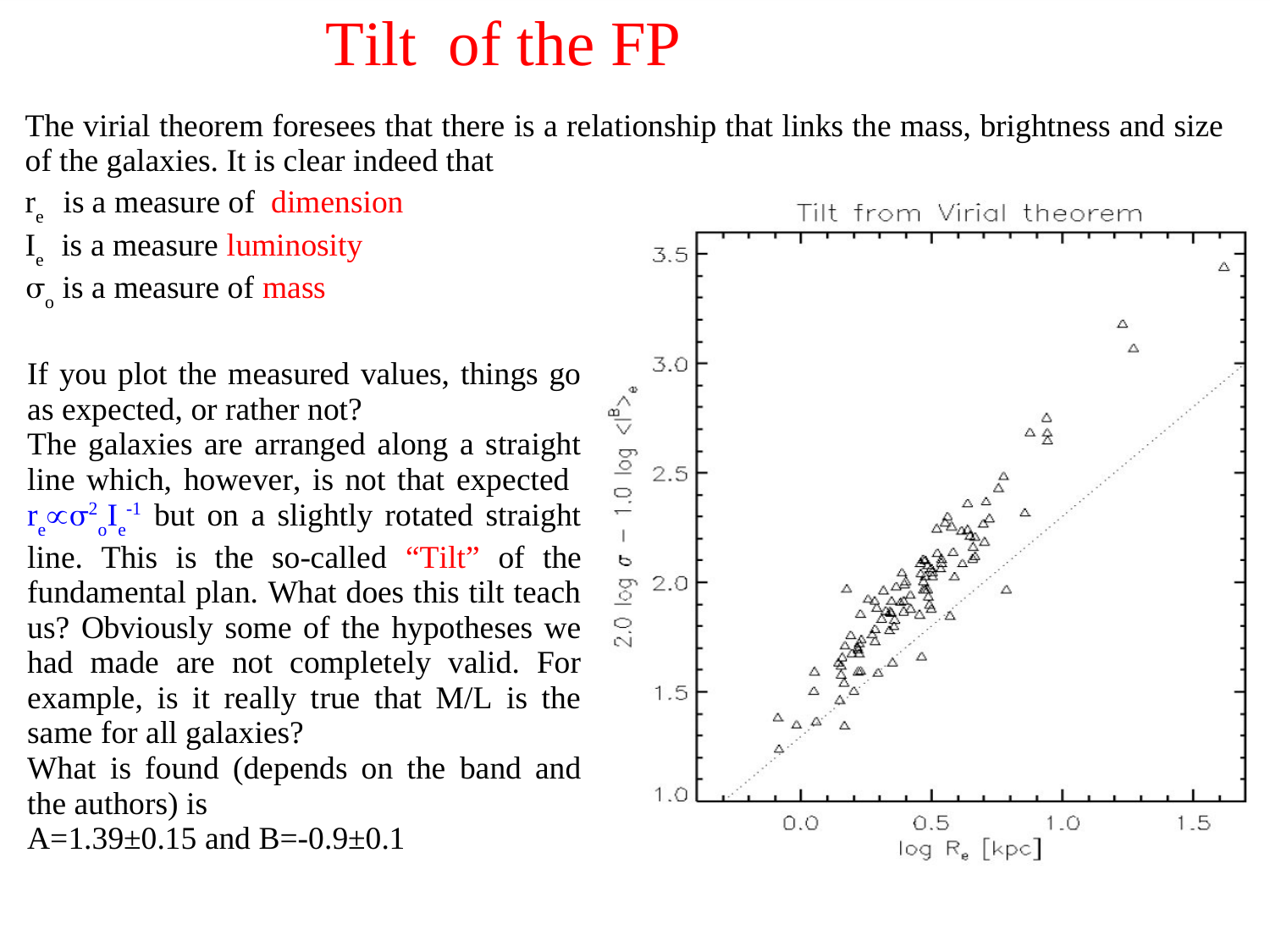 |
Lecture - Early-Type Galaxy Stellar Populations | Radial color and metallicity gradients in ellipticals, inside-out assembly | [[Color gradients in ellipticals]] |
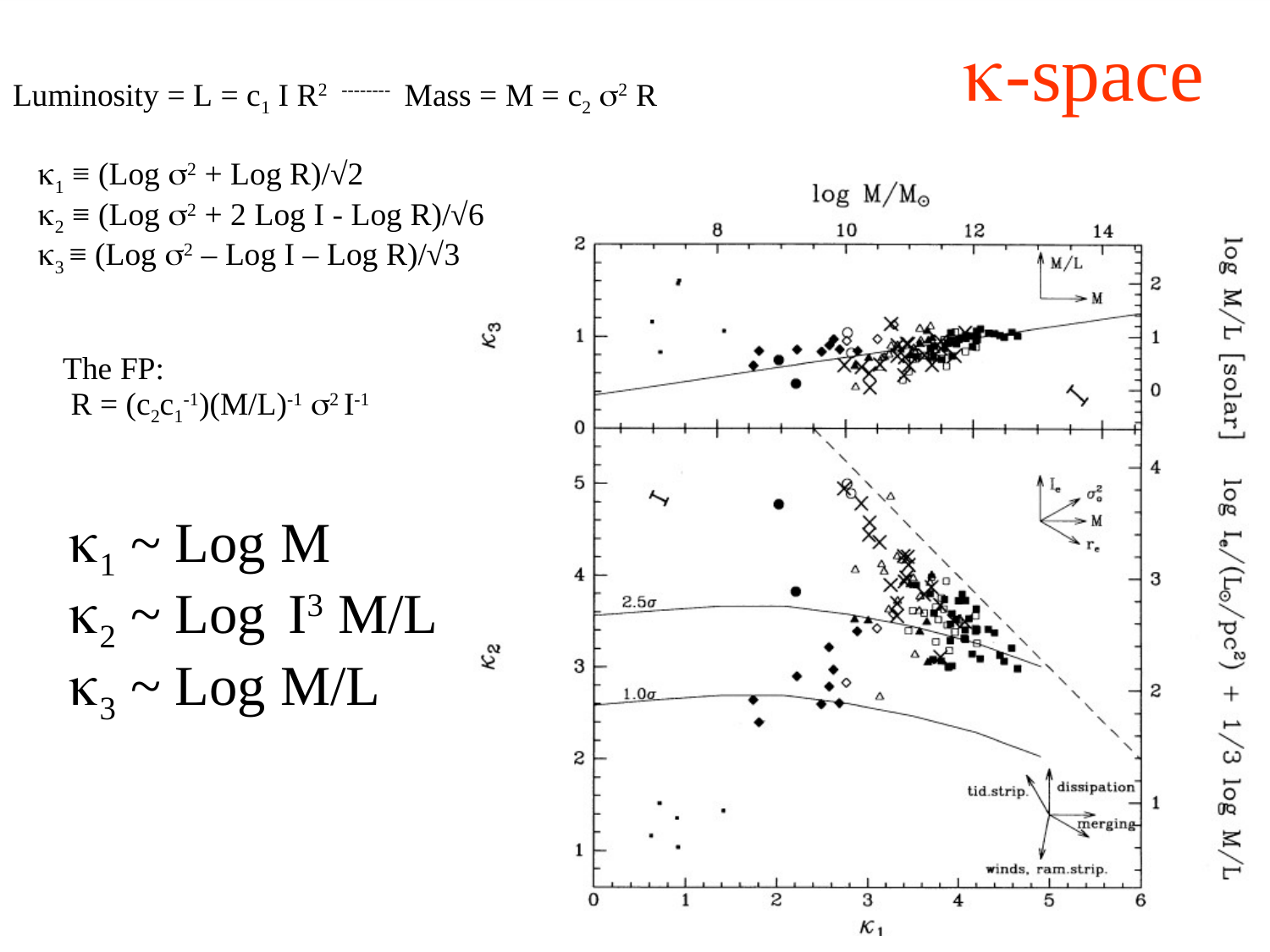 |
Lecture - Early-Type Galaxy Stellar Populations | Radial color and metallicity gradients in ellipticals, inside-out assembly | [[Color gradients in ellipticals]] |
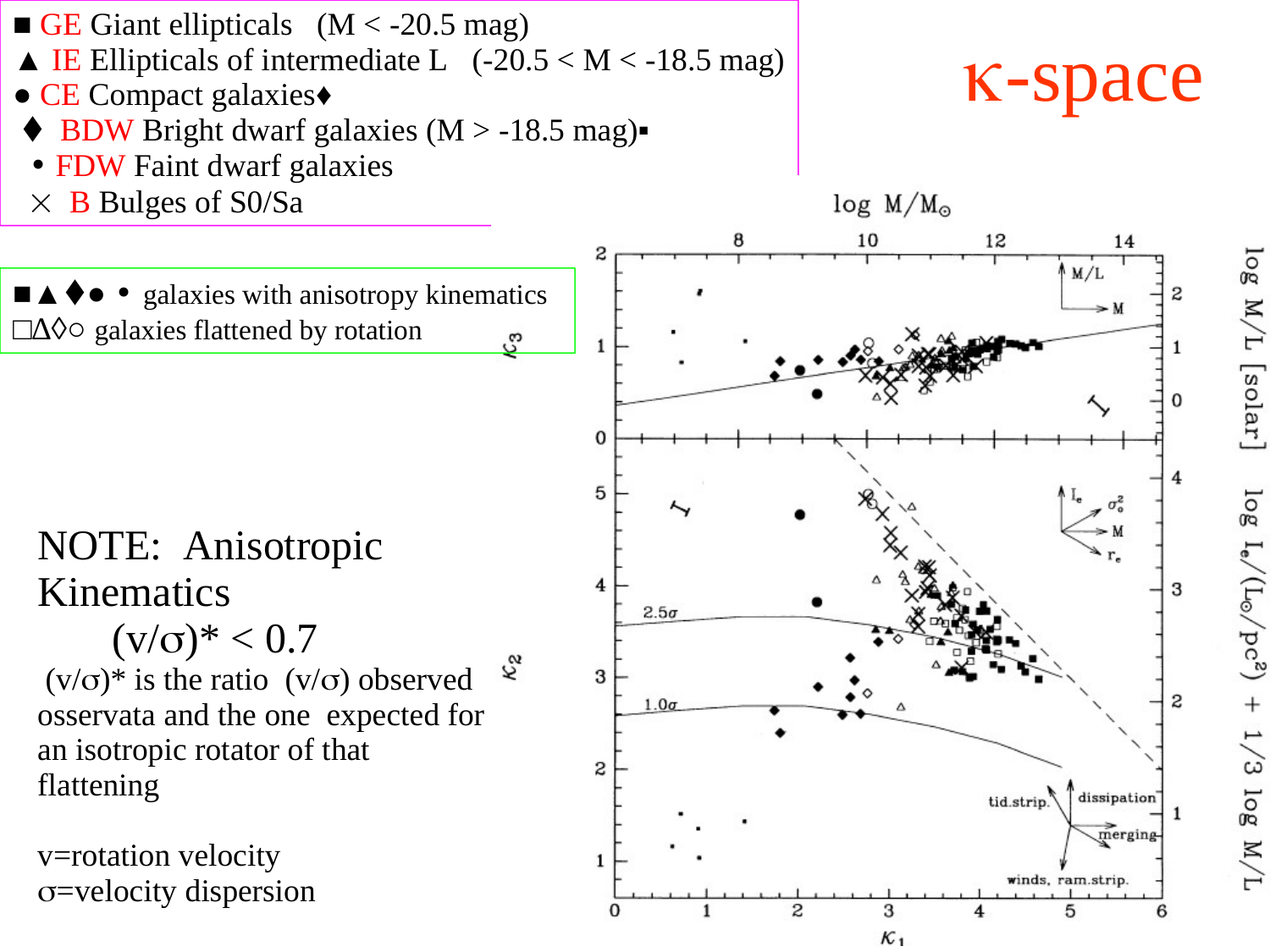 |
Lecture - Early-Type Galaxy Stellar Populations | Radial color and metallicity gradients in ellipticals, inside-out assembly | [[Color gradients in ellipticals]] |
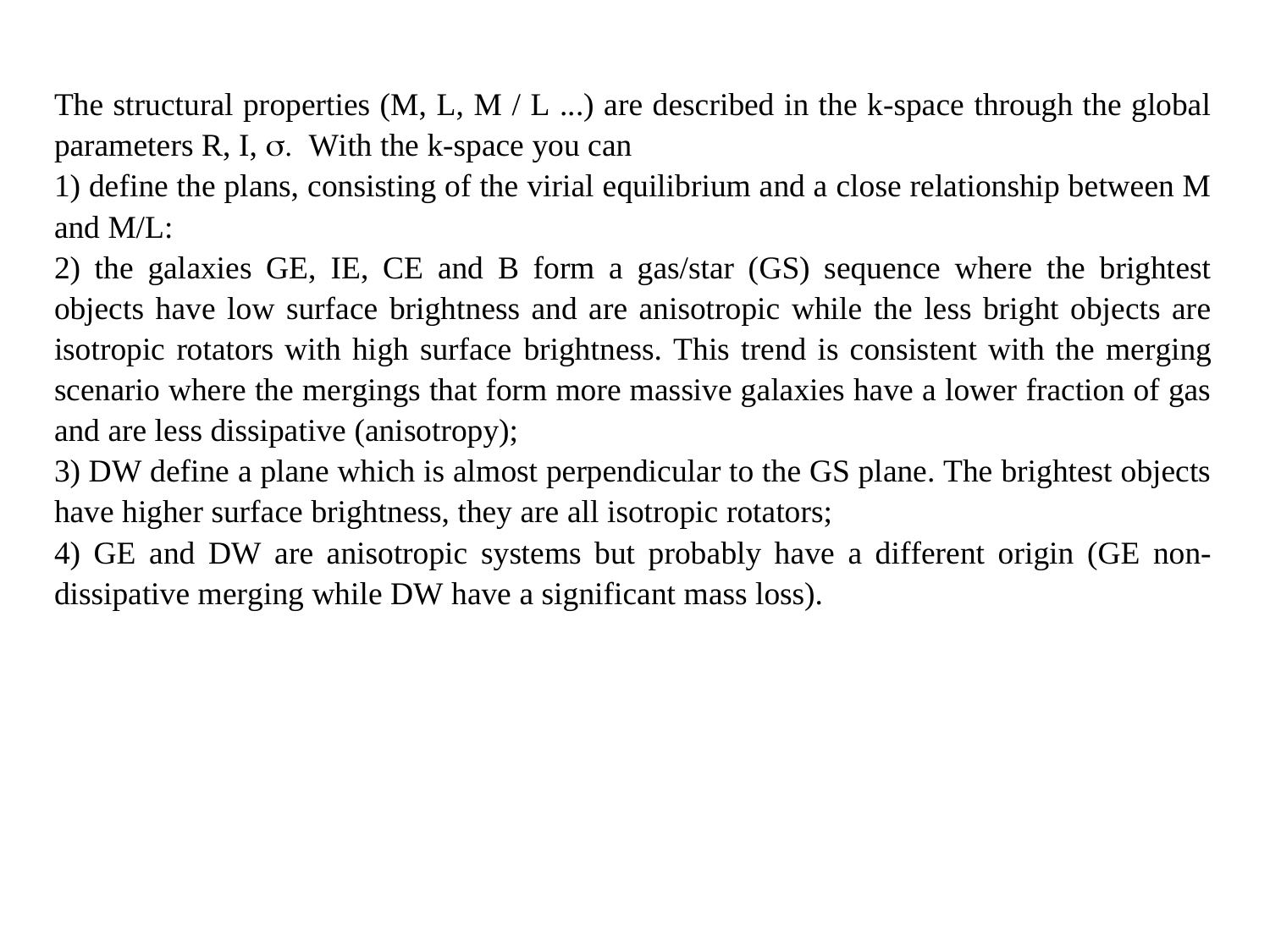 |
Lecture - Early-Type Galaxy Stellar Populations | Radial color and metallicity gradients in ellipticals, inside-out assembly | [[Color gradients in ellipticals]] |
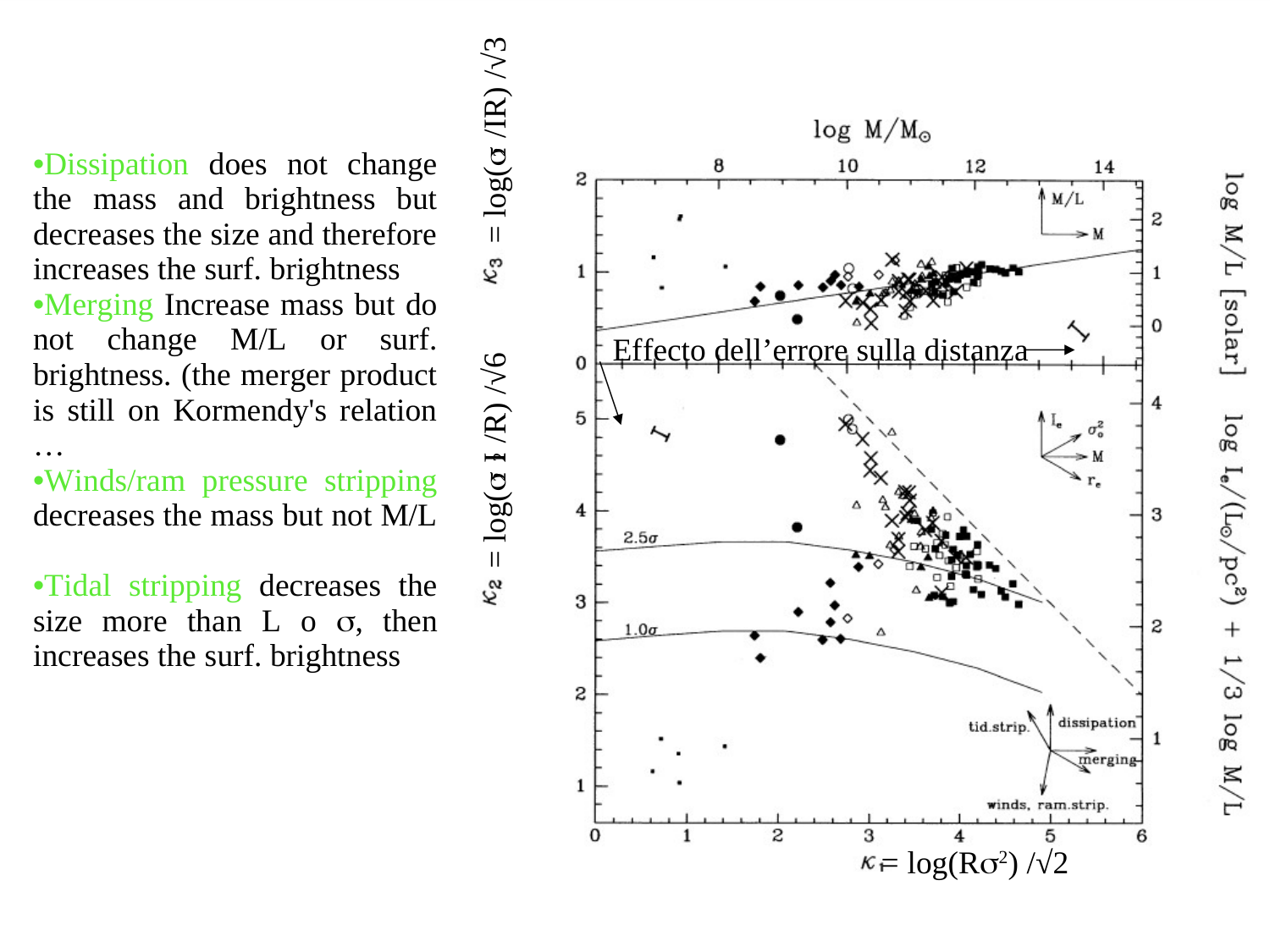 |
Lecture - Early-Type Galaxy Stellar Populations | Radial color and metallicity gradients in ellipticals, inside-out assembly | [[Color gradients in ellipticals]] |
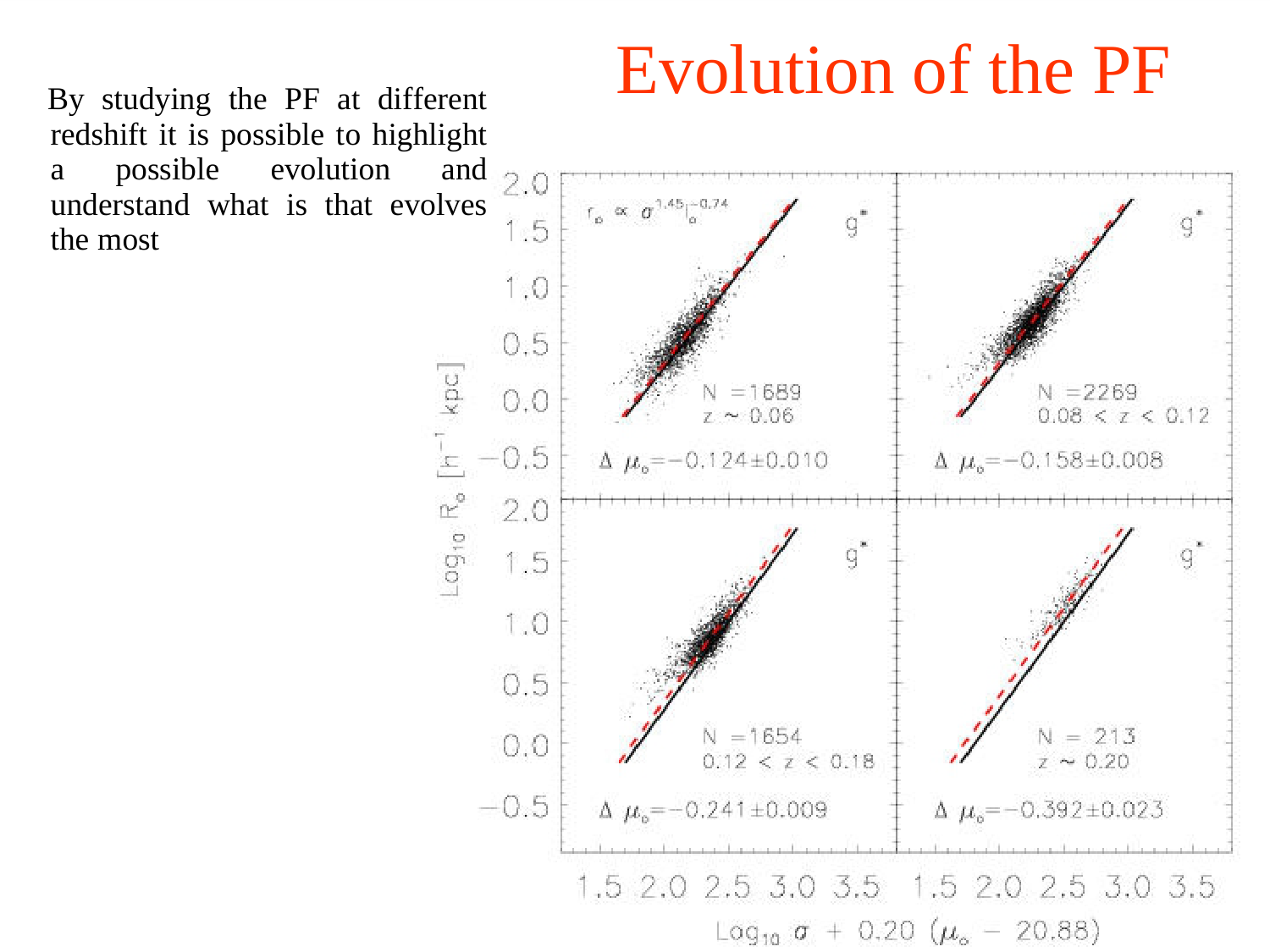 |
Lecture - Early-Type Galaxy Stellar Populations | Radial color and metallicity gradients in ellipticals, inside-out assembly | [[Color gradients in ellipticals]] |
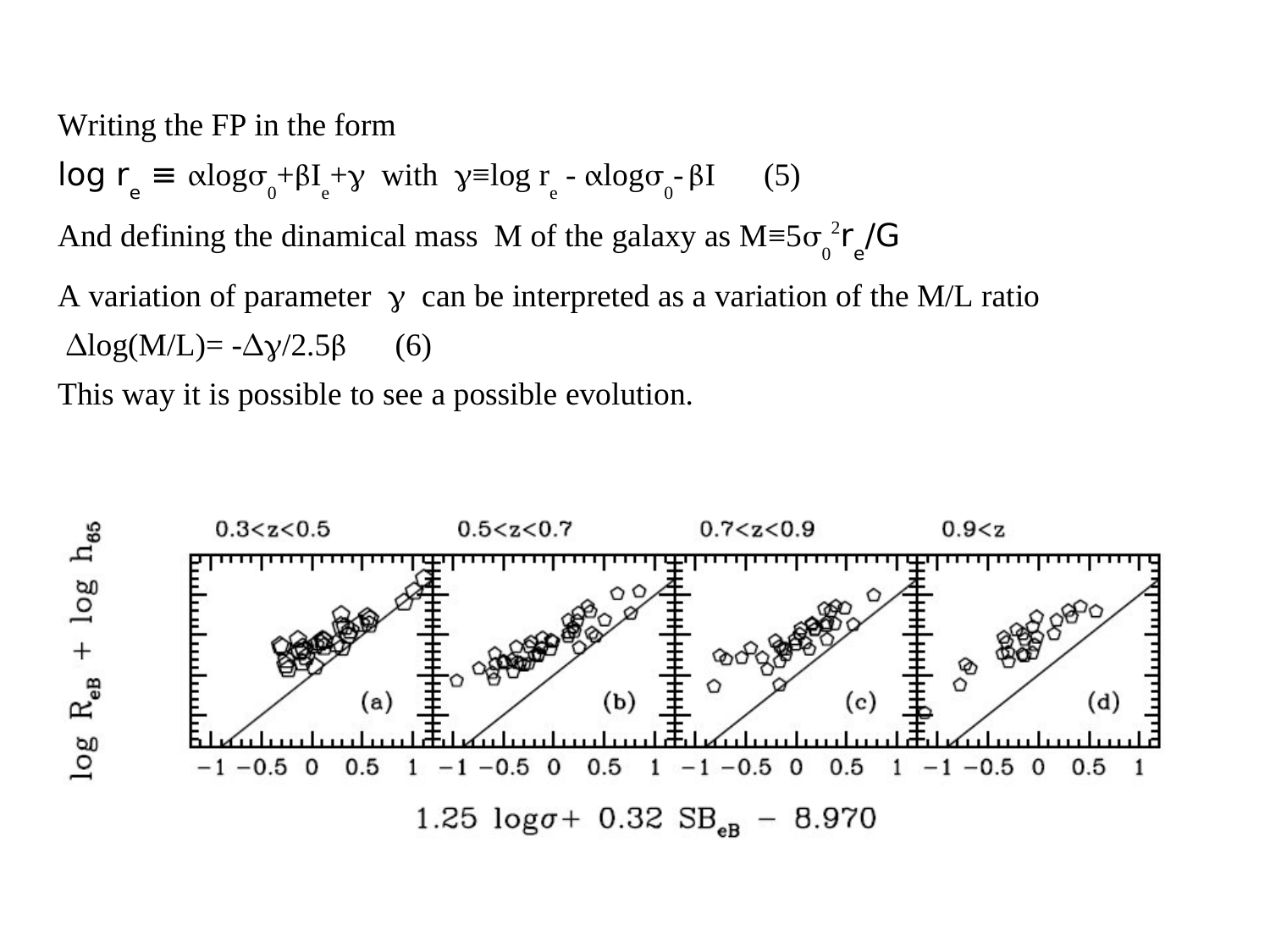 |
Lecture - Early-Type Galaxy Stellar Populations | Radial color and metallicity gradients in ellipticals, inside-out assembly | [[Color gradients in ellipticals]] |
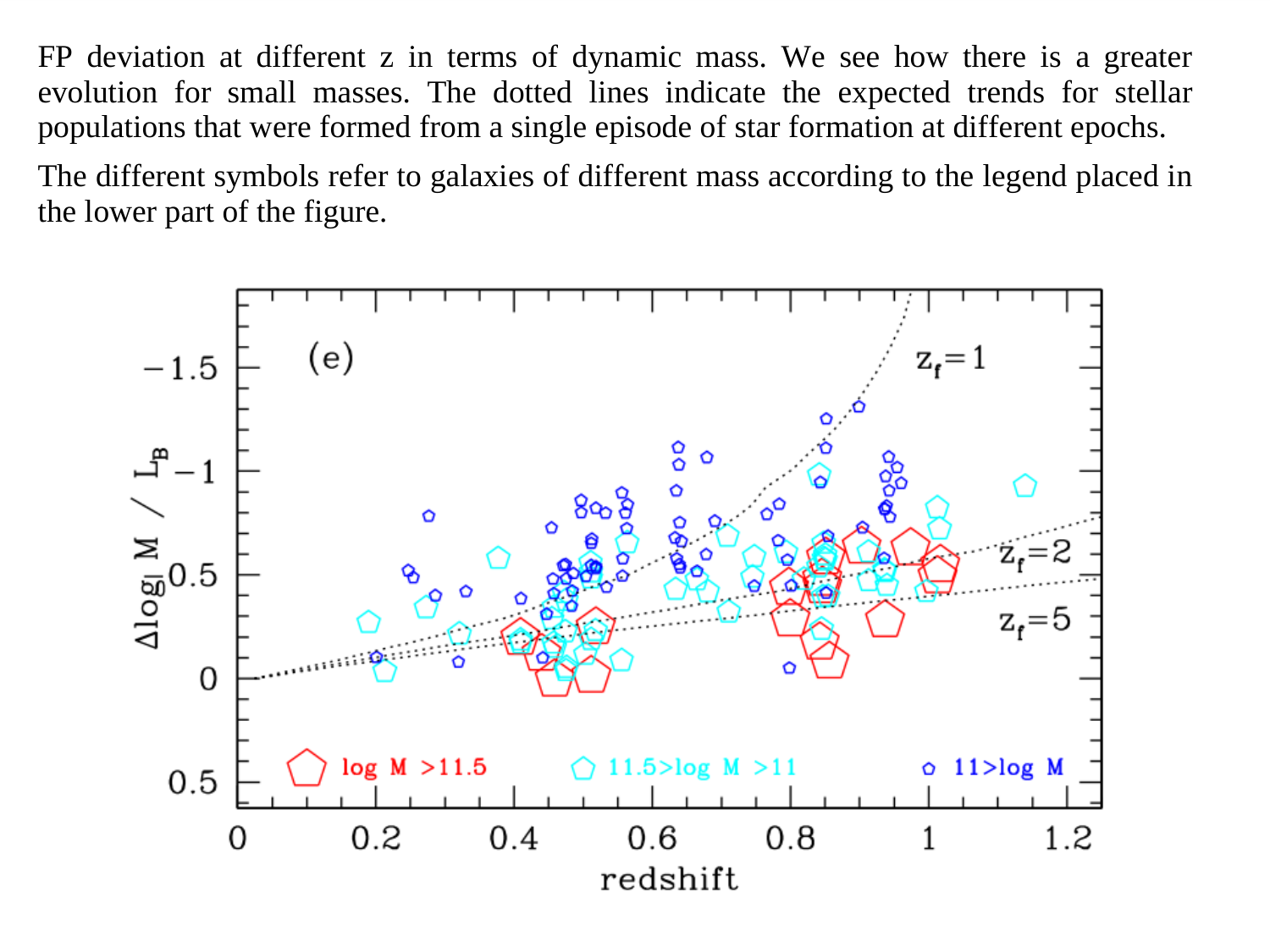 |
Lecture - Early-Type Galaxy Stellar Populations | Radial color and metallicity gradients in ellipticals, inside-out assembly | [[Color gradients in ellipticals]] |
 |
Lecture - Early-Type Galaxy Stellar Populations | Radial color and metallicity gradients in ellipticals, inside-out assembly | [[Color gradients in ellipticals]] |
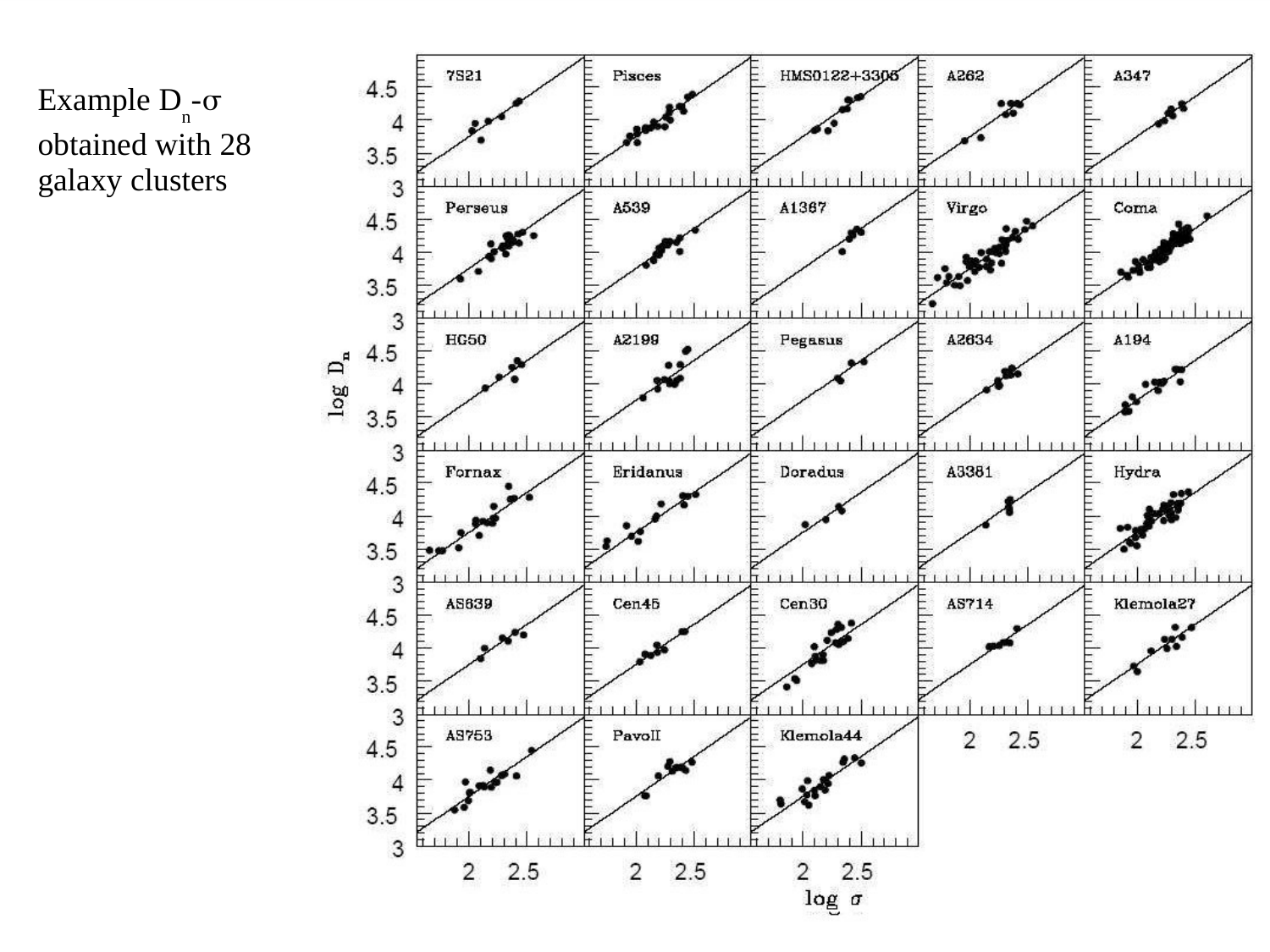 |
Lecture - Early-Type Galaxy Stellar Populations | Radial color and metallicity gradients in ellipticals, inside-out assembly | [[Color gradients in ellipticals]] |
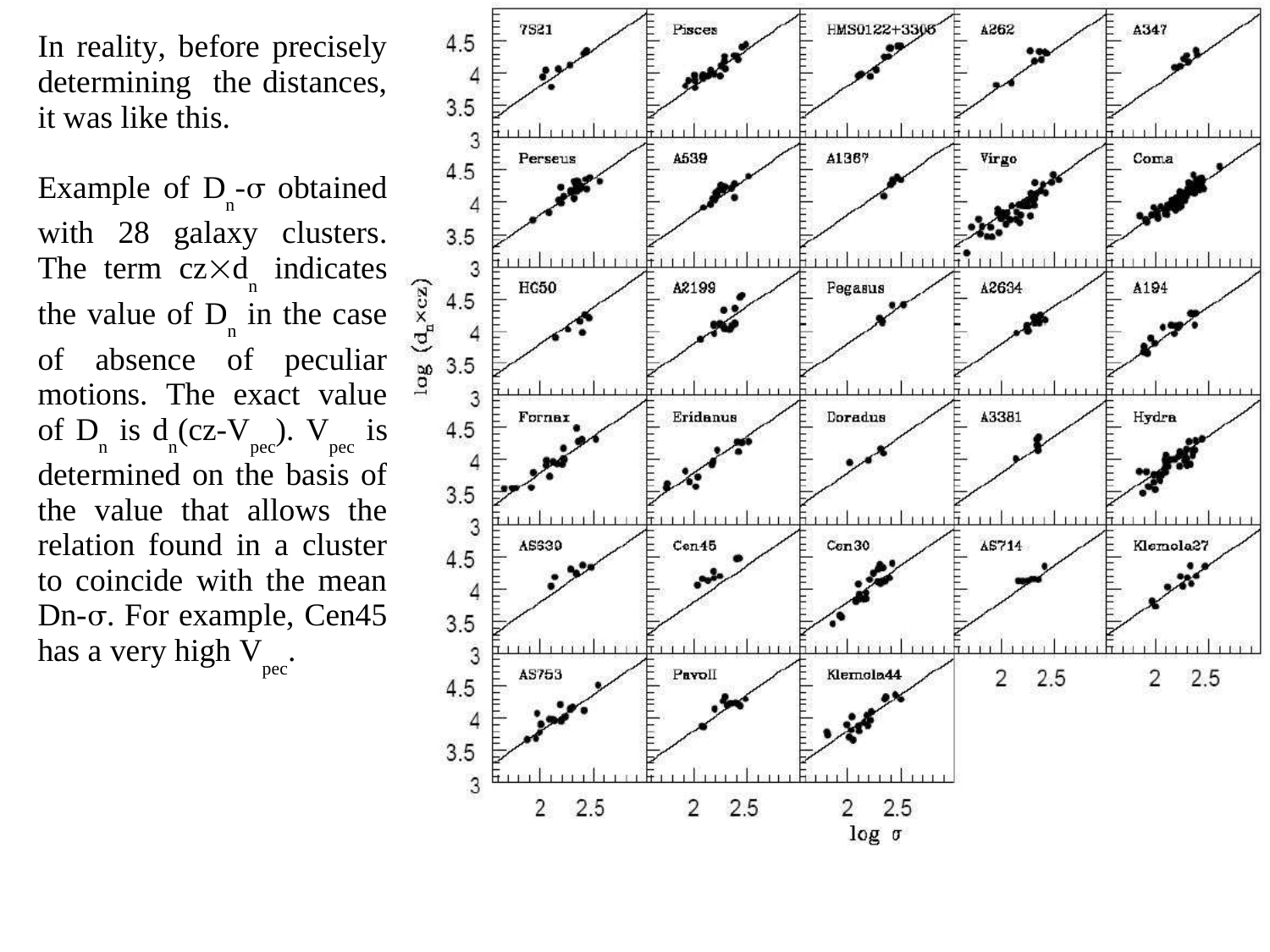 |
Lecture - Early-Type Galaxy Stellar Populations | Radial color and metallicity gradients in ellipticals, inside-out assembly | [[Color gradients in ellipticals]] |
 |
Lecture - Scaling Relations in Early-Type Galaxies | Faber-Jackson relation - L proportional to sigma^4 for elliptical galaxies | [[Faber-Jackson relation]] |
 |
Lecture - Scaling Relations in Early-Type Galaxies | Faber-Jackson relation - L proportional to sigma^4 for elliptical galaxies | [[Faber-Jackson relation]] |
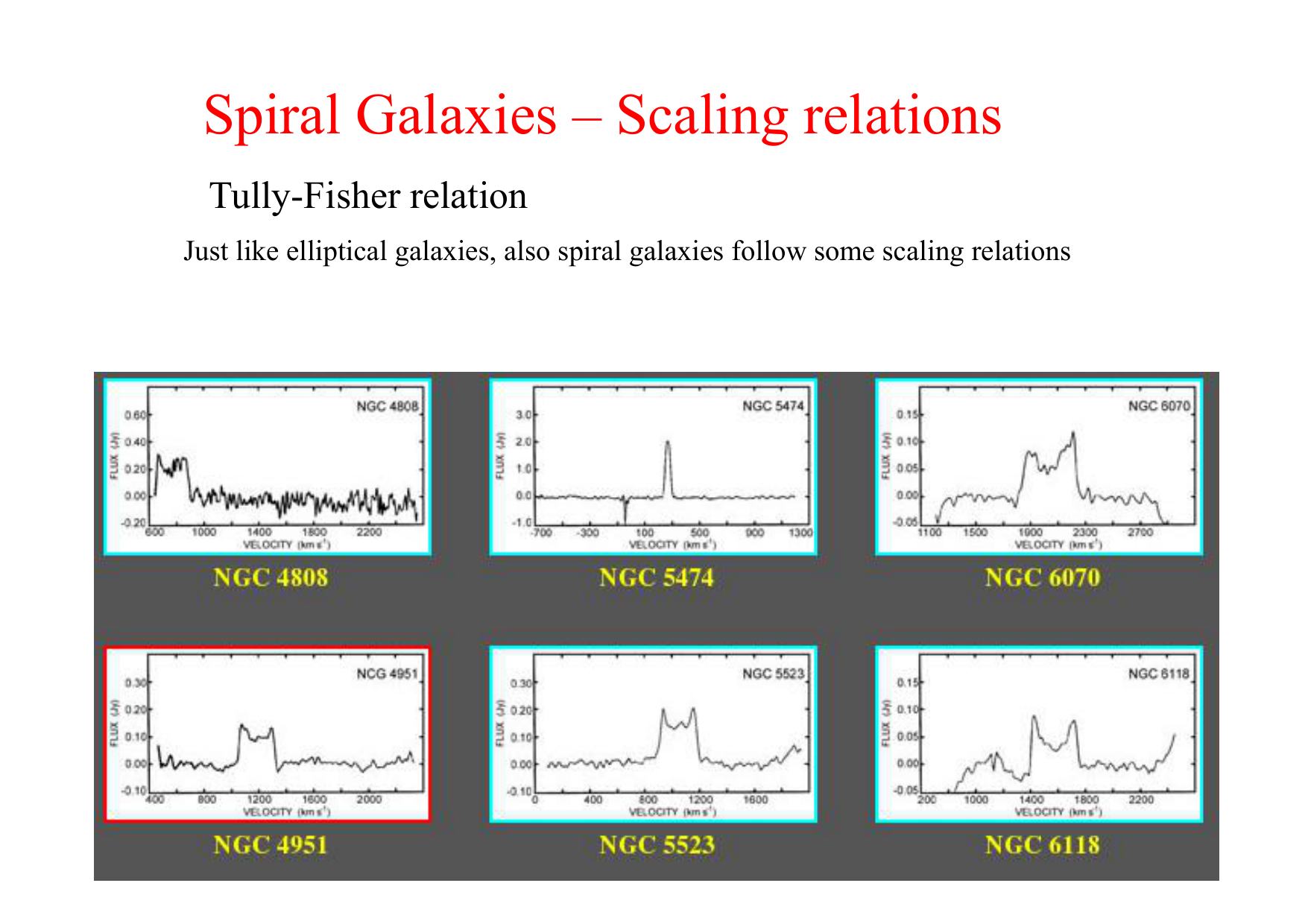 |
Lecture - Scaling Relations in Early-Type Galaxies | Faber-Jackson relation - L proportional to sigma^4 for elliptical galaxies | [[Faber-Jackson relation]] |
 |
Lecture - Scaling Relations in Early-Type Galaxies | Faber-Jackson relation - L proportional to sigma^4 for elliptical galaxies | [[Faber-Jackson relation]] |
 |
Lecture - Scaling Relations in Early-Type Galaxies | Faber-Jackson relation - L proportional to sigma^4 for elliptical galaxies | [[Faber-Jackson relation]] |
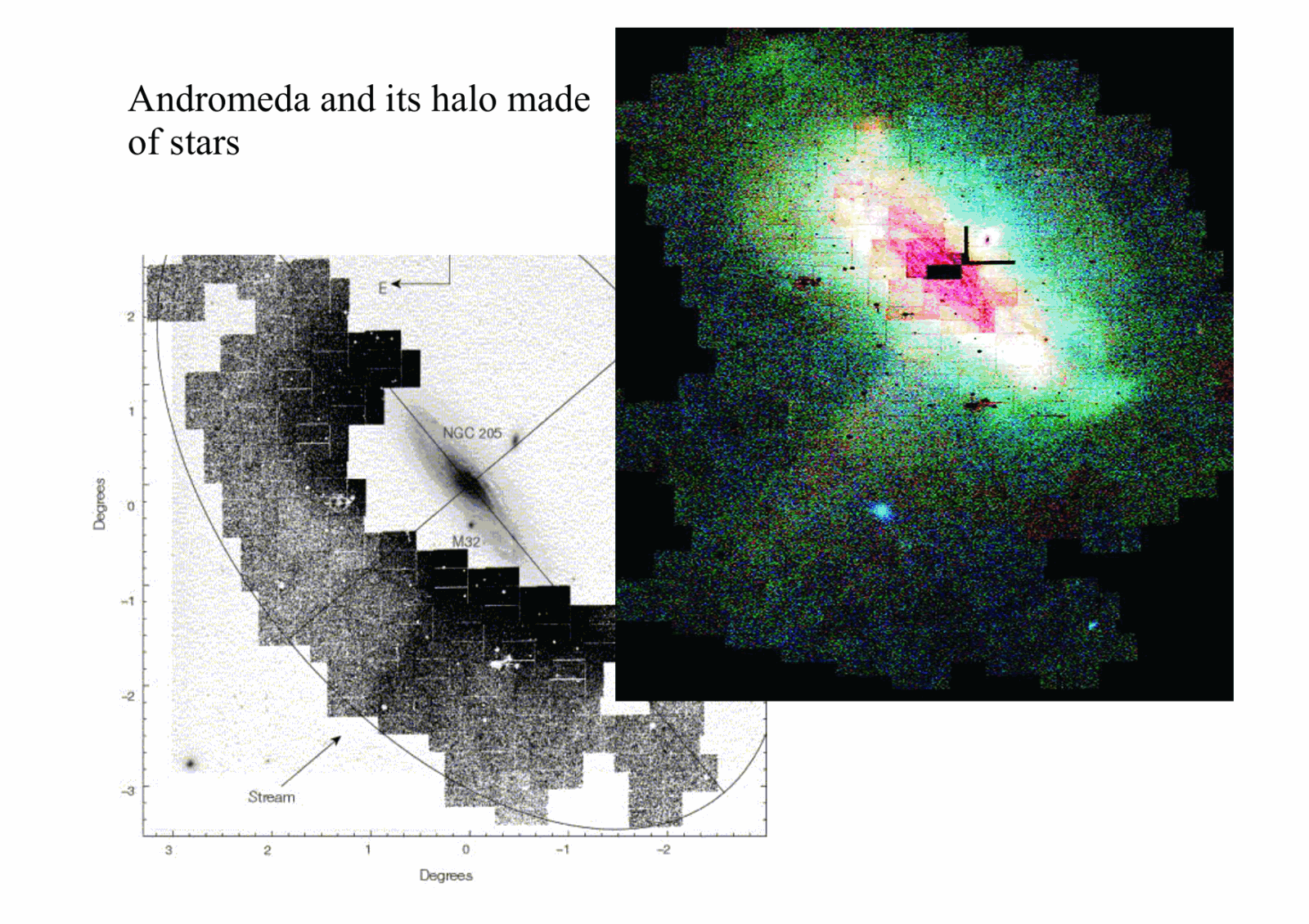 |
Lecture - Scaling Relations in Early-Type Galaxies | Faber-Jackson relation - L proportional to sigma^4 for elliptical galaxies | [[Faber-Jackson relation]] |
 |
Lecture - Scaling Relations in Early-Type Galaxies | Faber-Jackson relation - L proportional to sigma^4 for elliptical galaxies | [[Faber-Jackson relation]] |
 |
Lecture - Scaling Relations in Early-Type Galaxies | Faber-Jackson relation - L proportional to sigma^4 for elliptical galaxies | [[Faber-Jackson relation]] |
 |
Lecture - Scaling Relations in Early-Type Galaxies | Faber-Jackson relation - L proportional to sigma^4 for elliptical galaxies | [[Faber-Jackson relation]] |
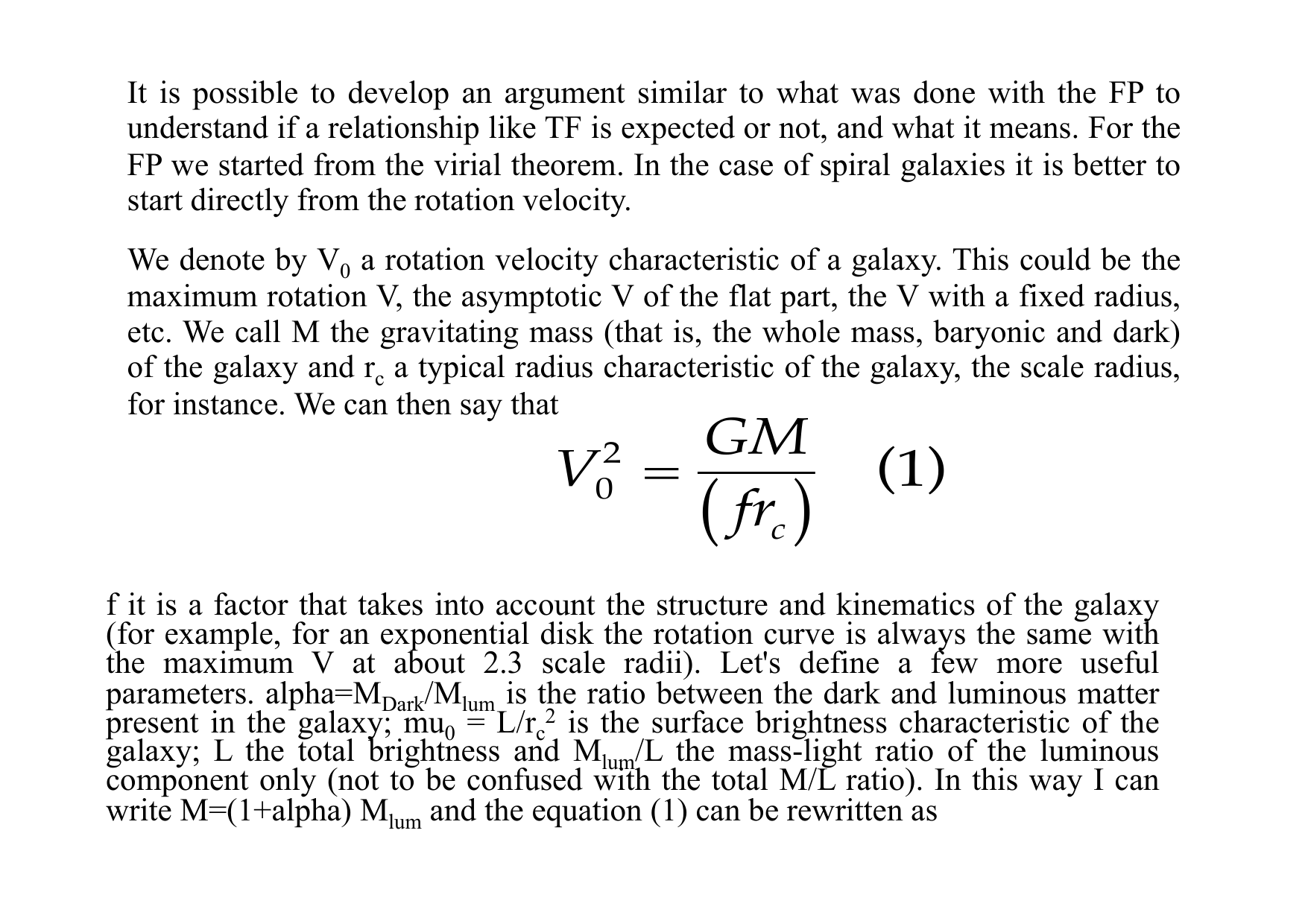 |
Lecture - Scaling Relations in Early-Type Galaxies | Faber-Jackson relation - L proportional to sigma^4 for elliptical galaxies | [[Faber-Jackson relation]] |
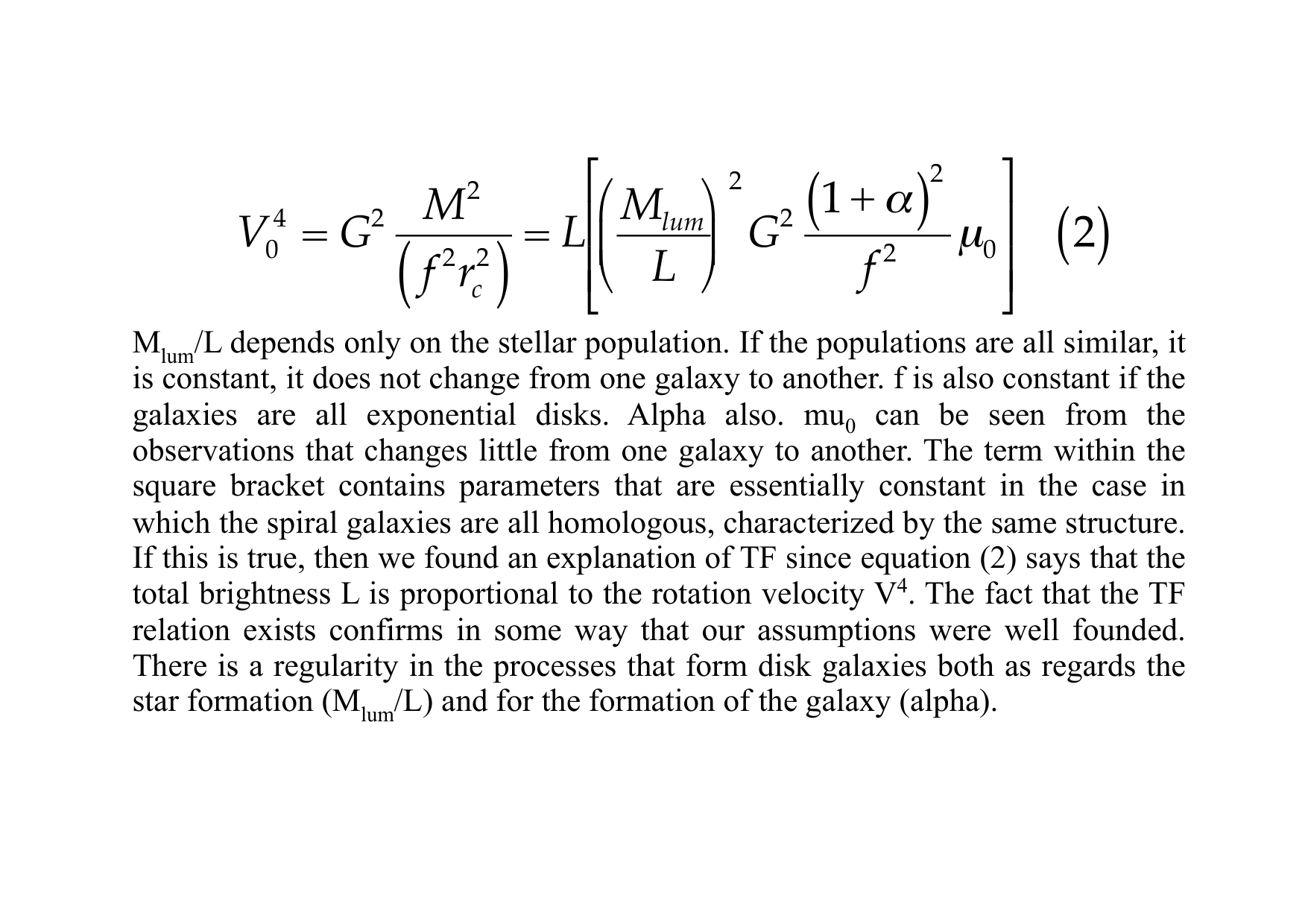 |
Lecture - Scaling Relations in Early-Type Galaxies | Faber-Jackson relation - L proportional to sigma^4 for elliptical galaxies | [[Faber-Jackson relation]] |
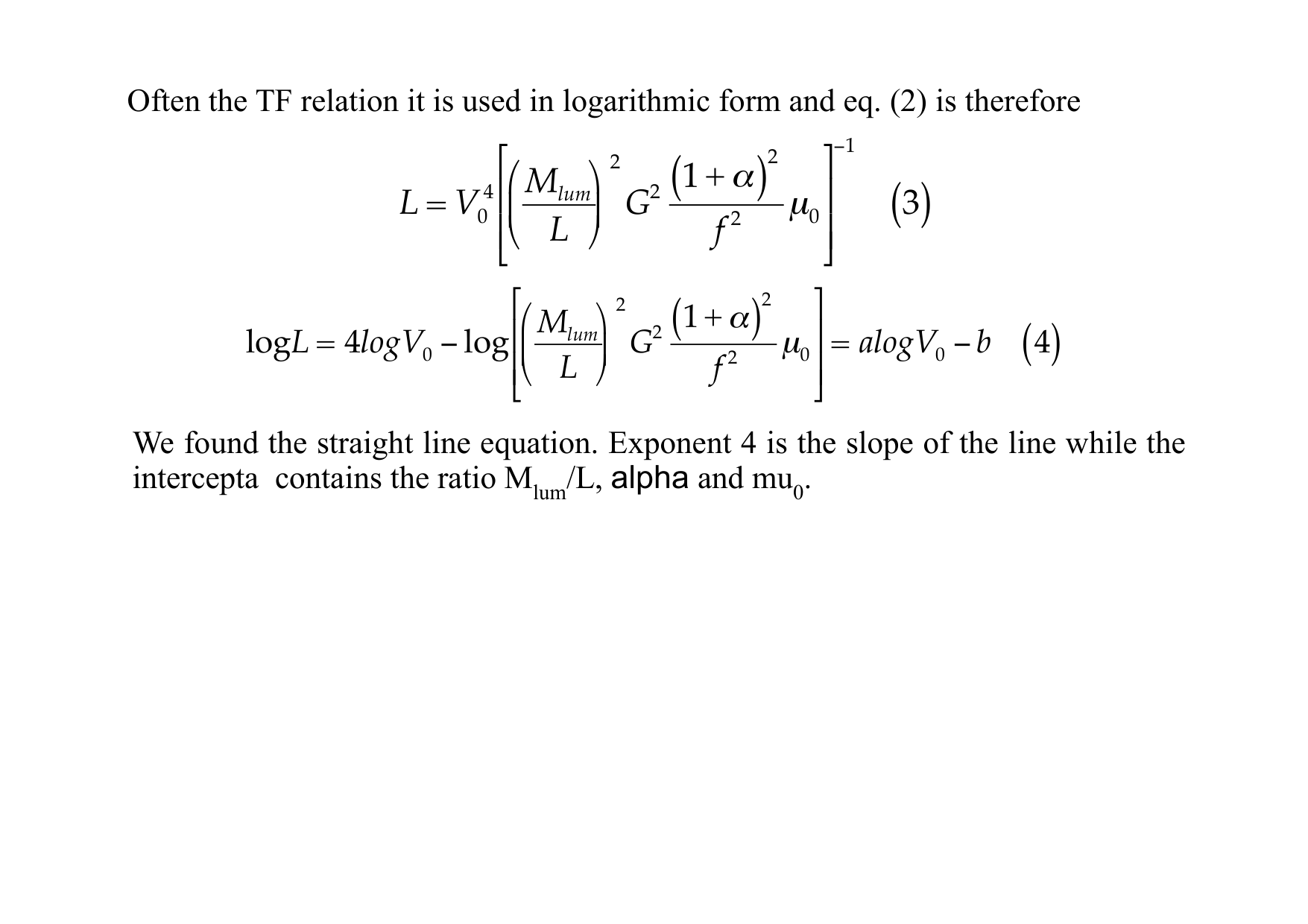 |
Lecture - Scaling Relations in Early-Type Galaxies | Faber-Jackson relation - L proportional to sigma^4 for elliptical galaxies | [[Faber-Jackson relation]] |
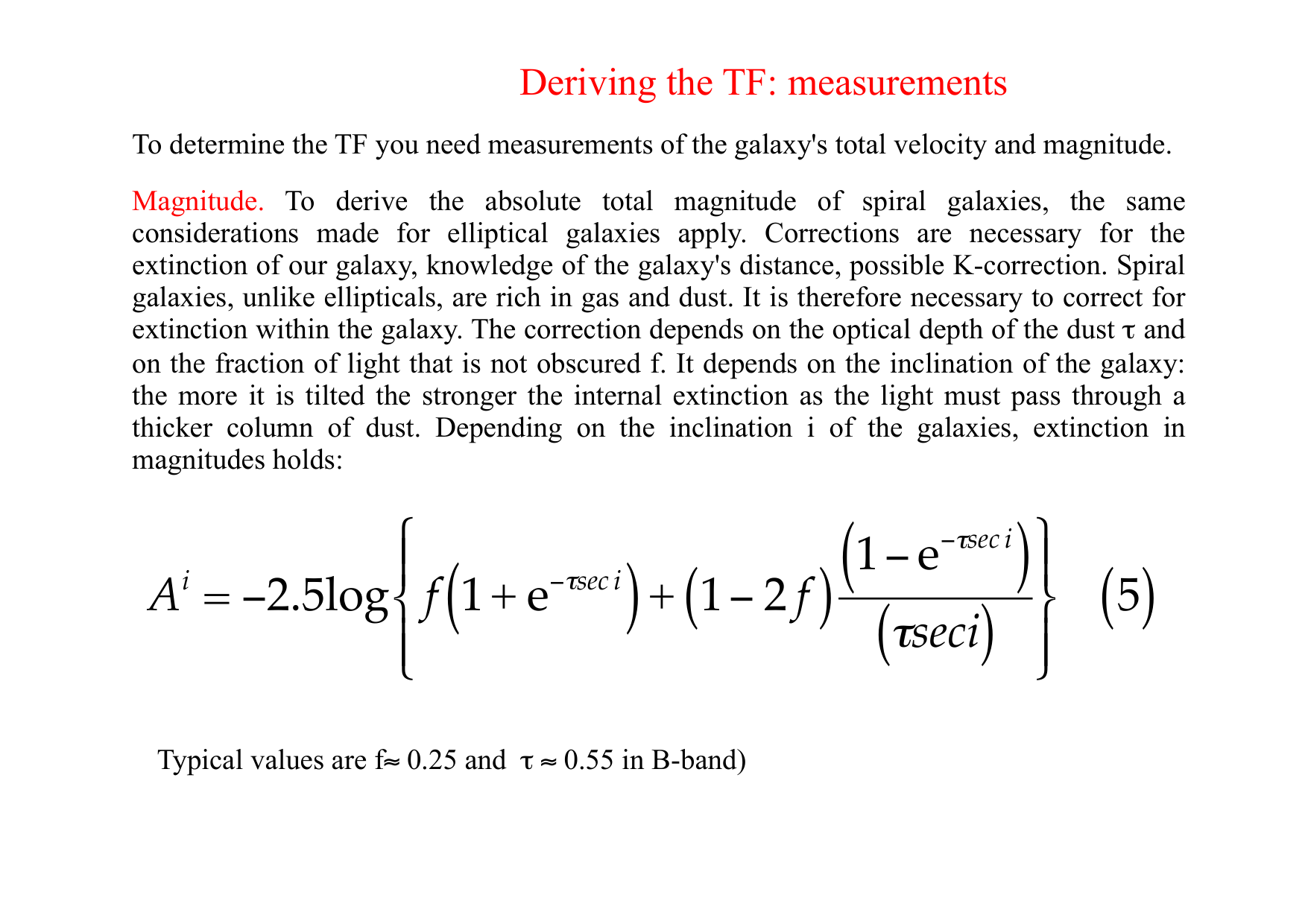 |
Lecture - Scaling Relations in Early-Type Galaxies | Faber-Jackson relation - L proportional to sigma^4 for elliptical galaxies | [[Faber-Jackson relation]] |
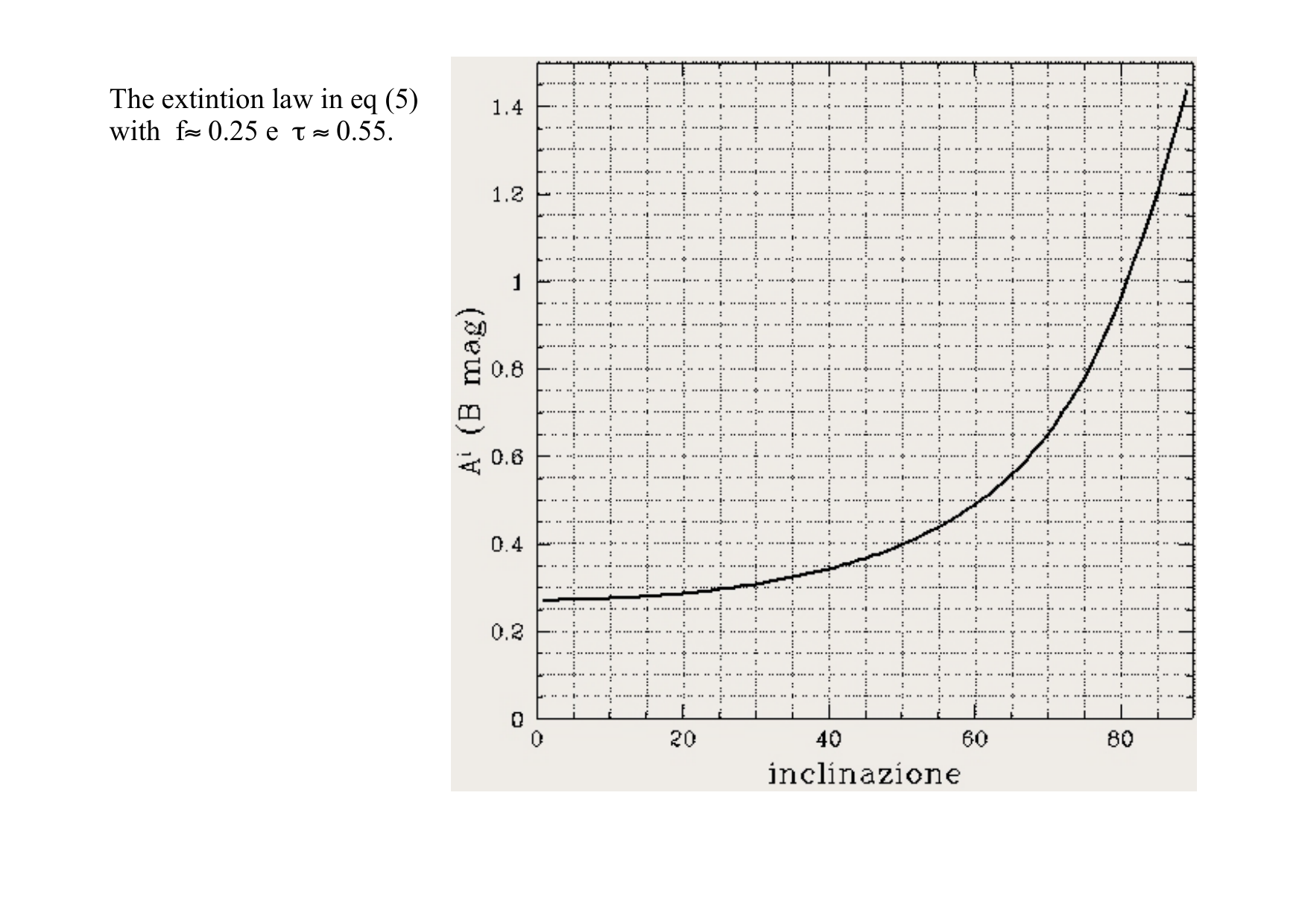 |
Lecture - Scaling Relations in Early-Type Galaxies | Faber-Jackson relation - L proportional to sigma^4 for elliptical galaxies | [[Faber-Jackson relation]] |
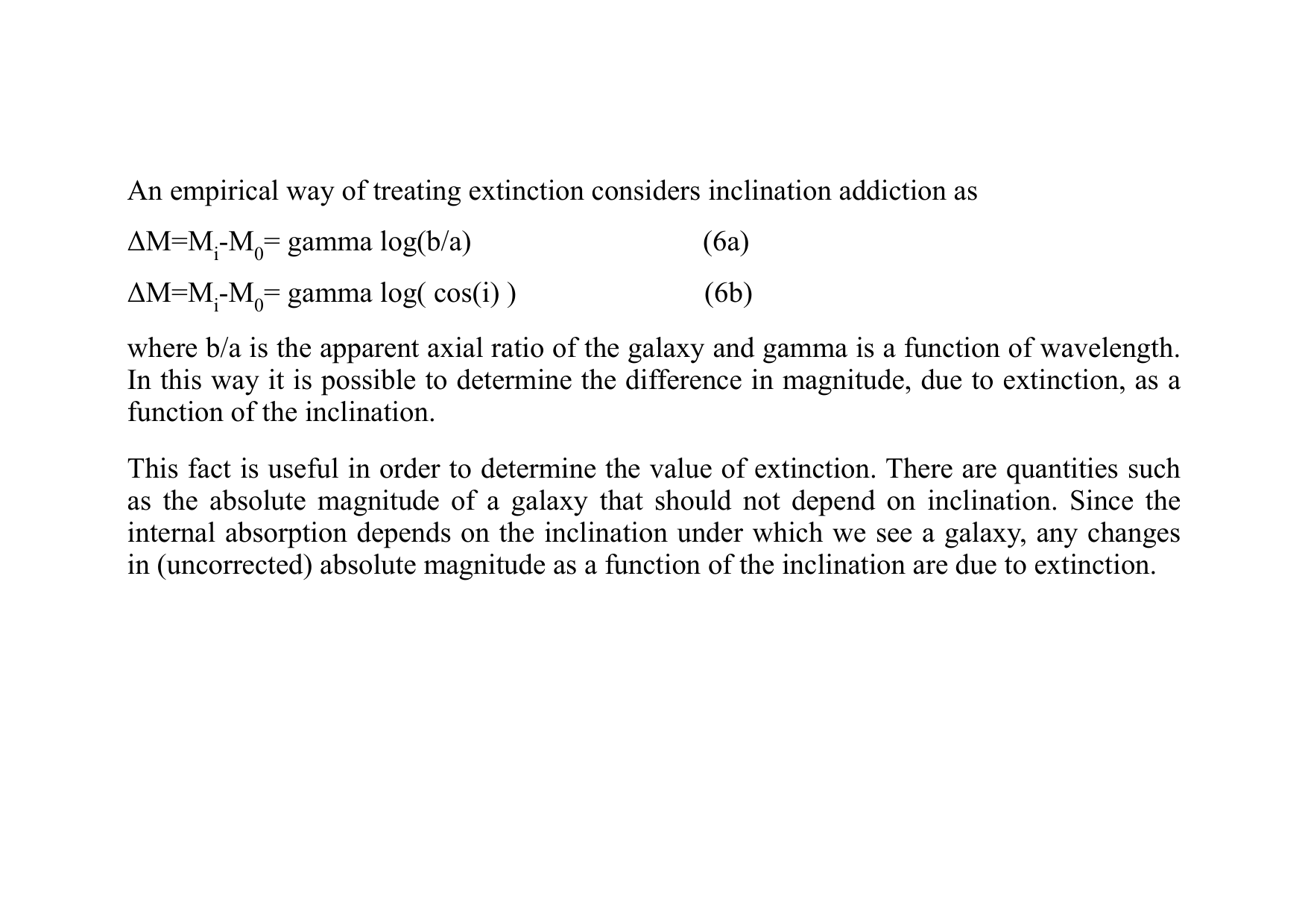 |
Lecture - Scaling Relations in Early-Type Galaxies | Faber-Jackson relation - L proportional to sigma^4 for elliptical galaxies | [[Faber-Jackson relation]] |
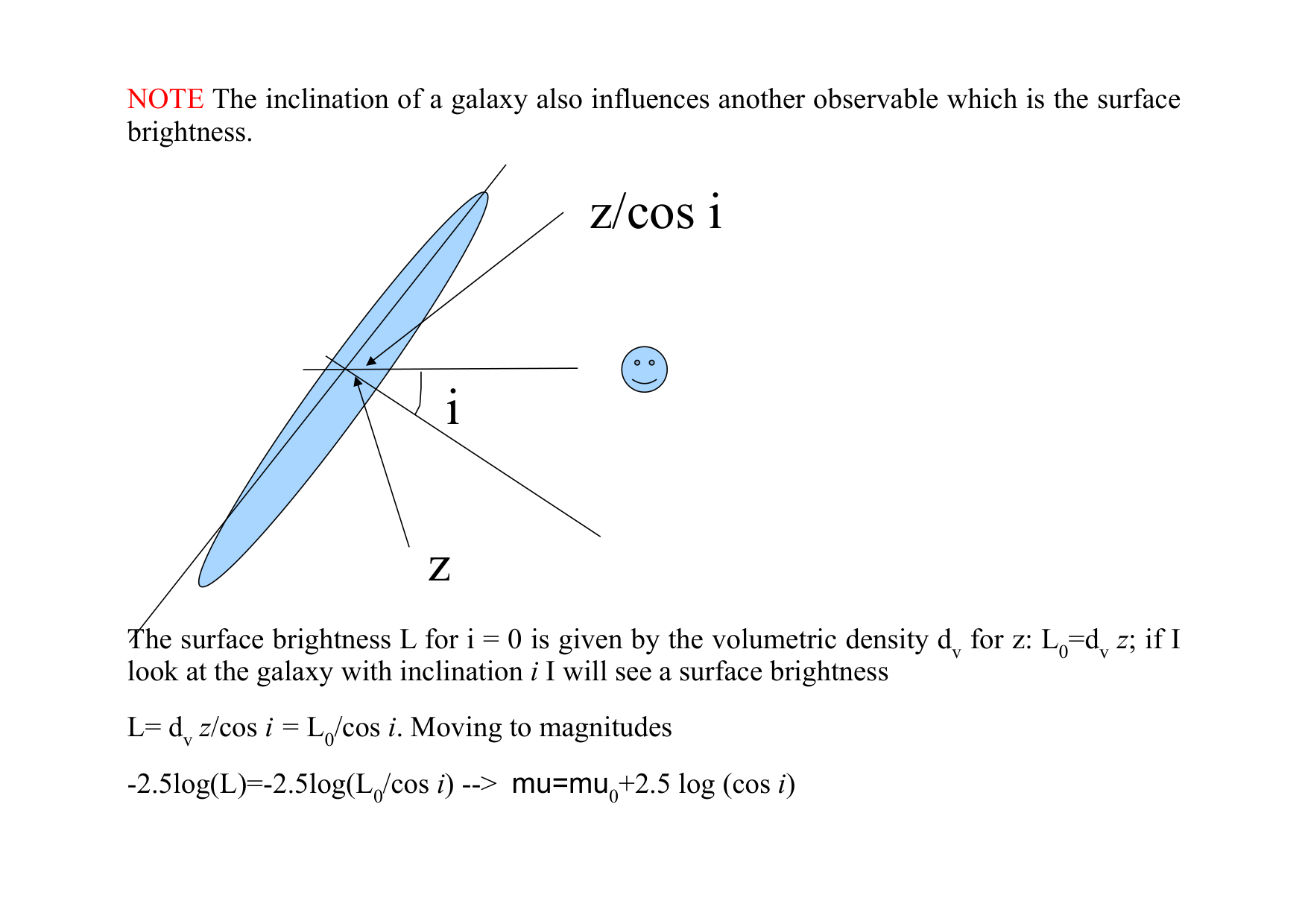 |
Lecture - Scaling Relations in Early-Type Galaxies | Fundamental Plane - log R_e = a log sigma_0 + b log _e + c, tilt origin | [[Fundamental plane of ellipticals]] |
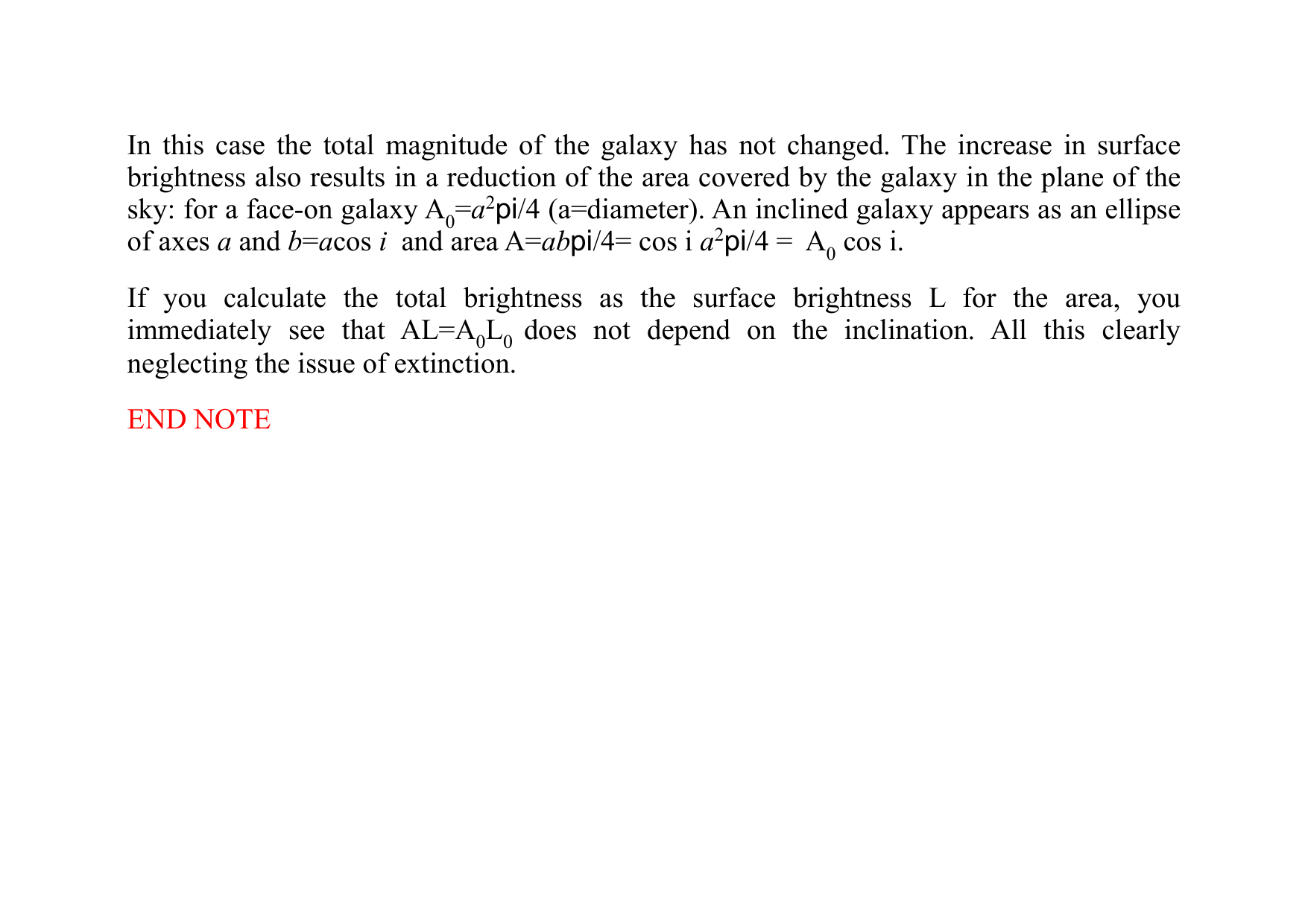 |
Lecture - Scaling Relations in Early-Type Galaxies | Fundamental Plane - log R_e = a log sigma_0 + b log _e + c, tilt origin | [[Fundamental plane of ellipticals]] |
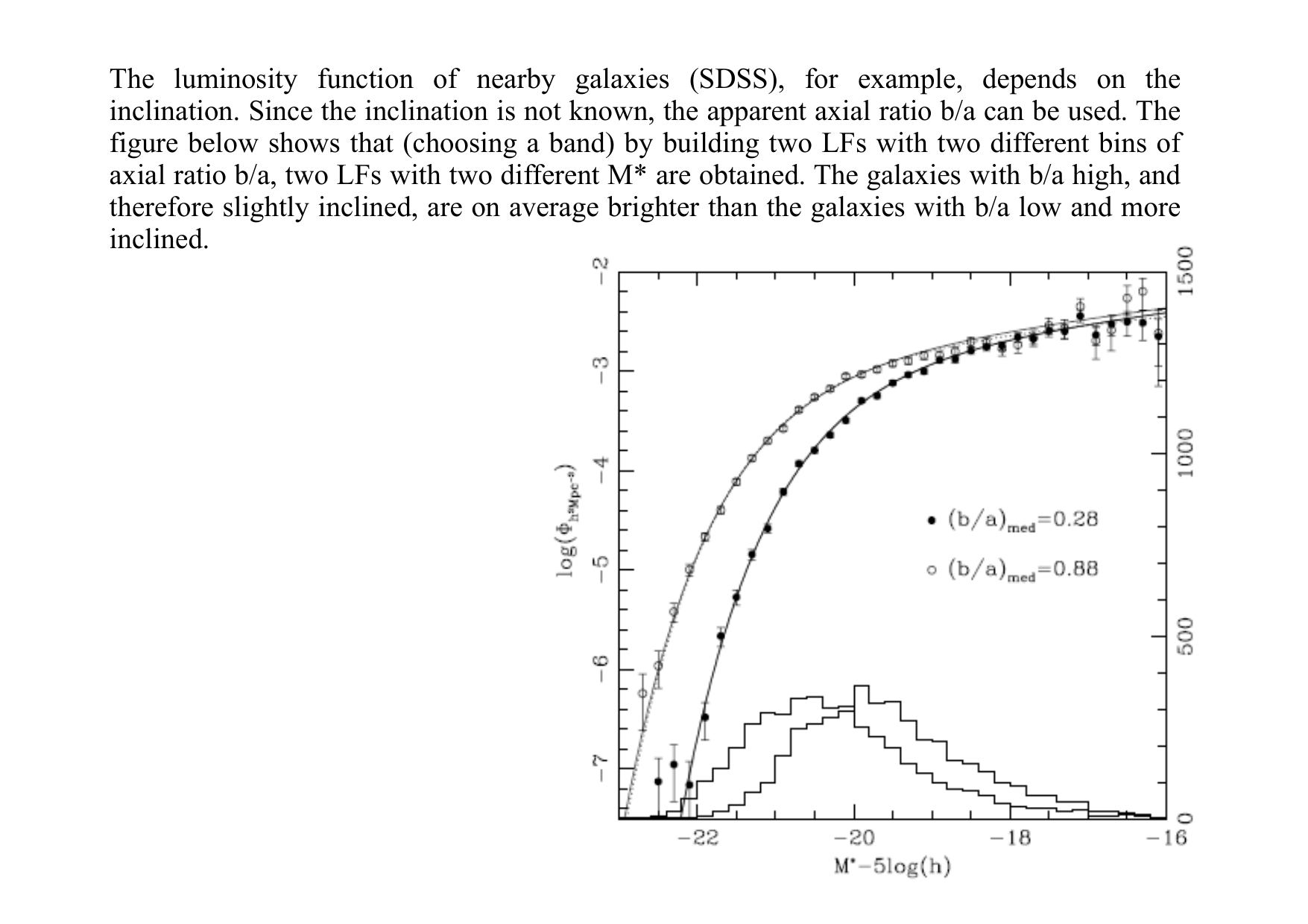 |
Lecture - Scaling Relations in Early-Type Galaxies | Fundamental Plane - log R_e = a log sigma_0 + b log _e + c, tilt origin | [[Fundamental plane of ellipticals]] |
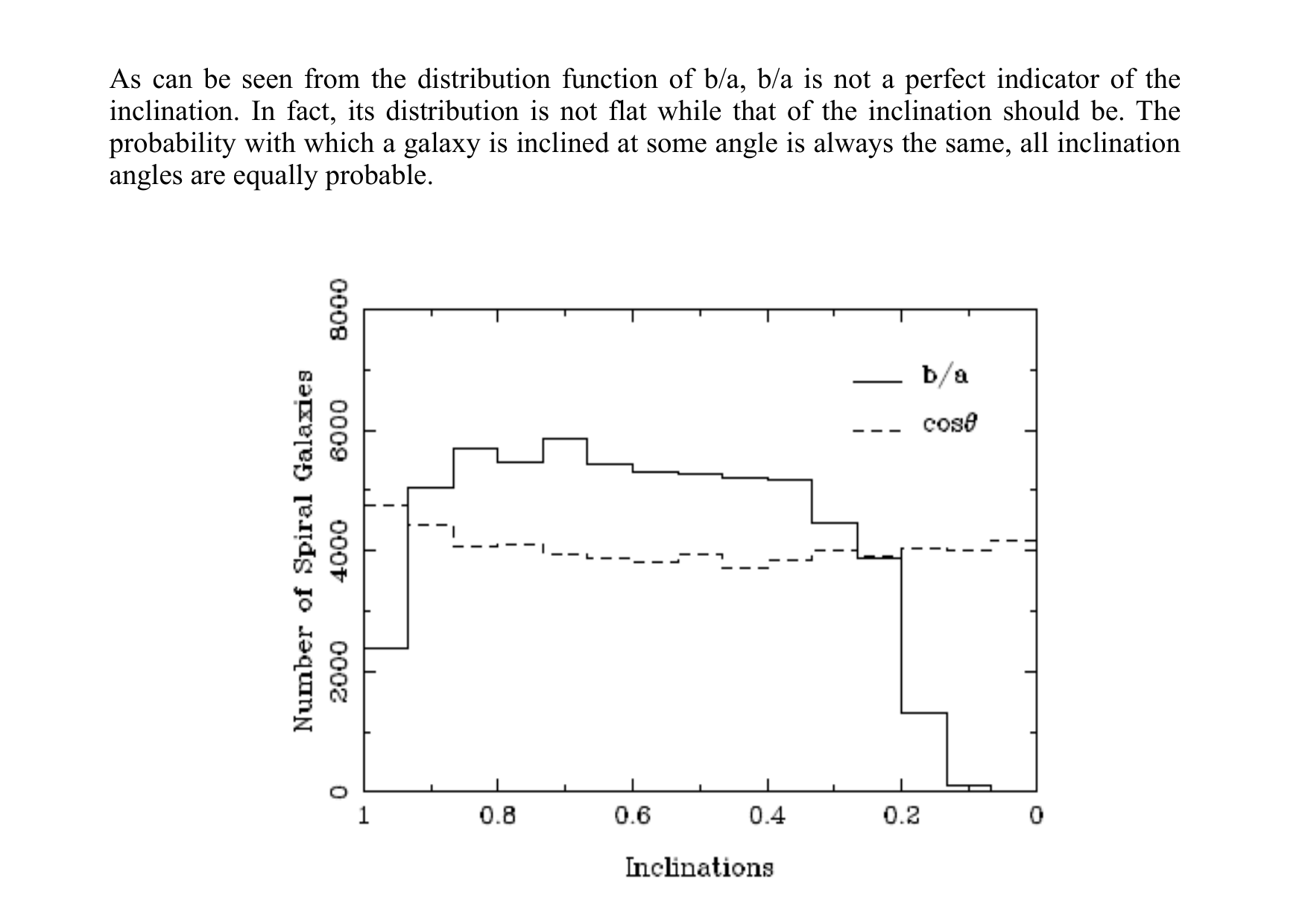 |
Lecture - Scaling Relations in Early-Type Galaxies | Fundamental Plane - log R_e = a log sigma_0 + b log _e + c, tilt origin | [[Fundamental plane of ellipticals]] |
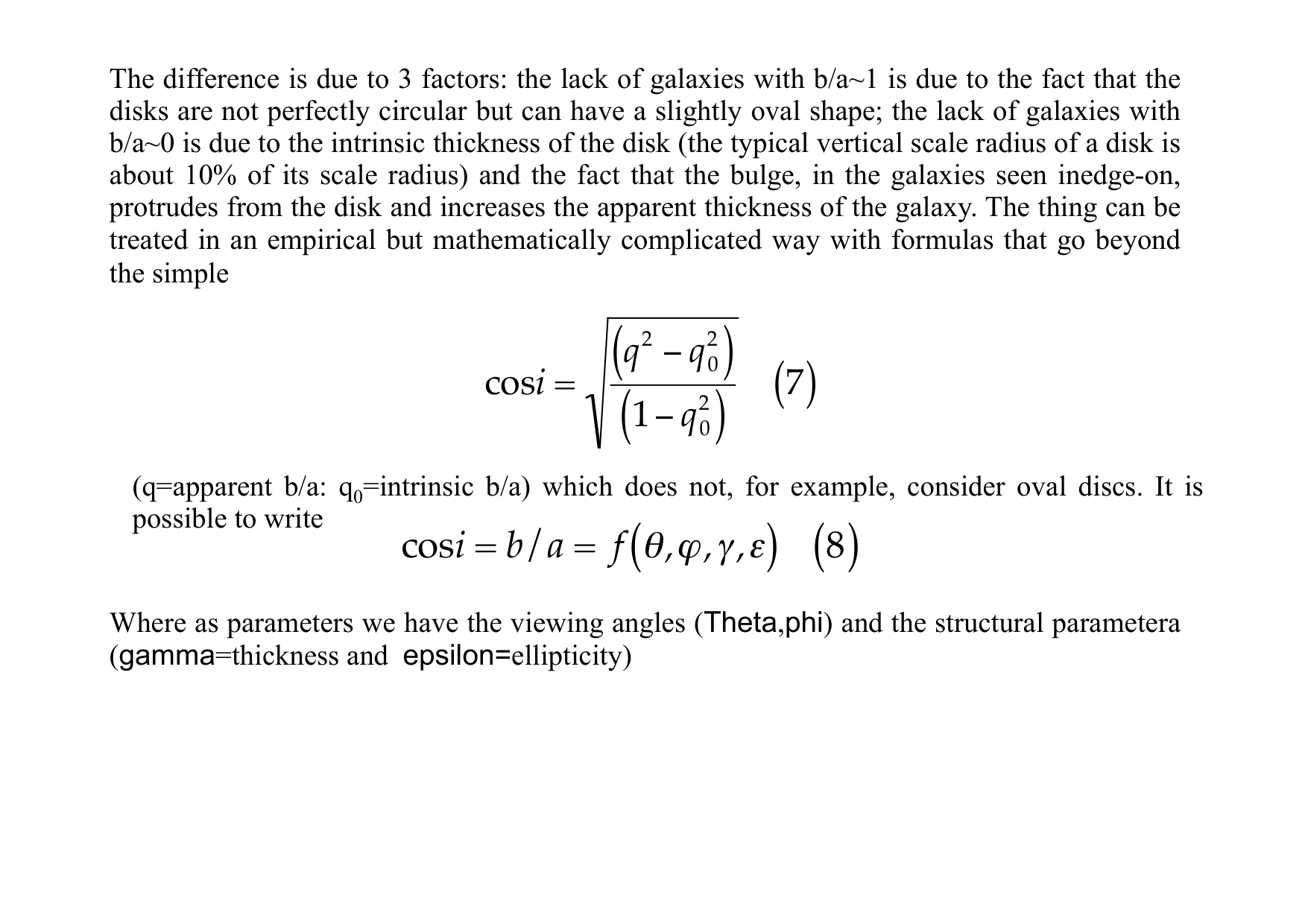 |
Lecture - Scaling Relations in Early-Type Galaxies | Fundamental Plane - log R_e = a log sigma_0 + b log _e + c, tilt origin | [[Fundamental plane of ellipticals]] |
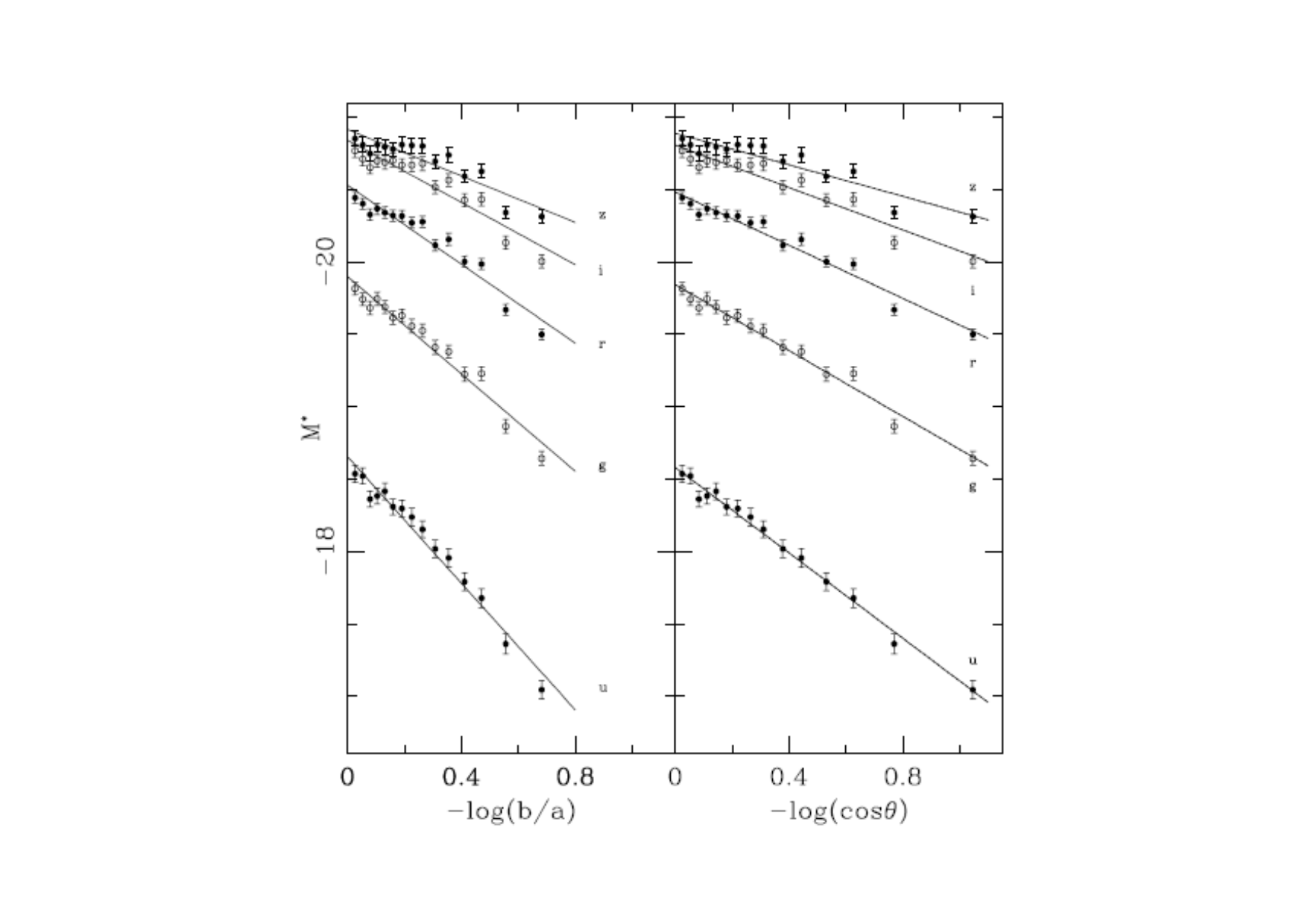 |
Lecture - Scaling Relations in Early-Type Galaxies | Fundamental Plane - log R_e = a log sigma_0 + b log _e + c, tilt origin | [[Fundamental plane of ellipticals]] |
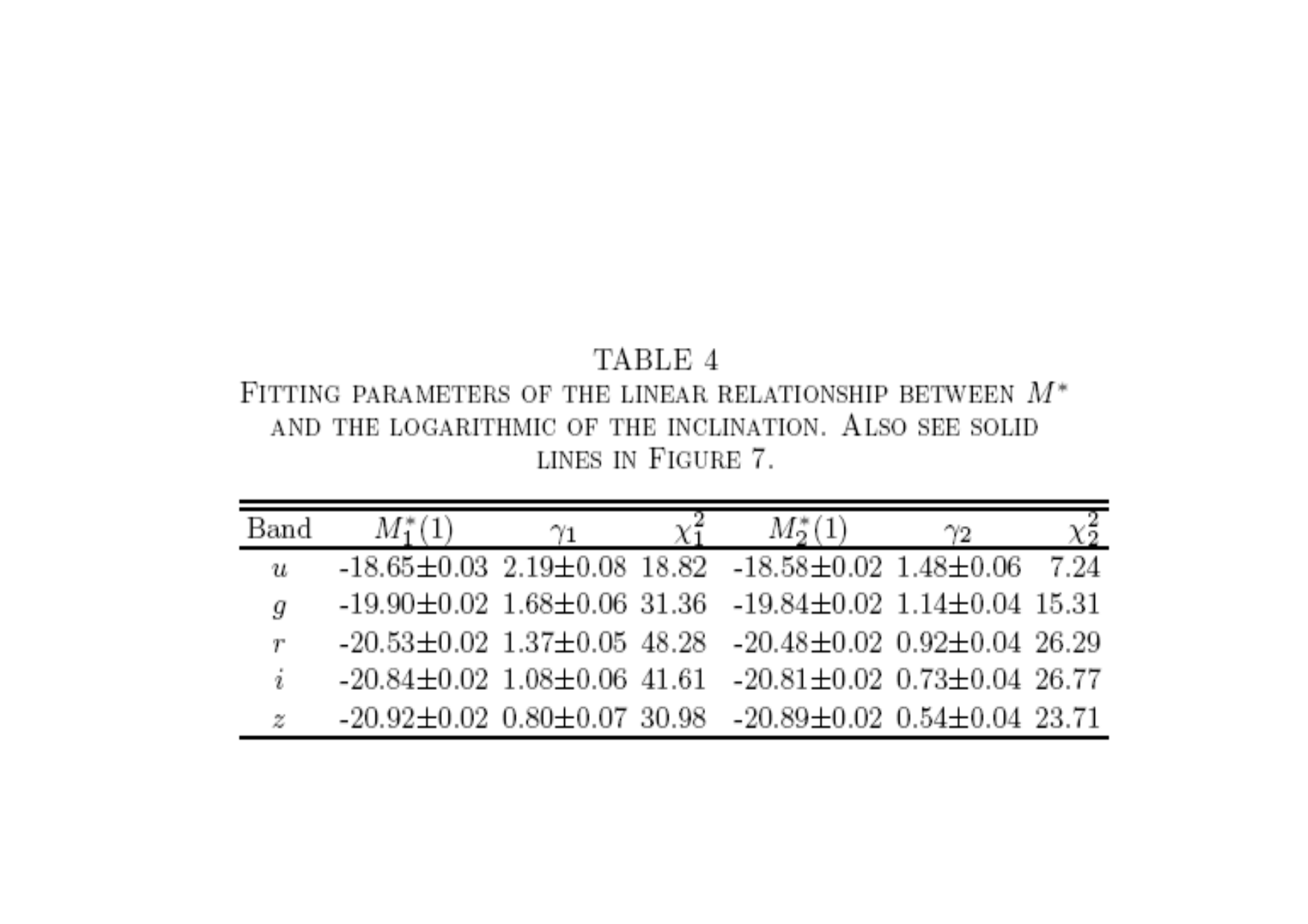 |
Lecture - Scaling Relations in Early-Type Galaxies | Fundamental Plane - log R_e = a log sigma_0 + b log _e + c, tilt origin | [[Fundamental plane of ellipticals]] |
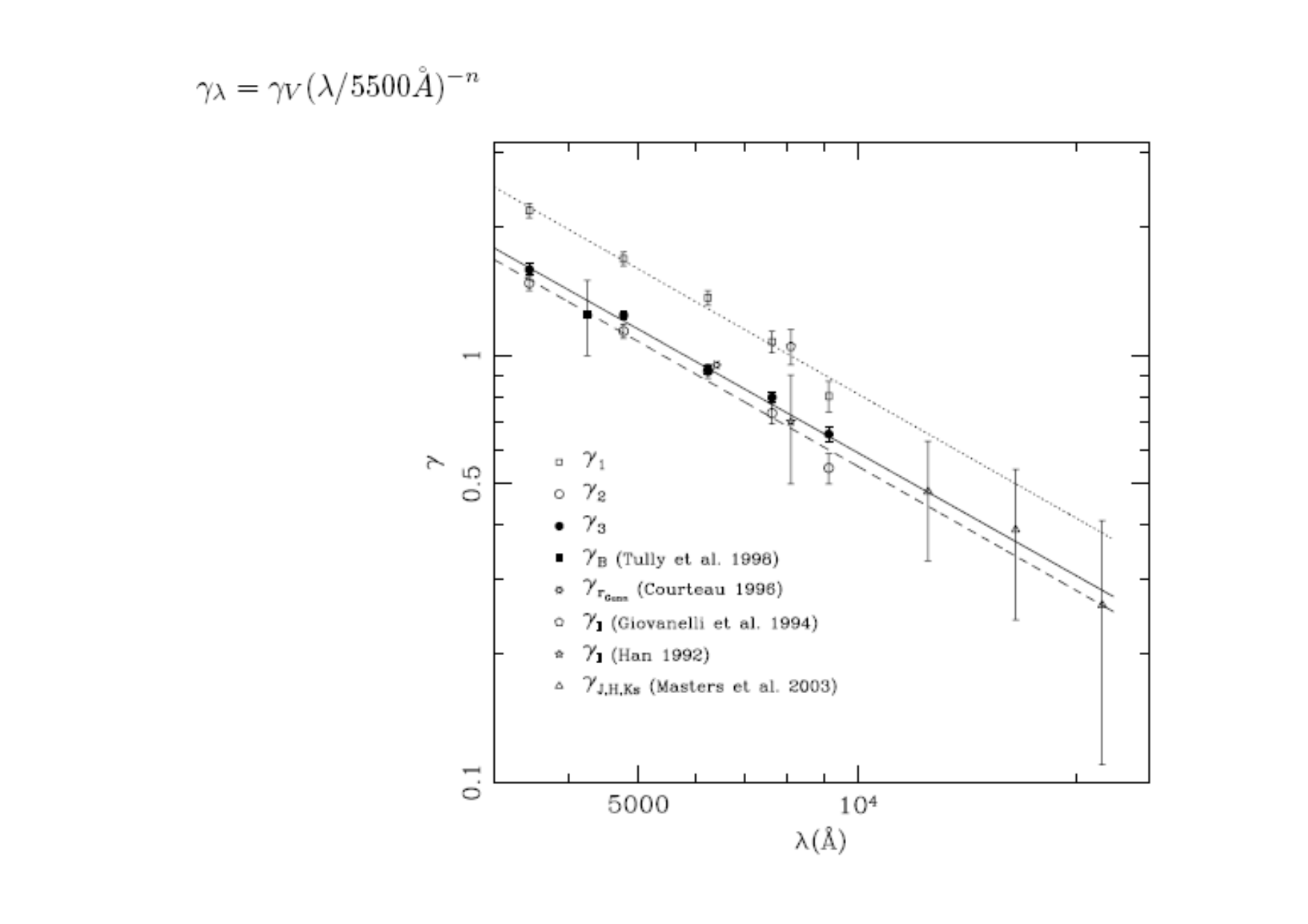 |
Lecture - Scaling Relations in Early-Type Galaxies | Fundamental Plane - log R_e = a log sigma_0 + b log _e + c, tilt origin | [[Fundamental plane of ellipticals]] |
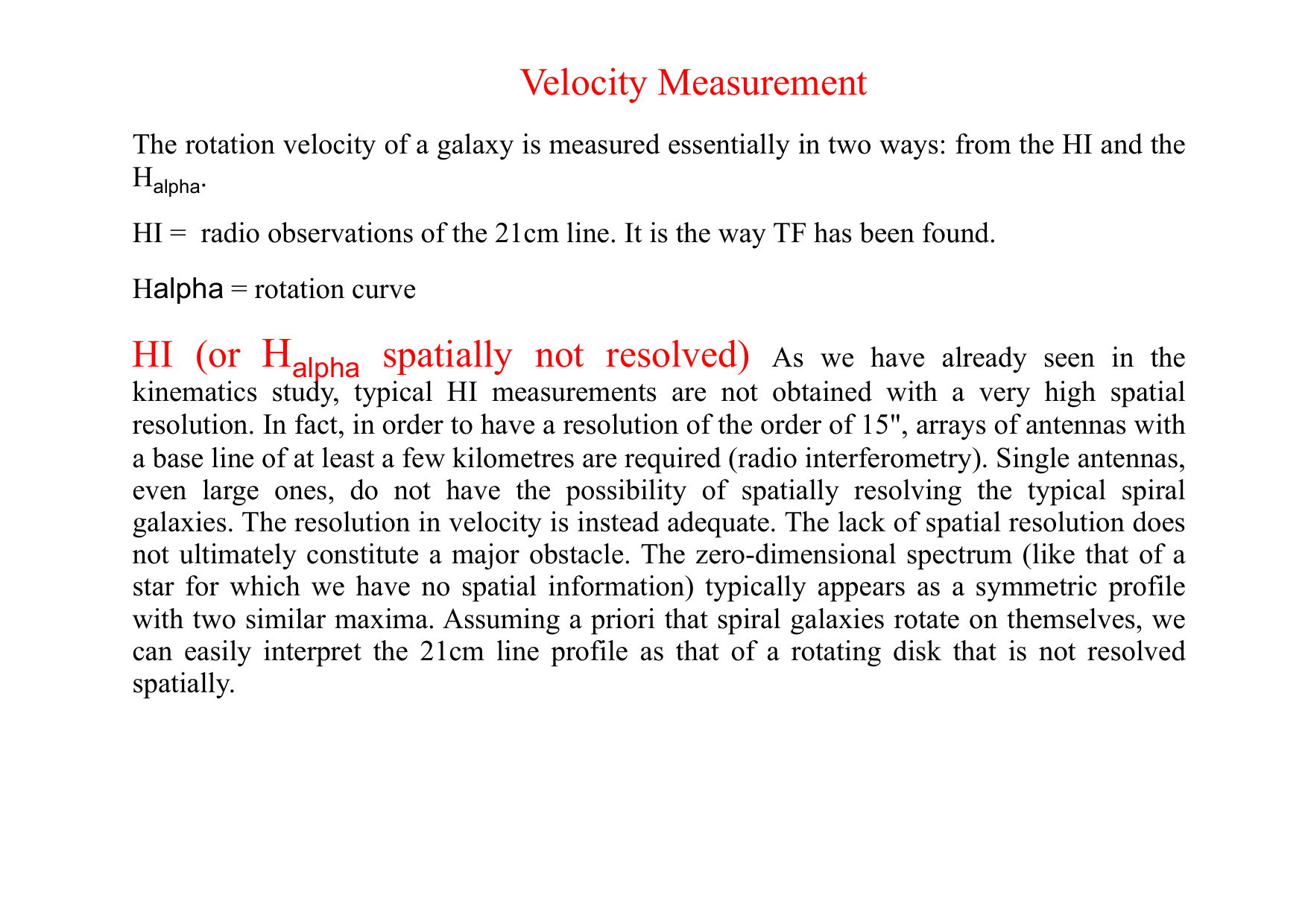 |
Lecture - Scaling Relations in Early-Type Galaxies | Fundamental Plane - log R_e = a log sigma_0 + b log _e + c, tilt origin | [[Fundamental plane of ellipticals]] |
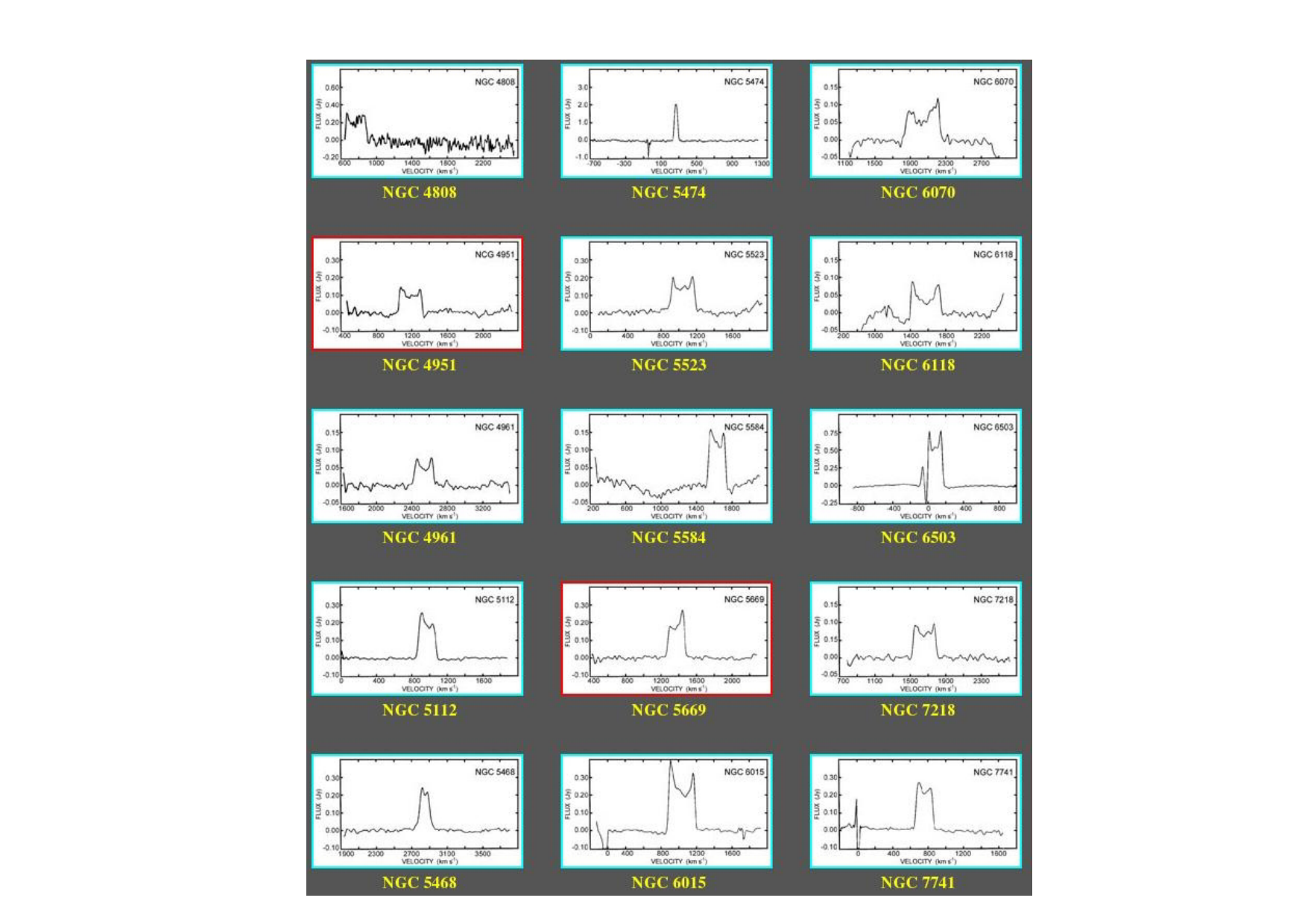 |
Lecture - Scaling Relations in Early-Type Galaxies | Fundamental Plane - log R_e = a log sigma_0 + b log _e + c, tilt origin | [[Fundamental plane of ellipticals]] |
 |
Lecture - Scaling Relations in Early-Type Galaxies | Fundamental Plane - log R_e = a log sigma_0 + b log _e + c, tilt origin | [[Fundamental plane of ellipticals]] |
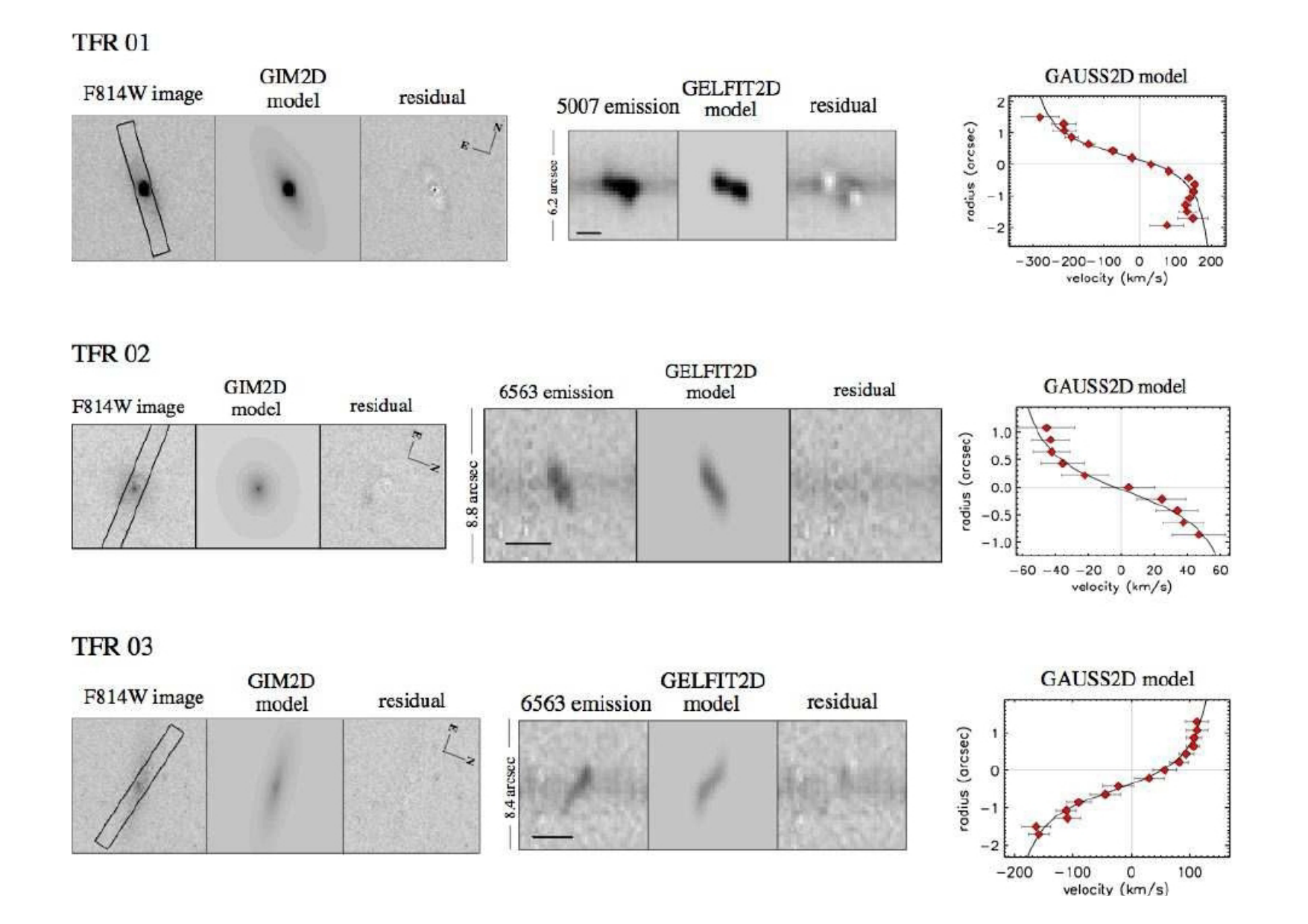 |
Lecture - Scaling Relations in Early-Type Galaxies | Fundamental Plane - log R_e = a log sigma_0 + b log _e + c, tilt origin | [[Fundamental plane of ellipticals]] |
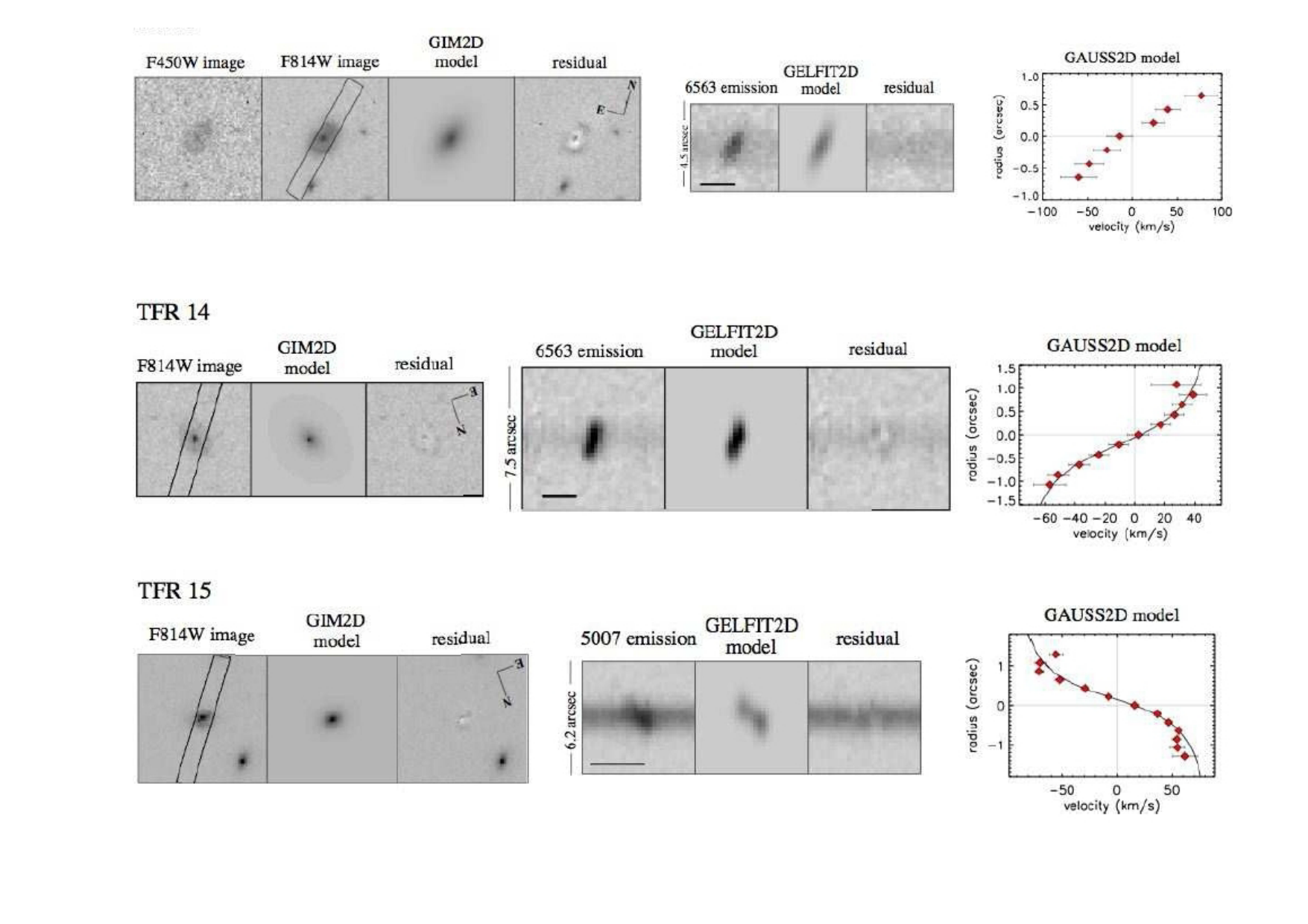 |
Lecture - Scaling Relations in Early-Type Galaxies | Fundamental Plane - log R_e = a log sigma_0 + b log _e + c, tilt origin | [[Fundamental plane of ellipticals]] |
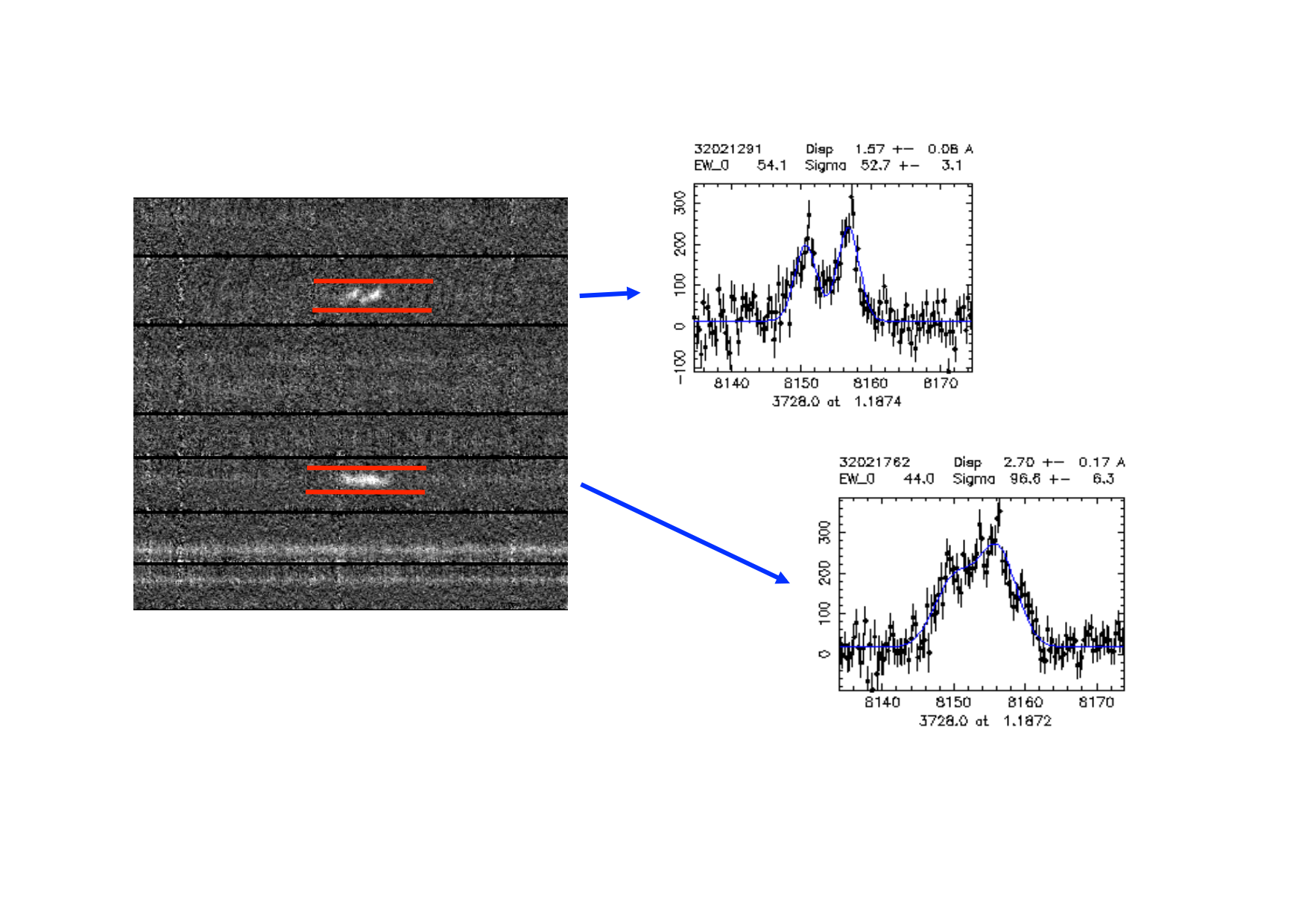 |
Lecture - Scaling Relations in Early-Type Galaxies | Fundamental Plane - log R_e = a log sigma_0 + b log _e + c, tilt origin | [[Fundamental plane of ellipticals]] |
 |
Lecture - Scaling Relations in Early-Type Galaxies | Fundamental Plane - log R_e = a log sigma_0 + b log _e + c, tilt origin | [[Fundamental plane of ellipticals]] |
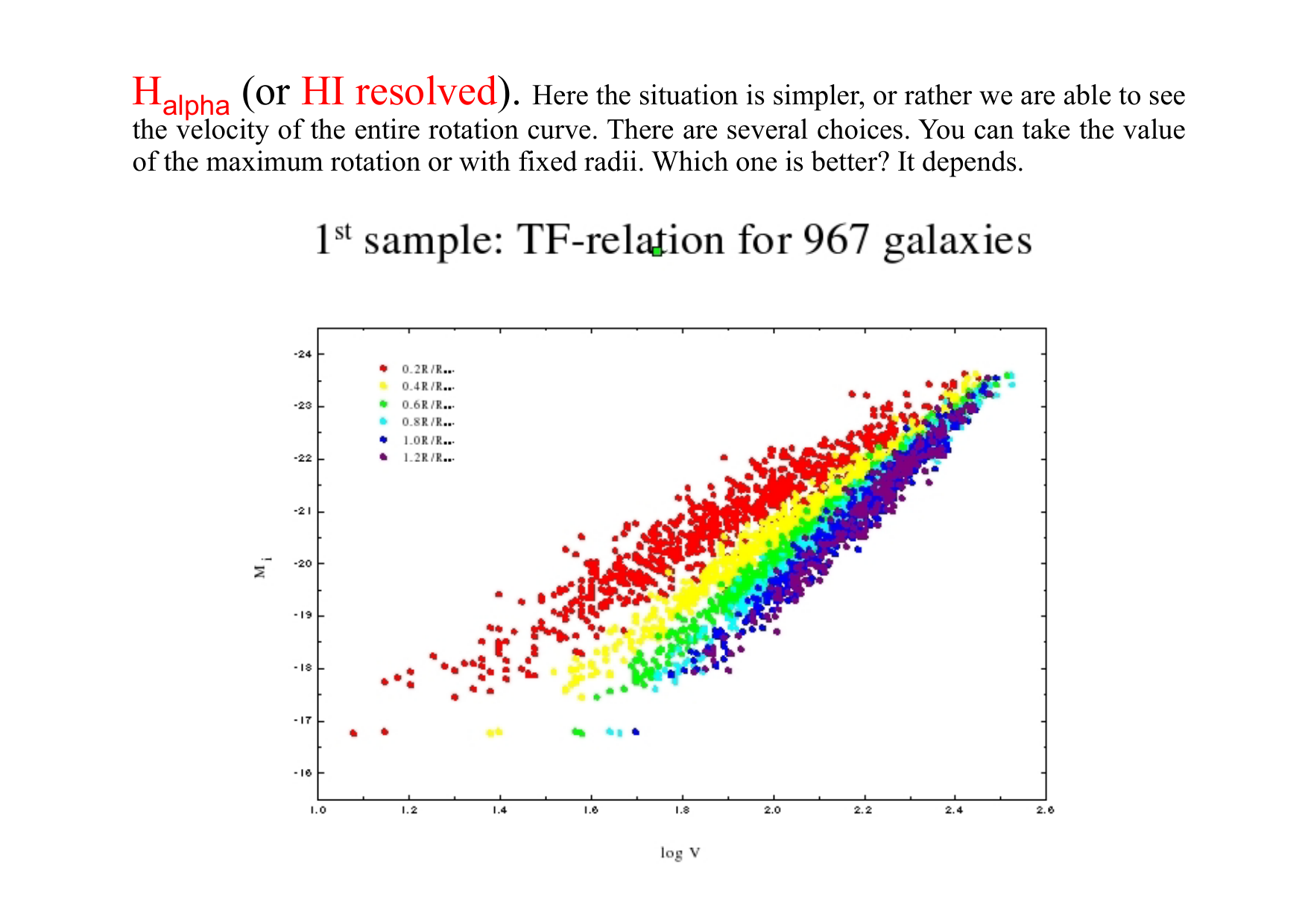 |
Lecture - Scaling Relations in Early-Type Galaxies | Kormendy photometric relation - |
[[Kormendy relation]] |
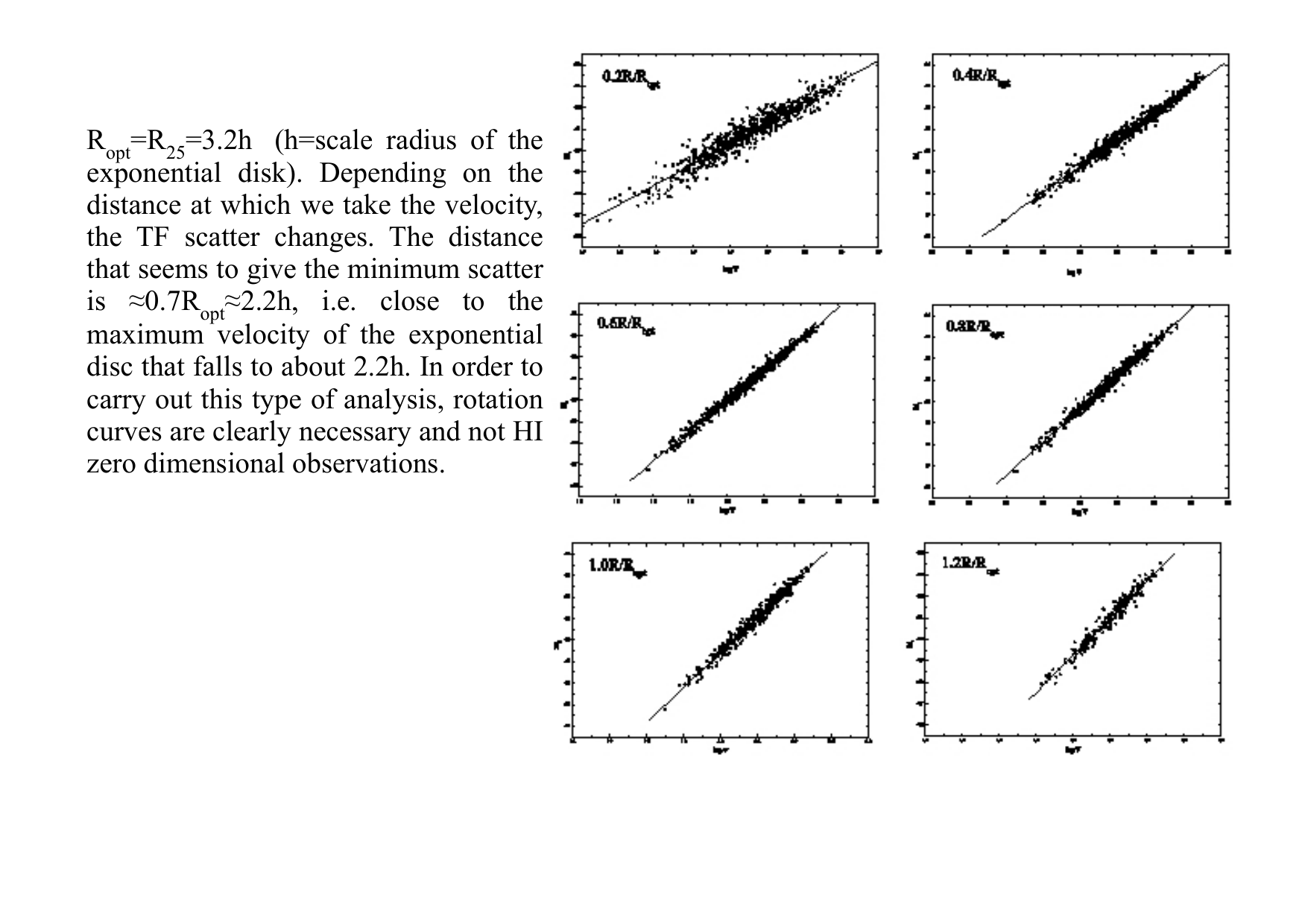 |
Lecture - Scaling Relations in Early-Type Galaxies | Kormendy photometric relation - |
[[Kormendy relation]] |
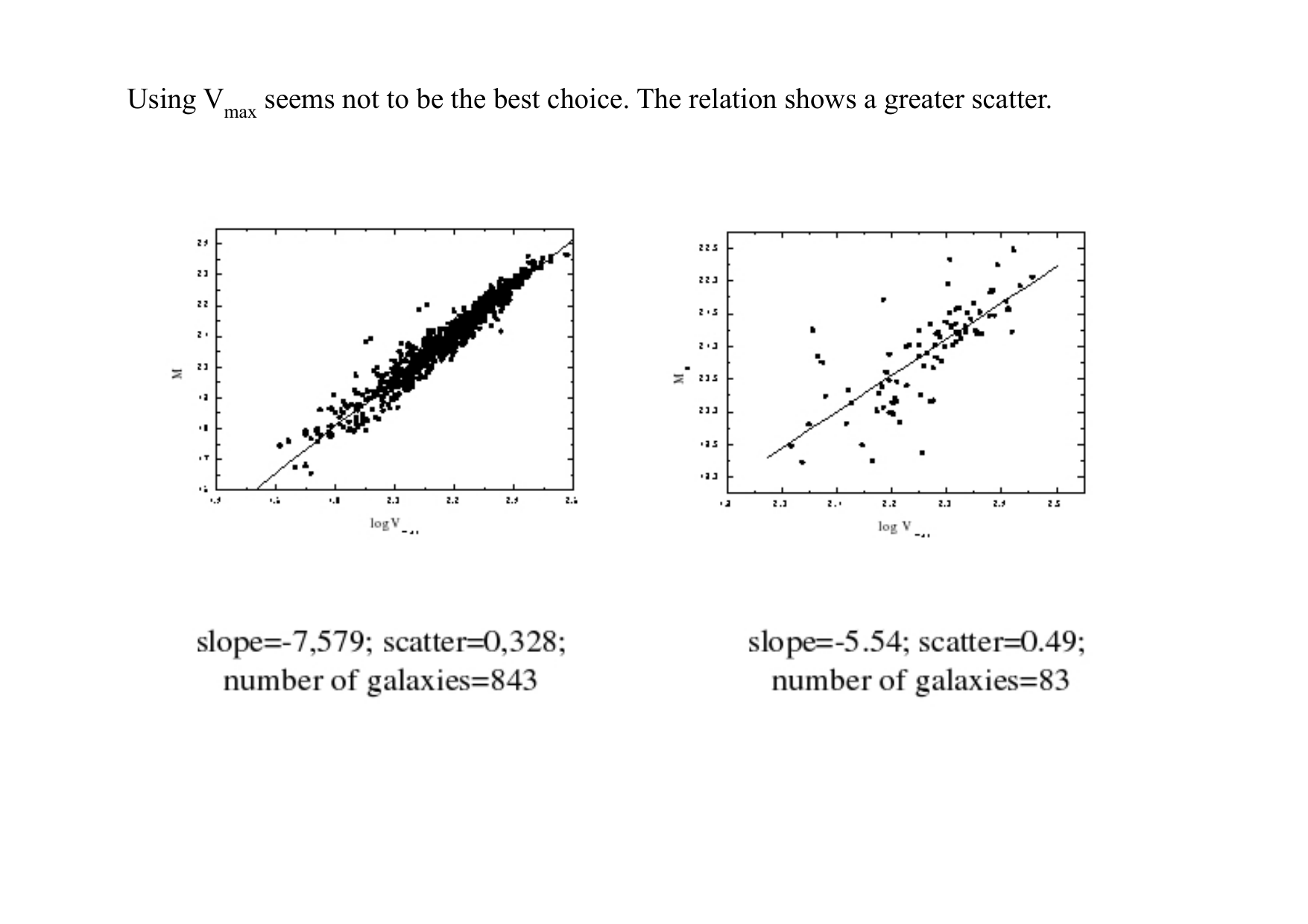 |
Lecture - Scaling Relations in Early-Type Galaxies | Kormendy photometric relation - |
[[Kormendy relation]] |
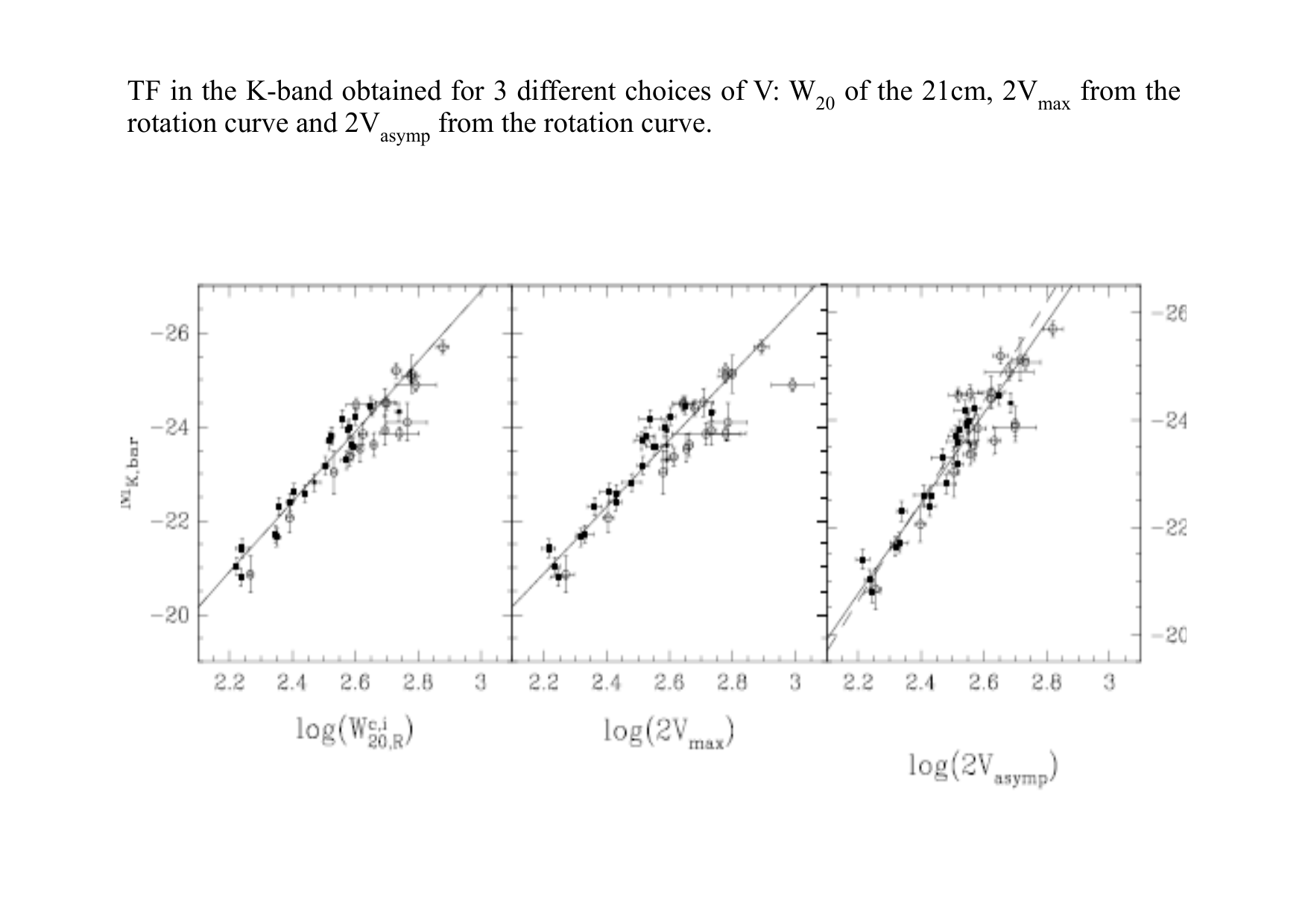 |
Lecture - Scaling Relations in Early-Type Galaxies | Kormendy photometric relation - |
[[Kormendy relation]] |
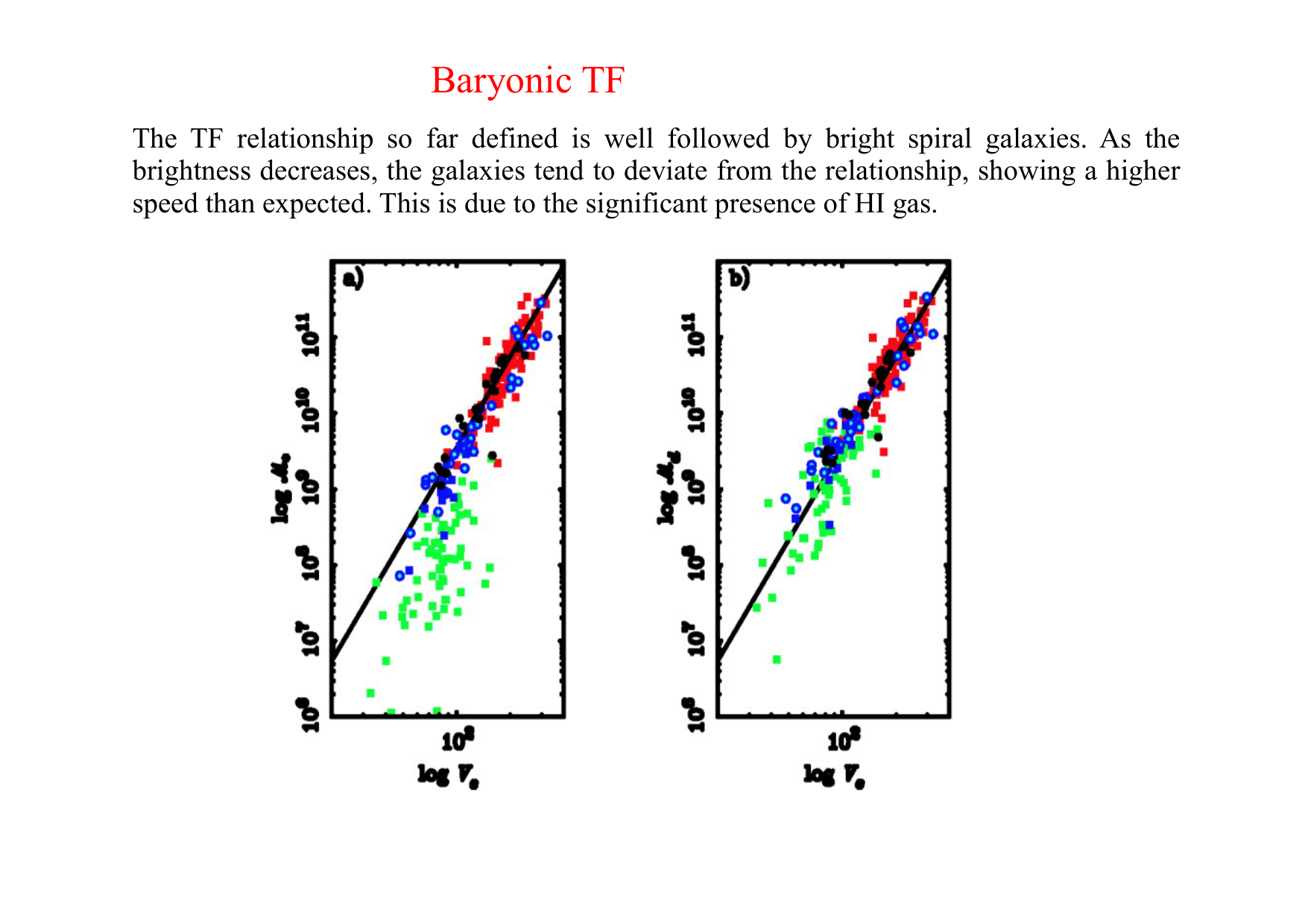 |
Lecture - Scaling Relations in Early-Type Galaxies | Kormendy photometric relation - |
[[Kormendy relation]] |
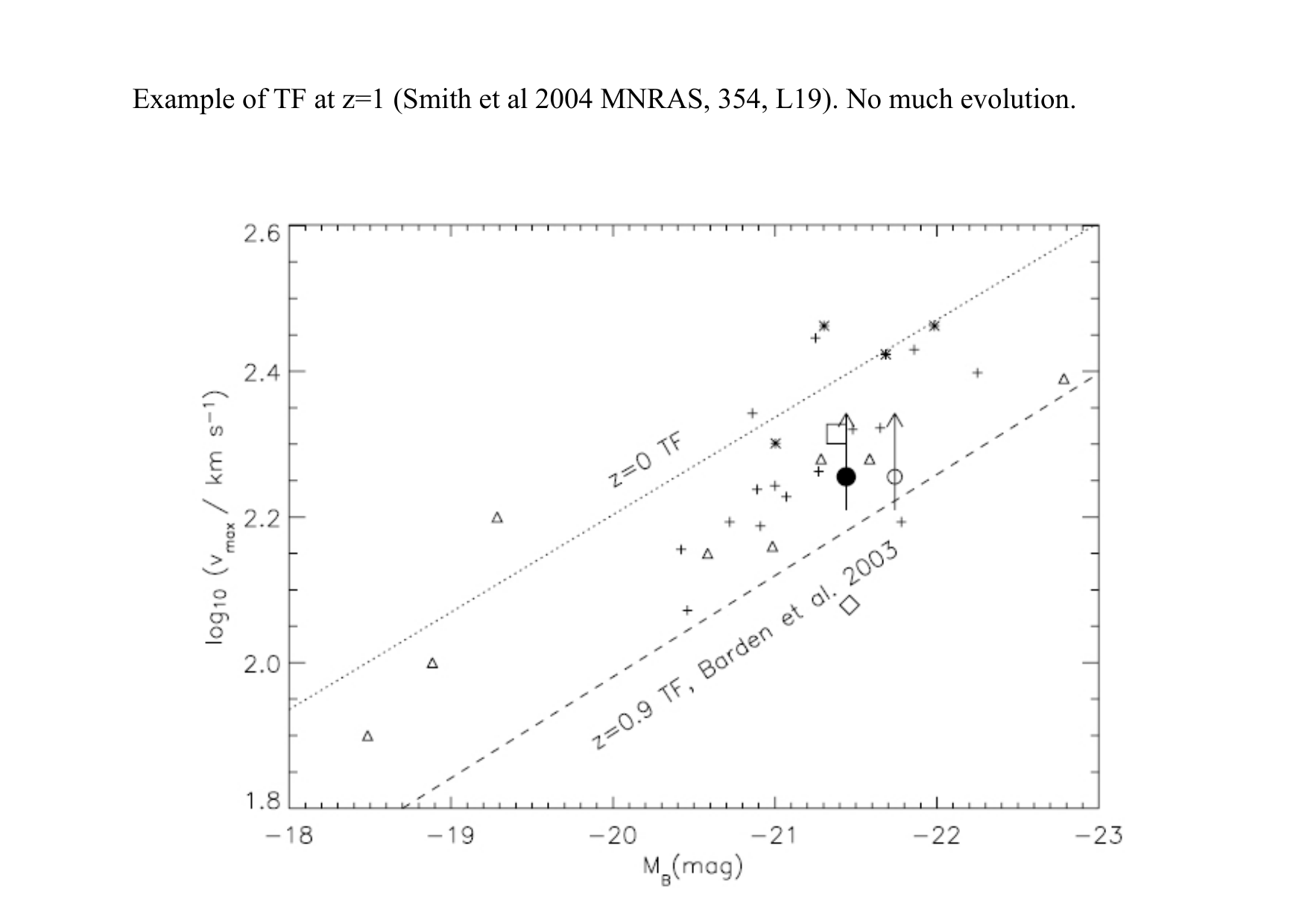 |
Lecture - Scaling Relations in Early-Type Galaxies | Kormendy photometric relation - |
[[Kormendy relation]] |
 |
Lecture - Scaling Relations in Early-Type Galaxies | Kormendy photometric relation - |
[[Kormendy relation]] |
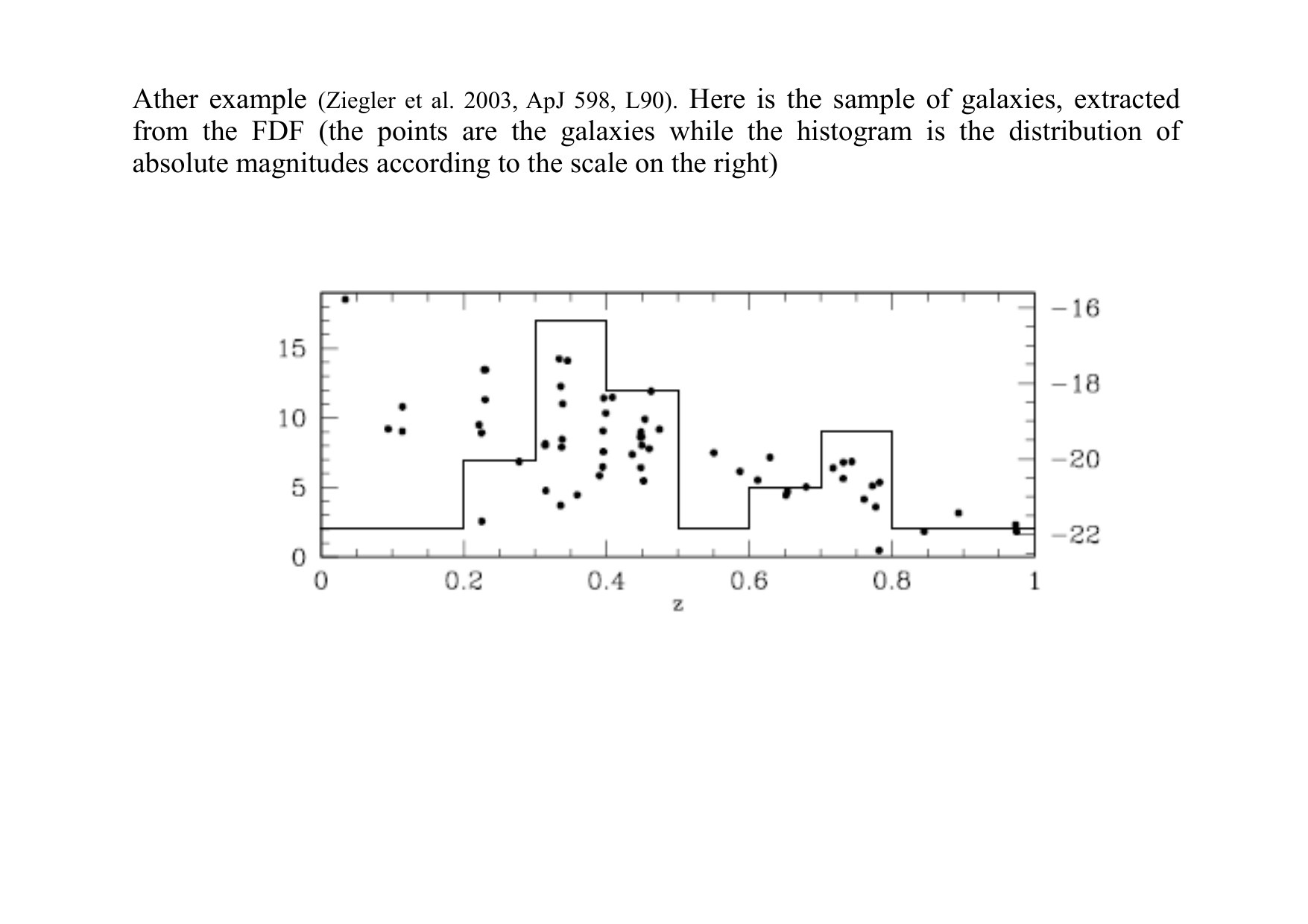 |
Lecture - Scaling Relations in Early-Type Galaxies | Kormendy photometric relation - |
[[Kormendy relation]] |
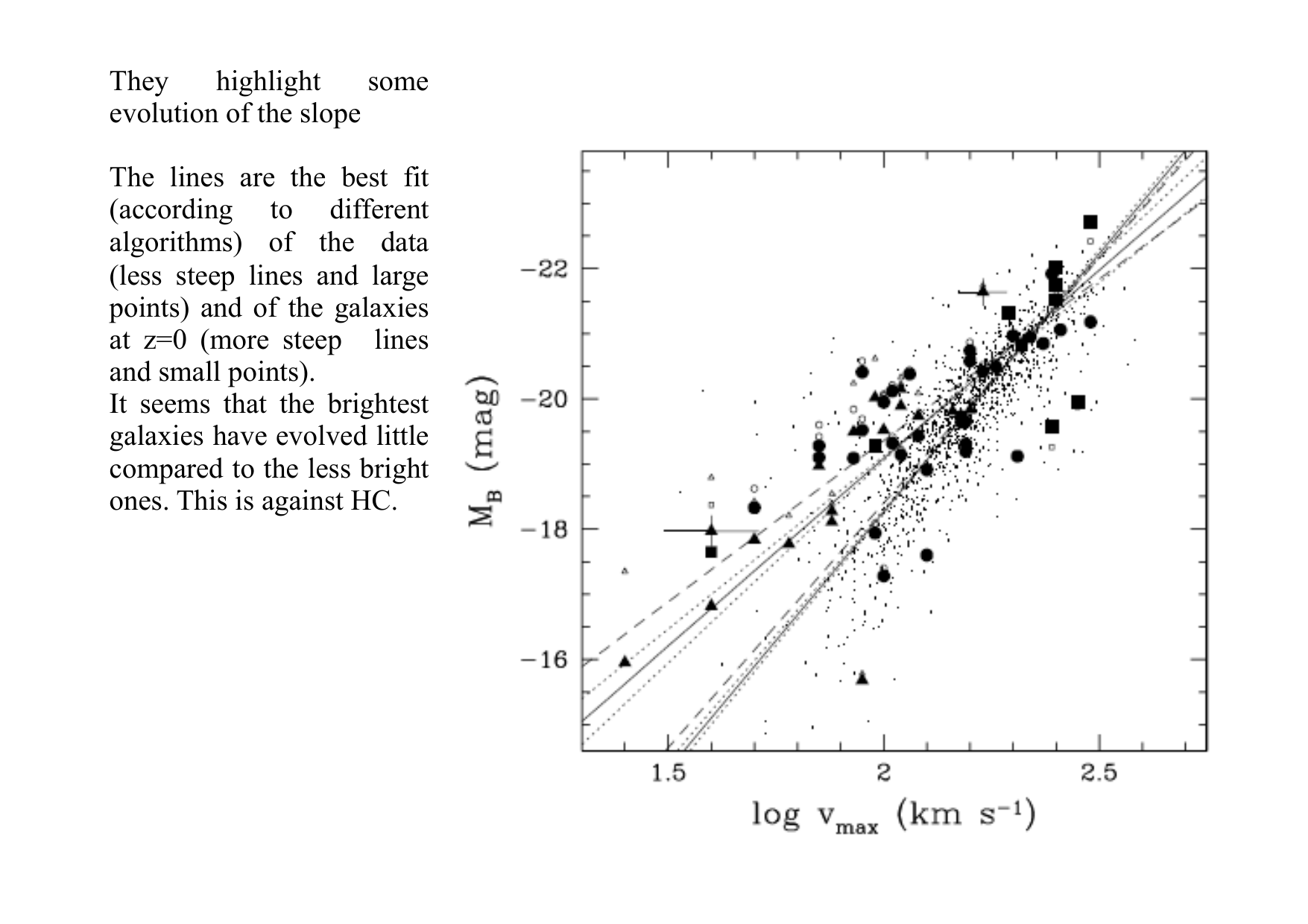 |
Lecture - Scaling Relations in Early-Type Galaxies | Kormendy photometric relation - |
[[Kormendy relation]] |
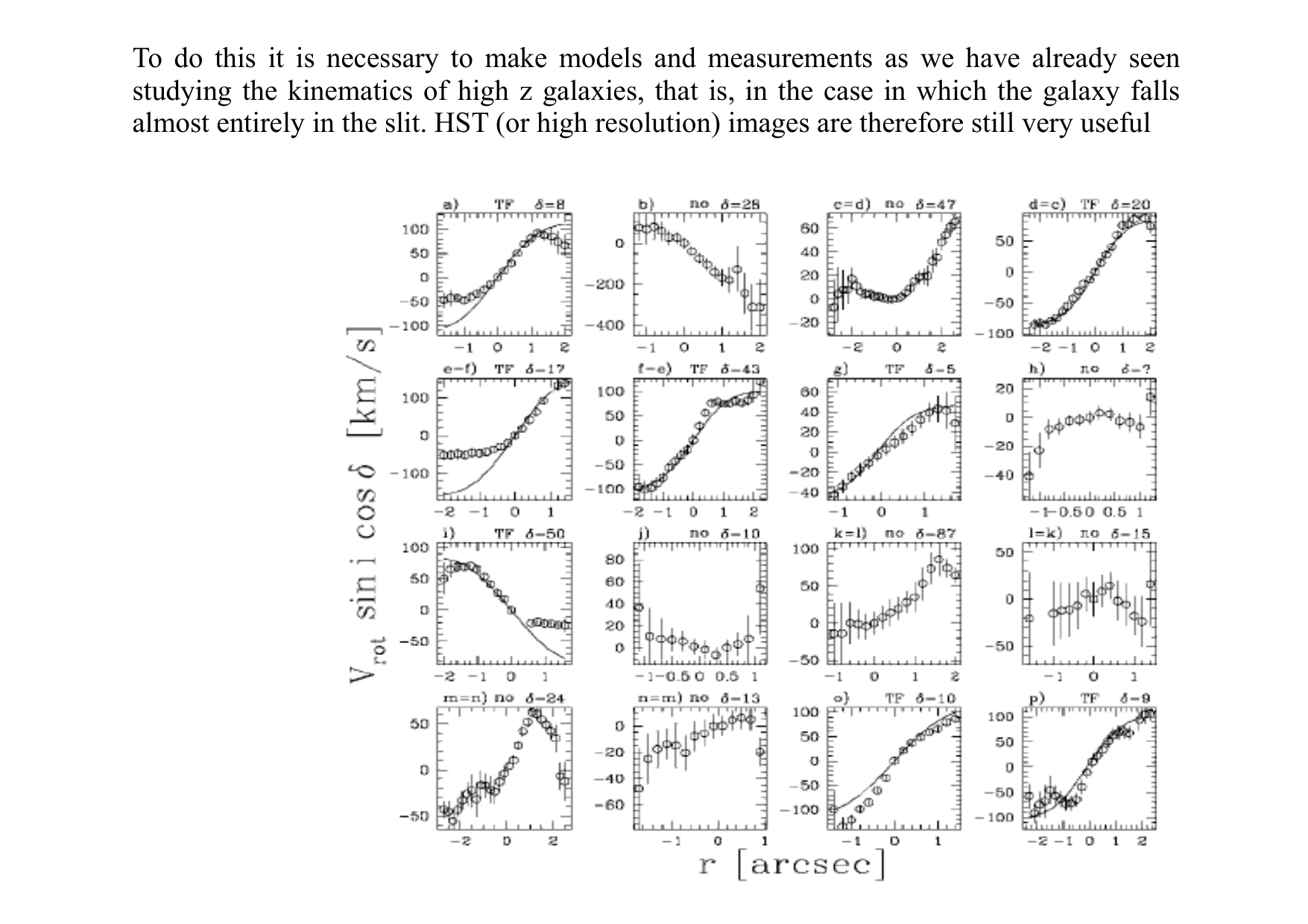 |
Lecture - Scaling Relations in Early-Type Galaxies | Kormendy photometric relation - |
[[Kormendy relation]] |
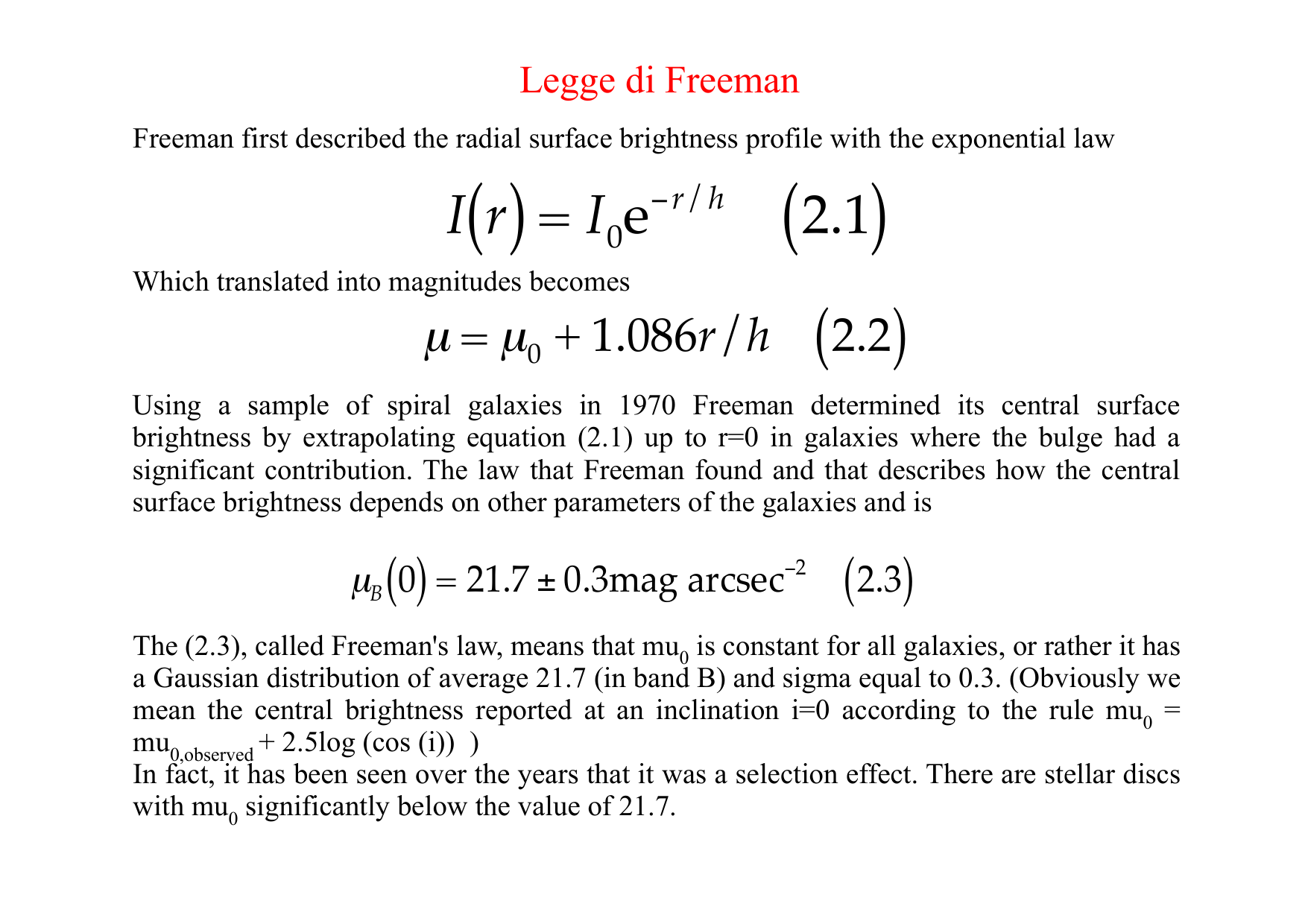 |
Lecture - Scaling Relations in Early-Type Galaxies | Low Surface Brightness (LSB) galaxies and Ultra-Diffuse Galaxies (UDGs) | [[Low surface brightness galaxies]] |
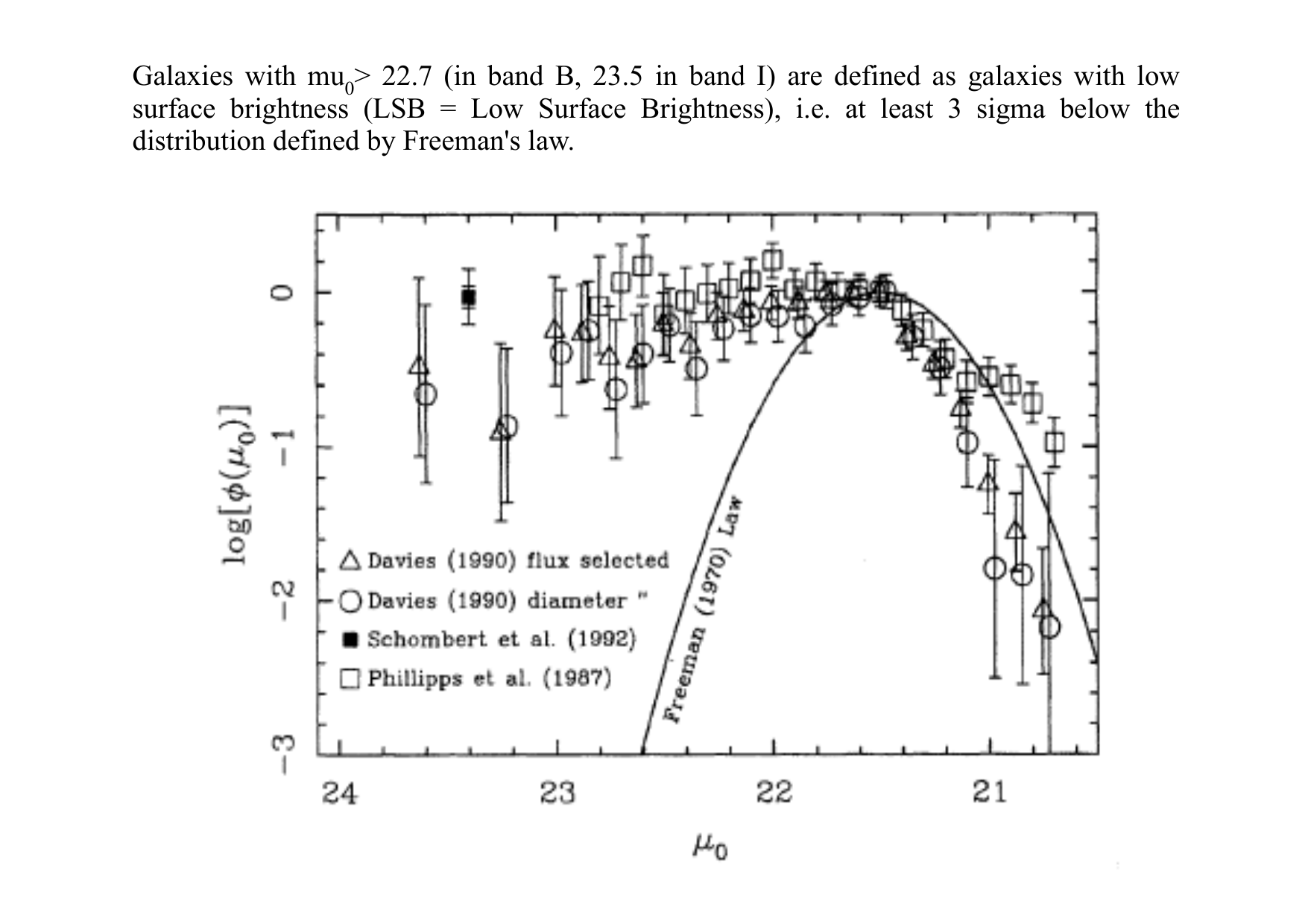 |
Lecture - Scaling Relations in Early-Type Galaxies | Low Surface Brightness (LSB) galaxies and Ultra-Diffuse Galaxies (UDGs) | [[Low surface brightness galaxies]] |
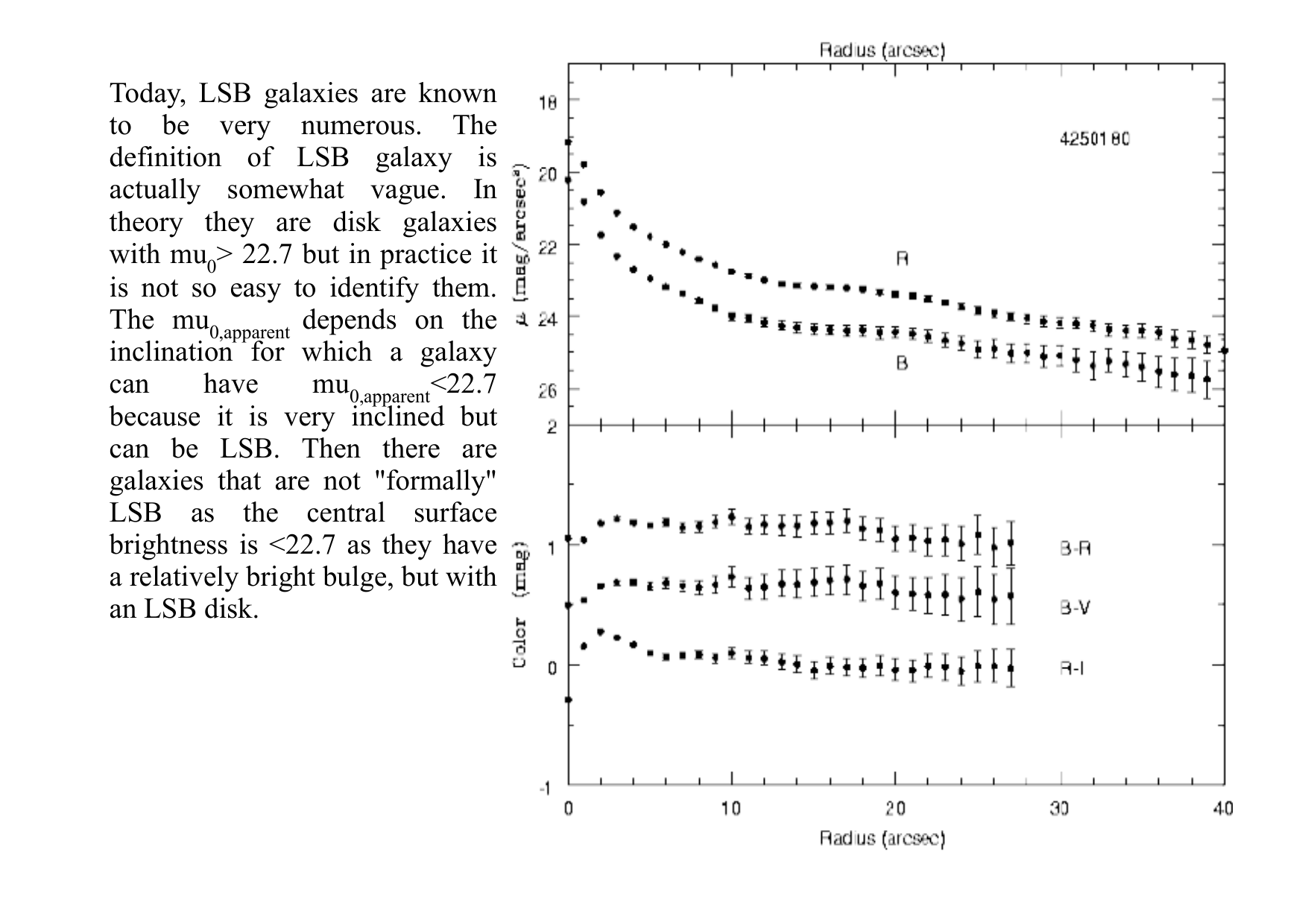 |
Lecture - Scaling Relations in Early-Type Galaxies | Low Surface Brightness (LSB) galaxies and Ultra-Diffuse Galaxies (UDGs) | [[Low surface brightness galaxies]] |
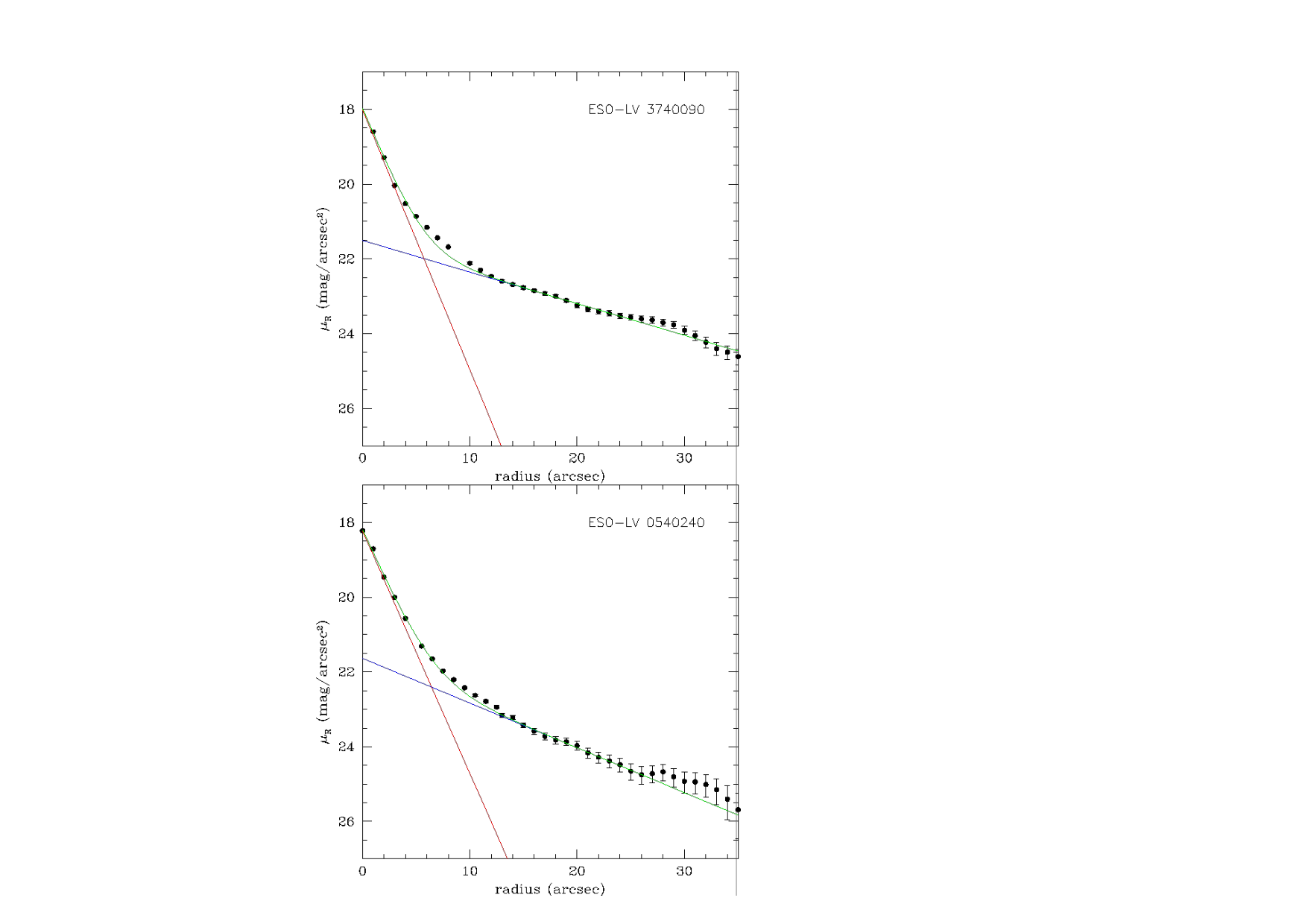 |
Lecture - Scaling Relations in Early-Type Galaxies | Low Surface Brightness (LSB) galaxies and Ultra-Diffuse Galaxies (UDGs) | [[Low surface brightness galaxies]] |
 |
Lecture - Scaling Relations in Early-Type Galaxies | Low Surface Brightness (LSB) galaxies and Ultra-Diffuse Galaxies (UDGs) | [[Low surface brightness galaxies]] |
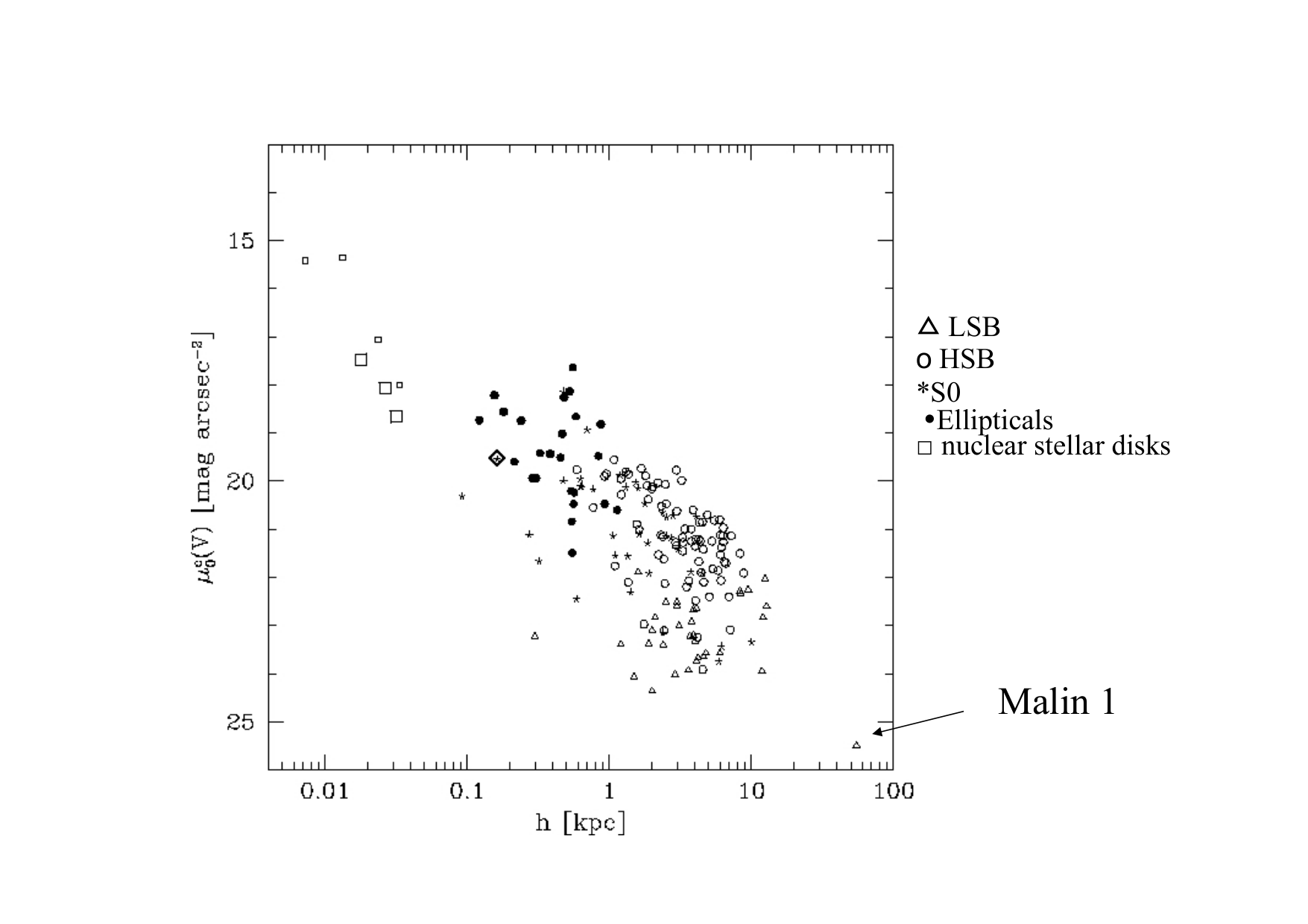 |
Lecture - Scaling Relations in Early-Type Galaxies | Low Surface Brightness (LSB) galaxies and Ultra-Diffuse Galaxies (UDGs) | [[Low surface brightness galaxies]] |
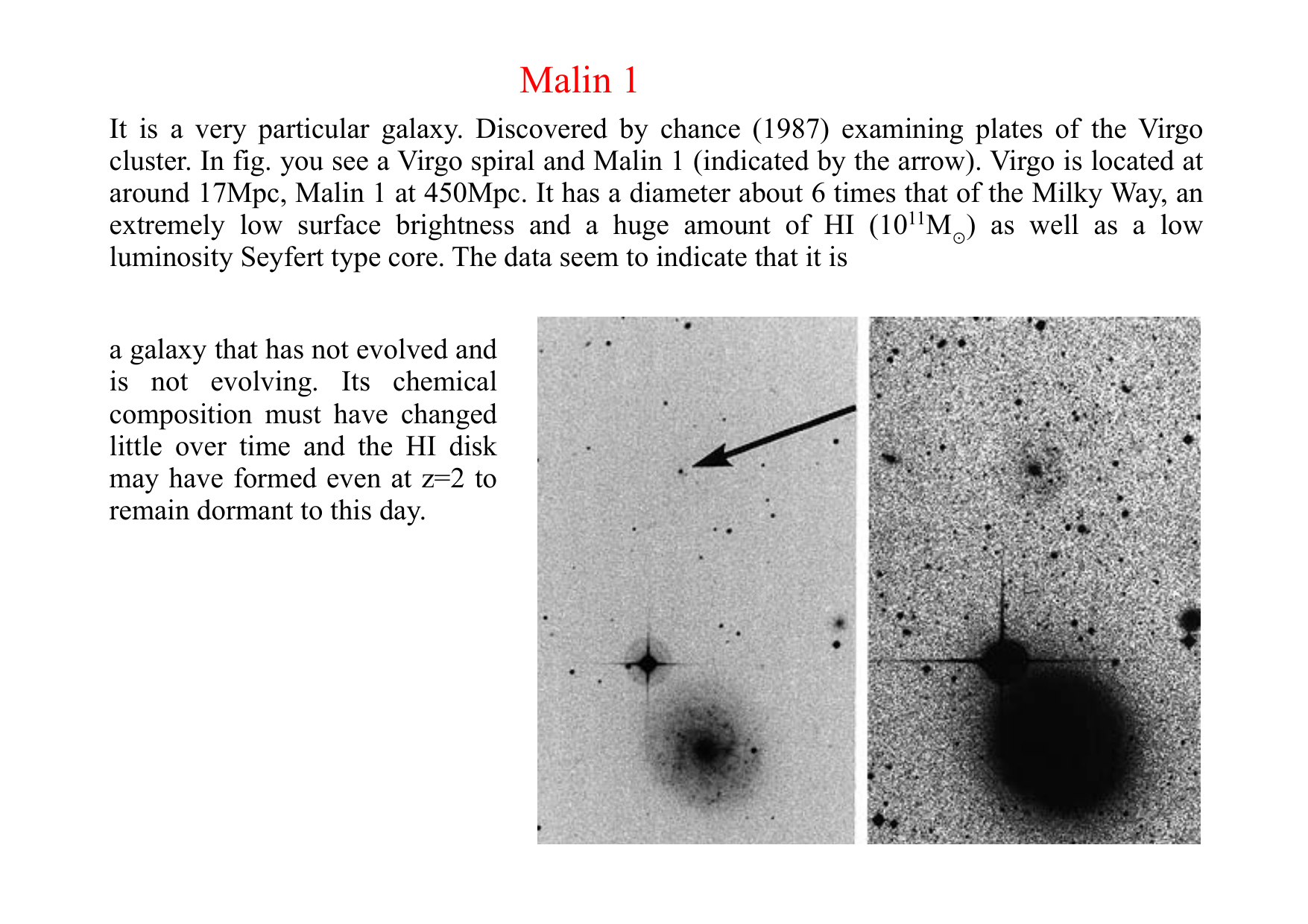 |
Lecture - Scaling Relations in Early-Type Galaxies | Low Surface Brightness (LSB) galaxies and Ultra-Diffuse Galaxies (UDGs) | [[Low surface brightness galaxies]] |
Dynamic Zettel Index (Dataview)
LIST
FROM "03_Zettel/Theory"
WHERE contains(file.outlinks, this.file.link) OR contains(file.inlinks, this.file.link)
SORT file.name ASC
Follow along on Instagram @your.astrophysicist · Report an issue